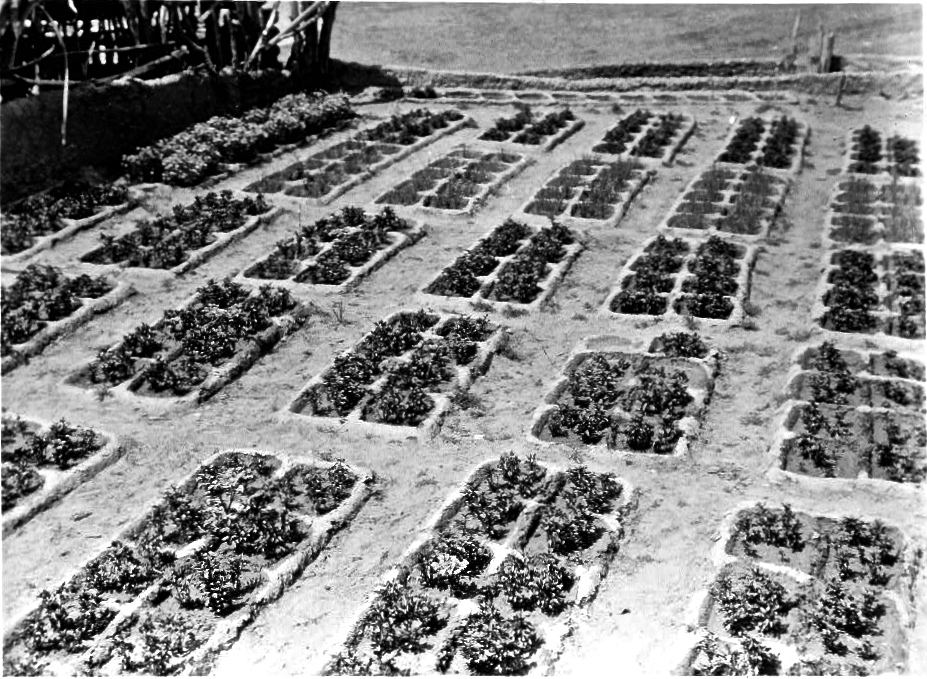
Vintage landscape: Zuni gardens

“Gardens surrounding the Indian Pueblo of Zuni, in which are raised a variety of vegetables, such as peppers, onions, garlic, etc.,” c. 1873, by Timothy H. O’Sullivan, via Library of Congress Prints and Photographs Division.

The Zuni people of western New Mexico have long built a form of kitchen garden (now) called “waffle gardens.”

Each square plot is about 2′ to 8′ wide with bermed sides of unamended soil. The design efficiently captures and holds rainwater and retards evaporation. The Zuni traditionally filled their gardens with corn, beans, and squash.

Timothy H. O’Sullivan, who took the picture above, photographed events of the Civil War as an employee of Alexander Gardner.

From 1871 to 1874, he traveled the southwestern United States as part of a survey of the land west of the 100th meridian. Later, he worked in Washington, D.C., as an official photographer for the U.S. Geological Survey. He died of tuberculosis at age 42.
“Zuni gardens,” c. 1927, by Edward Curtis, via Library of Congress.

Edward Curtis, a Seattle photographer, took over 40,000 images of life in 80 native American tribes.  The photo above was one of 2,000 he published, from 1907 to 1930, in the 20-volume The North American Indian.

Sweet indeed

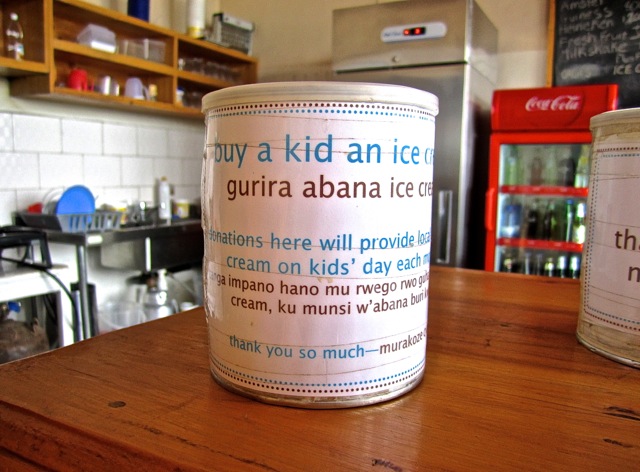
One of the more charming places we’ve visited in Rwanda is the country’s first ice cream shop, called Inzozi Nziza (Sweet Dreams).  It is located in the city of Butare in Huye District.

Inzozi Nziza offers artisanal soft-serve ice cream made from Rwandan ingredients. Their milk comes from a depot in Nyanza and is pasteurized in the shop.

A small cup of ice cream is 500 Rwandan francs or about 83 U.S. cents. They were serving coffee and mango flavors when we stopped there this week.

The shop was started by Kiki Kotese, Deputy Director of the University Centre for Arts and Drama at the National University of Rwanda (principally located in Butare) and Jennie Dundas, co-founder of New York City’s Blue Marble Ice Cream (its non-profit’s interesting blog here).

“Kiki wanted to start a business that would help local women, but she wanted to bring happiness and joy to Huye. . . ,” according to the shop’s brochure.

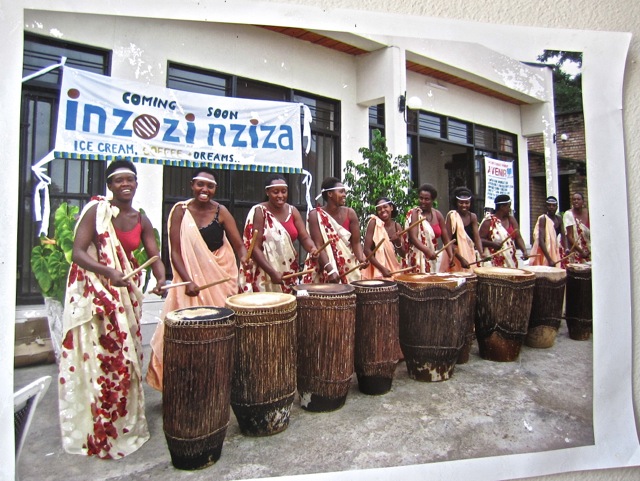
Inzozi Nziza is co-owned by  Ingoma Nshya, Rwanda’s first women’s drumming group.  Created in 2004, its members now number over 100.

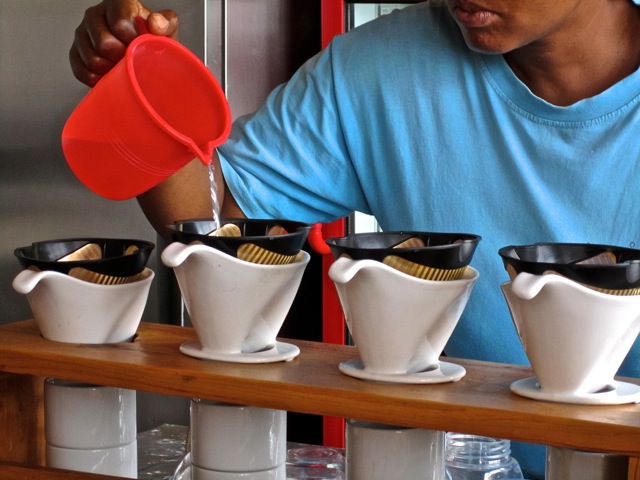
The shop’s delicious Maraba coffee is carefully prepared, beginning with the hand grinding of the beans. . .

and finishing with the individual dripping of each cup.

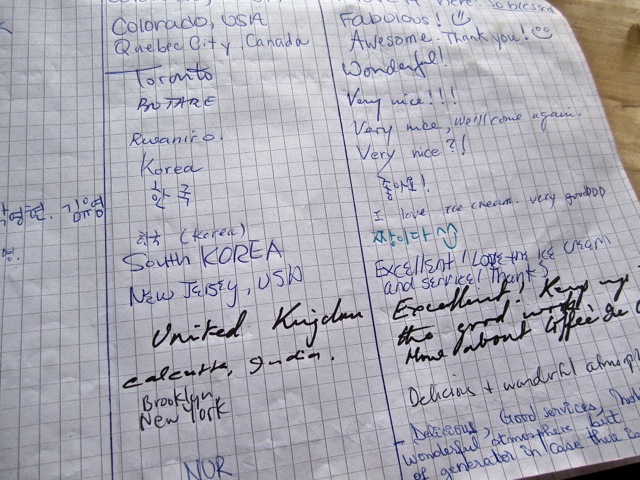
Proof of their products’ quality is found in their visitor’s book. . .

and in our quickly emptied cups. We’re already looking forwarding to our next visit.

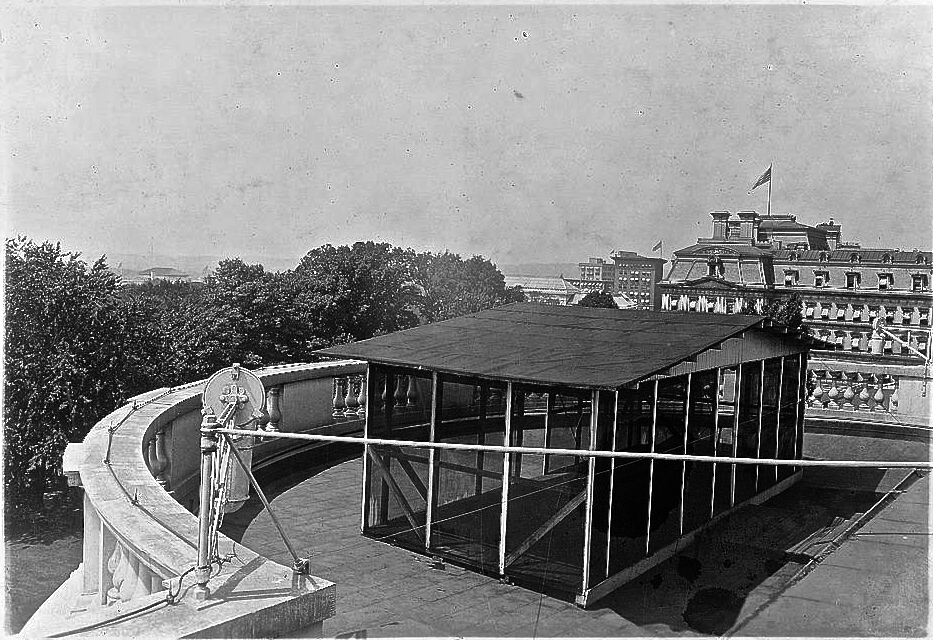
Vintage landscape: the sleeping porch


A sleeping porch was added to the roof of the White House during the Taft Administration. Photo by National Photo Company, via Library of Congress.

Click here to read more about sleeping porches.

Vintage landscape: the fountain

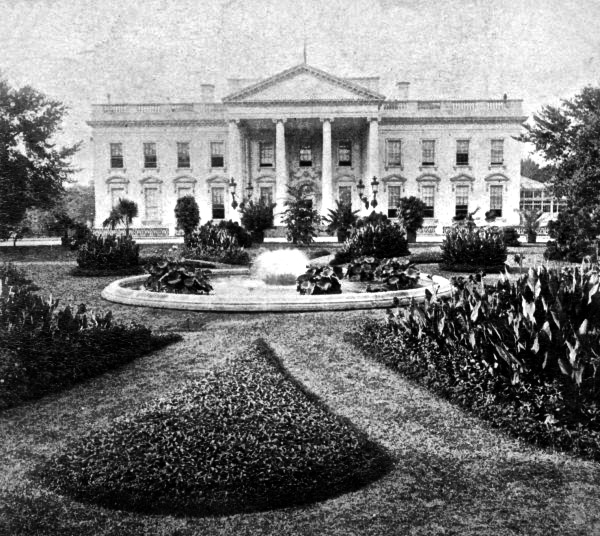
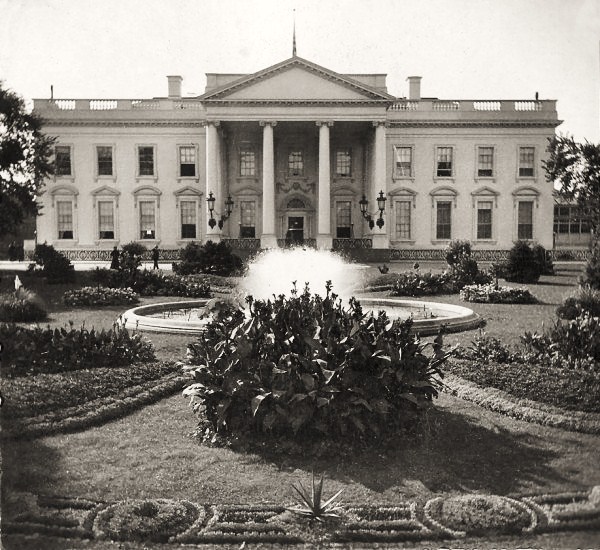
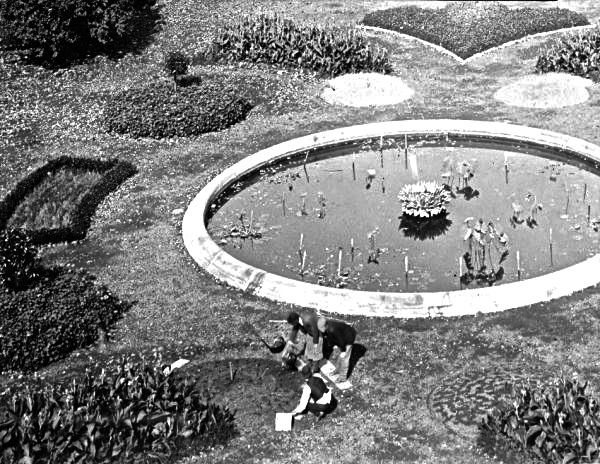
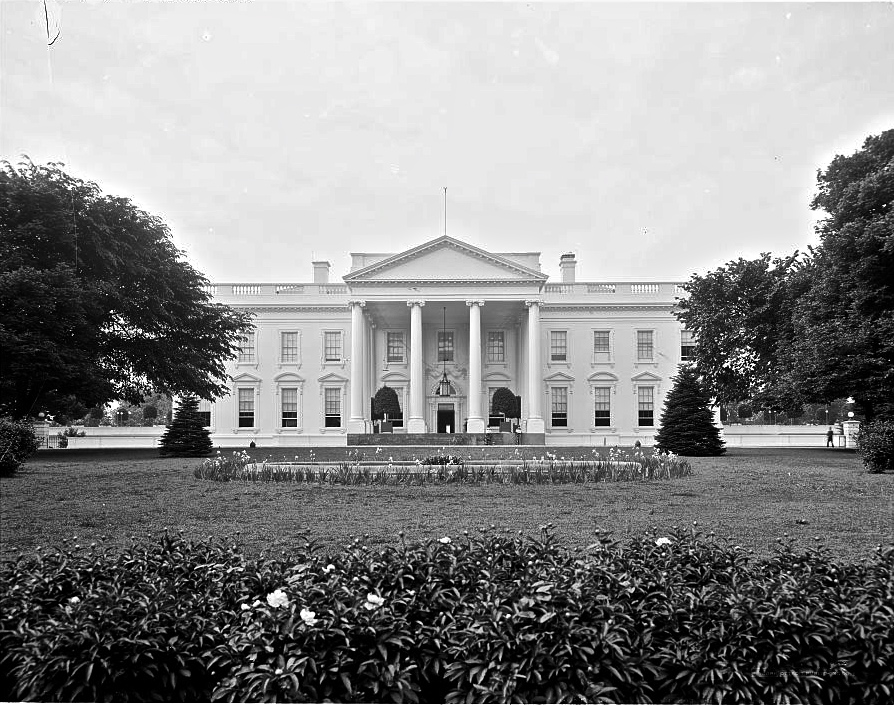
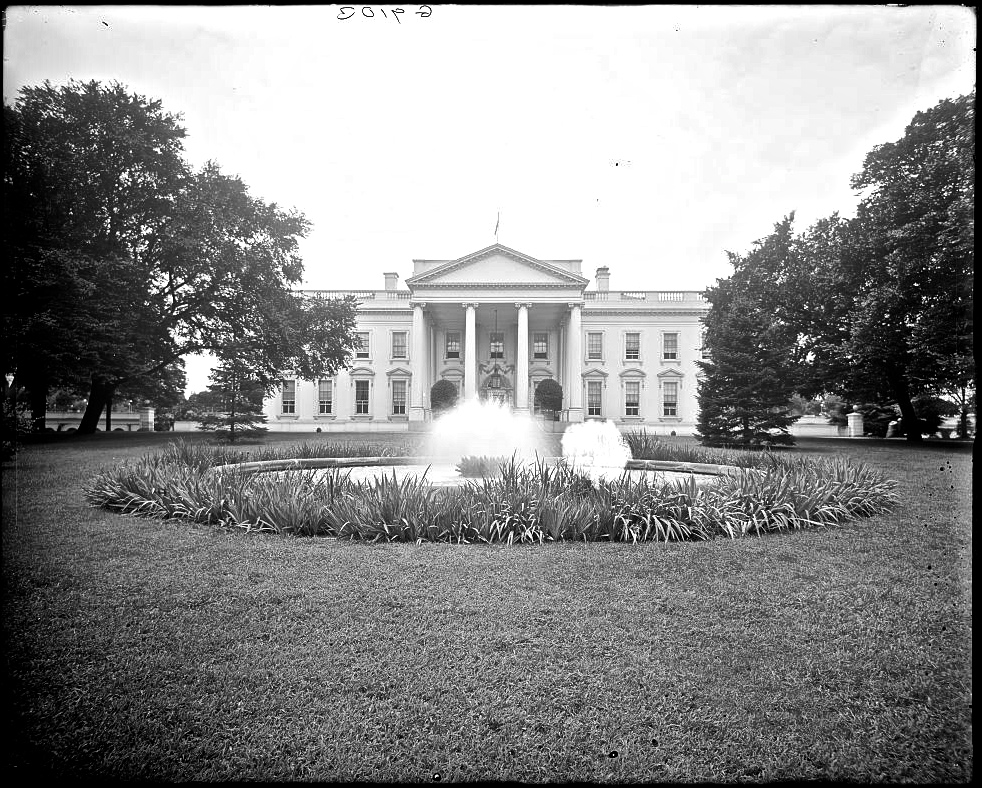
How many ways can you plant out a lawn with a basic round fountain in the center? From 1871 to the early-1900s, the White House tried out a number of designs on its north side.

This photo was taken during the 1860s. The statue of Thomas Jefferson had been there since 1848.  Photo by National Photo Company, via the Library of Congress.

In 1871, the statue was replaced by a round fountain (the statue went to the Capitol Building).

Things were pretty simple in this 1881 etching, via the blog American Garden History.

By 1885, the fountain was surrounded by flower beds in teardrops and circles.  Photo by Underwood & Underwood, via the website The White House Museum.

The design was more elaborate by 1894.   Photo by B.L. Singley, via American Garden History.

There was a more squared-off arrangement in 1901.  Photo by Detroit Publishing Co., via Library of Congress.

Above, gardeners were planting out the fountain area in 1902, via The White House Museum.

By 1905, the whole Victorian mess had been cleared out for simple plantings of bulbs and peonies.  Photo by Detroit Publishing Co., via Library of Congress.

Above, sometime later, before 1920, the peonies were gone.  I like all the irises around the fountain.  Photo by Detroit Publishing Co., via Library of Congress.

Above is my photo of the north lawn in March 2012.

ADDENDUM: I found one more photo.

This would have been the view from the W.H. Dining Room during the years of Victorian bedding out. Taken ca. 1889 -1906 by Frances Benjamin Johnson, via Library of Congress.

Vintage landscape: take water, add children

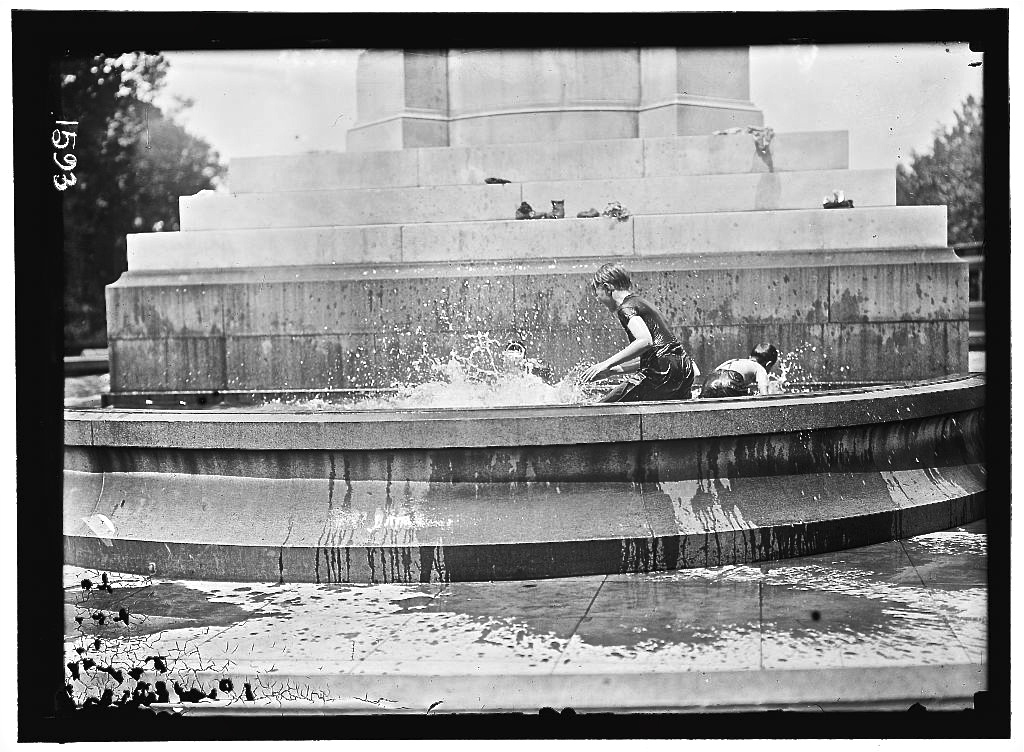
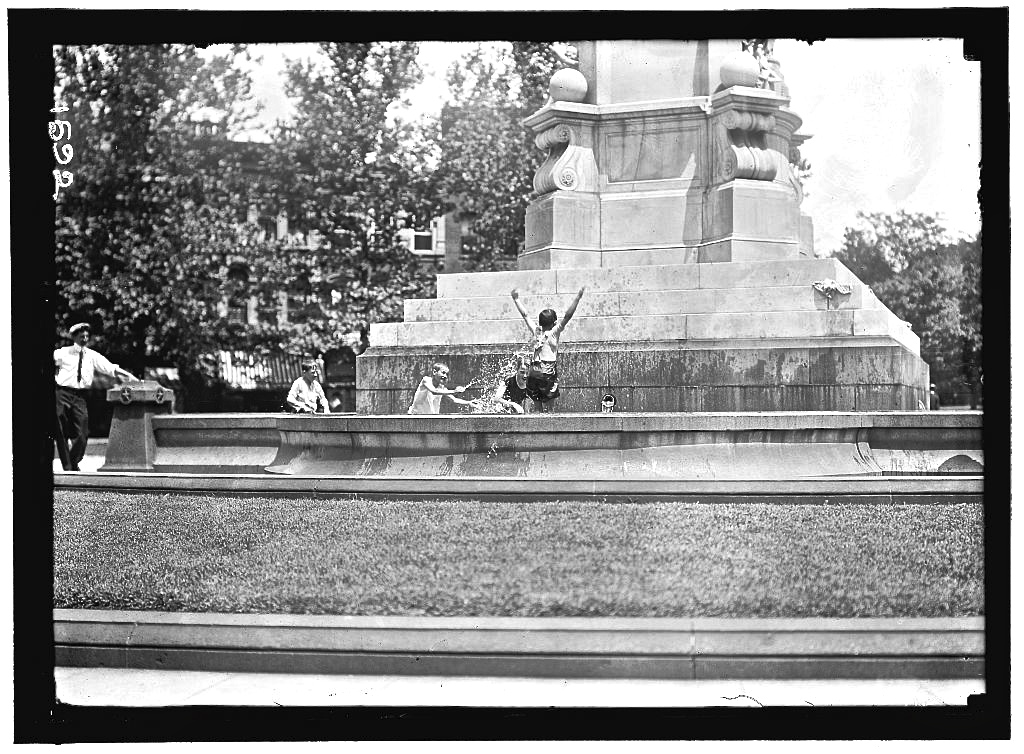
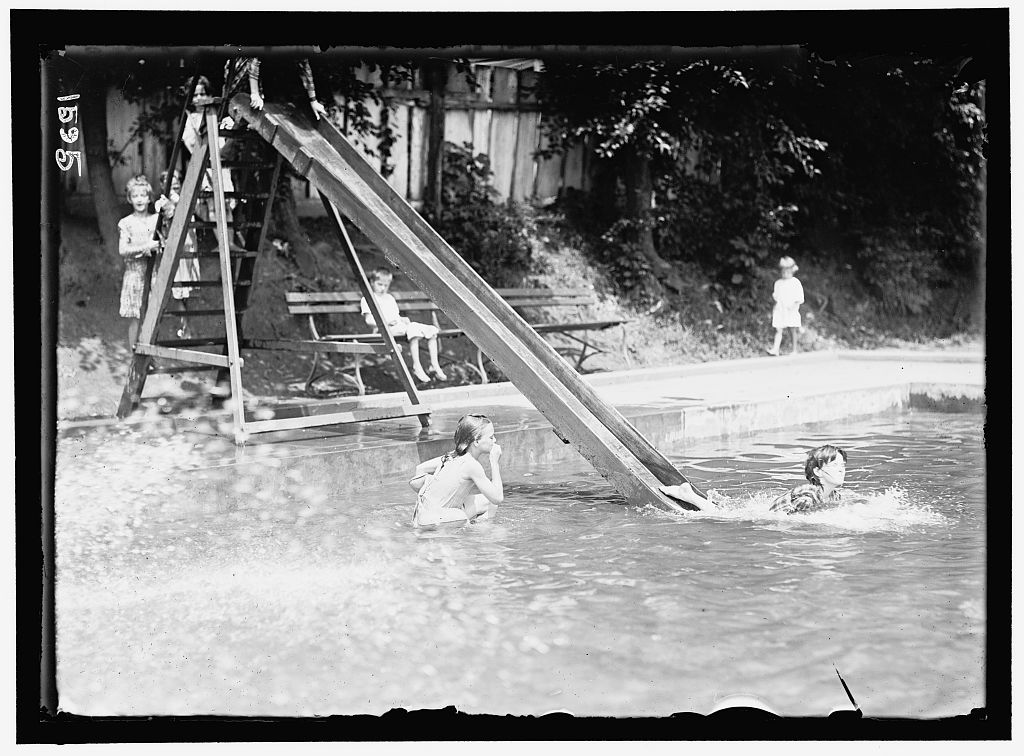
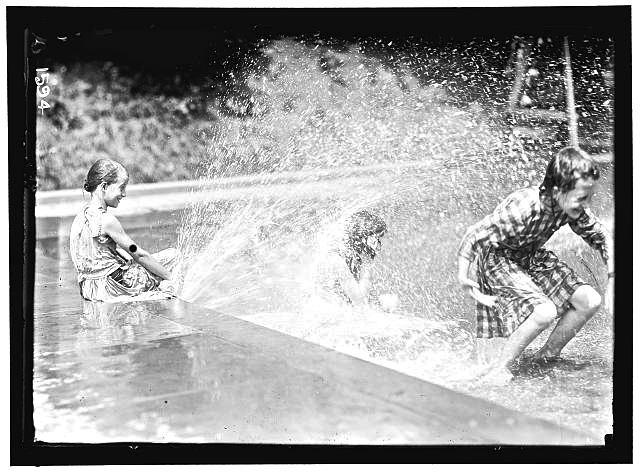
Before air conditioning, water was the best remedy for hot summer weather.

The children in the photos just above and below were enjoying a public fountain in Washington, D.C., in the summer of 1912.

The fountain is the Peace Monument on the U.S. Capitol grounds.

Below are children in a public pool in Washington, D.C., also in 1912.

All of the above four photos were taken by Harris & Ewing.

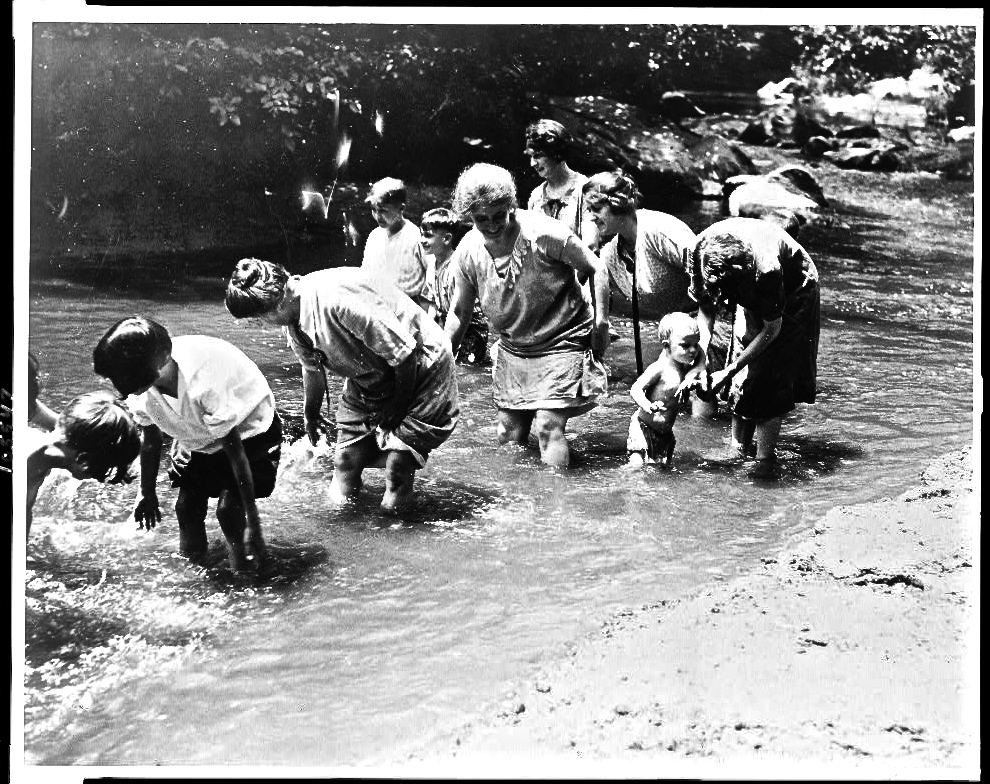
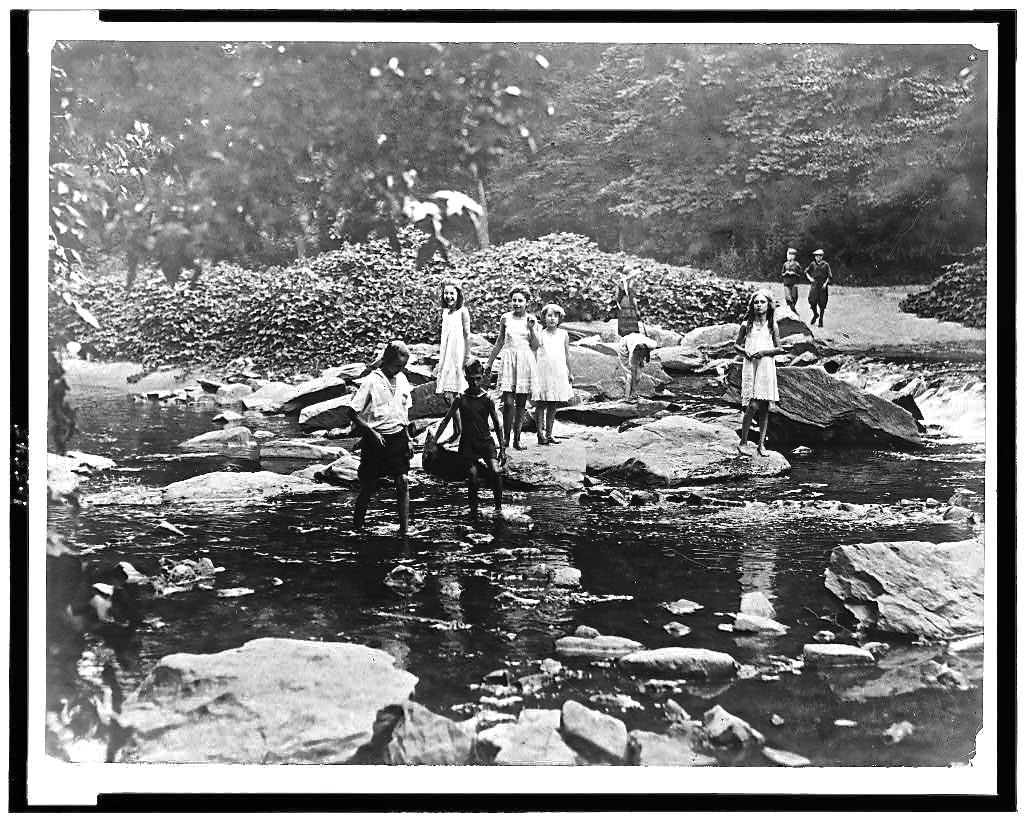
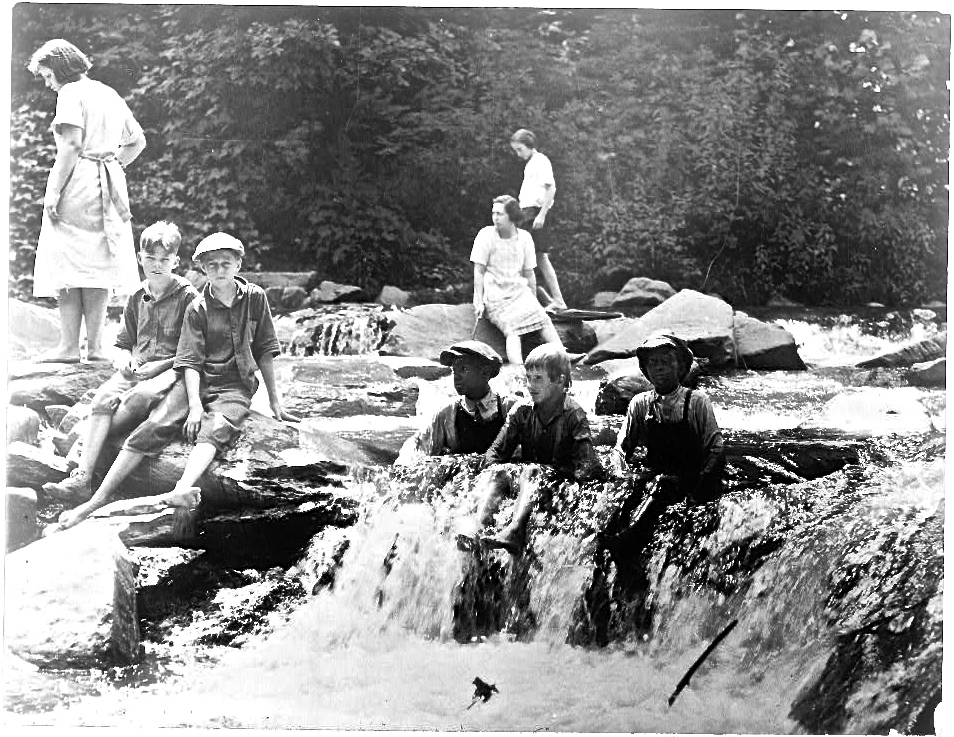
The three photos below of bathers in Rock Creek Park were taken by the National Photo Company between 1920 and 1932.

The photo label for the above picture is “Women and children find some relief by wading in the creek on one of the hottest days in the history of the Capital. Snapped in Rock Creek Park today.”

The highest temperature recorded for Washington, D.C., was 106°F, in 1918 and 1930. The city just missed matching the old record yesterday, only reaching 105°F.

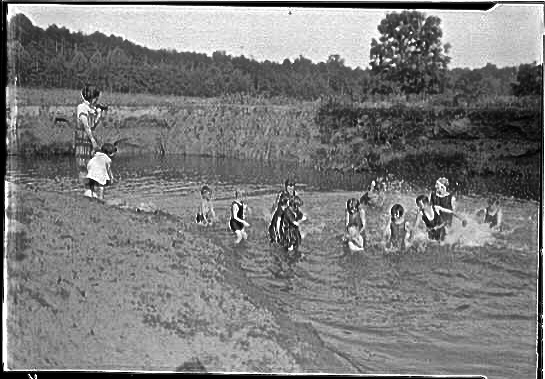
Below are children playing in an “old swimming hole” in the Washington, D.C., area. The photo was taken by Theodor Horydczak between 1920 and 1950.

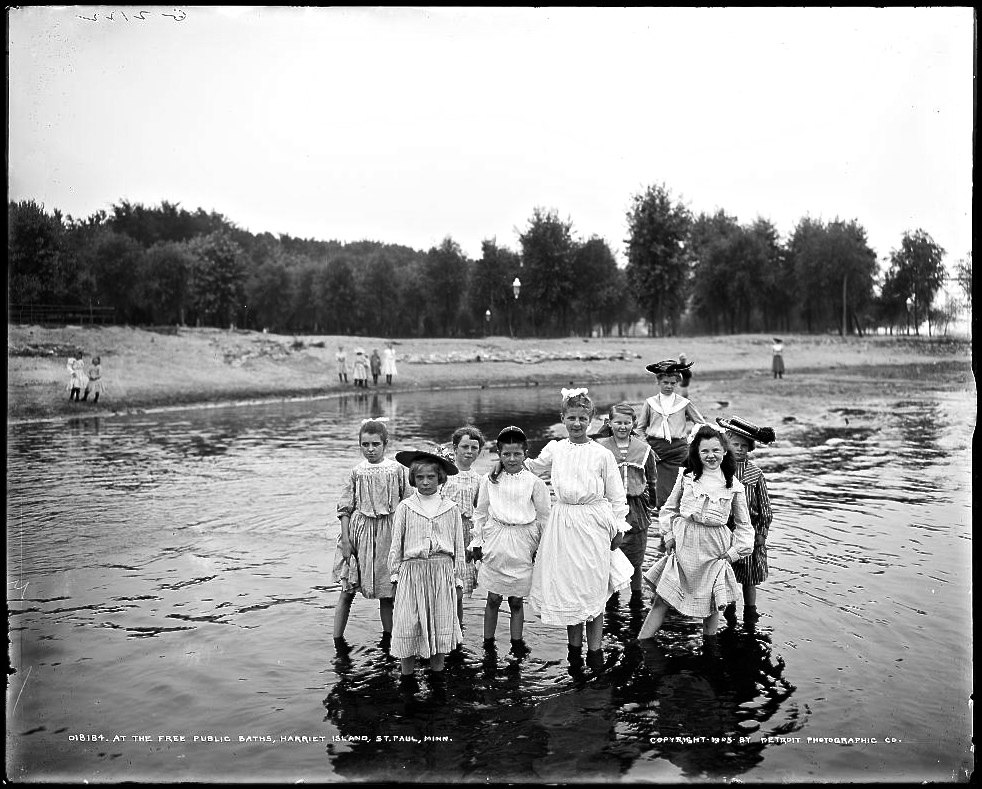
The photo below shows a group of proper young ladies at the free public baths, Harriet Island, St. Paul, Minnesota.  It was taken by the Detroit Publishing Co. around 1905.

How hard to be so dressed up at the lake!

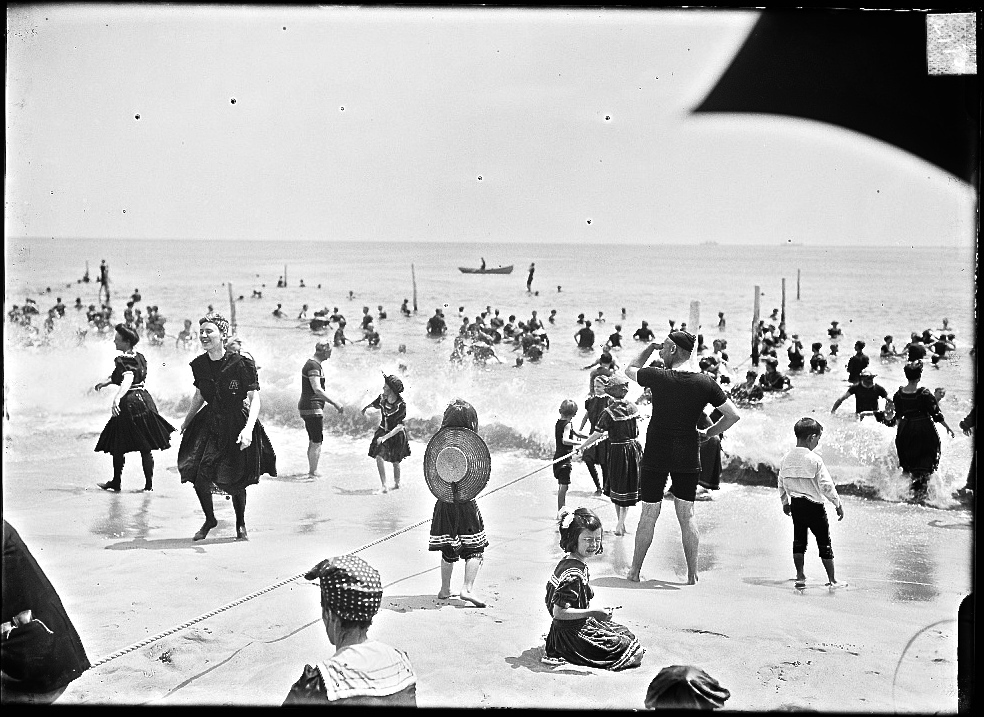
Below are children playing with a rope at a beach, possibly at Atlantic City, New Jersey.  The photo was taken between 1890 and 1910 by the Detroit Publishing Co.

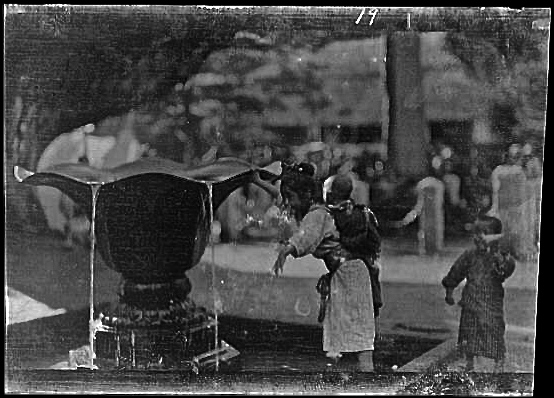
The lure of water in a fountain during hot weather is universal. Below are children in Japan or Korea in 1908. The photo was taken by Arnold Genthe.

All images via Library of Congress Prints and Photographs Division.  Click on any photo to enlarge it.