
Wordless Wednesday: Gunnera leaves
At Rwanda Unique Nurseries, January 20, 2013, Kigali, Rwanda.
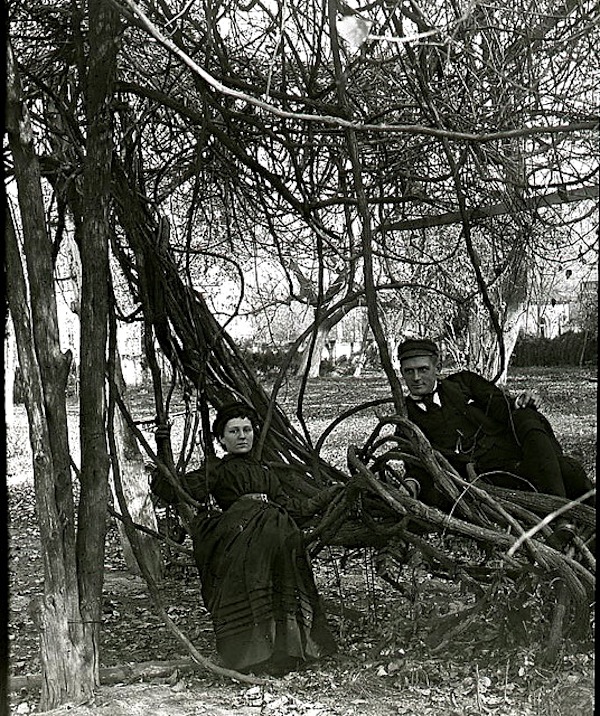 “Two people relaxing in Van Ness Park about 1880,” Washington, D.C., via D.C. Public Library Commons photostream on Flickr.
This park was not located in the present-day upper-northwest neighborhood known as Van Ness. The photo was taken in an area southwest of the White House near the corner of C and 18th Sts., N.W. — which was then known informally as “Van Ness Park.”
According to the Library’s notation on the photo, the building that can be seen in the middle of the far right side (above the man’s legs) is a “dependency of Van Ness Mansion.”
Van Ness House (Mansion) and its grounds were located on the block bordered by 17th and 18th Sts. and C St. and Constitution Ave. Built about 1816, the Greek Revival house was one of the finest in the city until the Civil War. But afterwards, it served as a “German beer garden, florist’s nursery, headquarters of the city streetcleaners, and in the end, for the Columbia Athletic Club,” according to the blog Lost Washington.
The college that became George Washington University bought the property in 1903 but later decided that its location was too unhealthy for campus facilities. At that time, the Potomac River and its marshes came up to B St., now Constitution Ave.
The State Department bought it in 1907, tore down the house, and built the Pan American Union (today OAS) Building.
I think the dependency in the photo is the old stable of the estate, which still exists at C and 18th Sts. If that’s so, the couple may be lounging in what is now Bolivar Park.
According to the blog DC Ghosts, the stables have a connection to a local ghost story in which six white horses “run wildly around the grounds” and then group together to walk to the P St. Bridge crossing to Georgetown and Oak Hill Cemetery. The full story is here.
It is good to be alone in a garden at dawn or dark so that all its shy presences may haunt you and possess you in a reverie of suspended thought.
— James Douglas, Down Shoe Lane

These are the front “steps” from the road to someone’s home in a village near the Virunga Safari Lodge in northern Rwanda. (We spent a night at the Lodge earlier this month.)
They are steeper than they look in the picture.
The little house at the top of the hill would look like the one below; I took this photo along the same stretch of road.
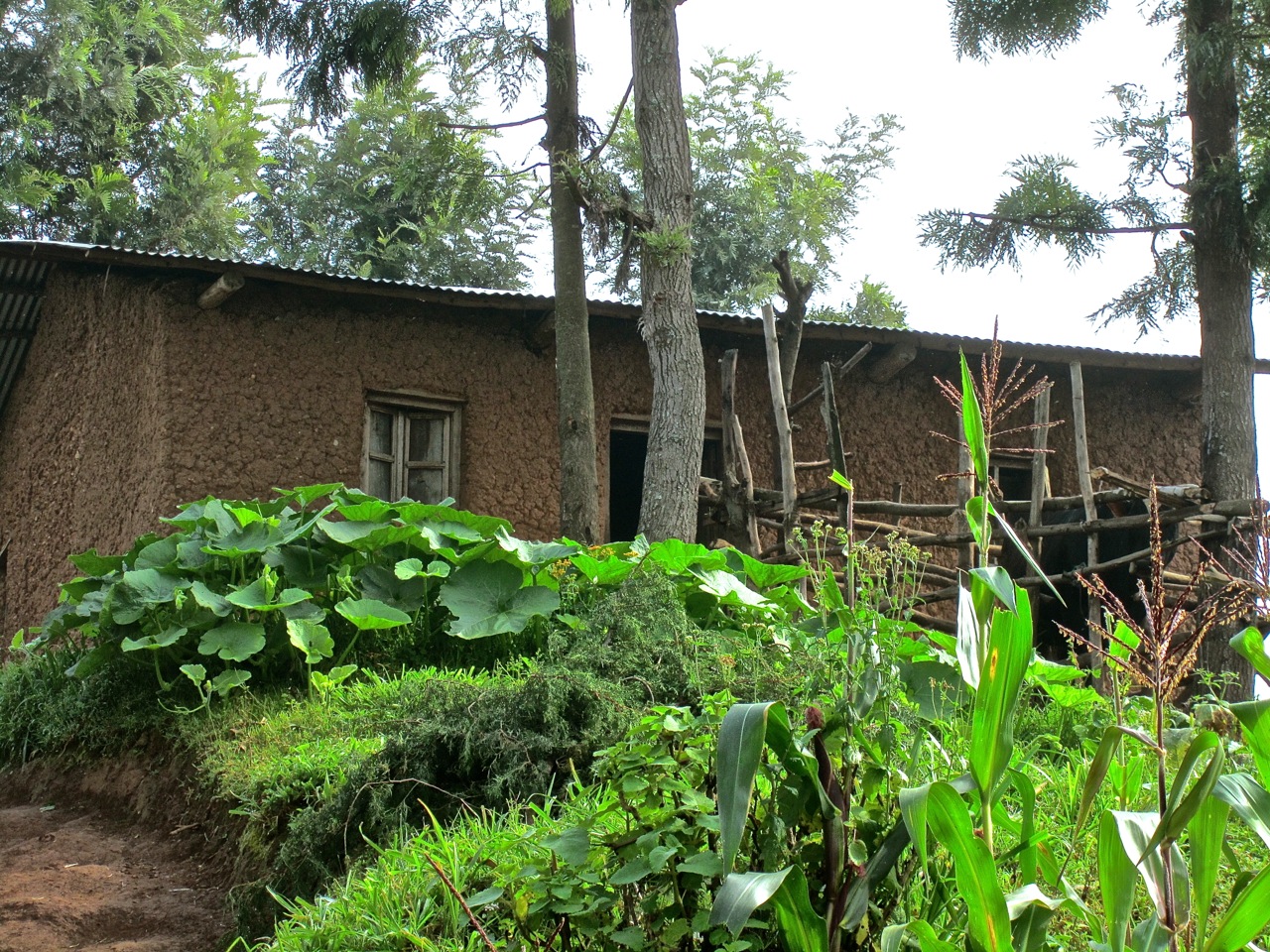
We had hiked down the hill from the hotel along a series of narrow and slippery paths.
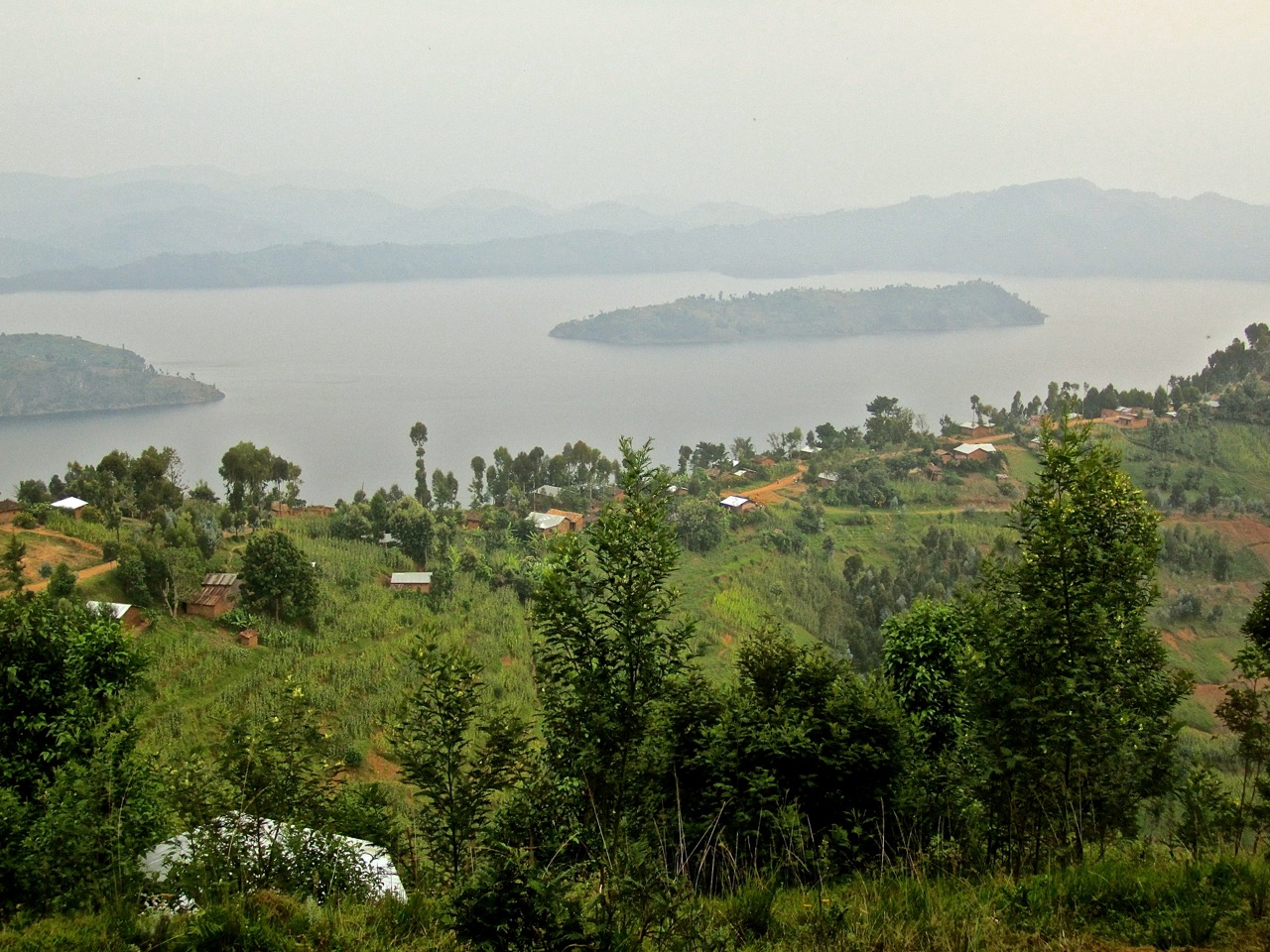
Also steeper than it looks here.

Below are my husband and our guide starting back up the hill. A moment later, as we were sliding and leaning on our sticks, we were passed by a young women with a baby on her back. She was wearing flip-flops and carrying what I can only describe as a yule log on her head. She was soon out of sight.

What if we just let it all go?
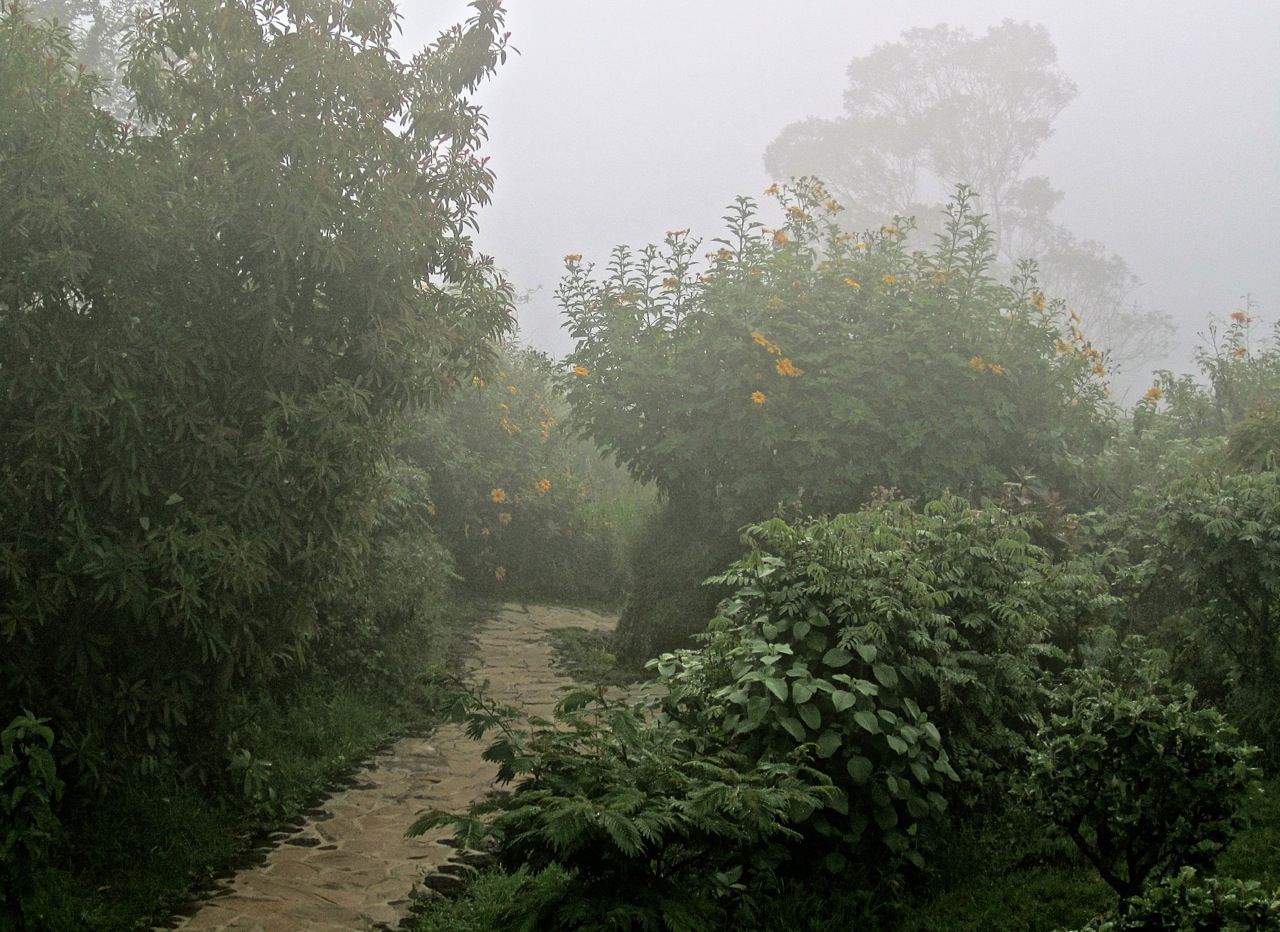
Just cut paths through the brush and then beautifully paved them?
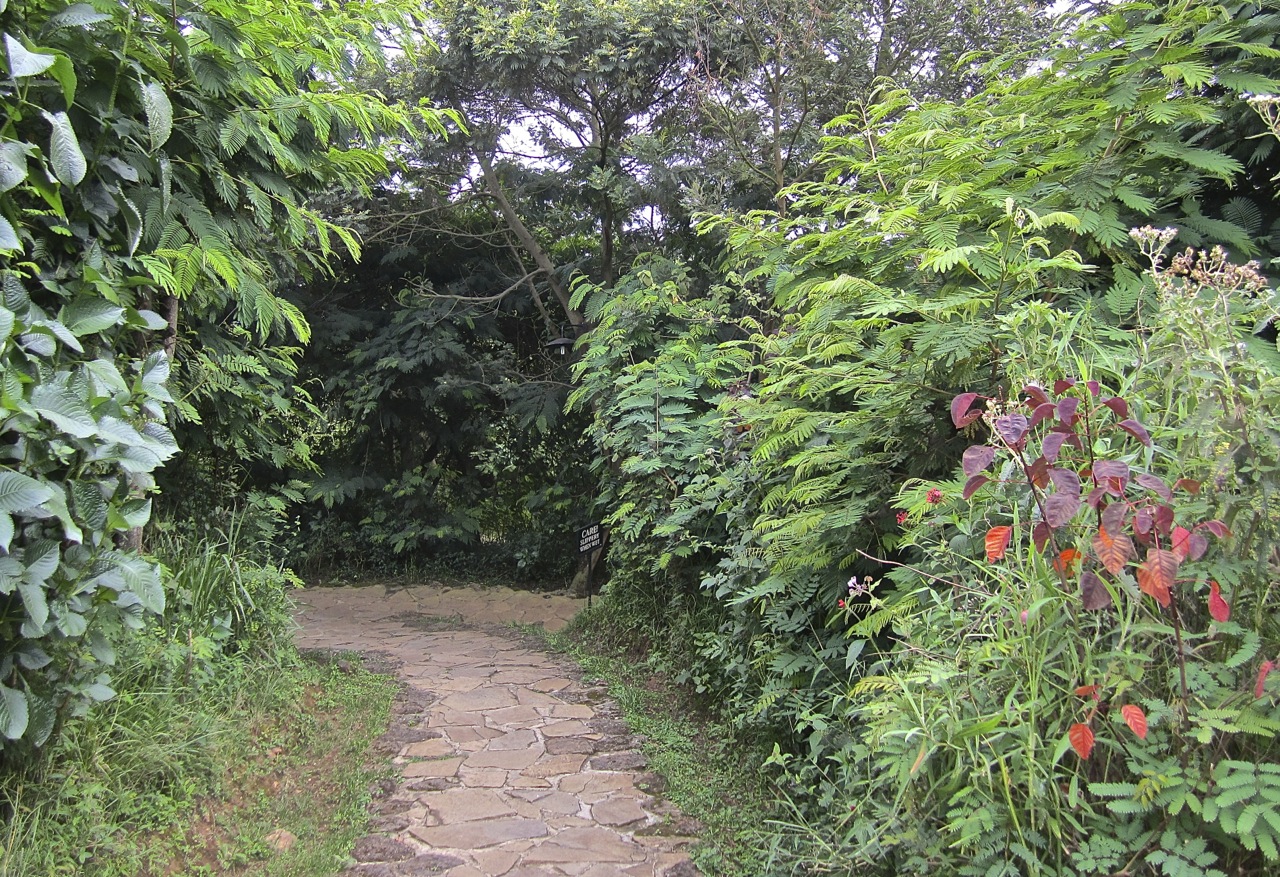
Pushed out a few garden rooms with low walls and columns built of local stone?
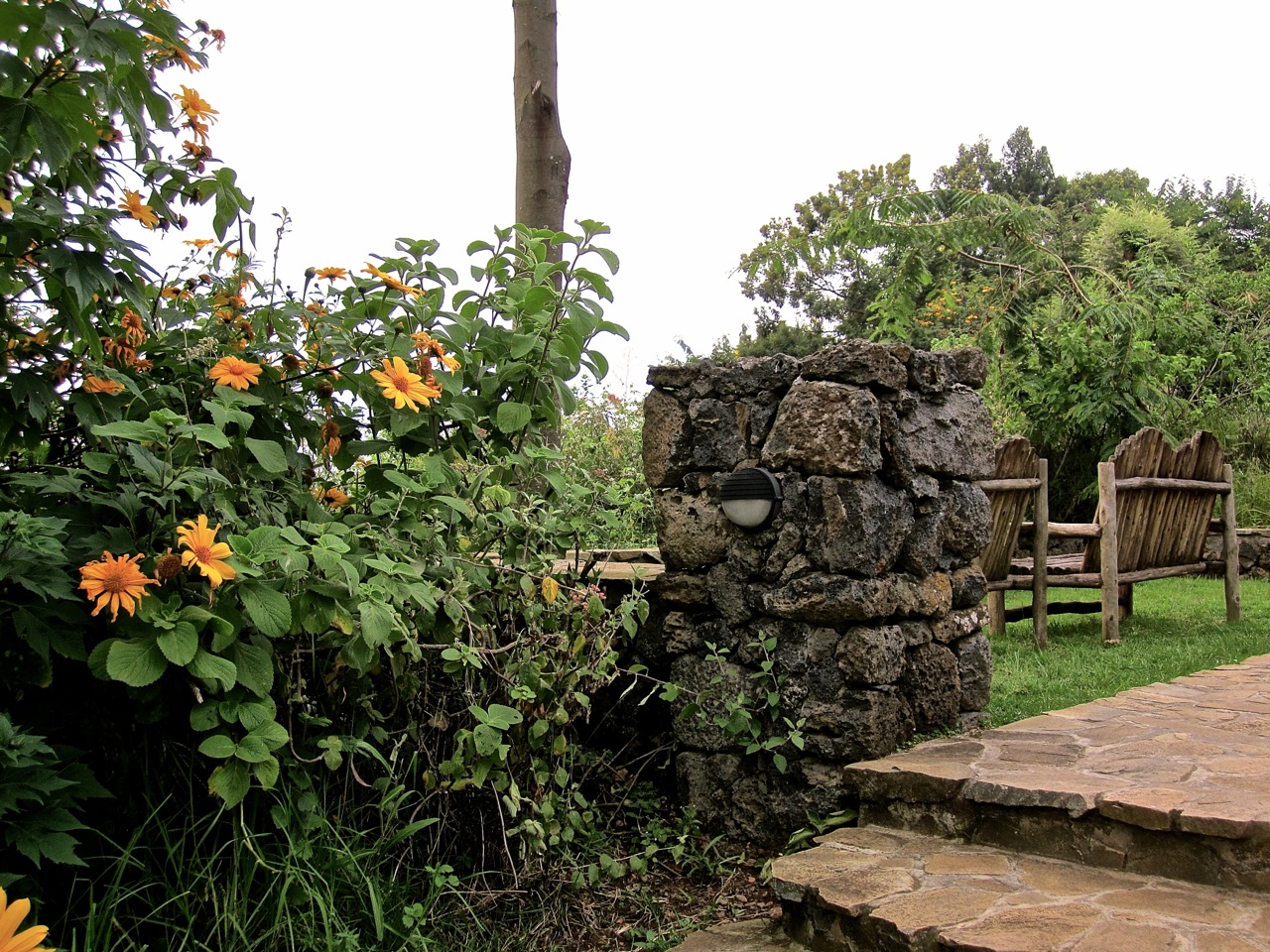
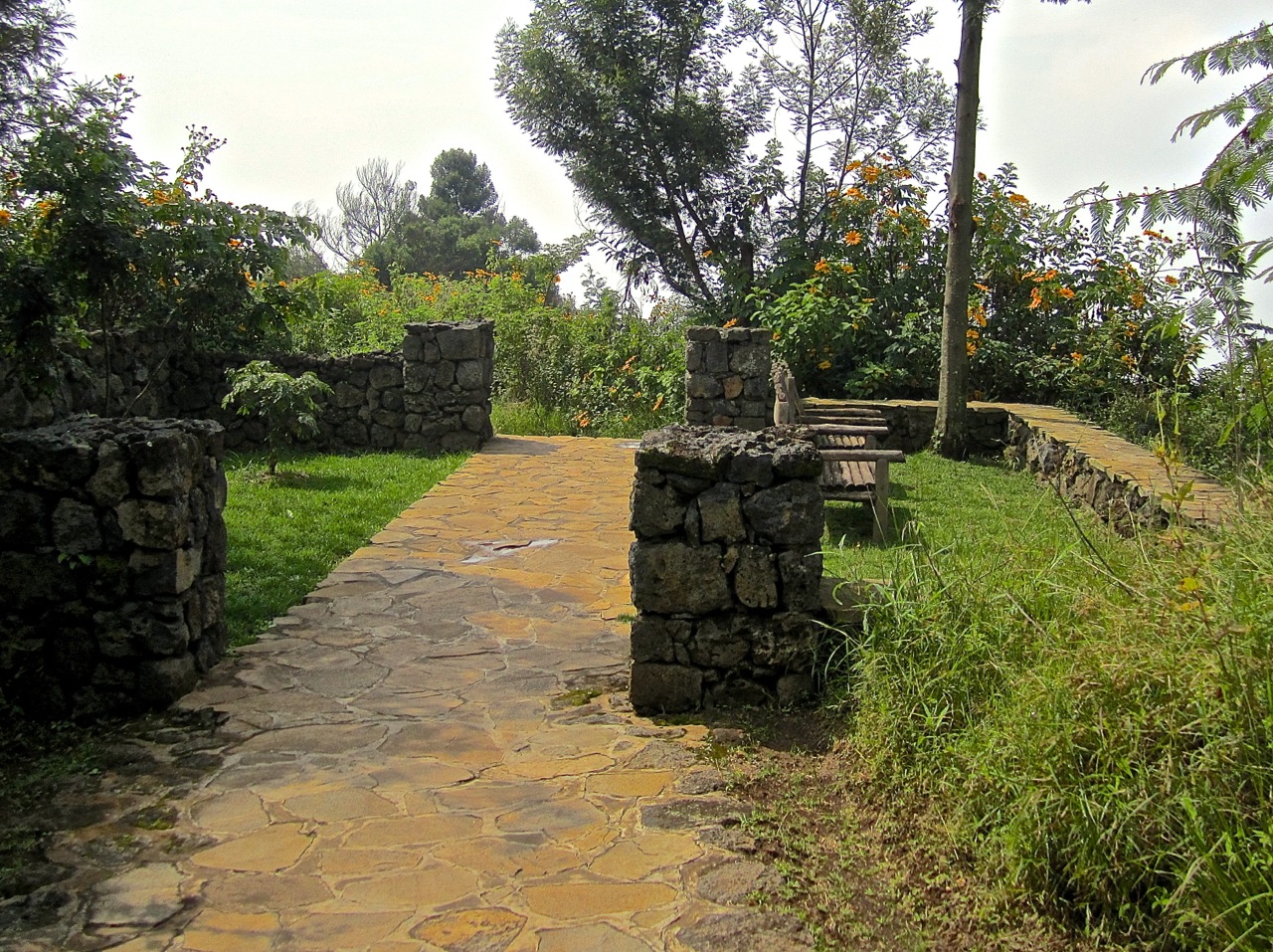
Mowed the grass only in those small spaces? Gardened (sometimes) with a machete, not hoes and shovels?
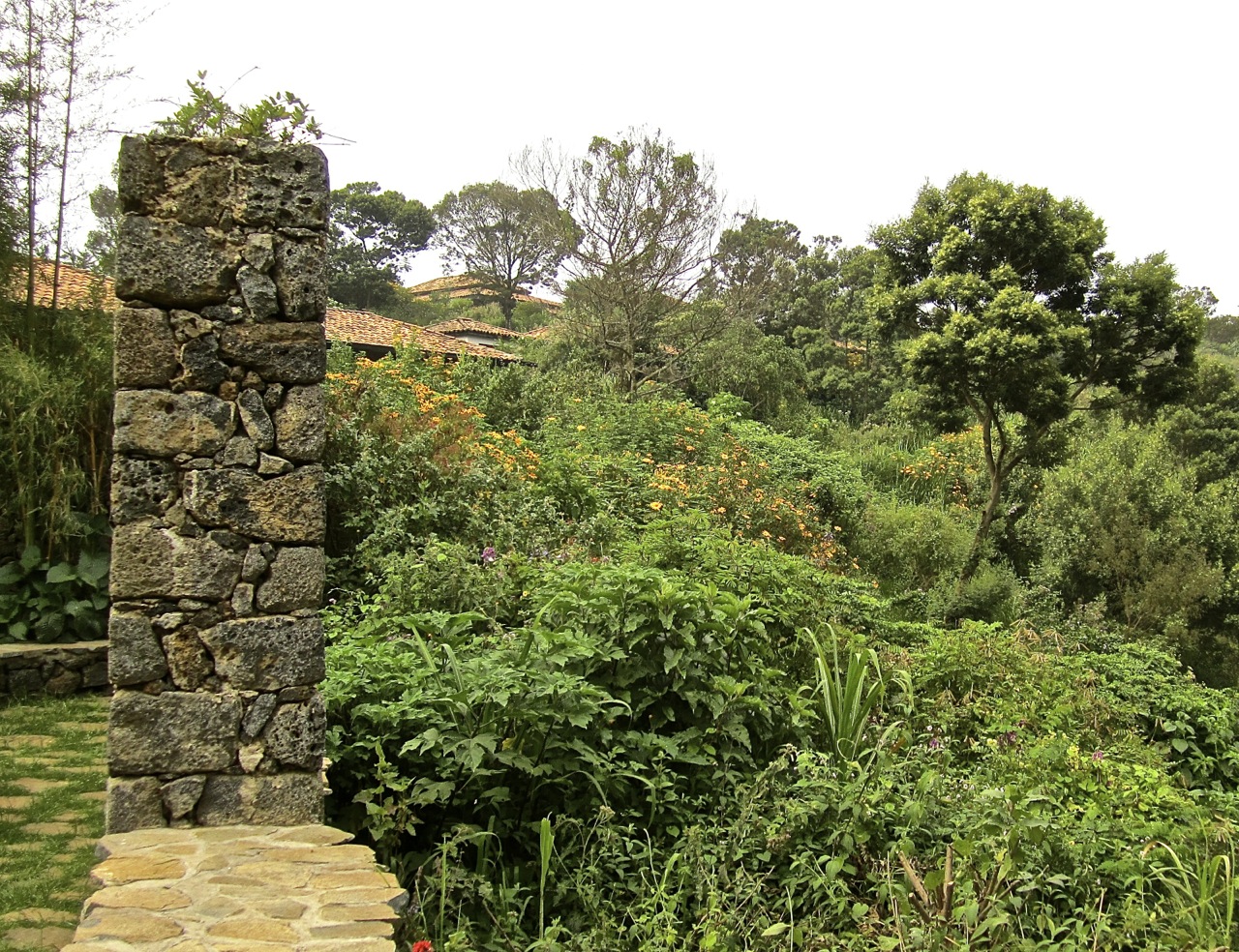
That’s what I kept thinking during our overnight stay at the Virunga Safari Lodge in northern Rwanda a couple of weeks ago.
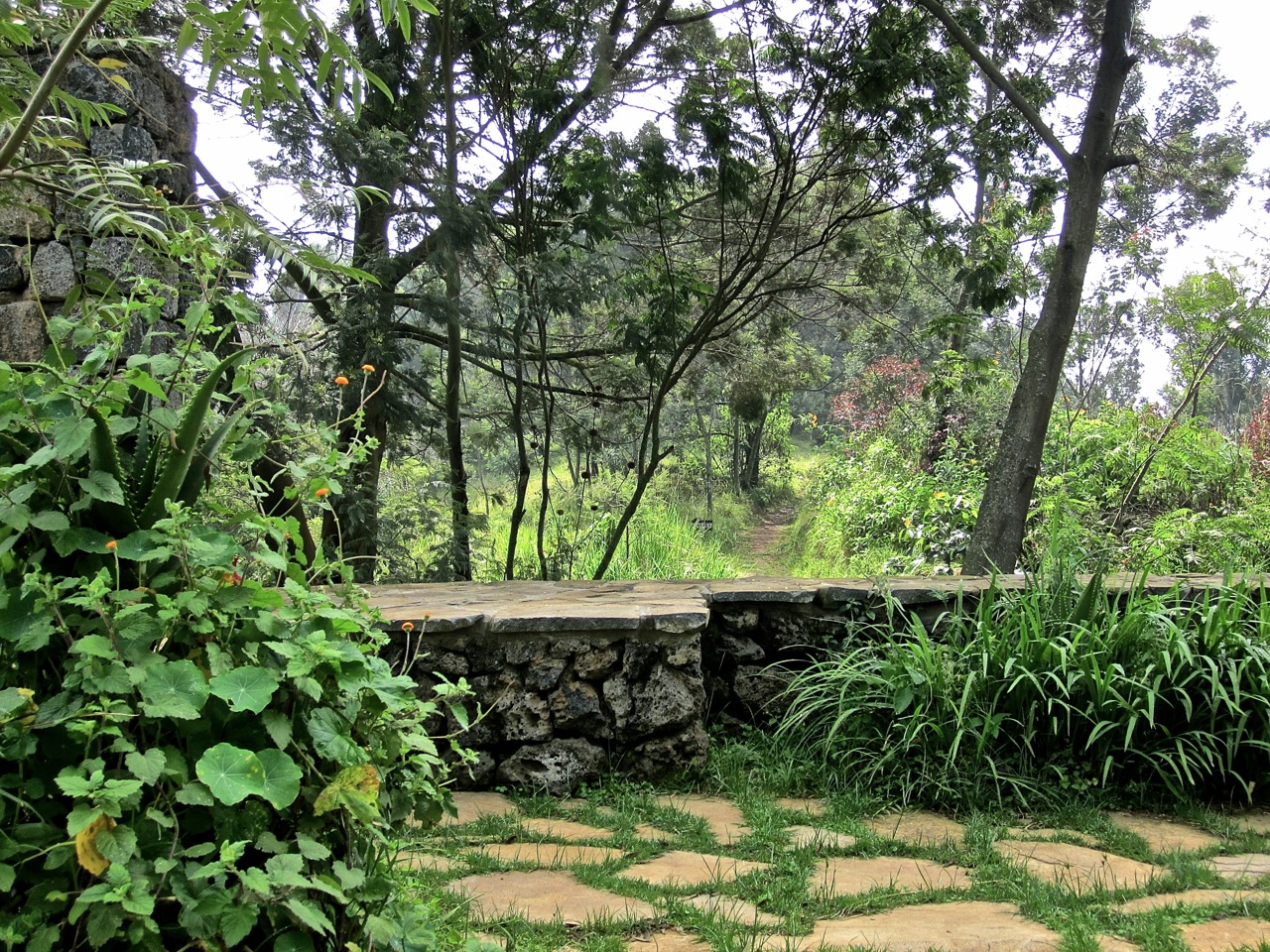
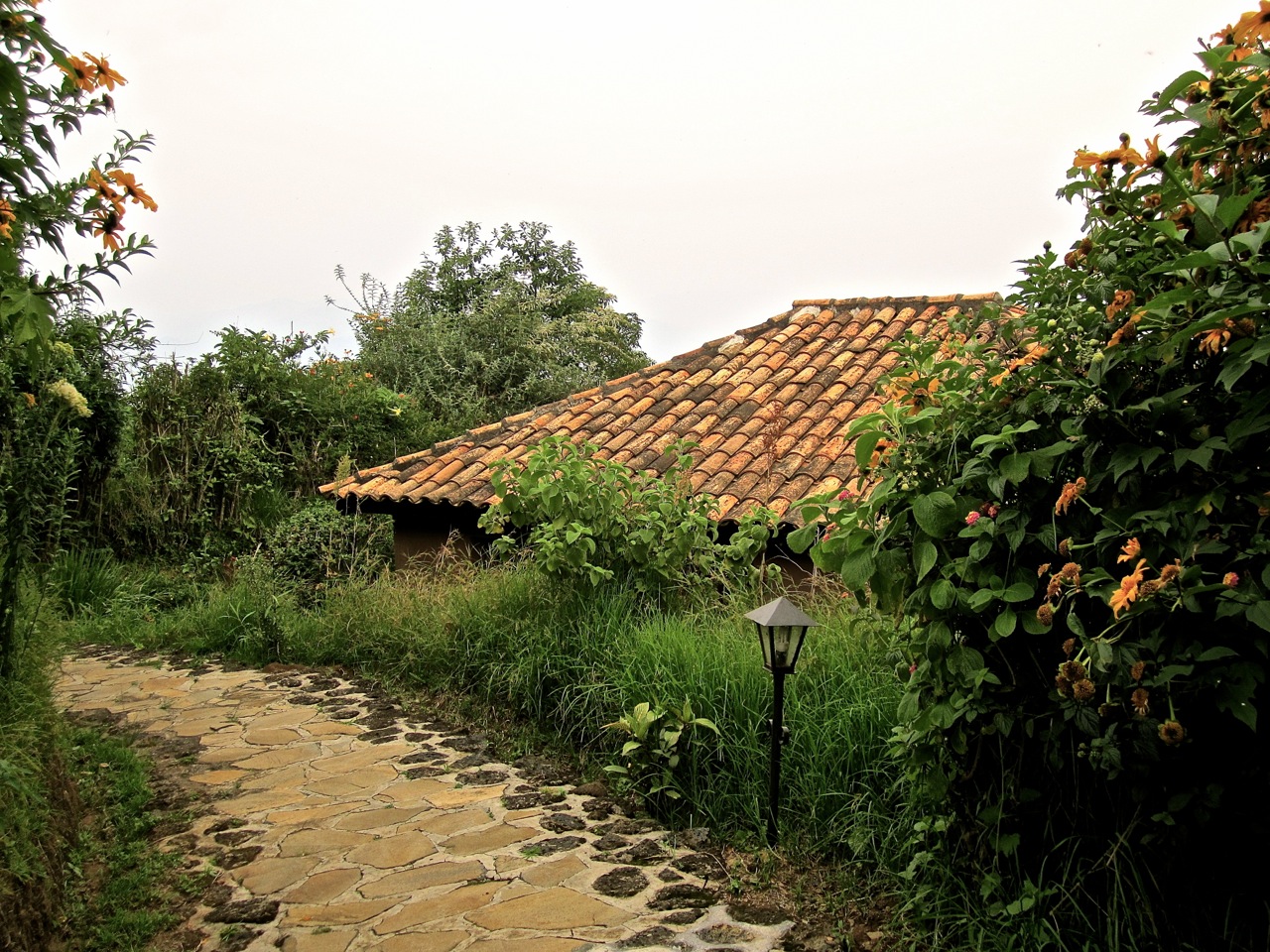
The hotel consists of a main dining/lounge building and eight very private cabins.
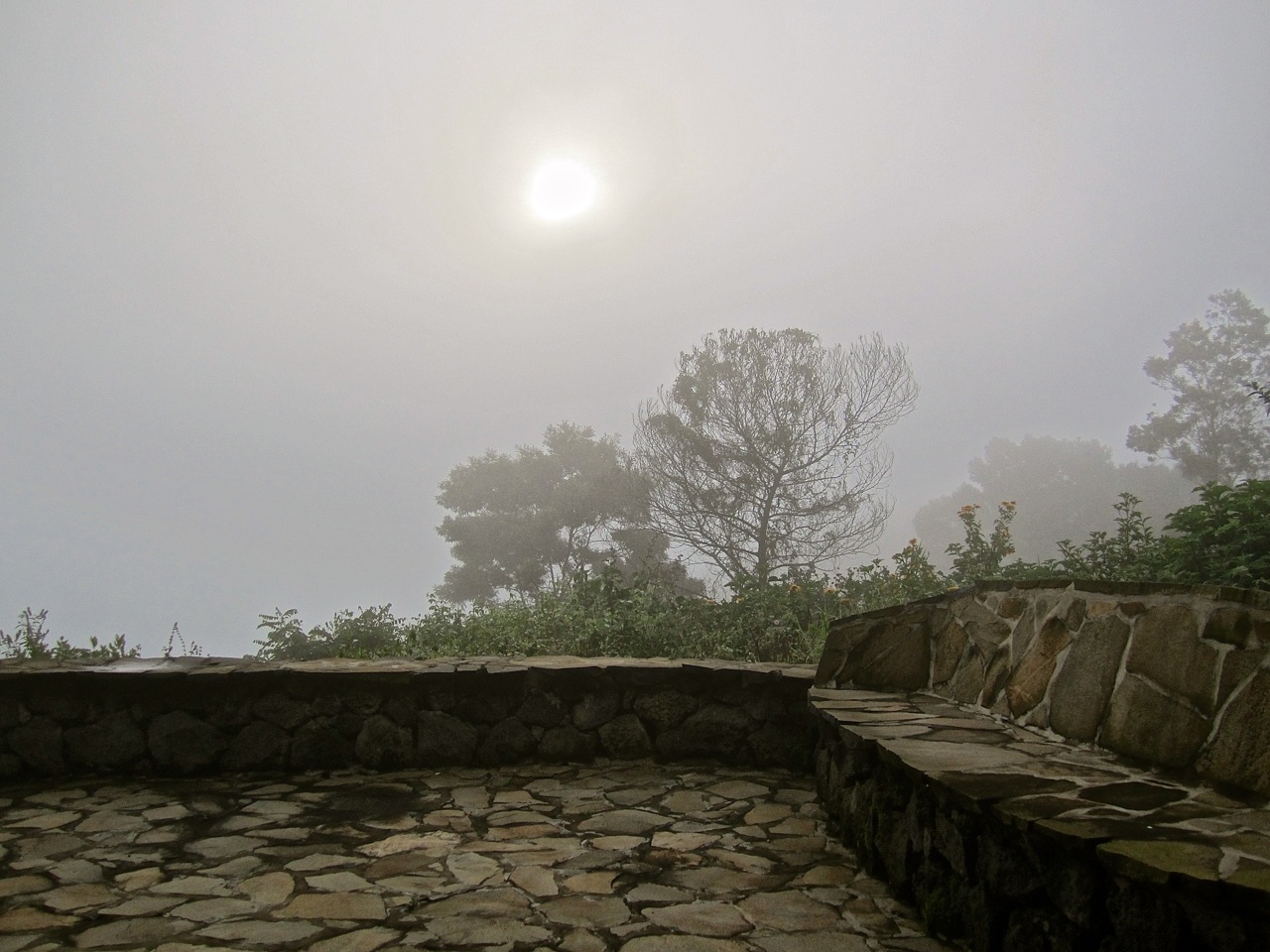
A central path through the hotel grounds runs along the top of a hill, and the cabins are sited on both sides on a level below.
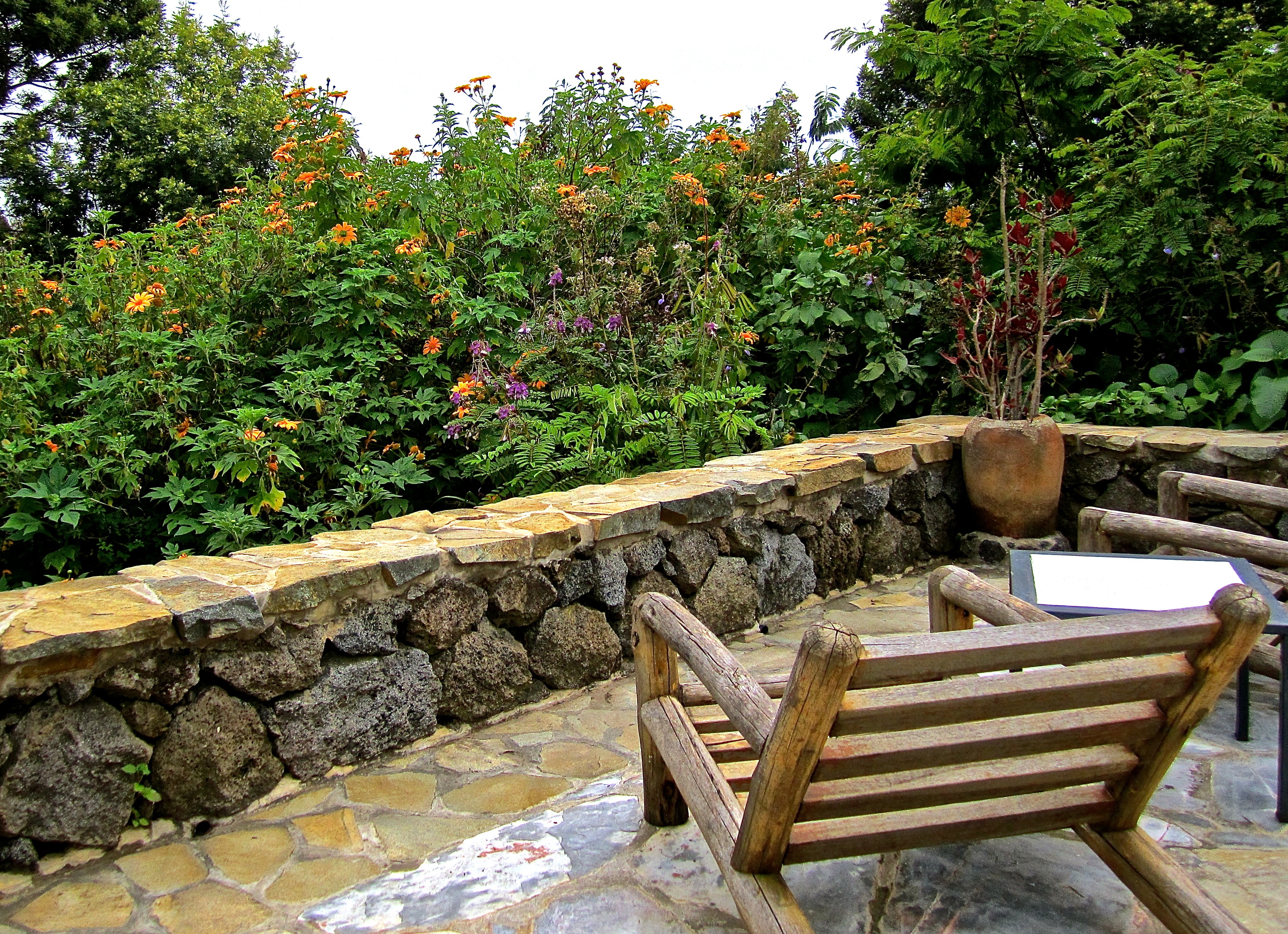
In the brush, wild natives and naturalized exotics grow together in a jumble. They were noisy with birds and insects.
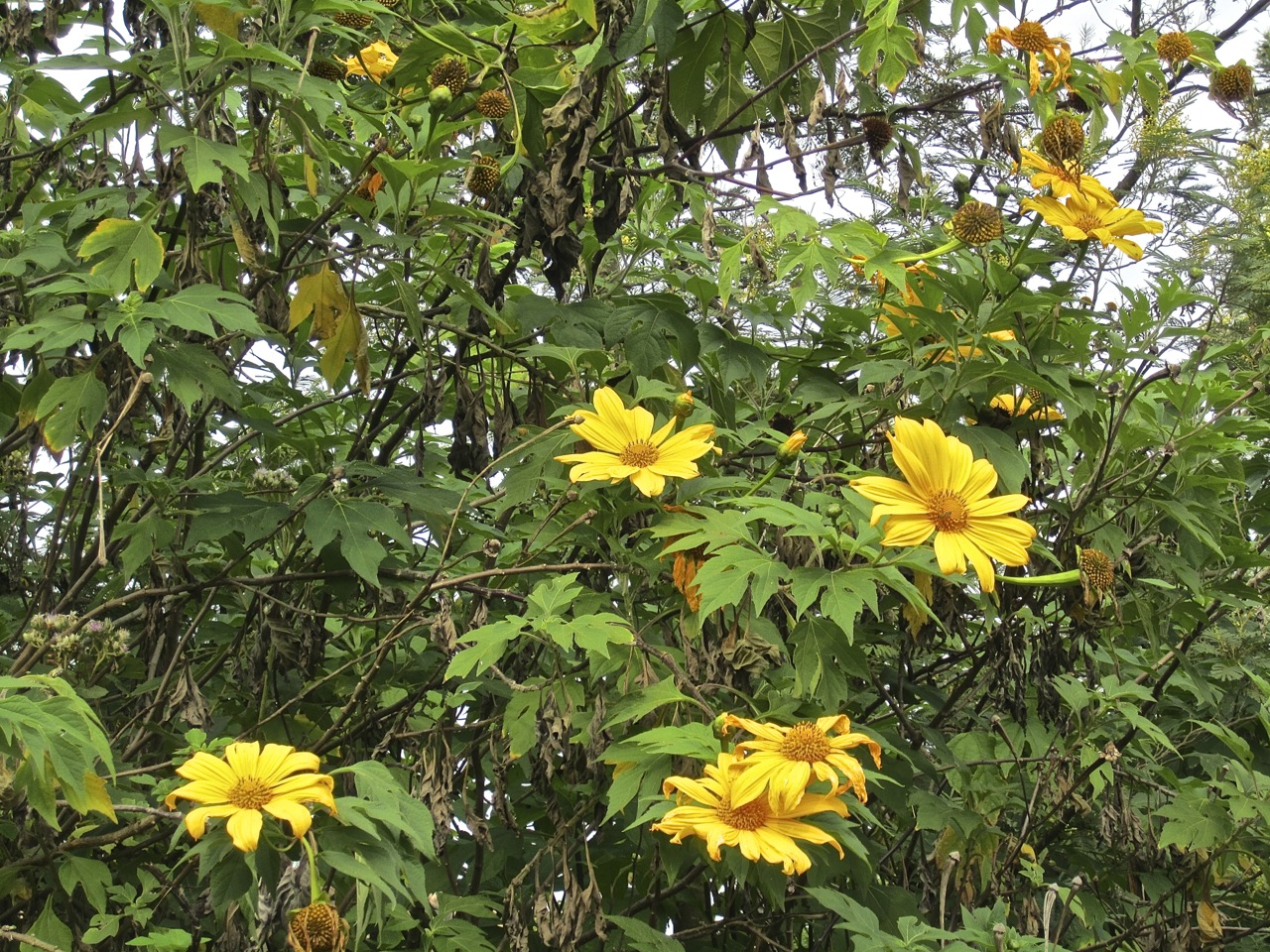
As we took a walk through the neighboring community, I realized that the light-touch landscaping of the hotel grounds created, in a sense, the least artificial environment in the area. Rwanda’s country land is highly cultivated — almost every square foot is part of a vegetable garden or field or wooded plot for timber. A steep slope is rarely an obstacle.
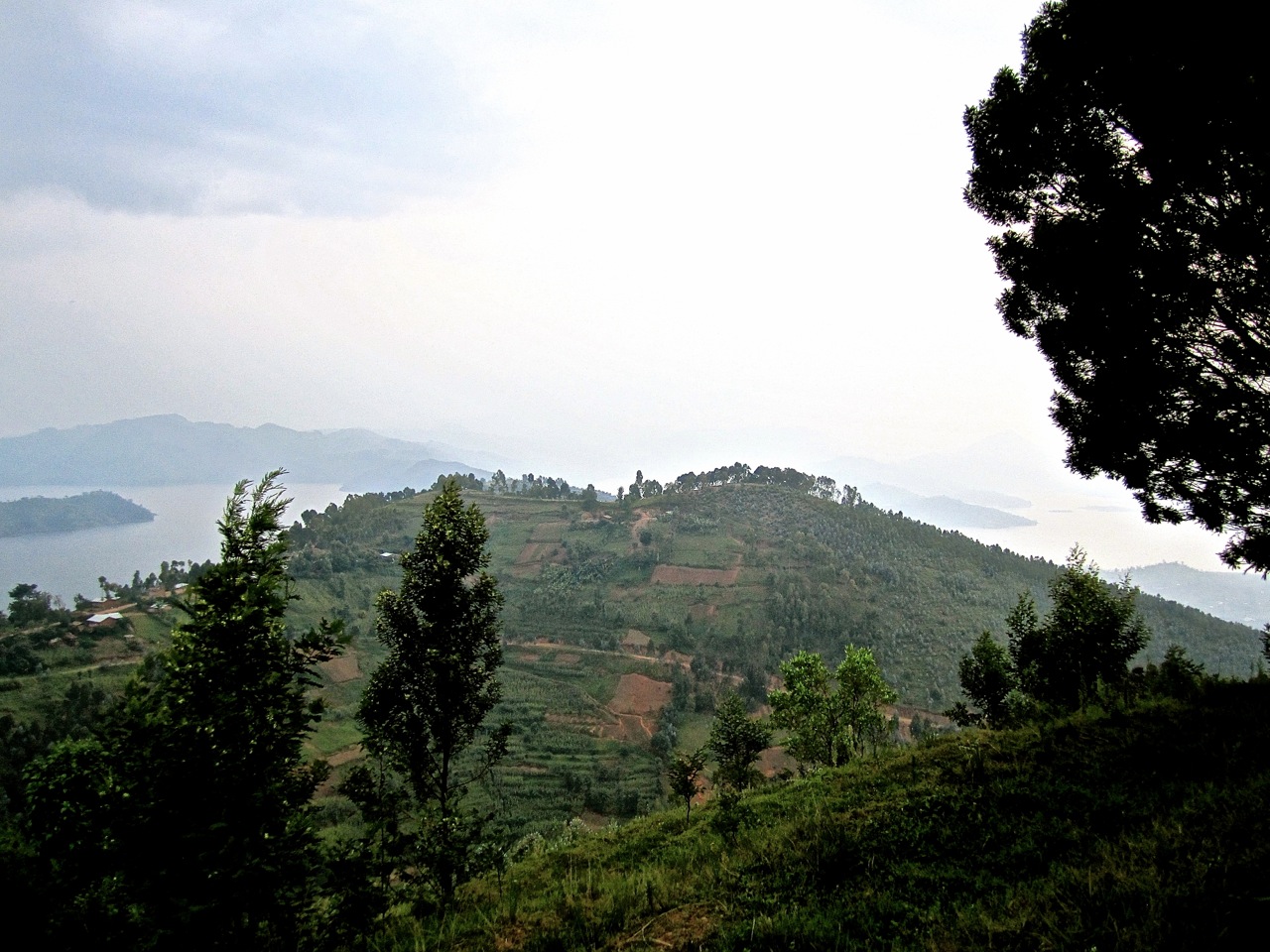
At the end of a relaxing stay, we had lunch at a table overlooking Lake Burera and its little islands. Then we were off on the 2-hour drive back to Kigali.
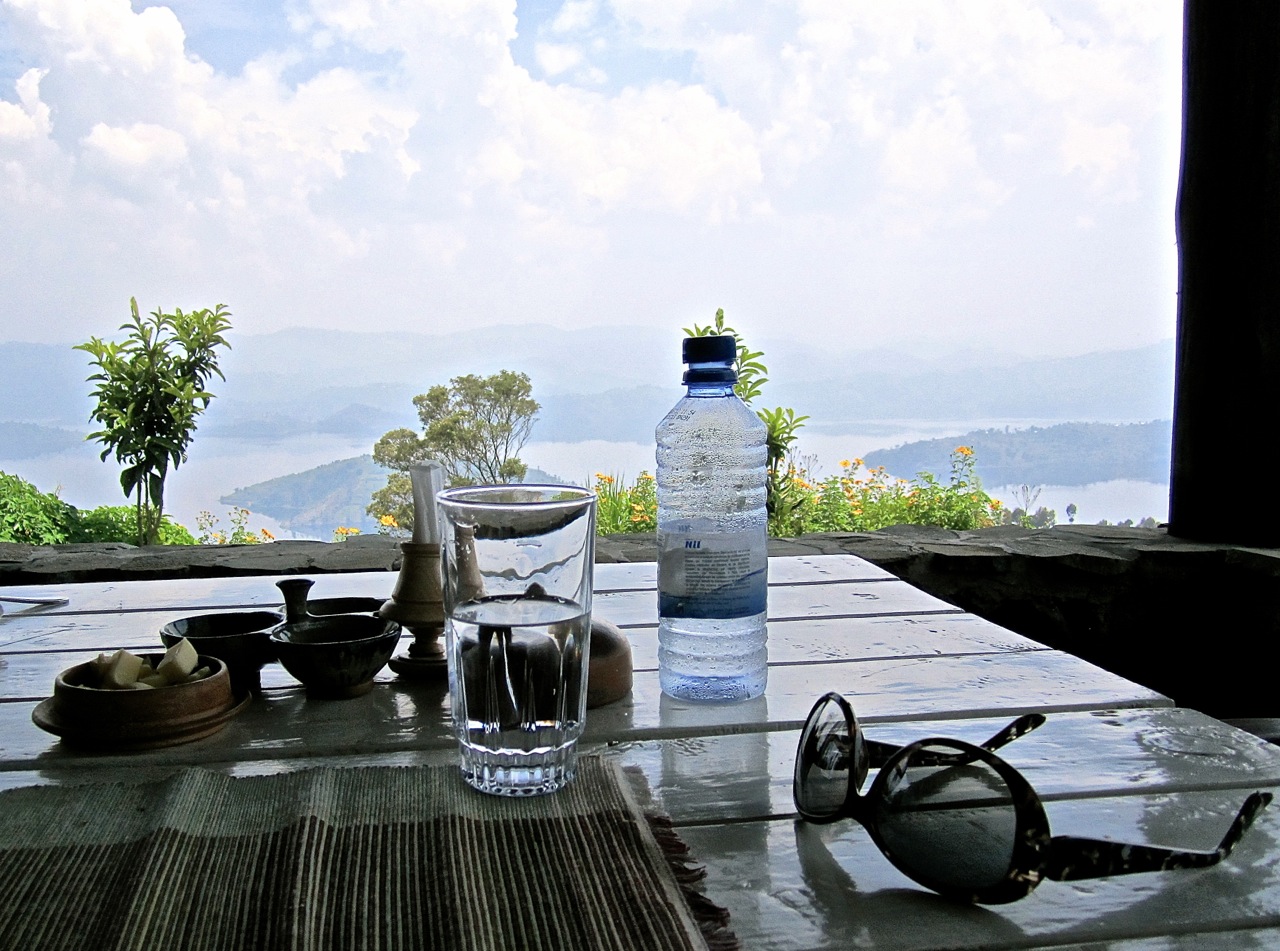
It’s sad to leave Eden.
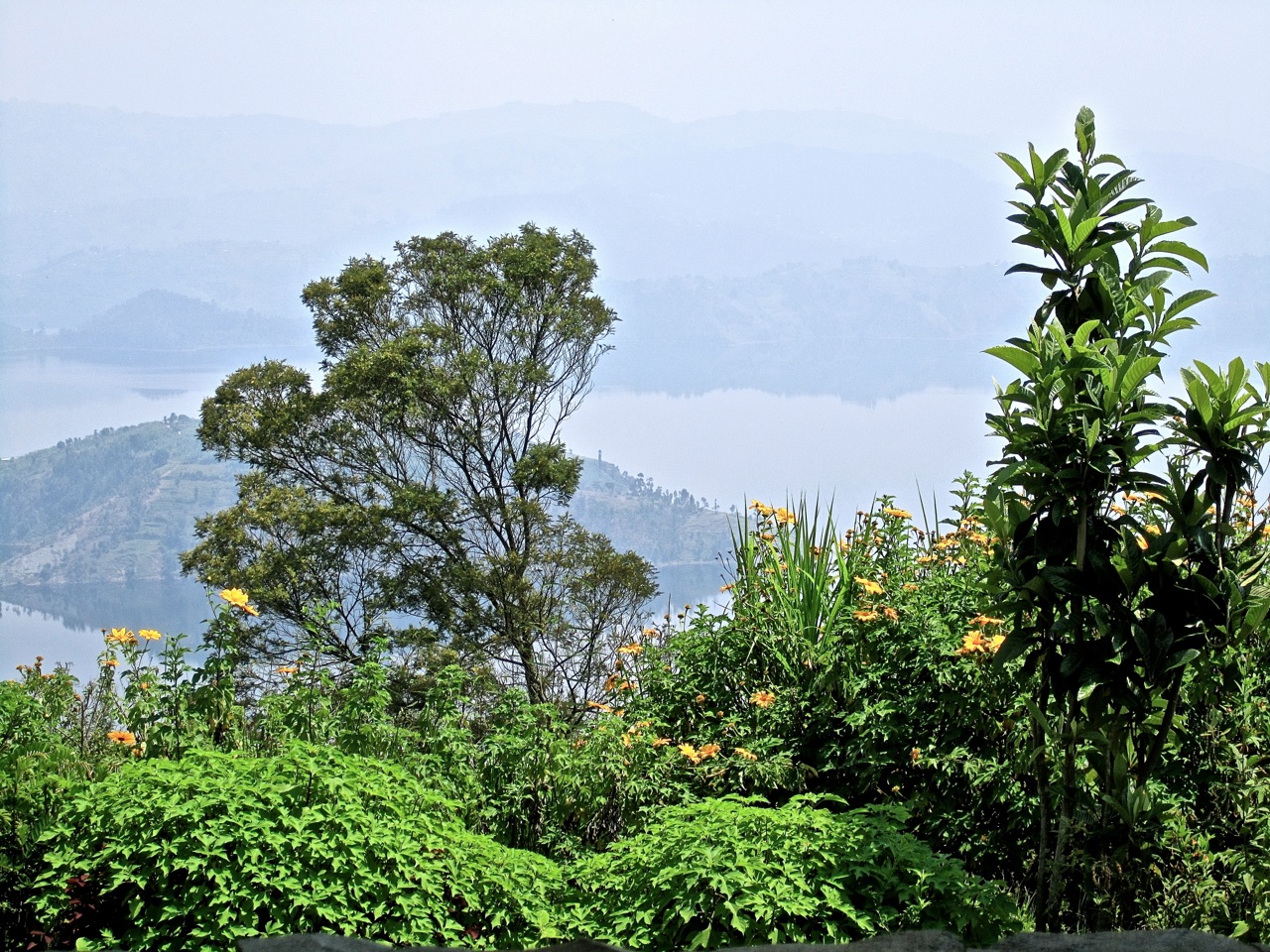
To scroll through larger versions of these images (and several more), click ‘Continue reading’ below and then on any thumbnail in the gallery.
To see more photos of Virunga Safari Lodge from a brief visit last year, click here.
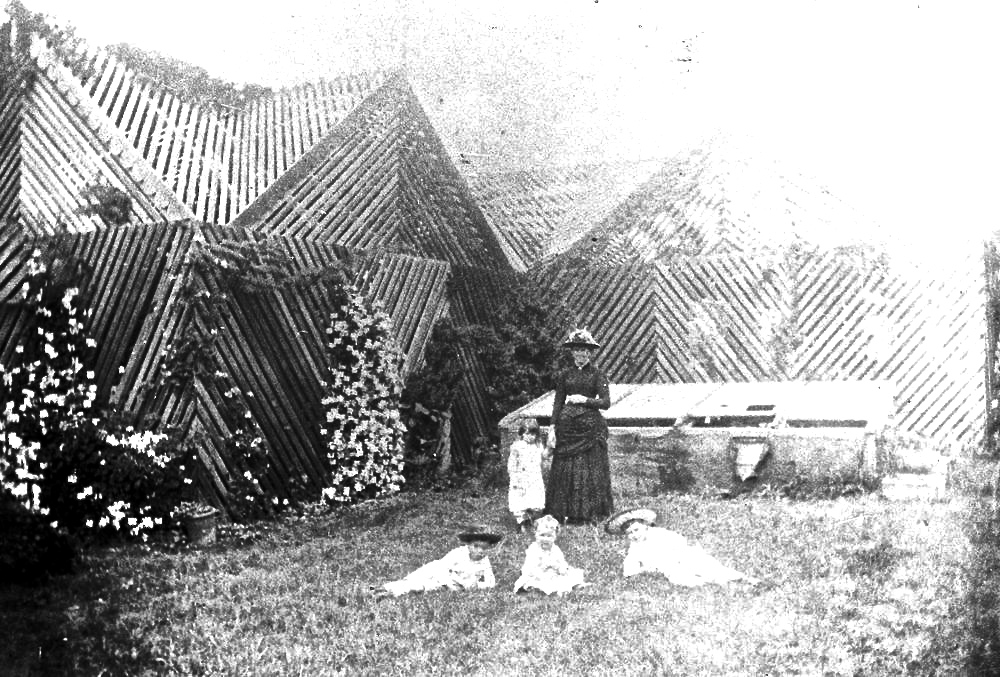
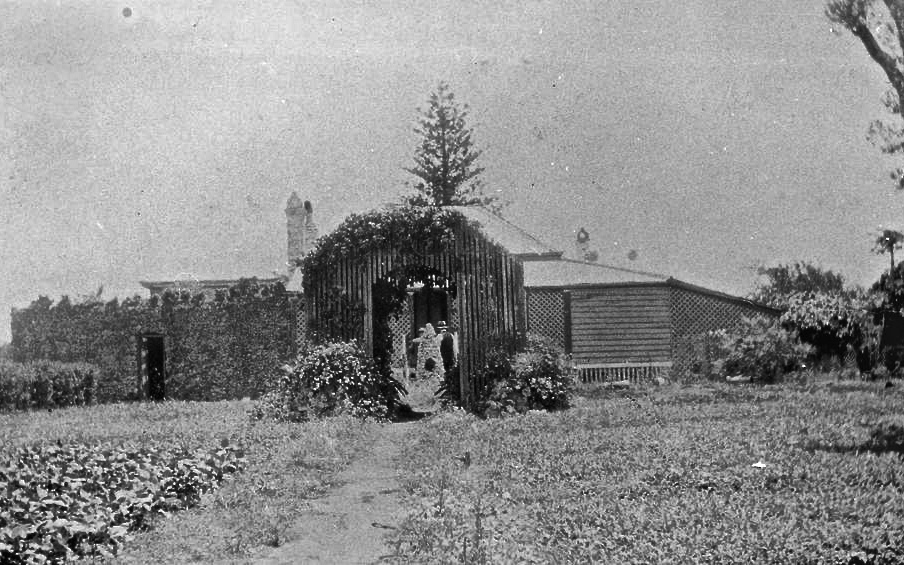
I recently came across these photos of an Australian vernacular garden structure: the bush-house.
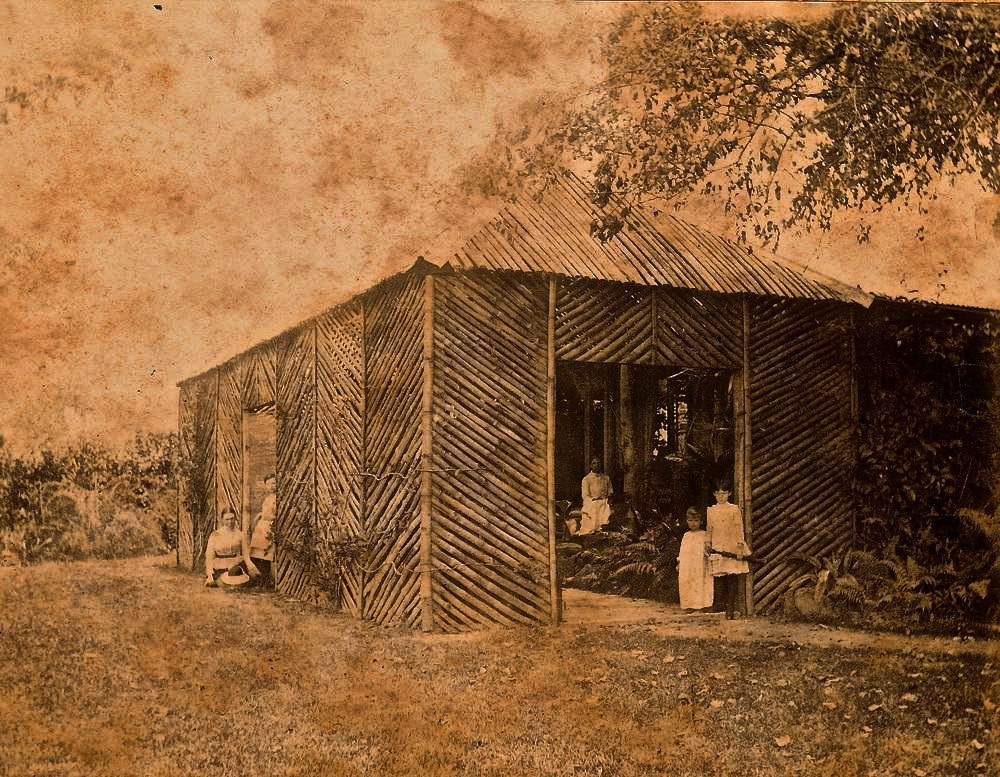
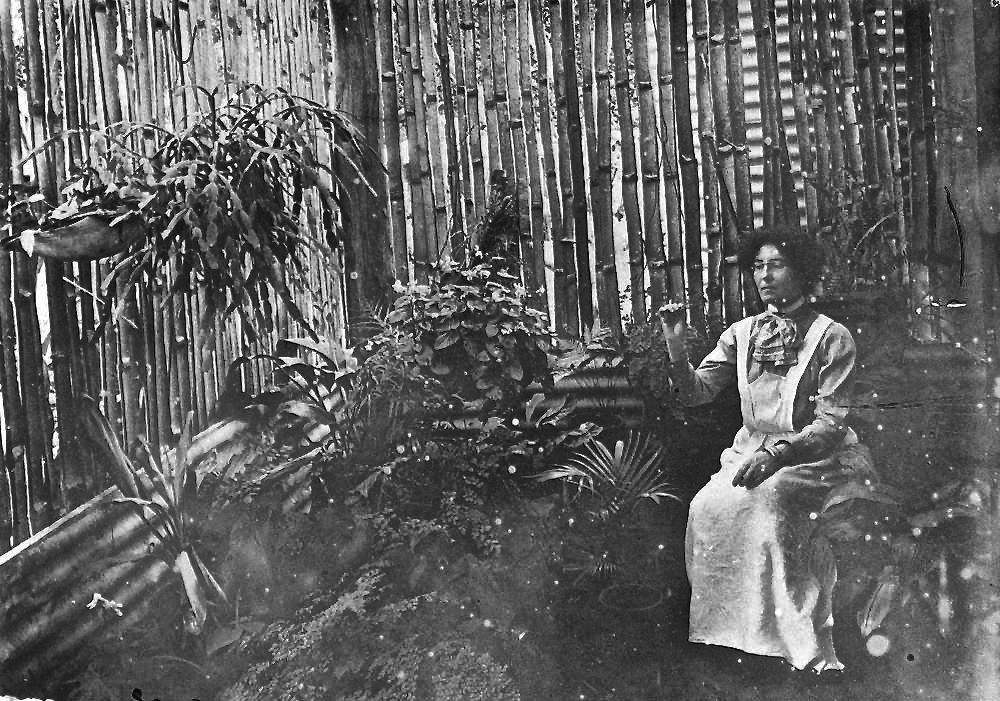
Bush-houses (also called shade-houses or ferneries) were built to protect tropical plants from the sun. By the late 1800s, many Australian gardeners were as enthusiastic about amassing and displaying these plants as Victorian hothouse collectors in Great Britain and North America.
The bush-house was modeled on the English glassed-in greenhouse or conservatory, but built with less costly, local materials.
In a 2003 article for Queensland Review, “Tropicalia: Gardens with Tropical Attitude,” Jeannie Sim wrote that, by the end of the 19th century, a number of international exhibitions in Australia were showing off “high-quality examples of tropicalian gardening” in bush-houses.
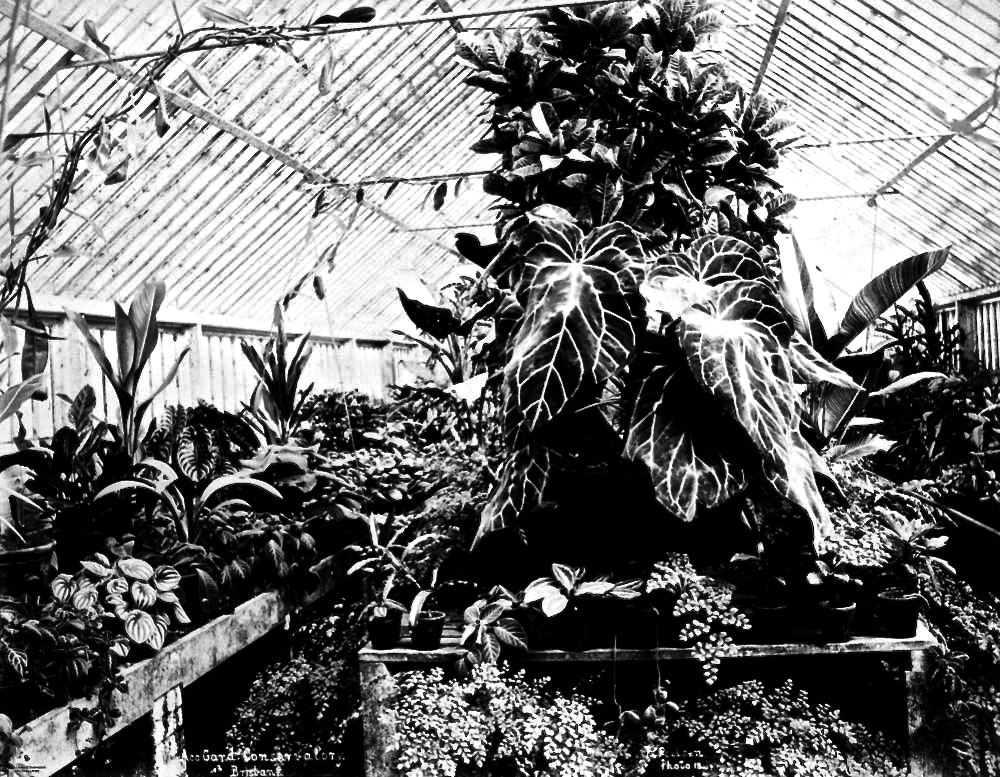
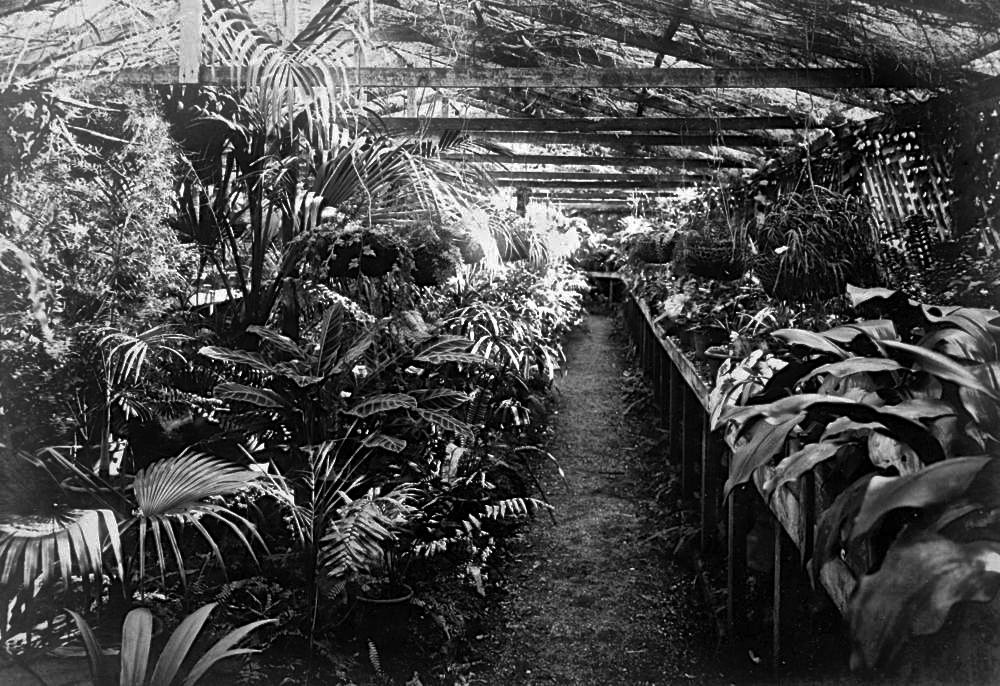
“The most extraordinary of these kinds of structures,” she wrote, “[was] arguably the one built in 1897 for the Queensland Colonial and Indian Exhibition in Brisbane. . . . Covering the walls and pillars of the bush-house were more than 3000 staghorn, bird’s nest and elkhorn ferns collected from the Blackall Range . . . . The exhibition guide [noted that] . . . Queenslanders ‘could gain a more vivid idea than ever before of the unequalled luxuriance of their scrubs.’ These horticultural displays marked both local pride and individuality, and promoted the use of native plants and bush-houses in gardens.”
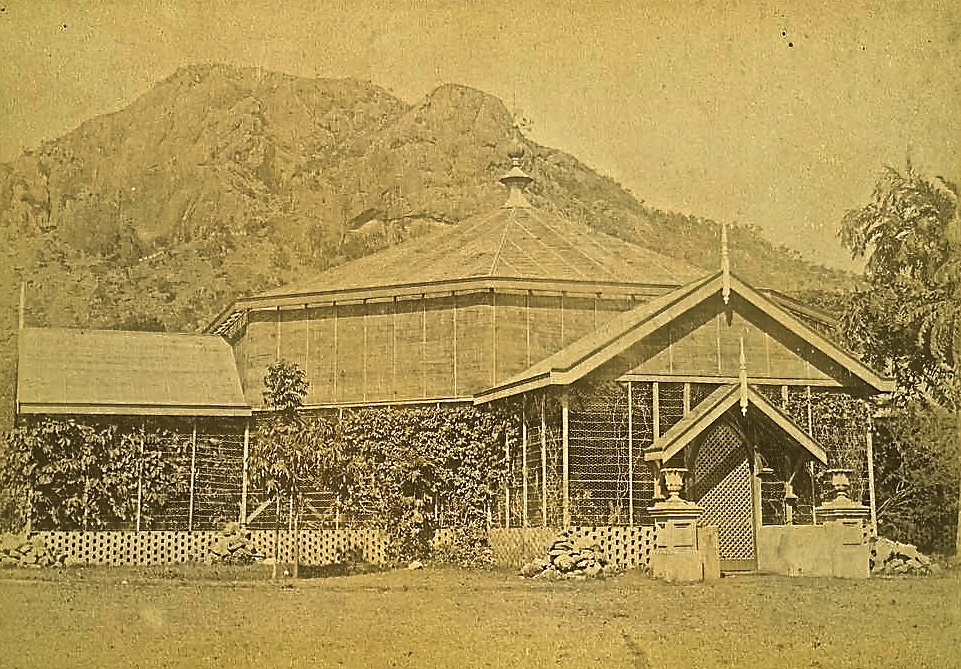
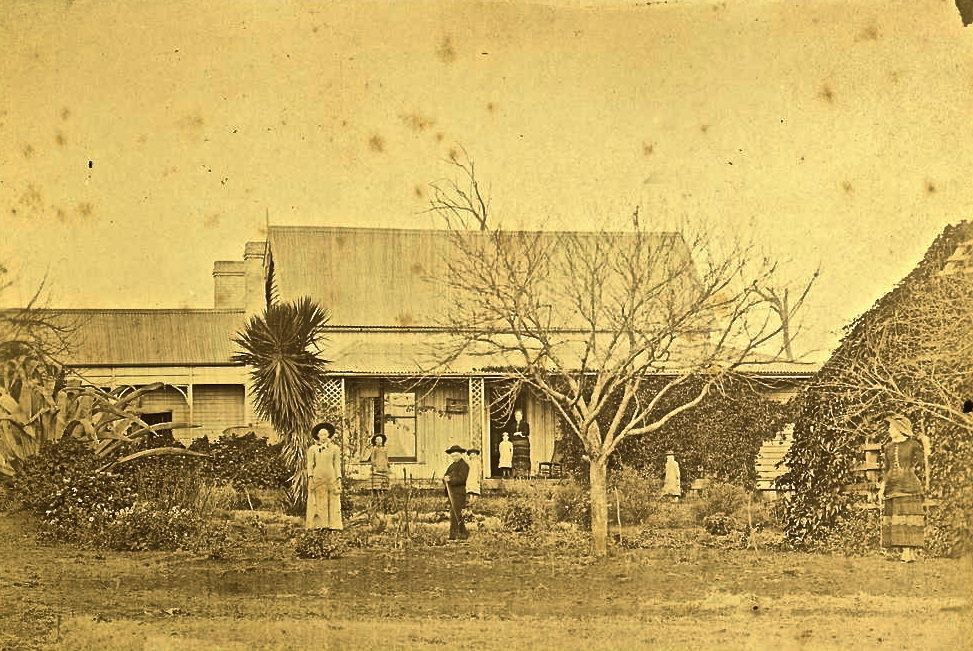
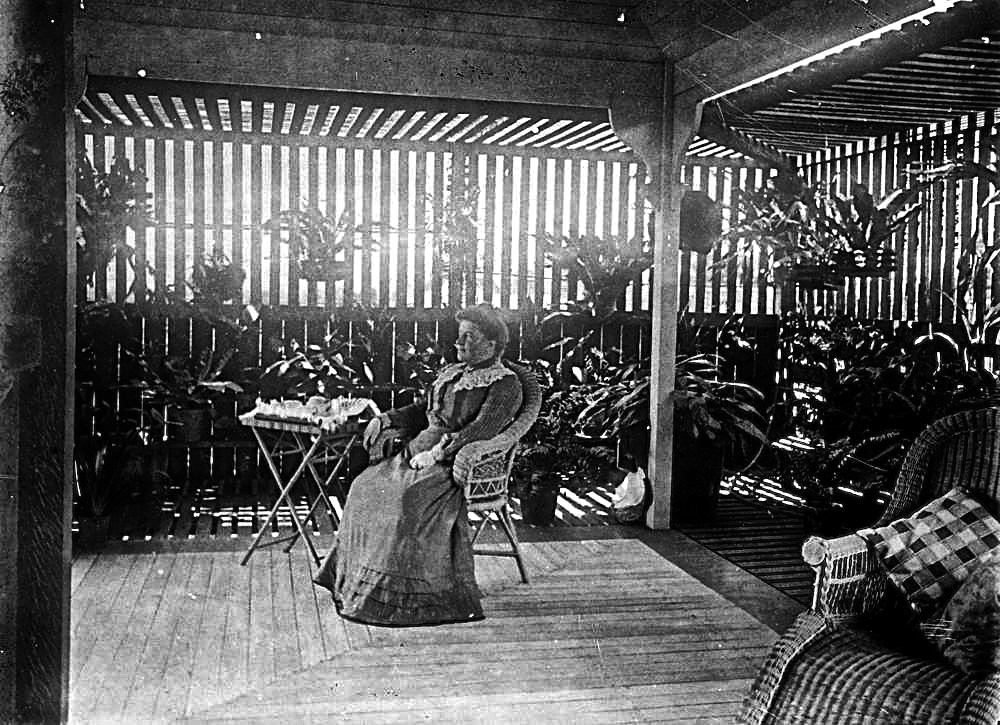
According to Sim, many of the plants cared for and protected in the bush-houses were also displayed in popular verandah gardening. “The verandah was the public showcase for the gardener’s bush-house skills.”
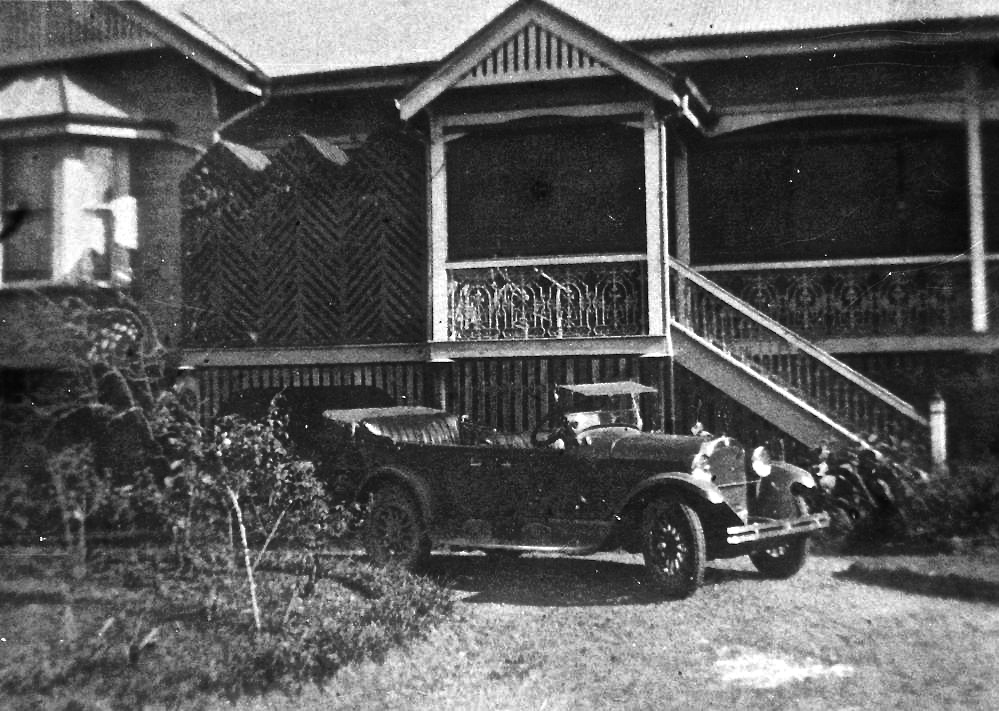
Judging from these photos, bush-houses seem to have been frequently constructed of panels of wood or bamboo lath set at decorative angles.
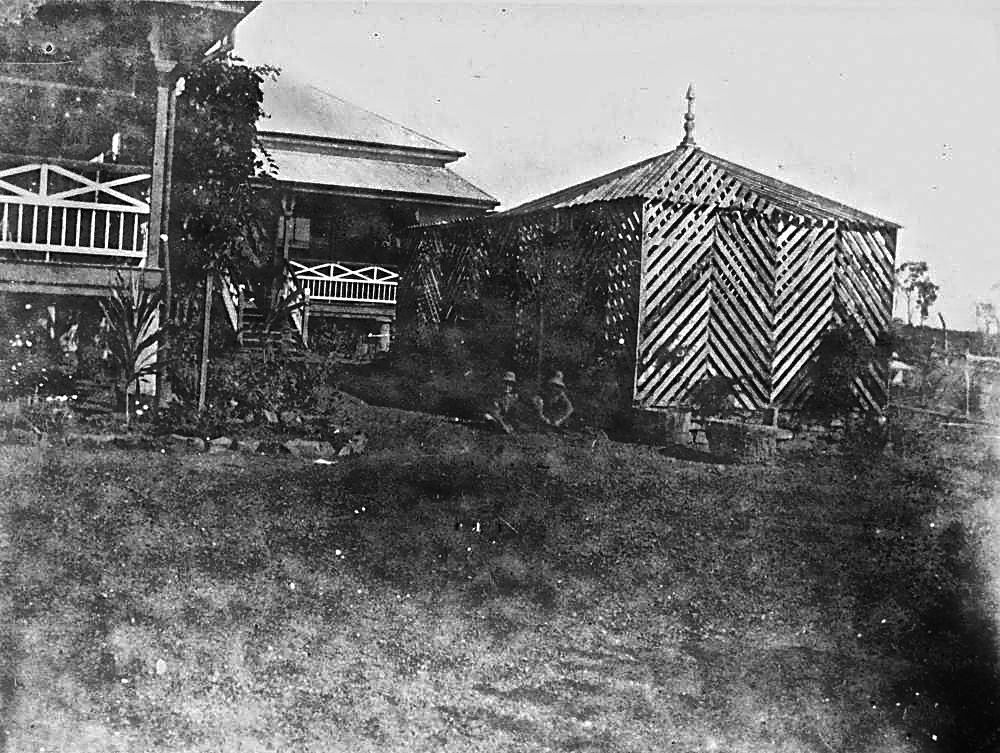
It also appears that many bush- or shade-houses were used as cool(er) places to entertain and relax.
All of these photos are via the Commons Flickr photostream of the State Library of Queensland, Australia.
To scroll through larger versions of the pictures, click on ‘Continue reading’ below and then on any of the thumbnails in the gallery.
Continue reading “Vintage landscape: bush-houses in Australia”
 enclos*ure