La Madeleine, Paris

This slideshow requires JavaScript.

Floral display on the south steps of the church of the Madeleine, early September.

The flowers were petunias and nicotiana, between rows of dwarf fountain grass. A sign said the arrangement was sponsored by the Paris Mayor’s Office and installed by “l’atelier de jardinage des Champs Élysées.”

Montmartre Cemetery, Paris

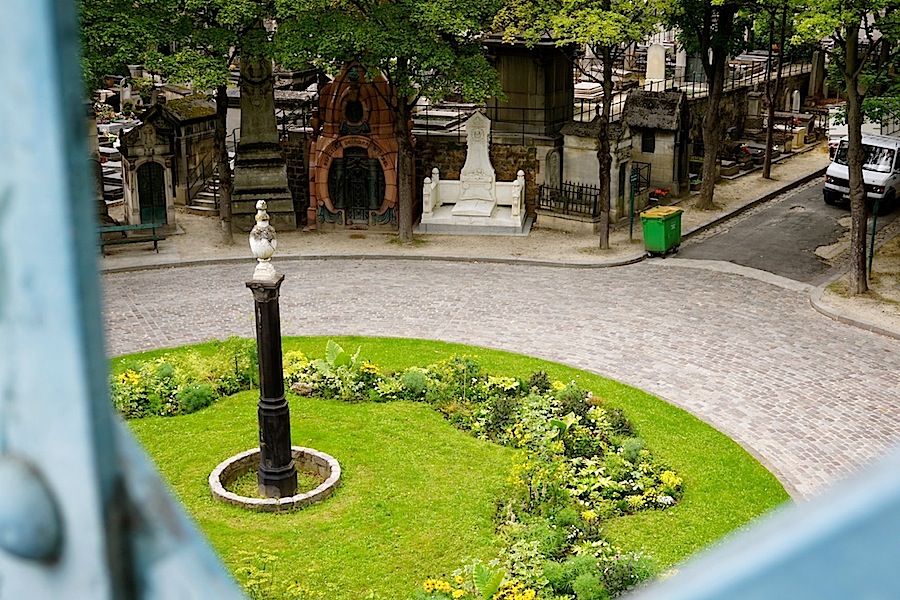
Montmartre Cemetery, Sept. 2015, by enclos*ureAnother quick look down.

We were walking along the Rue Caulaincourt bridge over the south end of the cemetery when we spotted this pretty planting arrangement in yellow below.

Cimetière de Montmartre is the third largest of four necropolises built in the early 19th century, just outside the Paris city boundaries.

Montmartre Cemetery glimpse, Sept. 2015, by enclos*ur

It was placed below street level, in an abandoned gypsum quarry, which had previously received the hundreds of bodies of those killed in the riots of the French Revolution.

The entrance is at the end of Rue Rachel, under Rue Caulaincourt.

Cluny Museum garden, Paris

A glimpse through an interstice caught. . .*

Cluny Museum, Paris, Sept. 2015, by enclos*ureLooking out through leaded glass windows.

The Musée de Cluny or National Museum of the Middle Ages is a wonderful small museum in the Latin Quarter of Paris — and the home of “the Lady and the Unicorn” tapestries.

Unfortunately, this was the closest look that I could get of its modern take on a medieval garden — designed by Eric Ossart and Arnaud Maurieères.  It was closed for “security reasons” the first week of September. Since it opened in 2000, I suspect that the wooden decking needs repair or replacement.

Travel tip: admission to many Paris museums is free on the first Sunday of each month — many more will be free starting in November

*Walt Whitman, from “A Glimpse.”

Streifzug 6: Esslingen

I’m sorry that there was no Sunday porch yesterday; we were out touring Stuttgart with visitors.

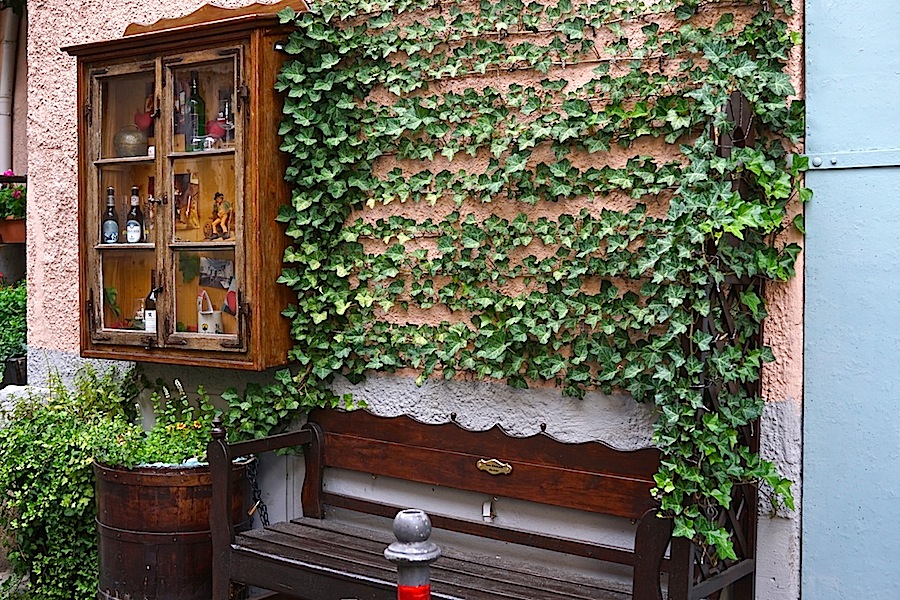
Esslingen, Germany, doorway seat, by enclos*ure

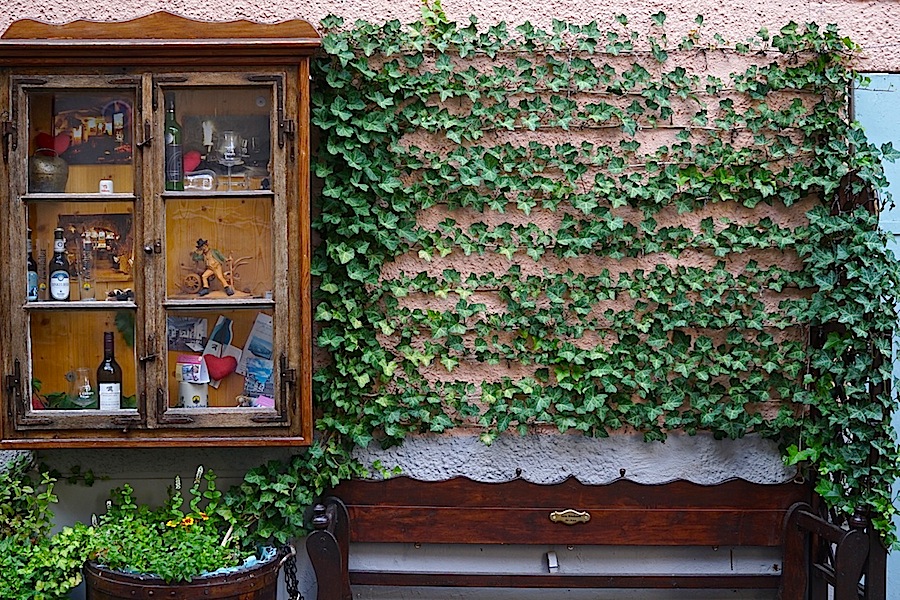
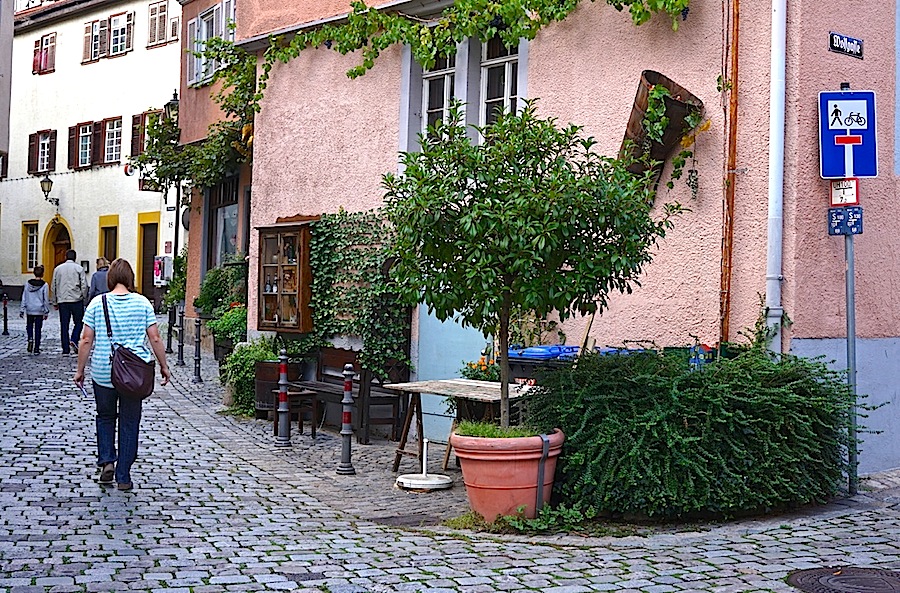
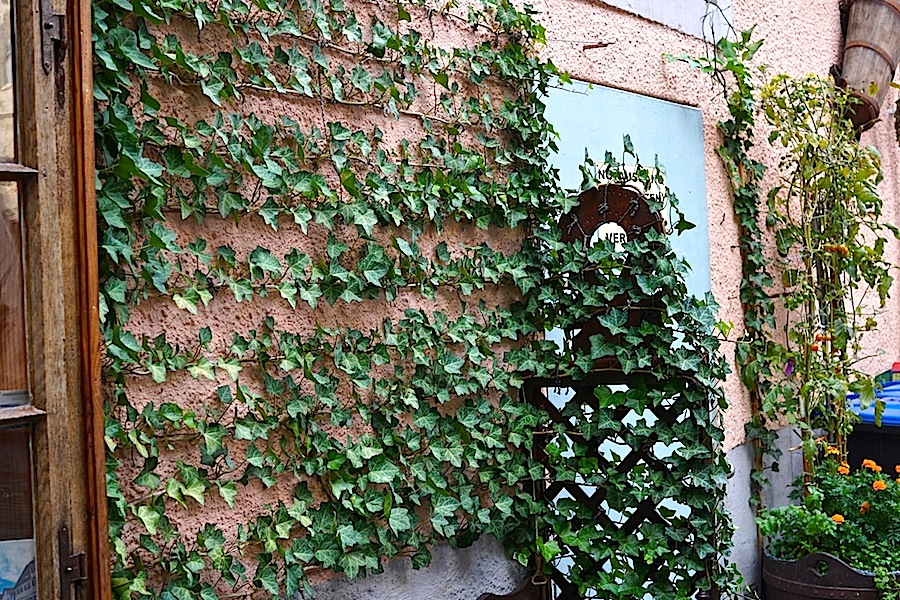
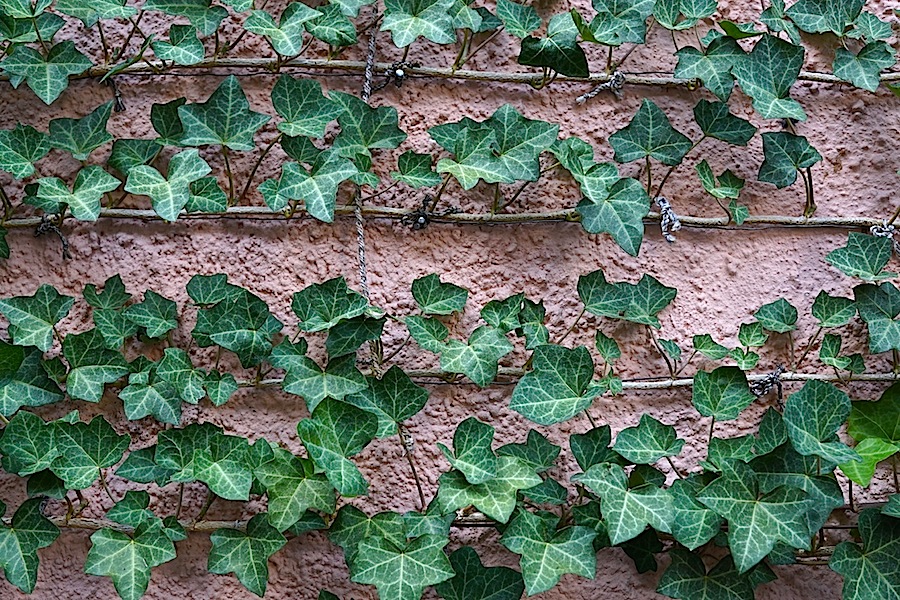
In the early evening, we walked through the nearby small city of Esslingen am Neckar, and I spotted this sweet doorway arrangement with espaliered ivy.

Esslingen, Germany, doorway seat and vitrine, by enclos*ure

Esslingen, Germany, doorway, by enclos*ure

Esslingen, Germany, doorway seat ivy, by enclos*ure

Esslingen, Germany, espaliered ivy, by enclos*ure

Streifzug means ‘foray,’ ‘ brief survey,’ or ‘ramble.’

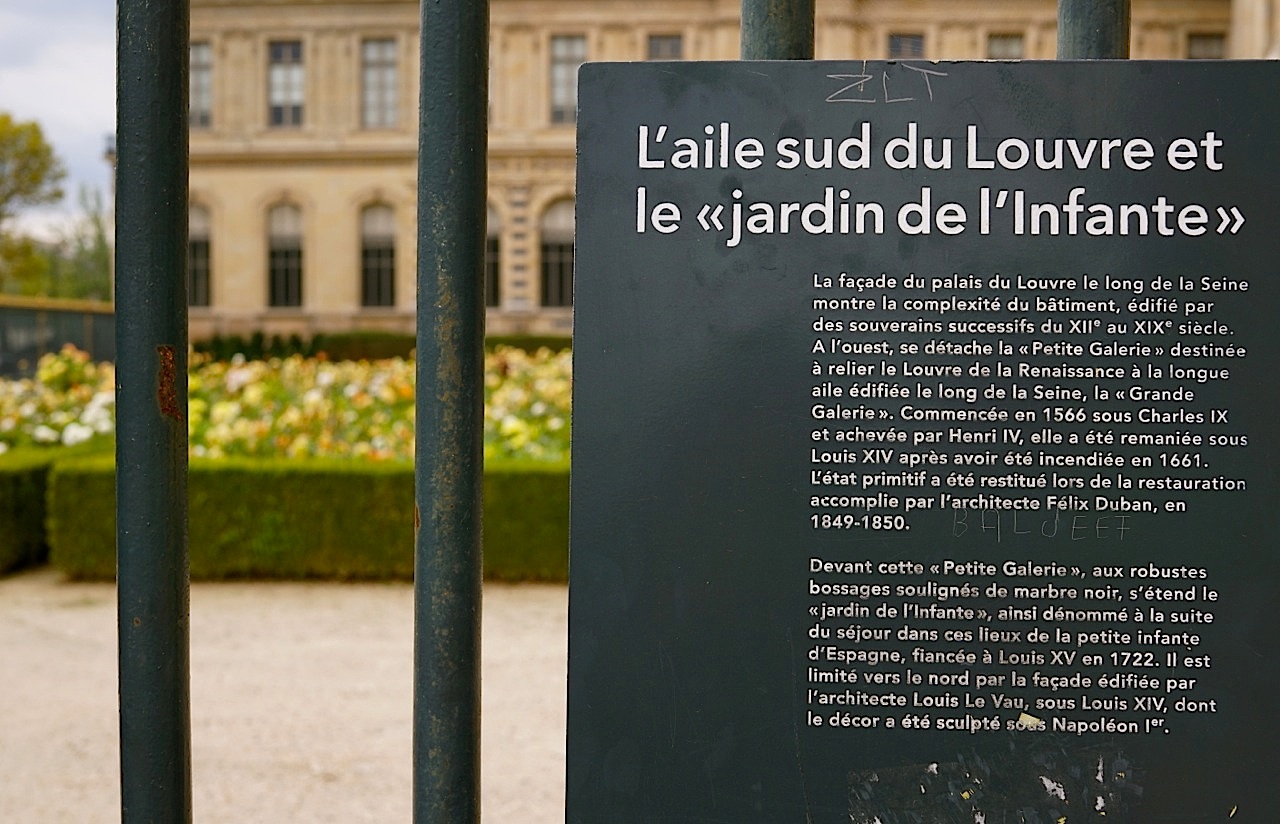
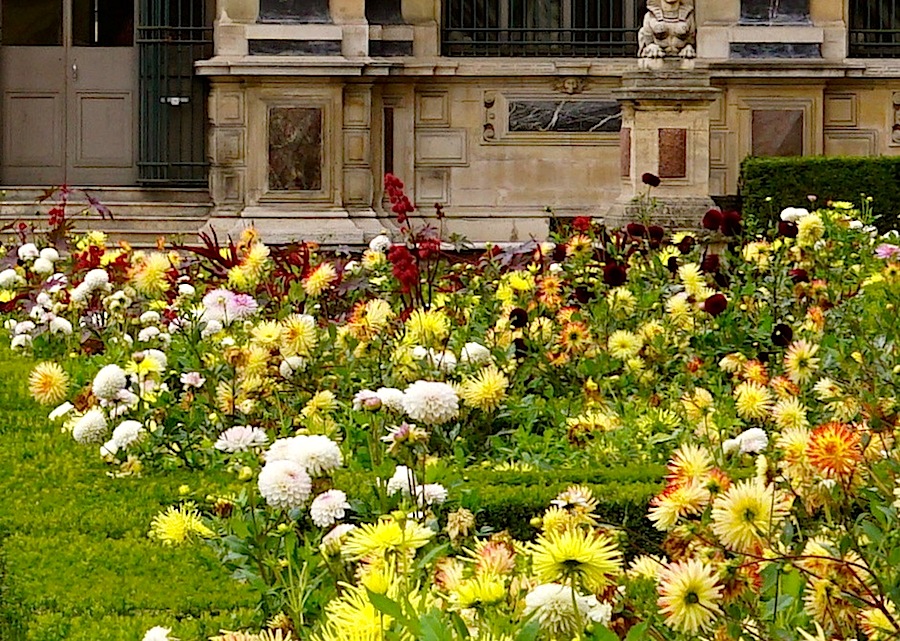
Jardin de l’Infante, Paris

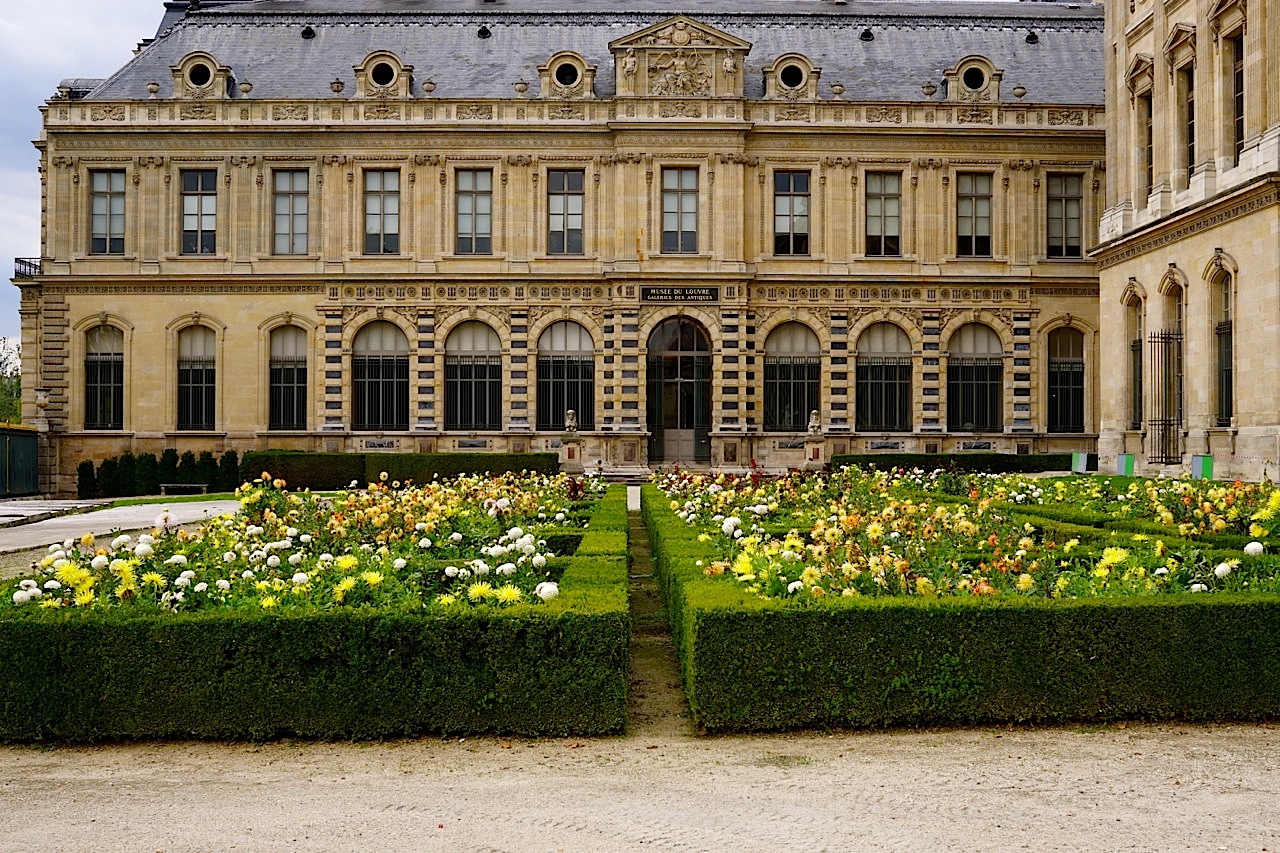
My favorite flower display in Paris last week was at the entrance to the Cour Carrée of the Louvre, near the Pont des Arts.

DSC01756full

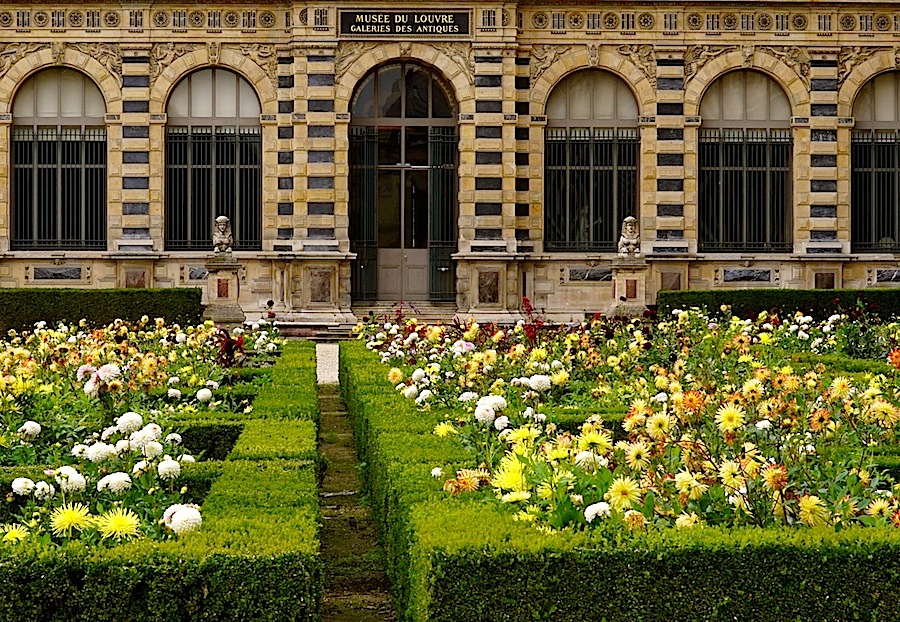
But I’m a pushover for massed dahlias — these were yellow, white, orange, and dark red, mixed with some burgundy amaranth and caster bean plants in the back.
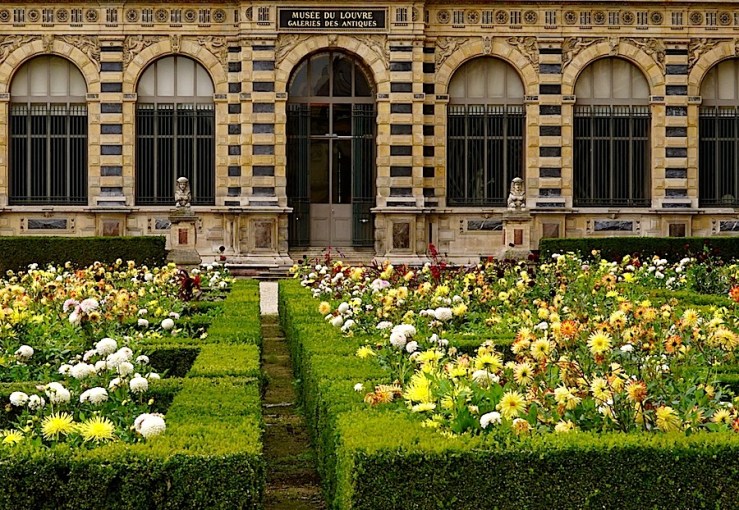
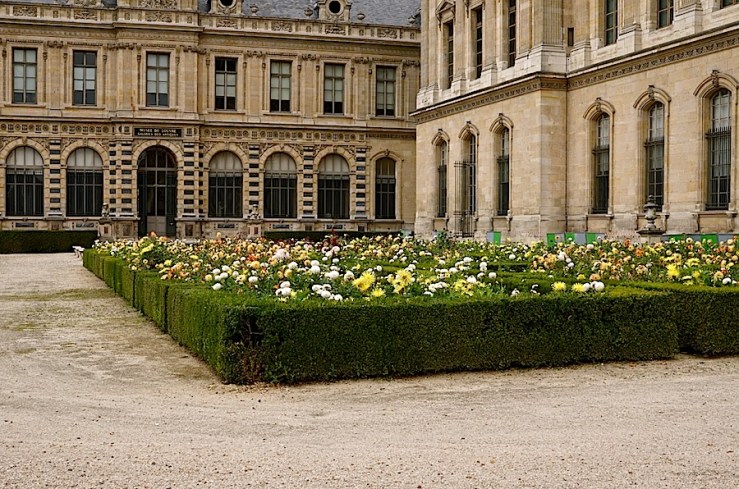
Jardin de l'infante, Louvre, Paris, Sept 2015, by enclos*ure

Jardin de l'Infante, The Louvre, Paris, September 2015, by enclos*ure

Unfortunately, a tall iron fence blocked them off from close inspection.

DSC01757

 I didn’t have a zoom lens, so I did the best I could to get some useable photos by pushing the camera through the bars and holding it out.

Jardin de l'infante,detail 2, Louvre, Paris, Sept 2015, by enclos*ure

The space is named “Garden of the Princess” for Mariana Victoria of Spain.  The three-year-old Infante was brought to live in the Louvre in 1721 when she was engaged to the preteen King Louis XV.

Jardin de l'infante,detail, Louvre, Paris, Sept 2015, by enclos*ure

Although she was deemed the “sweetest and prettiest little thing,” four years later, Louis broke off the match in order to marry an older Polish princess.
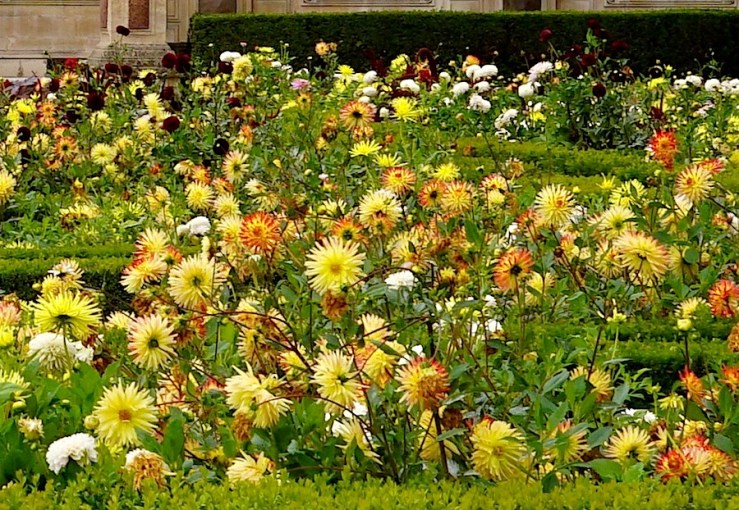
Jardin de l'infante,detail 3, Louvre, Paris, Sept 2015, by enclos*ure

Mariana was sent back to Spain and later married King Joseph I of Portugal.