Life in gardens: July 1942

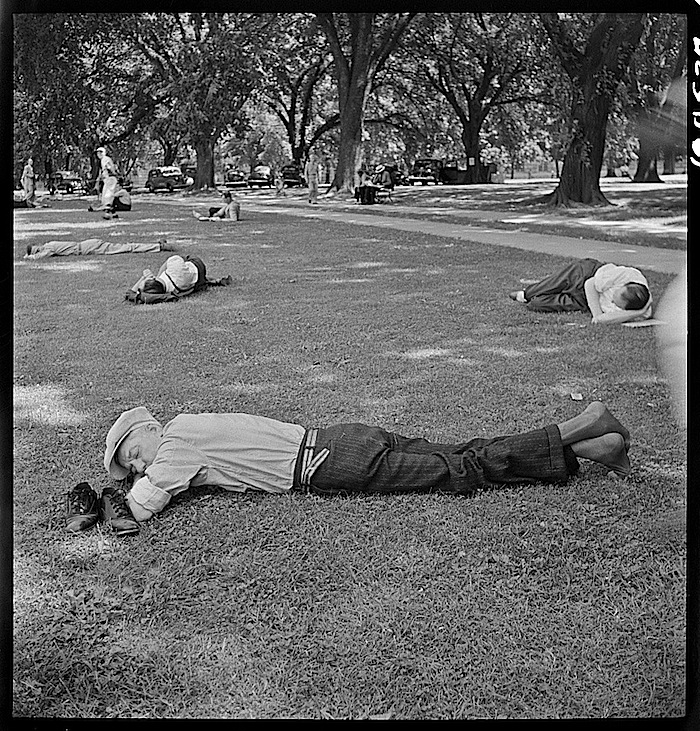
Washington, D.C., in July 1942, by Marjory Collins, via Library of CongressA hot Sunday in Washington, D.C., before air-conditioning.

All three photos of Ellipse Park by Marjory Collins, via Library of Congress Prints and Photographs Division.

Washington, D.C., in July 1942, by Marjory Collins, via Library of Congress

The mean daytime temperature that month was 86° — the high was 98°; the low was 78°. The daily high for humidity ranged from 76% to 100%.

Washington, D.C., in July 1942, by Marjory Collins, via Library of Congress

In the dog days of summer . . .

The wind lifts up my life
And sets it some distance from where it was.

— Meena Alexander, from “Dog Days of Summer“

Streifzug 4: more blumen

This slideshow requires JavaScript.

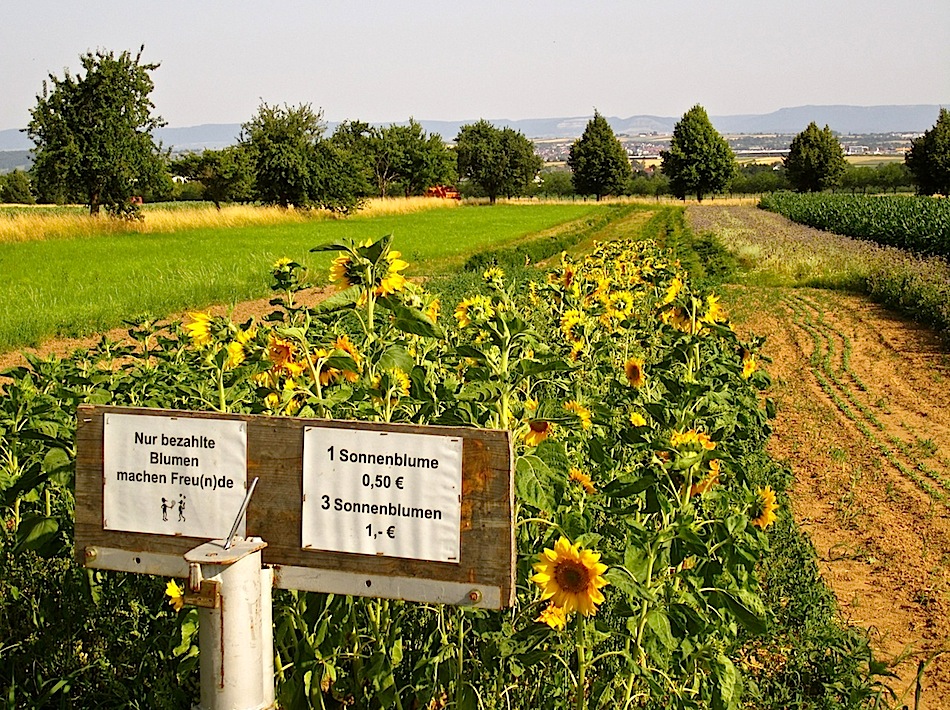
Yesterday: a Blumen selbt schneiden or ‘cut your own flowers’ field, with an honor-system money box.

There were lots of calendulas and cornflowers, but only a few red poppies left in the Sommerblumen mischung or summer mix row.  In the next couple of weeks, we’ll have gladiolus and dahlias.


Our garden in July

How to convey the very, very discreet charm of our garden of rough grass and weeds?

This slideshow requires JavaScript.

I often think of this other bit of German ground painted by Albrecht Dürer.

Yesterday, a repairman came over to fix the window/door behind my desk chair. It turned out to be fine; I just did not know how to operate it properly. (German windows are wonderful, but this one is a bit over-engineered.)  He pushed the handle and pulled the frame and said, “And now you can go out into the beautiful . . . looks out, slight pause. . . garden.”

You can read about the beginning of my “garden without (much) gardening” here.

The middle of the month brings Garden Bloggers’ Bloom Day (the 15th) and Foliage Follow Up (the 16th). Please visit Carol at May Dreams Gardens and Pam at Digging to see what’s blooming and leafing out in July.

You can scroll through larger versions of the photos above by clicking on ‘Continue reading’ below.

I grow in places
others can’t,

where wind is high
and water scant. . . .

I make my humble,
bladed bed.

And where there’s level ground,
I spread.

— Joyce Sidman, from “Grass“
The Sunday porch: Sagamore Hill

T. Roosevelt porch, Library of CongressThe porch of President Theodore Roosevelt’s country home, Sagamore Hill, ca. 1905, photographer unknown, via Library of Congress Prints and Photographs Division (both photos here).

The rug was a mountain lion.

Roosevelt purchased the land in Oyster Bay, New York, in the early 1880s and began planning the Queen Anne house with his first wife, Alice. But she died in 1884, and it was second wife Edith who moved into the newly completed home two years later.

Sagamore Hill, ca. 1905, Library of Congress

Sagamore Hill was their family’s primary residence, except from 1901 to 1909, when it was known as the “Summer White House.”

Theodore died there in 1919, as did Edith in 1948.  The family continued to own it until the 1950s, when it was passed to the Theodore Roosevelt Association and later to the National Park Service.

The house reopens to the public today, after being closed for three and a half years for renovation.

Streifzug 2: blooming

Yesterday evening about 7 p.m.

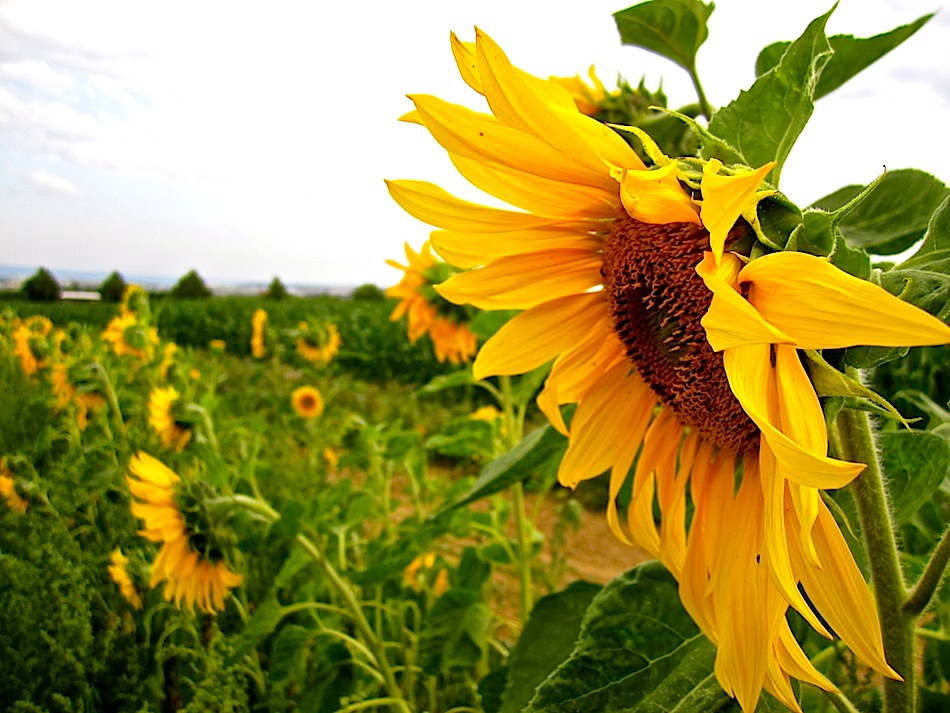
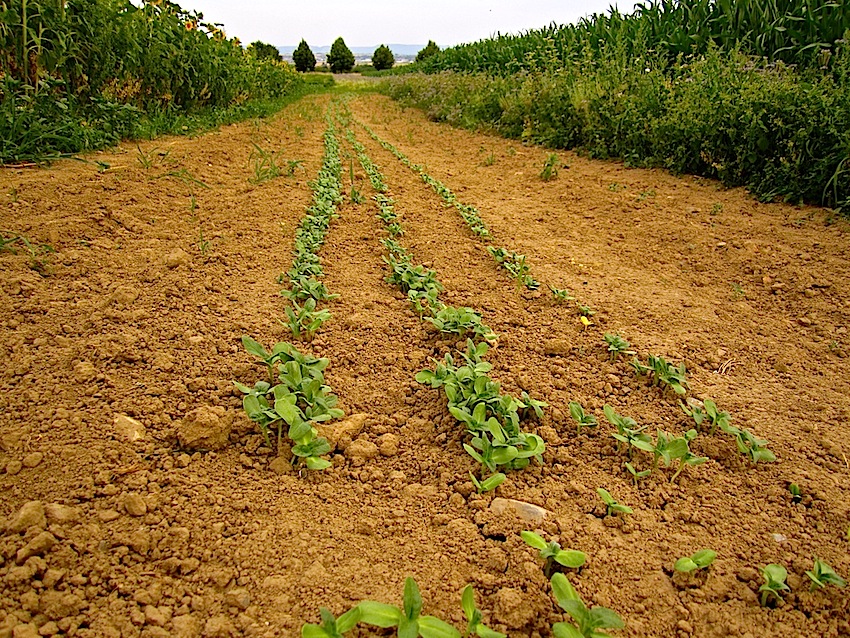
The cut-your-own sunflowers that I photographed last week are now blooming.

"Only paid-for flowers make friends."  A sonnenblume is a sunflower.
“Only paid-for flowers make friends/joy.” A Sonnenblume is a sunflower.
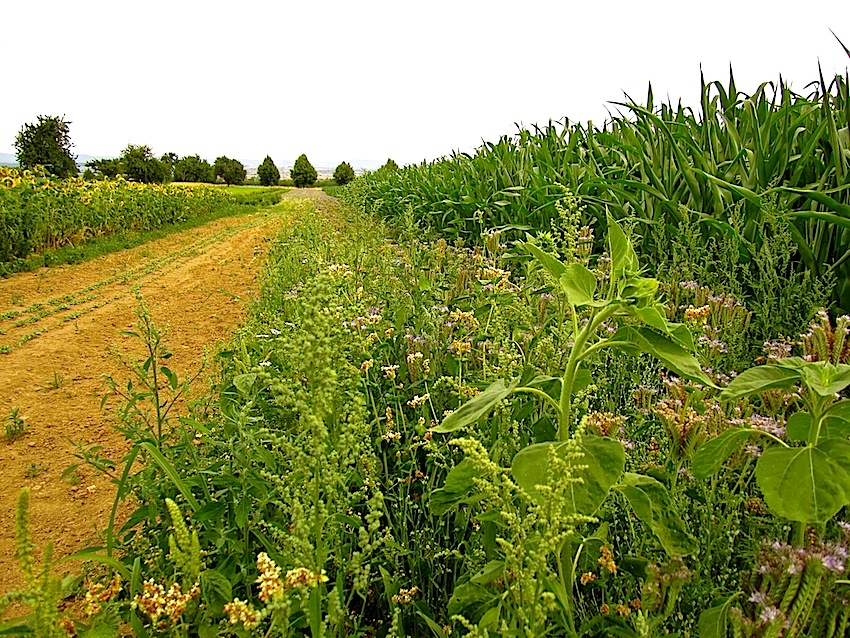
The row of purple blooms has faded.
Late summer sunflowers?  or maybe zinnias?
In the middle, late summer sunflowers?  or maybe zinnias?

(Streifzug means ‘foray,’ ‘ brief survey,’ or ‘ramble.’)

Like every flower, she has a little
theory, and what she thinks
is up. . . .

— Frank Steele, from “Sunflower“