
 But we like Mr. Riley (aka Puppy) anyway.
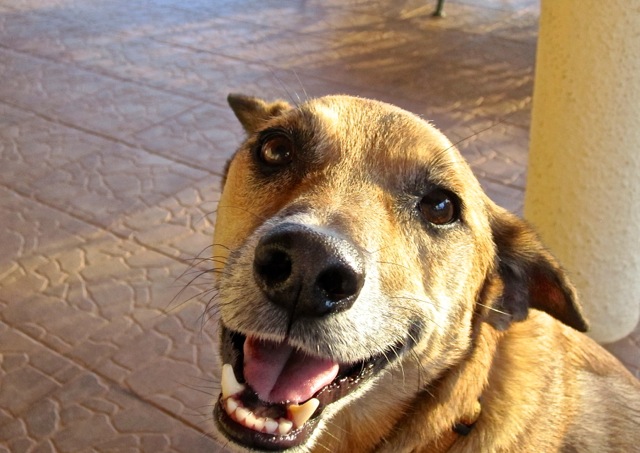
But we like Mr. Riley (aka Puppy) anyway.
Ford Motor Co. snow plows, ca. 1910 – 1925, possibly in Washington, D.C., National Photo Company Collection, Library of Congress Prints and Photographs Division.Announced by all the trumpets of the sky,
Arrives the snow. . .— Ralph Waldo Emerson, from “The Snow-Storm“
“Most sources seem to agree that the basic street snow plow (not horse-drawn or built for trains) was created in 1913,” according to the blog Landscape Management Network.
“The first street snow plow, however, wasn’t patented until the early 1920s. At the time, a New Yorker by the name of Carl Fink was the leading manufacturer of plows mounted to motorized vehicles. Today, the company is known as Fink-America and its plows are still on the market.”
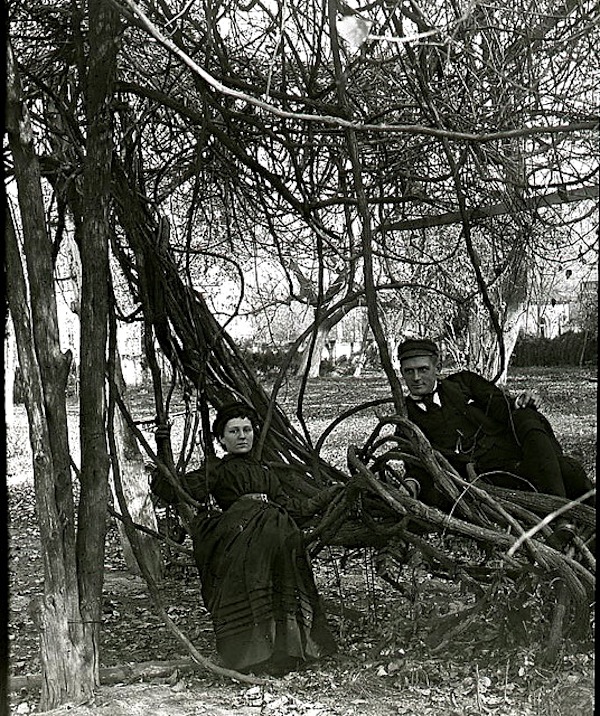 “Two people relaxing in Van Ness Park about 1880,” Washington, D.C., via D.C. Public Library Commons photostream on Flickr.
This park was not located in the present-day upper-northwest neighborhood known as Van Ness. The photo was taken in an area southwest of the White House near the corner of C and 18th Sts., N.W. — which was then known informally as “Van Ness Park.”
According to the Library’s notation on the photo, the building that can be seen in the middle of the far right side (above the man’s legs) is a “dependency of Van Ness Mansion.”
Van Ness House (Mansion) and its grounds were located on the block bordered by 17th and 18th Sts. and C St. and Constitution Ave. Built about 1816, the Greek Revival house was one of the finest in the city until the Civil War. But afterwards, it served as a “German beer garden, florist’s nursery, headquarters of the city streetcleaners, and in the end, for the Columbia Athletic Club,” according to the blog Lost Washington.
The college that became George Washington University bought the property in 1903 but later decided that its location was too unhealthy for campus facilities. At that time, the Potomac River and its marshes came up to B St., now Constitution Ave.
The State Department bought it in 1907, tore down the house, and built the Pan American Union (today OAS) Building.
I think the dependency in the photo is the old stable of the estate, which still exists at C and 18th Sts. If that’s so, the couple may be lounging in what is now Bolivar Park.
According to the blog DC Ghosts, the stables have a connection to a local ghost story in which six white horses “run wildly around the grounds” and then group together to walk to the P St. Bridge crossing to Georgetown and Oak Hill Cemetery. The full story is here.
It is good to be alone in a garden at dawn or dark so that all its shy presences may haunt you and possess you in a reverie of suspended thought.
— James Douglas, Down Shoe Lane

These are the front “steps” from the road to someone’s home in a village near the Virunga Safari Lodge in northern Rwanda. (We spent a night at the Lodge earlier this month.)
They are steeper than they look in the picture.
The little house at the top of the hill would look like the one below; I took this photo along the same stretch of road.
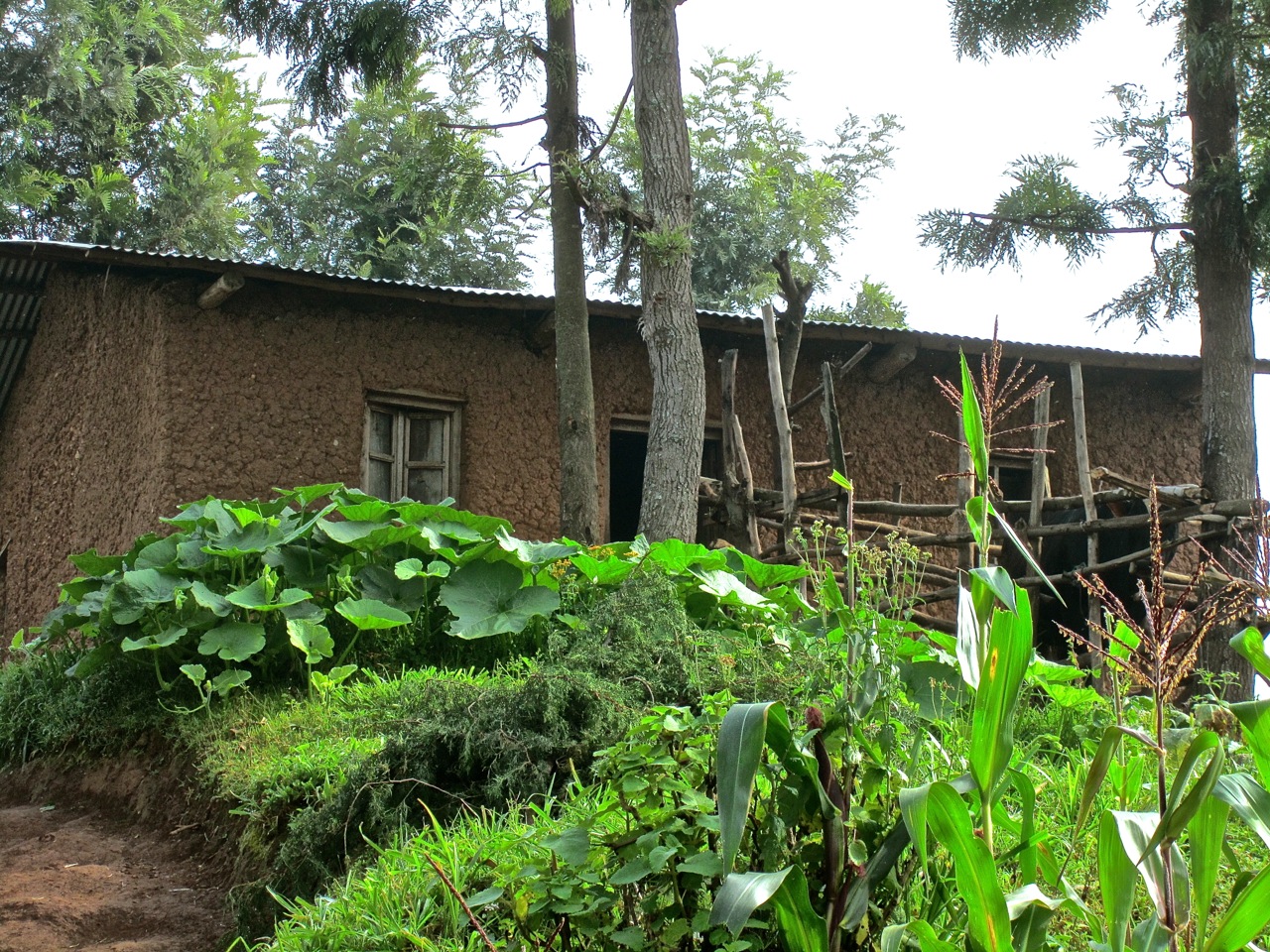
We had hiked down the hill from the hotel along a series of narrow and slippery paths.
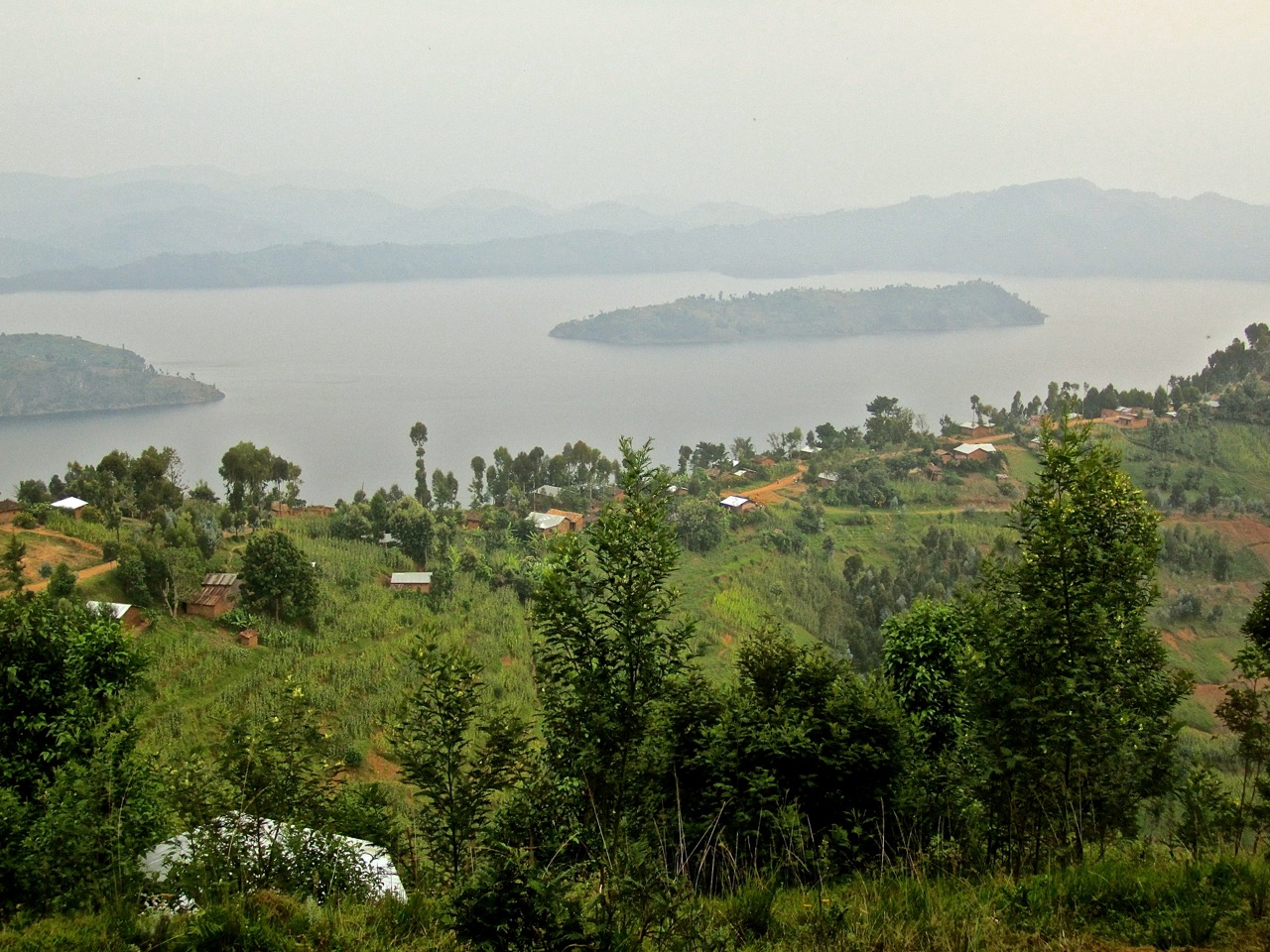
Also steeper than it looks here.

Below are my husband and our guide starting back up the hill. A moment later, as we were sliding and leaning on our sticks, we were passed by a young women with a baby on her back. She was wearing flip-flops and carrying what I can only describe as a yule log on her head. She was soon out of sight.

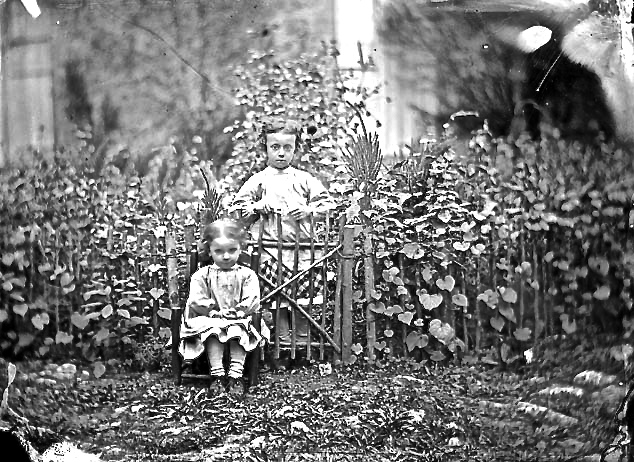
Paul and Henri at Cornusson, Parisot Commune, in the Pyrenees, France, ca. 1870, by Eugène Trutat, via the Bibliothèque de Toulouse Commons on flickr.
As from the house your mother seesYou playing round the garden trees,So you may see, if you will lookThrough the windows of this book,Another child, far, far away,And in another garden, play.But do not think you can at all,By knocking on the window, callThat child to hear you. He intentIs all on his play-business bent.He does not hear; he will not look,Nor yet be lured out of this book.For, long ago, the truth to say,He has grown up and gone away,And it is but a child of airThat lingers in the garden there.— Robert Louis Stevenson, “To Any Reader”

