Vintage landscape: Bagatelle Garden (and Chelsea Miscellany)

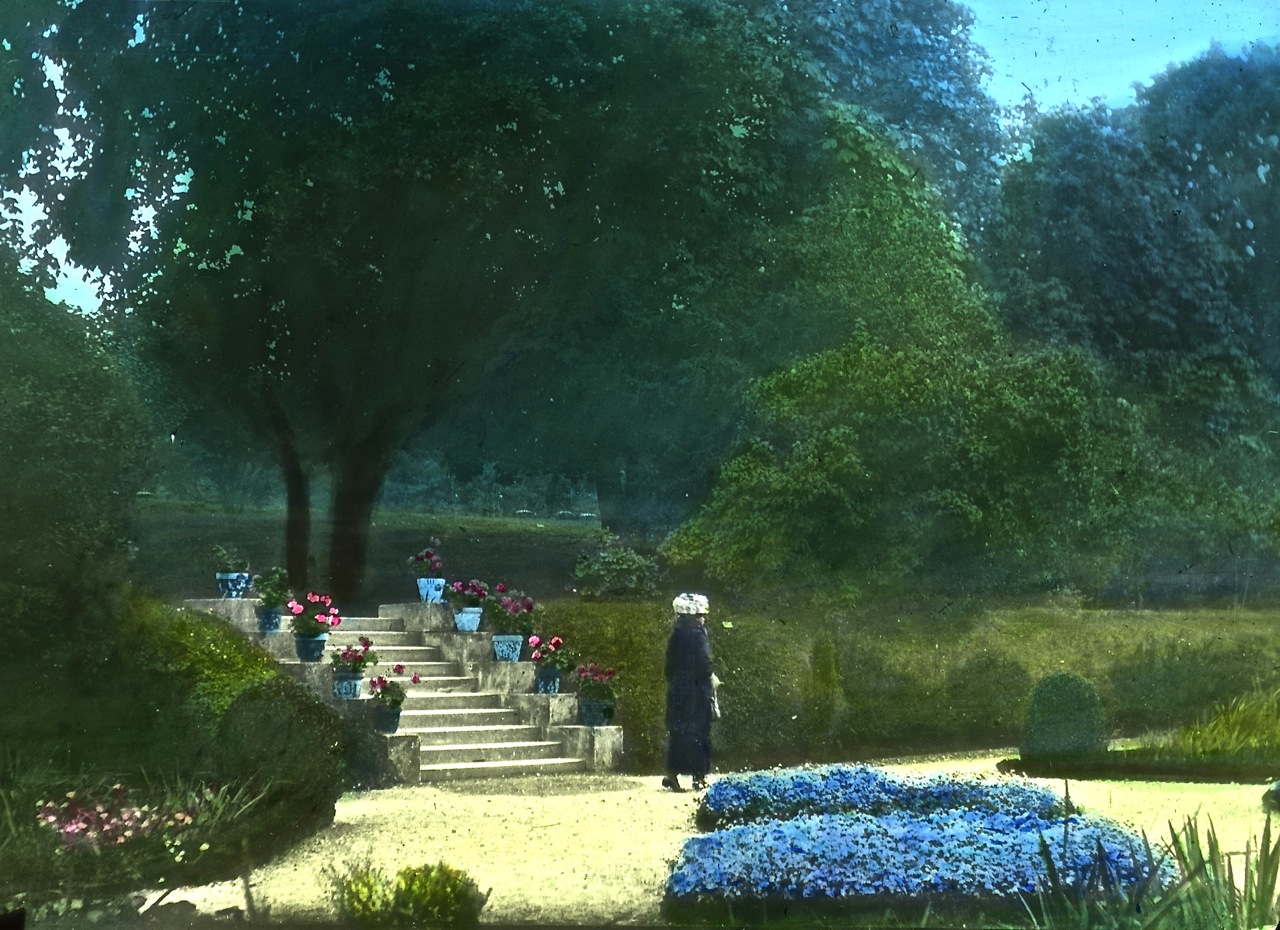
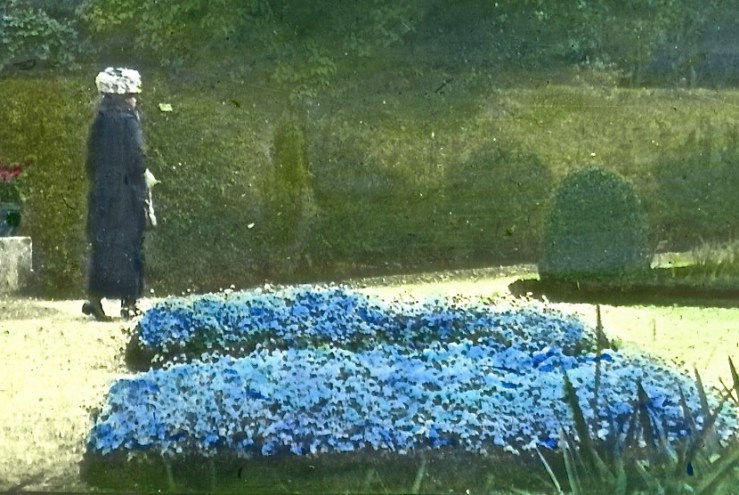
Bagatelle/enclos*ure Hand-tinted (3″ x 5″) glass lantern slide of Bagatelle Garden, Paris, France, ca. 1930, photographer unknown.
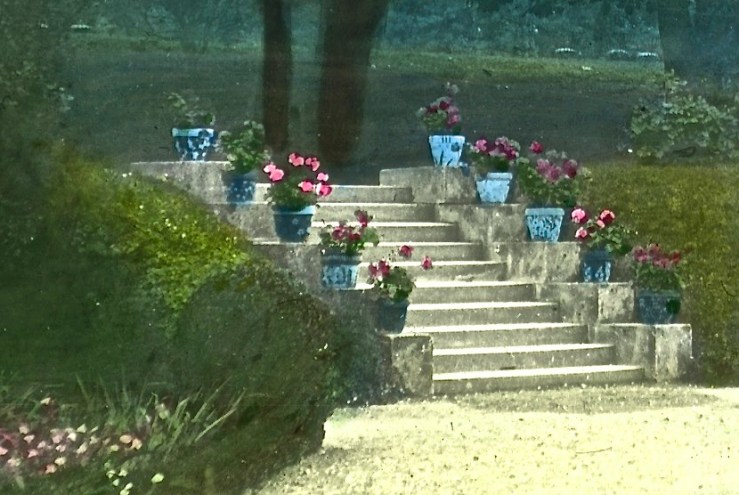
Bagatelle detail/enclos*ure
Detail.

The image is from the Garden Club of America Collection, part of the Archives of American Gardens at the Smithsonian Institution (used here by permission).
Bagatelle detail/enclos*ure
Detail.

The Archives hold over 60,000 photos and records documenting 6,300 historic and contemporary American gardens.  At its core are almost 3,000 hand-colored glass lantern and 35mm slides donated by the Garden Club of America.

Smithsonian Gardens maintains 11 gardens around the Smithsonian Institution’s grounds and also has a good blog here.

Chelsea Miscellany

It’s RHS  Chelsea Flower Show time!  Their website is here.

All The Telegraph’s  Chelsea coverage is here; The Guardian’s is here; The Independent’s is here.

BBC coverage is here.  You may need this to view it.  (View episodes soon; some expire in four days.)

The New York Times reports on how gnomes will be allowed in the show this year (only), here.  In the Herald (Dublin), “Diarmuid Gavin has branded the Chelsea Flower Show ‘dull’ and described Prince Harry’s garden at the centenary exhibition as ‘bad,'” here.

Studio ‘g’  has photos of the Best in Show winner — the Australian garden — here, and they promise more pictures to come.  Also, check out The Galloping Gardener’s report, here (thanks to GD by CM) — Gardenista’s, here — and The Enduring Gardener’s, here.   Anne Wareham of thinkinGardens comments on two of this year’s entries, here.

Sources for seeds for cow parsley — plant of the moment at this year’s show, according to Gardenista — here.

Instagram photos tagged #chelseaflowershow are here.  GAP Photos has 103 photos of Chelsea, here.  More photos, as well as plant lists, are posted on Shoot, here.

Where have you found good photos or reviews of the show?
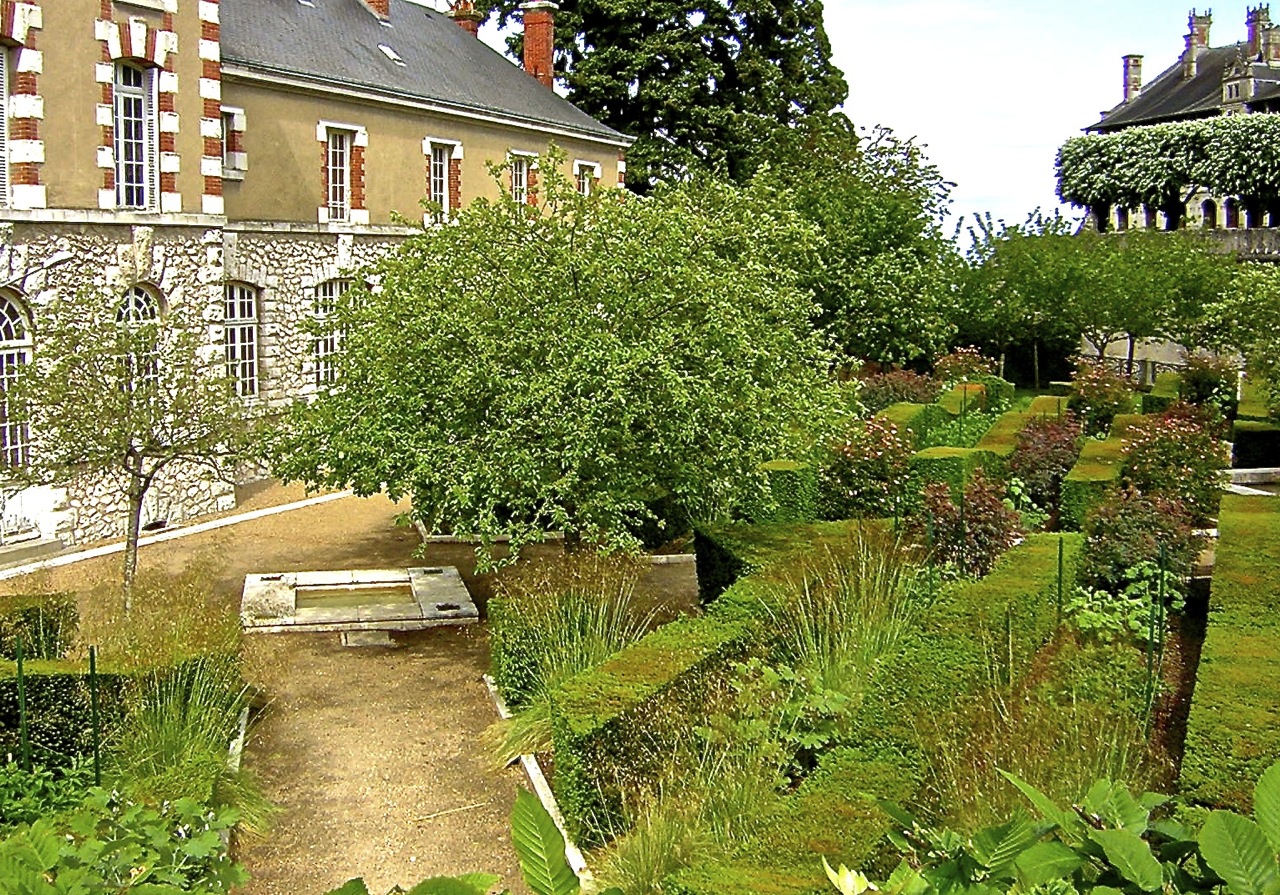
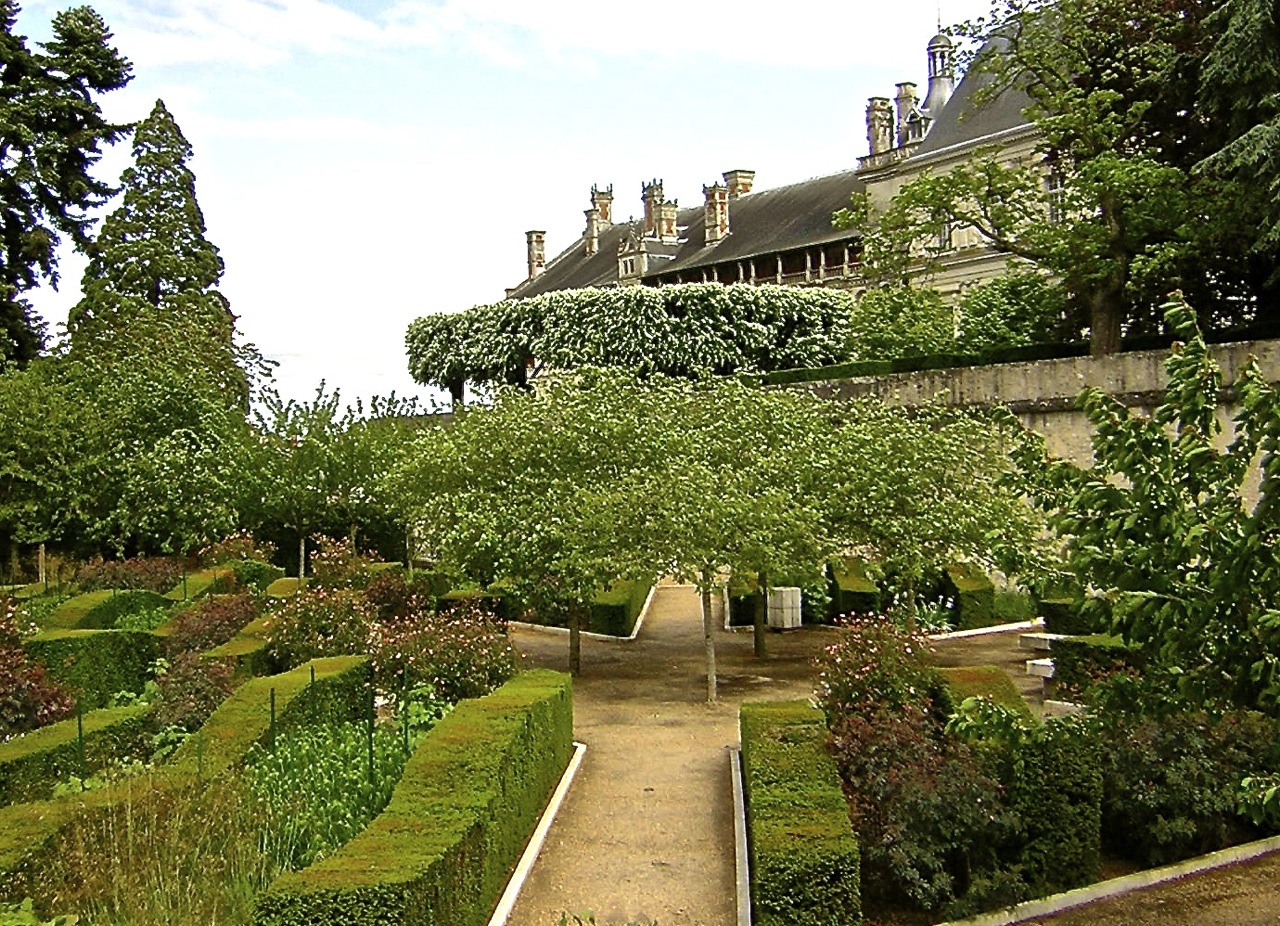
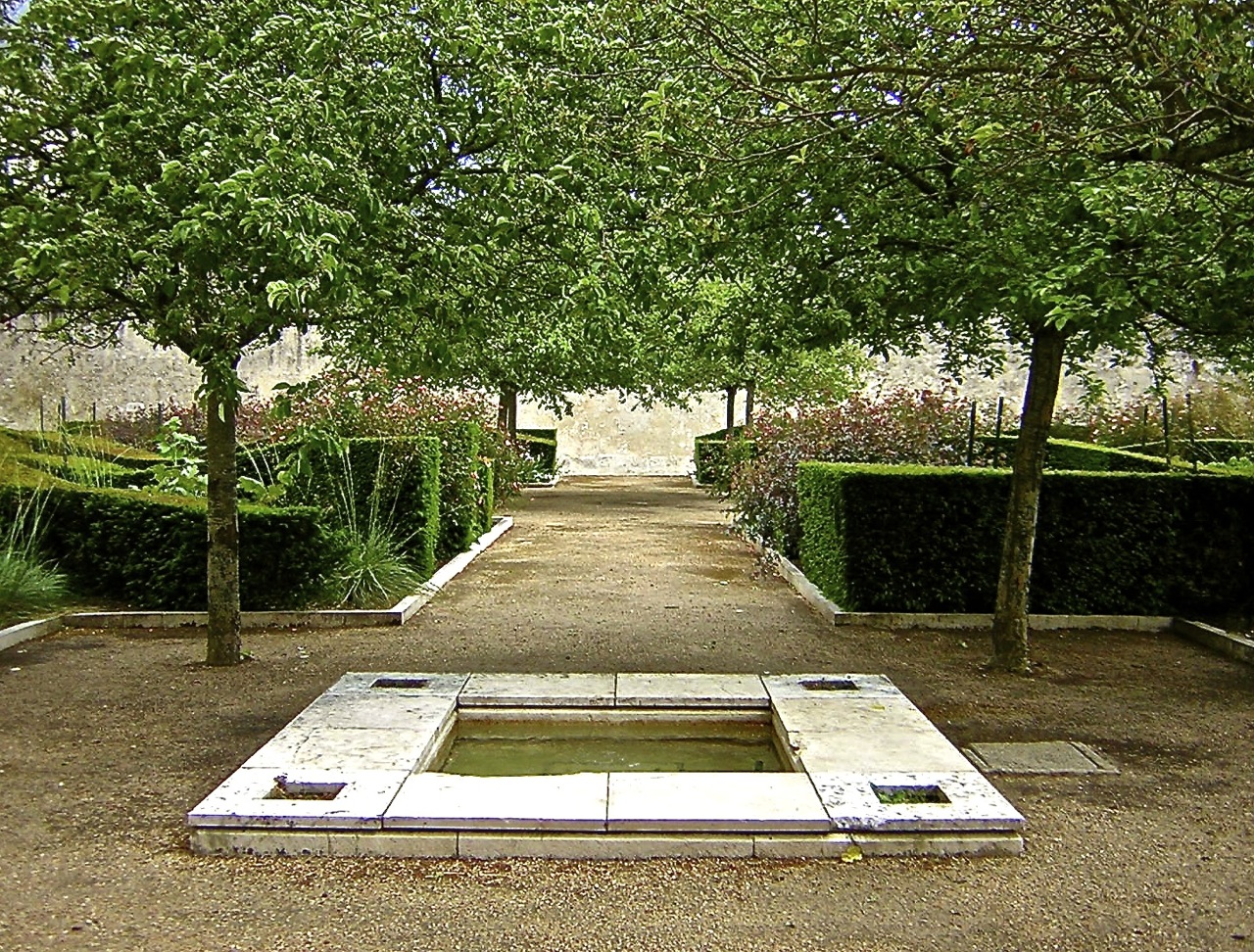
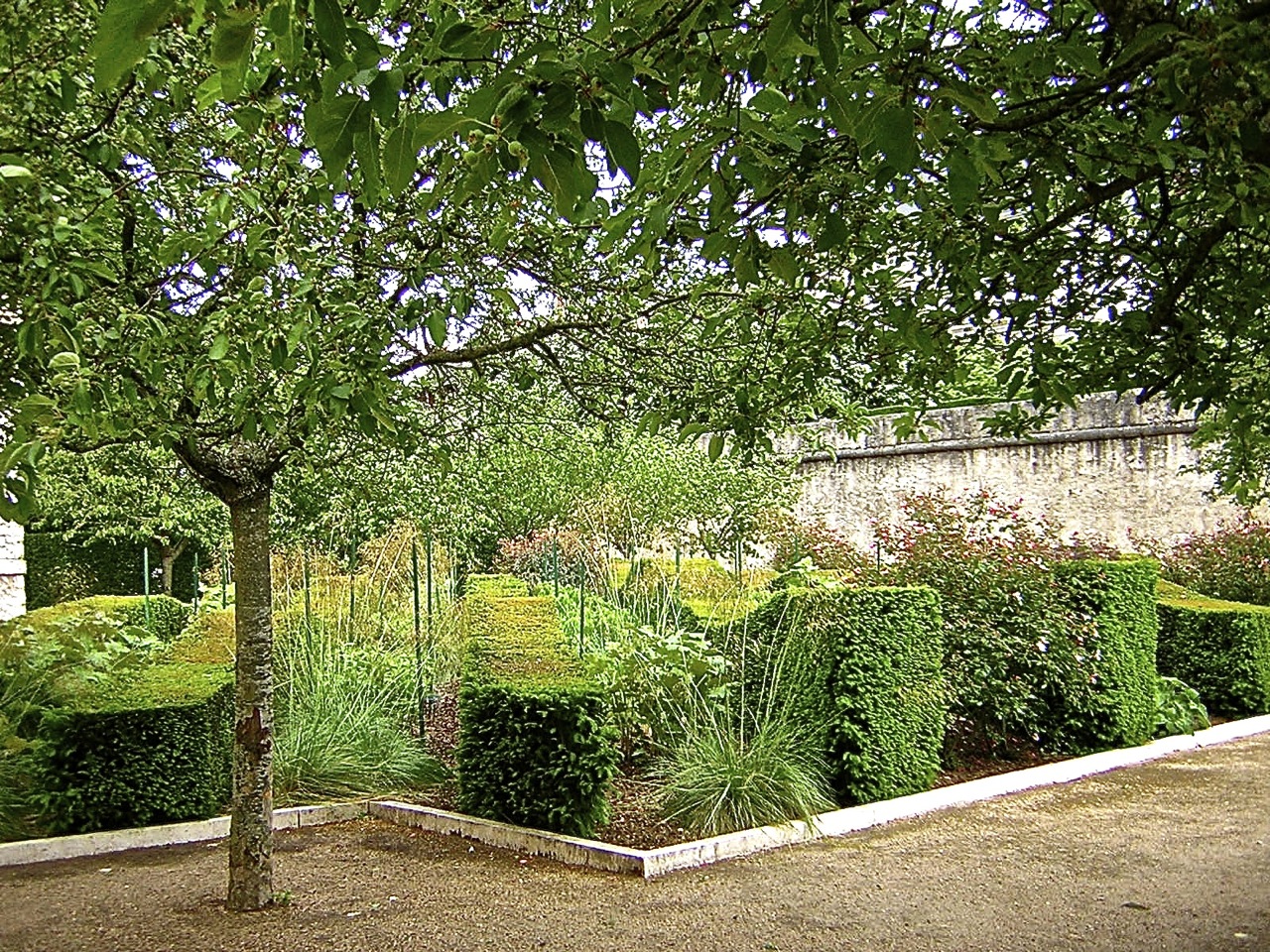
Blois garden in May

Blois garden/enclos*ure

Forgive me for re-blogging these photos from 2011, but I am missing the particular beauty of May in the northern hemisphere.

Blois garden/enclos*ure

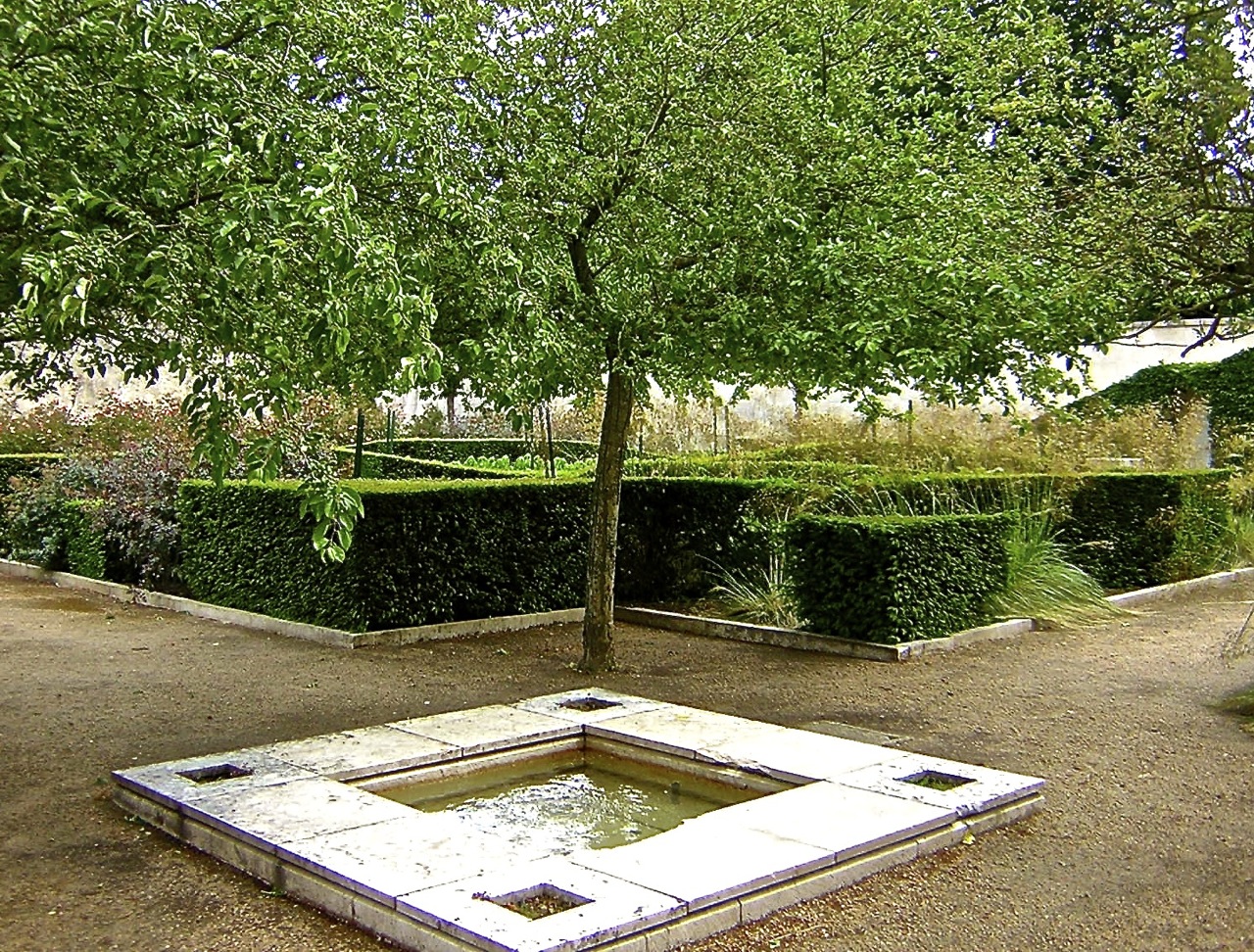
This is a garden overlooked by the Chateau de Blois in France.

Blois garden/enclos*ure

I took these photos in May 2007.

Blois garden/enclos*ure

The garden was designed by Gilles Clément.

Blois garden/enclos*ure

The hedges are yew. In between are Mutabilis roses and Stipa gigantea. I have forgotten all the emerging perennials, but believe I saw Joe Pye weed and anemones.

A study in steps: the High Line

High Line steps/enclos*ure

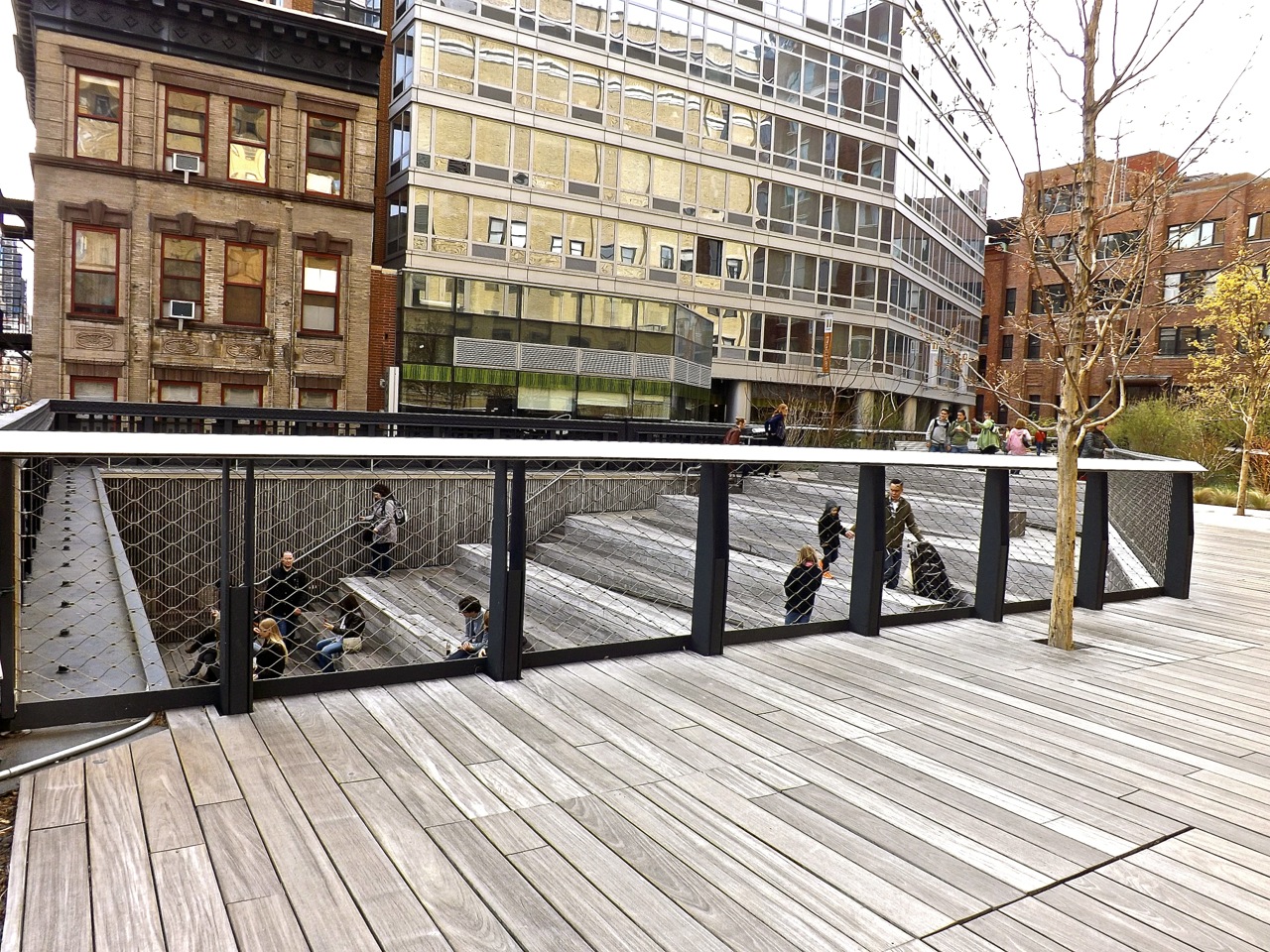
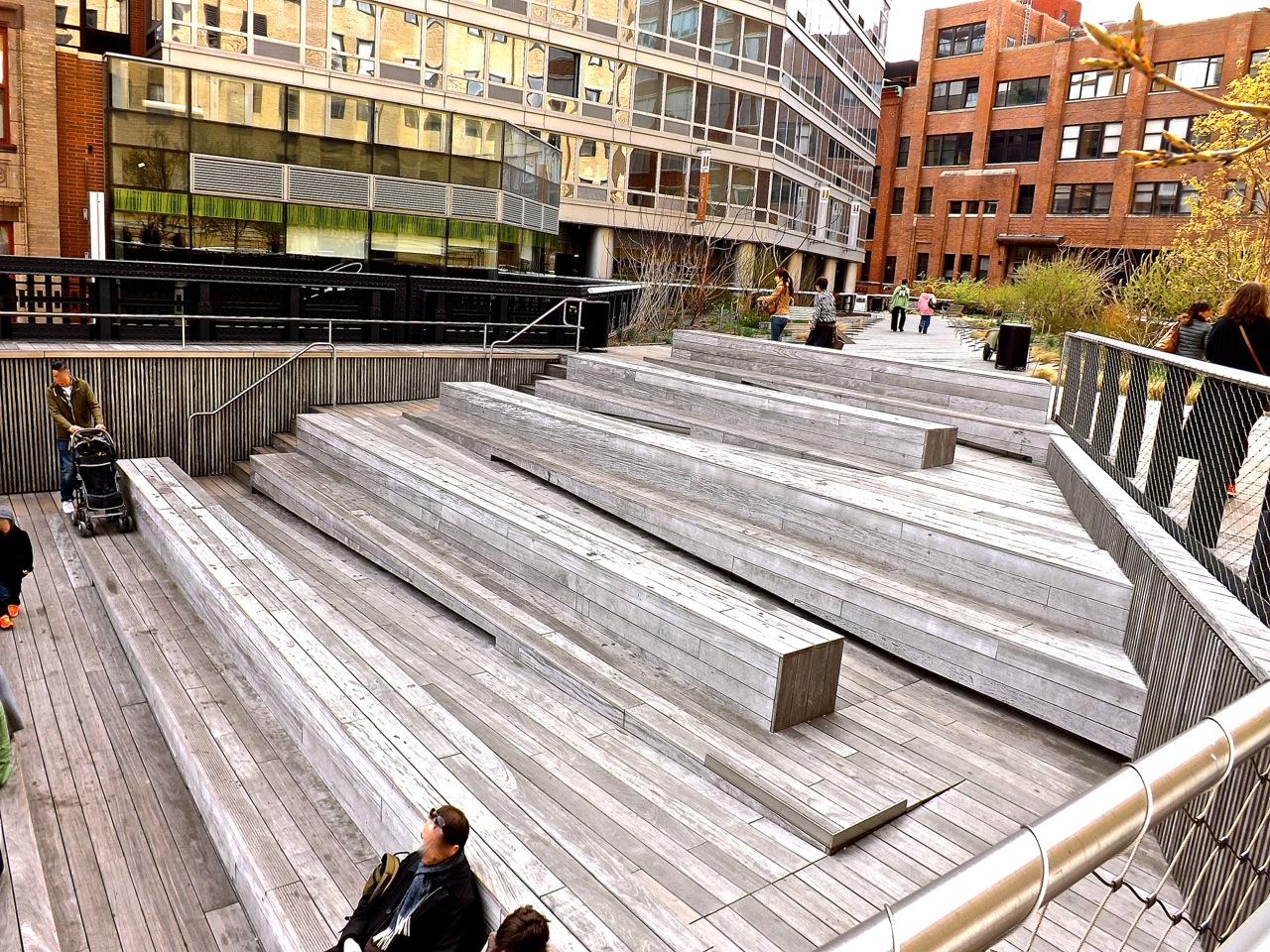
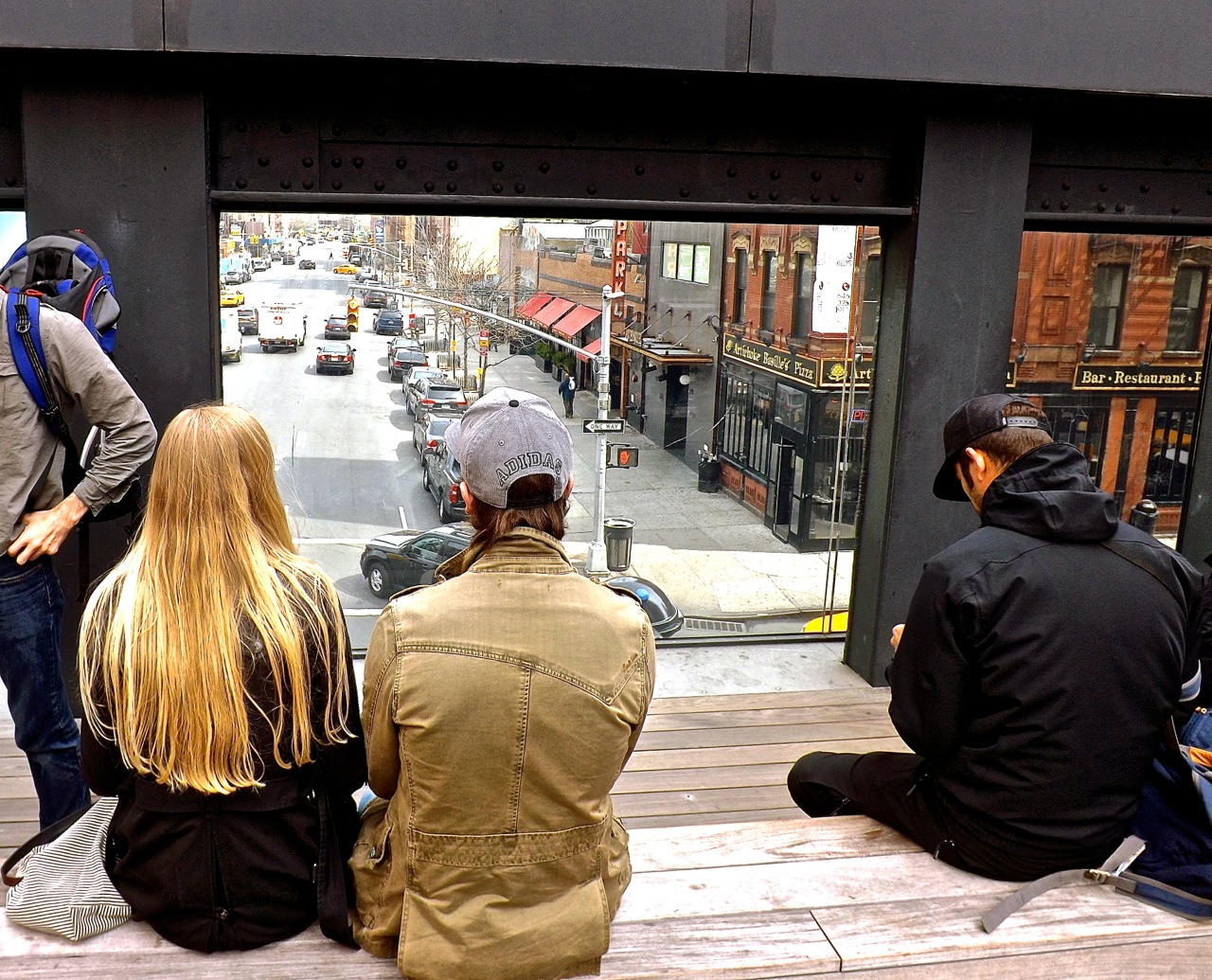
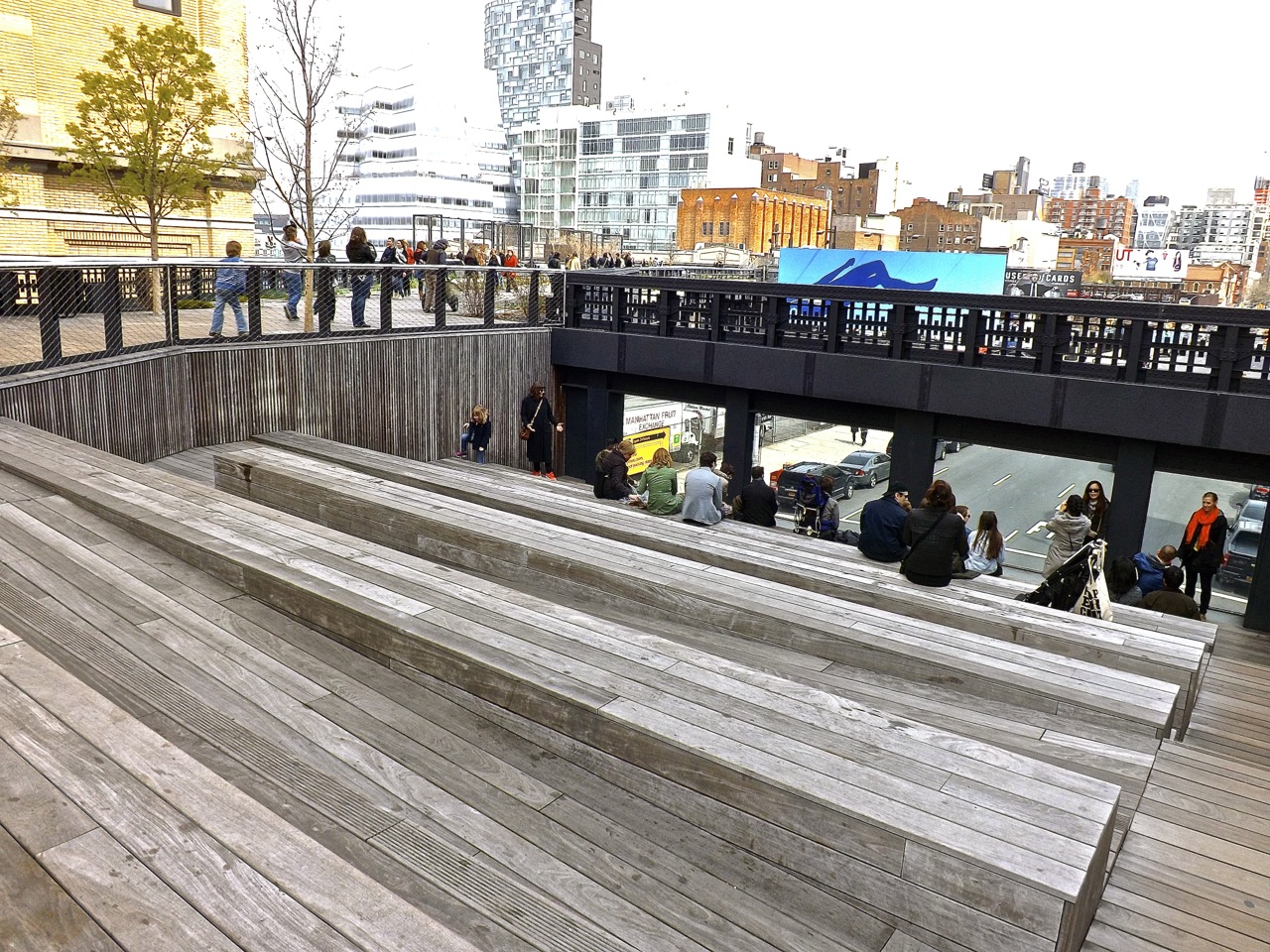
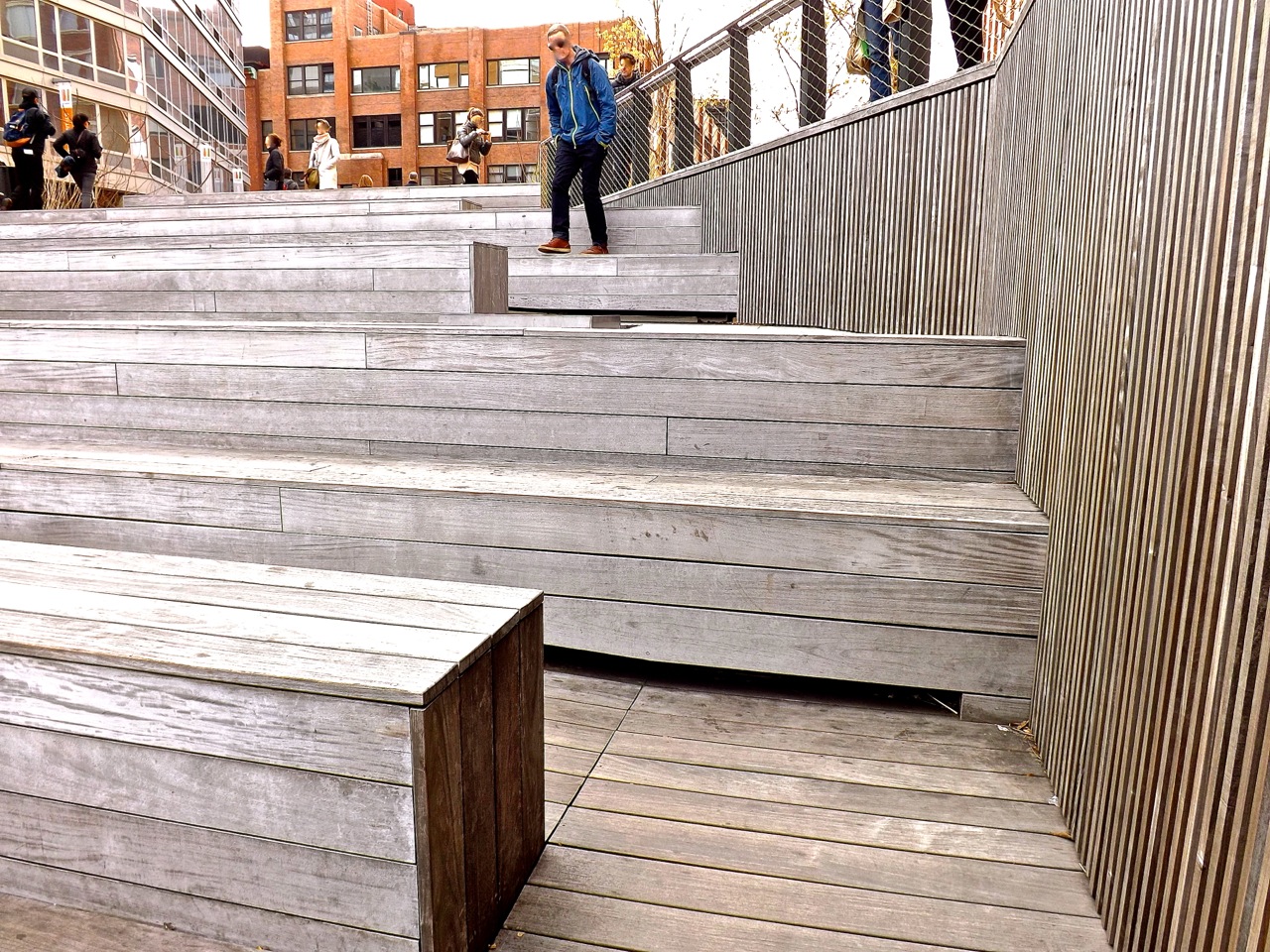
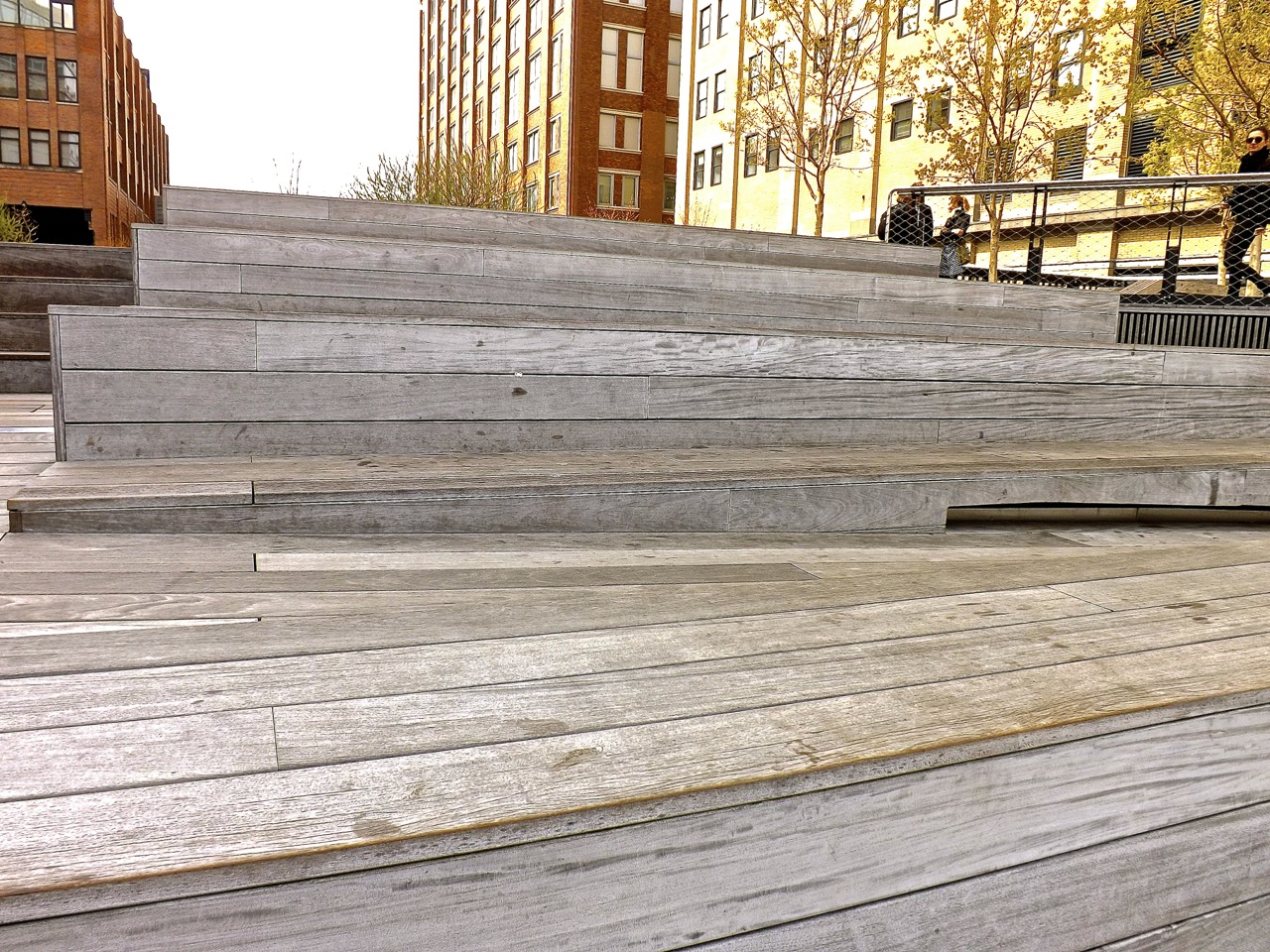
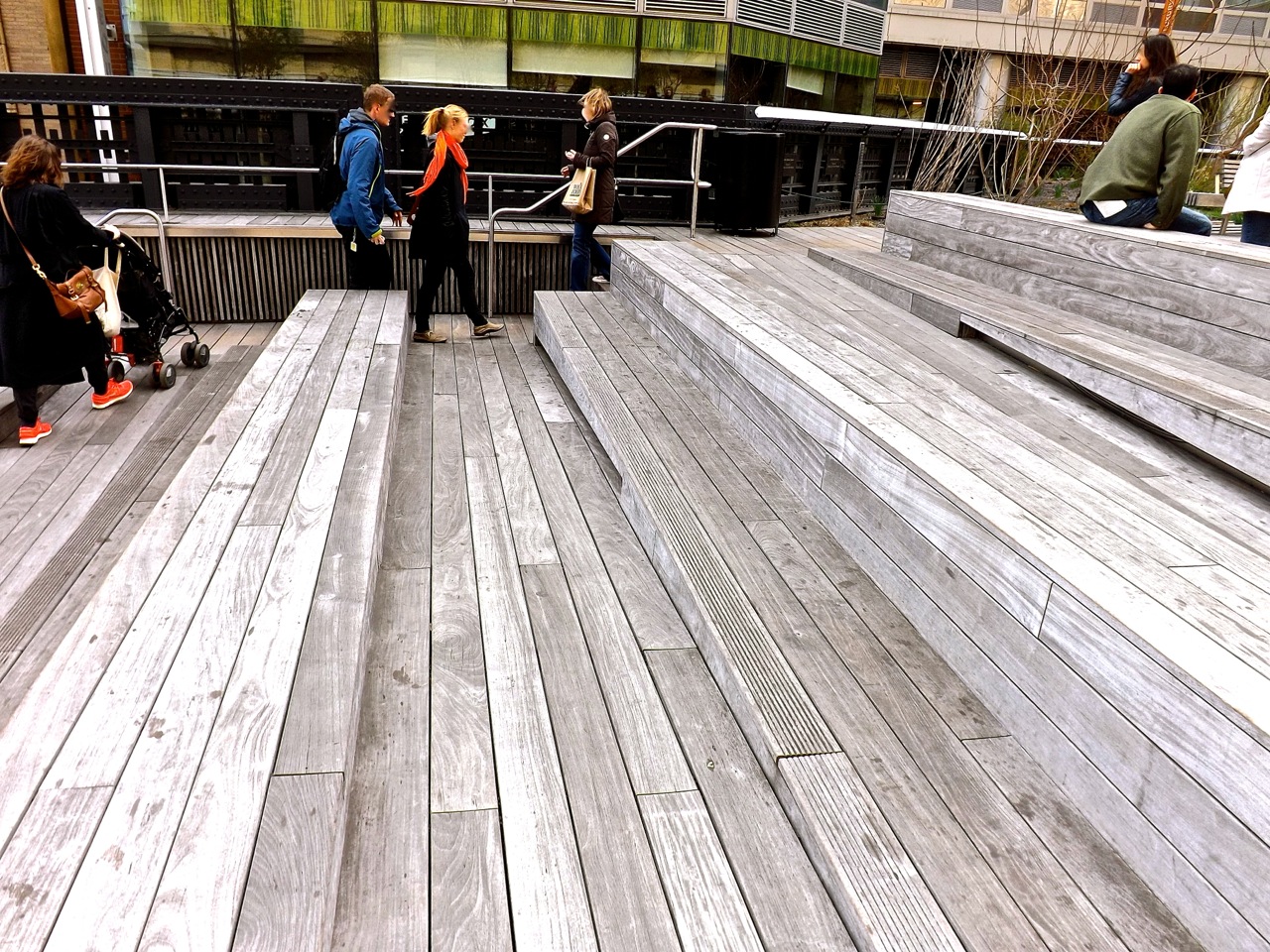
The arrangement of steps/benches at the 10th Ave. Square seems to be one of the more successful sections of the High Line — if you judge success  at least partly on the visitors’ use of and engagement with the site.

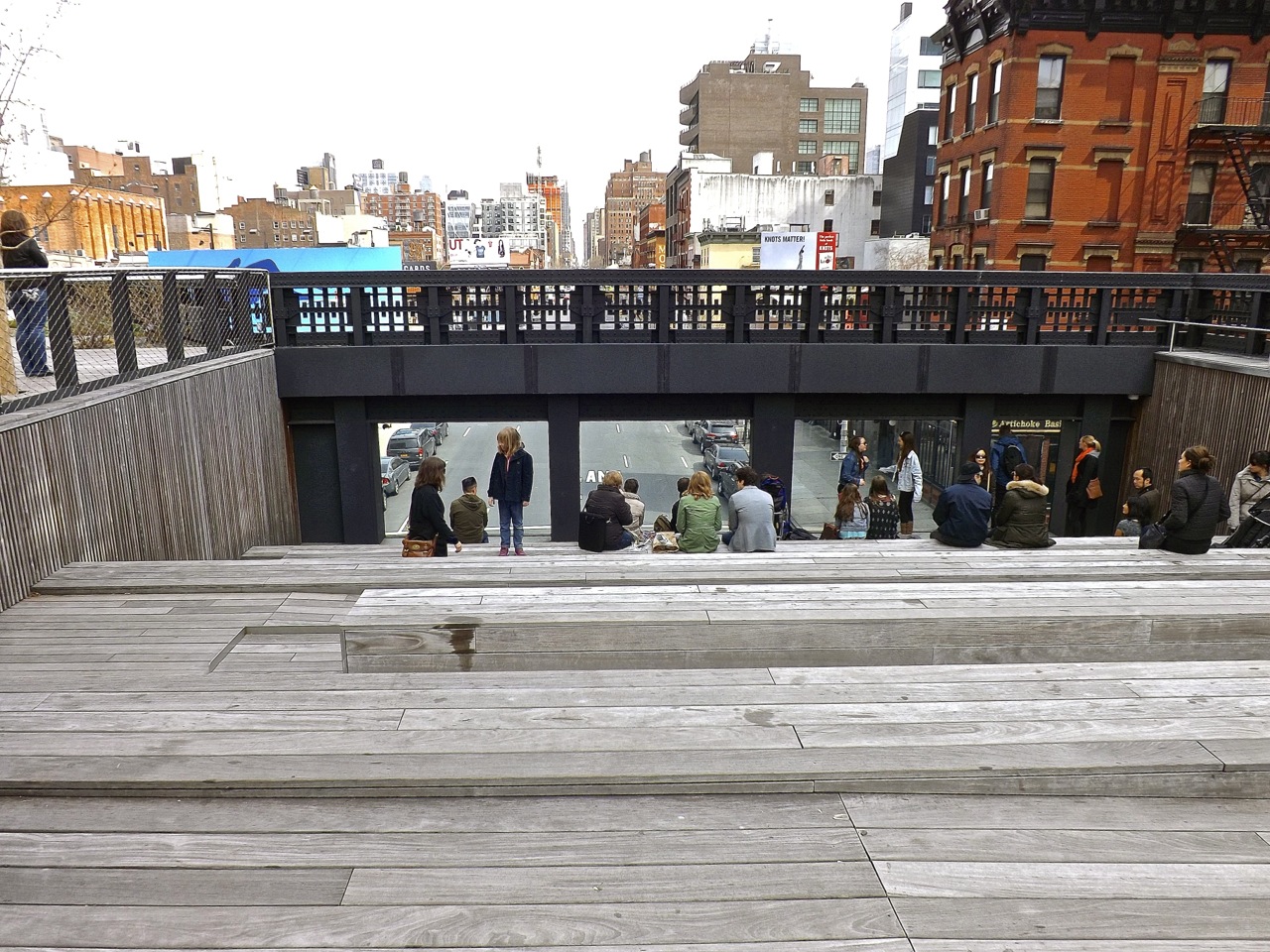
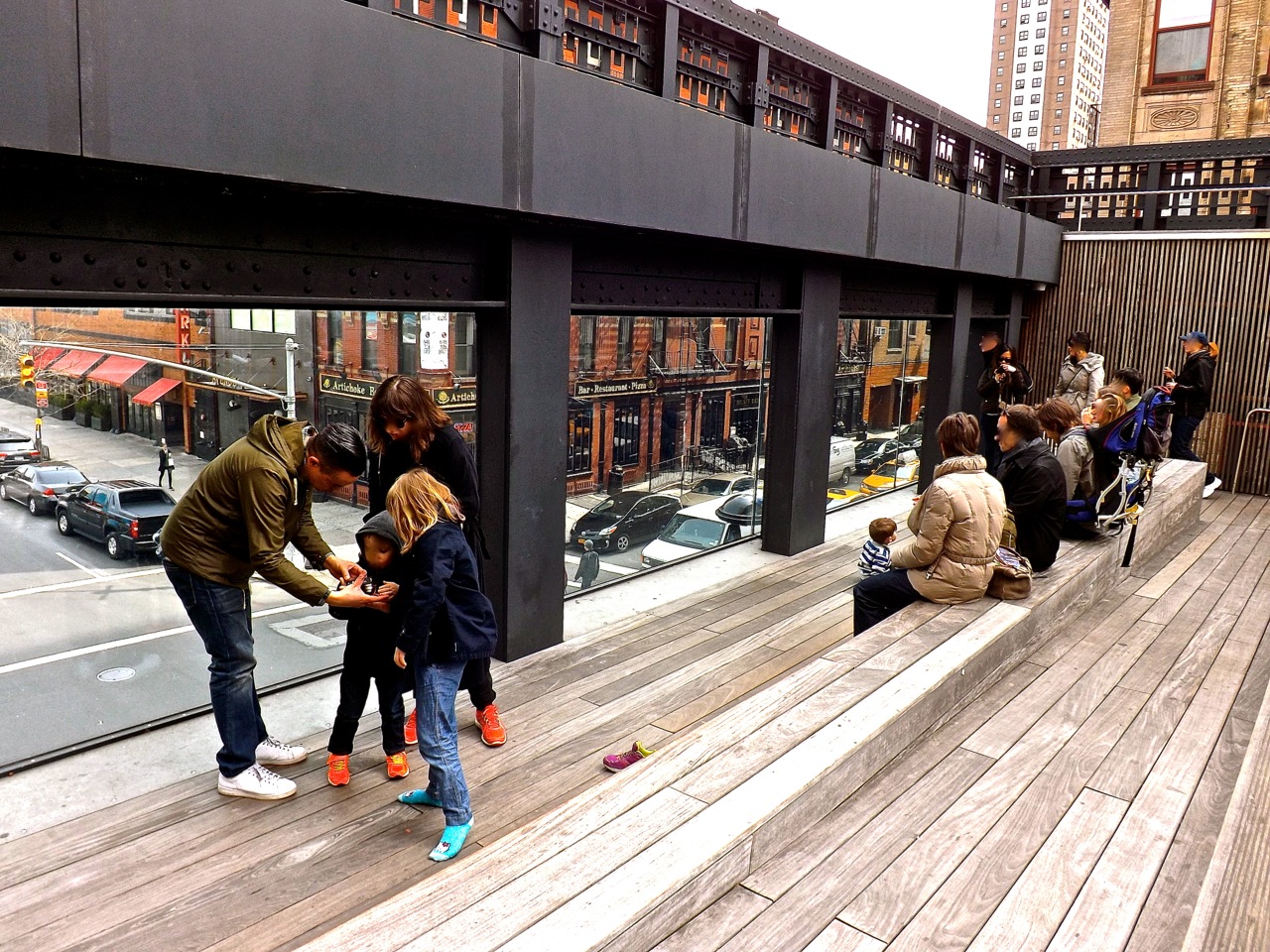
People watch the traffic with real interest, college students share snacks, couples kiss, and (perhaps a mark of a really good landscape structure) pre-teen boys find a way to engage in semi-dangerous horseplay.

High Line steps/enclos*ure

Below: the windows overlook northbound 10th Ave.  (Click any photo for a clearer, larger view.)

High Line steps/enclos*ure

Below: at the back, the High Line walkway continues toward the Chelsea Market Passage.High Line steps/enclos*ure

High Line steps/enclos*ure

High Line steps/enclos*ure

Above and below:  the traffic becomes really interesting when framed out as if on a screen.High Line steps/enclos*ure

Below:  the blue billboard over the avenue is a work of art commissioned for the High Line.High Line steps/enclos*ure

High Line steps/enclos*ure

High Line steps/enclos*ure

Below: the boys were long-jumping from bench to bench.High Line steps/enclos*ure

Above and below:  there’s a little tripping hazard at this turn (in the center of the photos — click to enlarge).  It looks there just wasn’t enough room for the angle to run out.High Line steps/enclos*ure

High Line steps/enclos*ure

Below:  looking up.High Line steps/enclos*ure

High Line steps/enclos*ure

High Line steps/enclos*ure

High Line steps/enclos*ure

To scroll through a gallery of larger images, click on ‘Continue reading’ below.


A walk along the High Line in April

The High Line, NYC/enclos*ure

I want to share my photos from our walk along the High Line in New York City last month.

It was actually our second walk — I left my camera behind on the first. It’s such a remarkable place that my husband, who has limited patience for garden tourism, readily agreed to go back with me.

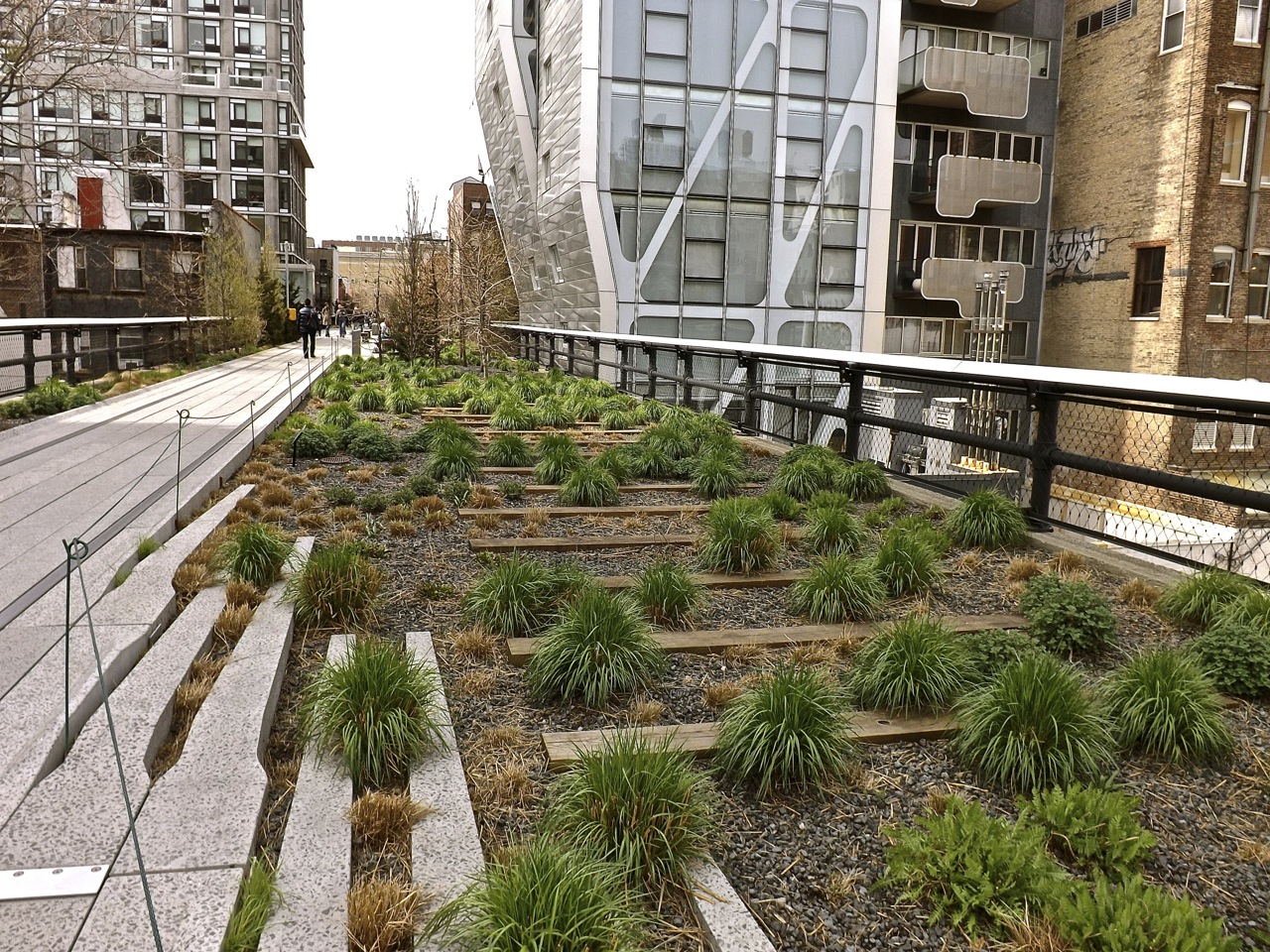
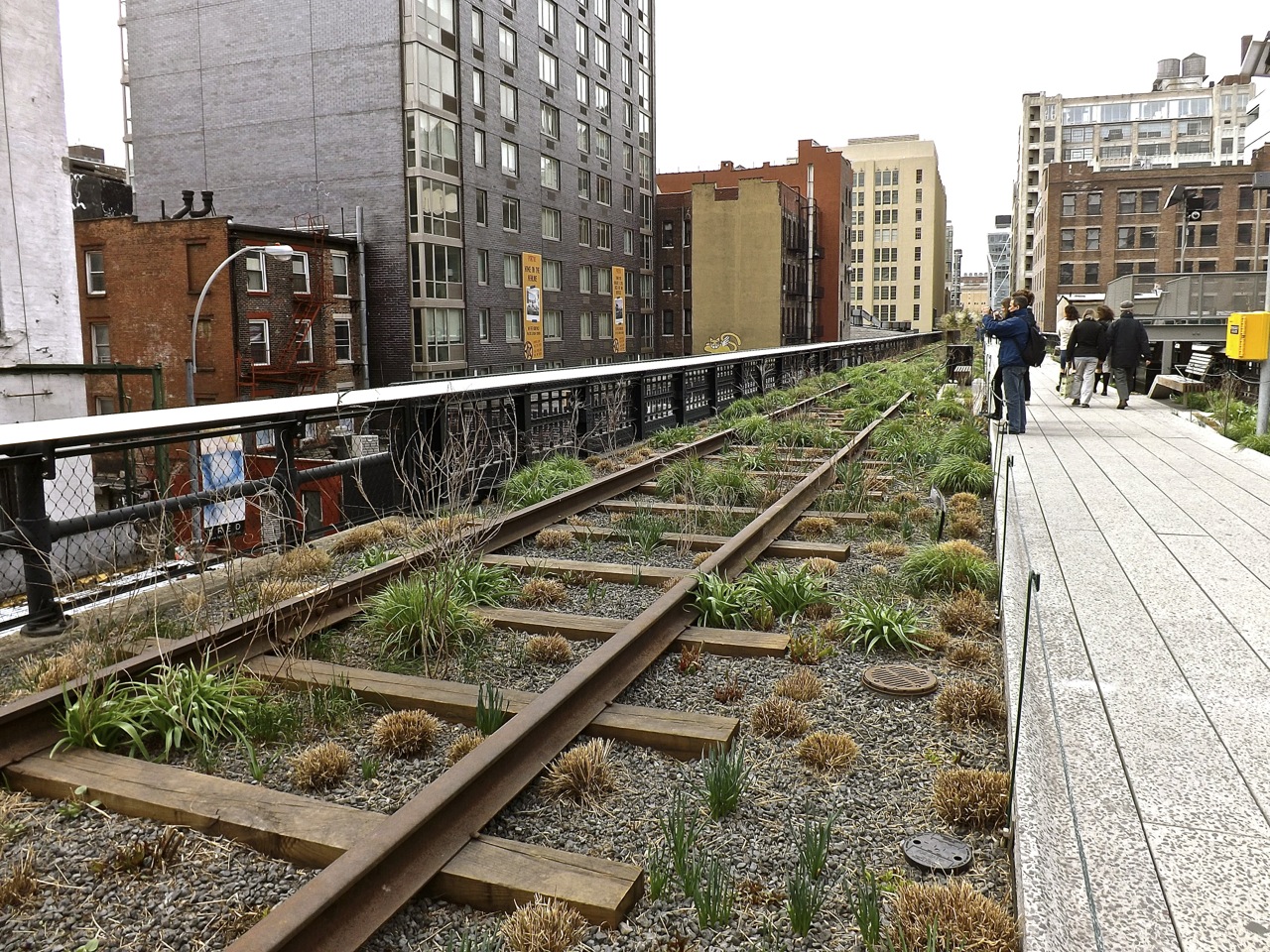
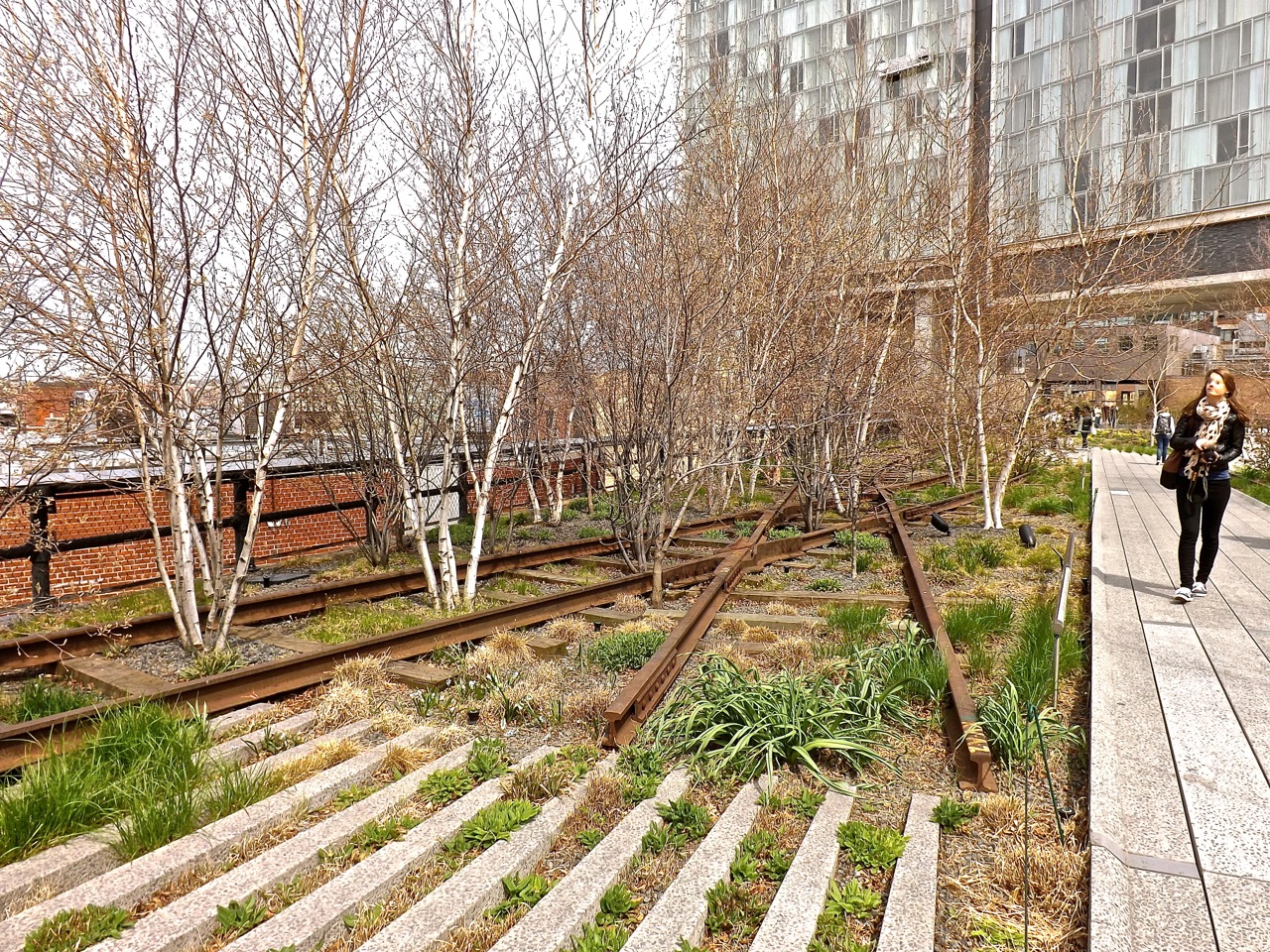
The High Line is a meadow and woodland park on top of about a mile of abandoned elevated railway line.

It trails through an crowded urban landscape and rather than offer you a retreat from the city, it puts you right up in the city’s face — with apartment windows and construction sites almost within touch and noisy traffic moving below.  The juxtaposition is thought-provoking, and the raised views are fascinating.

The High Line, NYC/enclos*ure

In early April, of course, we weren’t seeing most of the plants at their best, but it was interesting to see so clearly the arrangement and spacing of the grasses, some emerging perennials, and the shrubs and small trees — as well as the features of the built structure.

The High Line’s planting plans were designed by Piet Oudolf, and  I found a good summary of his approach to the meadow areas in an article by Tom Stuart-Smith in The Telegraph.

For Oudolf, planting has always been about creating moods and eliciting emotions. But the [High Line] gains an extra weight by connecting us to how plants grow in the wild. The design becomes much more about creating a plant community rather than a collection of individuals. To take one section of planting . . . , the plan shows a loose matrix of grass species planted throughout; in this case a mix of Panicum virgatum ‘Heiliger Hain’ and Calamagrostis brachytricha spaced about 1-1.5m apart with about 20 other varieties of perennial flower spread through in different-sized groups, from one plant used just singly to another planted in generous groups. The flowers therefore are always seen within a matrix of grasses, just as they might be in nature.

The full article — related to the recent publication of the book Planting, A New Perspective — is very interesting about Oudolf’s technique and influence.

The High Line, NYC/enclos*ure

I found my photos weren’t very useful at a few inches wide, so please click on the first thumbnail below to scroll through full-size images.

(The plants of the High Line aren’t labeled, but, you can download a list to take with you here.)

Help save a masterpiece

The Dumbarton Oaks Park Conservancy is in the midst of a campaign to win $75,000 from the “Partners in Preservation” $1 million giveaway in the Washington, D.C., metro area.  The giveaway is sponsored by the National Trust for Historic Preservation and American Express.

You can vote for the DO Park HERE* every day through midnight on May 10.

(And voting enters you in a contest to win a three-night stay at a Marriott hotel.)

Dumbarton Oaks Park (not to be confused with the adjacent Dumbarton Oaks Gardens) is one of the masterworks of landscape architect Beatrix Farrand.

In 1928, she composed the park as a series of paths and meadows along a small tributary of Rock Creek and had them planted out with drifts of native and exotic wildflowers, bulbs, and woodland shrubs.  Eighteen waterfall dams, two arbors, and several benches and footbridges were built in the rustic Arts and Crafts style.

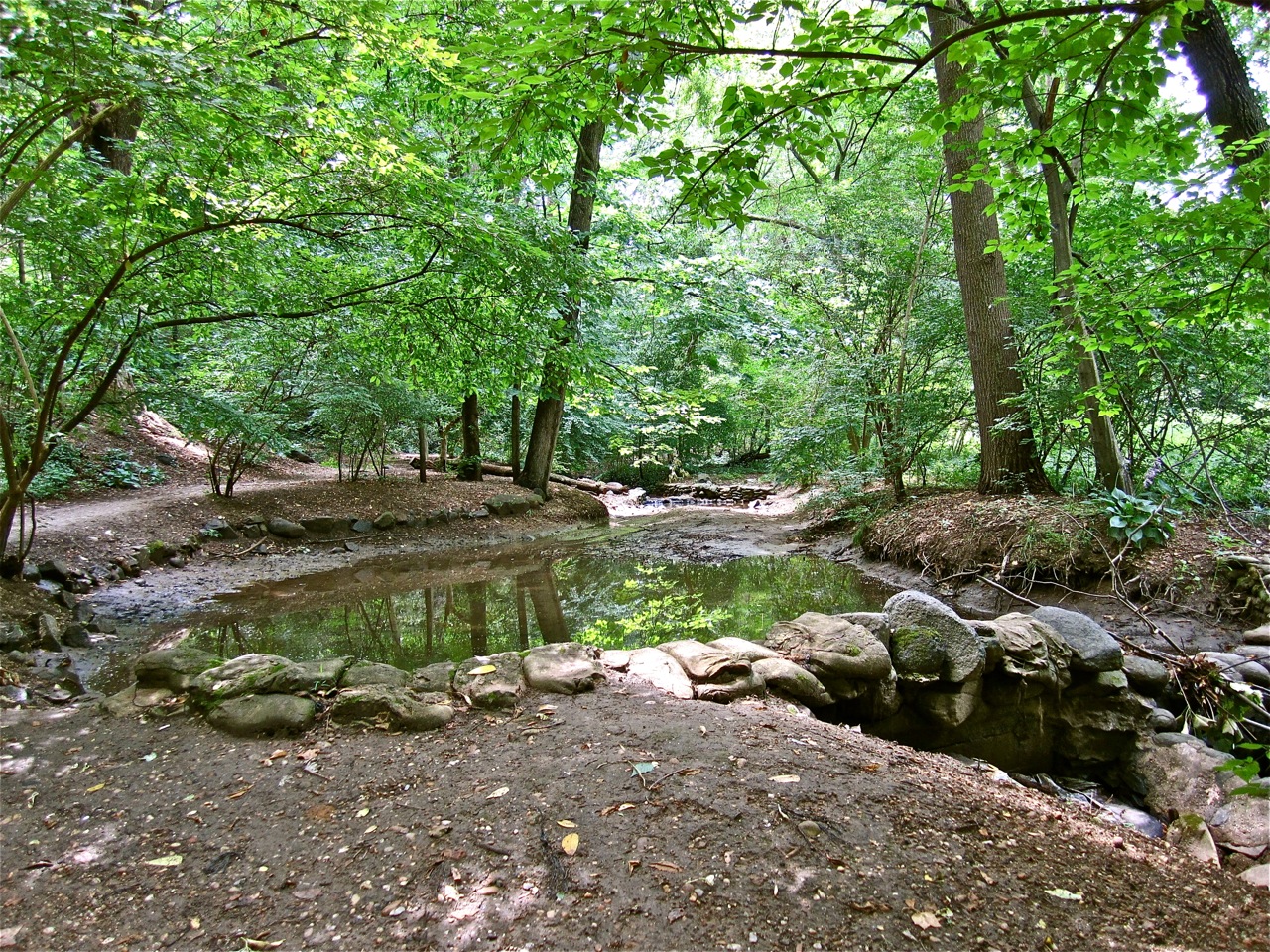
Even with the damage, the artistry of Farrand's arrangement of dams and bridges shine through.
Even with many years’ damage, the artistry of Farrand’s stonework shines through.

Sadly, the 27-acre park has suffered greatly from lack of sufficient resources since 1940, when it was turned over to the National Park Service.  However, in 2010, the Conservancy was formed to restore the park to its former glory by raising money and fielding teams of volunteer “weed warriors.”

Beatrix Farrand was America’s first female professional landscape architect and one of eleven founding members of the American Society of Landscape Architects.

Participants at a recent conference on her work lauded her as a “scientific-minded experimenter, an early proponent of native plants, a leader in ‘pre-ecological design,’ an expert in stormwater management, and a flexible and innovative designer who mastered numerous styles,”reported The Dirt, the blog of the American Society of Landscape Architects.

Please vote and spread the word! The $75,000 will repair the park’s stonework at the east falls dam and viewing platform.


*The first time you go to the site, don’t click ‘vote’ right away. Go to ‘log in’ and register. Then, you’ll receive an e-mail asking you to confirm your address. Then you can log in and vote. It takes a couple of minutes, but you’ll be able to vote in seconds for the next five days.  (You must be a legal resident of the U.S. to be eligible to win the free stay in  a Marriot hotel.)