Vintage landscape: Alabama porch and yard

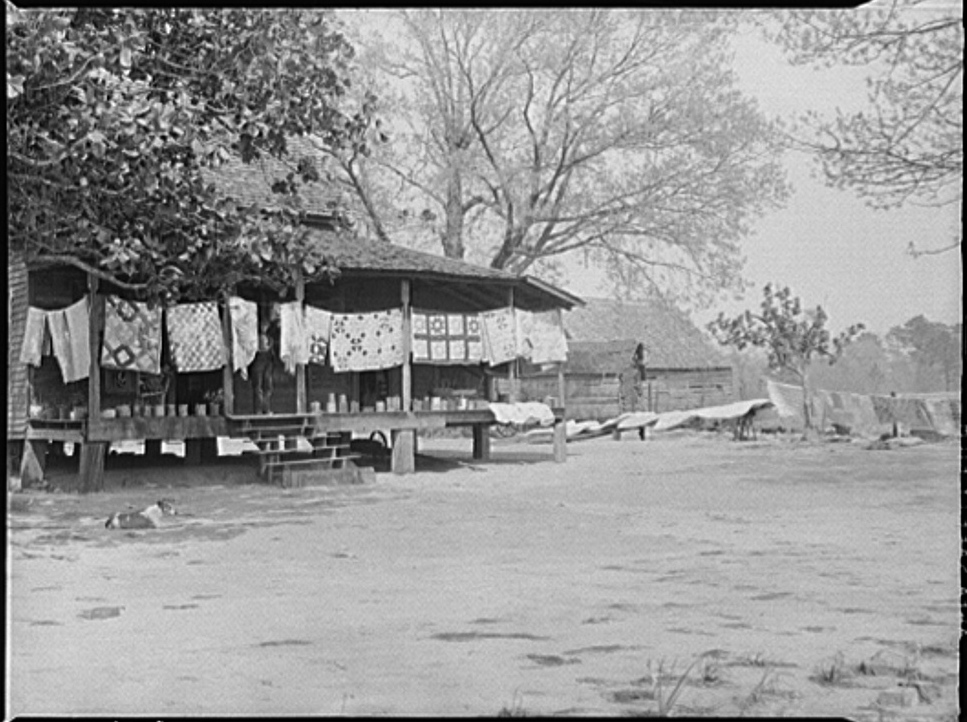
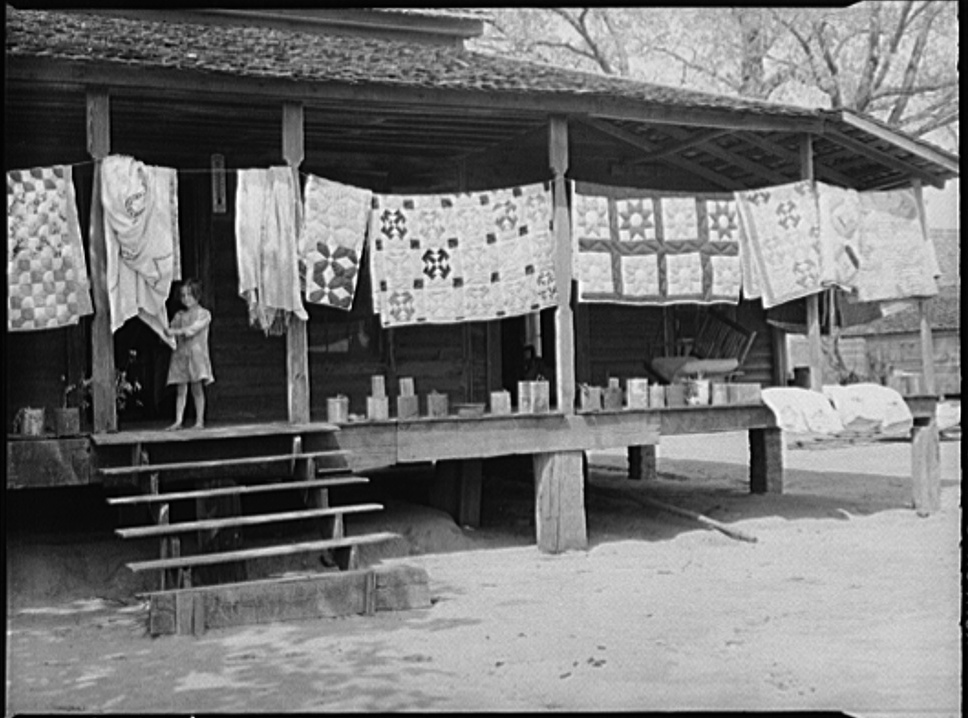
“Typical farmhouse, spring housecleaning, homemade quilts and bedding in sun. Coffee County, Alabama.” Photo taken April 1939 by Marion Post Wolcott.

Via Farm Security Administration/Office of War Information Black and White Negatives Collection, Library of Congress Prints and Photographs Division.

Vintage landscape: the sleeping porch


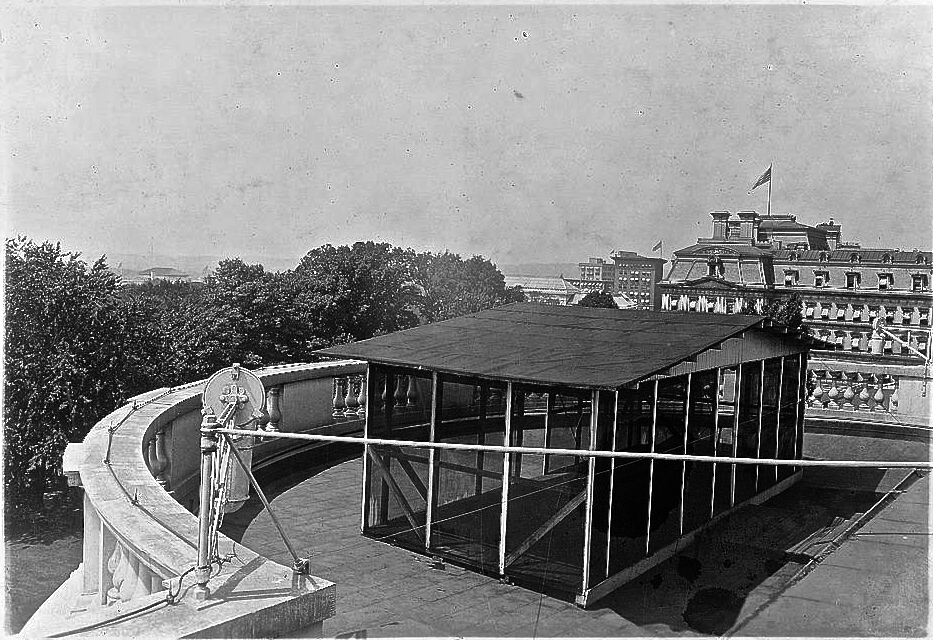
A sleeping porch was added to the roof of the White House during the Taft Administration. Photo by National Photo Company, via Library of Congress.

Click here to read more about sleeping porches.

Vintage landscape: the fountain

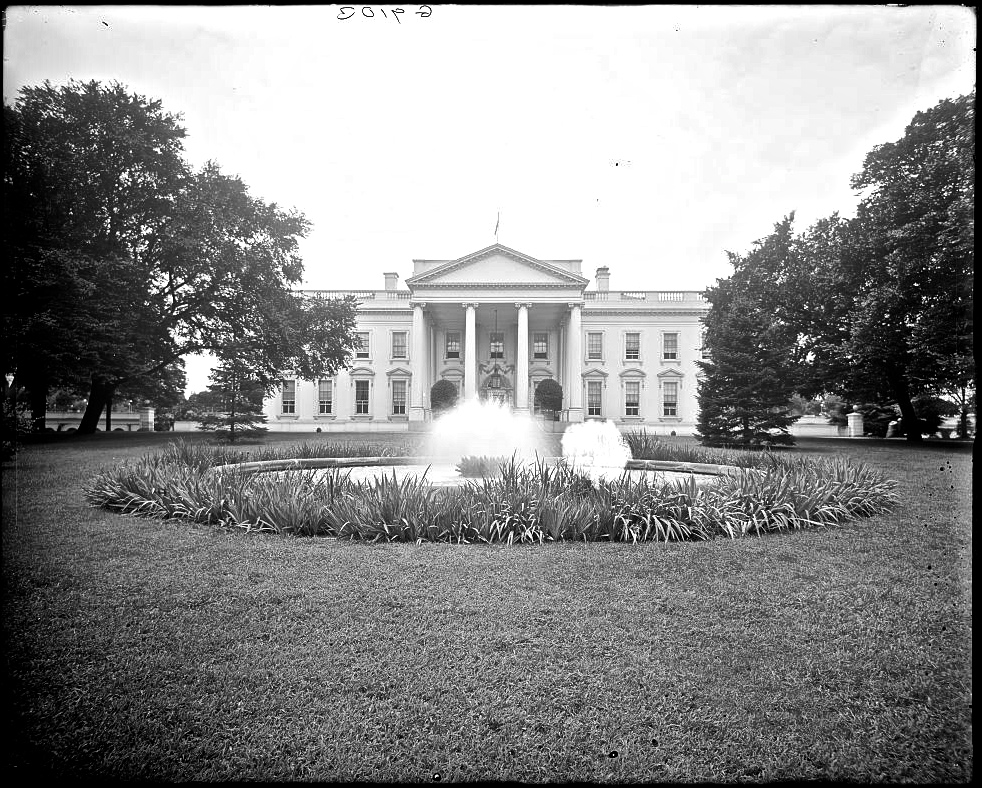
How many ways can you plant out a lawn with a basic round fountain in the center? From 1871 to the early-1900s, the White House tried out a number of designs on its north side.

This photo was taken during the 1860s. The statue of Thomas Jefferson had been there since 1848.  Photo by National Photo Company, via the Library of Congress.

In 1871, the statue was replaced by a round fountain (the statue went to the Capitol Building).

Things were pretty simple in this 1881 etching, via the blog American Garden History.

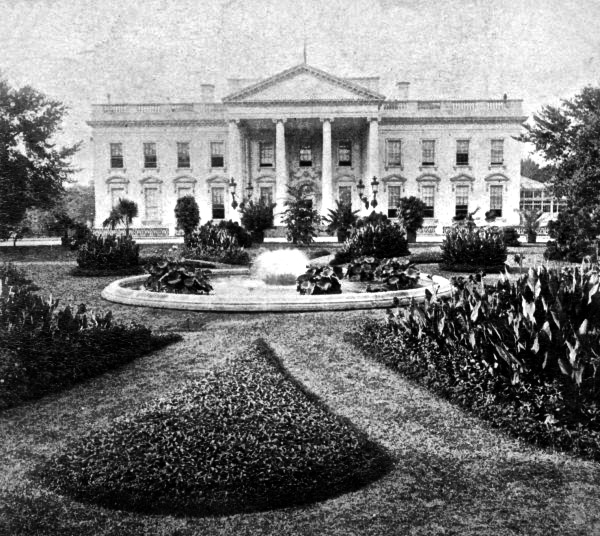
By 1885, the fountain was surrounded by flower beds in teardrops and circles.  Photo by Underwood & Underwood, via the website The White House Museum.

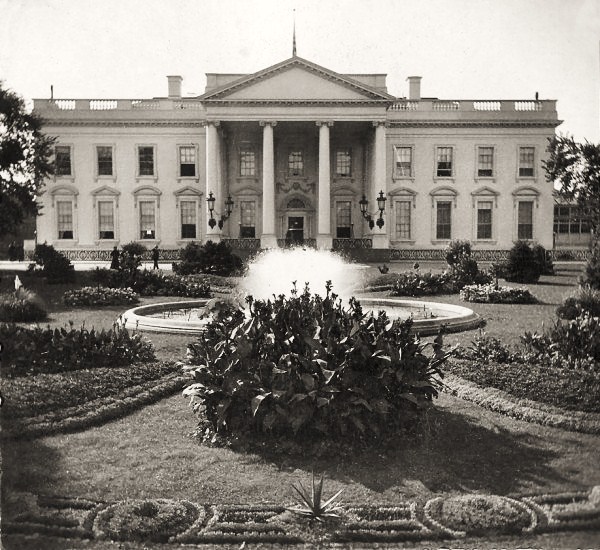
The design was more elaborate by 1894.   Photo by B.L. Singley, via American Garden History.

There was a more squared-off arrangement in 1901.  Photo by Detroit Publishing Co., via Library of Congress.

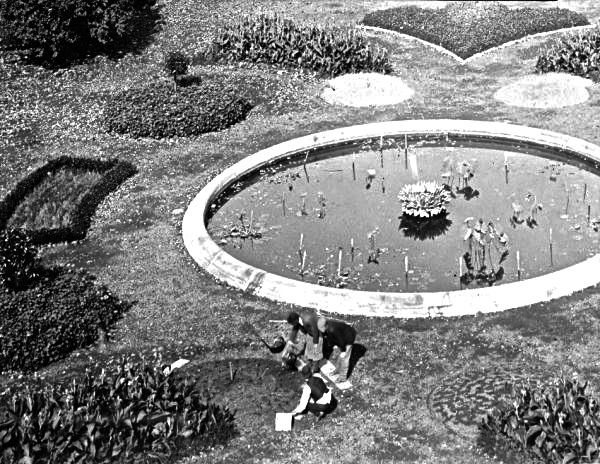
Above, gardeners were planting out the fountain area in 1902, via The White House Museum.

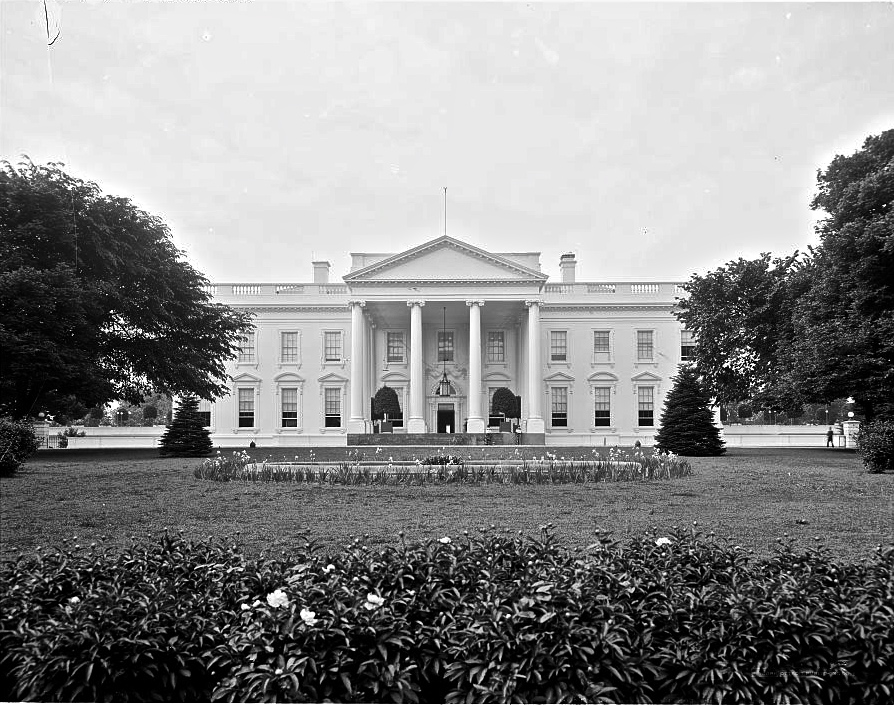
By 1905, the whole Victorian mess had been cleared out for simple plantings of bulbs and peonies.  Photo by Detroit Publishing Co., via Library of Congress.

Above, sometime later, before 1920, the peonies were gone.  I like all the irises around the fountain.  Photo by Detroit Publishing Co., via Library of Congress.

Above is my photo of the north lawn in March 2012.

ADDENDUM: I found one more photo.

This would have been the view from the W.H. Dining Room during the years of Victorian bedding out. Taken ca. 1889 -1906 by Frances Benjamin Johnson, via Library of Congress.

Vintage landscape: take water, add children

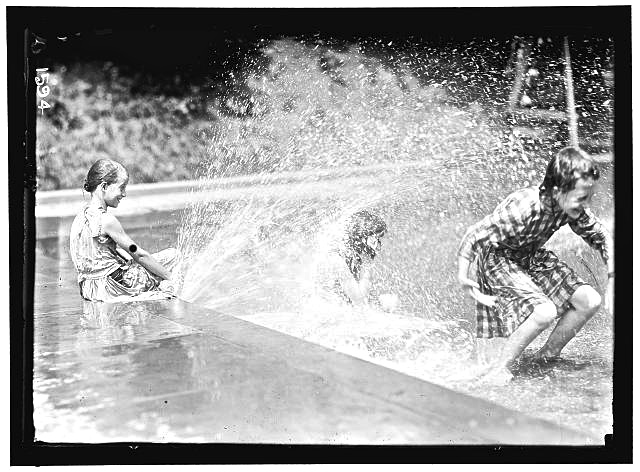
Before air conditioning, water was the best remedy for hot summer weather.
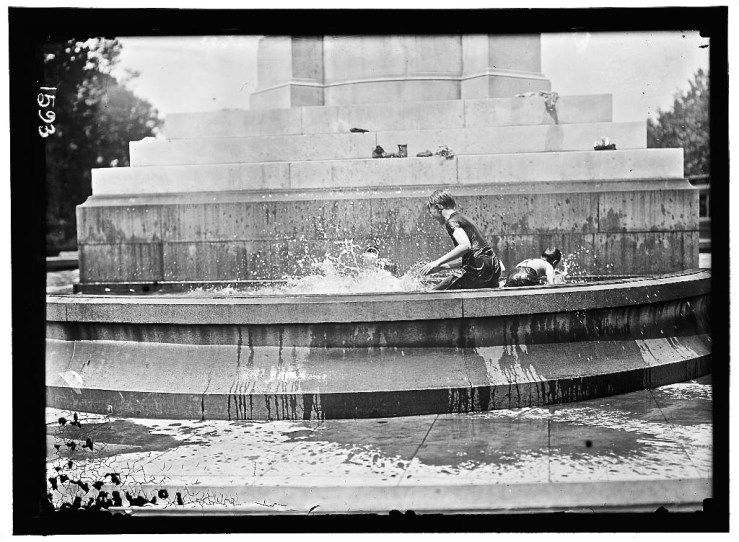
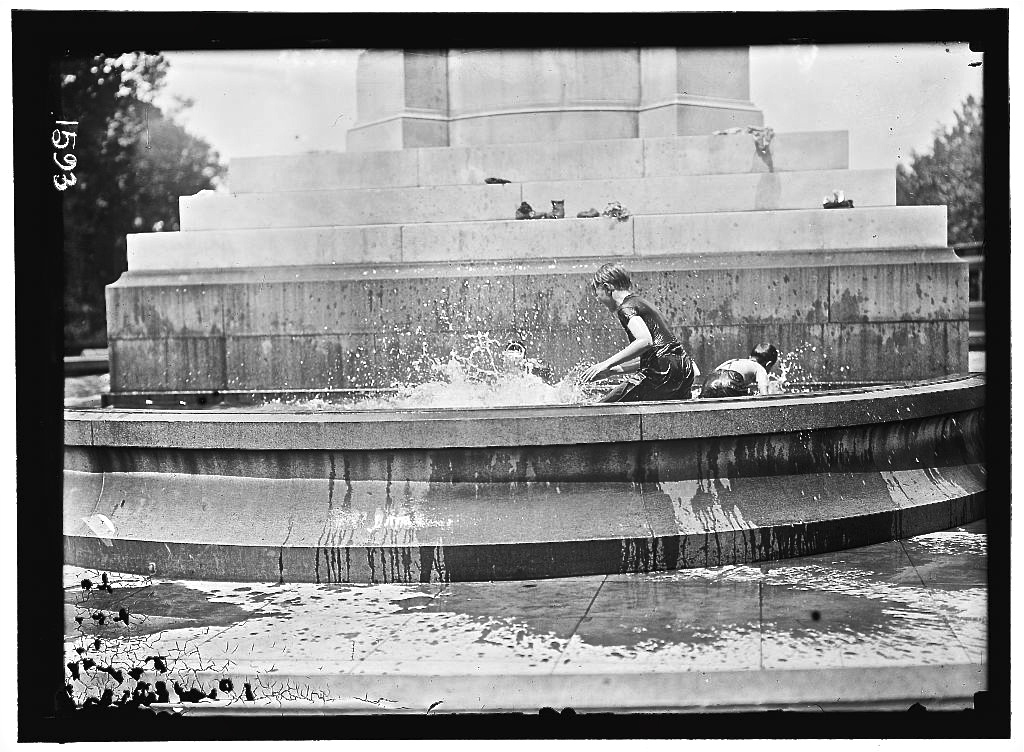
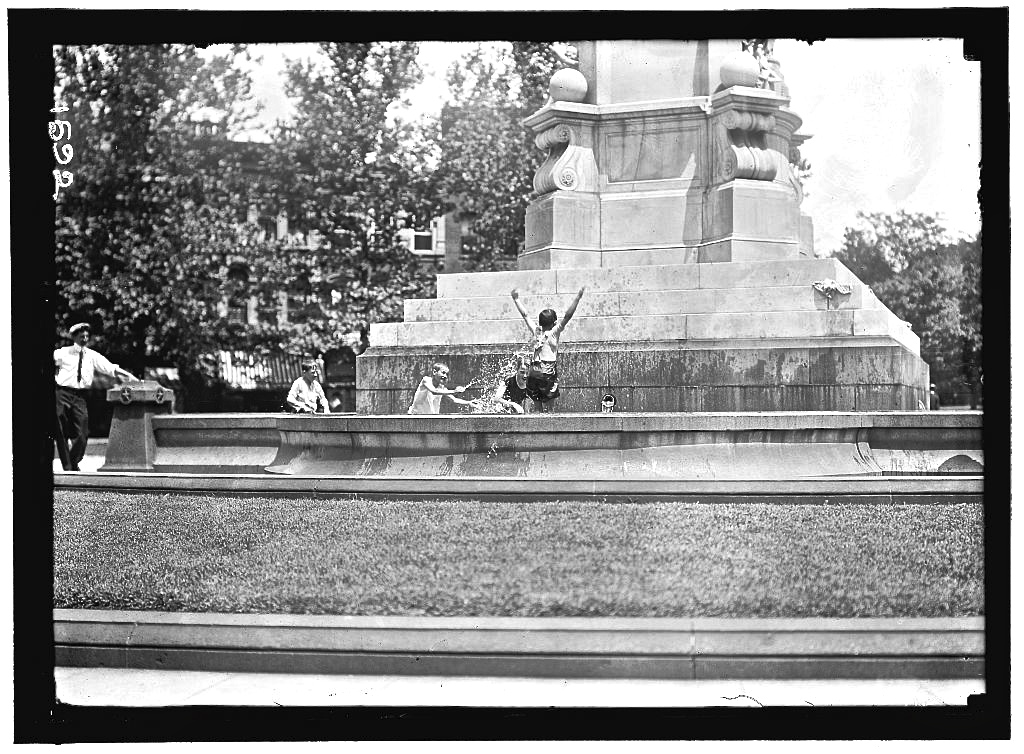
The children in the photos just above and below were enjoying a public fountain in Washington, D.C., in the summer of 1912.
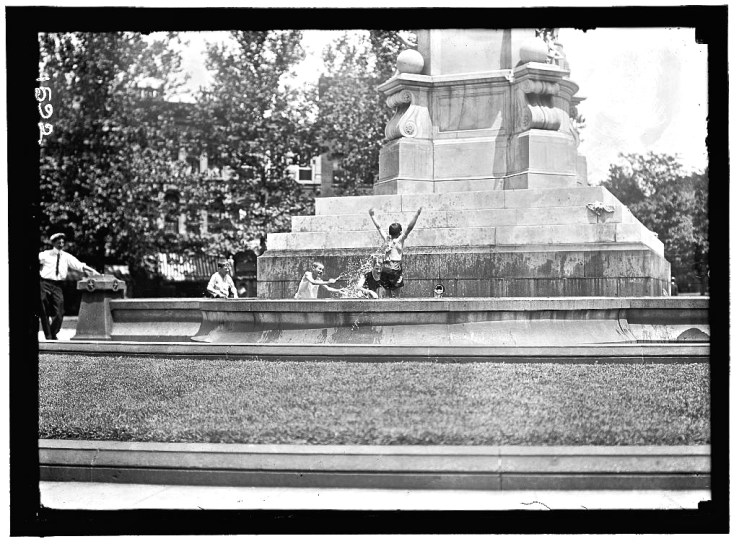
The fountain is the Peace Monument on the U.S. Capitol grounds.

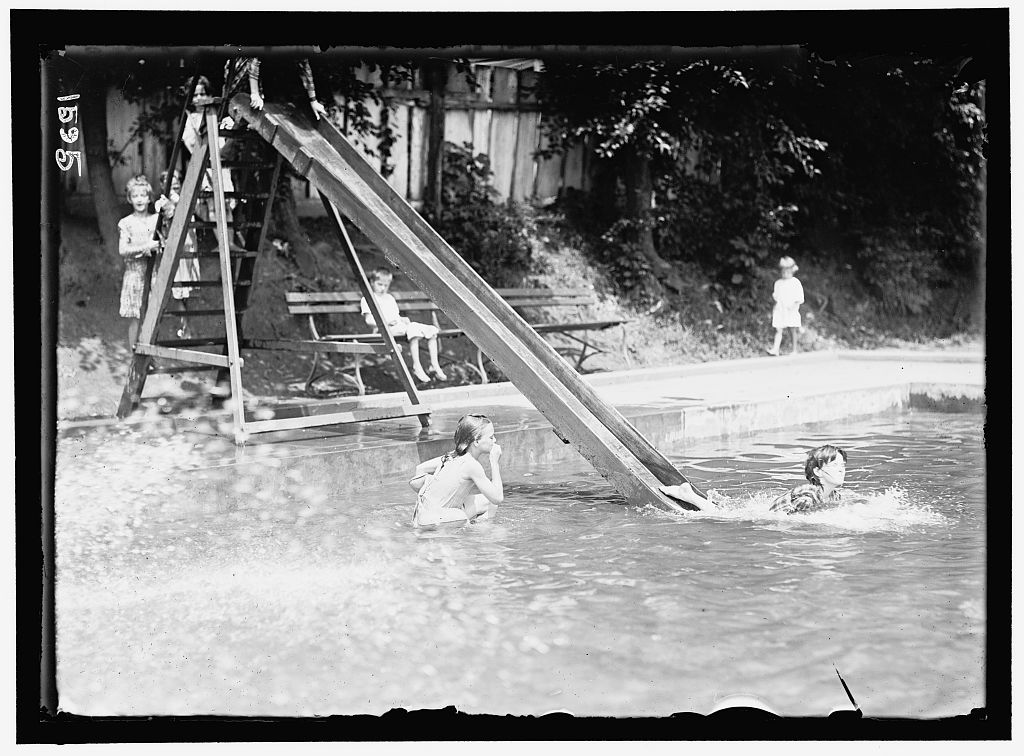
Below are children in a public pool in Washington, D.C., also in 1912.
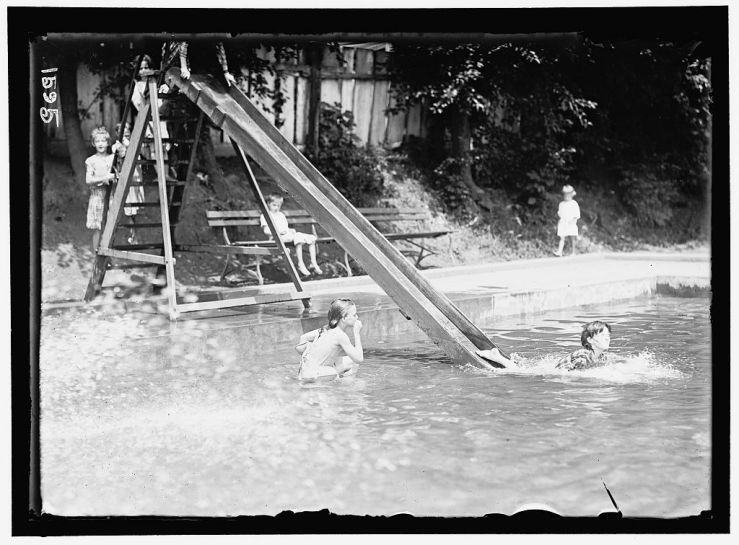
All of the above four photos were taken by Harris & Ewing.

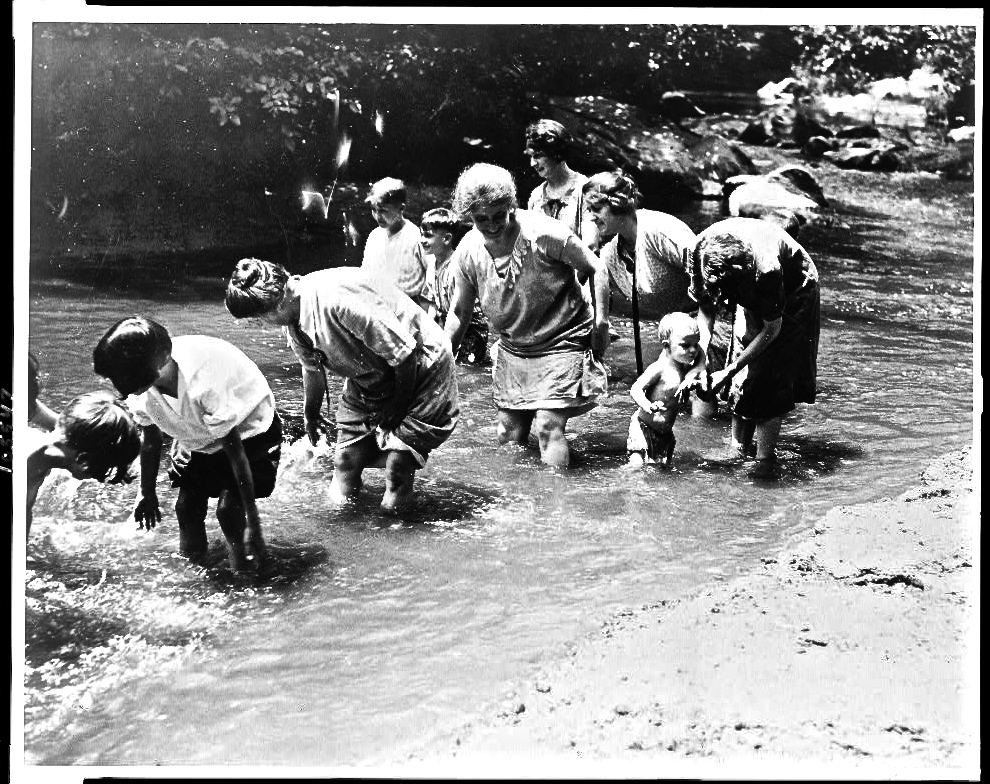
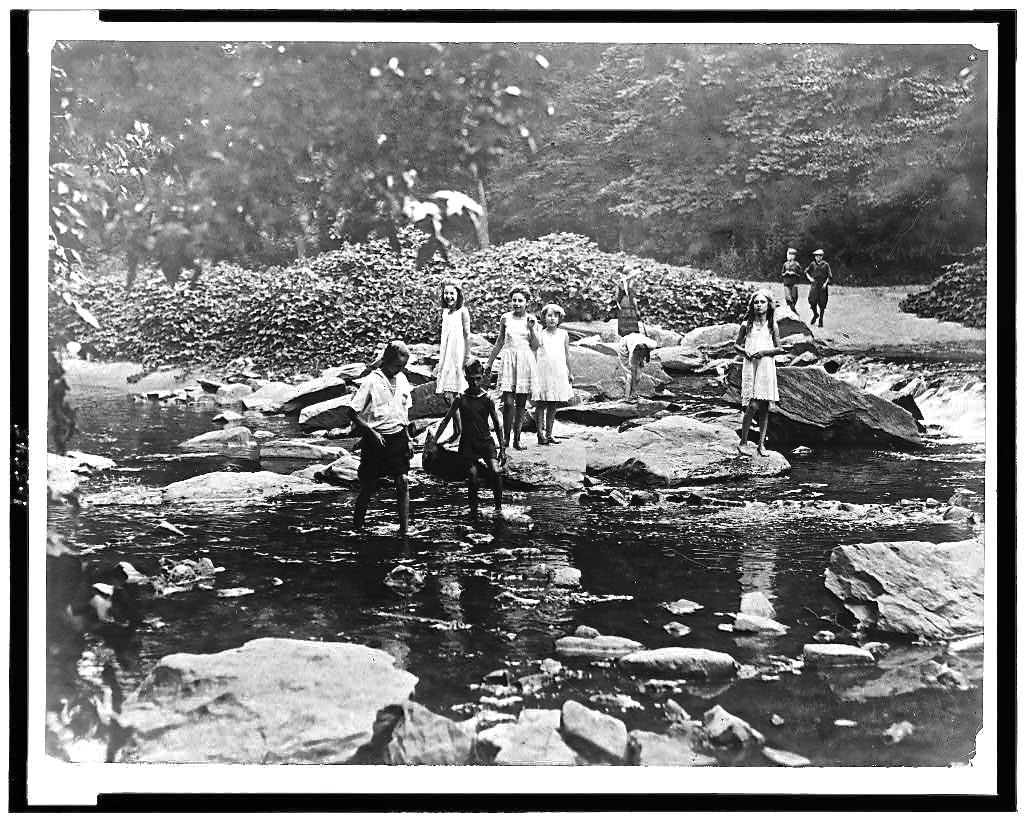
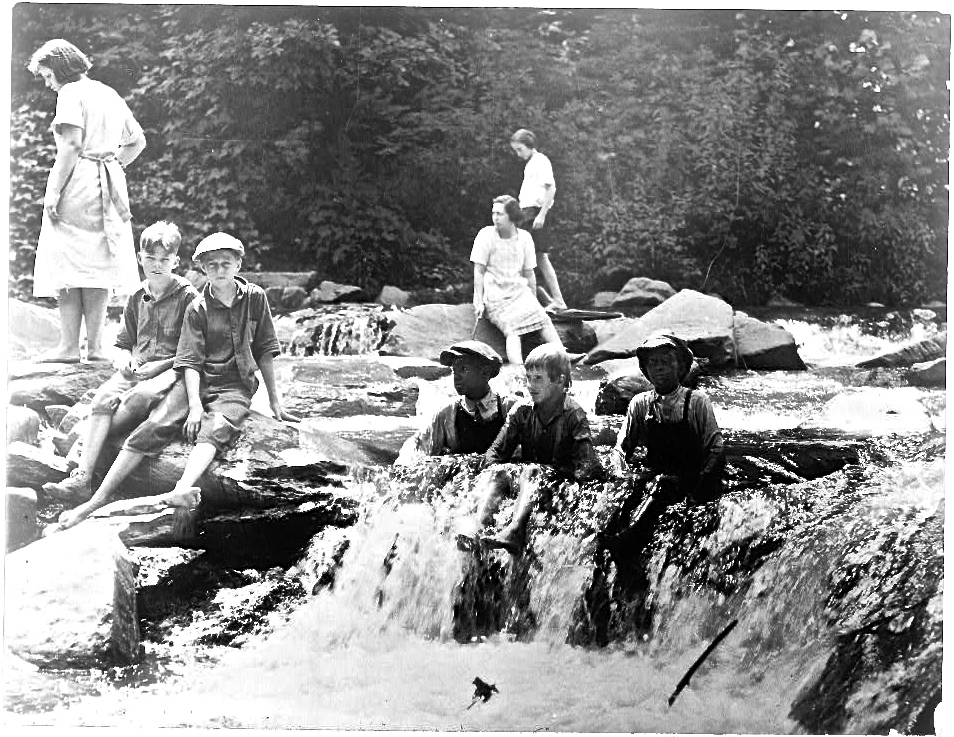
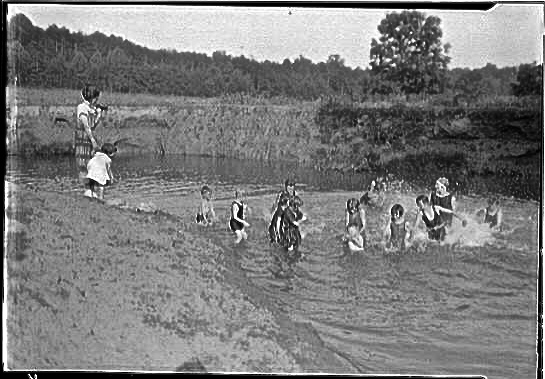
The three photos below of bathers in Rock Creek Park were taken by the National Photo Company between 1920 and 1932.
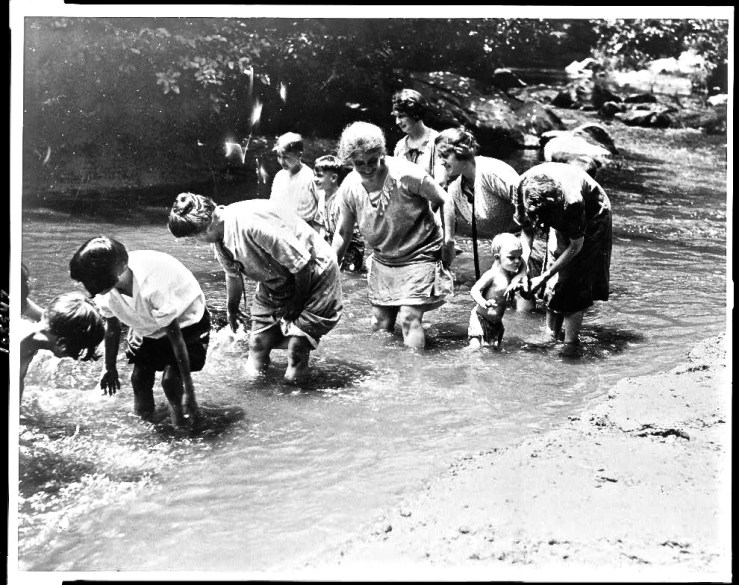
The photo label for the above picture is “Women and children find some relief by wading in the creek on one of the hottest days in the history of the Capital. Snapped in Rock Creek Park today.”
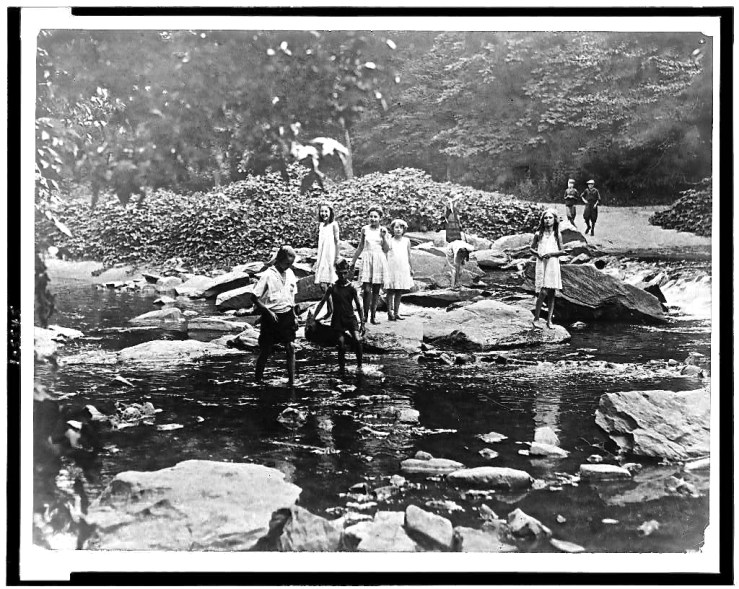
The highest temperature recorded for Washington, D.C., was 106°F, in 1918 and 1930. The city just missed matching the old record yesterday, only reaching 105°F.
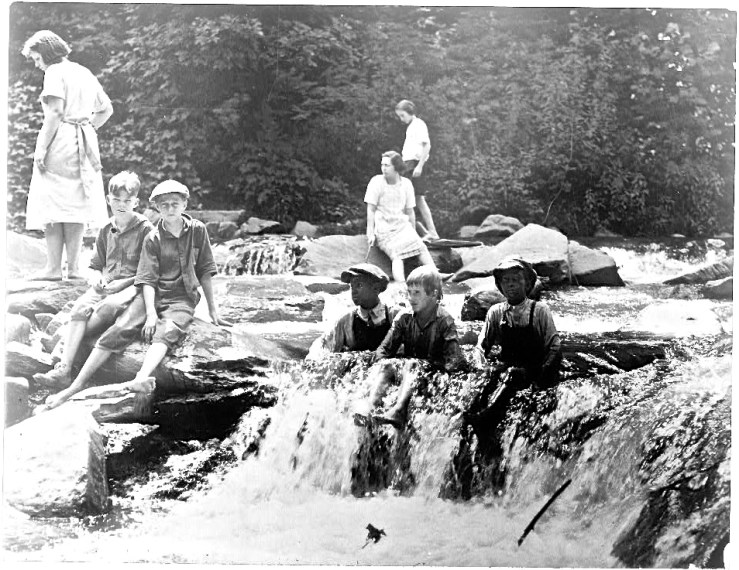
Below are children playing in an “old swimming hole” in the Washington, D.C., area. The photo was taken by Theodor Horydczak between 1920 and 1950.
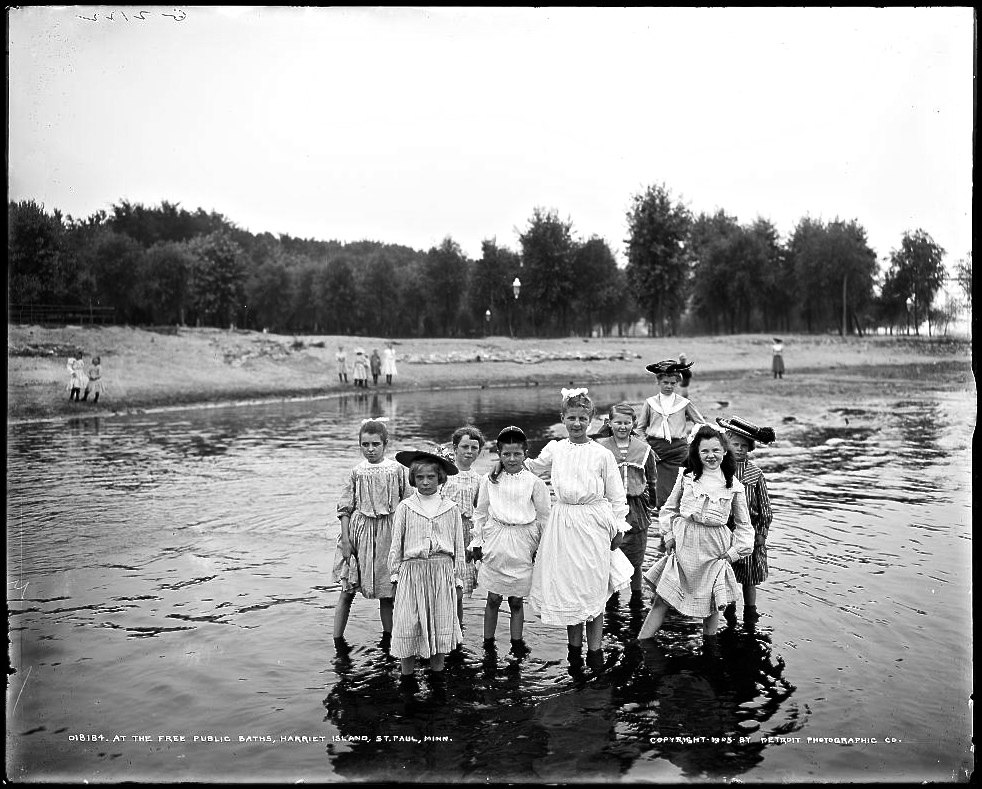
The photo below shows a group of proper young ladies at the free public baths, Harriet Island, St. Paul, Minnesota.  It was taken by the Detroit Publishing Co. around 1905.
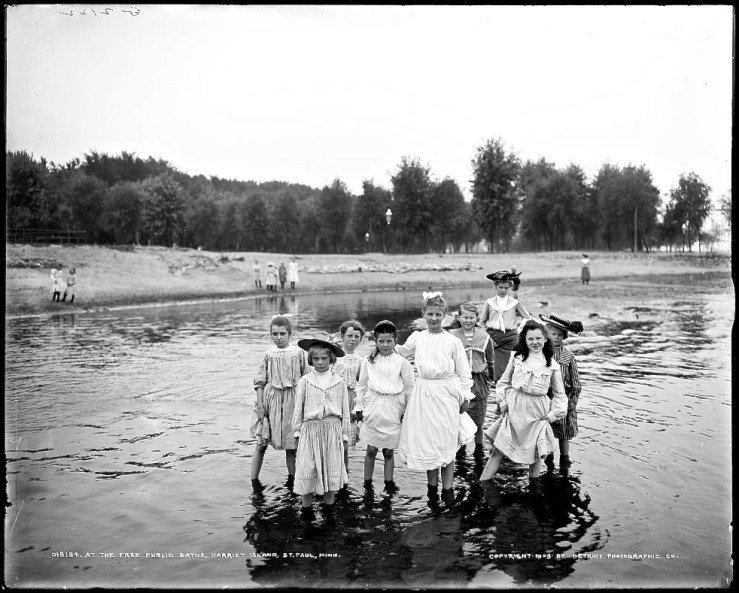
How hard to be so dressed up at the lake!

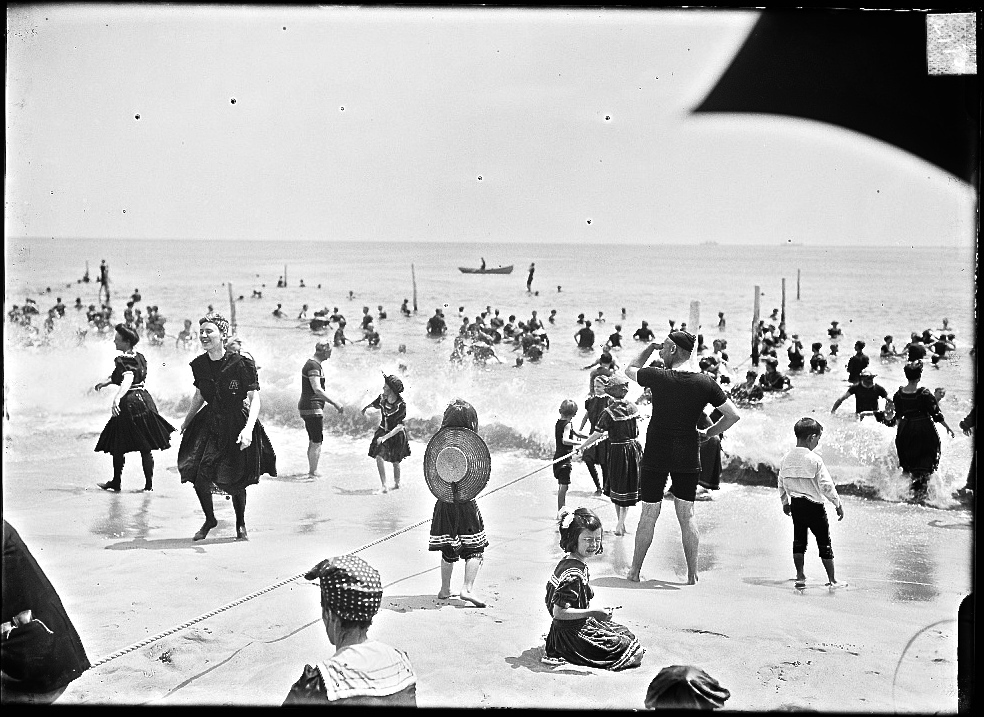
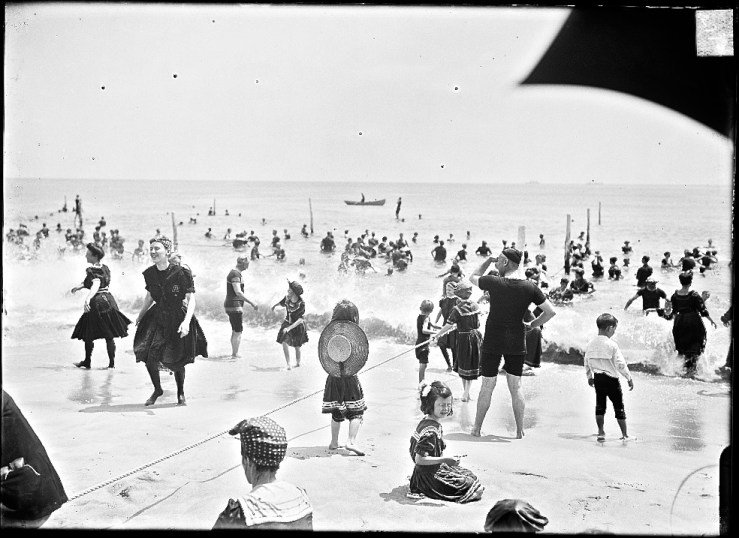
Below are children playing with a rope at a beach, possibly at Atlantic City, New Jersey.  The photo was taken between 1890 and 1910 by the Detroit Publishing Co.
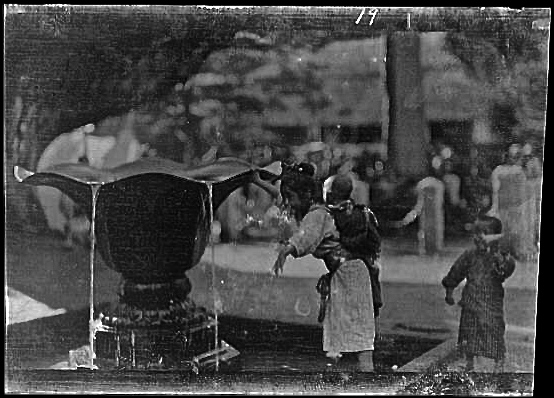
The lure of water in a fountain during hot weather is universal. Below are children in Japan or Korea in 1908. The photo was taken by Arnold Genthe.

All images via Library of Congress Prints and Photographs Division.  Click on any photo to enlarge it.

Quiet corners in foreign lands

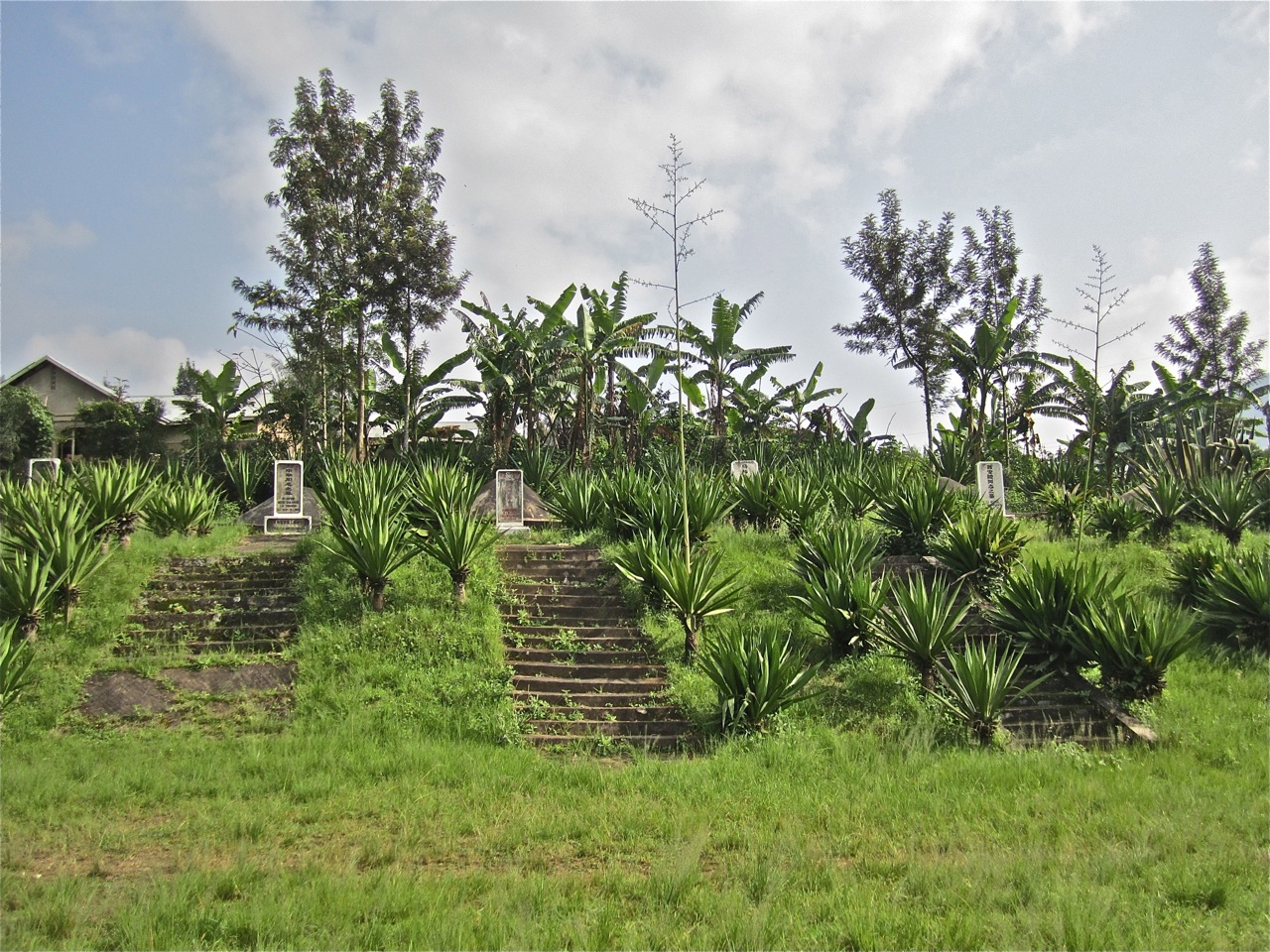
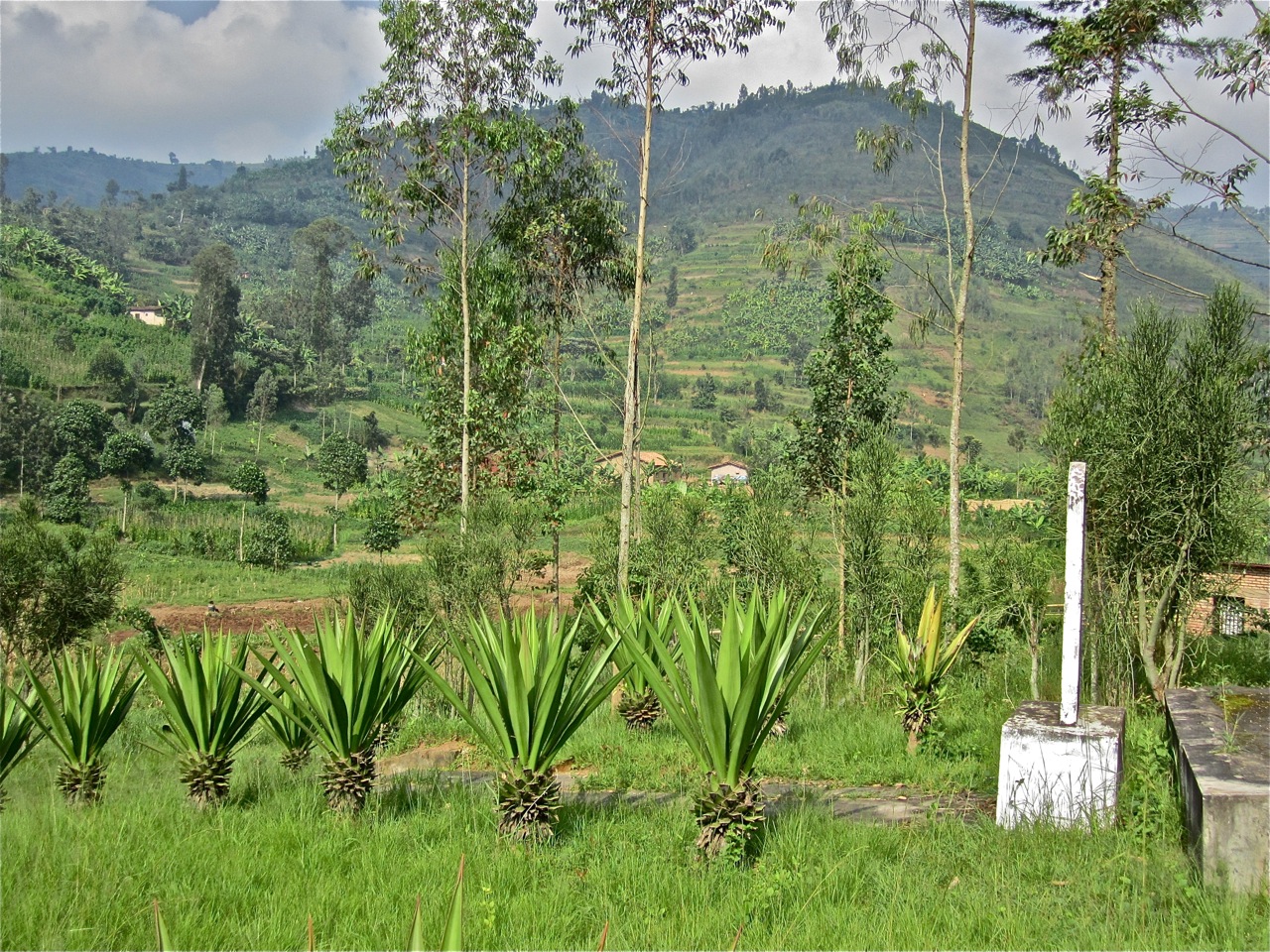
Each time we’ve travelled to the north of Rwanda, we’ve passed the small Chinese cemetery in the Rulindo District. Last month, we stopped for a few minutes.

The cemetery is located just off the road to Muzanze, about 50 minutes from Kigali. It holds the remains of 10 Chinese citizens who died in Rwanda during the 1980s and 1990s, while they were working on development projects of road construction or health services.

The graves are in a row near the top of a hill, with a set of stairs leading up to each one.

The material elements are now-weathered concrete, grass, and agaves.

The arrangement is simple, the effect poignant.

The cemetery is cared for, and the Chinese community, led by Ambassador Shll Zhan, held a ceremony there for the Qingming Festival on April 5 of this year.

When I looked at these pictures, I remembered two photos I had taken in 2007 of another small, touching cemetery garden. It holds the graves of eighteen Algerian retainers who had followed their Emir into imprisonment in France in 1848.

Abd al-Qadir and his household were held in the Château d’Amboise in the Loire Valley. Those who died before he was released in 1852 were buried there.

The memorial garden on the grounds of the château is beautiful. It was built in 2002, according to one source, but I have been unable to find out any more about it.

The square markers are set in a rectangle planted with low mounding plants. A hedge of rosemary diagonally intersects the space.