Here’s one little dream. . .

To have a pied-à-terre in Brussels and to have it be on Rue de la Cigogne.

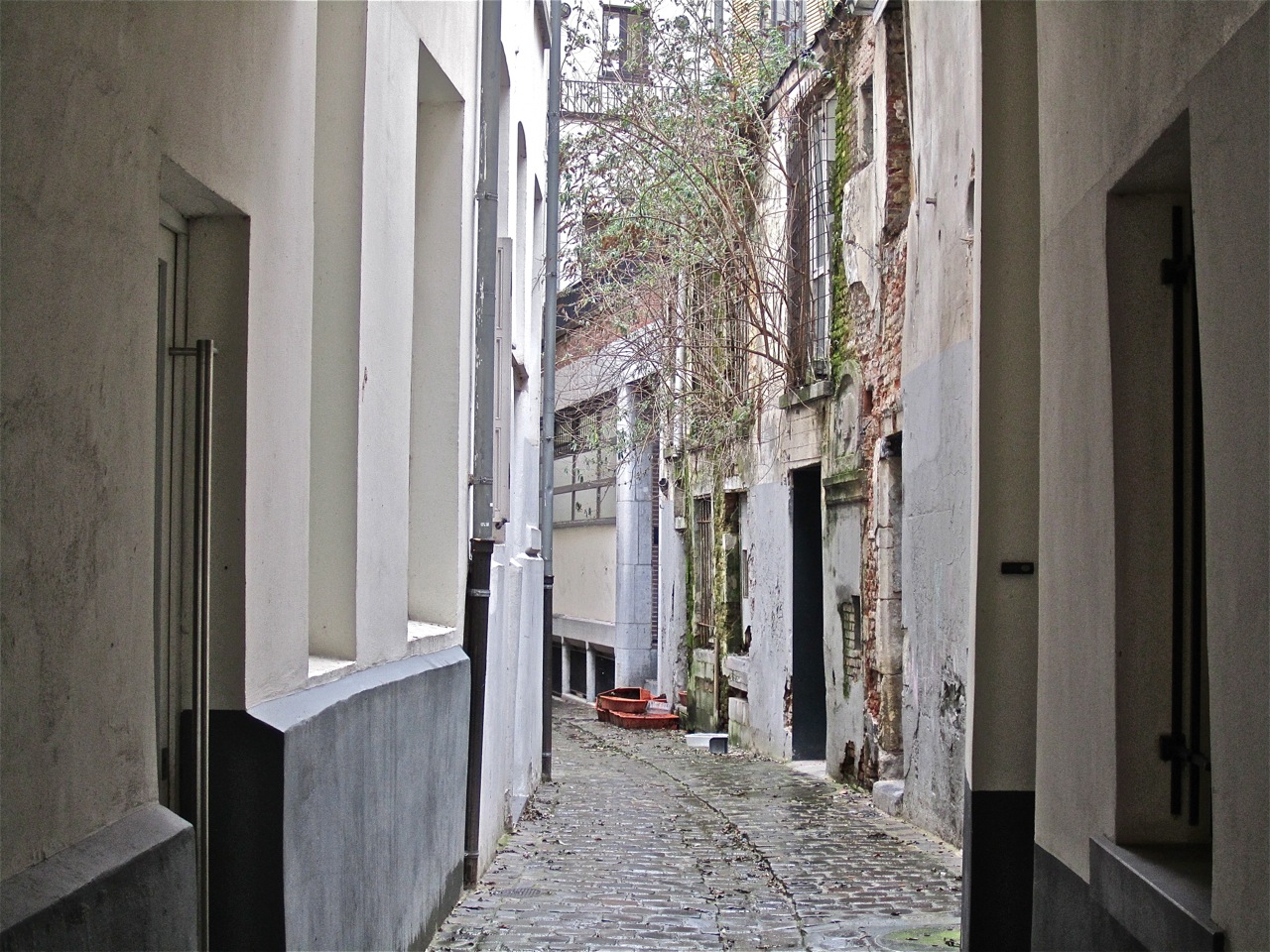
Rue de la Cigogne is a ruelle or alleyway about 70 m. (230′) long between Rue Rempart des Moines and Rue de Flandre in the neighborhood of Dansaert.

Click any thumbnail in the gallery above to scroll through larger images.

All day all over the city every person
Wanders a different city, sealed intact
And haunted as the abandoned subway stations
Under the city. Where is my alley doorway?

— Robert Pinsky, from “City Elegies — I. The Day Dreamers

Both sides now

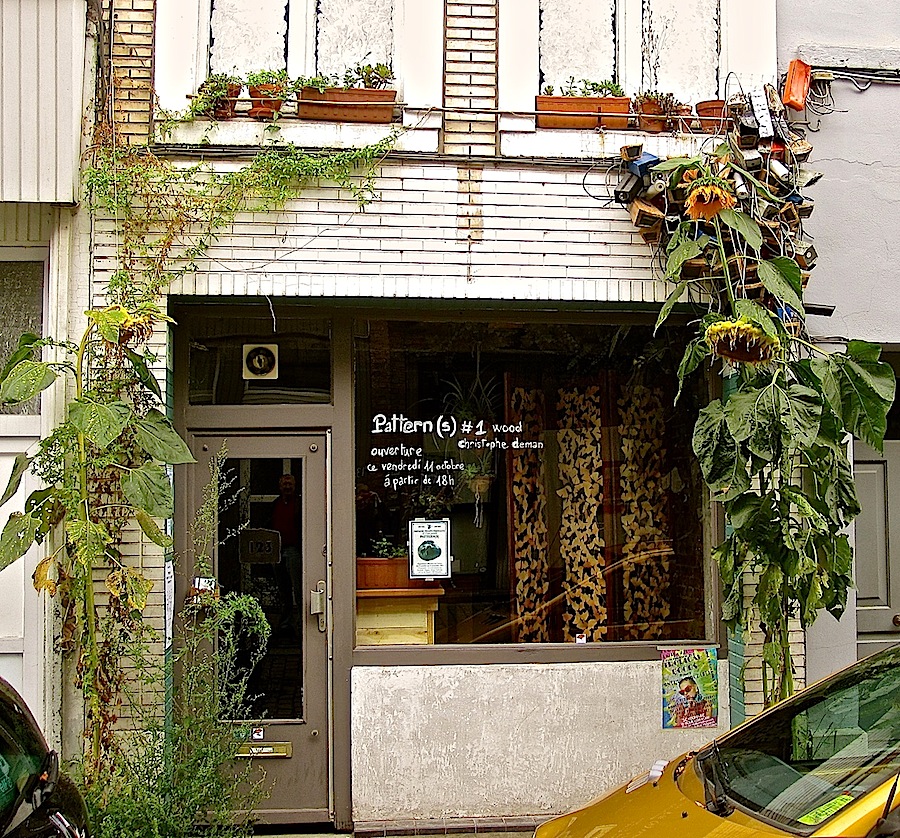
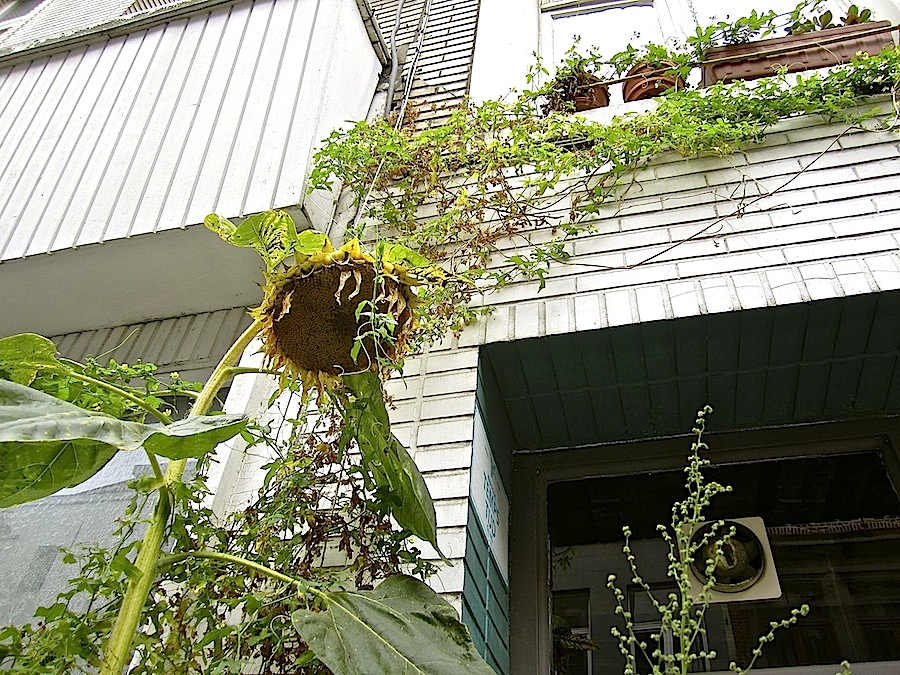
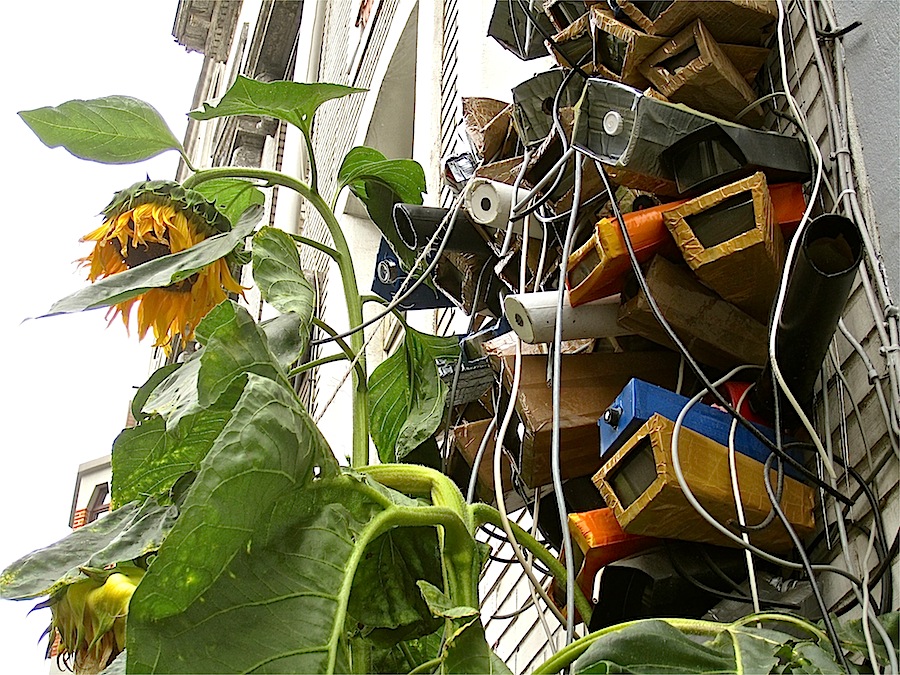
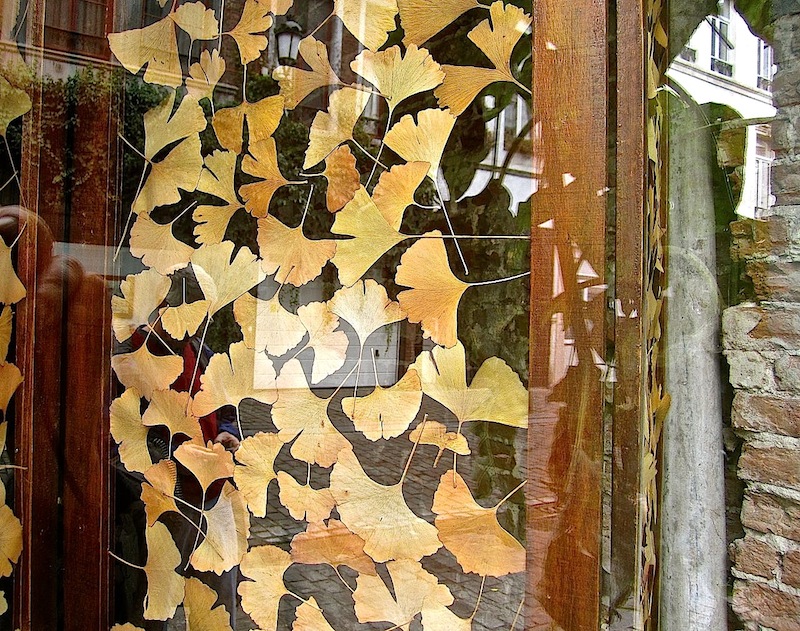
Gallery in Dansaert, Brussels/enclos*ureThe front of this small gallery on Rue de Flandre (or Vlaamsesteenweg) in Dansaert shows how Brussels can be both charming and a little grim at the same time.

Gallery in Dansaert, Brussels/enclos*ureI took these pictures a week ago yesterday.

Gallery in Dansaert, Brussels/enclos*ureThere’s a nice appreciation of the city on The Economist’s Intelligent Life website here.

Gallery in Dansaert, Brussels/enclos*ureThe neighborhood of Dansaert starts about four blocks northwest of the Grand’Place and is definitely worth exploring, especially if you are interested in Belgian fashion design and/or food.

The gallery, Impasse Temps/Tijd Gang*, is staging a series of weekend exhibits on “Pattern(s)” between now and November 24.

Gallery in Dansaert, Brussels/enclos*ureIt is located at 123 Rue de Flandre.

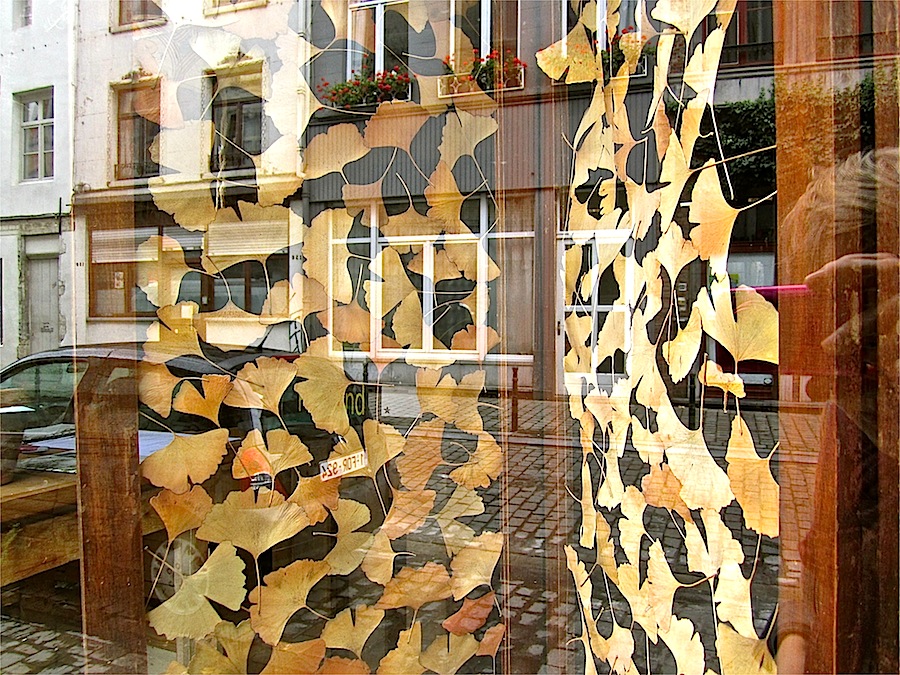
Gallery window in Dansaert, Brussels/enclos*ure

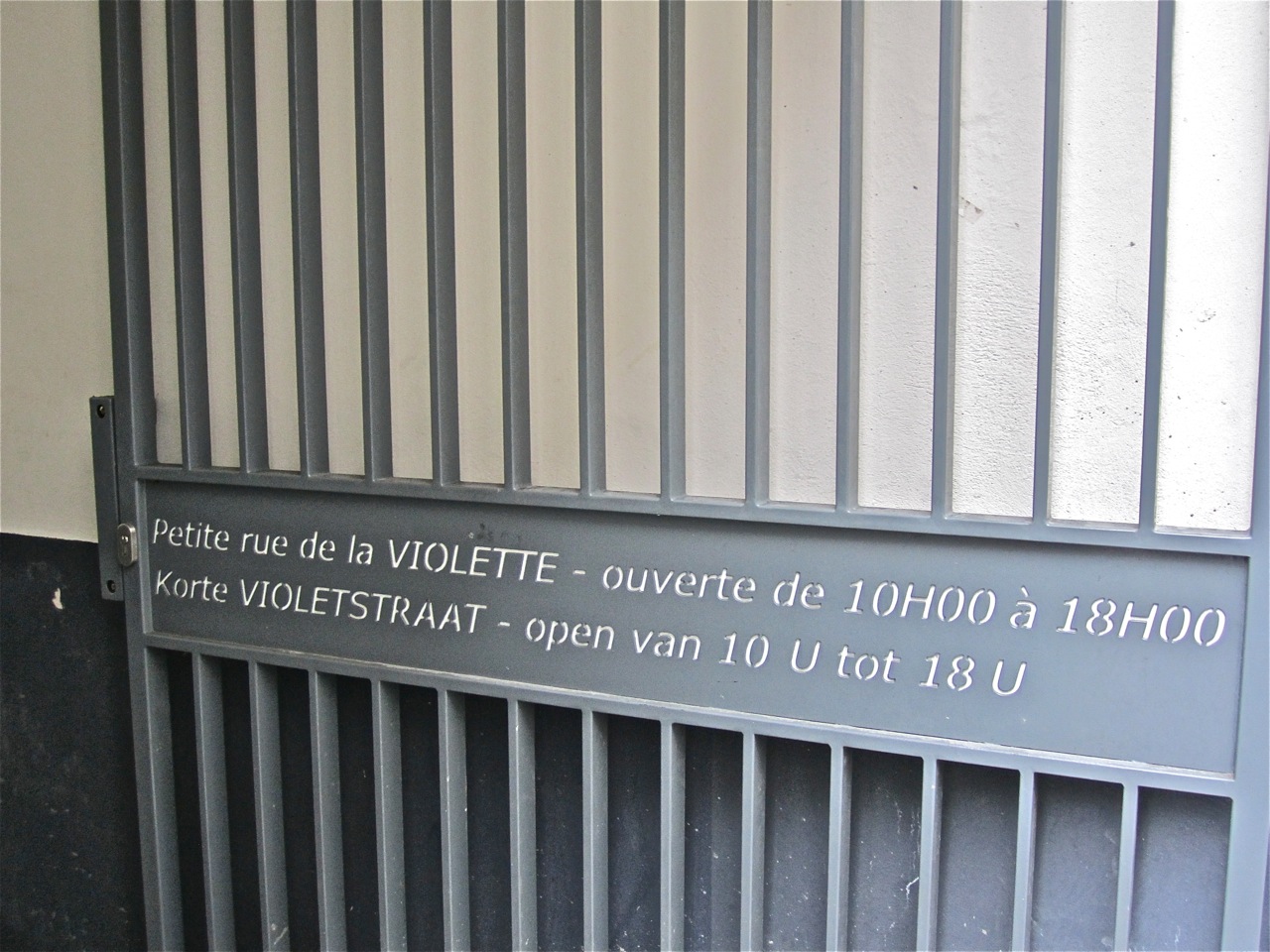
Korte violetstraat, Brussels


On a walk around the neighborhood just south of the Grand-Place (Grote Markt in Dutch) in Brussels, I came across the gate to ‘Little Violet Street.’

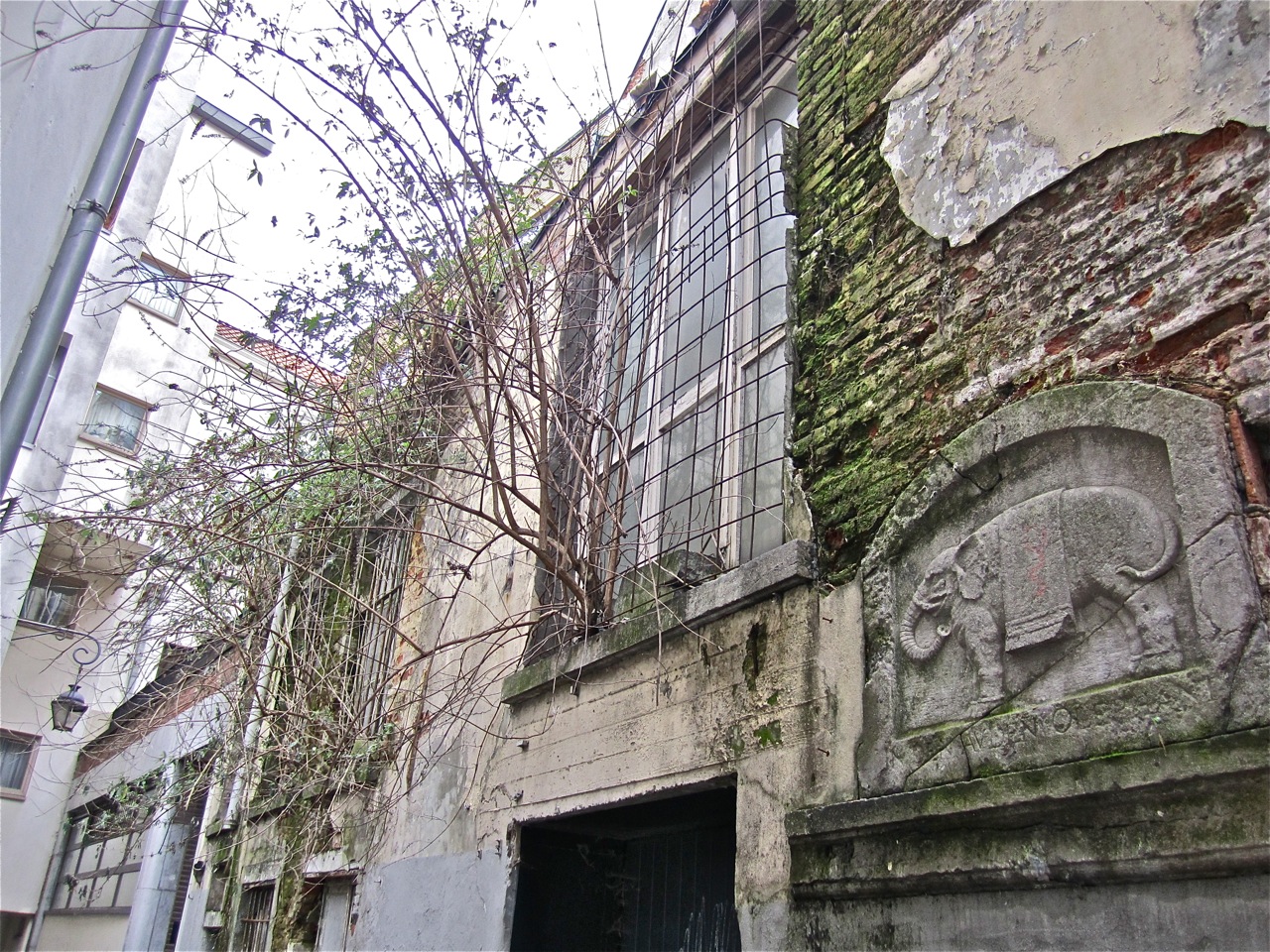
Halfway down the pedestrian way, an elephant gable stone marks the site of the 16th century “Old Elephant” tavern. (Click the photos to enlarge them.)

Gable stones are carved and often painted stone tablets set into exterior walls of buildings. Coming into use in the 16th century, they both identified (in the days before house numbers) and decorated homes and businesses. They can be found in many northern European cities, like Brussels, Amsterdam, Maastricht, Lille, and Copenhagen.

According to Wikipedia, “they normally combine a picture with an inscription, or sometimes just a date. Some illustrate the name or profession of the owner, for instance a quill pen as a badge for an author, or a ship for a sailor. Some are named after notable people (The King of Bohemia) or faraway trading destinations (Königsberg). Some stones act as talismans, quoting from holy scripture.”