
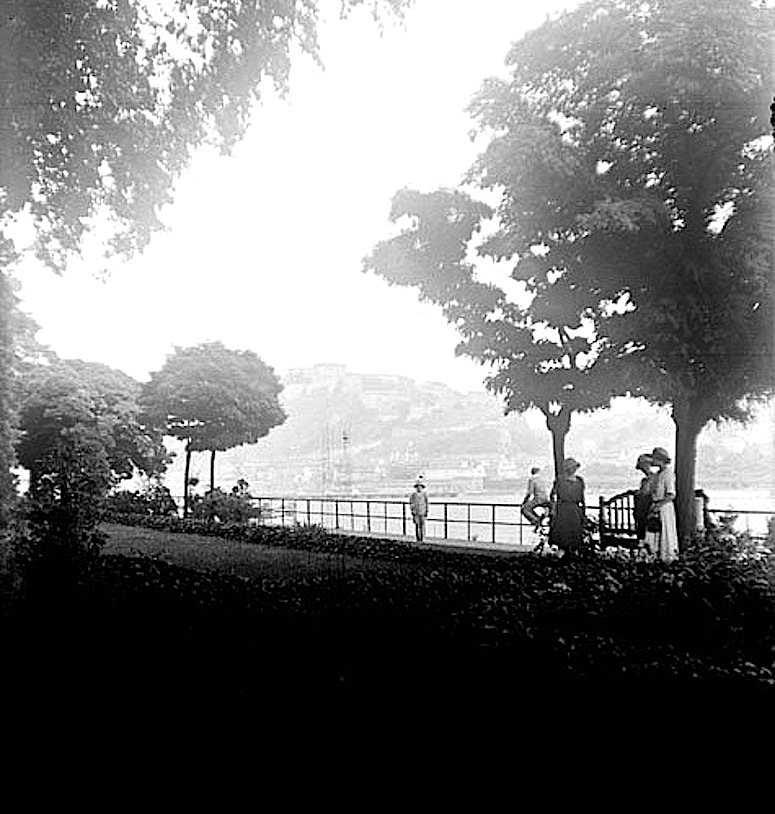
Riverside

coblence-germany-garden-cropped-on-the-rhine-ca-1920s-bibliotheque-toulouseGardens alongside the Rhine River, Coblence (Rhineland-Palatinate)” via Bibliothèque de Toulouse Commons on flickr (cropped slightly by me).

The Bibliotheque‘s flickr page gives Eugène Trutat as the photographer, but M. Trutat died in 1910, and the women’s dresses seem to be from the 1920s, maybe even the 1930s.

Coblence — now Koblenz — is a German town located where the Rhine and Moselle Rivers come together. The photo may have been taken here, looking over to the Ehrenbreitstein Fortress.
The winter garden: Iceland

This slideshow requires JavaScript.

The living room of Sigurjóns, carpenter, and his wife, Elin, at Vonarstræti 8, Iceland (possibly Reykjavik), between 1910 and 1930, by Magnús Ólafssonvia The Reykjavik Museum of Photography Commons on flickr (both photos).

I believe you can just see Sigurjóns beyond the doorway in one of the images. Elin must be the woman in traditional dress, and the other woman may be their daughter.

I don’t know if this photo was really taken in winter or not, although the tulips on the table could have come from a greenhouse in February.

Hood River, Oregon

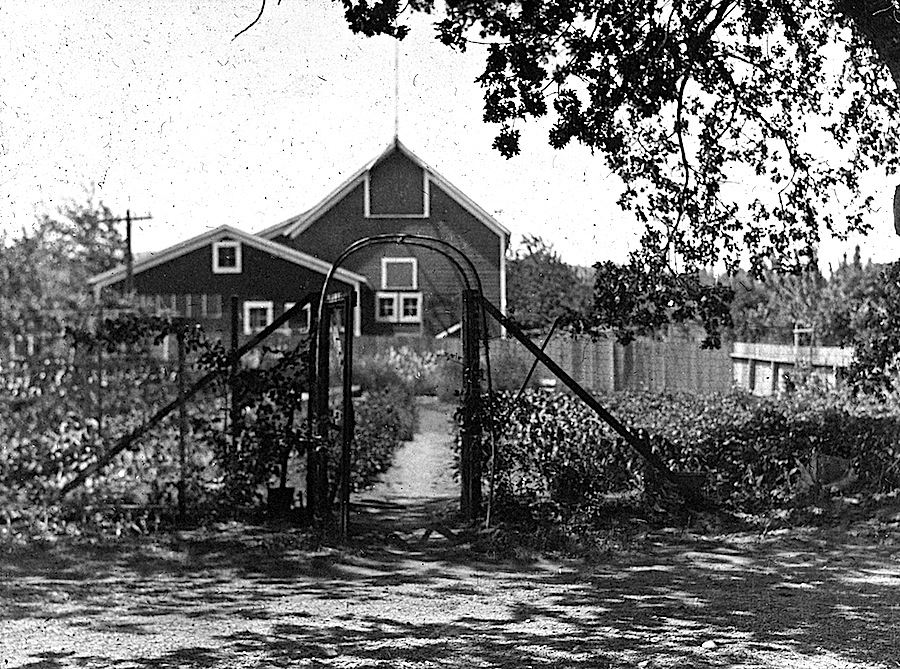
hood-river-oregon-arthur-peck-osu-special-collections-and-archives“Good enough Farm House in Hood River, [Oregon]: View from front yard,” undated, via Arthur Peck Photograph Collection, OSU Special Collections and Archives Commons on flickr.

Arthur Peck was a Professor of Landscape Architecture at the Oregon Agricultural College from 1908 to 1948. This picture was part of his teaching library of 24 boxes of glass lantern slides — now in OSU’s archives.

It is not clear whether “good enough” was his critical evaluation or the name of the farm.

In a vase on Monday: Ulm Münsterplatz

ulm-flower-seller-feb-11-by-enclosure
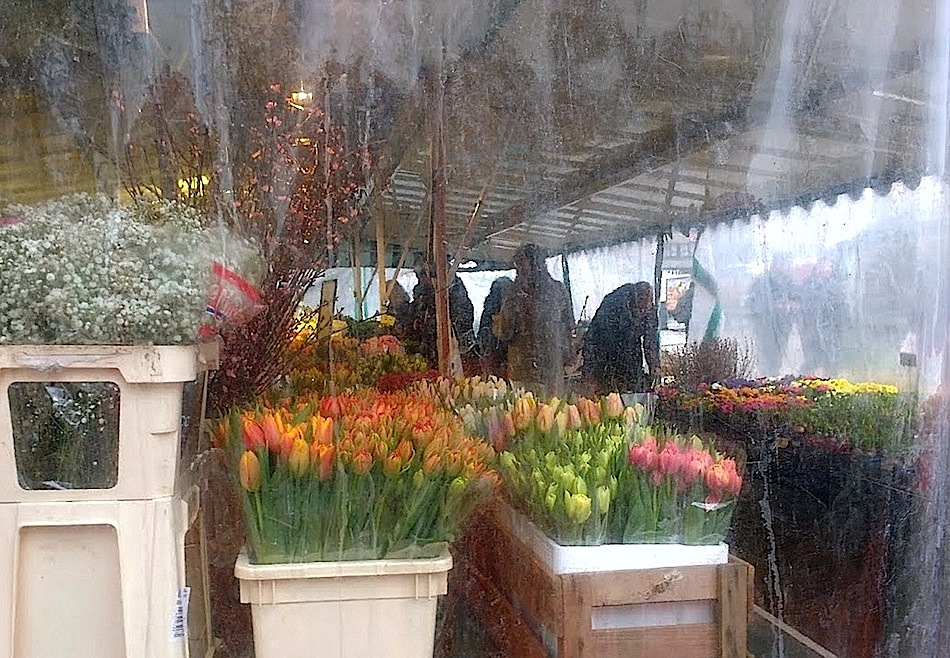
We were in the really pretty city center of Ulm on Saturday morning, walking around the farmers’ market* in the light snow. Many of the stands were completely covered in clear plastic against the cold. This one was full of tulips and forced cherry blossoms, and I would have loved to buy several bouquets, but they wouldn’t have been practical in our Ibis hotel room, which was comfortable but teeny.

So I wasn’t able to make a flower arrangement this week for “In a vase on Monday,”‘ but to see what other garden bloggers have created today, please visit host Cathy at Rambling in the Garden.


*On the plaza in front of the Ulm Münster (church), which has the tallest church steeple in the world.

The Sunday porch: sewing circle

mothers-verandah-2-1908-deseronto-archives-on-flickr

“House Verandah. Mother, Winifred, Helen & Mrs Kingsmill,” Deseronto, Ontario, July 1908, via Harold McMurrich Rathbun’s Negatives album, Deseronto Archives Commons on flickr.

The Rathbuns were a prominent family in Deseronto.  About the time of this photo, The Rathbun Company owned a local shipyard and saw mill and a number of other businesses. At least two of its men had served as mayor around the turn of the 20th century. However, markets changed, woods stock were depleted, and fires destroyed their docks and other property. “[The] core timber and minerals resource businesses were dead by 1916 . . . . The company surrendered its charter in 1923,” according to Wikipedia.