The Olbrich Botanical Gardens in March

We just returned from a three-week trip to the U.S., Belgium, and France. There was amazingly great weather everywhere, and I think we walked several miles every day. I hope I can sort out all the photos I took of spring landscapes while it’s still spring.

We spent three days in Madison, Wisconsin, where the temperatures were in the 70s. Of course, we had to visit the beautiful Olbrich Botanical Gardens just to enjoy the warm sun.

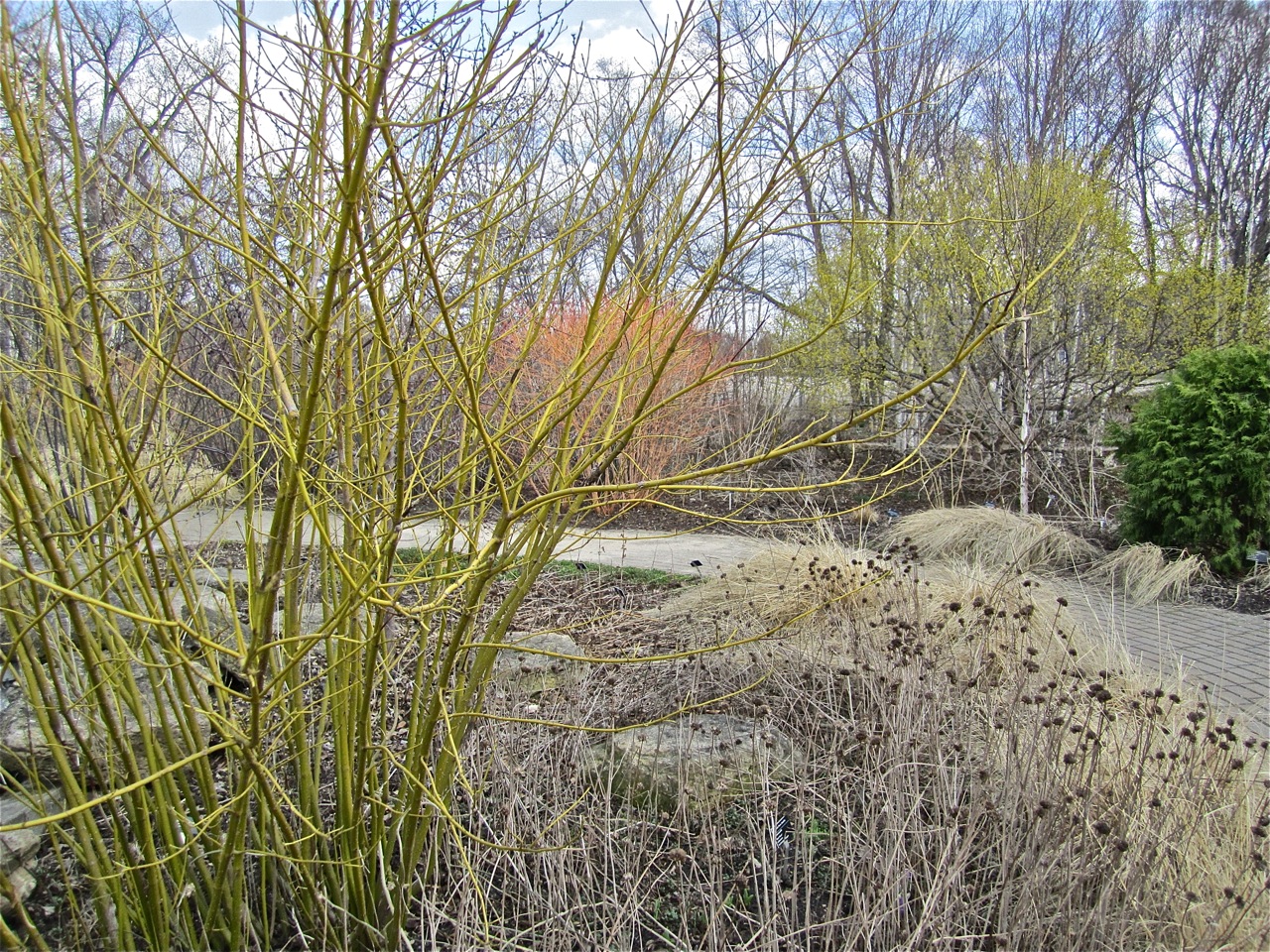
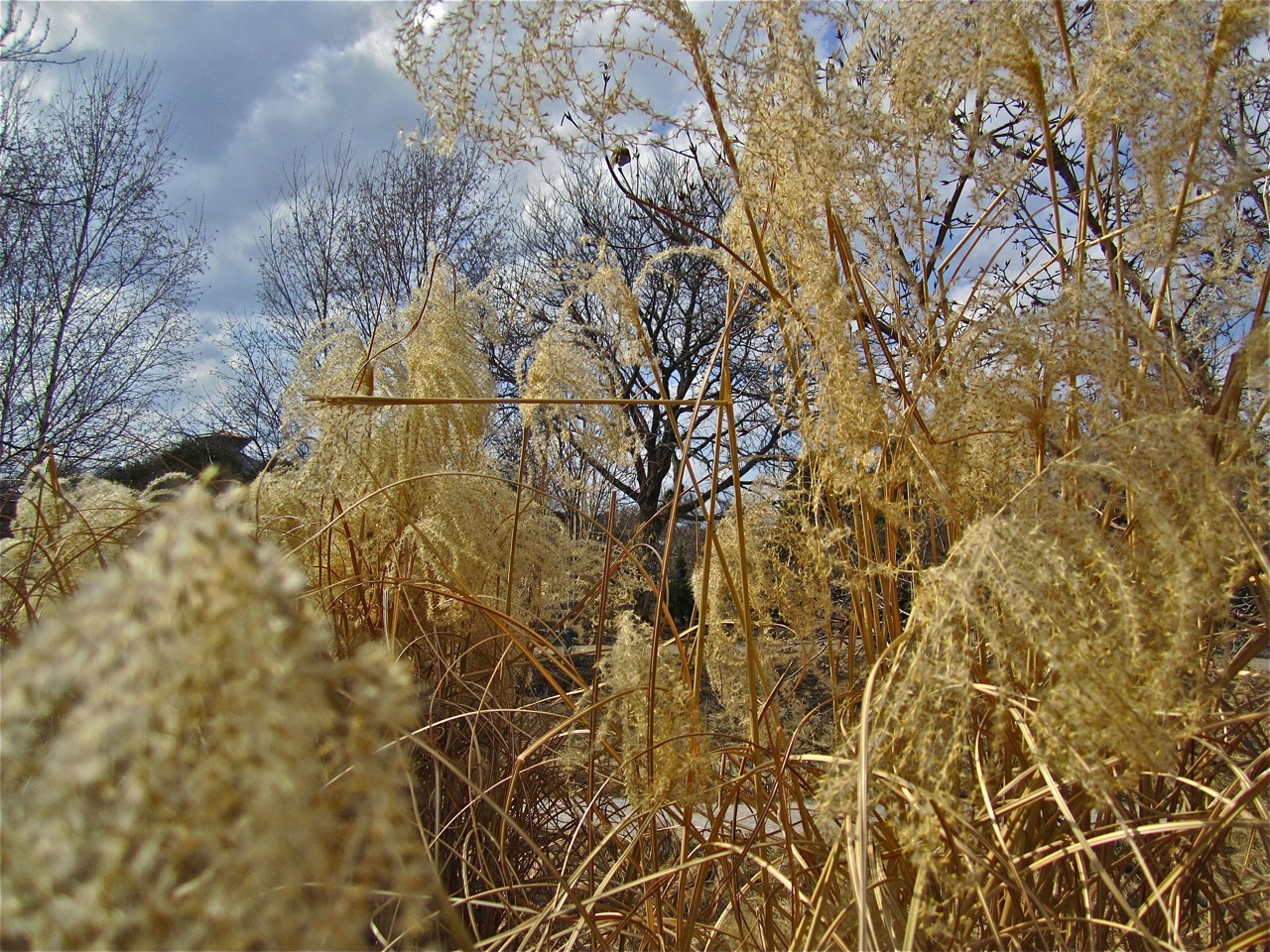
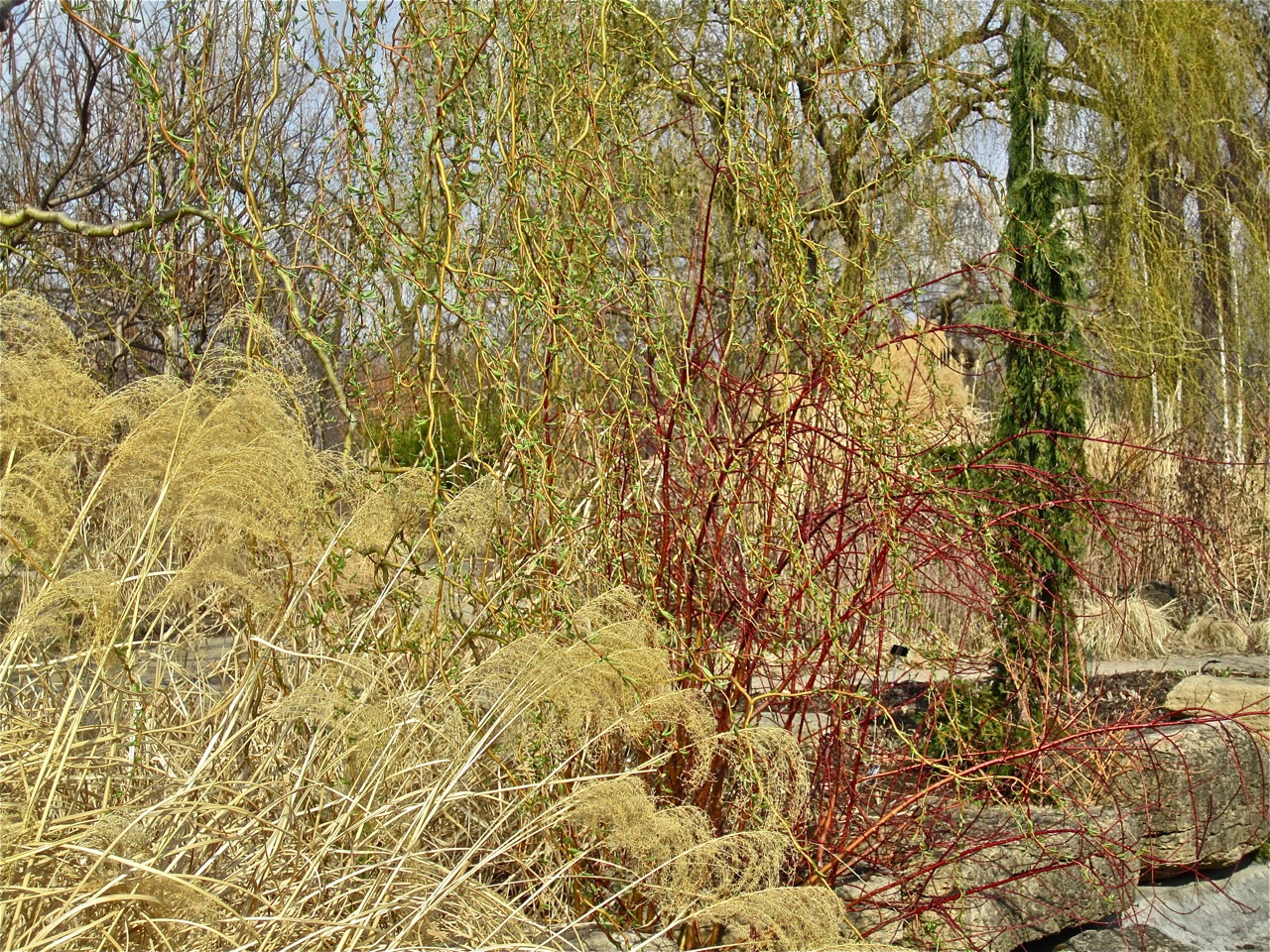
I wasn’t really expecting to be wowed at the end of winter, but the blond grasses, red, coral, and yellow dogwoods, and white birches put on a gorgeous display.

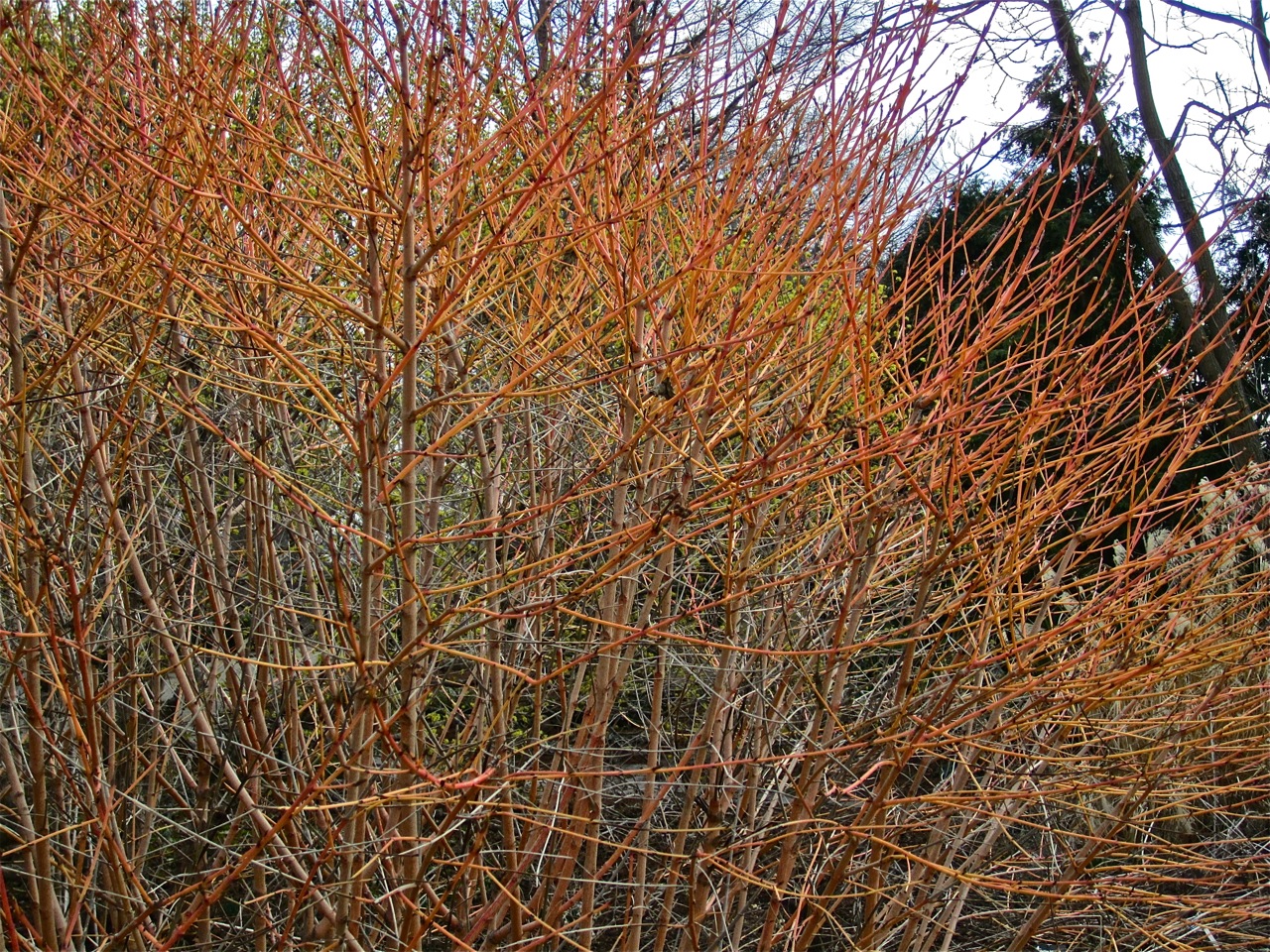
This is winter bloodtwig dogwood or Cornus sanguinea ‘Winter Beauty.’
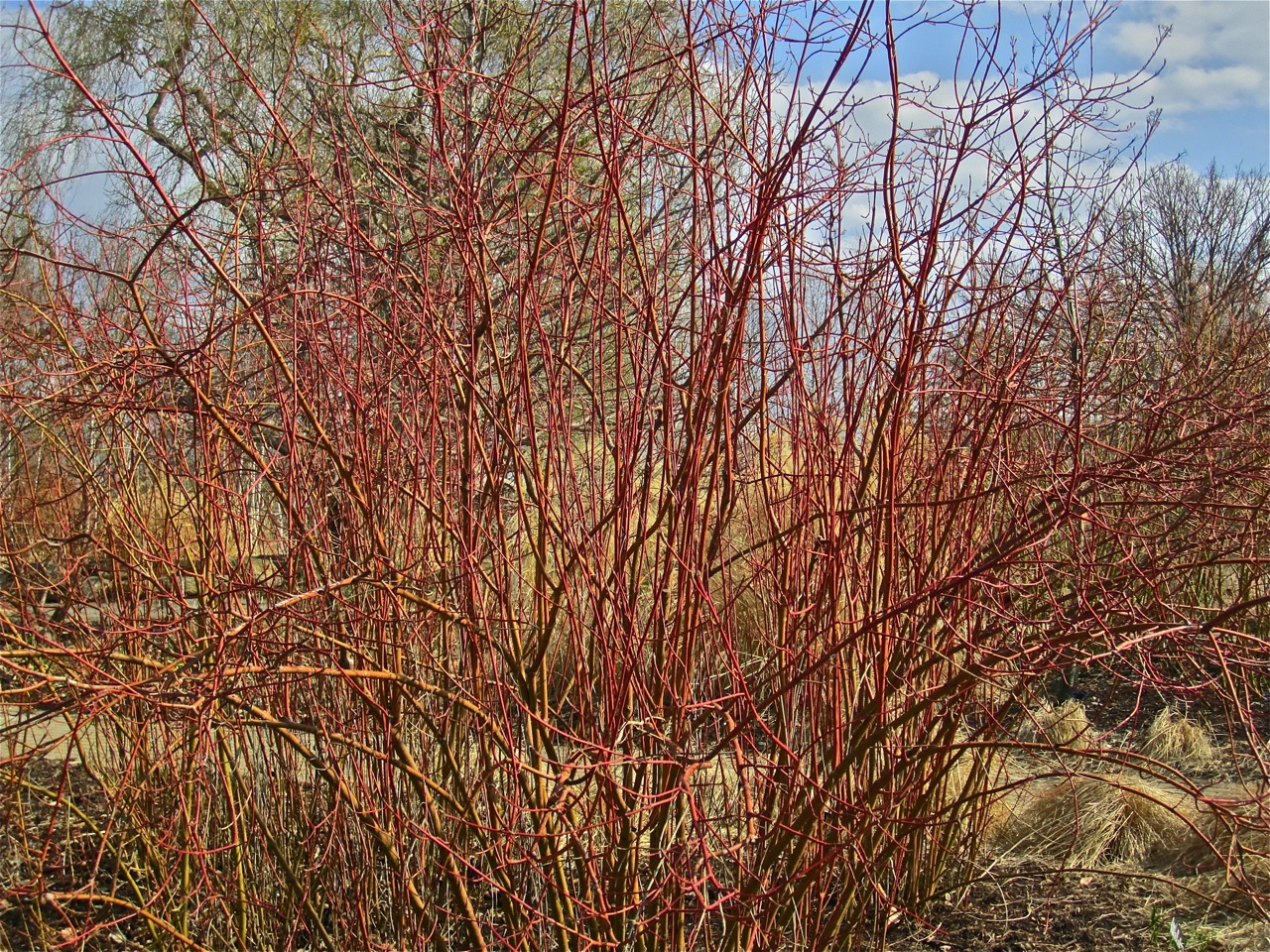
Below are red osier dogwoods or Cornus stolonifera among a variety of grasses.

Above, the pavilion of the Thai Garden glitters in the background.
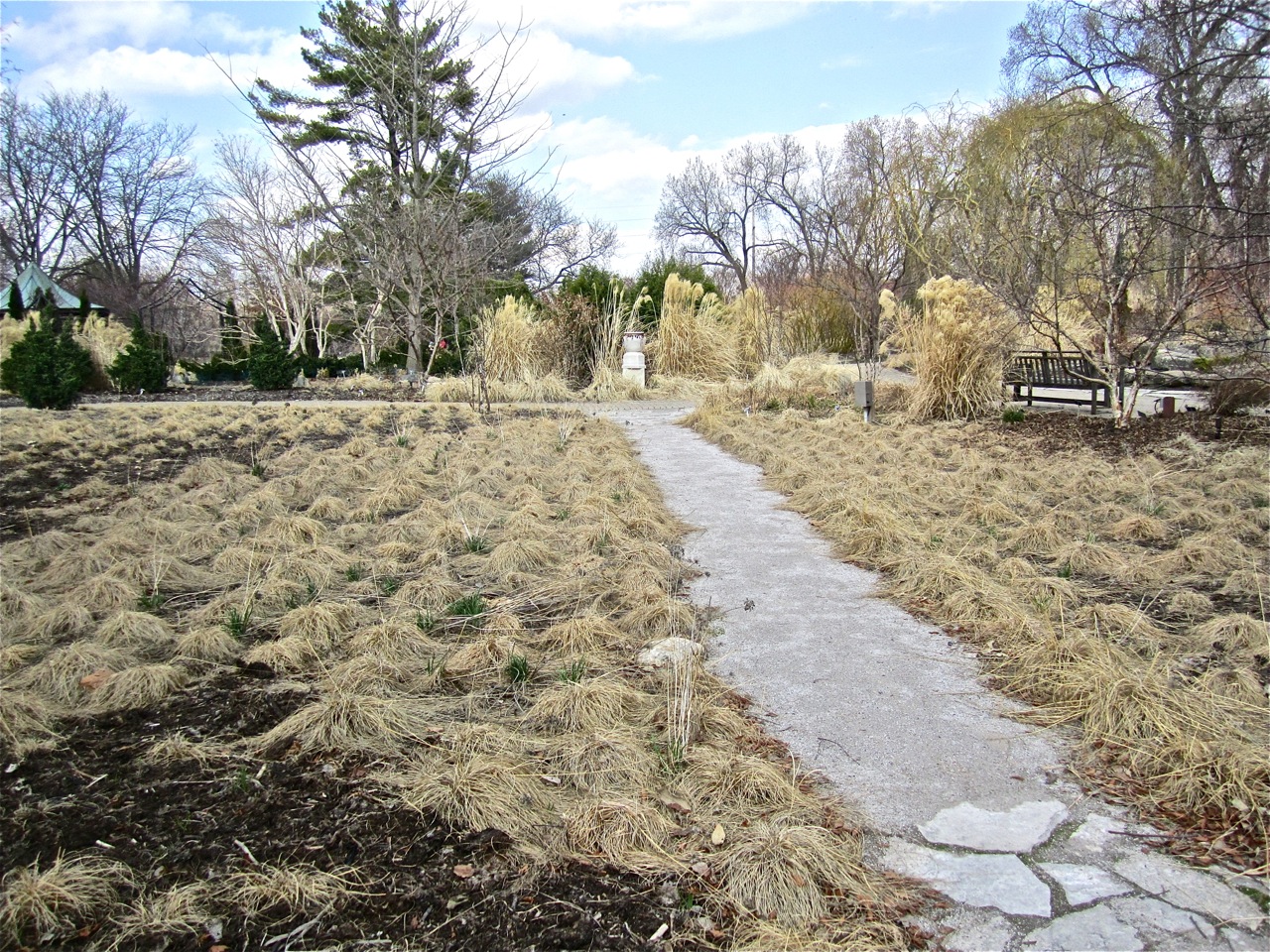
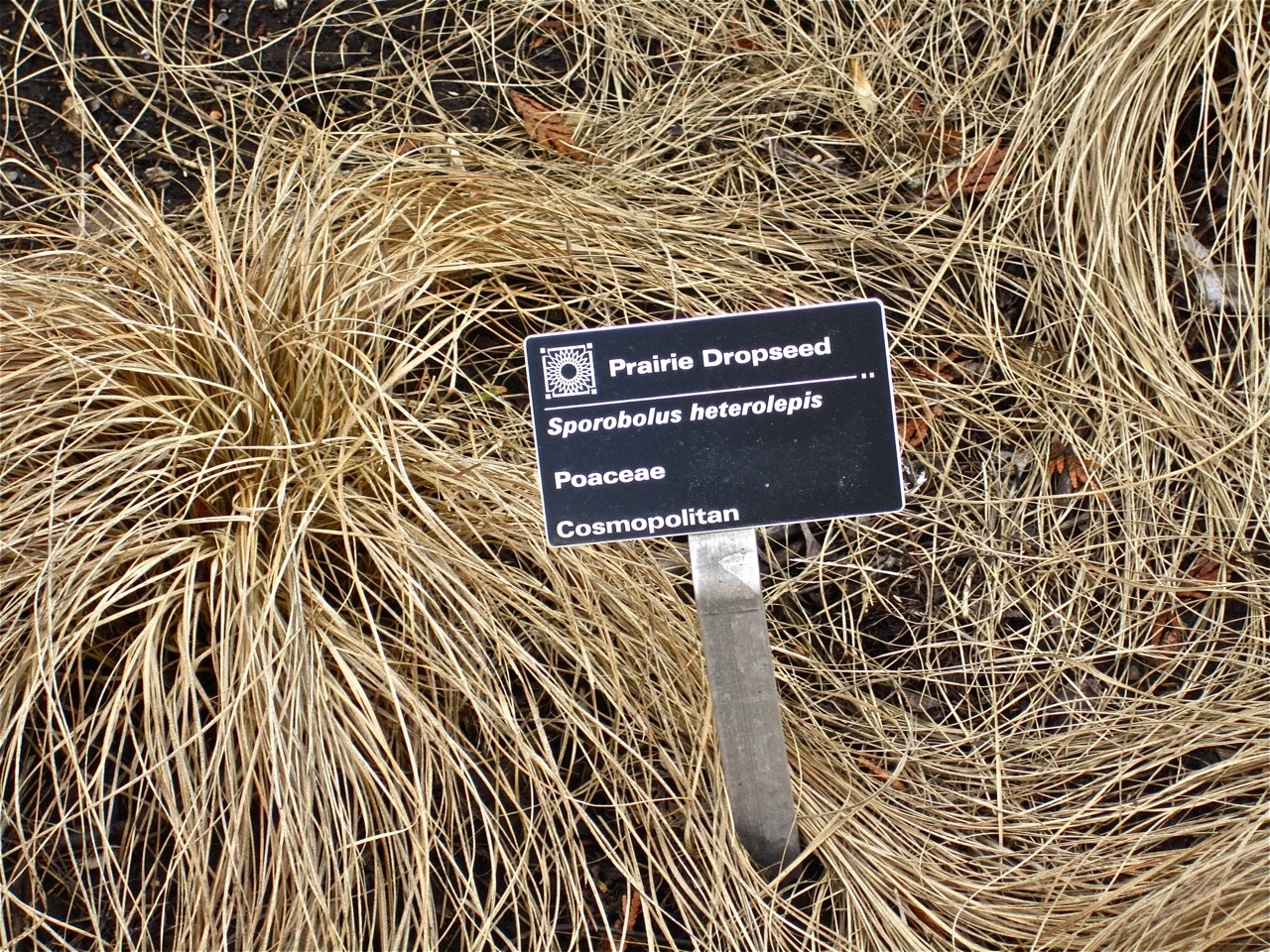
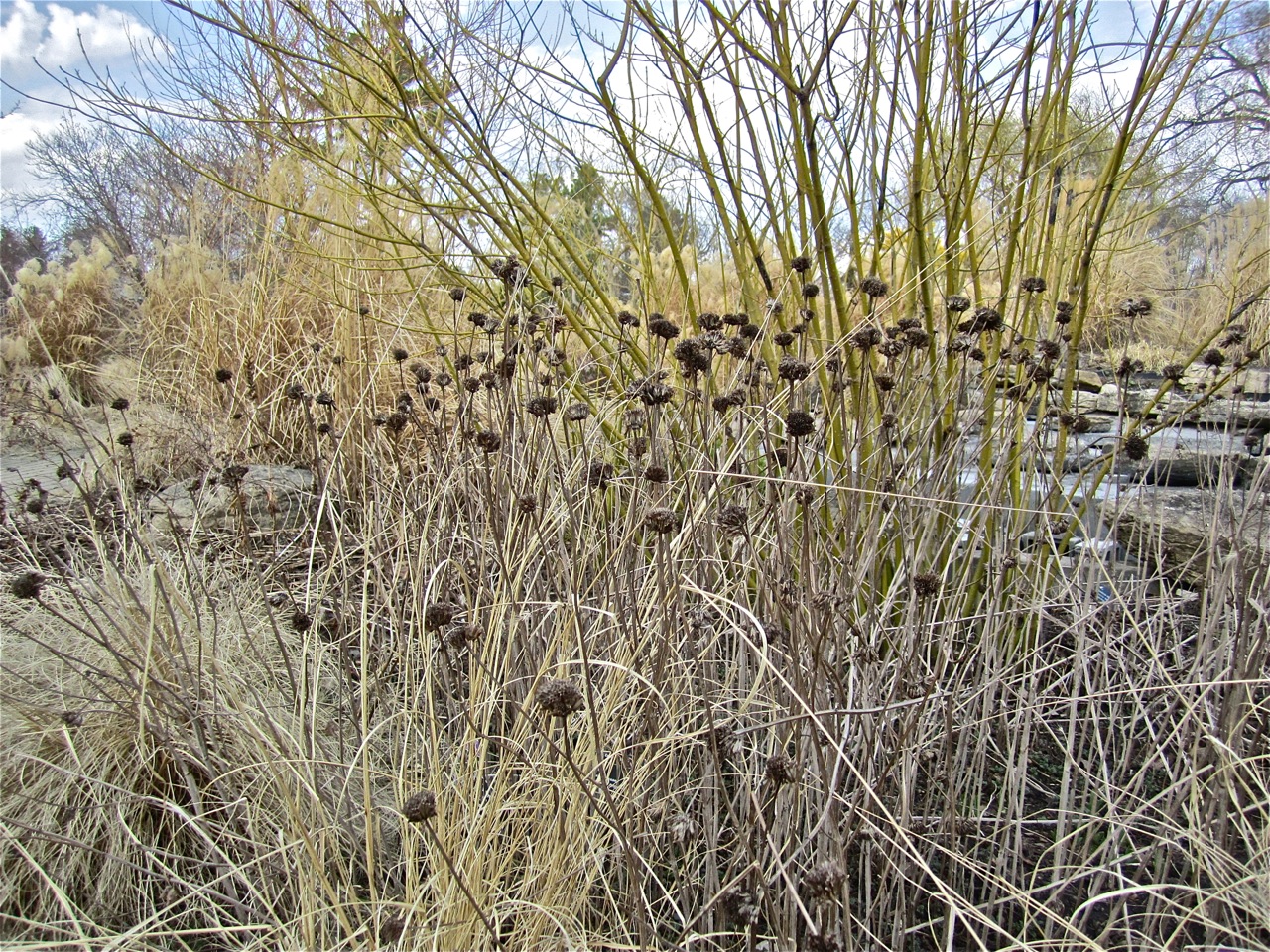
Bordering the Perennial Garden, shown above, are the Sedge and Prairie Dropseed Meadows — examples of alternatives to the typical lawn — shown below.

The Birch Walk, below, features 100 native paper birches.

18th and K Streets, N.W.

I took landscape design classes near this block of northwest Washington, D.C., for about three years. From the first spring, walking from the metro, I was struck with the particular beauty of the pale new leaves of the street trees against the blue and grey office buildings along K Street.

Now, it’s still a little thing I try to look out for every year. These pictures were taken about a week and a half ago.

Salute to early spring

Our mid-March, mostly spent in Washington, D.C., has been more like April this year, and I saw a few dandelions popping up. (And the famous cherry trees — 100 years old this year — are already at their peak.)

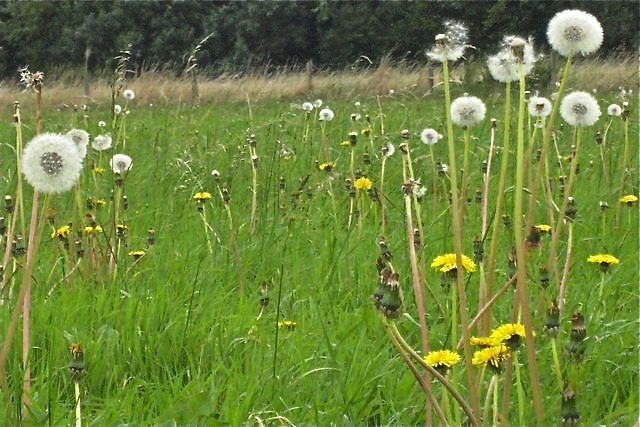
Dandelions on meadowland by the Thames by Rod Allday, via Wikipedia under CC license.

The Dandelion’s pallid tube
Astonishes the Grass,
And Winter instantly becomes
An infinite Alas —

The tube uplifts a signal Bud
And then a shouting Flower, —
The Proclamation of the Suns
That sepulture is o’er.

Emily Dickinson

Chatham Manor

I’m still traveling, so most of my next posts will be of vintage photos that have caught my interest in the last month. They are from the Carnegie Survey of the Architecture of the South (at the Library of Congress).

Thanks to all who have commented on posts lately. I’m sorry that I can’t answer everyone individually right now.

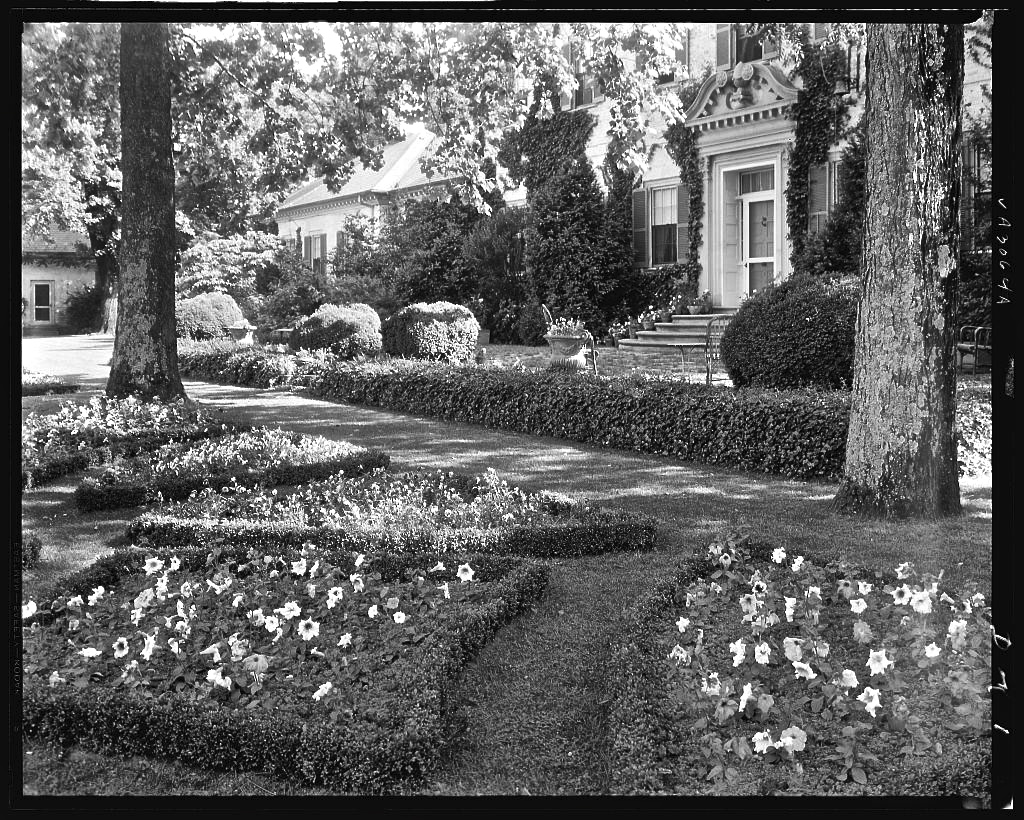
In 1927, photographer Frances Benjamin Johnston was commissioned by Helen Devore to photograph her estate, Chatham Manor, which she had restored.

Documenting the house and its gardens led Johnston to undertake the Carnegie Survey of the South during the late 1920s and all of the 1930s.

Chatham was built between 1768 and 1771 and overlooks the Rappahanock River near Fredericksburg, Virginia. It has the distinction of having hosted both George Washington and Abraham Lincoln for overnight stays.

After a nearby civil war battle in 1862, it was used as a hospital, and Walt Whitman and Clara Barton nursed wounded soldiers there.

December 1862 photo via Wikipedia.org and The National Archives.

It is now owned by the National Park Service and is open to the public.


Click on any thumbnail below to scroll through 23 enlarged photos of Chatham. Excepted where otherwise captioned, all are by Frances Benjamin Johnston via the Carnegie Survey of the South collection of the Library of Congress Prints and Photographs Division.

Garden Bloggers’ Foliage Follow Up for March

I’m traveling today, so for GBFF, I want to share some photos that I’ve taken in the last few months of our two Ravenalas madagascariensis or traveler’s palms.

The traveler’s palm is not a true palm, but the sole member of its genus, which is part of the family Strelitziaceae, known for its birds-of-paradise.

Its name derives from a tendency of its fans to grow in an east-west line (ours don’t) and because its leaf folds, flower bracts, and hollow leaf bases can contain almost a quart of water (almost a liter).

When we lived in Madagascar, we were told that if you drank from the traveler’s palm, you would always return to that country.

The plant likes sun, but can tolerate part shade. It thrives in good moist soil in (U.S.) zones 10 and 11. Its average height is about 23′ (7 m.).

For more information, click here.

Thanks to Pam at Digging for hosting Garden Bloggers’ Foliage Follow-Up today. Click the link to see what’s growing in other G.B.’s gardens this month.