The Sunday porch: Ste. Genevieve, Mo.

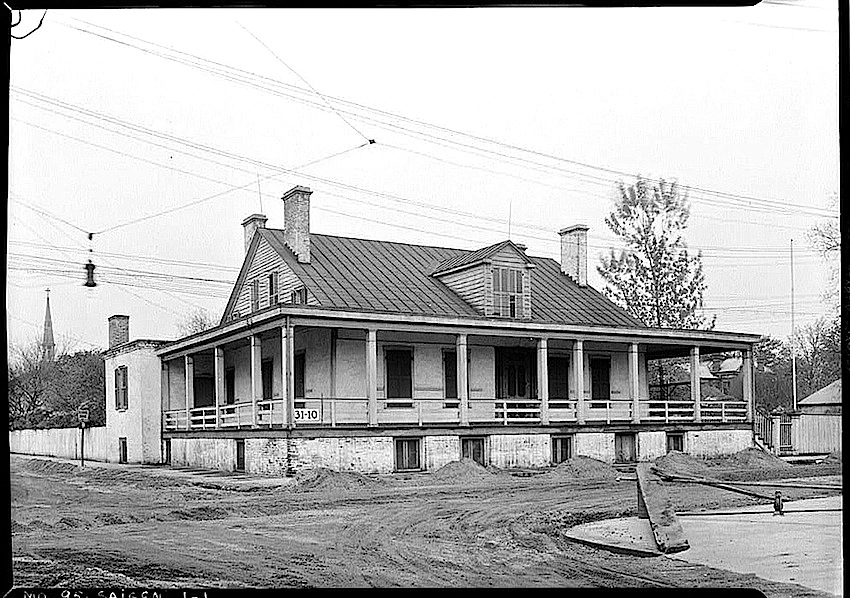
The Sunday porch:enclos*ure- 1934 J. B. Valle Hse, Mo., HABS, Library of CongressThe Jean Baptiste Valle House from the southeast, Sainte Genevieve,  Missouri, April 10, 1934, by Alexander Piaget, via Library of Congress Prints and Photographs Division.

The town of Ste. Genevieve is the oldest permanent European settlement in Missouri — established about 1735 by French Canadian colonists. Today, its National Historic Landmark District has a number of surviving late 18th century and early 19th century homes.

The Jean Baptiste Valle house was built between 1785 and 1796 by Valle and his wife, Jeanne Barbeau.
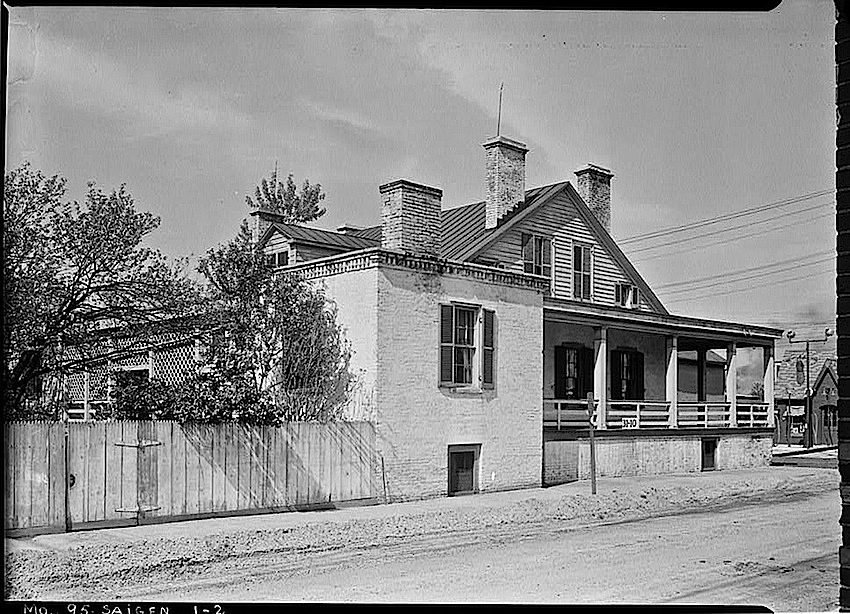
The Sunday porch:enclos*ure- 1934 J. B. Valle Hse, Mo., S.W. view, HABS, Library of CongressA view of the southwest corner (same photographer and date as above).

The house has an “interrupted French colonial gallery” porch on all sides.
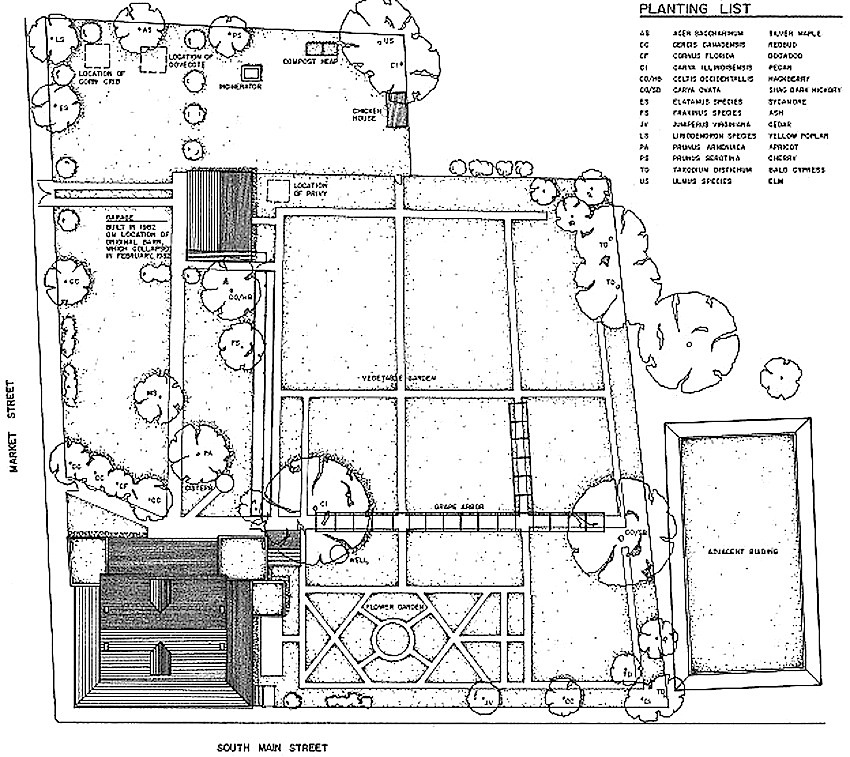
The Sunday porch:enclos*ure- cropped 1985 plan of J. B. Valle Hse, Mo., HABS, Library of CongressA plan of the property drawn in 1985 for HABS. The site is about 200′ x 250′.
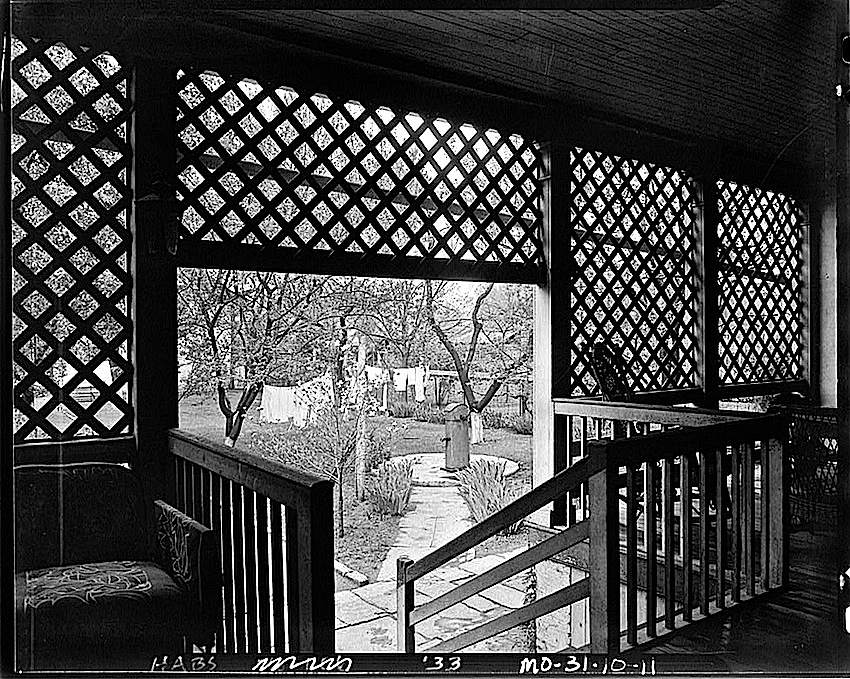
The Sunday porch:enclos*ure- 1934 J. B. Valle Hse, Mo., N.W. view, HABS, Library of CongressA view of the garden from the interior of the west-side porch (seen on the left side of the second photo above), 1933, photographer not noted.

This section of porch connected a back bedroom and the kitchen.

These pictures from the 1930s were part of photographic surveys of early Missouri sites made by Alexander and Paul Piaget and Charles von Ravenswaay. In 1984, their work was donated to the Historic American Buildings Survey (HABS) collection of the Library of Congress (all photos here via the LoC).
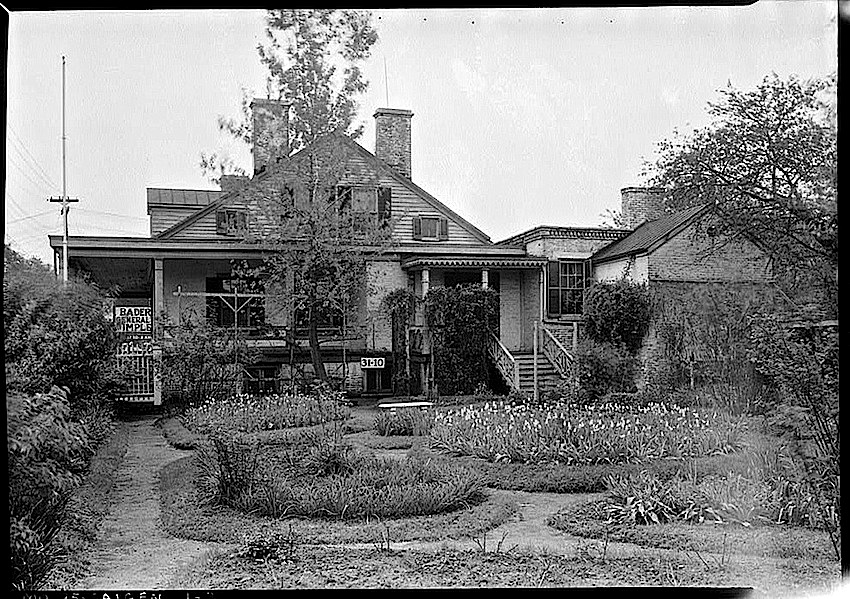
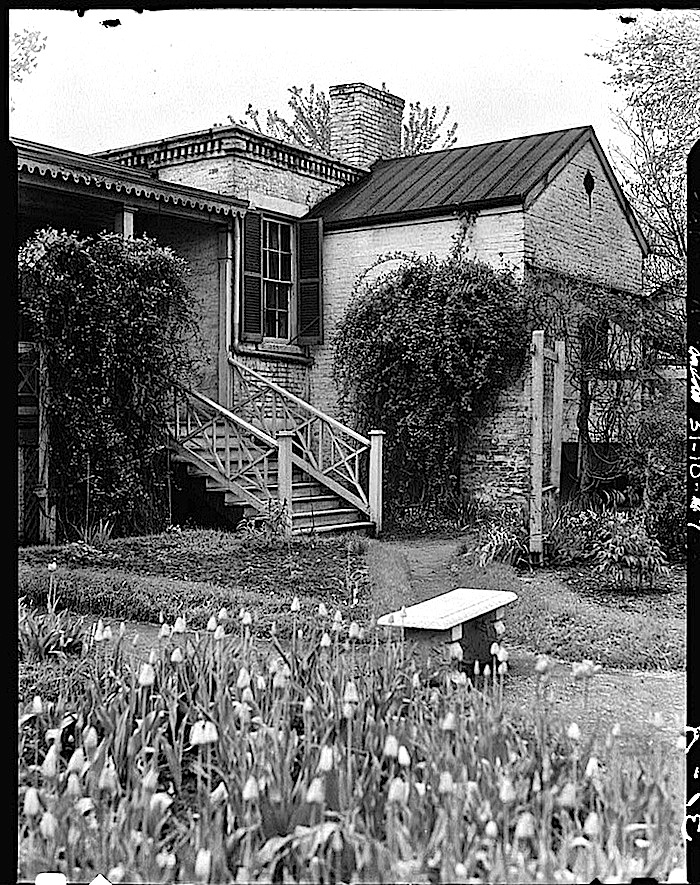
1934-The Sunday porch:enclos*ure-  J. B. Valle Hse, Mo., HABS, Library of CongressA view of the flower garden on the north side of the house, April 10, 1934, by Piaget.
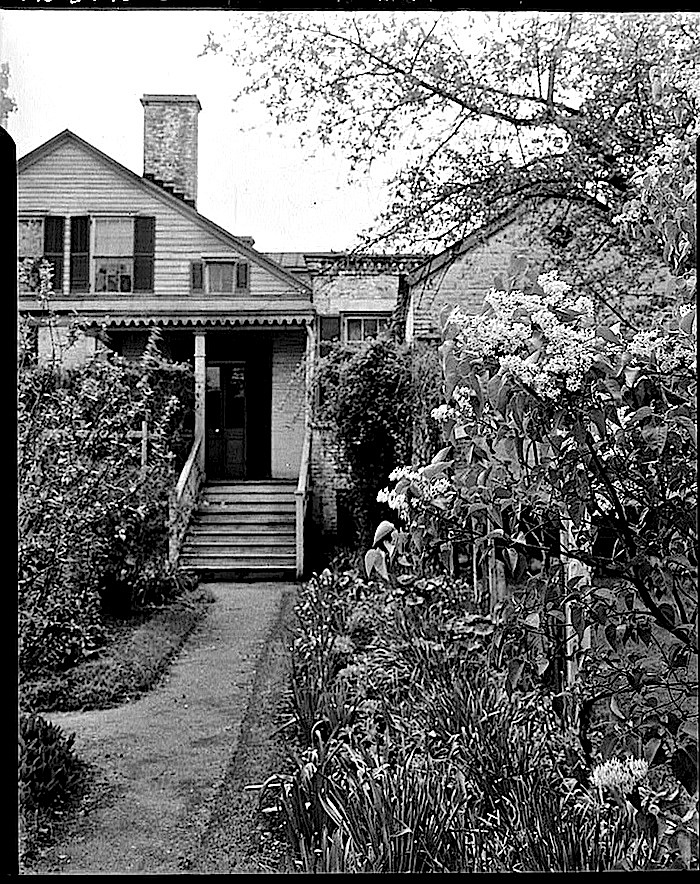
Spring 1934-The Sunday porch:enclos*ure-  J. B. Valle Hse, Mo., HABS, Library of CongressLilac along a pathway.

The photo above and the two below are not dated, but also seem to have been taken in April 1934. The steps went into the kitchen pantry.
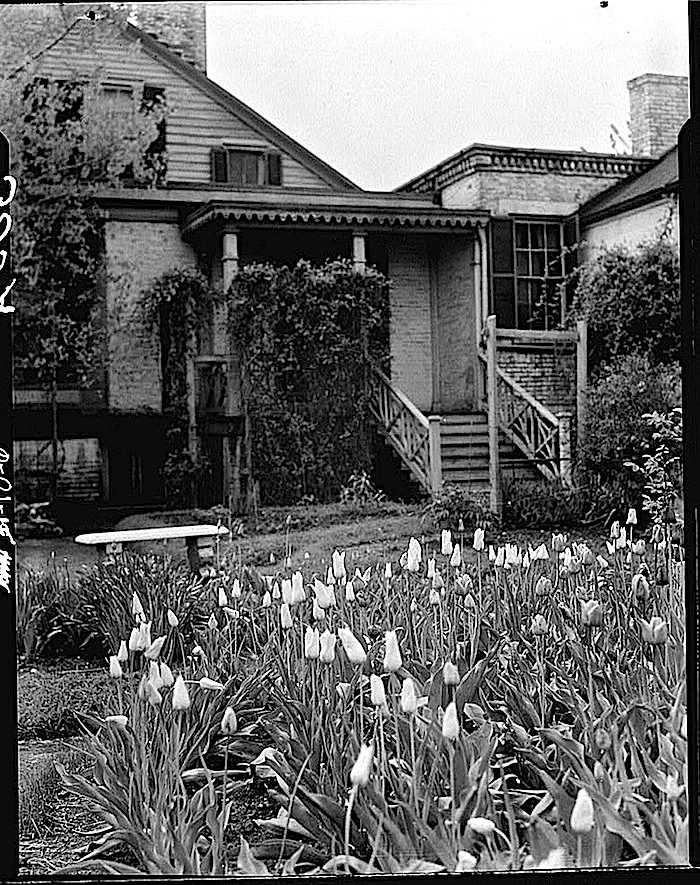
probably April 1934-The Sunday porch:enclos*ure-  J. B. Valle Hse, Mo., HABS, Library of CongressThe garden was laid out in 1867.

probably 1934-The Sunday porch:enclos*ure-  J. B. Valle Hse, Mo., HABS, Library of Congress

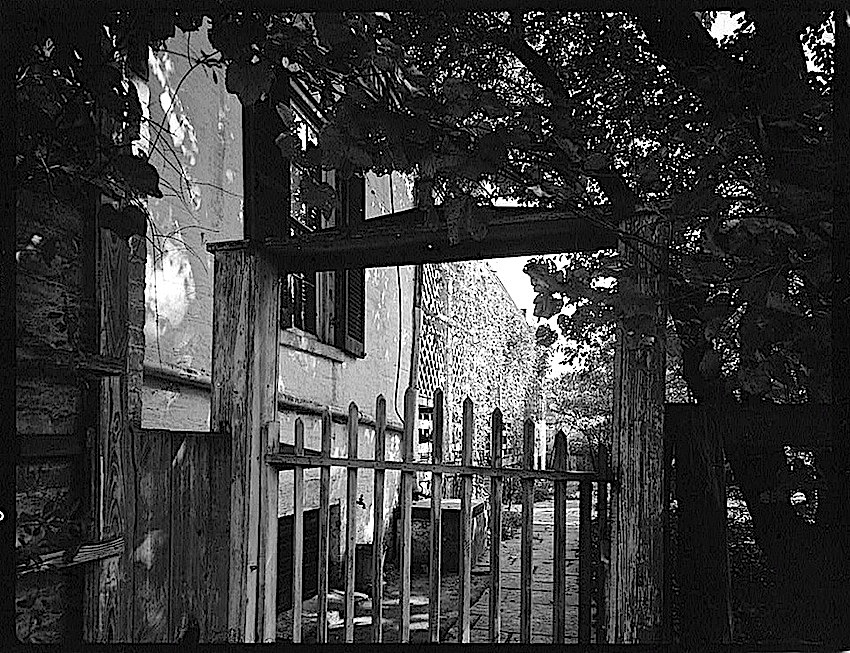
1985-The Sunday porch:enclos*ure-  J. B. Valle Hse, Mo., HABS, Library of CongressAn undated view of the garden entrance “at side.”
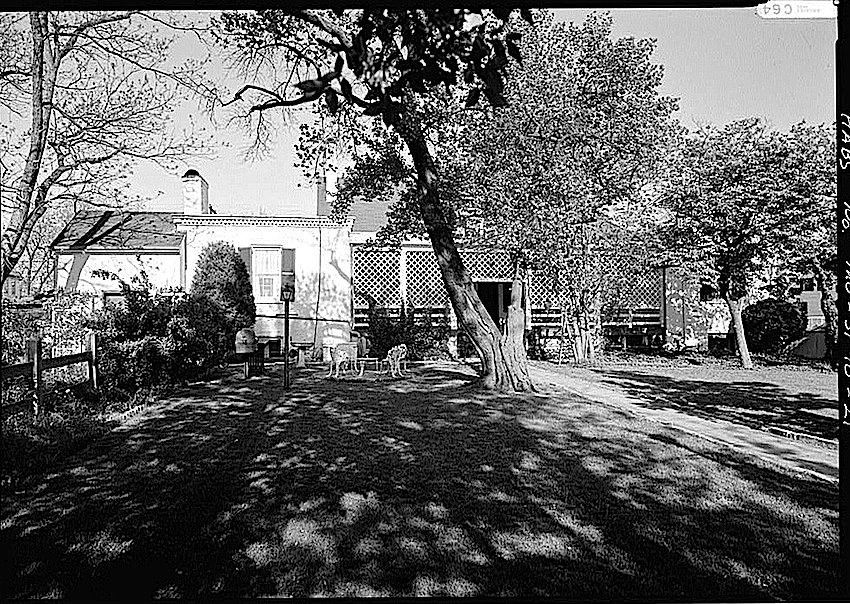
West side, 1985-The Sunday porch:enclos*ure-  J. B. Valle Hse, Mo., HABS, Library of CongressThe west garden and porch in 1986, by Jack Boucher for HABS. Additional images and information were added to this property’s survey in 1985 and 86.

Today, the house is not open to the public. However, in 2013, it was sold to the National Society of the Colonial Dames to ensure its preservation.
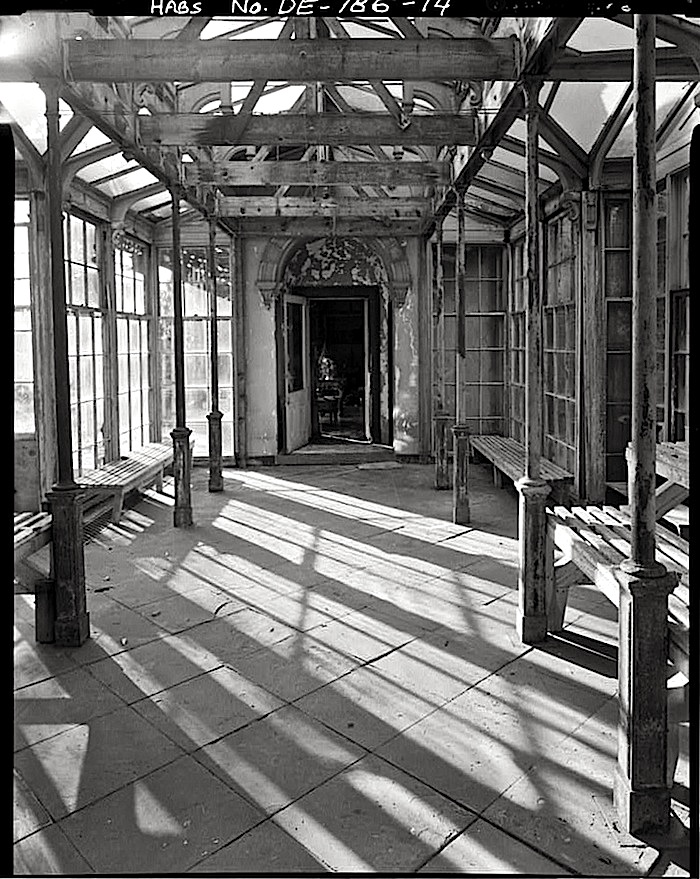
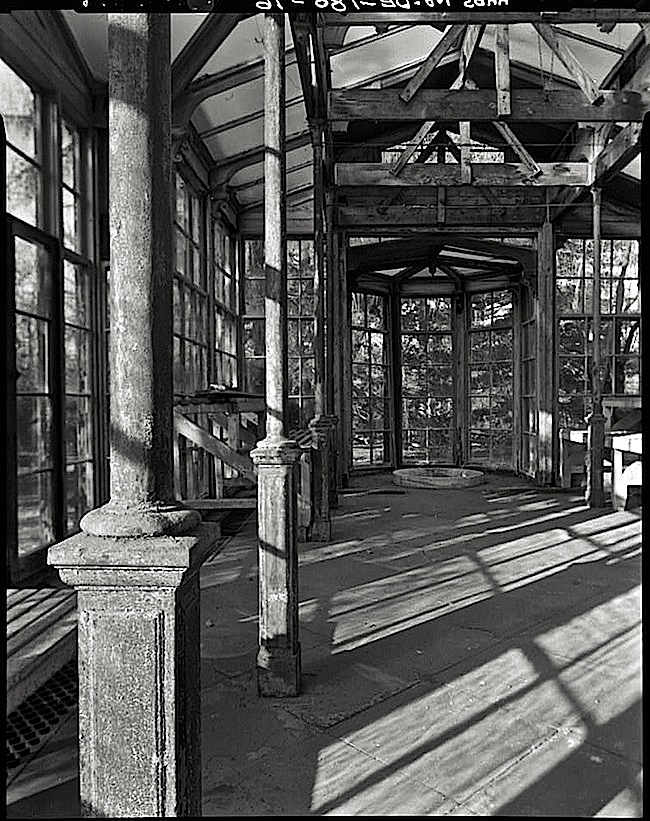
The winter garden: Rockwood

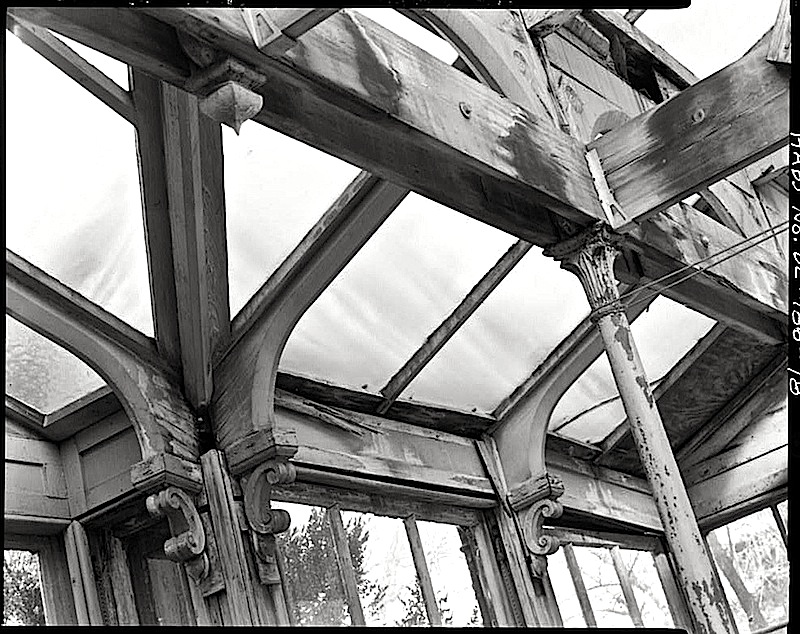
Rockwood, Delaware, 1982 HABS, Library of Congress“Conservatory interior looking southwest,” Rockwood, near Wilmington, Delaware, 1982, by David Ames, via an Historic American Buildings Survey (HABS), Library of Congress Prints and Photographs Division (all photos here).

Built between 1851 and 1854 in the Rural Gothic Revival style, the estate still exists as the Rockwood Park and Museum.

Designed for Joseph Shipley, a member of one of the leading Quaker mill-owning families in the area, Rockwood is an unusually complete and effective statement of early Victorian taste in the tradition of A.J. Downing and John Clauduius Loudon. The mansion house reflects both early Victorian romanticism and the picturesque merger of irregular architecture and naturalistic landscape. When taken in conjunction, the architecture, the plan, the garden and the remaining furnishings depict a total physical sensibility that is fast vanishing from America.

— 1986 HABS report

Rockwood, Delaware, 1982 HABS, Library of Congress“Conservatory, detail of cast iron columns looking northeast.”

Rockwood, Delaware, 1982 HABS, Library of Congress“Conservatory, roof and northwest wall looking north.”

More winter gardens are here. And more abandoned greenhouses here on the blog Messy Nessy Chic.

The Sunday porch: Madison, Georgia

This slideshow requires JavaScript.

Stokes-McHenry House, 240 S. 2nd St., Madison, Georgia, 1939 or 1944, by Frances Benjamin Johnston, via Library of Congress Prints and Photographs Division.

This porch is certainly a strong contender for “best in latticework.”  The woodwork around the front door is not bad either.

The house was built in the 1820s in the Federal style. The porch was given its current Italianate and Gothic features in the 1850s. It still stands — the property of descendants of its original owners.

The winter garden: diplomatic cacti

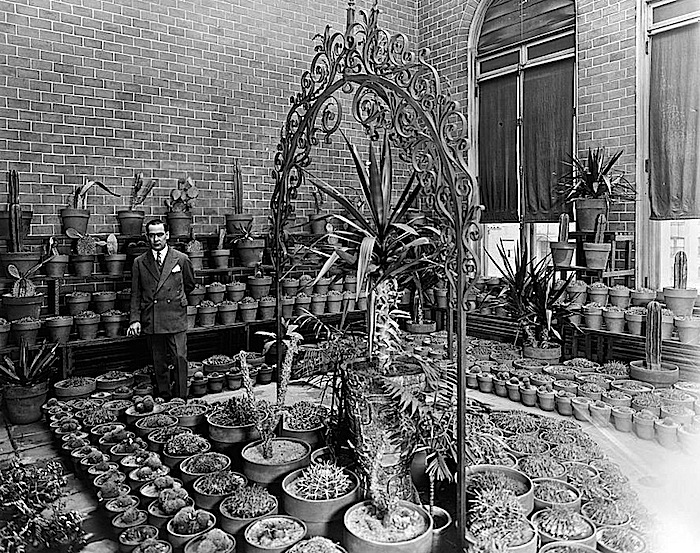
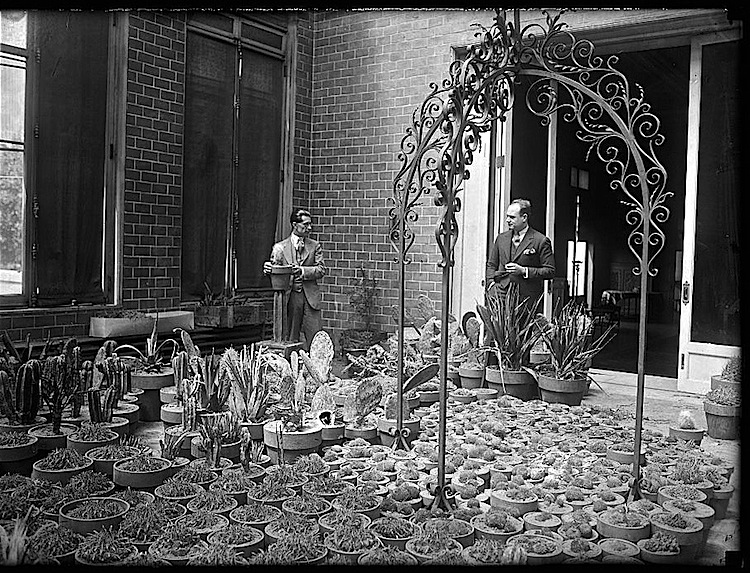
Mexican Embassy cacti, Library of Congress“Mexican ambassador Don Manuel Tellez standing amidst potted cacti in the embassy’s conservatory, Washington, D.C.,” ca. 1925, by National Photo Company, via Library of Congress Prints and Photographs Division.

Amb. and artist in cactus garden, Mexican Amb.'s residence, via Library of CongressR.G. Gunther, a Mexican artist, and the Secretary of the Embassy, M.Y. DeNegu, among the cacti on May 28, 1929, also via Library of Congress.

More winter gardens are here.

After she left he bought another cactus
just like the one she’d bought him
in the airport in Marrakesh. . .

Next week he was back for another, then another. . .

— Matthew Sweeney, from “Cacti

The Sunday porch: Montana

This slideshow requires JavaScript.

W. C. Child Ranch, near Helena, Montana, ca. 1890,* from an Historic American Building Survey (HABS), via Library of Congress Prints and Photographs Division.

Mr. Child became rich from prospecting in Montana. He built this octagonal house on his 3,000-acre ranch in the late 1880s.

However, he used it not as a home, but as a party space.  (The whole second floor was a ballroom.) He and his friends — sometimes over 100 — would take the Northern Pacific train from nearby Helena for banquets and dances lasting late into the night.

By 1893, Child was broke and had to assign the ranch to another man.  He was found dead in the house a month later.

Child called the ranch “White Face Farm” for the Hereford cattle he raised there, and he built Montana’s largest barn to protect them during the winters. There are more details here.

The house and barn still exist as a special events center called Kleffner Ranch. *Both HABS pictures here were photocopies of original photographs; the originals are in the collection of the Historical Society of Montana.