
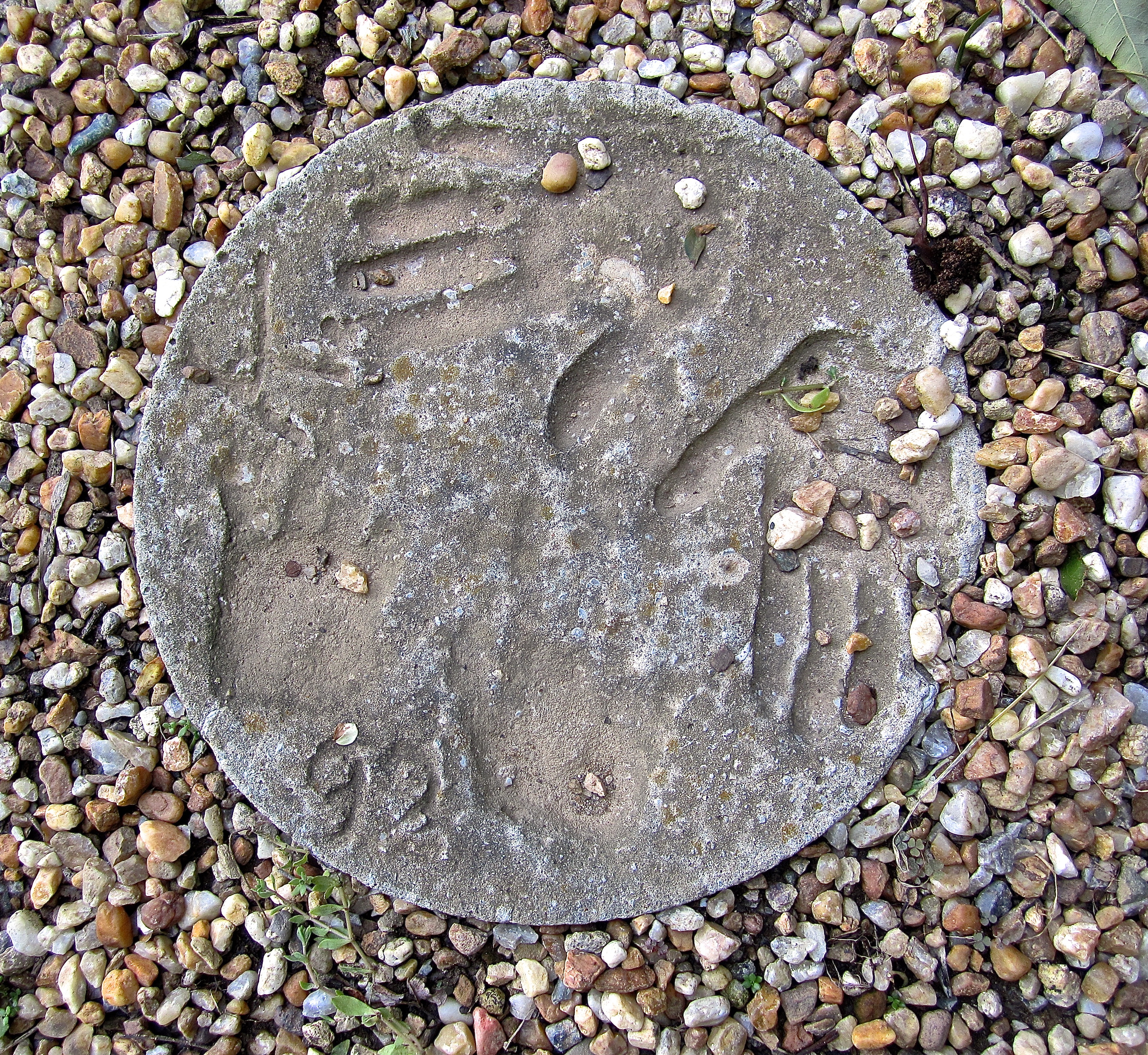
 Ages 6, 5, 4, and 3. Grandparents’ house.
Wordless Wednesday: another summer
Ages 6, 5, 4, and 3. Grandparents’ house.
Ages 6, 5, 4, and 3. Grandparents’ house.
Life itself is the proper binge.
— Julia Child
Today is the centennial of Julia Child’s birth.
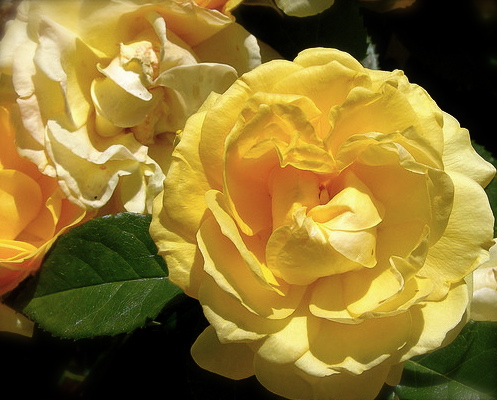
The Julia Child rose (appropriately butter-gold ) was bred by Tom Carruth in 2004. It was personally chosen by Child to bear her name. Weeks Roses introduced it to the public in 2006, and it was chosen as one of that year’s AARS winners.
The Julia Child kitchen exhibit will re-open today at the Smithsonian’s Museum of American History. It has been closed since January for a move to another part of the museum.
A garden party. . .
Bill Cunningham’s (always) charming fashion video in today’s New York Times, about The Newport Vintage Dance Week — here — made me think of these Library of Congress photos of bygone garden parties.
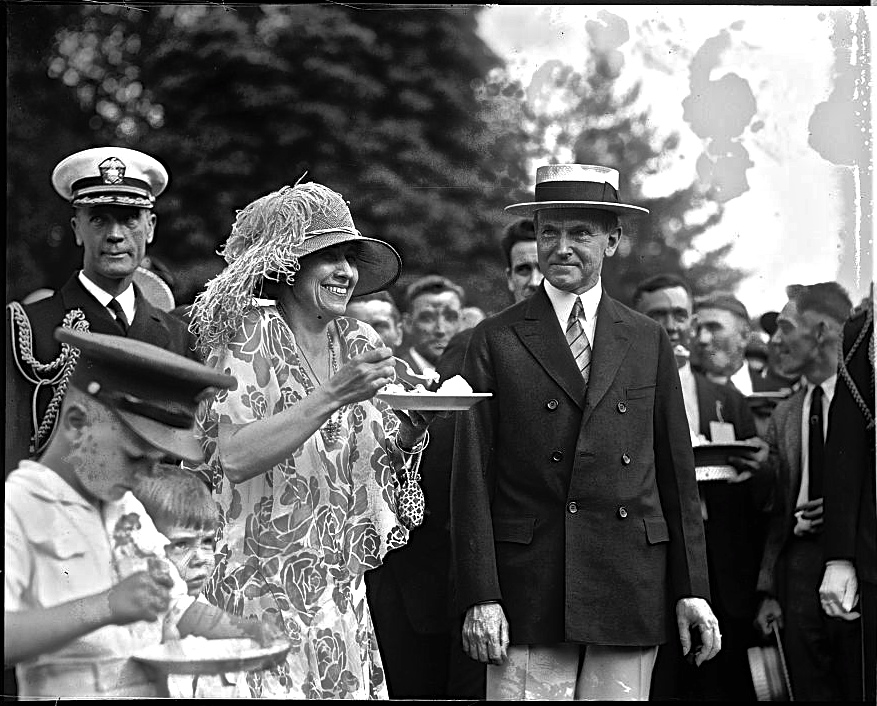 President and Mrs. Coolidge at White House garden party, June 3, 1926, by National Photo Company.
Click on any thumbnail below to scroll through larger photos of a variety of garden and lawn parties.


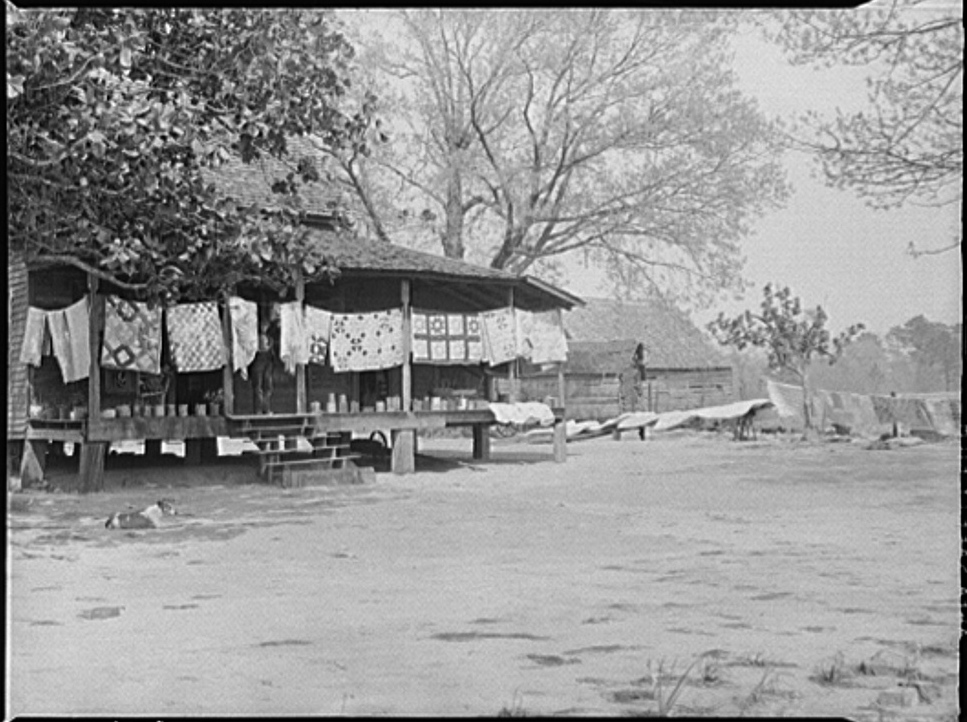
“Typical farmhouse, spring housecleaning, homemade quilts and bedding in sun. Coffee County, Alabama.” Photo taken April 1939 by Marion Post Wolcott.
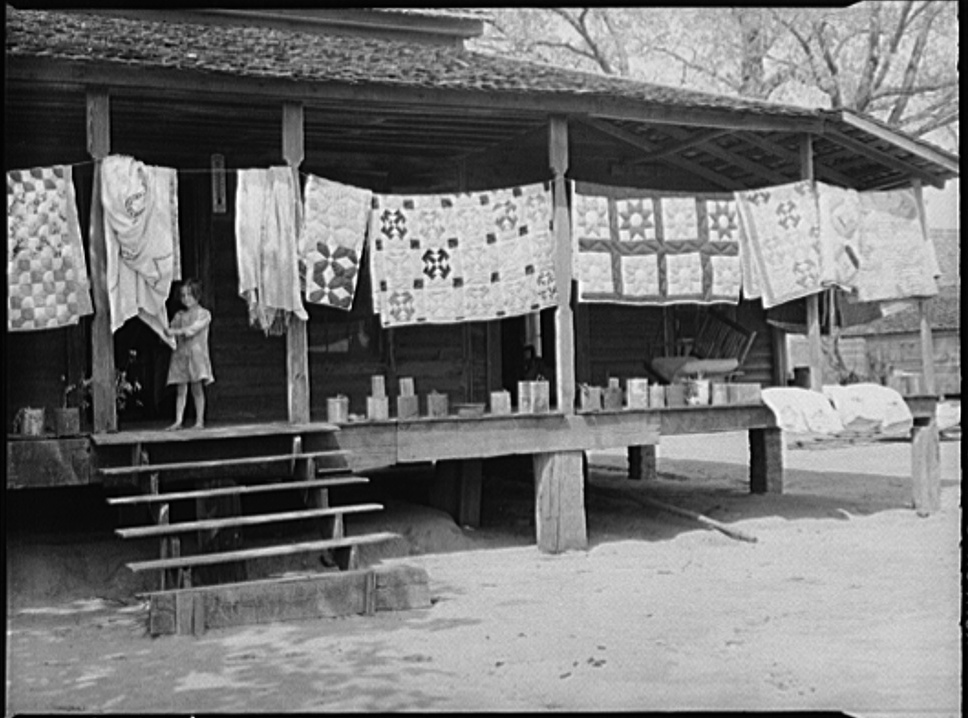
Via Farm Security Administration/Office of War Information Black and White Negatives Collection, Library of Congress Prints and Photographs Division.
 “Gardens surrounding the Indian Pueblo of Zuni, in which are raised a variety of vegetables, such as peppers, onions, garlic, etc.,” c. 1873, by Timothy H. O’Sullivan, via Library of Congress Prints and Photographs Division.
The Zuni people of western New Mexico have long built a form of kitchen garden (now) called “waffle gardens.”
Each square plot is about 2′ to 8′ wide with bermed sides of unamended soil. The design efficiently captures and holds rainwater and retards evaporation. The Zuni traditionally filled their gardens with corn, beans, and squash.
Timothy H. O’Sullivan, who took the picture above, photographed events of the Civil War as an employee of Alexander Gardner.
From 1871 to 1874, he traveled the southwestern United States as part of a survey of the land west of the 100th meridian. Later, he worked in Washington, D.C., as an official photographer for the U.S. Geological Survey. He died of tuberculosis at age 42.
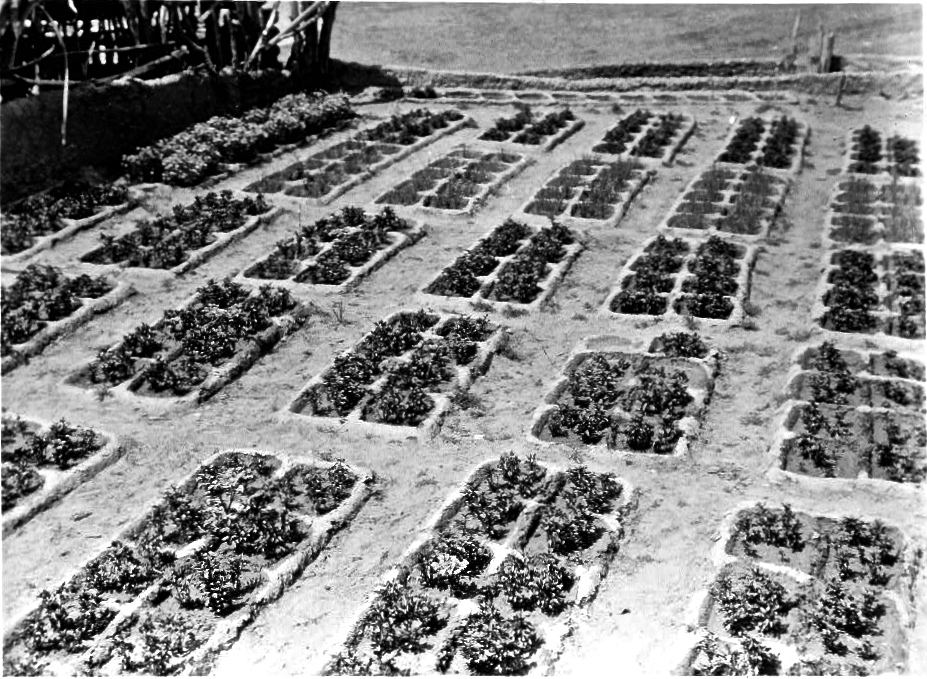 “Zuni gardens,” c. 1927, by Edward Curtis, via Library of Congress.
Edward Curtis, a Seattle photographer, took over 40,000 images of life in 80 native American tribes. The photo above was one of 2,000 he published, from 1907 to 1930, in the 20-volume The North American Indian.
 enclos*ure