Life in gardens: Ax-les-Thermes

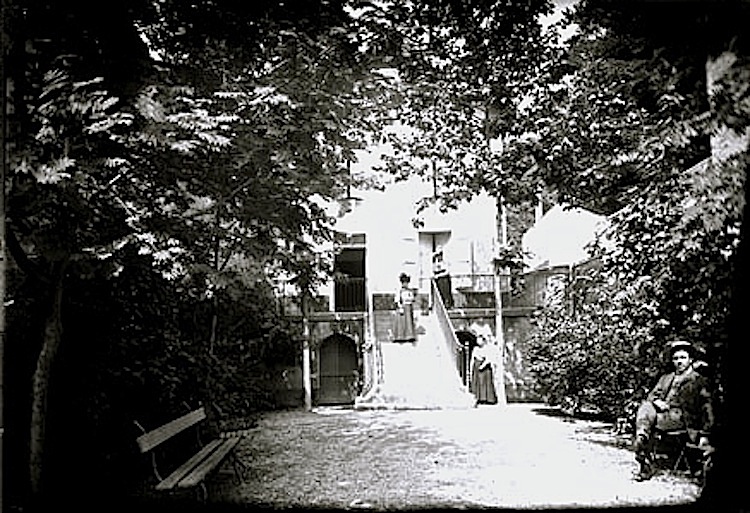
1906 garden with steps in France, Bibliotheque ToulouseThe walled garden of Chalet Magazin, Ax-les-Thermes,  France,” July 1906, by Eugène Trutat, via Bibliothèque de Toulouse Commons on flickr.

From over the wall I could hear the laughter of women
in a foreign tongue, in the sun-rinsed air of the city. . . .

. . .  the sound filled up the garden and lifted

like bubbles spilling over the bricks that enclosed them. . .

Mary-Sherman Willis, from “The Laughter of Women

The Sunday porch: Mount Toxaway

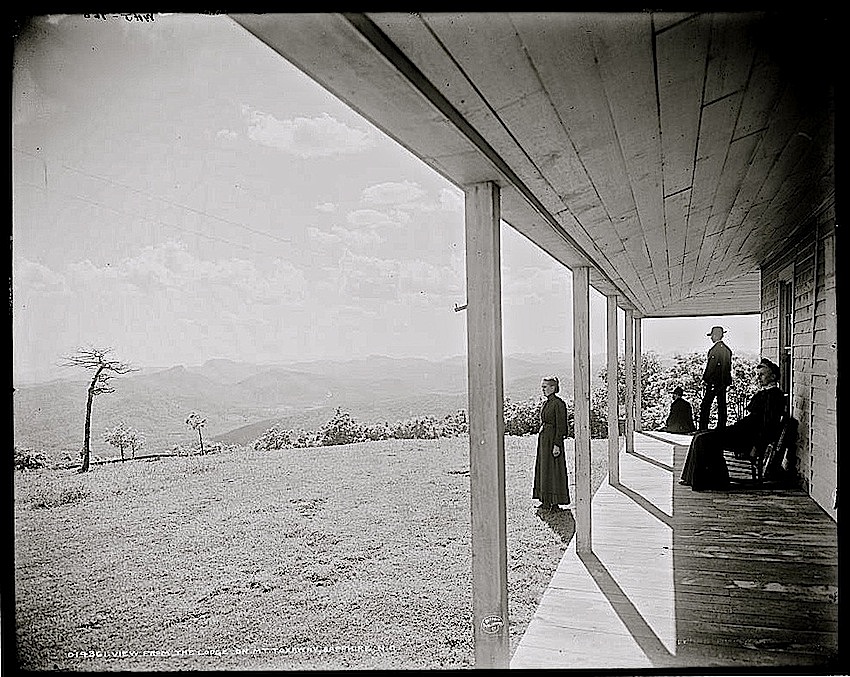
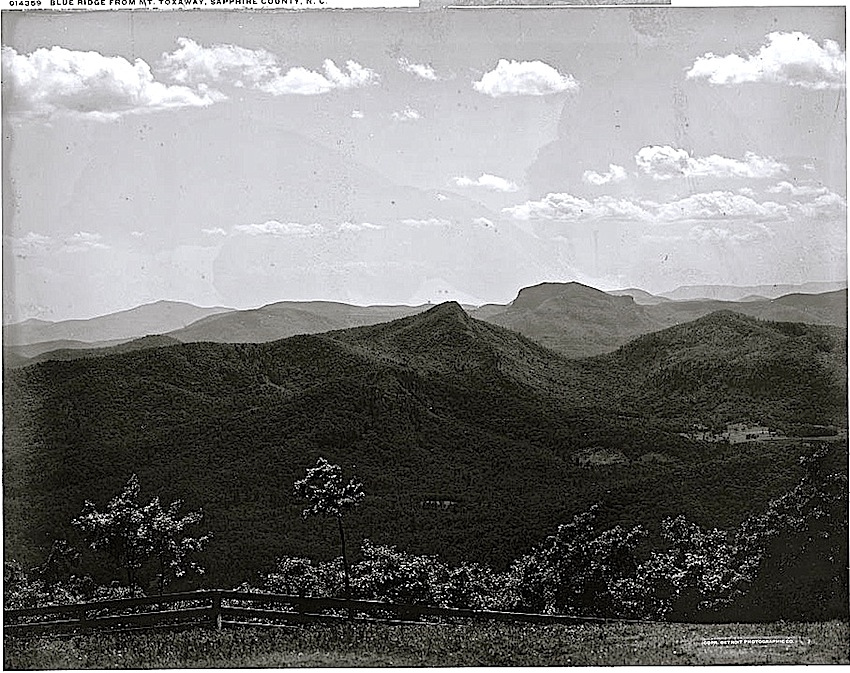
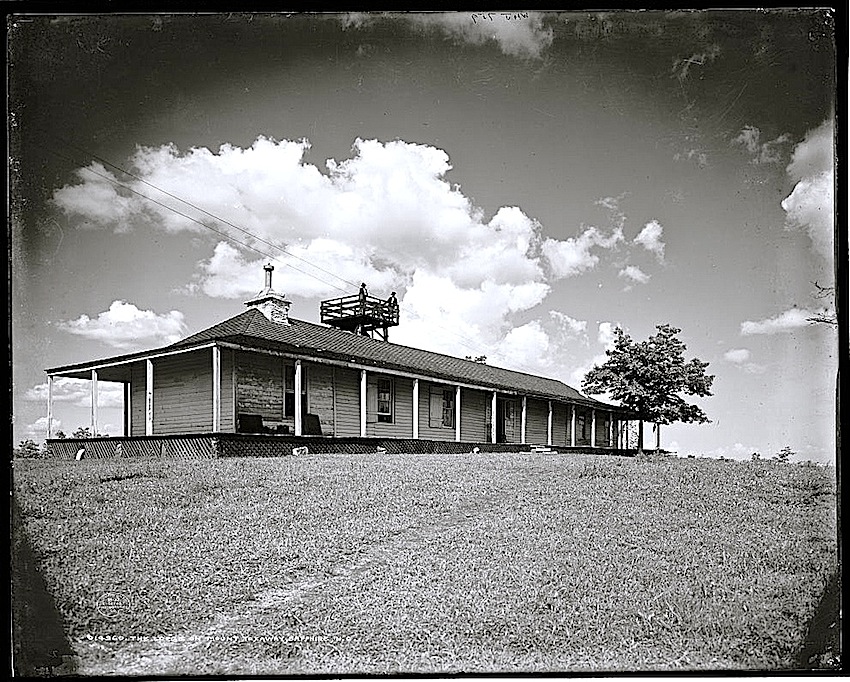
2 The Sunday porch:enclos*ure -- Lake Toxaway, c. 1902, Library of CongressThe Lodge on Mount Toxaway, Sapphire, North Carolina, ca. 1902, by William Henry Jacksonvia Library of Congress Prints and Photographs Division (all photos here).

The Lodge was part of the Toxaway System of Hotels, created by a group of Pittsburgh entrepreneurs who began to built resorts in the Sapphire area in the 1890s.

By 1903, they had dammed the Toxaway River — creating the 640-acre artificial Lake Toxaway — and constructed the luxurious 500-guest Toxaway Inn.  After 1904, when the Southern Railroad opened a depot on the lake, the area was known as “Switzerland of America.”

1 The Sunday porch:enclos*ure -- Lake Toxaway, c. 1902, Library of Congress

The Lodge was presented in a 1905  company brochure as a “nature kindergarten” for “children of the city” to learn about trees, flowers, and birds. Farm animals and poultry were also available for study.

4 The Sunday porch:enclos*ure -- Lake Toxaway, c. 1902, Library of Congress

At an altitude of over 4,500 ft., the views from the wrap-around porch and the lookout tower were particularly good. Guests from the other Toxaway hotels would spend the night in the house to see the sunrise or sunset over the mountains.

It was also used as a hunting retreat for wealthy industrialists.

3 The Sunday porch:enclos*ure -- Lake Toxaway, c. 1902, Library of Congress

The Lodge no longer exists — although it  was still there in 1920, four years after severe flooding caused the company’s dam to burst. (Some homes were destroyed, but only a mule perished.)

Lake Toxaway disappeared, and the Toxaway Inn emptied out as well. It never re-opened after 1916 and was demolished in 1947.

In the early 1960s, another group of investors rebuilt the dam. The lake re-filled, and a golf club and hotel were opened. The property around what was once The Lodge is now  Preserve at Rock Creek, an “exclusive” real estate development.

To scroll through larger version of the photos, click on ‘Continue reading’ below and then on any thumbnail in the gallery.

My mind was once the true survey
Of all these meadows fresh and gay,
And in the greenness of the grass
Did see its hopes as in a glass. . .

— Andrew Marvell, from “The Mower’s Song

Life in gardens: flower fair

Grand Kermesse poster, Library of Congress“Country flower fair, May 19 and 20, 1918, at the Bordeaux Town Hall. To benefit the war charities and children’s charities.” Poster art by A. Guindet, via Library of Congress Prints and Photographs Division.

Life in gardens: from the window

This slideshow requires JavaScript.

Hagar Olsson — Finnish novelist, essayist, and critic — in her parents’ home in Räisälä (then in Finland, now in Russia), ca. 1920, photo by Edith Södergran, via The Society of Swedish Literature in Finland Commons on flickr.

Edith Irene Södergran was a Finnish poet and one of the first modernists in Swedish-language literature — both she and her close friend Olssen wrote in Swedish.  She was also an amateur photographer. She died in 1923, at the age of 31, from tuberculosis.

To scroll through larger versions of the images, click on ‘Continue reading’ below.

Look out our astounding
clear windows before evening.
It is almost as if
the world were blue
with some lubricant,
it shines so.

Denis Johnson, from “Looking Out the Window Poem


The Sunday porch: Delta Farm

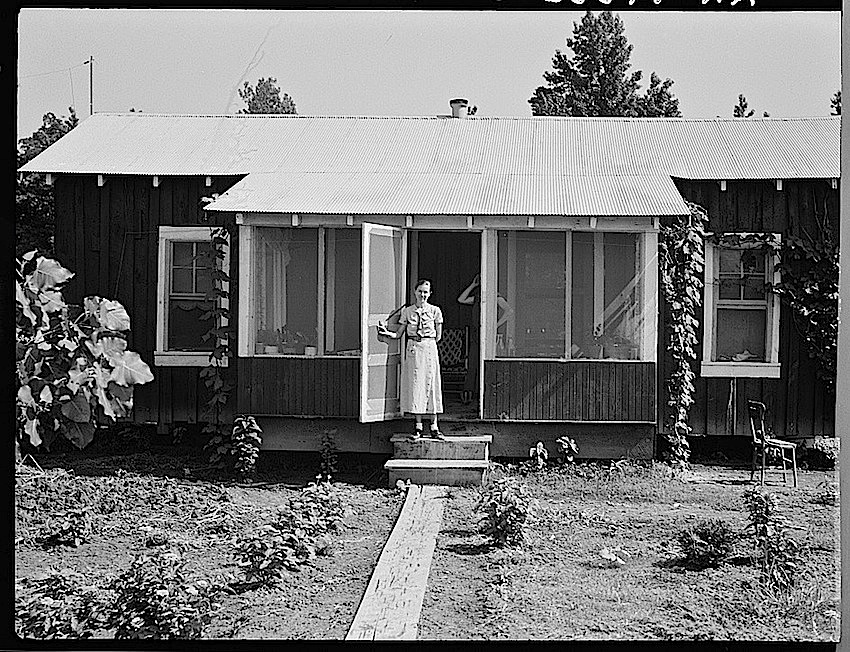
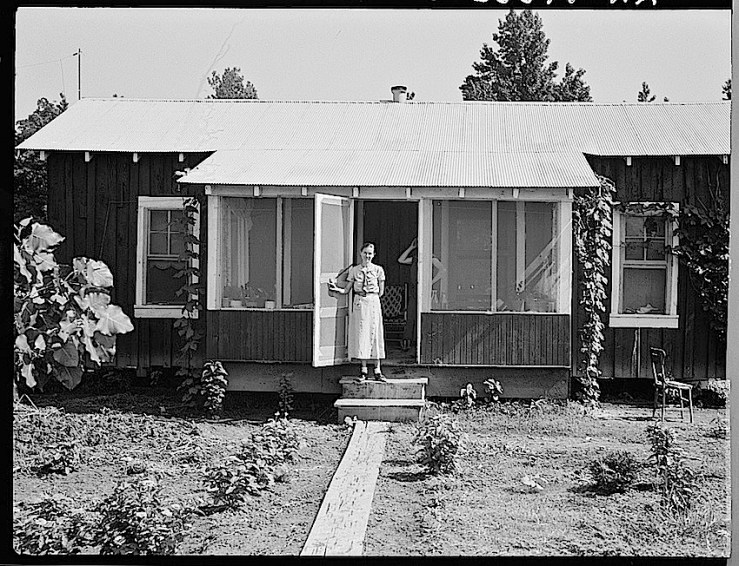
Front porch, Delta Coop Farm, 1937, Library of CongressThe front porch of a Delta Farm home, Hillhouse, [Bolivar County,] Mississippi,” June 1937, by Dorothea Lange, via Library of Congress Prints and Photographs Division (all photos here).

Delta Cooperative Farm was a privately owned and administered agricultural resettlement project for white and African-American sharecroppers evicted in the mid-1930s.

Founded in 1936 by several religious thinkers, educators, and organizers — including well-known missionary author Sherwood Eddy, who had $20,000 to spend from a follower — the enterprise avowed a commitment to economic equality among the races.

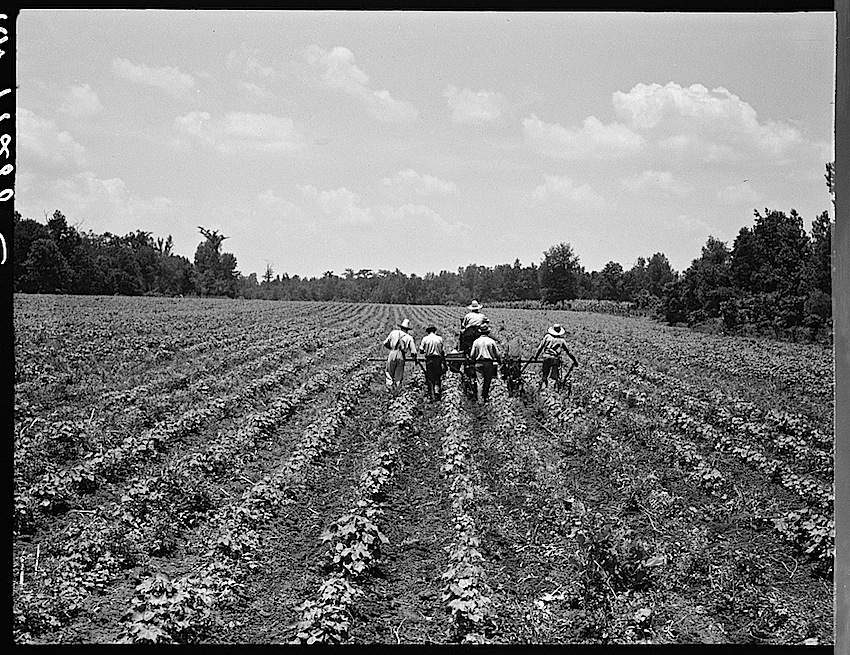
Over half of the first group of 31 farmers to settle at Delta were Black. All members worked together to grow cotton and cut and mill the land’s cypress timber.  All of them shared in the first year’s profits: $327 per family.
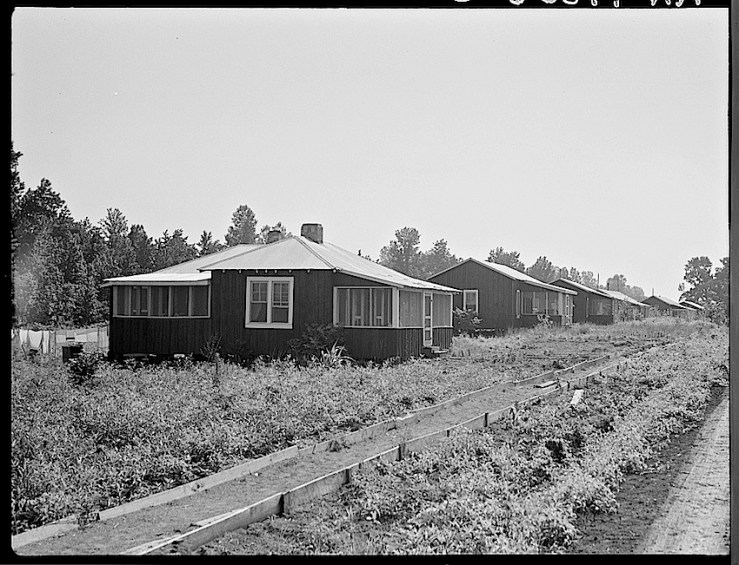
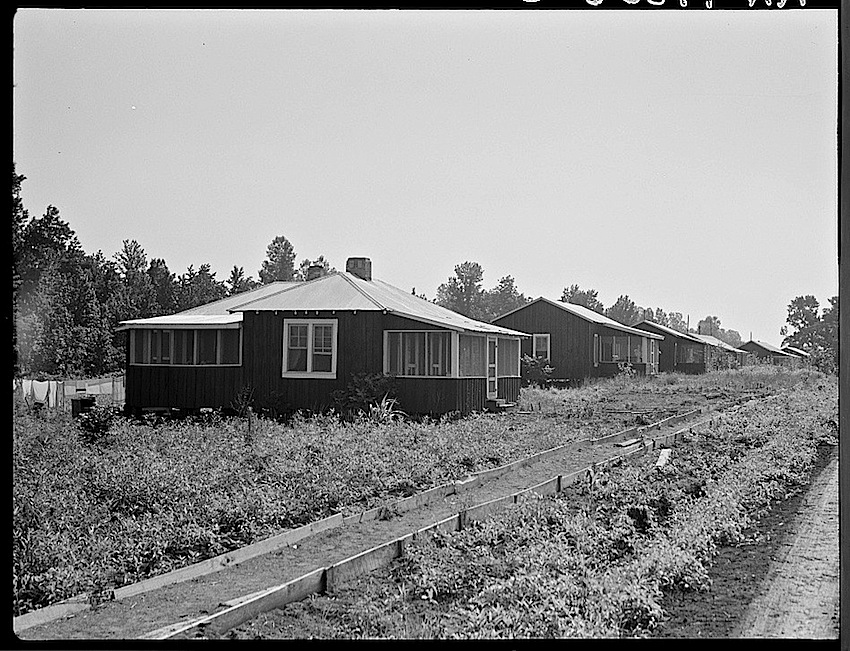
Delta Coop Farm houses, 1937, Library of Congress

The farm’s small houses had the same simple plan and amenities — “Screen windows and porches are uncommon in cotton cabins,” noted Lange — but they were segregated in two rows: one white, one African-American, separated by a road. And the children attended segregated schools.

All the families shared the produce of a 10-acre vegetable garden, however, which appears in the photos above to have engulfed the cabins.

And they all used the farm’s clinic, nursery, and library and attended the integrated cooperative meetings.  There had to be at least two Black members on the five-person farm council.
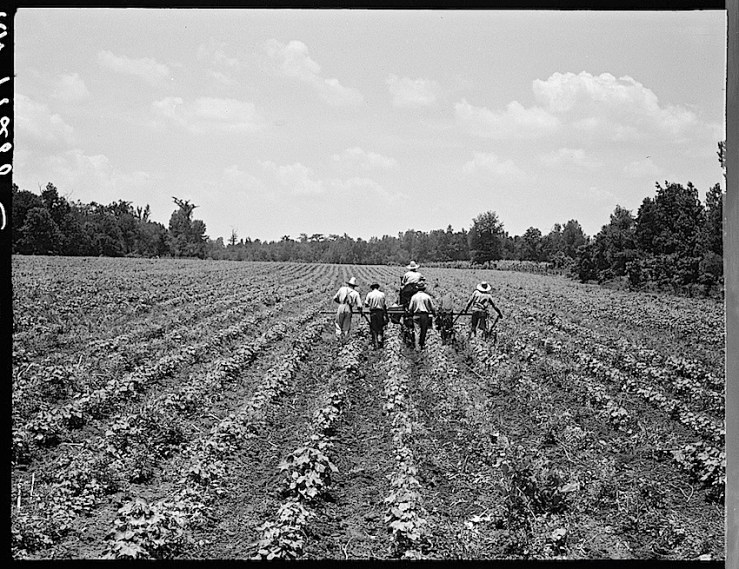
Delta Coop Farm, 1937, Library of Congress

At the start of World War II, the project lost members to wartime industry jobs and military enlistment, and, in 1942, the land was sold.

Four years before, in 1938, the Delta trustees had established a second inter-racial farm project in Mississippi — Providence Cooperative Farm in Holmes County. It operated until 1955, when its staff and residents fled after being threatened by the white citizens of nearby Tchula.  The empty land was sold the following year.

You can read a more complete story of the two visionary cooperative farms here.