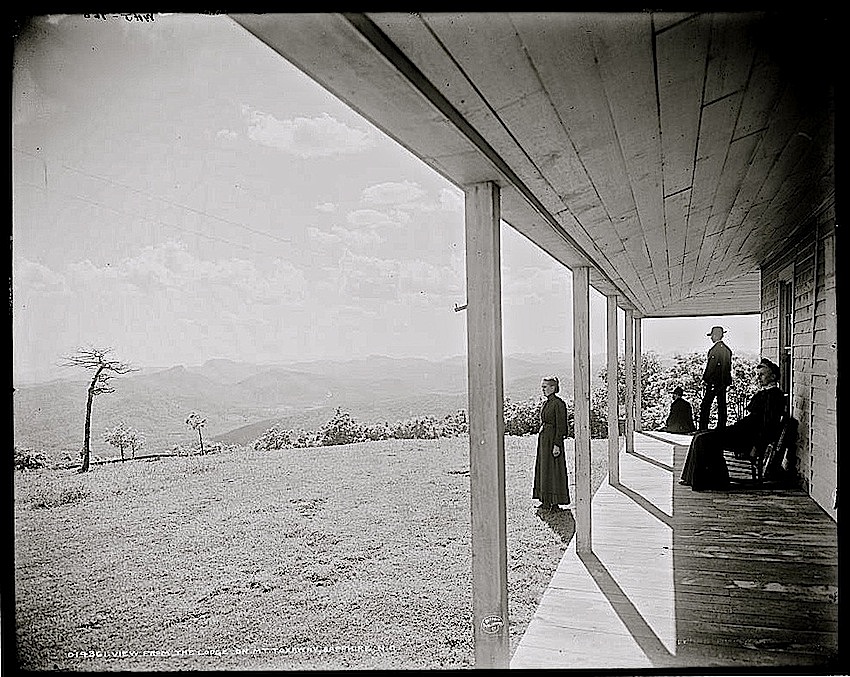
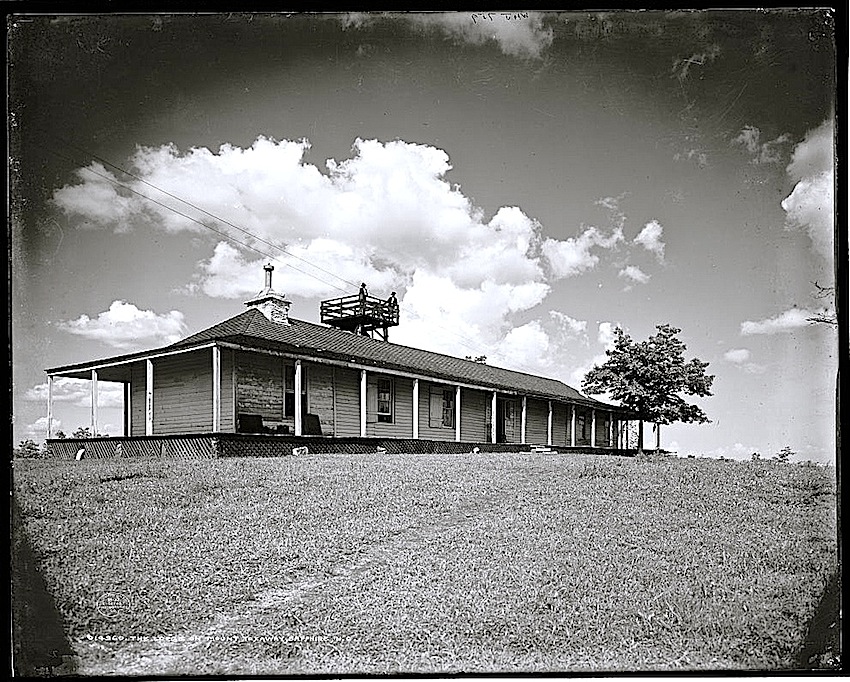
 The Lodge on Mount Toxaway, Sapphire, North Carolina, ca. 1902, by William Henry Jackson, via Library of Congress Prints and Photographs Division (all photos here).
The Lodge was part of the Toxaway System of Hotels, created by a group of Pittsburgh entrepreneurs who began to built resorts in the Sapphire area in the 1890s.
By 1903, they had dammed the Toxaway River — creating the 640-acre artificial Lake Toxaway — and constructed the luxurious 500-guest Toxaway Inn. After 1904, when the Southern Railroad opened a depot on the lake, the area was known as “Switzerland of America.”
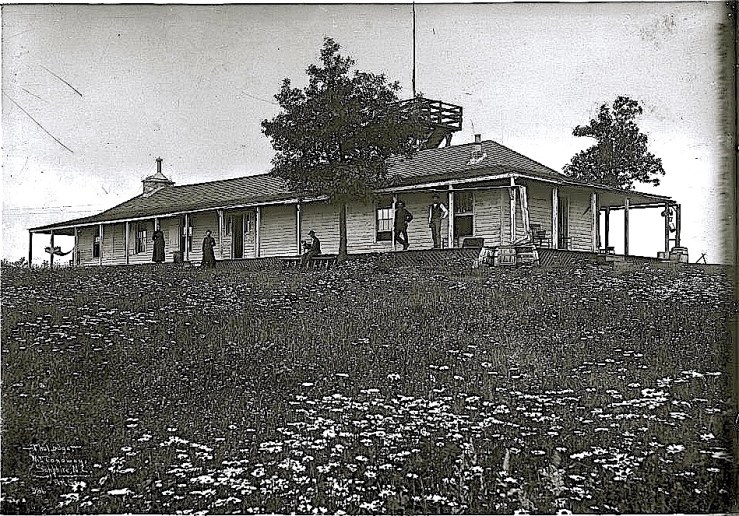
The Lodge was presented in a 1905 company brochure as a “nature kindergarten” for “children of the city” to learn about trees, flowers, and birds. Farm animals and poultry were also available for study.
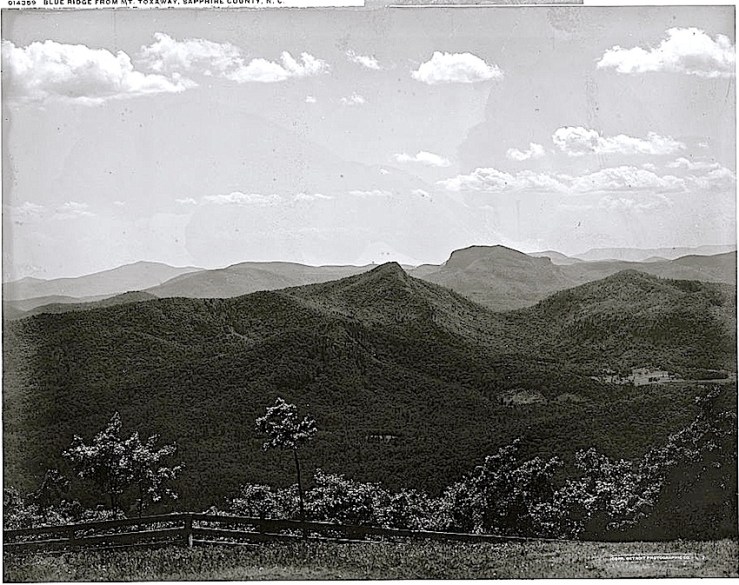
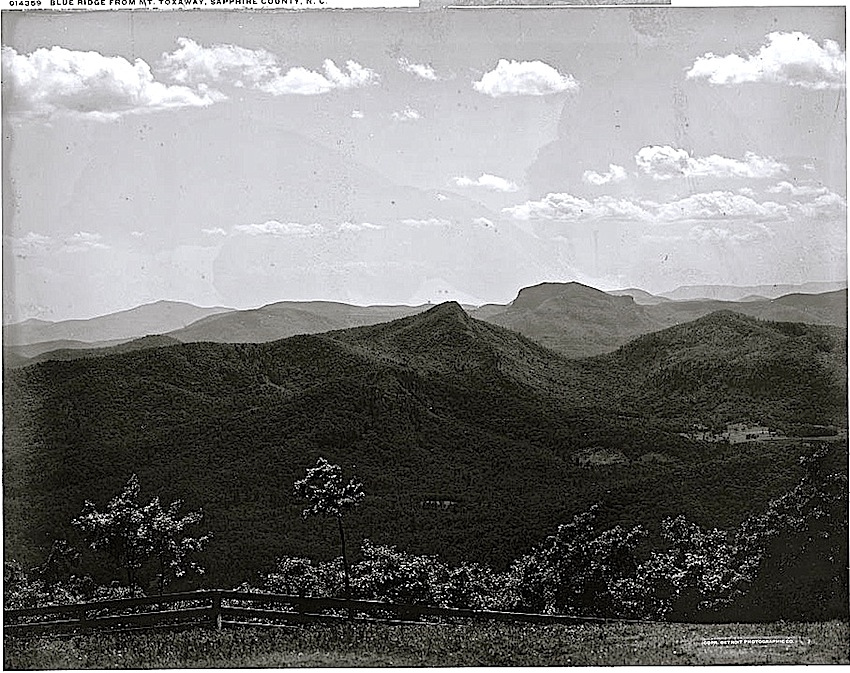
At an altitude of over 4,500 ft., the views from the wrap-around porch and the lookout tower were particularly good. Guests from the other Toxaway hotels would spend the night in the house to see the sunrise or sunset over the mountains.
It was also used as a hunting retreat for wealthy industrialists.
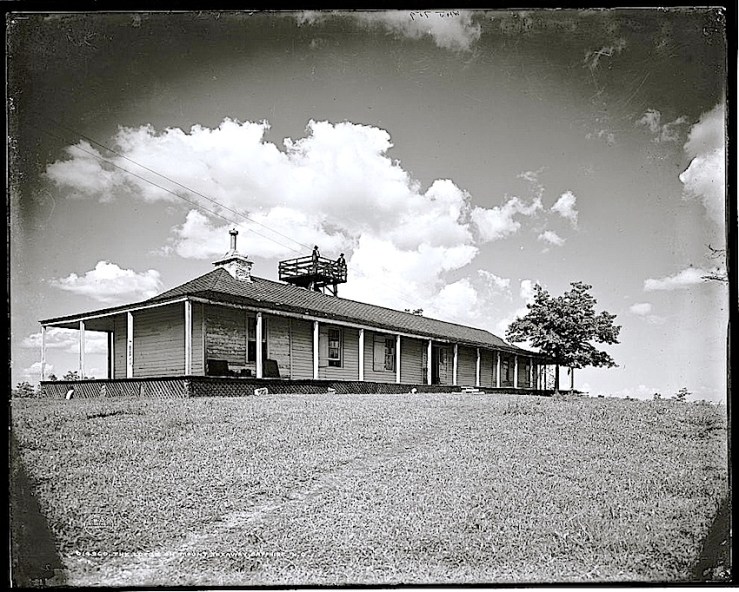
The Lodge no longer exists — although it was still there in 1920, four years after severe flooding caused the company’s dam to burst. (Some homes were destroyed, but only a mule perished.)
Lake Toxaway disappeared, and the Toxaway Inn emptied out as well. It never re-opened after 1916 and was demolished in 1947.
In the early 1960s, another group of investors rebuilt the dam. The lake re-filled, and a golf club and hotel were opened. The property around what was once The Lodge is now Preserve at Rock Creek, an “exclusive” real estate development.
To scroll through larger version of the photos, click on ‘Continue reading’ below and then on any thumbnail in the gallery.
My mind was once the true survey
Of all these meadows fresh and gay,
And in the greenness of the grass
Did see its hopes as in a glass. . .
— Andrew Marvell, from “The Mower’s Song“

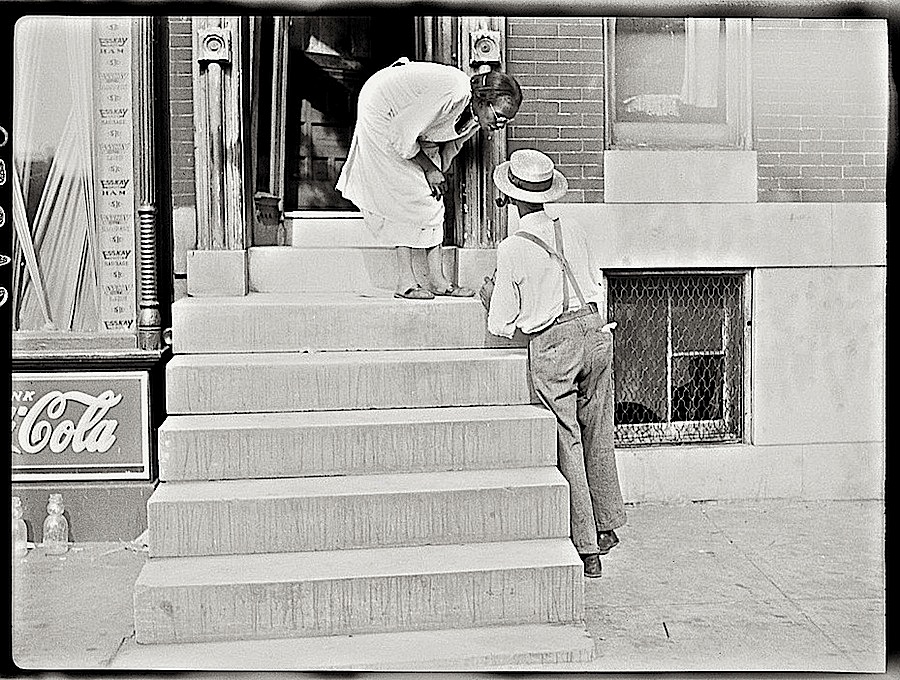 This photo was among a set of 1938 photos of Baltimore, Maryland, by John Vachon, via Library of Congress Prints and Photographs Division (all four pictures).
 “Resident of Dover, Delaware,” July 1938, by John Vachon.
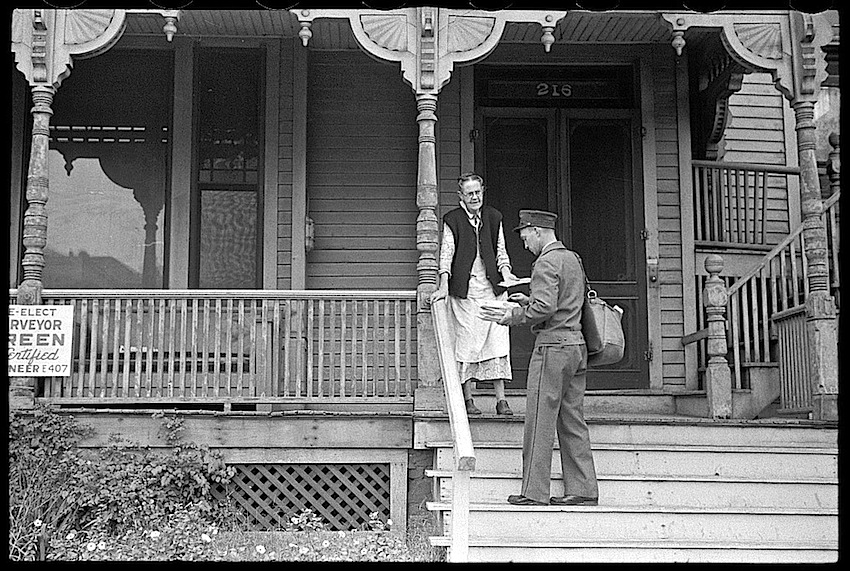 “Morning mail, Omaha, Nebraska,” November 1938, by John Vachon.
 “On the porch of a general store in Hinesville, Georgia,” April 1941, by Jack Delano.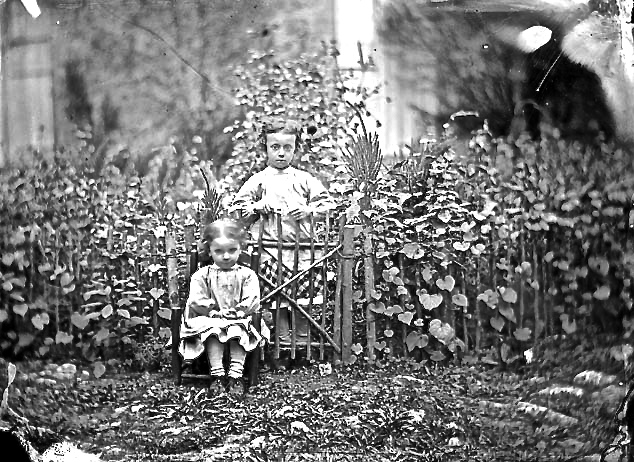



 enclos*ure