Lake Kivu fishing boats

While we were in the southwest of Rwanda last week, we stopped at a small cove in Cyangugu to visit the Safe T Stop project, which helps members of the local fishing and fish-selling communities organize to prevent HIV-AIDS.

Safe T Stop is supported by PEPFAR through USAID.

The project has sponsored a brightly painted traditional fishing boat. When the fisherman see it on the water, they know they can get condoms and health information.

Rwandan fishing boats are actually three connected boats. The nets hang in the spaces between them.

The boat’s builders re-used parts of old tires.

Organizing to fight HIV-AIDS has helped the communities organize to improve their businesses as well. They showed us cages for farming tilipia and a new commercial refrigerator.
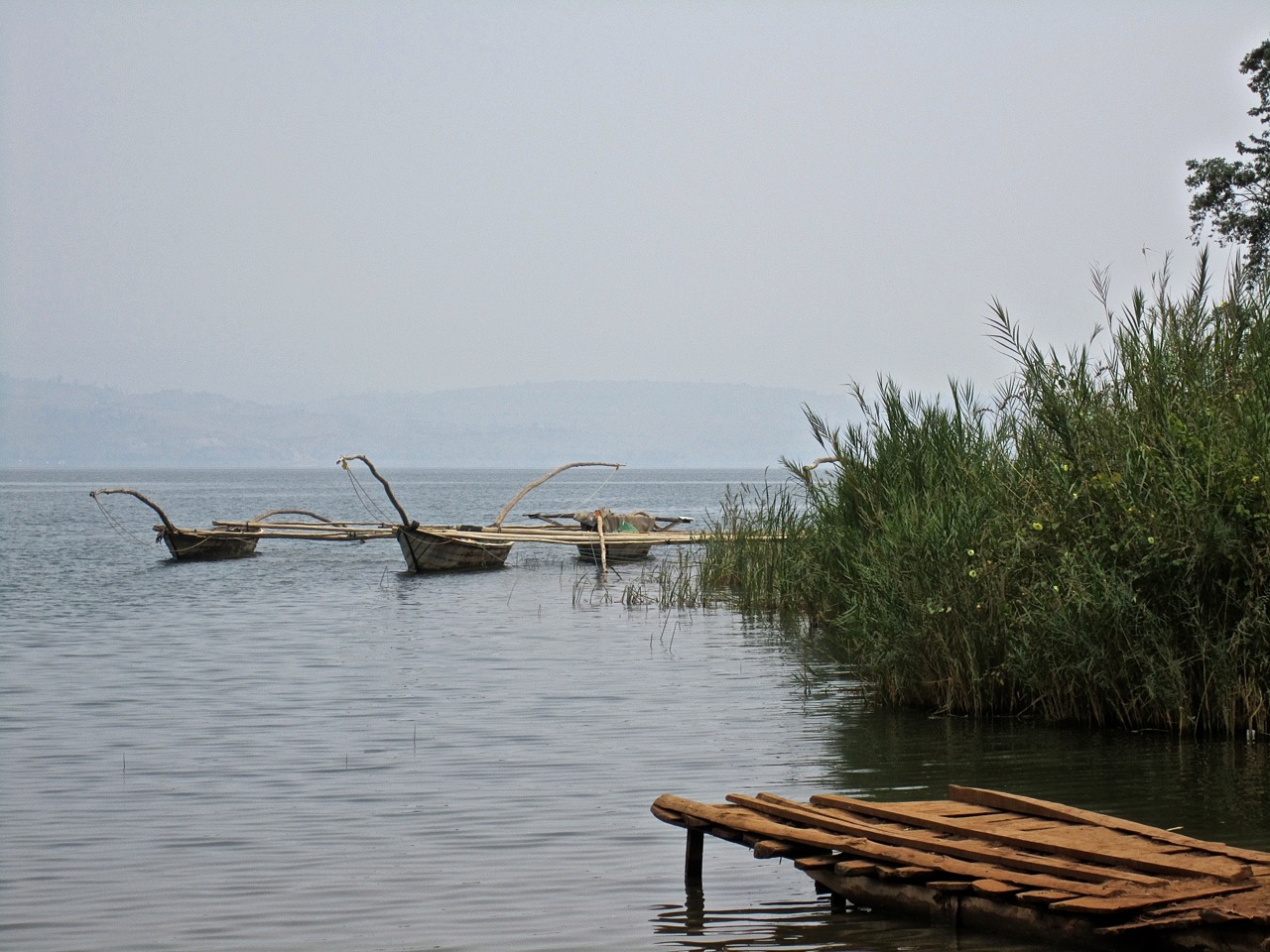
The Rwandan boats always remind me of cranes coming in for a landing.  The hills in the distance are in the DR Congo.

Vintage landscape: Maplewood cottages

“Cottages at Maplewood [Waseca, Minnesota],” ca. 1880-1899. By Detroit Publishing Co., via Library of Congress Prints and Photographs Division.

Maplewood Park on Clear Lake was a national vacation attraction at the end of the nineteenth century. Click the image to enlarge it.

For another sort of summer cabin living, see today’s New York Times, here.

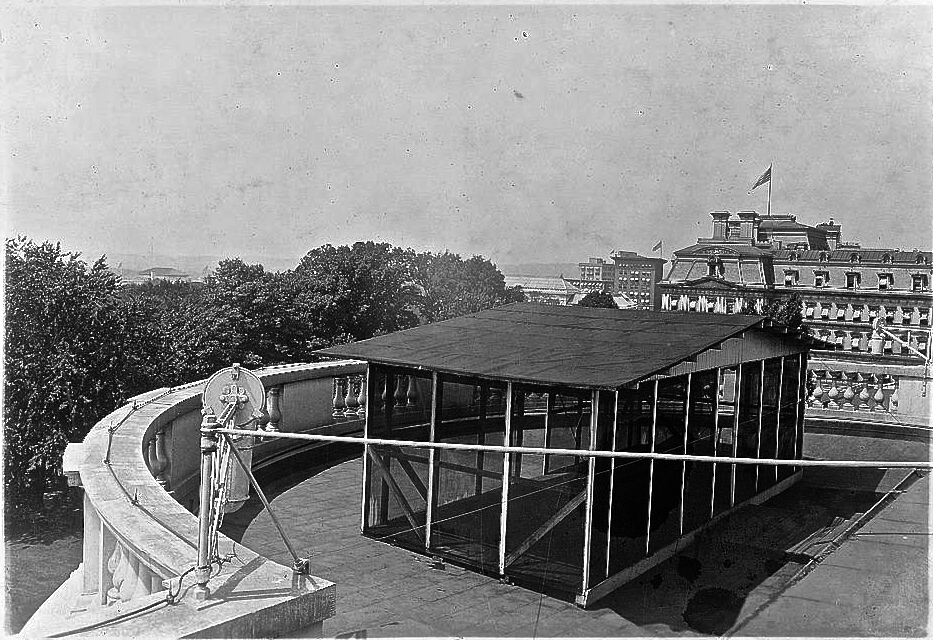
Vintage landscape: the sleeping porch


A sleeping porch was added to the roof of the White House during the Taft Administration. Photo by National Photo Company, via Library of Congress.

Click here to read more about sleeping porches.

The striped umbrellas

Remodelista recently did a nice post on cabana-inspired stripes, here.

Whenever we go to Gisenyi on Lake Kivu, I get obsessed with the Serena Hotel’s row of blue striped umbrellas along the beach.

This slideshow requires JavaScript.

These pictures were taken in June at dusk. It really is serene there.

Vintage landscape: the fountain

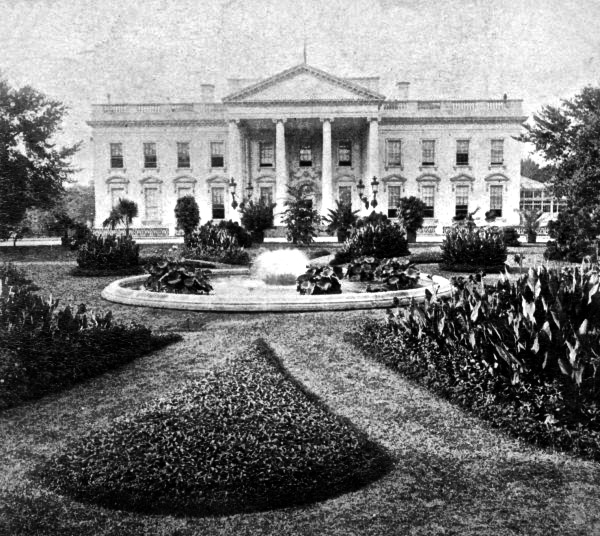
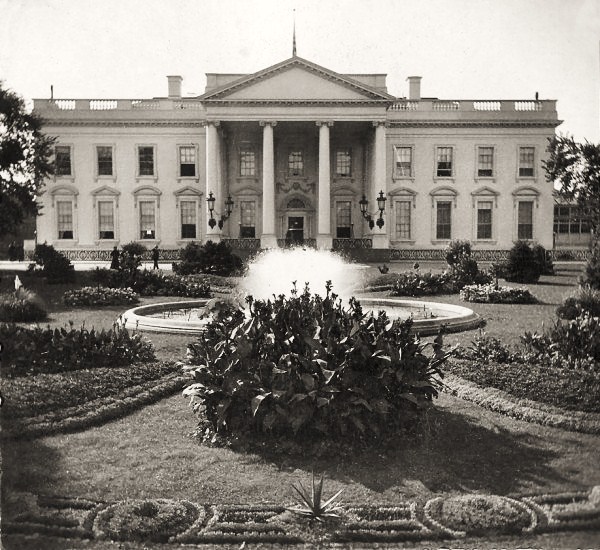
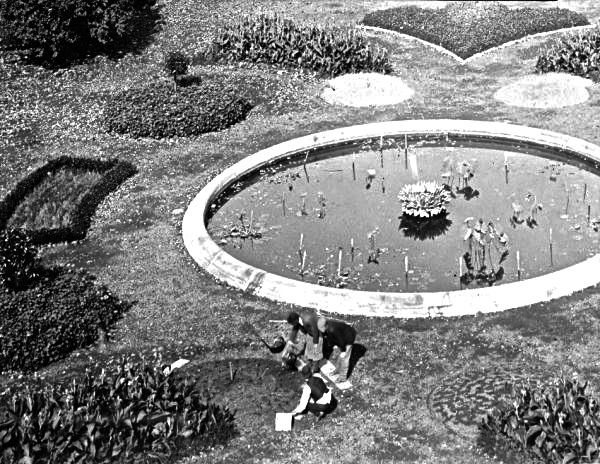
How many ways can you plant out a lawn with a basic round fountain in the center? From 1871 to the early-1900s, the White House tried out a number of designs on its north side.

This photo was taken during the 1860s. The statue of Thomas Jefferson had been there since 1848.  Photo by National Photo Company, via the Library of Congress.

In 1871, the statue was replaced by a round fountain (the statue went to the Capitol Building).

Things were pretty simple in this 1881 etching, via the blog American Garden History.

By 1885, the fountain was surrounded by flower beds in teardrops and circles.  Photo by Underwood & Underwood, via the website The White House Museum.

The design was more elaborate by 1894.   Photo by B.L. Singley, via American Garden History.

There was a more squared-off arrangement in 1901.  Photo by Detroit Publishing Co., via Library of Congress.

Above, gardeners were planting out the fountain area in 1902, via The White House Museum.

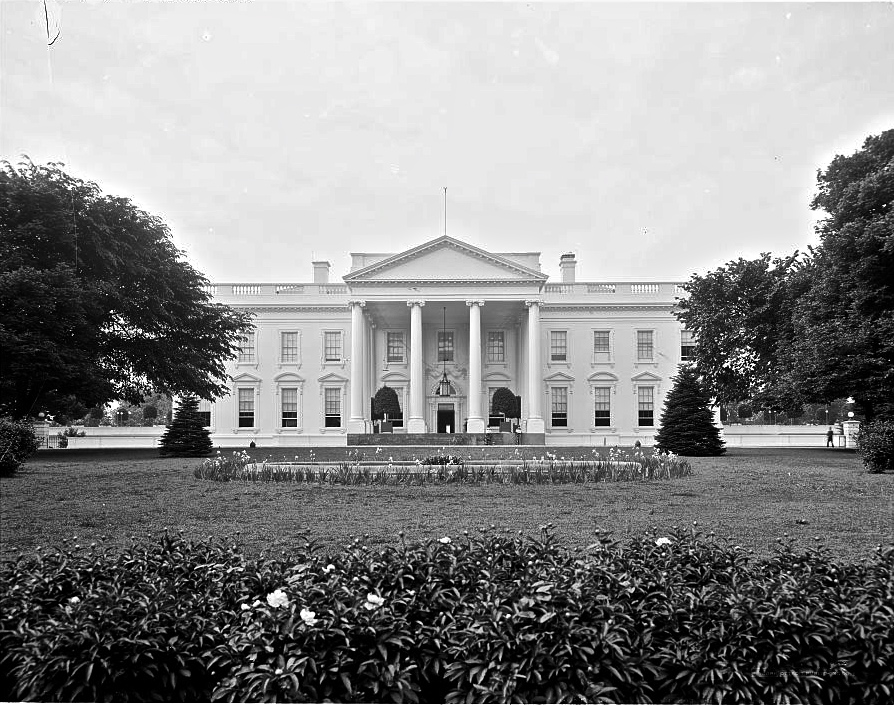
By 1905, the whole Victorian mess had been cleared out for simple plantings of bulbs and peonies.  Photo by Detroit Publishing Co., via Library of Congress.

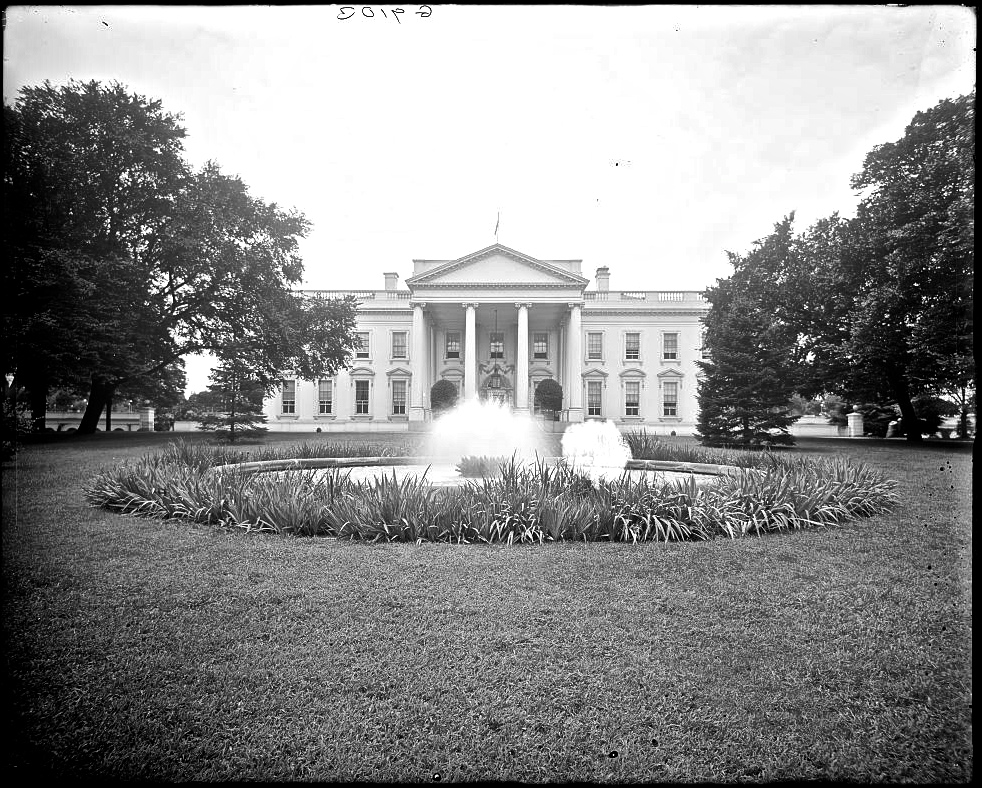
Above, sometime later, before 1920, the peonies were gone.  I like all the irises around the fountain.  Photo by Detroit Publishing Co., via Library of Congress.

Above is my photo of the north lawn in March 2012.

ADDENDUM: I found one more photo.

This would have been the view from the W.H. Dining Room during the years of Victorian bedding out. Taken ca. 1889 -1906 by Frances Benjamin Johnson, via Library of Congress.