(A bit belated) Bloom Day for January

Here are a few of the flowers blooming in our garden this month.

orange tropical hibiscus

This beautiful light orange tropical hibiscus — this large shrub is growing on the middle level of the retaining walls along the front lawn.
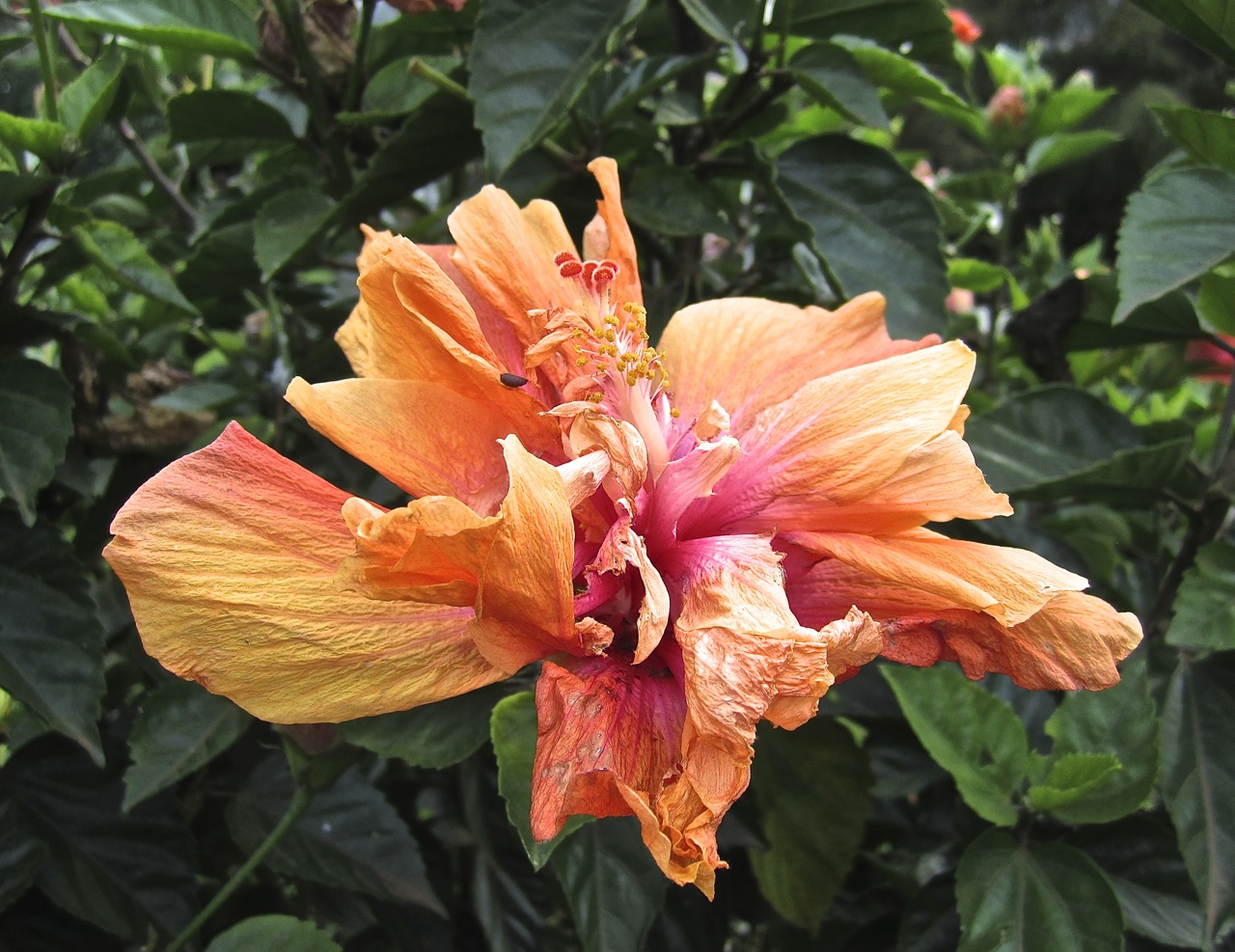
orange tropical hibiscus

Below:  Rudbeckia laciniata or cutleaf coneflowers — this is a double variety, possibly ‘Goldquelle,’ ‘Hortensia,’ or ‘Goldenglow.’

Double Rudbeckia

This 3′ to 5′ rudbeckia — usually seen with single coneflower blooms — is native to eastern North America. A double variety appeared in 1897 and became popular as an “outhouse flower,” planted to shield privies from view.

When we arrived in Rwanda, there was one clump in the garden. I divided it, and now, because it is a “vigorous spreader,” I have about 25 plants.

Rudbeckia

I’m pretty sure the plant below is another American native in our garden: Datura stramonium or Jimson weed or Jamestown weed.
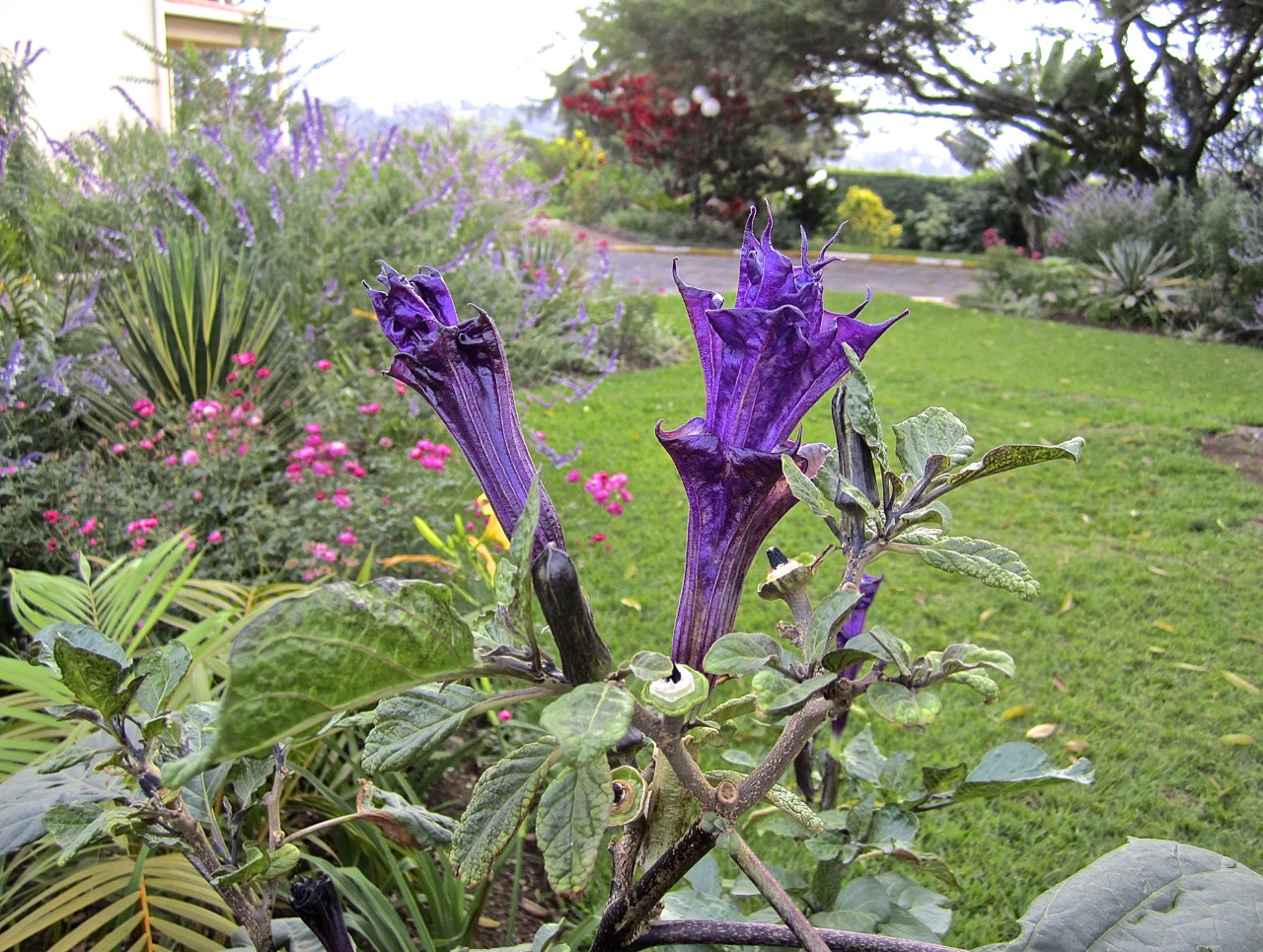
entrance and jimson weed

Because all parts of the plant can produce delirium or bizarre behavior if ingested or smoked, it played a small role in colonial American history when it drugged British soldiers sent to quell a 1676 uprising in Virginia.

The James-Town Weed . . . , being an early plant, was gather’d very young for a boil’d salad, by some of the soldiers sent thither to quell the rebellion of Bacon; and some of them ate plentifully of it, the effect of which was a very pleasant comedy, for they turned natural fools upon it for several days: one would blow up a feather in the air; another would dart straws at it with much fury; and another, stark naked, was sitting up in a corner like a monkey, grinning and making mows [grimaces] at them; a fourth would fondly kiss and paw his companions, and sneer in their faces with a countenance more antic than any in a Dutch droll.

In this frantic condition they were confined, lest they should, in their folly, destroy themselves. . . .  [A]fter eleven days [they] returned themselves again, not remembering anything that had passed.

The History and Present State of Virginia, 1705
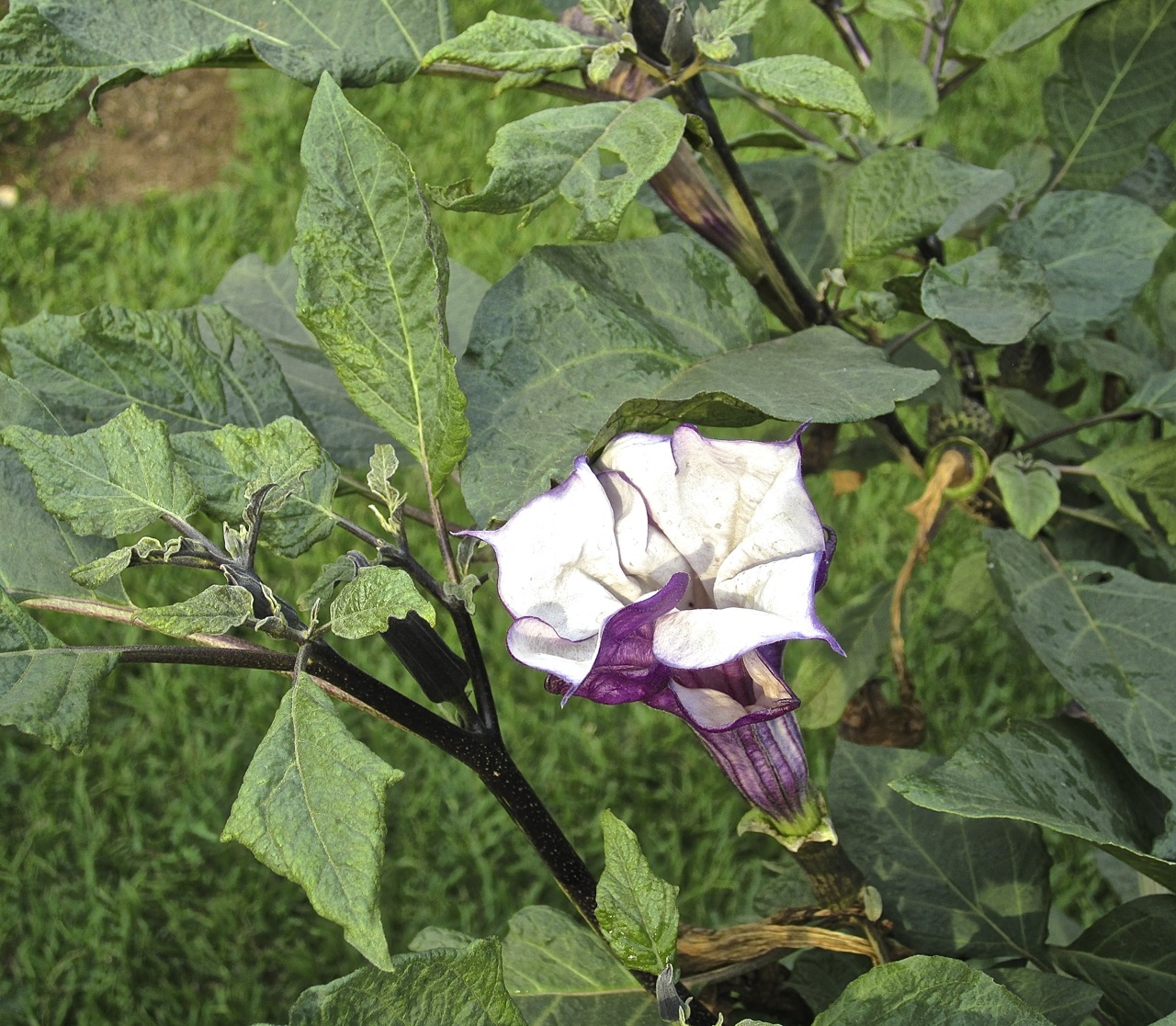
jimson weed

Below:  Salvia leucantha or Mexican sage — when we moved in over a year ago, there was one clump near the driveway.  I divided it, and now we have the purple and white flowers all around the semi-circle of pavement.
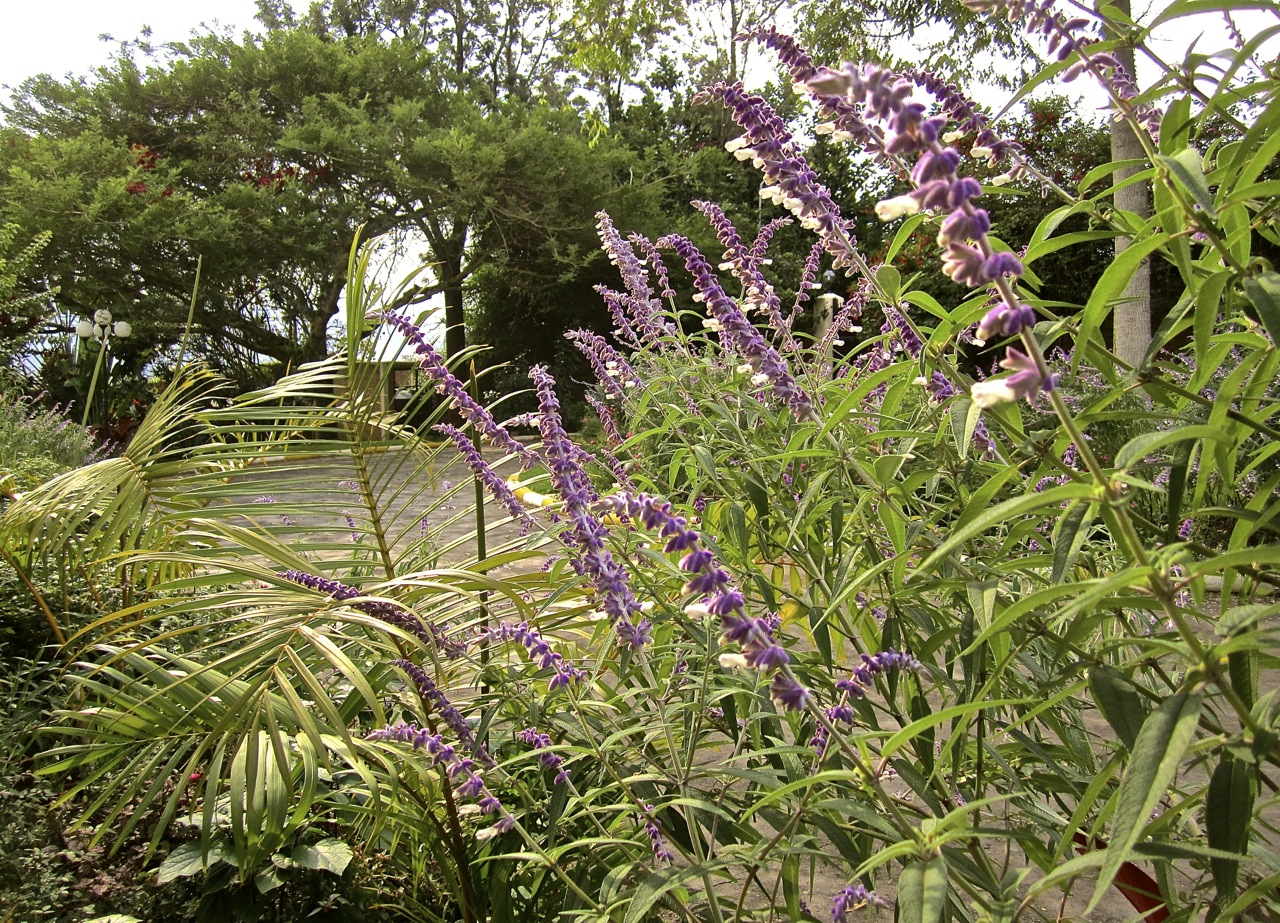
mexican sage

I like its tall, twisty, rather floppy nature, but I think those same attributes annoy our gardener, who keeps trying to stake it upright.

mexican sage and driveway 2

The driveway area is mainly planted with the sage, ‘Fairy’ (I think) roses, yellow daylilies, Jimson weed, and orange lantana. There are also several palm trees, which will eventually add some vertical interest. I’m thinking of adding either some tall, dark pink celosia, burgundy sunflowers, or cranberry-colored hardy hibiscus.

mexican sage and driveway

I am not responsible for the bright yellow and white paint on the curbs, by the way.  I go back and forth about whether I like it or not.

Below:  We have finally stopped using the cutting garden as a holding area for various plants being moved from one place to another.

cutting garden

It is now planted out with zinnias, borage, and cosmos seedlings, as well as some perennials, like the pink chrysanthemums below.
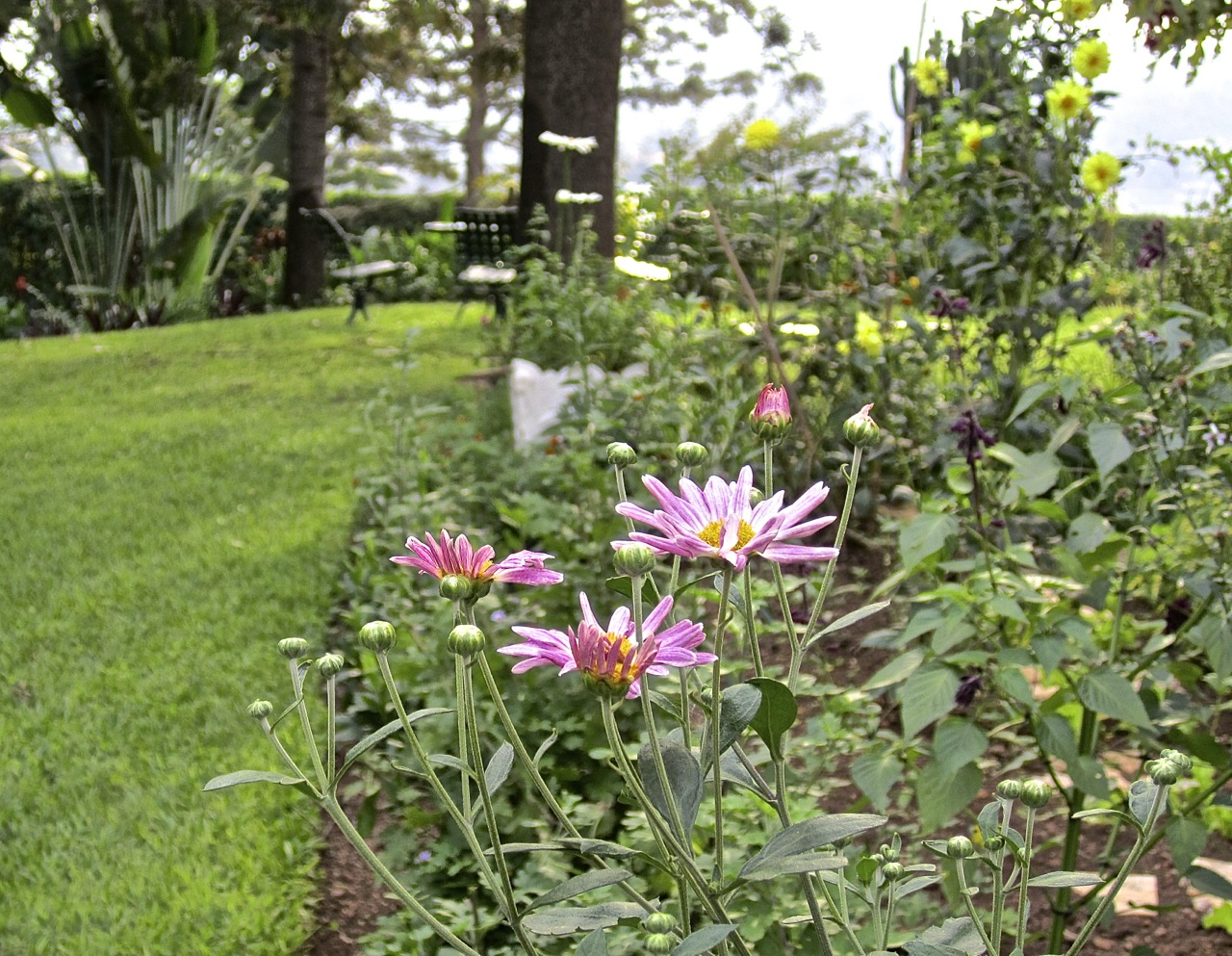
pink chrysatheums in cutting garden

I have really tried to like those acid yellow dahlias in the background, but I just can’t, and I think they are going into the compost pile quite soon.

Garden Bloggers’ Bloom Day is the 15th day of each month. To see what’s blooming in other garden bloggers’ gardens, check out May Dreams Gardens.

Foliage Follow Up

When we were at my parents’ house in September, I went around the garden and gathered seeds from their purple coneflowers, lamb’s ear, and wild mullein.  I put them all in one baggie because I thought I would recognize the seedlings as they emerged.  Of course, now I have no idea whether this is lambs ear or mullein.  I hope it’s mostly lamb’s ear, because I should only need a few of the tall, wide mulleins.
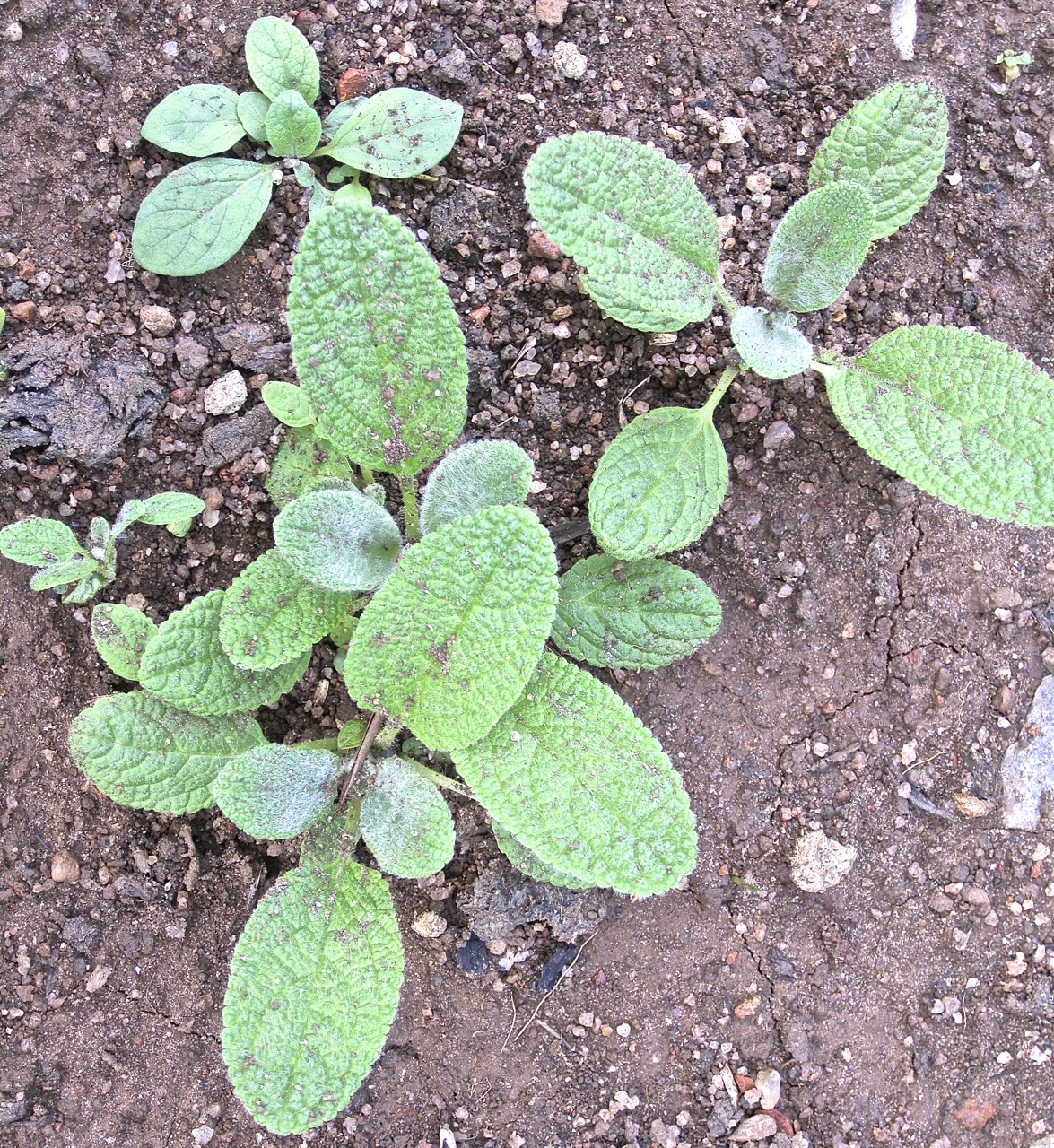
mullein or lambs ear

My mother also gave me some kale seeds, which I forgot about and then mixed in with all the other seeds. Then I went and bought a packet of kale seeds and planted them. So now my vegetable garden is about half kale.  Oh well, it does seem to be the vegetable of the moment.

Thanks to Digging for hosting Garden Bloggers’ Foliage Follow Up the 16th of every month.

Beautiful dreams

Last weekend, we spent a night at the Virunga Safari Lodge in northern Rwanda. While there, we took the village trail to Mwiko Primary School, a public school that receives support from the hotel.

Rwanda school mural

There is an inspiring mural of the students’ hopes for their school on one of its buildings.

Below, on the right side of the mural, there are classrooms and well-built latrines* with a hand-washing station.

3 School dream - left

There is also a computer, a teacher talking about HIV-AIDS, and students and teachers joined by love.  The organization Mothering Across Continents mentors teachers at the school and sponsored the mural.

School dreams - detail 1

Below, in the center of the mural, there are solar panels and tanks to catch rainwater runoff from the classrooms’ roofs, a grassy playing field, a smiling graduate.
4 School dream - center

The mural was painted by Igala J. and Kabuye G. working from ideas from 50 paintings by the children.School dreams - detail 2

On the right side of the mural below, there are chickens and rabbits, hills terraced for planting, the mountains, and Lake Burera.
5 School dream - right

The children currently raise rabbits in pens behind the school.

School dreams - detail 4

The school’s motto is  “knowledge, wisdom, hope.”

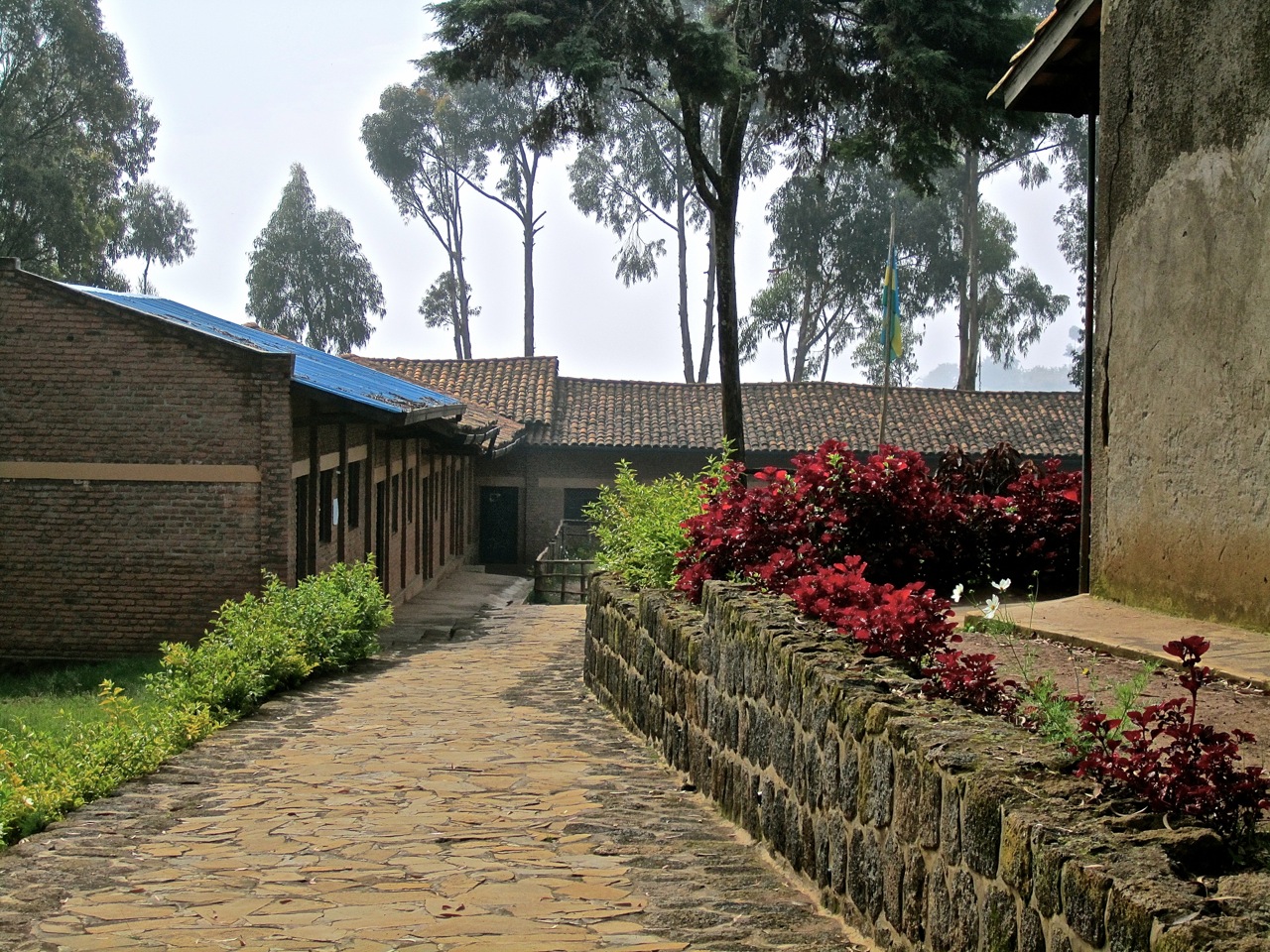
Below is a photo of the school, which serves over 800 children and has 12 teachers.  You can see more pictures here and here.  There’s a video of a class singing here.

School dream -school


*More information on the importance of adequate latrines in schools in developing countries is here and here.

A look back

This blog in 2012:*

I posted 173 times and received 39,923 views from readers from 147 countries.

(I do, however, take WordPress’s “My Stats” with a grain of salt.  A few mornings ago, it showed me with 10 views from 4 visitors in 6 countries.  Maybe one viewer was on an airplane?)

Posts with the most views: “Enclosures of the kings” and “A garden in the Virunga hills” — both in February and both after enclos*ure was featured on WordPress’s “Freshly Pressed” and Fine Gardening’s “Garden Photo of the Day.”

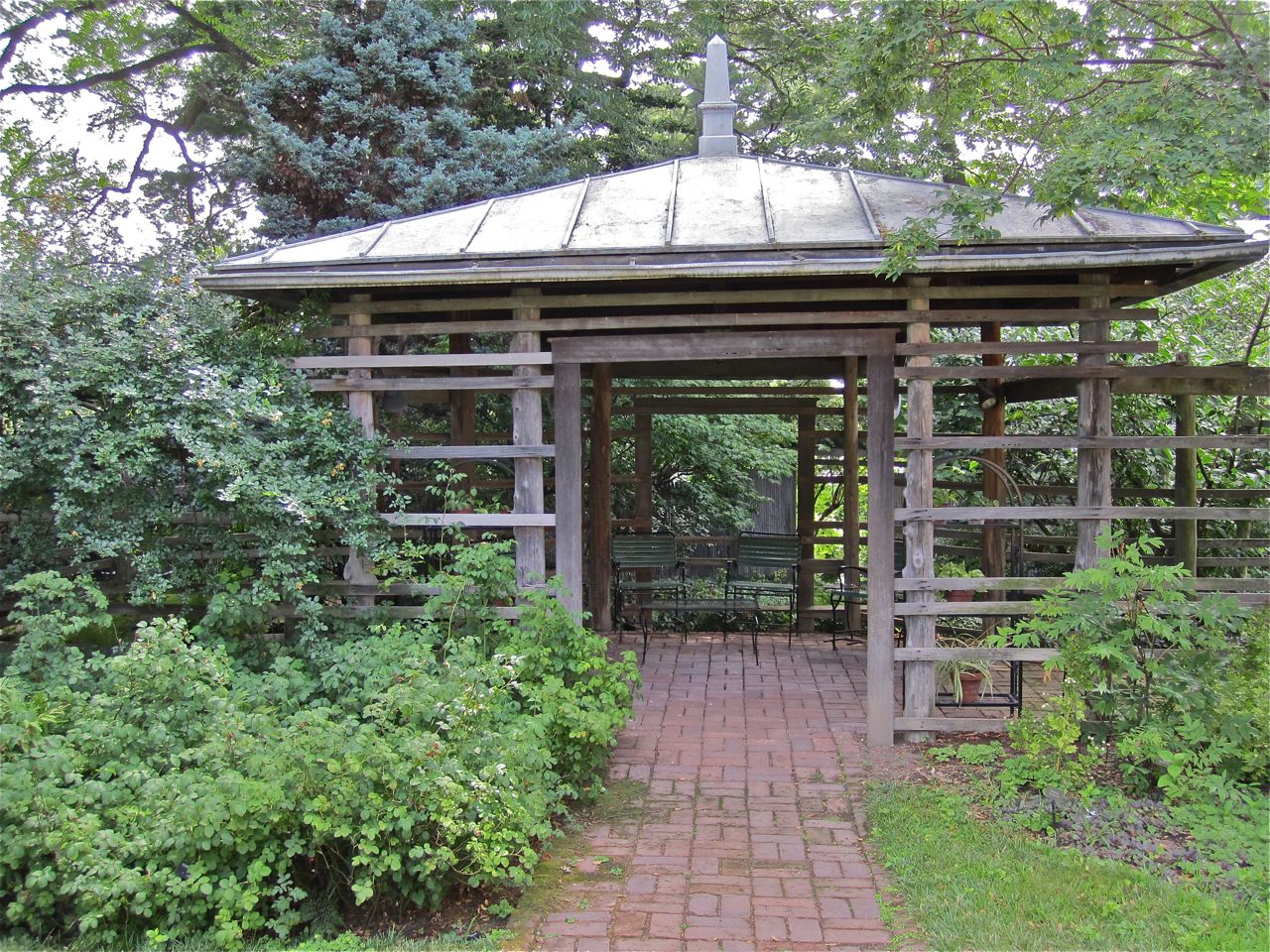
Most viewed individual photos:  Japanese Tea House (below)

Japanese tea house with mid-century garden chairs.
The Japanese tea house at Tudor Place with mid-century garden chairs.

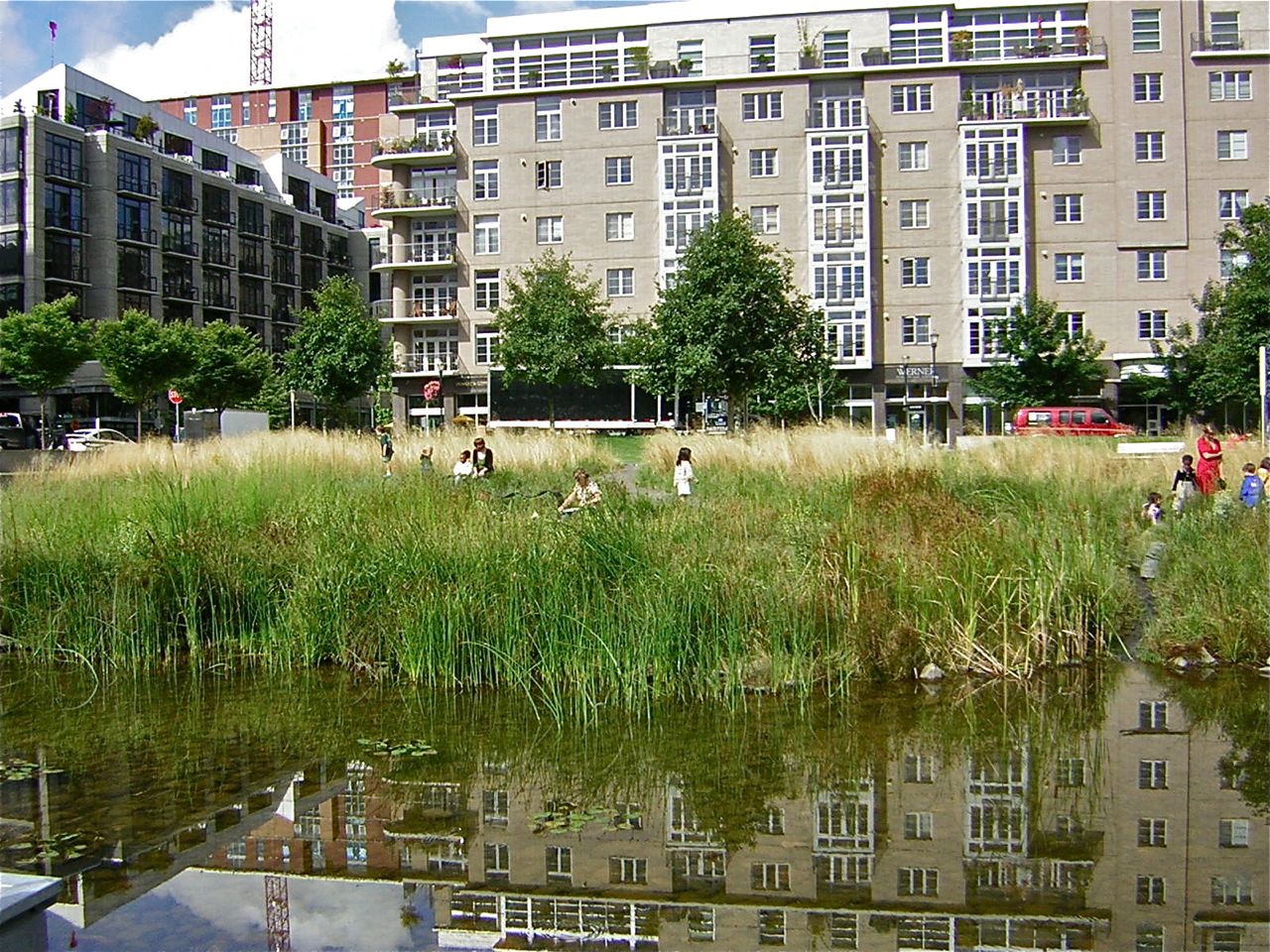
and Tanner Springs Park (below)

A summer camp visit to Tanner Springs Park in Portland, Oregon.
A summer camp visits Tanner Springs Park in Portland, Oregon.

Thumbnails of both are featured on pages one and two of Google Image Search for those topics.

Search term bringing the most views to this blog: “Chateau Gaillard.”  I have never posted about Chateau Gaillard.

Strangest search term bringing (2) views to this blog: “why would someone enclos [sic] a front porch and make their side entrance the main address.”  Please, I would never do that.

Best blogging lesson learned:  In a country where the power goes off several times a day, click on “save draft” constantly.

Most popular enclos*ure photo on Pinterest:

18 stick in compost pile

from “A visit to GOFTC.”    “A pole is placed in the middle of the [compost] pile so it can slide in and out. If it is pulled out warm and damp, the pile is in good shape.”

Most annoying WordPress feature:  a spellcheck that changes ‘enclos*ure’ to ‘enclose*ure.’   Also, quote marks are frequently facing the wrong direction — see just above.

My own favorite image this year: I really couldn’t pick one, but I did love the pouring teapot in the garden of the Sowathe Tea Factory last January (below).

Sowathe cup of tea

Thank you all for visiting enclos*ure in 2012.

I leave you with this interesting quote:

People often ask us, in an amazed way, “how do you possibly garden together?”. . . [O]ne person’s strengths fill in for the other’s weaknesses. The human eye contains two kinds of receptors: rods respond to light or darkness; cones are sensitive to color and detail. Men’s eyes have more rods, a thousand times more sensitive to light than cones, so men wait for low light, often seeing better in the dark. With a plethora of cones, women may stumble in the dark but are better able to respond to the subtle blush of a rose. It doesn’t stop there. Men and women process the information that comes in through their eyes differently. Women store visual information on both sides of their brains, men on one side only: this give men better depth perception, but at the price of color recall, which is easier for women. Ten percent of men are functionally color blind, and almost none have the selective capacity of a woman’s eye, well trained.

— Nori and Sandra Pope, from Color by Design:  Planting the Contemporary Garden


*according to my WordPress.com Annual Report and “My Stats.”

January reading

Happy 2013!

January WPA posterA silkscreen poster of  the Illinois WPA Art Project (ca. 1936 – 1941), via Library of Congress Prints and Photographs Division.

On my nightstand for January reading:

Home Ground: Sanctuary in the City by Dan Pearson.  His city garden is the best example of what I want for our Washington, D.C., garden when we return.

Illustrated History of Landscape Design by Elizabeth Boults and Chip Sullivan

The American Meadow Garden by John Greenlee and Beautiful N0-Mow Yards by Evelyn J. Hadden

The City Shaped:  Urban Patterns and Meaning Through History by Spiro Kostof

Color by Design:  Planting the Contemporary Garden by Nori and Sandra Pope

The New Perennial Garden by Noël Kingsbury

— none particularly new, but indications of my current interests.

I just finished re-reading Peter Martin’s The Pleasure Gardens of Virginia:  From Jamestown to Jefferson.  I recommend it — along with Barbara Wells Sarudy’s Gardens and Gardening in the Chesapeake, 1700 – 1805 — if you garden in the U.S. mid-Atlantic.  Martin is particularly good on Mount Vernon and Monticello and on Jefferson’s changing enthusiasms and false starts.  (Martin and Sarudy differ somewhat on the extent of the influence of the English landscape garden style in 18th century America.)

(I also love Fergus M. Bordewich’s Washington: The Making of the American Capital for landscape/city planning history.)

Right now I’m really taken with the Game of Thrones books (I know, I’m behind the trend; I’m in Rwanda.)  I’m thinking of making the jump to an e-reader this month and then loading on the second book (aka Season Two) to watch in February.  I also want Hillary Mantel’s Bring Up the Bodies soon (I had to re-read Wolf Hall last month first — it’s so good).

What are your plans for winter reading?

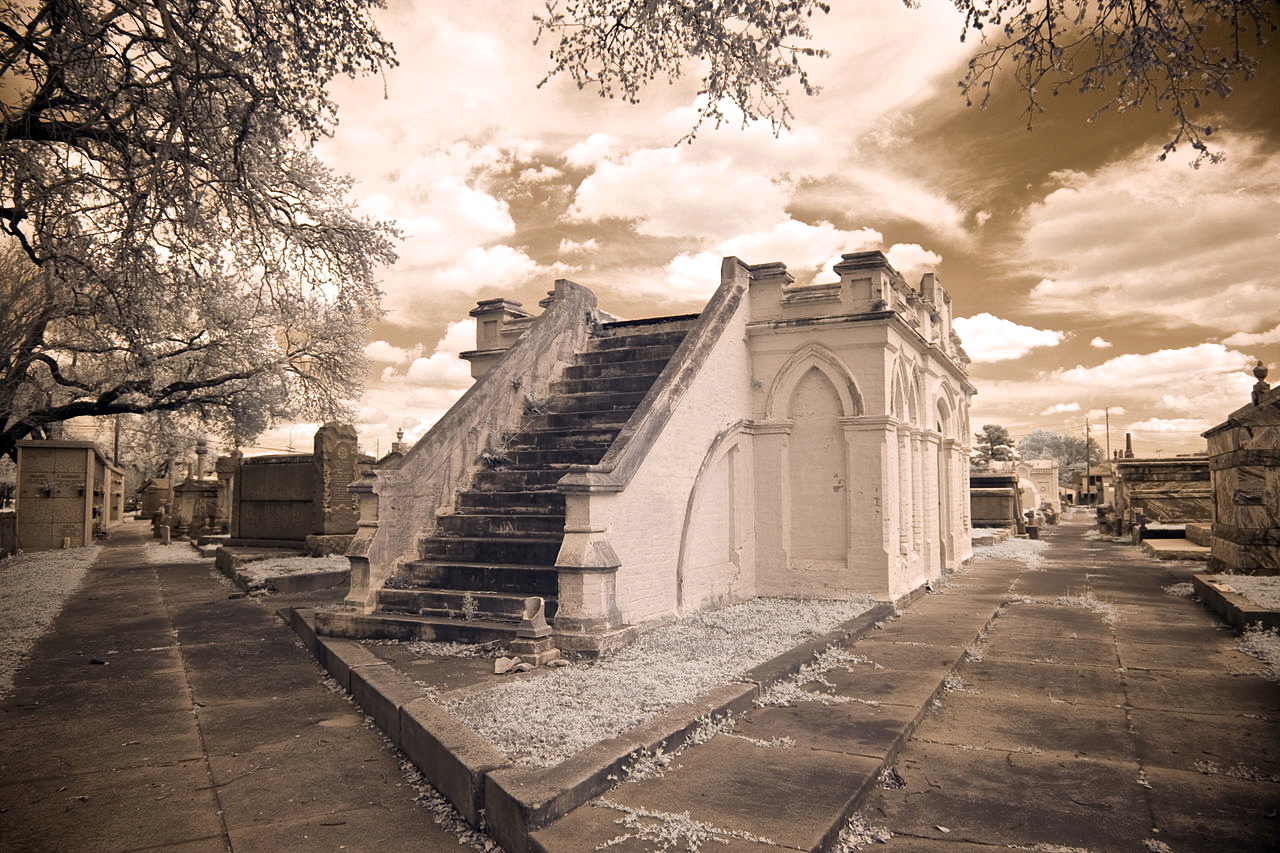
Cities of the Dead, New Orleans

And so, about this tomb of mine. . .

New Orleans cemetery, 2007, by C. Highsmith

Another beautiful photo by Carol M. Highsmith:  “Cities of the Dead Cemetery tombs, New Orleans, Louisiana,” 2007, via the Highsmith Archive, Library of Congress Prints and Photographs Division.

This tomb is in the Masonic Cemetery in Mid-City.