Children riding a carousel at a Persian New Year festival in Central Asia, ca. 1865 – 1872, via the Turkestan Album, Library of Congress Prints and Photographs Division.
Nowrūz or Persian New Year will be celebrated this year in many countries between March 20 and March 26.
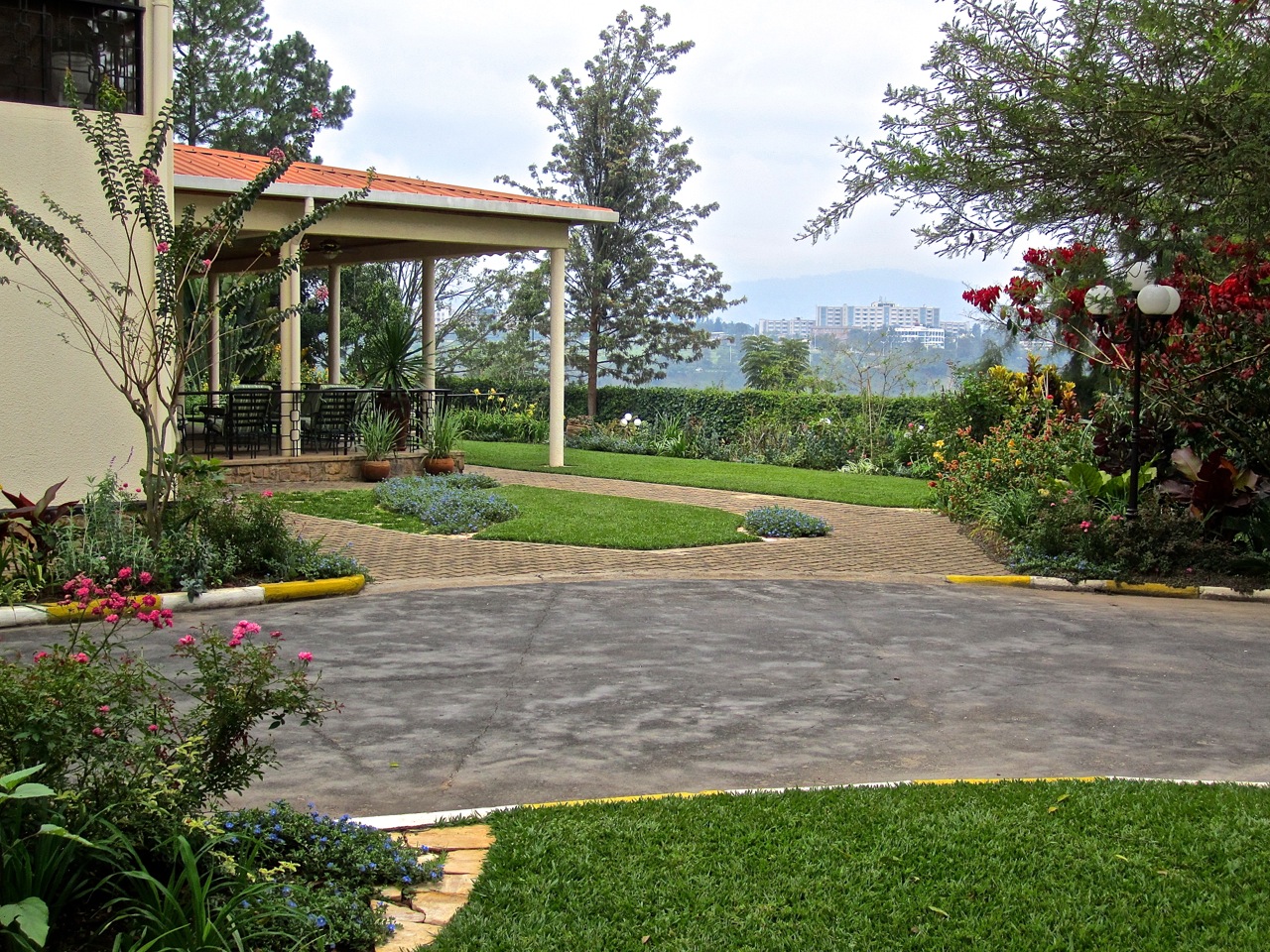
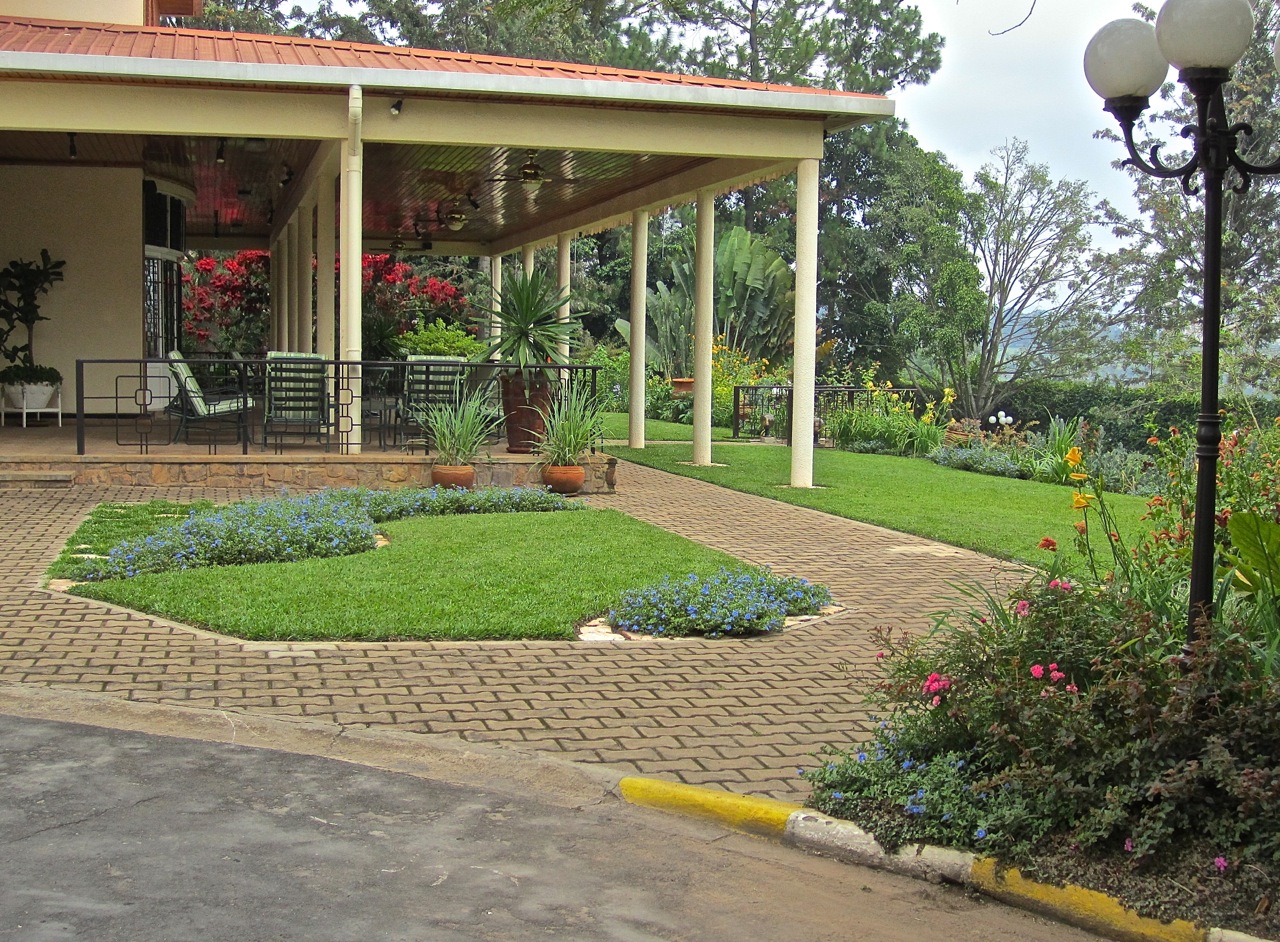
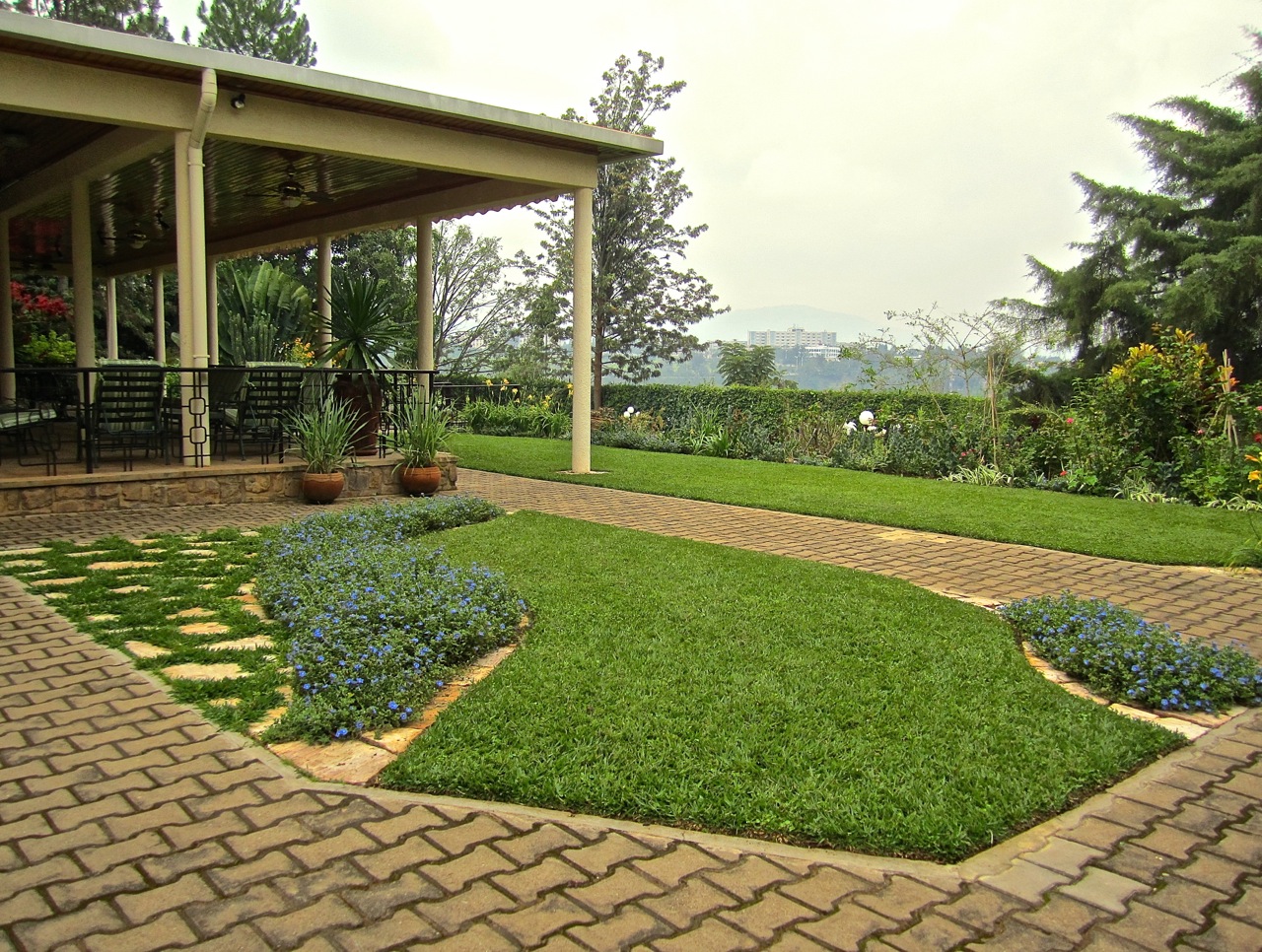
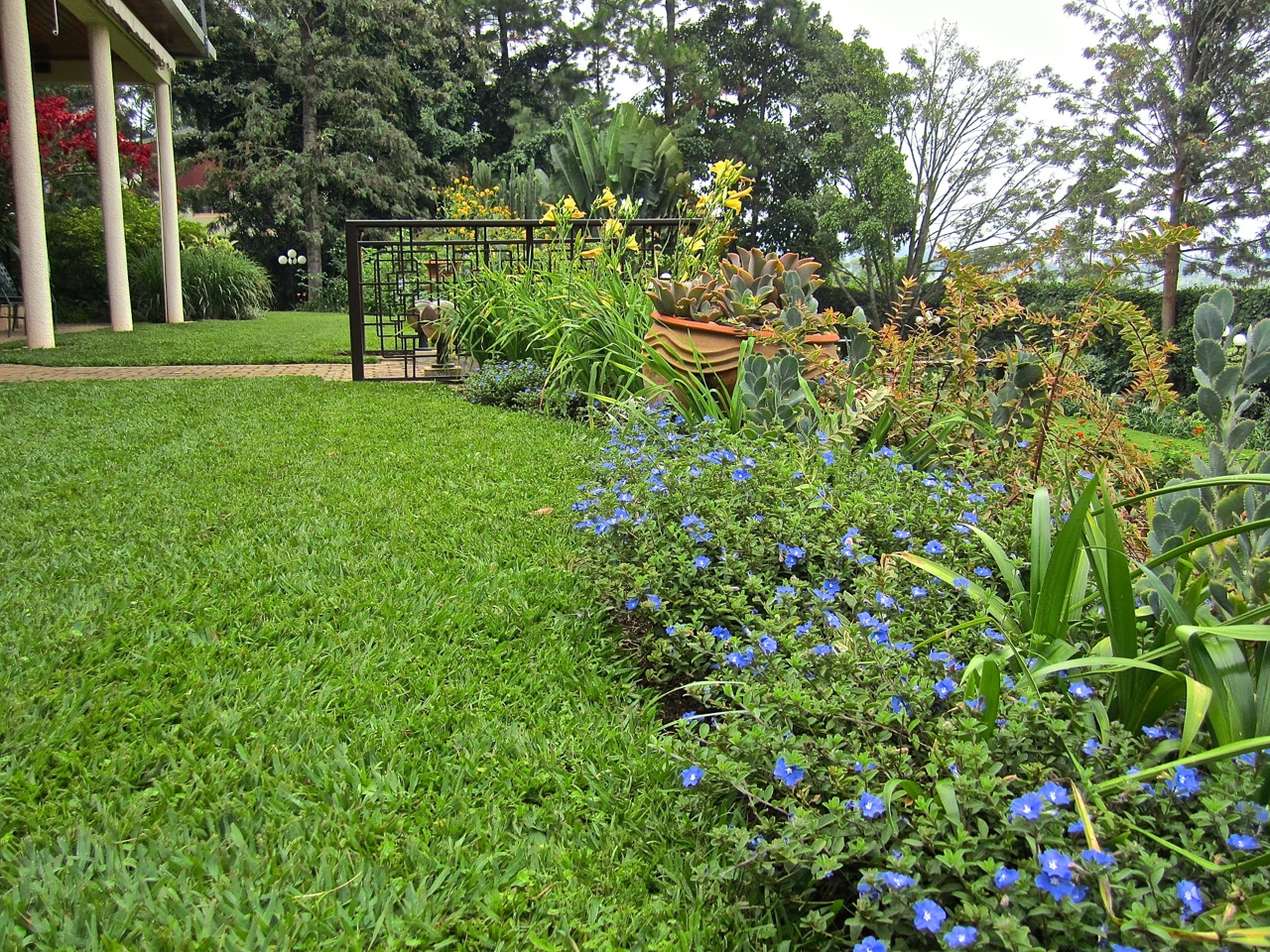
At the front of our house, in two curvy planting beds, the Evolvulus ‘Blue Sapphire’ is thick and blooming heavily — in the morning.
By early afternoon, the flowers close up, and I’m left with just a small-leaved, grey-green ground cover — which is still pretty nice.
(Above: that’s a pink-blooming crape myrtle tree to the left, doing so-so — I’m going to give it a light pruning pretty soon and see if it will fill out a bit.)
I planted out little sprigs of the evolvulus last July. This open area used to be occupied by a large Norfolk pine. However, it was dying (see here; sixth photo) and had to be cut down.
I’m not very happy with the grass and stone arrangement on the left side of the center planting area (below). It looks rather ragged. One of these days, I plan to remove the turf grass (I really like to have a wee bit of Round-Up) and plant mondo grass between the stones — as well as take up a few stones and add a two or three mounding plants.
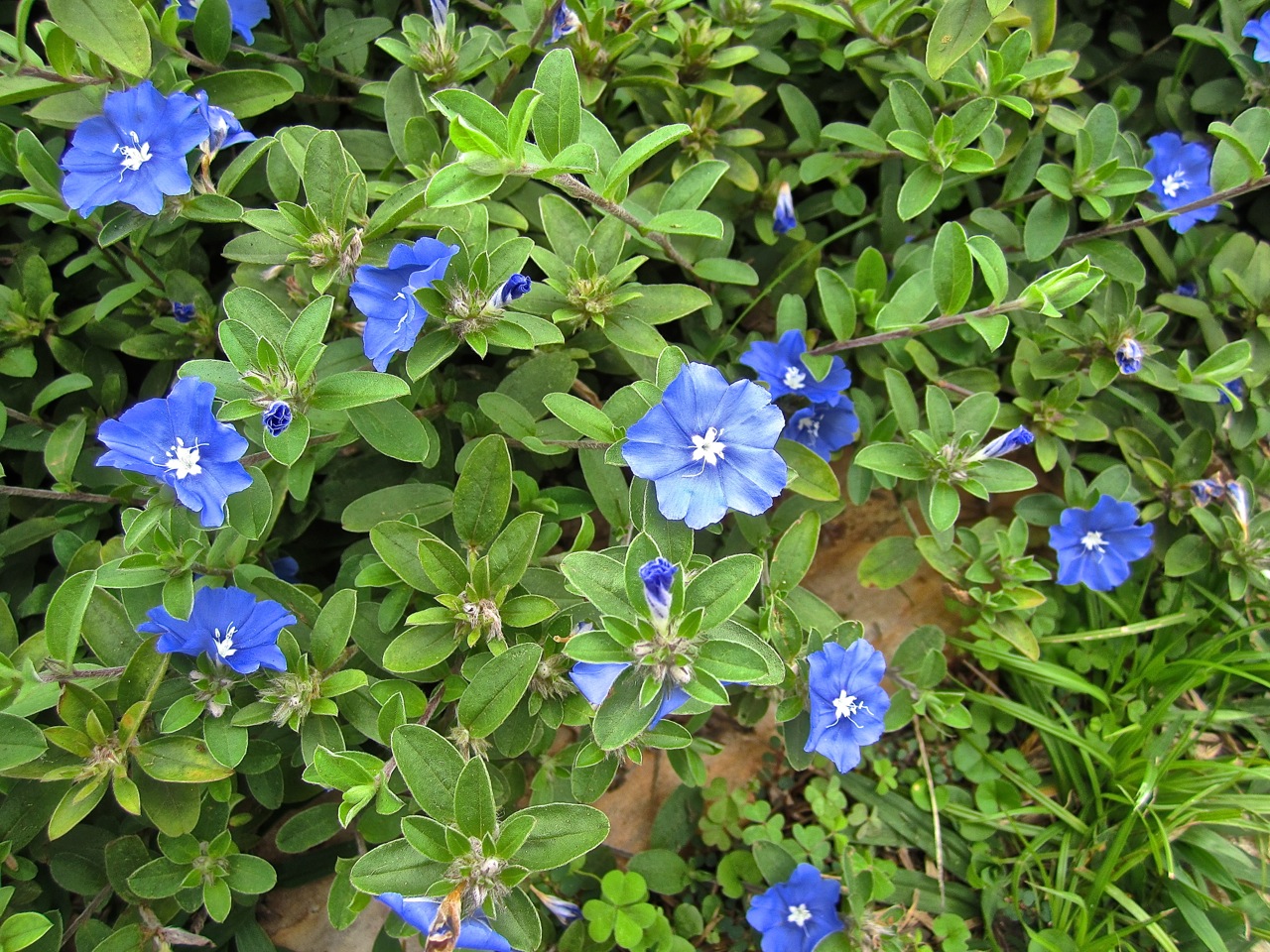
Below, the blooms of Evolvulus ‘Blue Sapphire’ are a true blue. It is a tropical plant, hardy to U.S. zones 8-11.
(Click on any of the photos to enlarge them or on ‘Continue reading’ below to scroll through all the bigger images.)
Below, I’ve also used it to edge the planting border along the upper lawn in front of the terrace. (A plan of our garden is here.)
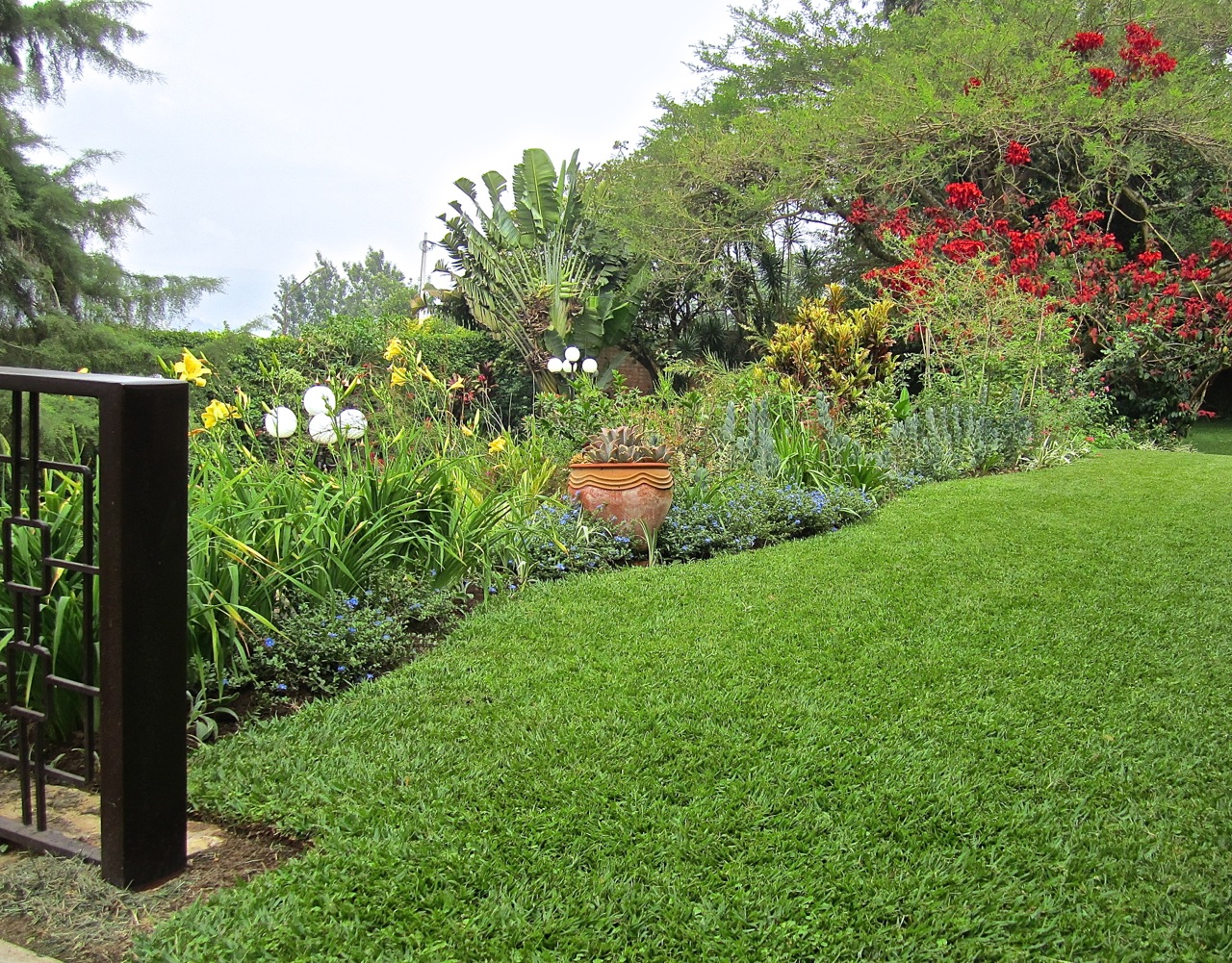
Below is the same border from the other direction, standing at the center steps. (The red-flowering shrub/vine at the end is a Mussaenda erythrophylla.)
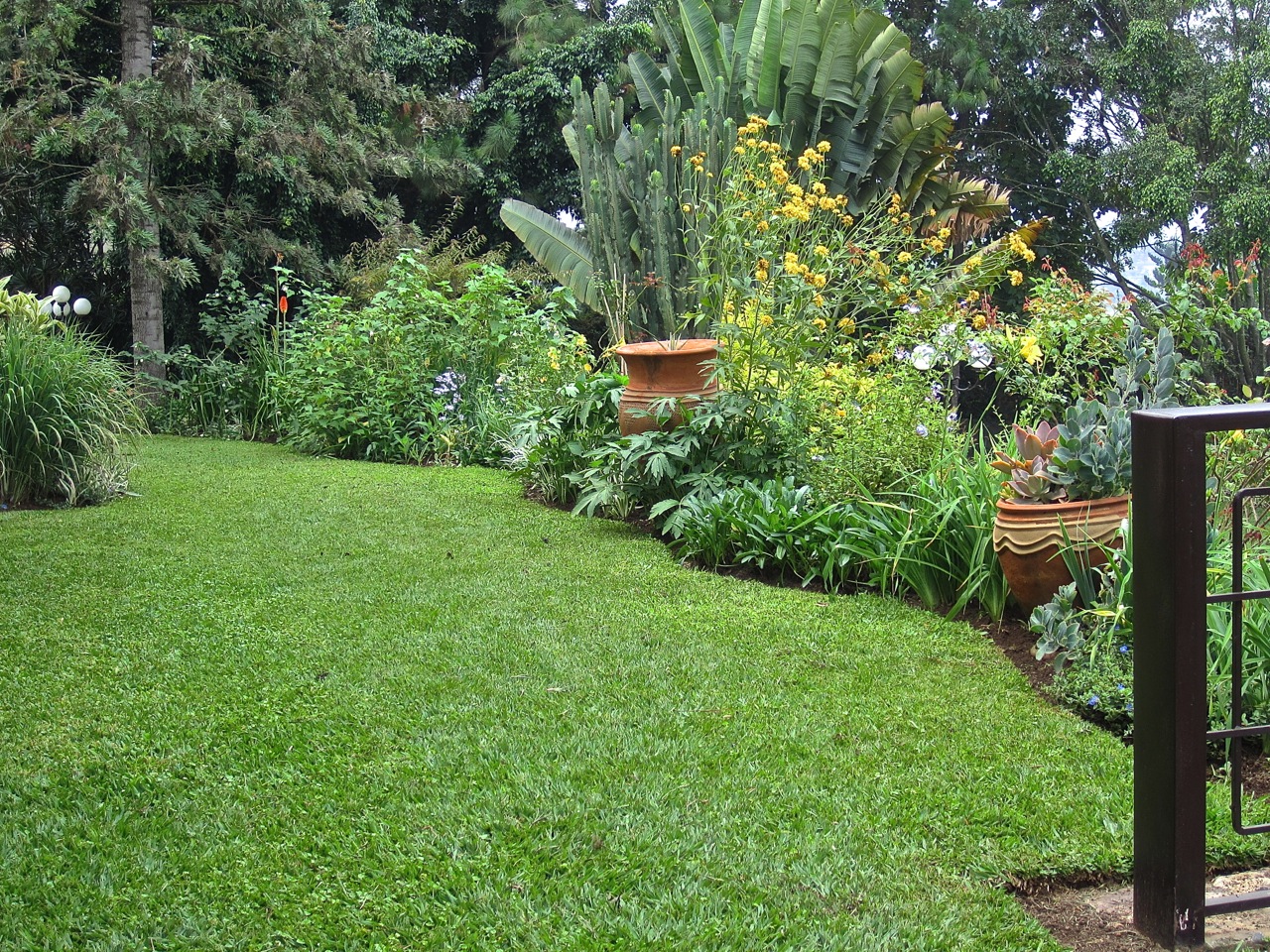
Below, the border continues on the left side of the steps. The tall yellow flowers are double Rudbeckia laciniata.
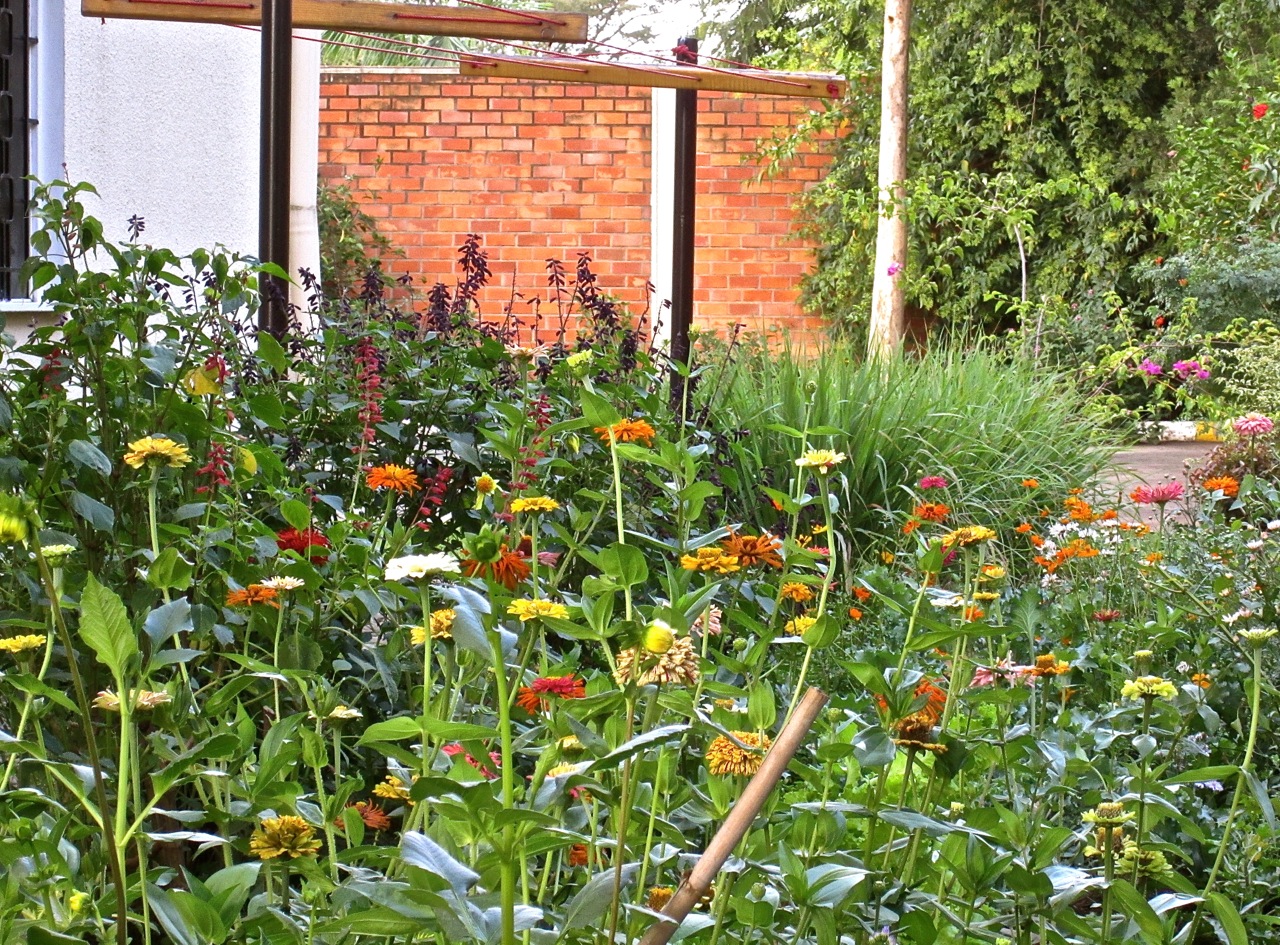
Below, the zinnias in our cutting garden (from last month’s GBBD) continue to be beautiful. The tall grass in the back is lemongrass.
To see what’s blooming in other garden bloggers’ gardens today, check out May Dreams Gardens.
Garden Bloggers’ Bloom Day is the 15th of every month.
Ford Motor Co. snow plows, ca. 1910 – 1925, possibly in Washington, D.C., National Photo Company Collection, Library of Congress Prints and Photographs Division.
“Most sources seem to agree that the basic street snow plow (not horse-drawn or built for trains) was created in 1913,” according to the blog Landscape Management Network.
“The first street snow plow, however, wasn’t patented until the early 1920s. At the time, a New Yorker by the name of Carl Fink was the leading manufacturer of plows mounted to motorized vehicles. Today, the company is known as Fink-America and its plows are still on the market.”
This Kigali pharmacy has taken the flower pots requirement to heart — with clipped weeping figs in the ground and then more pots behind them.
The city of Kigali has a requirement that all shops must have flower pots at their entrances. I learned this yesterday from our local newspaper, The New Times.
According to the article “Kigali City residents bemoan KCC* policies,”
[a business owner,] who deals in hardware business, . . . especially criticized the policy of flower pots at the front of every shop. All shops are supposed to have flower pots in front of them, a policy that was established in 2011.
“We are struggling with paying taxes which are high on top of that they are asking us to buy flower pots which cost between Rwf 15,000 to 20,000. Not all of us love flowers,” he said. “Every time I see these flower pots in front of my shop, I feel like it’s making my shop ugly because I would prefer something more artistic other than a flower pot but then I also can’t have two decorations at my door.” . . .
Last week, during an inspection, a few shops were locked up because of not having flower pots outside their shops.
I don’t know how many or what size pots are required. Rwf 15,000 is about US$24.
Back on January 19, I was also diverted by the article “Eleven arrested smuggling plastic bags:”
The police have arrested 10 Burundians and a Rwandan found smuggling 400 cartons of plastic paper bags and marijuana into the country.
The suspects were arrested in Kibungo town. They were travelling by bus heading to Kigali, from Kirehe district.
Police said the suspects had smuggled the goods through one of the most notorious entry points on the Burundi and Rwanda border in Gahara sector.
Rwanda banned disposable plastic bags in 2005. The ban was effected in three years later. However, Rwanda, which replaced the menacing bags with paper bags, is the only country of the five EAC member states with effective policy on plastic bags.
The initiative was a response to the plastic’s negative environmental impact, amid extensive physical presence of bags across the country.
Supt. Benoit Nsengiyumva, the Eastern Province Police spokesman, said the suspects would be charged as soon as investigations are complete.
“Rwanda is now entering its fourth year with a nationwide ban on all plastic bags. This is what we are guarding; as Police and we won’t rest,” he said.
Nsengiyumva said the suspects would also be charged with illegal entrance into the country and trafficking in marijuana, an illegal drug.
Note which crime is emphasized in the article.
Rwanda takes its restriction of plastic very seriously. Passengers arriving on international flights are warned to leave behind their duty-free store bags, and once, returning from Pretoria, I had to pull off all the security plastic wrap from my suitcase before I could exit the baggage area.
While I could go either way about storefront potted plants, I do like this plastic bag prohibition. I remember how the last place we lived in Africa — Niamey, Niger — was just inundated by this particularly obnoxious form of trash. The bags are such a plague on the continent that a common joke is to refer to them as the national bird, seen nesting in the trees and fields.
But they are extinct in Rwanda.
. . . And behold,
the plastic bag is magic;
there is no closing it. . . . .
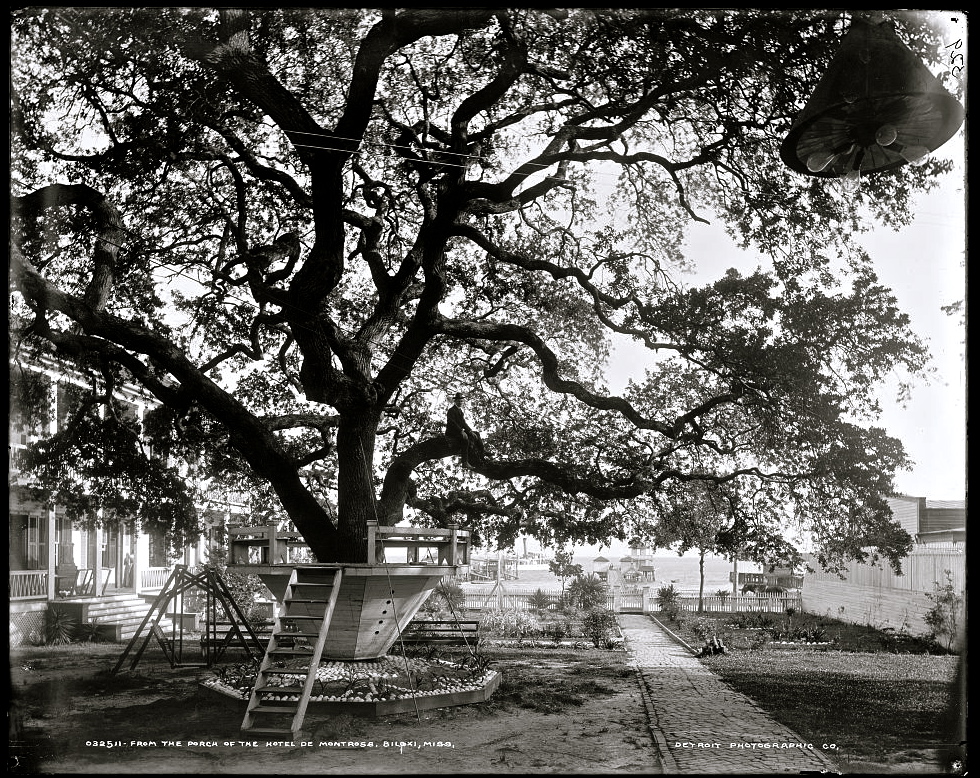
This hotel garden had an interesting combination treehouse-garden seat called a shoo fly. The 10′ to 12′ elevated platforms were popular along the Gulf Coast as places to catch the breezes and maybe avoid deer flies.
The photo was taken from “the porch of the Hotel De Montrose [sic], Beloxi, Mississippi,” ca. 1895 – 1910, by the Detroit Publishing Co.* The Hotel de Montross (or Montross Hotel, later the Riviera Hotel) looked out on the waters of the Mississippi Sound.
“Anecdotal history of the early 20th century relates that the Hotel de Montross or Montross Hotel was the oldest hotel extant at Biloxi,” according to Ray Bellande of the Biloxi Historical Society. “It was operational before the first railroad was established between Mobile and New Orleans in 1870. Here on the central Beach of Biloxi and Lameuse Street, . . . the Montross Hotel was the focus of social life and fashion. Its pier was the disembarkation place for the society people arriving at Biloxi to enjoy its fine food, hospitality, and the gaiety of life, joie de vivre, that was offered to all visitors. The Montross Hotel flourished as a fine hostelry and boarding establishment until the late 1920s, when it became overshadowed by Biloxi’s modern beach front hotels. . . .”
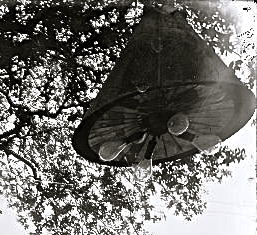
I also like the light fixture.
A Hard Rock Hotel and Casino is located in approximately the same place today.
Beloxi has been a summer vacation resort since the first half of the 1800s.

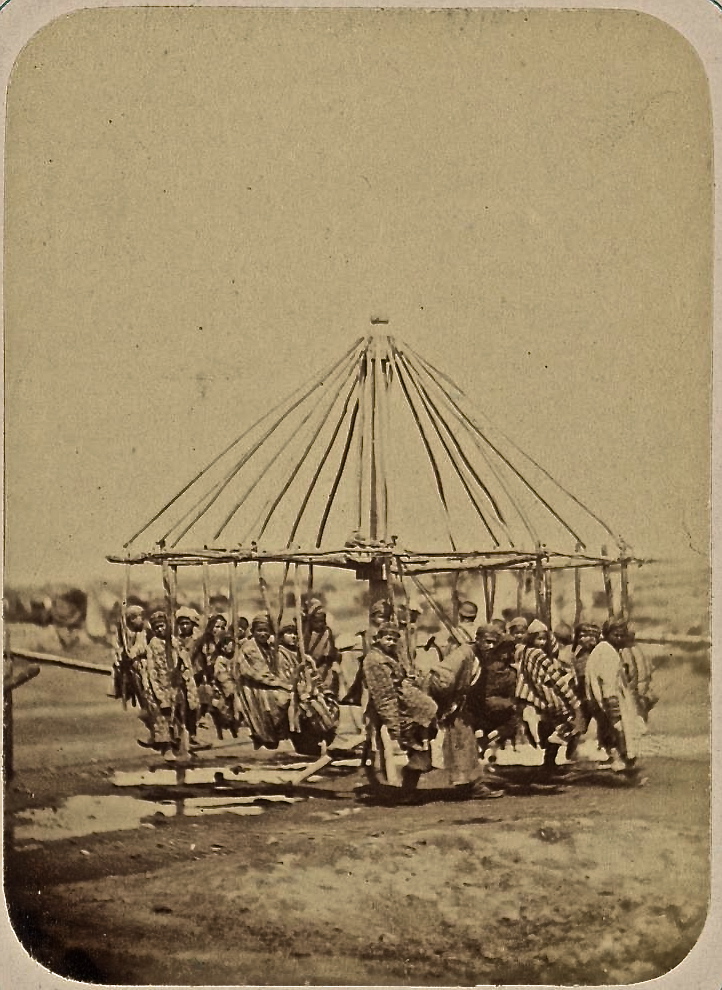 Children riding a carousel at a Persian New Year festival in Central Asia, ca. 1865 – 1872, via the Turkestan Album, Library of Congress Prints and Photographs Division.