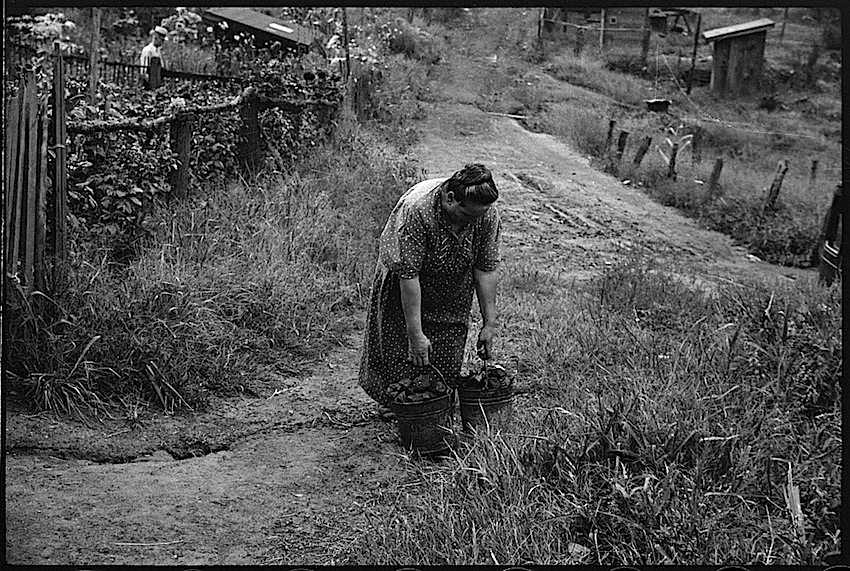
Back garden and porch of Hungarian-American coal miner’s home, Chaplin, West Virginia, September 1938, by Marion Post Wolcott, via Library of Congress Prints and Photographs Division (all three photos).
The miner’s wife and their back gate and fence. (Cropped slightly by me.)
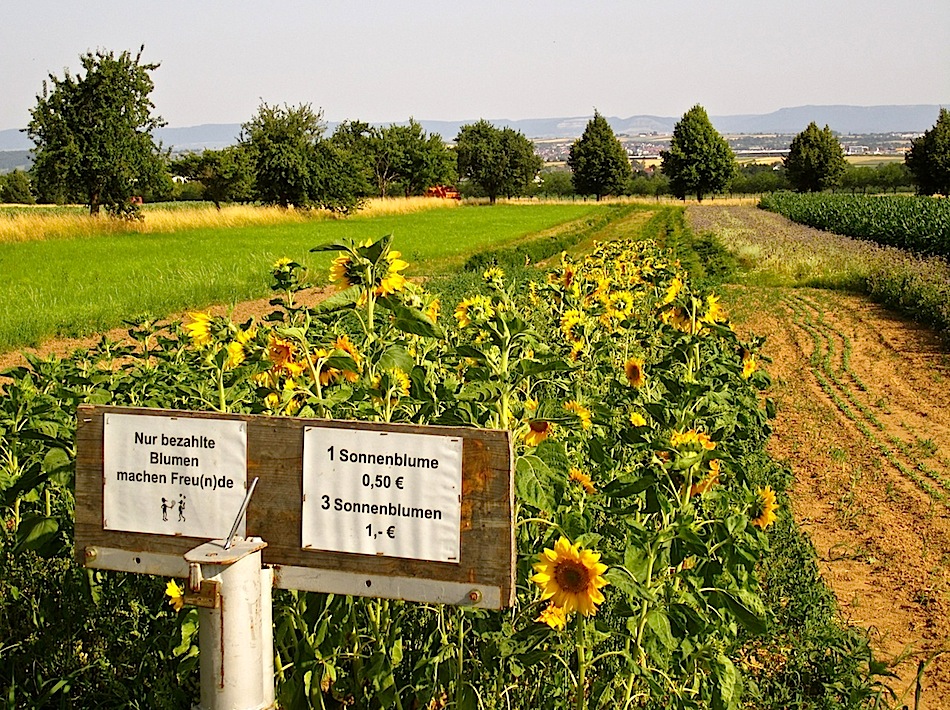
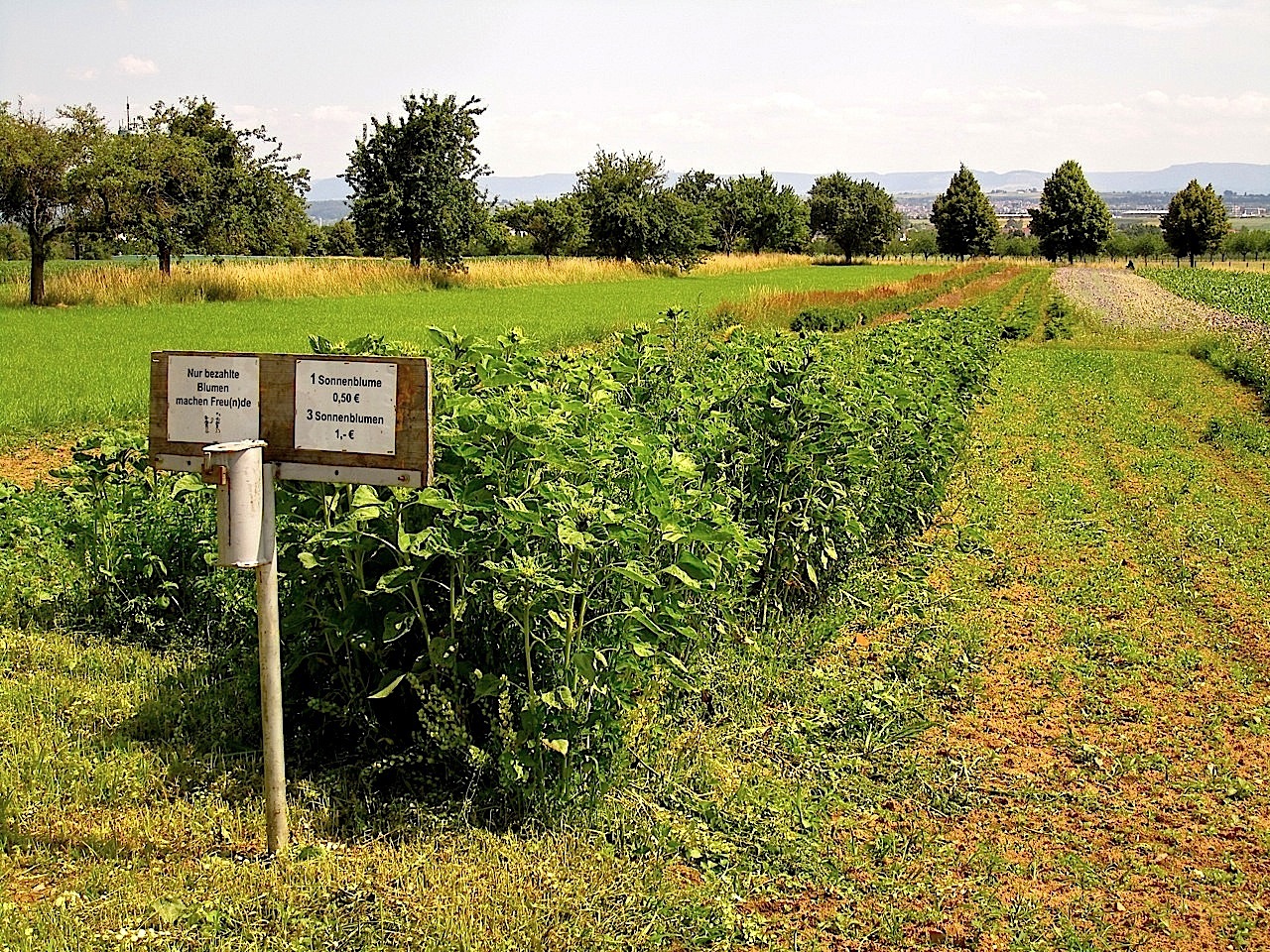
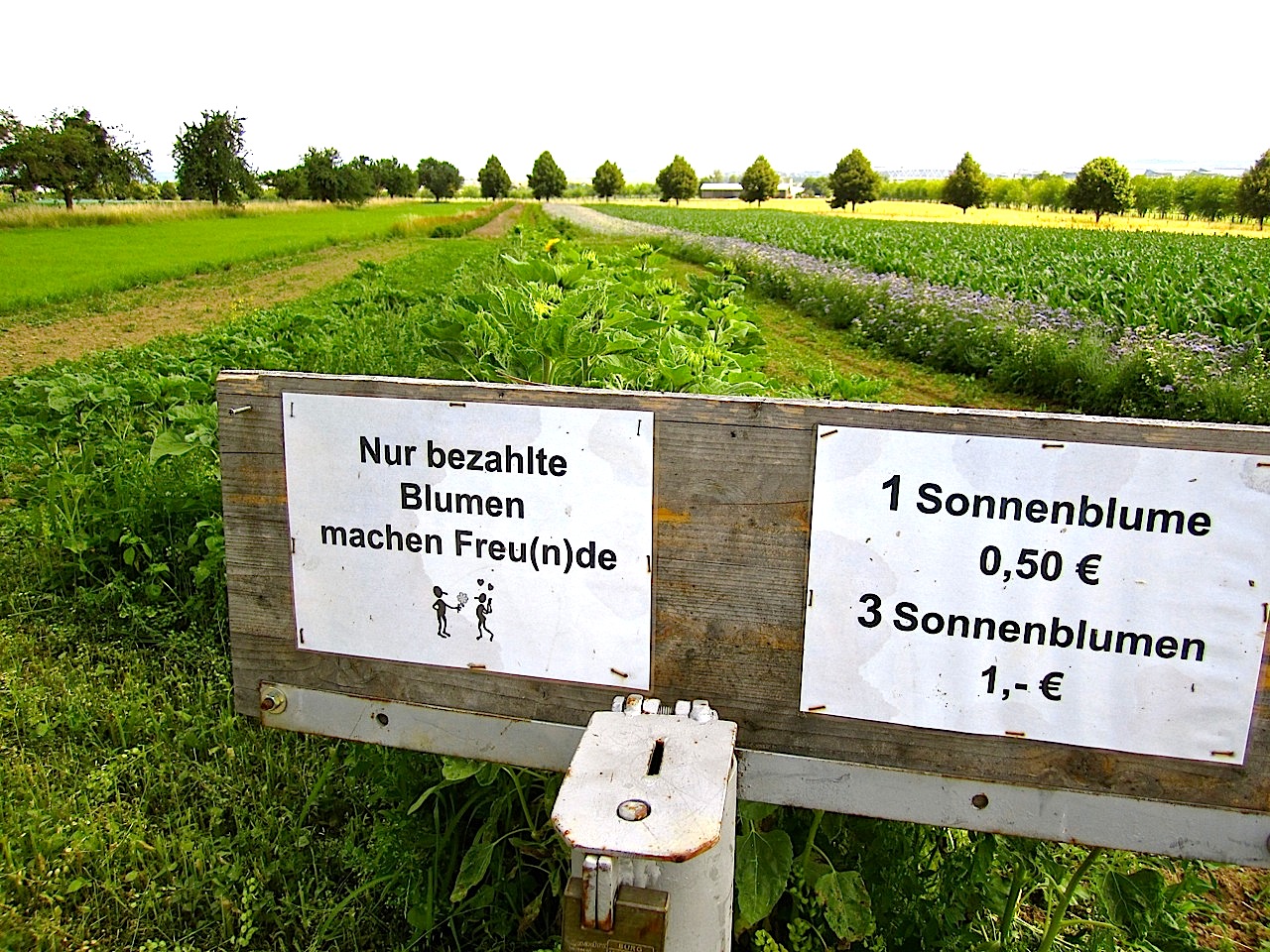
“Only paid-for flowers make friends/joy.” A Sonnenblume is a sunflower.The row of purple blooms has faded.In the middle, late summer sunflowers? or maybe zinnias?
(Streifzug means ‘foray,’ ‘ brief survey,’ or ‘ramble.’)
Like every flower, she has a little
theory, and what she thinks
is up. . . .
Streifzug means ‘foray,’ ‘ brief survey,’ or ‘ramble’ (if my online German/English dictionary does not deceive me).
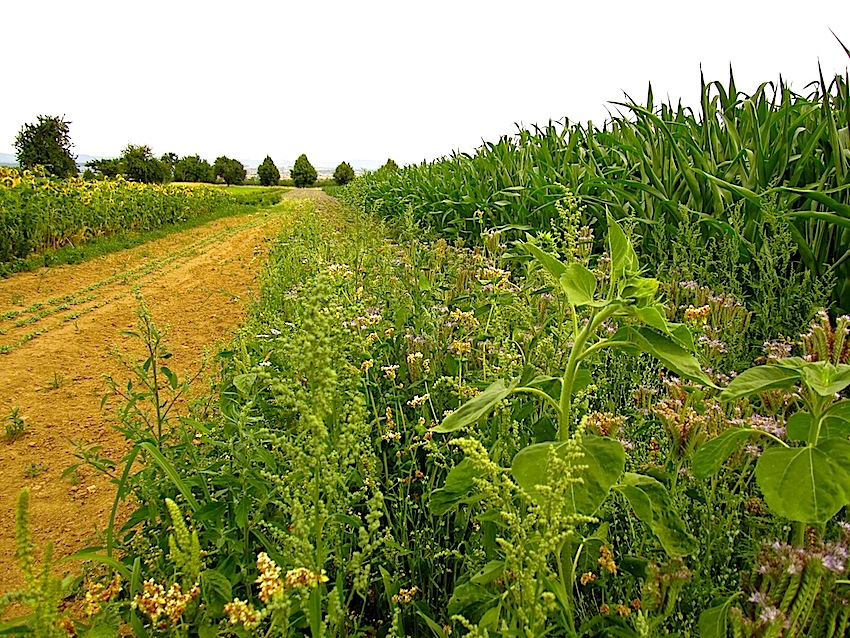
These photos are from yesterday’s ramble or, more specifically, bike ride.
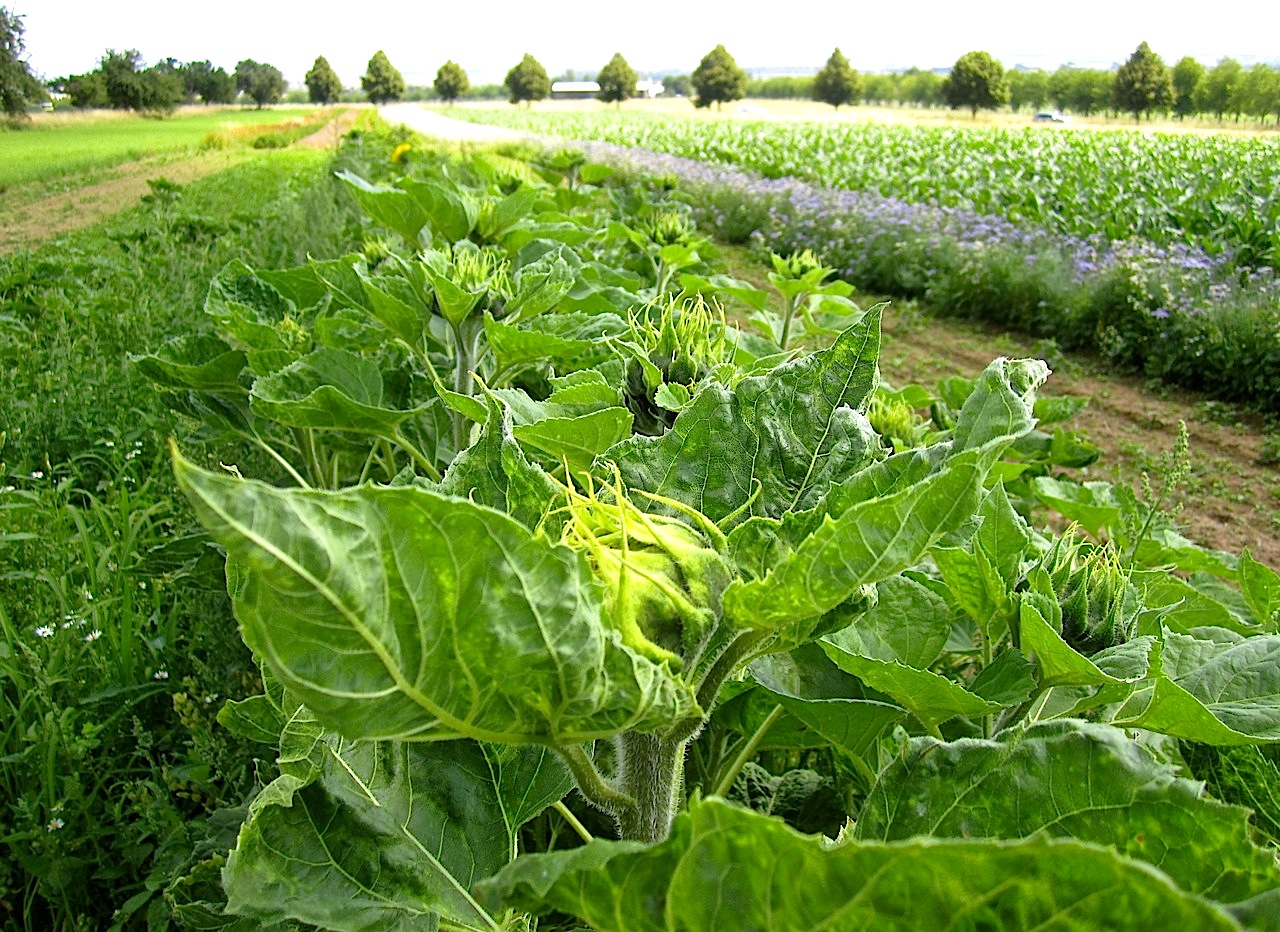
The sign says, “Only paid-for flowers make friends*/joy.” Sonnenblumen are sunflowers. These are not quite open yet.
I will go back in a week or so to cut a few.
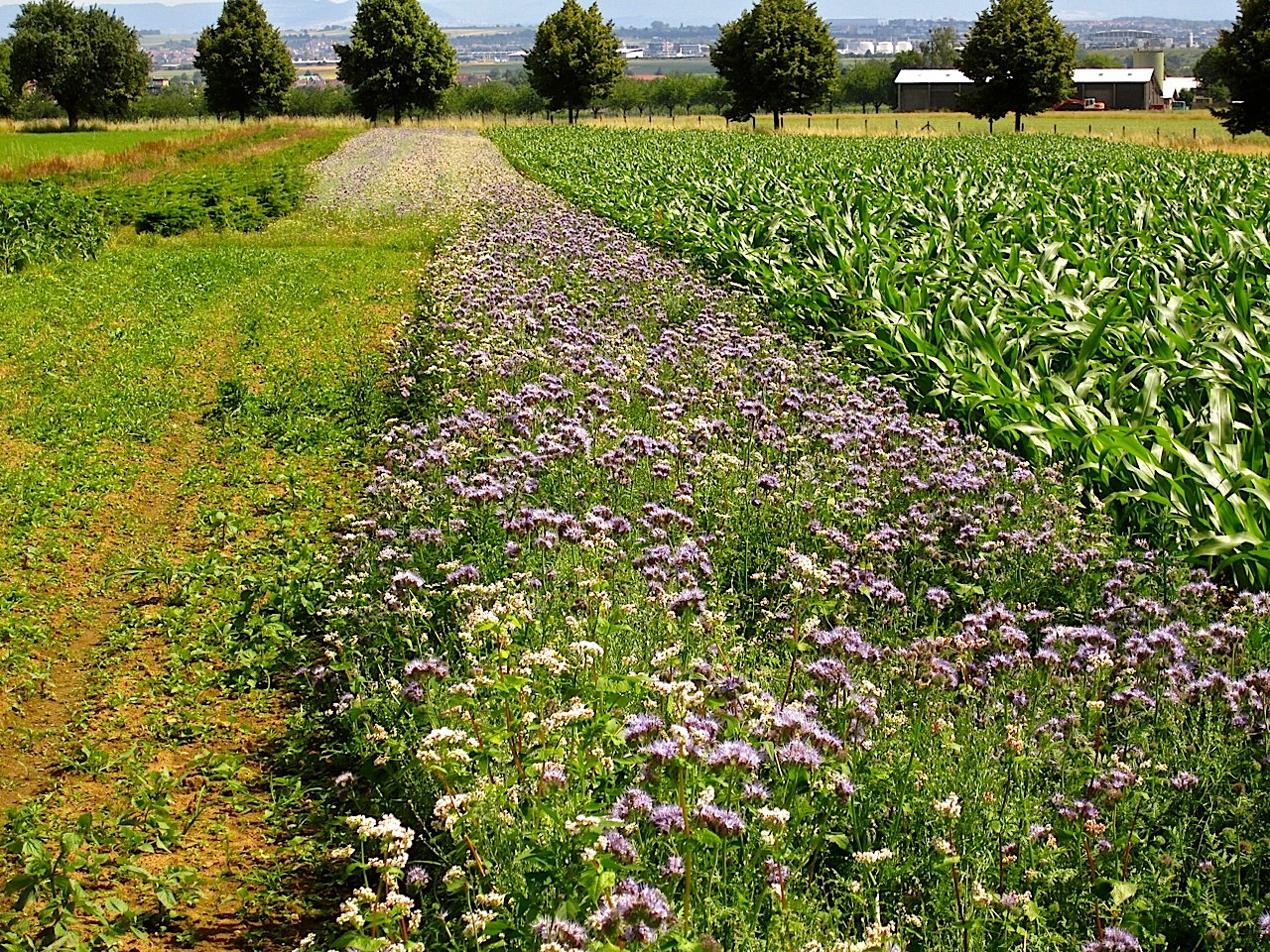
Blumen Selbt Schneiden or ‘cut your own flowers’ signs — with honor-system money boxes — are not uncommon sights alongside fields in the Stuttgart area. These long rows were beside a walking/biking/farm access path near our neighborhood.
(On the same ride, I also passed a house with a sidewalk shelf of already cut flowers in jars and a coin box.)
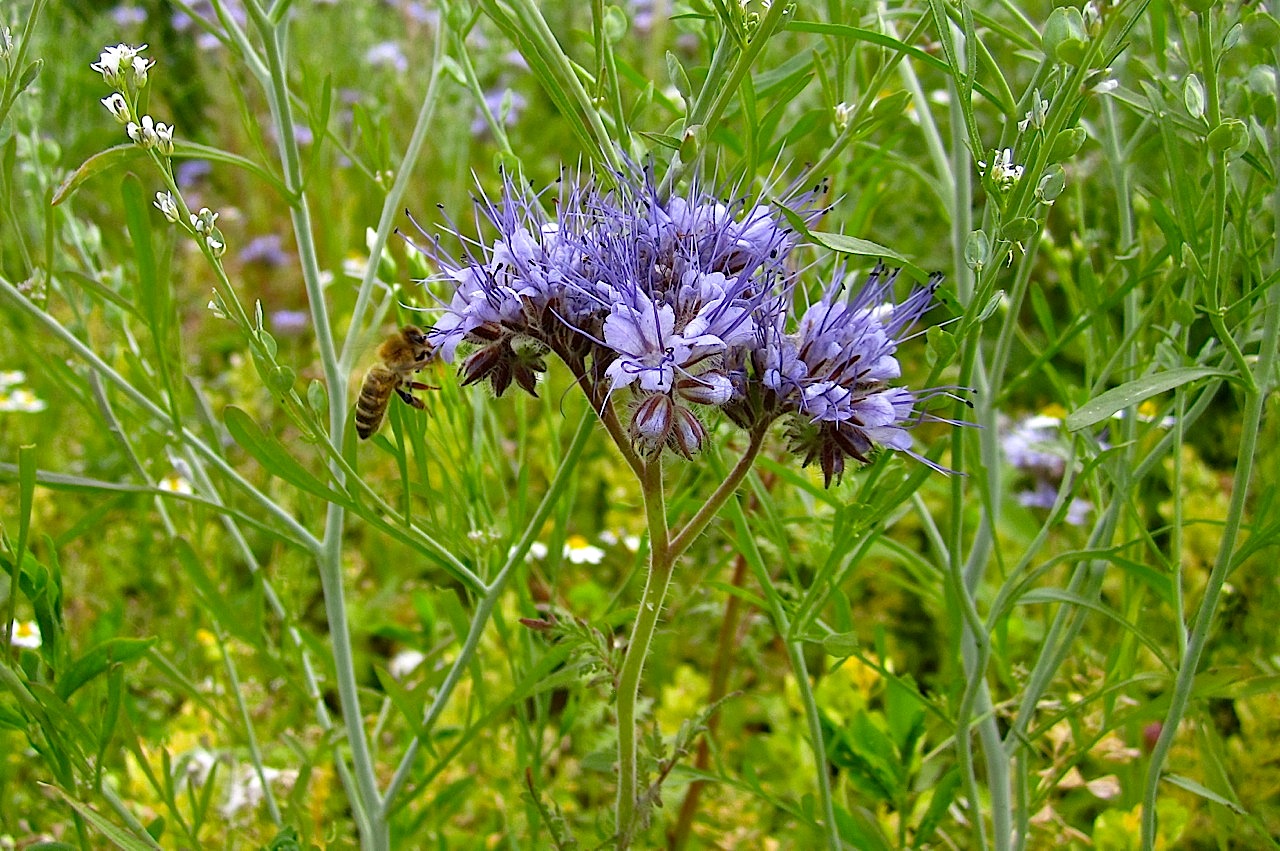
I don’t know the name of these purple flowers.
The fields around the rows of cut-your-own flowers are filled with wheat, beans, corn, and grass for hay.
But hundreds of bees were loving them.
Also, as you can see, our weather has much improved since Wednesday. Temperatures are now well into the seventies.
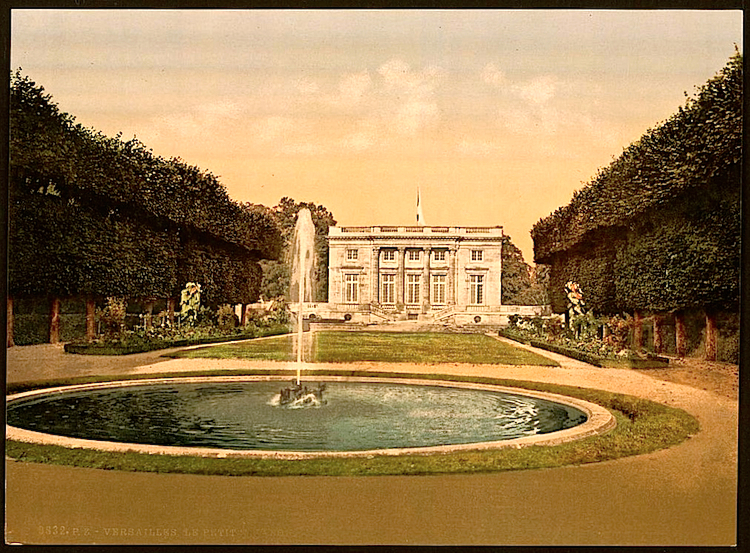
Petit Trianon, Versailles, France, between ca. 1890 and ca. 1900, a photochrom by Detroit Publishing Co., via Library of Congress Prints and Photographs Division.
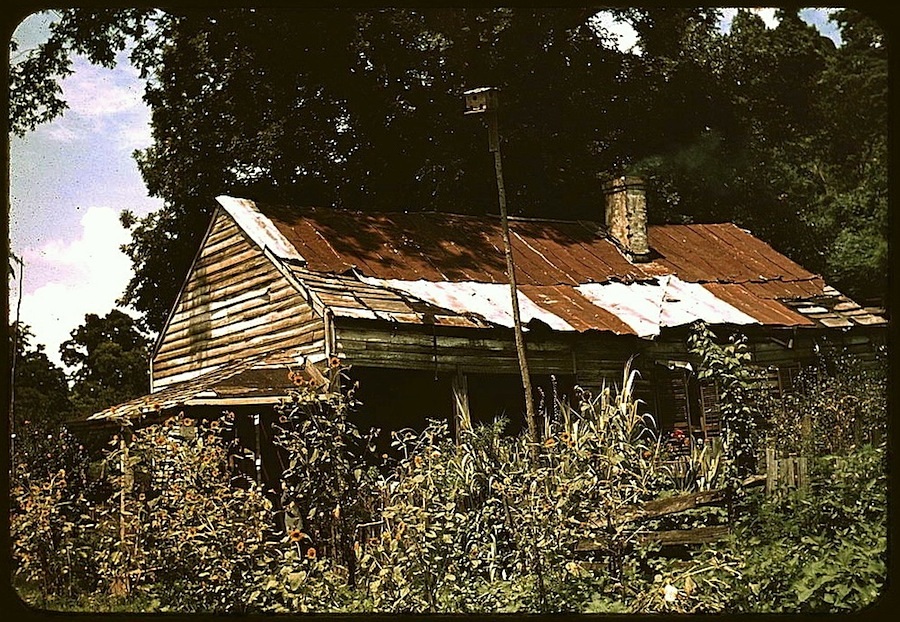
“An old house almost hidden by sunflowers, Rodney, Mississippi,” July 1940, by Marion Post Wolcott on Kodachrome color film, via Library of Congress Prints and Photographs Division on flickr.
I like the little birdhouse on the very tall pole.
Rodney was once a prosperous port on the banks of the Mississippi — until a large sand bar appeared in the 1870s and changed the course of the river. The city was left two miles from the water.
By 1933, there were fewer than 100 people living there. Today, it is considered a ghost town.

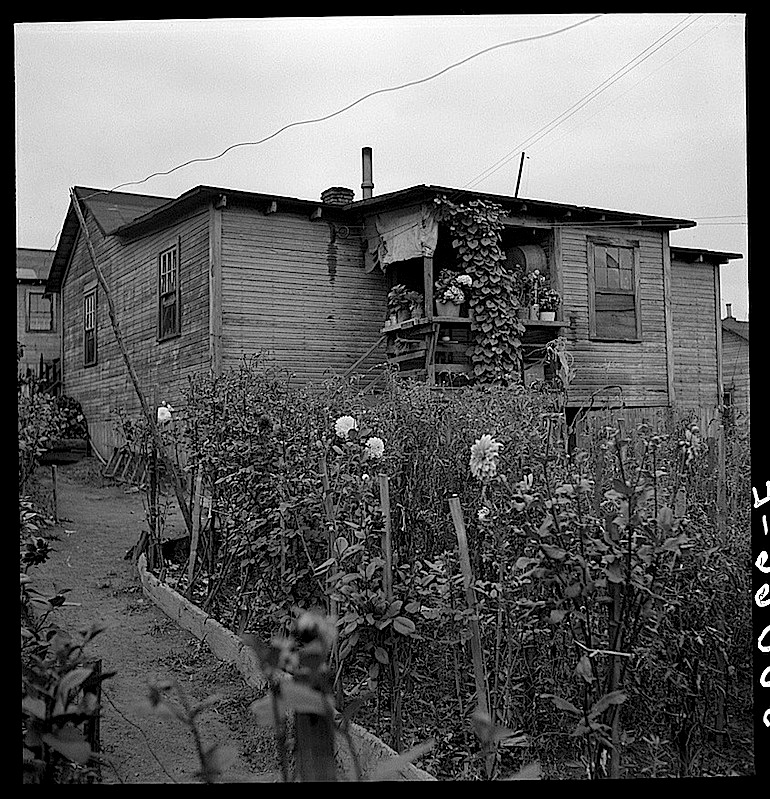 Back garden and porch of Hungarian-American coal miner’s home, Chaplin, West Virginia, September 1938, by Marion Post Wolcott, via Library of Congress Prints and Photographs Division (all three photos).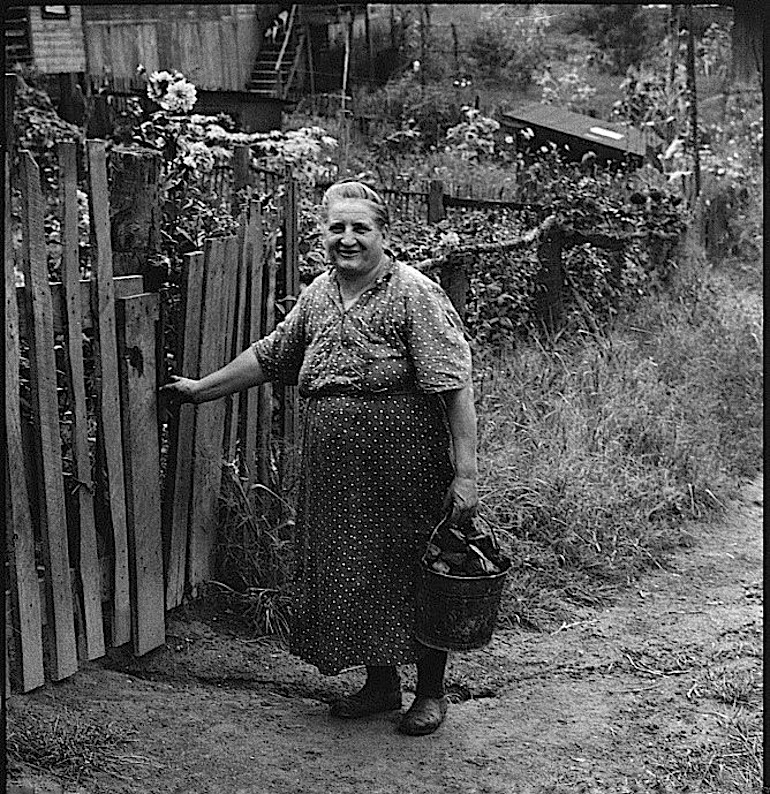


 enclos*ure