Nostalgia for New Orleans

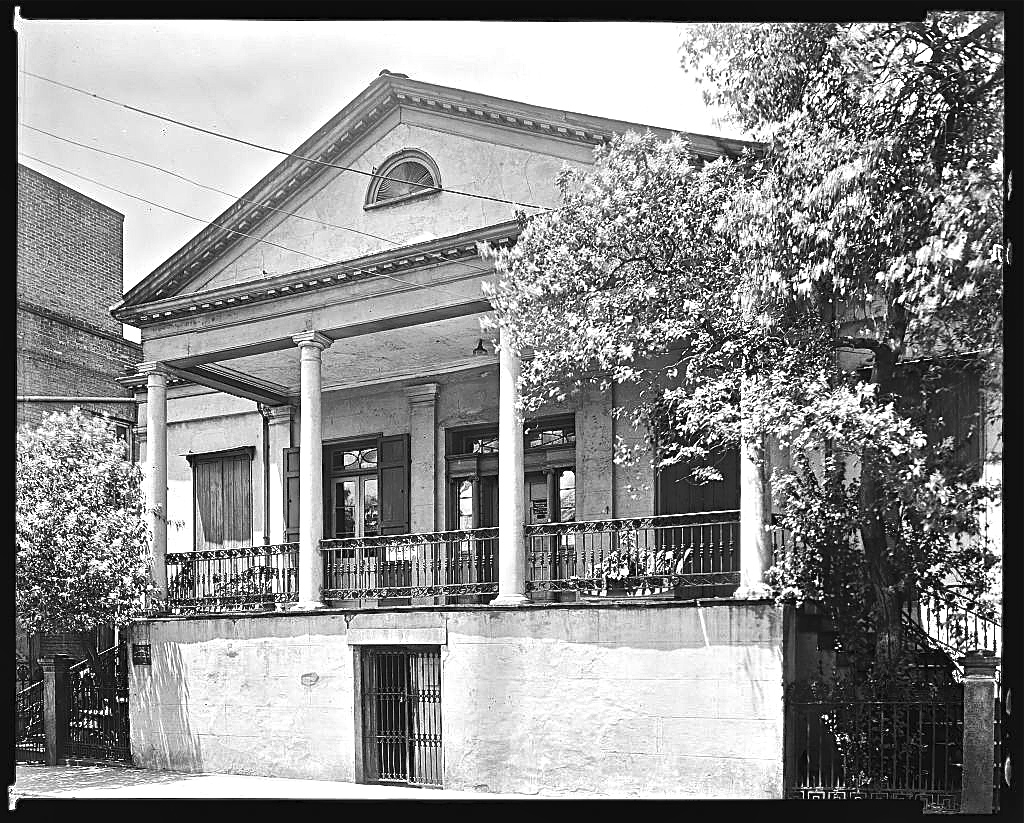
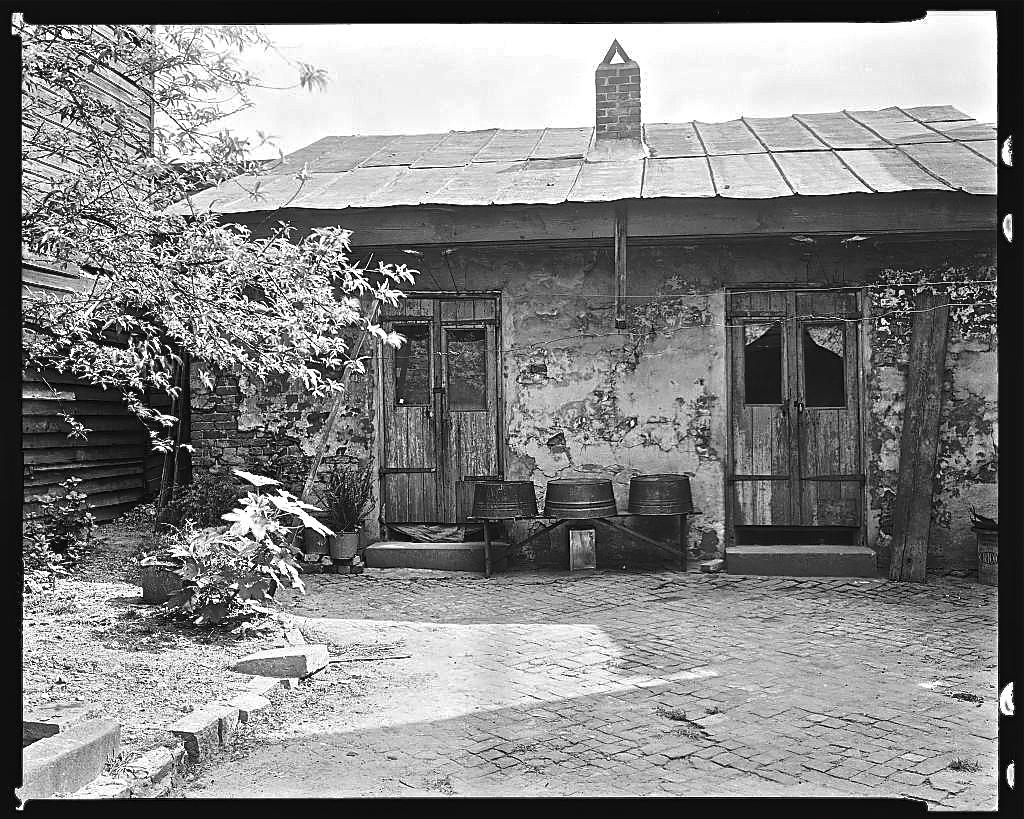
931-933 St. Philip Street.

I’ve been thinking a lot about New Orleans and its special style since we were finally able to watch season one of the HBO series, Treme, in December and January.  We lived in an Uptown neighborhood briefly many years ago, and I think the Crescent City is like Paris or Rome: any time passed there stays with you deeply.

It was that way for Walt Whitman, who was editor of the New Orleans newspaper The Crescent for few months in 1846.

Once I pass’d through a populous city, imprinting my brain, for future use, with its shows, architecture, customs, and traditions. . .
— Walt Whitman, Leaves of Grass

I tracked down a column by Dave Walker of The Times-Picayune on its website, nola.com, called Treme Explained,” which explicates all the local references in each episode.  I’m trying not to read ahead, because we’ll eventually get season two here.

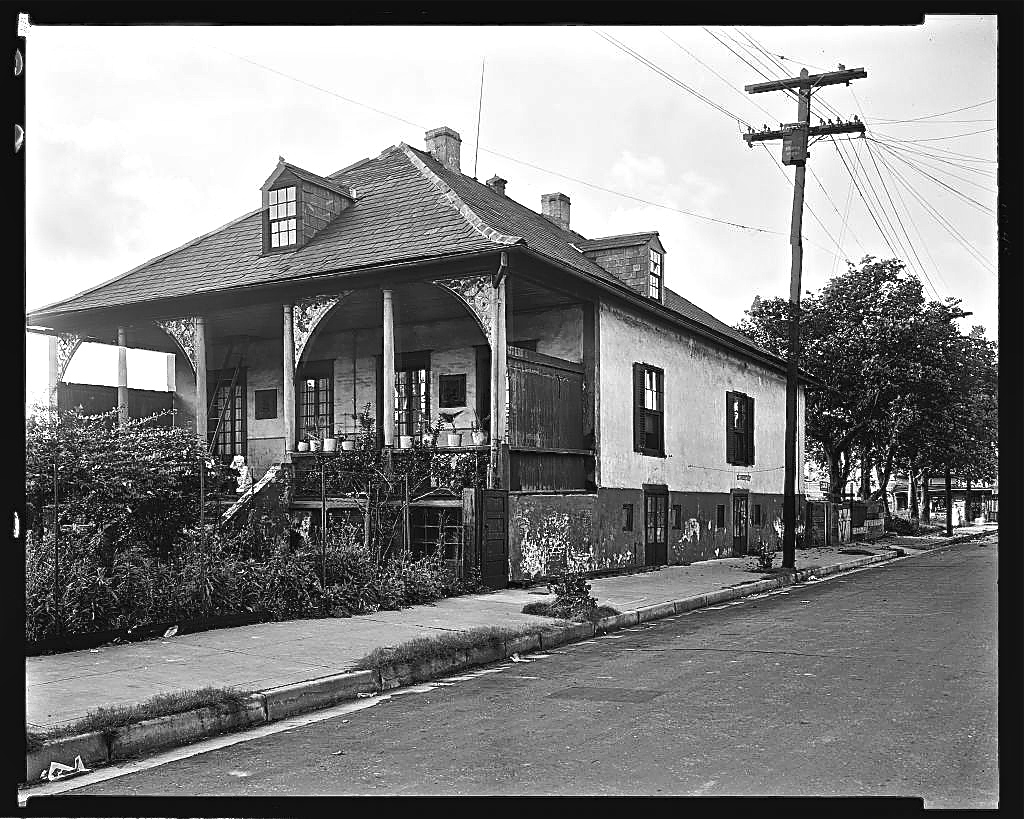
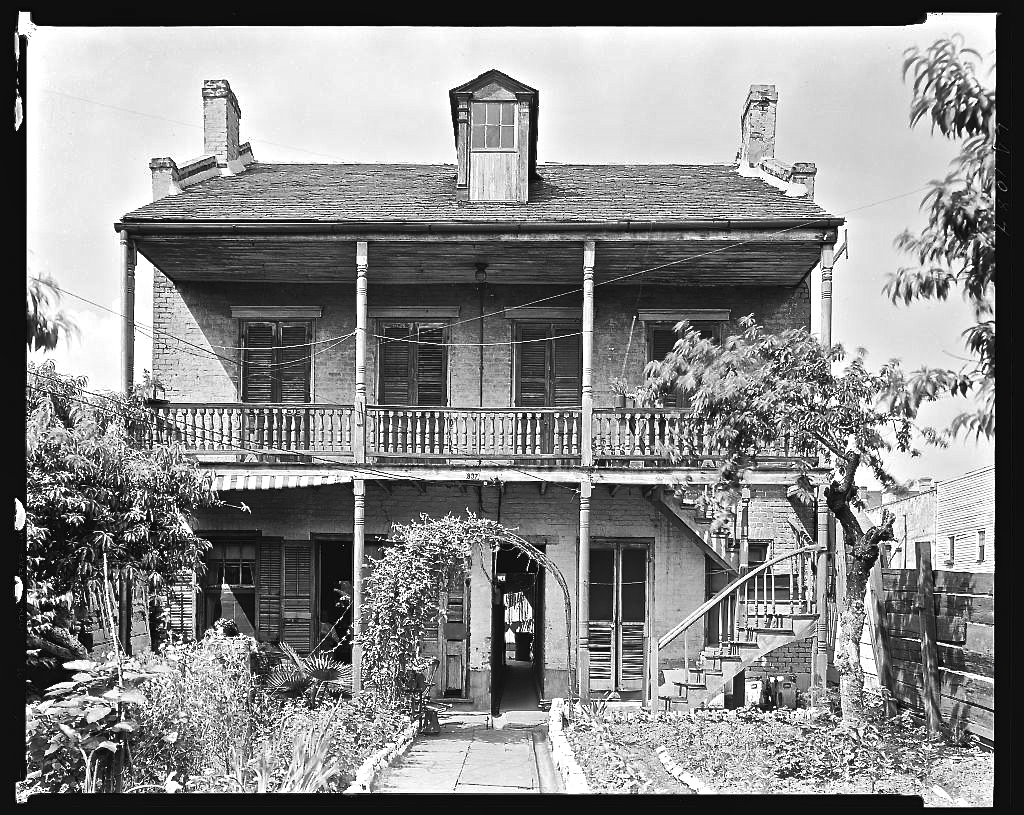
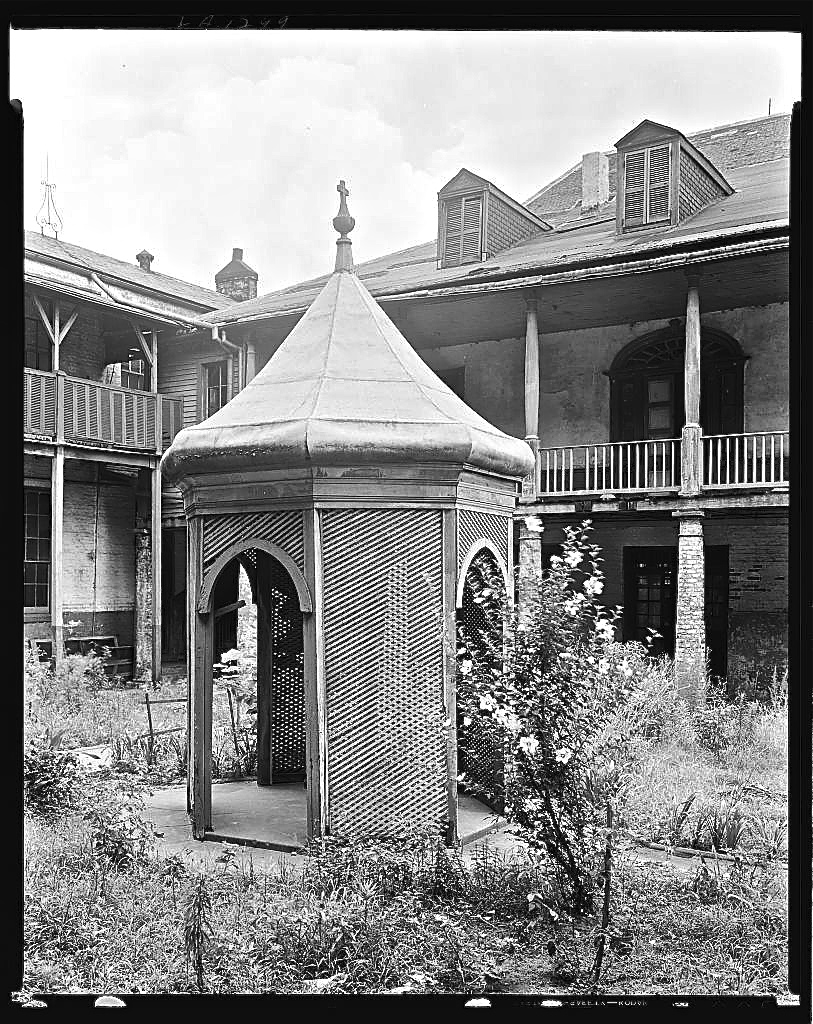
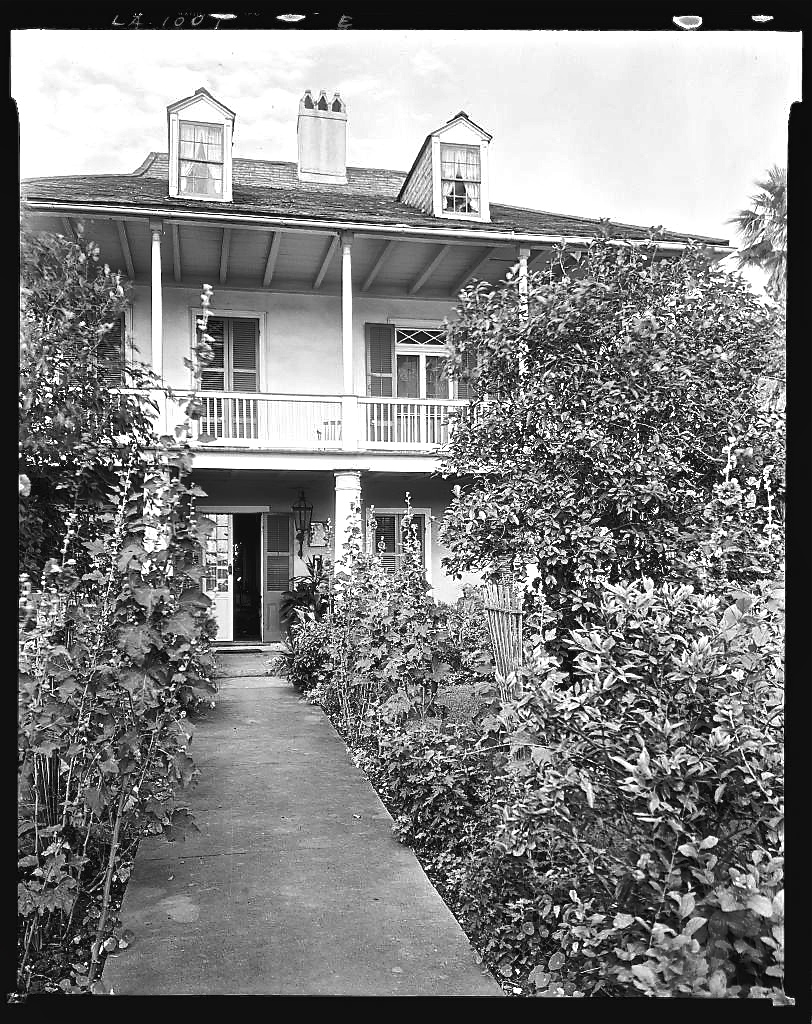
More recently, I found these beautiful photographs by Frances Benjamin Johnston of courtyards and gardens in New Orleans in the late 1930s.
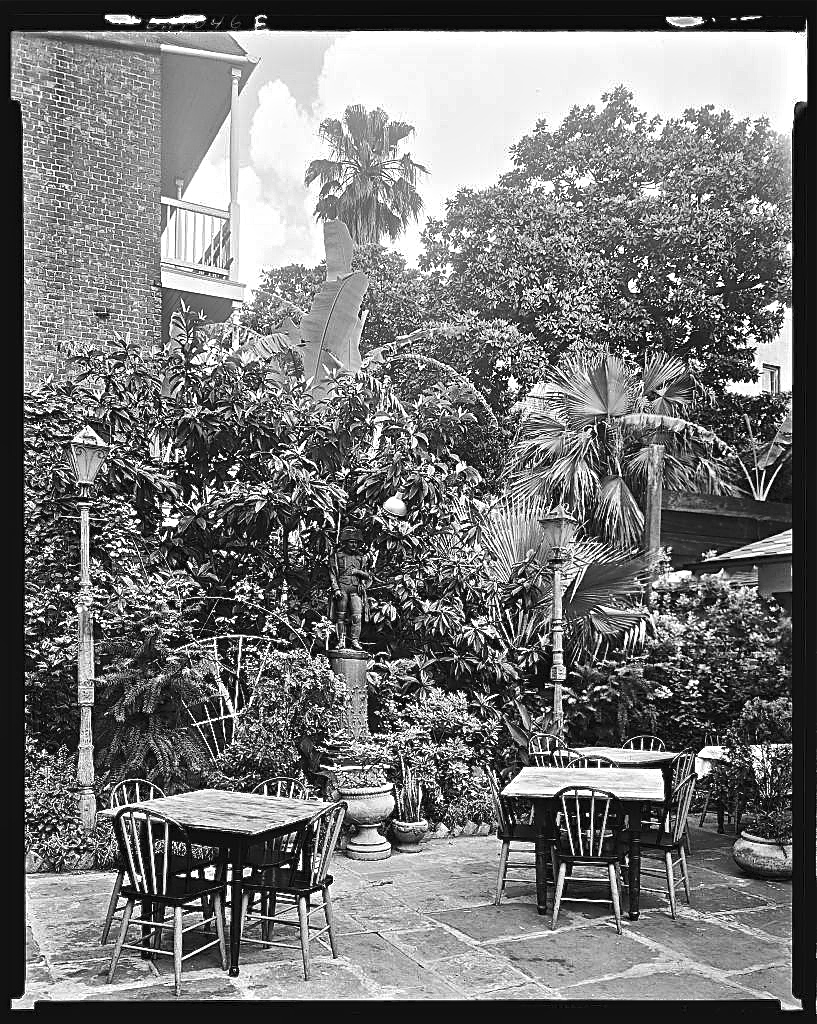
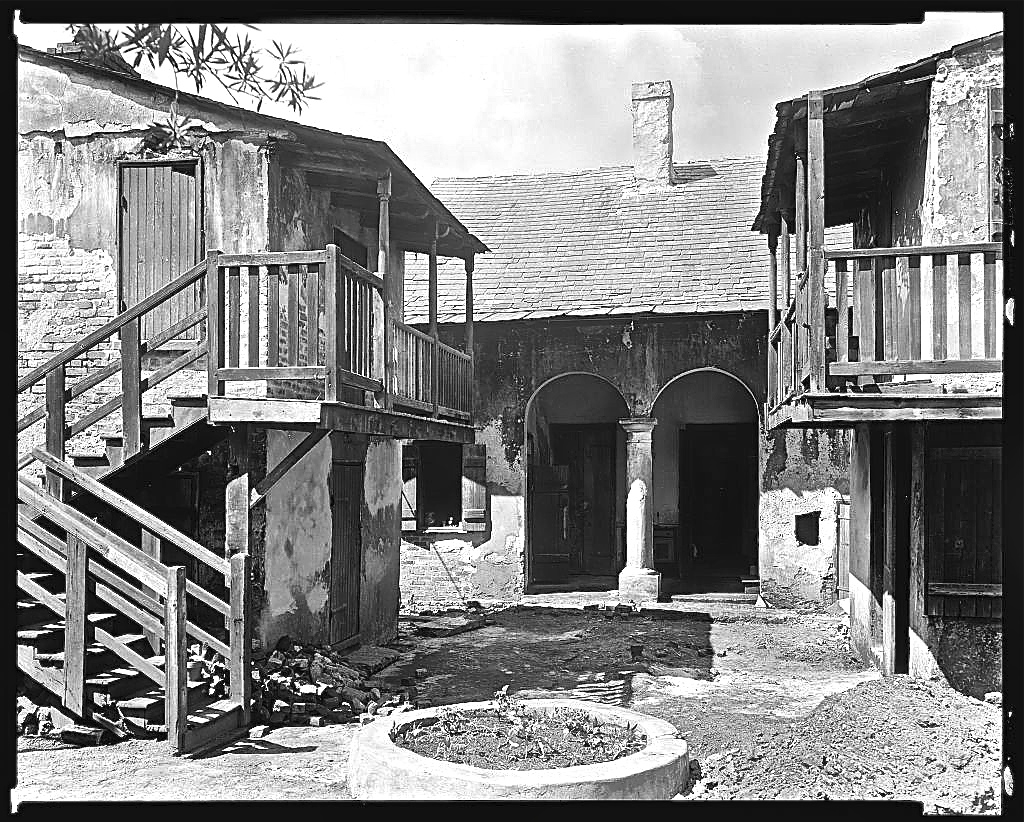
Broussard’s patio, 815 Conti Street. All photos on this post are of New Orleans, La., in the late 1930’s, via the Library of Congress Prints and Photographs Division.
Gaillard Cottage, 915-917 St. Ann Street. Click on any photo to enlarge it.

They are all from the Carnegie Survey of the Architecture of the South of the Library of Congress.
Spanish Customs House, 1300 Moss Street.

From 1933 to 1940, Johnston photographed buildings and gardens in nine southern states, funded by a grant from the Carnegie Corporation.  She was one of the first to photograph and record southern vernacular architecture.

Her entire collection is fascinating. It contains 7,100 images of 1,700 structures and sites.
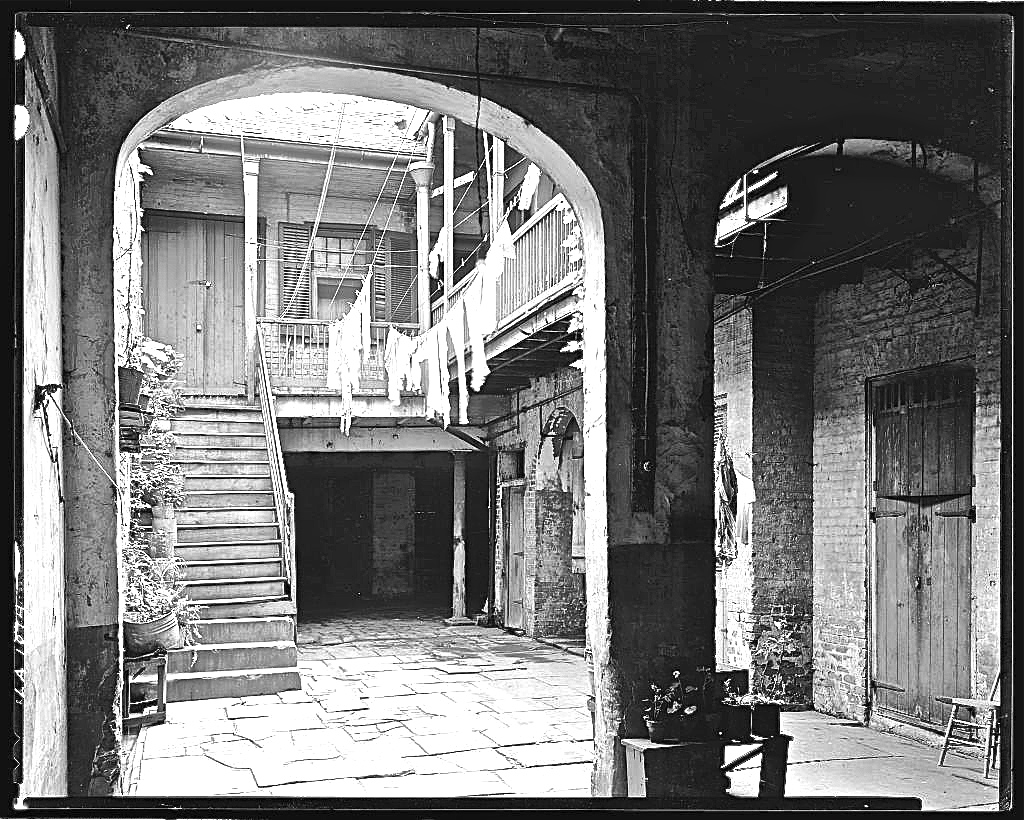
818 Bourbon Street.
Beauregard House, 1113 Chartres Street.
Plantation House, 3939 Chartres Street.
837 Gov. Nicholls Street.
806 Royal Street.
Olivier Plantation, 4111 Chartres Street.

There are more Johnston photos of New Orleans in the gallery after ‘Continue reading’ below. Click on any thumbnail to scroll through all the pictures in full size.

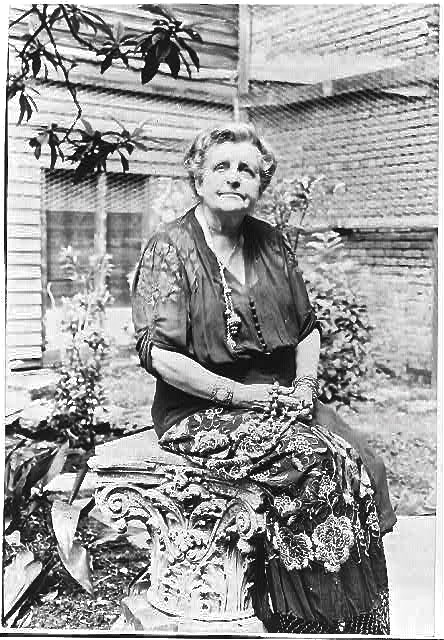
In 1945, Johnston moved to New Orleans, where she enjoyed the lively bohemian atmosphere. She lived in her house on Bourbon Street until her death in 1952 at the age of 88. These two photos are from the Frances Benjamin Johnston Collection of the LoC.
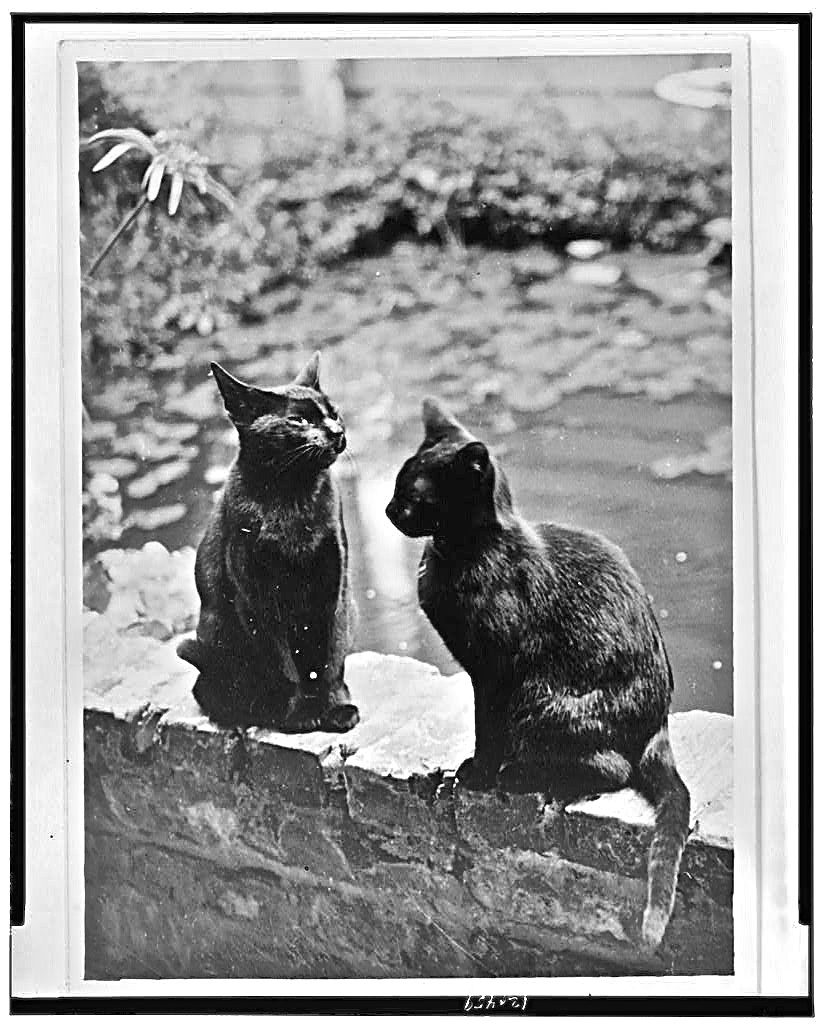
Johnston’s cats, Hermin and Vermin, seated on the brick railing of her New Orleans house.
Frances Benjamin Johnston (1864-1952), ca. 1950, in New Orleans.

You can buy prints of Johnston’s photos at Shorpy.com here.

If you’re thinking of visiting the Big Easy, you can read “36 Hours in New Orleans” in The New York Times travel section.

About.com has a list of New Orleans blogs here.

Tulane University’s Southeastern Architectural Archive maintains the Garden Library, a collection of over 1,000 titles, including published materials associated with women’s garden culture. Currently, the Archive is showing an online exhibit of vintage Reuter’s Seed Company catalog covers (here).
Continue reading “Nostalgia for New Orleans”

Victory gardens

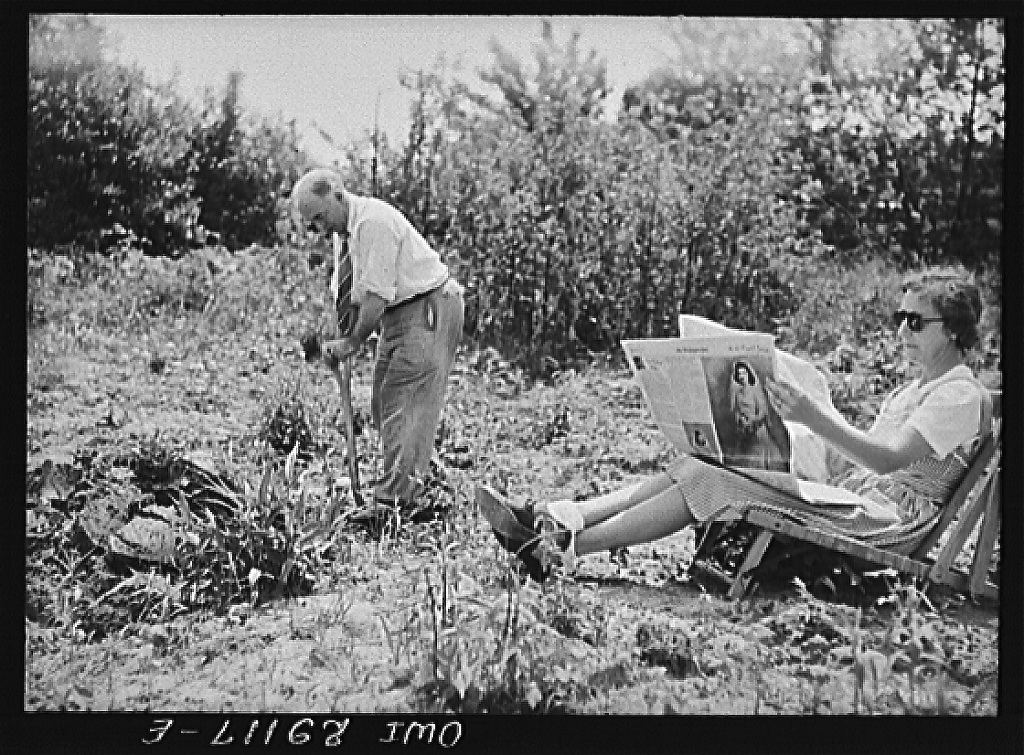
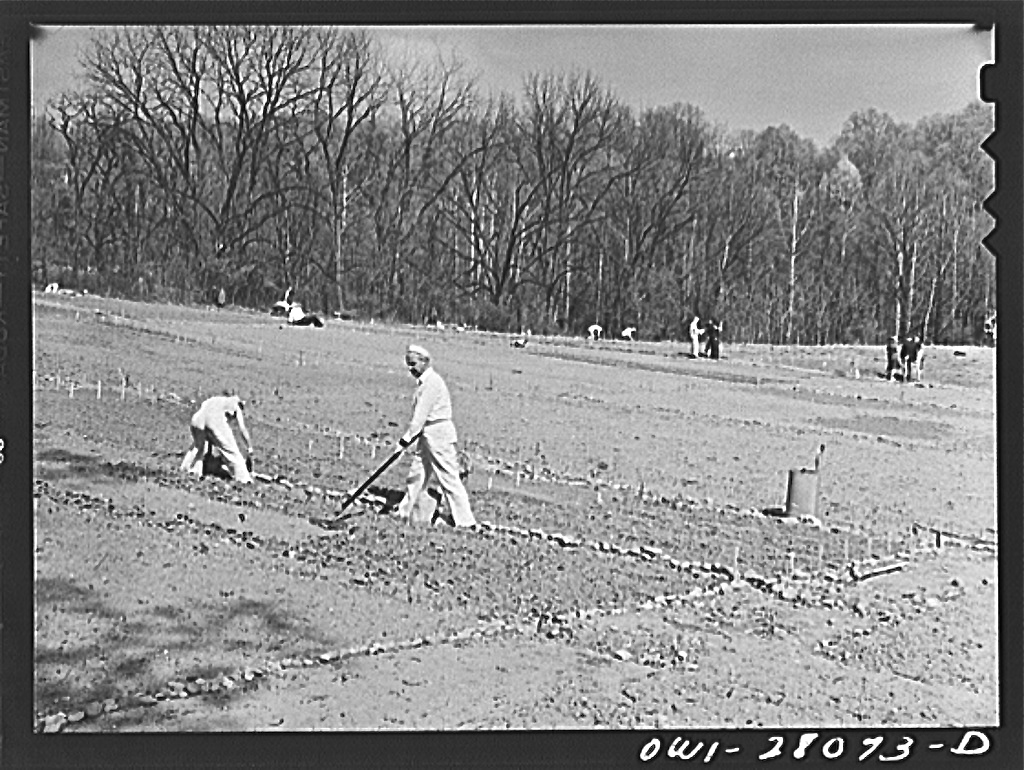
I have been looking at vintage garden photos from the online catalog of the Library of Congress. These two — of 1943 victory gardens in northwest and southeast Washington, D.C. — are really charming.

This couple is heading home from their plot with their sailor whites still looking clean and sharp.

“Washington, D.C. Victory garden in the Northwest section,” 1943, by Louise Rosskam. Via Library of Congress Prints and Photographs Division (all photos here).

Below, Mrs. Carr seems to be present for moral support only, or perhaps she will take the next shift with the shovel.

“Washington, D.C. Leslie Edward Carr of the British Purchasing Commission with his wife at their victory garden on Fairlawn Ave., Southeast,” June 1943, by Joseph A. Horne. 

Louise Rosskam, who took the first photo above, was “one of the elusive pioneers of what has been called the golden age of documentary photography.” She took a number of pictures of the same group of northwest D.C. victory gardens in the spring of 1943. (Click on any of the photos to enlarge.)

I believe this is the couple in the first photo above.
Apartment buildings in the background.
Another couple working. I love her high-waisted, wide-leg white pants.
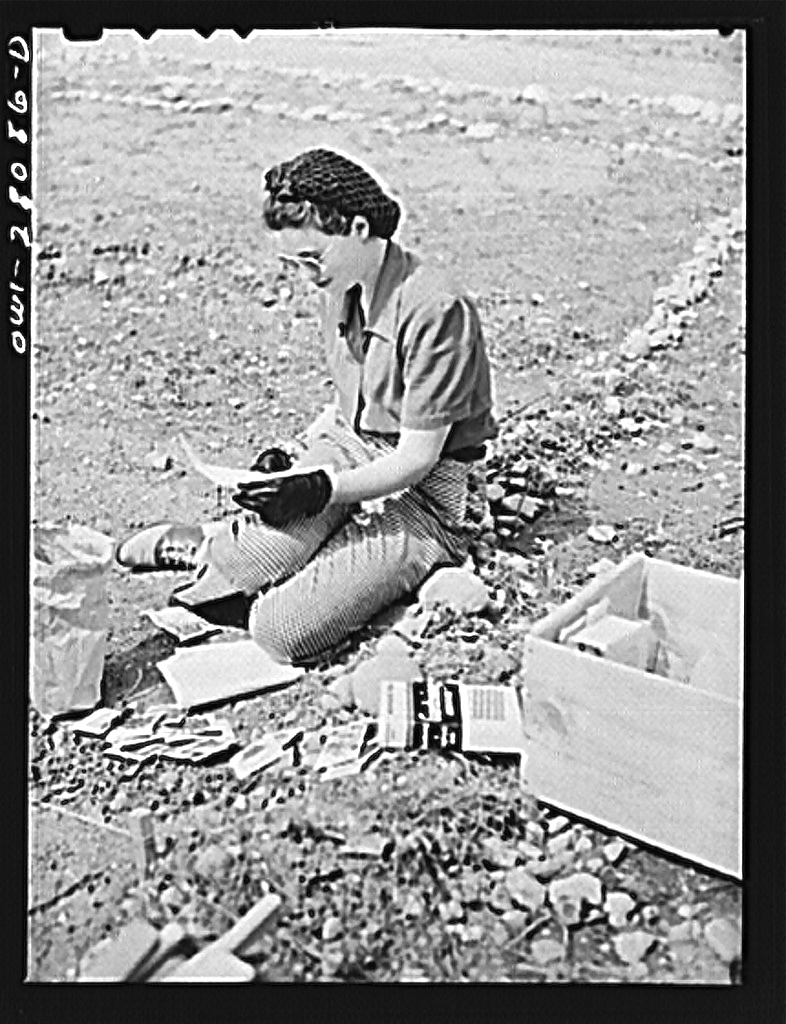
This lady also looks great in black gloves and snood and sunglasses.
The individual plots were outlined with field rocks.
Another gardener heading home by the same fence opening.
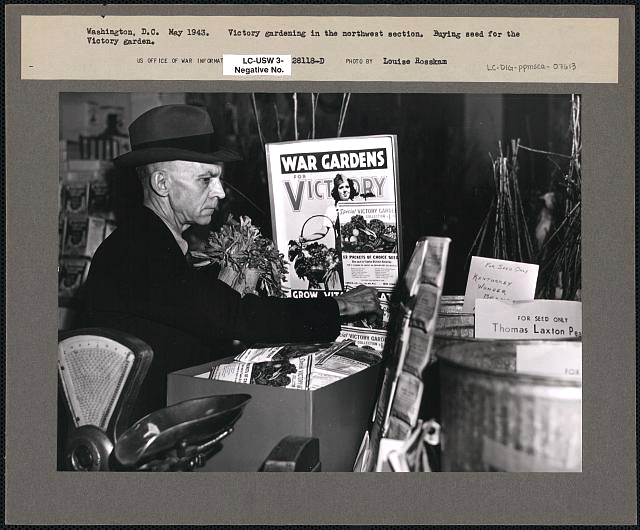
Buying victory garden supplies.

All the photos above (except that of the Carrs) are by Louise Rosskam, via the Prints and Photographs Division of the Library of Congress.

I believe these garden plots were in the neighborhood of Glover Park, where we have a house. According to the Glover Park Citizens Association, it established the first World War II victory garden in the city, at 42nd and Tunlaw Road. It still exists today as a community garden. (Alternatively, they may be of the Tilden victory gardens at Connecticut Avenue and Tilden Street, which Rosskam also photographed.)

This is a link to a short film made in the forties about how to prepare, plant, and harvest a 1/4 acre victory garden. It features a rural northern Maryland family and is an interesting look at home gardening advice and practices of the time.

Vintage landscape: an earlier warm winter

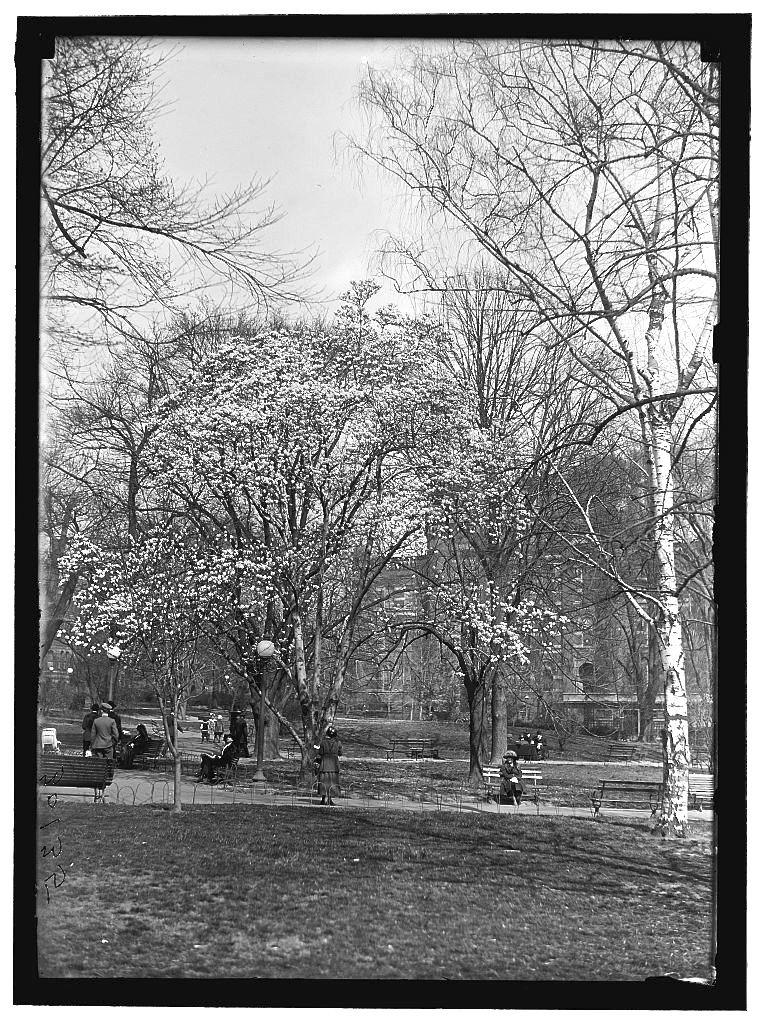
A peaceful view of a magnolia tree blooming in a Washington, D.C., park in 1919 — before any other trees have leafed out.

That winter seems to have been as mild as the preceding year’s was harsh. But the sweet scene may belie the real state of affairs. The influenza pandemic that began in the fall remained pervasive, and in the summer to come, deadly race riots would grip the city.

Photo by Harris & Ewing from the Harris & Ewing Collection of the Library of Congress. Click the photo to enlarge.

A Kodachrome heirloom

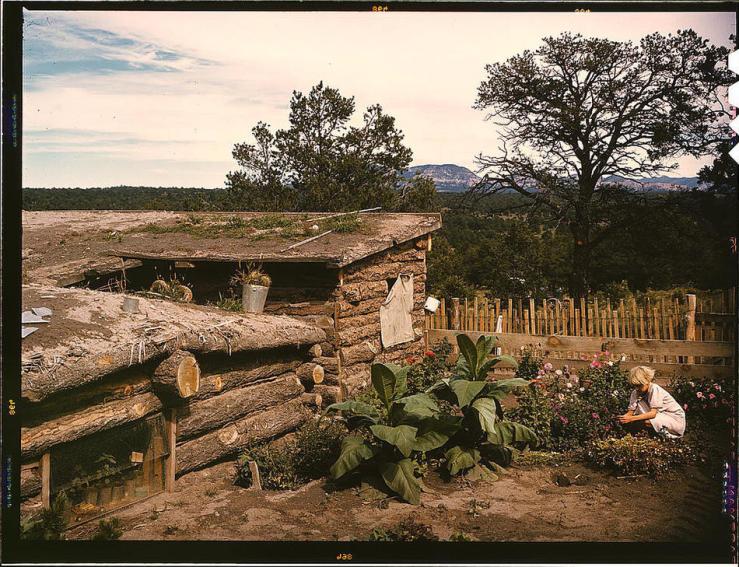
Photo by Russell Lee. Prints and Photographs Division, Library of Congress.

This photo of a homesteader’s garden in Pie Town, New Mexico, September 1940, was taken by Russell Lee, a photographer of the Farm Security Administration/Office of War Information. It was part of a 2006 Library of Congress exhibition of early color images taken between 1939 and 1943, “Bound for Glory: America in Color.” Thanks to links by Studio G and The Denver Post.

Click this link to see a larger version or to buy a print.  Click here to see another view of the same homesteader’s garden.