The Sunday porch: Halloween

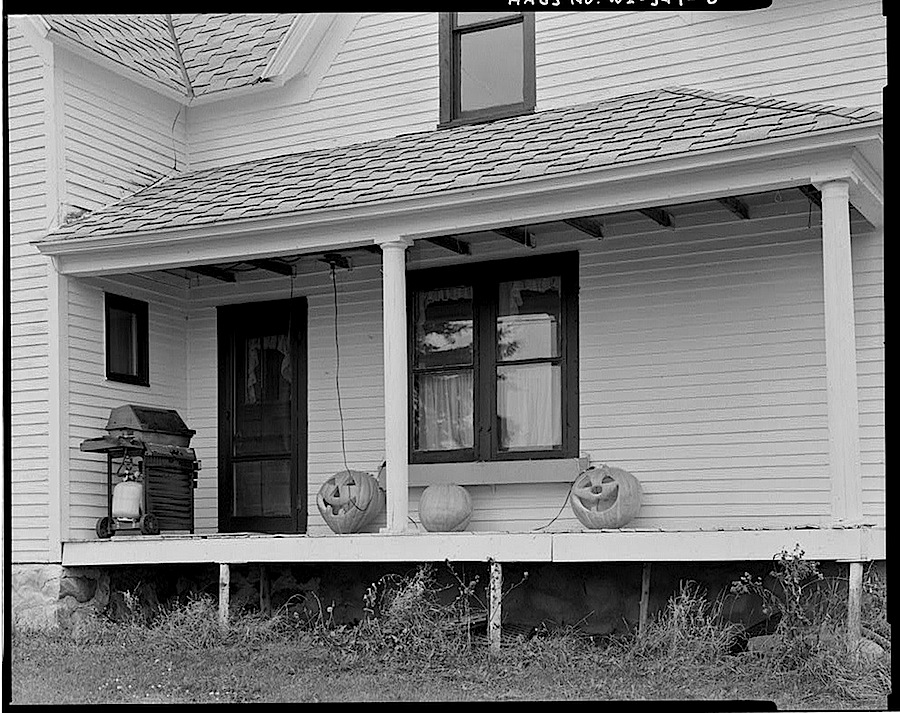
Halloween back porch, HABS, Library of Congress
Front porch of a farmhouse ready for Halloween, near Elderon, Wisconsin, 1994, by John N. Vogel for an Historic American Building Survey (HABS), via Library of Congress Prints and Photographs Division.

The HABS noted the house’s “prominent front porch with Tuscan columns and hipped roof” and called it “a good example of the Gabled Ell form” of Wisconsin vernacular architecture. There are wider views here.

The Sunday porch: Le Droit Park

Le Droit Park, 1974, Wash.DC, HABS, Library of CongressDetail of porch column, Le Droit Park, 3rd Street, N.W., Washington, D.C., 1974, by Ronald Comedy for an Historic American Building Survey (HABS), via Library of Congress Prints and Photographs Division.

Le Droit Park is an old Washington subdivision of large freestanding houses and duplexes of related architectural design, located just south of Howard University. When it was built in 1873, it was restricted to white buyers only and gated, but a series of protests brought the fences down in 1891, and by 1920 its residents were predominately African-American and included professors, politicians, and artists.  The area suffered decline in the 1980s, but today its renovated homes are selling quickly, according to The Washington Post. The neighborhood is on the Heritage Trail, a self-guided walking tour developed by Cultural Tourism DC.

The home pictured above — with its distinctive porch columns — still exists.

The Sunday porch: Strawberry Hill

My first “Sunday porch,” from August 2013. . .
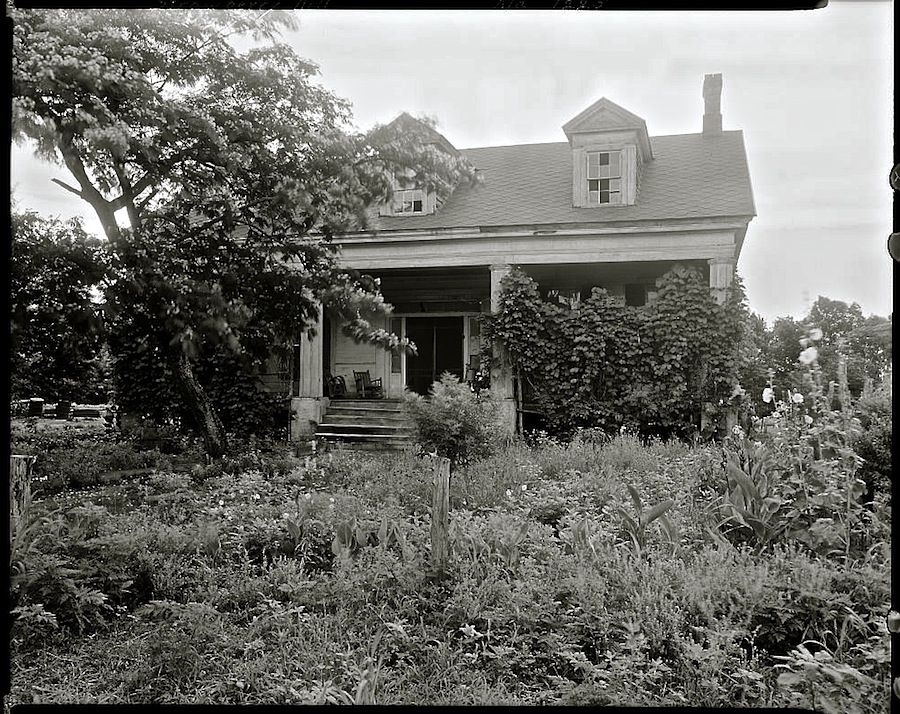
Vintage Photo of Strawberry Hill, Forkland vic., Greene County, Alabama, via Library of Congress Prints and Photographs Division Strawberry Hill plantation, Greene County, Alabama, in 1939, by Frances Benjamin Johnston, via Library of Congress Prints and Photographs Division.

The front porch is often a box seat for the theater of the garden or the street.  This one seems to have half drawn its curtains against the buzzing, chirping action of the cottage garden below.

Strawberry Hill, 1936, HABS, Library of Congress
Strawberry Hill, November 1936, by Alex Bush, for HABS, via Library of Congress.

The mid-19th century house still exists, although without the vines and flowers.  Its surrounding land is now a cattle ranch.

The Sunday porch: Kalaupapa, Hawaii

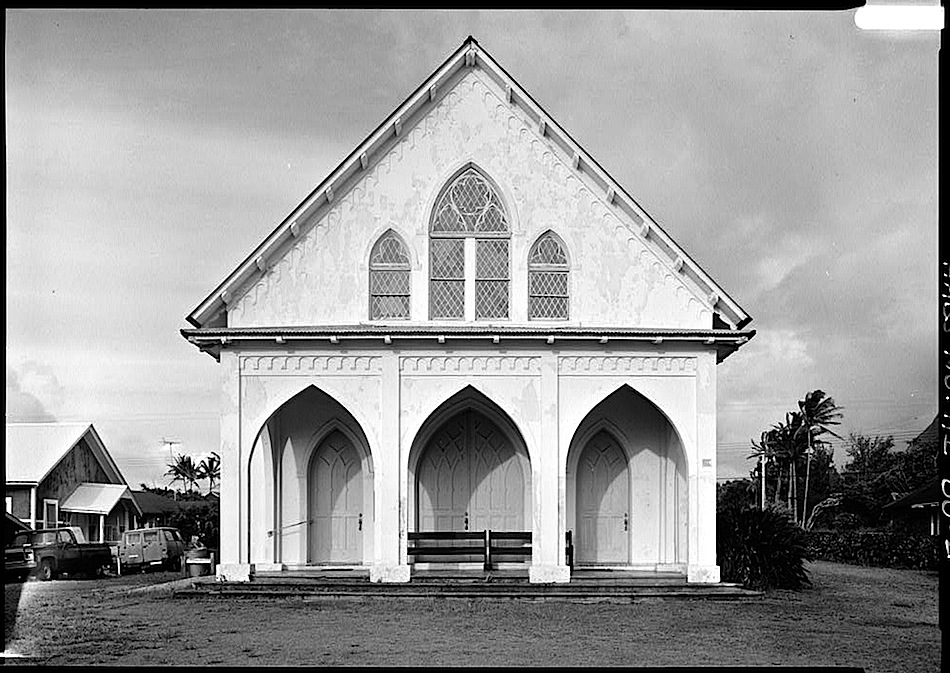
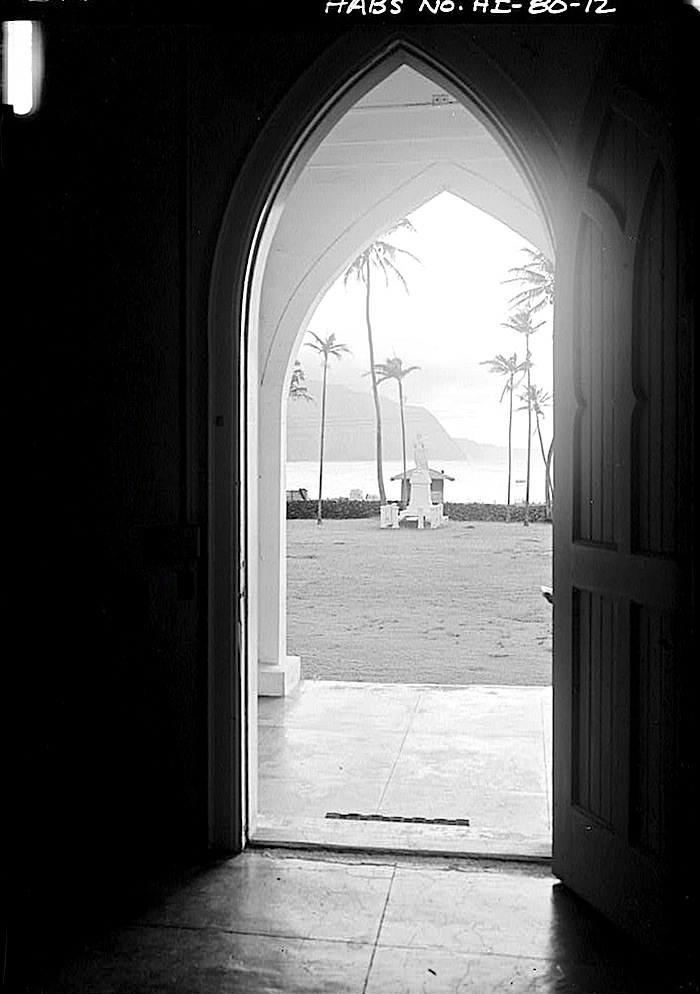
1 St. Francis Catholic Church, Kalaupapa, HI, HABS, Library of CongressThe west front of St. Francis Catholic Church, Moloka’i Island, Kalaupapa, Hawaii, July 1991, by Jack E. Boucher for an Historic American Buildings Survey (HABS), via Library of Congress Prints and Photographs Division (all photos here).

2 St. Francis Catholic Church, Kalaupapa, HI, HABS, Library of Congress

The church was built in 1908 to serve the Kalaupapa Leprosy Settlement, now part of Kalaupapa National Historical Park.

3 St. Francis Catholic Church, Kalaupapa, HI, HABS, Library of Congress

4 St. Francis Catholic Church, Kalaupapa, HI, HABS, Library of Congress

The word porch — “1250-1300; Middle English porche < Old French < Latin porticus porch, portico” — was originally used to indicate the covered entrance to a church, usually on the south side.

The Sunday porch: Oak Hill, Alabama

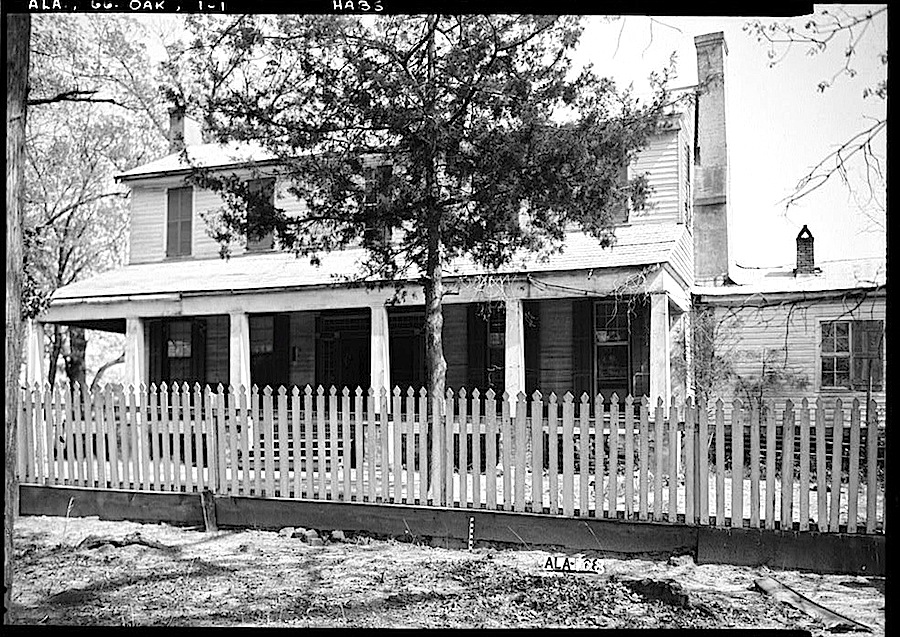
Old Ramsey Hse., 1937, A. Bush, HABS, Library of CongressThe Ramsey-Jones-Bonner House, Oak Hill, Alabama, March 24, 1937, by Alex Bush for an Historic American Buildings Survey (HABS), via Library of Congress Prints and Photographs Division (all photos here).

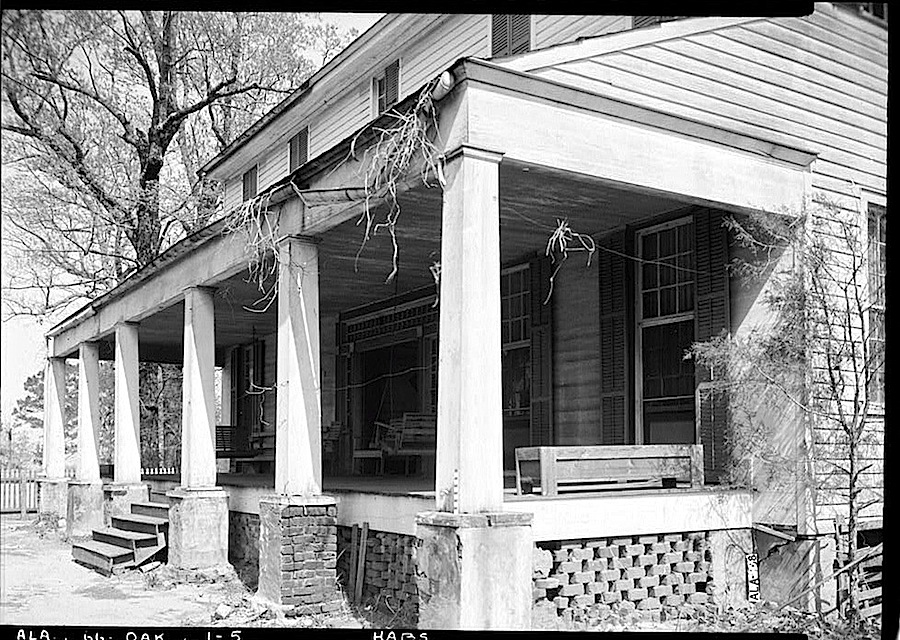
A nice front porch, but not especially interesting — except that it is a Carolina (or rain) porch.

Old Ramsey Hse., 1937, A. Bush, HABS, Library of Congress

Its columns rest on masonry bases set “directly on the ground . . . in front of the foundation of the porch floor. This is a distinctive regional characteristic,” according to the registration form (1998) for the National Register of Historic Places for the Oak Hill Historic District.

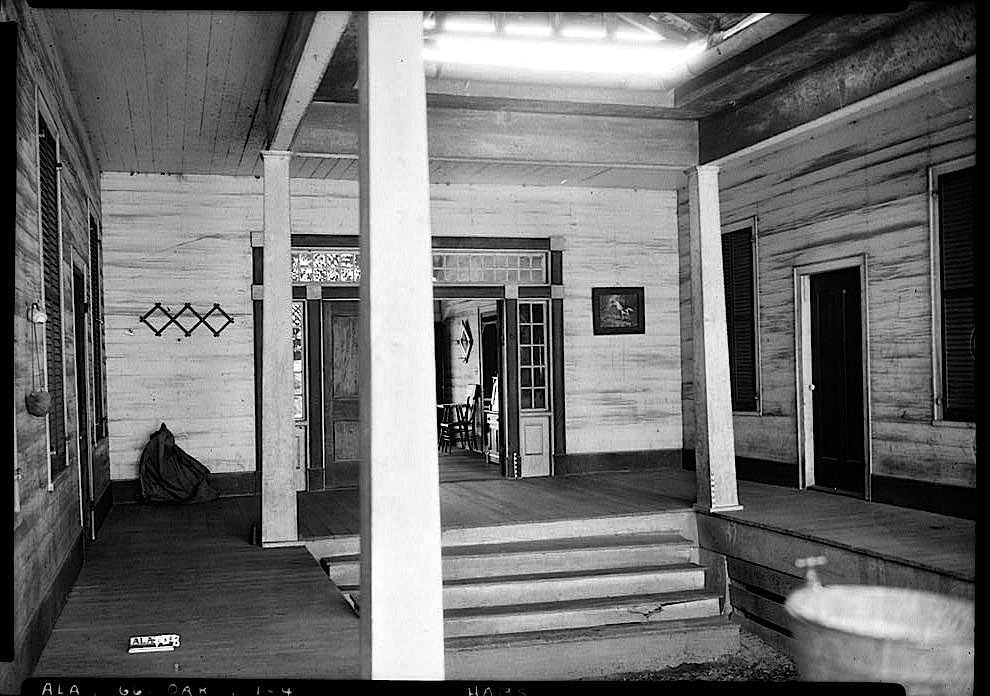
The back porch, however, is more unusual.

This slideshow requires JavaScript.

Old Ramsey Hse., 1937, A. Bush, HABS, Library of Congress

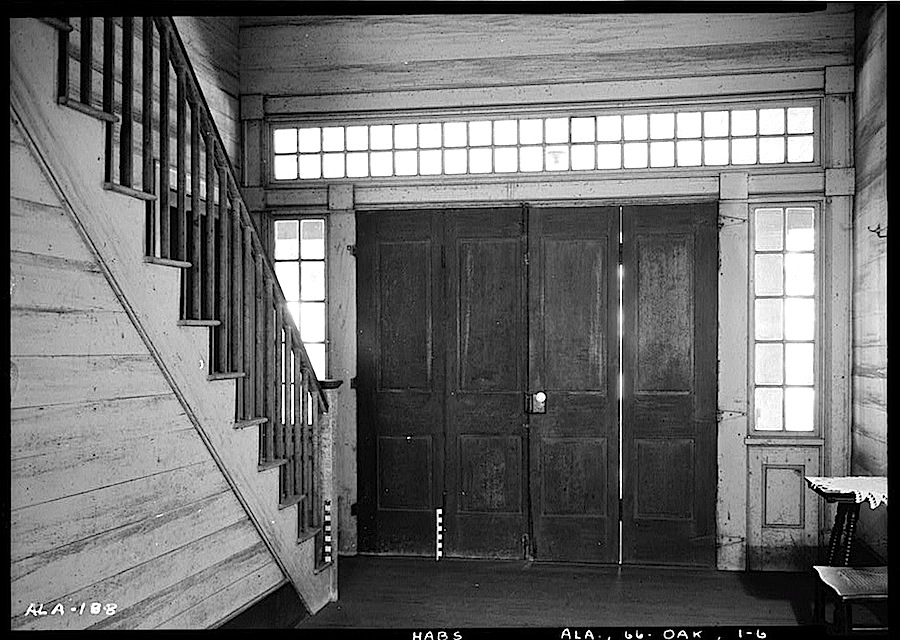
“[The] rear wings have integral recessed porches facing inward and creating an atrium-like space which has been roofed [with] corrugated metal. . . . [The] . . . first floor   [is] essentially an enclosed dogtrot. . . .”
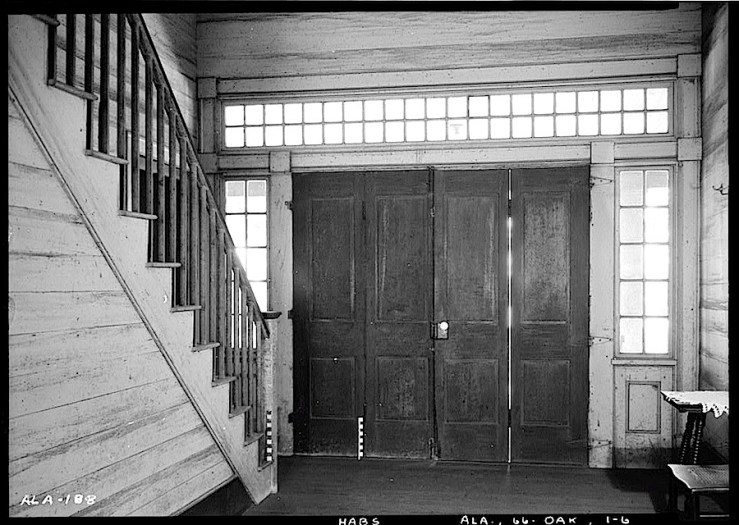
Old Ramsey Hse., 1937, A. Bush, HABS, Library of Congress

The house was built in 1836 by Abiezer Clarke Ramsey, a school teacher and Methodist circuit rider.  In 1937, he married Elizabeth Amanda Wardlaw, a widow with four children.  She and Abiezer had seven more before her death in 1854.

The house still stands in the Oak Hill Historic District.
Continue reading “The Sunday porch: Oak Hill, Alabama”