Bloom Day in January

I was surprised this week by this pretty cream and pink canna, blooming among some shrubs near the garage. It’s a short variety, and I need to move it to a place where it will get a little more attention.

This is another small canna currently blooming near the patio.
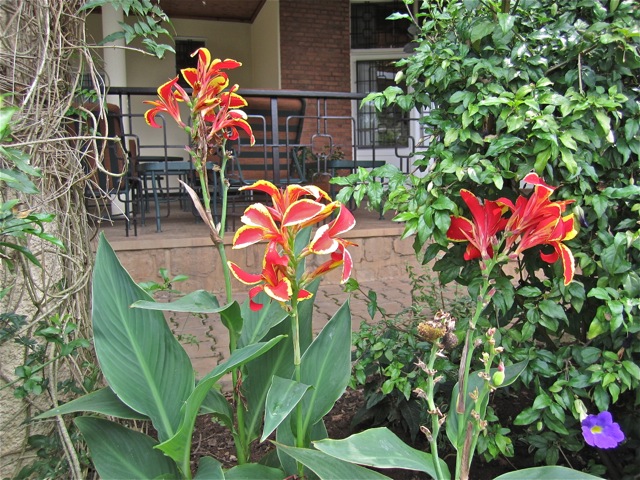
They are all I’ve found in our flower beds, which is a little strange since cannas are such a common plant here.

This is my favorite local variety. It’s medium tall and the blooms are clear orange.

These are my neighbors’ cannas, planted outside their garden walls.

Cannas are so common in Africa that you might think of them as native plants, but all cannas are native to the Americas.  In the U.S., they range from southern South Carolina, west to southern Texas.

Cannas like full sun and consistently moist soil. They have a high tolerance for contaminants and can be used to extract pollutants from wetlands.

The blooms and foliage of cannas have such a strong presence that I think they need to be placed in gardens that are rather dramatic in return and maybe somewhat tropical.

Beautiful use of burgundy-leaved cannas in front of the Smithsonian’s Museum of American History, Summer 2011.

Here is a nice old-fashioned garden bed with canna from the South African blog Sequoia Gardens.

Via Sequoia Gardens.

Of course, they’re great in showy pots.

Cannas and coleus at The Morton Arboretum, via This Garden Cooks.

I found an interesting online newsletter, Old House Gardens, which offers a lot of history and advice on the use of cannas.  It reports that Georgia gardener Ryan Gainey uses Canna indica (commonly called Indian Shot) in a big clump with chartreuse ‘Limelight’ hydrangeas and yellow ‘Hyperion’ daylilies.

Russell Page included them in his imaginary personal garden in groups of pots, along with “yuccas, hedychium, Francoa ramose, tigridias, yellow and white lantanas clipped into balls, and the dwarf pomegranate.”

Henry Mitchell lamented in The Essential Earthman that cannas had been swept out of favor, along with geraniums, elephant’s ear, and crotons, “because people remembered well how ridiculous they had looked in the wormy little dribbles of Victorian gardens.”

He recommended the large, red-flowered, green-leaved variety, ‘The President’, with “clumps of ligularias and rhubarbs and so on.”

For cannas with reddish-purple or bronze leaves, Mitchell recommended pairing them with plants of gray and bronze foliage, as well as straw-yellow, buffy, or sharp lemon flowers like daylilies — or with figs, pomegranates, or “chest-high mounds of gray wormwood and black-green yews.”  It is perfectly OK to cut off the canna flowers if they are “too flashy” for you.

Thanks to May Dreams Gardens for hosting Garden Blogger’s Bloom Day.
Bloom Day in December

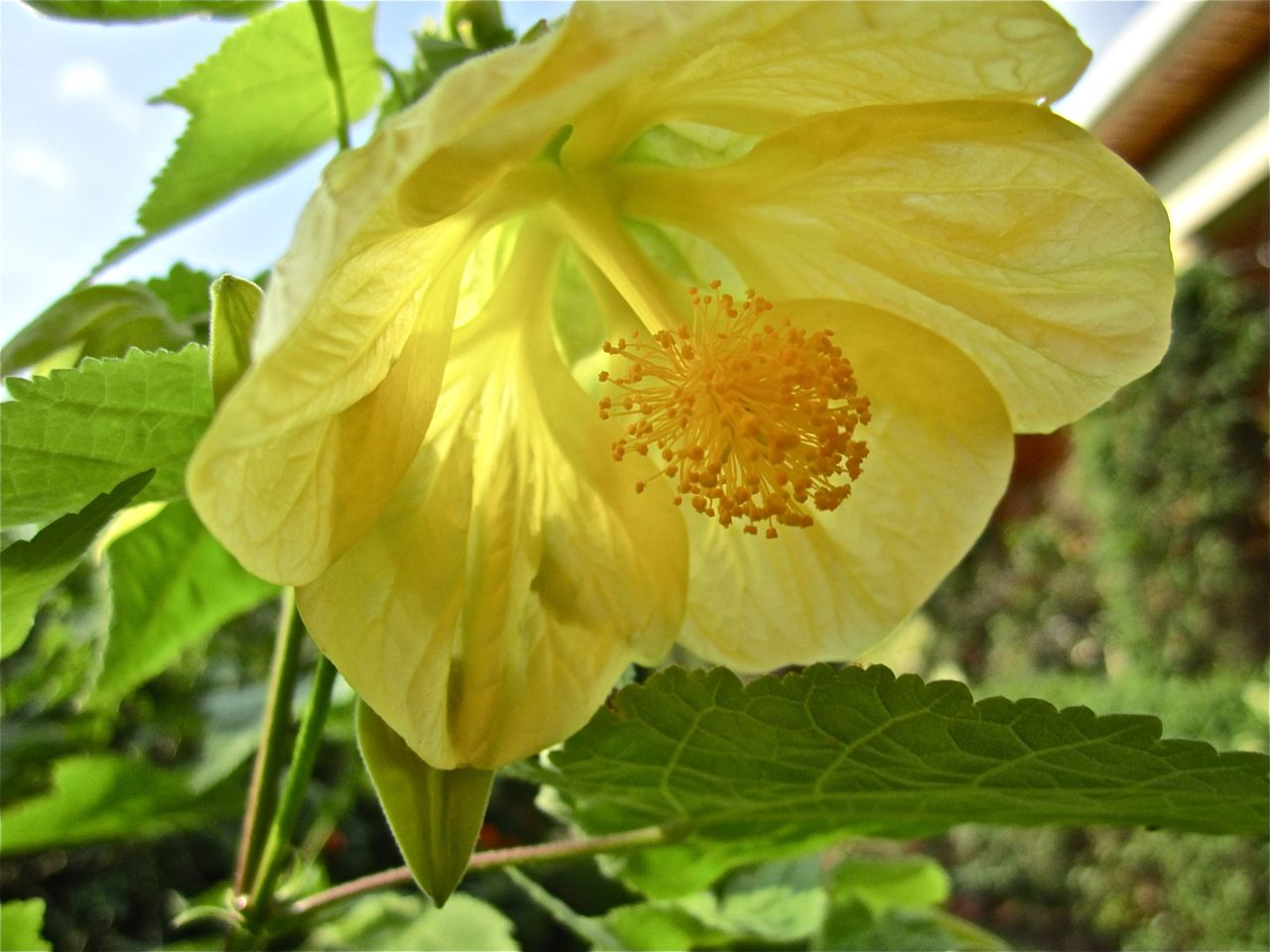
Today, I took a closer look at my Abutilon or Chinese Lantern bushes.

Closeup of yellow Abutilon.

Compared to many of the other tropical or semitropical plants in the garden, the Abutilon are rather quiet.  The flowers are neat and smallish and hang down like bells.

Abutilon are also sometimes called Flowering Maples because of their leaves.
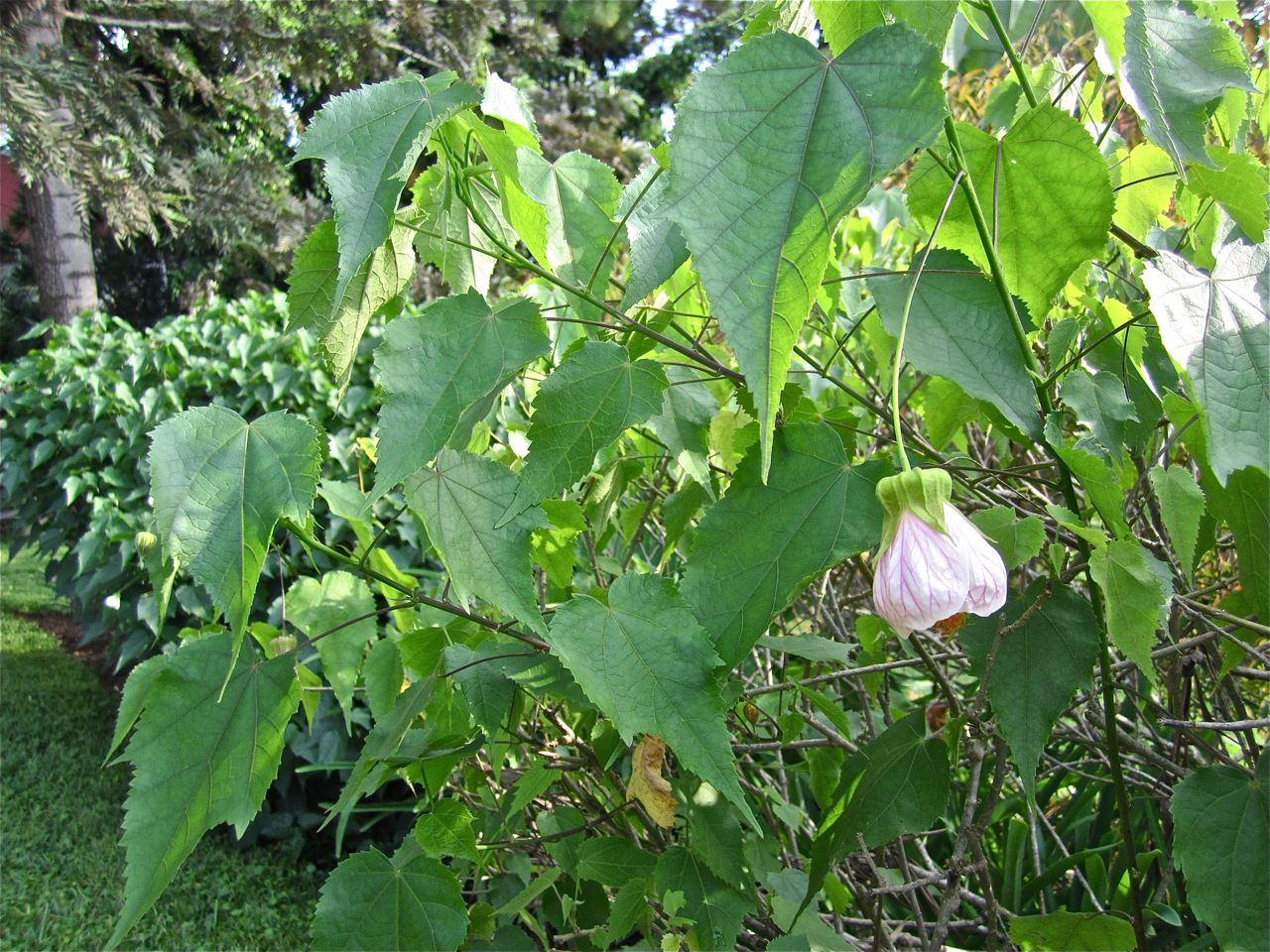
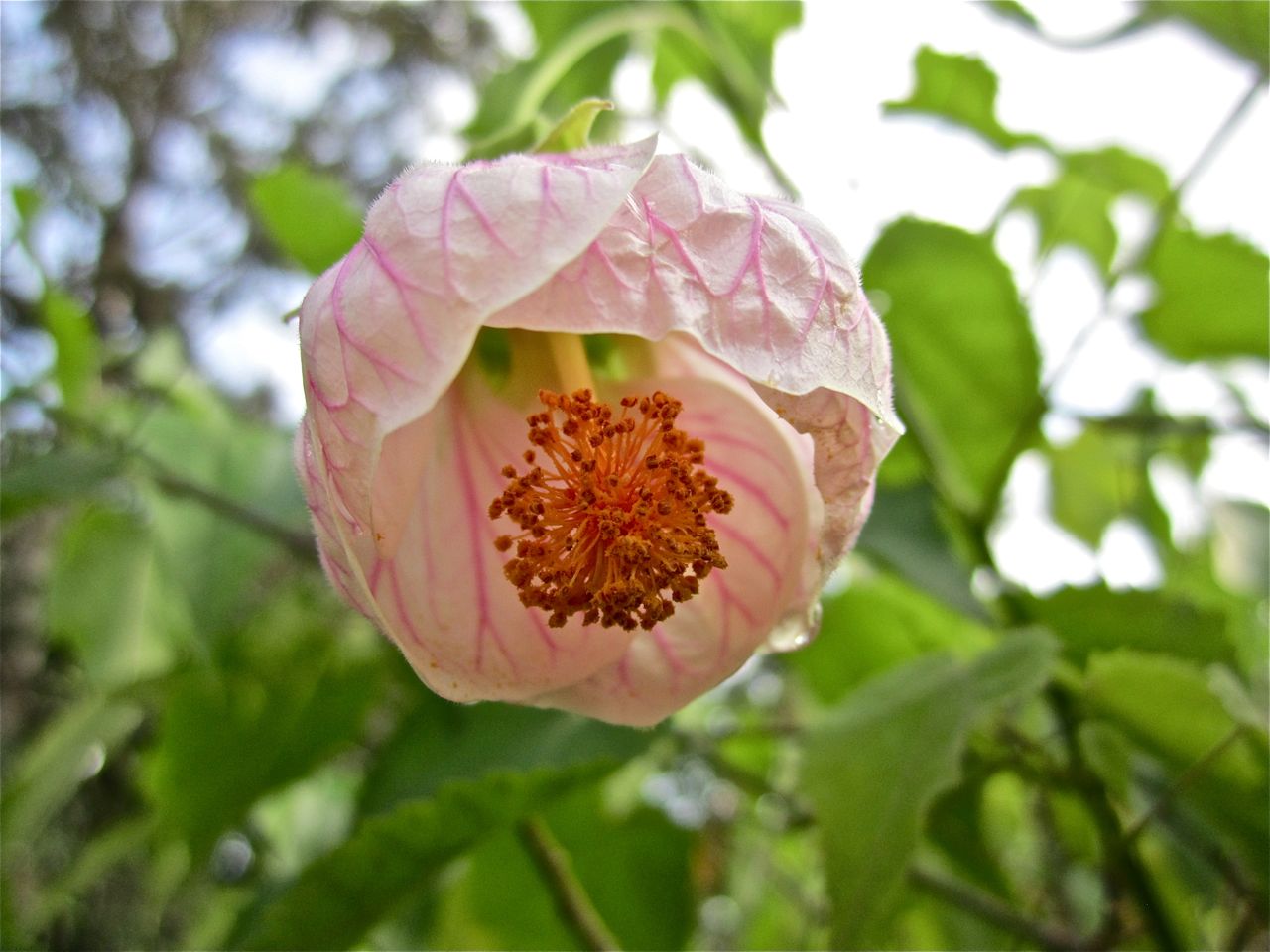
This variety has white blooms with pink veins.
A closeup.
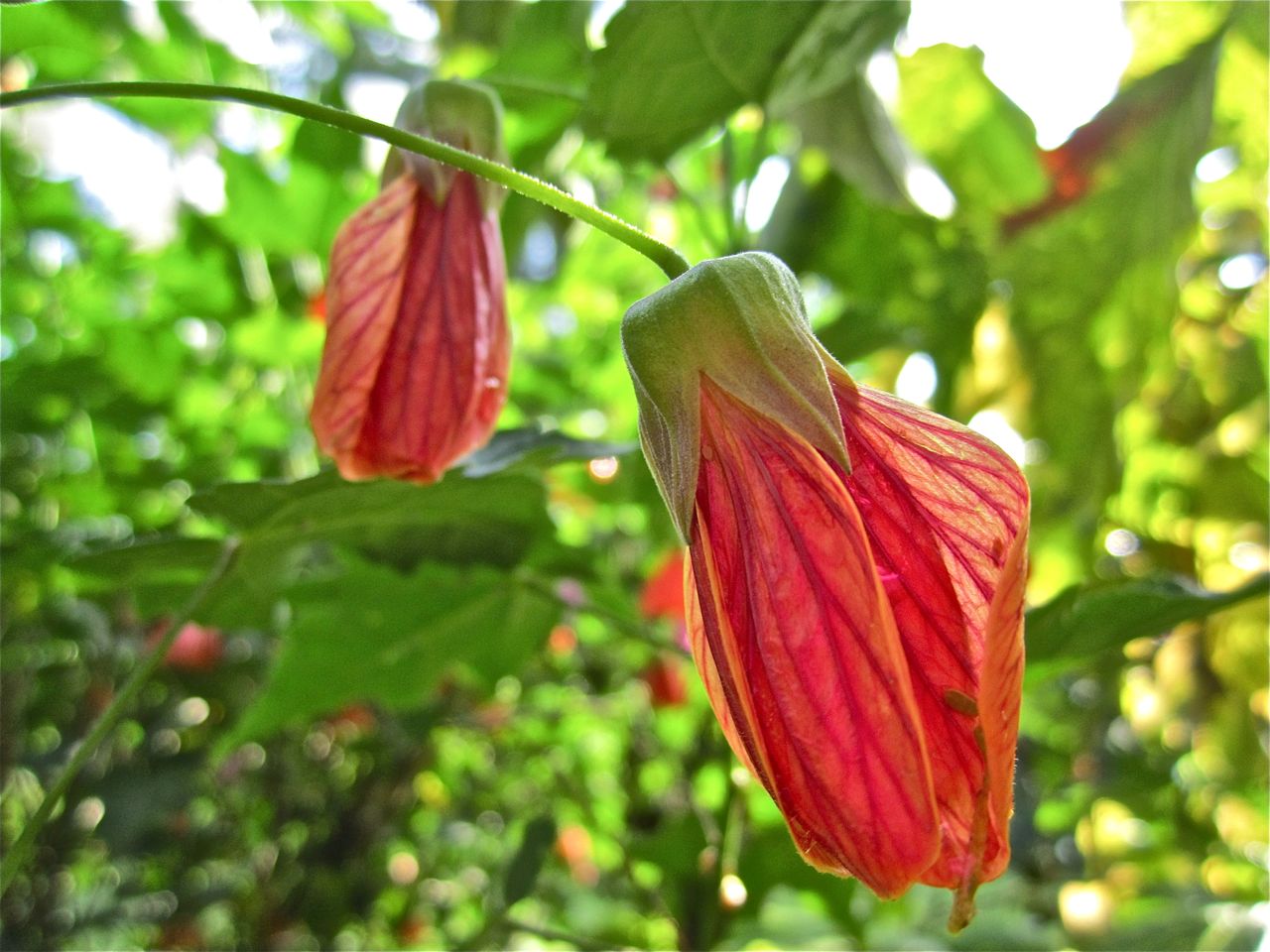
A showier bush with reddish-orange blooms.
A reddish-orange bloom.
Closed blooms.
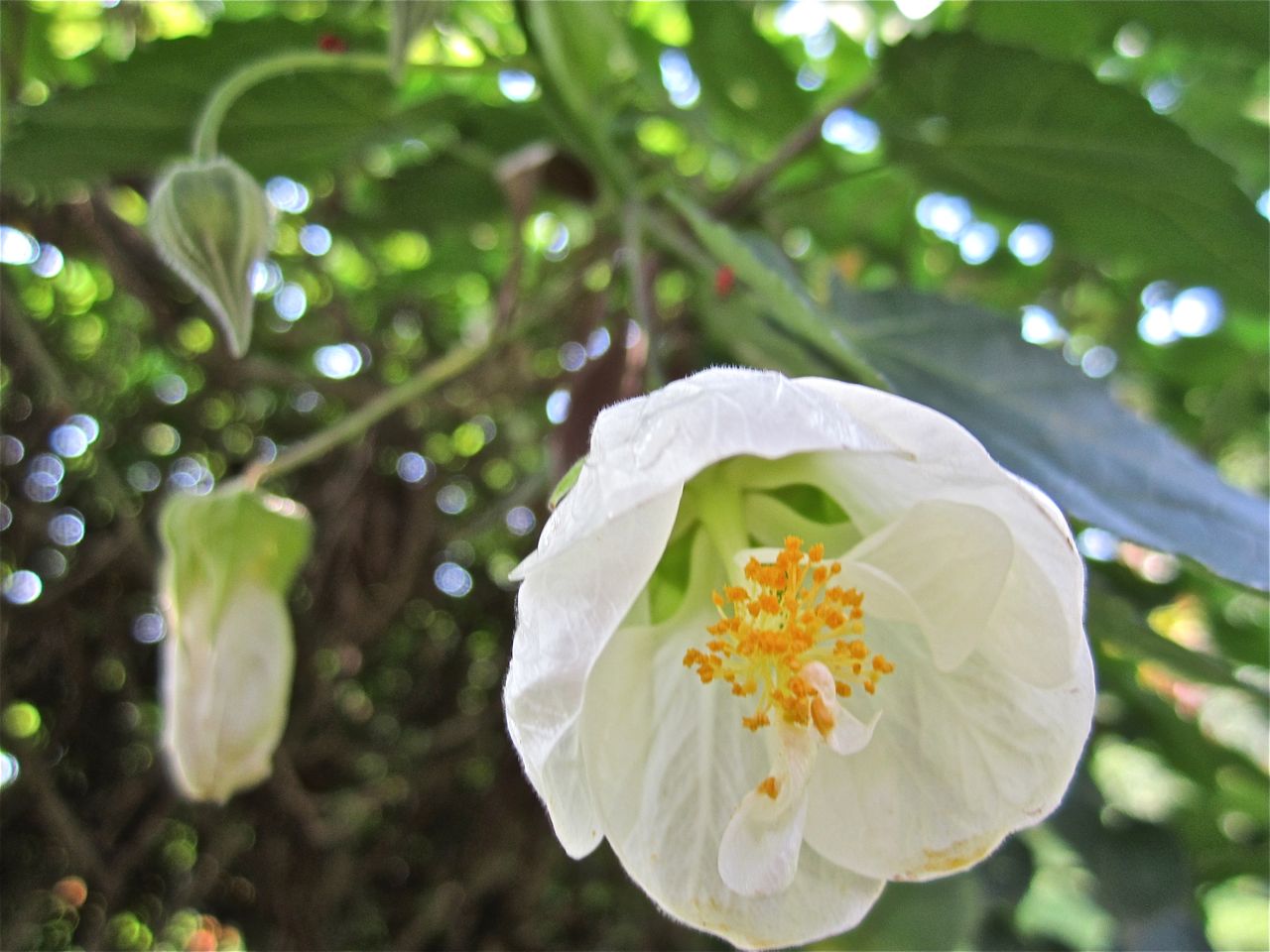
A white flowered Abutilon.

This bush has variegated leaves and is rather overshadowed by a pink Brugmansia or Angel’s Trumpet.

An Abutilon with variegated leaves beside a Brugmansia.
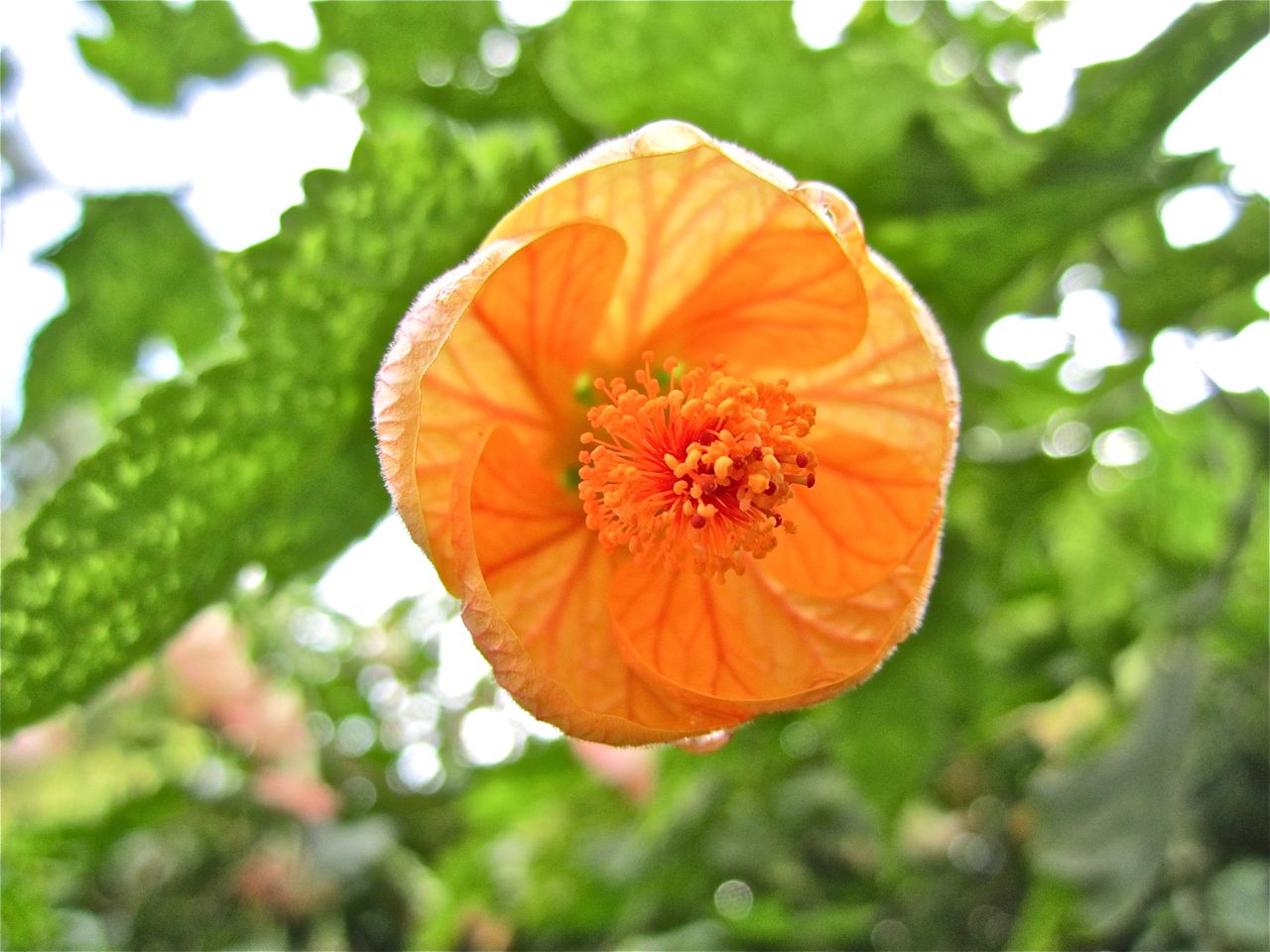
A coral bloom.  Another name for the bush is Chinese Bell Flower.
Closeup of a coral flower.

I think my bushes are Abutilon x hybridum, descended from South American varieties and brought here by expats.  Rwanda has one native variety, Abutilon bidentatum Hochst. ex A. Rich., which is not very showy.

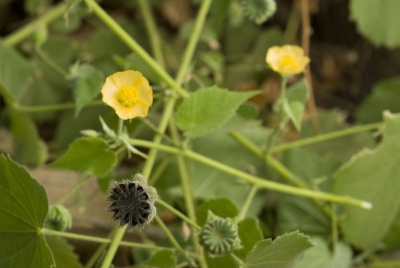
Abutilon bidentatum.  Photo via http://westerndesertflora.geolab.cz.

Another species, Abutilon longicuspe, with purple flowers, is also native to east and central Africa.

Please visit May Dreams Gardens for more Bloom Day postings (the 15th of every month).

Abutilon longicuspe.  Photo via http://database.prota.org.

Bloom Day addendum

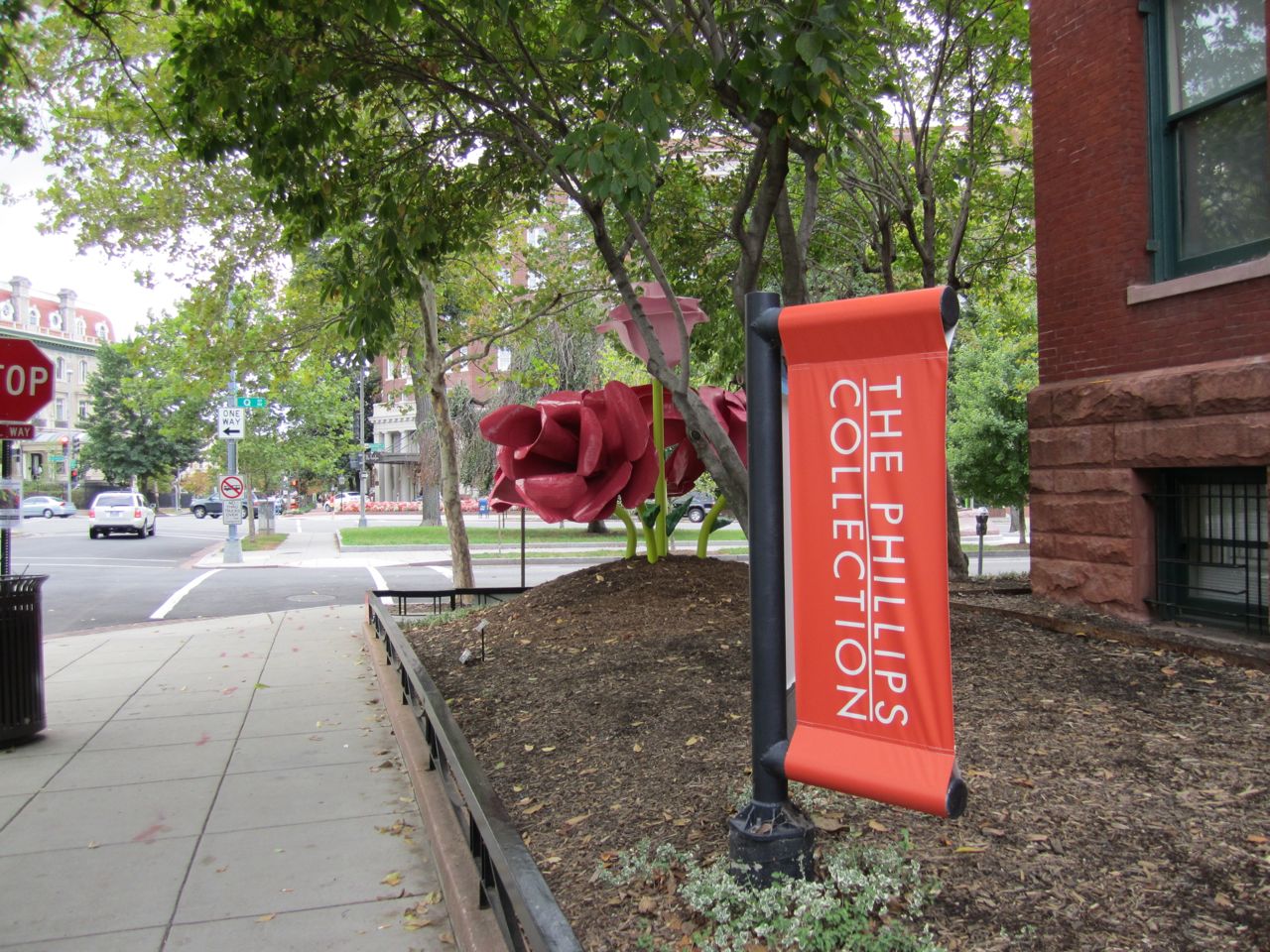
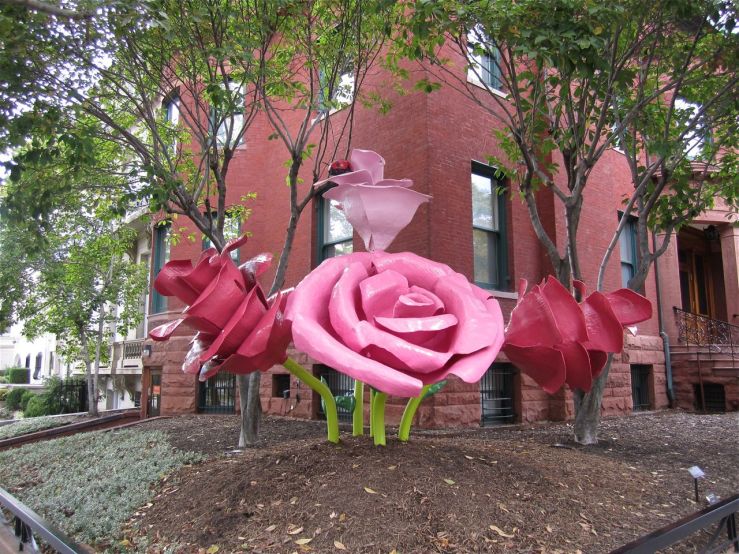
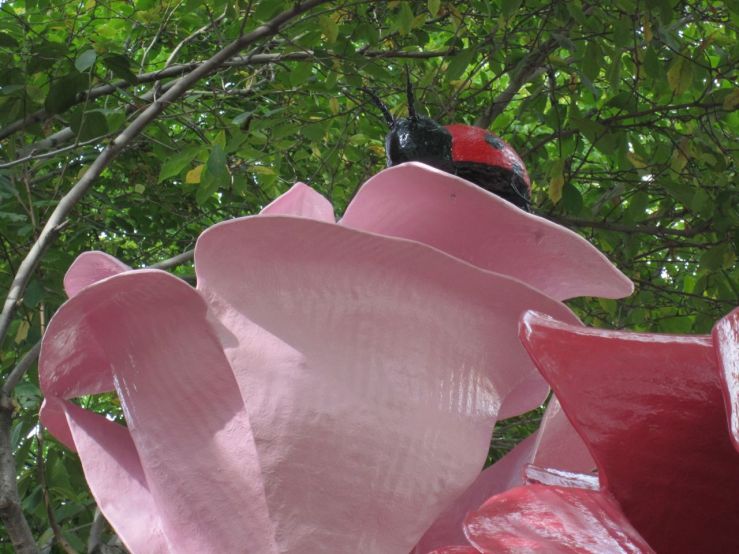
These giant pink and red flowers (entitled 58th Street) have recently been planted/installed at The Phillips Collection at 21st. and Q Streets, N.W.  Earlier this year, they were displayed — along with 8 sculptures like them — on New York City’s Park Avenue.  The artist is Will Ryman.

The sculpture is part of The Phillips Collection’s year-long anniversary celebration, 90 Years of New.

Garden Bloggers’ Bloom Day in August

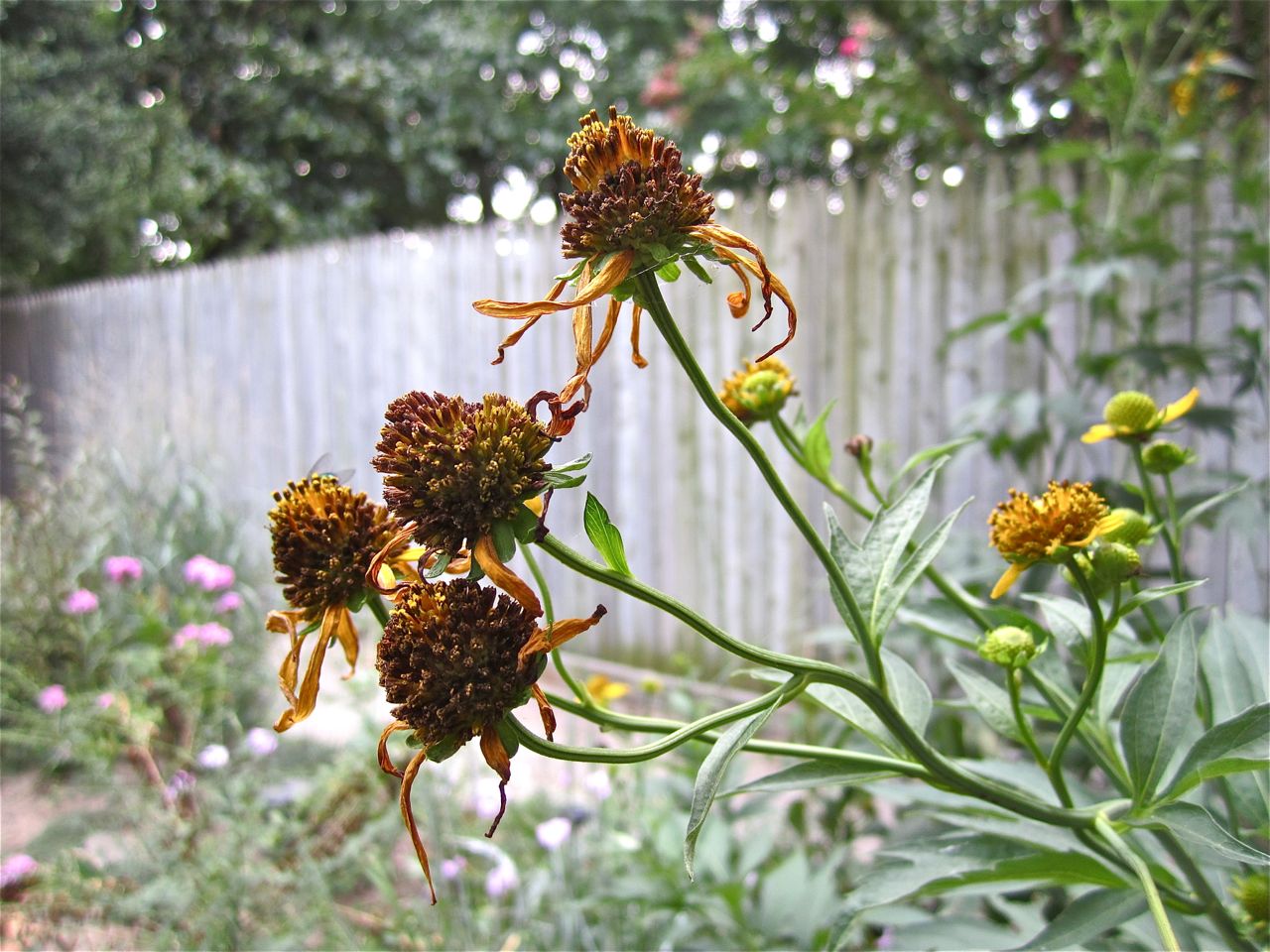
Rudbeckia laciniata flowers at various stages.

To see what’s blooming for other garden bloggers today, visit Carol of May Dreams Gardens, who hosts the monthly Bloom Day.

Garden Bloggers’ Bloom Day in July

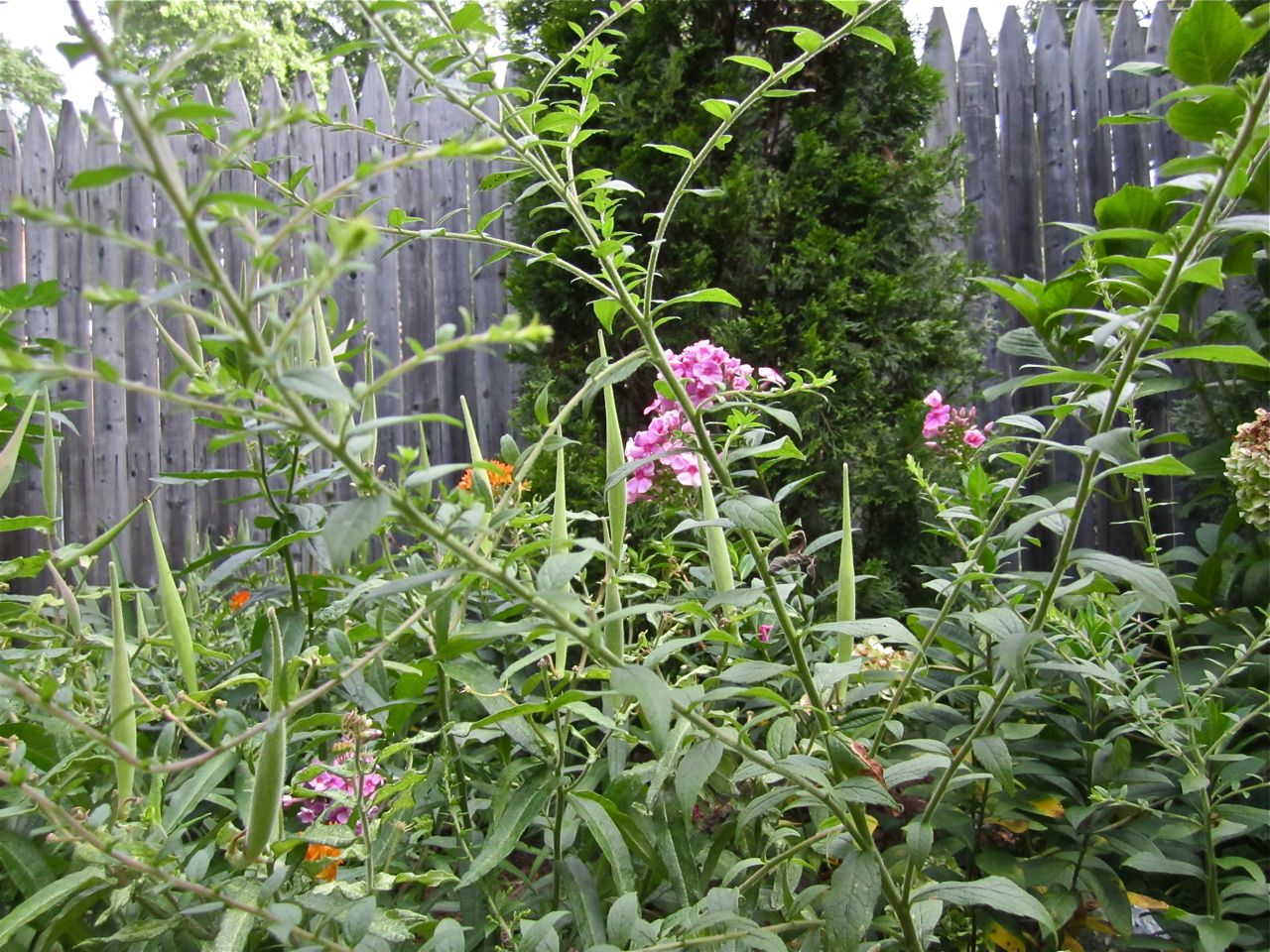
Goldenrod, butterfly milkweed, and common tall phlox.

I’m having more of an in-between-bloom day.  The milkweed has about finished, although the pods are nice, but the goldenrod and cutleaf coneflowers need another week or so.  I do have some nice phlox blooming though. Continue reading “Garden Bloggers’ Bloom Day in July”