

In late December, we were included in a Christmas season lunch at the home of the Director General of Sorwathe and his wife. Sorwathe is the Société Rwandais de Thé or, in English, the Rwanda Tea Company, and is located about 70 kms. north of Kigali.
Before the meal, we had a chance to tour the factory, which is the largest in Rwanda and produces over 6 million lbs. of made tea annually, almost all of it for export.
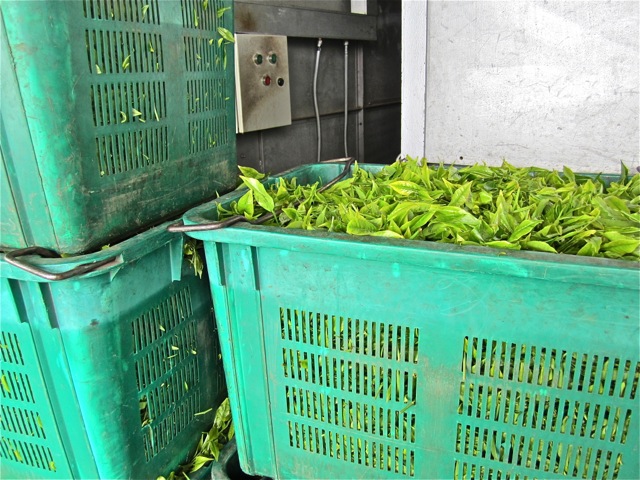
Sorwathe was founded in 1975 by American Joe Wertheim. It remains 85% owned by Mr. Wertheim’s Connecticut-based company, Tea Importers, Inc. It cultivates 650 acres, mostly in drained swampland (marais). Click here to see some really nice photos of their tea gardens.
After coffee, tea is Rwanda’s most important export. Tea cultivation began here in 1952, and Sorwathe was the first private factory. Although the factory sustained serious damage during the genocide, it was also one of the first to reopen in the aftermath.
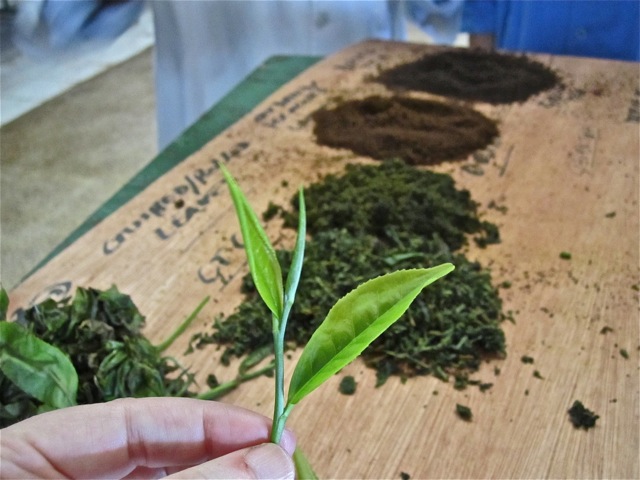


Sorwarthe was the first tea factory in Rwanda to obtain ISO 9001:2000, ISO 22000:2005, and Fair Trade certification. It is also a participant in the Ethical Tea Partnership. The company was the first to manufacture orthodox (rolled, whole leaf) and green teas (also white). (They will proudly tell you that they export green tea to China.) It is also the first to start organic tea cultivation in Rwanda.
Sorwarthe creates 3,000 job opportunities for the surrounding Kinihira community. It also supports the local tea growers’ cooperative, ASSOPTHE.
[UPDATE: The U.S. State Department presented its 2012 Award for Corporate Excellence to Tea Importers, Inc., and SORWATHE, in recognition of their commitment to social responsibility, innovation, and human values. The award is given annually to two American businesses abroad.]
The factory’s buildings are detailed in shades of green, and its surroundings are friendly and sometimes rather whimsical.
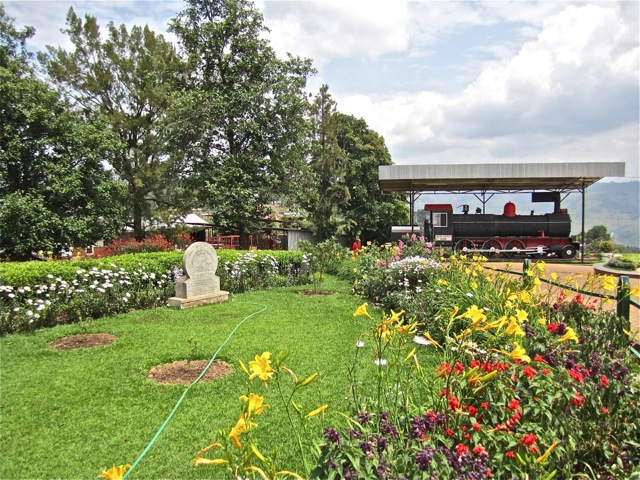
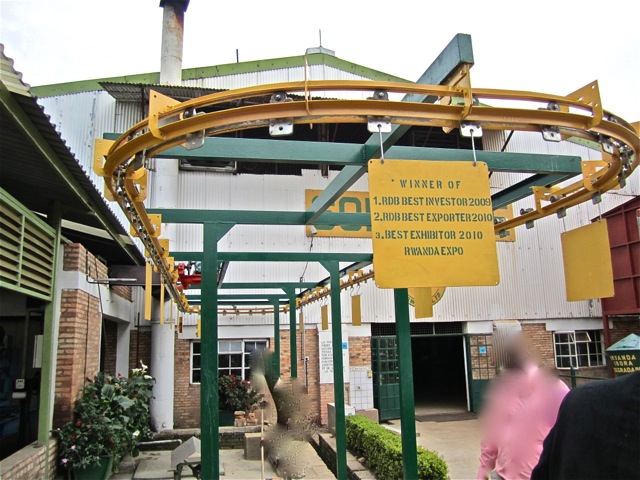

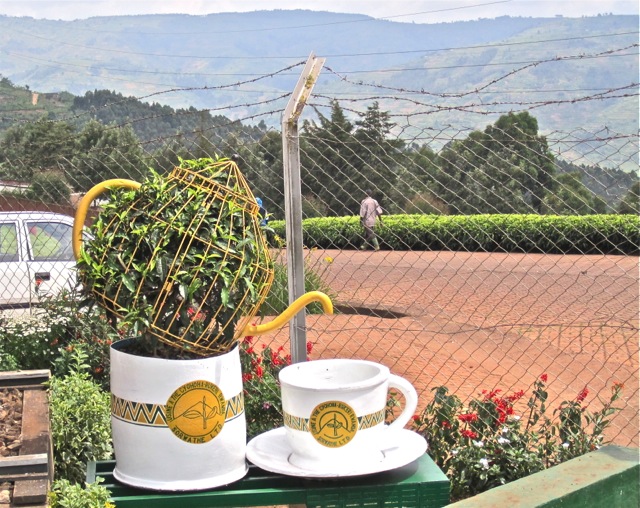
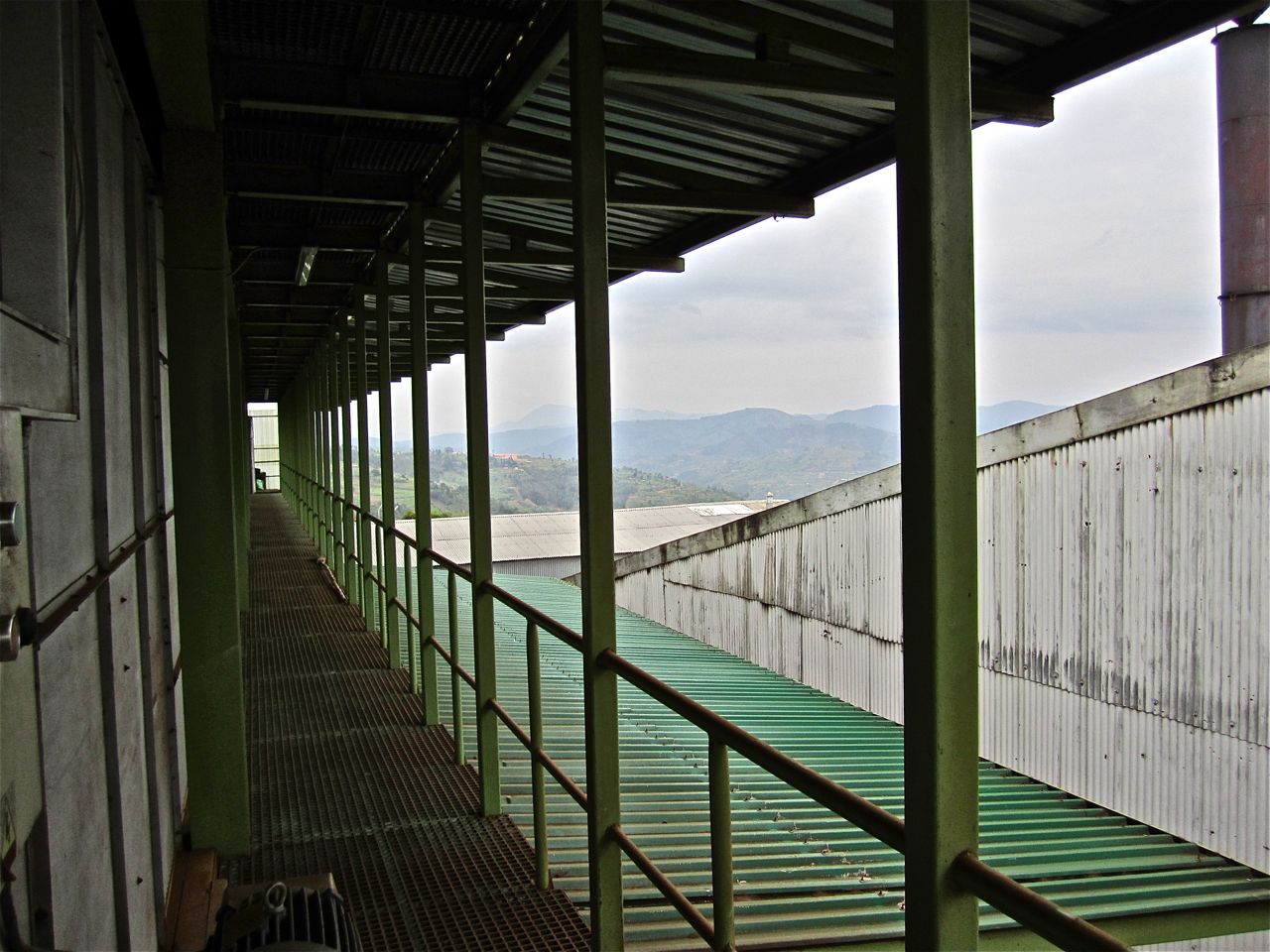
You can order Rukeri Tea, Sorwathe’s garden mark, from Tea Importers’ website. The company also runs a guest house next to its factory.
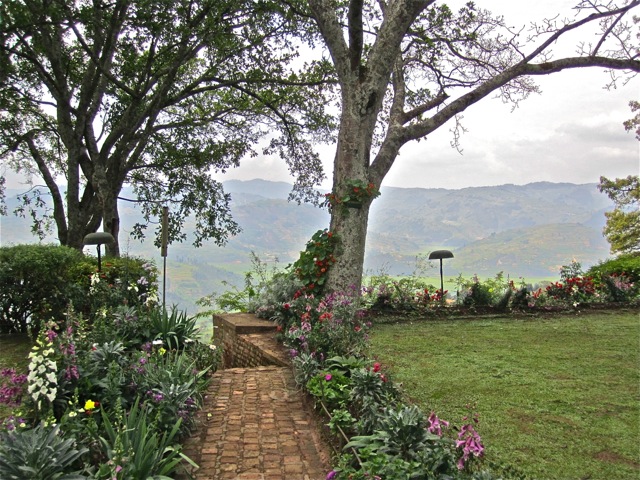
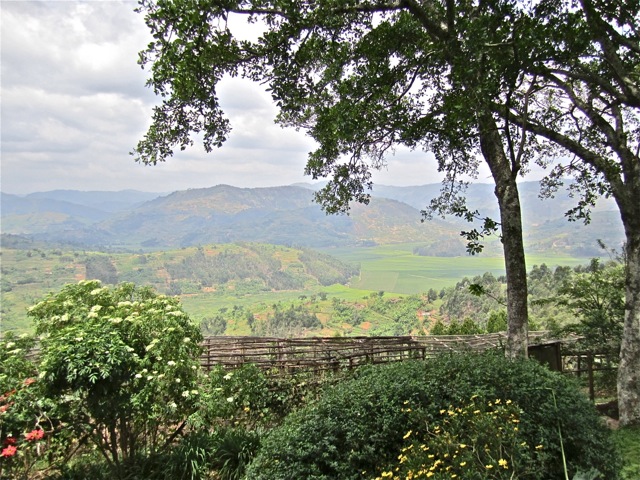
Our lunch was eaten on the patio of the couple’s house, which overlooks their lovely garden and a knockout view of the tea gardens in the valley below.

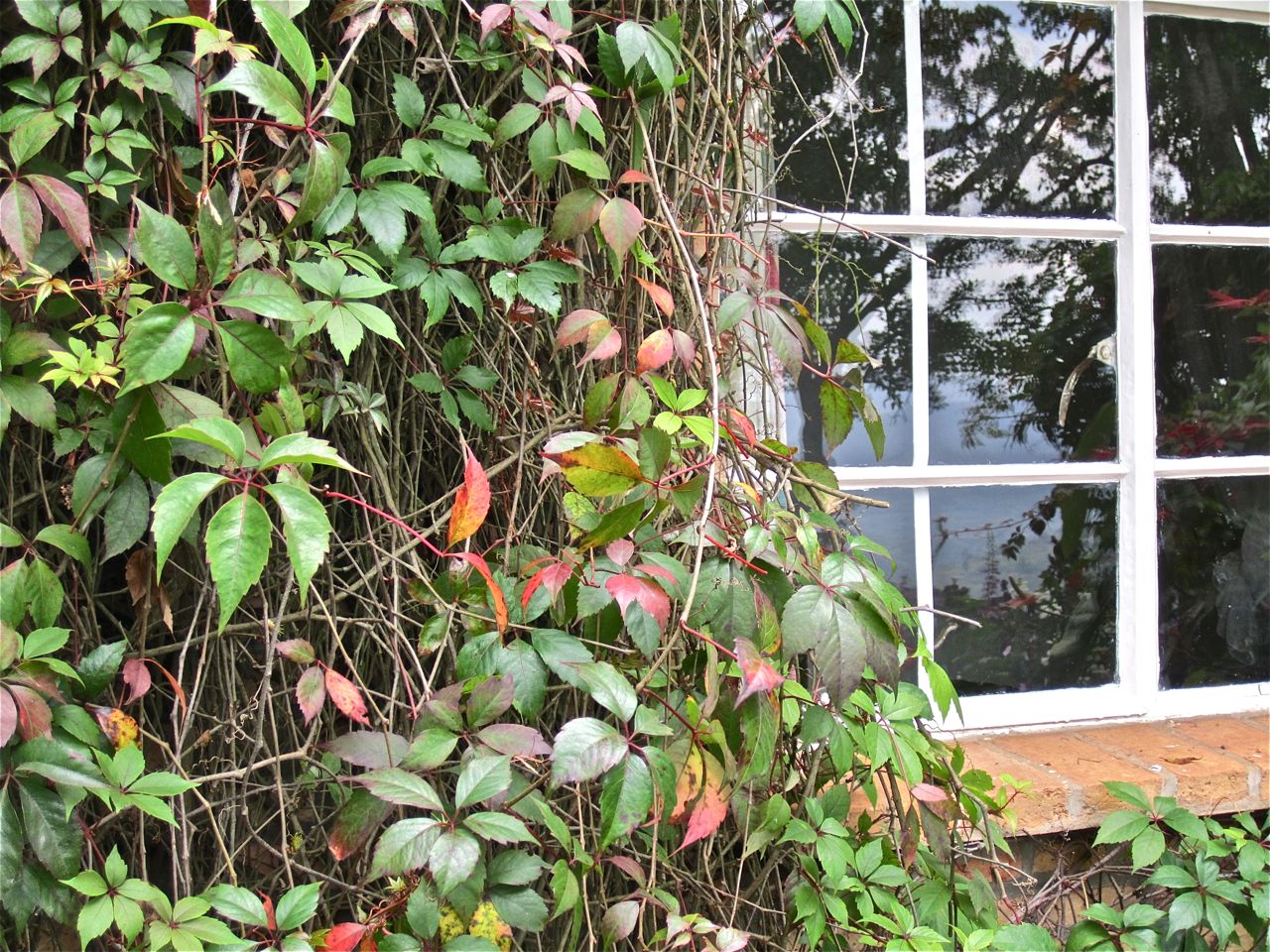

If you live in U.S. zone 7 or higher, you can try growing tea bushes (Camellia sinensis) at home. The plants like soil a little on the acid side and are drought tolerant. Pests can be treated with horticultural oil. If left unpruned, the plants will grow into small trees. You can buy them from Camellia Forest Nursery in Chapel Hill, N.C.



 enclos*ure