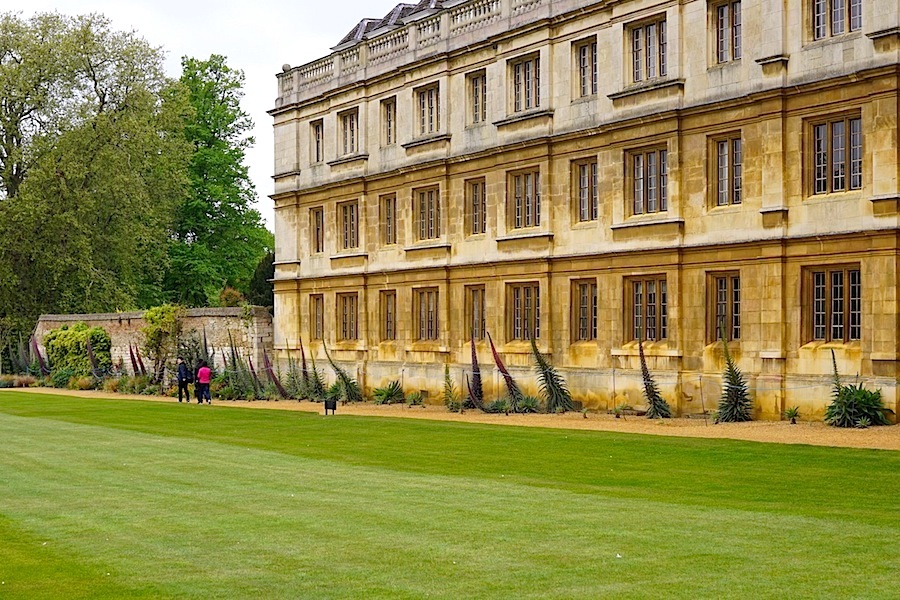
King’s College, Cambridge

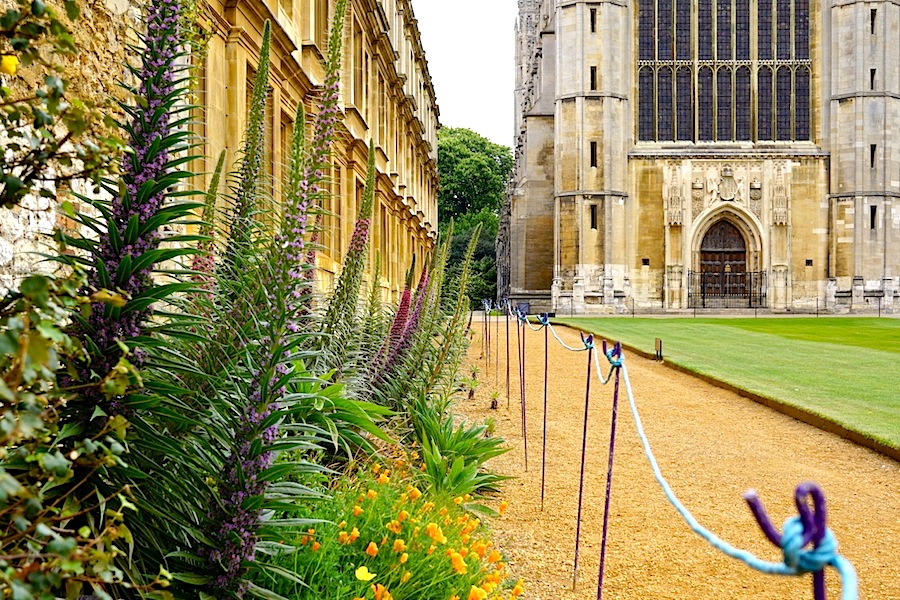
On a quick trip to Cambridge last week, I really liked this border of Echium pininana (or giant viper’s bugloss) along the lawn behind King’s College, here. (The building is actually part of Clare College.)
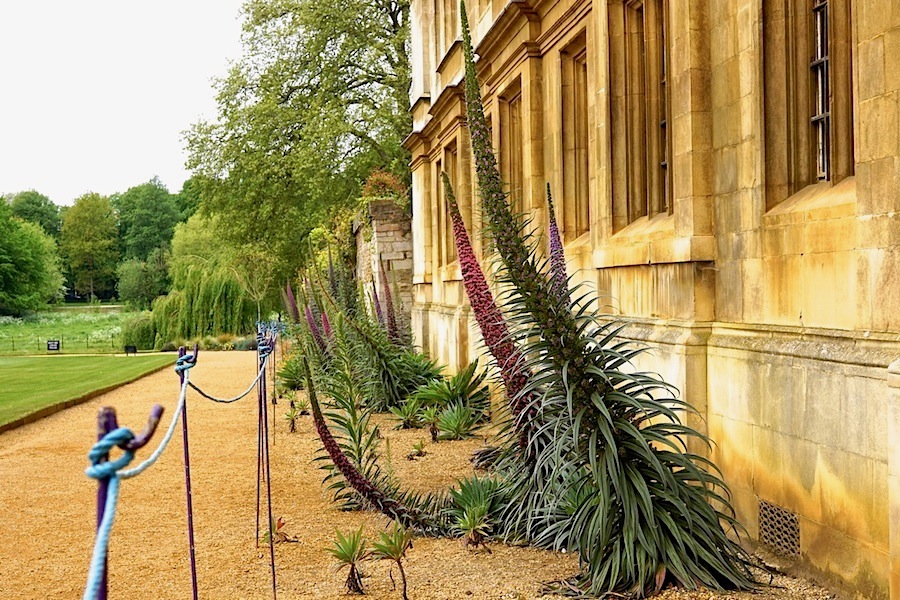

A different kind of foundation planting.
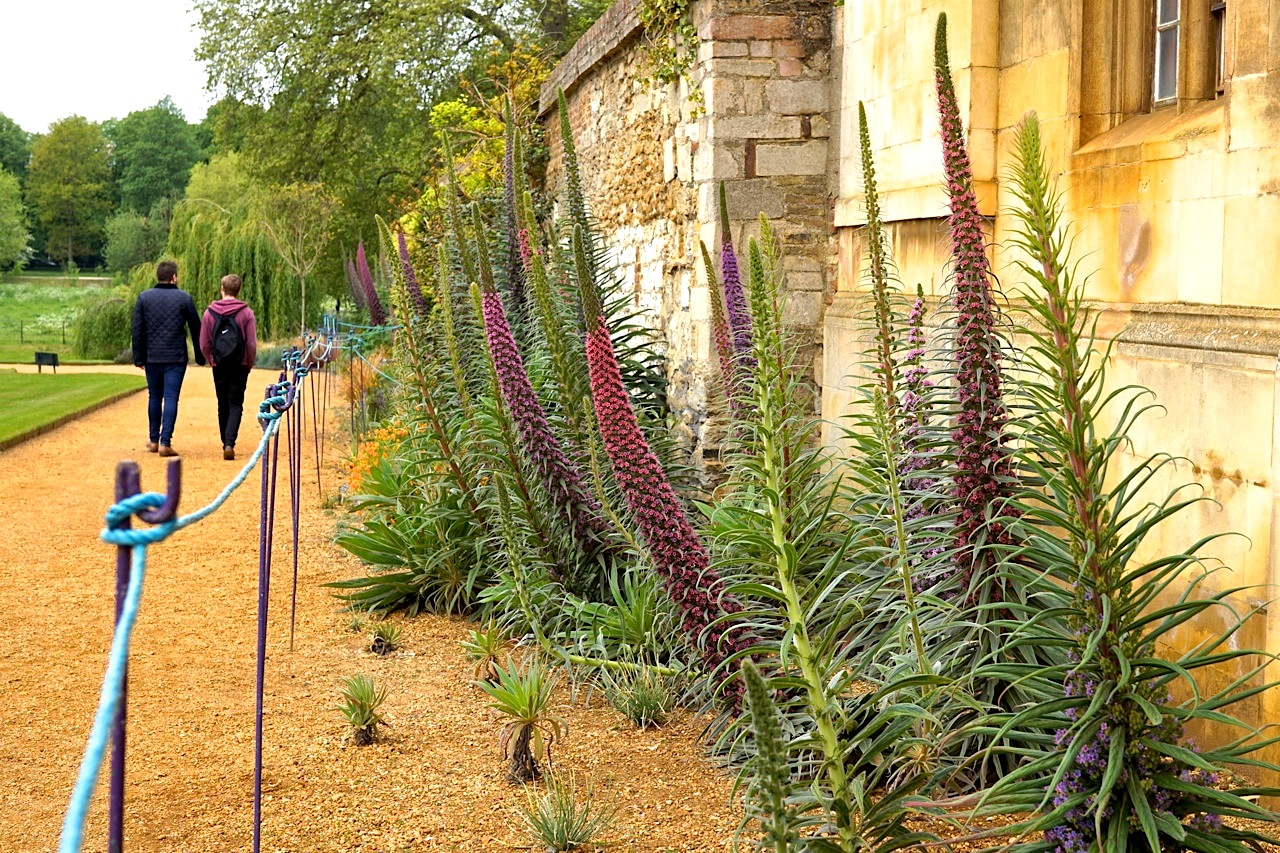

The biennials, which are native to the Canary Islands, can grow as tall as 13′ (or 4 m.). They want well-drained soil, full sun, and shelter from wind.
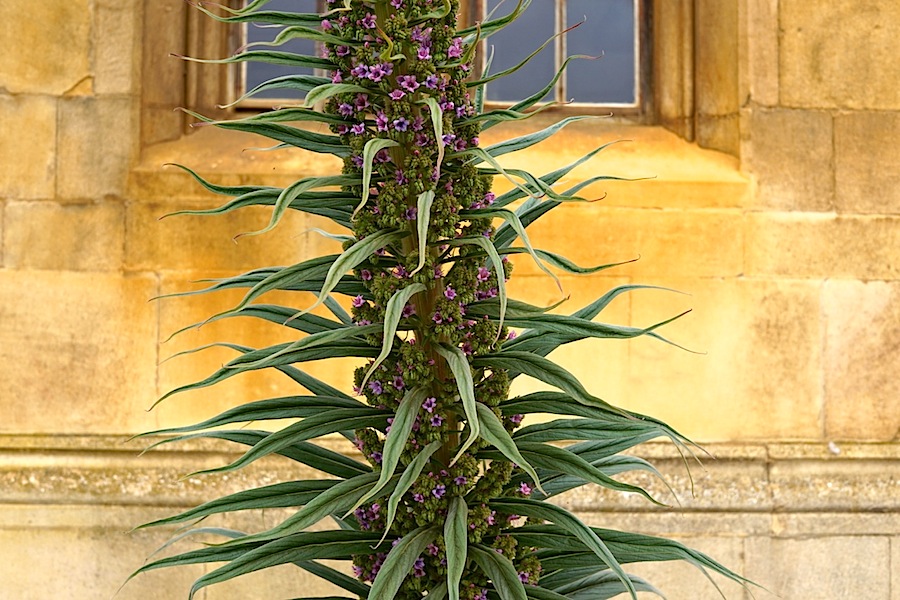
They are also called tower of jewels.
Looking back to the King’s College Chapel.

Trinity College

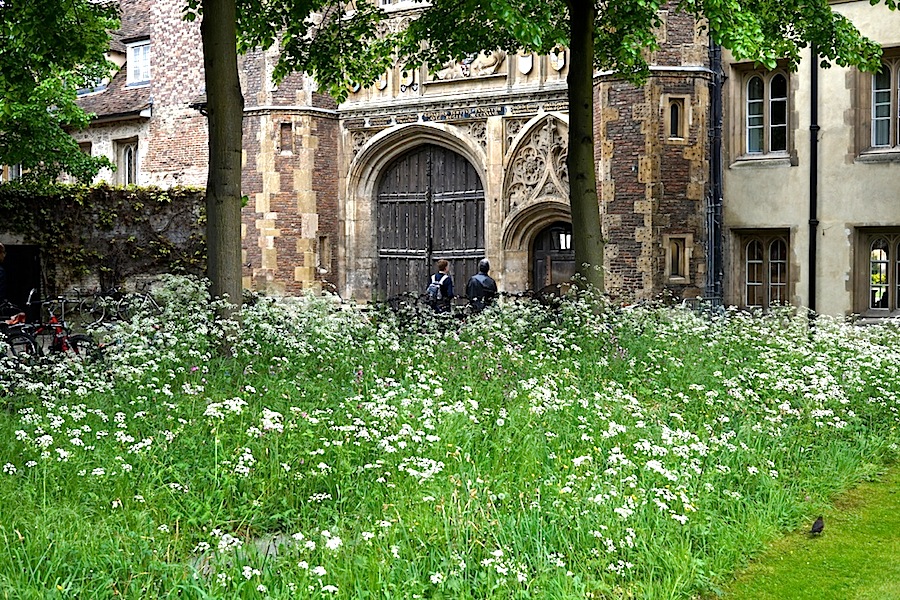
I also liked this wide walkway border of Queen’s Anne lace and long grass at the entrance to Trinity College.
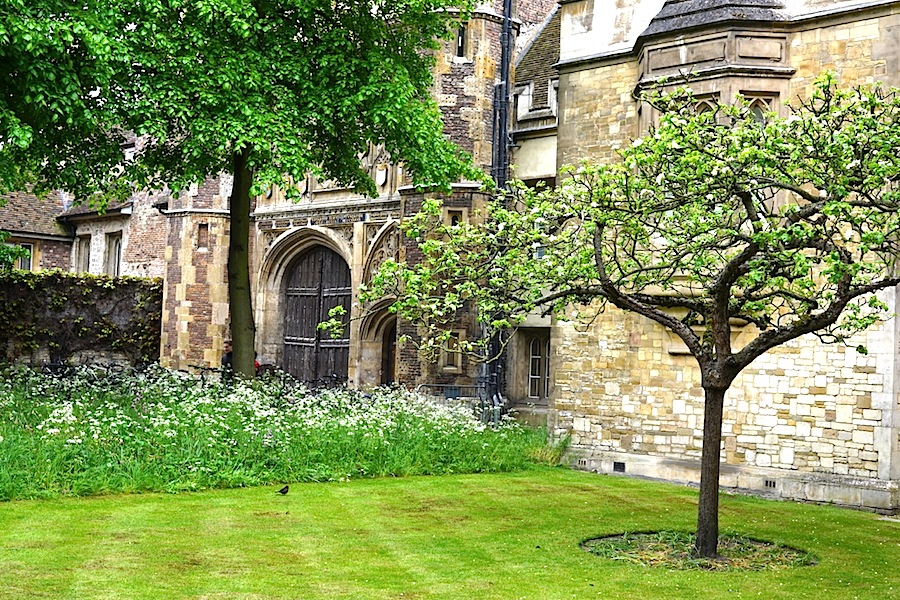

The tree on the right is a grafted descendant of the apple tree that inspired Isaac Newton.
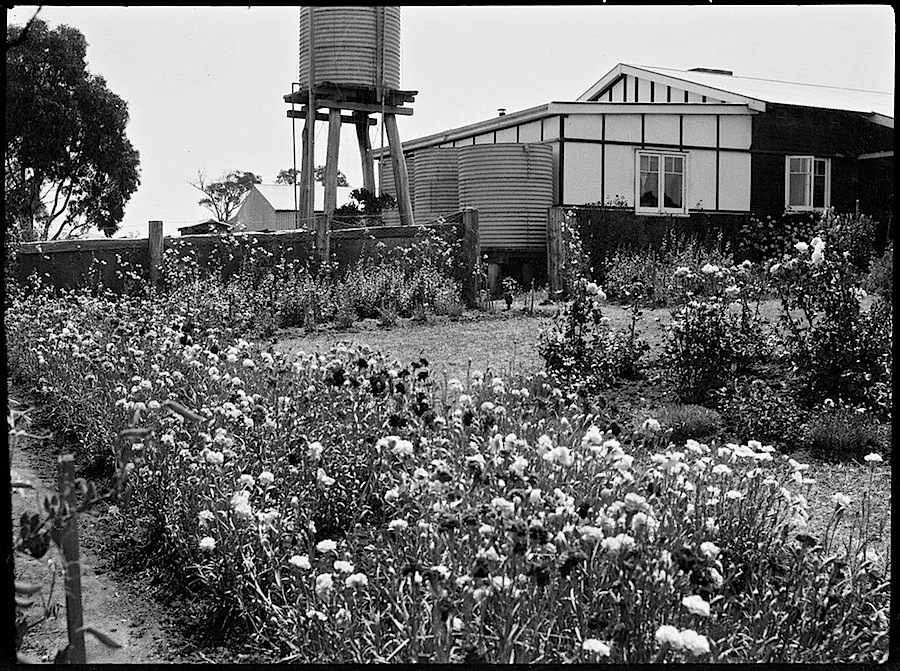
Pine Range, ACT

pine-range-australian-capital-territory-1935-natl-library-of-australia
Garden bed of carnations (Dianthus caryophyllus) and water tank at Pine Range, Australian Capital Territory, ca. 1935 via National Library of Australia Commons on flickr.

Discovery

discovery-1925-city-of-toronto-archives
“Bryan family, Jane & Dagmar in garden,” probably Toronto, September 1925, The Globe and Mail Fonds (1266, Item 6299), via City of Toronto Archives.

The little girl on the right (Dagmar?) is holding up something, perhaps a caterpillar or worm.

Riverside

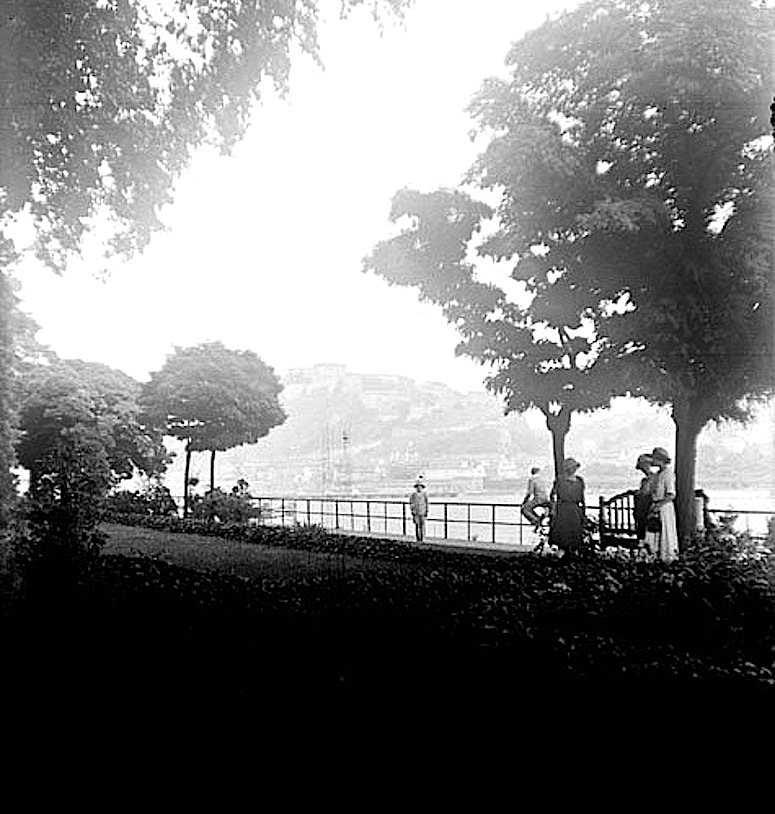
coblence-germany-garden-cropped-on-the-rhine-ca-1920s-bibliotheque-toulouseGardens alongside the Rhine River, Coblence (Rhineland-Palatinate)” via Bibliothèque de Toulouse Commons on flickr (cropped slightly by me).

The Bibliotheque‘s flickr page gives Eugène Trutat as the photographer, but M. Trutat died in 1910, and the women’s dresses seem to be from the 1920s, maybe even the 1930s.

Coblence — now Koblenz — is a German town located where the Rhine and Moselle Rivers come together. The photo may have been taken here, looking over to the Ehrenbreitstein Fortress.

Vintage landscape: Petit Trianon

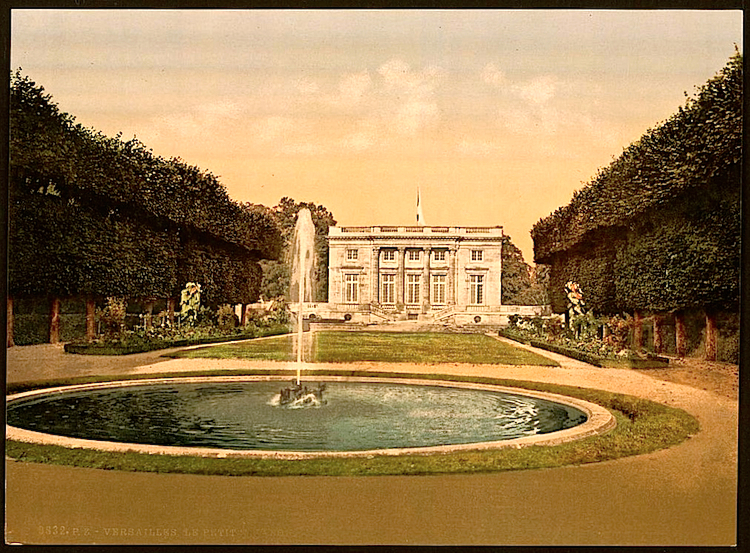
Petit Trianon, Versailles, FrancePetit Trianon, Versailles, France, between ca. 1890 and ca. 1900, a photochrom by Detroit Publishing Co., via Library of Congress Prints and Photographs Division.