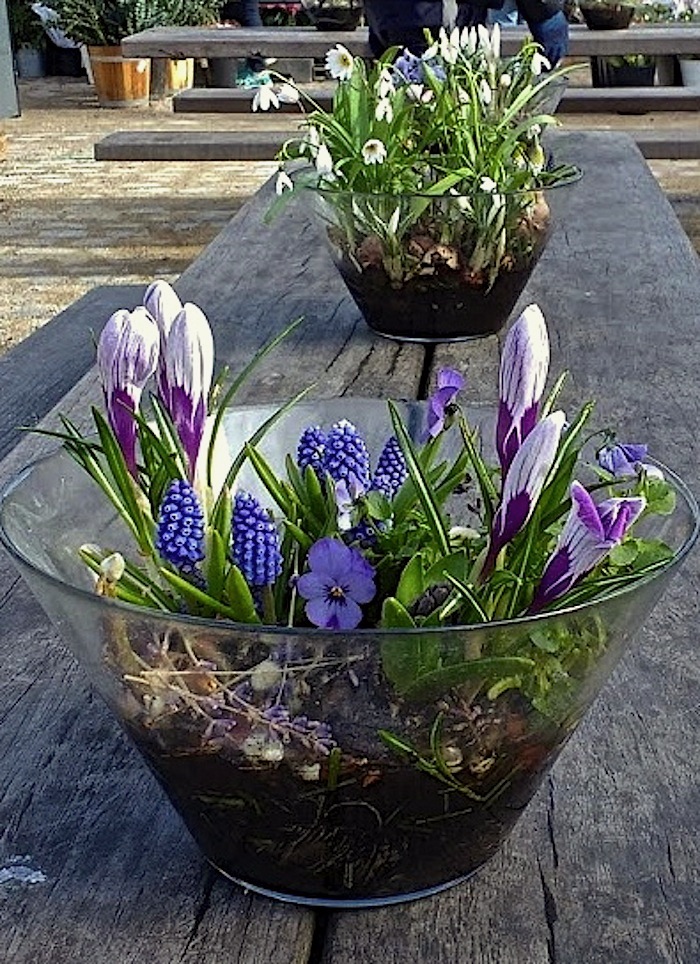
We spent the Easter weekend in Copenhagen, Denmark. This picture was taken at the Torvehallerne (or food market, located here and on Instagram here) on Saturday.
To see a few more photos of flowers at the market, please click on any of the thumbnail images below.
Inside the food hall, grape muscari with feathers and pussy willow.
Small colored eggs and some winter jasmine vine were added to this arrangement.
The Stalks and Roots flower stand outside the Torvehallerne.
The exchange rate was about six krone to one U.S. dollar.
On Saturday, I wandered around the downtown Stuttgart flower market admiring all the blooming spring bulbs — which were being sold both potted and as cut flowers (pictures below). I bought some cut tulips and then went to Butler’s for a vase and another container of seashell chips. On the way home, I stopped at a florist and bought a little pot of forced Muscari, or grape hyacinth, bulbs.
I think I should have set the bulbs lower in the vase, but I didn’t want to disturb their rootball, which I covered with the chips.
Click on any thumbnail in the gallery below to scroll through photos of the flower market.
To see what other gardeners have put in a vase today, visit Cathy at Rambling in the Garden.
The flower market at Schillerplatz.
Tulips — 6.50 euros for 10.
Potted forced dark blue irises.
Potted primroses in almost every color are a feature of the markets and florists right now.
Potted forced Fritillaria meleagris.
Cut tulips and Narcissus.
Cut Narcissus.
A potted lime green Chrysanthemum.
This stall had the prettiest colored cut Hyacinths, Muscaris, and tulips.
Cut Muscaris.
Cut Dutch hyacinths.
Potted forced tulips and Fritallarias. This was in the farmers’ market in the square in front of the Rathaus, or Town Hall.
I caught this woman in mid-step. I love the colors of her outfit.
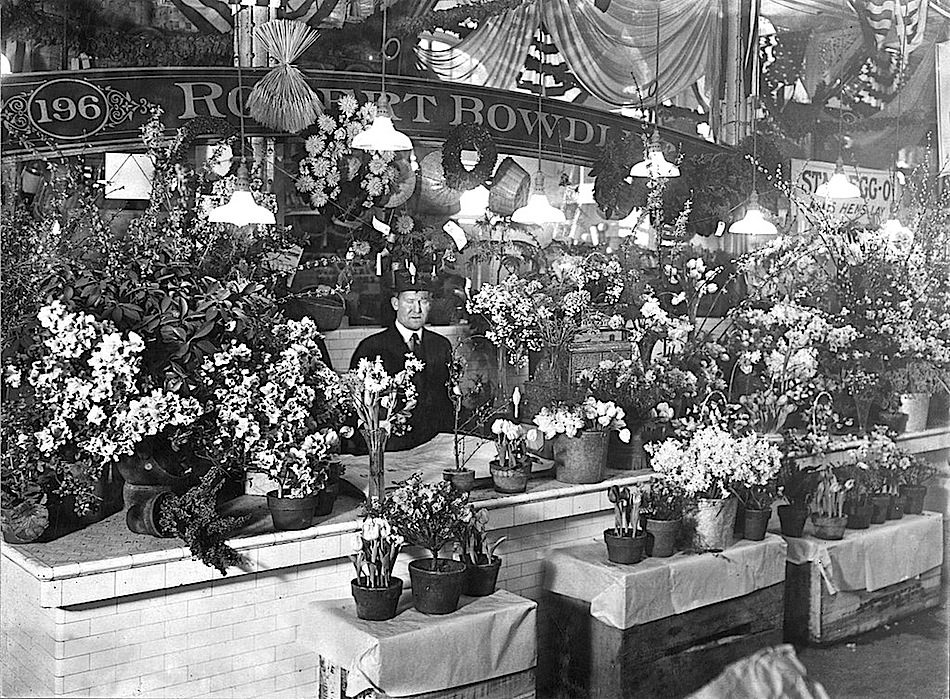
Forced azaleas, forsythias, and bulbs at a flower stand, February 18, 1915, by U.S. Department of Agriculture, via U.S. National Archives Commons on flickr.
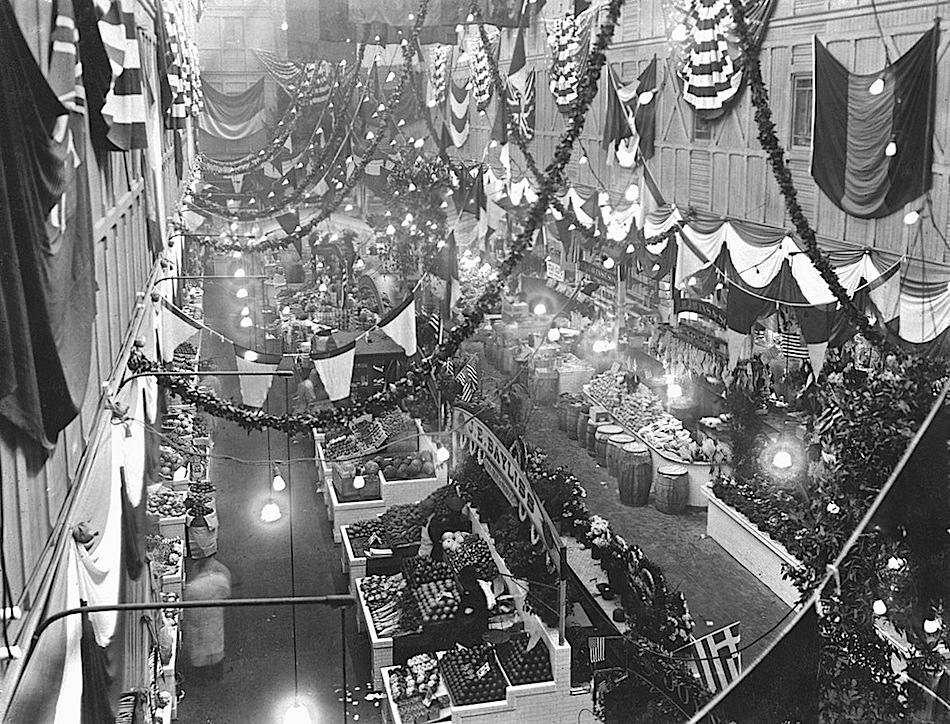
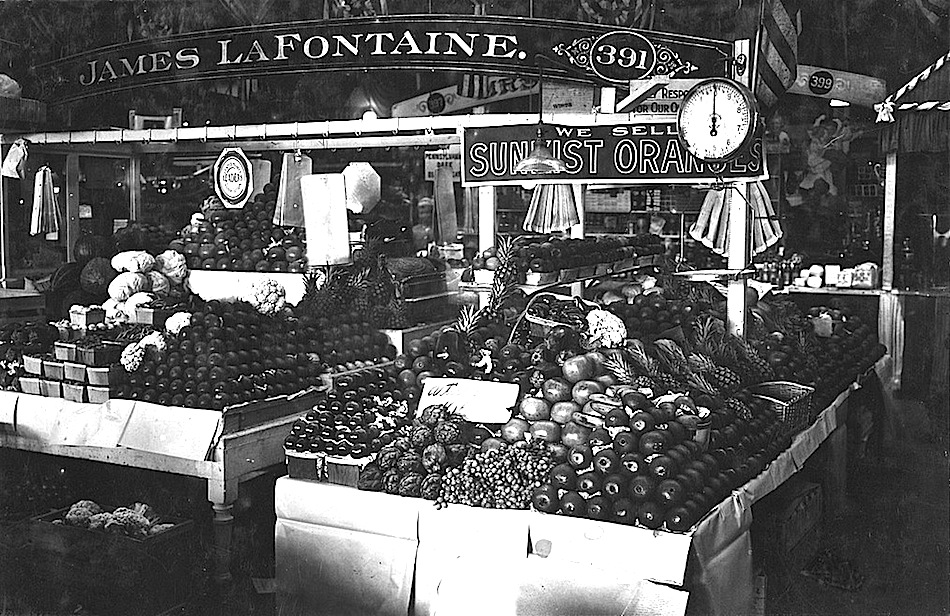
Center Market was located at 7th Street and Pennsylvania Avenue, N.W., Washington, D.C., where the National Archives building now stands. The red brick German Renaissance Revival structure was built between 1872 and 1878 (replacing an 1801 market). It held over 700 vendors in its halls and courtyard and was possibly the country’s largest market building.
The Market closed in 1931, a victim of the rise of community chain stores and increased availability of canned and frozen foods — as well as the McMillan Commission‘s vision for a white marble, neoclassical center for the capital city.
There are more photos of Center Market here and a more complete history here. Click on any photo above to enlarge it.
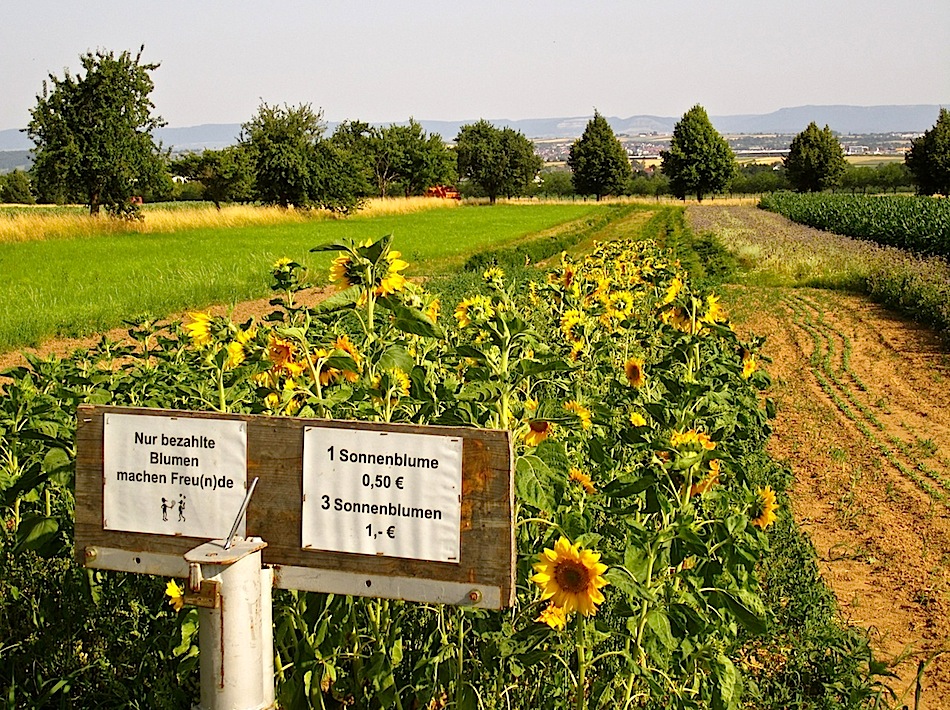
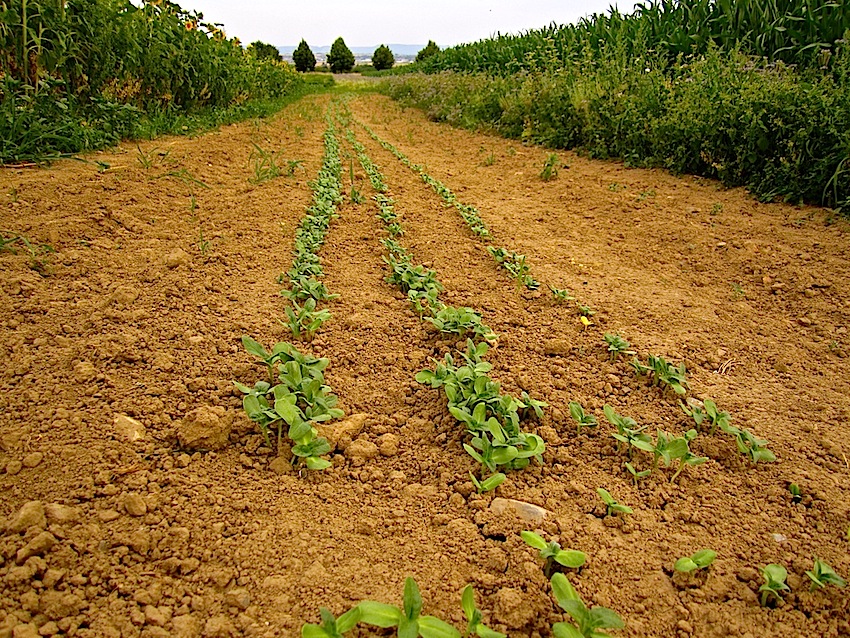
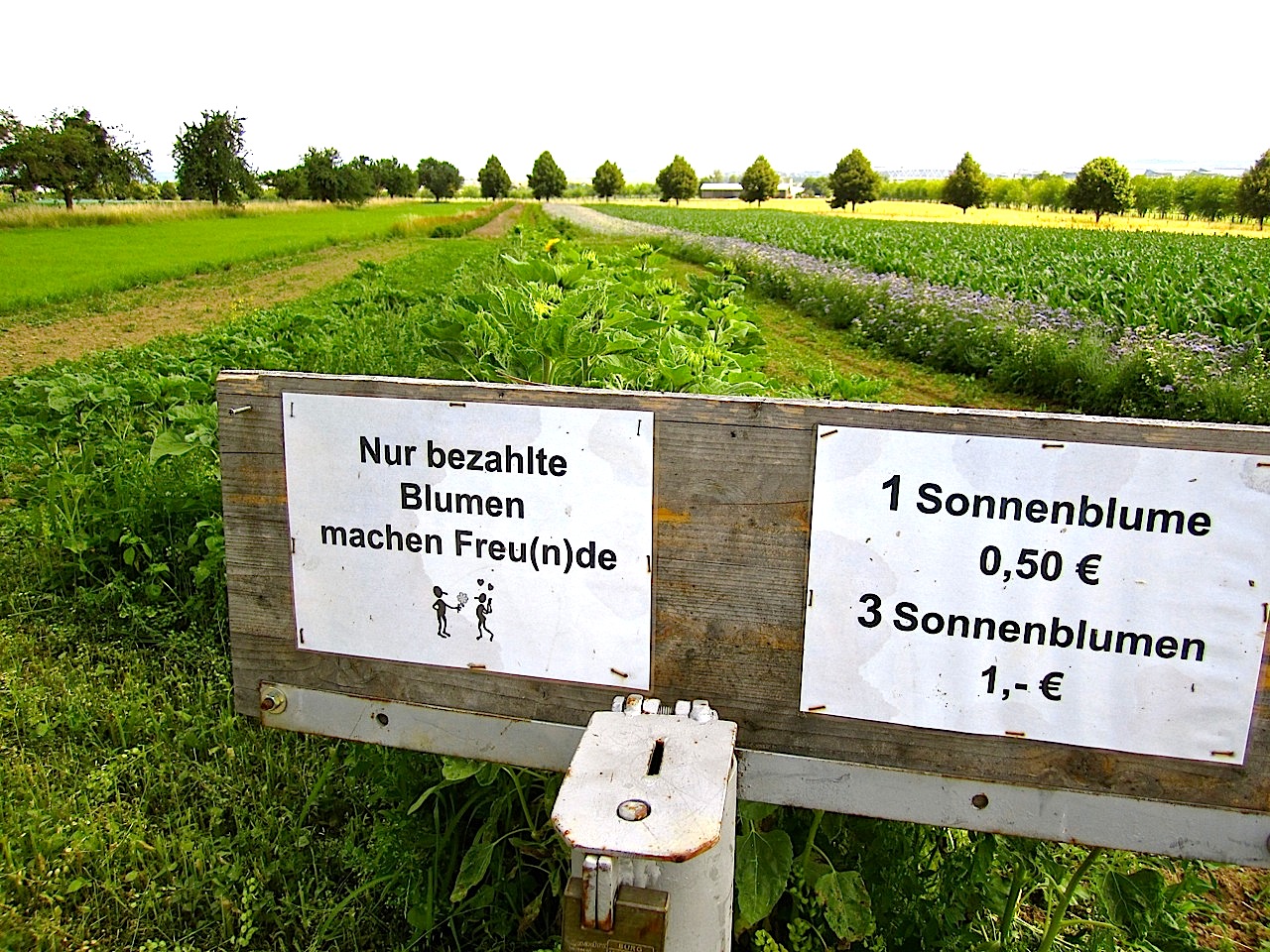
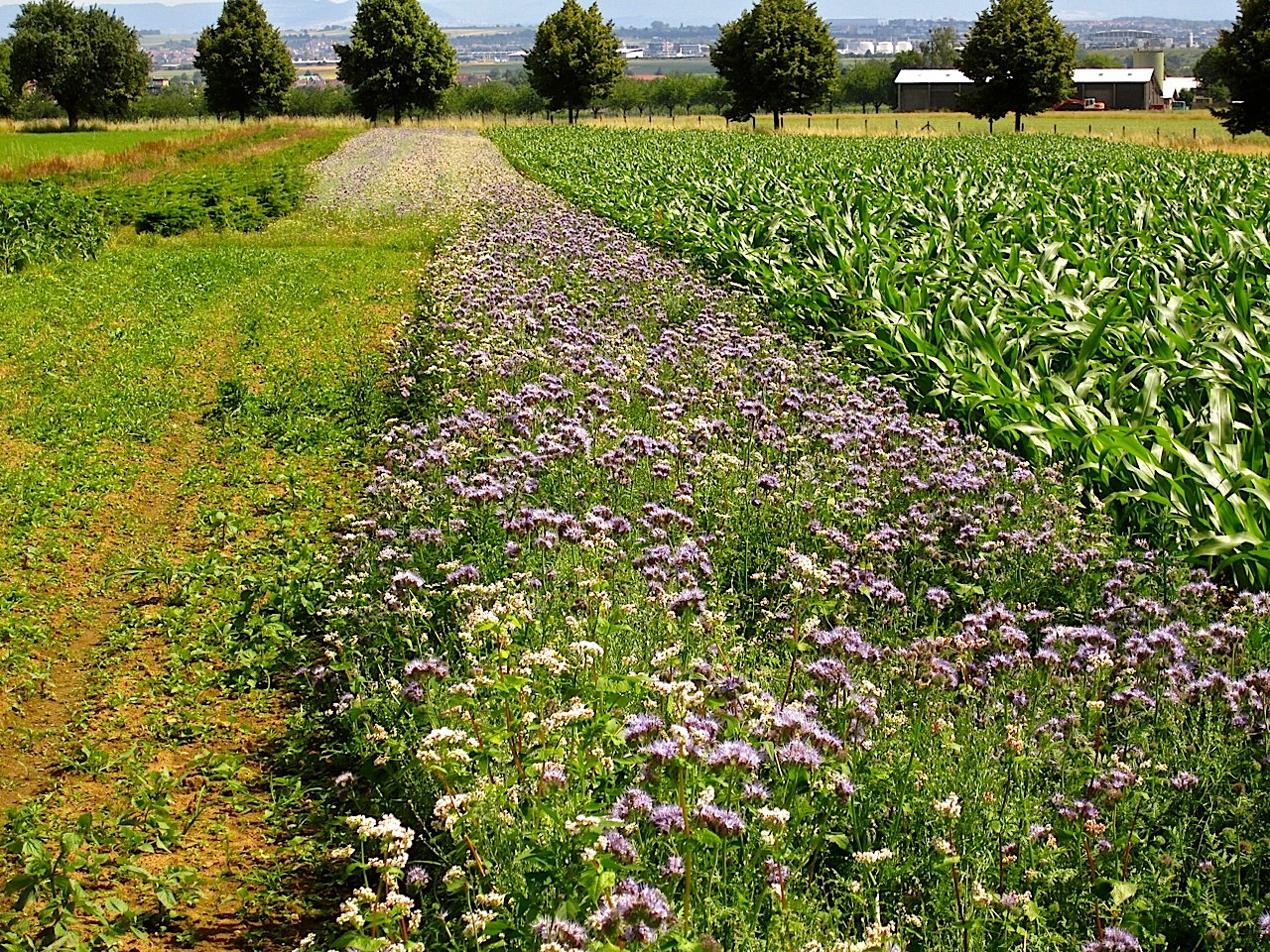
“Only paid-for flowers make friends/joy.” A Sonnenblume is a sunflower.The row of purple blooms has faded.In the middle, late summer sunflowers? or maybe zinnias?
(Streifzug means ‘foray,’ ‘ brief survey,’ or ‘ramble.’)
Like every flower, she has a little
theory, and what she thinks
is up. . . .
Streifzug means ‘foray,’ ‘ brief survey,’ or ‘ramble’ (if my online German/English dictionary does not deceive me).
These photos are from yesterday’s ramble or, more specifically, bike ride.
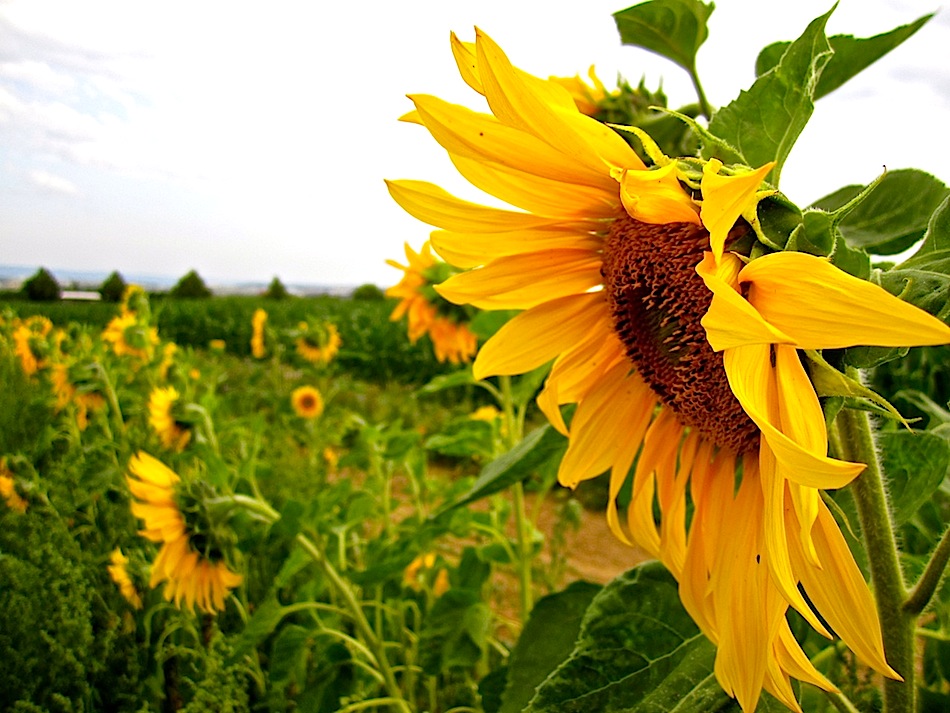
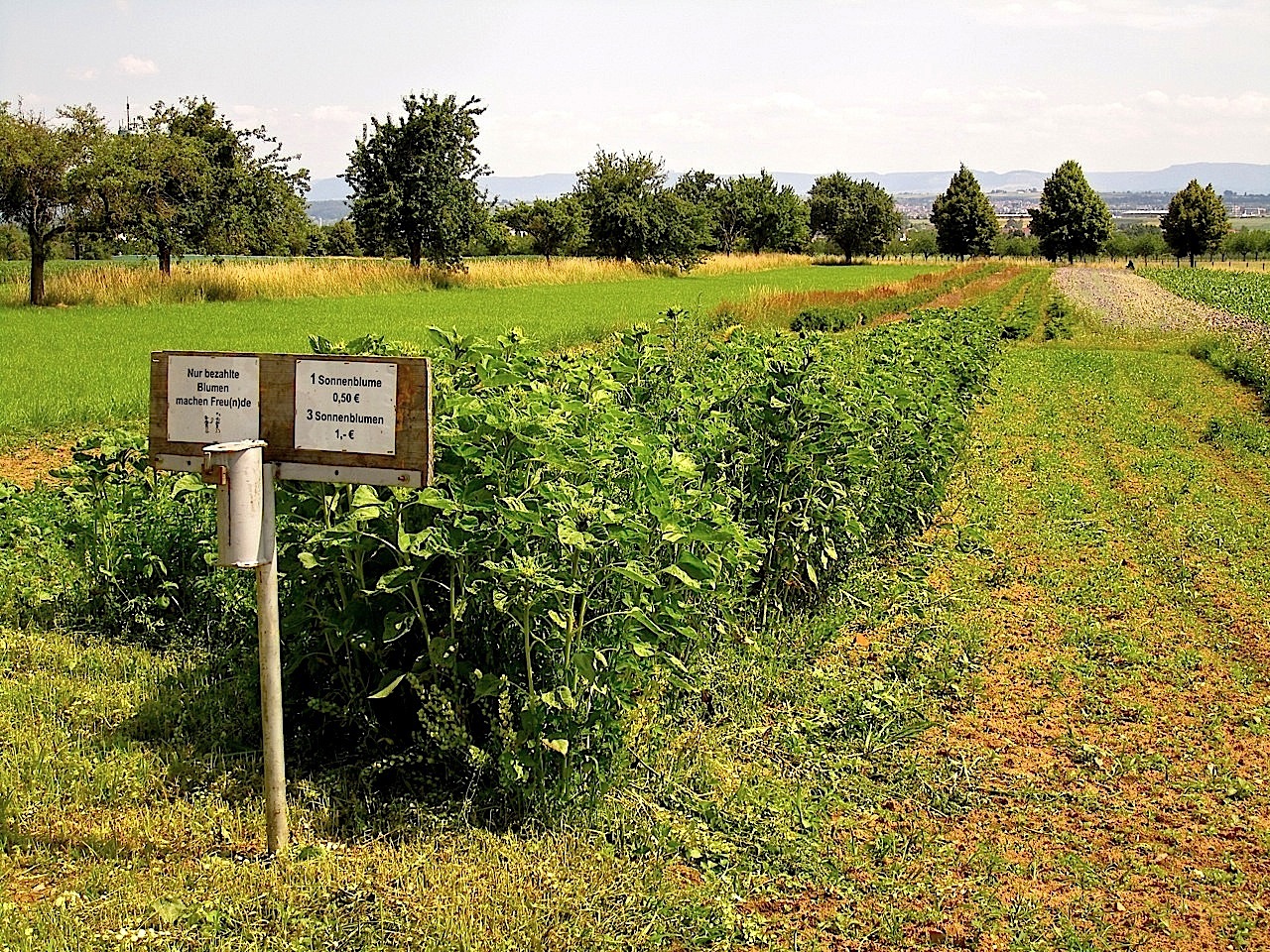
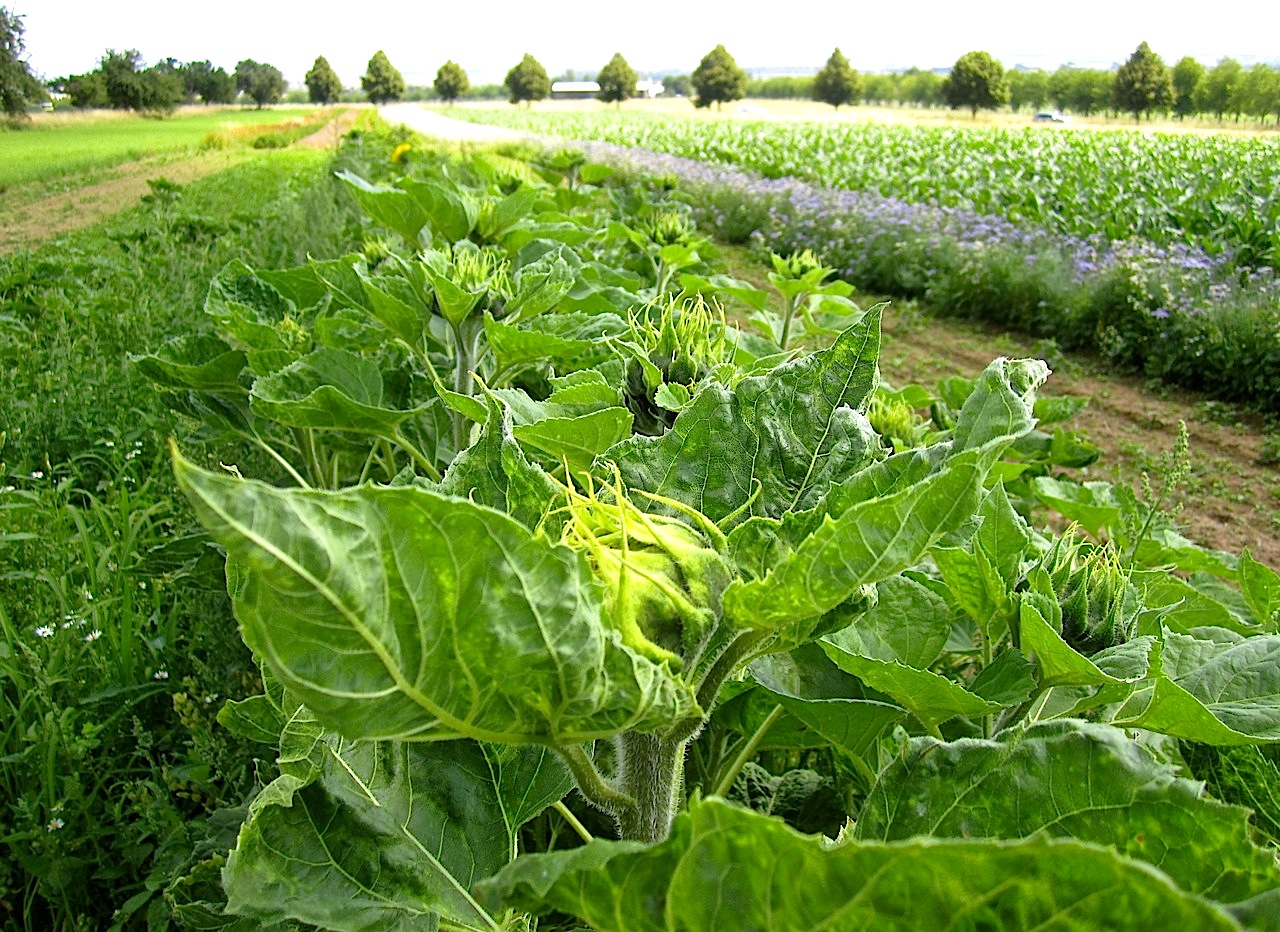
The sign says, “Only paid-for flowers make friends*/joy.” Sonnenblumen are sunflowers. These are not quite open yet.
I will go back in a week or so to cut a few.
Blumen Selbt Schneiden or ‘cut your own flowers’ signs — with honor-system money boxes — are not uncommon sights alongside fields in the Stuttgart area. These long rows were beside a walking/biking/farm access path near our neighborhood.
(On the same ride, I also passed a house with a sidewalk shelf of already cut flowers in jars and a coin box.)
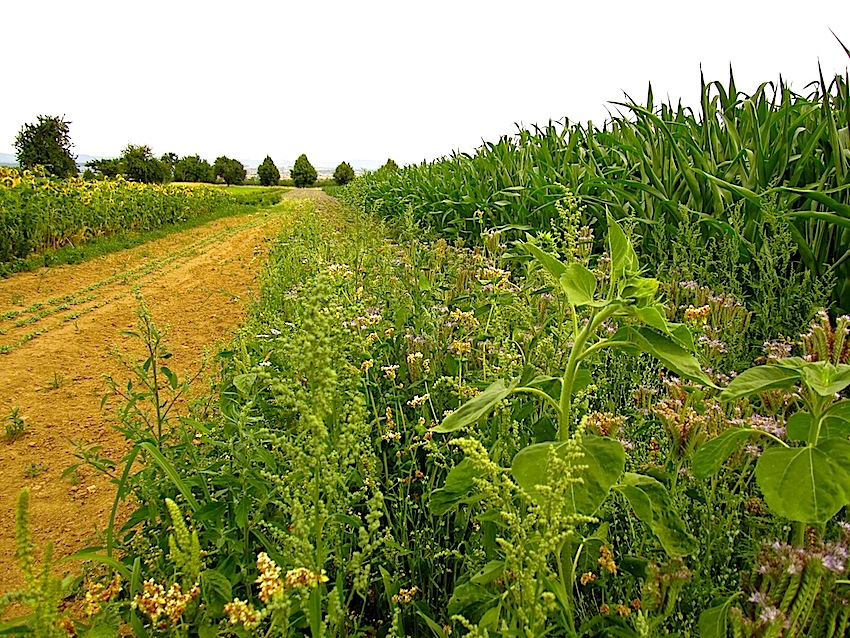
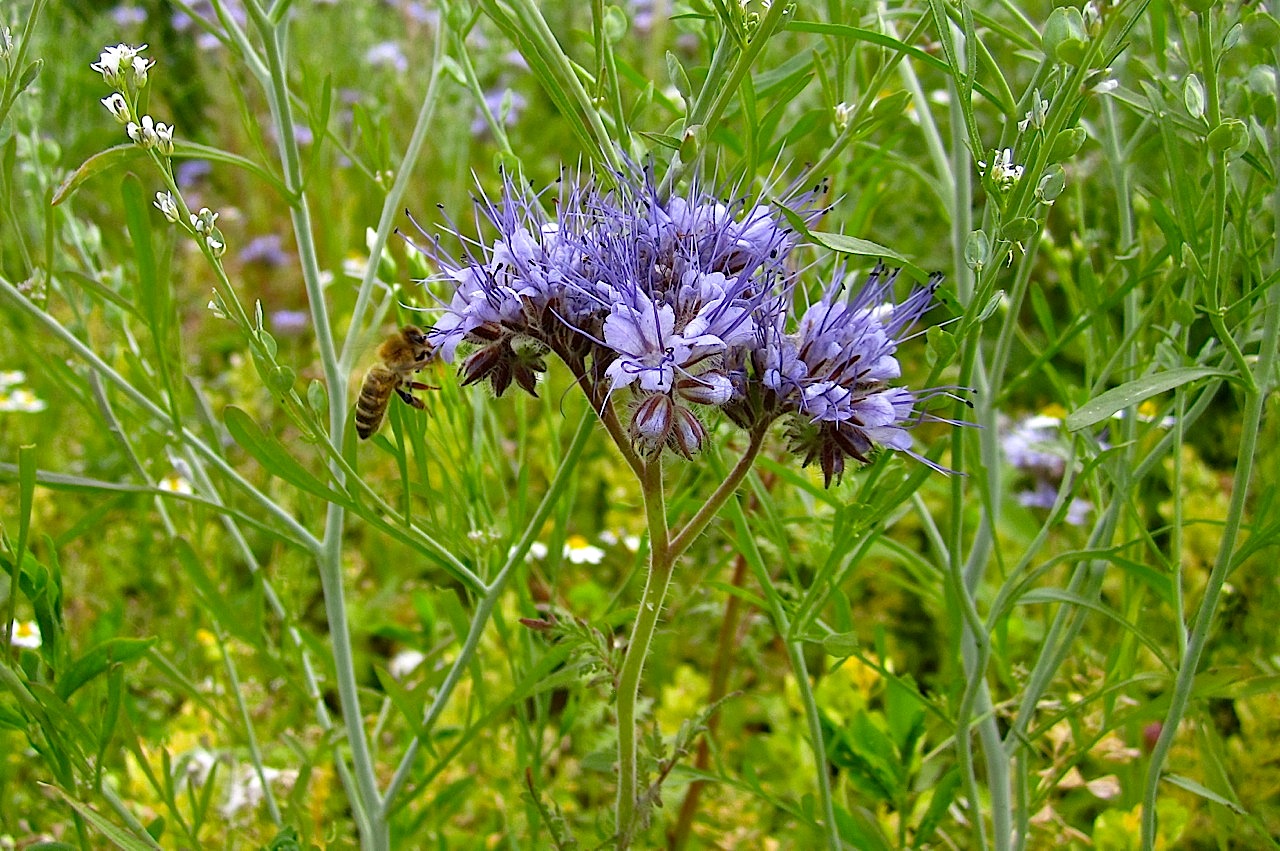
I don’t know the name of these purple flowers.
The fields around the rows of cut-your-own flowers are filled with wheat, beans, corn, and grass for hay.
But hundreds of bees were loving them.
Also, as you can see, our weather has much improved since Wednesday. Temperatures are now well into the seventies.