Vintage landscape: boxwood path

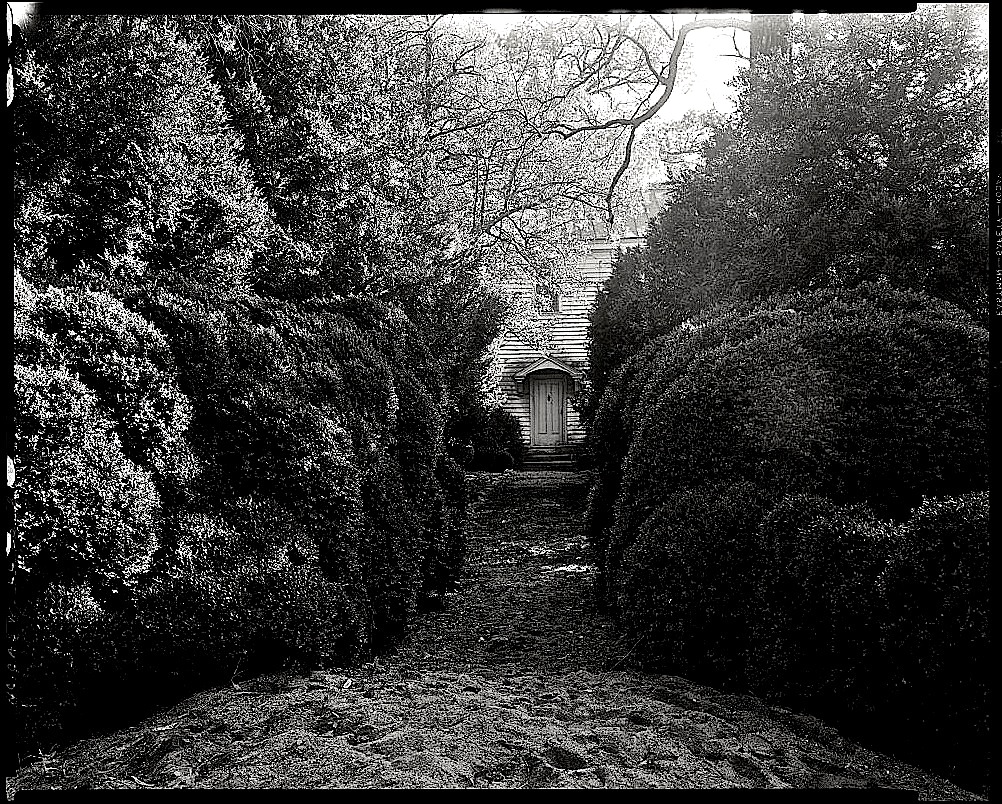
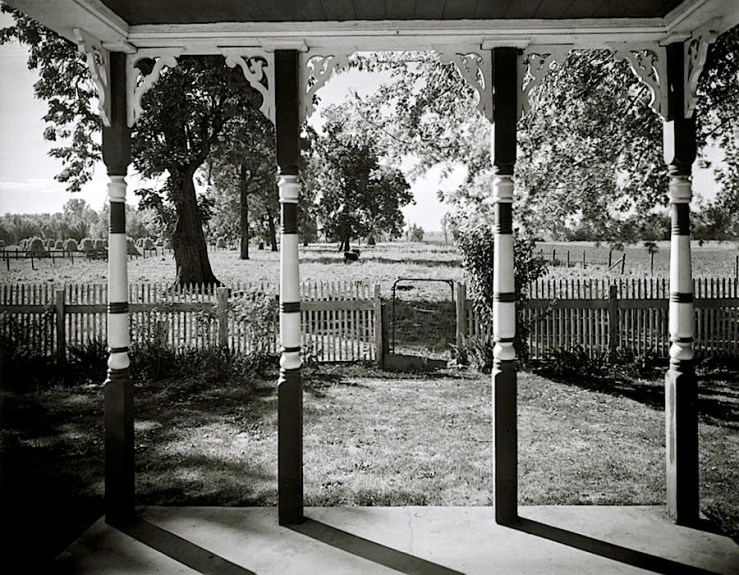
Rose HillRose Hill, Yanceyville, North Carolina, 1938, by Frances Benjamin Johnston, via Library of Congress Prints and Photographs Division.

Rose Hill, Library of Congress

I like to imagine that front door as yellow.

The house still stands and continues to be owned by the Brown family, who built it in 1800.

You can view larger versions of these photos by clicking on ‘Continue reading’ and then on either thumbnail in the gallery.

Nothing moves in boxwood
where gray soldiers lie.

Dave Smith, from “Winesaps

The Sunday porch: view finder

094498pvAbove: View from the porch of the Flanders Callaway House, Warren County, Missouri, 1938, by Charles or Alexander Piaget, working with Charles van Ravenswaay (later incorporated into a 1985 HABS).*

All photos here via Library of Congress Prints and Photographs Division.

This slideshow requires JavaScript.

Above: “View from White House porch [looking north to Lafayette Park],” Washington, D.C., 1920, from National Photo Company Collection. President and Mrs. Wilson introduced sheep to the White House lawn. The wool went to the Red Cross.
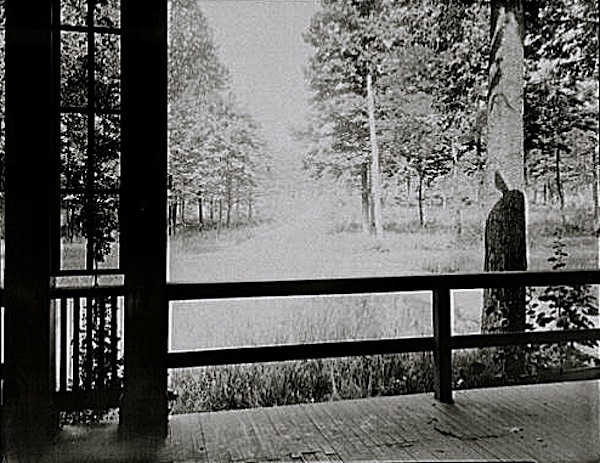
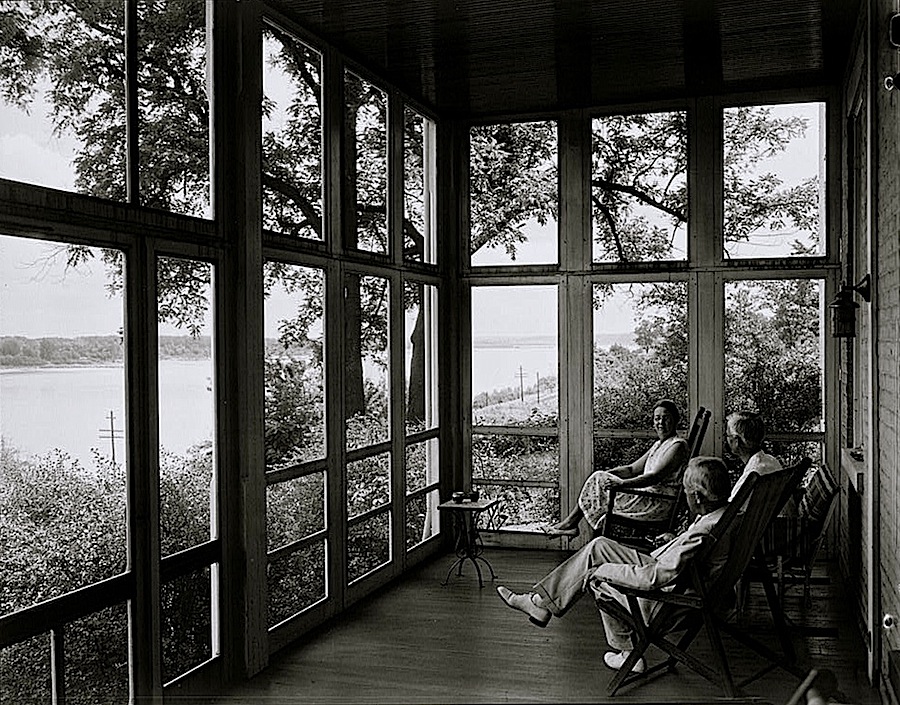
The Sunday porch: views, via Library of CongressAbove: View from porch at Shady Rest Sanatorium, White Heath, Illinois, ca. 1920 – 1950, by Theodor Horydczak.

This slideshow requires JavaScript.

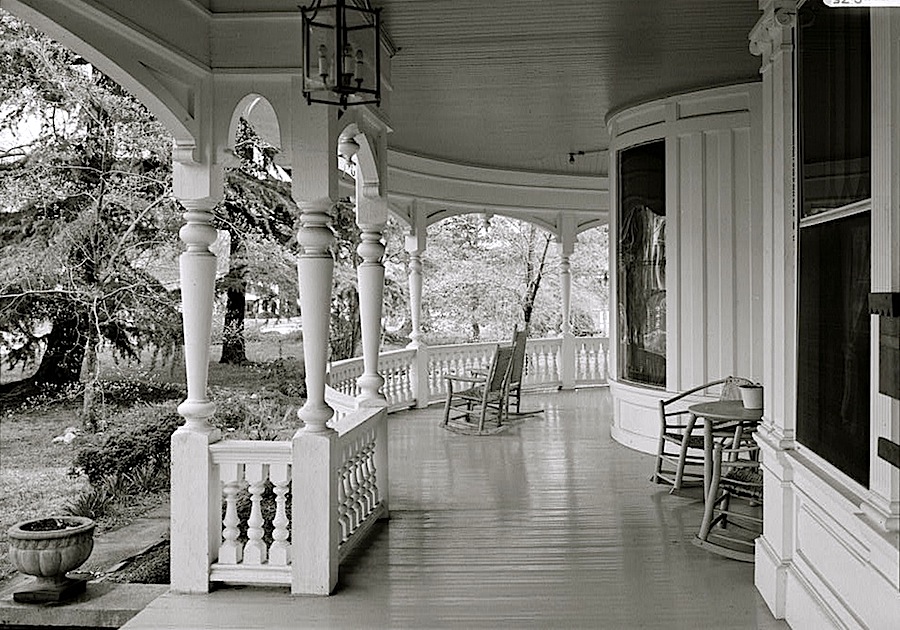
Above: Looking north from the porch of the Kolb-Pou-Newton House [or Boxwood], Madison, Georgia, June 1936, by L. D. Andrew for HABS.

This slideshow requires JavaScript.

Above: View of garden from the porch – Oakland Plantation, Natchitoches Parish, Louisiana, ca. 1988, by HABS.
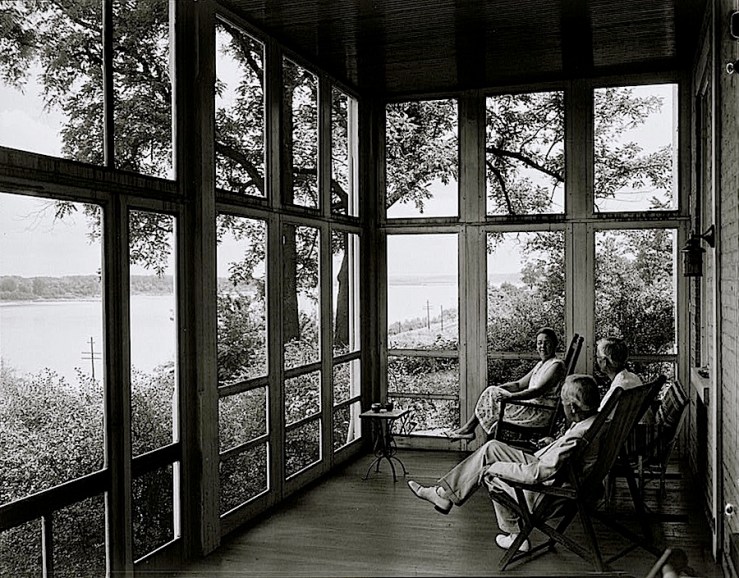
095350pvAbove: Mr. and Mrs. J. H. Dickbrader and Mr. Arcularius on the porch of the Dickbrader House, Franklin County, Missouri, by  HABS.
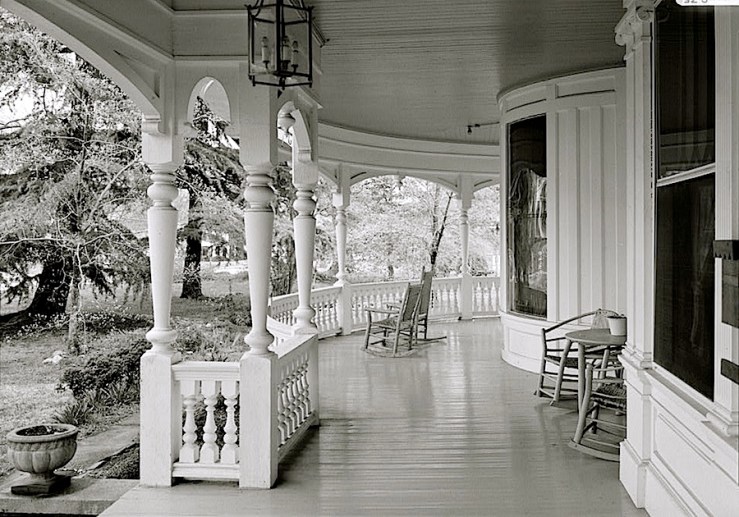
150293pvAbove: John Calvin Owings House, Laurens, South Carolina, by HABS.
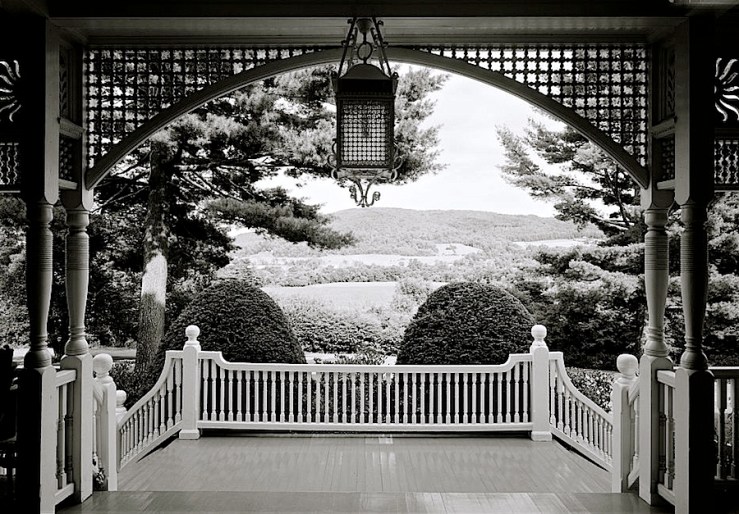
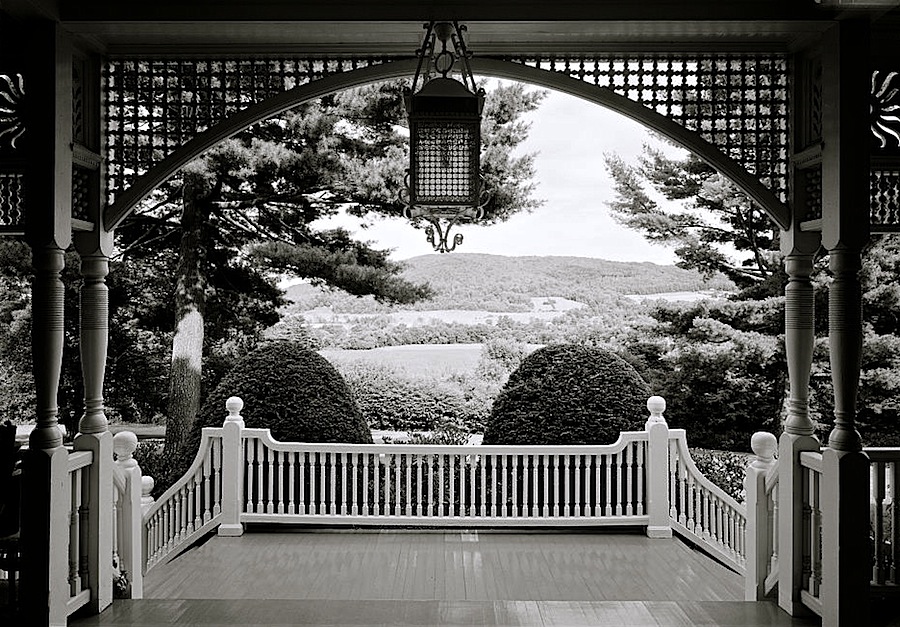
The Sunday porch: views, via Library of CongressAbove: View from the veranda of the Billings Farm and Museum to Blake Hill, Marsh-Billings-Rockefeller National Historical Park, Woodstock, Vermont, 2001, by David W. Haas for HABS.
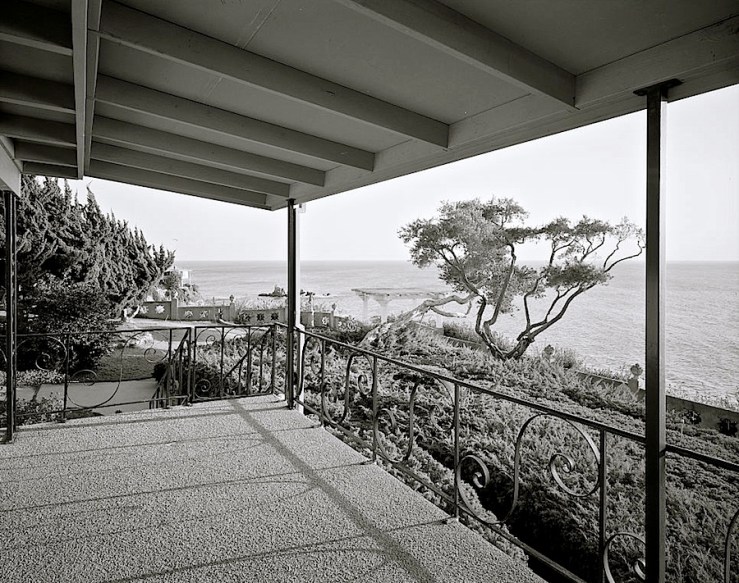
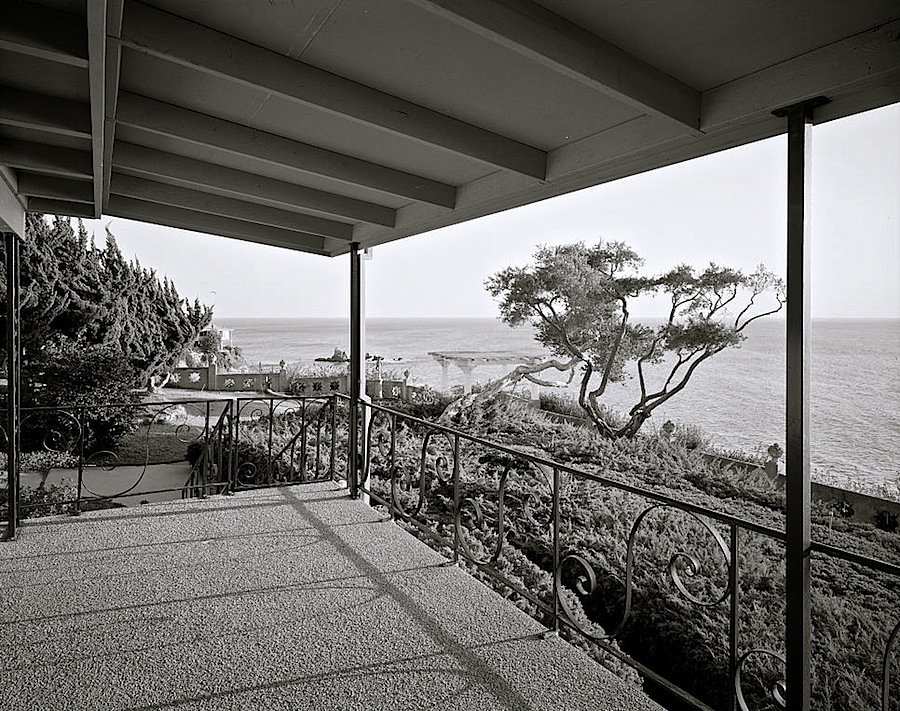
014310pvAbove: Porch of Smithcliffs House, North Coast Highway, Laguna Beach, California, by HABS.
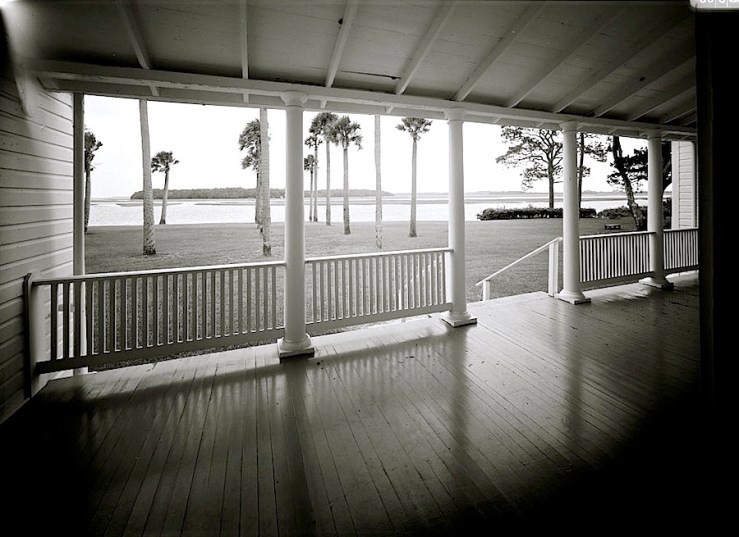
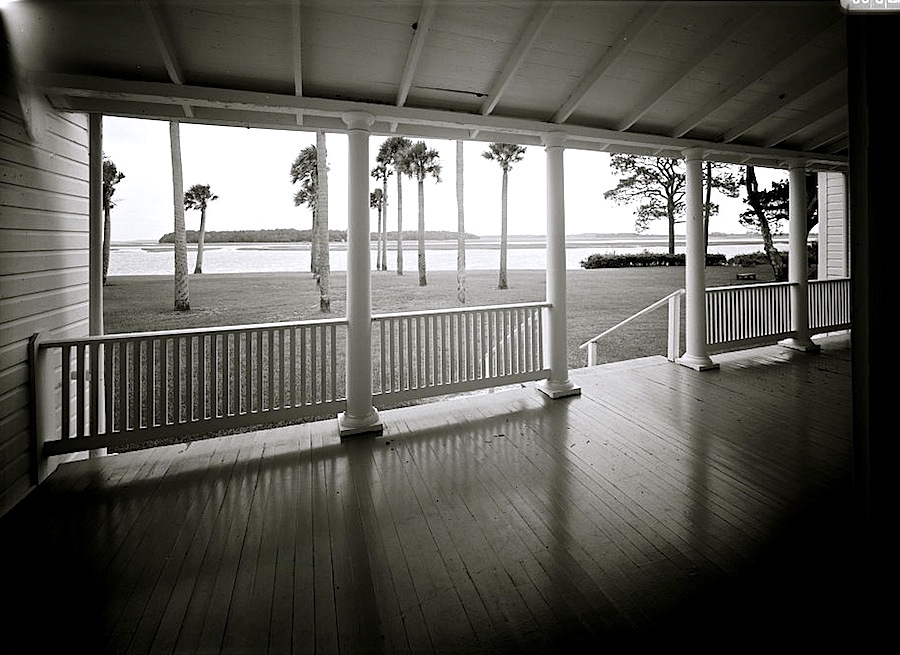
207863pvAbove: “View from north porch, looking northeast toward Fort George River – Kingsley Plantation House,” Jacksonville, Florida, 1005, by Jack Boucher for HABS.

This slideshow requires JavaScript.

Above: “View from north porch looking south into Back Hall, with Reception Hall south door open [and closed] – Homewood (cropped slightly by me),” Baltimore, Maryland, 2005, by James W. Rosenthal for HABS.


*Historic American Building Survey

 

The Sunday porch: Wellington

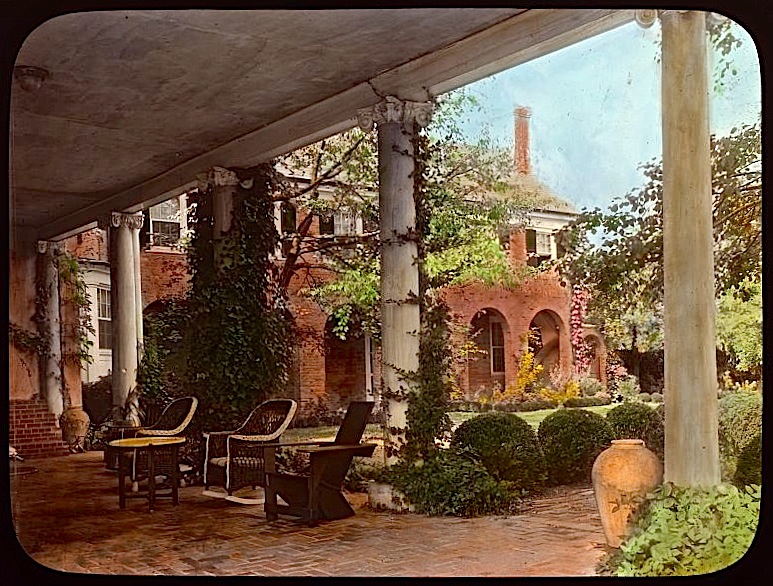
The Sunday porch/enclos*ure: Wellington, now River Farm, about 1931, Alexandria, VA, via Library of Congress.“Wellington,” near Alexandria, Virginia, 1931, hand-colored glass lantern slide by Frances Benjamin Johnston, via Library of Congress Prints and Photographs Division.
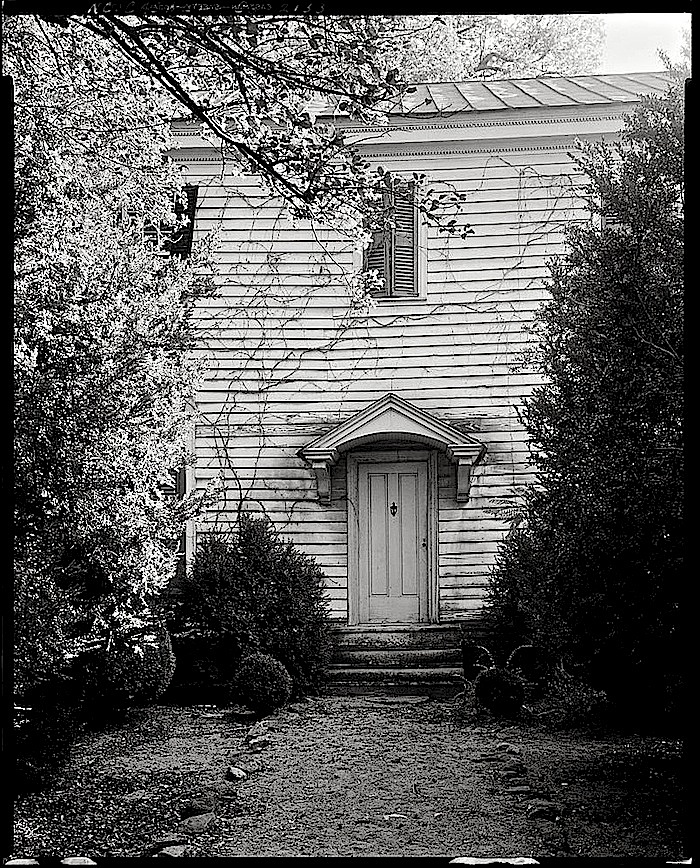
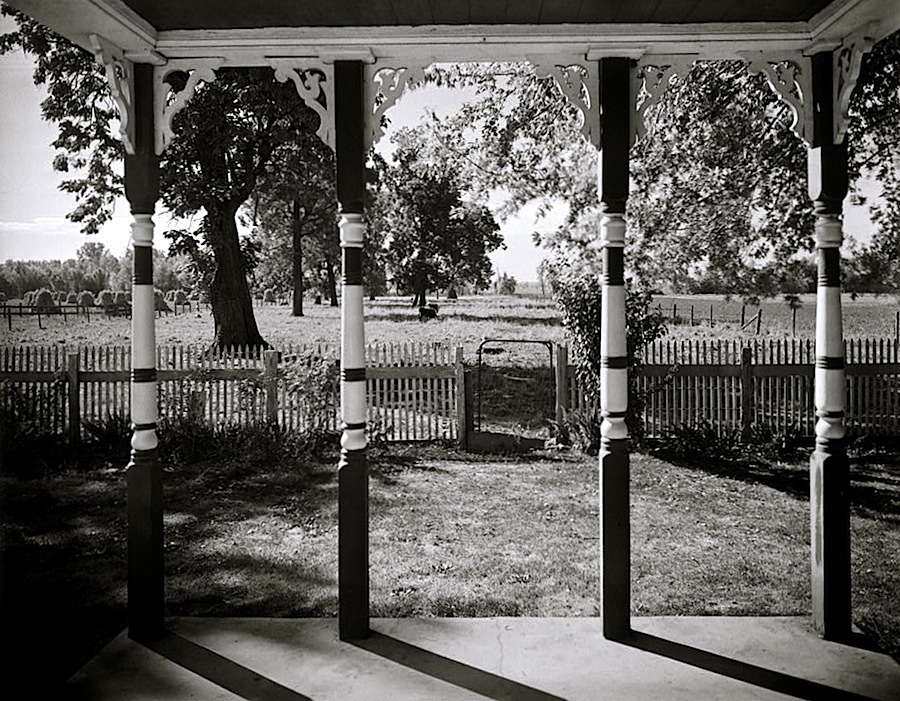
The white columned, ground-level porch wrapped around two and a half sides of one wing of the house.  I like the black and white wicker rockers and those terracotta jars.

Today, the house (built in 1757) and its surrounding 25 acres are the headquarters of the American Horticultural Society (AHS) and are called River Farm.

George Washington originally gave the property that name after he purchased it in 1760.  It was then 1,800 acres in size and became one of his five farms around Mount Vernon.

During the 1800s, the property, re-named Wellington, passed through several owners’ hands, becoming progressively smaller in size.  It was only 280 acres in 1919, when it was purchased by local businessman Malcolm Matheson, who restored the house and gardens.

In 1971, when Matheson wanted to retire to Florida, the house and (then) 27 acres were bought by the AHS.  The funds for the purchase had been donated by board member Enid A. Haupt — partly to help the AHS, but also to keep the last of George Washington’s old farm out of the hands of the Soviet Embassy, which had wanted to buy it as a summer dacha for its employees.

Today, River Farm is open to the public  weekdays, from 9:00 a.m. to 5:00 p.m. From April through September, it is also open on Saturdays, from 9 am to 1 pm. Admission is free.

And, of course, it can be rented for weddings and events.

A gardyn saw I, ful of blosmy bowes
Upon a ryver, in a grene mede,
There as swetnesse everemore inow is,
With floures whyte, blewe, yelwe, and rede

— Geoffrey Chaucer, from “The Parlement of Foulys

Another summer, continued

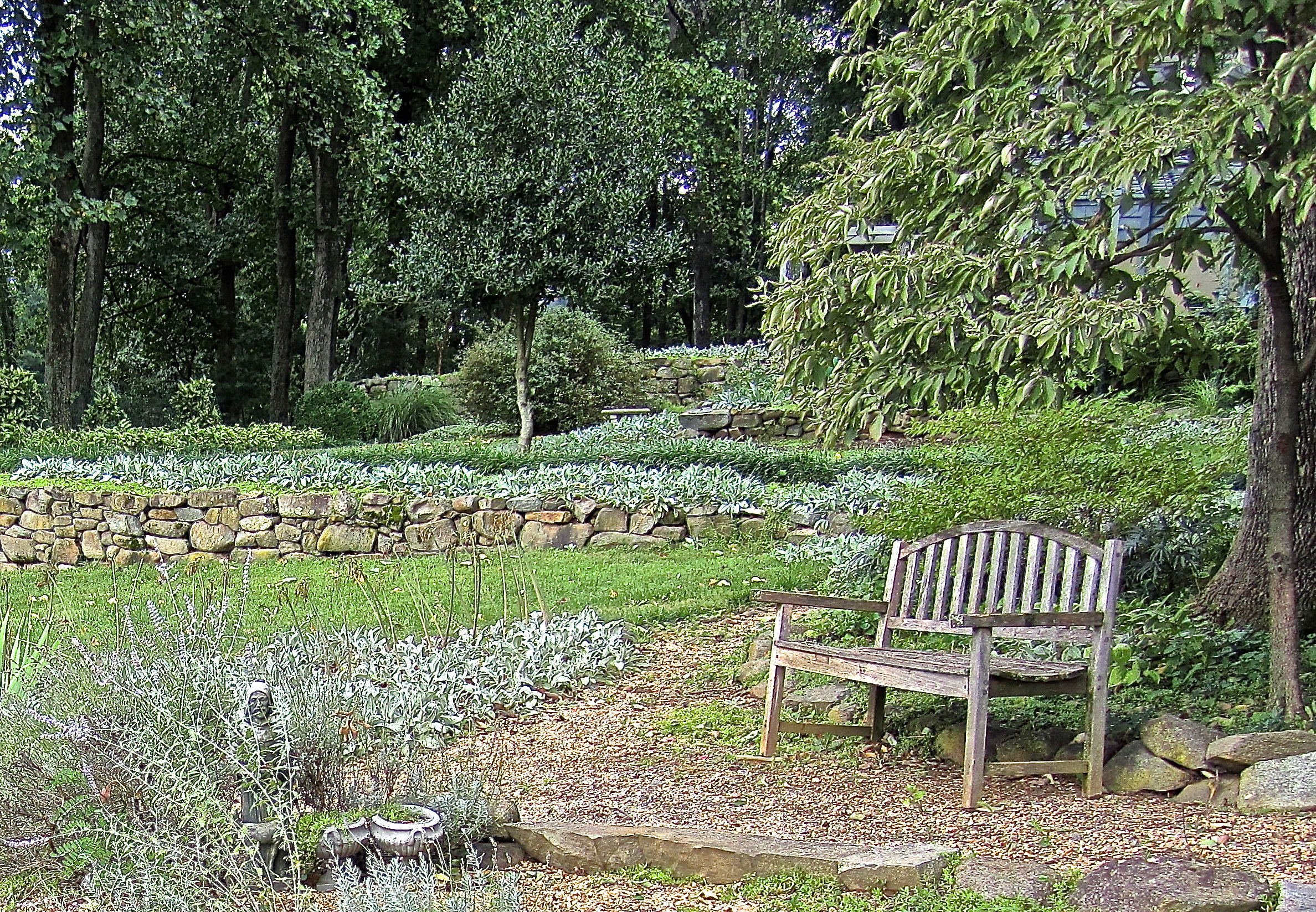
I thought you might like to see some photos of my parents’ garden in Northern Virginia — the one which surrounds  last week’s “Wordless Wednesday” stepping stone.  I took these pictures last August, before we left for Rwanda.

Tara Dillard often writes in her blog about beautiful landscapes shaped by the “poverty cycle.”   My parents have a deer cycle.

Every summer, the deer pass through the garden, the old Christmas tree field, and the woods — eating and eating.  Their numbers have increased over the garden’s 30-year existence, as farmed and forested lands have been lost to suburban development.

The result is a planting palette dominated by species that deer don’t like:  boxwood, cherry laurels, beautyberry, Miscanthus grass, lamb’s ear, Liriope, Hellebores, Russian sage.

The hollies, Aucuba, Hostas, Viburnums, and Solomon’s seal — which deer do like — are protected, with some success, by lines of nylon filament and and smelly sprays.  The two dogs occasionally rise to a bark and a brief pretend chase, but mostly ignore the passing herds.

My mother misses her old daylily collection, but she also loves watching each year’s crop of fawns.  I think the drifts of silvery grey, lavender, lime, and dark green are peaceful and perfectly set off the gorgeous view of the mountains.

Click on any thumbnail below and enjoy.

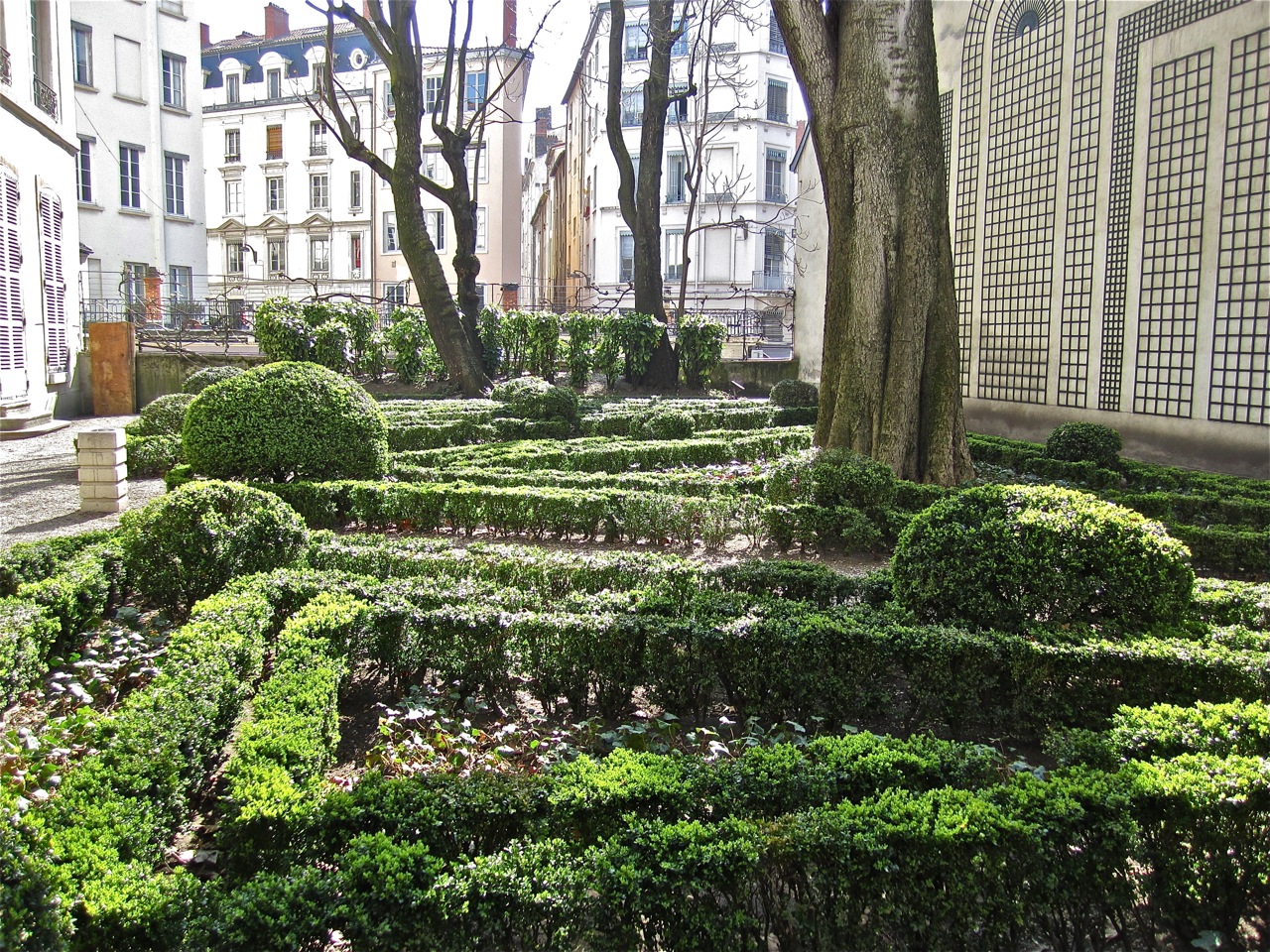
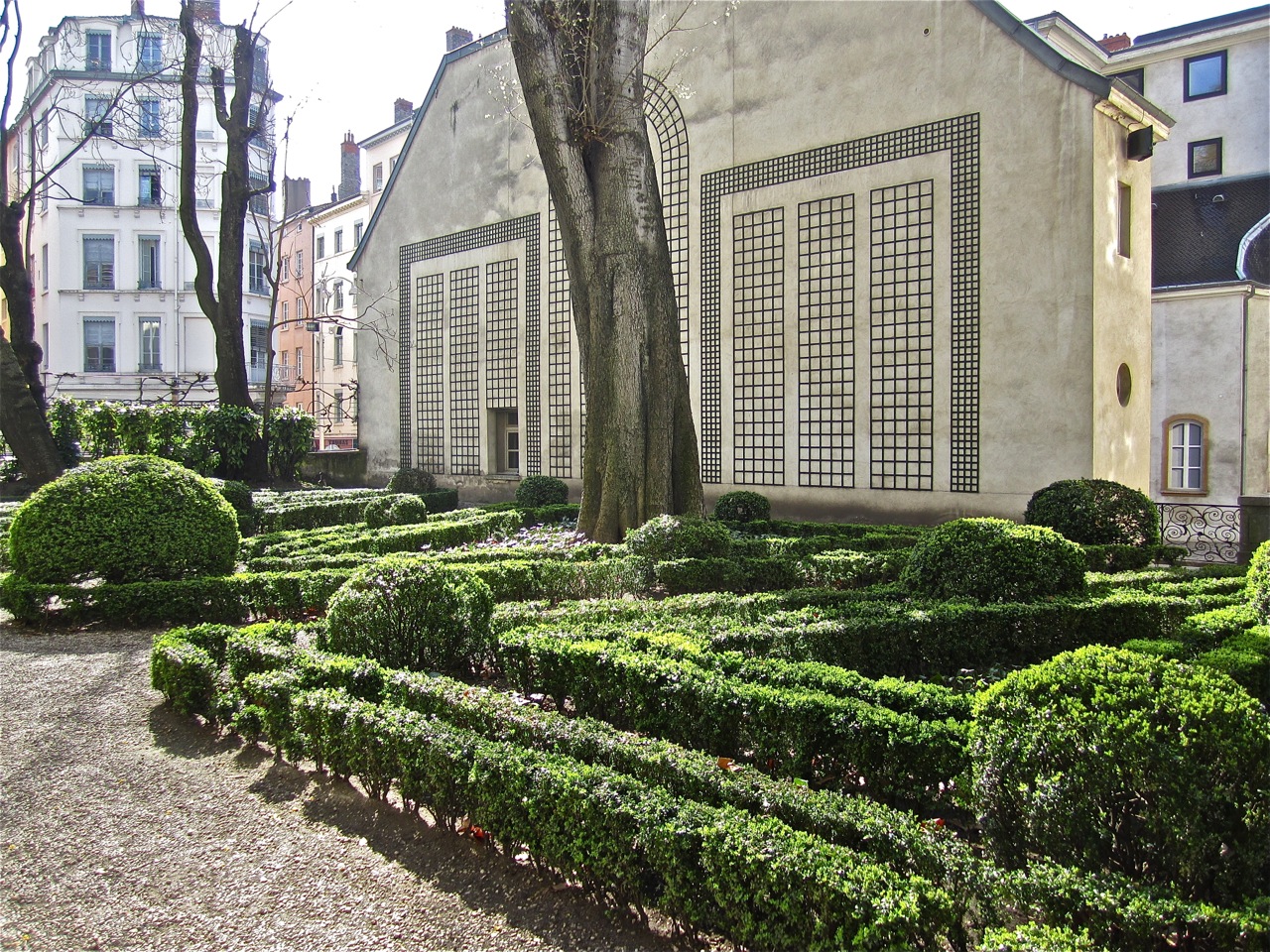
Museum garden in Lyon

Staying in France a little longer: The city of Lyon has two excellent museums located side-by-side on the Rue de la Charité in the Presqu’île area.

The Decorative Arts Museum is housed in the Hôtel de Lacroix Laval, built by Jacques Germain Soufflot in 1739.

Its windows overlook a small traditional parterre — or would, were they not covered by protective shades and gorgeous silk drapes.

The boxwood hedges are laid out in concentric triangles, punctuated by clipped balls.  Ivy fills the centers, and acuba is planted at either end of the space.

Inside, the museum displays beautiful complete rooms of paneling, lighting, and furniture taken from 18th c. French residences, as well as ceramics and silver.

Next door, The Textile Museum exhibits clothing, tapestries, and carpets — from ancient Egypt and Asia to modern France.

I nearly had a religious experience in its gallery of silk Persian garden carpets hung against deep gray walls.

While I was in the garden, I also remembered the triangular patterns in the Rwandan Royal Palace garden in Nyanza.