Lake Kivu fishing boats

While we were in the southwest of Rwanda last week, we stopped at a small cove in Cyangugu to visit the Safe T Stop project, which helps members of the local fishing and fish-selling communities organize to prevent HIV-AIDS.

Safe T Stop is supported by PEPFAR through USAID.

The project has sponsored a brightly painted traditional fishing boat. When the fisherman see it on the water, they know they can get condoms and health information.

Rwandan fishing boats are actually three connected boats. The nets hang in the spaces between them.

The boat’s builders re-used parts of old tires.

Organizing to fight HIV-AIDS has helped the communities organize to improve their businesses as well. They showed us cages for farming tilipia and a new commercial refrigerator.
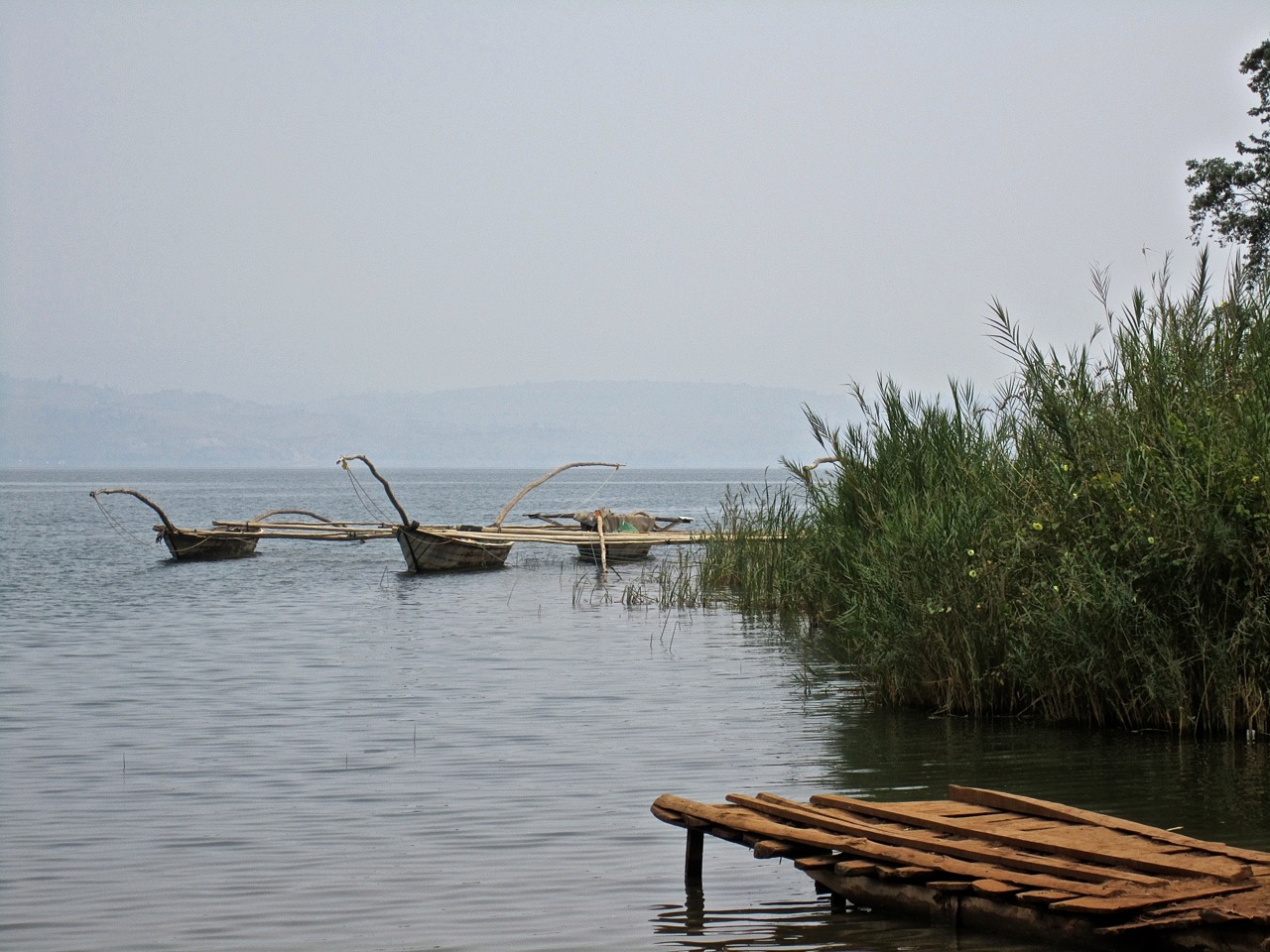
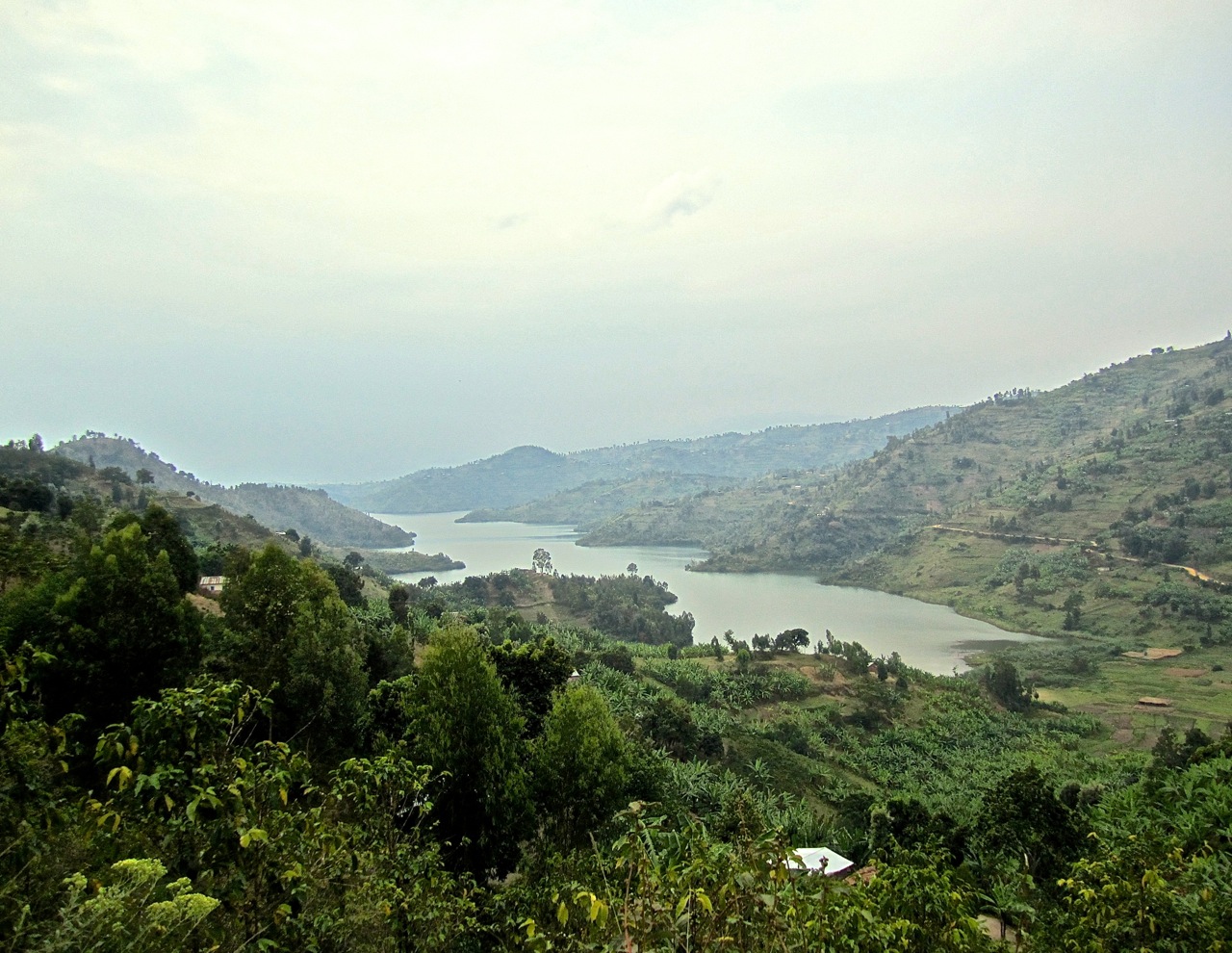
The Rwandan boats always remind me of cranes coming in for a landing.  The hills in the distance are in the DR Congo.

Vintage landscape: Maplewood cottages

“Cottages at Maplewood [Waseca, Minnesota],” ca. 1880-1899. By Detroit Publishing Co., via Library of Congress Prints and Photographs Division.

Maplewood Park on Clear Lake was a national vacation attraction at the end of the nineteenth century. Click the image to enlarge it.

For another sort of summer cabin living, see today’s New York Times, here.

Vintage landscape: Zuni gardens

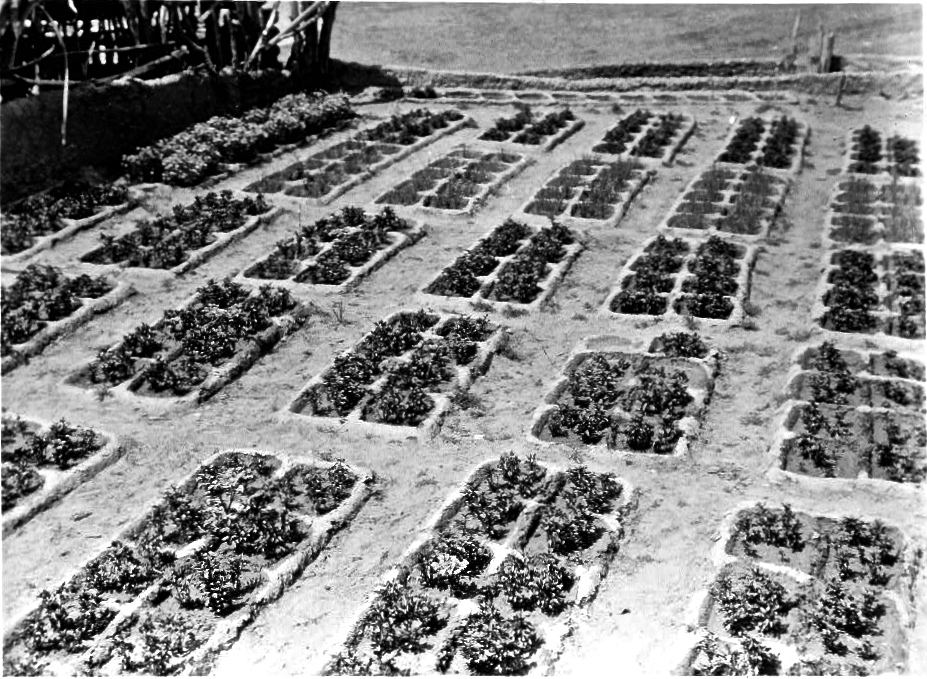
“Gardens surrounding the Indian Pueblo of Zuni, in which are raised a variety of vegetables, such as peppers, onions, garlic, etc.,” c. 1873, by Timothy H. O’Sullivan, via Library of Congress Prints and Photographs Division.

The Zuni people of western New Mexico have long built a form of kitchen garden (now) called “waffle gardens.”

Each square plot is about 2′ to 8′ wide with bermed sides of unamended soil. The design efficiently captures and holds rainwater and retards evaporation. The Zuni traditionally filled their gardens with corn, beans, and squash.

Timothy H. O’Sullivan, who took the picture above, photographed events of the Civil War as an employee of Alexander Gardner.

From 1871 to 1874, he traveled the southwestern United States as part of a survey of the land west of the 100th meridian. Later, he worked in Washington, D.C., as an official photographer for the U.S. Geological Survey. He died of tuberculosis at age 42.

“Zuni gardens,” c. 1927, by Edward Curtis, via Library of Congress.

Edward Curtis, a Seattle photographer, took over 40,000 images of life in 80 native American tribes.  The photo above was one of 2,000 he published, from 1907 to 1930, in the 20-volume The North American Indian.

Sweet indeed

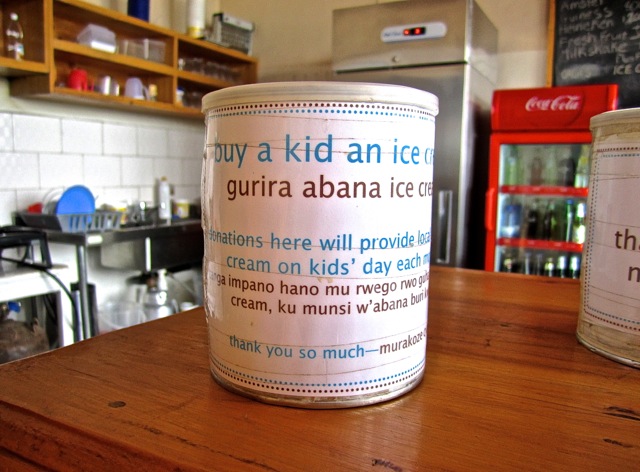
One of the more charming places we’ve visited in Rwanda is the country’s first ice cream shop, called Inzozi Nziza (Sweet Dreams).  It is located in the city of Butare in Huye District.

Inzozi Nziza offers artisanal soft-serve ice cream made from Rwandan ingredients. Their milk comes from a depot in Nyanza and is pasteurized in the shop.

A small cup of ice cream is 500 Rwandan francs or about 83 U.S. cents. They were serving coffee and mango flavors when we stopped there this week.

The shop was started by Kiki Kotese, Deputy Director of the University Centre for Arts and Drama at the National University of Rwanda (principally located in Butare) and Jennie Dundas, co-founder of New York City’s Blue Marble Ice Cream (its non-profit’s interesting blog here).

“Kiki wanted to start a business that would help local women, but she wanted to bring happiness and joy to Huye. . . ,” according to the shop’s brochure.

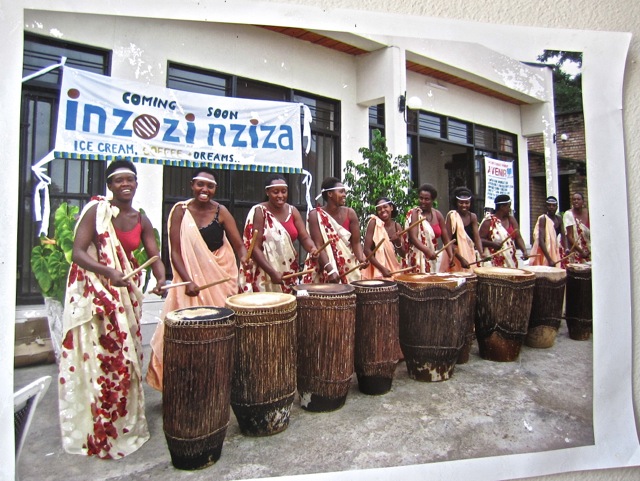
Inzozi Nziza is co-owned by  Ingoma Nshya, Rwanda’s first women’s drumming group.  Created in 2004, its members now number over 100.

The shop’s delicious Maraba coffee is carefully prepared, beginning with the hand grinding of the beans. . .

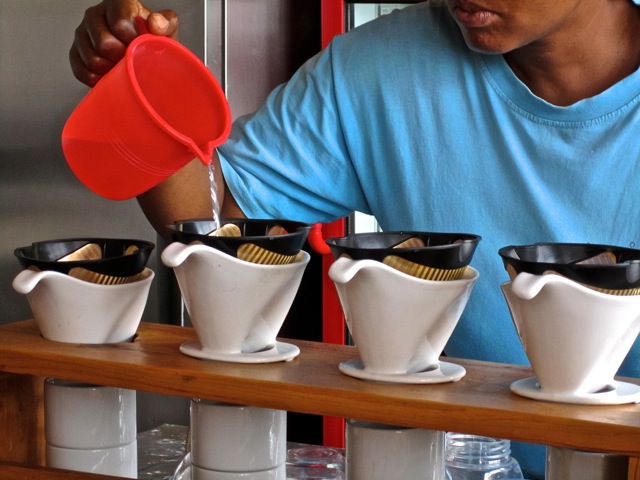
and finishing with the individual dripping of each cup.

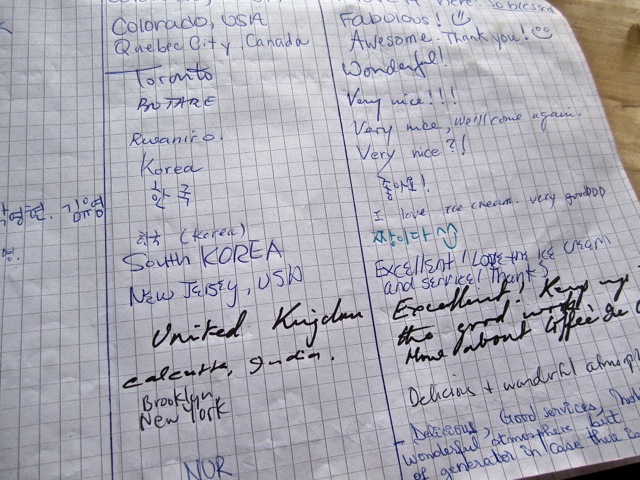
Proof of their products’ quality is found in their visitor’s book. . .

and in our quickly emptied cups. We’re already looking forwarding to our next visit.