In the ferns

the elegant script of ferns. . .*

Last February, we took our visiting oldest daughter to Nyungwe National Park and hiked the first half of the trail that includes a tree canopy walkway.  Last week, with second daughter and friend in tow, we completed the entire circuit.
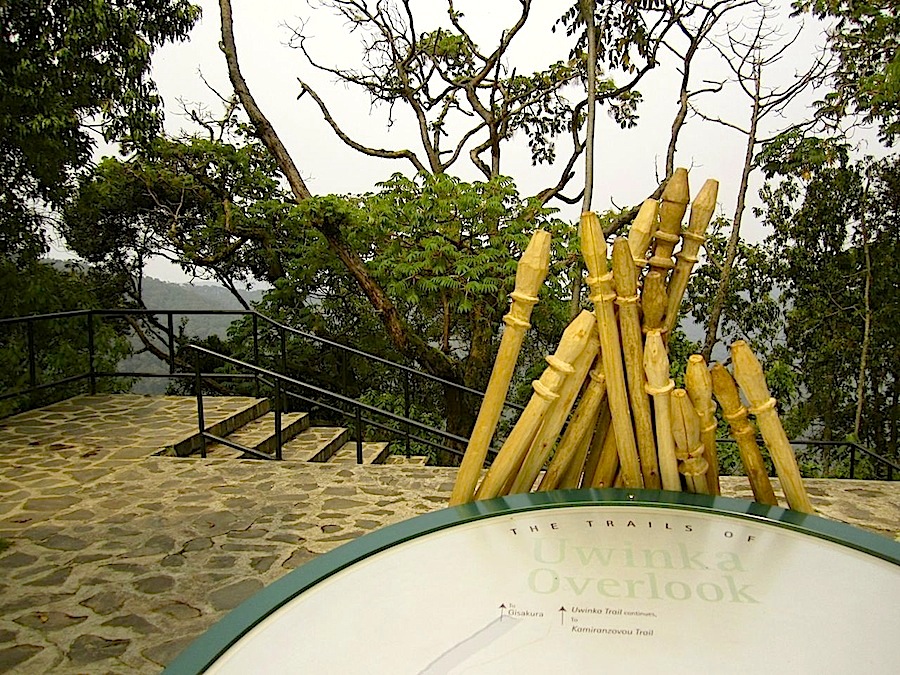
Nyungwe National Park/enclos*ure

The hike started with us tucking our pants legs into our socks (against ants) and receiving walking sticks.

Although the paths are well-maintained, the sticks are necessary for the steeper, sometimes slippery sections.

The steps shown above are the first of many, many, many on a long descent to the canopy walkway. (The welcome center is at one of the highest points in the park.)

It was a hazy day, so I can’t show you the great mountain views that are otherwise visible along the way, but you can click here to see my photos from last February.
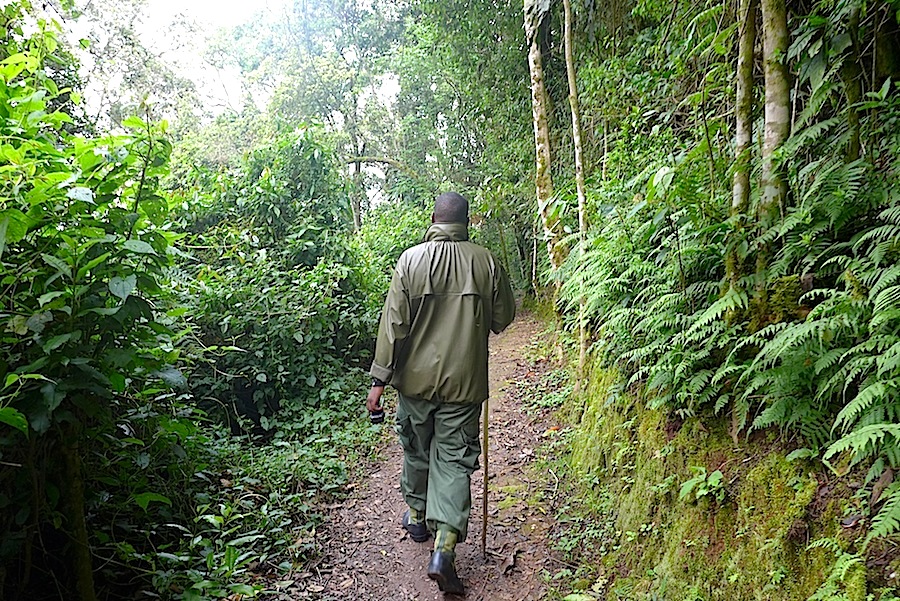
Photo by L. Koran
Photo by Laura Koran

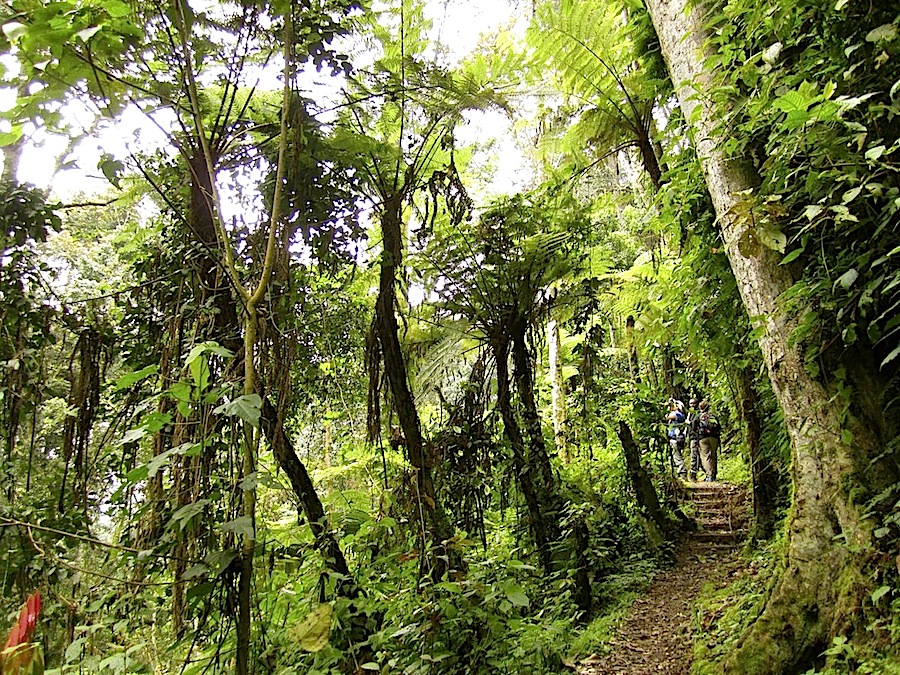
Above: Our guide led the way.  He spotted a number of blue monkeys and turaco birds for us.**

(The earth walls that were cut when the trail was created — to the right of the guide above — bring the smaller plants of the forest floor to almost eye level. I’ve put pictures and names of some of them in a photo gallery, which you can scroll through by clicking on ‘Continue reading’ at the end of this post.)
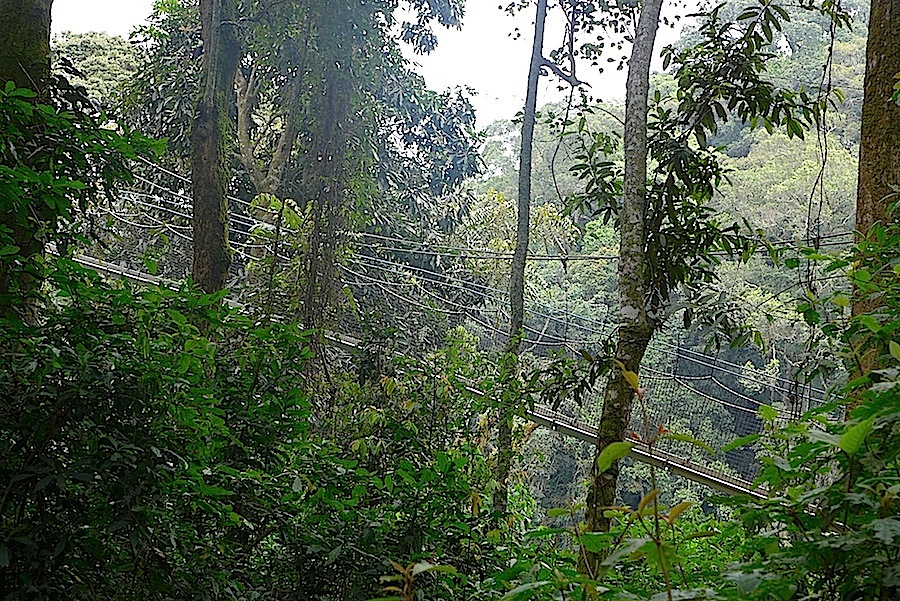
Photo by L. Koran
Photo by L. Koran

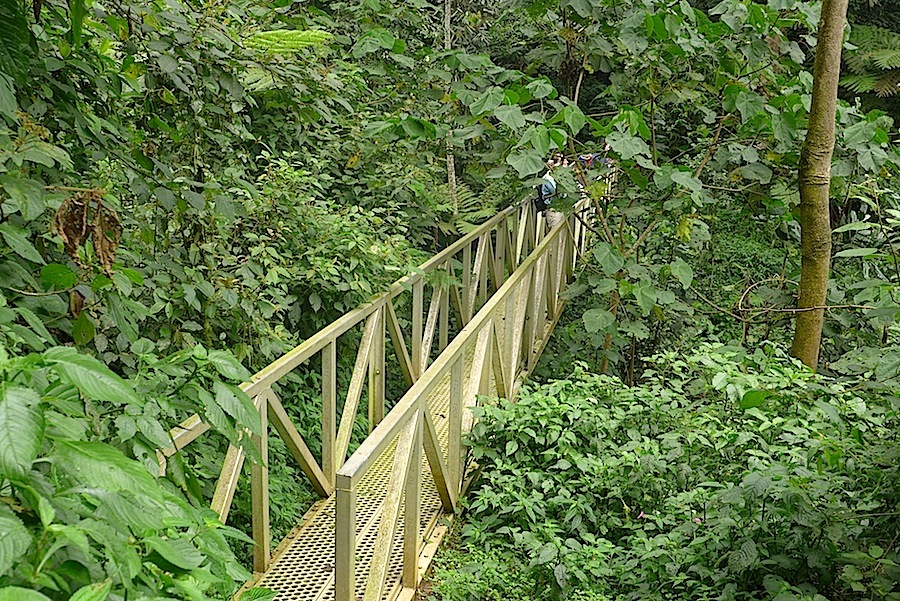
Above: We arrive at the beginning of the canopy walkway.
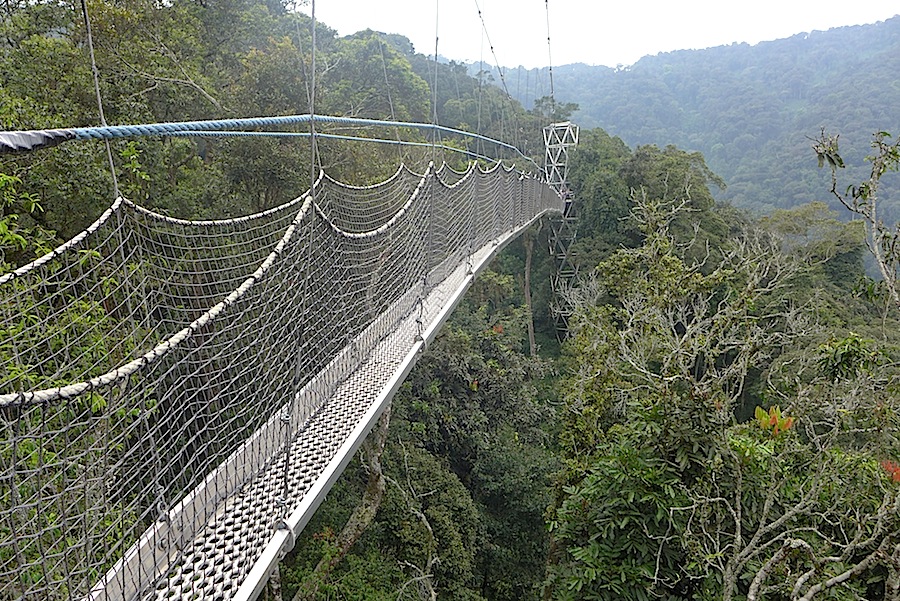
Photo by L. Koran
Photo by L. Koran

Above: The middle and highest section is 187′ (57 m.) above the ground.

During last year’s visit, with only the three of us and the guide, the walkway swung less, and I stopped a few times to look down and take pictures. (You can see them here.)

This time, in a group of about fifteen — with eight people crossing the walkway at a time — the shaking made me keep my eyes on the back of the person in front of me.

Photo by L. Koran
Photo by L. Koran

Above: Our guide starts across.

Nyungwe National Park/enclos*ureAbove: I did look down after I reached the top of the second tower.
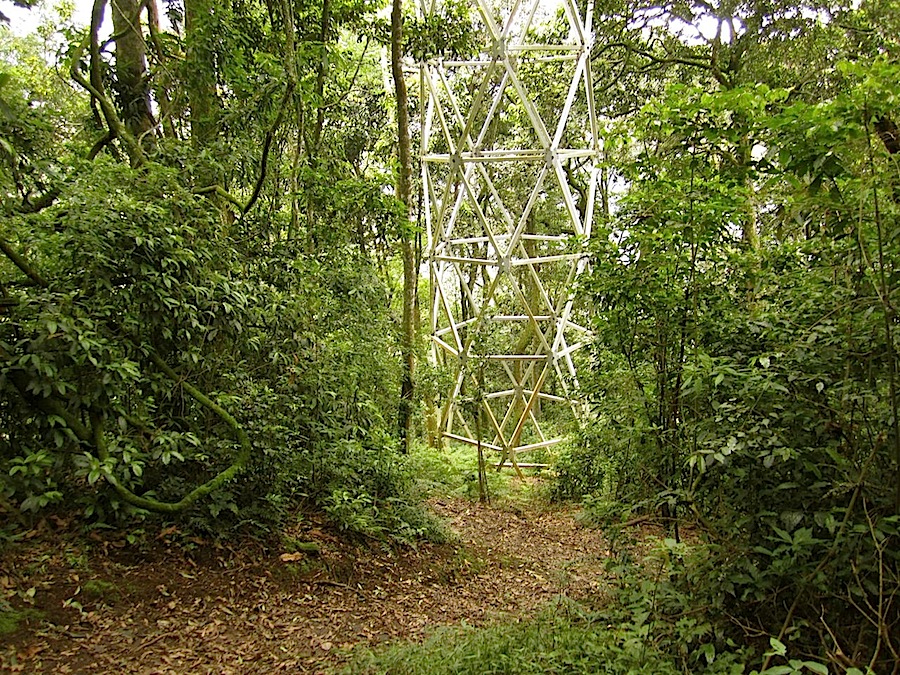
Nyungwe National Park/enclos*ureAbove: Back on the ground below the second tower.

Nyungwe National Park/enclos*ure

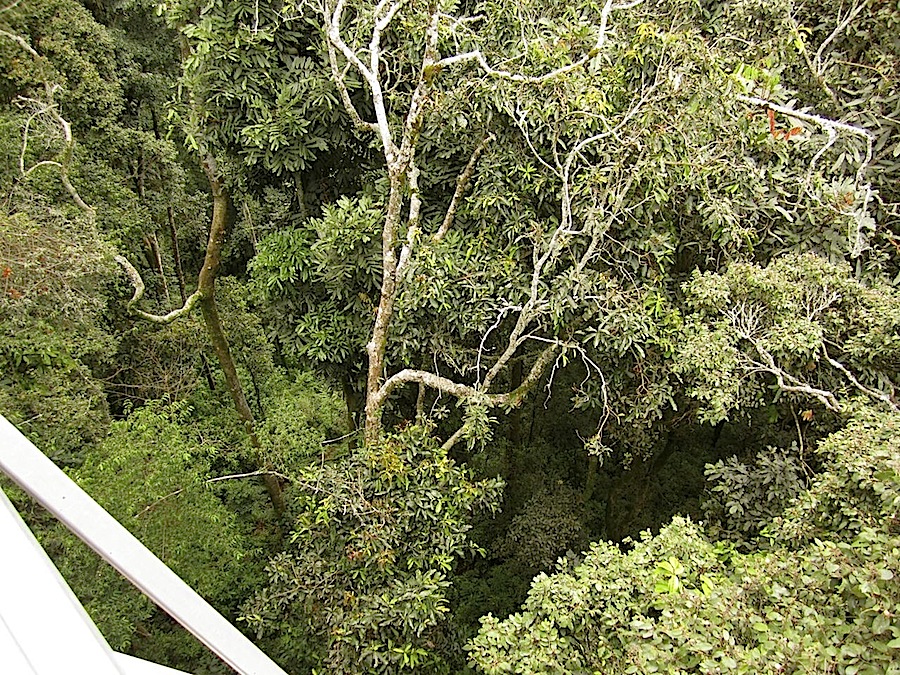
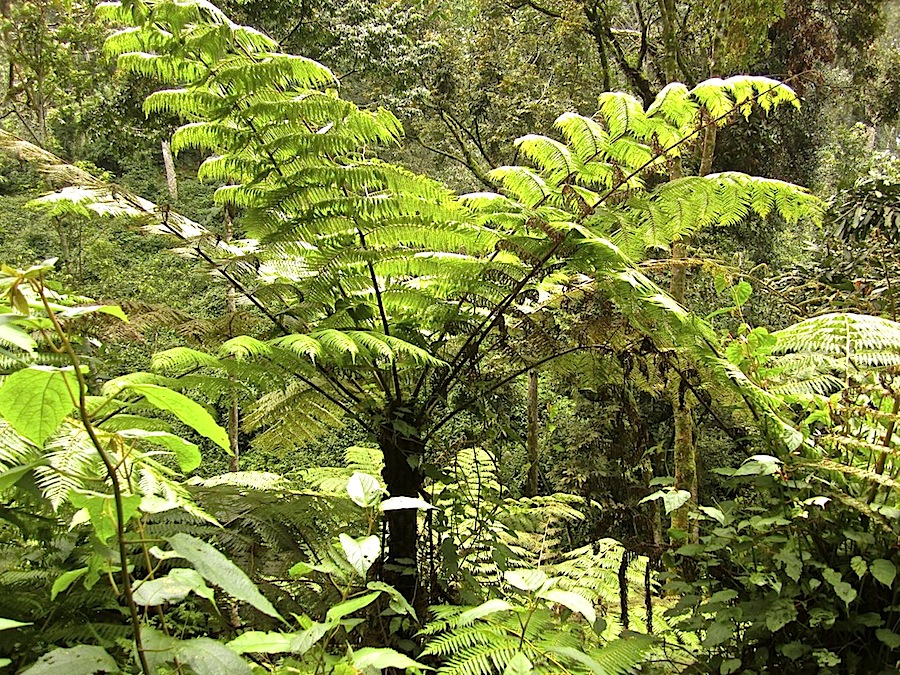
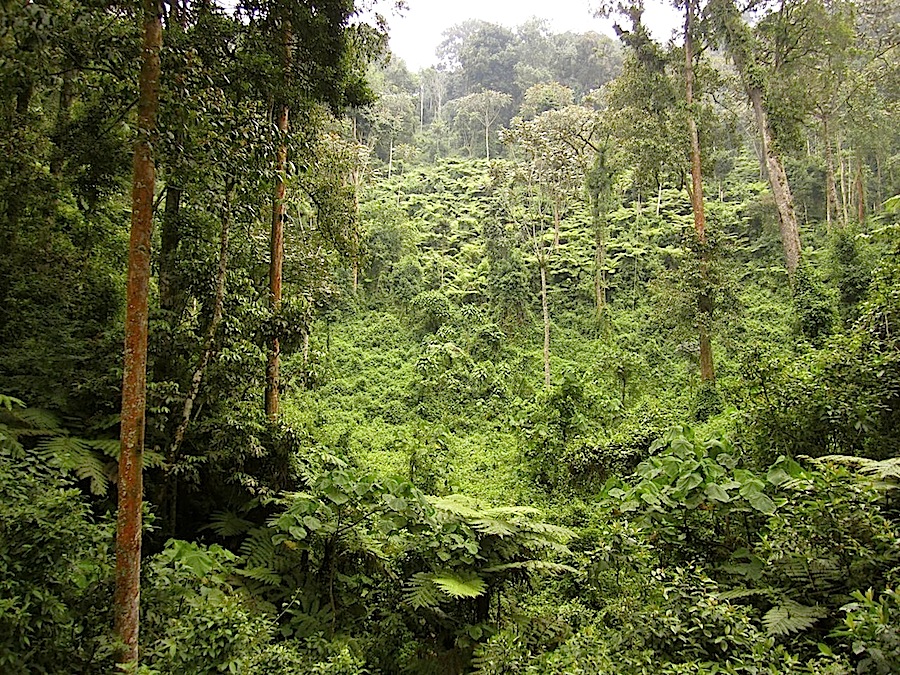
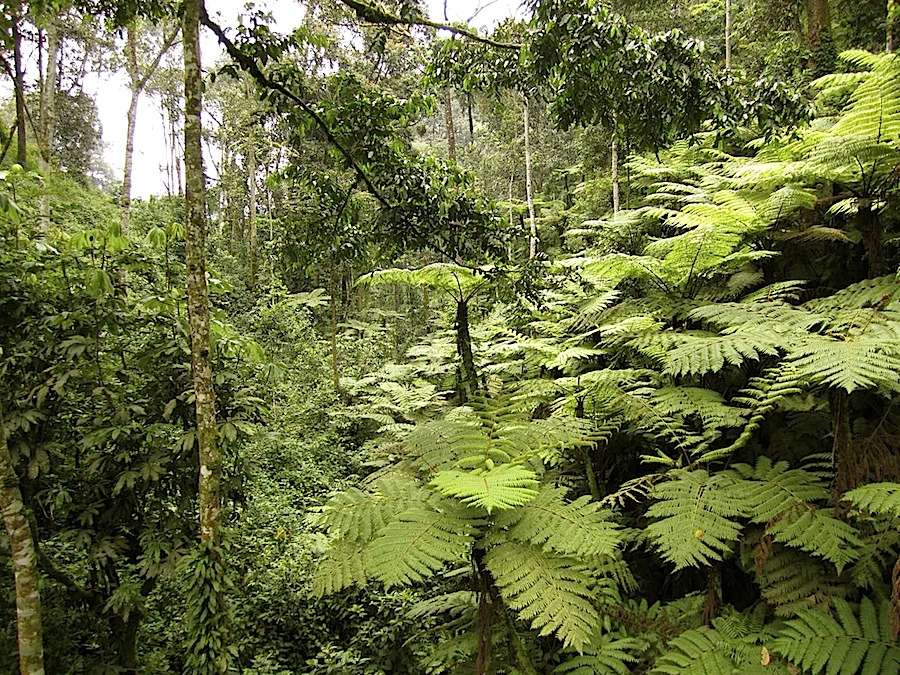
When you cross the middle section of the walkway and (dare to) look down, you see a narrow valley of tree ferns and hear the moving water of a stream.  The second half of the hike continues on to that valley.  There, we saw hundreds of the tall ferns.

Nyungwe National Park/enclos*ure

In fact, this trail is named — in Kinyarwanda — for the tree ferns: the Igishigishigi Trail.
Nyungwe National Park/enclos*ure

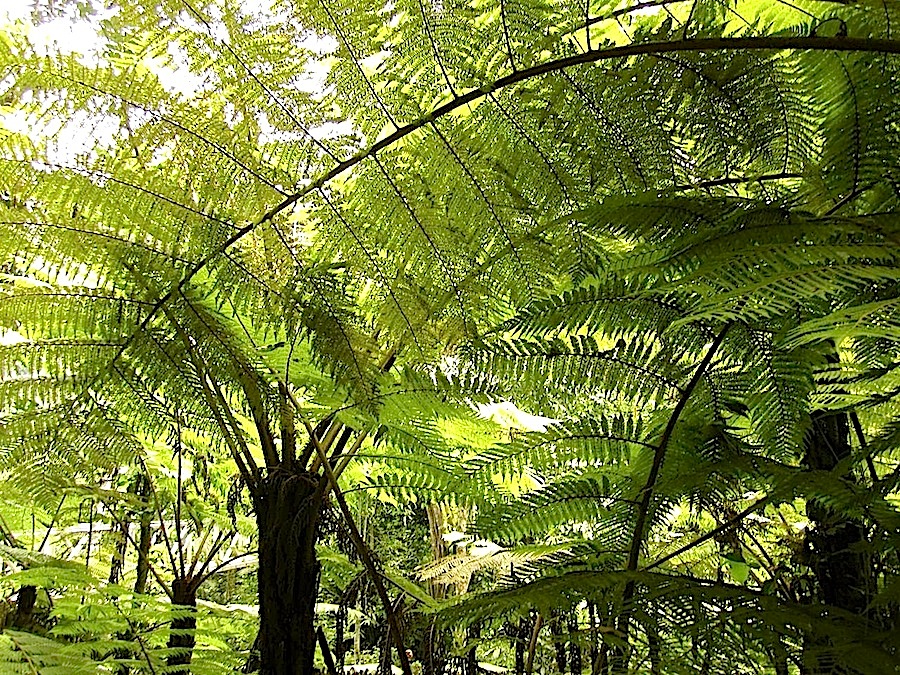
Cyathea manniana is one of two tree ferns in the park.  The other is C. dregei.  Manniana only grows in undisturbed forest, while dregei can be found along the sides of the road through the park (it also has persistent old leaves).
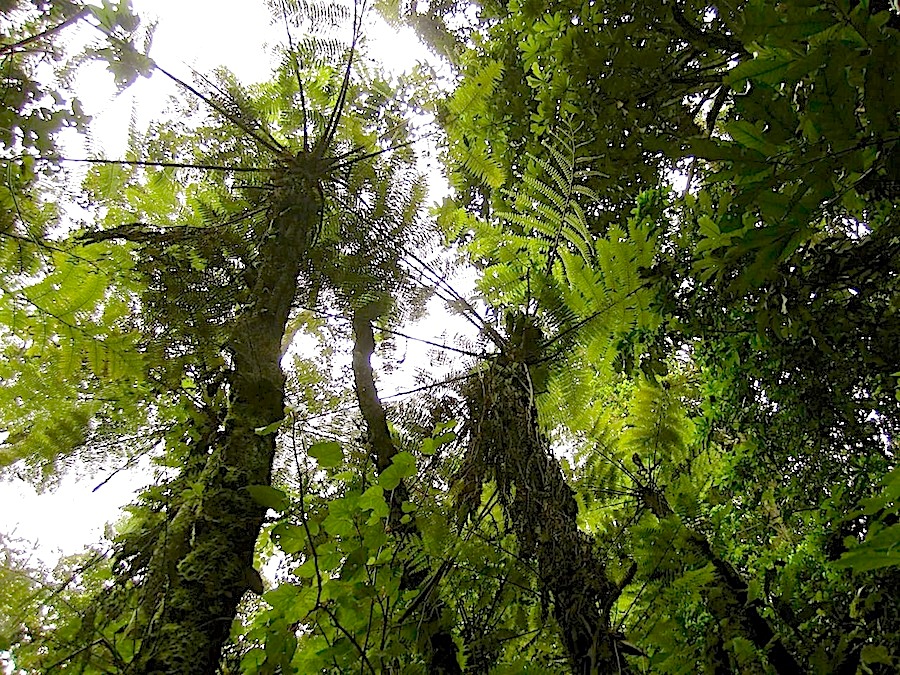
Nyungwe National Park/enclos*ureAbove: Looking up into the ferns. C. manniana can grow to almost 20′ (6 m.) tall.

Nyungwe National Park/enclos*ure

C. manniana is traditionally used as a medical plant to treat snake bites,” according to my field guide.*** There are nine kinds of snakes in the park, but only one is poisonous.
Nyungwe National Park/enclos*ure

Nyungwe National Park/enclos*ure

Photo by L. Koran
Photo by L. Koran

Above: A small bridge crosses the stream that we heard from the canopy walkway.  The guide meant to take us down to the water, but there were too many biting ants on the path.
Nyungwe National Park/enclos*ure

Tree ferns are one of my favorite plants, but unfortunately, they would not grow well in the cold or the heat of our Washington, D.C., garden.

Nyungwe National Park/enclos*ure

Nyungwe National Park/enclos*ureAbove: Leaving the ferns behind, we started back to the welcome center.

The Igishigishigi Trail is 1.3 miles (2.1 km.) long and takes 1 1/2 to 2 hours.  It is rated ‘easy,’ but a large part of it involves descending and ascending steps.  It’s a solid workout.

The trail begins at an elevation of 8,038′ (2450 m.) and descends to 7,530′ (2295 m.).
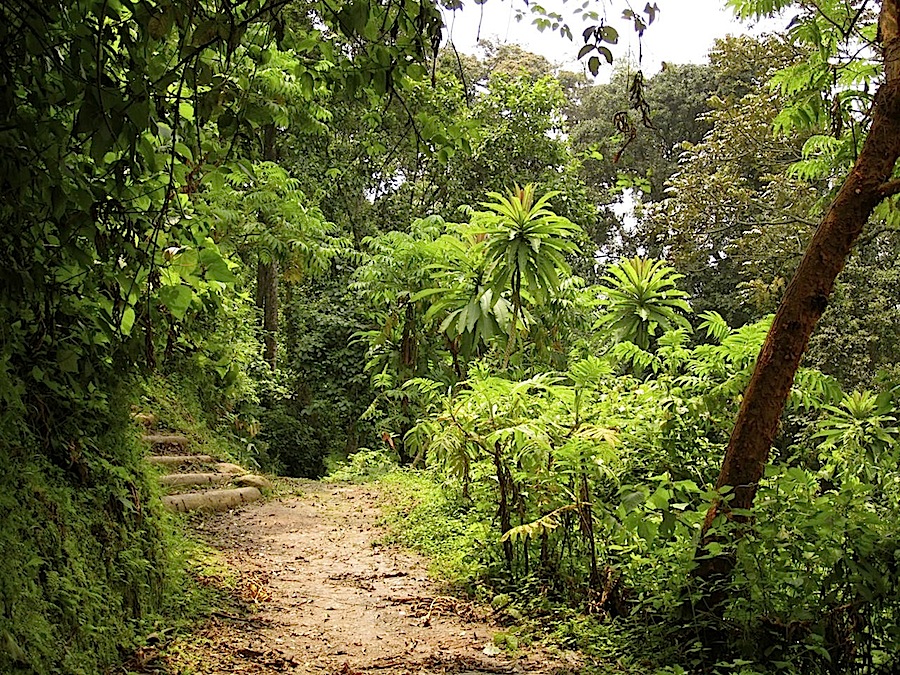
Nyungwe National Park/enclos*ureAbove (on the right): Nearing the final set of steps, we found a large group of Lobelia gibberoa or giant lobelias.

With their long candles of greenish white flowers, the plants can grow to 29′ (9 m.) in height.  Latex from the stems is traditionally used to treat irritation from stinging nettles.

Nyungwe National Park/enclos*ureAbove: After the hike, we went back to the Nyungwe Forest Lodge on the Huye-Rusizi Road.  The yellow flowers along the edge are a Senecio species.


*from “Ex Libris” by Eleanor Wilner.

** It’s also quite possible to see turacos flying from tree to tree from the pool at the Nyungwe Forest Lodge.

***An excellent book about the park is the Illustrated Field Guide to the Plants of Nyungwe National Park [of] Rwanda by Eberhard Fischer and Dorothee Killman.  It’s 770 pages long, with color photographs of 650 plants.  You can buy a copy here.  Unfortunately, it’s $71.  Some copies were printed for the Rwandan tourism office, and  I bought mine in a Kigali bookstore for about $25, but I haven’t seen any on sale here for about a year.

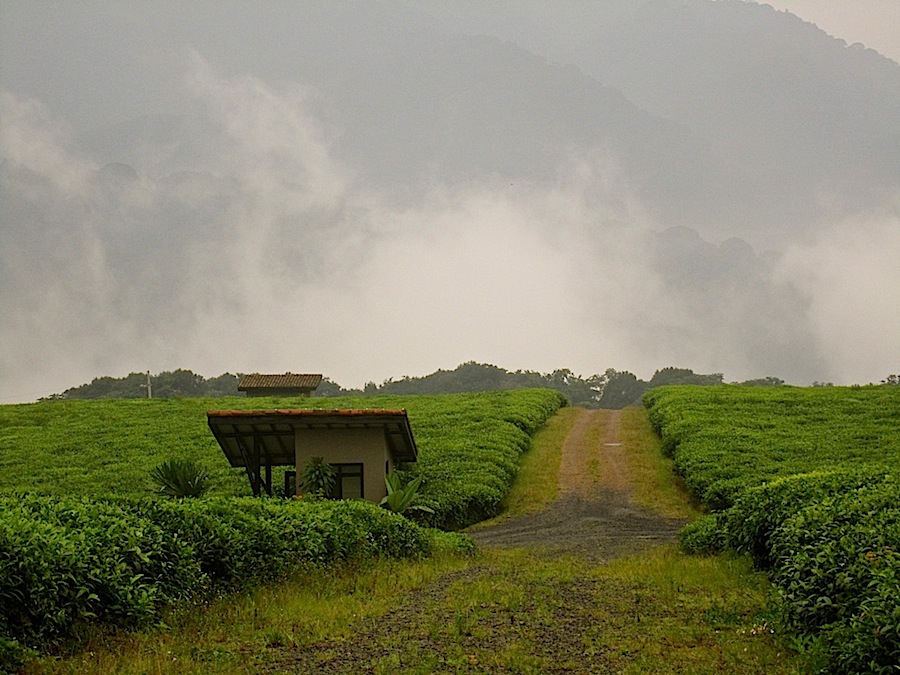
 

In the tea

My daughter and her friend visited us last week — after hiking to the top of Mt. Kilimanjaro. (It took them seven days, and my daughter reached the summit during a blizzard with lightning!)

While they were here in Rwanda, we went down to the southwest to see Nyungwe National Park, the largest protected mountainous rain forest in Africa.

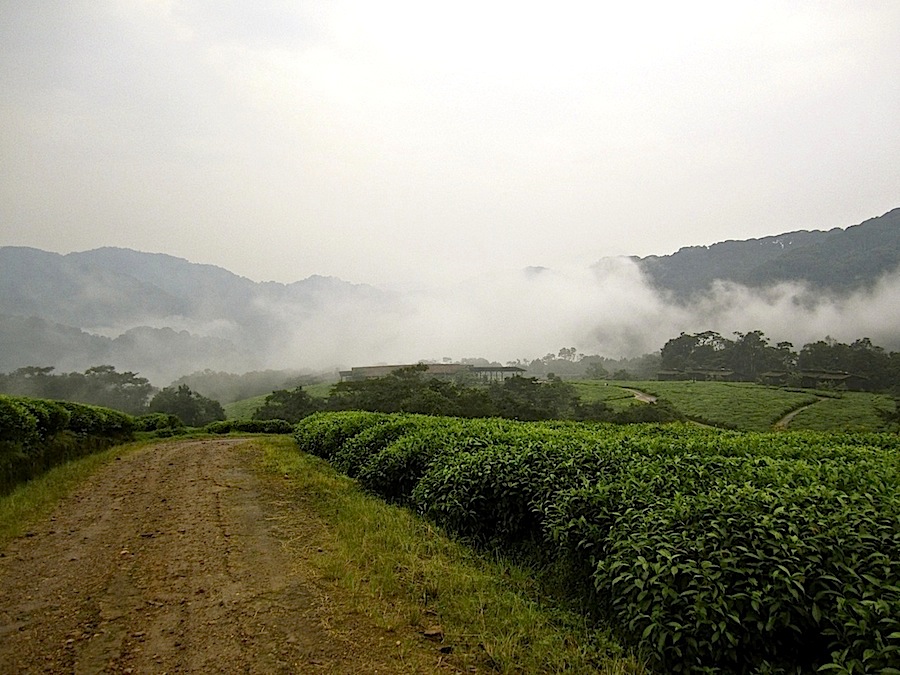
Nyungwe Forest Lodge/enclos*ureWe spent two nights at the Nyungwe Forest Lodge, which I know I’ve written about twice before.  But I still wanted to post these photos, because I find its landscape so serene. . . and so romantic — a tea garden at the edge of a rain forest.

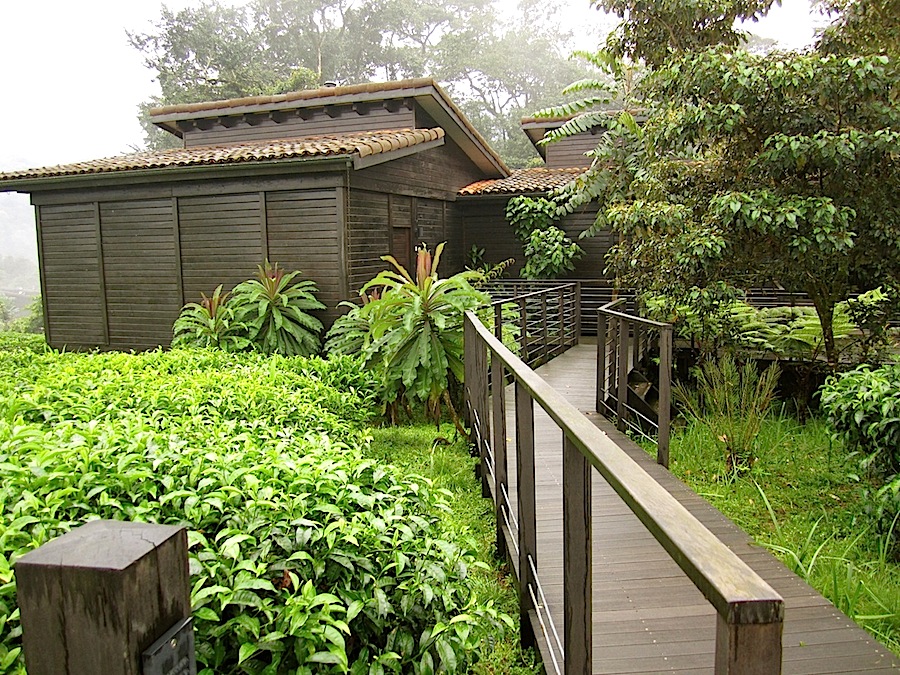
The design is simple, yet extravagant — a few curving paths through thousands of Camellia sinensis bushes.

Above: the pool house in early morning.

Nyungwe Forest Lodge/enclos*ureWe arrived on Wednesday in early afternoon.  There was a lot of mist, and it was so chilly that we turned on our room’s heater for about an hour. But it only rained once, briefly, during our stay.

Above: the Lodge gatehouse.

Nyungwe Forest Lodge/enclos*ureAbove: the Lodge in the distance.

Nyungwe Forest Lodge/enclos*ureAbove: yellow native Crassocephalum montuosum poking up through the tea bushes.

Nyungwe Forest Lodge/enclos*ureAbove and below: views from the main building’s porch.

Nyungwe Forest Lodge/enclos*ure

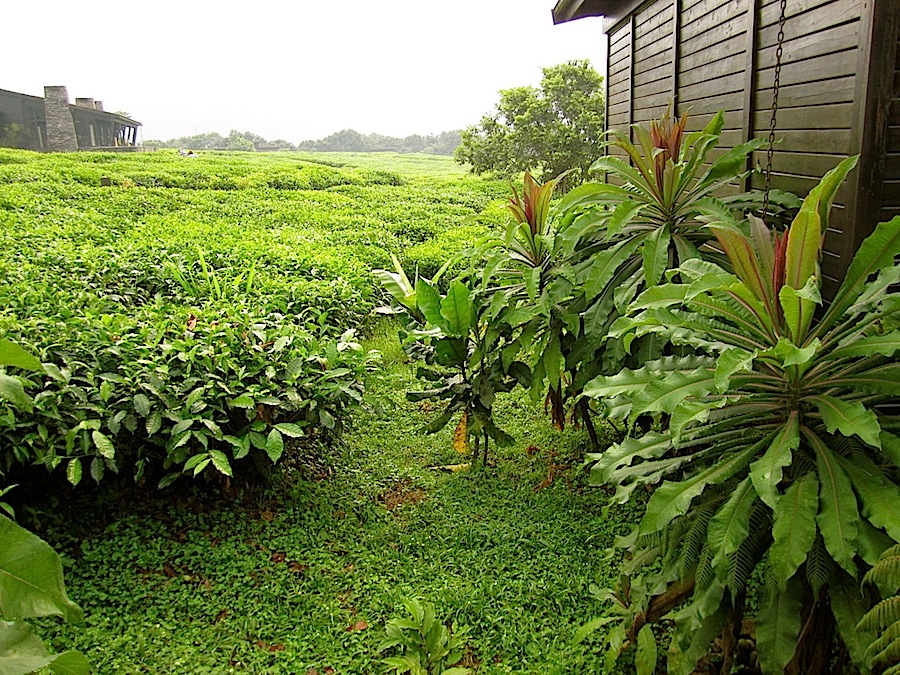
Nyungwe Forest Lodge/enclos*ureAbove and below: narrow paths through the field. A local cooperative picks the tea and keeps the income from its sale.

Nyungwe Forest Lodge/enclos*ureAbove: The cabins, with two to four rooms each, are sited at the edge of the tea field.

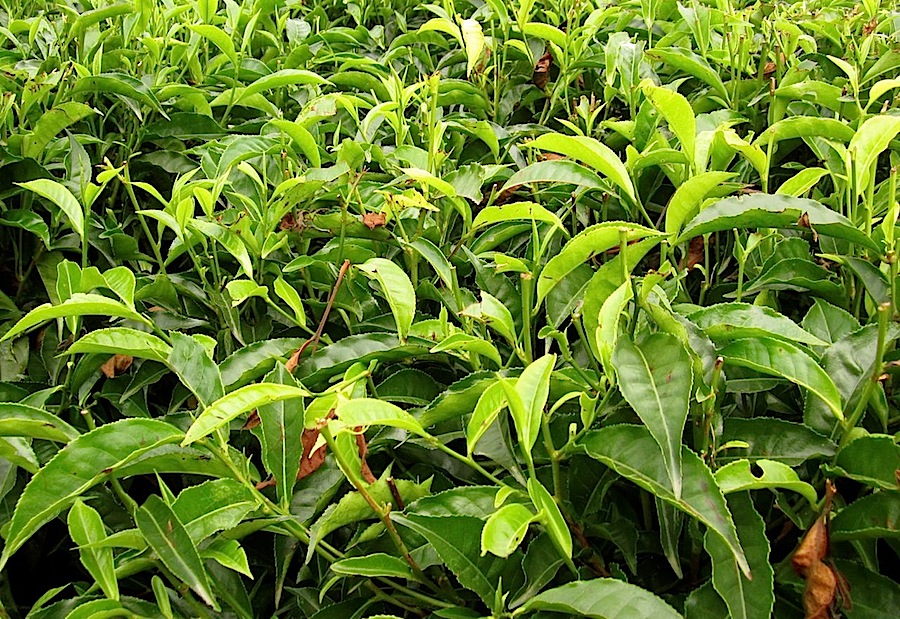
Nyungwe Forest Lodge/enclos*ureAbove: the bushes around the Lodge looked like they had been picked recently.  Only the terminal bud and the top two leaves of each stem are plucked off.

Nyungwe Forest Lodge/enclos*ureAbove and below: the front of each cabin is planted with native perennials and small trees from the forest.

Nyungwe Forest Lodge/enclos*ure

Nyungwe Forest Lodge/enclos*ureAbove: these giant lobelias (Lobelia gibberoa) are planted right into the grass and other low weeds wild plants.

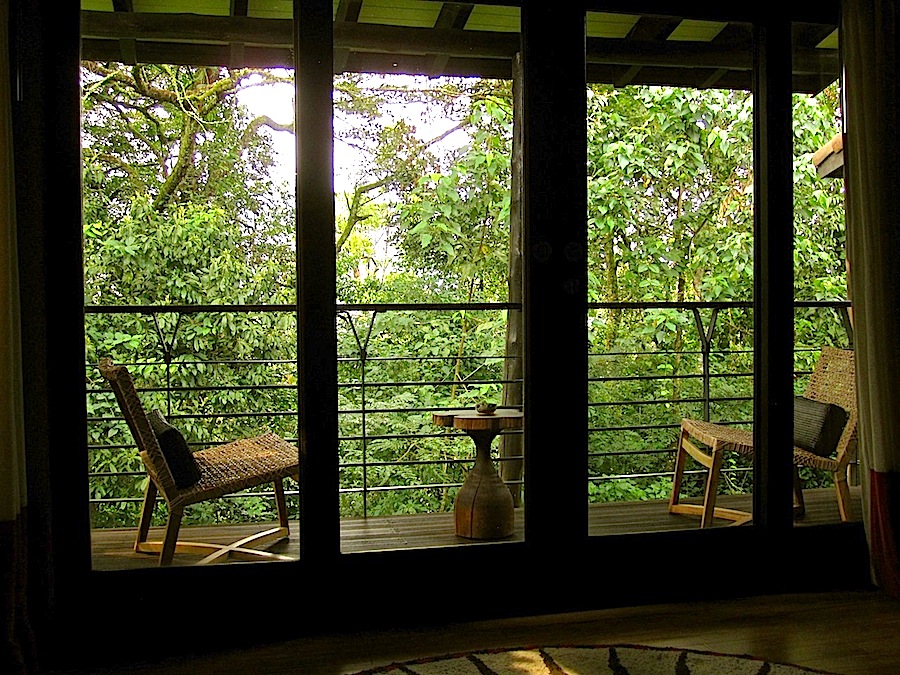
Nyungwe Forest Lodge/enclos*ureAbove: each cabin’s back balcony looks out into the rain forest.  The land drops down very steeply about six or seven feet behind the cabins, so their windows really look into the tops of trees. It’s not uncommon to see monkeys there.

Vintage landscape: February flowers

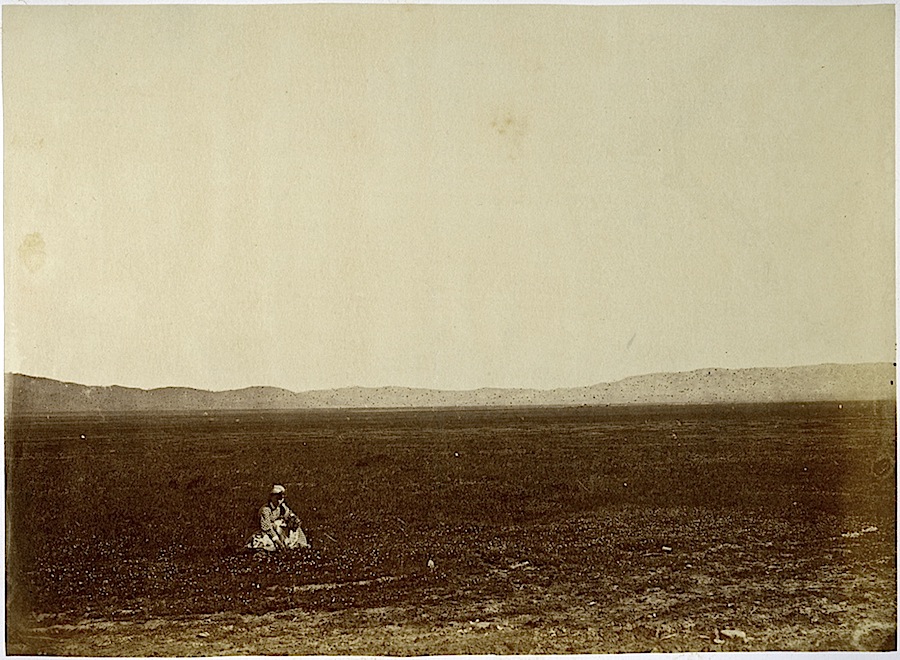
Tulare Valley, Calf. in February, via SMU, flickrTulare Valley, California; gathering flowers in February,” 1868, by Alexander Gardner, via SMU Central University Libraries Commons on flickr.

You can click on the image and enlarge it.

Best and brightest, come away!
Fairer far than this fair Day,
Which, like thee to those in sorrow,
Comes to bid a sweet good-morrow
The Brightest hour of unborn Spring,
Through the winter wandering,
Found, it seems, the halcyon Morn
To hoar February born.
Bending from Heaven, in azure mirth,
It kissed the forehead of the Earth,
And smiled upon the silent sea,
And bade the frozen streams be free,
And waked to music all their fountains,
And breathed upon the frozen mountains,
And like a prophetess of May
Strewed flowers upon the barren way,
Making the wintry world appear
Like one on whom thou smilest, dear.

— Percy Bysshe Shelley, from “To Jane: The Invitation

(Posts with photos from the here and now are coming shortly.  We had house guests and were traveling last week.)

The Sunday porch: Bound Brook, N.J.

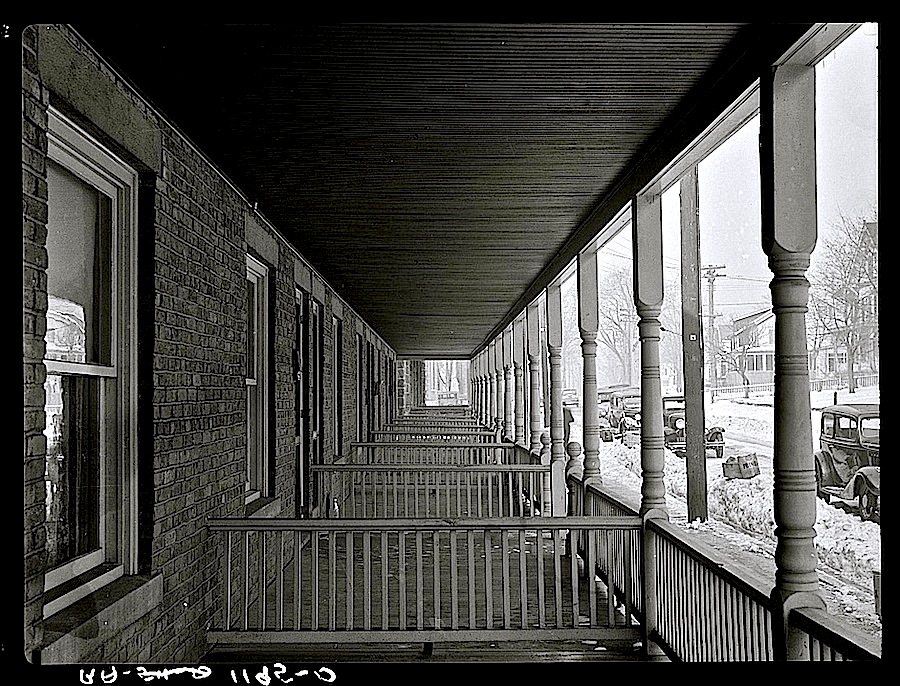
Bound Brook, N.J., Feb. 1936, porches, via Library of Congress“Back [?] porches of a series of identical houses. Bound Brook, New Jersey,” February 1936, by Carl Mydans, via Library of Congress Prints and Photographs Division.

The winter of 1935/1936 was one of the coldest of that decade in North America.  And the following summer brought the infamous 1936 heat wave.

Carl Mydans was working for the U.S. Resettlement Administration when he took this picture.  Shortly afterwards, he was hired by Life and is probably best remembered today for his war photography for the magazine.

February, month of despair,
with a skewered heart in the centre.

Margaret Atwood, from “February

The Sunday porch: view finder

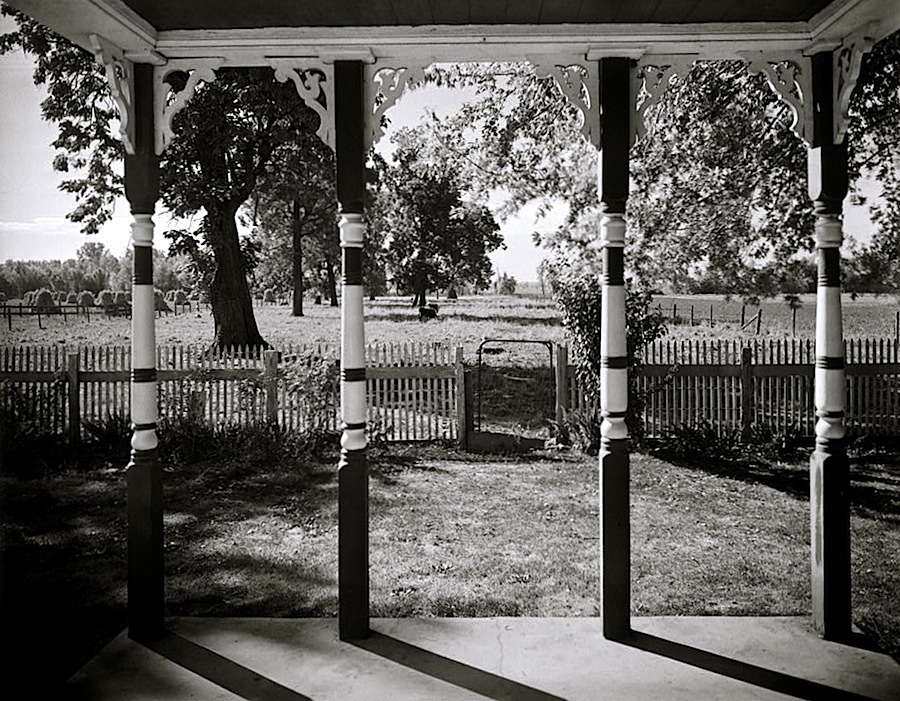
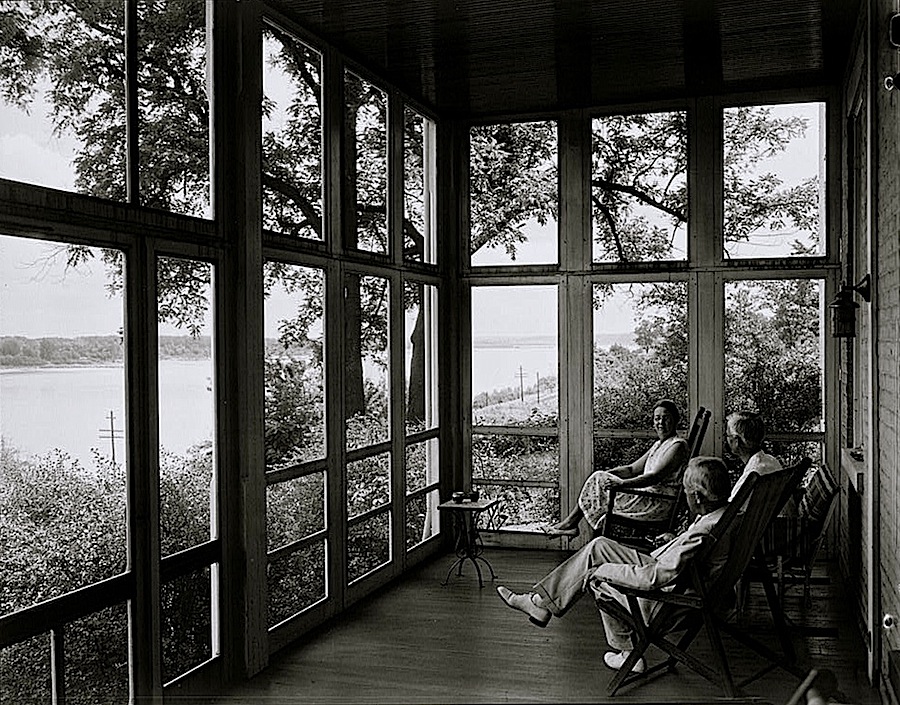
094498pvAbove: View from the porch of the Flanders Callaway House, Warren County, Missouri, 1938, by Charles or Alexander Piaget, working with Charles van Ravenswaay (later incorporated into a 1985 HABS).*

All photos here via Library of Congress Prints and Photographs Division.

This slideshow requires JavaScript.

Above: “View from White House porch [looking north to Lafayette Park],” Washington, D.C., 1920, from National Photo Company Collection. President and Mrs. Wilson introduced sheep to the White House lawn. The wool went to the Red Cross.

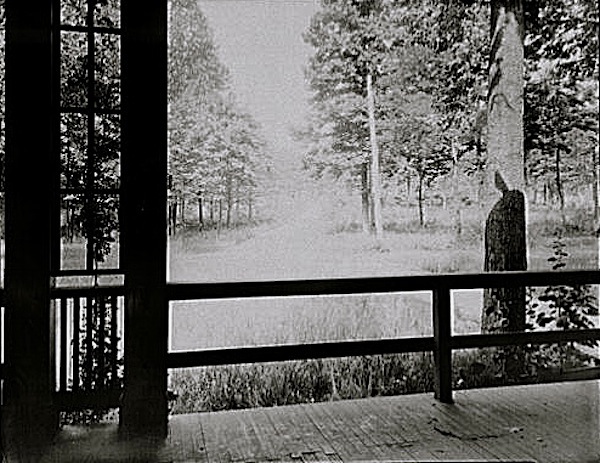
The Sunday porch: views, via Library of CongressAbove: View from porch at Shady Rest Sanatorium, White Heath, Illinois, ca. 1920 – 1950, by Theodor Horydczak.

This slideshow requires JavaScript.

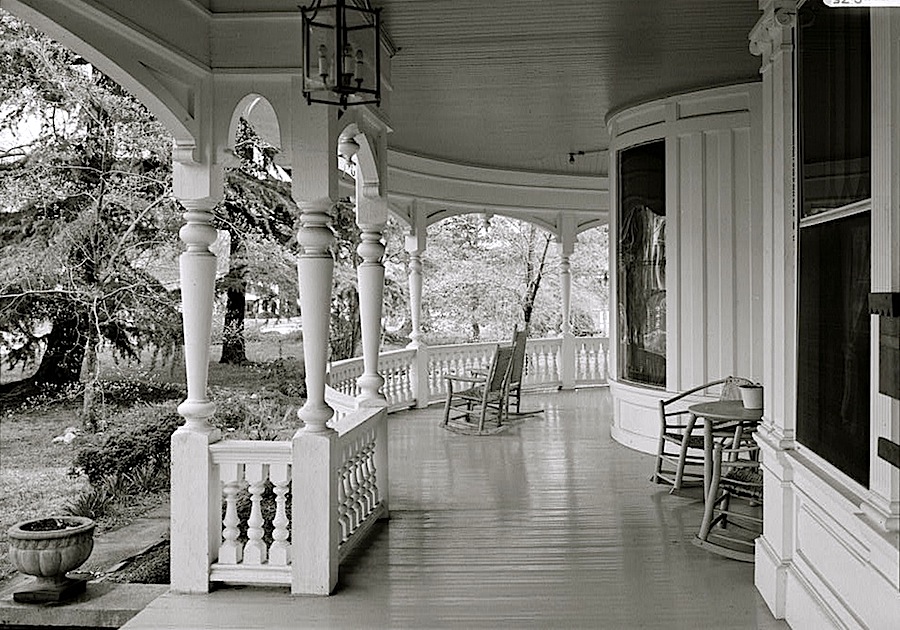
Above: Looking north from the porch of the Kolb-Pou-Newton House [or Boxwood], Madison, Georgia, June 1936, by L. D. Andrew for HABS.

This slideshow requires JavaScript.

Above: View of garden from the porch – Oakland Plantation, Natchitoches Parish, Louisiana, ca. 1988, by HABS.

095350pvAbove: Mr. and Mrs. J. H. Dickbrader and Mr. Arcularius on the porch of the Dickbrader House, Franklin County, Missouri, by  HABS.

150293pvAbove: John Calvin Owings House, Laurens, South Carolina, by HABS.

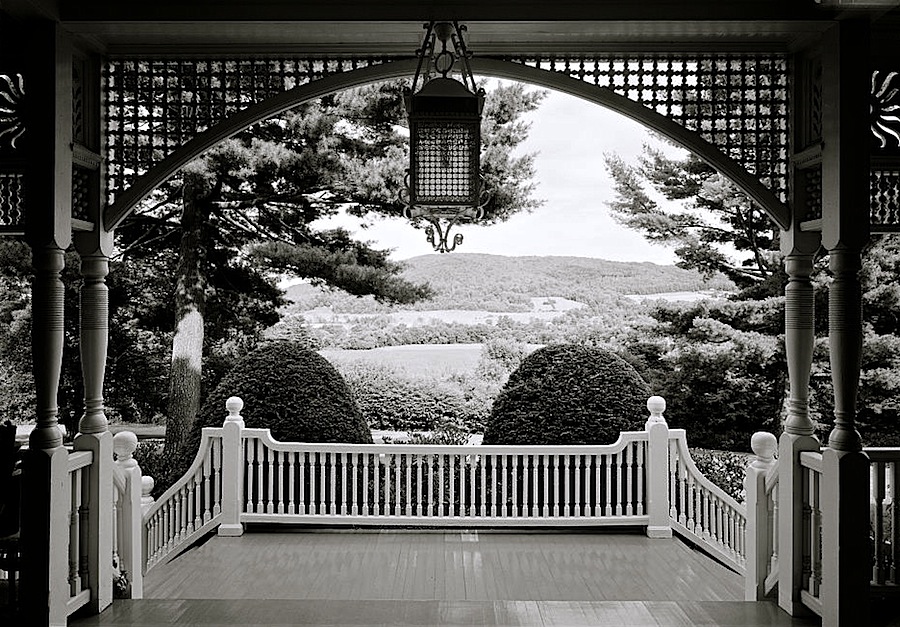
The Sunday porch: views, via Library of CongressAbove: View from the veranda of the Billings Farm and Museum to Blake Hill, Marsh-Billings-Rockefeller National Historical Park, Woodstock, Vermont, 2001, by David W. Haas for HABS.

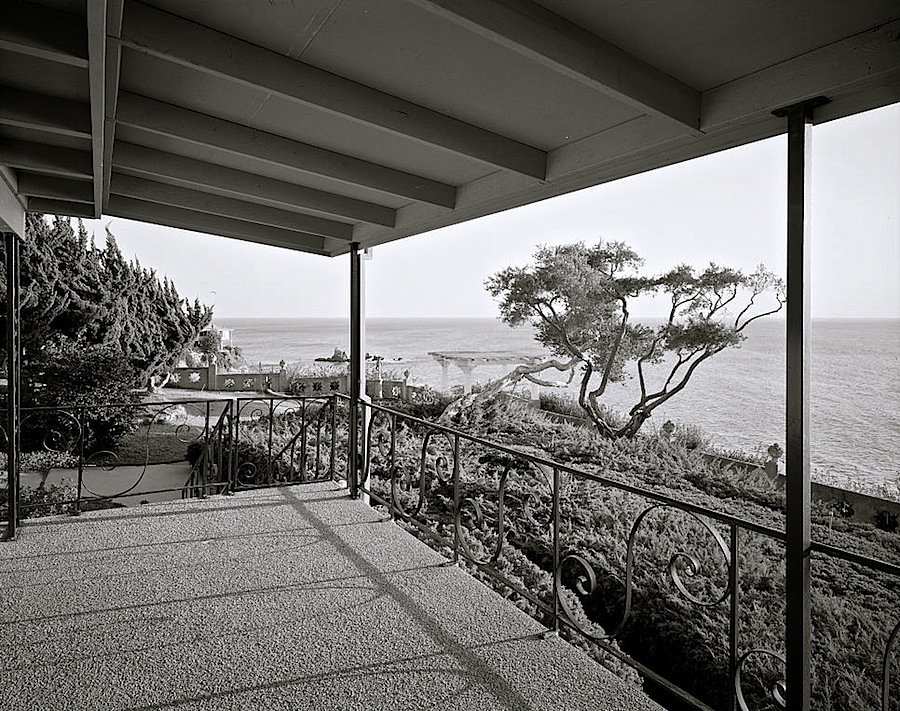
014310pvAbove: Porch of Smithcliffs House, North Coast Highway, Laguna Beach, California, by HABS.

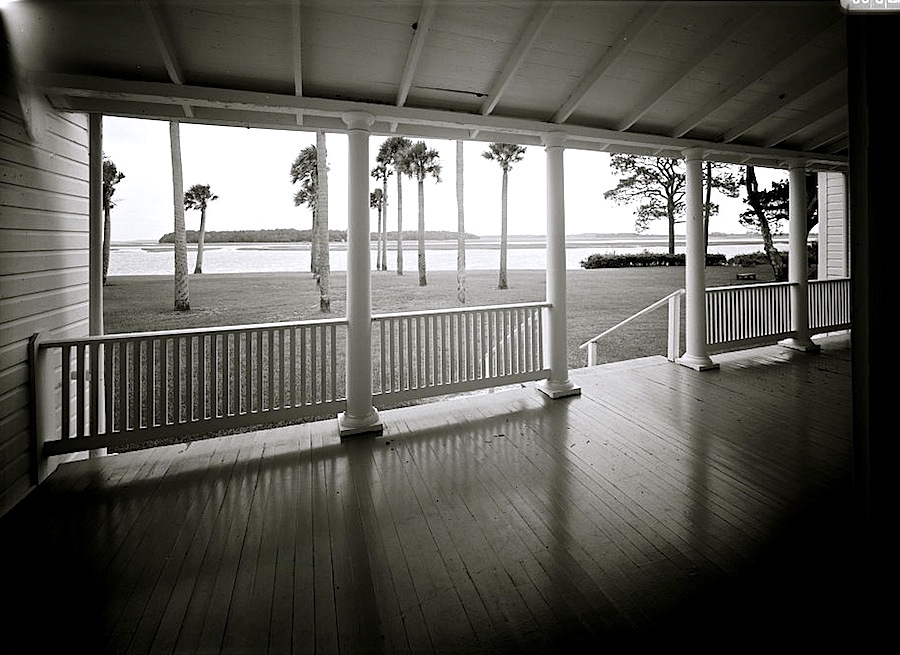
207863pvAbove: “View from north porch, looking northeast toward Fort George River – Kingsley Plantation House,” Jacksonville, Florida, 1005, by Jack Boucher for HABS.

This slideshow requires JavaScript.

Above: “View from north porch looking south into Back Hall, with Reception Hall south door open [and closed] – Homewood (cropped slightly by me),” Baltimore, Maryland, 2005, by James W. Rosenthal for HABS.


*Historic American Building Survey