Alvin, Wisconsin

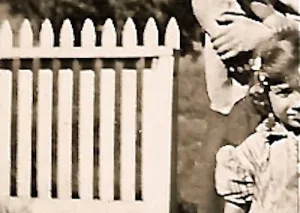
“Gate made from the end of an old bed. Alvin, Wisconsin,” May 1937, by Russell Lee, via Library of Congress Prints and Photographs Division.

Alvin was named for one of its founders, Alvin Spencer, who had moved his family to the area in 1907.

In order to submit a request for its own Post Office, the little Forrest County community where the Spencers had settled had to have a name. Alvin submitted the name of another community leader, Curtis Powell, for consideration. Curtis submitted his friend Alvin’s name. Since there was already a town named Curtis in the state, the new community was dubbed Alvin, Wisconsin.

Spencer family history

I love that they submitted each other’s first names.
Victory rabbits

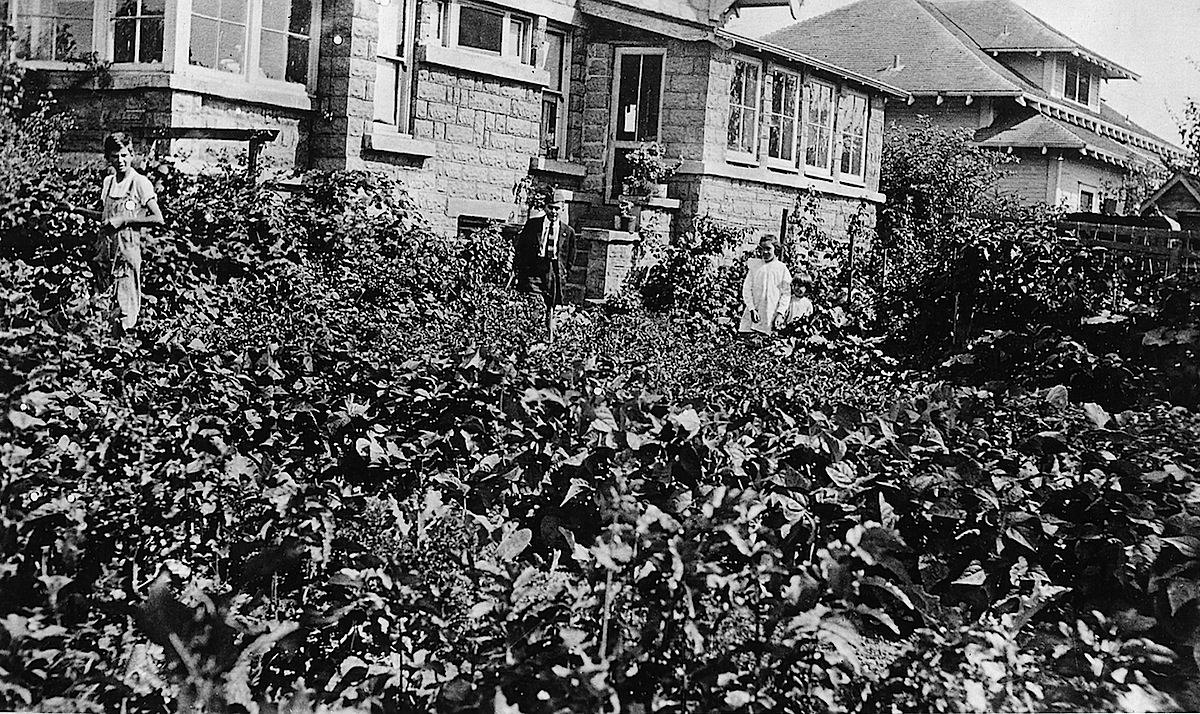
“The home garden of Clifford[,] Bernard[,] and Elizabeth Bridges who use the fertilizer from the Rabbitry for their gardens.” Photo taken in Oregon, ca. between 1915 and 1918, via 4-H Photograph Collection, OSU Special Collections & Archives Commons on flickr.

The children are members of a local 4-H club, making a WWI victory garden. I think this is the Portland home (and children) of W.R. and Elizabeth Bridges. W.R. was a proofreader for The Oregonian.

Click on “via” above for a larger view of the image.

Upper Hutt, Wellington

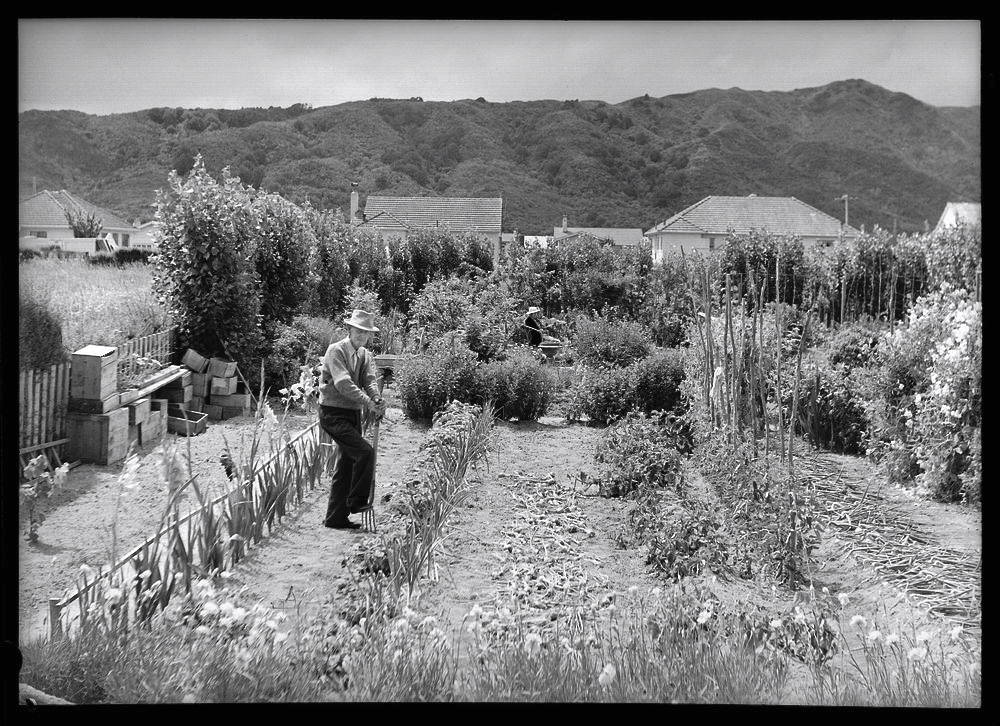
“Mrs B Captain, Ekins and garden, Savage Crescent,” Upper Hutt, New Zealand, ca. early to mid 20th c., by J.W. Chapman-Taylor, via Museum of New Zealand/Te Papa Tongarewa.

I wonder if the wooden crates stacked up on the left indicate that this was a market garden, which were common in the Hutt Valley until the 1940s.

You can click on the picture to enlarge it (or click here and then on the image to zoom in even more).

Chapman-Taylor was an important New Zealand domestic architect, builder, furniture designer, and photographer who lived in the Valley in the mid 1930s.

The Sunday porch: Wiseman, Alaska

An encore porch from 2013. . .
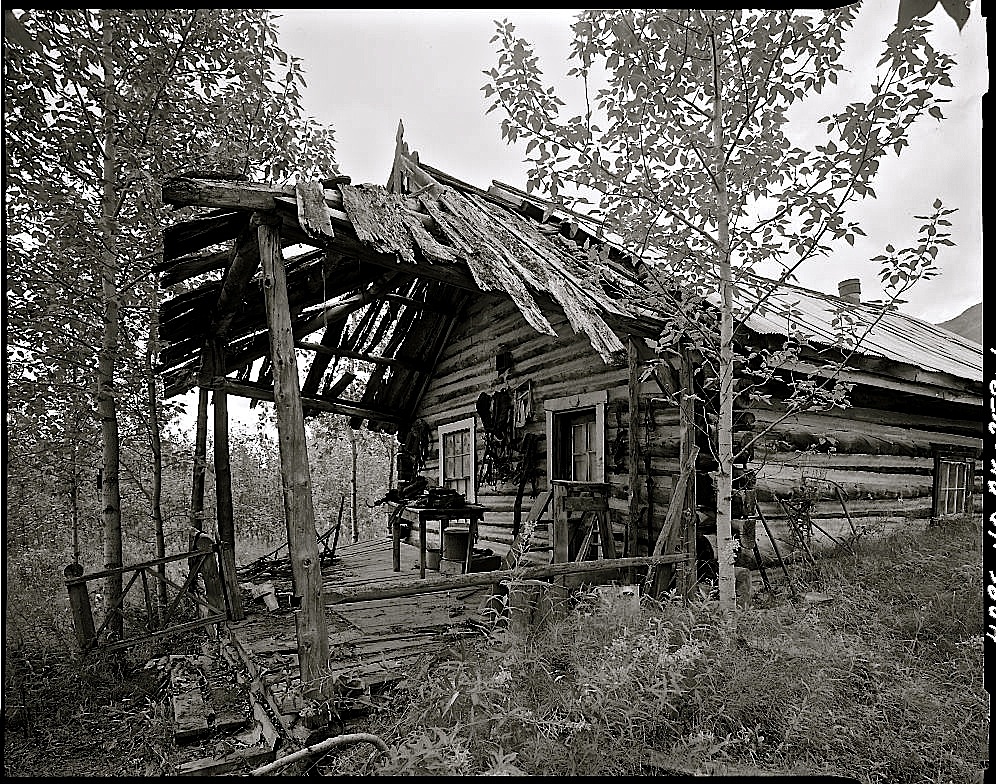
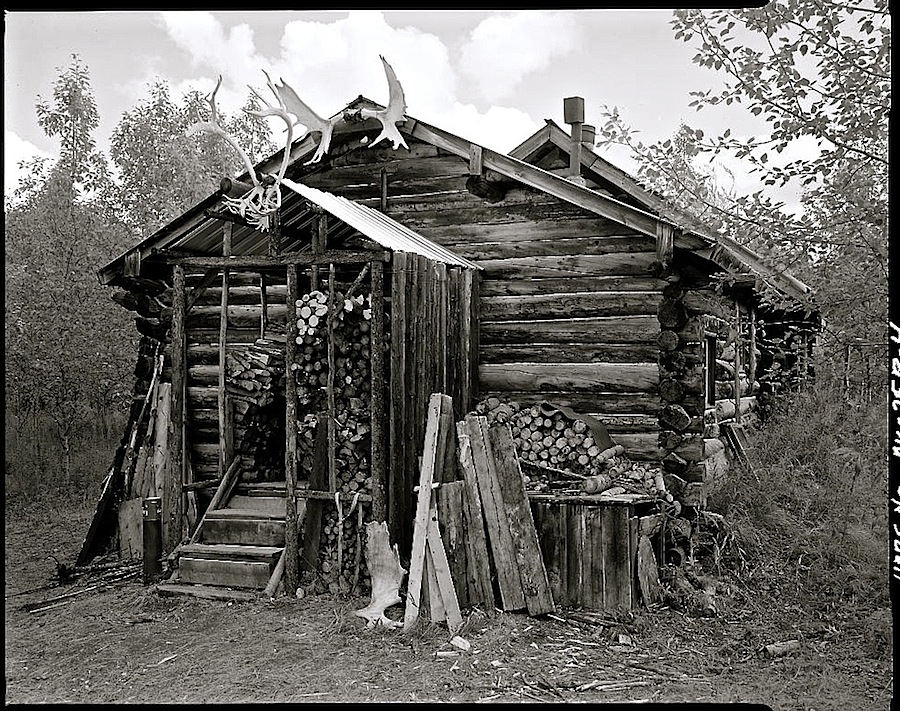
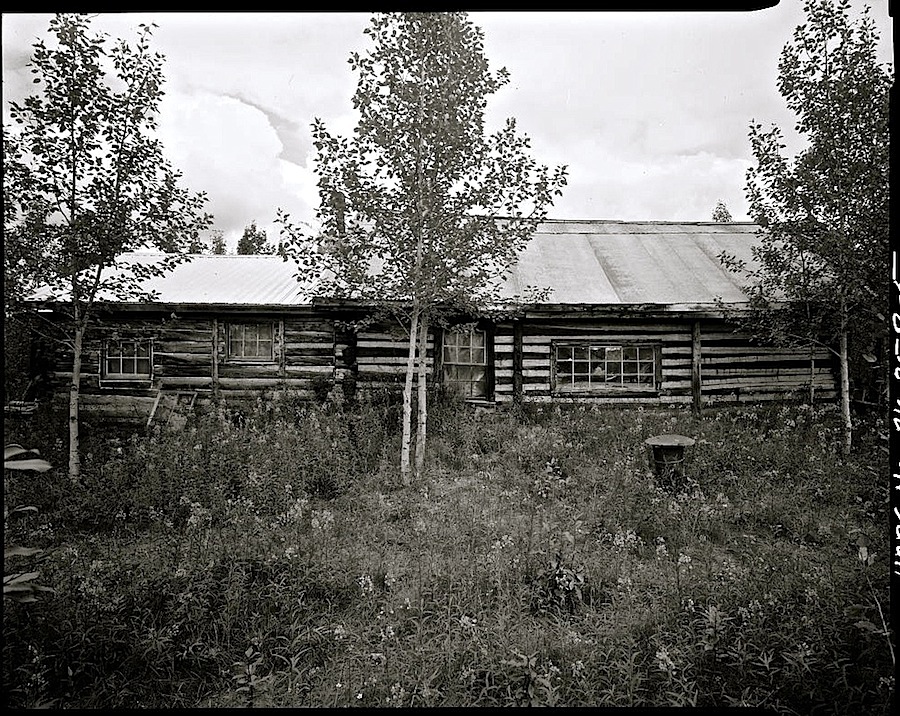
Igloo No. 8 by Jet Lowe, Library of CongressFront porch, near the Koyukuk River at Wiseman Creek, Wiseman, Alaska, July 1984, by Jet Lowe for an Historic American Buildings Survey (HABS), via Library of Congress Prints and Photographs Division (all photos here).

For over six decades, this little porch sheltered many hours of masculine conviviality. In 1913, it fronted the Siverly and Bowker Saloon.  The following year, the building was sold to a fraternal organization, Pioneers of Alaska, and then used as one of its local chapters — an “Igloo;” it was Igloo No. 8.

By 1972, the building had been sold again.  At the time of these photos, it was the home of the owner’s son.

Igloo No. 8, HABS, Library of CongressAbove: the back porch and entrance to the kitchen.

Igloo #8, HABS, Library of CongressAbove: the side view.

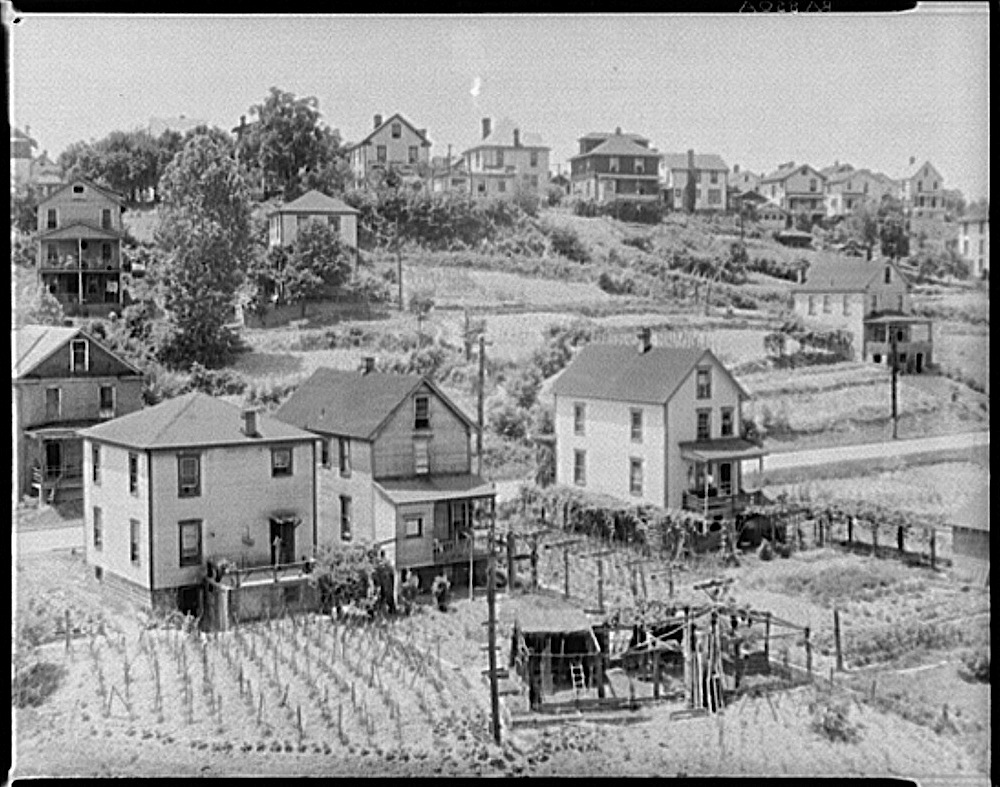
Morgantown, W.Va.

“Typical houses of Morgantown, West Virginia,” June 1935, by Walker Evans, via Library of Congress Prints and Photographs Division.

Evans may have taken the photo from an electric post like this one.