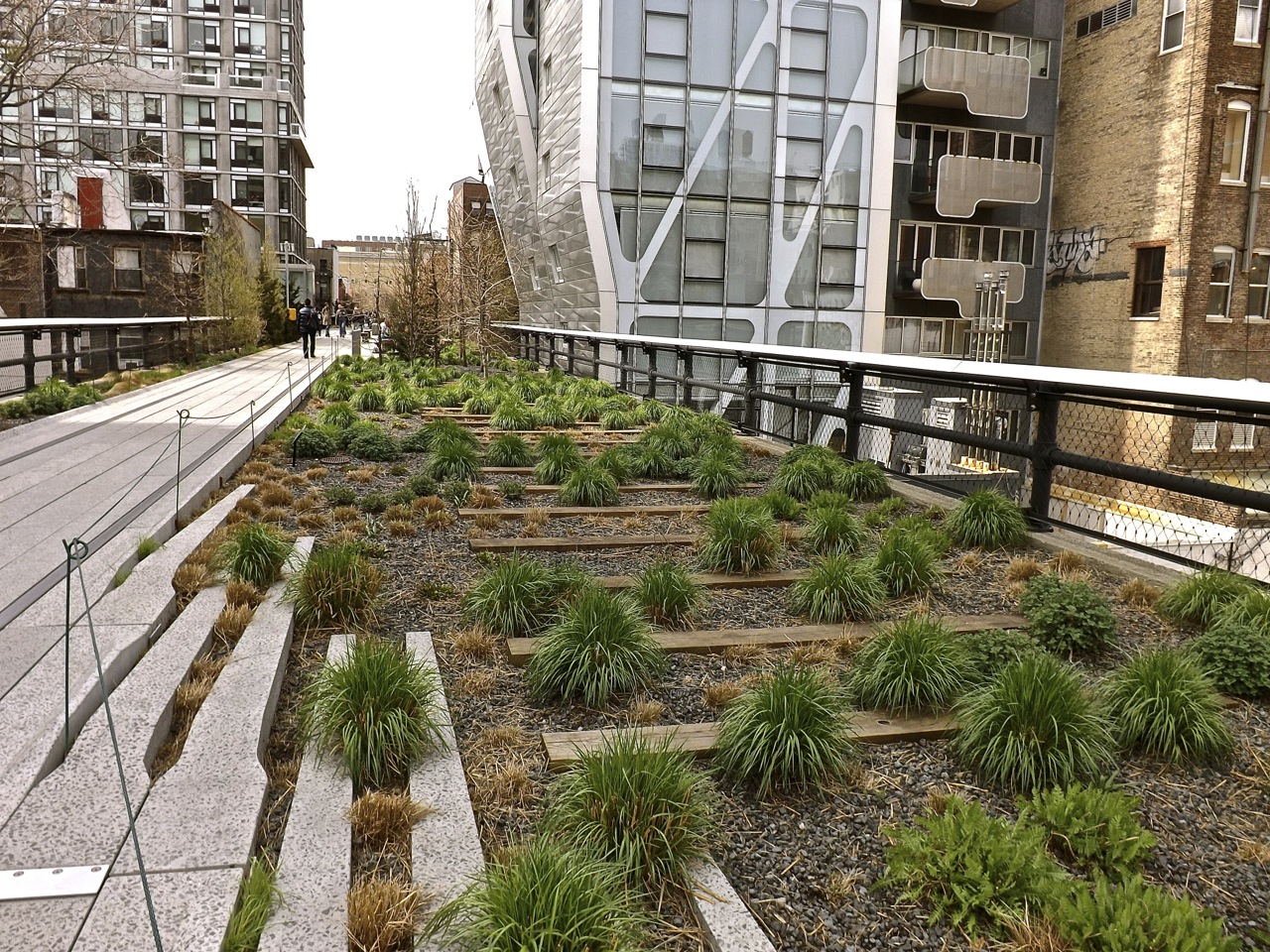
A walk along the High Line in April

The High Line, NYC/enclos*ure

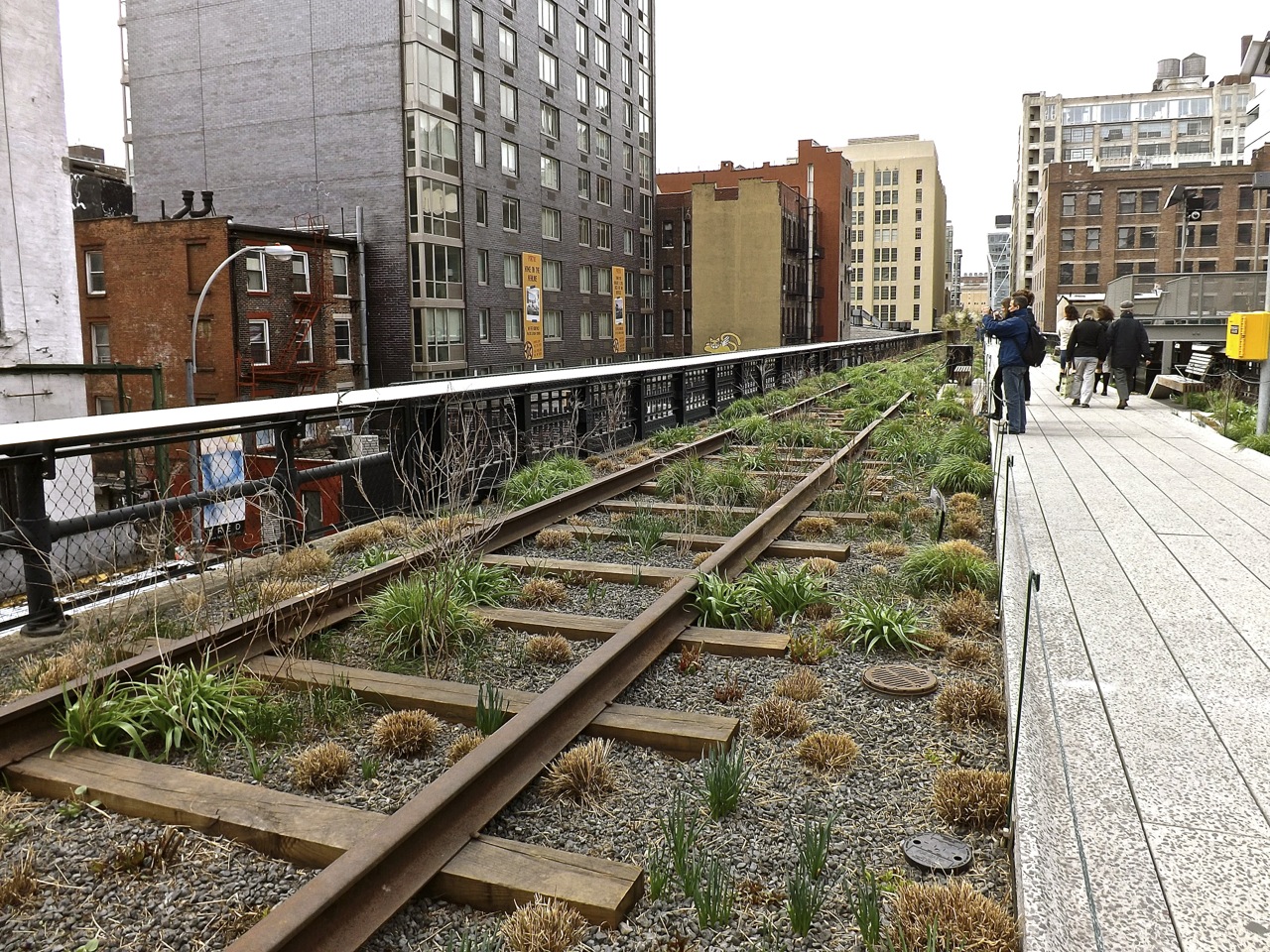
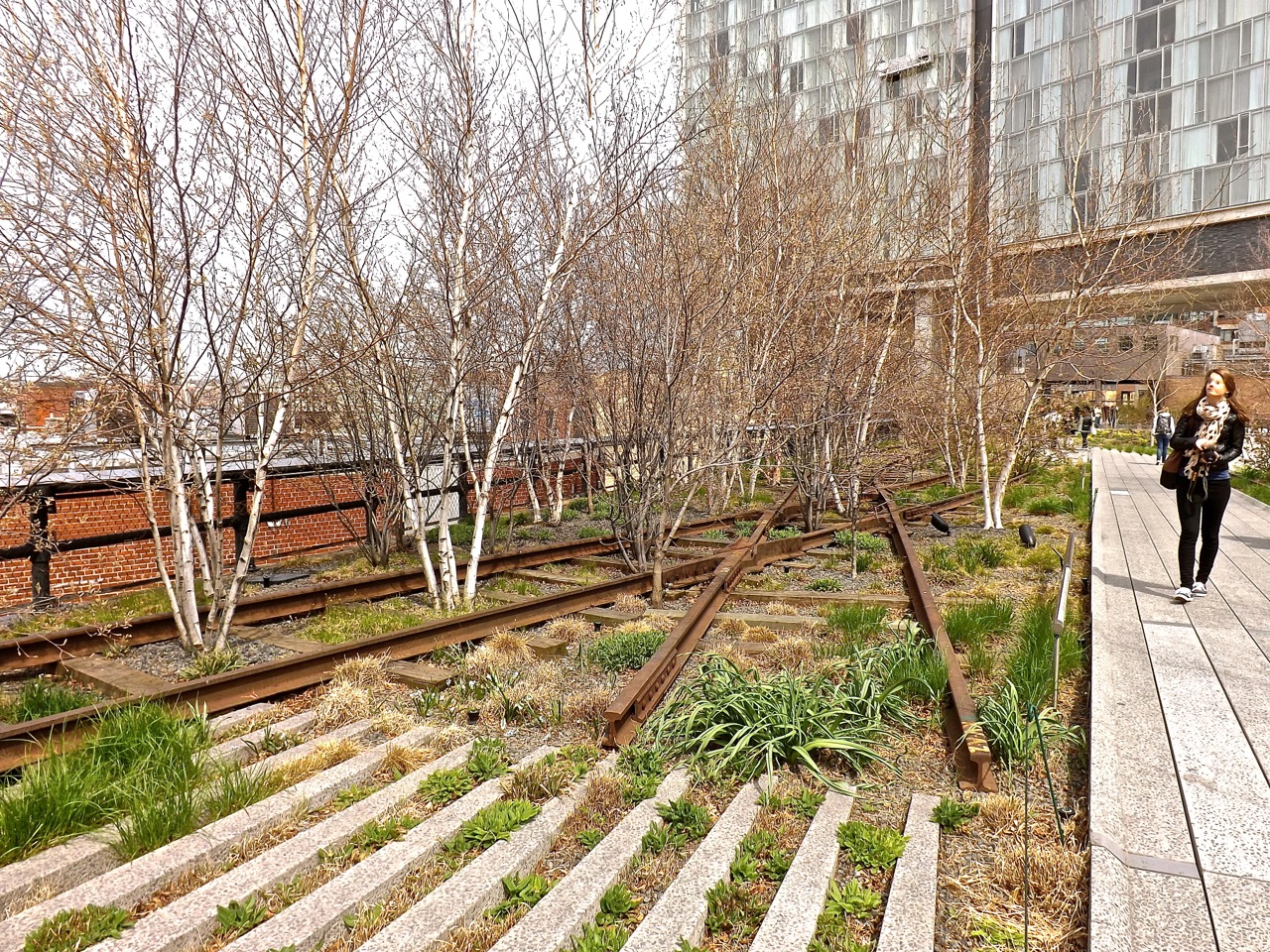
I want to share my photos from our walk along the High Line in New York City last month.

It was actually our second walk — I left my camera behind on the first. It’s such a remarkable place that my husband, who has limited patience for garden tourism, readily agreed to go back with me.

The High Line is a meadow and woodland park on top of about a mile of abandoned elevated railway line.

It trails through an crowded urban landscape and rather than offer you a retreat from the city, it puts you right up in the city’s face — with apartment windows and construction sites almost within touch and noisy traffic moving below.  The juxtaposition is thought-provoking, and the raised views are fascinating.
The High Line, NYC/enclos*ure

In early April, of course, we weren’t seeing most of the plants at their best, but it was interesting to see so clearly the arrangement and spacing of the grasses, some emerging perennials, and the shrubs and small trees — as well as the features of the built structure.

The High Line’s planting plans were designed by Piet Oudolf, and  I found a good summary of his approach to the meadow areas in an article by Tom Stuart-Smith in The Telegraph.

For Oudolf, planting has always been about creating moods and eliciting emotions. But the [High Line] gains an extra weight by connecting us to how plants grow in the wild. The design becomes much more about creating a plant community rather than a collection of individuals. To take one section of planting . . . , the plan shows a loose matrix of grass species planted throughout; in this case a mix of Panicum virgatum ‘Heiliger Hain’ and Calamagrostis brachytricha spaced about 1-1.5m apart with about 20 other varieties of perennial flower spread through in different-sized groups, from one plant used just singly to another planted in generous groups. The flowers therefore are always seen within a matrix of grasses, just as they might be in nature.

The full article — related to the recent publication of the book Planting, A New Perspective — is very interesting about Oudolf’s technique and influence.
The High Line, NYC/enclos*ure

I found my photos weren’t very useful at a few inches wide, so please click on the first thumbnail below to scroll through full-size images.

(The plants of the High Line aren’t labeled, but, you can download a list to take with you here.)

Nice things and Nyungwe Forest Lodge

I urge you to please notice when you are happy, and exclaim or murmur or think at some point, “If this isn’t nice, I don’t know what is.”

— Kurt Vonnegut

Our oldest daughter has been visiting us — which is very nice — so this weekend, we took her to see the Nyungwe Forest in the south of Rwanda and to stay at the beautiful Nyungwe Forest Lodge.

Nyungwe Forest Lodge, enclos*ure
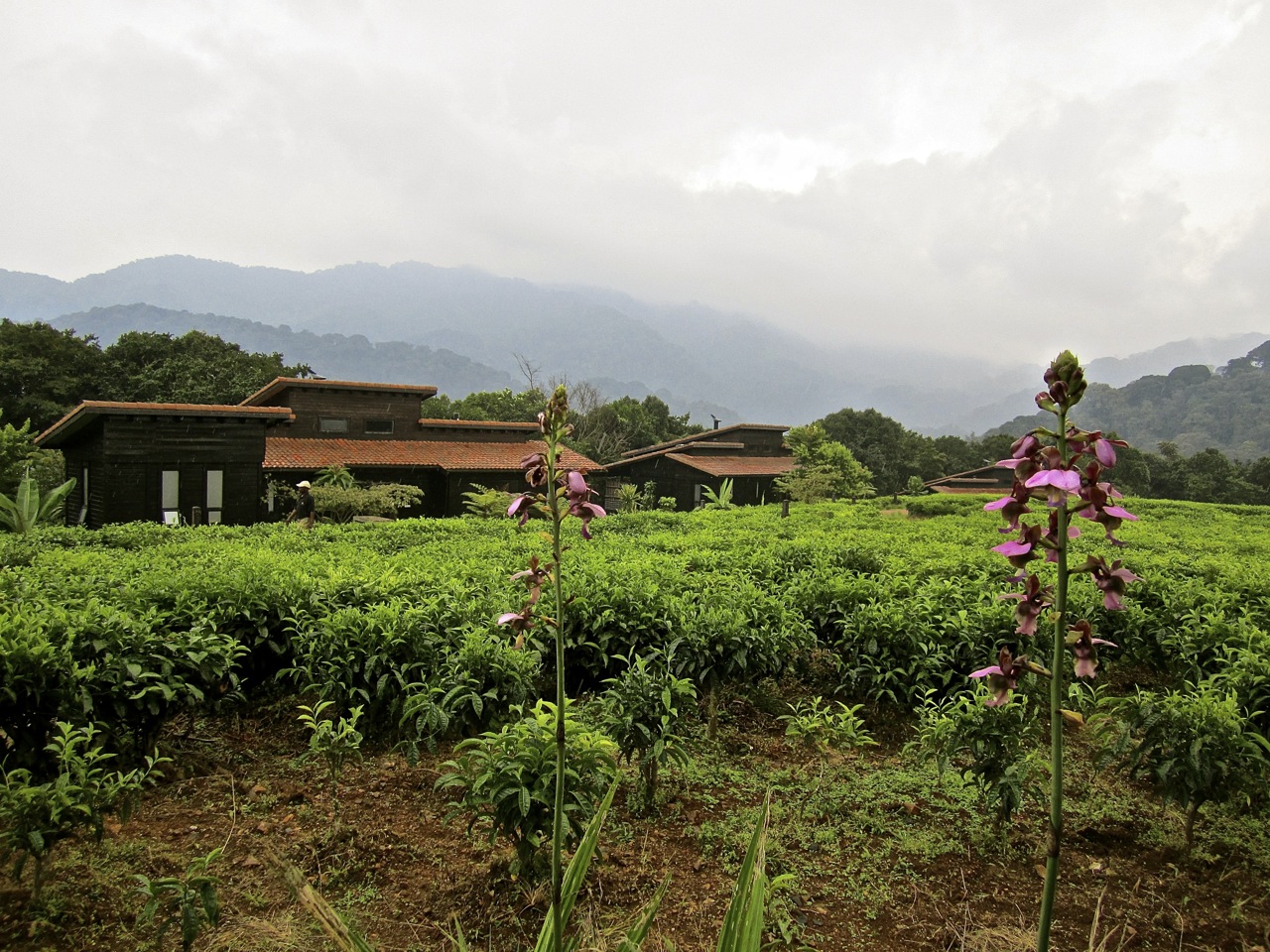
Orchids and tea bushes in front of the cabins at Nyungwe Forest Lodge.

The Lodge is located on the western edge of the Nyungwe National Park in a tea plantation picked by a local cooperative. The cabins front to the tea fields and their back windows look out on the forest.

Nyungwe Forest Lodge, enclos*ure
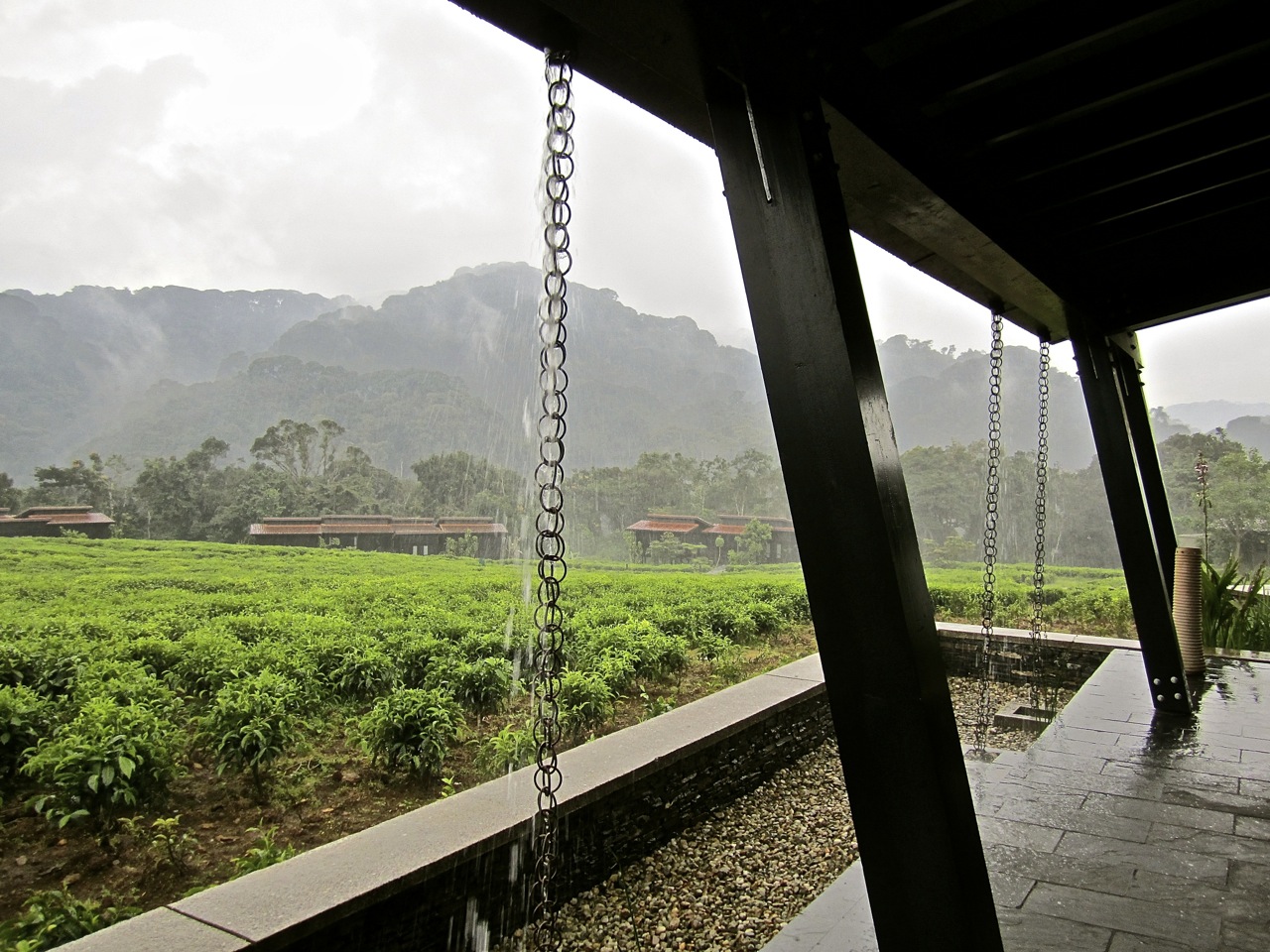
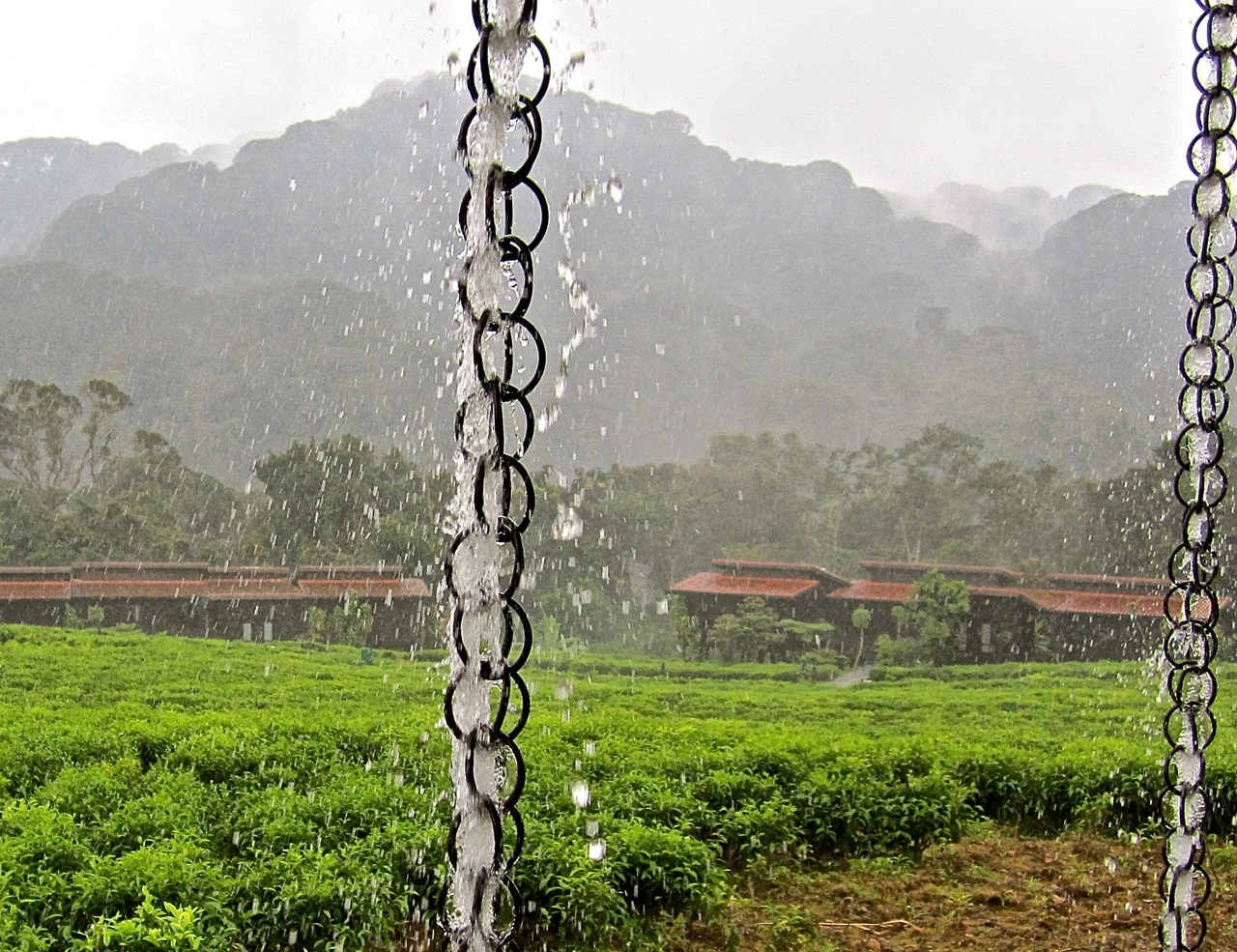
Rainchains in action on the main dining and lounge building at the Lodge.

The area is currently having clear blue mornings and rainy afternoons. On Saturday, our one full day there, we hiked the canopy walk before lunch (more on that later this week). Then we actually talked about going on another hike that afternoon.

rainchains, closeup

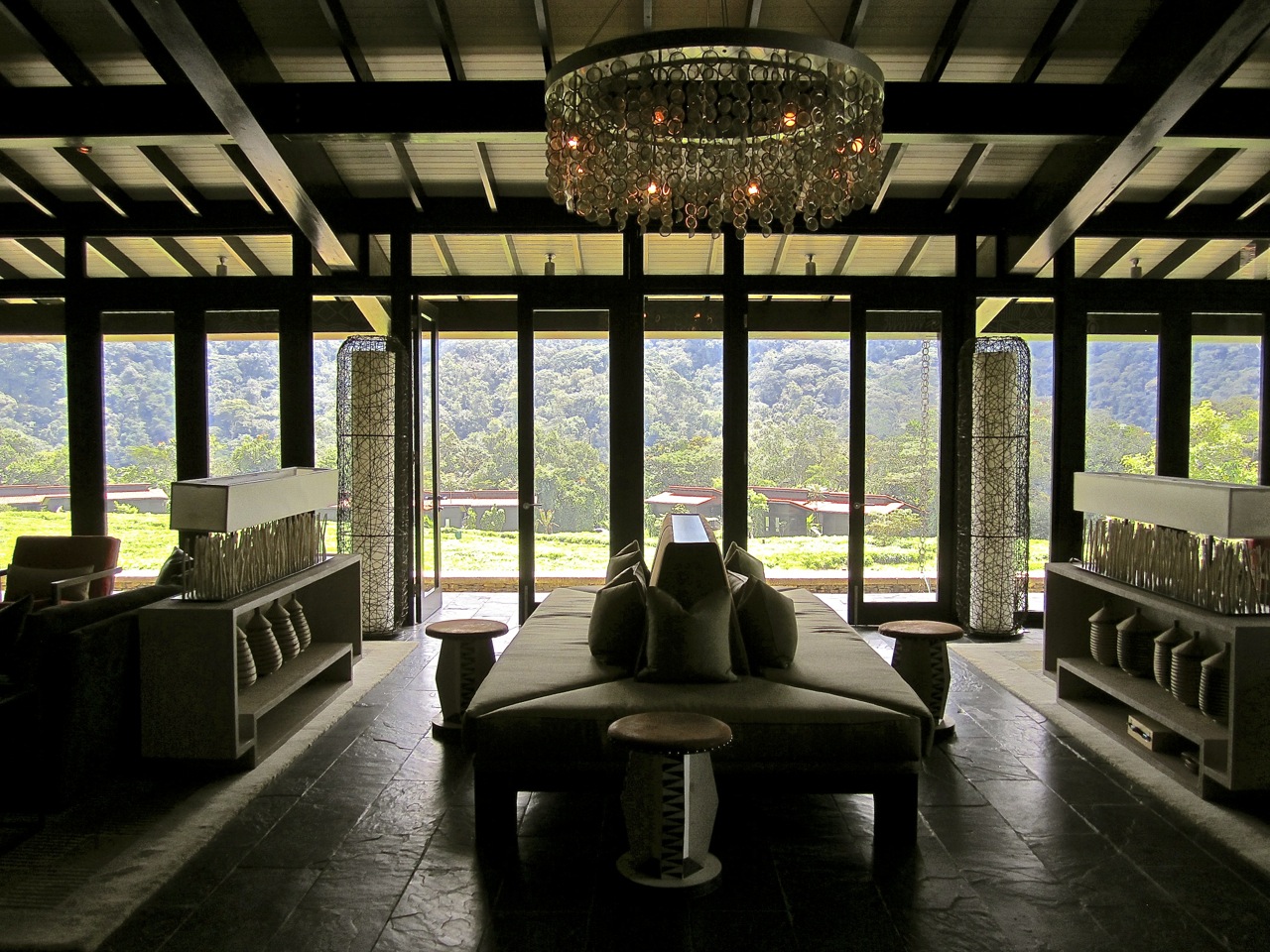
However, with the first raindrops, we gave in to the luxury of just parking ourselves in front of the many picture windows looking out on the gorgeous view and napping and reading until the 5:00 p.m. tea, cookies, and cocktails in front of a fire.

Lodge, interior, windows

Lounge at Nyungwe Forest Lodge, enclos*ure
The lounge at the Lodge. Photo by Mary Koran.

Lounge at Nyungwe Forest Lodge, enclos*ure

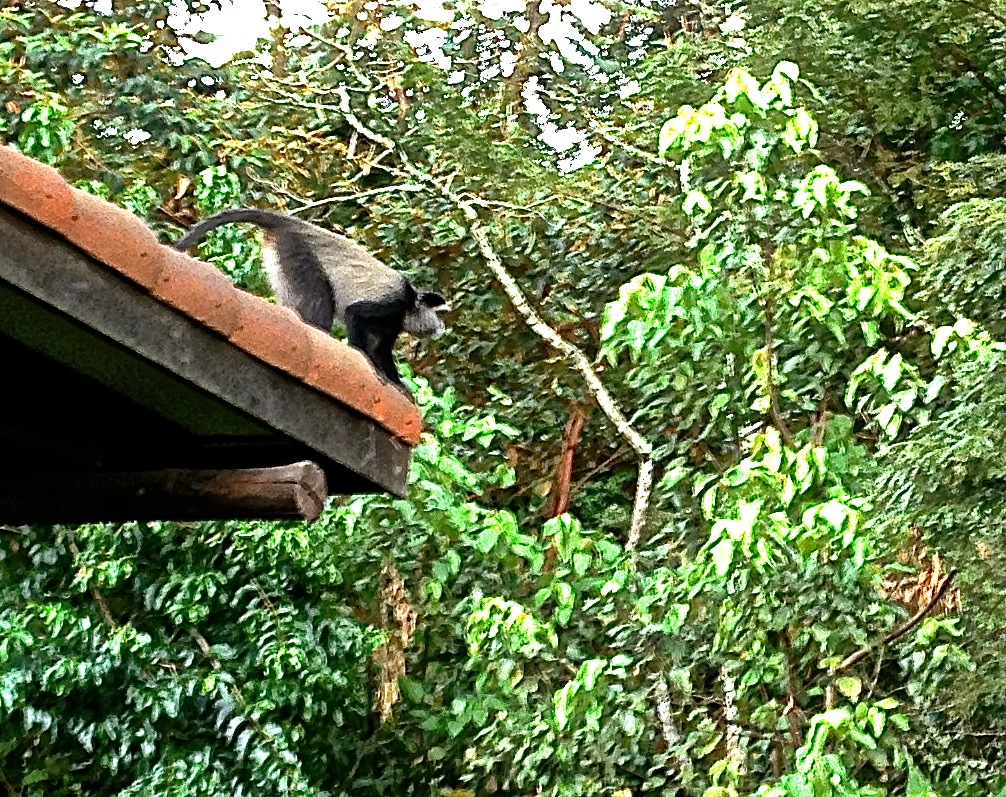
Just before tea time, we were rewarded for our indolence by finding about a dozen blue monkeys in the trees right outside our cabin’s back patios.

Blue monkey at Nyungwe Forest Lodge, enclos*ure
A blue monkey (Cercopithecus mitts) about to jump from cabin roof to the trees. Photo by Mary Koran.

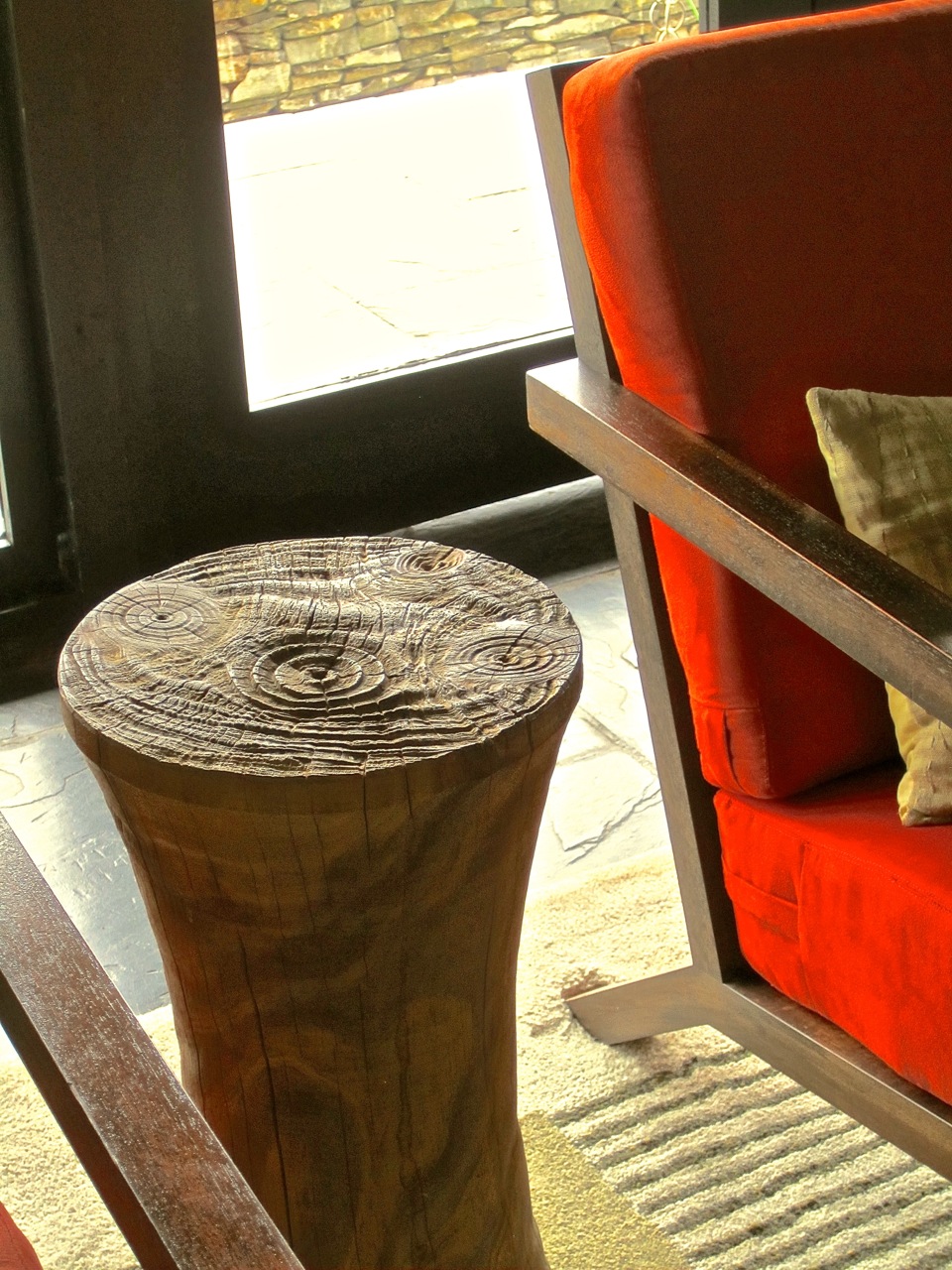
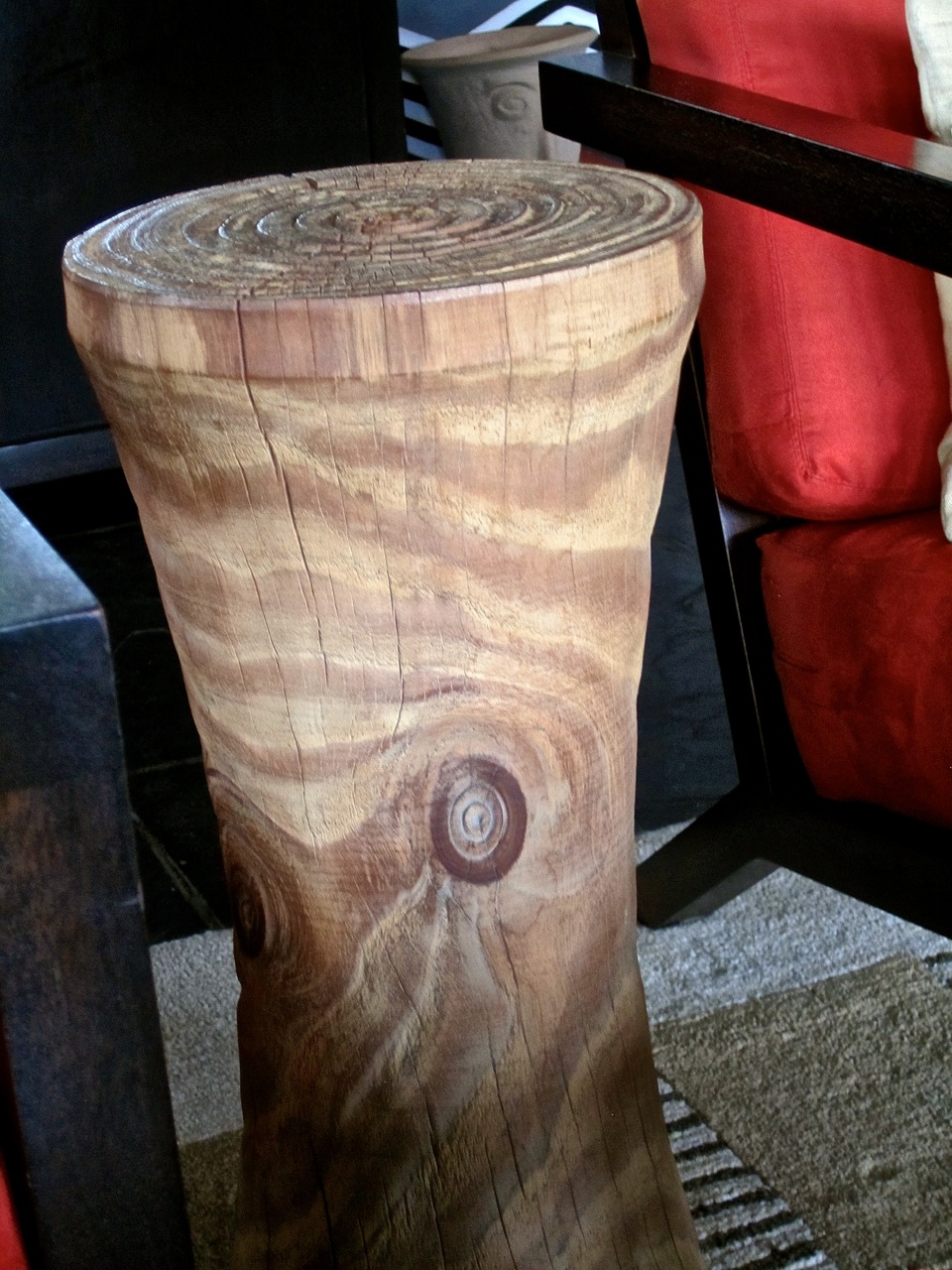
I wanted to show you these side tables in the main lounge, which I loved.

side table

Unfortunately, I forgot to ask if they were locally made or imported — next time.

sidetable 2

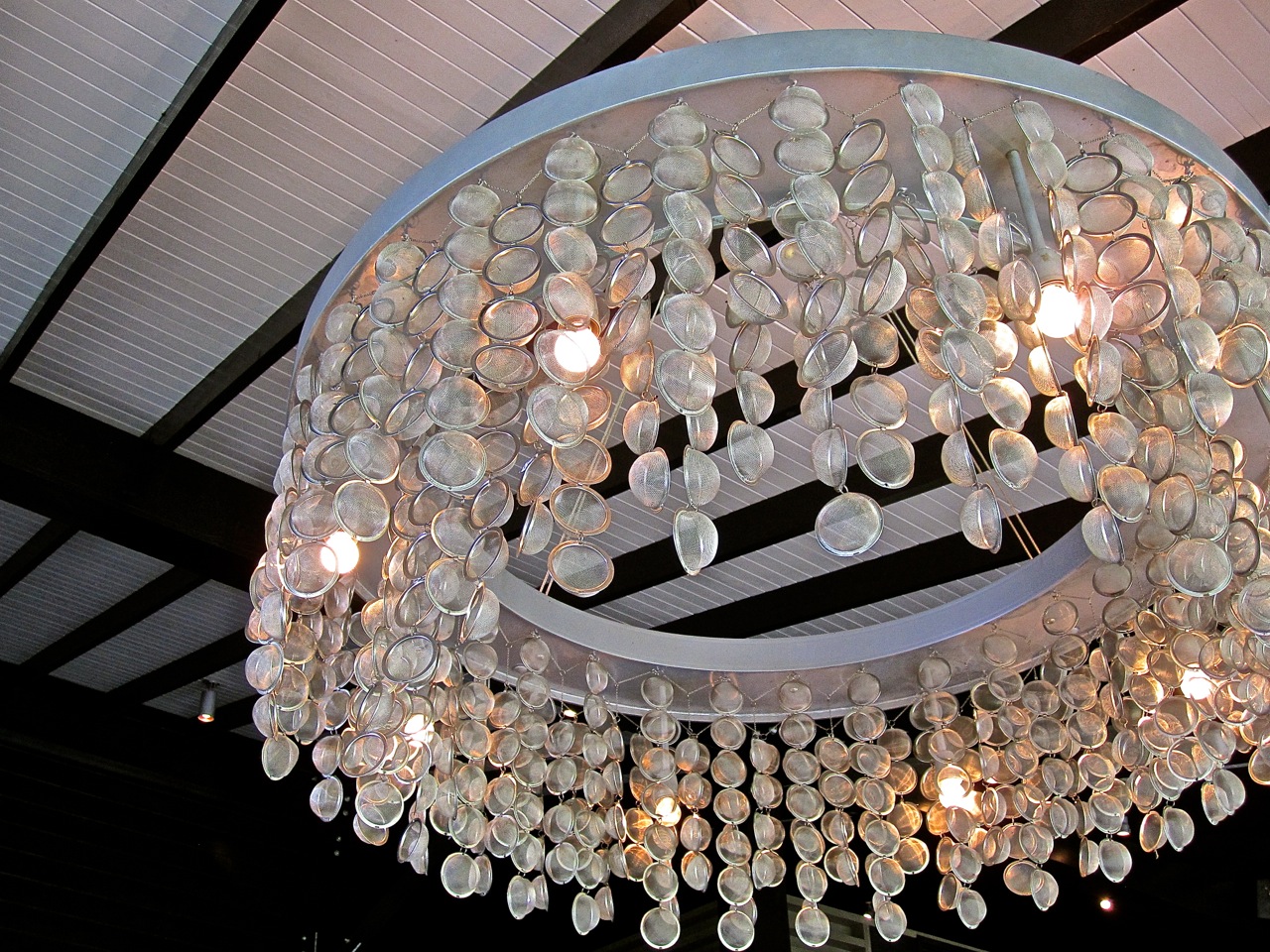
The big chandelier was appropriately made of tea strainers.

chandelier, full

Chandelier, detail

chandelier 2, detail

Camellia sinensis leaves have little or no smell (only if you crush them hard) until they are processed as tea. But the hotel smelled very lightly of green tea fragrance from the soap and hand lotion in the bathrooms and gift shop. So, sitting on the terrace or in the main lounge looking out, I could smell what I thought the fields should smell like (but really don’t). I thought this was an interesting little manipulation of experience in a landscape.

My daughter brought me a Kindle Fire e-reader, another really nice thing, which allowed me to spend the afternoon switching from Vogue, to the third book of the Game of Thrones series, to Hilary Mantel’s Bring Up the Bodies.

I’ve written about Nyungwe Forest Lodge previously here.

Beautiful Rwanda

The link to this video clip was sent to me with the note:  “What a beautiful country we are living in!”

I think you will agree.

RWANDA from MAMMOTH on Vimeo.

The film stops for just a moment at about 4 minutes.  Stay with it to see some wonderful footage of mountain gorillas.

A study in steps: northern Rwanda village

steps, steps

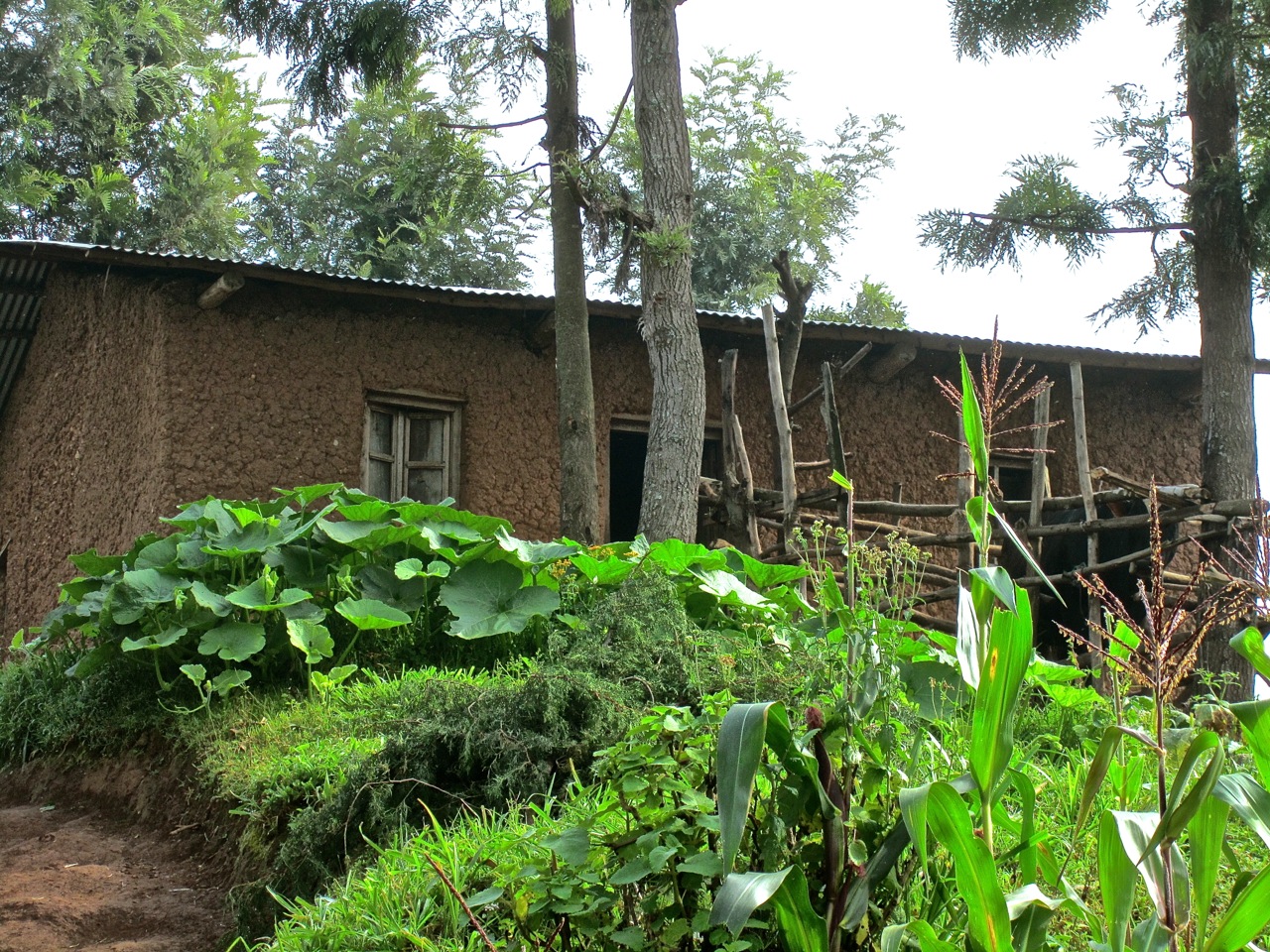
These are the front “steps” from the road to someone’s home in a village near the Virunga Safari Lodge in northern Rwanda. (We spent a night at the Lodge earlier this month.)

They are steeper than they look in the picture.

The little house at the top of the hill would look like the one below; I took this photo along the same stretch of road.

steps, local house

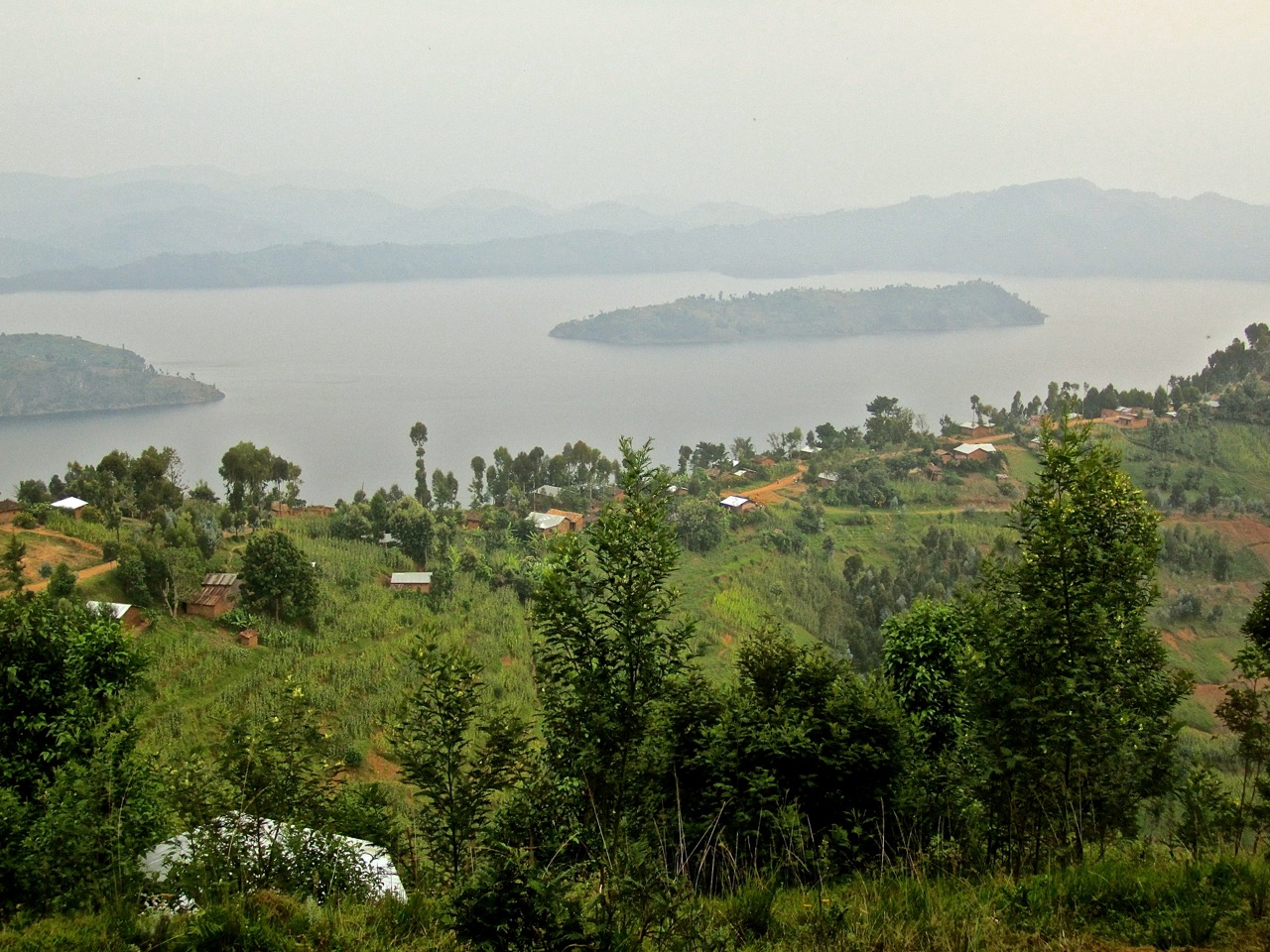
We had hiked down the hill from the hotel along a series of narrow and slippery paths.

steps, hill to road

Also steeper than it looks here.

steps, farms below

Below are my husband and our guide starting back up the hill. A moment later, as we were sliding and leaning on our sticks, we were passed by a young women with a baby on her back. She was wearing flip-flops and carrying what I can only describe as a yule log on her head. She was soon out of sight.

steps, trail

A study in steps (and more) in Chicago

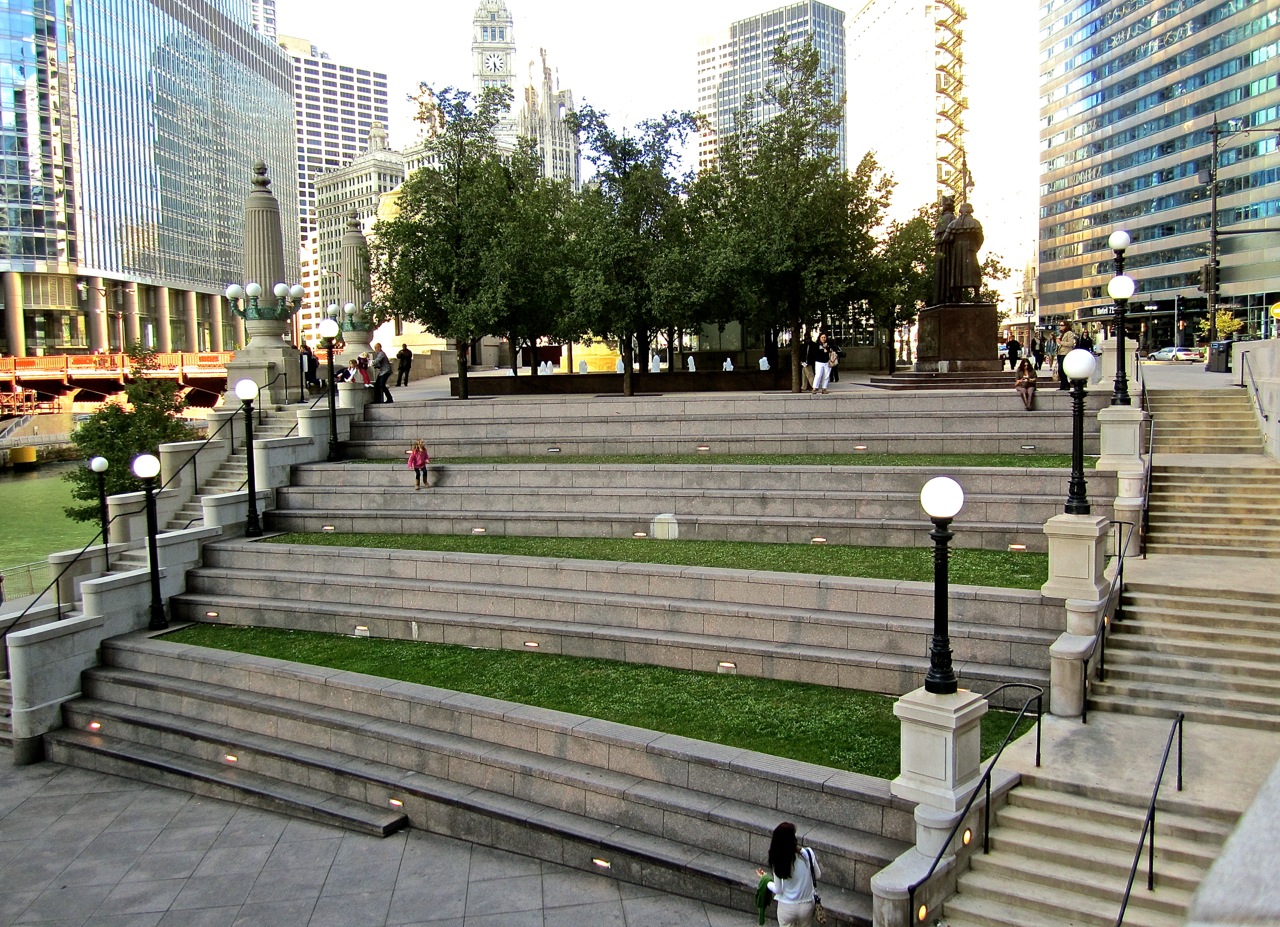
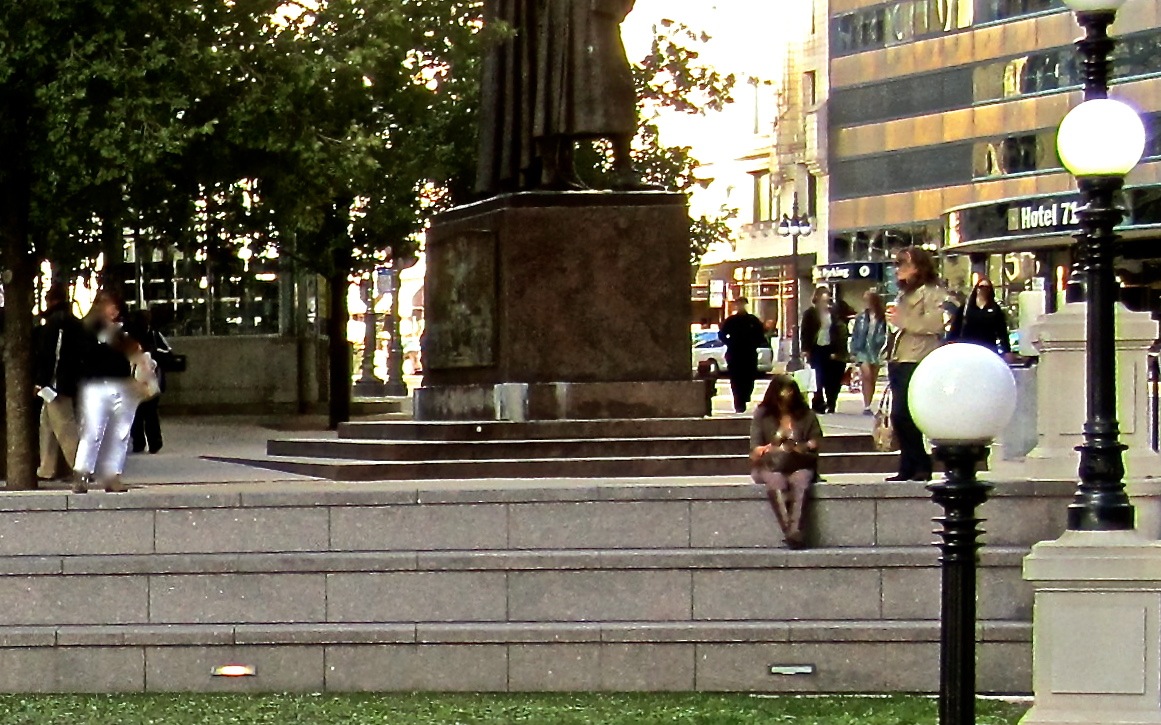
In September, we spent a weekend in Chicago.  These steps are located in its downtown, along the south side of the Chicago River.  Each rise is about 18.”

It was near here that I tripped on a single step off the sidewalk. My poor little camera took most of the force, but  happily still works.

Remember — all landscape design students say it with me — “a single step is a tripping hazard.” (I’ve personally proved it many times.)

The Chicago River, with its Riverwalk,  is the best landscape in the city.  I think the skyscrapers are thrilling.

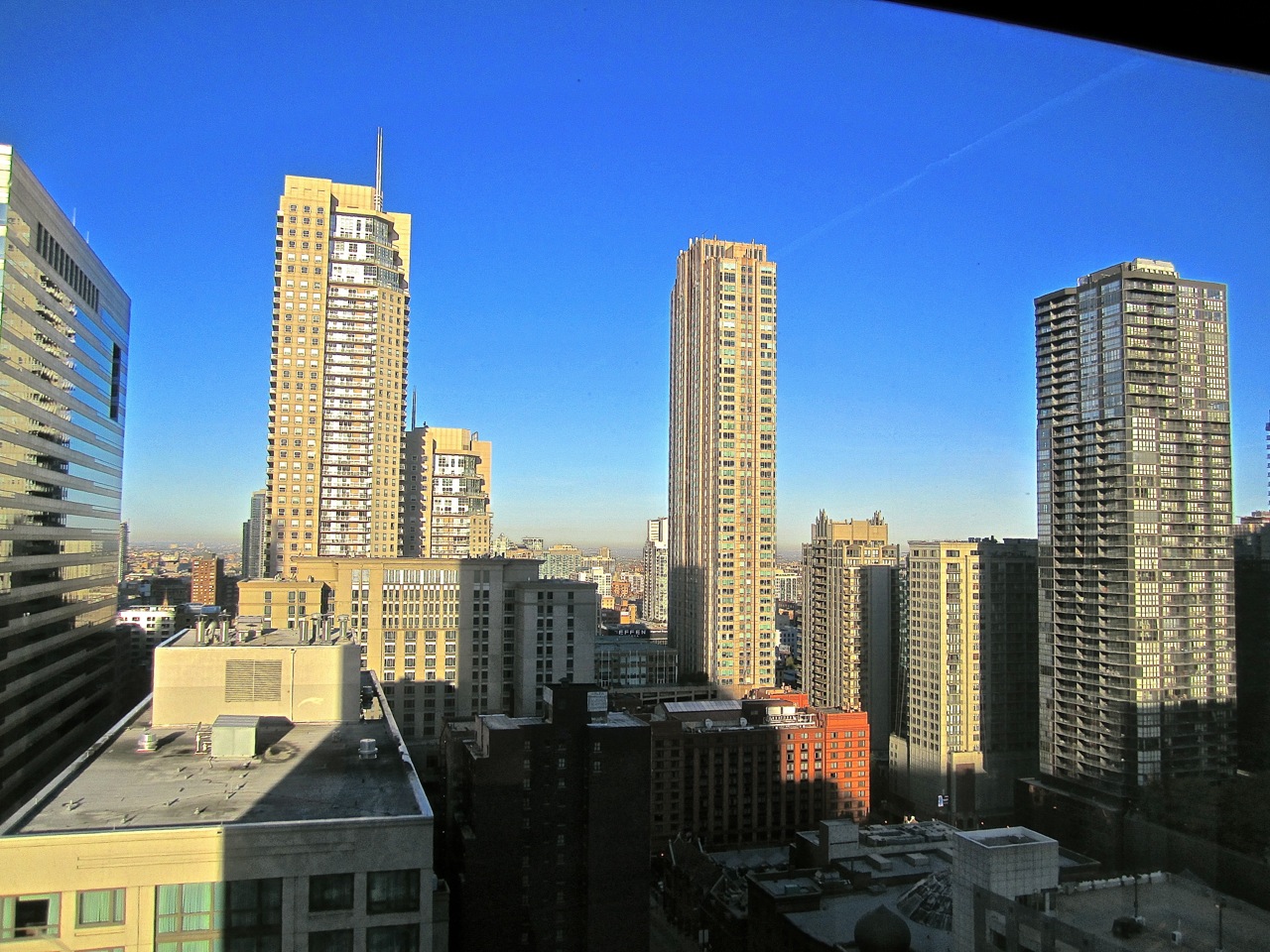
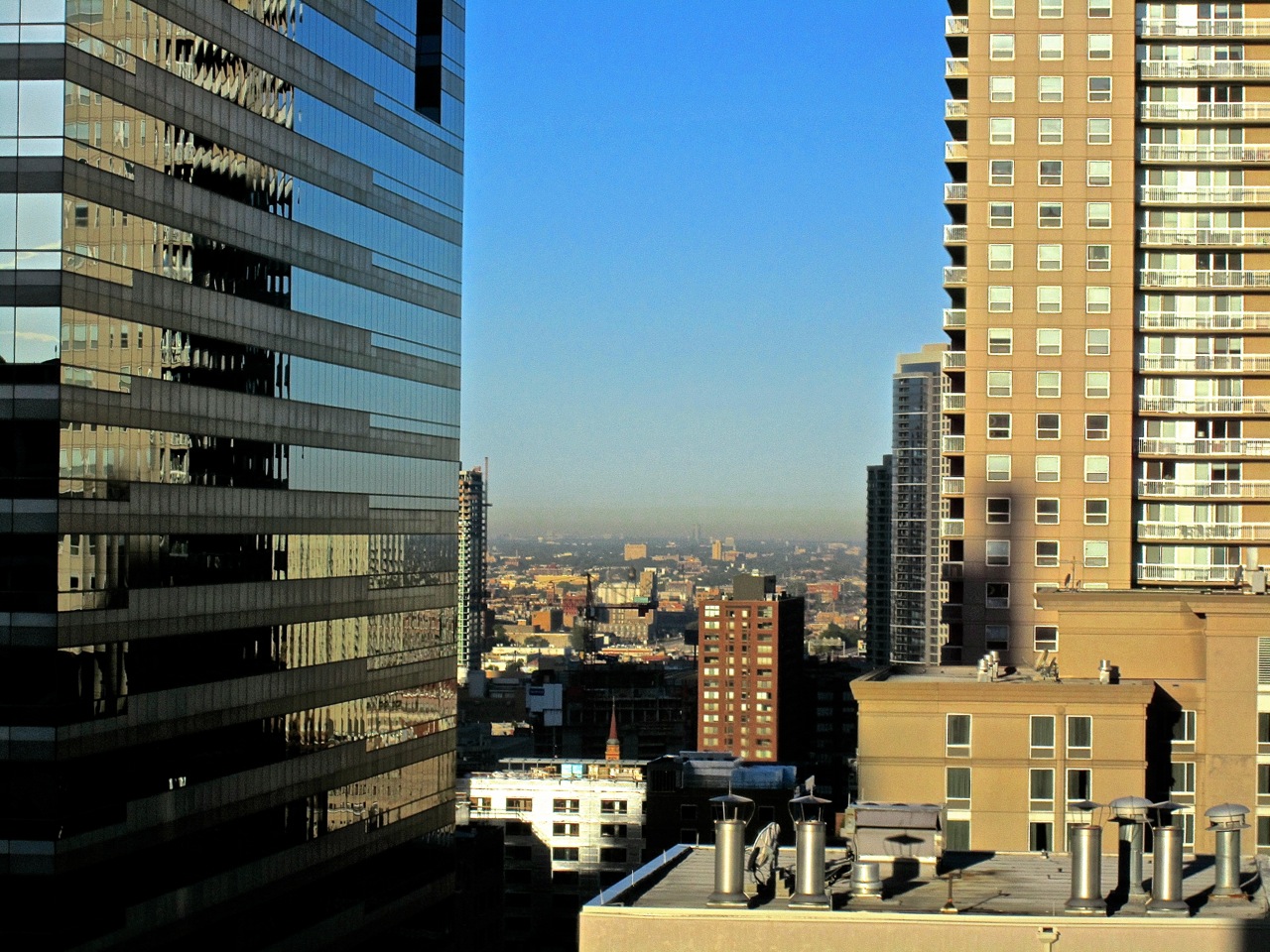
Below was the view from our hotel room.  A little dizzying.

I thought I could see back to Madison, Wisconsin, our previous destination.

After a skyscraper walking tour by the Architecture Foundation, I spent an afternoon at the Art Institute of Chicago and Millennium Park on South Michigan Avenue.

I loved these cabbages in the huge planters in front of the Art Institute. I’m so happy to see ornamental cabbages and kale having a moment again — I started gardening in the ’80s.

Millennium Park, which is just north of the museum and includes Lurie Garden, is remarkable.

I loved the “Cloud Gate,”

the way it reflected the surrounding skyscrapers,

and the way people interacted with it — including me, in the background with the yellow bag (below).

Where we ate

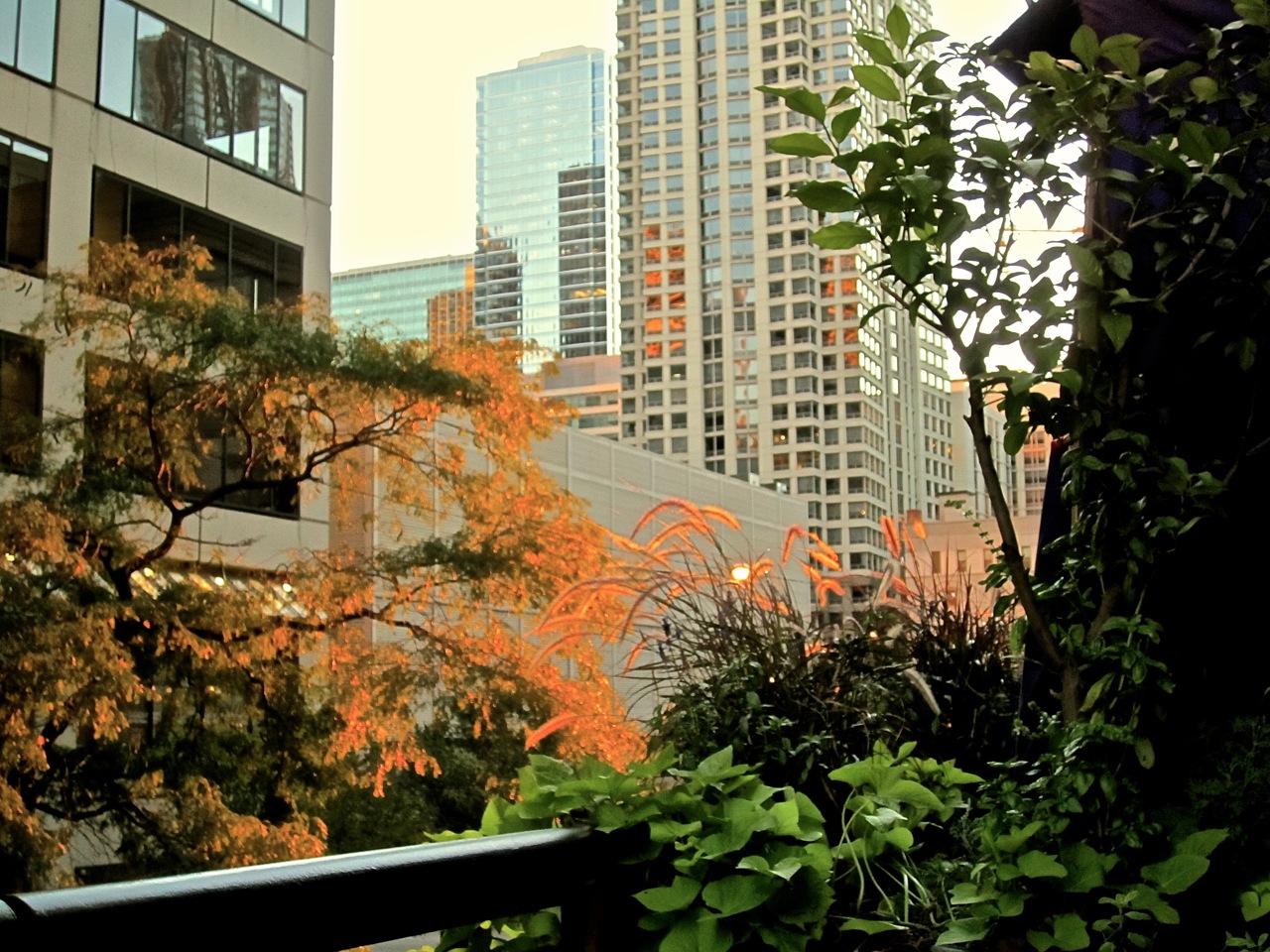
During our short visit, we ate twice at the great Purple Pig (their patio below at sunset) at 500 N. Michigan Avenue.  On the second night, our dessert was simply two slices of toasted artisanal bread spread in-between with Nutella, marshmellow cream, and sliced bananas.  Then the “sandwich” was liberally topped with powdered sugar.  It was wonderful.

If you have to be in Chicago’s O’Hare Airport — and we all will eventually — definitely eat at Rick Bayless’s Tortas Frontera.  We discovered it on our last trip in March, and this time we actually made a point of taking flights that would put us in Terminal 1 (go to gate B11) about lunchtime.