On the road

The farm in yesterday’s post overlooks the Nyakabingo tungsten mine, located about 10 kms. north of Kigali.

The mine was the first stop on a two-day bus trip organized by the Foreign Ministry for diplomats. We felt a little like we were on a school field trip — only one with a police escort and a press van.

While we were at Nyakabingo, I turned down the invitation to see the mine from underground and instead photographed it from an upper road.
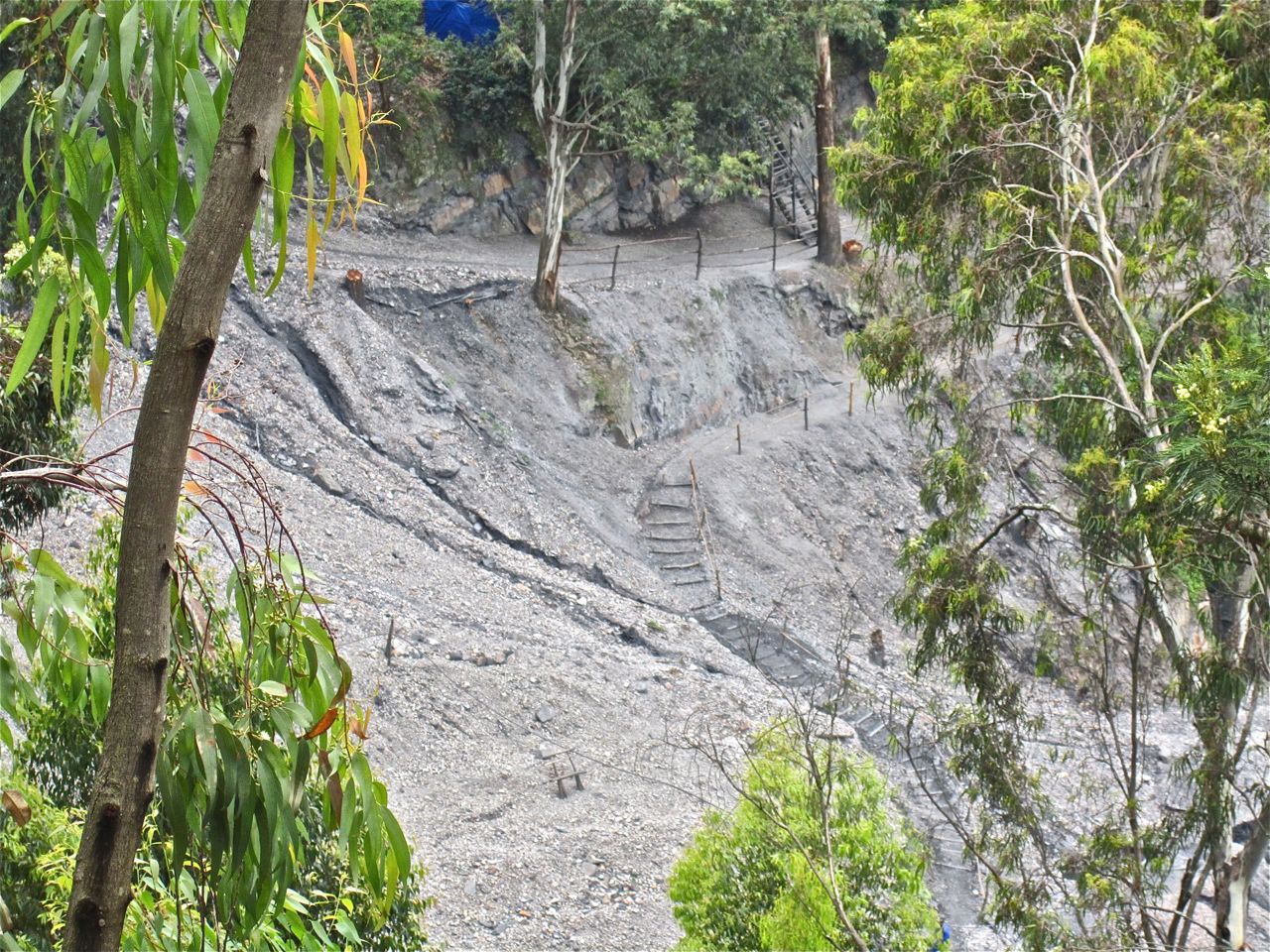
Paths and steps descending the hillside of the mine. About 700 people work there removing tungsten, a chemical element used in incandescent light bulb filaments, x-ray tubes, and superalloys.

The afternoon itinerary included a stop at the Sabyinyo Silverback Lodge.

The Lodge is one of two “swishy” (as Bradt’s Travel Guide puts it) places to stay in the vicinity of the Parc National des Volcans and the mountain gorillas. The other one — the Virunga Safari Lodge — we toured last month. Both cost around $500 to $600 per night per person.
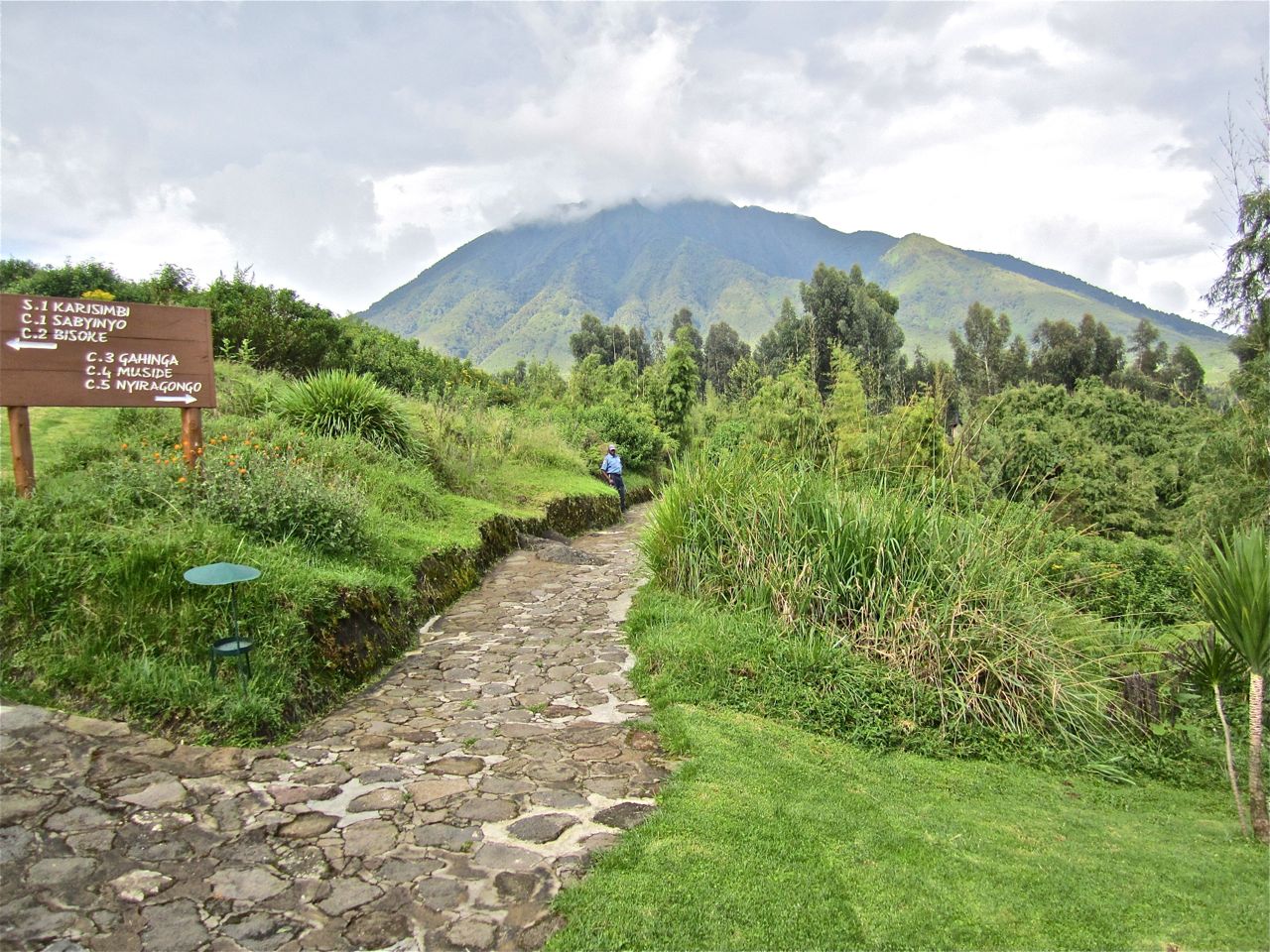
Paths to the five cottages, with the volcano in the background.

Sabyinyo has the advantage of being only 10 minutes drive from the entrance to the park headquarters. Like Virunga, it offers accommodation in individual cottages.
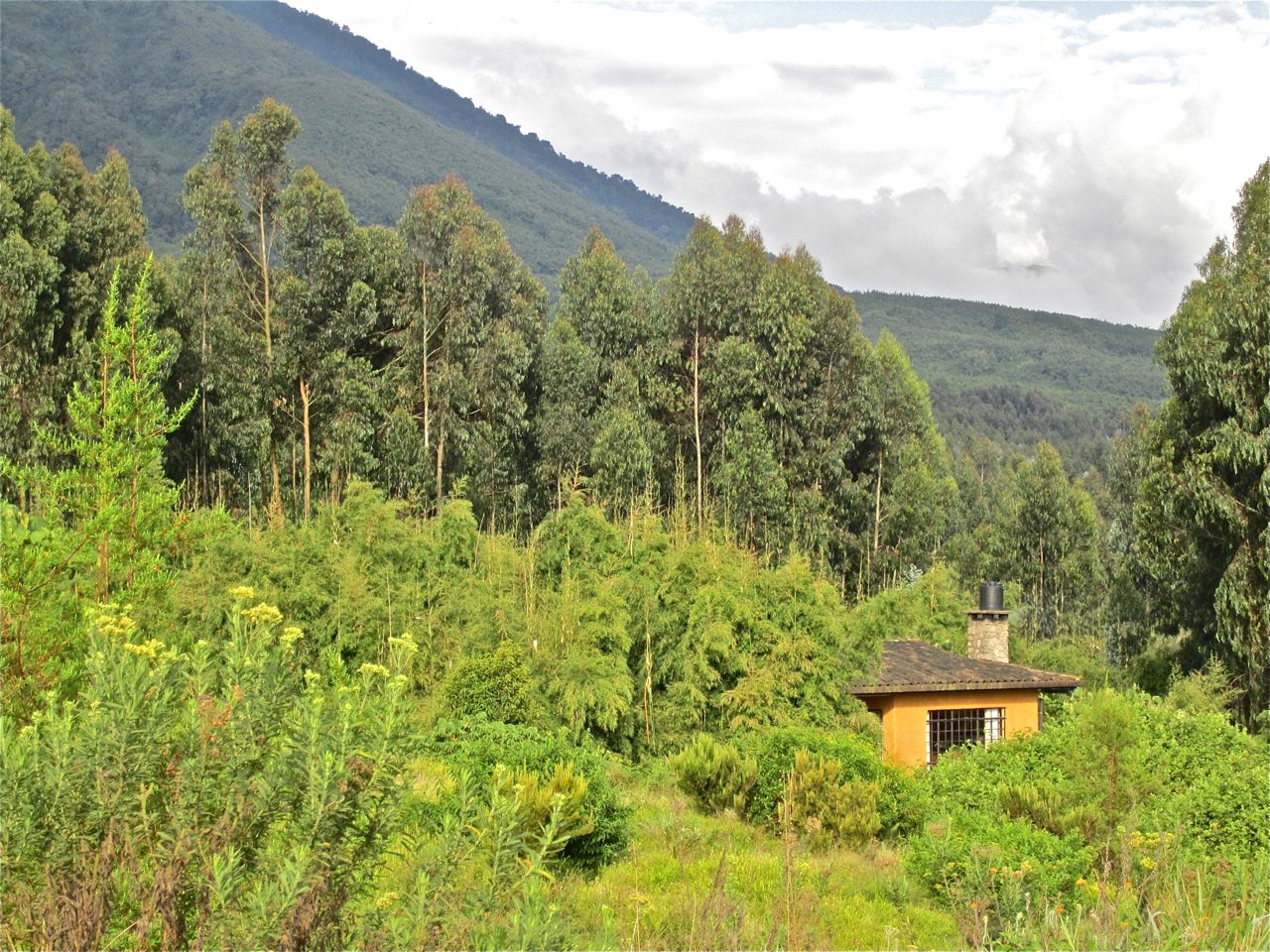
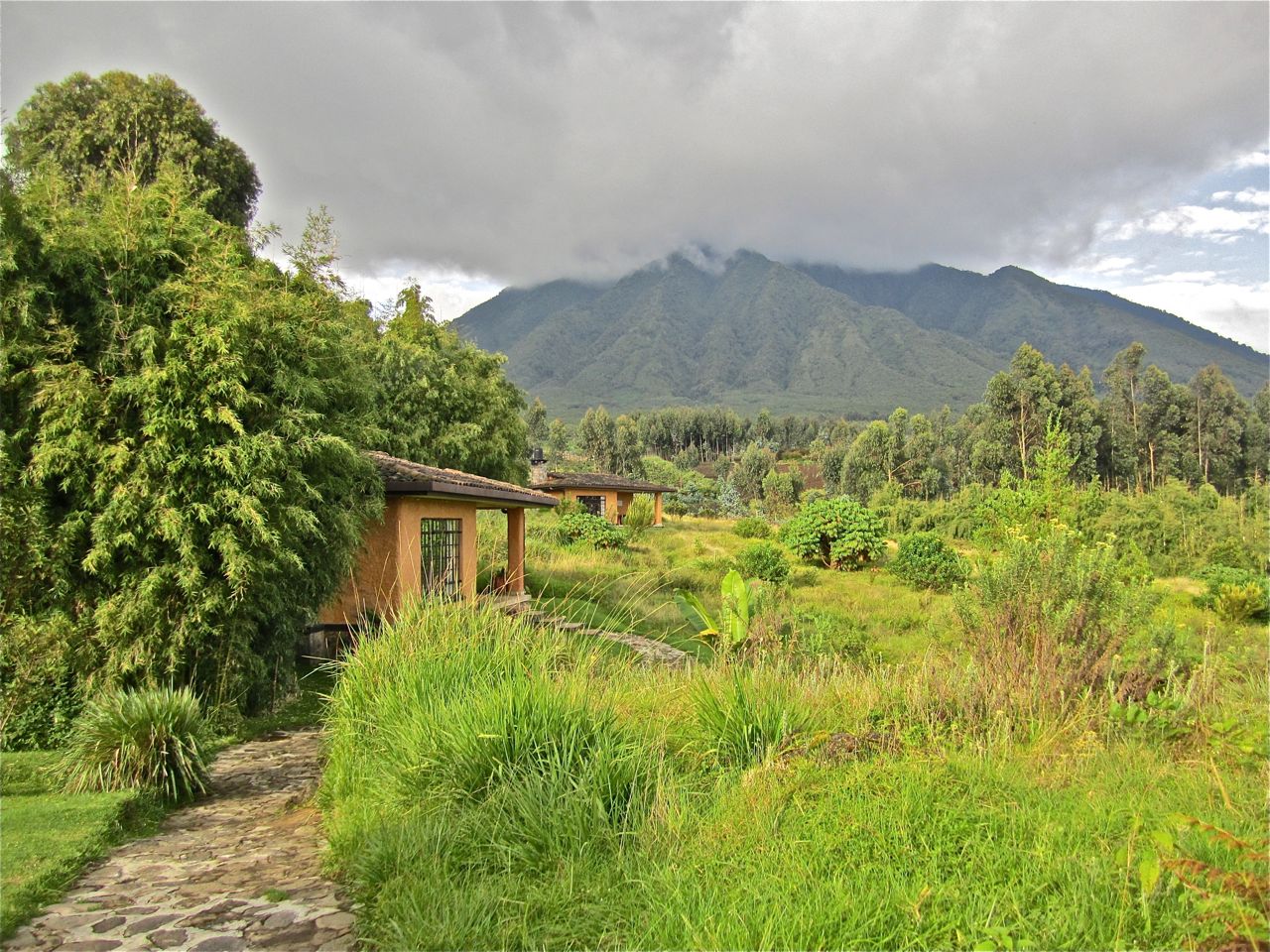
A Sabyinyo cottage. The lodge levies a $58 per person per night community fee, and the community also receives a 17% cut of the lodge’s profits.
Two other cabins.

Also like Virunga Safari Lodge, the landscaping is kept simple so as not to compete with the gorgeous views.
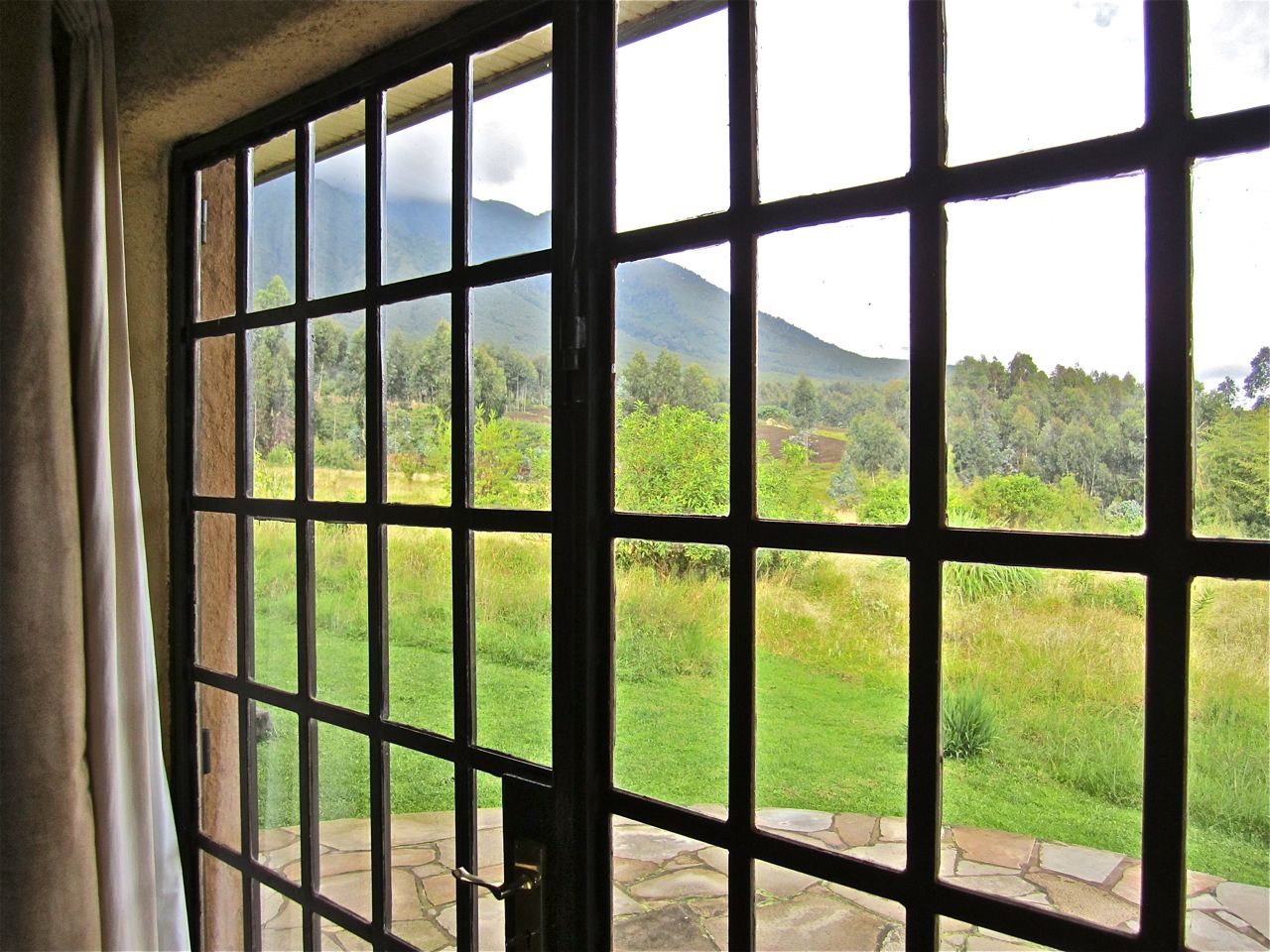
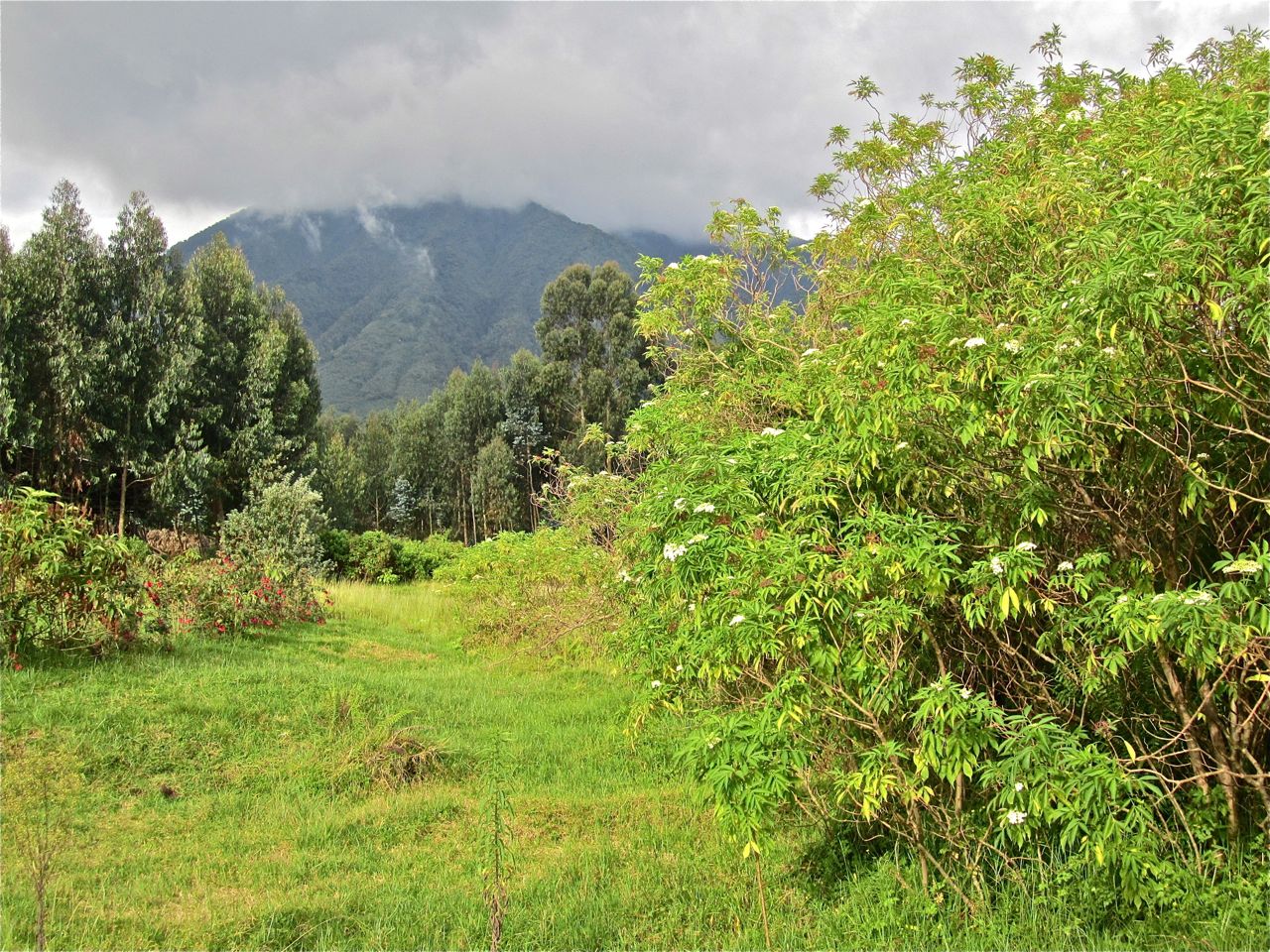
The view from a cottage window.
One of the views at Sabyinyo, somewhat obscured by clouds.
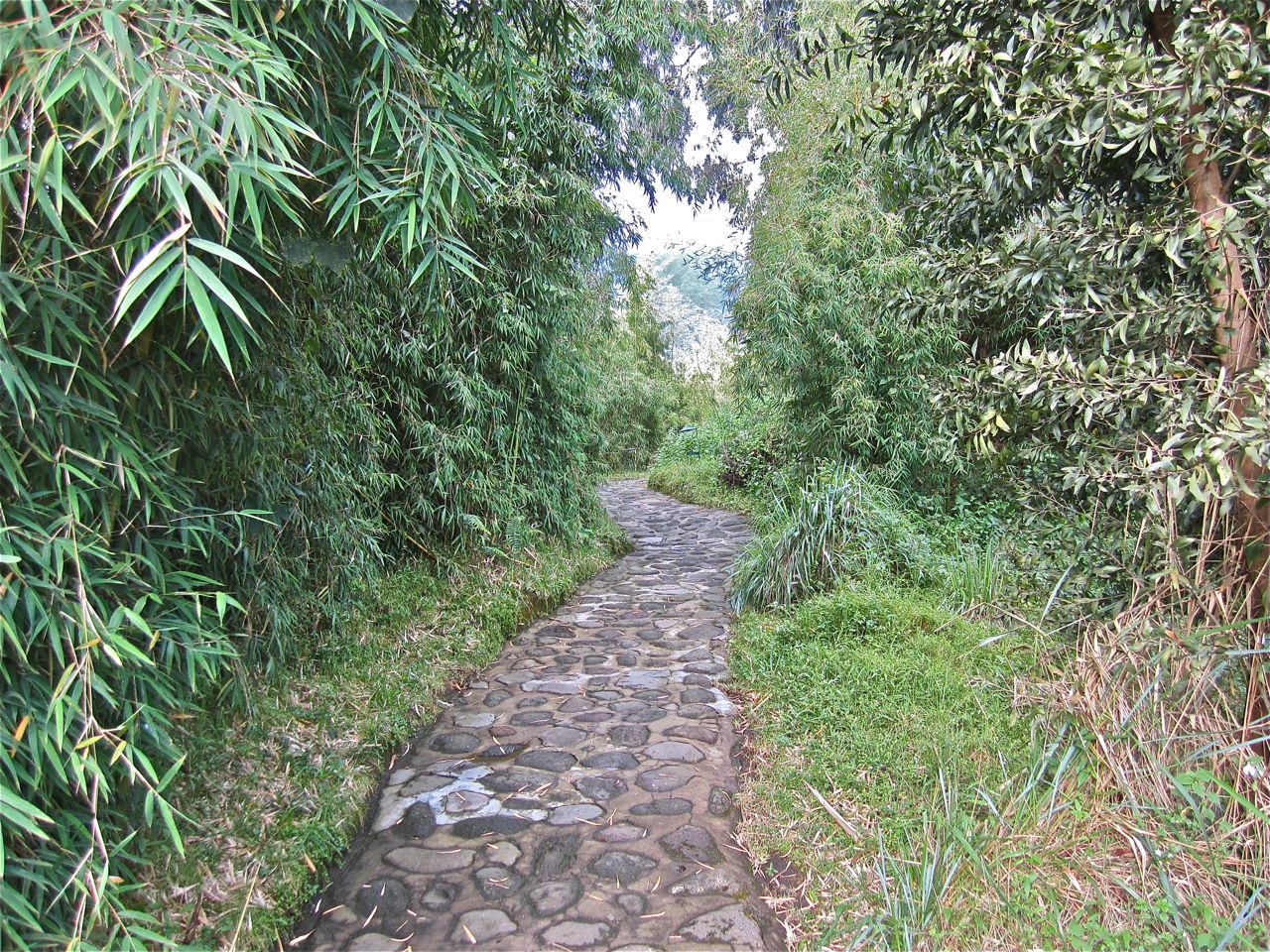
A path through the bamboo.
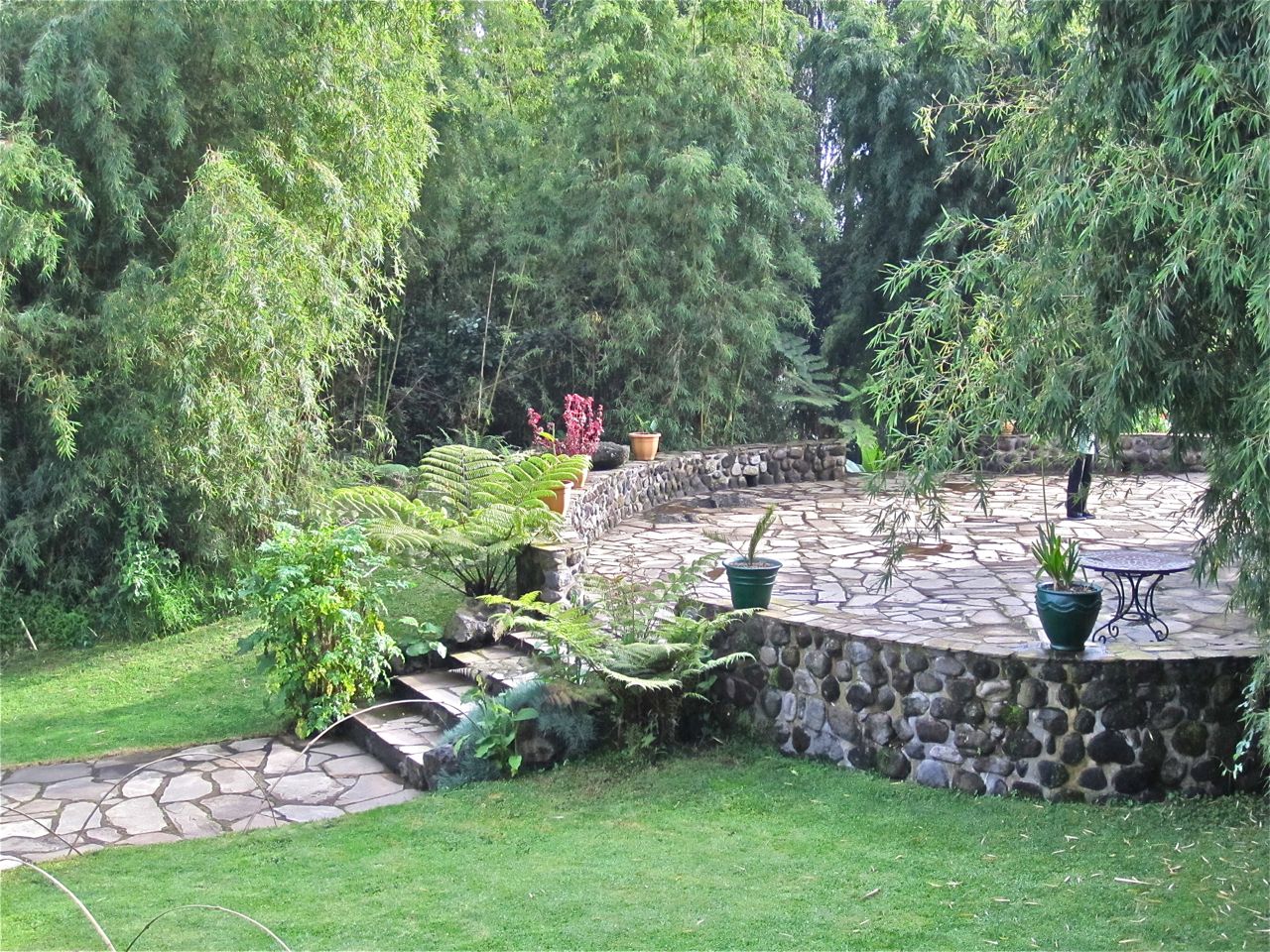
Patio at the entrance to the main building.
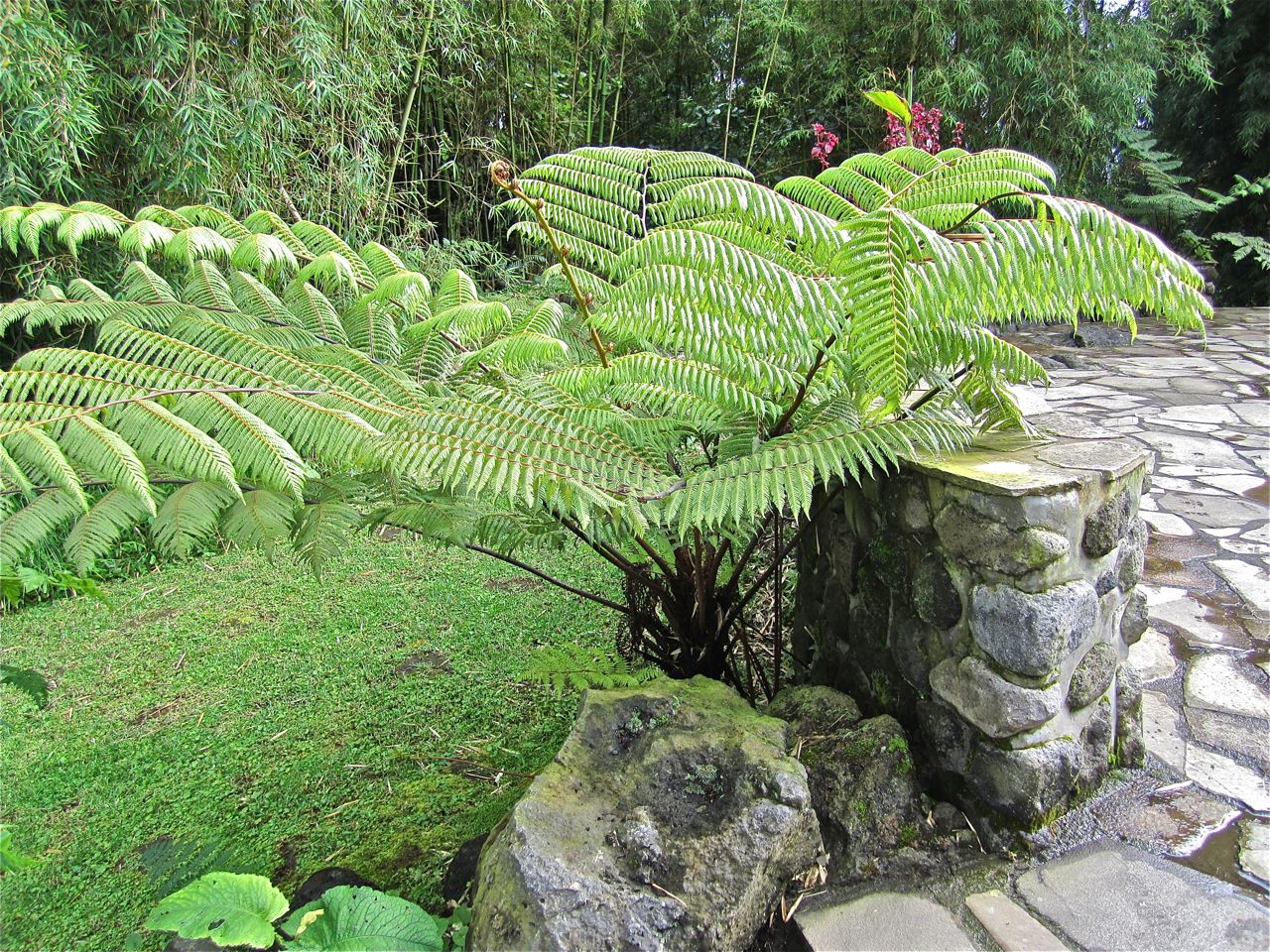
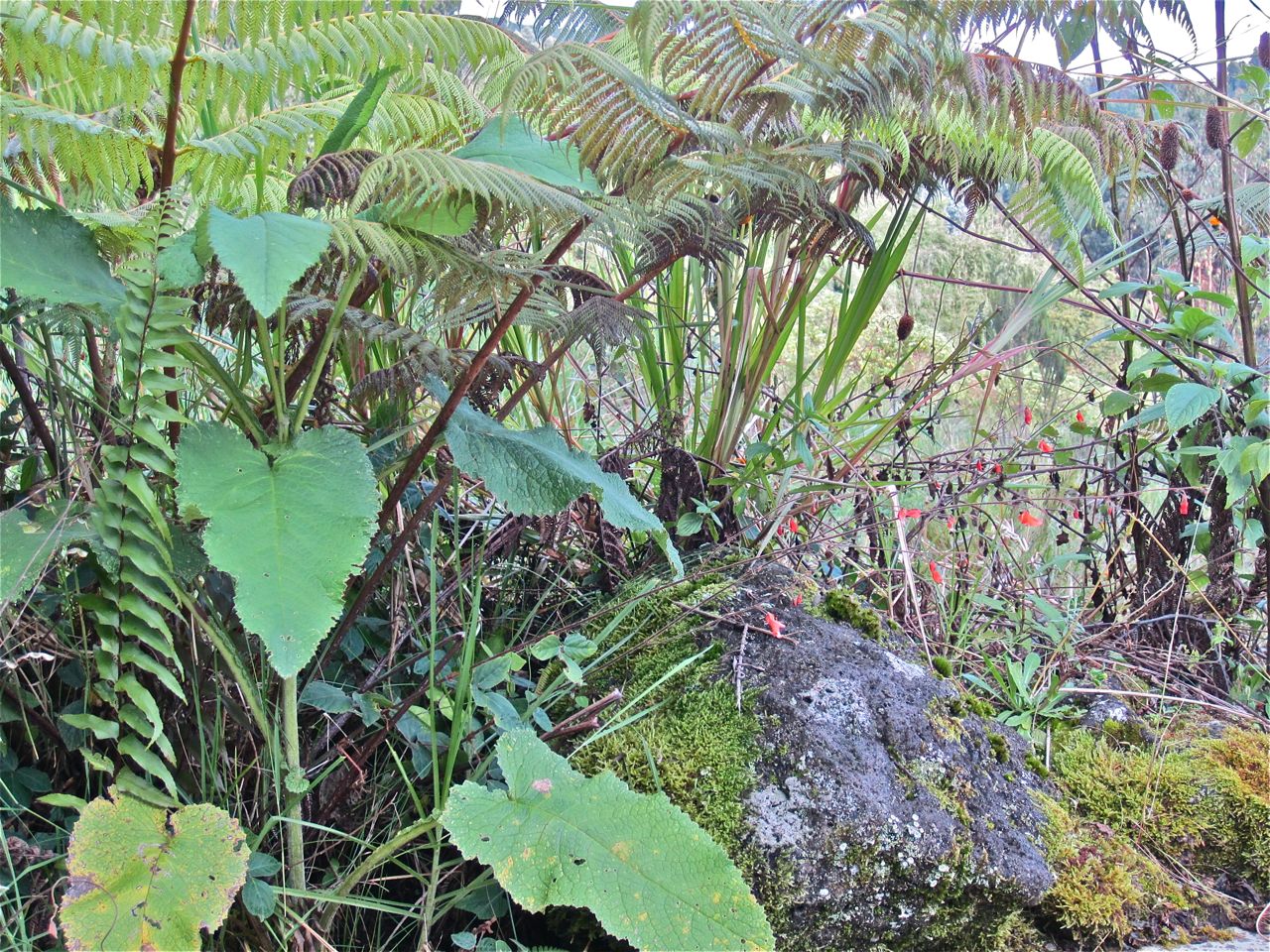
A large fern by the patio steps.
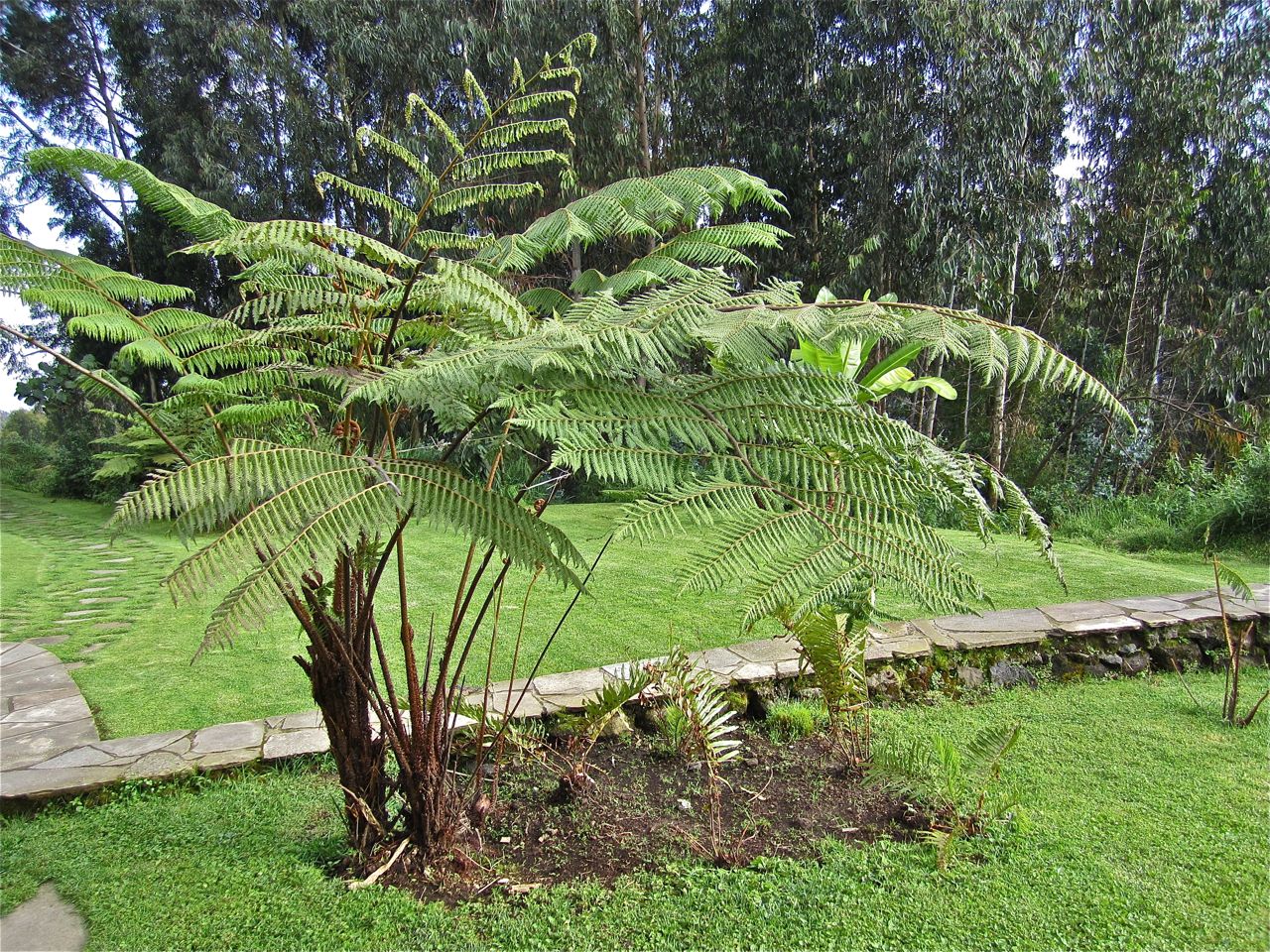
Another very large fern near the main building.
Ferns and other wild plants along the path.
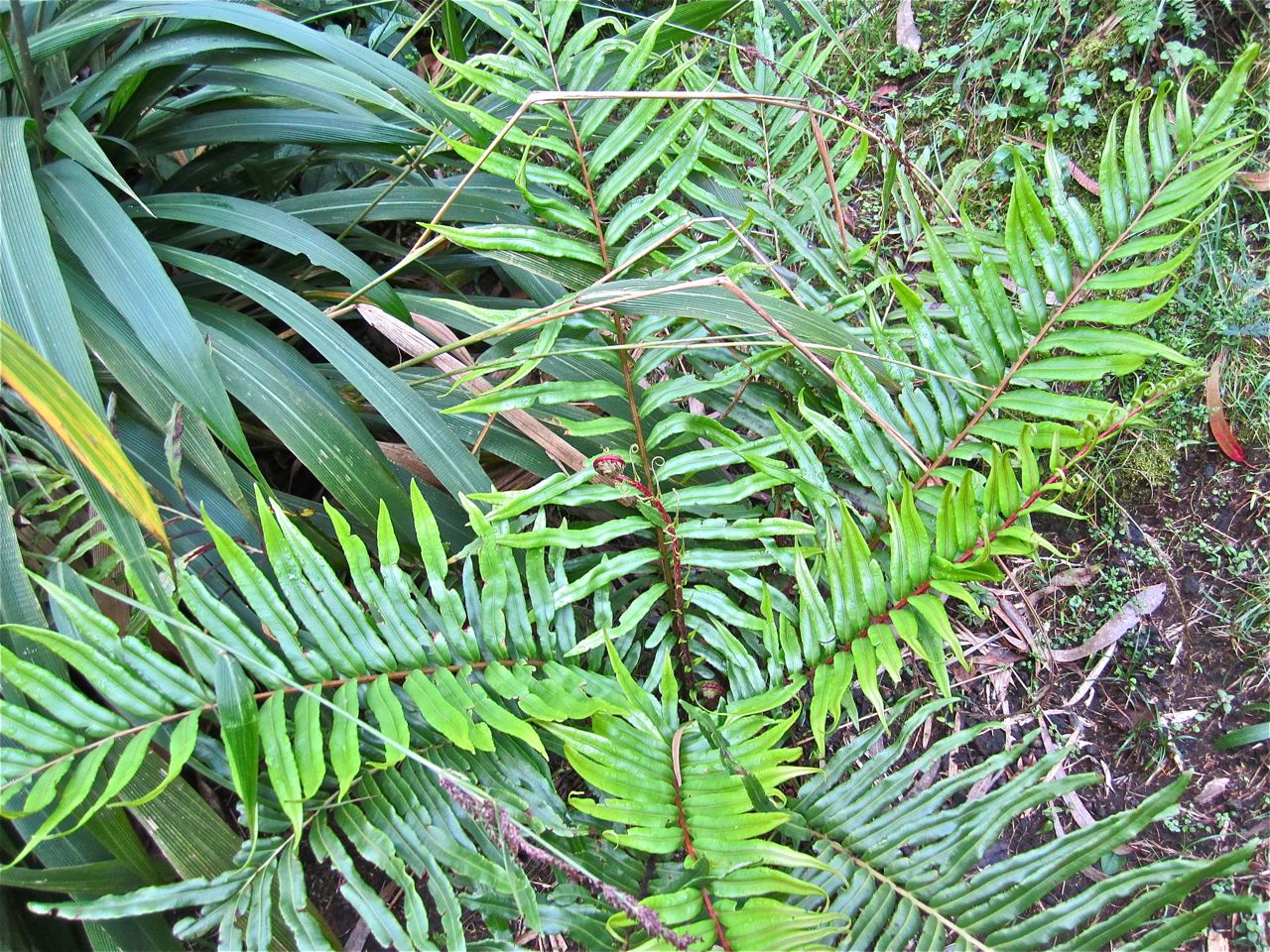
A smaller wild fern
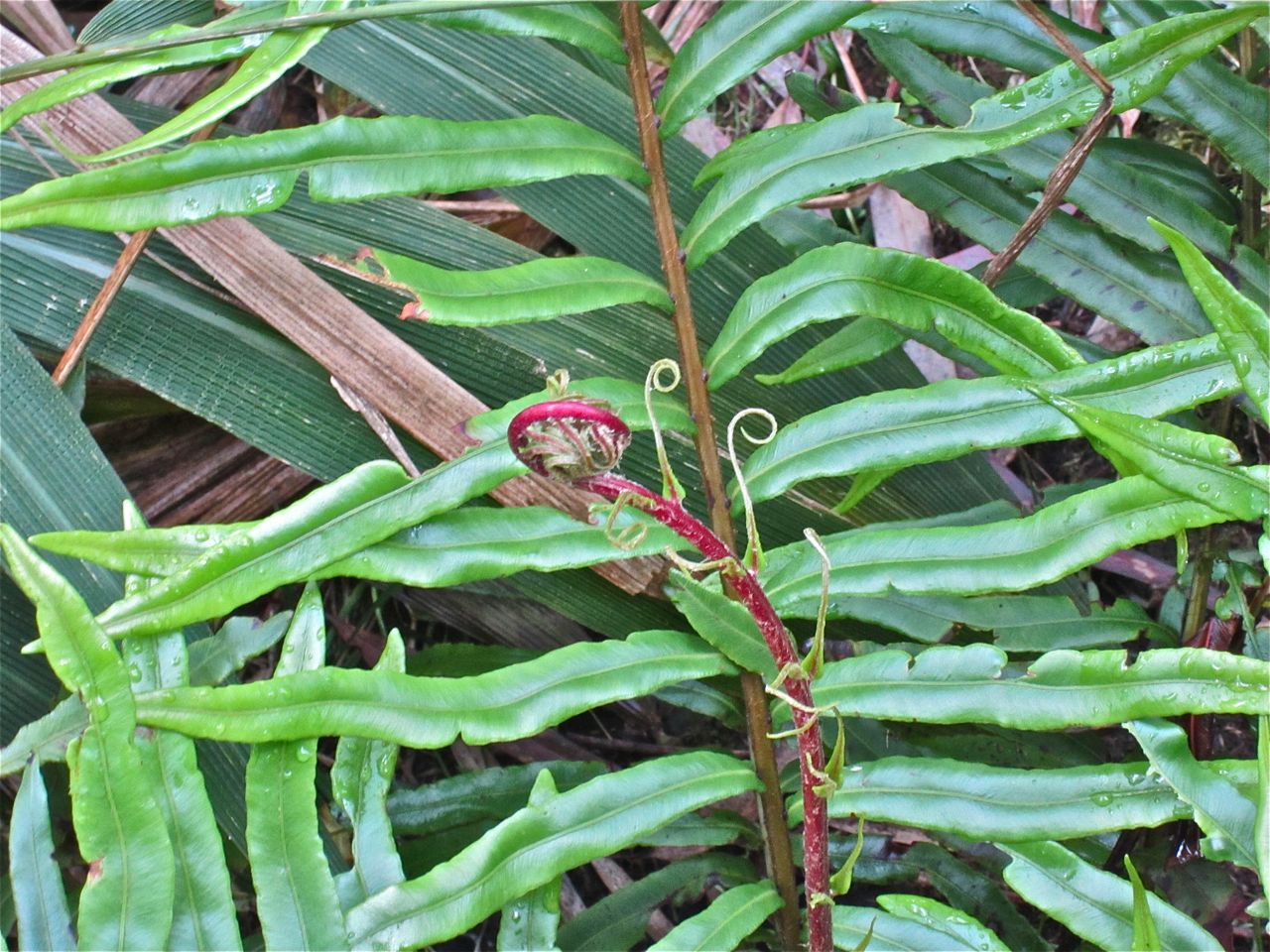
Fern detail.
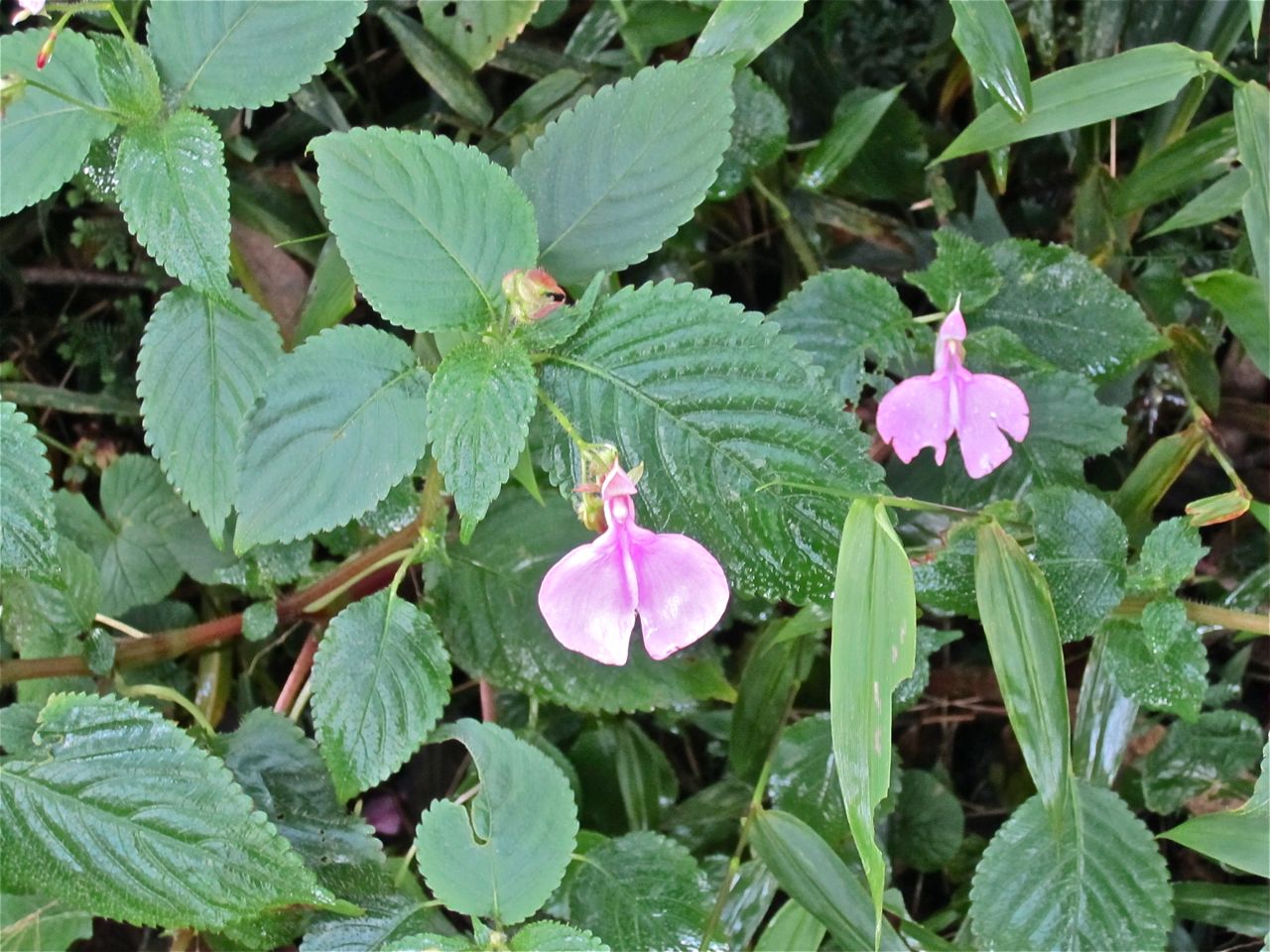
Impatiens native to Rwanda.
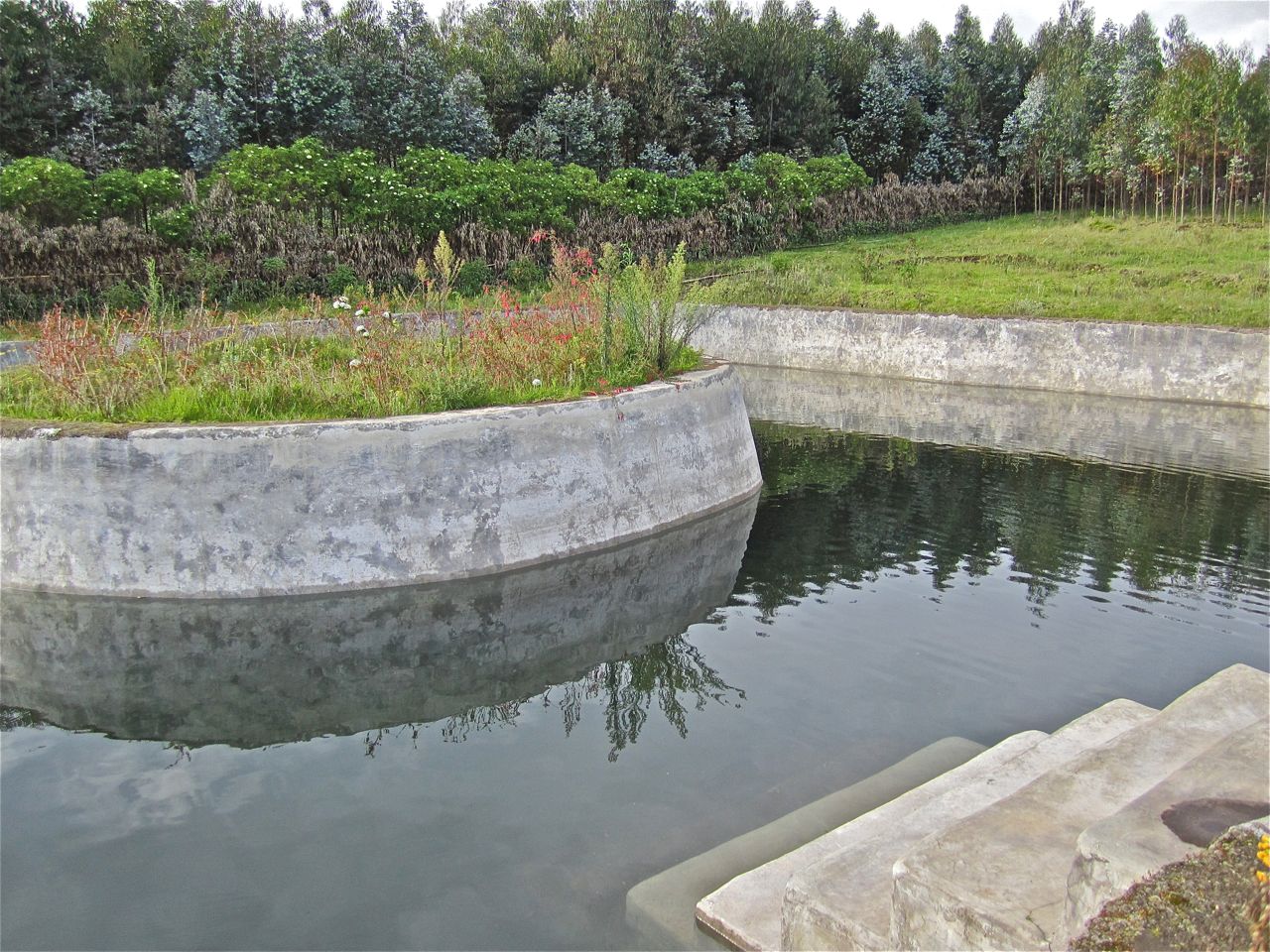
The water retention pool.
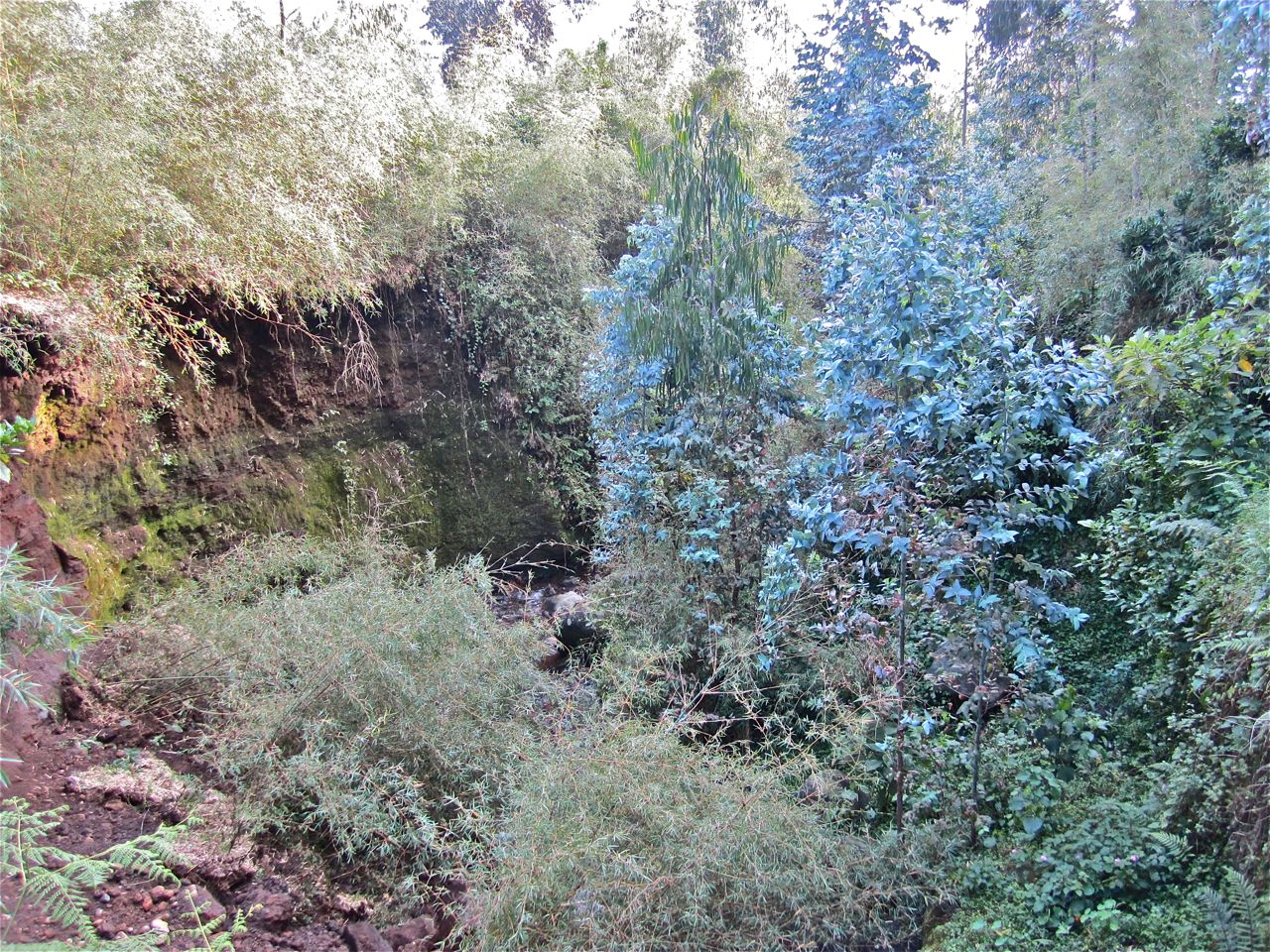
Small stream gorge filled with bamboo and eucalyptus.

We ended our day in the village of Susa, largely made up of 96 homes built with the assistance of the Rwandan government.  The people who live there include Genocide survivors, Batwa (pygmys), and Rwandans formerly living in exile in Tanzania.
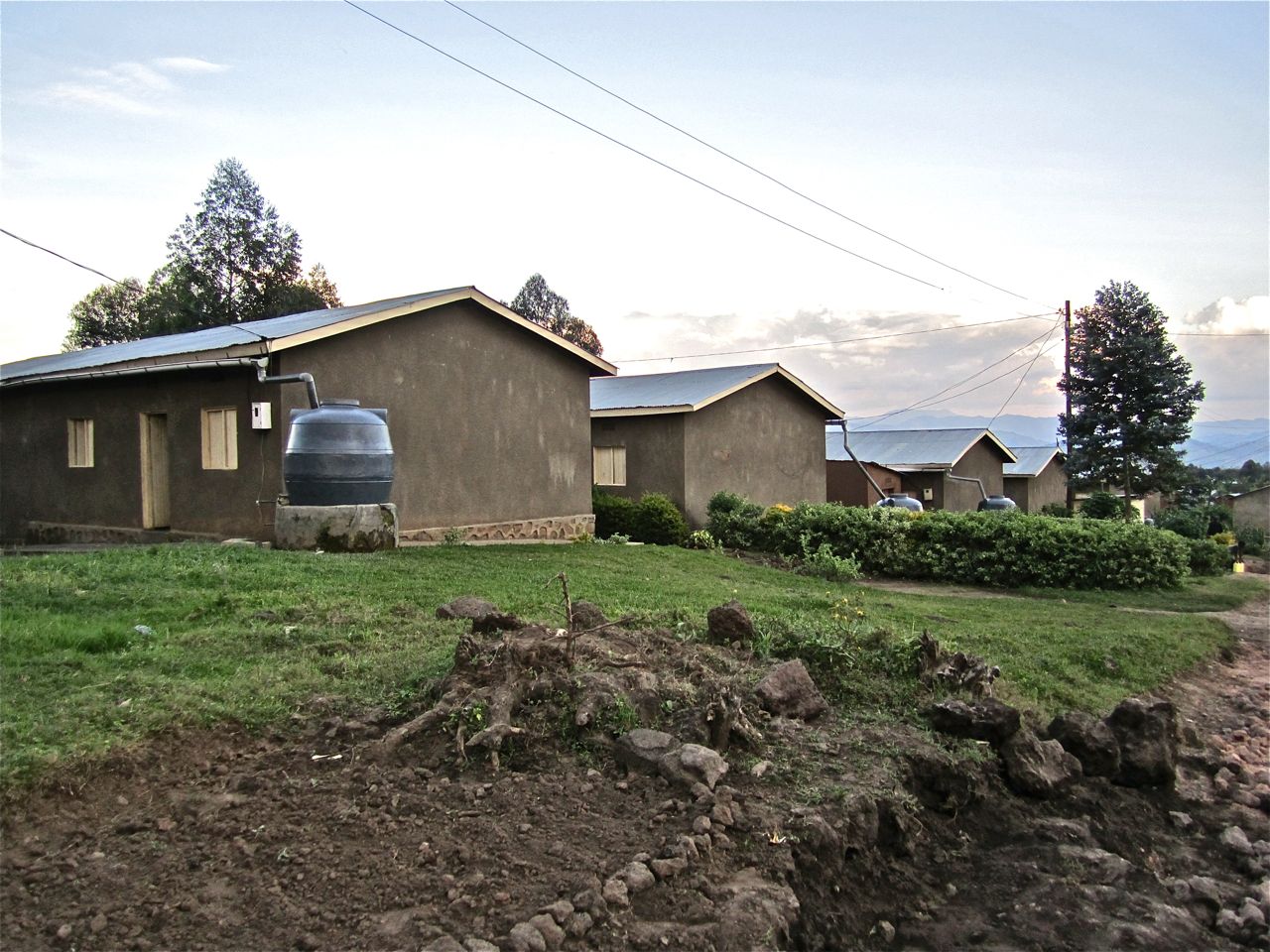
Village homes with tanks that capture rainwater runoff from the roofs.

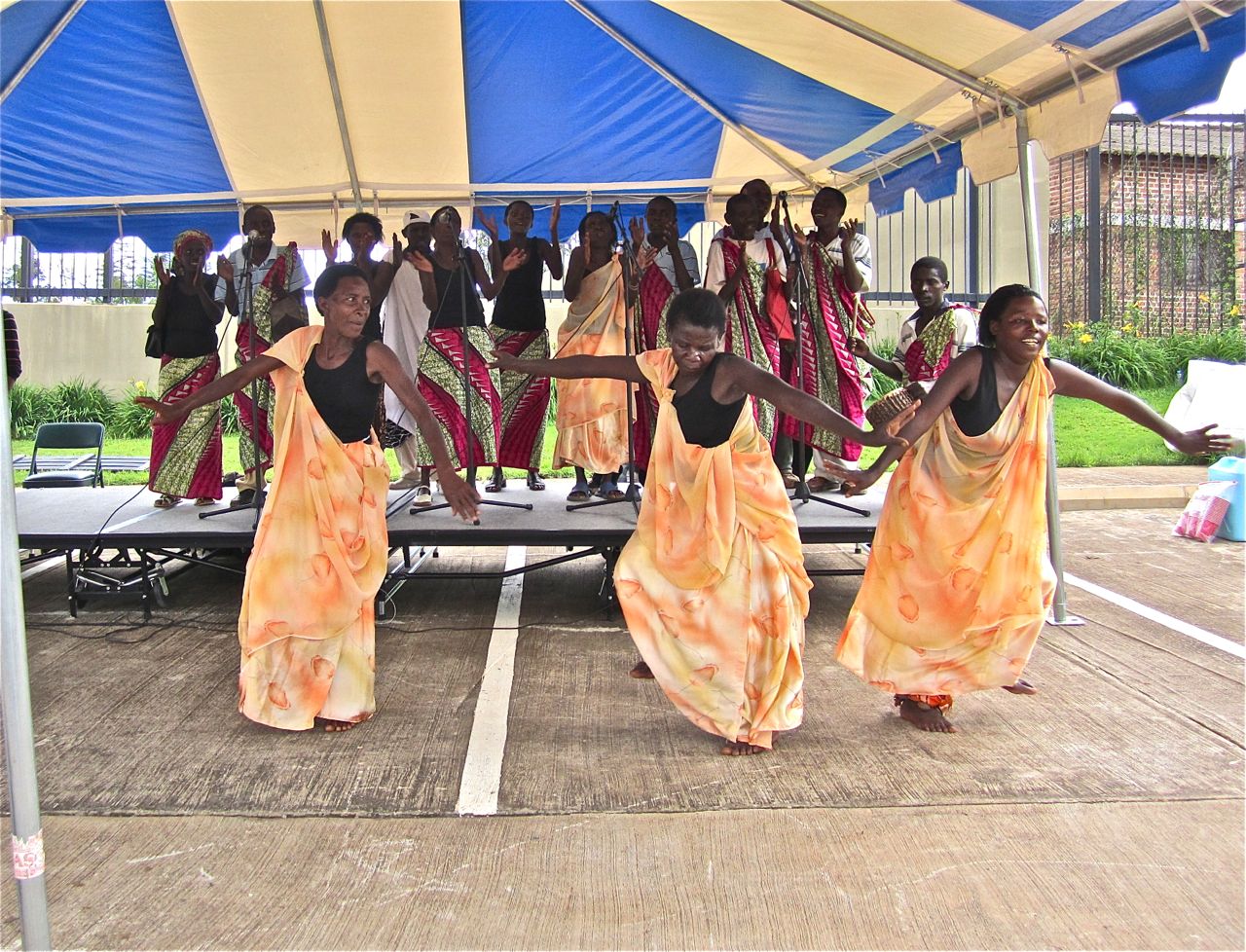
As the light began to fade, we were greeted by dancers.
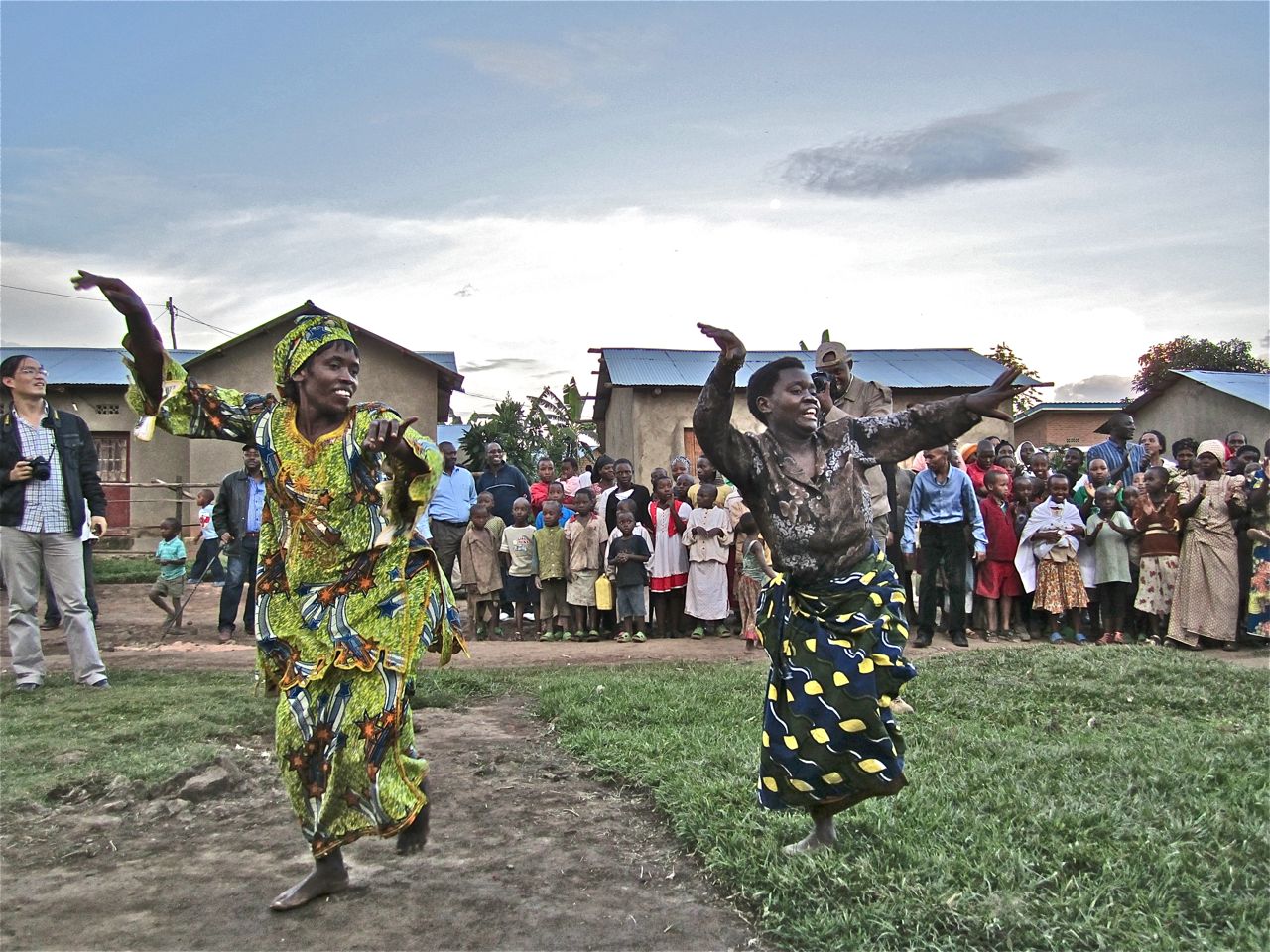
Susa village dancers.

Gardening at an angle

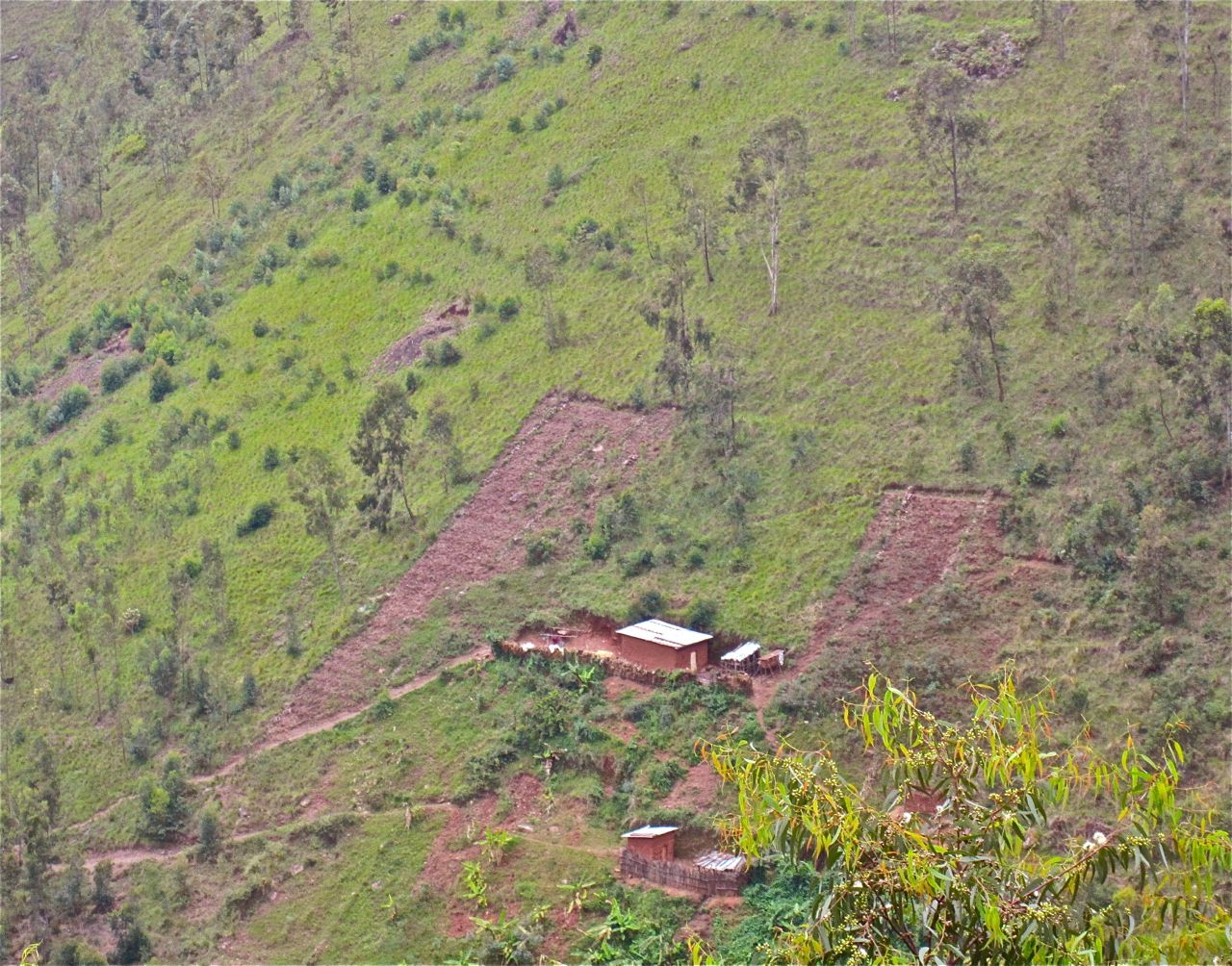
If you think your garden has some challenges with slope, consider this picture. This is quite a typical Rwandan farm. I put it at about 45 degrees.

Rulindo District farm. Click photo to enlarge.

The photo below is another view — rather hazy, I’m afraid — of the most common Rwandan landscape type, a patchwork of small farms on a hillside. This is in the northwest, in Rubavu District.

Typical Rwandan patchwork quilt of small farms.

Why all those people are walking down the road will be the subject of tomorrow’s post.

The songs and dance of Bwiza

A local singing group from the Kigali area released their first CD, Kwizera, with a concert at a local venue on Sunday evening.

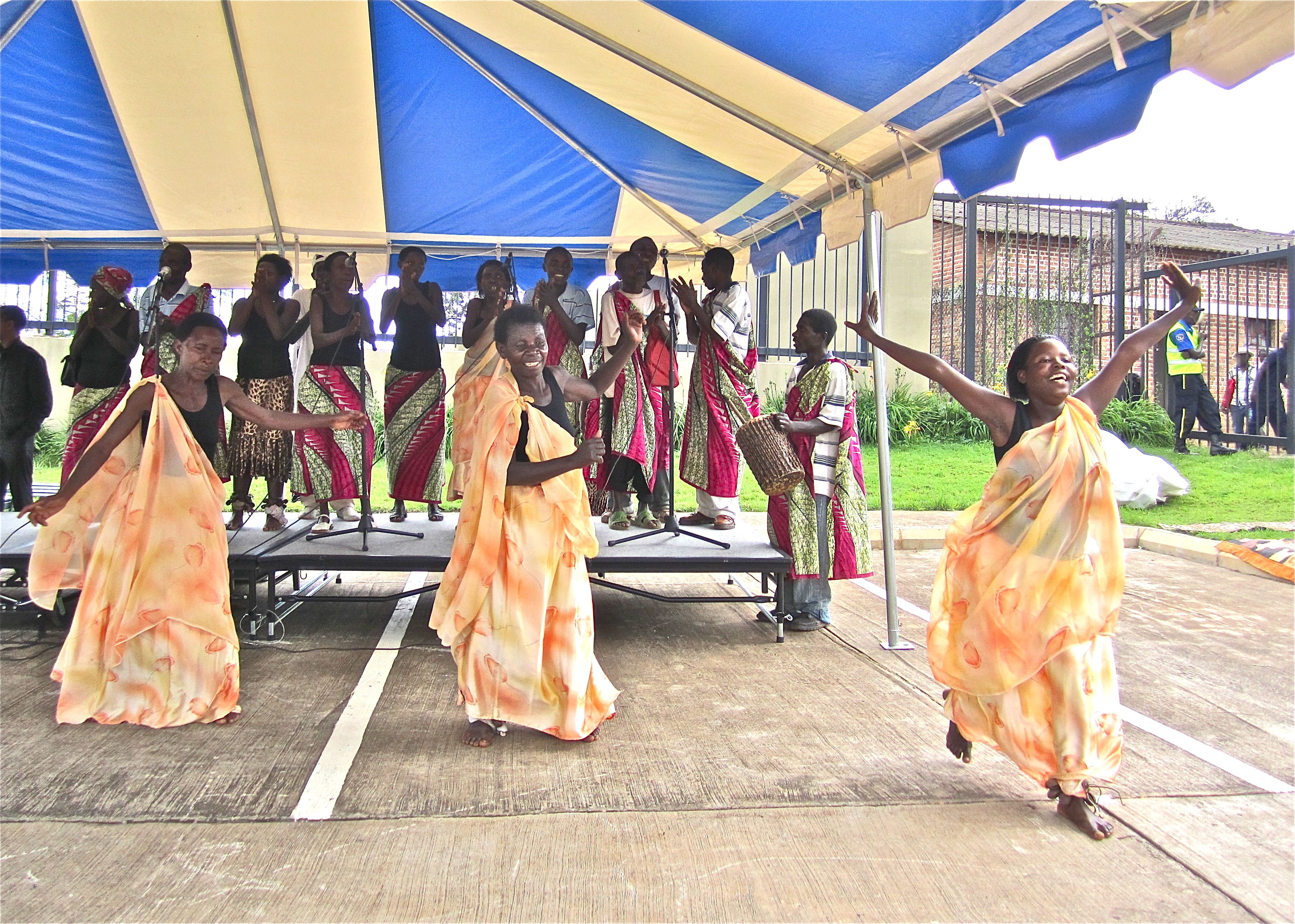
With “stirring vocals, traditional amakondera flutes and stunning poly-rhythms,” the group offers ancient and more recently written songs in the traditional style that is their legacy from the Rwandan royal court.

Kwizera means “to hope” in Kinyarwanda. One of their songs says, “Ngwino grebe Rwanda yacu nziza, ubu turakomeye”  — “Come, look upon our beautiful Rwanda, now we are strong.”

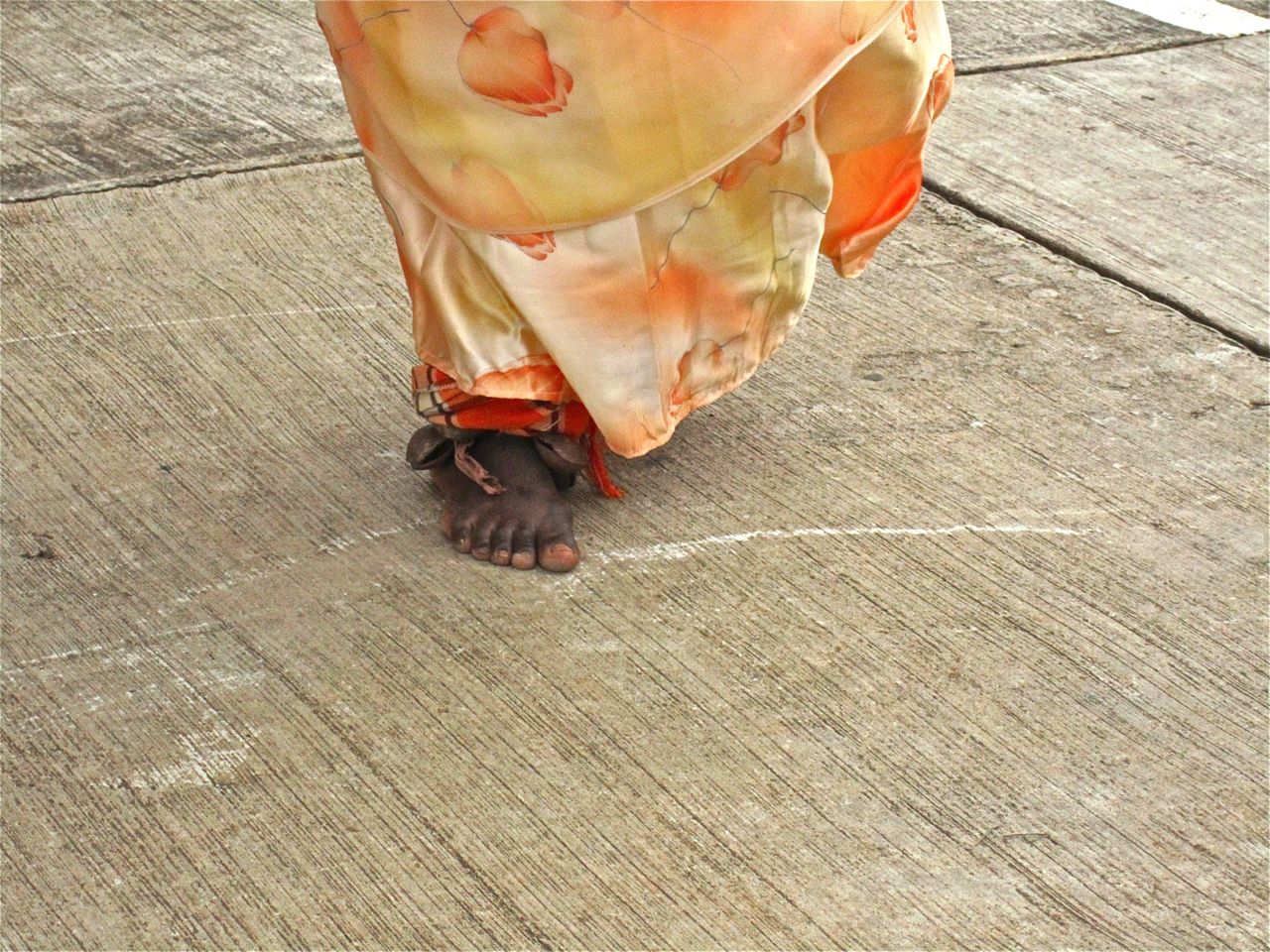
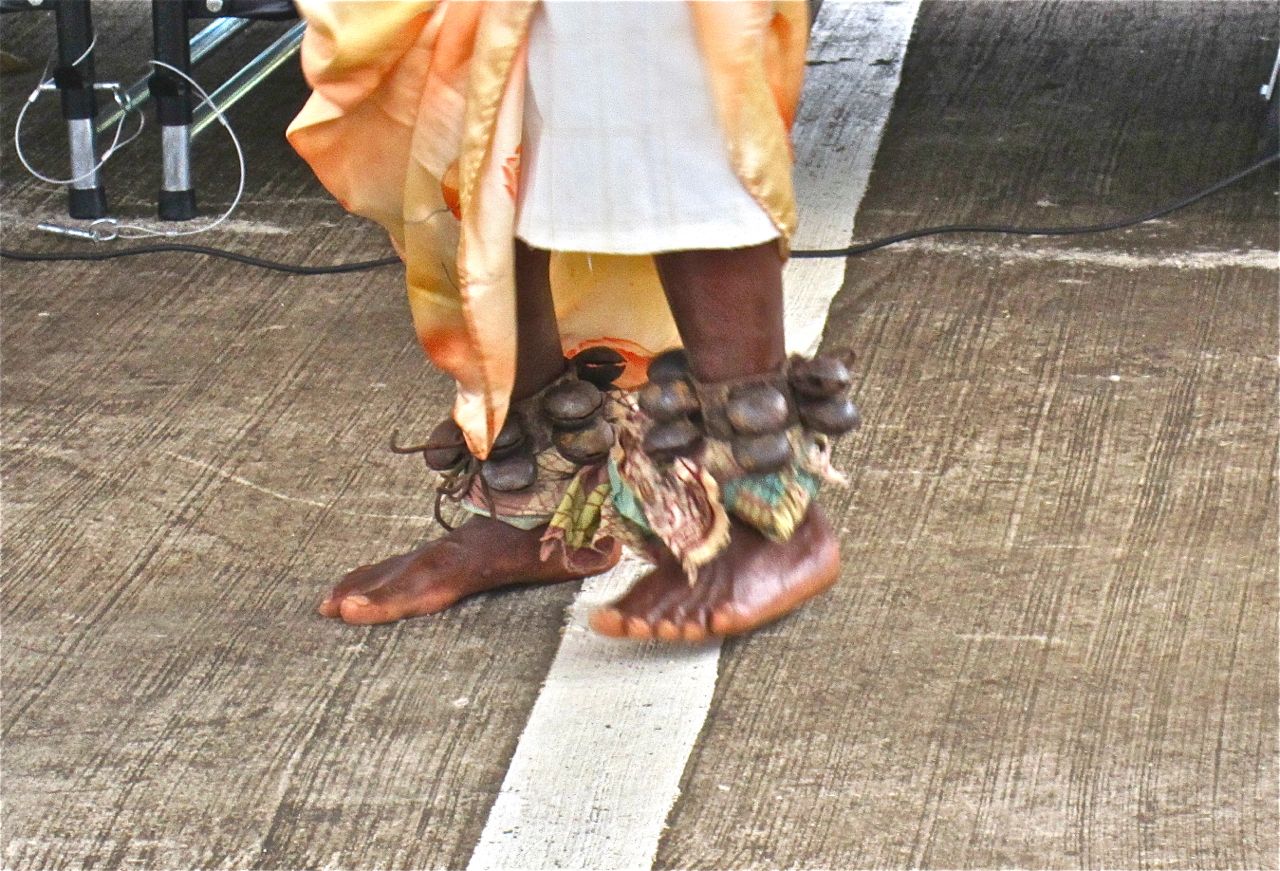
The group performs dance as well as song. Here are a few photos from their performance at an October craft fair held at the American Embassy.

One of their songs says, "Rwanda, now you're mature. Let us sing about you; the world has to know you." The modern songs were written by Ngarambe Valence of Bwiza.

The group is from a community known as Bwiza, located on a mountaintop near Kigali.

A few years ago the village was barely surviving, living in poverty and poor health and unable to send its children to the neighboring school for want of shoes.

Now, with support of local officials and a small Seattle-based NGO working with the Kigali-based Health Development Initiative – not to mention the generosity of individual expats and Rwandans – the people of Bwiza are rebuilding their lives. Once hunter-gatherers, they now have goats and cows and are harvesting larger crops from newly-built terraces.

If you are in the U.S. and would like to buy a copy of Kwizera, go to the Seattle website.  The CD is free with the purchase of 3 bags of Rwanda coffee (click on the Coffee Rwanda tab) or a $35 donation to the NGO. You can also watch short videos about Bwiza.

(If you are in Rwanda, leave a comment, and I can put you in touch with someone selling the CDs.)

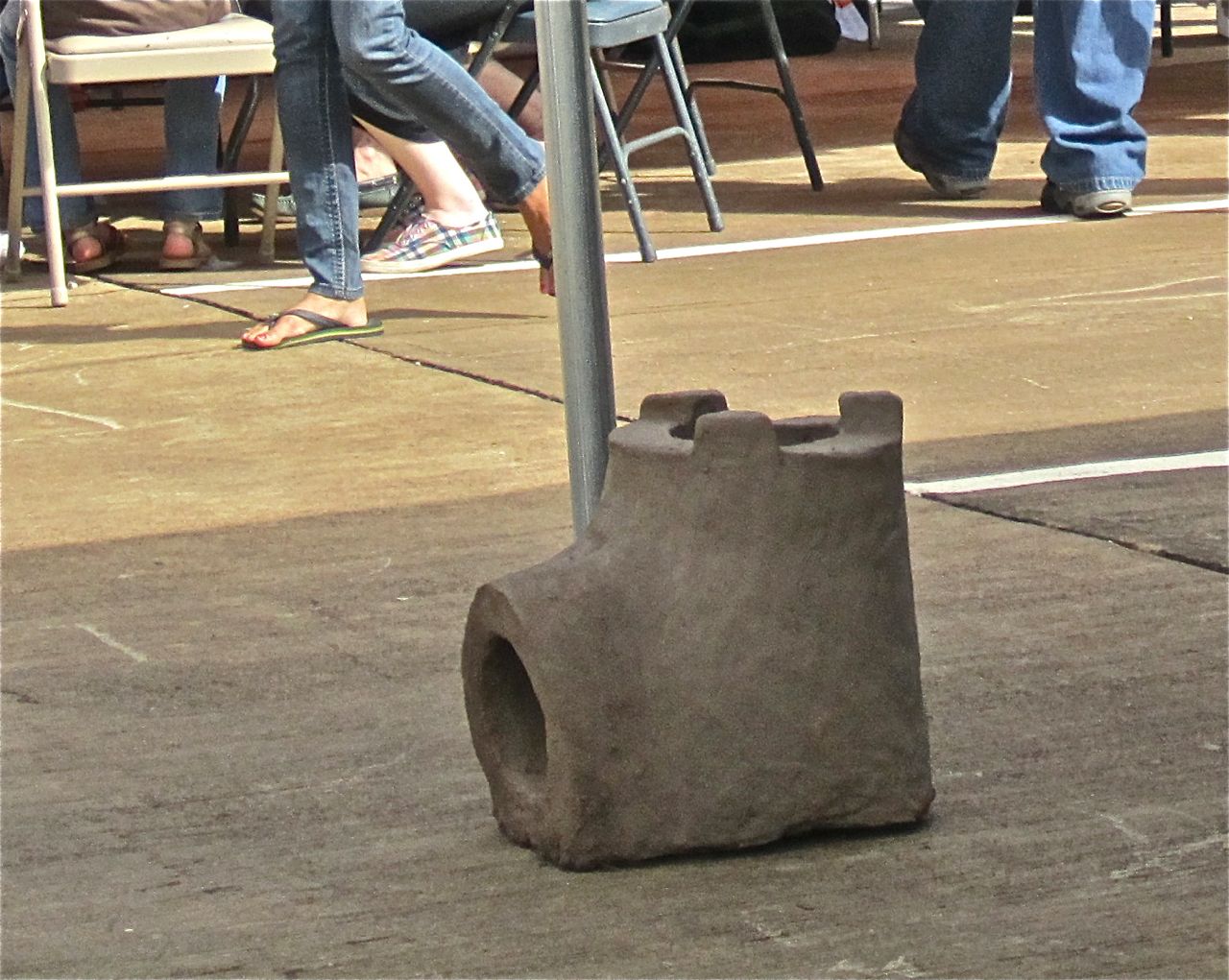
Recently, some craftspeople in Bwiza learned to make this highly efficient cookstove, which uses less wood and provides a more stable base for the cooking pot. The sales of stoves they don’t use themselves will also help support people in the village.

More fuel-efficient cookstove. Training for making the stoves was provided by the American tea company Sorwathe.

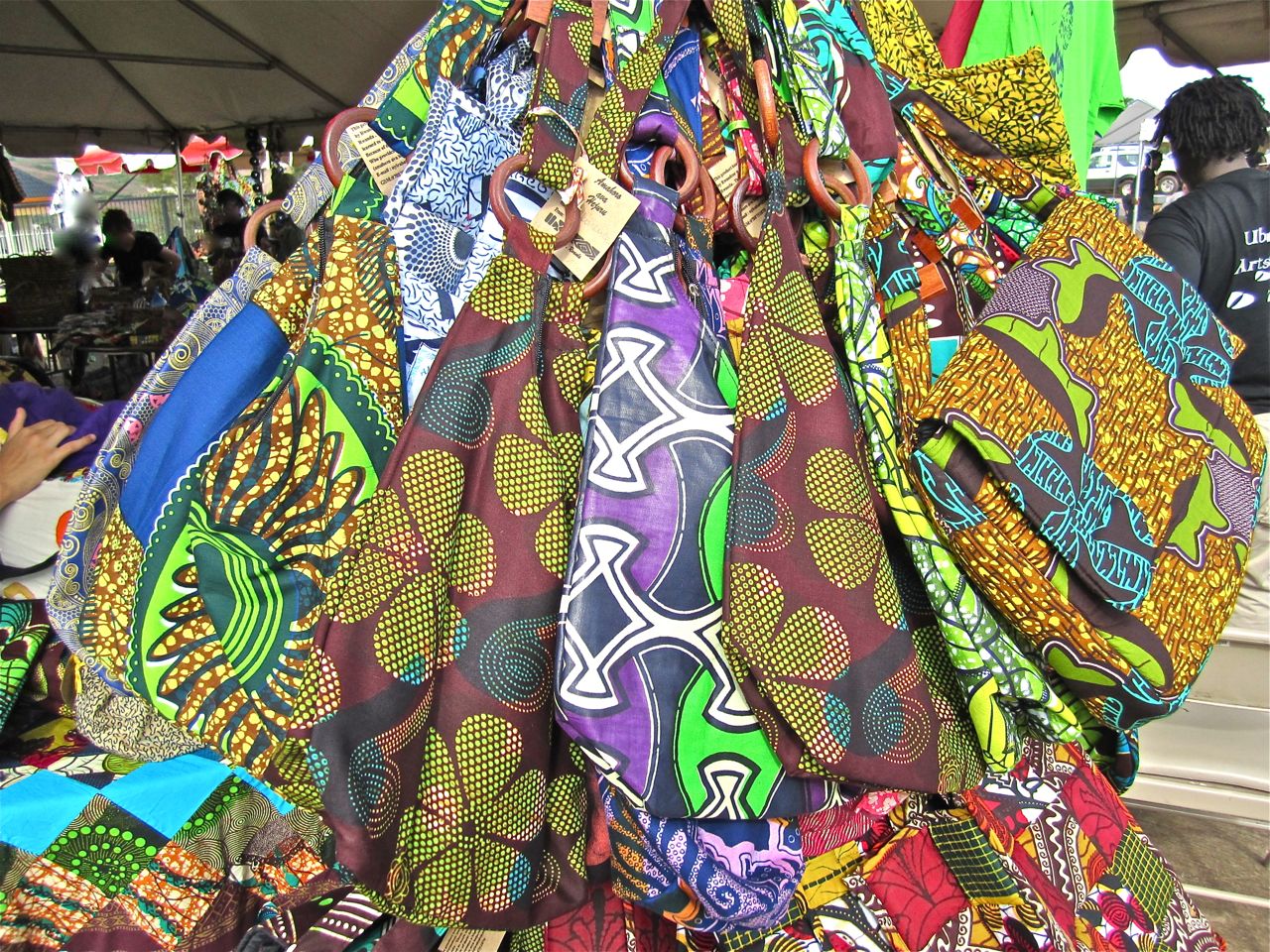
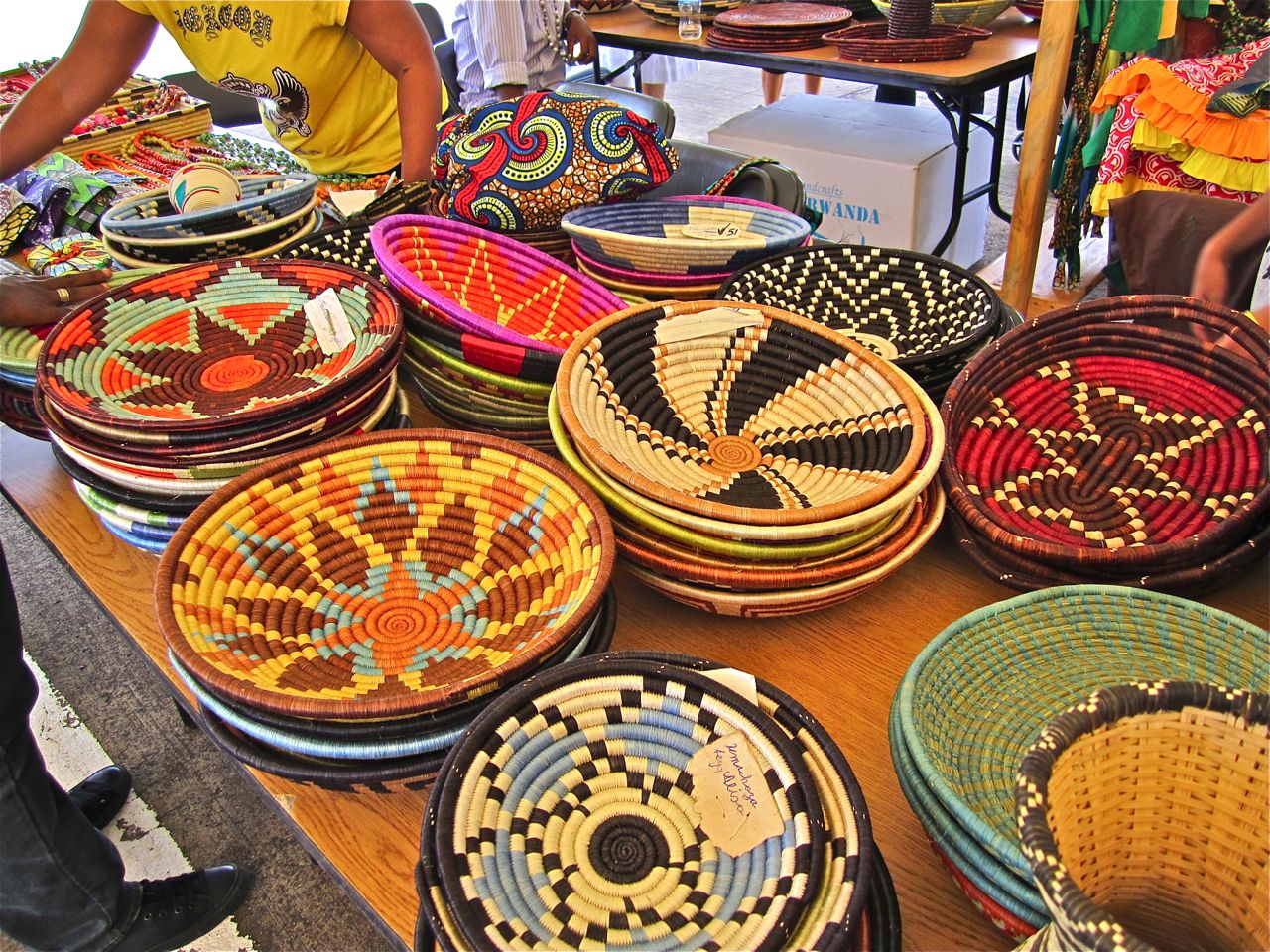
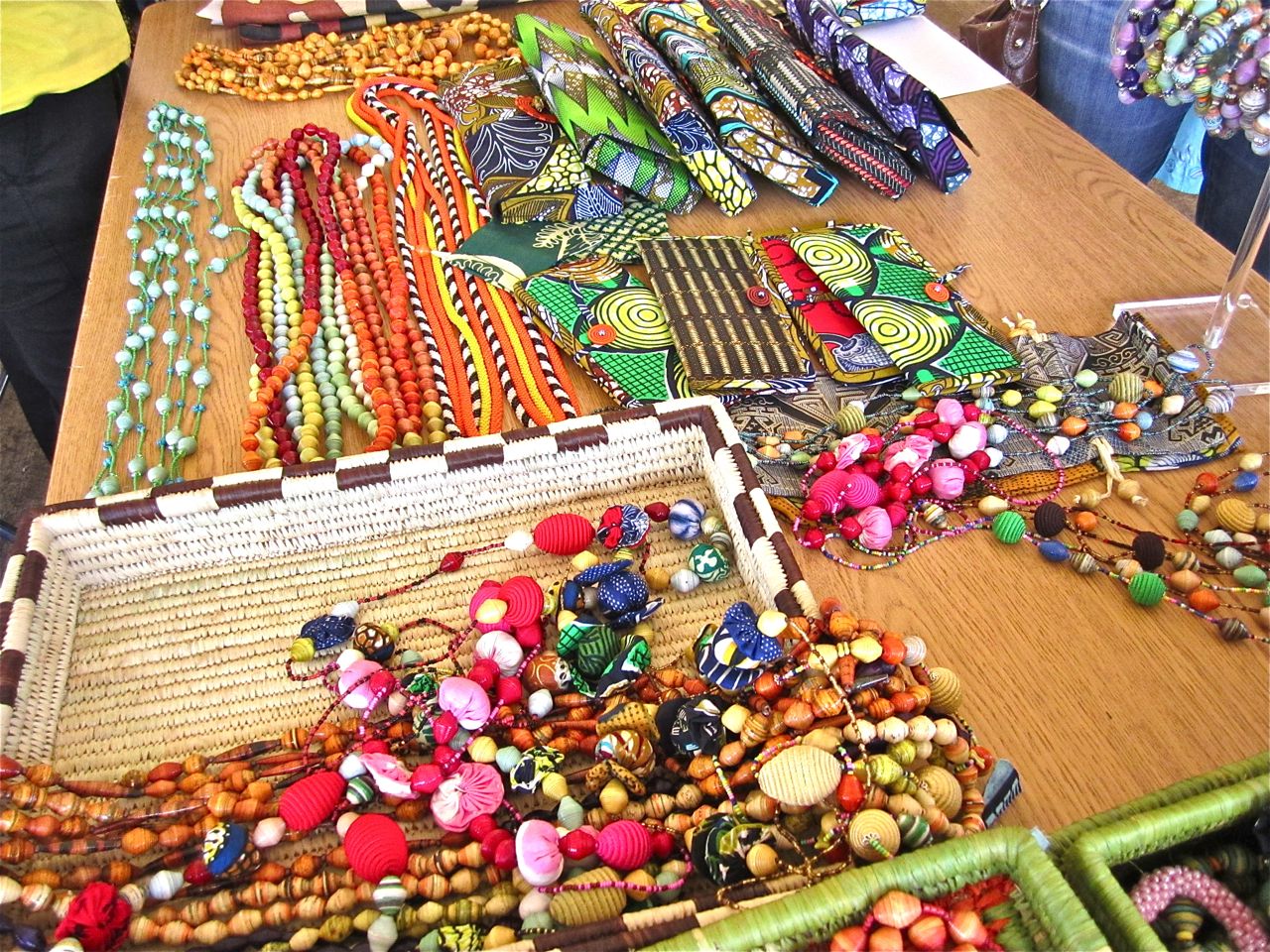
Here are a few photos of the beautiful craft products that were available for sale at the October fair. In previous years, the proceeds of the event went to Bwiza, but this time, as other efforts have improved their lives, they performed at the fair for a professional fee.  The 2011 proceeds from booth rentals and entrance donations will go to several other nonprofit groups around Kigali.

Bags made from African "wax" cloth.
These baskets were crafted with traditional techniques and modern bright colors.
Wax cloth and recycled paper jewelry and pretty clutches.