Mary Heldon, between 1900 and 1920, Friars Point, Mississippi, by Milton McFarland Painter, Sr., via Mississippi Department of Archives and History.* Mary was also pictured in this garden photo by Painter.
I had not thought of violets late,
The wild, shy kind that spring beneath your feet
In wistful April days. . .
John Cottel‘s Home, Usborne Township, Ontario, ca. 1910, via Huron County Museum & Historic Gaol Commons on flickr.
John Cottel, presumably to the right of the door, was born in England in 1836. His wife was Margaret Turnbull, and they had four daughters, three of whom may be in the photo. There is a much wider view of the house and farm here.
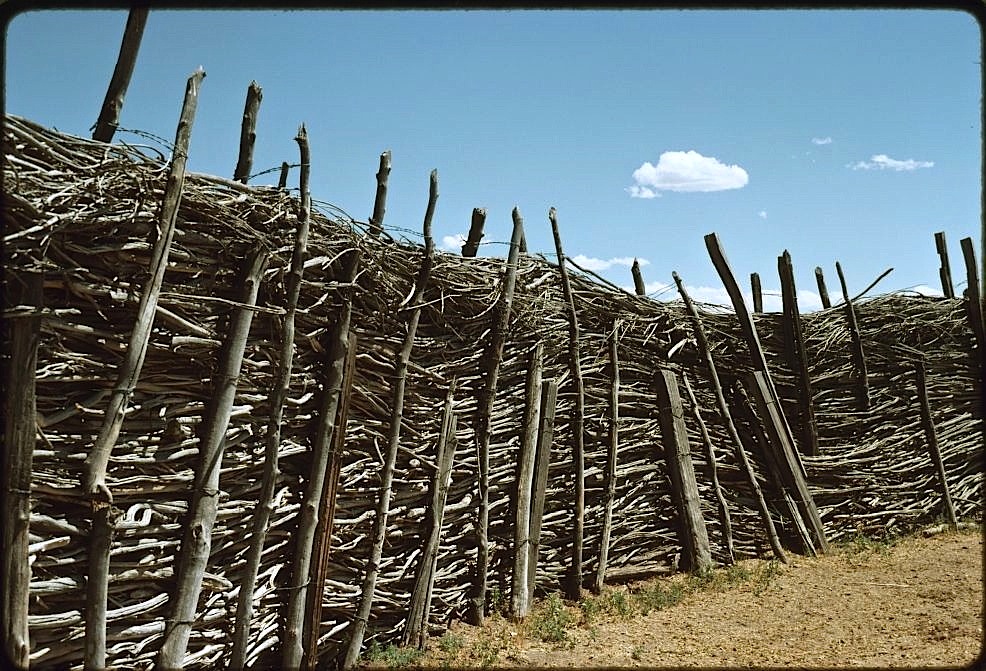
Moving cattle into a willow branding corral on Ninety-Six Ranch, Paradise Valley, Nevada, October 1979, by Carl Fleischhauer, via American Folklife Center, Library of Congress (all photos here).
Willow corral at Hay Camp on Ninety-Six Ranch, May 1978, by Howard W. Marshall.
We are concerned with staying with original willow corrals – that is definitely part of Great Basin ranching. They are safer in every way; they have some give to them. And they are the cheapest fencing from a materials standpoint since almost everything is naturally already on the ranch.
Willow corral on Ninety-Six Ranch, July 1978, by Suzi Jones.
Horseshoe gate on the Pedroli Ranch, Paradise Valley, Nevada, July 1978, (35mm slide) by Richard E. Ahlborn, via American Folklife Center of the Library of Congress (both photos).
The ranch house gate was made by Pete Pedroli about 1950. It has a counterweight for self closing. . .
Photo by Suzi Jones
. . . and a latch made from a bridle bit.
There’s another photo of the house and gate here, by Carl Fleishhauer.
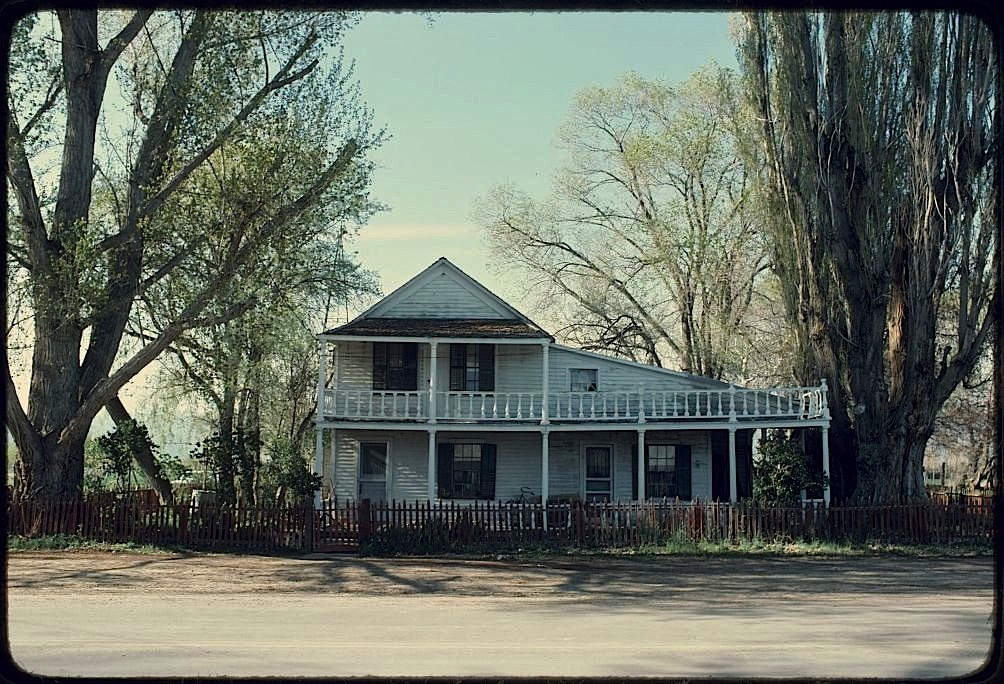
Buckingham Residence, Paradise Valley, Nevada, July 1978, (35mm slide) by Suzi Jones, via American Folklife Center of the Library of Congress (all photos here).
The house, the oldest in the town, was originally built as a hotel for a mining settlement. It was later disassembled and rebuilt in Paradise Valley.
May 1978 slide by Carl Fleishhauer.
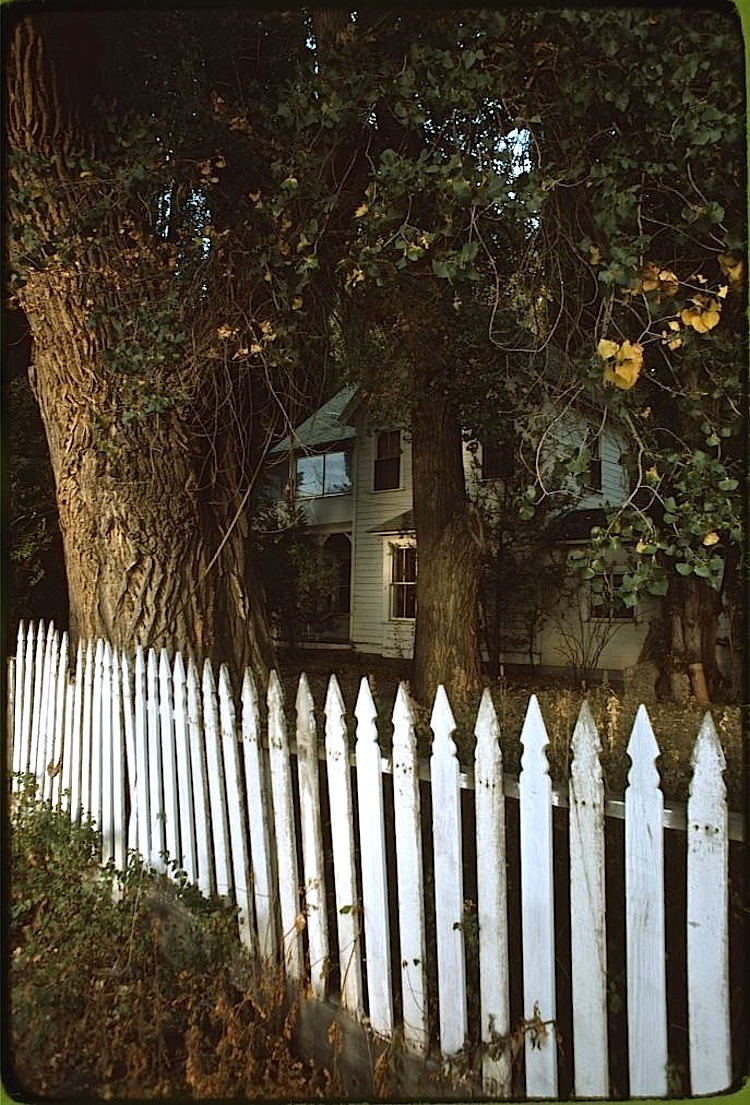
White Fence
Also from the Folklife Center’s Paradise Valley* collection. . .
The Stock-Stewart house, October 1979, by Carl Fleischhauer.
This residence on the Ninety-Six Ranch was built around 1900, added onto a bunkhouse/dining hall from the 1880s (shown below).
Ox yoke and wagon wheel entrance to Stock-Stewart house, July 1978, by Howard W. Marshall.
The ranch has been in the same family’s ownership since 1864. The ox yoke above the gate may have had particular significance for them, as their ancestor — a German immigrant named William Stock — first saw the land while hauling freight from California.
*From 1978 to 1982, the Center conducted an ethnographic field project in this distinctive ranching and mining community. The study became the collection “Buckaroos in Paradise: Ranching Culture in Northern Nevada, 1945-1982.”

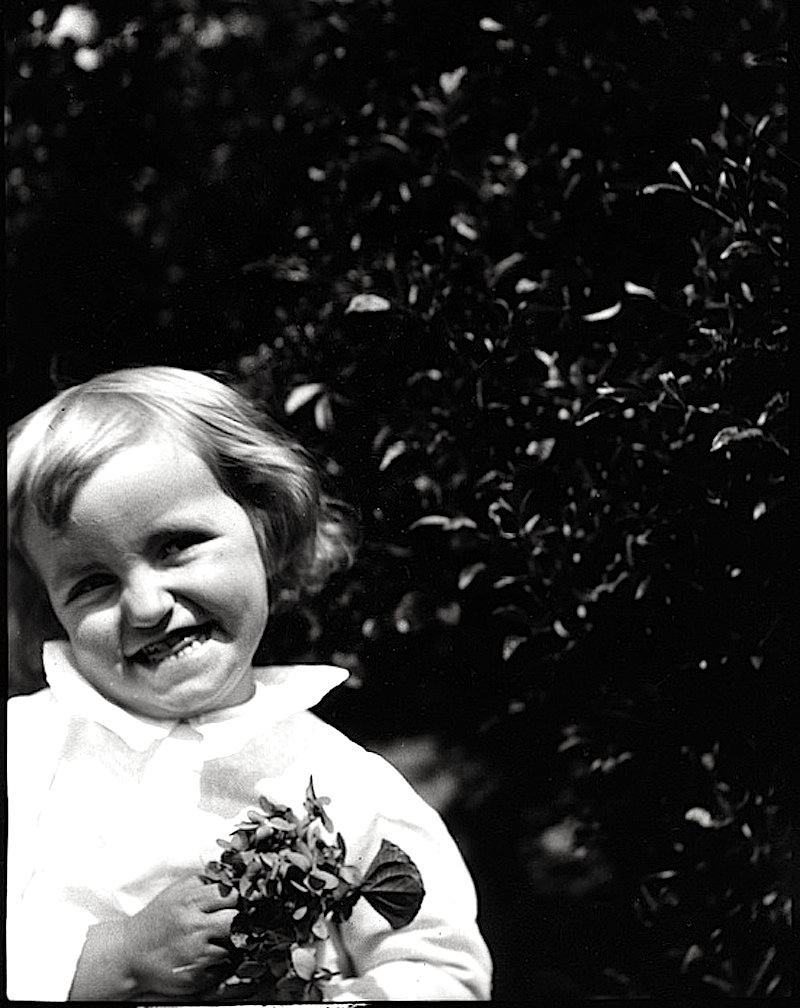 Mary Heldon, between 1900 and 1920, Friars Point, Mississippi, by Milton McFarland Painter, Sr., via Mississippi Department of Archives and History.* Mary was also pictured in this garden photo by Painter.