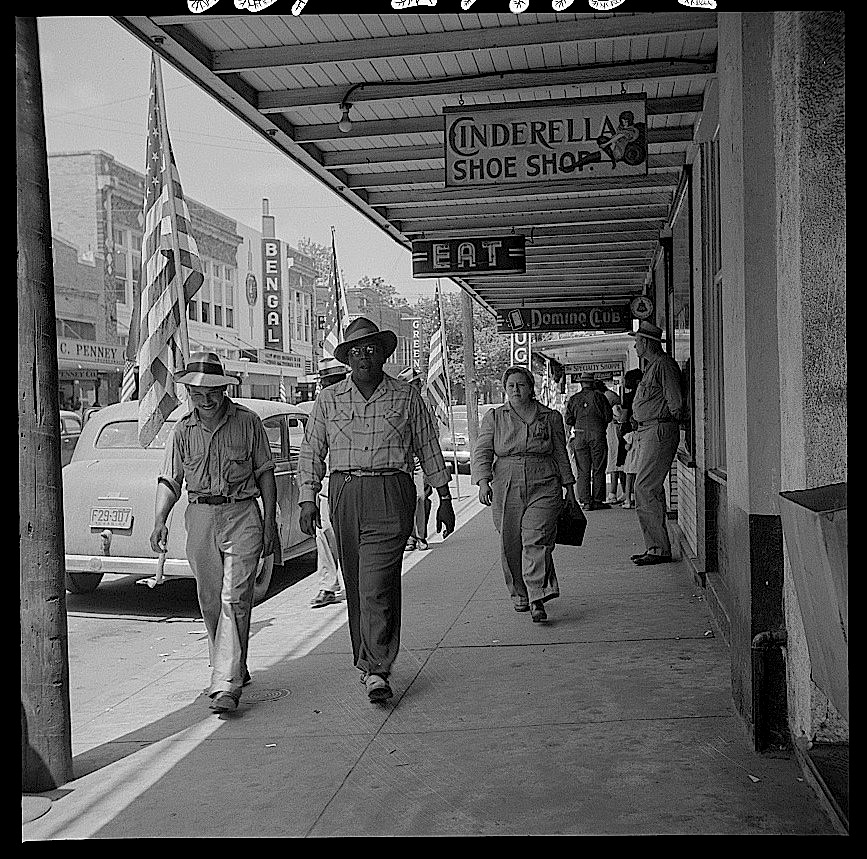
The Sunday porch: Orange, Texas

Orange, Texas, May 1943, by John Vachon, via Library of Congress Prints and Photographs Division.

Orange, located on the Sabine River, is a deep-water port to the Gulf of Mexico. (It is also the easternmost city in Texas.) A U.S. naval station opened there during WWII, providing a significant boost to the local economy.
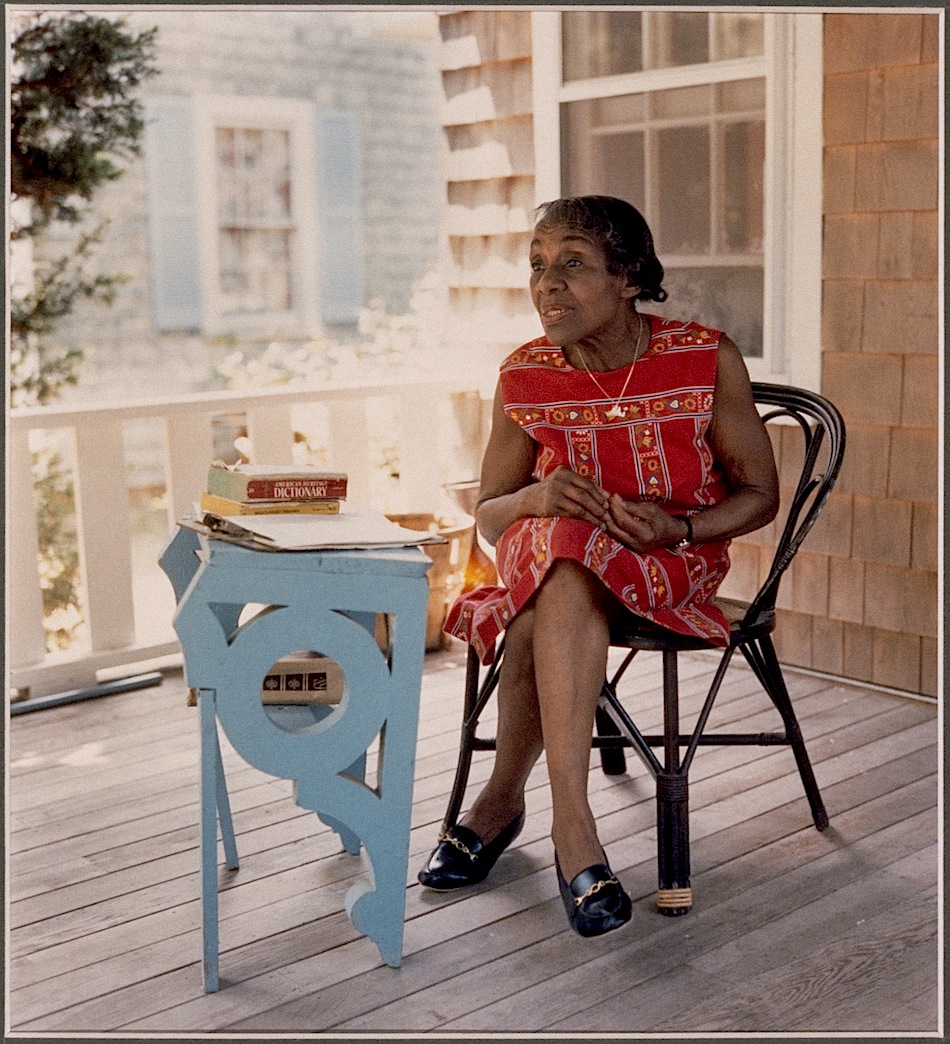

The Sunday porch: Martha’s Vineyard

Writer Dorothy West on her porch in Martha’s Vineyard, Massachusetts, ca. 1981, by Judith Sedwick, via Schlesinger Library on the History of Women in America on flickr (both photos here).

West’s writing desk. Click to enlarge.

In 1978, West had been a participant in the Black Women Oral History Project. In 1981, photographer Judith Sedwick made portraits of a number of the interviewees, including West.

West had lived in her family’s former vacation home at Oak Bluffs, Martha’s Vineyard, since 1947 and wrote articles and stories for the The Vineyard Gazette.

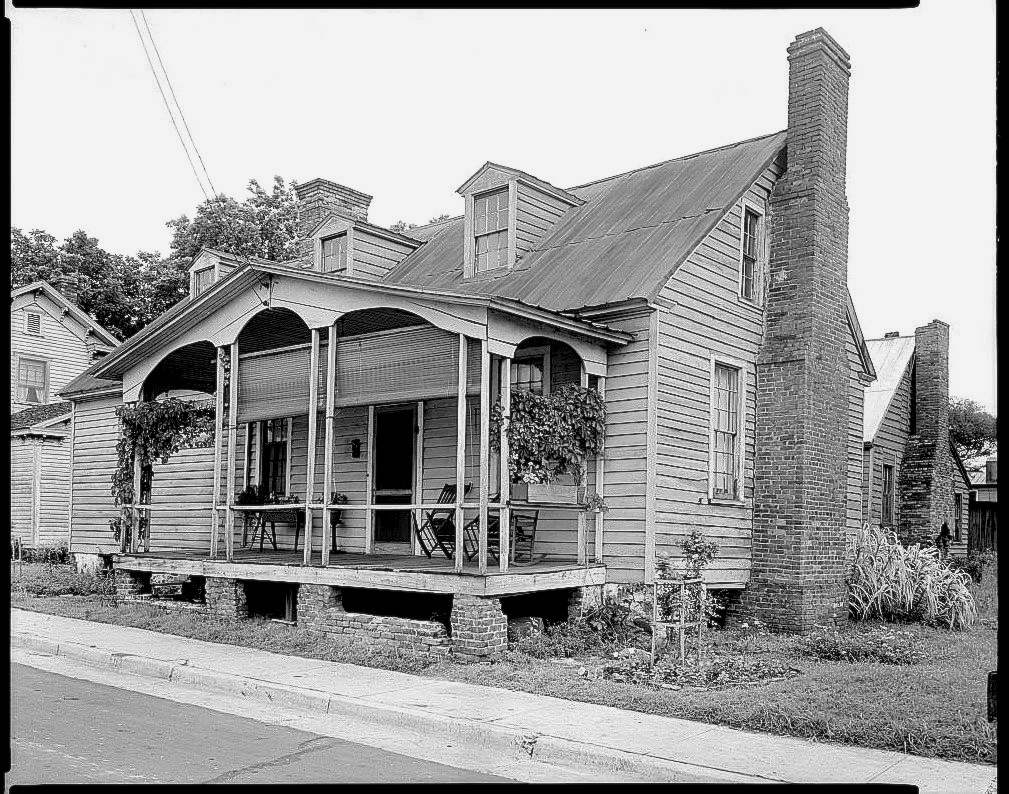
The Sunday porch: Washington, N.C.

House on Creekmere Plantation, about two miles from Washington, North Carolina, 1936, by Frances Benjamin Johnston, via Library of Congress Prints and Photographs Division.

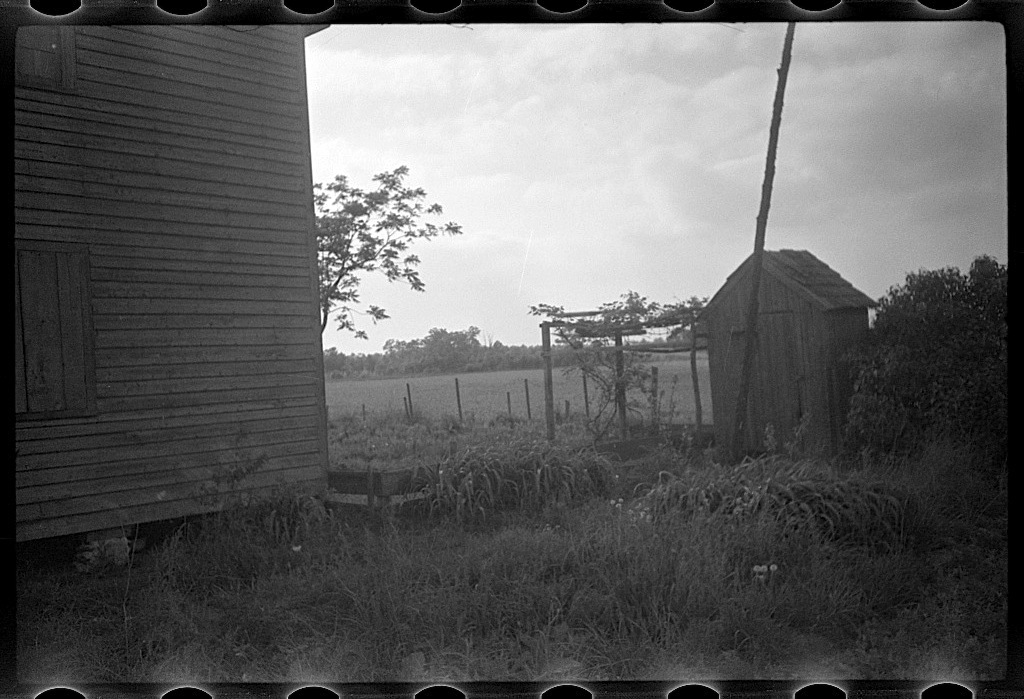
Morning light

“Untitled,” taken between 1935 and 1942 for U.S. Farm Security Administration or Office of War, via Library of Congress Prints and Photographs Division.

In the Library’s online catalogue, this picture is among photos taken by Edwin Rosskam of farms in New Jersey in Spring 1938. Click on the image for a better view.

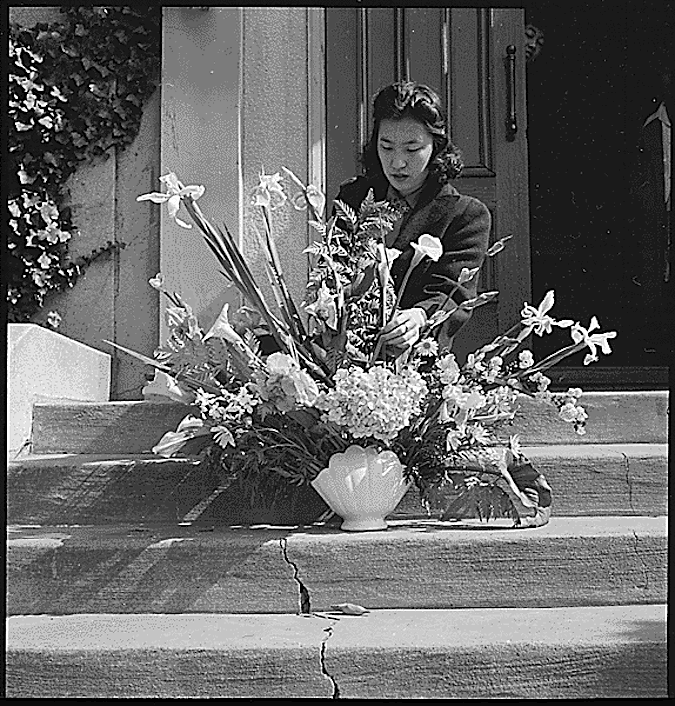
Oakland, California

Oakland, Calif., 26 April 1942, Natl Archives Commons on flickr
“Arranging flowers for alter on last day of service at Japanese Independent Congregational Church, prior to evacuation [internment],” Oakland, California, April 26, 1942, by Dorothea Lange for the U.S. War Relocation Authority, via National Archives Commons on flickr.

All along the Pacific coast — from 1942 to January 1945 — over 110,000 people of Japanese heritage were forced into internment camps.  Sixty-two percent were American citizens.

In 1988, in the Civil Liberties Act, the U.S. Government admitted that its actions had been based on “race prejudice, war hysteria, and a failure of political leadership.”