
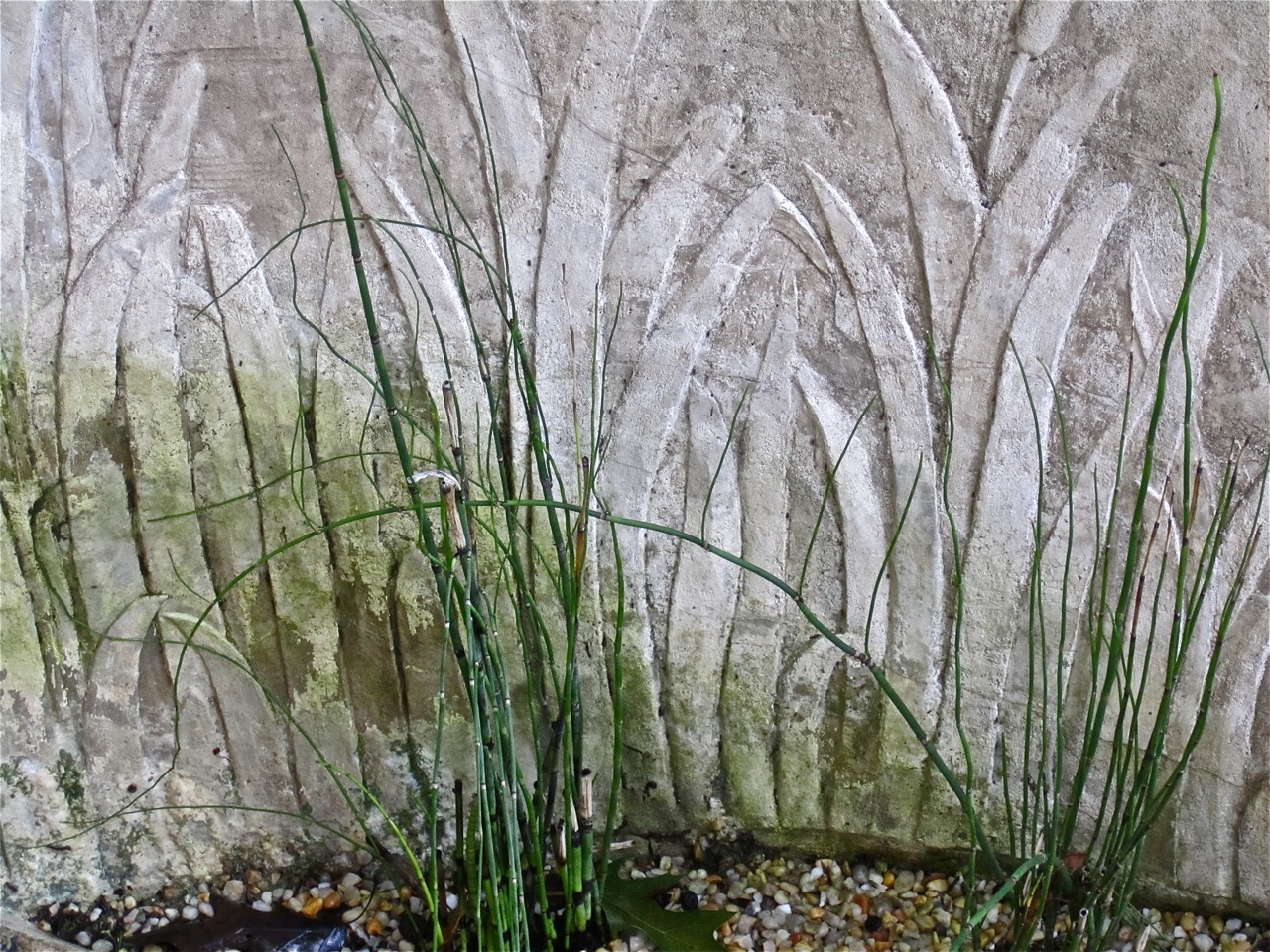
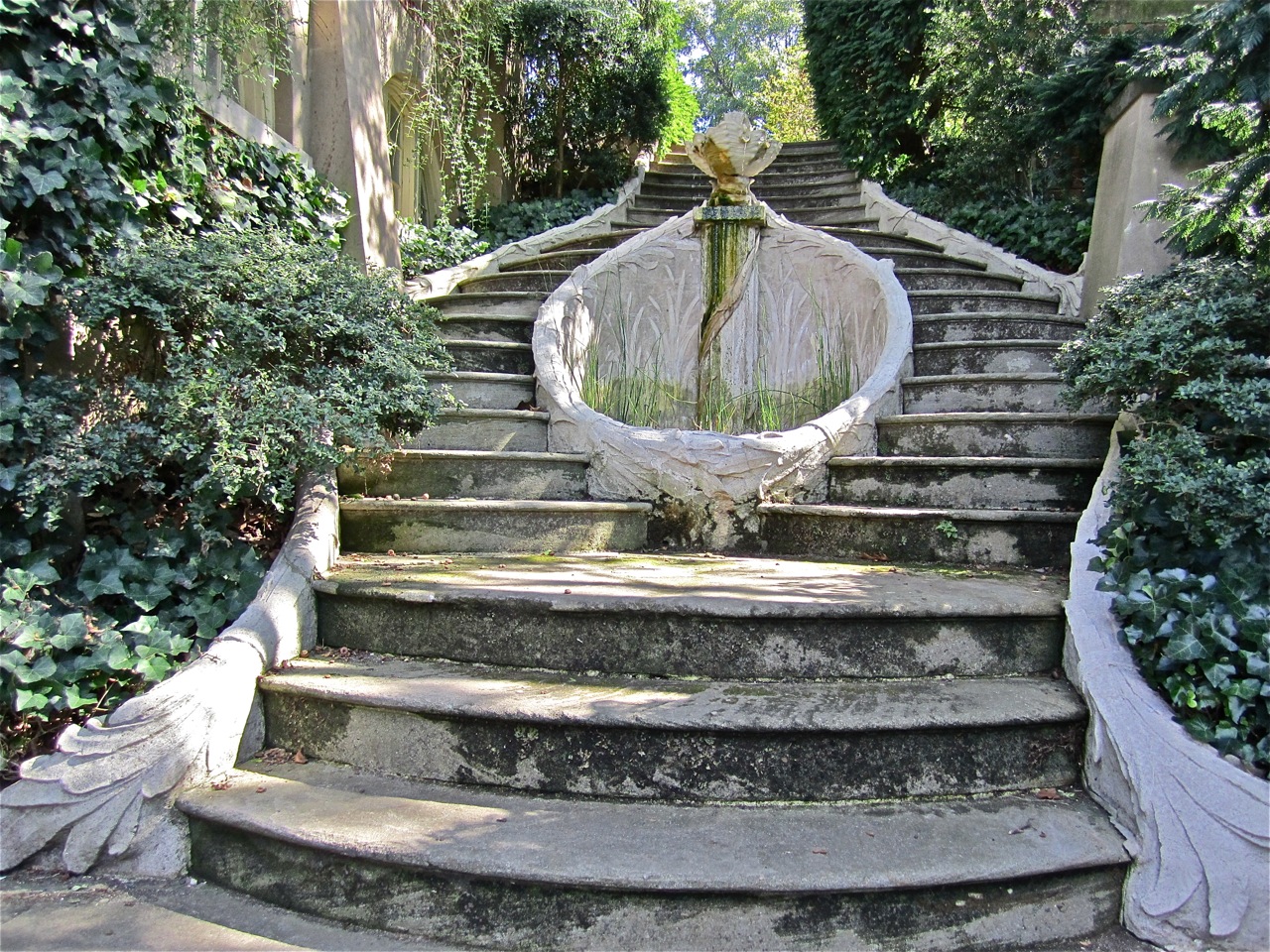
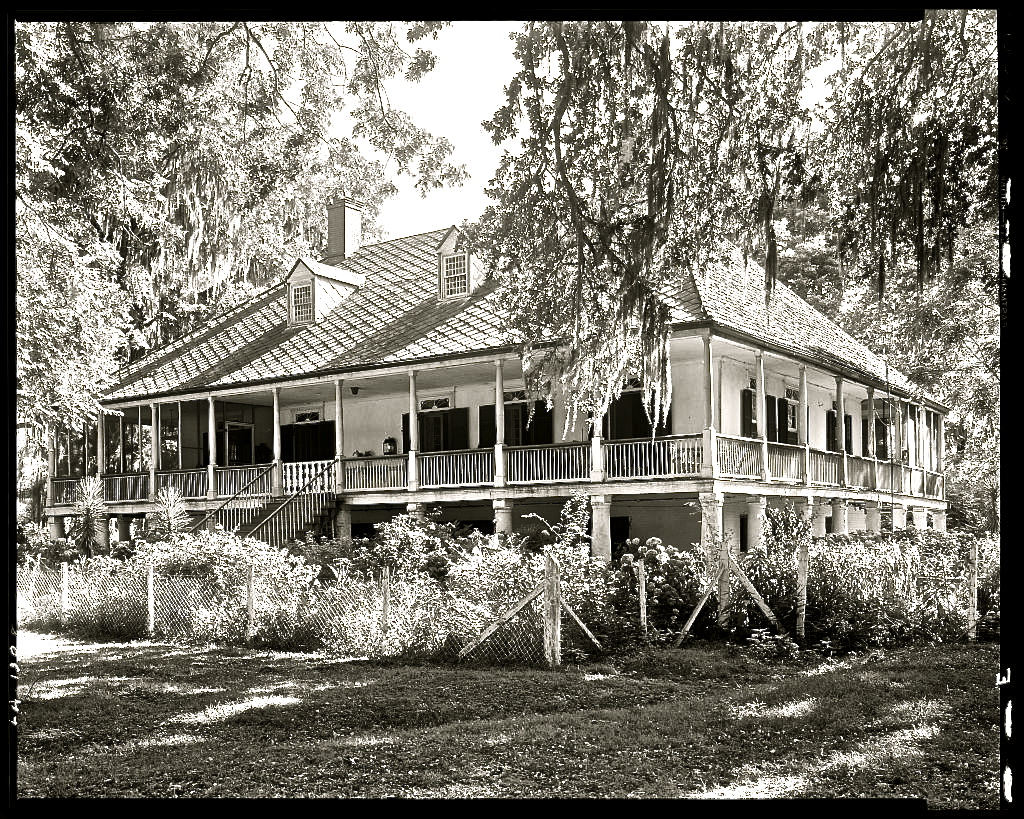
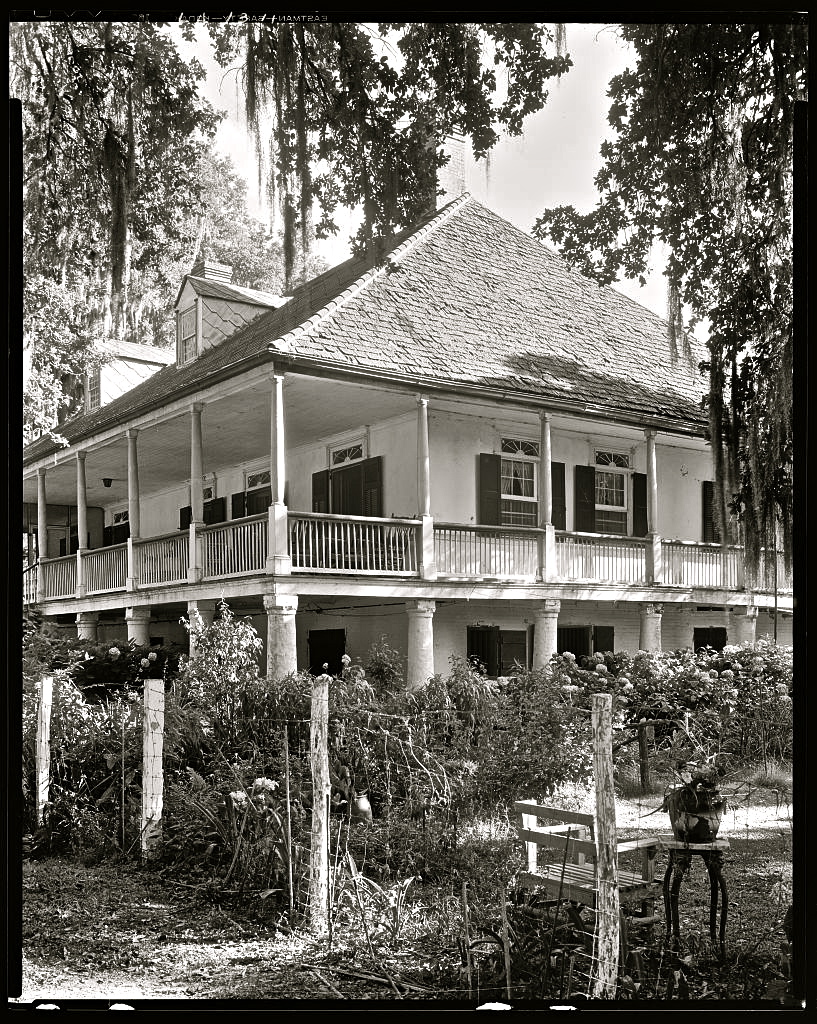
If it’s cold outside where you are (or rainy like here), imagine yourself on this wonderful Louisiana porch surrounded by a flower garden.
And then click here to listen to this classic by Etta James. Everything’s great now, right?
In the last couple of weeks, I’ve enjoyed a lot of posts on the blog Studio G, but especially those about Brazil, here and here. I really liked looking at her six sets of “before and after” pictures from a Brazilian home makeover show on Thursday. My favorite is here. I also enjoyed her post on a different kind of roller coaster in Germany here.
Grounded Design’s post, “Why We Plant,” here, was inspiring. “Designers don’t create beauty. To believe otherwise makes us guilty of forgery and blasphemy. But what we can do is create the conditions where people can have an experience of beauty.”
Phyllis Odessey at her eponymous blog wrote here about the Hudson Valley Seed Library and its seed packets with original artwork. Also, if you have an interest in school gardens, take a look at an older post here, about a rice garden in New York.
If you’ve been outside since Tuesday, pulling up your lawn (and here), as per Garden Rant’s anti-valentine to the lawn, here are some funny things to do with the now superfluous sod, thanks to Black Walnut Dispatch. (BWD also has a very funny visual here about how landscape designers are perceived by different groups.)
The New York Times has an article on artist Cindy Sherman this morning. Interestingly, this 2010 article in Smithsonian magazine makes a brief connection between Sherman’s work and Frances Benjamin Johnston’s self portraits.
From Pinterest, I just discovered this odd, but rather lovely, blog. See what you think here.
What are the best blog and website posts that you’ve read this month?
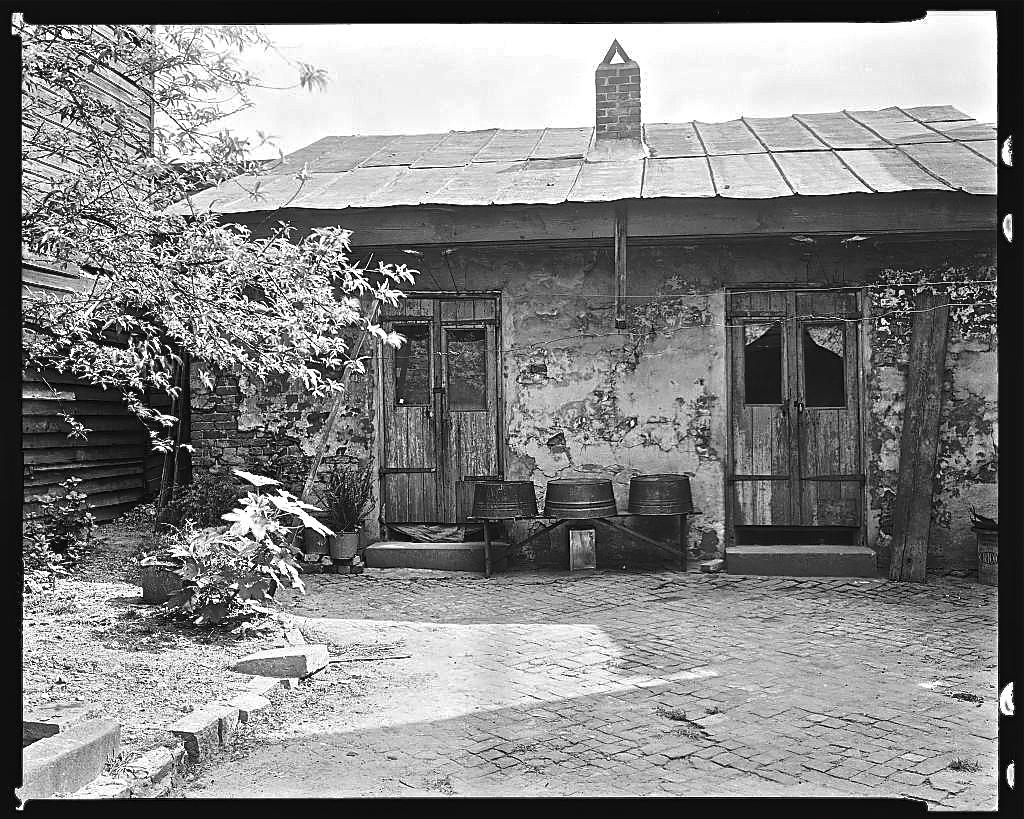
I’ve been thinking a lot about New Orleans and its special style since we were finally able to watch season one of the HBO series, Treme, in December and January. We lived in an Uptown neighborhood briefly many years ago, and I think the Crescent City is like Paris or Rome: any time passed there stays with you deeply.
It was that way for Walt Whitman, who was editor of the New Orleans newspaper The Crescent for few months in 1846.
Once I pass’d through a populous city, imprinting my brain, for future use, with its shows, architecture, customs, and traditions. . .
— Walt Whitman, Leaves of Grass
I tracked down a column by Dave Walker of The Times-Picayune on its website, nola.com, called “Treme Explained,” which explicates all the local references in each episode. I’m trying not to read ahead, because we’ll eventually get season two here.
More recently, I found these beautiful photographs by Frances Benjamin Johnston of courtyards and gardens in New Orleans in the late 1930s.
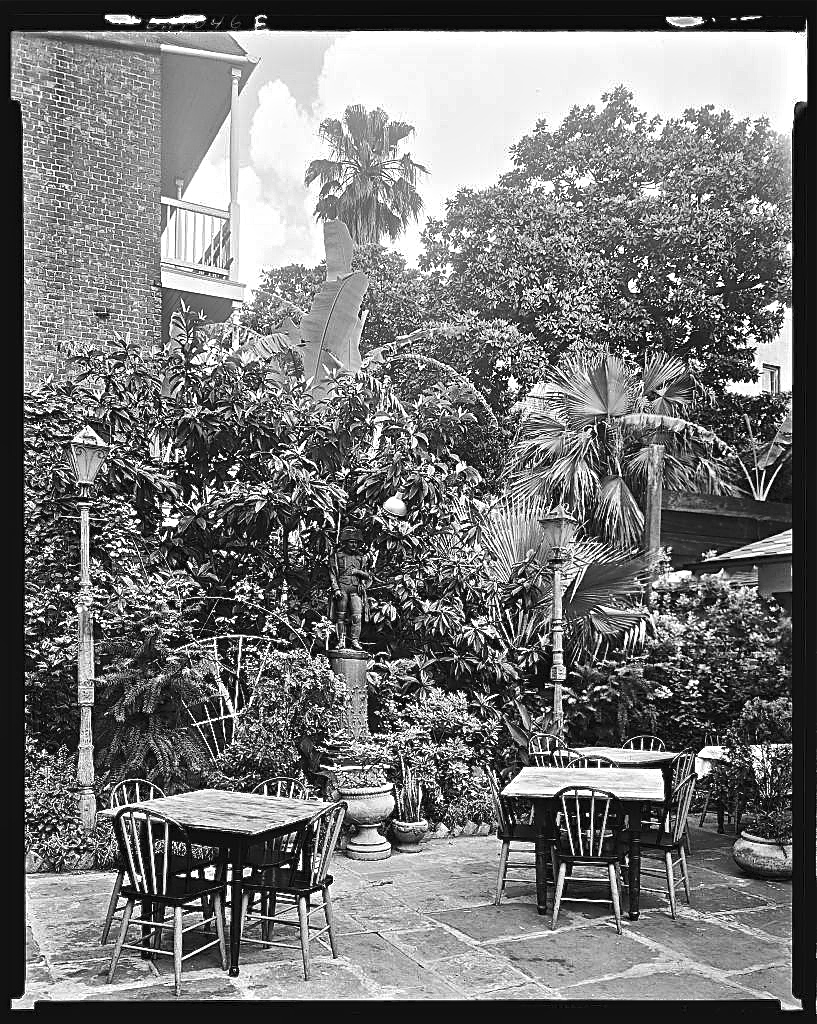
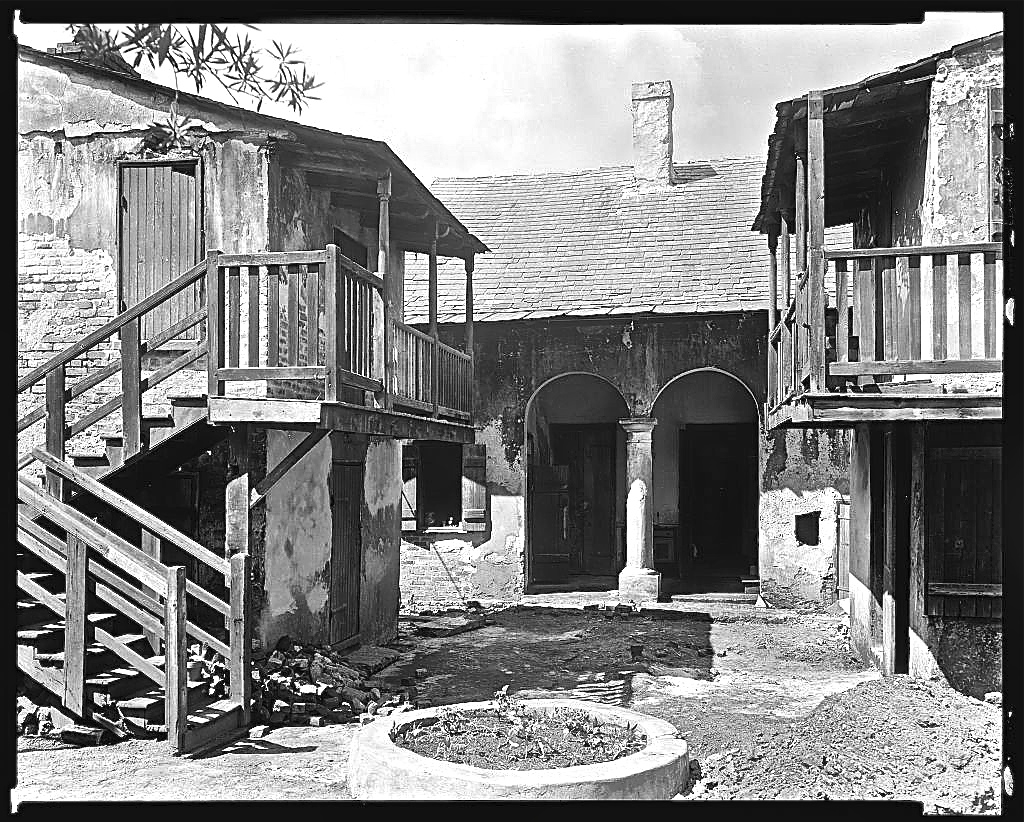
They are all from the Carnegie Survey of the Architecture of the South of the Library of Congress.
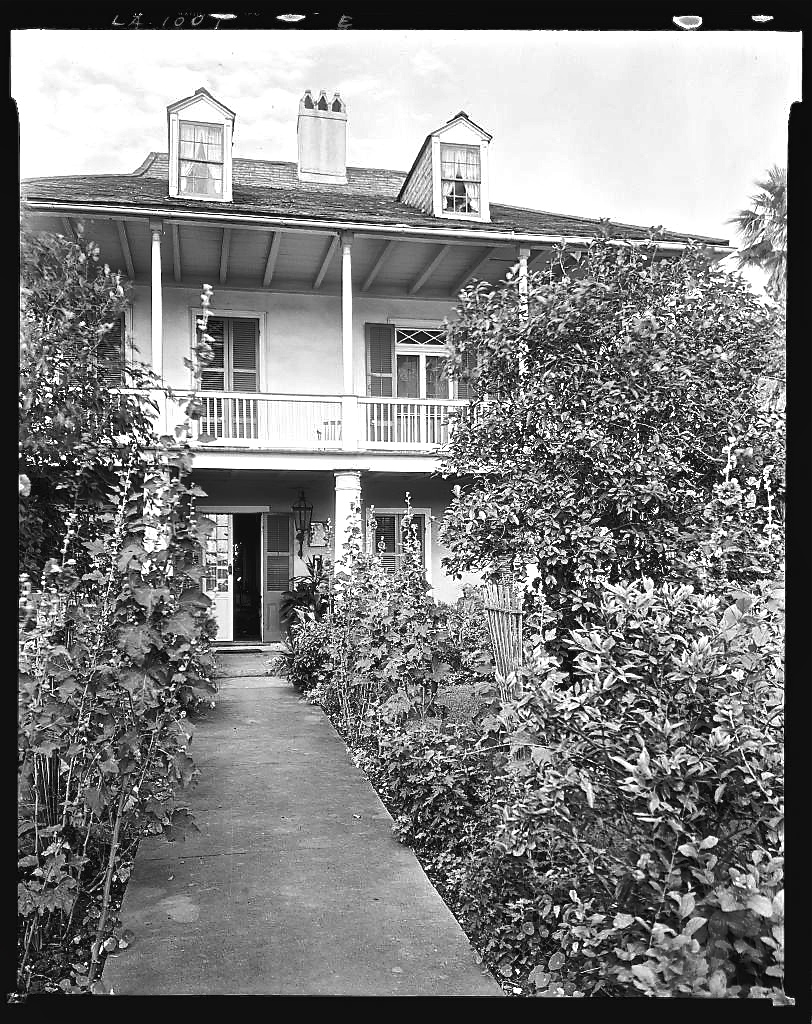
From 1933 to 1940, Johnston photographed buildings and gardens in nine southern states, funded by a grant from the Carnegie Corporation. She was one of the first to photograph and record southern vernacular architecture.
Her entire collection is fascinating. It contains 7,100 images of 1,700 structures and sites.
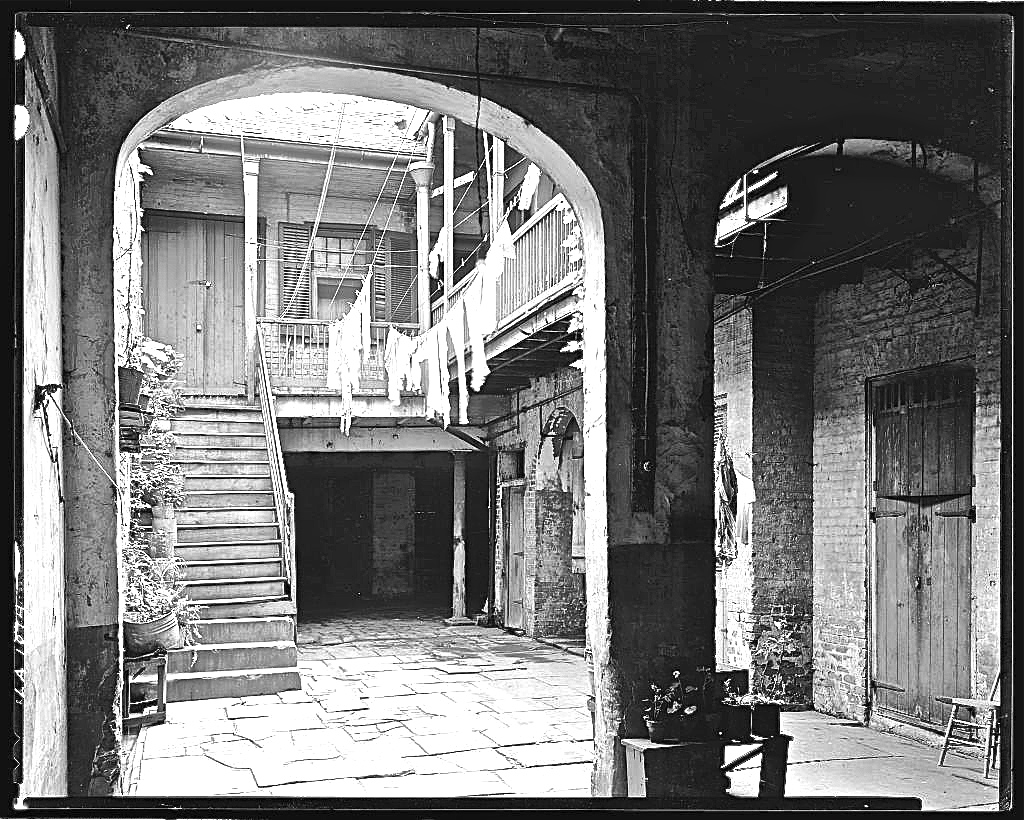
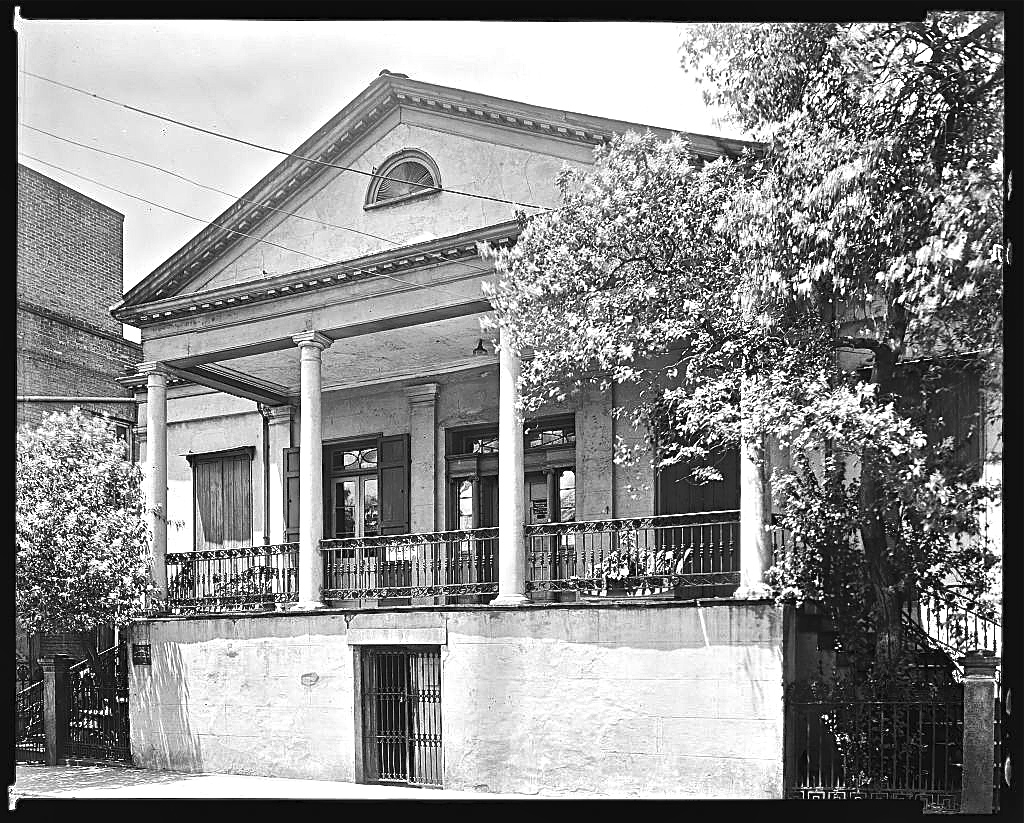
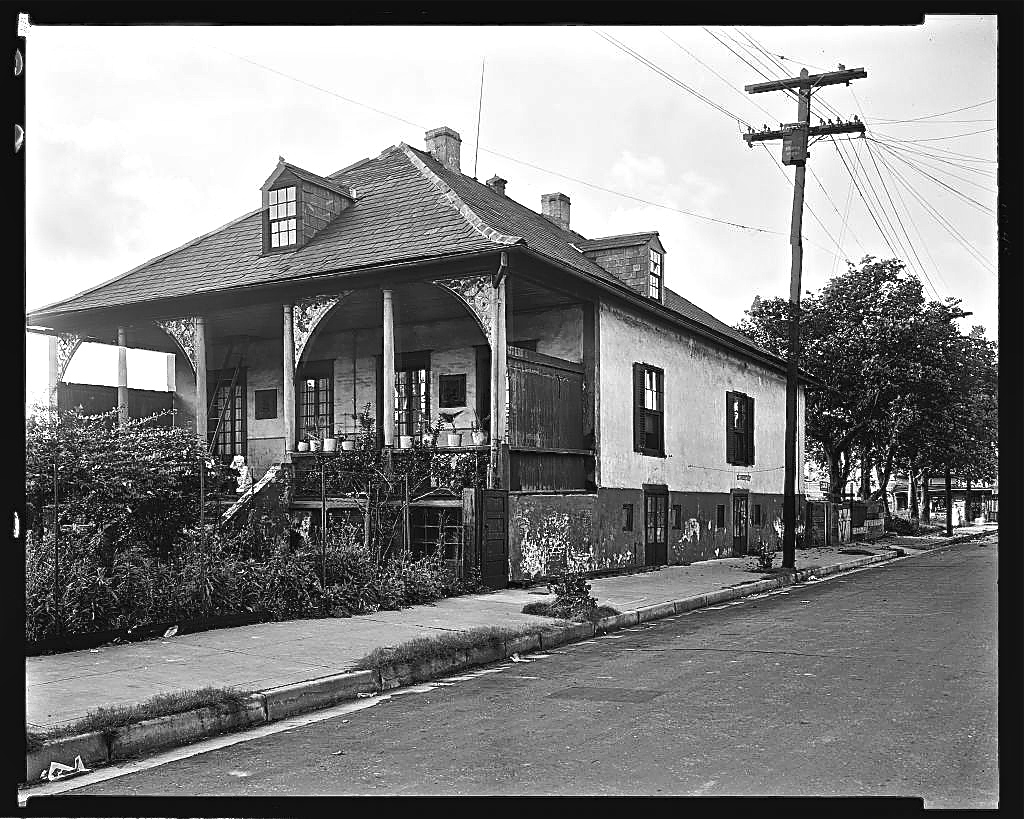
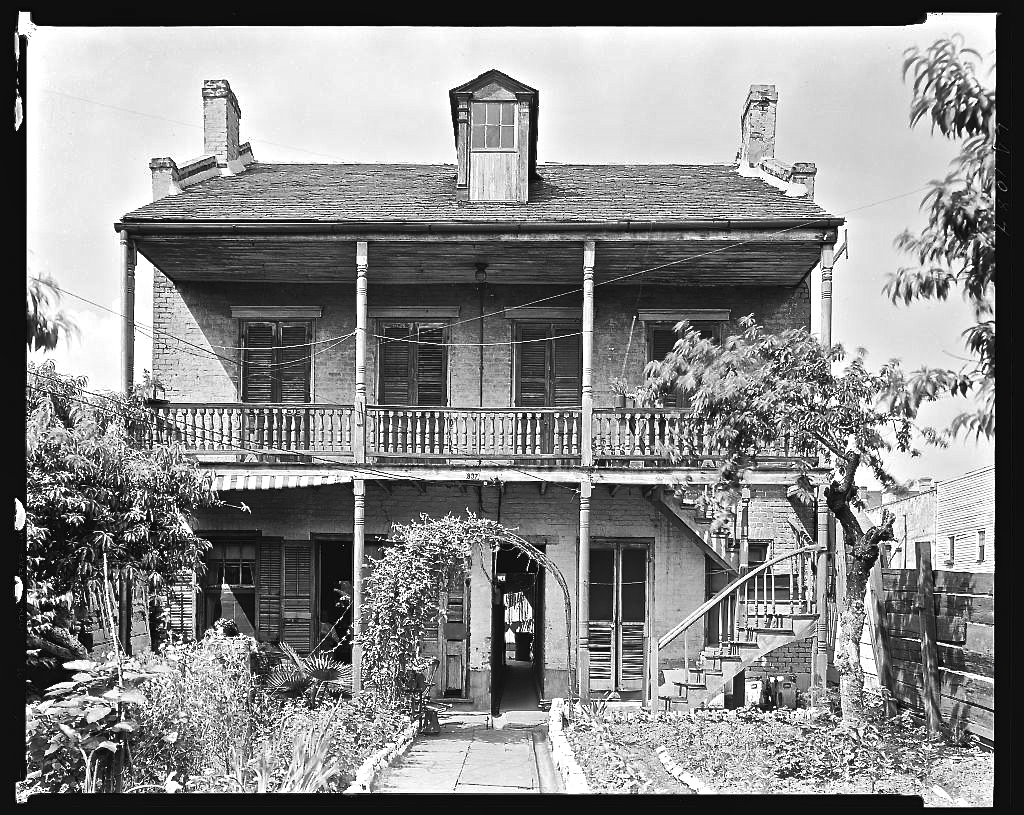

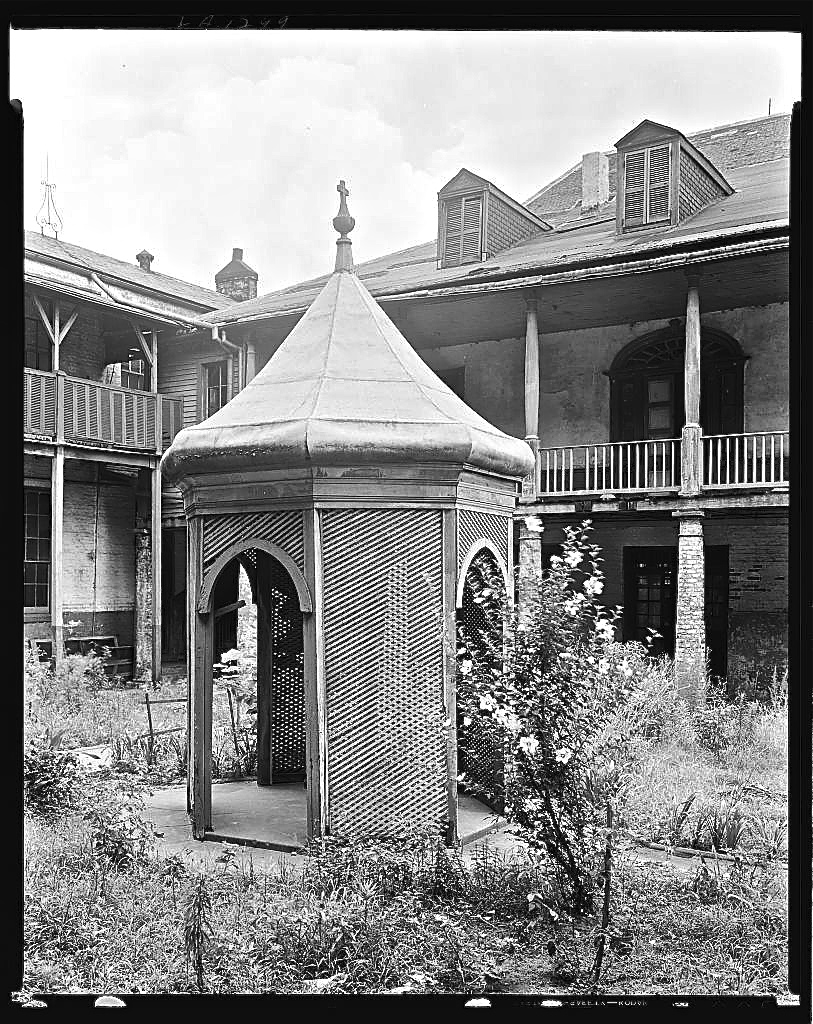
There are more Johnston photos of New Orleans in the gallery after ‘Continue reading’ below. Click on any thumbnail to scroll through all the pictures in full size.
In 1945, Johnston moved to New Orleans, where she enjoyed the lively bohemian atmosphere. She lived in her house on Bourbon Street until her death in 1952 at the age of 88. These two photos are from the Frances Benjamin Johnston Collection of the LoC.
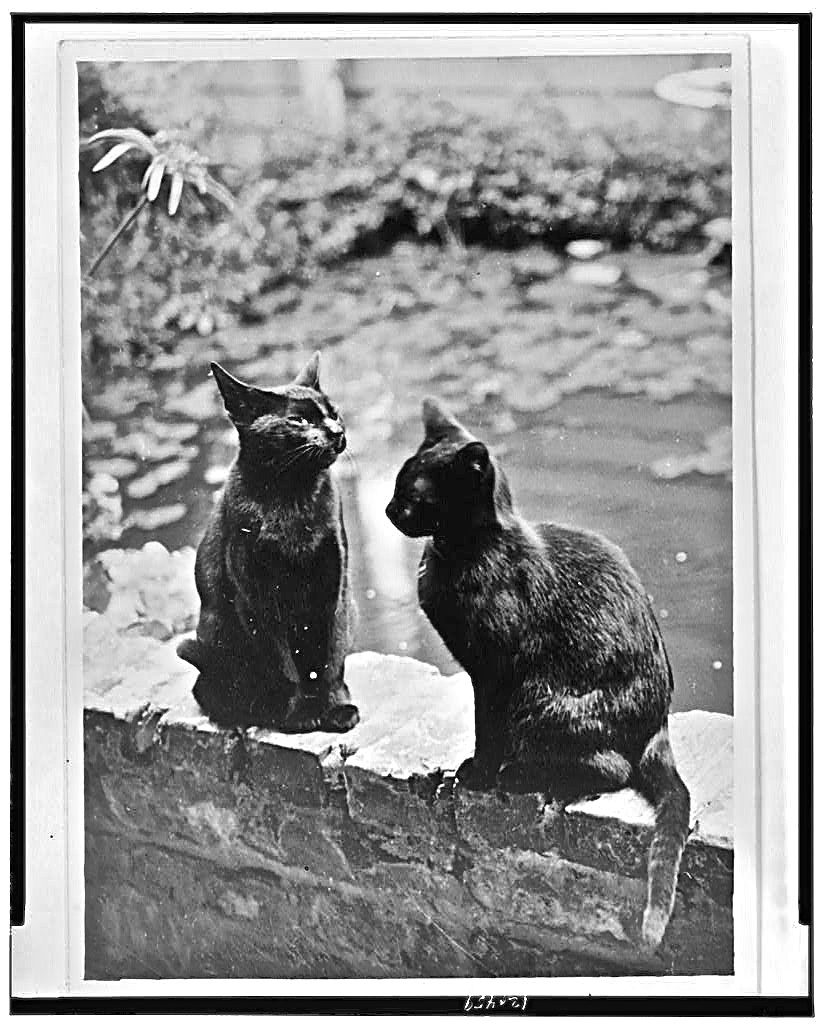
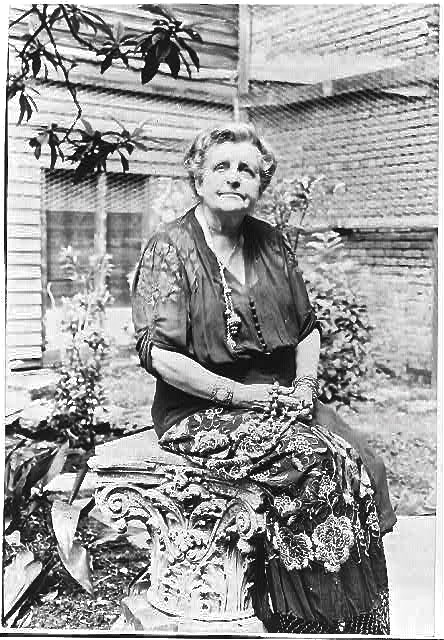
You can buy prints of Johnston’s photos at Shorpy.com here.
If you’re thinking of visiting the Big Easy, you can read “36 Hours in New Orleans” in The New York Times travel section.
About.com has a list of New Orleans blogs here.
Tulane University’s Southeastern Architectural Archive maintains the Garden Library, a collection of over 1,000 titles, including published materials associated with women’s garden culture. Currently, the Archive is showing an online exhibit of vintage Reuter’s Seed Company catalog covers (here).
Continue reading “Nostalgia for New Orleans”
Rosamond Carr’s cottage in the Virunga hills is covered in creeping fig or Ficus pumila. The plant (along with the nice windows and the stone steps) turned a little square box into something really charming.
The Orangery of Dumbarton Oaks is also draped with a wonderful specimen, which was planted in its northwest corner in the 1860s.
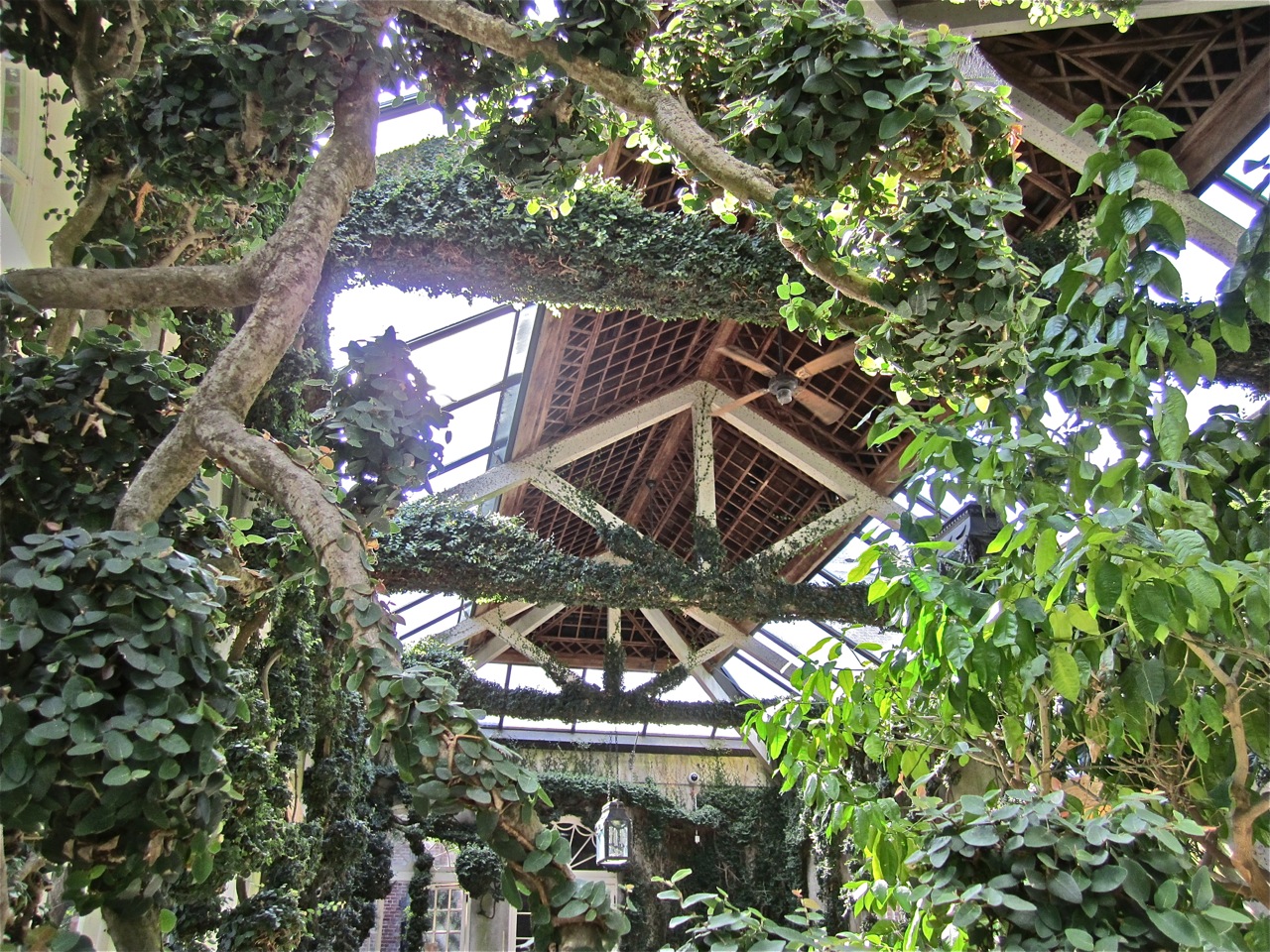
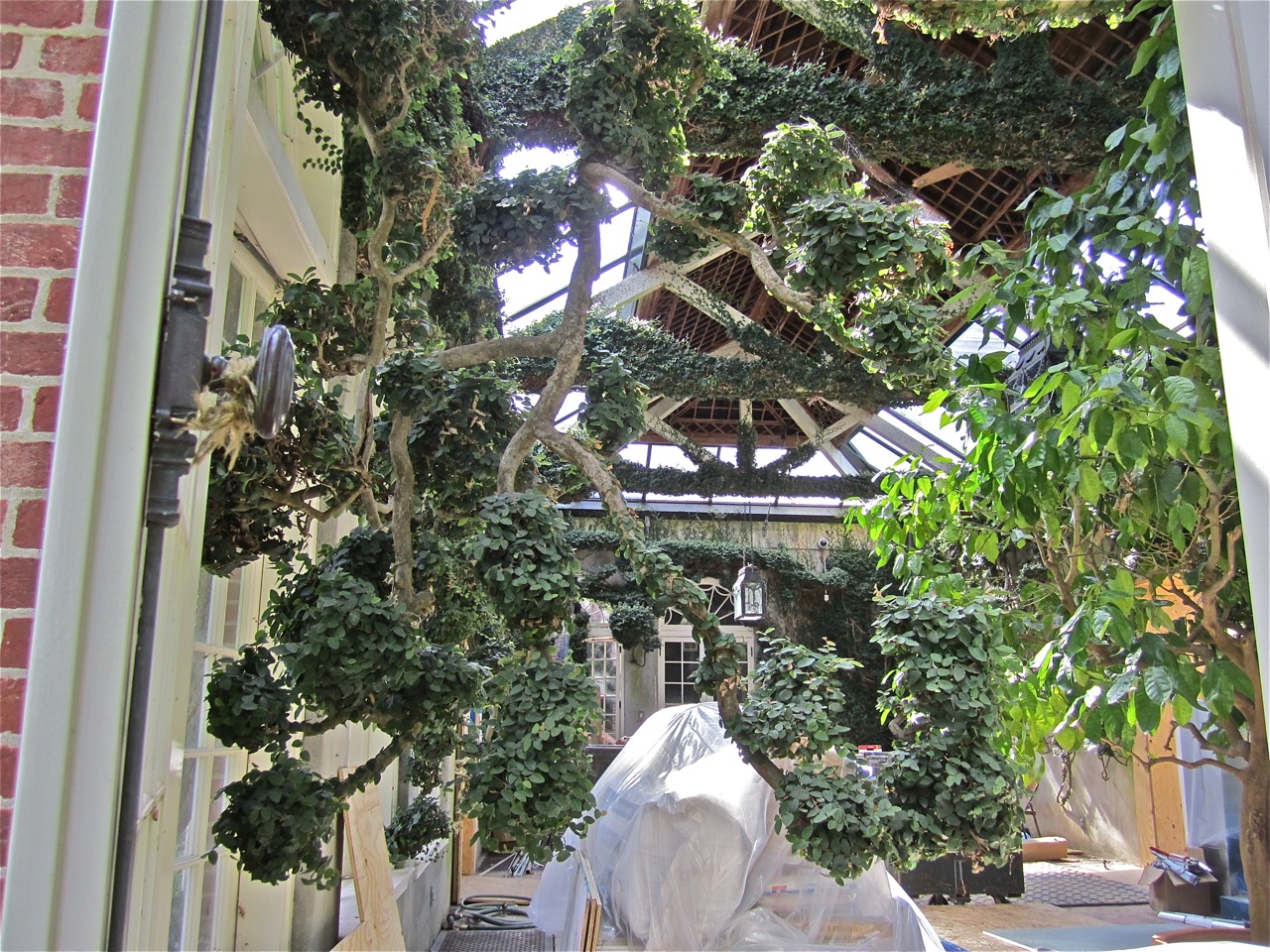
Creeping fig will survive outdoors in (U.S.) zones 8 – 11. It is native to east Asia.
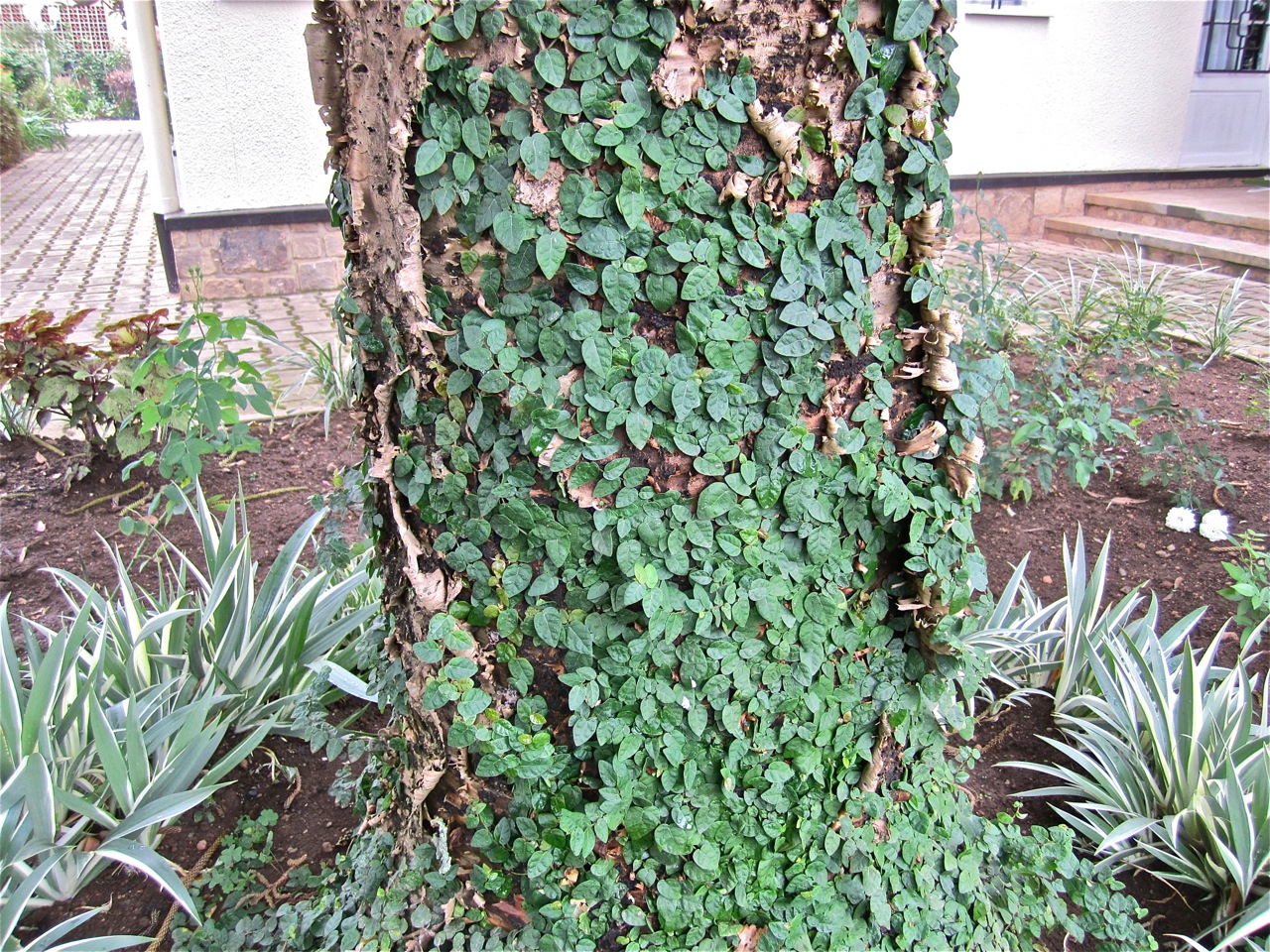
The plant is not fussy about its conditions, but does need consistently moist soil. Very fast growing, its aerial roots will adhere to anything, even metal and glass. All the sources I consulted warned against letting it attach to a wooden structure. With brick or concrete, it should be grown on something designed to support the plant forever, as the little rootlets will be very hard to remove if you later want a bare surface.
The fruit of the ‘Awkeotsong’ variety is used to make aiyu jelly in Taiwan (and ice jelly in Singapore). But several websites warned that all parts of the plant are poisonous. It may be that the processing technique makes the jelly safe to eat.
Since you inquire about creepers and ficus pumila,
They sum up the mood of a dweller in the wilds;
Respectfully visiting you in calf’s muzzle breeks* with a dove-headed walking stick.— Ruan Dacheng, Chinese poet (1587-1646)
Thanks to Pam at Digging for hosting Foliage Follow Up today (always the 16th of the month).
* “. . . a kind of shorts, or possibly a kilt, associated with a casual way of life in ancient times.”
On Friday, Diana of Elephant’s Eye commented on the age of my cycad. (The plant has a reputation as a slow grower.)
That made me remember some beautiful, rather ancient sago palms that I photographed at Tudor Place in Georgetown this summer. The sago palm is a cycad — Cycas revoluta — native to southern Japan.
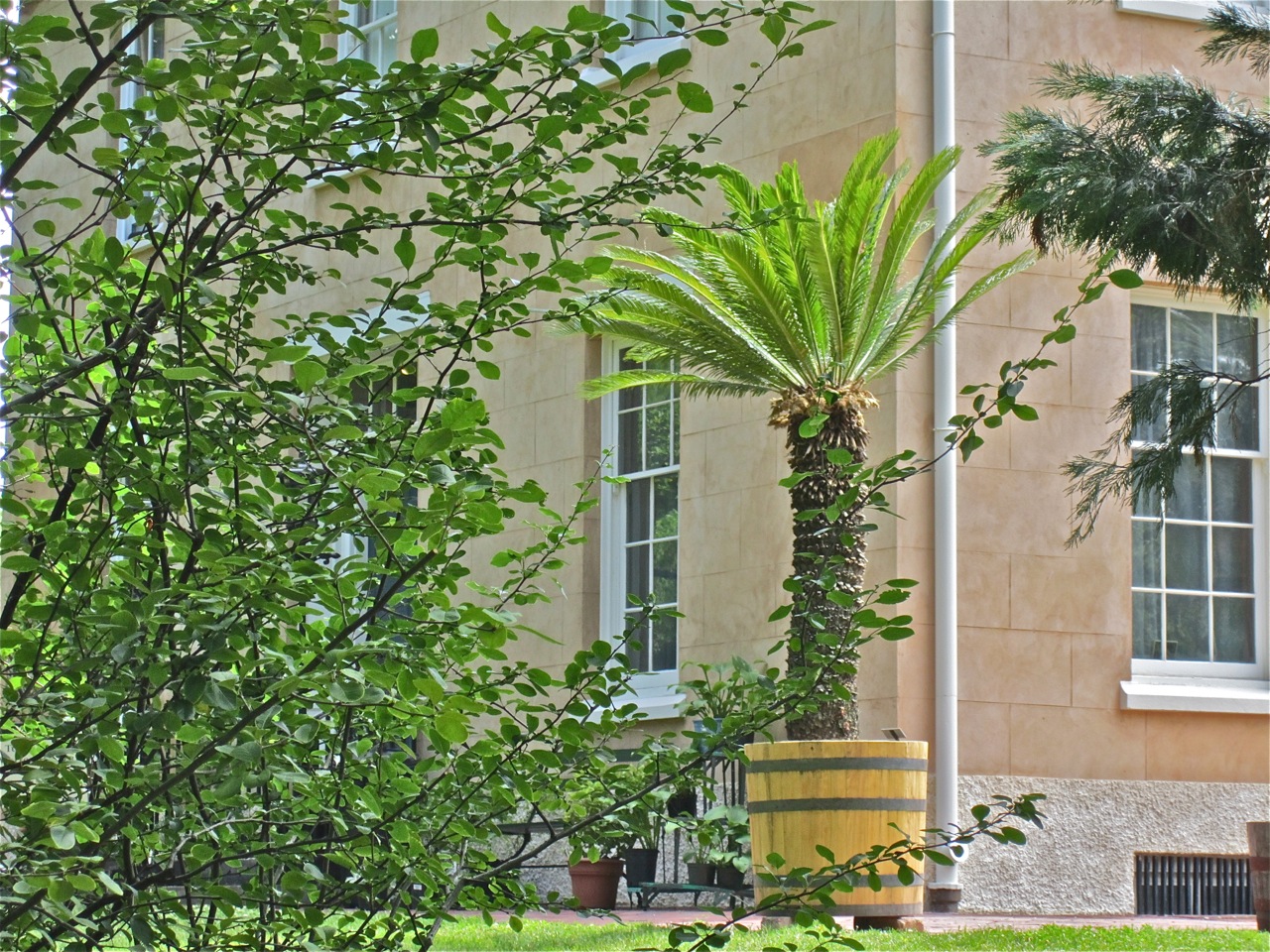

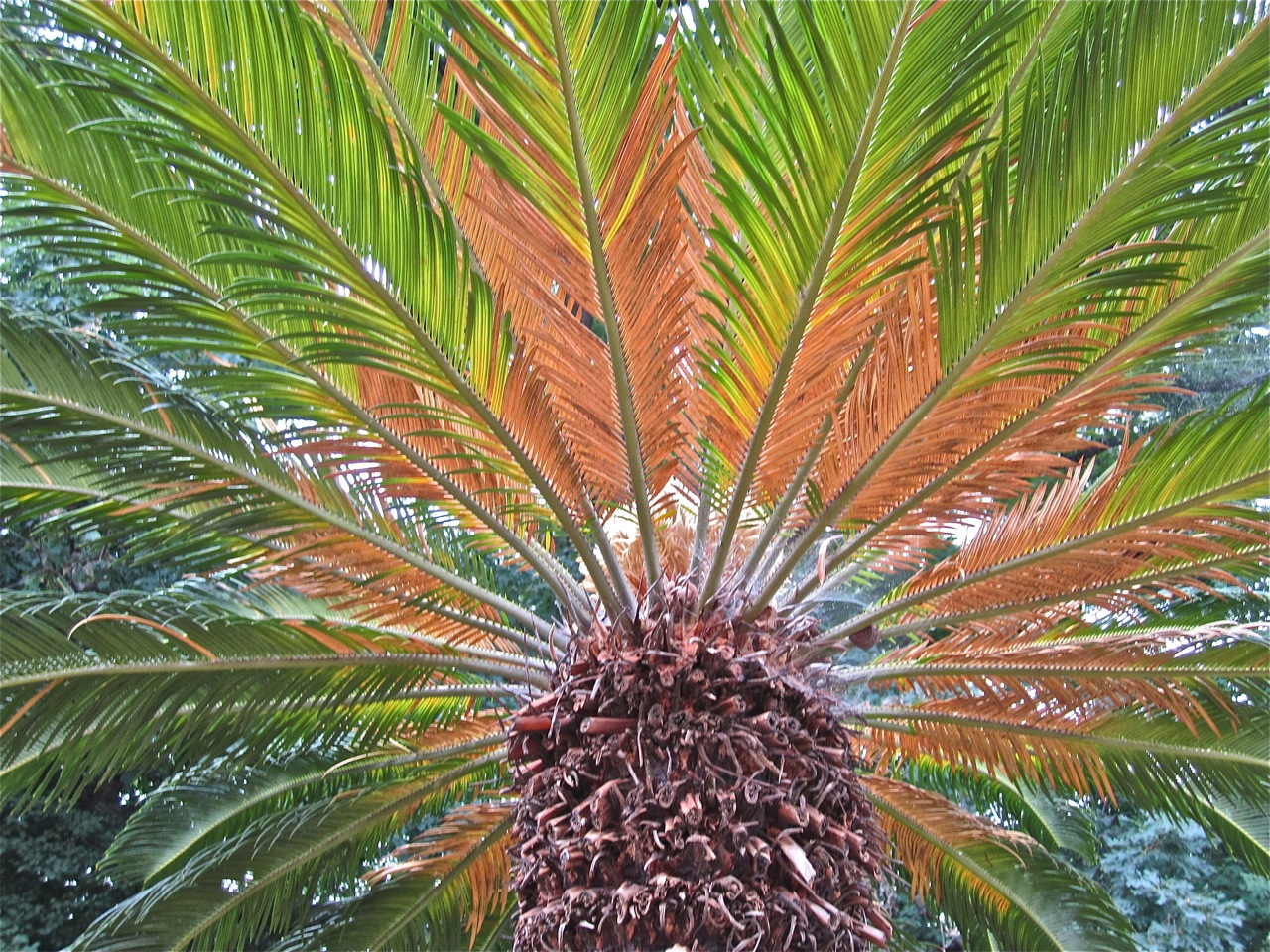
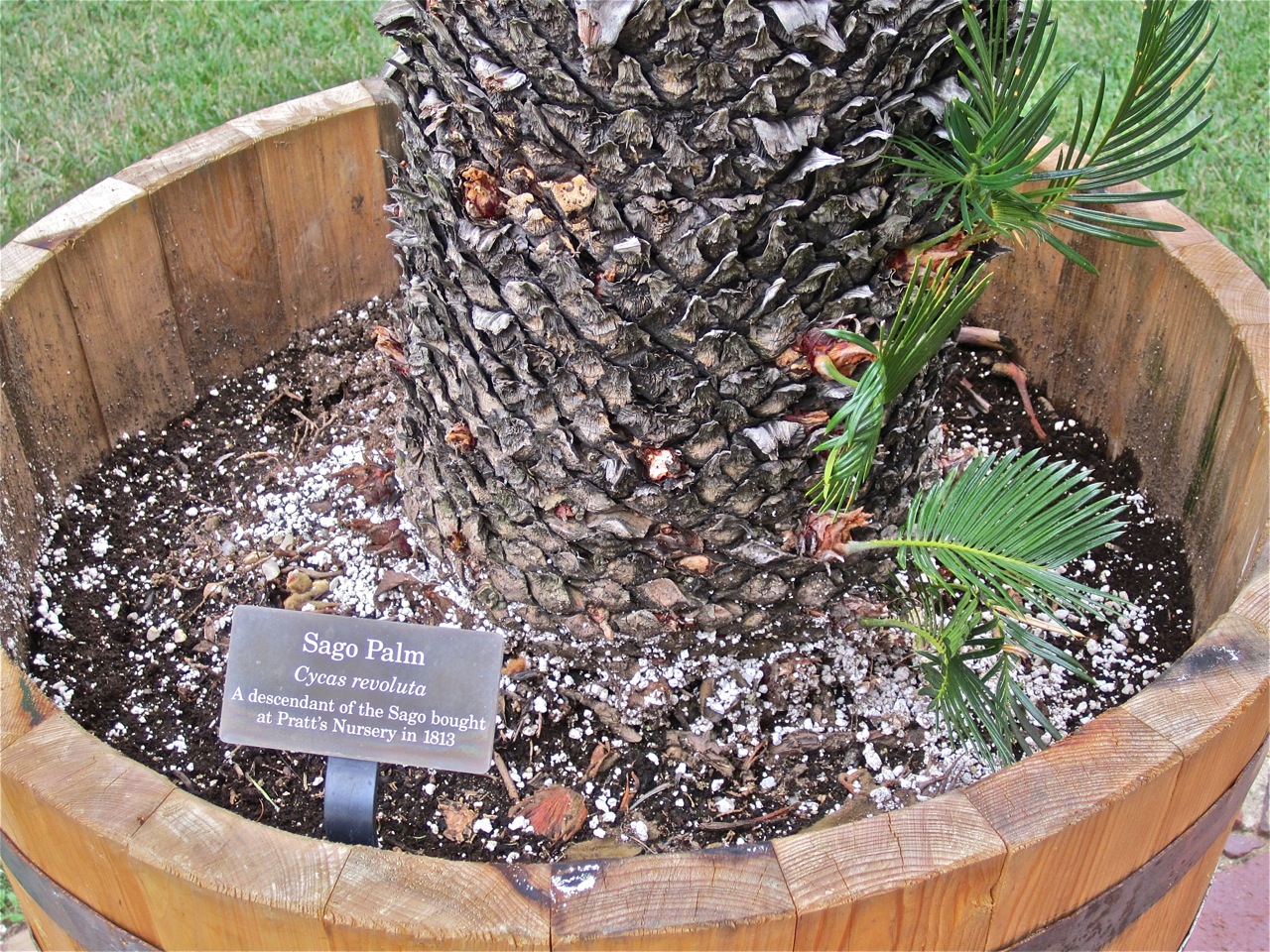
Why weren’t our 19th century ancestors thoughtful enough to put away a few sago cycads in the greenhouse for us?
The original Tudor Place sago palm arrived in North America in 1775 on the famous Boston Tea Party ship. There were three sagos on board, and the largest one went to Mount Vernon. Another went to Pratt’s Nursery in Philadelphia, which is where Martha and Thomas Peter purchased it in 1813.
The Tudor Place blog says that the original sago palm is located near the door to the Visitors Center, although I only saw the specimens labeled as its descendants.
The Mount Vernon sago died in 1934. In 1941, a cutting was taken from the Tudor Place plant and given to Mount Vernon, where it grows today.
If you want to start your own little sago palm heirlooms in pots, please be aware that all parts of the plant are extremely toxic to children and pets. Guard it accordingly.
. . . all that predates history survives it.
the sago palm or the bird of paradise flower,
trees that are flowers that are birds.. . . this high garden
protects the city that protects it.– Alvaro Garcia, “Public Garden” from Para lo que no existe, 1999
 enclos*ure