Vintage landscape: Congressional gardener

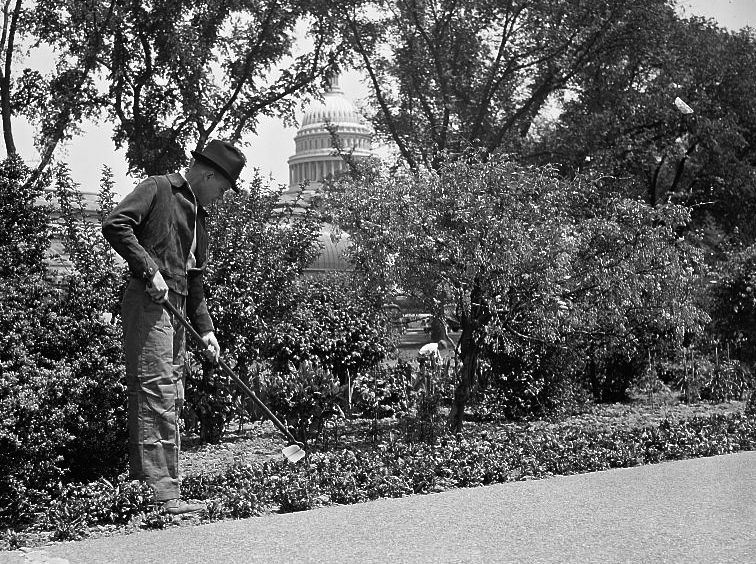
“Washington, D.C., May 7[, 1937].  Rep. William R. Poage, a first term Texas Democrat, likes gardening. He couldn’t find a plot of ground in the crowded capital, so he used his newly acquired congressional influence and won permission to help tend flowers and shrubbery in the government’s Botanical Gardens. So he works along with the regular laborers an hour or two daily.”

These days, many congressmen sleep in their House offices, but I haven’t heard of any tending the flower beds. Representative Poage retired from Congress in 1978.

Photo and text in quotes by Harris & Ewing via Library of Congress Prints and Photographs Division.

Vintage landscape: beautiful weeds

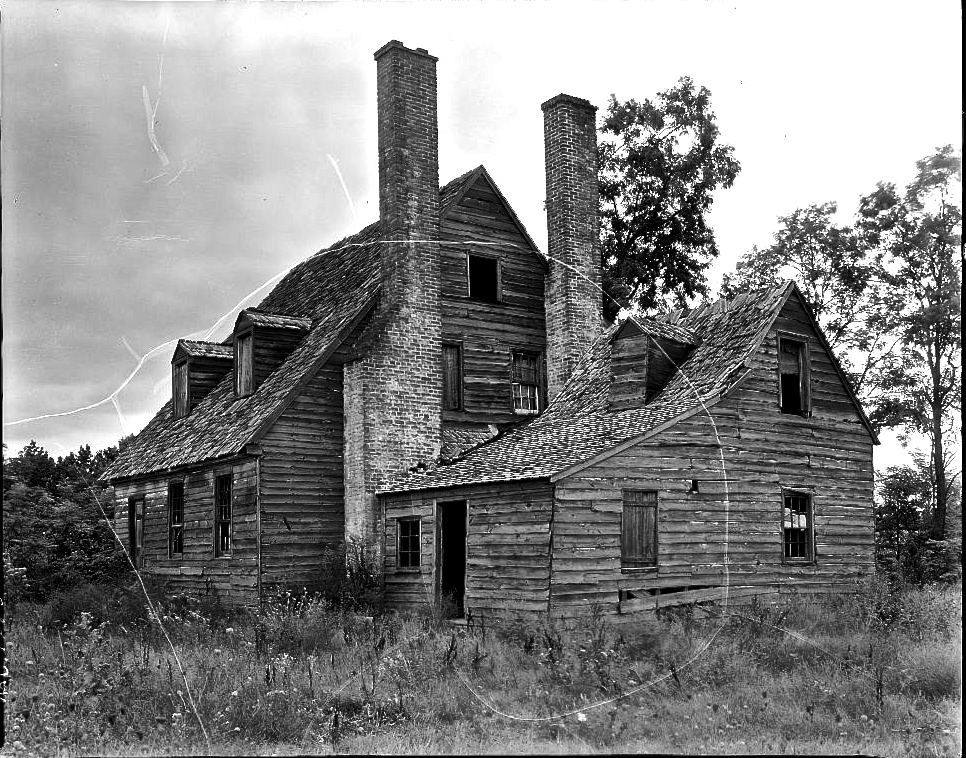
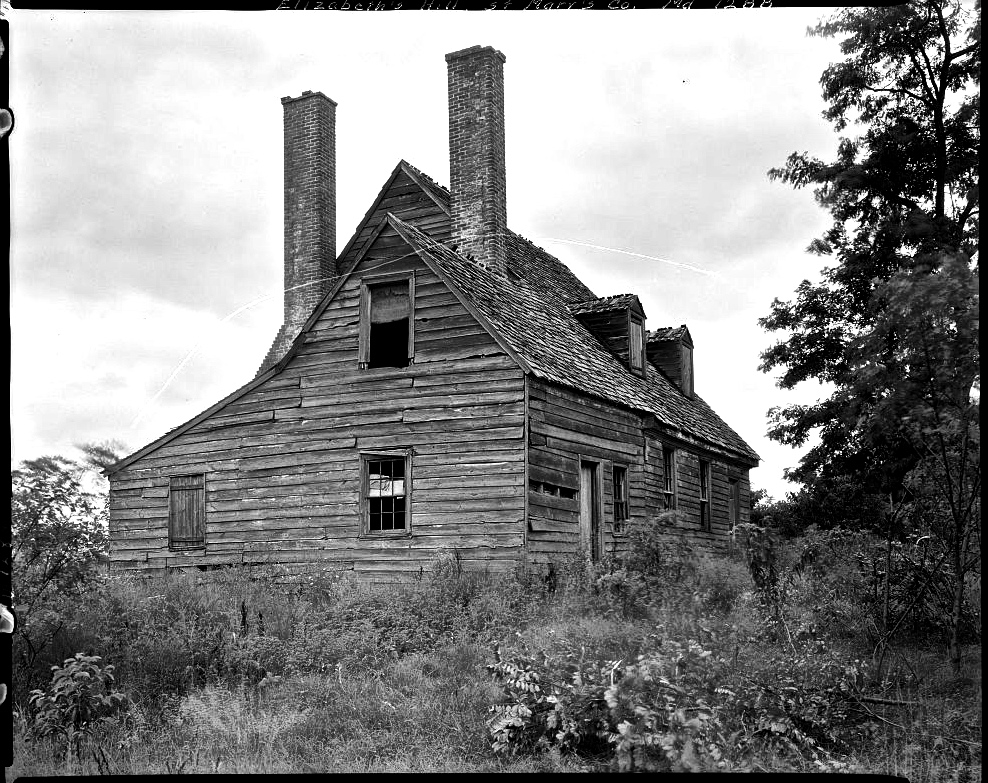
“Elizabeth’s Hill, Great Mills vic., St. Mary’s County, Maryland,”  1936-37, Frances Benjamin Johnston, via Library of Congress Prints and Photographs Division.

What would the world be, once bereft
Of wet and of wildness? Let them be left,
O Let them be left, wildness and wet:
Long live the weeds and the wilderness yet.
–  Gerard Manley Hopkins, from “Inversnaid”

A porch in 1941 Mobile and Sunday miscellany

I love this quiet photo: “Porch of old house at Monroe St., Mobile[, Alabama],” taken November 4, 1941, by Charles W. Cushman.

Used with the permission of  the Charles W. Cushman Photograph Collection of the Indiana University Archives.  Please do not “pin” or re-blog without contacting them here.

Miscellany

This post on Gardenista is about houses painted black, but I like the way all of them are incorporated into their natural landscapes.  

And GardenHistoryGirl has an interesting post on what we mean when we talk about ‘natural’ and  “beautiful nature.”

From her post, I learned that you can read the entire book The Wild Garden by William Robinson online  here at Google Books.

Please take a look at View from Federal Twist’s fall photos of the Federal Twist garden — just gorgeous.

Jean’s Garden explains here why your favorite plant may have had one name last year and has another today.

Kigali has gone into billboards in a big way in the last few years.  I wonder if it may eventually be building these too (see here too).

Zoe Tilley Poster of Pearled Earth is now selling her beautiful illustrations at her new Etsy shop here.

Francophiles can catch up on gardening news from France at Our Grumpy Gardener, a blog of French News Online.  If you’ve already starting to think about Christmas, the blog Réparons & Re-Parons Noël has good ideas for handmade decorations.

If you would like to see more of the photographs of Charles W. Cushman, click here for a series of images of New York City in the early 1940s.

Vintage landscape: the benches

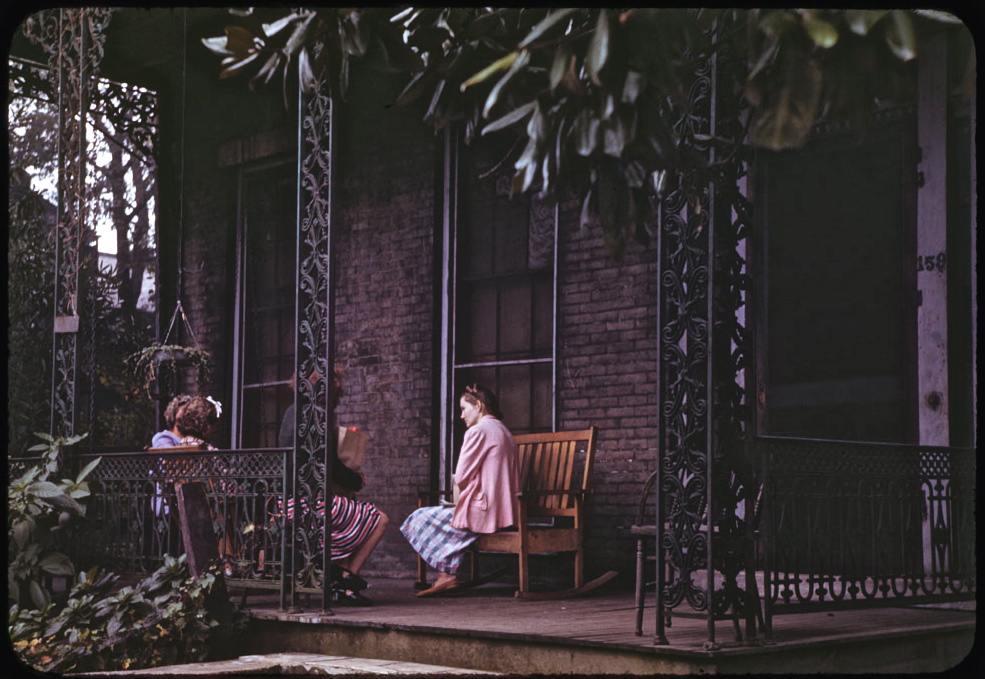
“Roominghouse district, Washington,” a Kodachrome slide by Charles W. Cushman, mid-September 1940.*

In the two years leading up to the U.S. entering World War II, the population of Washington, D.C., went from 621,000 to over 1,000,000, according to journalist David Brinkley.

Most of the new arrivals were women, many of whom were hired “before they had even found a place to leave their bags.”  Thousands of townhouses were turned into roominghouses and several women shared each room.  (According to one of them, Enid Bubley,  it was “social suicide” to violate the morning schedule of eight minutes each in the bathroom.)

By 1941, Malcolm Cowley described the city this way:  “Washington in wartime is a combination of Moscow (for overcrowding), Paris (for its trees), Wichita (for its way of thinking), Nome (in the gold-rush days) and Hell (for its livability).”

So the two or three benches placed in each little yard above are significant. They were undoubtedly places of real reprieve from the crowded conditions inside the houses and the chaos of the city.

These gardens still have their wrought iron fences.  During the war, the metal was much needed, and many D.C. residents gave up their black railings for wooden pickets.

The photographer, Charles Cushman, was a talented amateur who traveled across the U.S. and other countries and took more than 14,500 Kodachrome slides from 1938 to 1969.  He bequeathed his images to Indiana University, his alma mater.


*Used with the permission of  the Charles W. Cushman Photograph Collection of the Indiana University Archives.  Please do not “pin” or re-blog without contacting them here.

A study in steps (and more) in Chicago

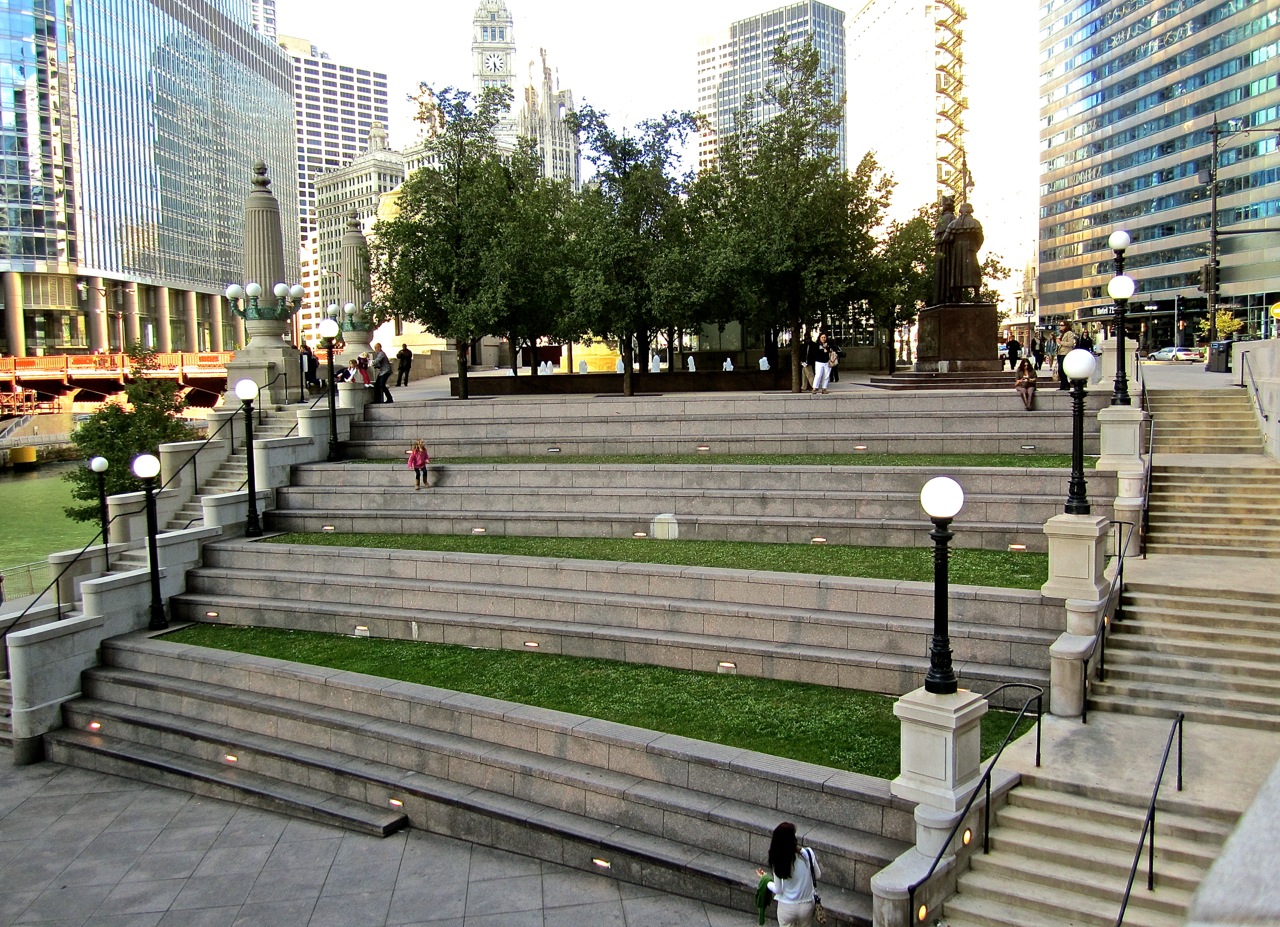
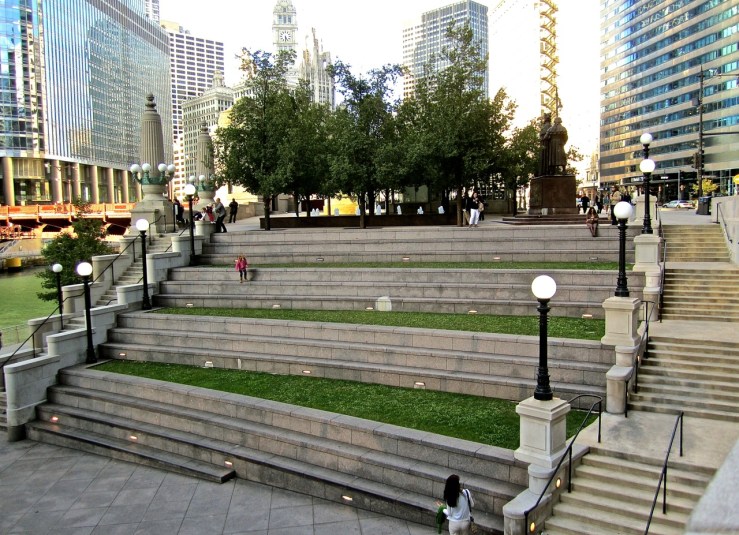
In September, we spent a weekend in Chicago.  These steps are located in its downtown, along the south side of the Chicago River.  Each rise is about 18.”
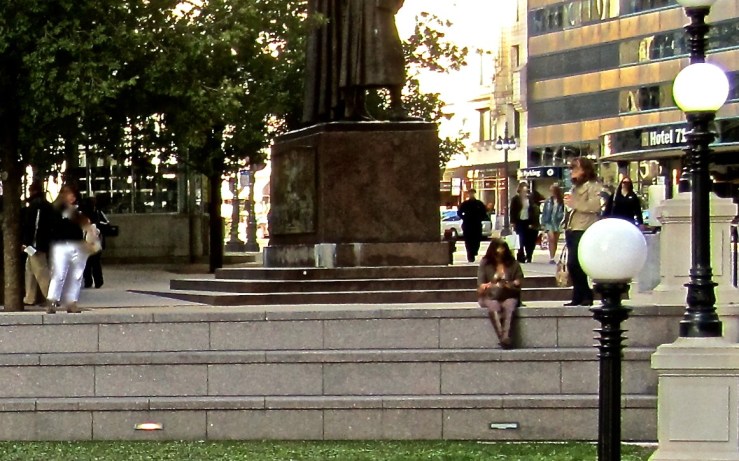
It was near here that I tripped on a single step off the sidewalk. My poor little camera took most of the force, but  happily still works.

Remember — all landscape design students say it with me — “a single step is a tripping hazard.” (I’ve personally proved it many times.)

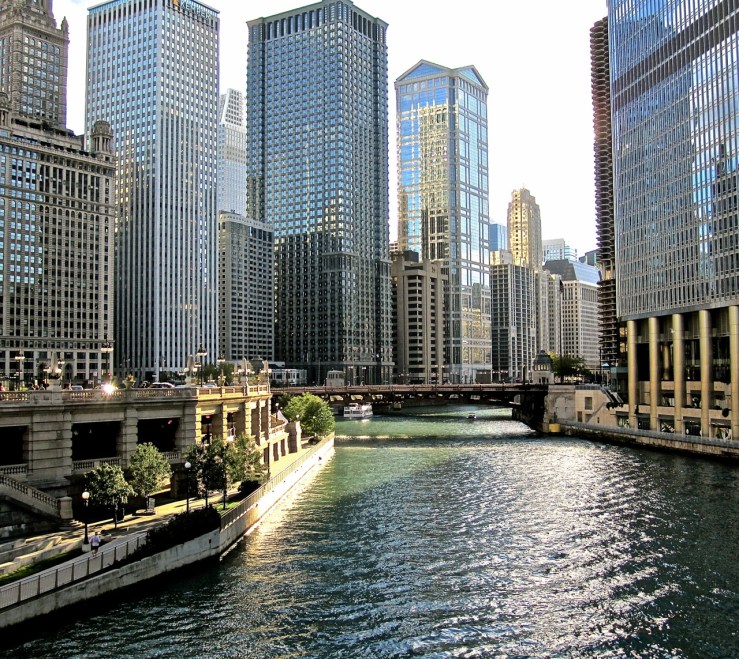
The Chicago River, with its Riverwalk,  is the best landscape in the city.  I think the skyscrapers are thrilling.
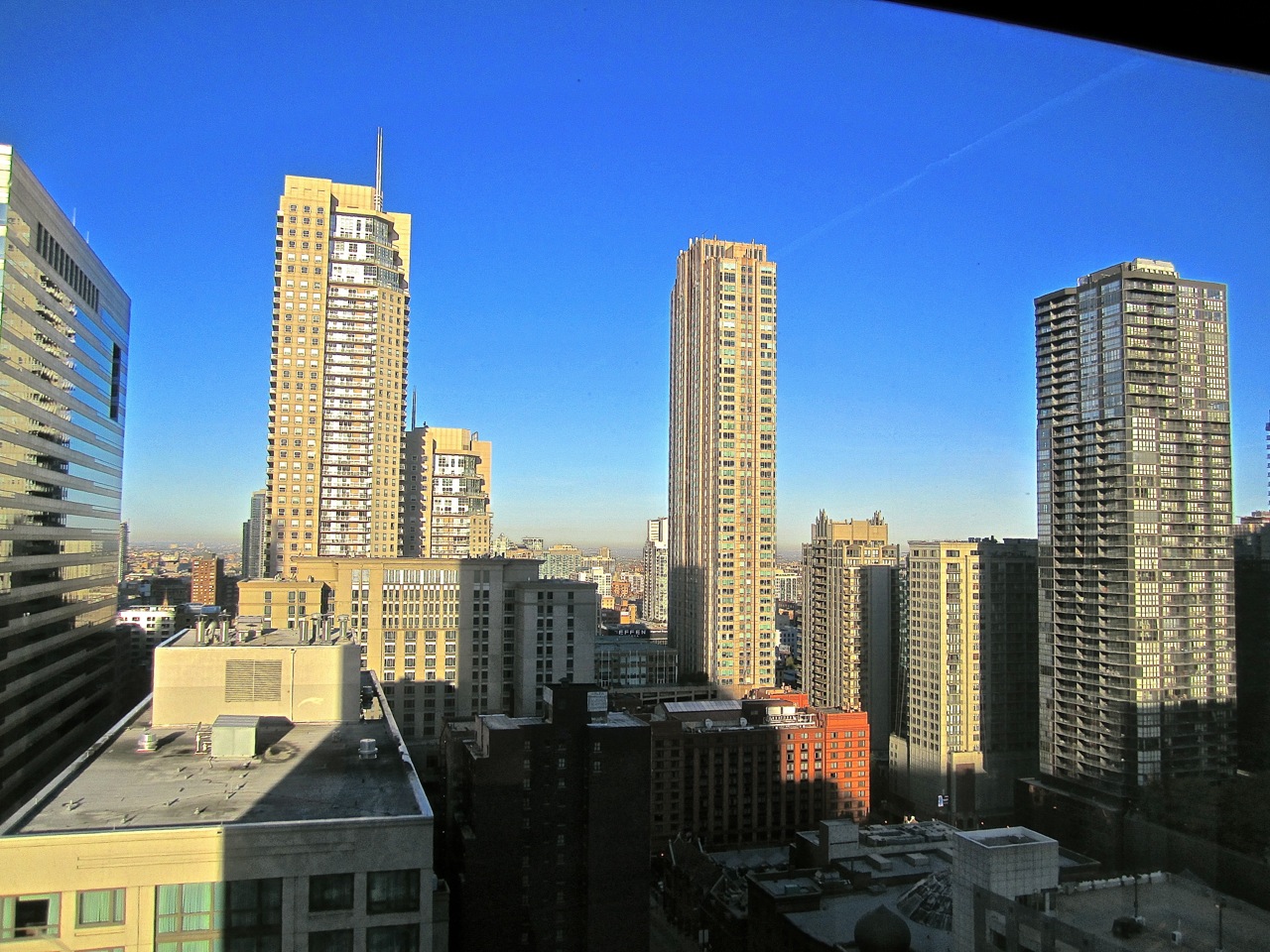
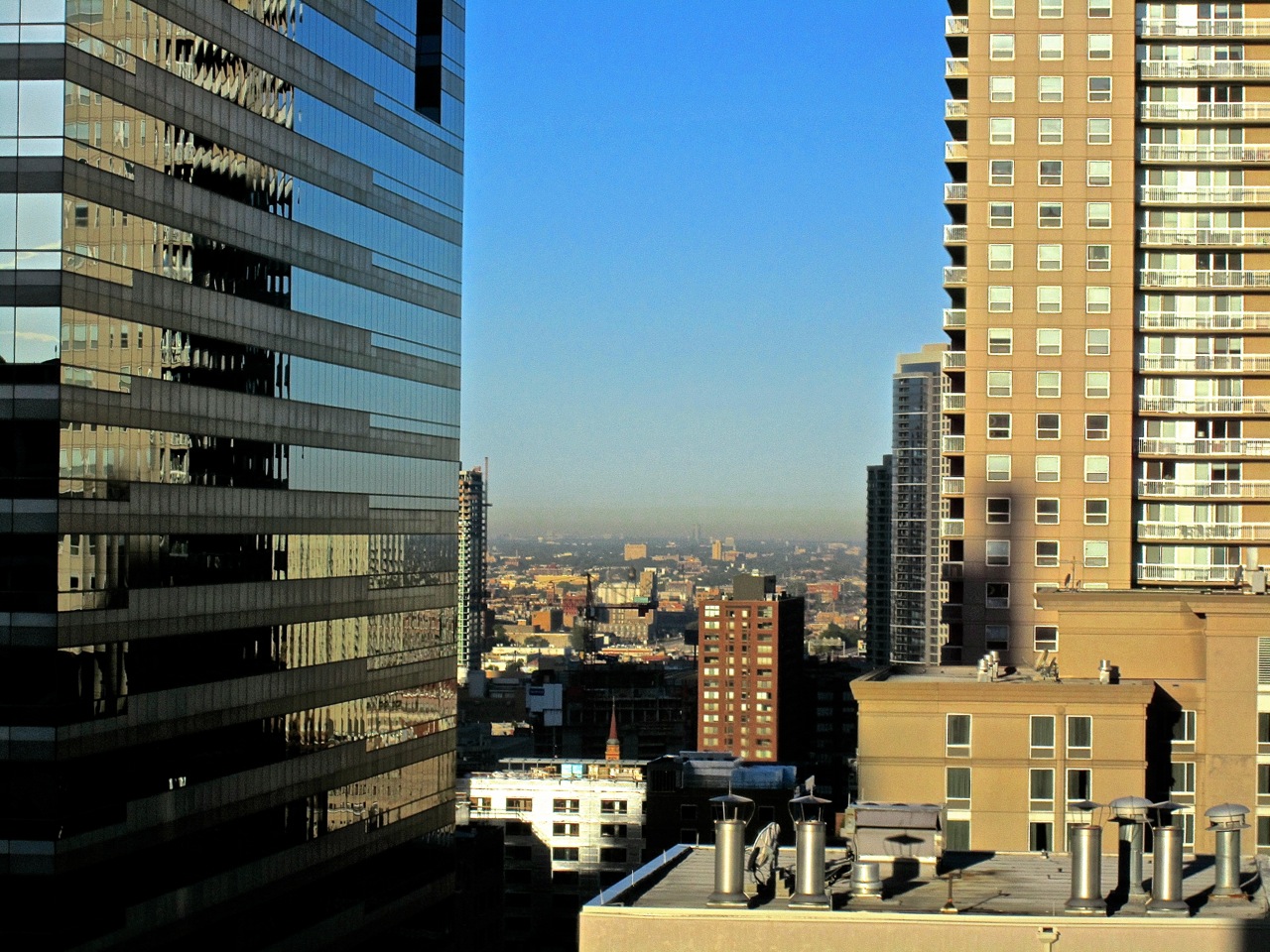
Below was the view from our hotel room.  A little dizzying.
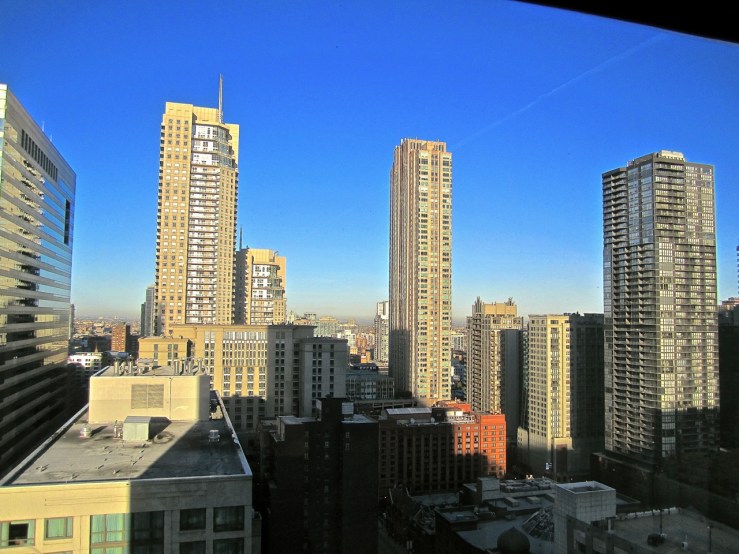
I thought I could see back to Madison, Wisconsin, our previous destination.

After a skyscraper walking tour by the Architecture Foundation, I spent an afternoon at the Art Institute of Chicago and Millennium Park on South Michigan Avenue.

I loved these cabbages in the huge planters in front of the Art Institute. I’m so happy to see ornamental cabbages and kale having a moment again — I started gardening in the ’80s.
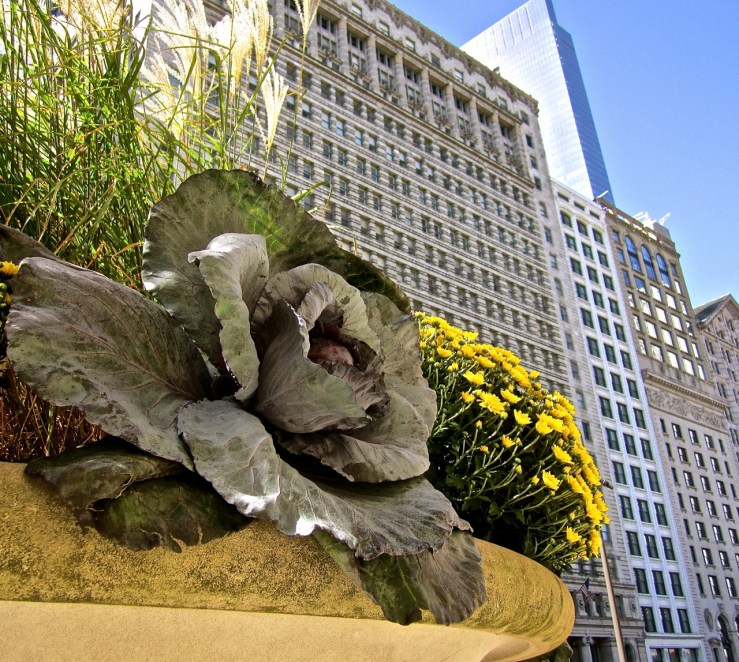
Millennium Park, which is just north of the museum and includes Lurie Garden, is remarkable.
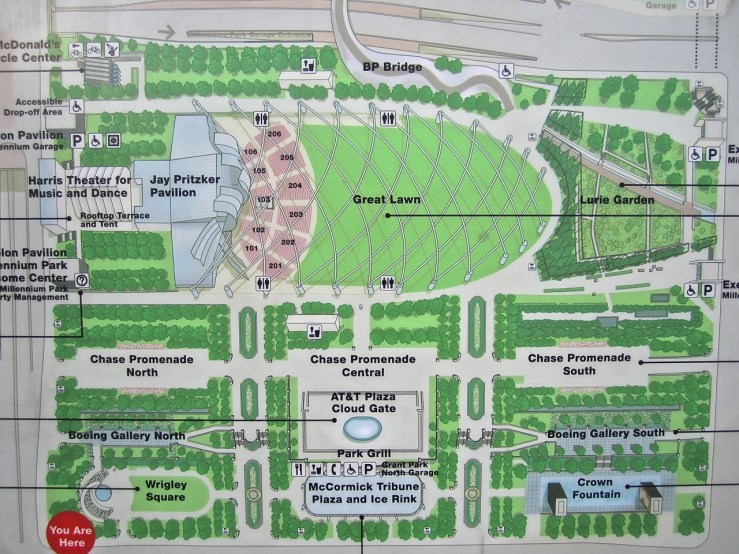
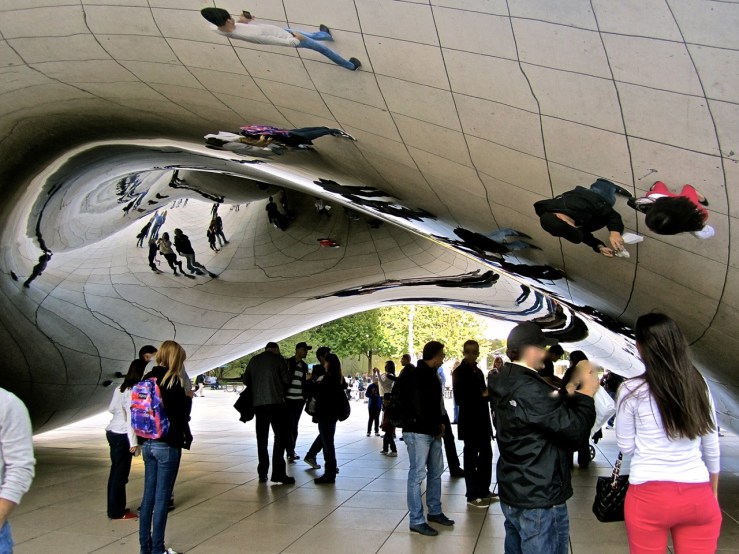
I loved the “Cloud Gate,”
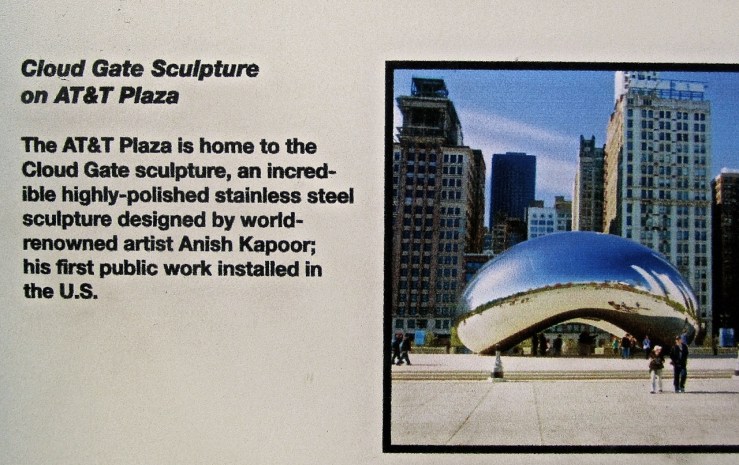
the way it reflected the surrounding skyscrapers,

and the way people interacted with it — including me, in the background with the yellow bag (below).

Where we ate

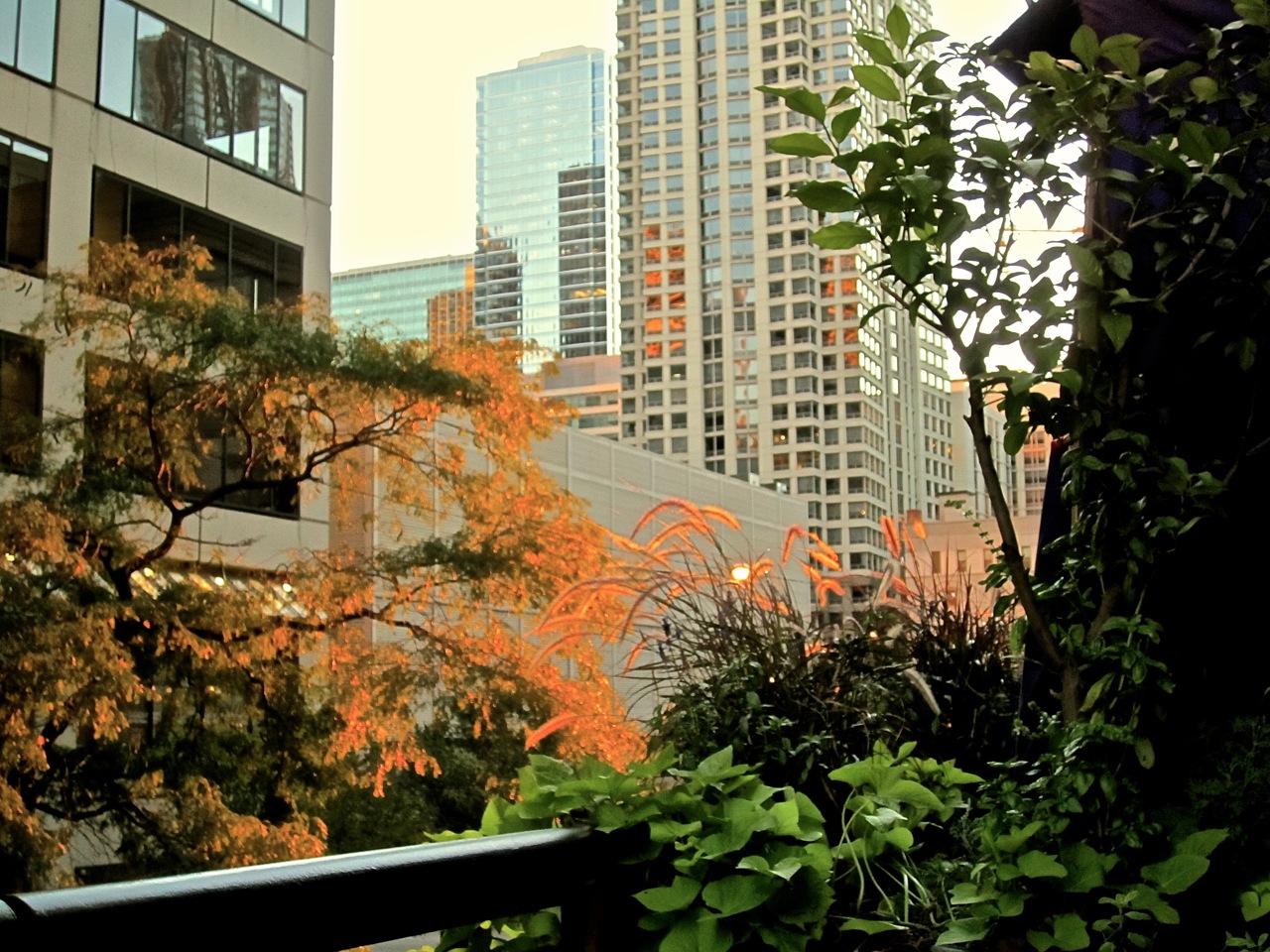
During our short visit, we ate twice at the great Purple Pig (their patio below at sunset) at 500 N. Michigan Avenue.  On the second night, our dessert was simply two slices of toasted artisanal bread spread in-between with Nutella, marshmellow cream, and sliced bananas.  Then the “sandwich” was liberally topped with powdered sugar.  It was wonderful.

If you have to be in Chicago’s O’Hare Airport — and we all will eventually — definitely eat at Rick Bayless’s Tortas Frontera.  We discovered it on our last trip in March, and this time we actually made a point of taking flights that would put us in Terminal 1 (go to gate B11) about lunchtime.