Life in gardens: the Ellipse

What means this tumult in a vestal’s veins? . . .*

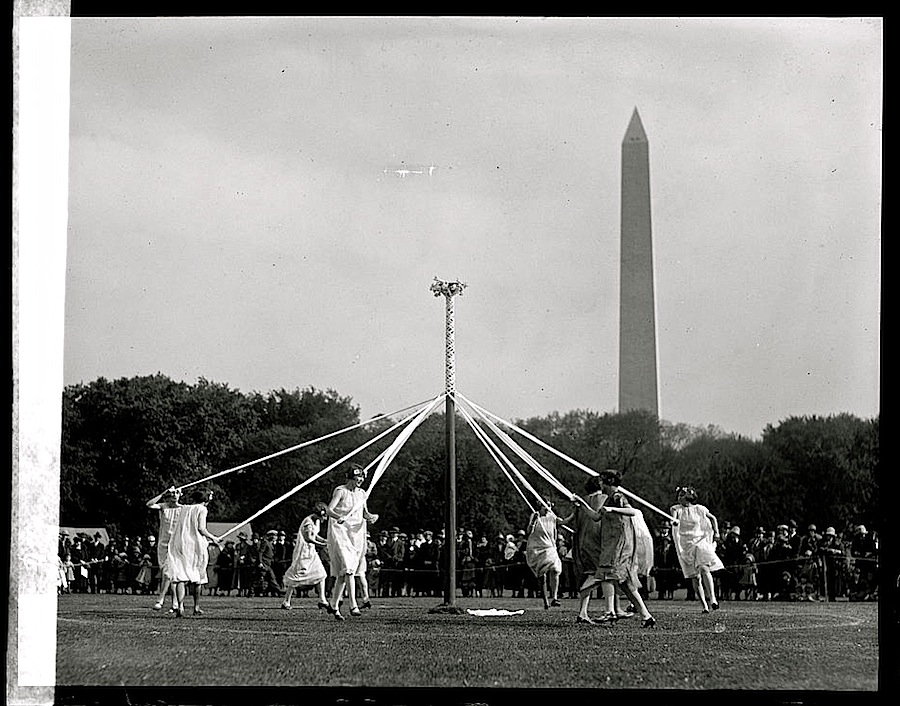
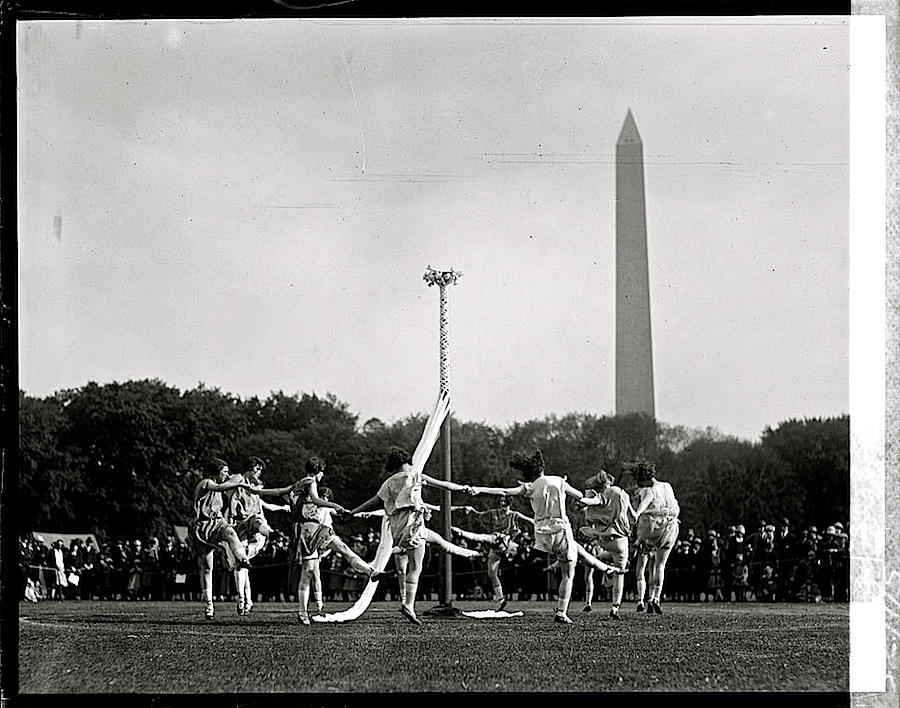
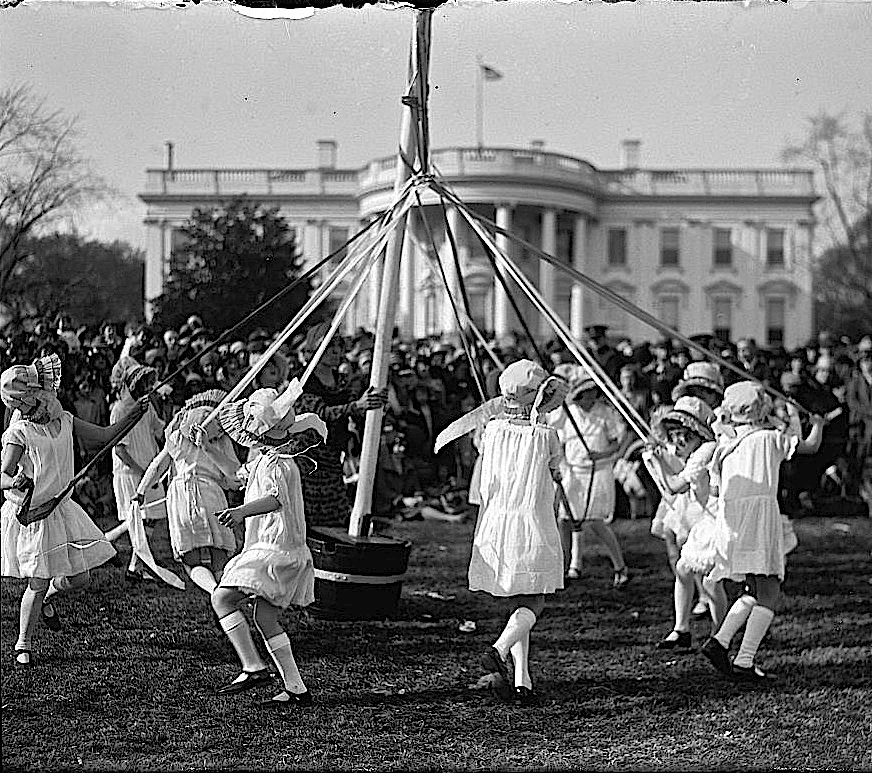
Maypole, 1925, Library of CongressMay pole dancing on the Ellipse, Washington, D.C., May 1, 1925, by National Photo Company, via Library of Congress Prints and Photographs Collection.

Maypole dance, 1925, via Library of CongressClick on the photos for larger views.


*Alexander Pope, from “Eloisa to Abelard

Life in gardens: more pink

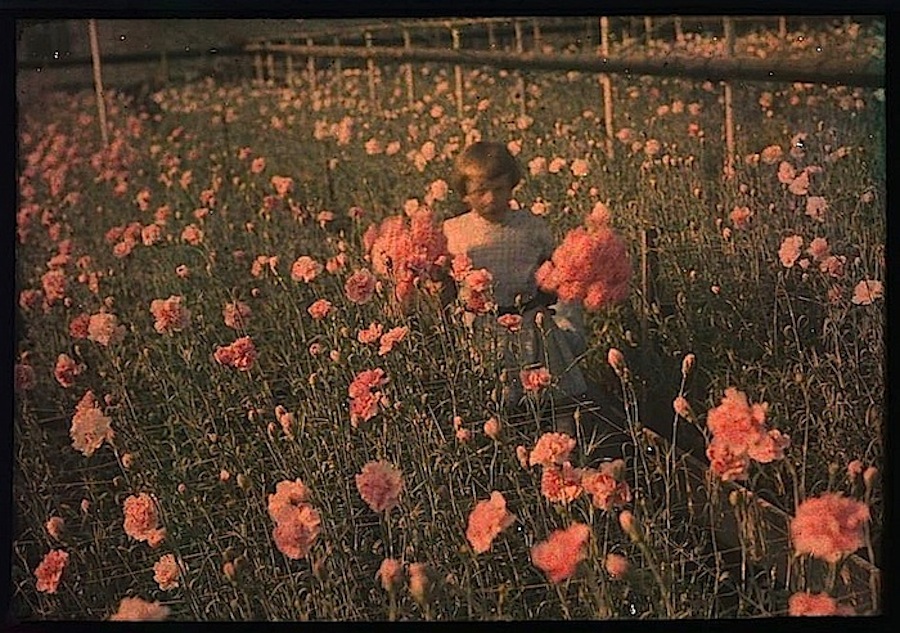
Pink carnations via George Eastman Hse. on flickr“Girl with carnations,” ca. 1915, an autochrome by Charles C. Zoller, via George Eastman House Collection on flickr.

Zoller was an American from Rochester, New York, who worked in the first decades of the 20th century. The George Eastman House holds almost 4,000 of his autochrome plates.

Another wonderful photo of (April 1945) pink is here.

Life in gardens: Rochester, N.Y.

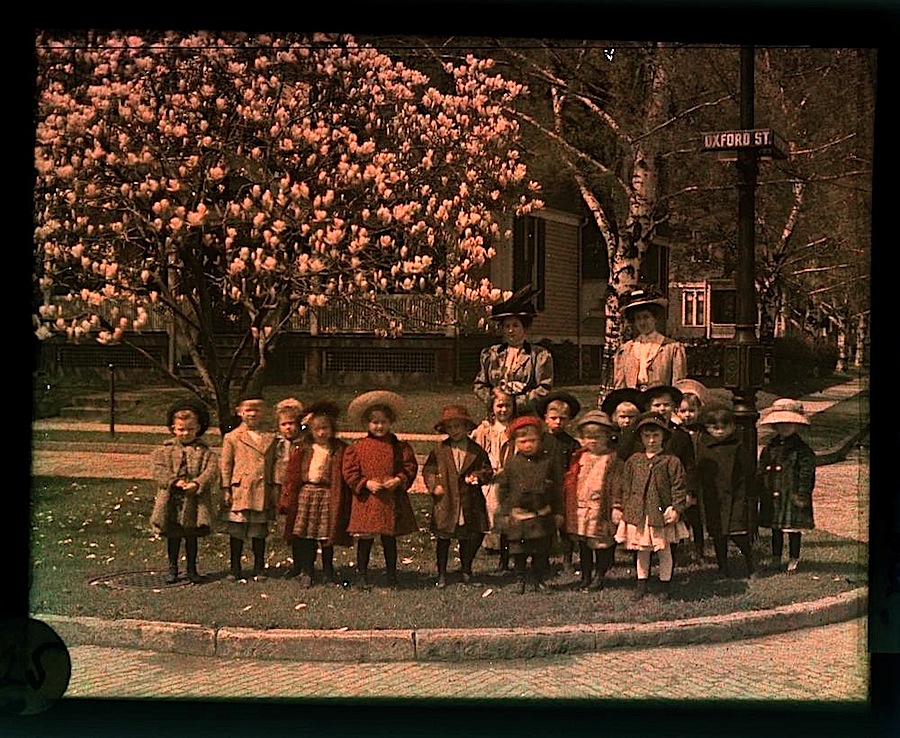
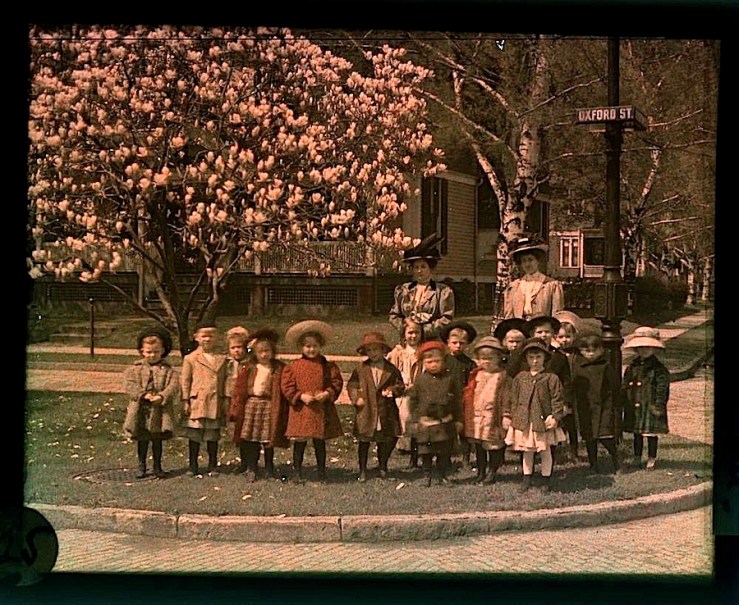
Rochester, NY, c. 1910, via George Eastman House Collection“Schoolchildren with teachers under Magnolia trees on Oxford* Street,” c. 1910, an autochrome by Charles C. Zoller, via George Eastman House Collection on flickr.

Click on the photo to get a better look.  I like the outfits, particularly that of the little girl on the far right.

The Collection describes the process of making an autochrome like this:

After decades of wishing for a practical color process, photographers were thrilled when Auguste and Louis Lumière announced the invention of the autochrome process. . . in 1904. The process used a screen of tiny potato starch grains dyed orange-red, green and violet. Dusted onto a glass plate, the dyed grains were covered with a layer of sensitive panchromatic silver bromide emulsion. As light entered the camera, it was filtered by the dyed grains before it reached the emulsion. While the exposure time was very long, the plate could be processed easily by a photographer familiar with standard darkroom procedures. The result was a unique, realistic, positive color image on glass that required no further printing.


*Commenters on the image’s flickr page thought the cross street in the picture was either Harvard St. or Brighton St.

Life in gardens: Easter Monday

Life in gardens/enclos*ure: may pole dancing at WH, 1929, Library of CongressMay pole dance at the White House Easter Egg Roll, Monday, April 1, 1929, National Photo Company Collection, via Library of Congress Prints and Photographs Division.

First Lady Lou Hoover added May pole and folk dancing to the annual event — but only briefly.  Apparently, the Depression was bad enough on its own.

(If you click on the photo and enlarge it, you can see the wonderfully fierce expression of one of the girls on the right side.)

The flower sellers, Union Square

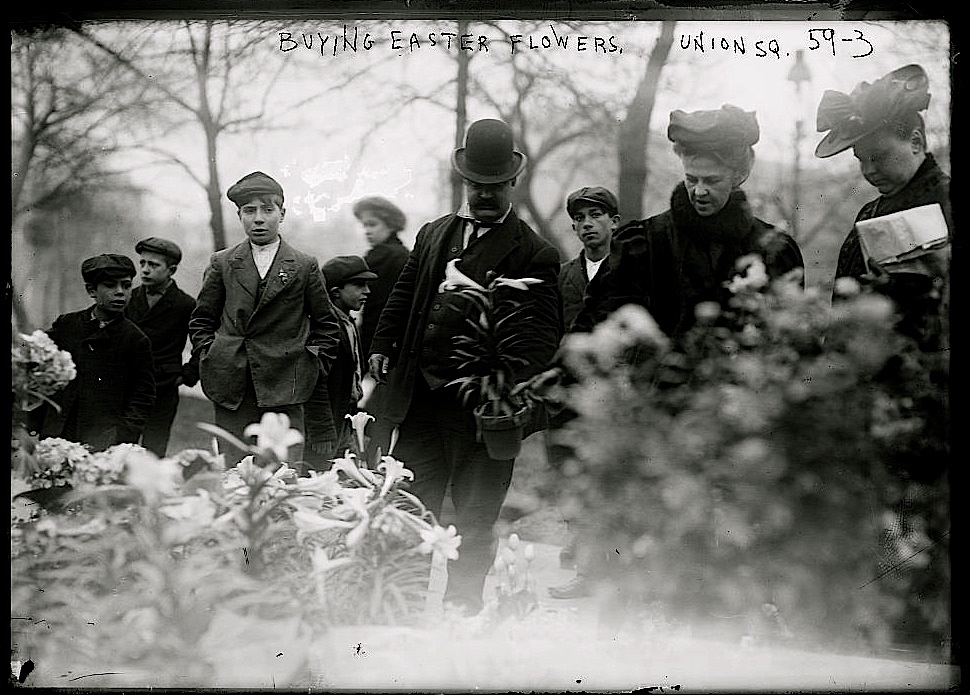
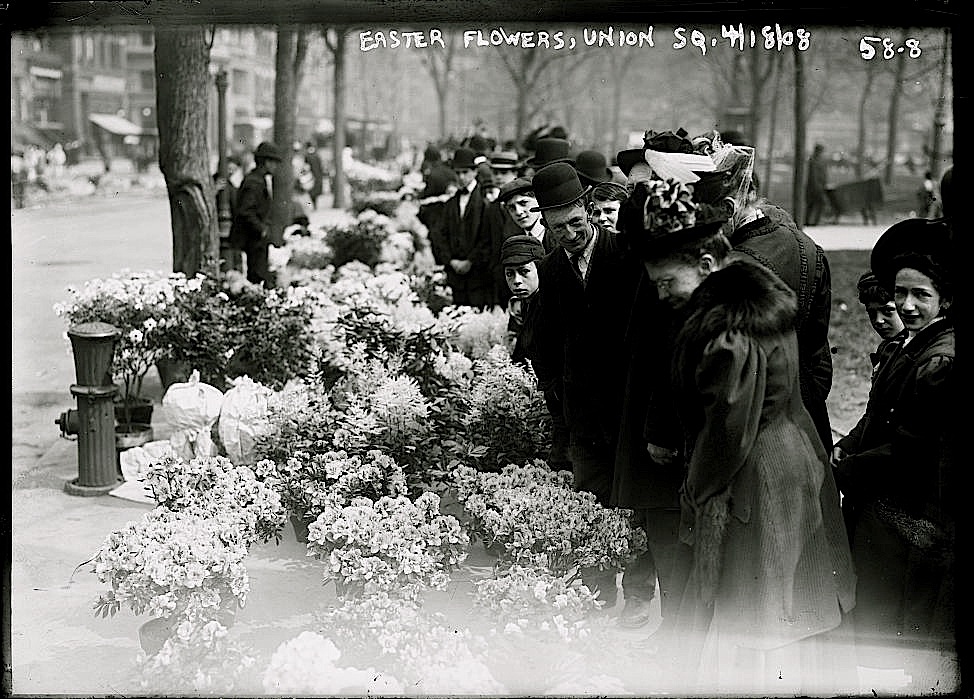
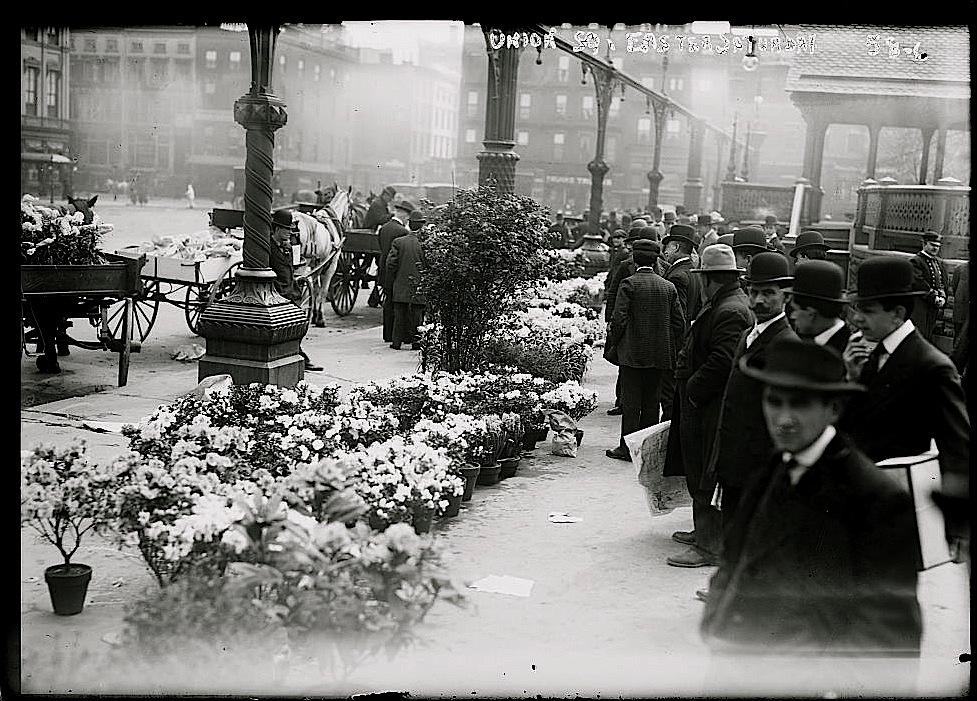
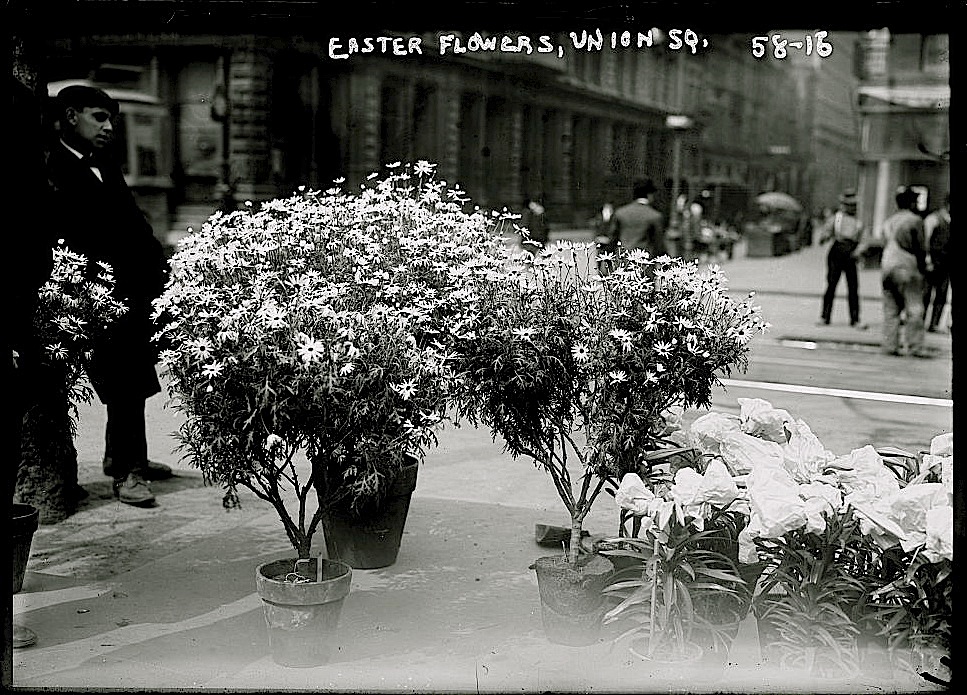
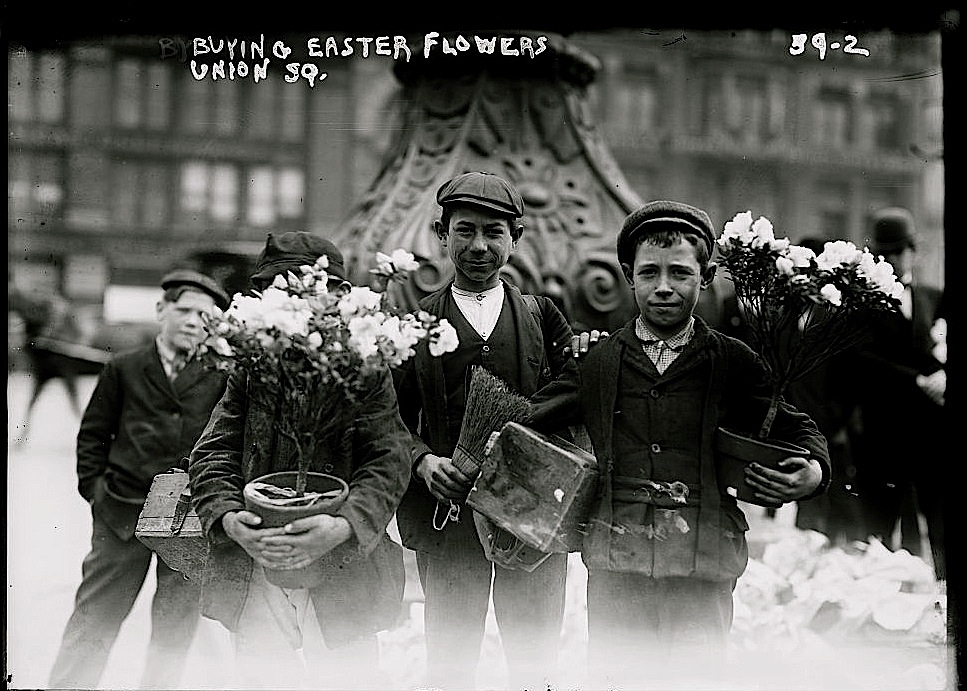
Vintage landscape/enclos*ure: buying Easter flowers, NYCity, 1908, via Library of CongressBuying Easter flowers, Union Square, New York City, April 18, 1908 (the Saturday before Easter) by Bains News Service, via Library of Congress Prints and Photographs Division.

Vintage landscape/enclos*ure: buying Easter flowers, NYCity, 1908, via Library of Congress

Vintage landscape/enclos*ure: buying Easter flowers, NYCity, 1908, via Library of CongressThings look pretty calm in these pictures, but only a week and a half before, on March 28, the park was the scene of a demonstration by the unemployed and then a bombing, which killed the bomber and a bystander.

Vintage landscape/enclos*ure: buying Easter flowers, NYCity, 1908, via Library of CongressSince 1976, Union Square has been the site of a thriving greenmarket (every Monday, Wednesday, Friday, and Saturday), which includes flower sellers.

Vintage landscape/enclos*ure: buying Easter flowers, NYCity, 1908, via Library of Congress

You can scroll through larger versions of these images (and several more) by clicking on ‘Continue reading’ below and then on any thumbnail in the gallery.

Continue reading “The flower sellers, Union Square”