January reading

Happy 2013!

January WPA posterA silkscreen poster of  the Illinois WPA Art Project (ca. 1936 – 1941), via Library of Congress Prints and Photographs Division.

On my nightstand for January reading:

Home Ground: Sanctuary in the City by Dan Pearson.  His city garden is the best example of what I want for our Washington, D.C., garden when we return.

Illustrated History of Landscape Design by Elizabeth Boults and Chip Sullivan

The American Meadow Garden by John Greenlee and Beautiful N0-Mow Yards by Evelyn J. Hadden

The City Shaped:  Urban Patterns and Meaning Through History by Spiro Kostof

Color by Design:  Planting the Contemporary Garden by Nori and Sandra Pope

The New Perennial Garden by Noël Kingsbury

— none particularly new, but indications of my current interests.

I just finished re-reading Peter Martin’s The Pleasure Gardens of Virginia:  From Jamestown to Jefferson.  I recommend it — along with Barbara Wells Sarudy’s Gardens and Gardening in the Chesapeake, 1700 – 1805 — if you garden in the U.S. mid-Atlantic.  Martin is particularly good on Mount Vernon and Monticello and on Jefferson’s changing enthusiasms and false starts.  (Martin and Sarudy differ somewhat on the extent of the influence of the English landscape garden style in 18th century America.)

(I also love Fergus M. Bordewich’s Washington: The Making of the American Capital for landscape/city planning history.)

Right now I’m really taken with the Game of Thrones books (I know, I’m behind the trend; I’m in Rwanda.)  I’m thinking of making the jump to an e-reader this month and then loading on the second book (aka Season Two) to watch in February.  I also want Hillary Mantel’s Bring Up the Bodies soon (I had to re-read Wolf Hall last month first — it’s so good).

What are your plans for winter reading?
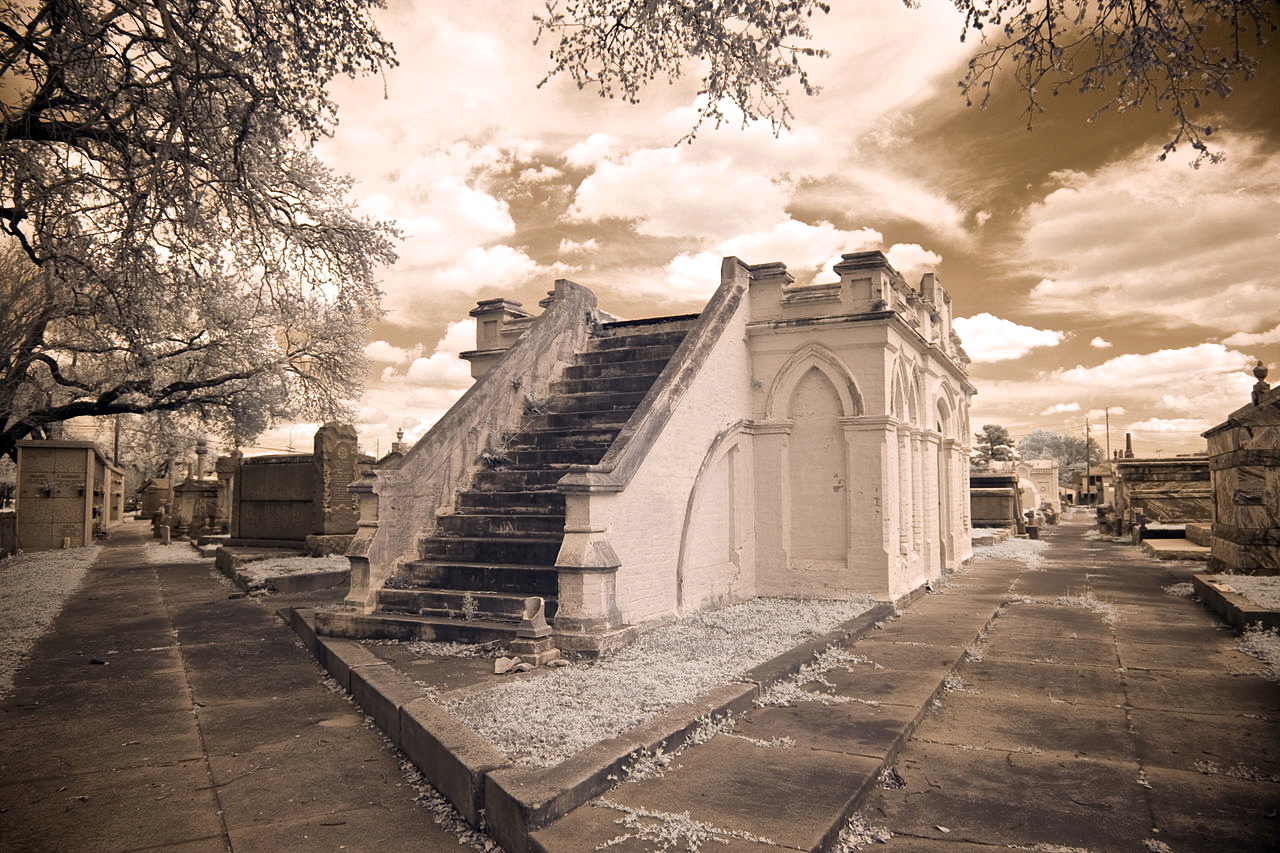
Cities of the Dead, New Orleans

And so, about this tomb of mine. . .

New Orleans cemetery, 2007, by C. Highsmith

Another beautiful photo by Carol M. Highsmith:  “Cities of the Dead Cemetery tombs, New Orleans, Louisiana,” 2007, via the Highsmith Archive, Library of Congress Prints and Photographs Division.

This tomb is in the Masonic Cemetery in Mid-City.

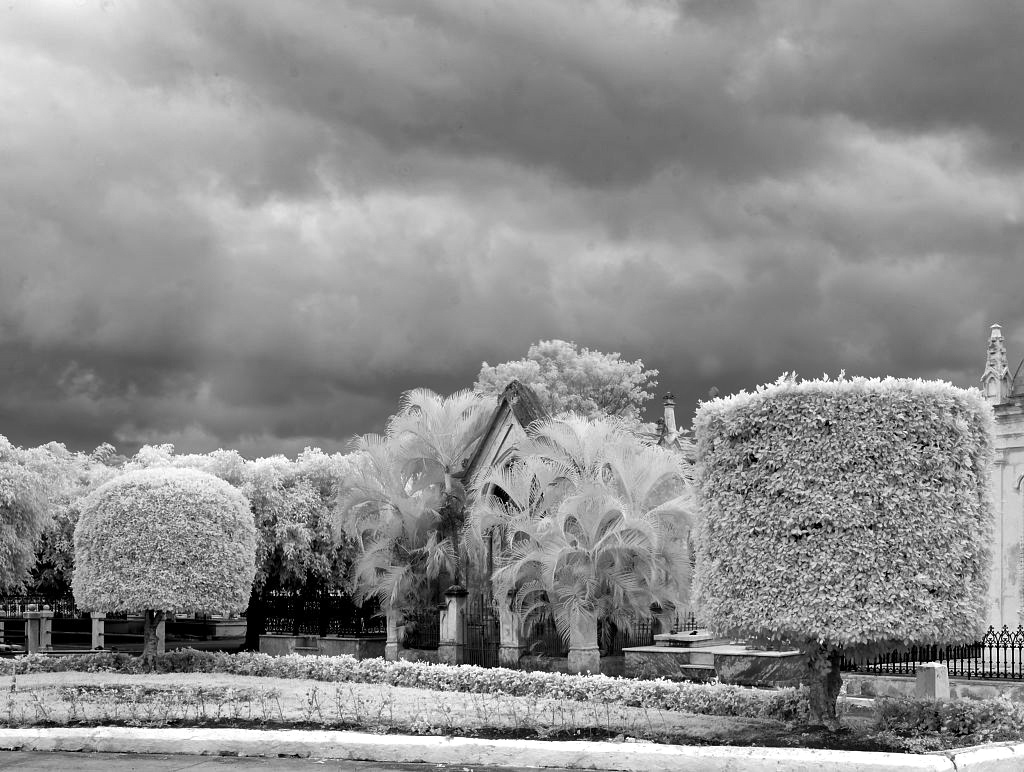
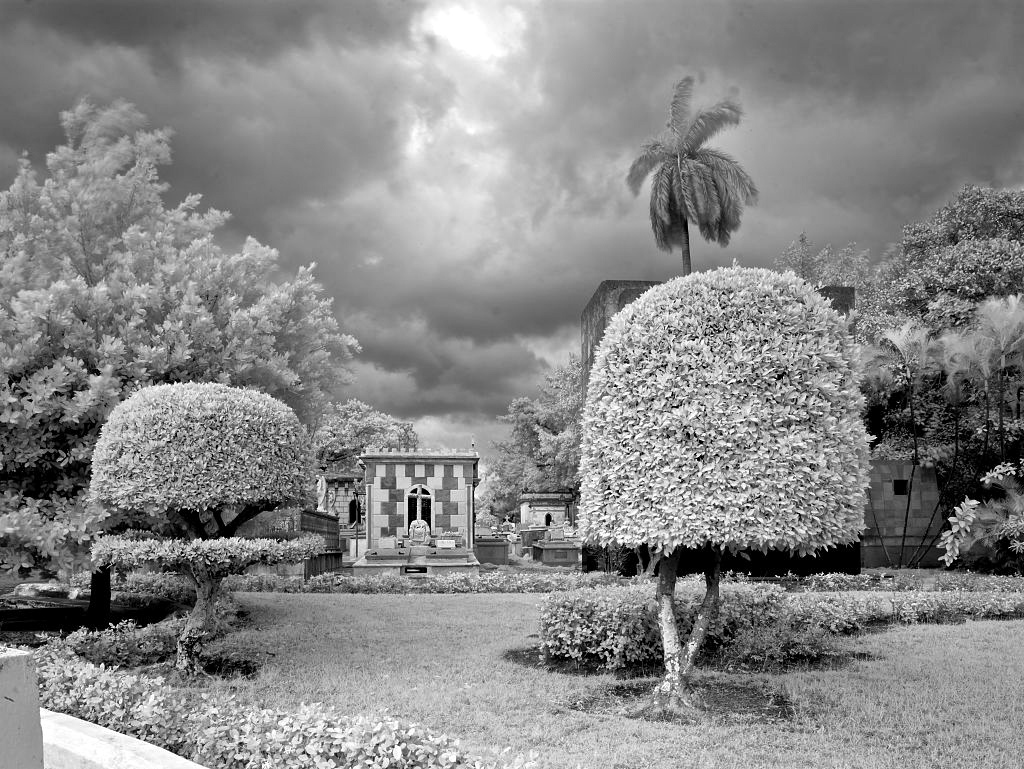
Necropolis de Colon, Havana

Necropolis de Colon, Havana, by C. Highsmith, 2010

“Necropolis de Colon, Havana, Cuba,” 2010, by Carol Highsmith, via the Highsmith Archive, Library of Congress Prints and Photographs Division.

Necropolis de Colon, Havana, by C. Highsmith, 2010.

The Cementerio de Cristóbal Colón [Christopher Columbus] was founded in 1876. The 140-acre cemetery is located in the Vedado neighbourhood of Havana, Cuba, and holds more than 500 family vaults, mausoleums, and chapels.

Carol M. Highsmith is a contemporary photographer who has specialized in documenting architecture and landscape — high and low — in all 50 American states.  Her influences are Frances Benjamin Johnston and Dorothea Lange. You can read more about her life here.

Highsmith is donating her life’s work — more than 100,000 images — copyright-free to the Library of Congress. Many of her images are printed in the distinctive black and white style shown here.

A garden should make you feel you’ve entered privileged space – a place not just set apart but reverberant – and it seems to me that, to achieve this, the gardener must put some kind of twist on the existing landscape, turn its prose into something nearer poetry.

Michael Pollan

Our garden: flower color

I have flower colors on the brain right now.

I’m going to try some (mostly) single-color planting combinations in some sections of the long borders — and dramatic contrasts in others.

This slideshow requires JavaScript.

We have blooms all year round here and lots of space. The main borders are along the lower lawn, so I don’t think  that the colorful arrangements will compete too much with our terrace views of the city and hills.

I’ll probably make a good, old mess at first, but I have a year to experiment and a year to make corrections.

The photos above are some reference pictures I took of all the flowers we have right now (a few things aren’t blooming). I’ve been going around and tagging the colors of the roses and daylilies as they bloom.

I have a number of flowering shrubs in the borders that are too big to move, so I will start my color selections with them.

Vintage landscape: the benches

“Roominghouse district, Washington,” a Kodachrome slide by Charles W. Cushman, mid-September 1940.*

In the two years leading up to the U.S. entering World War II, the population of Washington, D.C., went from 621,000 to over 1,000,000, according to journalist David Brinkley.

Most of the new arrivals were women, many of whom were hired “before they had even found a place to leave their bags.”  Thousands of townhouses were turned into roominghouses and several women shared each room.  (According to one of them, Enid Bubley,  it was “social suicide” to violate the morning schedule of eight minutes each in the bathroom.)

By 1941, Malcolm Cowley described the city this way:  “Washington in wartime is a combination of Moscow (for overcrowding), Paris (for its trees), Wichita (for its way of thinking), Nome (in the gold-rush days) and Hell (for its livability).”

So the two or three benches placed in each little yard above are significant. They were undoubtedly places of real reprieve from the crowded conditions inside the houses and the chaos of the city.

These gardens still have their wrought iron fences.  During the war, the metal was much needed, and many D.C. residents gave up their black railings for wooden pickets.

The photographer, Charles Cushman, was a talented amateur who traveled across the U.S. and other countries and took more than 14,500 Kodachrome slides from 1938 to 1969.  He bequeathed his images to Indiana University, his alma mater.


*Used with the permission of  the Charles W. Cushman Photograph Collection of the Indiana University Archives.  Please do not “pin” or re-blog without contacting them here.