
This slideshow requires JavaScript.
A community garden in Baltimore, Md., in October.
A community garden in Baltimore, Md., in October.
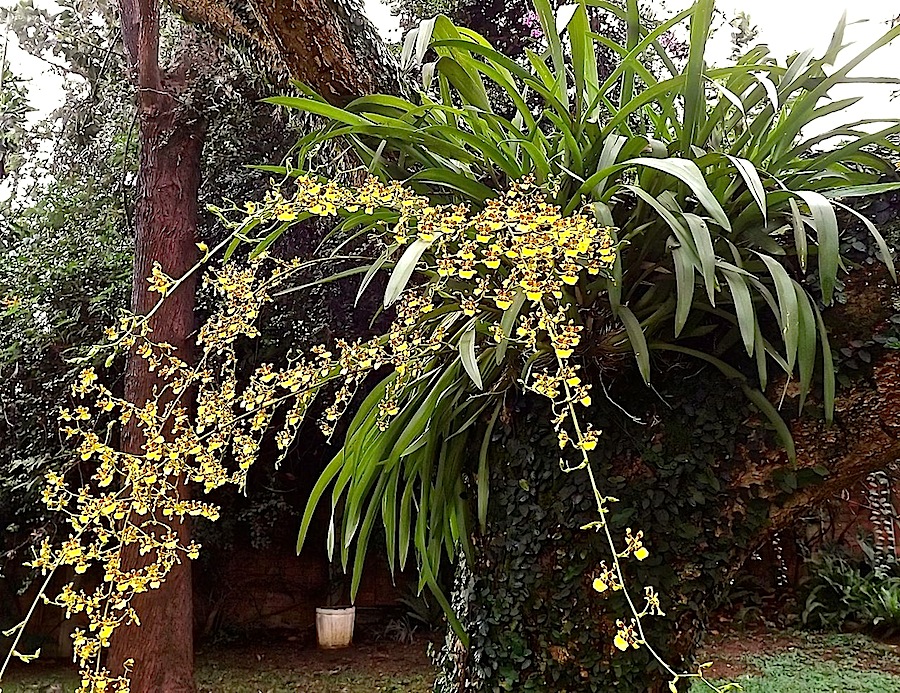
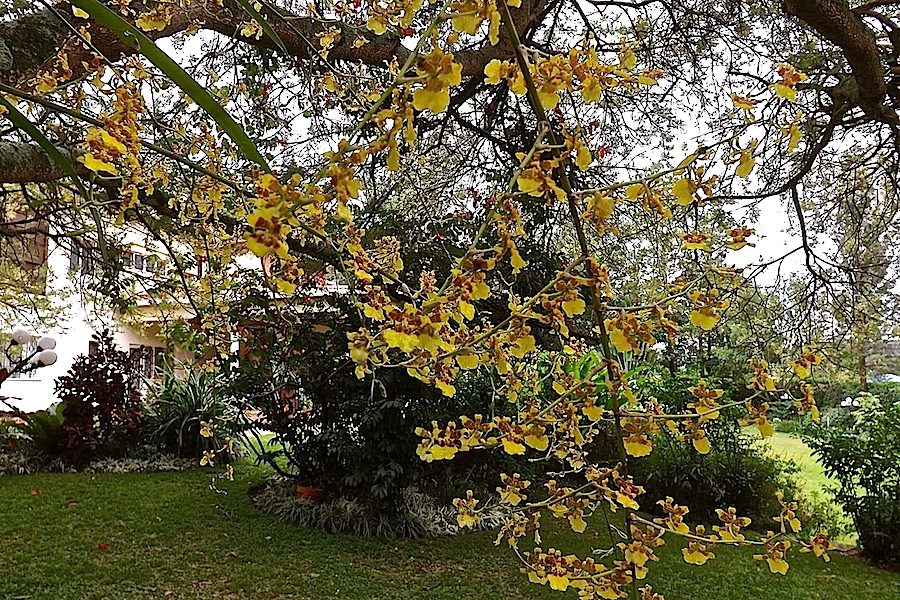
We have orchids in the acacia tree.
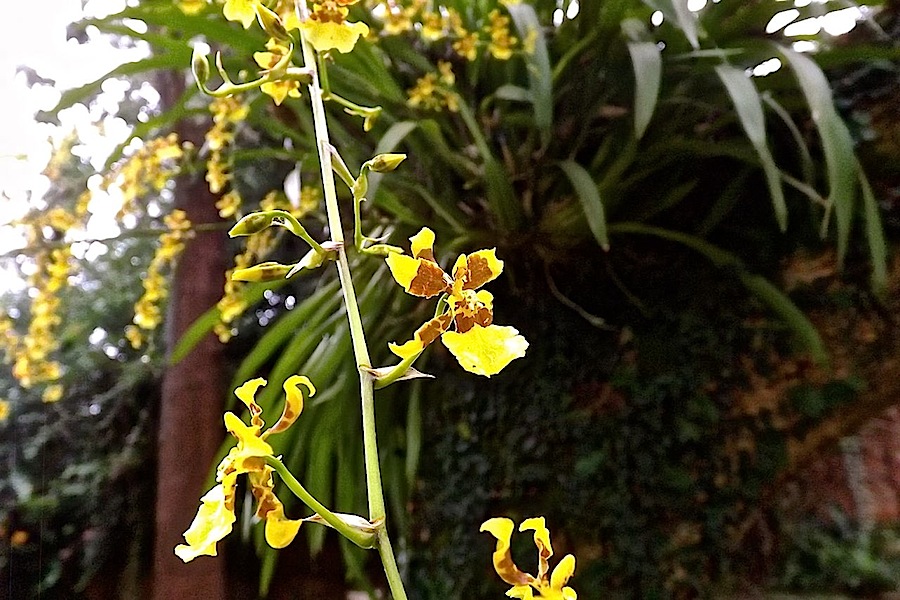
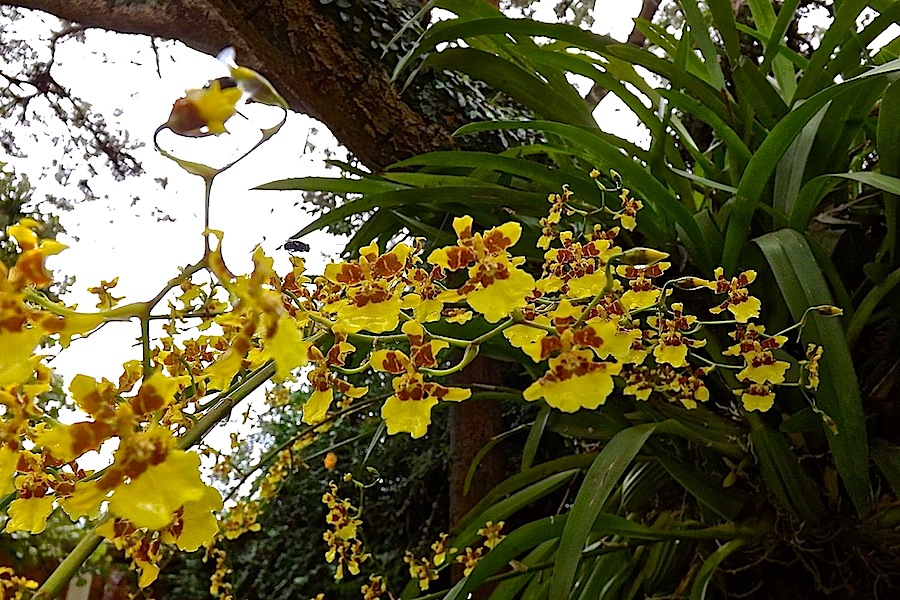
These two clumbs of orchids came out of the big old Norfolk pine that used to grow at the entrance to the terrace. (It was cut down a year and a half ago when it was clear it was dying.)
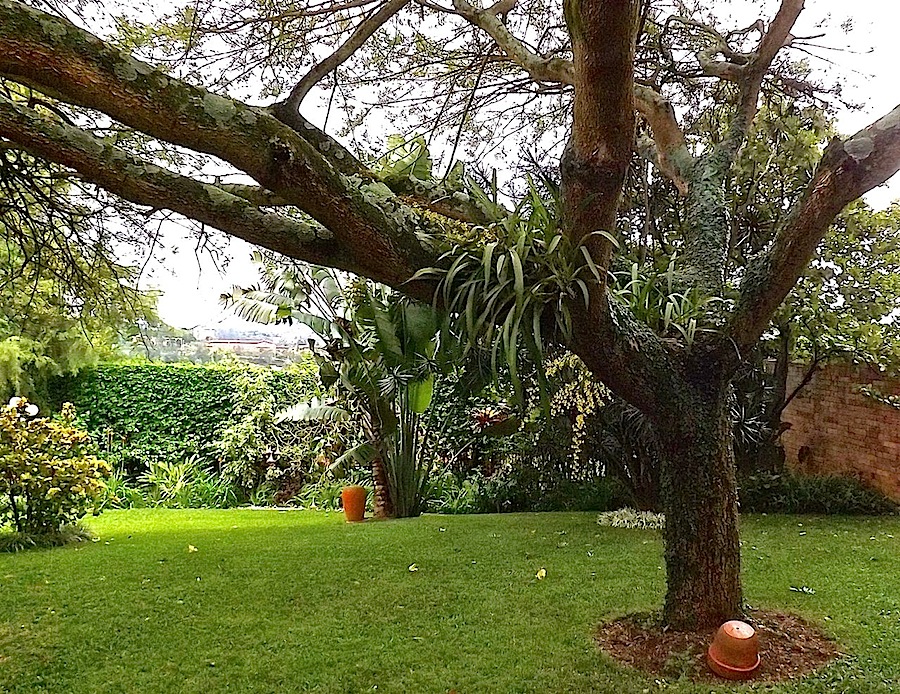
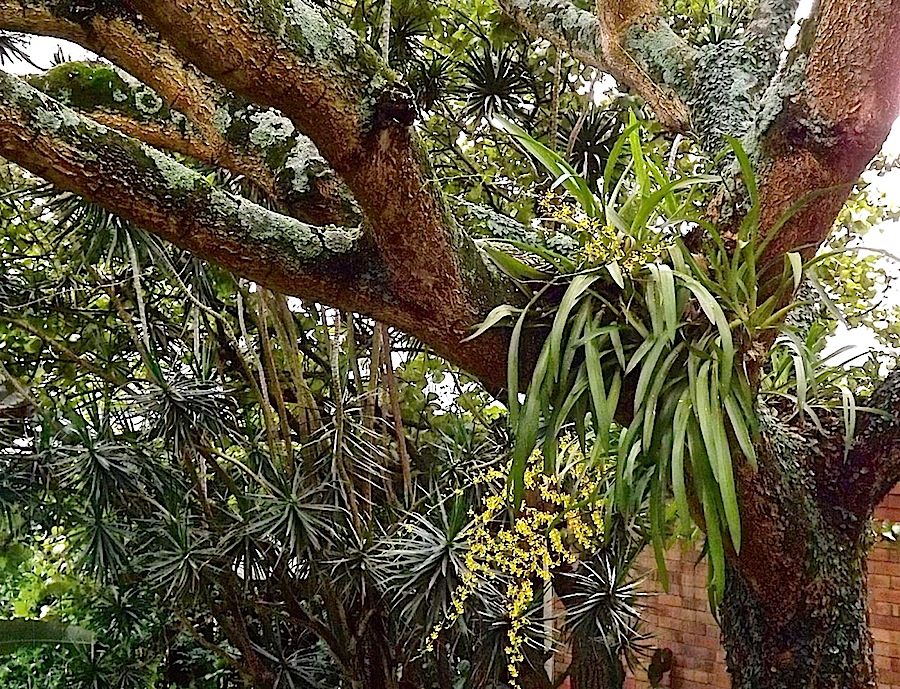
When we wired them onto the acacia, the gardener said the flowers were yellow, but I really didn’t think I’d ever see them bloom.
Another change: at the end of the long lawn (below), we have added two tall pots to set off a trio of pine trees.
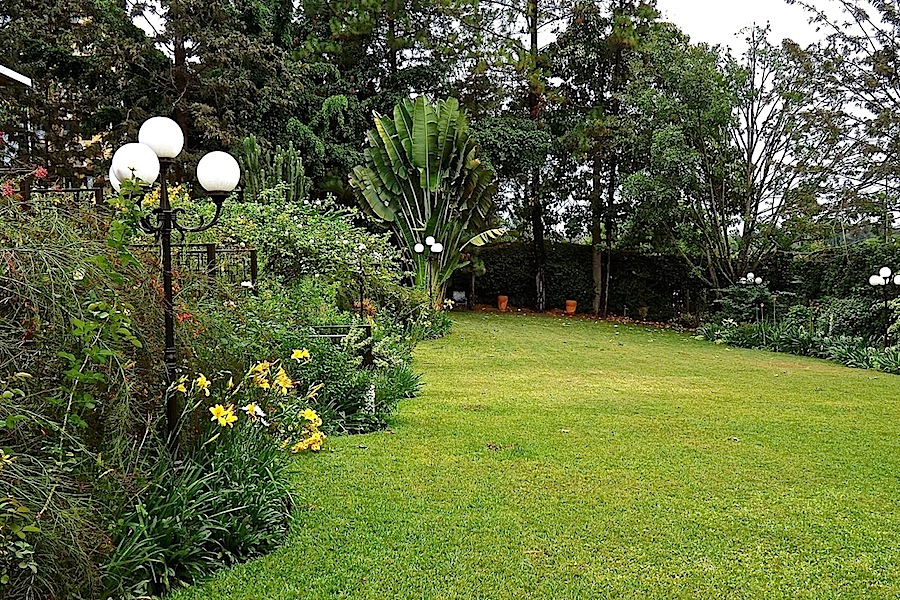
I will plant something tall to the right of the trees/pots grouping.
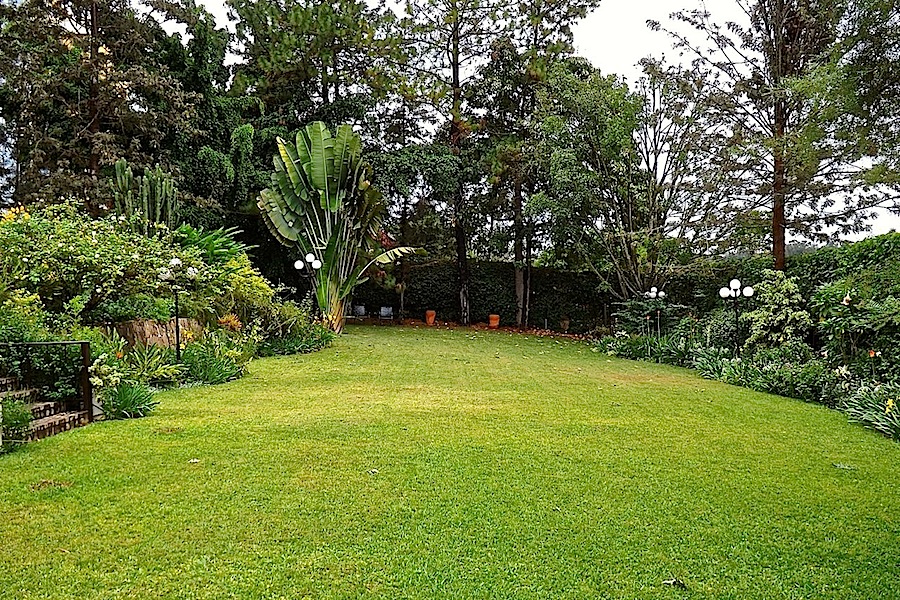
At the other end of the lawn, I placed this single tall pot. I will enlarge the planting area at the base of the traveller’s palm and add some stones to make a level base for the pot.
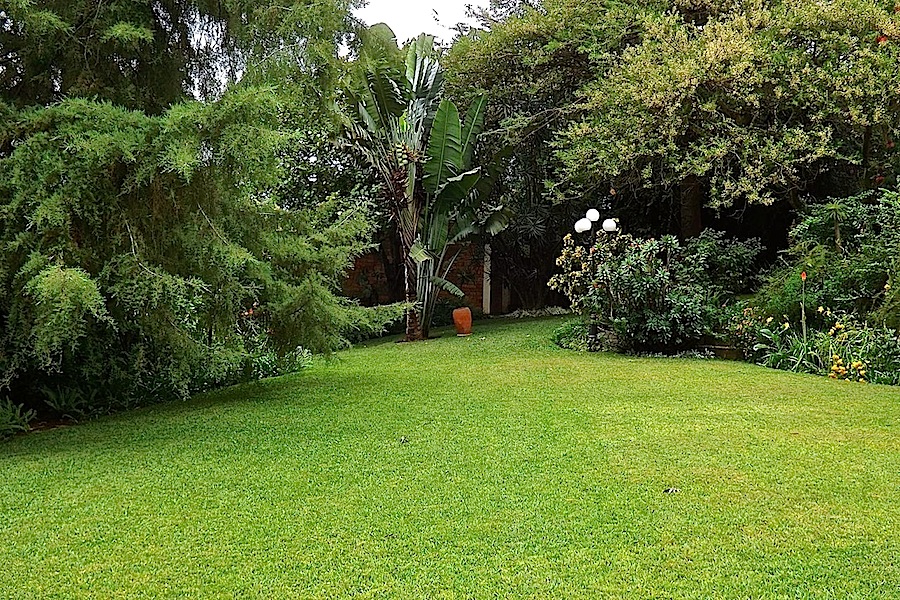
And finally, I faced the fact that my stepping stones and grass arrangement (below) on the right side of the entrance to the terrace just didn’t work. (The aforementioned Norfolk pine used to fill this area.)
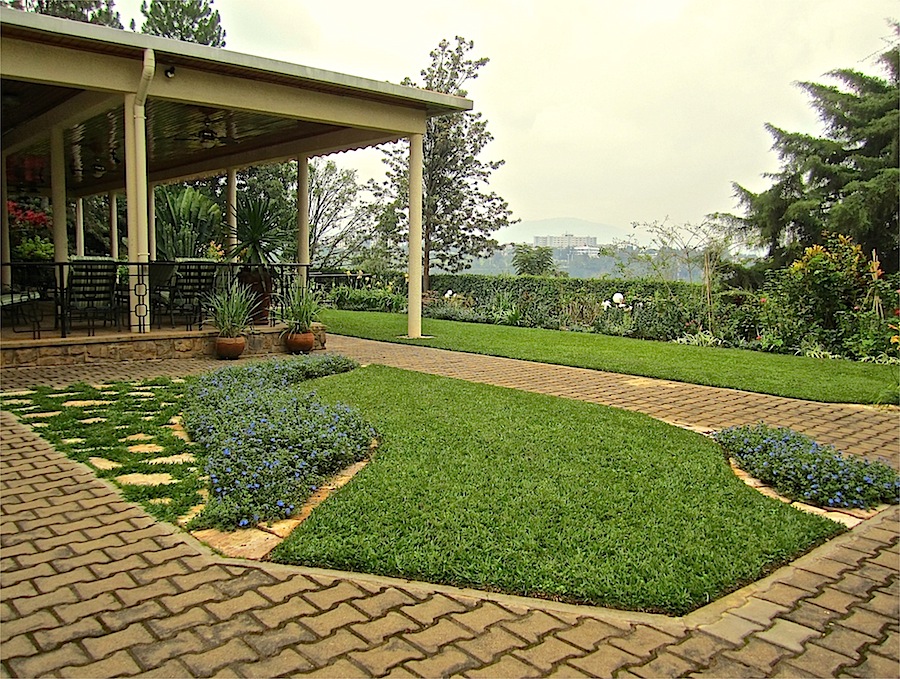
We (meaning the gardener mostly) took up all the grass and stones . . .
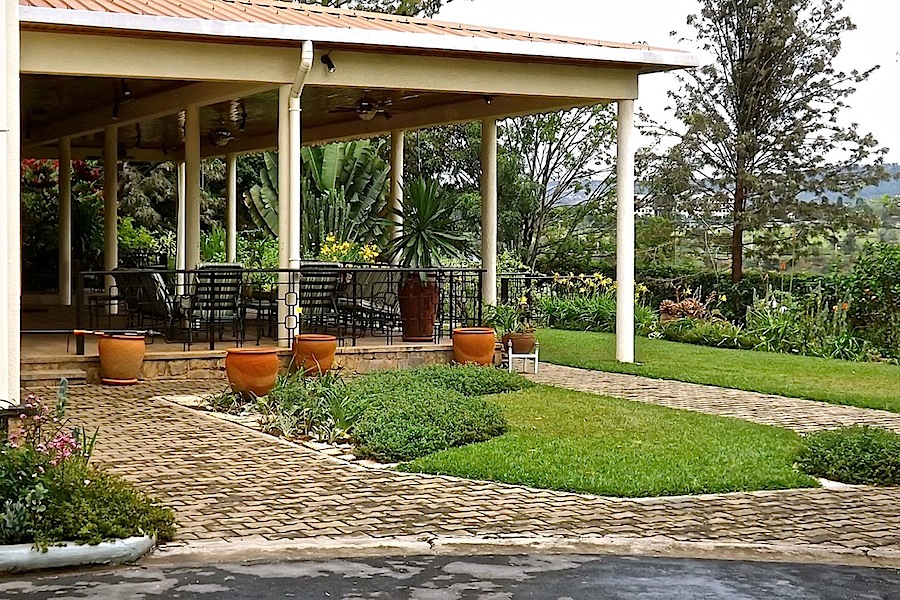
and we replanted (meaning me) with the same plants that are in the borders around the driveway:
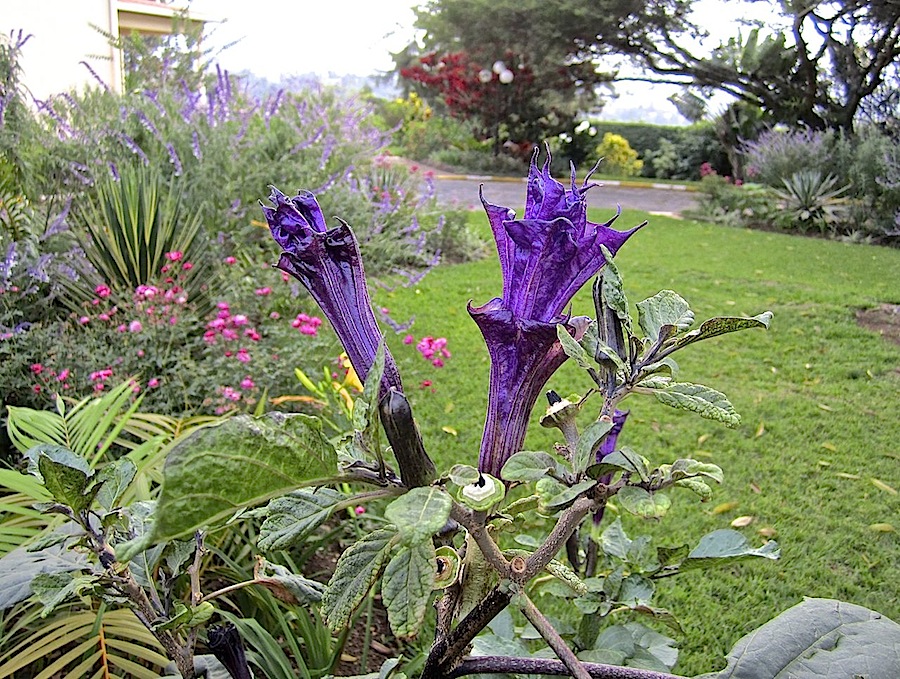
Mexican sage, small pink shrub roses (like ‘The Fairy’), datura, lambs’ ear, and yellow day lilies.
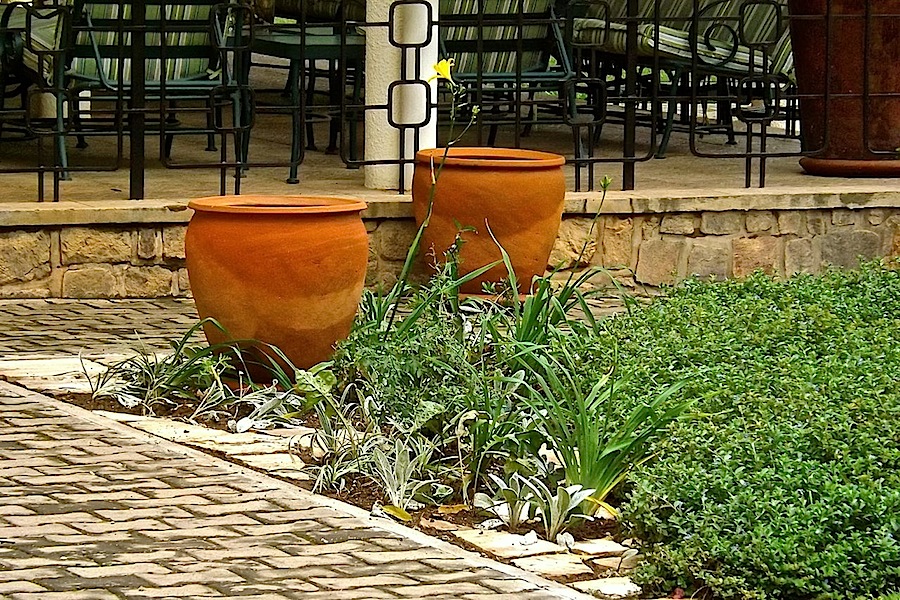
I’m still working on the placement of the pots. Please stay tuned.
During the last week of September, I took a walk around the Heirloom Garden of the Museum of American History and was filled — once again — with admiration for the Smithsonian Institution’s horticulture division.
The garden — huge, raised planters, all the way around the building — contains a mix of open-pollinated plants cultivated in America prior to 1950. The perennials and annuals are anchored by crape myrtles and a variety of shrubs.
The space is very large, open, and — at the south entrance — crowded with tourists. Still, the beautiful long borders, which were being allowed to fade with fall naturally, offered a surprisingly intimate and even soulful experience.
You can see more Heirloom Garden pictures here.
One would have thought, (so cunningly the rude
And scorned partes were mingled with the fine,)
That Nature had for wantonesse ensude
Art, and that Art at Nature did repine;
So striving each th’ other to undermine,
Each did the others work more beautify;
So diff’ring both in wills agreed in fine:
So all agreed through sweete diversity,
This gardin to adorne with all variety.— Edmund Spenser, from “In the Bower of Bliss”
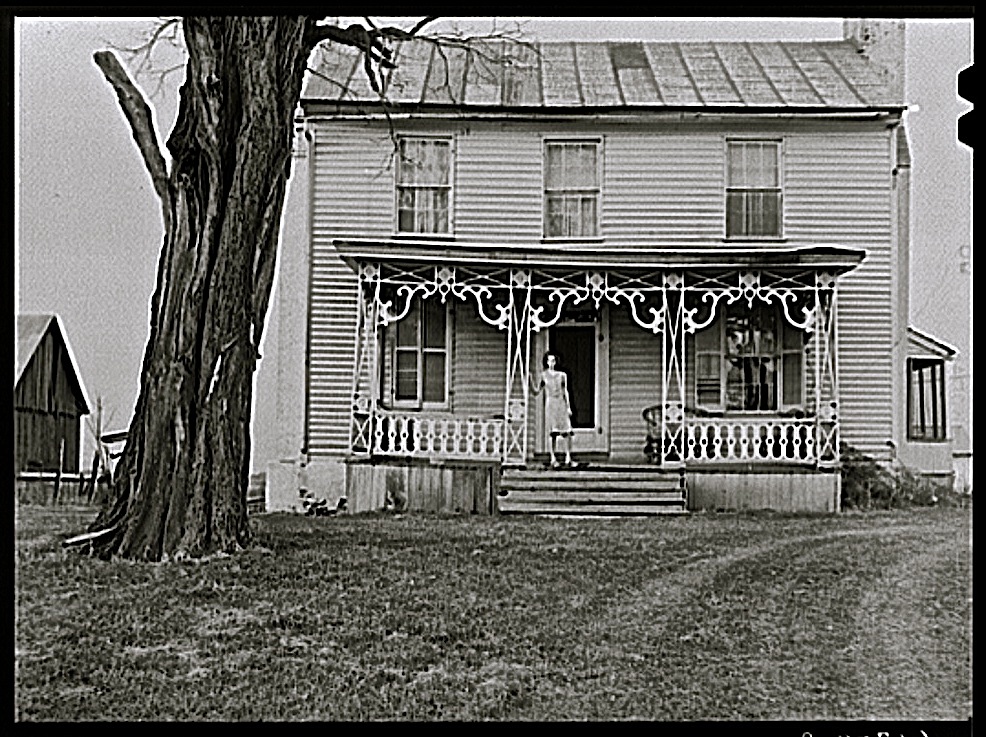
Just one more porch photographed by John Vachon — this one in Nicholas County, Kentucky, in November 1940.*
What frills attached to such a simple farmhouse and yard.

Her dress goes with the house and her curls with the porch.
*via Library of Congress Prints and Photographs Division.
To have a pied-à-terre in Brussels and to have it be on Rue de la Cigogne.


Rue de la Cigogne is a ruelle or alleyway about 70 m. (230′) long between Rue Rempart des Moines and Rue de Flandre in the neighborhood of Dansaert.
Click any thumbnail in the gallery above to scroll through larger images.
All day all over the city every person
Wanders a different city, sealed intact
And haunted as the abandoned subway stations
Under the city. Where is my alley doorway?— Robert Pinsky, from “City Elegies — I. The Day Dreamers“
 enclos*ure