The Olbrich Botanical Gardens in March

We just returned from a three-week trip to the U.S., Belgium, and France. There was amazingly great weather everywhere, and I think we walked several miles every day. I hope I can sort out all the photos I took of spring landscapes while it’s still spring.

We spent three days in Madison, Wisconsin, where the temperatures were in the 70s. Of course, we had to visit the beautiful Olbrich Botanical Gardens just to enjoy the warm sun.

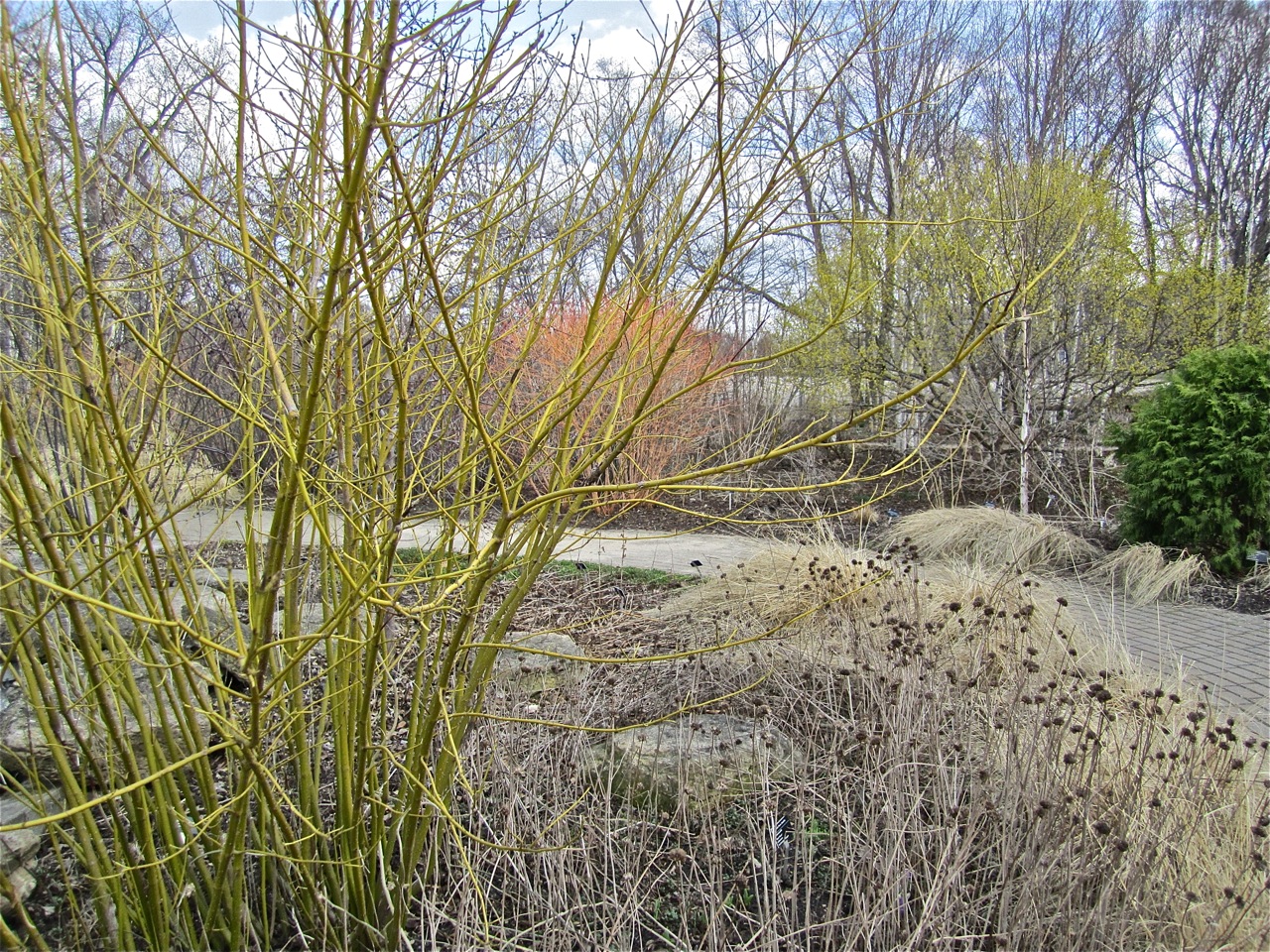
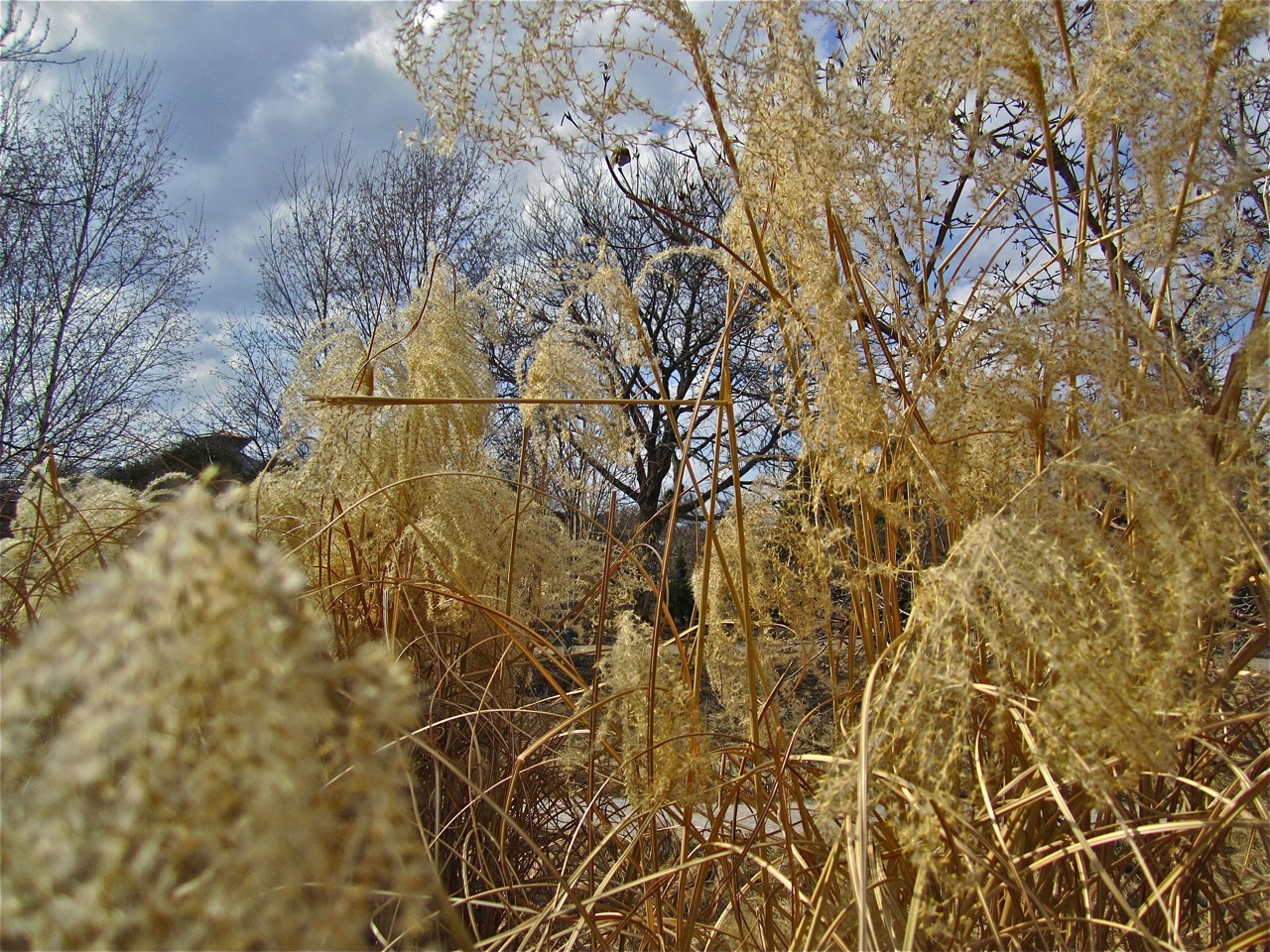
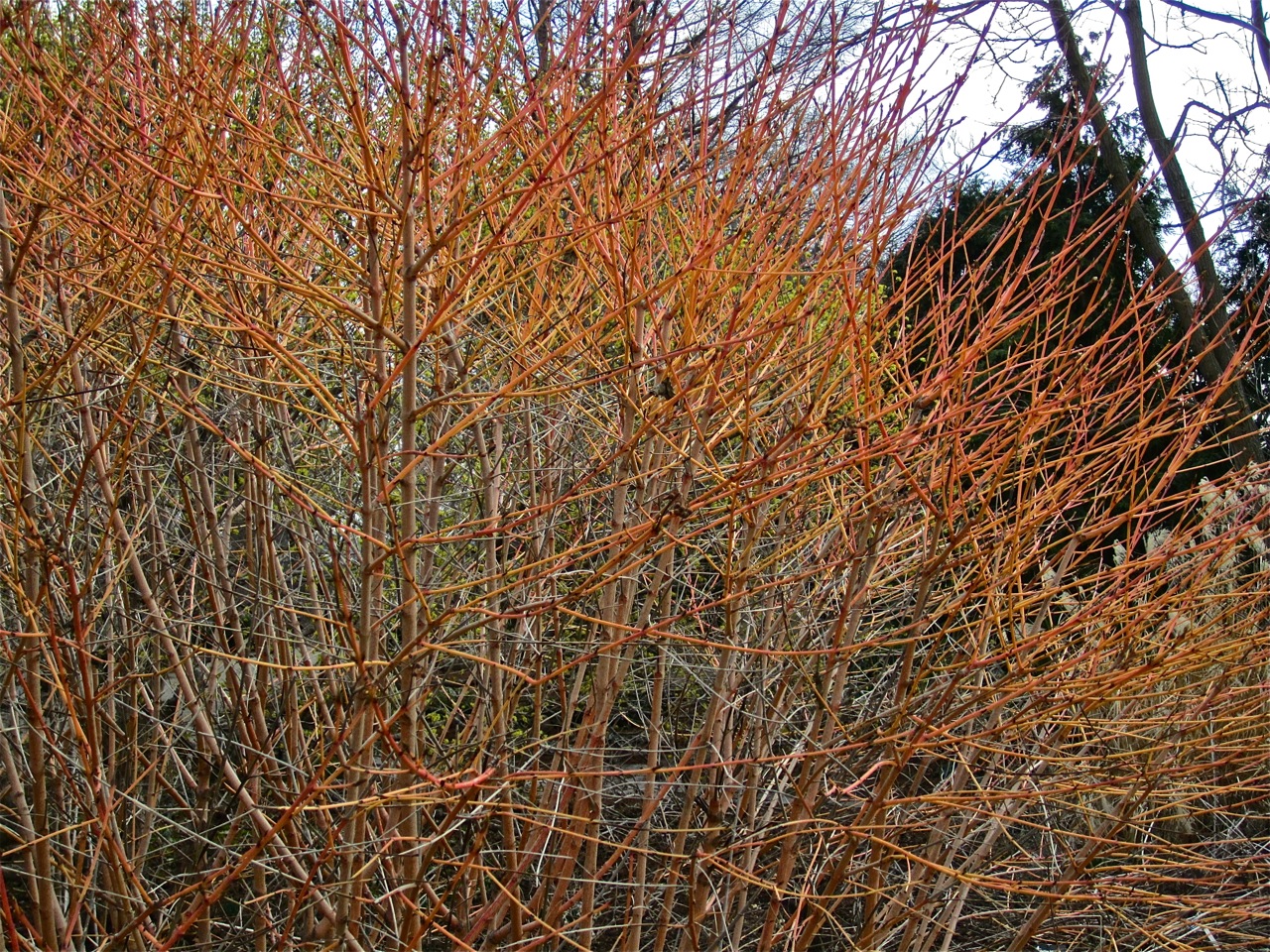
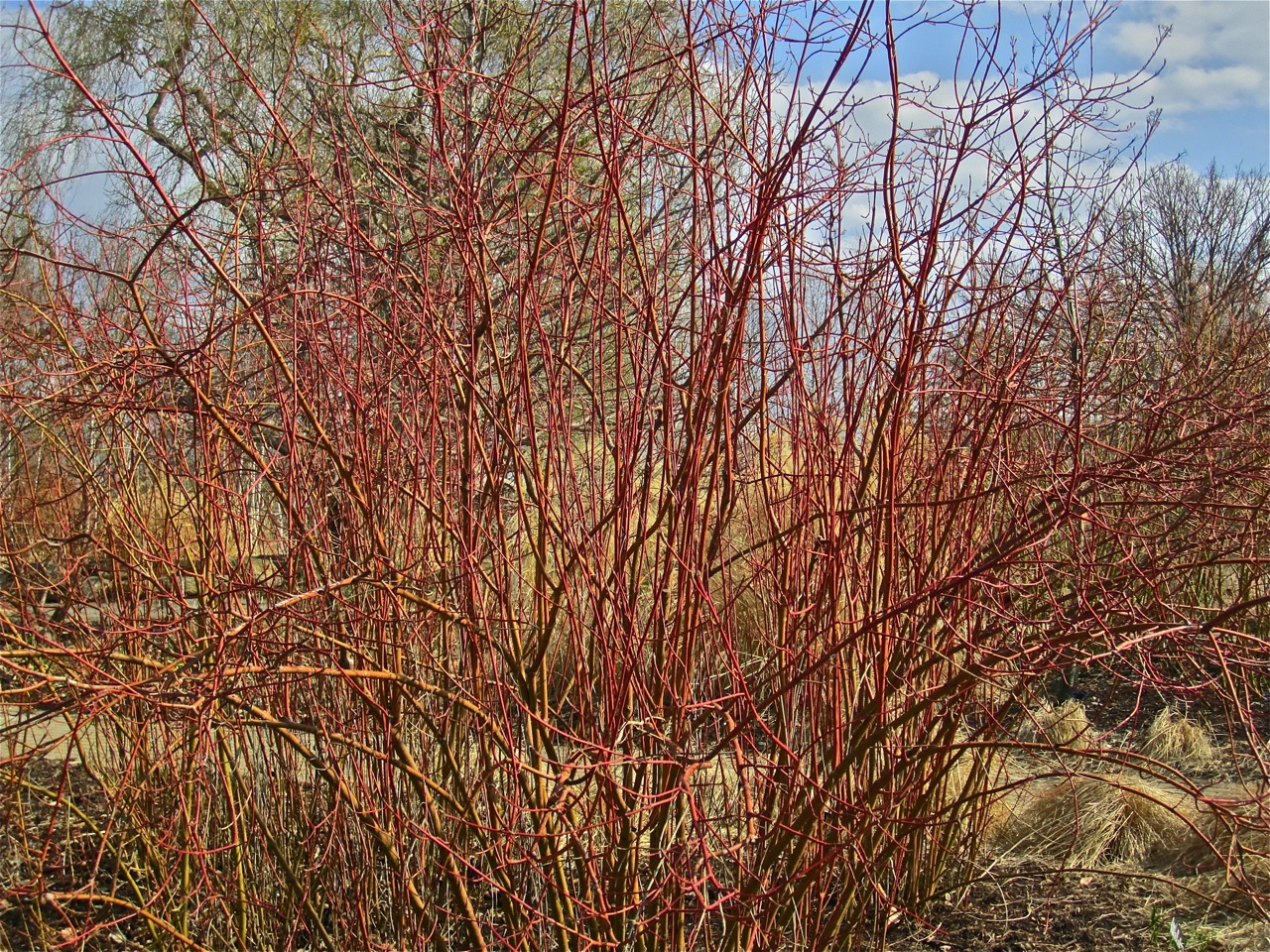
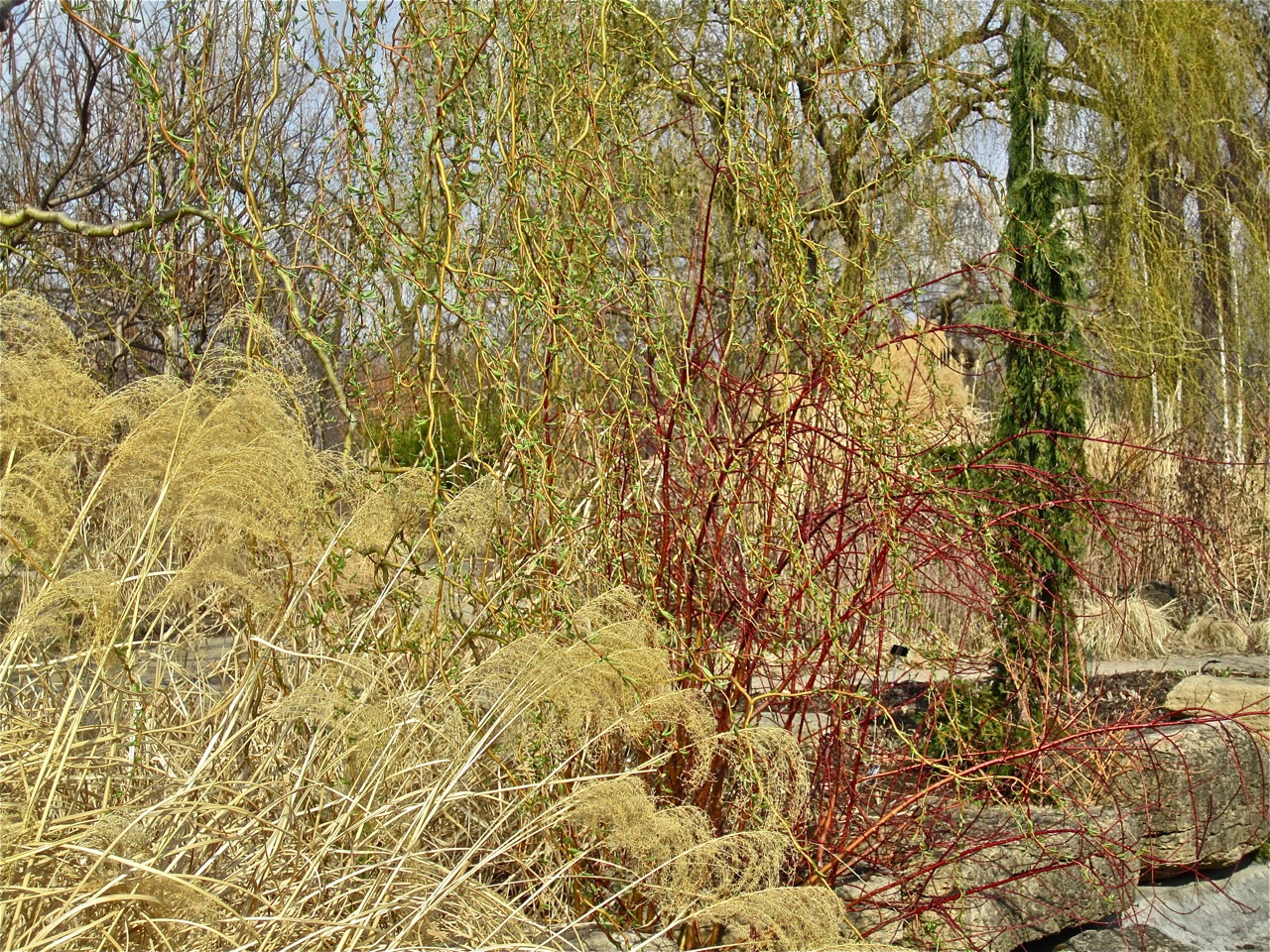
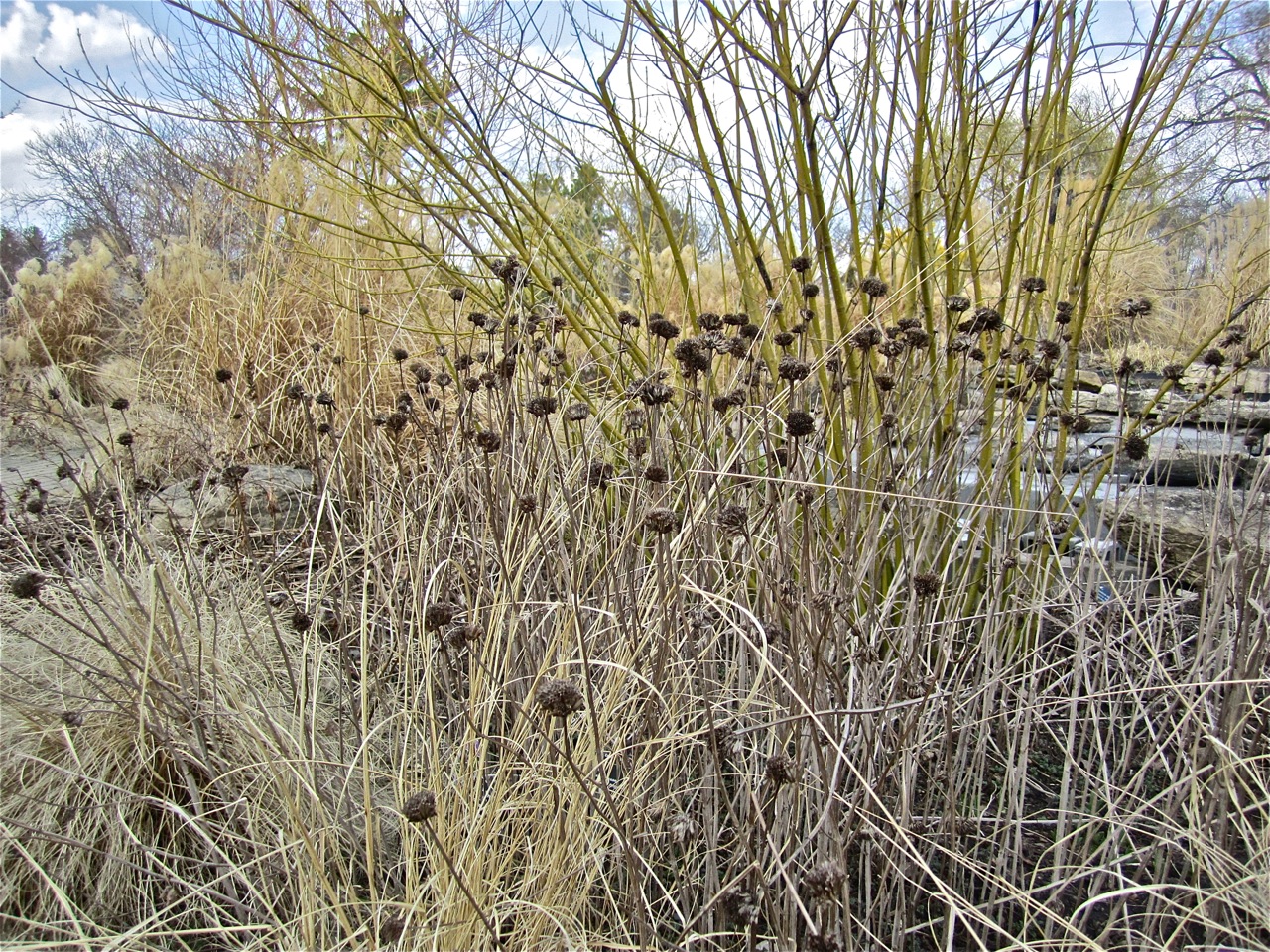
I wasn’t really expecting to be wowed at the end of winter, but the blond grasses, red, coral, and yellow dogwoods, and white birches put on a gorgeous display.

This is winter bloodtwig dogwood or Cornus sanguinea ‘Winter Beauty.’
Below are red osier dogwoods or Cornus stolonifera among a variety of grasses.

Above, the pavilion of the Thai Garden glitters in the background.
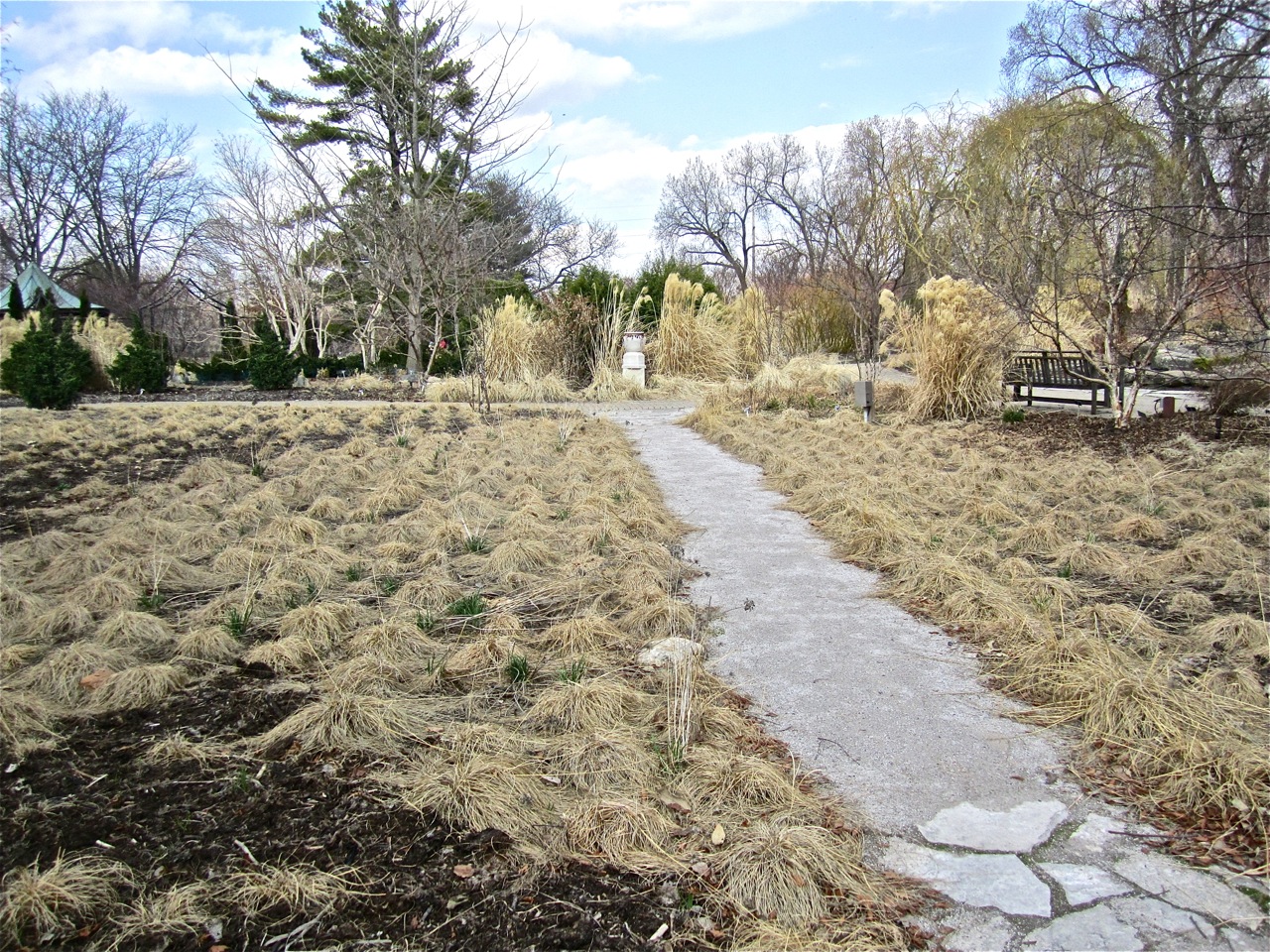
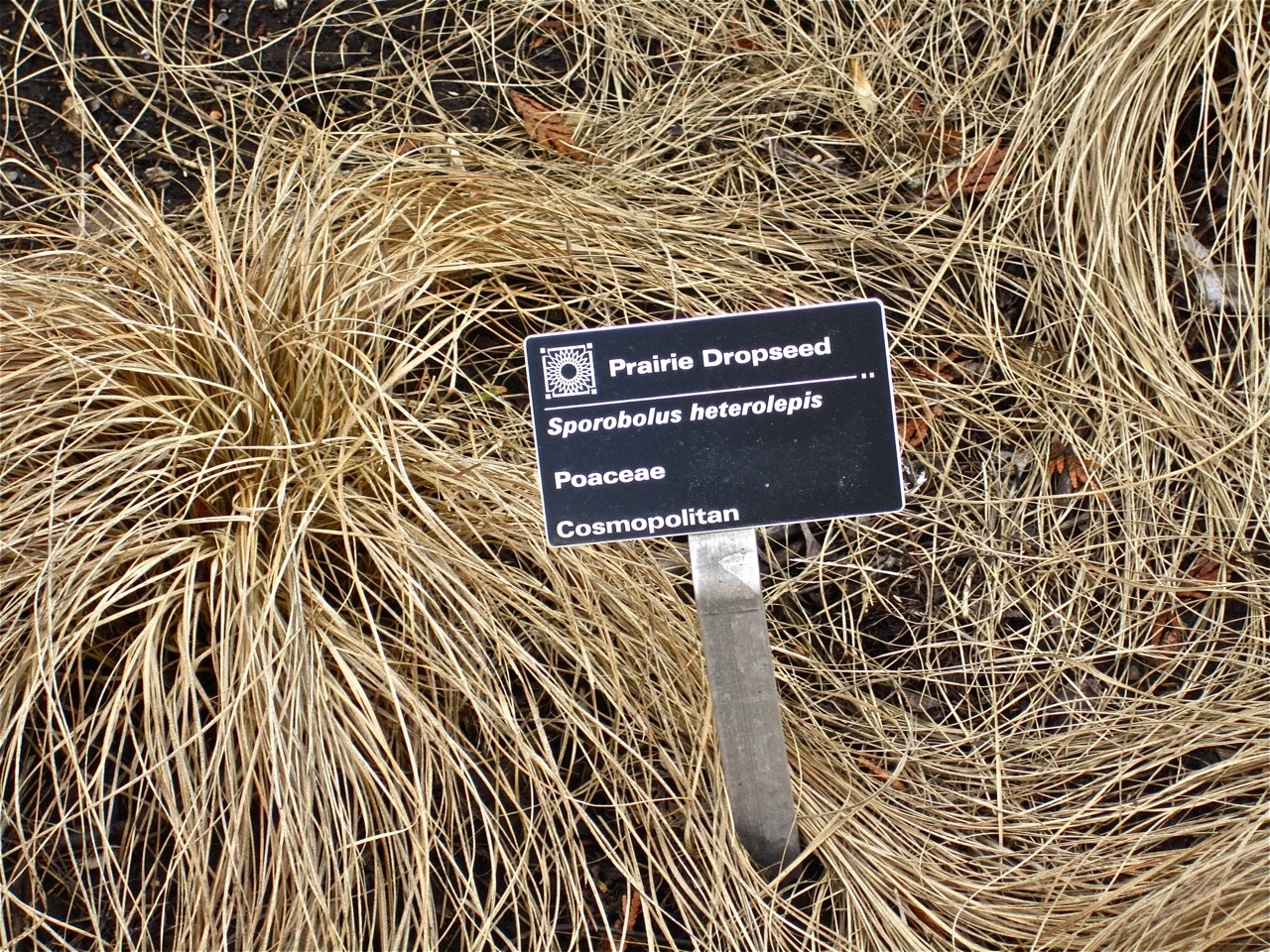
Bordering the Perennial Garden, shown above, are the Sedge and Prairie Dropseed Meadows — examples of alternatives to the typical lawn — shown below.

The Birch Walk, below, features 100 native paper birches.

18th and K Streets, N.W.

I took landscape design classes near this block of northwest Washington, D.C., for about three years. From the first spring, walking from the metro, I was struck with the particular beauty of the pale new leaves of the street trees against the blue and grey office buildings along K Street.

Now, it’s still a little thing I try to look out for every year. These pictures were taken about a week and a half ago.

Fields of grass

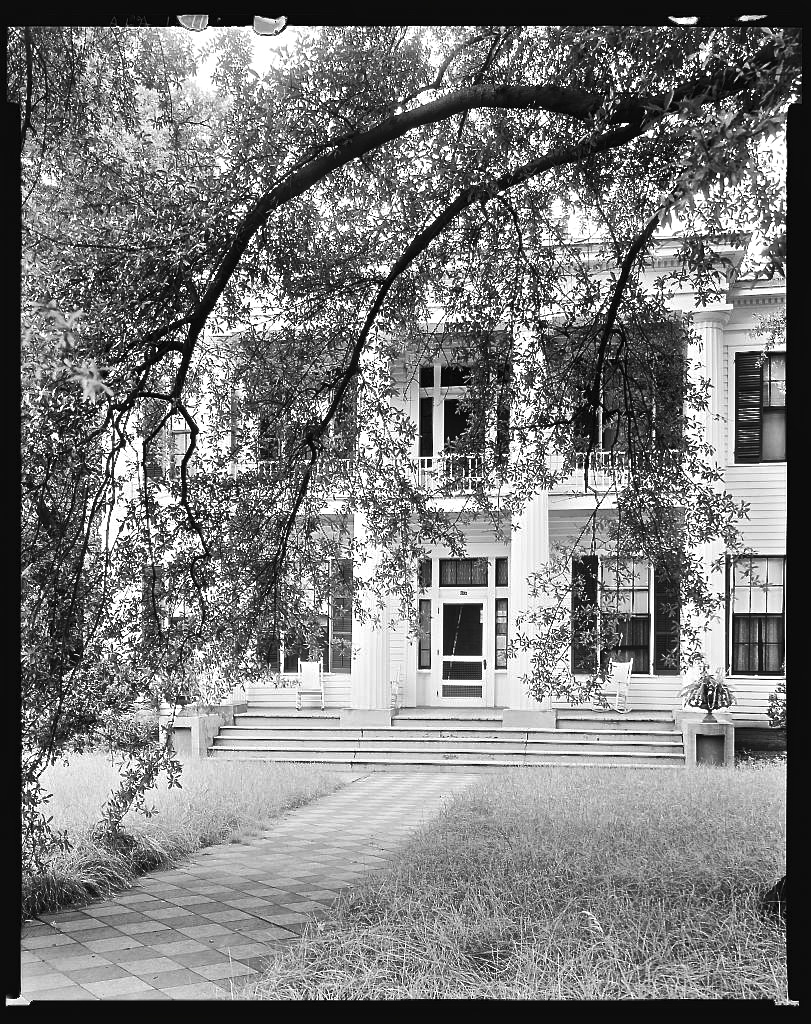
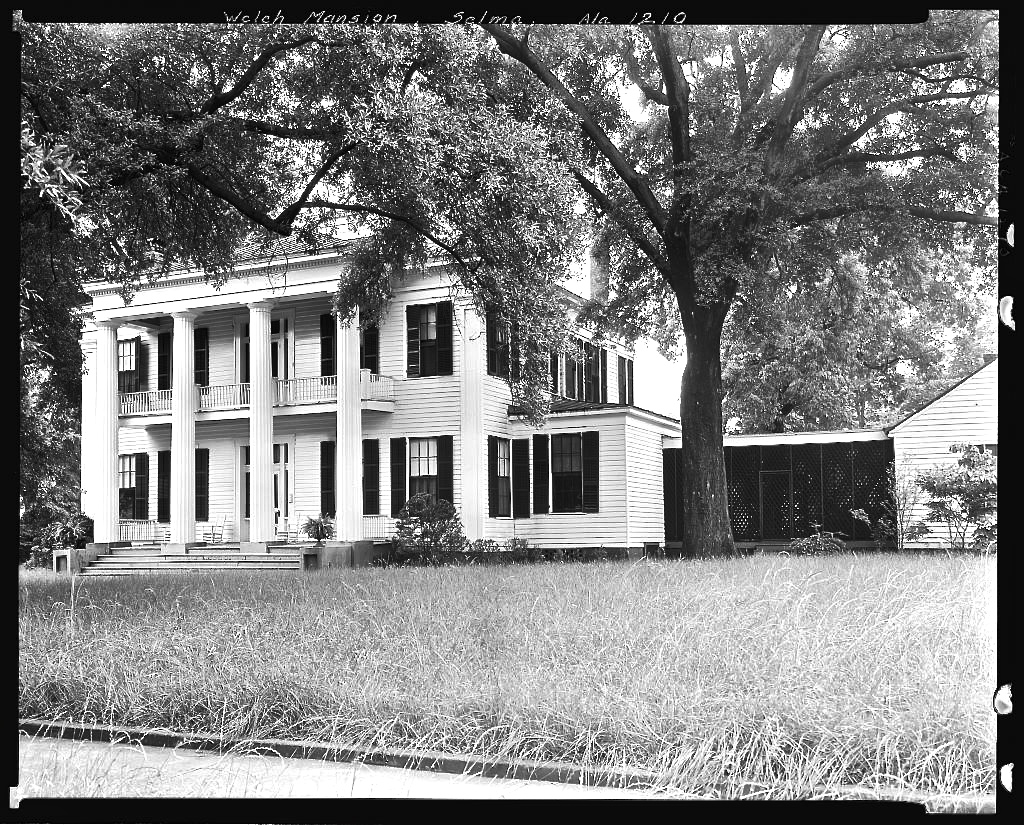
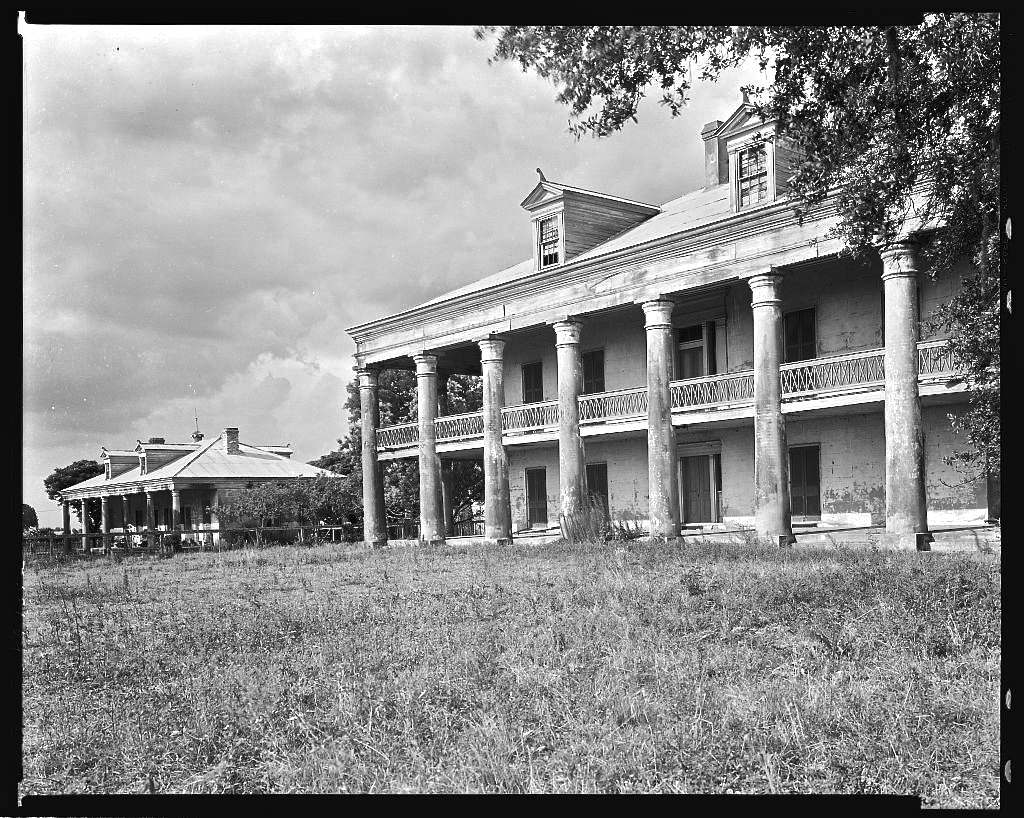
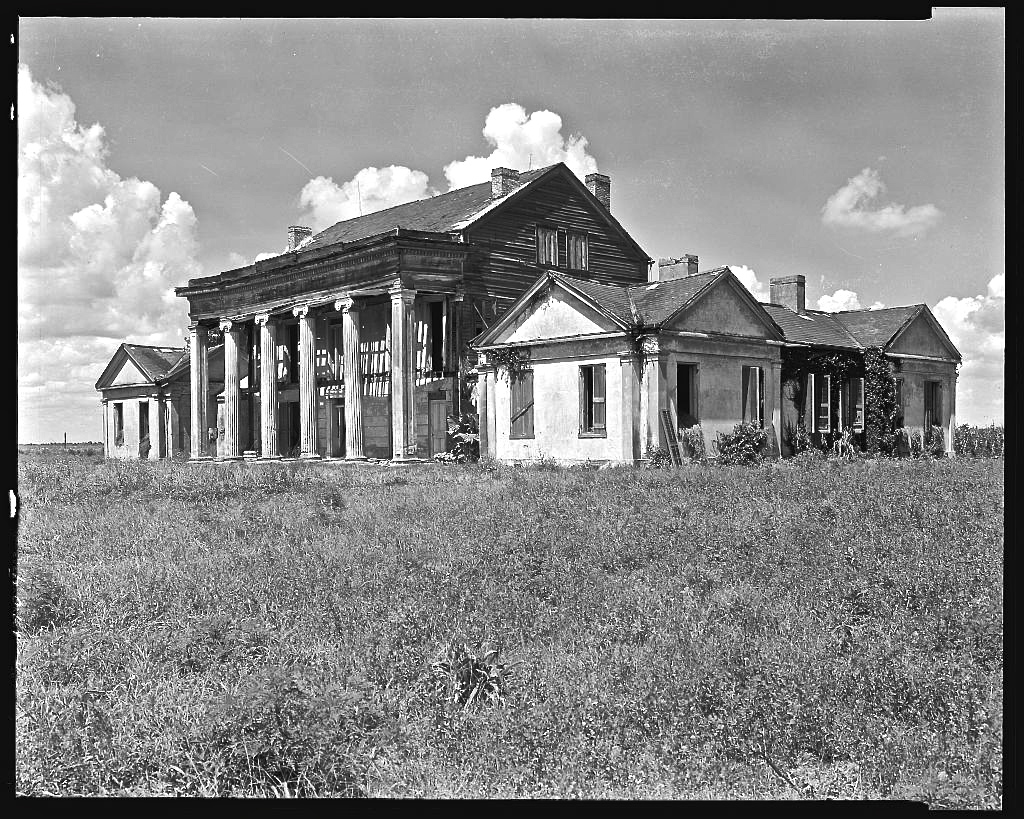
I love these two pictures of a well-cared-for antebellum mansion in 1939 Alabama with a tall grass lawn — early no-mow or at least seldom-mow.

Above and below is the W.P. Welch Mansion in Selma, Alabama. It was built in 1858.

Years ago, we had neighbors who tore down their house and built another on the same spot, in the style of a Victorian farmhouse. While the contractors were finishing the interior, the small bare front yard was covered with straw. Tall grass soon grew up through it, and the effect was something like the above. It was beautiful — remnants of beige straw, wavy green grass, and one old peegee hydrangea limbed up into a small tree.

Of course, as soon as they could, they tilled it up and put down sod and foundation shrubs. I always thought it was too bad. Before, it had actually evoked some real ideas and emotion about real farms.

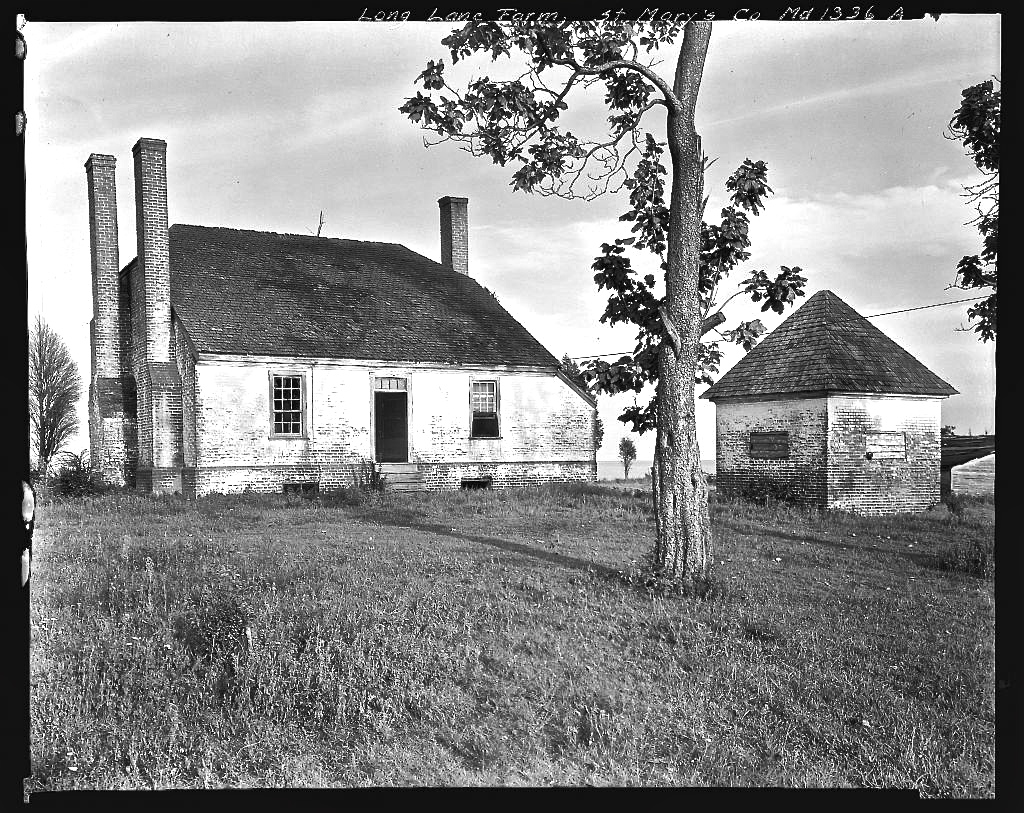
Long Lane Farm (above), St. Mary’s County, Maryland.

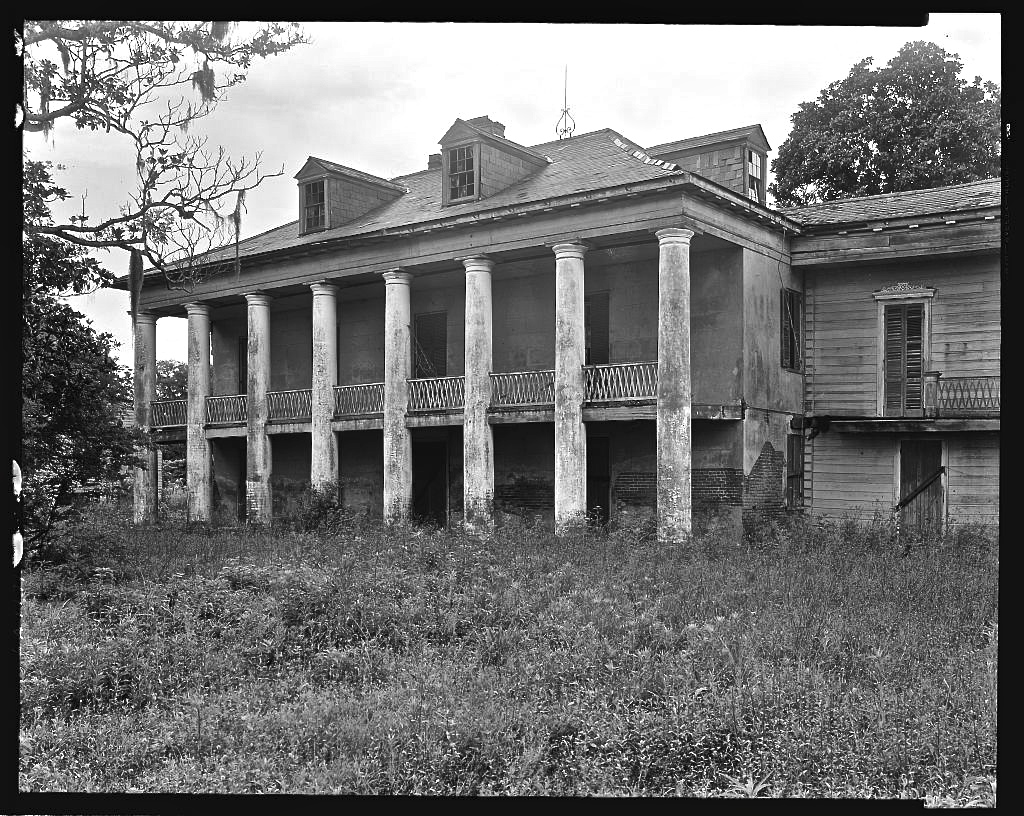
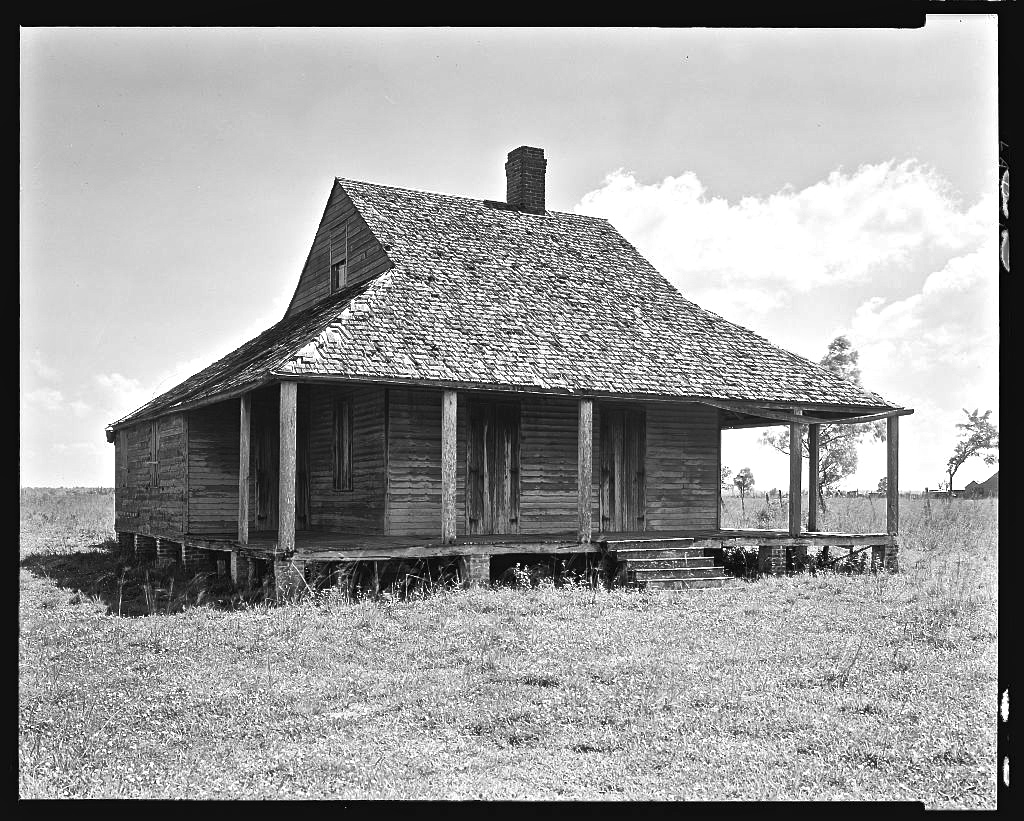
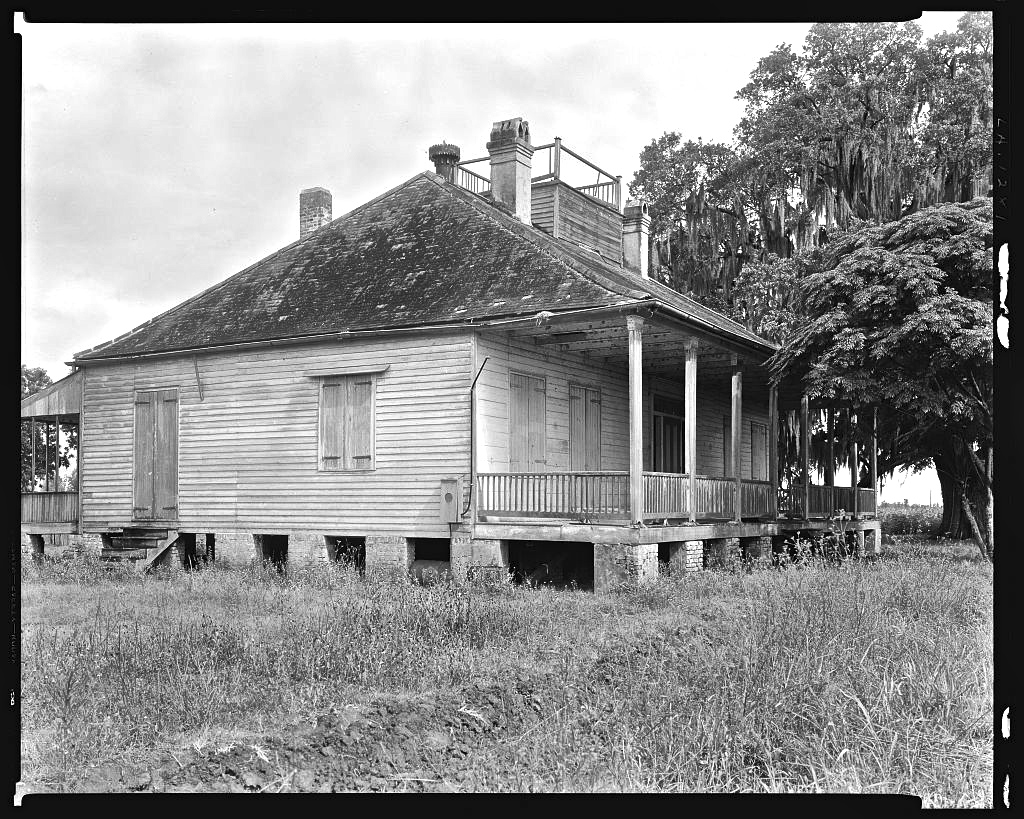
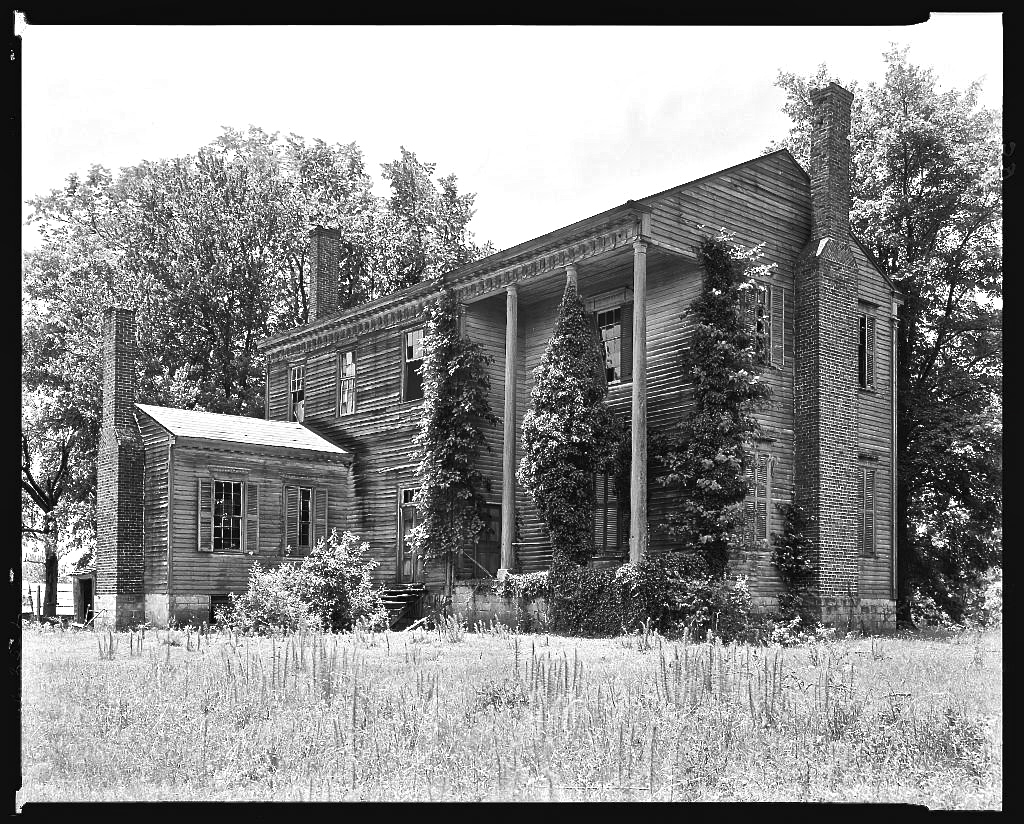
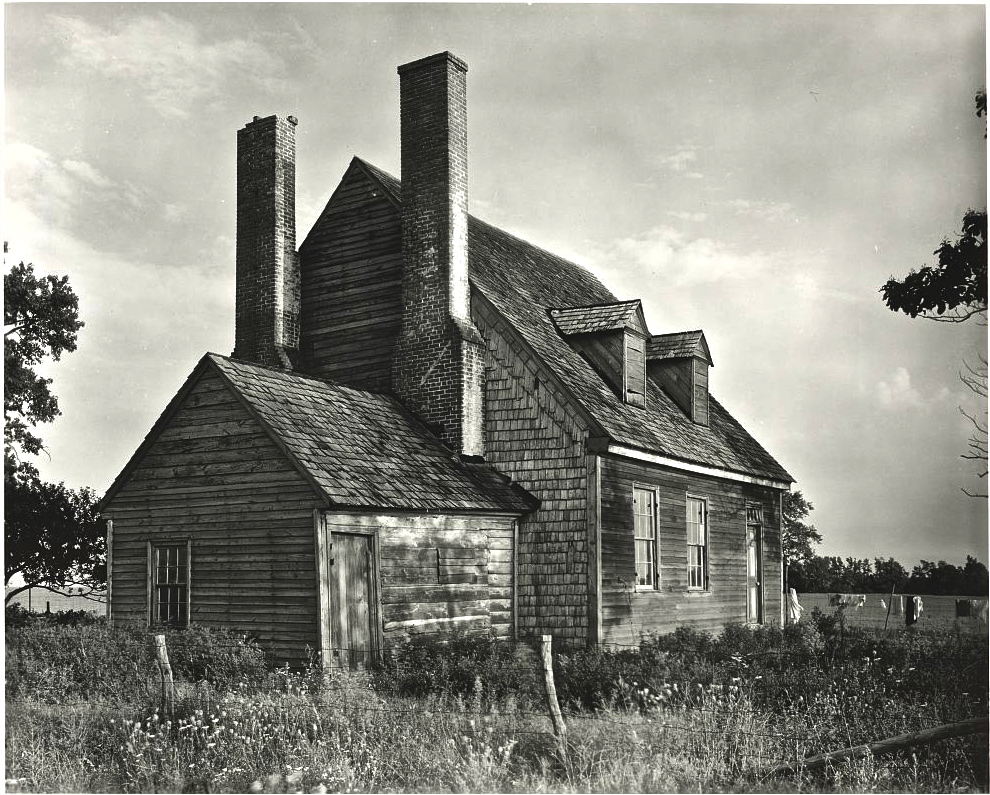
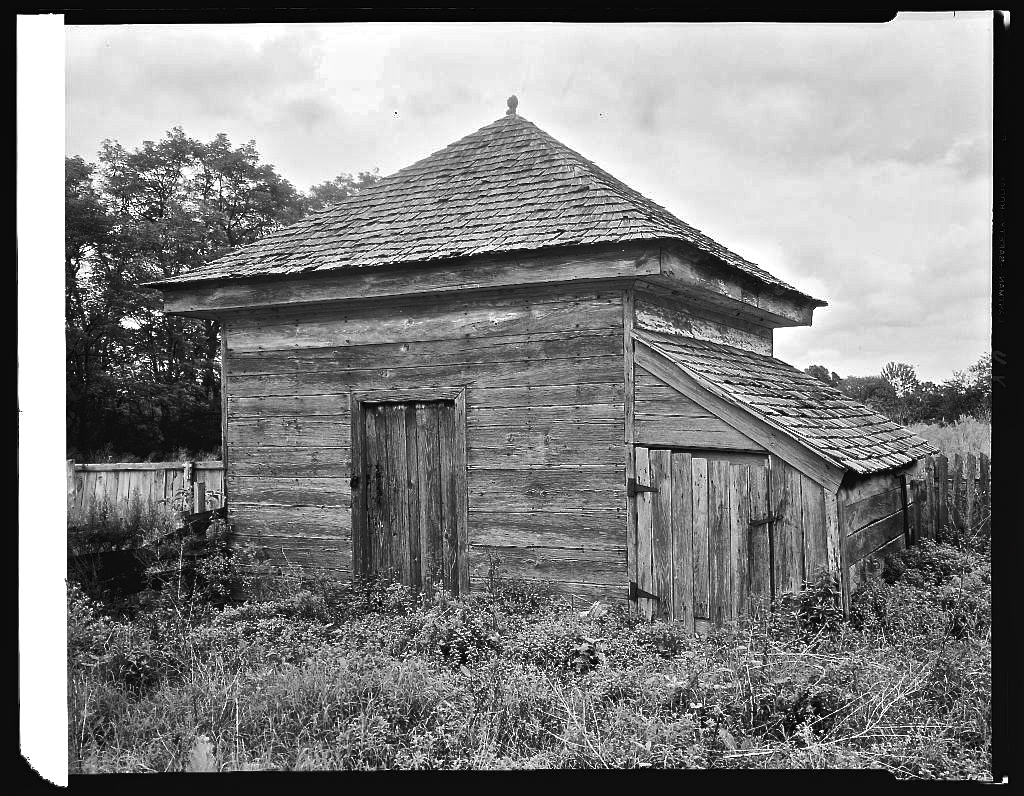
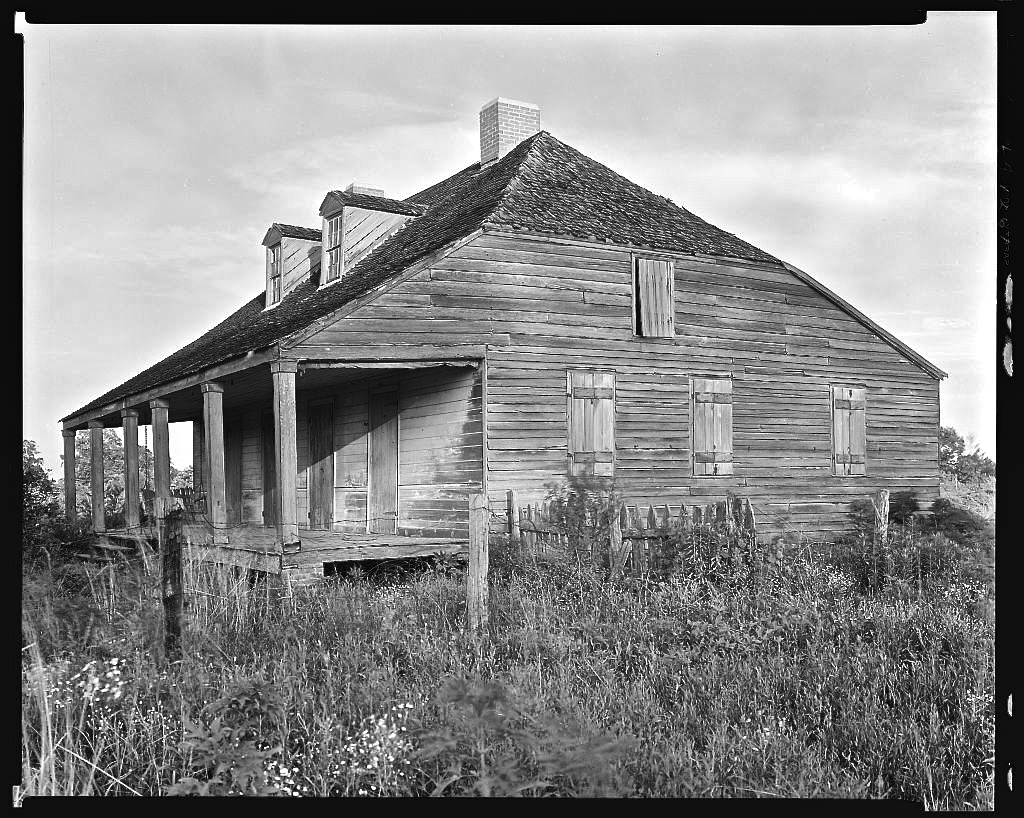
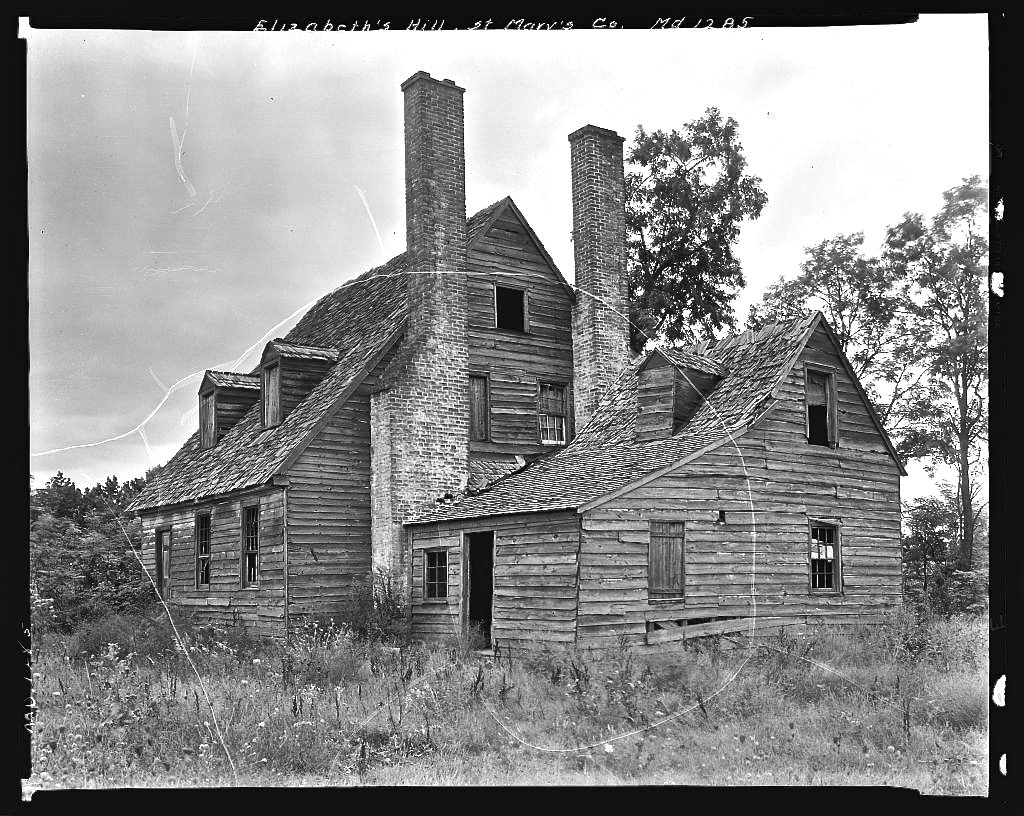
A lot of the houses I’ve looked at in the Carnegie Survey of the South collection are decrepit or abandoned. They have “lawns” of tall grass, weeds, and a some remaining flowers. But they are beautiful resting in their wavy, ragged negative space. Their foundations aren’t obscured by shrubs; their porches float.

Beauregard House (above), Chalmette, Louisiana.

Cabin (above), St. John the Baptist Parish, Louisiana.

(above) Moccasin, Louisiana.

Uncle Sam Plantation (above), St. James Parish, Louisiana.

Prospect Hill (above), Airlie, North Carolina.

Driscoll Farm (above), St. Mary’s County, Maryland.

Greenway, aka Marlee (above), Charles City County, Virginia.

(above) New Roads, Louisiana.

Elizabeth Hill (above), St. Mary’s County, Maryland.

Woodlawn Plantation (above), Napoleonville, Louisiana.

All photos by Frances Benjamin Johnston, taken in the late 1930s for the Carnegie Survey of the South, via Library of Congress Prints and Photographs Division.

Water tanks

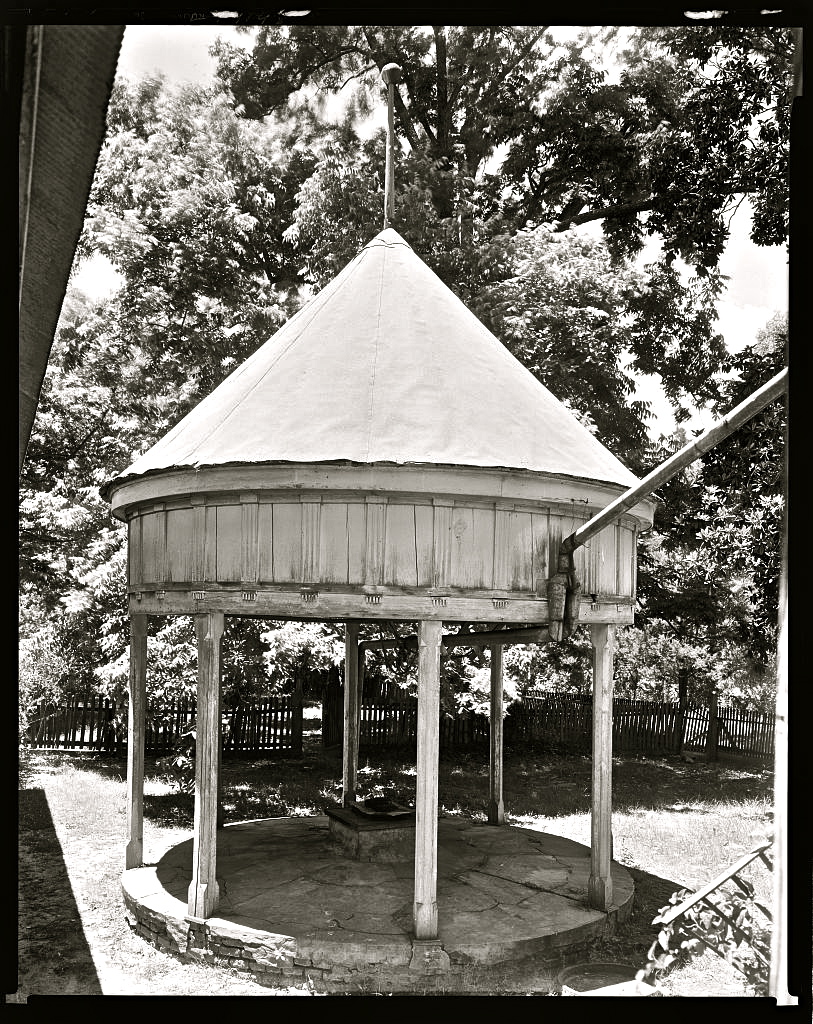
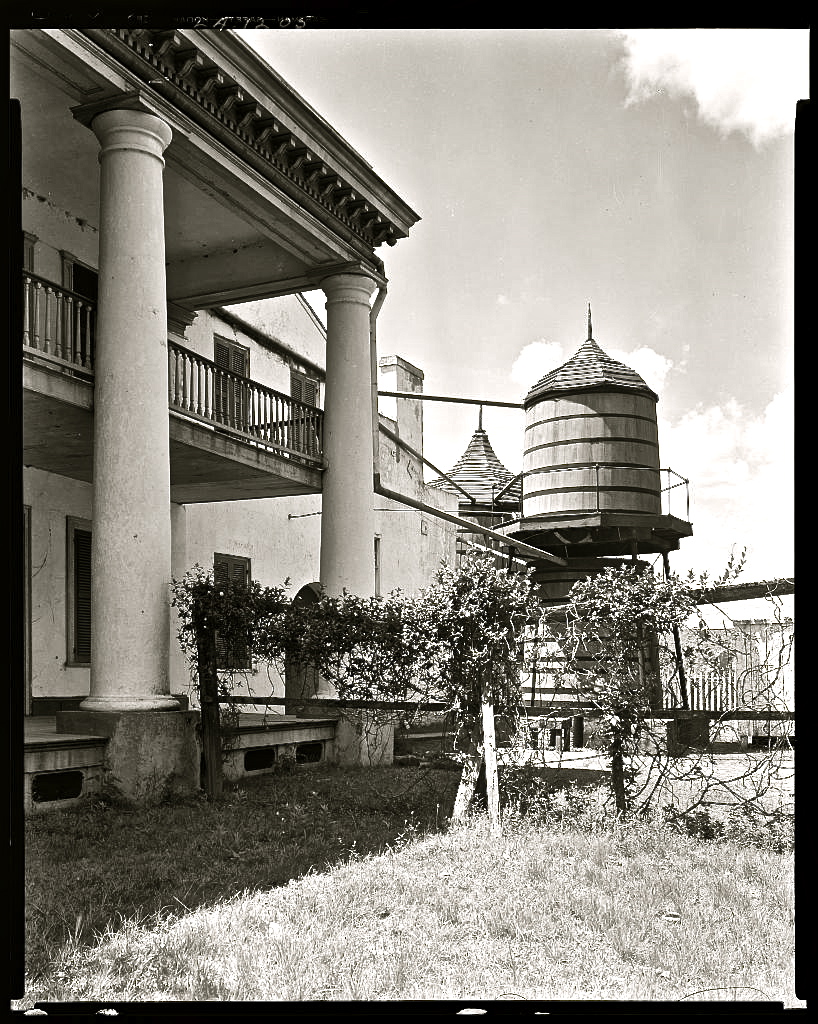
Here are three interesting and rather ornamental examples of 19th century tanks that captured rainwater runoff from house rooftops — all in Louisiana. All photos by Frances Benjamin Johnston via the Carnegie Survey of the South, Library of Congress Prints and Photographs Division.

Braeme House, Clinton, Louisiana, 1938; structure built 1834.

Burnside Plantation, Ascension Parish, Louisiana, 1938; built 1840.

San Francisco, St. John’s Parish, Louisiana, 1938; built 1849-1850 in the Steamboat Gothic Style. The tanks are at the sides of the house.

Chatham Manor

I’m still traveling, so most of my next posts will be of vintage photos that have caught my interest in the last month. They are from the Carnegie Survey of the Architecture of the South (at the Library of Congress).

Thanks to all who have commented on posts lately. I’m sorry that I can’t answer everyone individually right now.

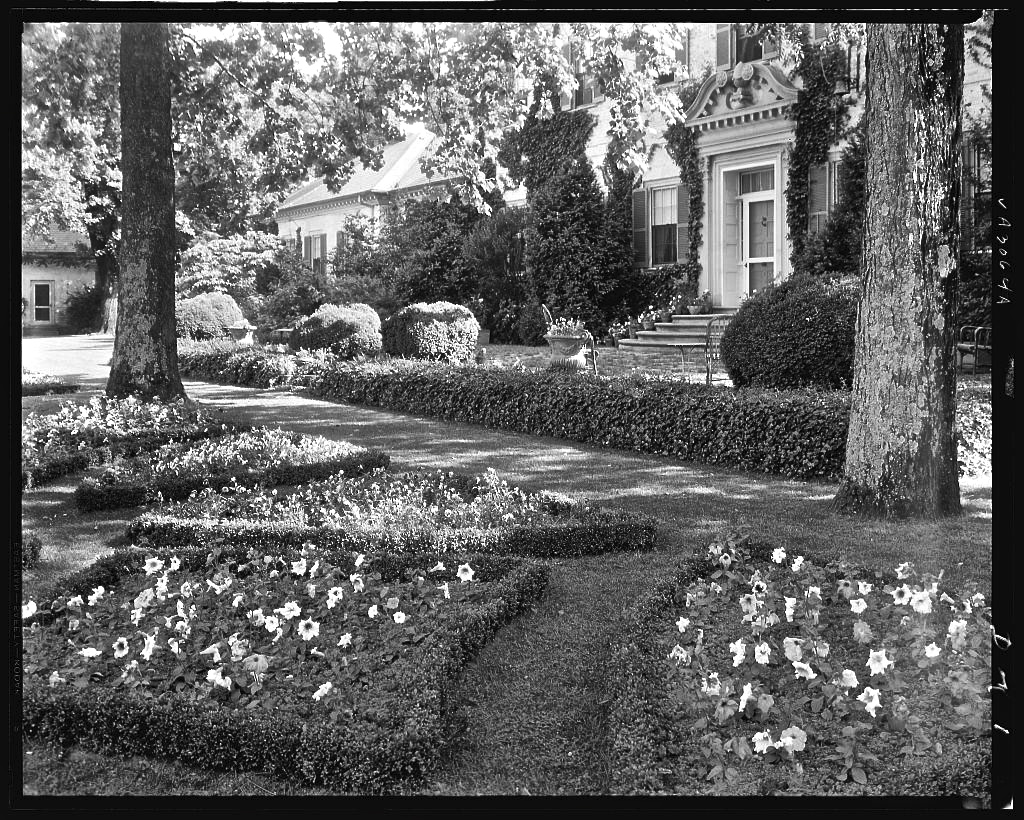
In 1927, photographer Frances Benjamin Johnston was commissioned by Helen Devore to photograph her estate, Chatham Manor, which she had restored.

Documenting the house and its gardens led Johnston to undertake the Carnegie Survey of the South during the late 1920s and all of the 1930s.

Chatham was built between 1768 and 1771 and overlooks the Rappahanock River near Fredericksburg, Virginia. It has the distinction of having hosted both George Washington and Abraham Lincoln for overnight stays.

After a nearby civil war battle in 1862, it was used as a hospital, and Walt Whitman and Clara Barton nursed wounded soldiers there.

December 1862 photo via Wikipedia.org and The National Archives.

It is now owned by the National Park Service and is open to the public.


Click on any thumbnail below to scroll through 23 enlarged photos of Chatham. Excepted where otherwise captioned, all are by Frances Benjamin Johnston via the Carnegie Survey of the South collection of the Library of Congress Prints and Photographs Division.