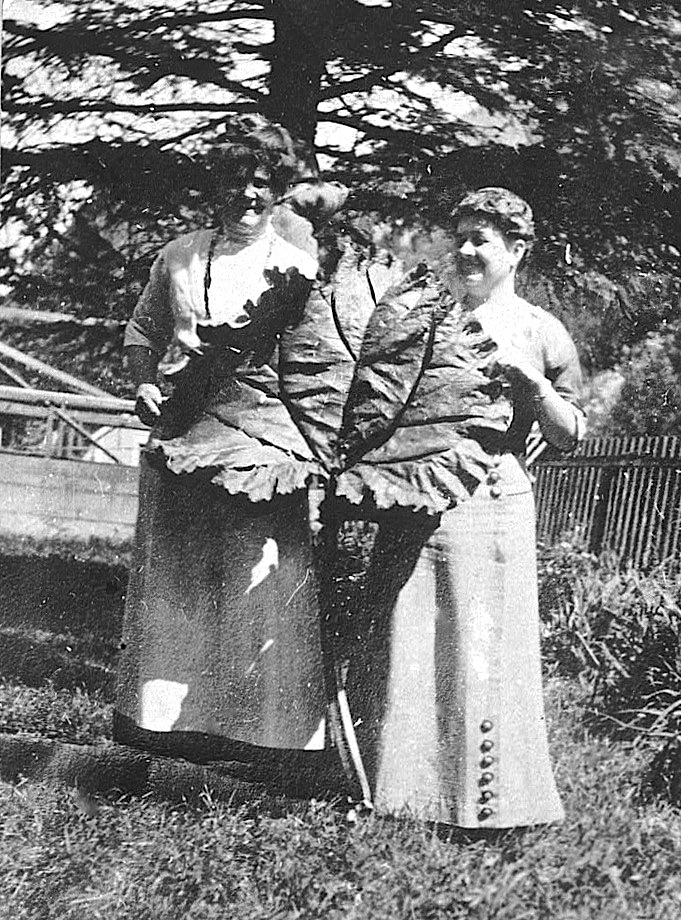
“Rhubarb stalk in southeastern Alaska,” ca. 1900 and ca. 1925, Frank and Frances Carpenter collection, via Library of Congress Prints and Photographs Division.
Rhubarb is a very popular garden plant in Alaska. “That’s because the few long days of summer sun there help rhubarb grow to five feet or more,” according to The Plate.
Want to know more? Check out Rhubarb or BUST, a blog all about growing rhubarb in Alaska.
Celebrate bitter things
after long winter
rhubarbs’ red green stalks
and partial sun. . .
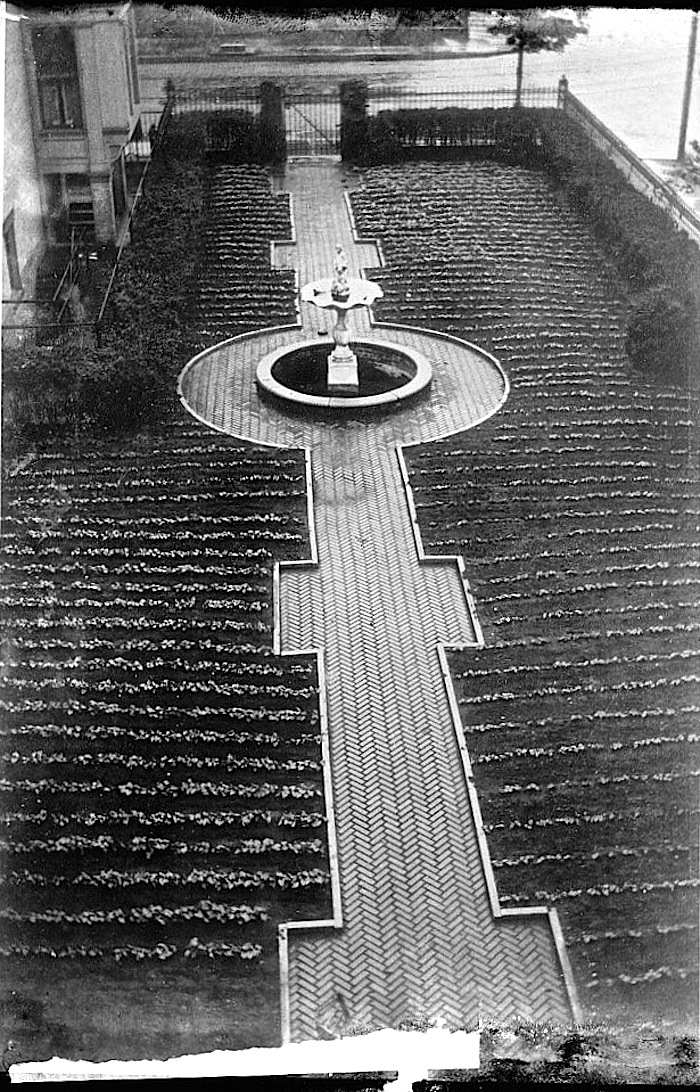
World War I victory garden in a formal setting, location unknown,* ca. 1917 – ca. 1920, by Harris & Ewing, via Library of Congress Prints and Photographs Division.
The organization was created in early 1917 by Charles Lathrop Pack. It sponsored a campaign of pamphlets, posters, and press releases aimed at “arous[ing] the patriots of America to the importance of putting all idle land to work, to teach them how to do it, and to educate them to conserve by canning and drying all food that they could not use while fresh.”
Like it or not, what you do with the land around your house tells the world what sort of citizen you are.
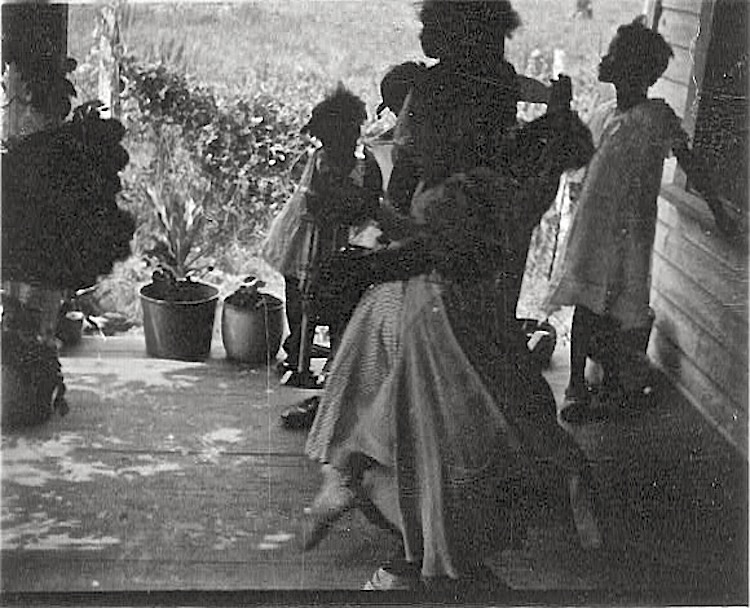
“Women and children on a porch,” in Georgia, Florida, or the Bahamas, 1935, from the Lomax Collection in the Library of Congress.
The snapshot photographs of the Collection document the expeditions by John Avery Lomax, Ruby Terrill Lomax, and Alan Lomax — in the 1930s and 40s — to record and preserve the folk music and folklore of the southern United States and the Bahamas for the Library of Congress.
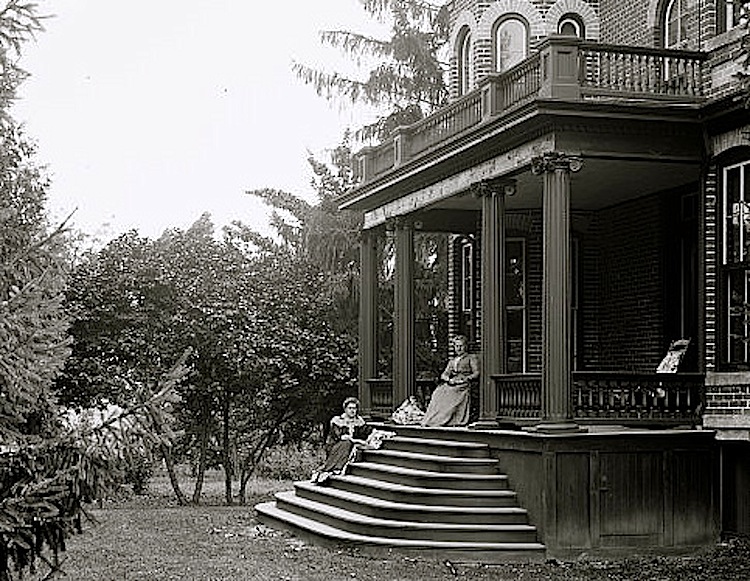
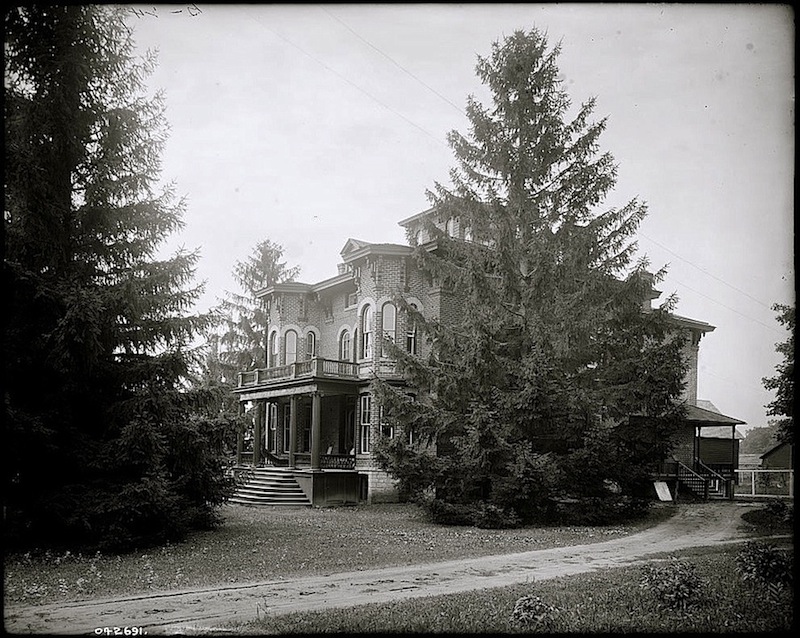
This was the front porch of “The Firs” in New Baltimore, Michigan, between 1901 and 1910.* At that time, it was a summer boarding house.
Detail.
Although the ladies above look calm enough, throughout the 20th century — and up until the house was torn down in 2005 — many residents, visitors, and trespassers reported weird phenomena there.
Lights flickered, dishes flew off the table, strange voices were heard, and invisible fingers stroked girls’ hair. Ghostly figures were sometimes seen — particularly those of a young woman, an older man, and a child playing in the yard — or so ’twas said.
The residence was first known as Hatheway House, for Gilbert Hatheway, a businessman who built it about 1860.
When he died in 1871, the house went to his son, James S. H. P. Hatheway. James had one daughter, Mabel, who died in March of 1881.
Mabel was only twenty at the time of her demise and had married a man from another town just three months earlier. Local legend has her being killed from a fall down the Hatheway House stairs.
One account of the alleged incident notes that her father, irritable from chronic pain, was also unhappy with her choice of husband; another brings up an older cousin with anger management issues. In at least one version of Mabel’s slight history, she is mentally ill.
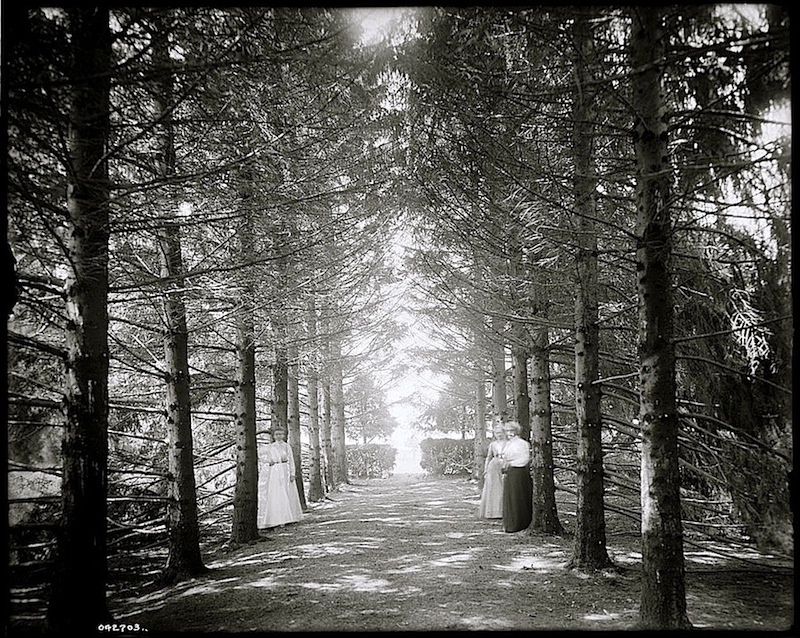
A slightly spooky allée in front of the porch.
In the late 1800s, the Hatheway family moved out of the house, and it became The Firs.
About the same time, or perhaps later during the WWI years, the west side of the building was turned into a small hospital, run by Dr. Virginia French. It was never a home for the insane, although that was the creepier story often passed down.
I haven’t been able to find out what happened to the property later in the 20th century, except that it seems to have been empty by the late 1990s, if not well before — perhaps because of its reputation as a haunted house.
Naturally, teenagers found it a fun place to explore at night and vandalize. In August 2005, much to the neighbors’ relief by one account, the house was demolished. However, there continue to be reports of strange lights and noises in the ruins of the basement.
A fairly cheerful side garden.
You can scroll through more (and larger) images of The Firs by clicking on ‘Continue reading’ below and then on any thumbnail in the gallery.
*Photos by Detroit Publishing Co., via Library of Congress Prints and Photographs Division.
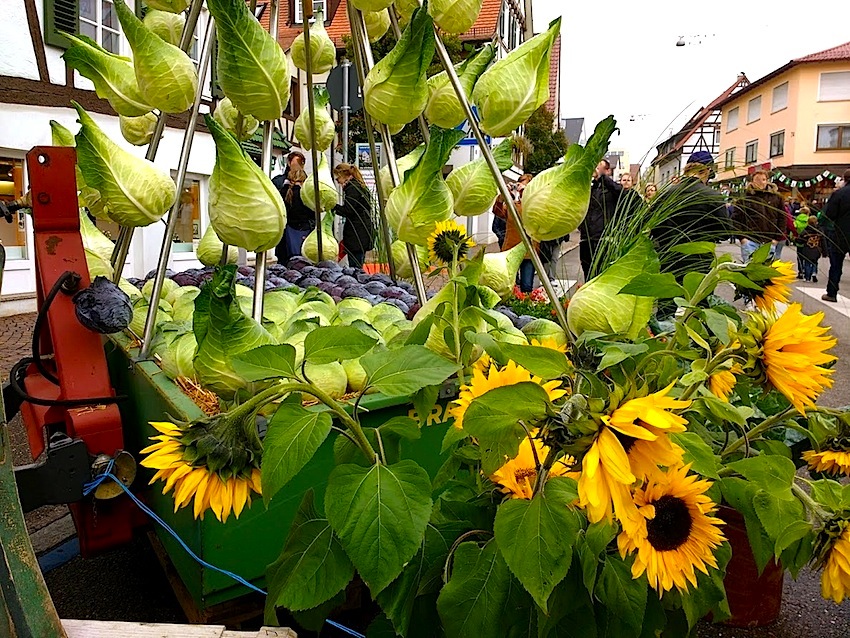
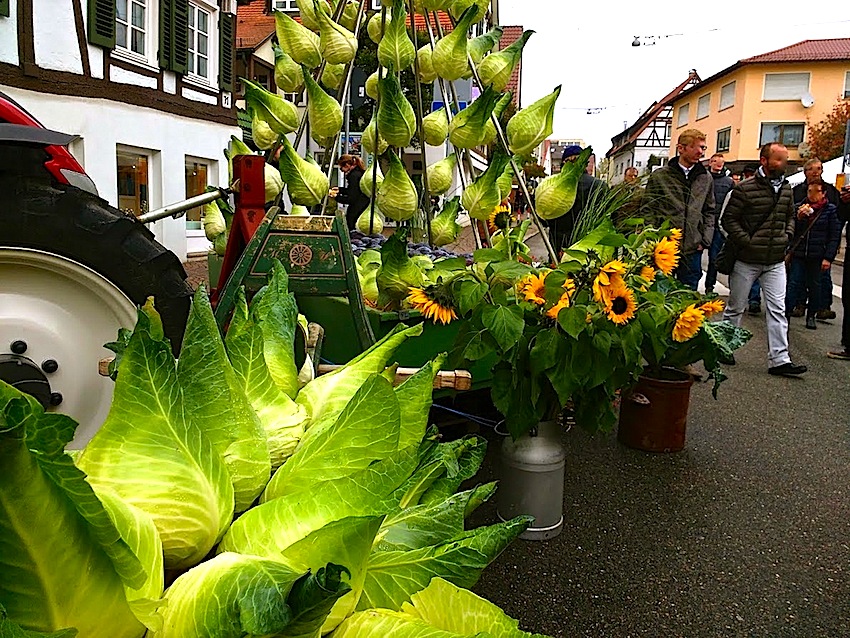
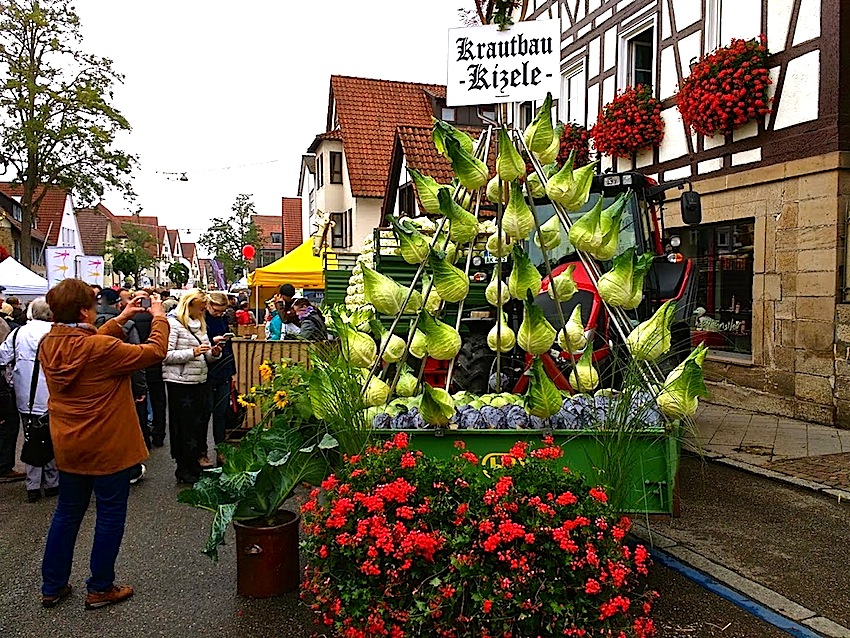
There are very few weekends in the Stuttgart area without a local fest celebrating some aspect of the season. Since the end of summer, we have celebrated the wine harvest, the potato harvest, the pumpkin harvest, and now that of the Filderkraut.
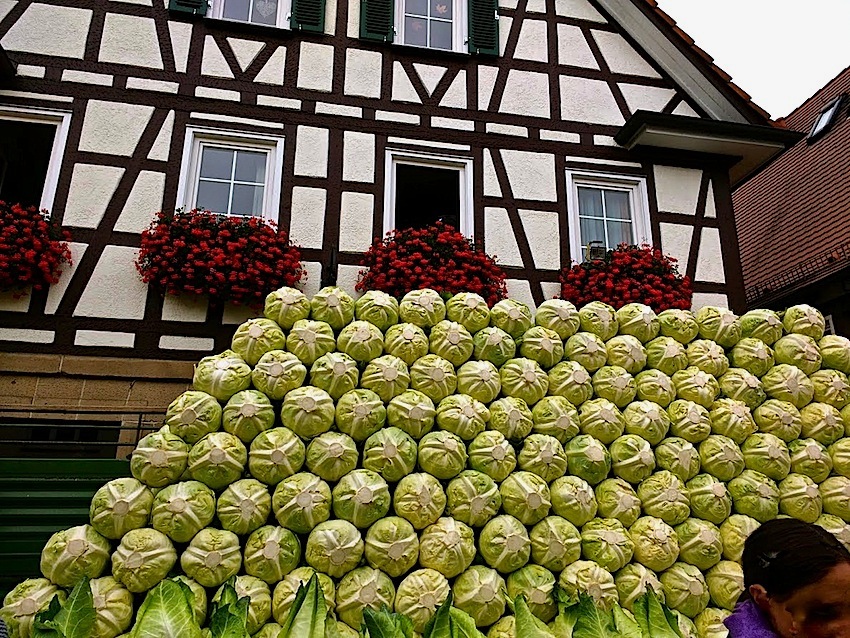
This very fine variety of cabbage has a distinctive pointy shape.* It grows particularly well in the rich loess-loam of the Filder plateau, which surrounds the airport.
The fest was opened on Saturday by Mayor Roland Klenk, who tapped the first keg and, after about 40 taps, sprayed onlookers with beer. “That’s not my core competency,” he reportedly said.
Tapping the first keg seems to be the German equivalent of throwing out the first ball in the U.S. — an honor fraught with peril for a politician.
This was not an easy year for cabbage growers, according to an article in the Stuttgarter Nachrichten. It was too hot and dry, and the heads were smaller than usual.
Above: “Kizele’s cabbage display.”
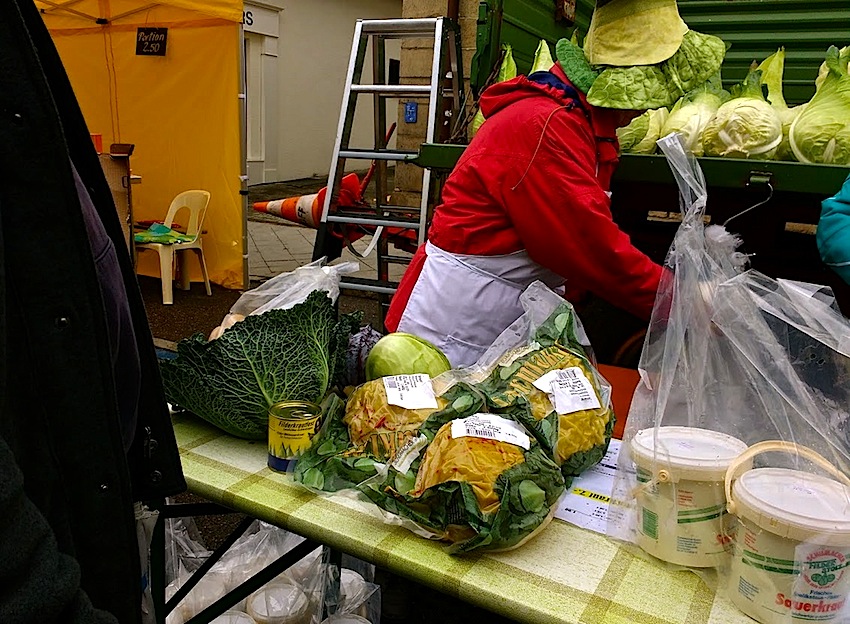
Above: whole heads of fermented cabbages on the table. Note her hat.
Above: tubs of sauerkraut to take home.
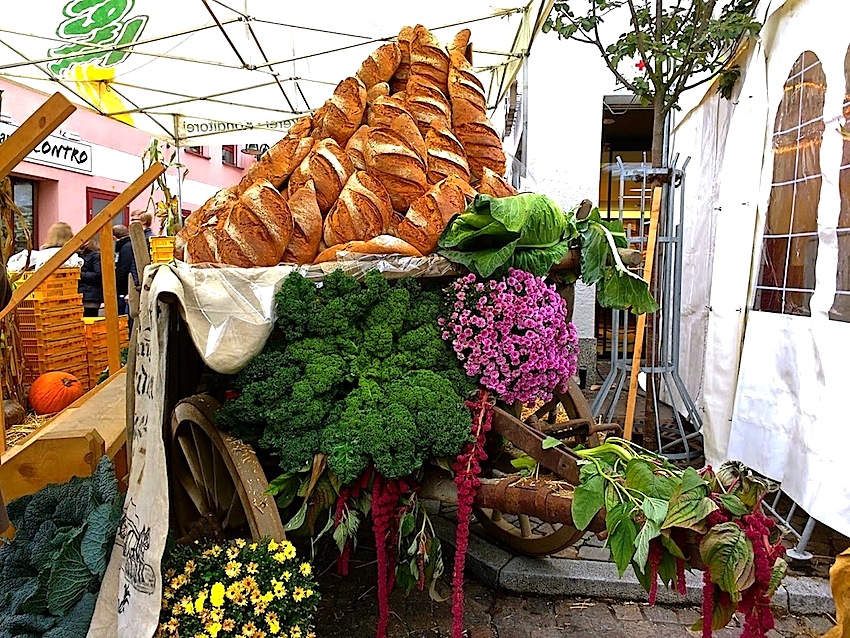
Above: a display of bread and cabbage.
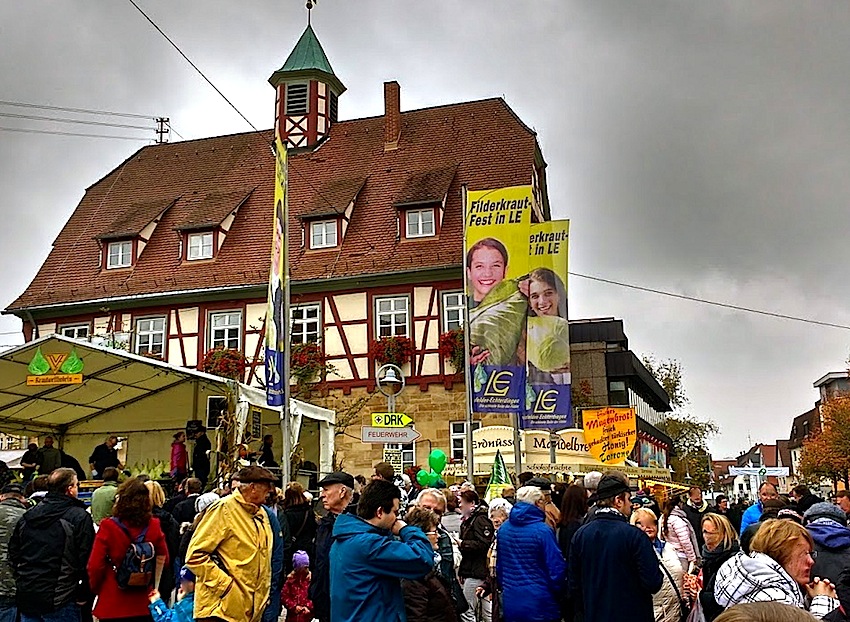
Above: the Rathaus or town hall of Echterdingen.
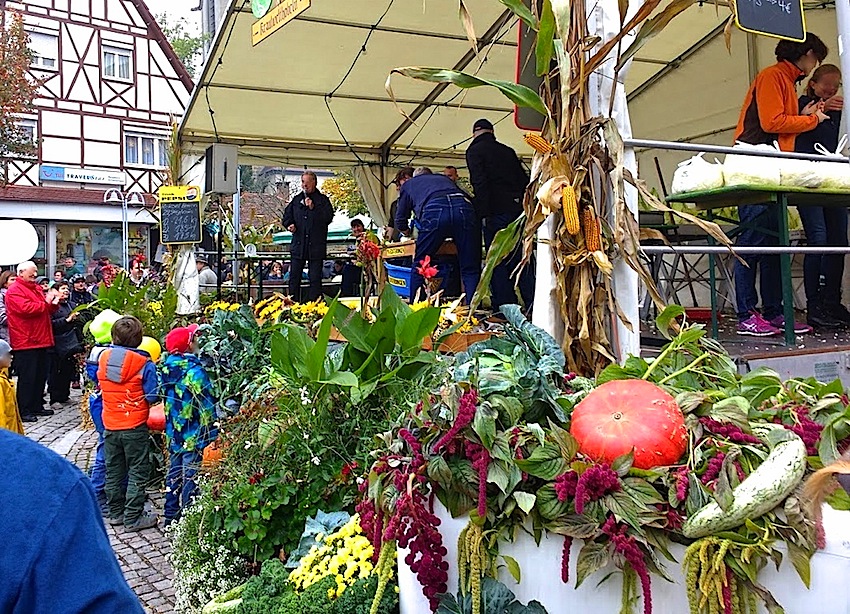
Above: a cabbage shredding race on the stage.
Above: a children’s activity booth in front of the town’s museum.
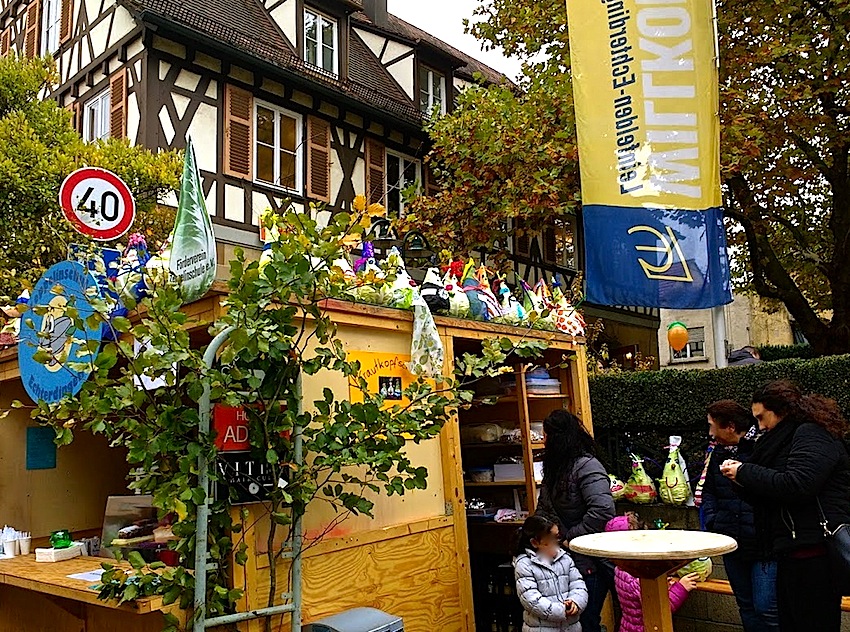
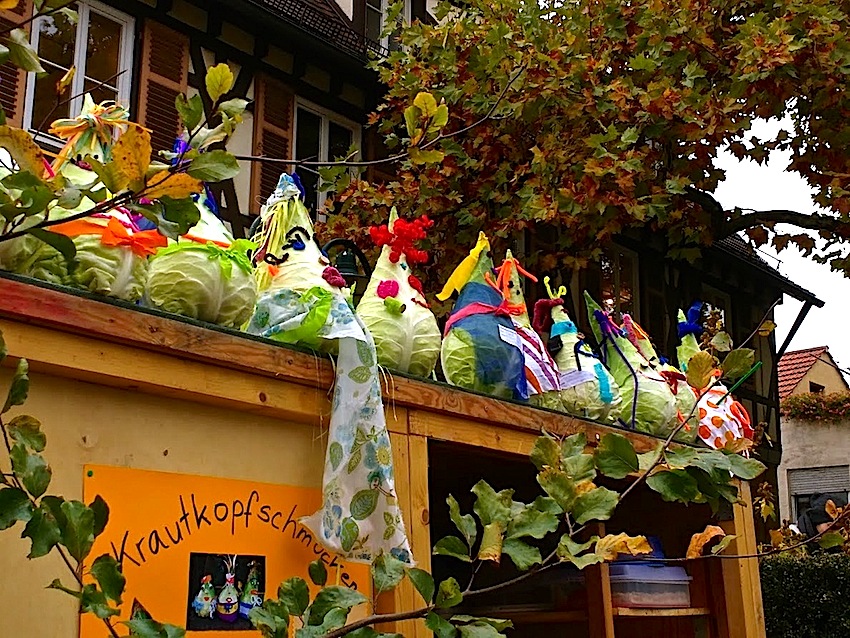
Above: “Pretty cabbage heads.”
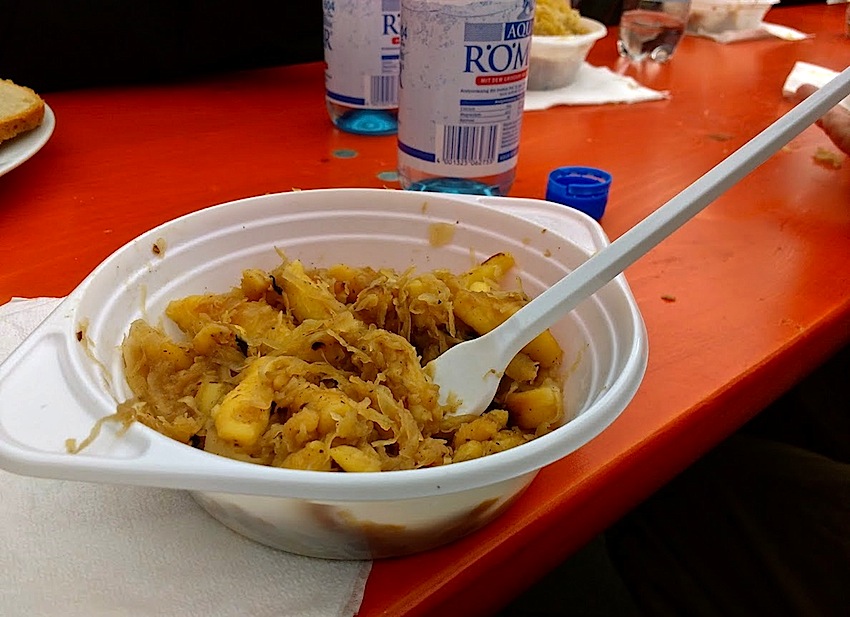
Above: my lunch, sauerkraut and potato dumplings (like gnocchi).
By the way, now is the time in Stuttgart to eat Zwiebelkuchen (bacon and onion flan) withNeuer Sußer or new wine — newly (barely) fermented grape juice.
Streifzug means ‘foray,’ ‘ brief survey,’ or ‘ramble.’
*I mentioned this fest to my mother, and she remembered that, back in Texas, my great-grandmother always told her that cabbages with pointed heads were the best. I don’t think I’d ever seen any until this August.
the moon moves over
the field of dark cabbage and an
exchange fills
all veins.