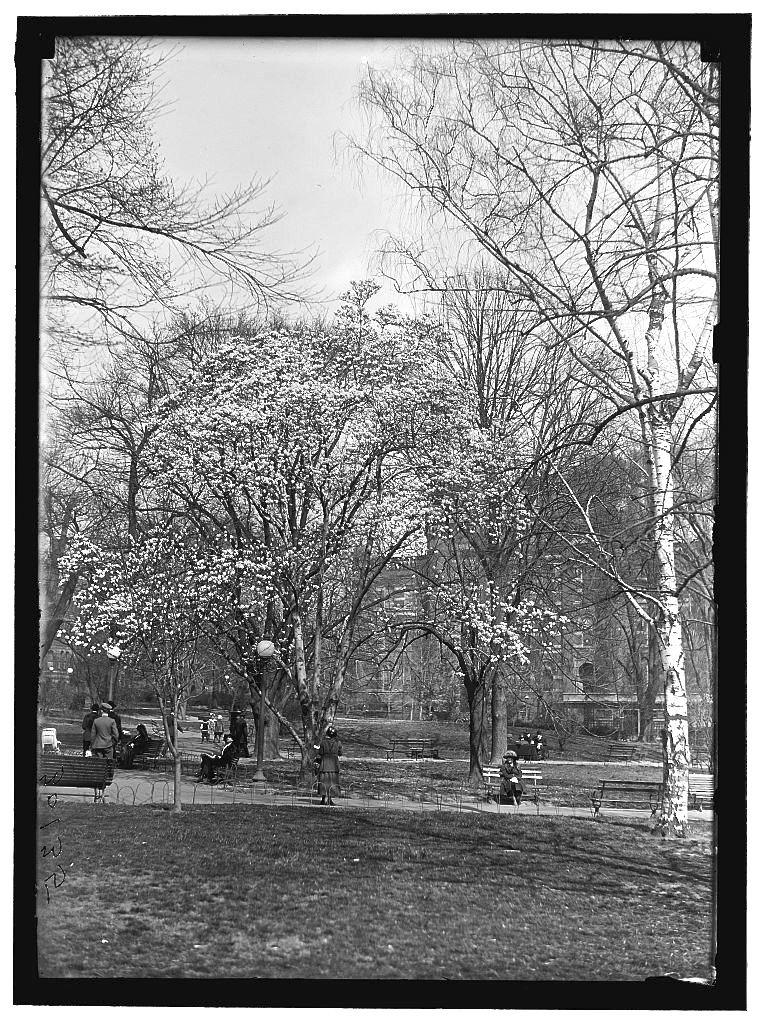
A peaceful view of a magnolia tree blooming in a Washington, D.C., park in 1919 — before any other trees have leafed out.
That winter seems to have been as mild as the preceding year’s was harsh. But the sweet scene may belie the real state of affairs. The influenza pandemic that began in the fall remained pervasive, and in the summer to come, deadly race riots would grip the city.
Photo by Harris & Ewing from the Harris & Ewing Collection of the Library of Congress. Click the photo to enlarge.
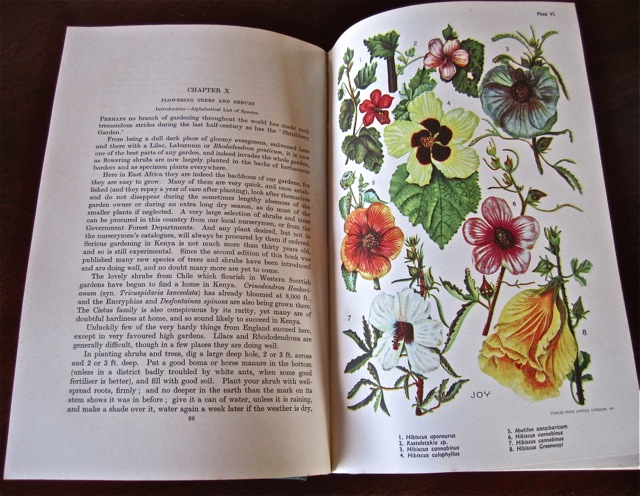
This was my husband’s Christmas present to me — a copy of the third edition (1950) of Gardening in East Africa, by the members of the Kenya Horticultural Society and of the Kenya, Uganda, and Tanganyika Civil Services.
Rwanda (then the eastern edge of the Belgian Congo) just makes it onto the left side of the frontispiece map.
I like the first chapter’s opening sentence: “This chapter is intended for the beginner rather than for the hardened gardener.” ‘Hardened,’ not skilled or experienced, but hardened — as in, “I’ve been through a lot.”
The writer then chides those already toughened up Kenya gardeners who adopt “a pseudomodest manner” with newcomers:
“You have forgotten about the innumerable insect pests and plagues, cutworms, flies, aphides, and the fact that each kind of plant has a pest of its own to all seeming. What about the scorching wind, the burning sun, the hungry hares and antelopes nibbling your roses and carnations to death, the mousebirds that steal your fruit and tear your flowers to shreds? Think of the torrents of tropical rain, the raging floods that batter all your plants to the ground, and wash off your lovely top soil far, far away into the Desert or the Indian Ocean. . . .” And please don’t get him started on the locusts.
Most of the color plates in the book were painted by Joy Adamson of “Born Free” fame. The previous year, she had received the Grenfell Gold Medal from the Royal Horticultural Society for her botanical artwork.
Lady Muriel Jex-Blake (daughter of the 14th Earl of Pembroke, no less) was President of the Kenya Horticultural Society and author of three chapters of the book, as well as of her own book, SomeWildflowers of Kenya.
In Chapter 10, Lady Muriel is precise about how to plant a shrub: “give it a can of water, unless it is raining.”
Her husband, Dr. Arthur John Jex-Blake, was the book’s editor. He made a promising start as a physician in England, but after serving in World War I and marrying Muriel in 1920, he left it all behind to live outside Nairobi.
The writer of his 1957 obituary noted that Dr. Jex-Blake always felt overshadowed by his aunt (Sophia Jex-Blake, one of the first women doctors in Great Britain and co-founder of two medical schools for women) and his sisters (the heads of Lady Margaret Hall, Oxford, and Girton College), but “he loved flowers, the classics, and beautiful things.”
In 1948, however, as he completed his preface to the third edition, he seemed to be finding the post-war times challenging. In expressing his gratitude to his publishers, he nearly lost control of his final sentence:
“For, after three piping years of peace, printers and publishers, like the rest of the industrial world, are ever at the mercy of the impersonal incompetence of officialdom and the well-organized administrative chaos now, alas! so painfully familiar to everybody who lives and works in England.”
An advertisement at the back of the book: Ransomes can supply you with a mower suitable for maintaining your aerodrome or Kikuyu grass.
In a comment, Diana of Elephant’s Eye asked me about Rwandan native plants. I had to say that I wasn’t sure how many, if any, of the plants in my garden are native to this country or region. It’s amazing how many common ornamental plants in East African gardens are of South American or Asian origin, brought here by colonists or other travelers.
Other plants originate from north, west, or southern Africa, but may have traveled to Rwanda via sojourns in European collectors’ conservatories.
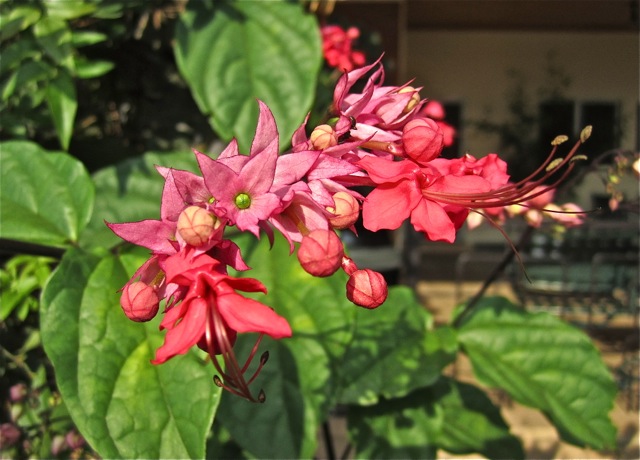
It has already helped me identify two flowering vines in the garden that were unfamiliar to me, Clerodendron thomsoniae and Clerodendron thomsoniae var. delectum. They also go by the common names of Beauty Bush, Bleeding Glory-Bower, or Bleeding Heart Vine.
Cleodendron thomsoniae with white calyx and red flowers. Photo via Wikipedia, taken at the U.S. Botanic Garden.C. thomsoniae var. delectum with mauve calyx and dark rosy pink flowers.
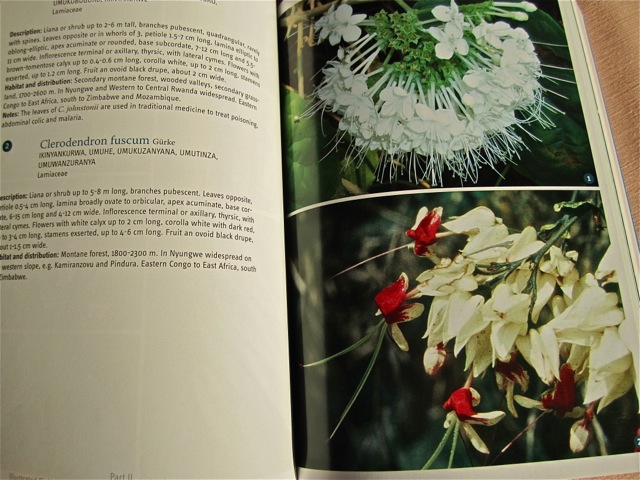
I found that the species is native to tropical West Africa, from Cameroon to Senegal. But a very similar-looking cousin, Clerodendron fuscum, is native to Rwanda and other parts of East Africa — as are two much less showy species, C. johnstonii and C. bukobense.
They are all lianas — long-stemmed, woody vines that use trees as a means of vertical support to reach the light.
A photo of C. fuscum, a Rwandan native, in my book. The flowers are white, blotched with red.
Clerodendron thomsoniae has just the sort of exotic, showy blooms that would have been very desirable to the Victorians. Wikipedia said its 19th century popularity eventually declined, however, because “its root system must be partially submerged in water most of the time and it wants very good light.” Other sources did not indicate that it needs to grow in particularly damp ground. Mine does not. But in the U.S., it probably will not be hardy outside of Florida or California.
Wikipedia also said the species was named in honor of “Rev. William Cooper Thomson (fl. 1820’s-1880’s), a missionary and physician in Nigeria.” However, a further Google search turned up a Rev. Thomson who was a linguist, not a doctor, with the Church Missionary Society in Sierra Leone. He was a man of zeal in the propagation of the gospel and the crusade against slavery. In 1841, he led an ultimately fruitless expedition to make treaties with the Muslim Fulani people in what is now Guinea. He died during the journey in 1843.
That much is confirmed by other articles and a copy of his journal posted on the internet. There is no indication, however, of how this William Cooper Thomson might have come to have a popular hothouse plant named after him.
A French website said that the species was named for surgeon-botanist Thomas Thomson (1817-1878), co-author of the first volume of Flora Indica and eventually Superintendent of the botanical garden in Calcutta, India. Swedish Wikipedia also says that Thomas T. is origin of the name. But Thomas T. never served in Africa.
The source for the English Wikipedia entry is the CRC World Dictionary of Plant Names by Umberto Quattrocchi, which unfortunately is not on-line and costs £204. If any reader does have access to this book, maybe you could let us know what it says. Other sites also give a William Cooper Thomson. as the origin of the name, but they are obviously just quoting Wikipedia.
Regardless of the source of its name, it is really a lovely African plant.
ADDENDUM: Please see KAMCDONALD’s comment below for more about the source of the name, which was given in honor of the first wife of William Cooper Thomson, a missionary in Nigeria and son of the William Cooper T. discussed above.
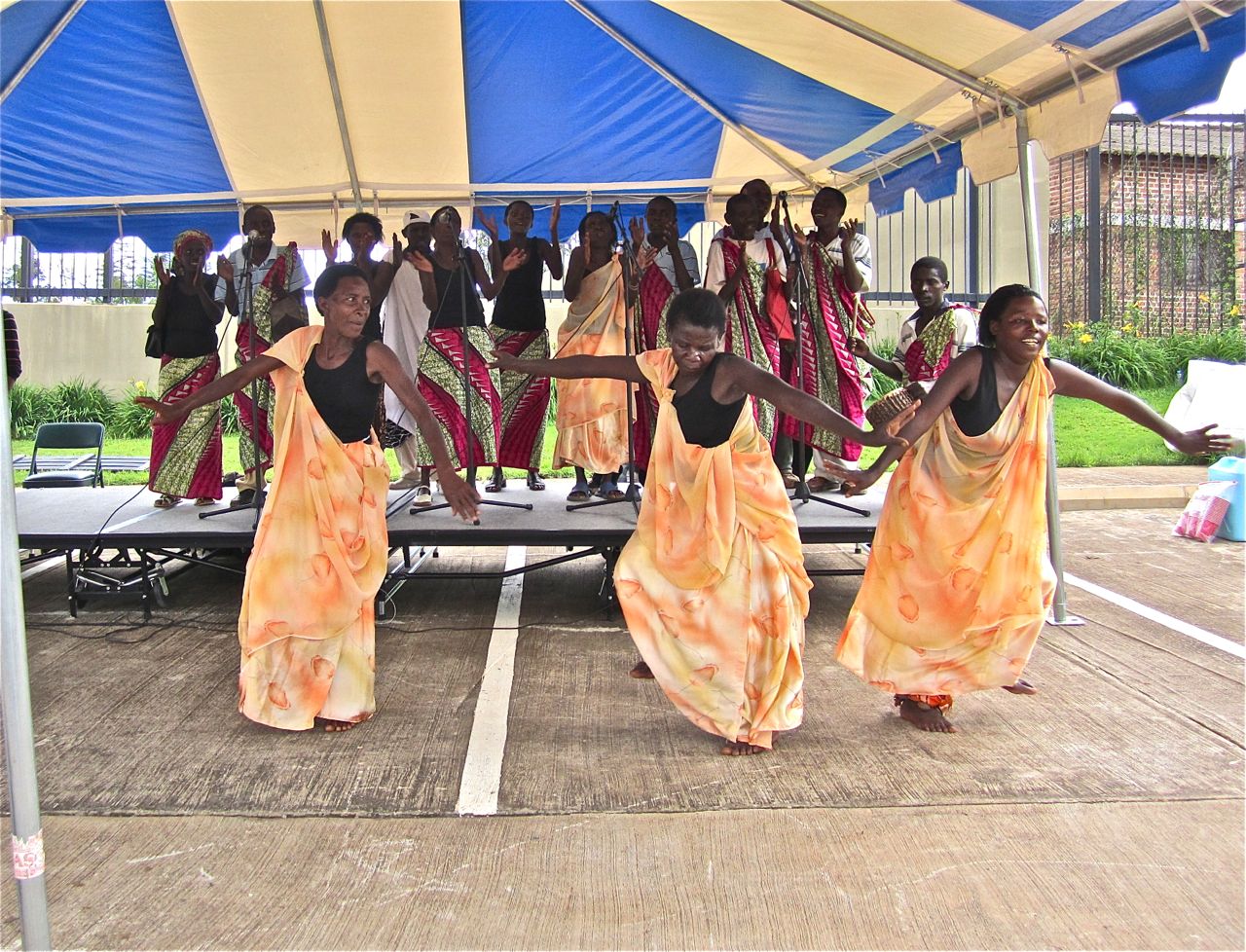
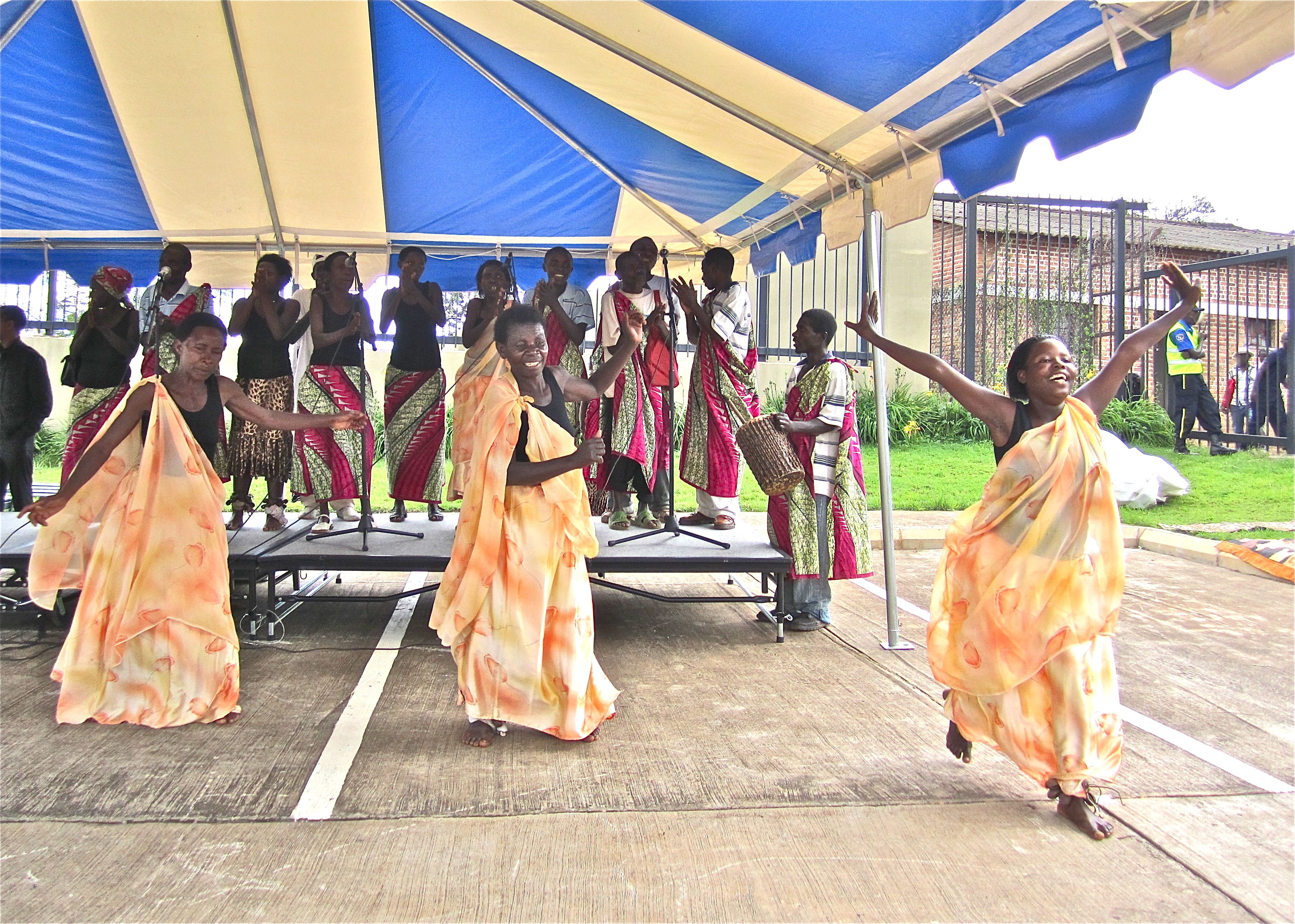
A local singing group from the Kigali area released their first CD, Kwizera, with a concert at a local venue on Sunday evening.
With “stirring vocals, traditional amakondera flutes and stunning poly-rhythms,” the group offers ancient and more recently written songs in the traditional style that is their legacy from the Rwandan royal court.
Kwizera means “to hope” in Kinyarwanda. One of their songs says, “Ngwino grebe Rwanda yacu nziza, ubu turakomeye” — “Come, look upon our beautiful Rwanda, now we are strong.”
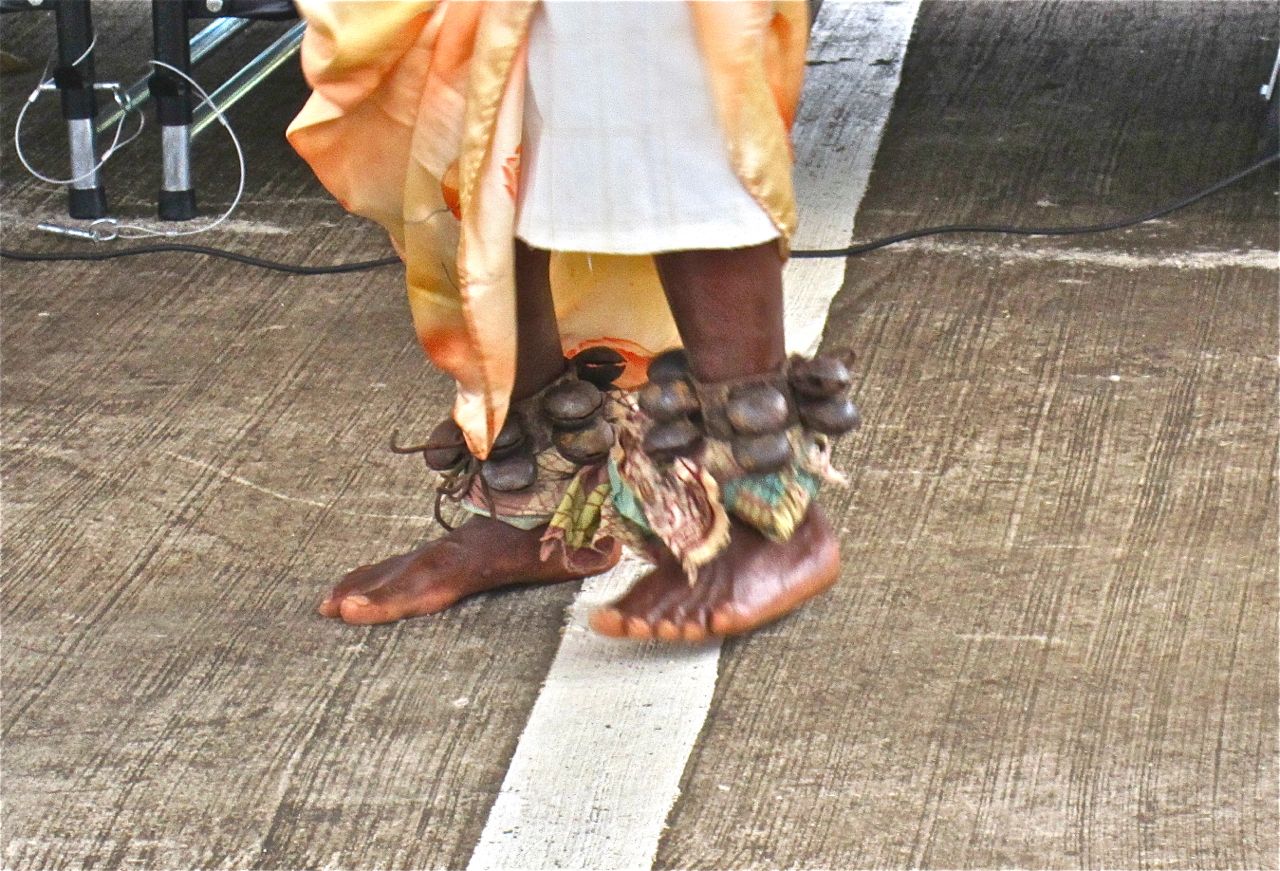
The group performs dance as well as song. Here are a few photos from their performance at an October craft fair held at the American Embassy.
One of their songs says, "Rwanda, now you're mature. Let us sing about you; the world has to know you." The modern songs were written by Ngarambe Valence of Bwiza.
The group is from a community known as Bwiza, located on a mountaintop near Kigali.
A few years ago the village was barely surviving, living in poverty and poor health and unable to send its children to the neighboring school for want of shoes.
Now, with support of local officials and a small Seattle-based NGO working with the Kigali-based Health Development Initiative – not to mention the generosity of individual expats and Rwandans – the people of Bwiza are rebuilding their lives. Once hunter-gatherers, they now have goats and cows and are harvesting larger crops from newly-built terraces.
If you are in the U.S. and would like to buy a copy of Kwizera, go to the Seattle website. The CD is free with the purchase of 3 bags of Rwanda coffee (click on the Coffee Rwanda tab) or a $35 donation to the NGO. You can also watch short videos about Bwiza.
(If you are in Rwanda, leave a comment, and I can put you in touch with someone selling the CDs.)
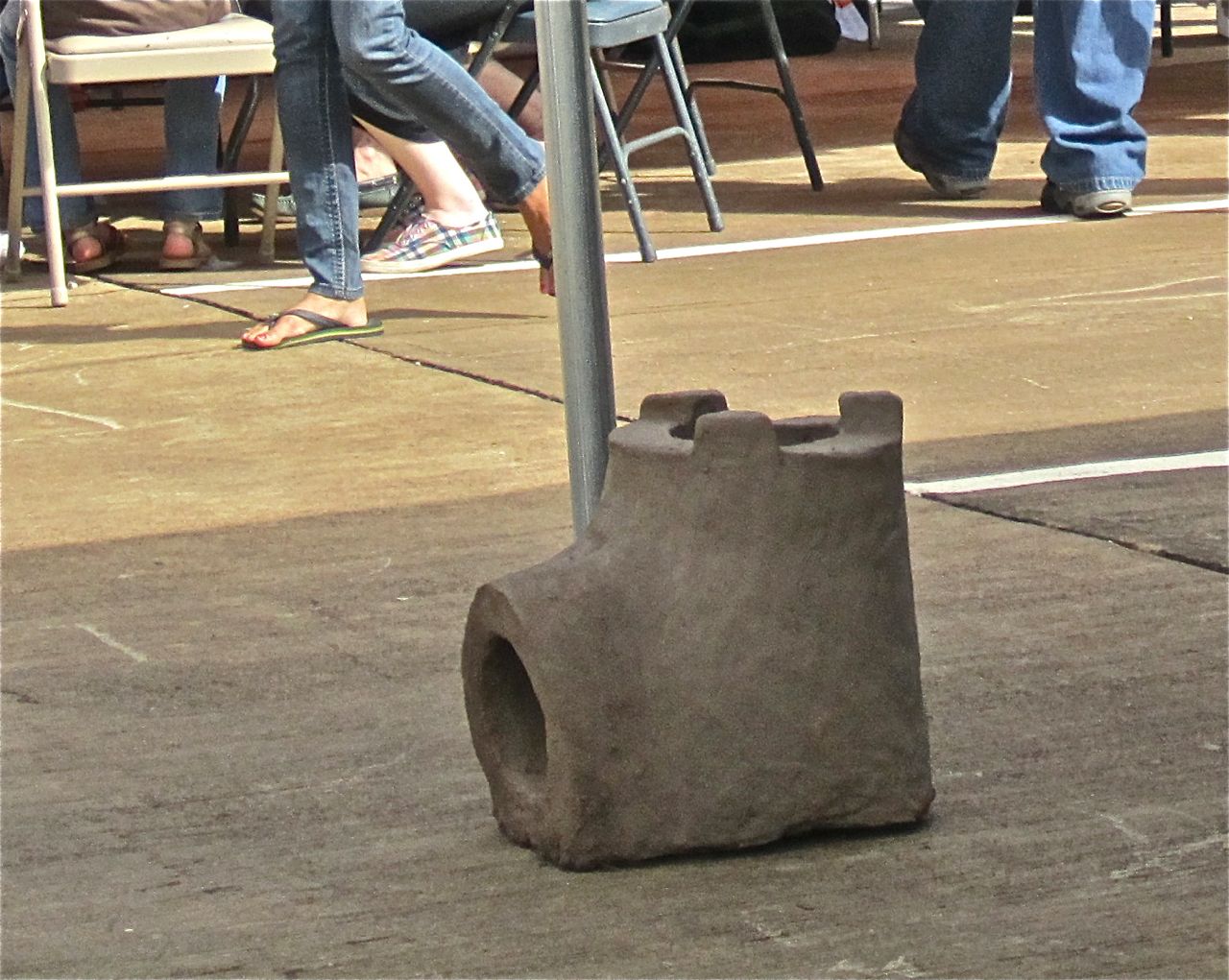
Recently, some craftspeople in Bwiza learned to make this highly efficient cookstove, which uses less wood and provides a more stable base for the cooking pot. The sales of stoves they don’t use themselves will also help support people in the village.
More fuel-efficient cookstove. Training for making the stoves was provided by the American tea company Sorwathe.
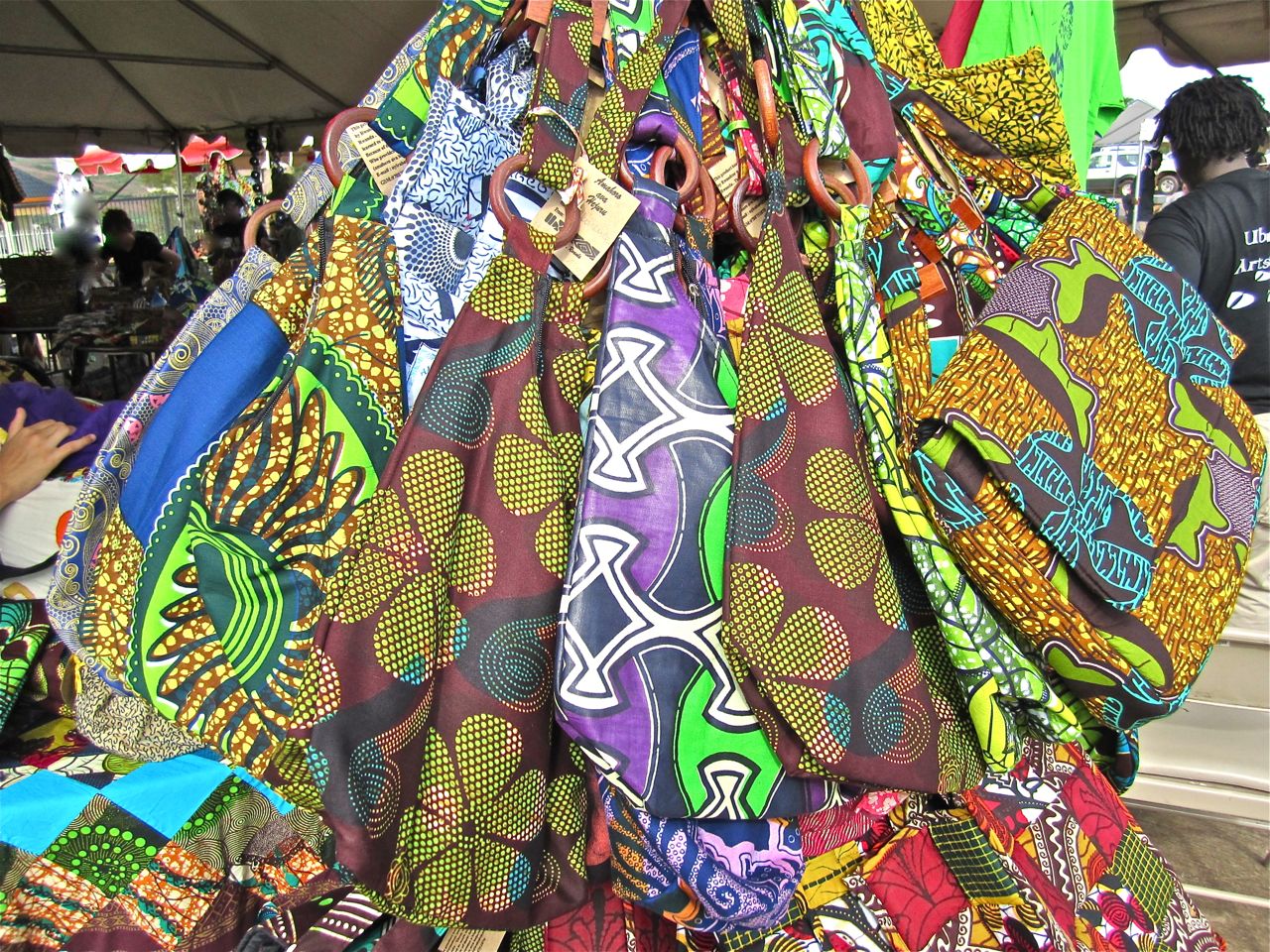
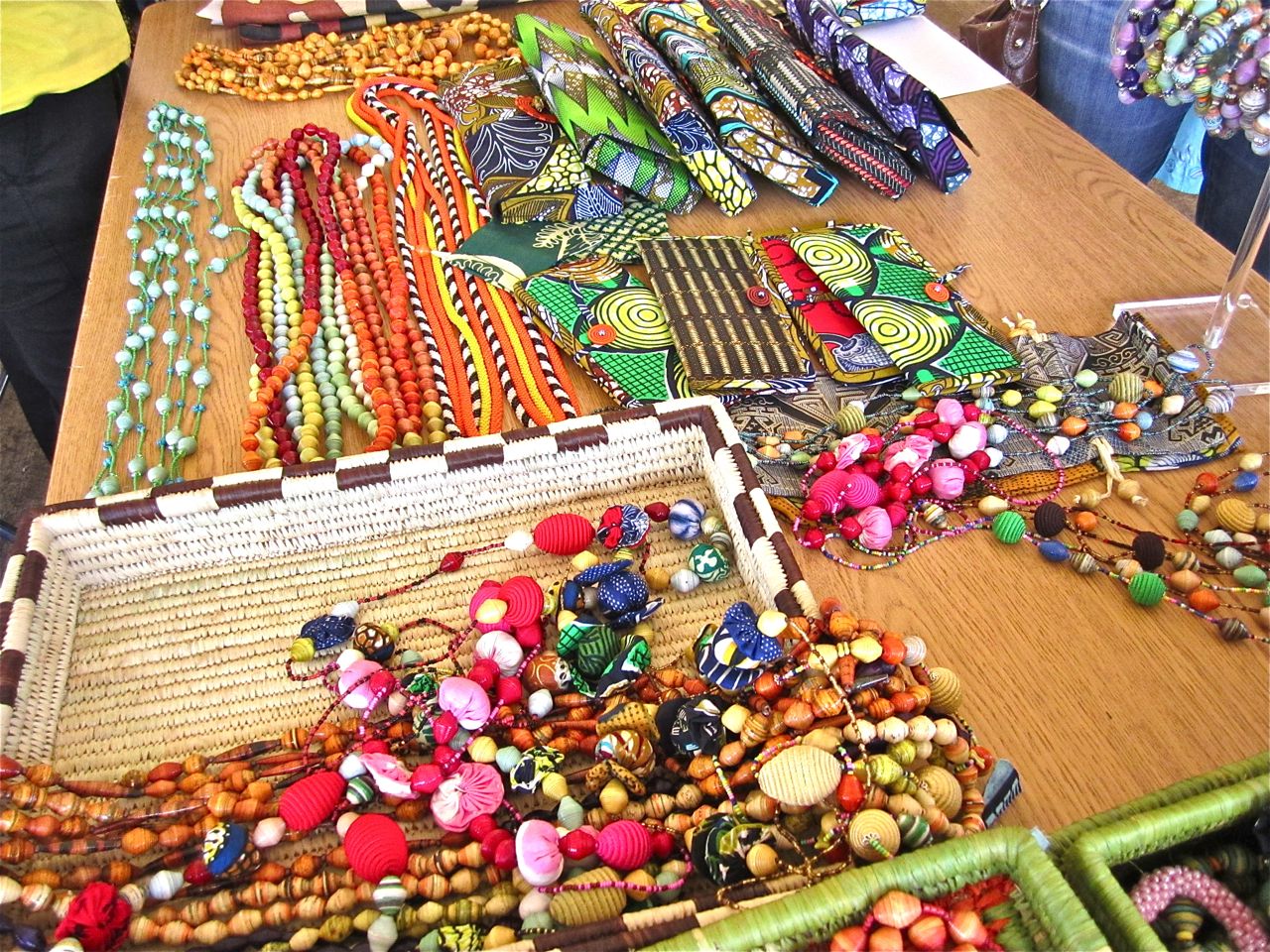
Here are a few photos of the beautiful craft products that were available for sale at the October fair. In previous years, the proceeds of the event went to Bwiza, but this time, as other efforts have improved their lives, they performed at the fair for a professional fee. The 2011 proceeds from booth rentals and entrance donations will go to several other nonprofit groups around Kigali.
Bags made from African "wax" cloth.These baskets were crafted with traditional techniques and modern bright colors.Wax cloth and recycled paper jewelry and pretty clutches.
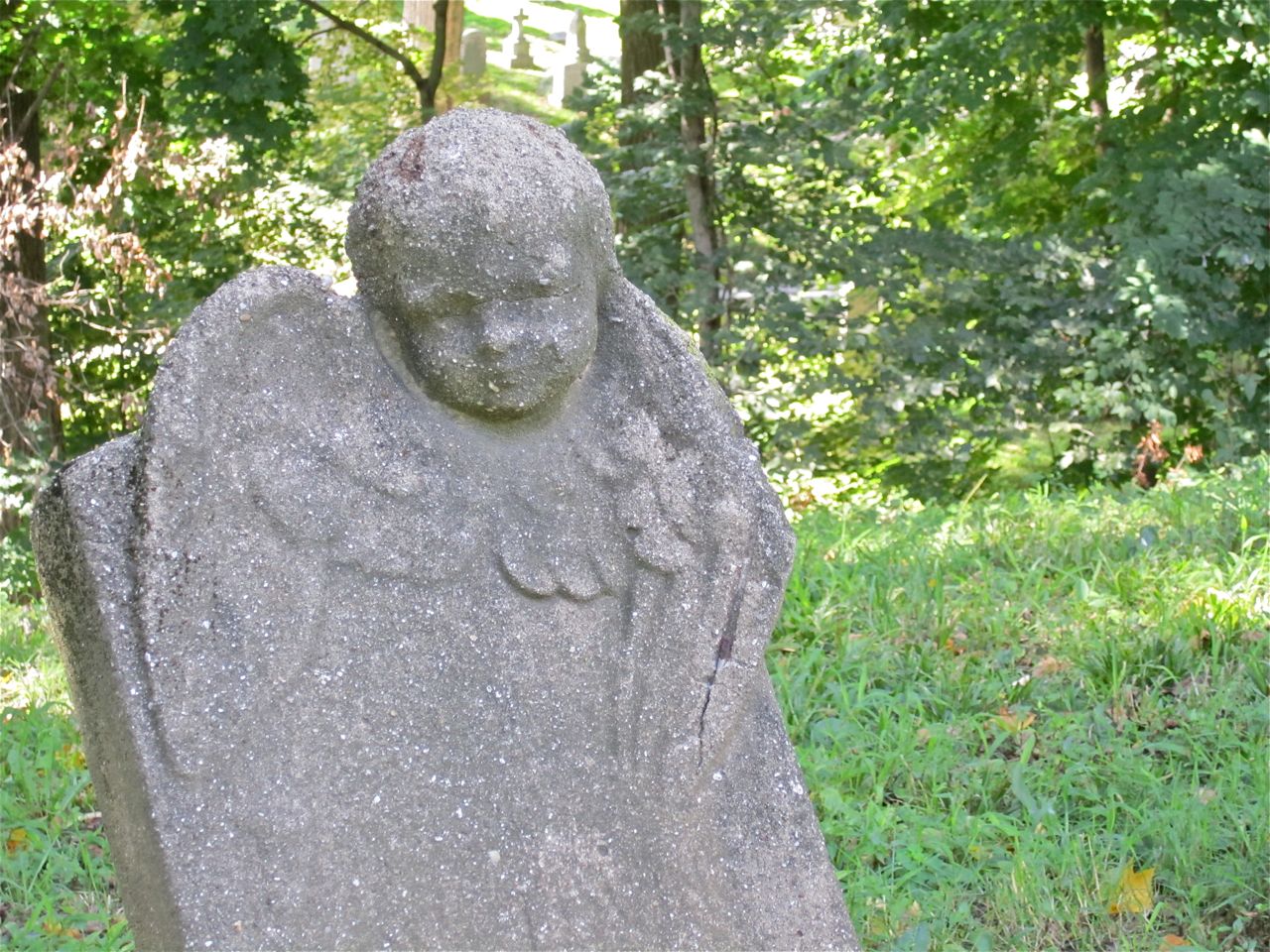
An angel headstone, the words have faded.Mt. Zion Cemetery. Click the photos to enlarge.
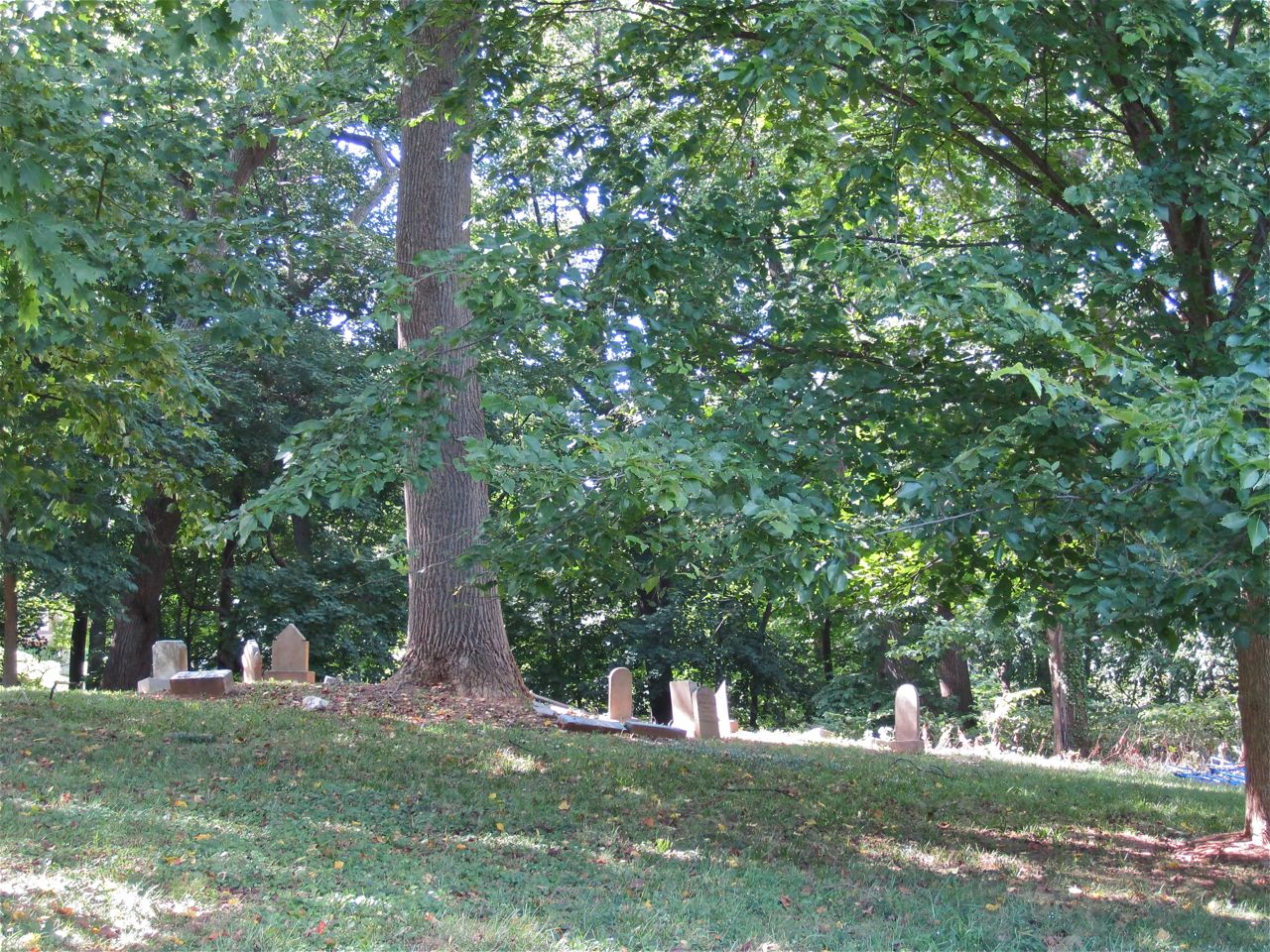
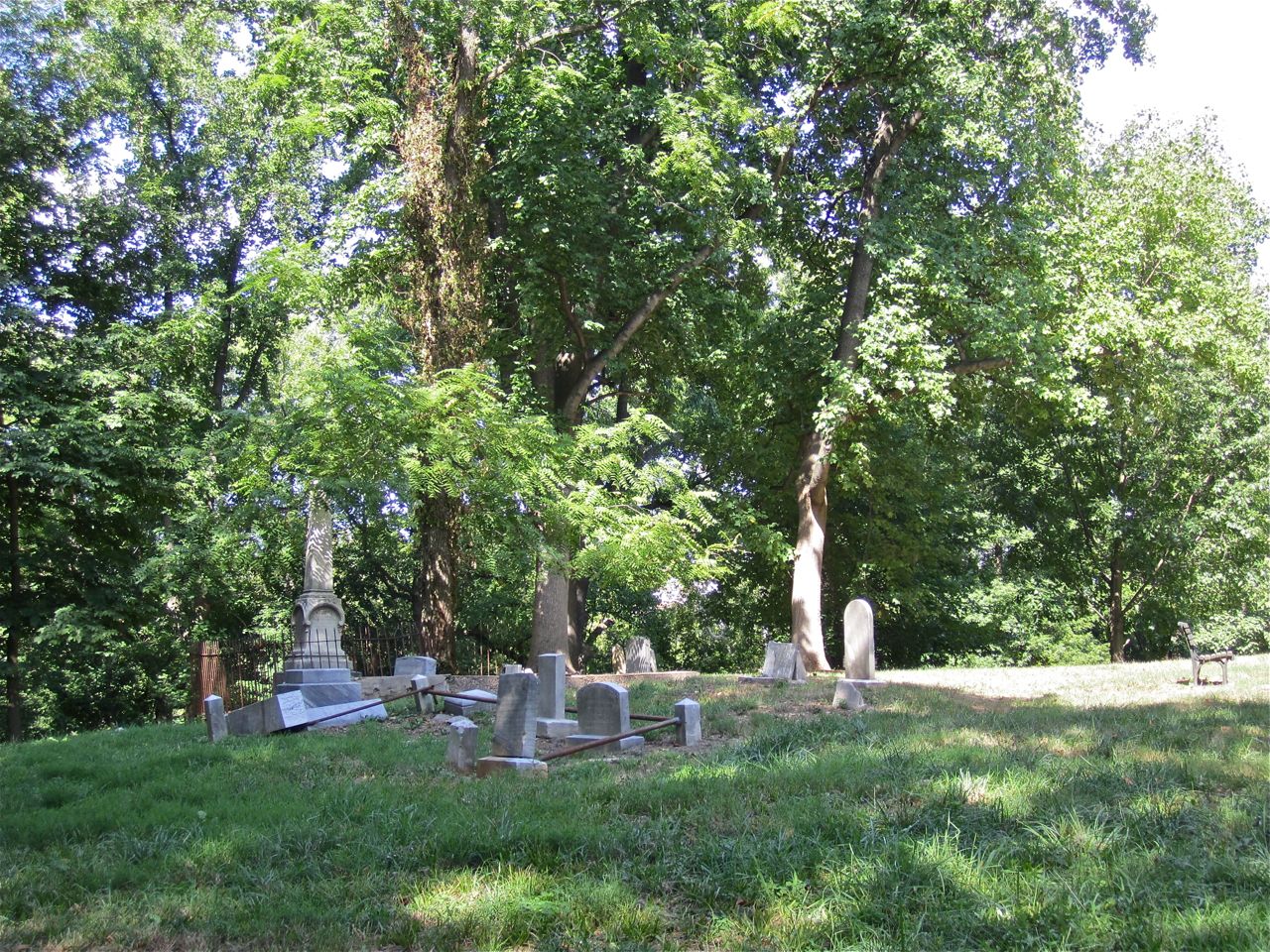
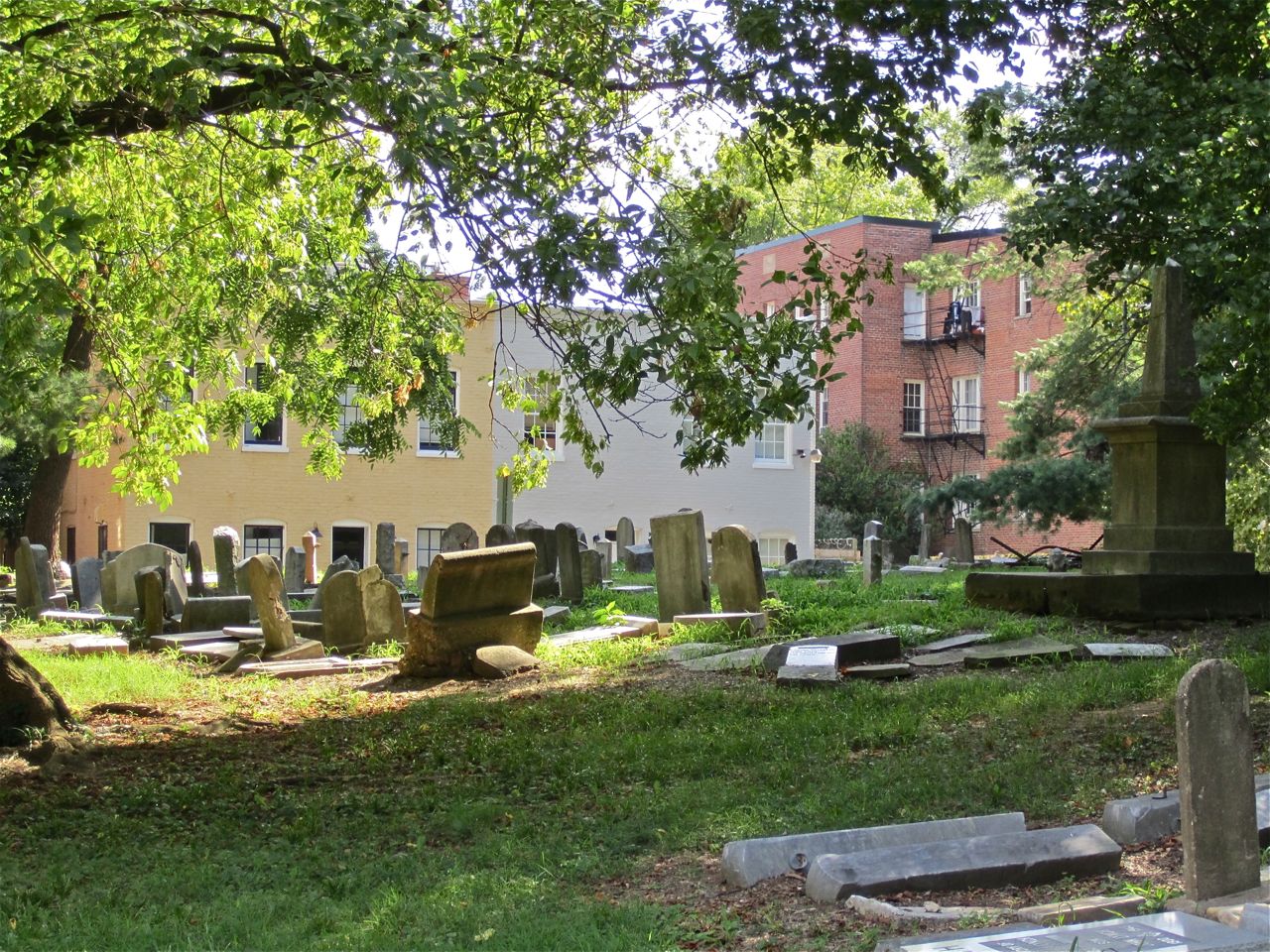
Mt. Zion Cemetery is tucked behind the apartment buildings and townhouses of the 2500 block of Q Street, NW, at the edge of Georgetown. I often pass it on my bus ride home. On Wednesday, as I was walking home after the earthquake, I stopped to take a closer look.
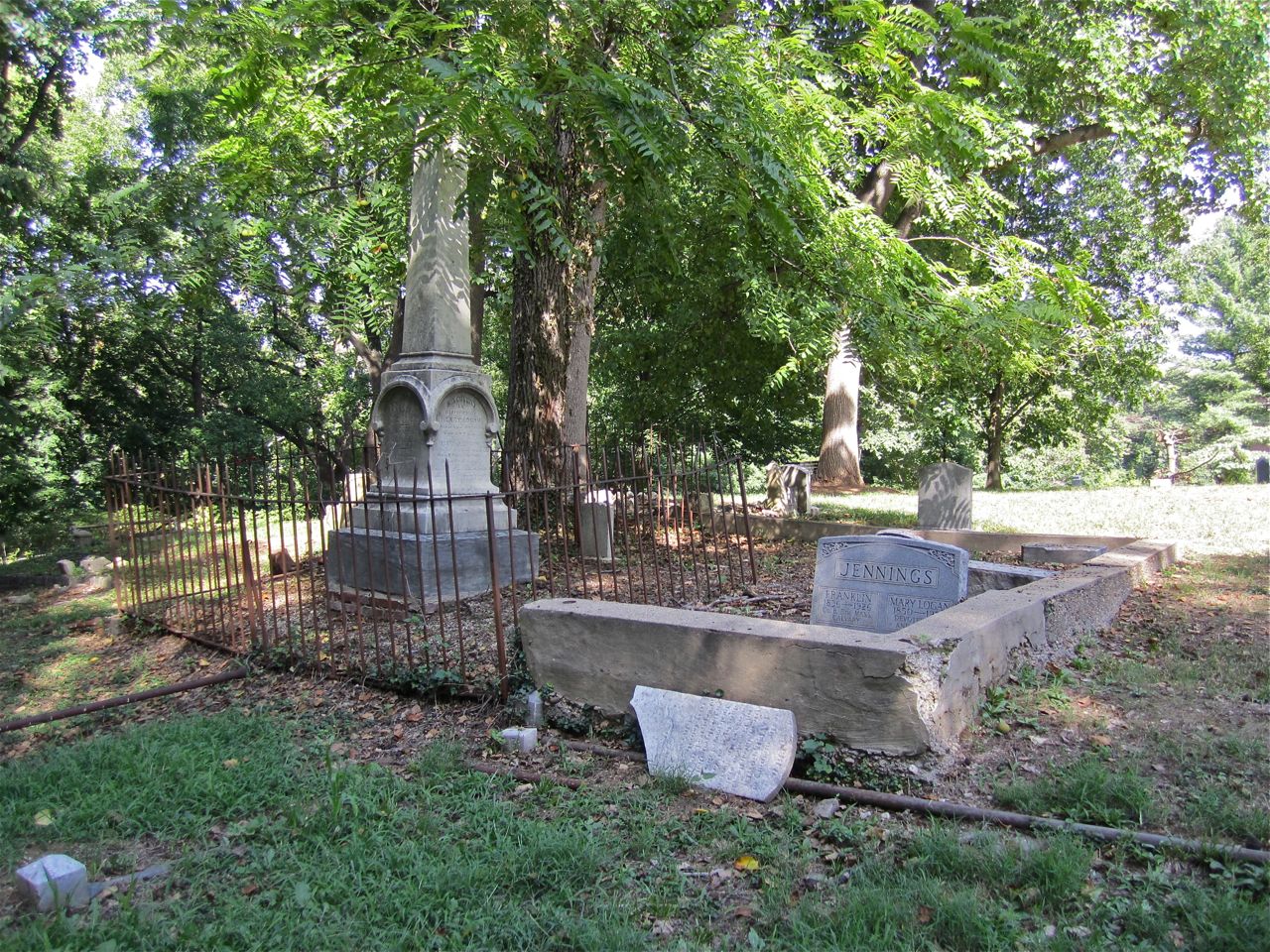
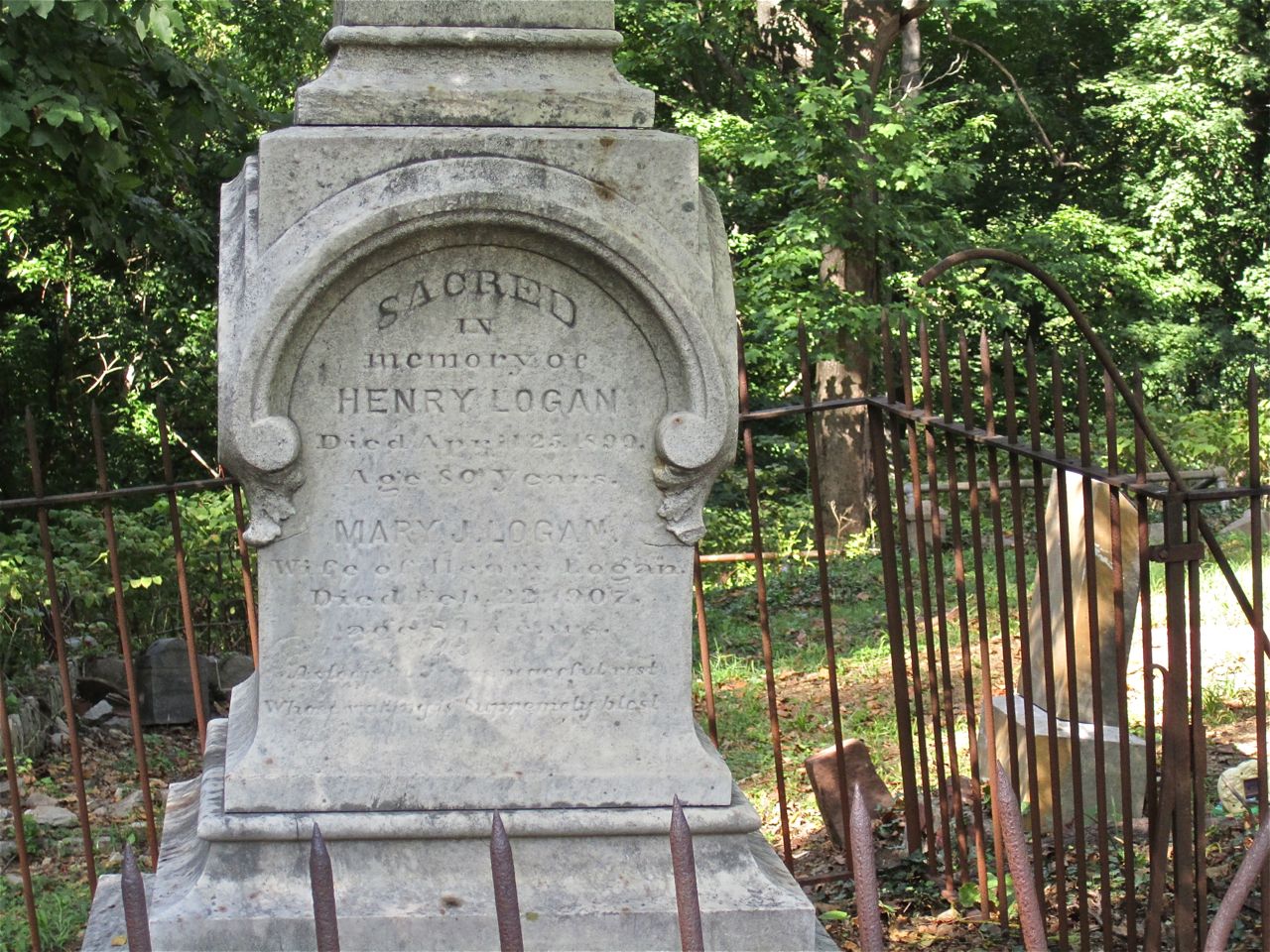
A group of headstones at Mt Zion.A family enclosure.The Logans were a prominent Black Washington family.
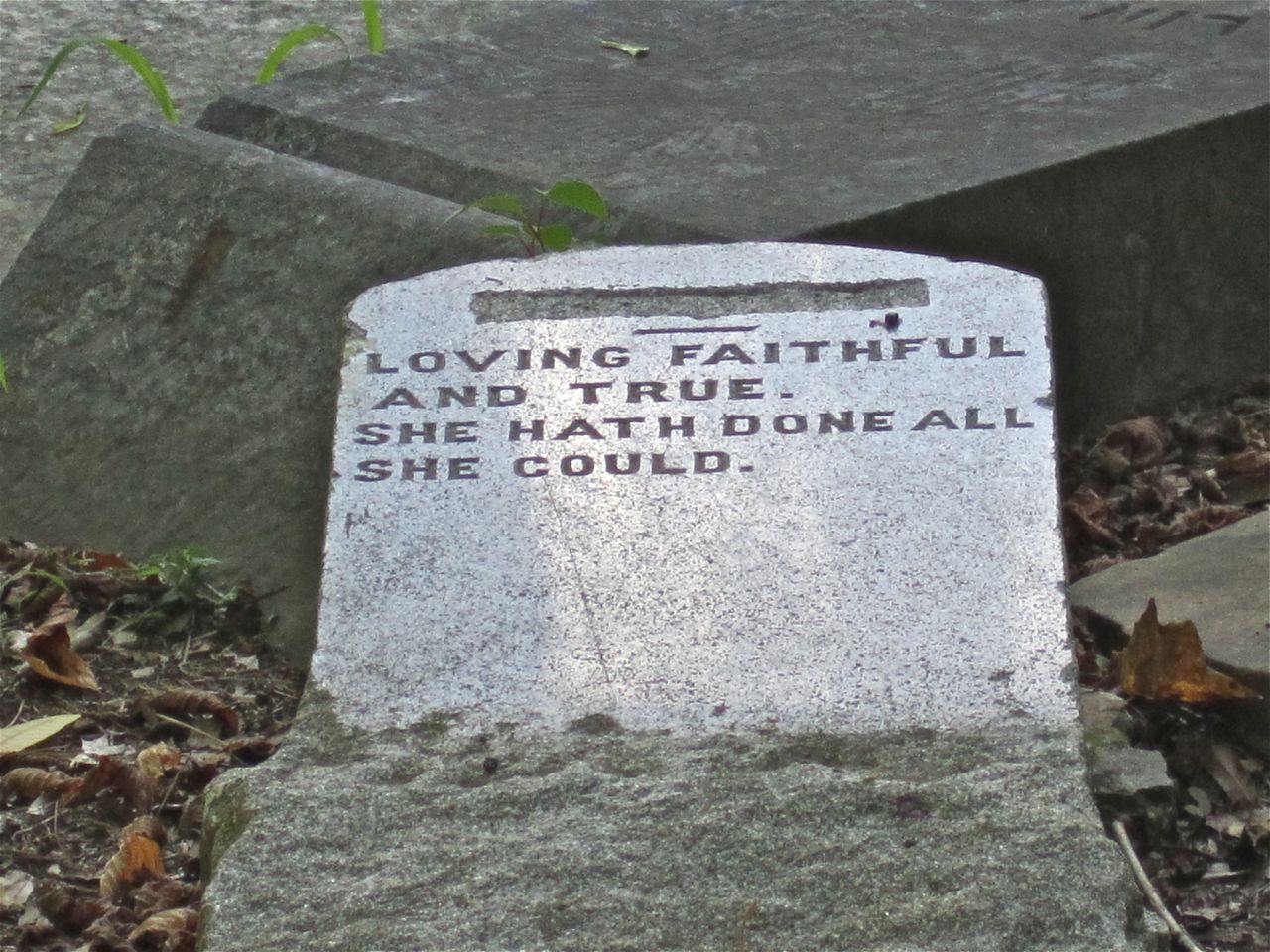
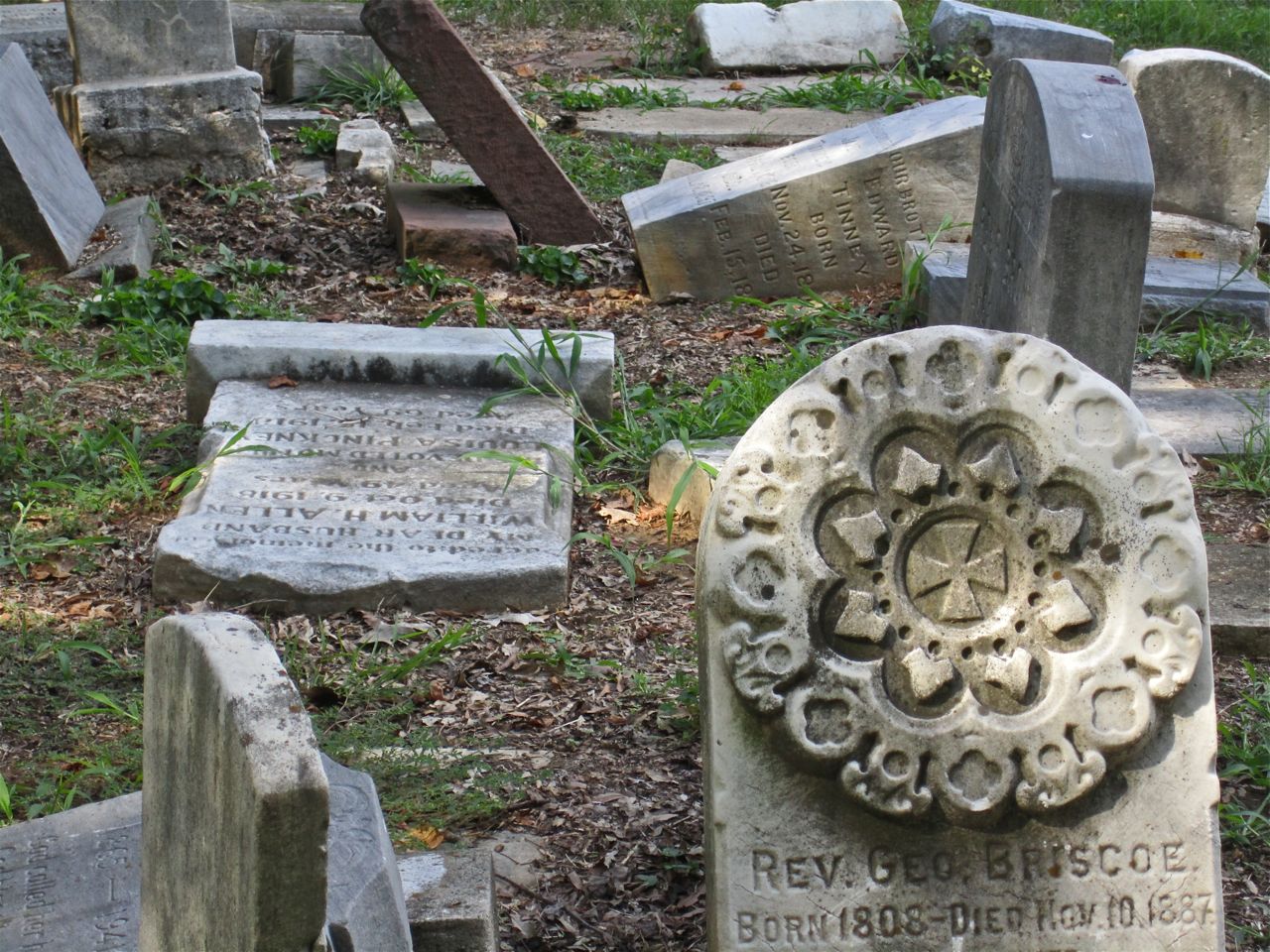
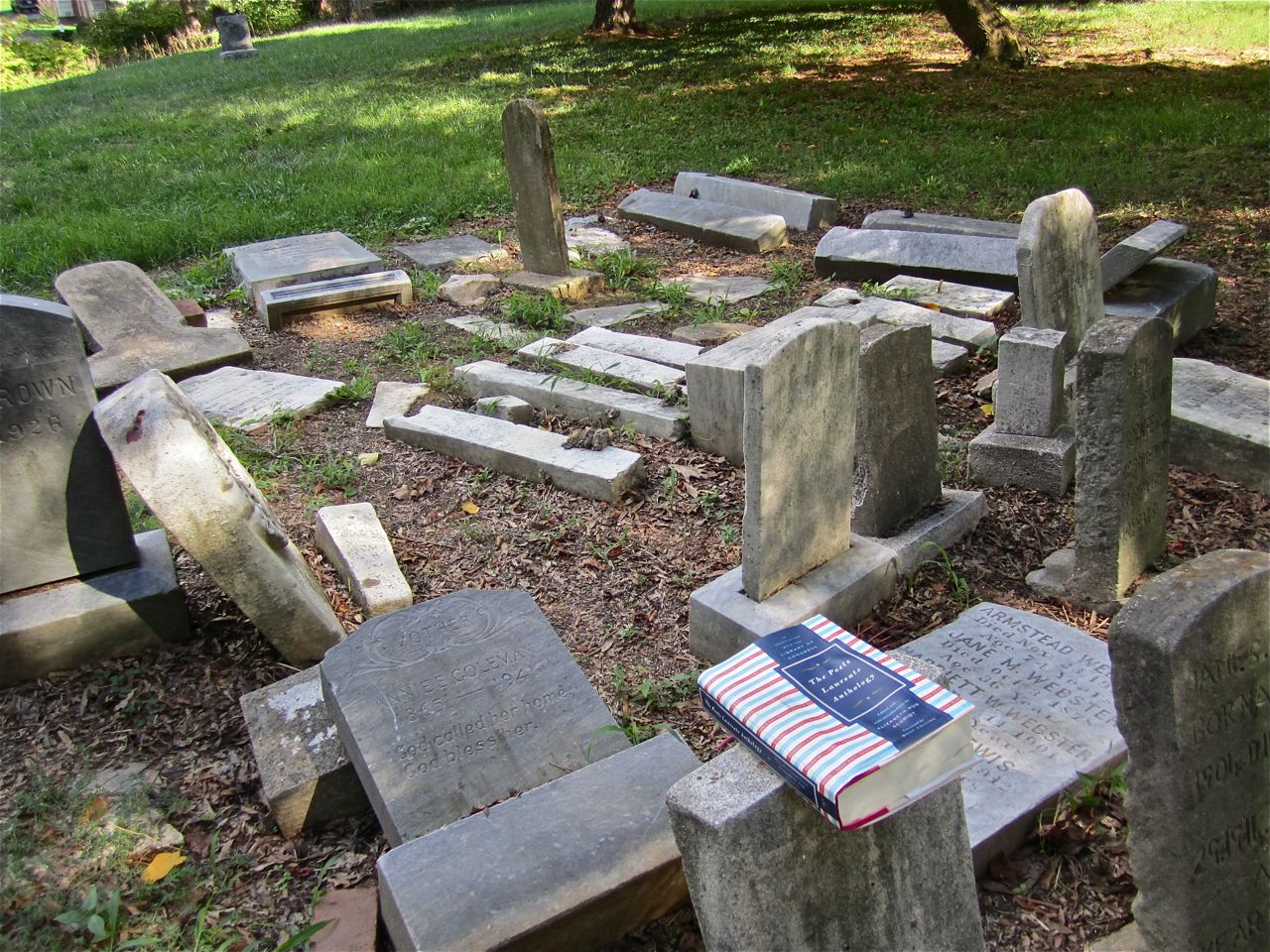
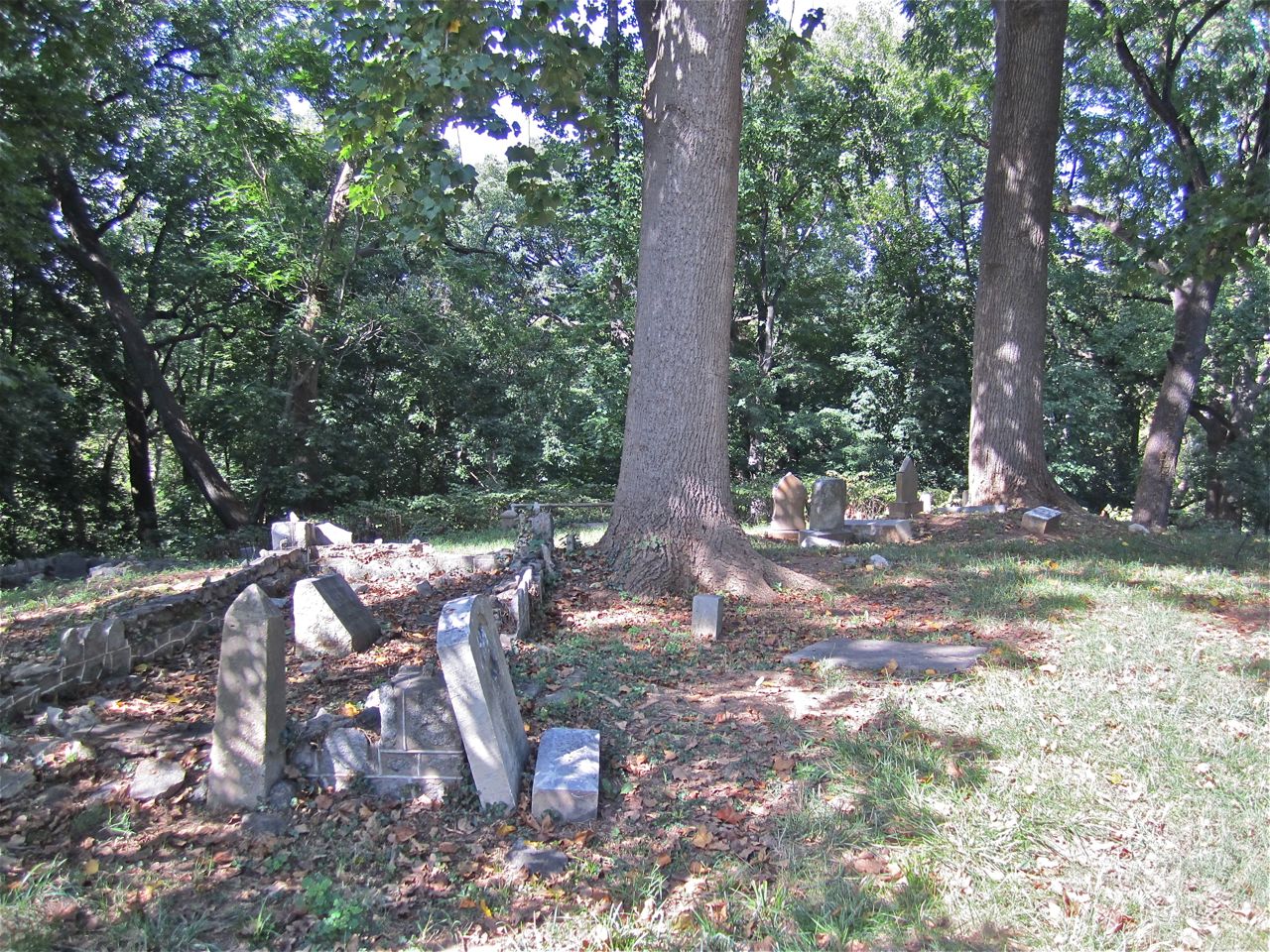
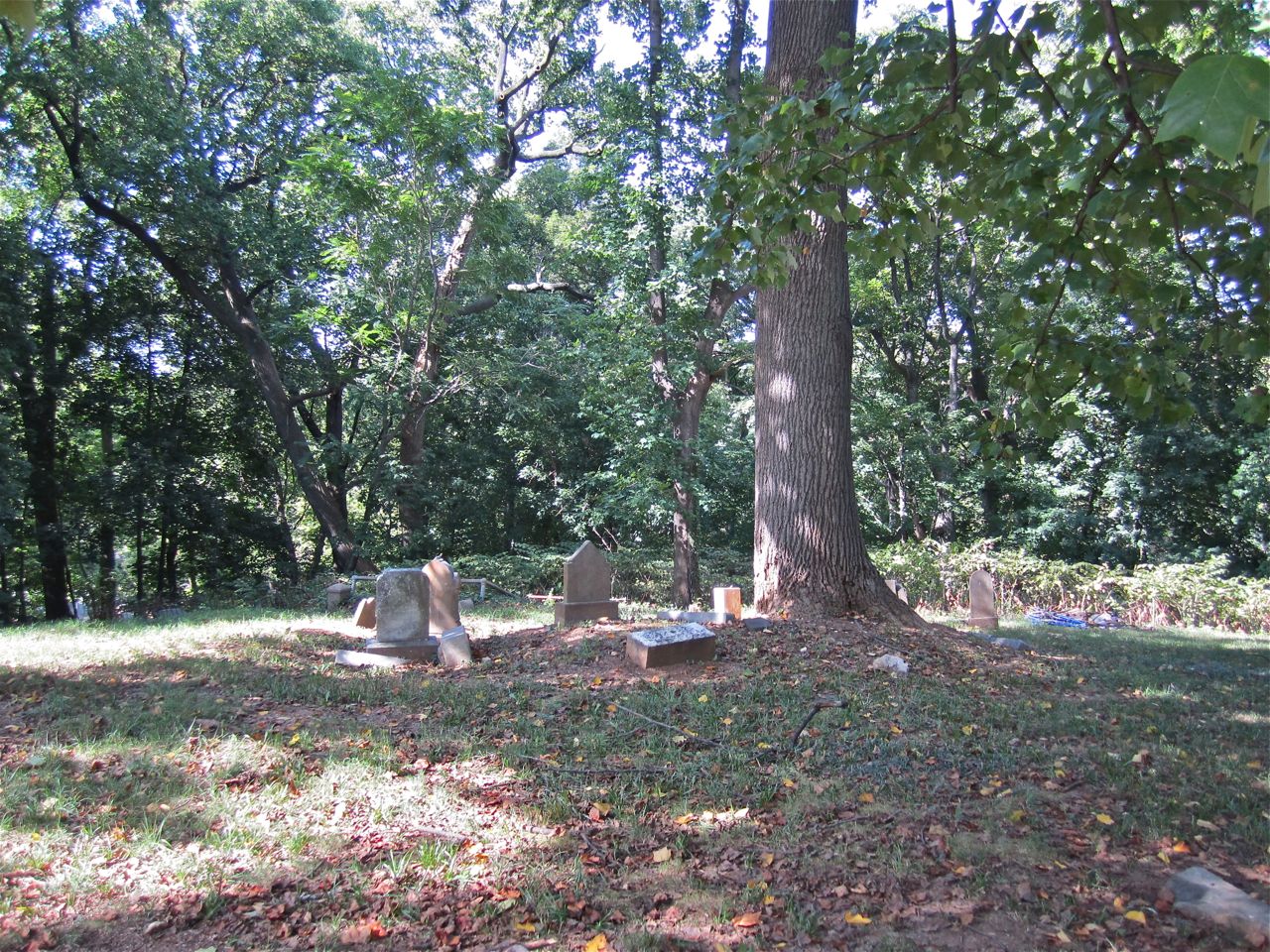
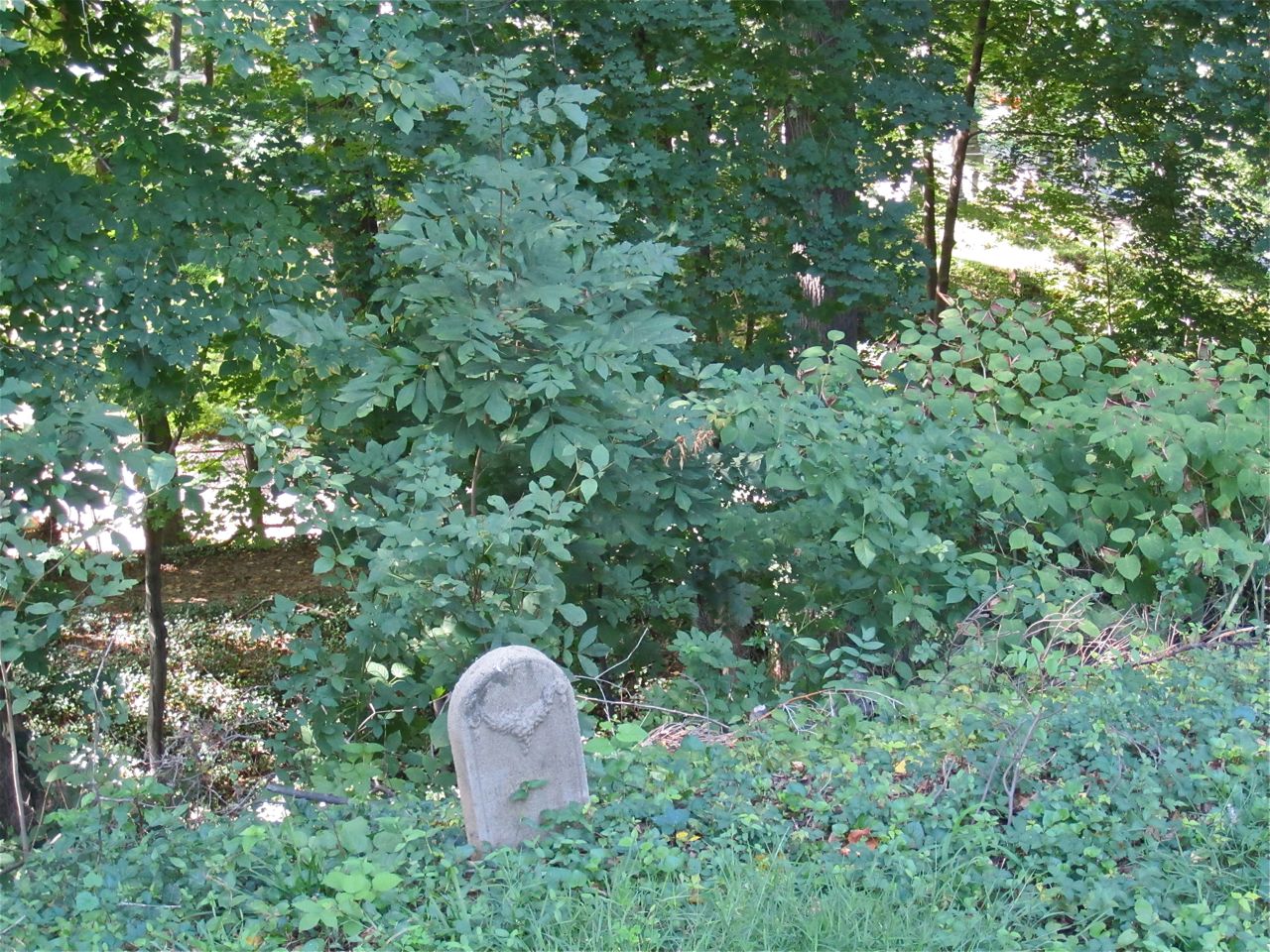
The burial ground covers about 3 acres. Many of the headstones have fallen or have been moved over time and are now consolidated into a few groupings. The grass is neatly cut and trimmed around the stones, but there are no flowers or other plantings. The woods of the Rock Creek Park trail surround the cemetery to the north and east.
What I suspected as I looked around — later confirmed by some online research — was that Mt. Zion was an old African-American cemetery, a reminder of the time (from the 1700s until the 1950s) when Georgetown had a large Black population.
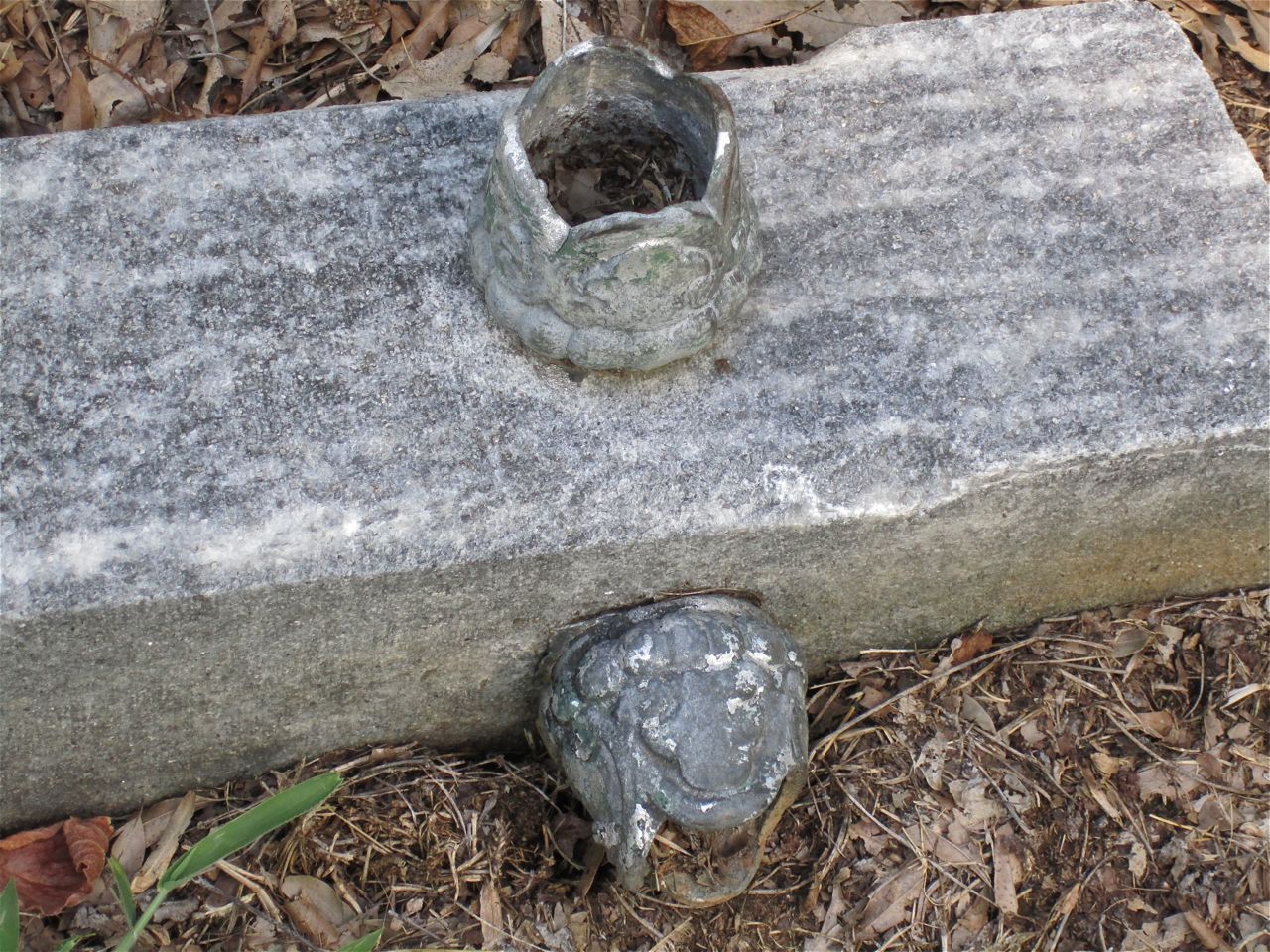
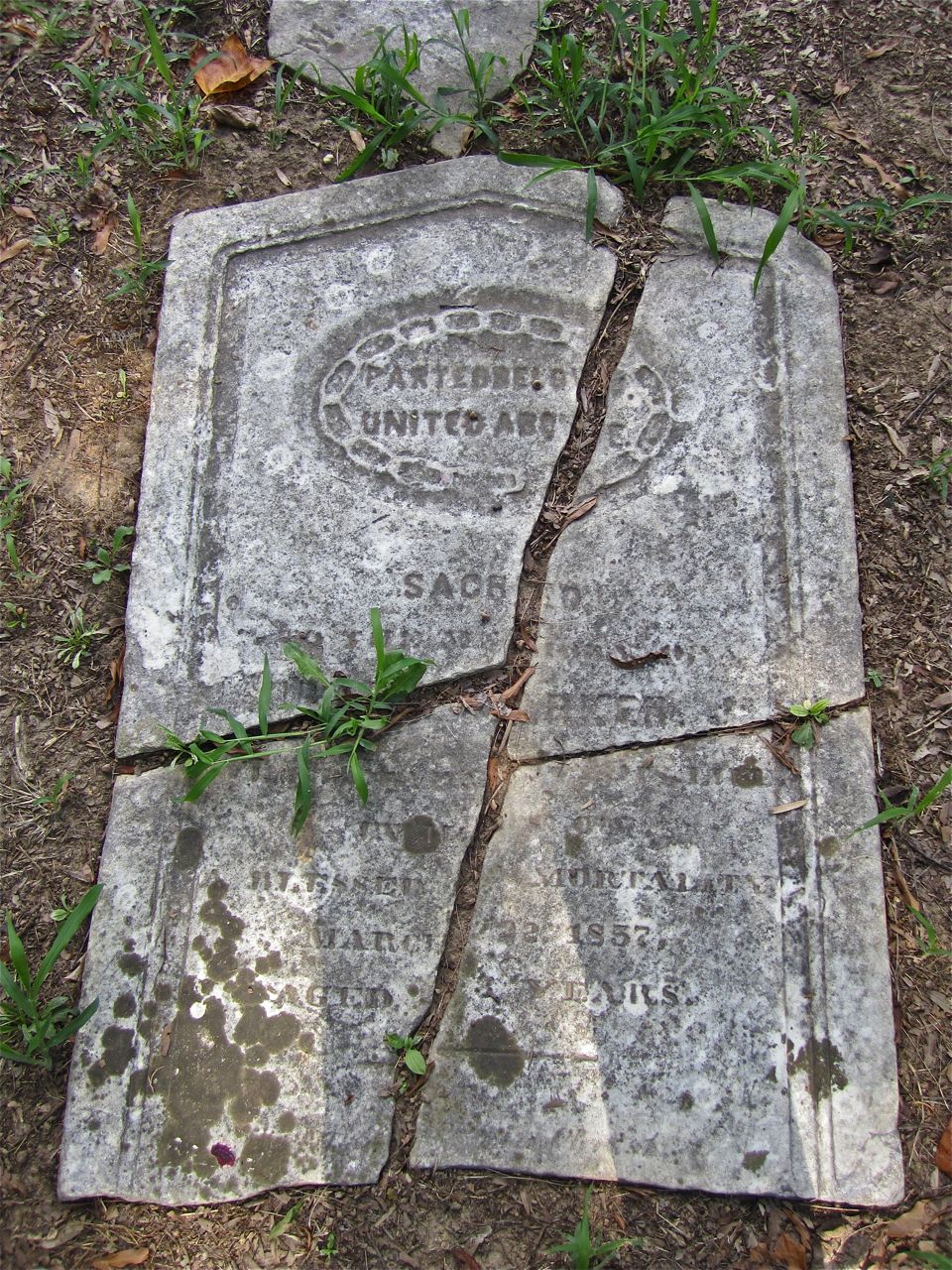
A group of tombstones overlooked by townhouses on Q Street.A woman’s headstone.Nineteenth and early twentieth century headstones.A stone pillar once stood upright and held the railings around a family’s graves.A broken headstone from the 1850s on the ground.Someone has left behind a book of poetry.
Beginning in 1809, the cemetery’s western side was used by the Mongomery Street Church for the burials of its white members and their slaves, as well as of free African-American members. It was known as the Old Methodist Burying Ground, and its largest monument marks the graves of the white Beck and Doughty families. It was a biracial cemetery for a biracial (but not equal status) church while slaves were still being sold in Georgetown.
Old Methodist fell into disuse after Oak Hill Cemetery, located just to the west and north, was founded in 1849. In 1879, the plot was leased for 99 years by Mt. Zion Methodist Church, the oldest African-American church in Washington.
A group of graves at the edge of the woods of Rock Creek Park.Another view.
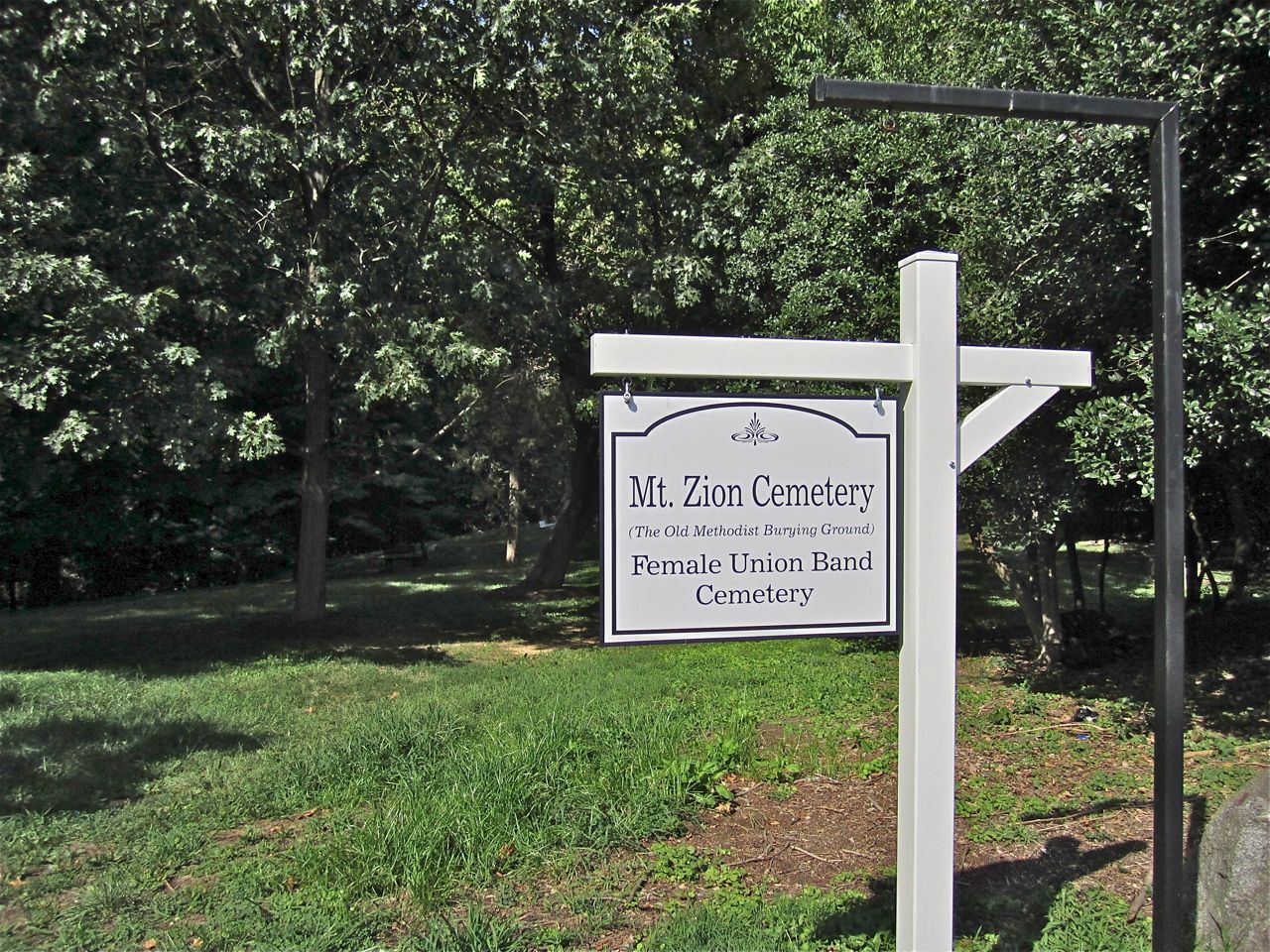
The east side of the cemetery had already been purchased in 1842 by a local cooperative benevolent association of Black women and had become the Female Union Band Graveyard for the burial of free Blacks.
The entry sign to the cemetery.
For decades, both cemeteries were well maintained, but eventually lack of funds led to disrepair, and the last burials were held in 1950.
In the late 1960s, the cemeteries were threatened with removal of the graves for development. Various local groups and individuals worked together to save them, and, in 1975, they were declared a Historical Landmark of Washington, D.C., and listed on the National Register of Historic Places.
A small, lone headstone.
There’s a complete history of Mt. Zion Cemetery by Pauline Gaskins Mitchell in the appendix of the 1991 book Black Georgetown Remembered, which can be read at this link. The complete book can be purchased at Amazon.
ADDENDUM: “A 2 Georgetown Cemeteries, History in Black and White,” New York Times, October 21, 2016, here.







 enclos*ure