Nostalgia for New Orleans

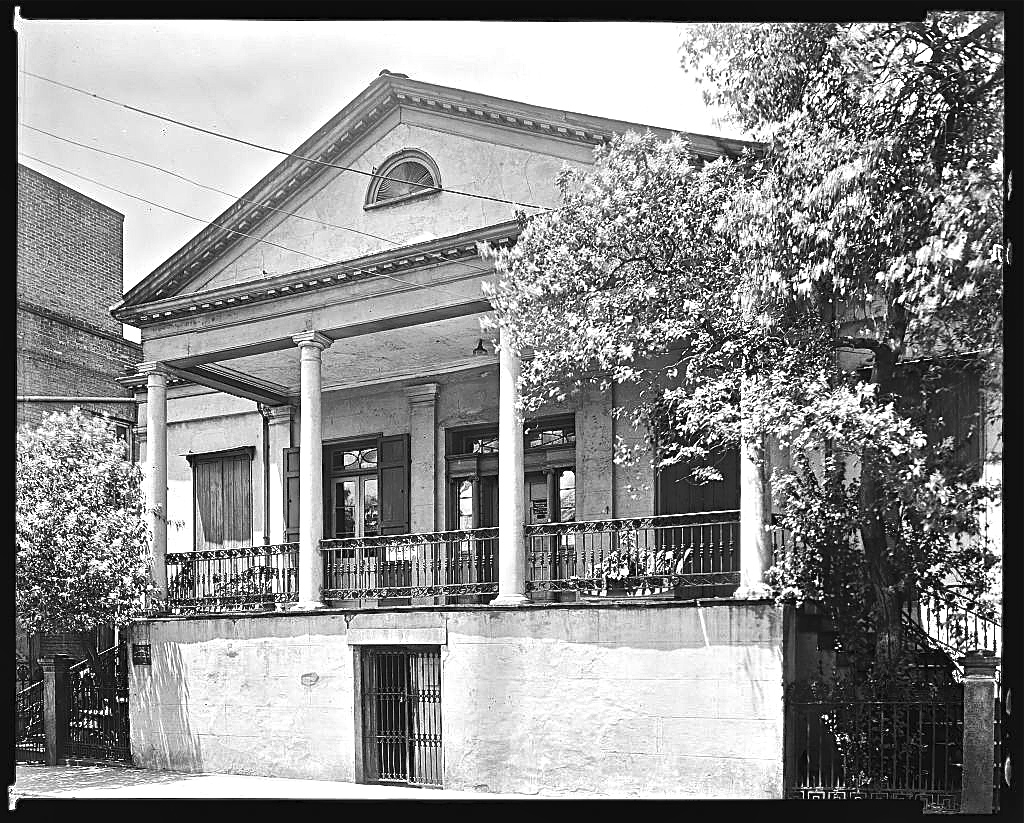
931-933 St. Philip Street.

I’ve been thinking a lot about New Orleans and its special style since we were finally able to watch season one of the HBO series, Treme, in December and January.  We lived in an Uptown neighborhood briefly many years ago, and I think the Crescent City is like Paris or Rome: any time passed there stays with you deeply.

It was that way for Walt Whitman, who was editor of the New Orleans newspaper The Crescent for few months in 1846.

Once I pass’d through a populous city, imprinting my brain, for future use, with its shows, architecture, customs, and traditions. . .
— Walt Whitman, Leaves of Grass

I tracked down a column by Dave Walker of The Times-Picayune on its website, nola.com, called Treme Explained,” which explicates all the local references in each episode.  I’m trying not to read ahead, because we’ll eventually get season two here.

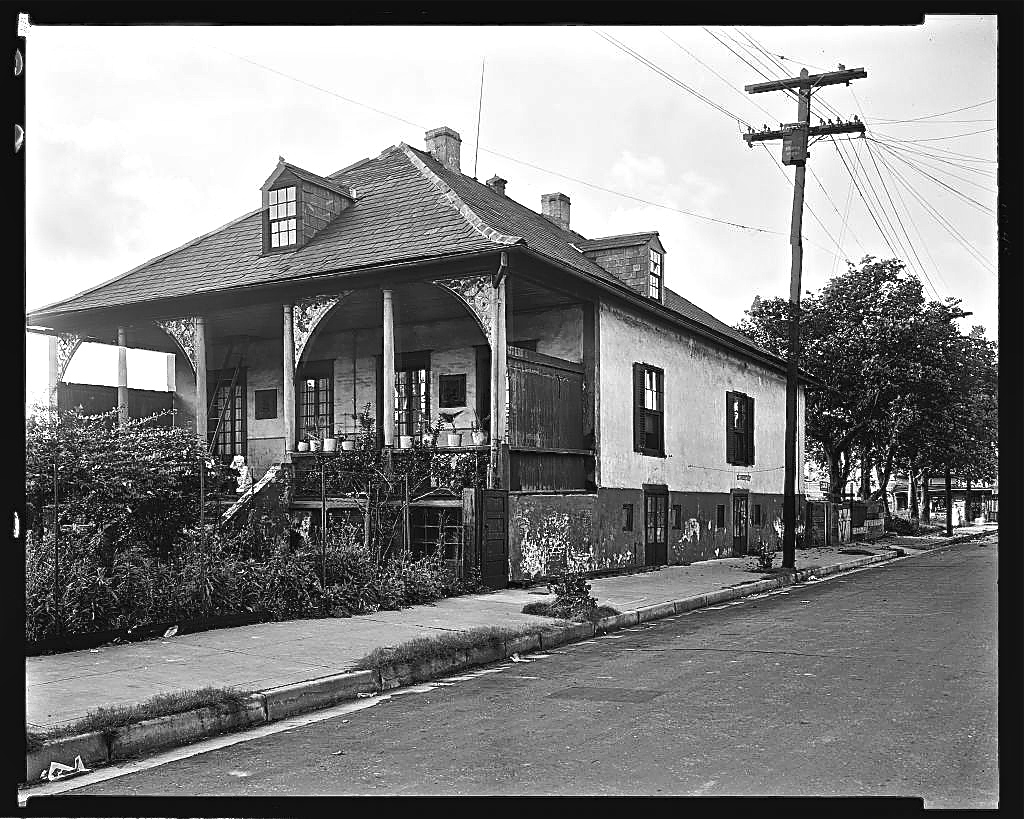
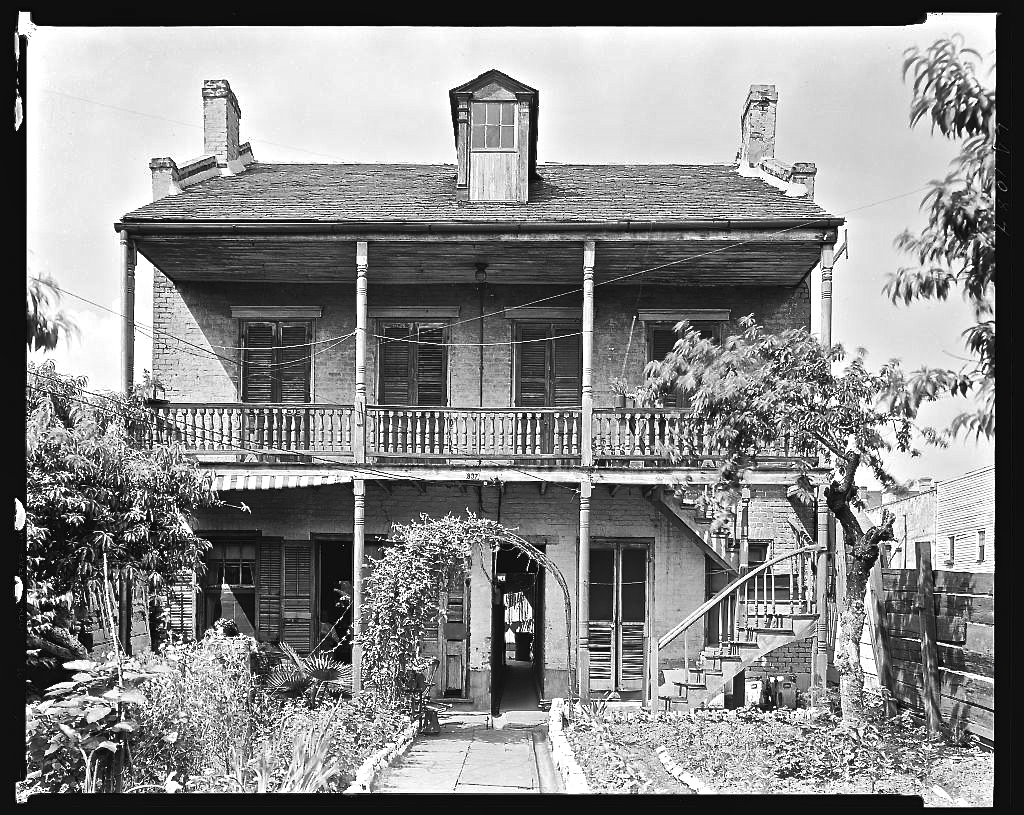
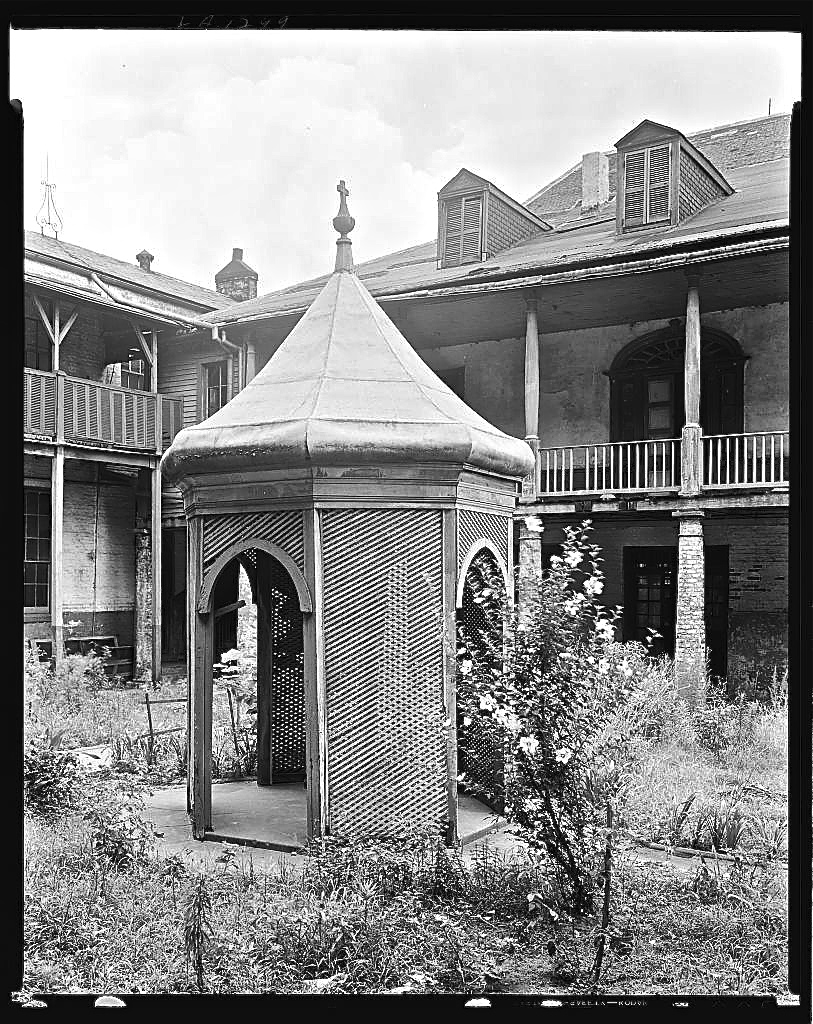
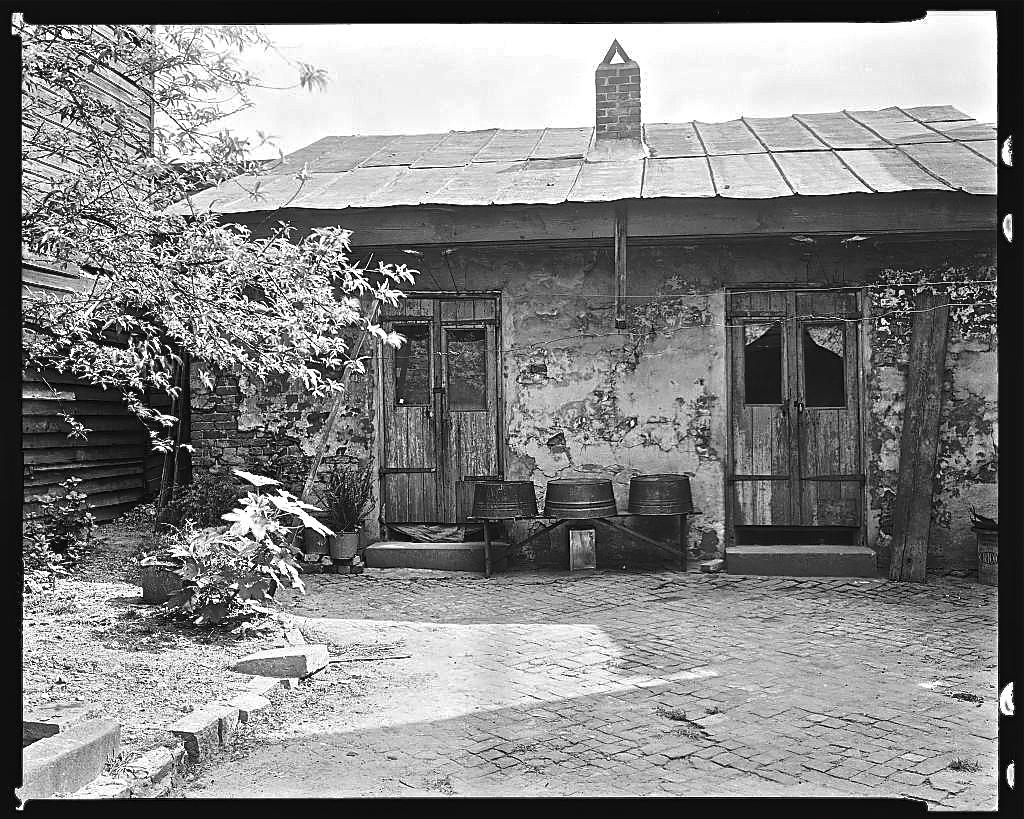
More recently, I found these beautiful photographs by Frances Benjamin Johnston of courtyards and gardens in New Orleans in the late 1930s.
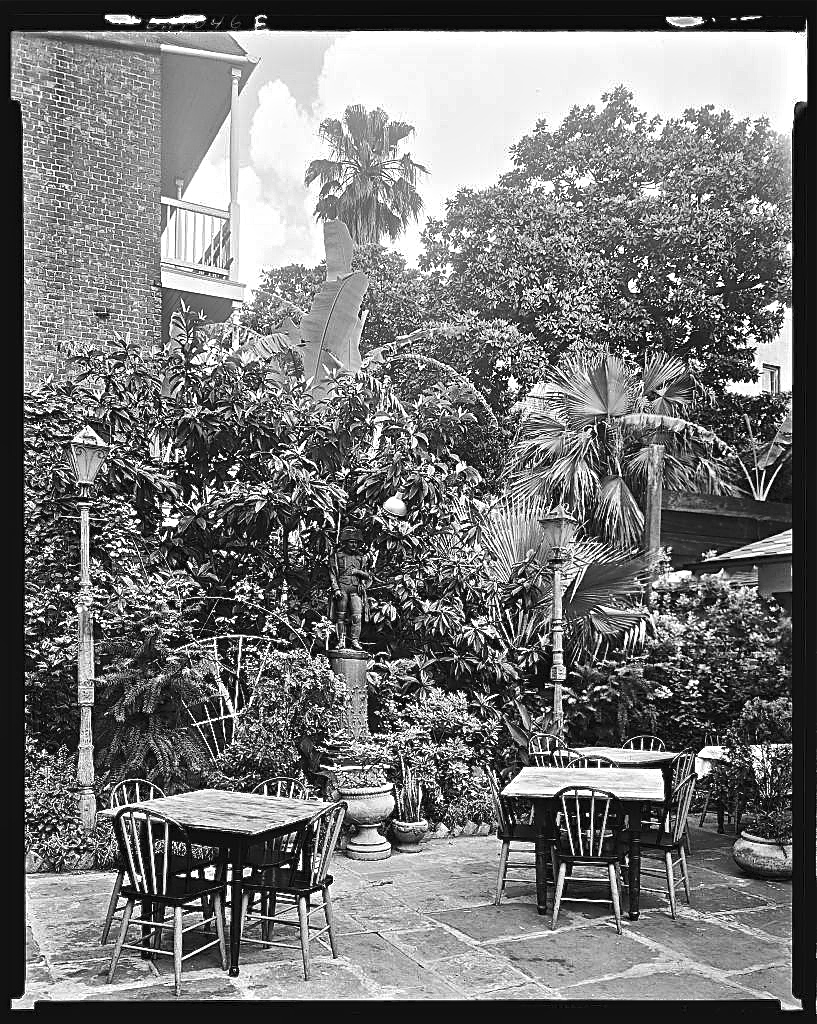
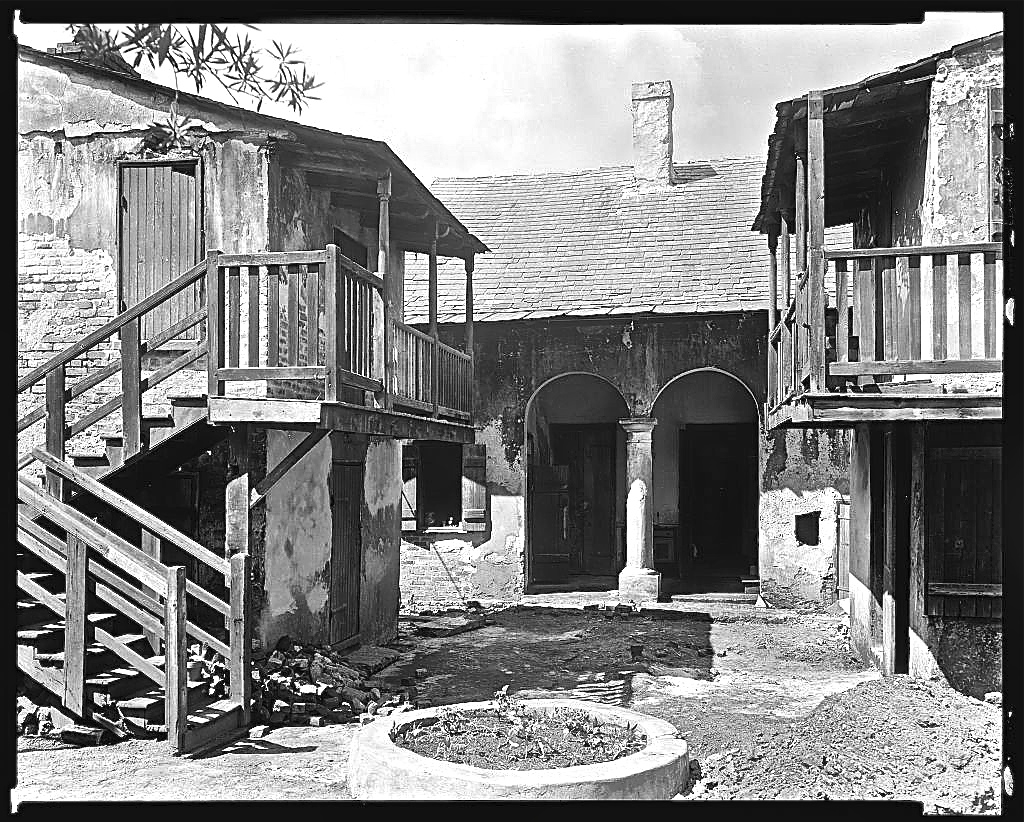
Broussard’s patio, 815 Conti Street. All photos on this post are of New Orleans, La., in the late 1930’s, via the Library of Congress Prints and Photographs Division.
Gaillard Cottage, 915-917 St. Ann Street. Click on any photo to enlarge it.

They are all from the Carnegie Survey of the Architecture of the South of the Library of Congress.
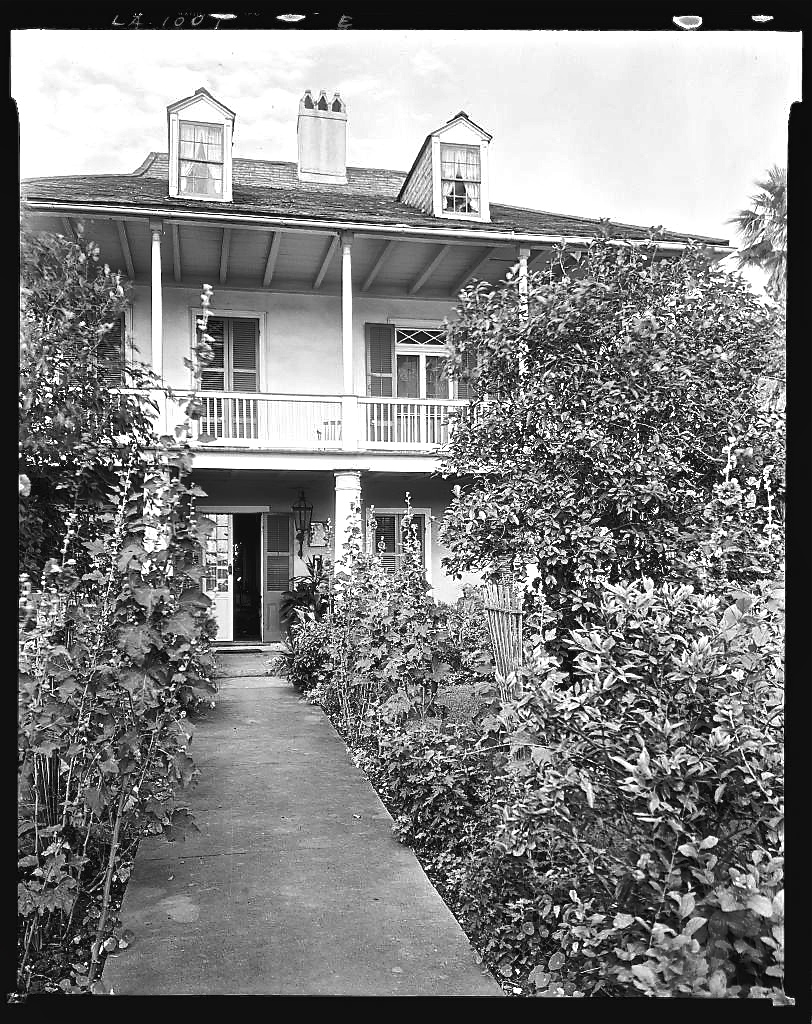
Spanish Customs House, 1300 Moss Street.

From 1933 to 1940, Johnston photographed buildings and gardens in nine southern states, funded by a grant from the Carnegie Corporation.  She was one of the first to photograph and record southern vernacular architecture.

Her entire collection is fascinating. It contains 7,100 images of 1,700 structures and sites.
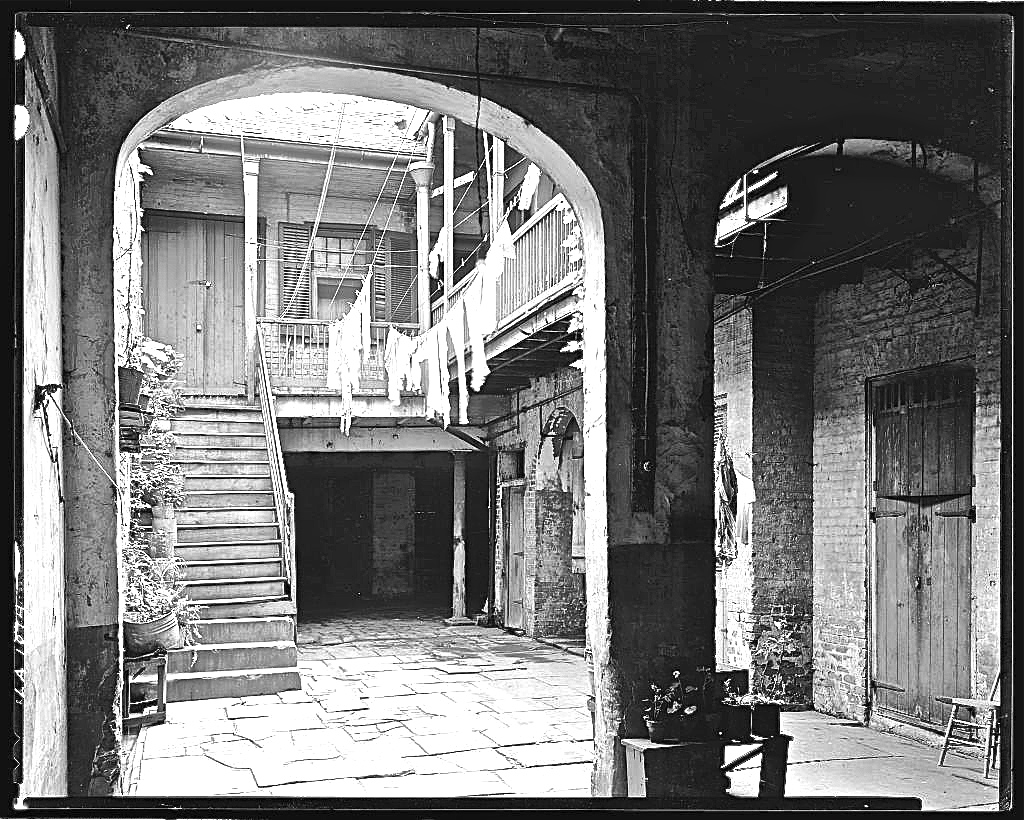
818 Bourbon Street.
Beauregard House, 1113 Chartres Street.
Plantation House, 3939 Chartres Street.
837 Gov. Nicholls Street.
806 Royal Street.
Olivier Plantation, 4111 Chartres Street.

There are more Johnston photos of New Orleans in the gallery after ‘Continue reading’ below. Click on any thumbnail to scroll through all the pictures in full size.

In 1945, Johnston moved to New Orleans, where she enjoyed the lively bohemian atmosphere. She lived in her house on Bourbon Street until her death in 1952 at the age of 88. These two photos are from the Frances Benjamin Johnston Collection of the LoC.
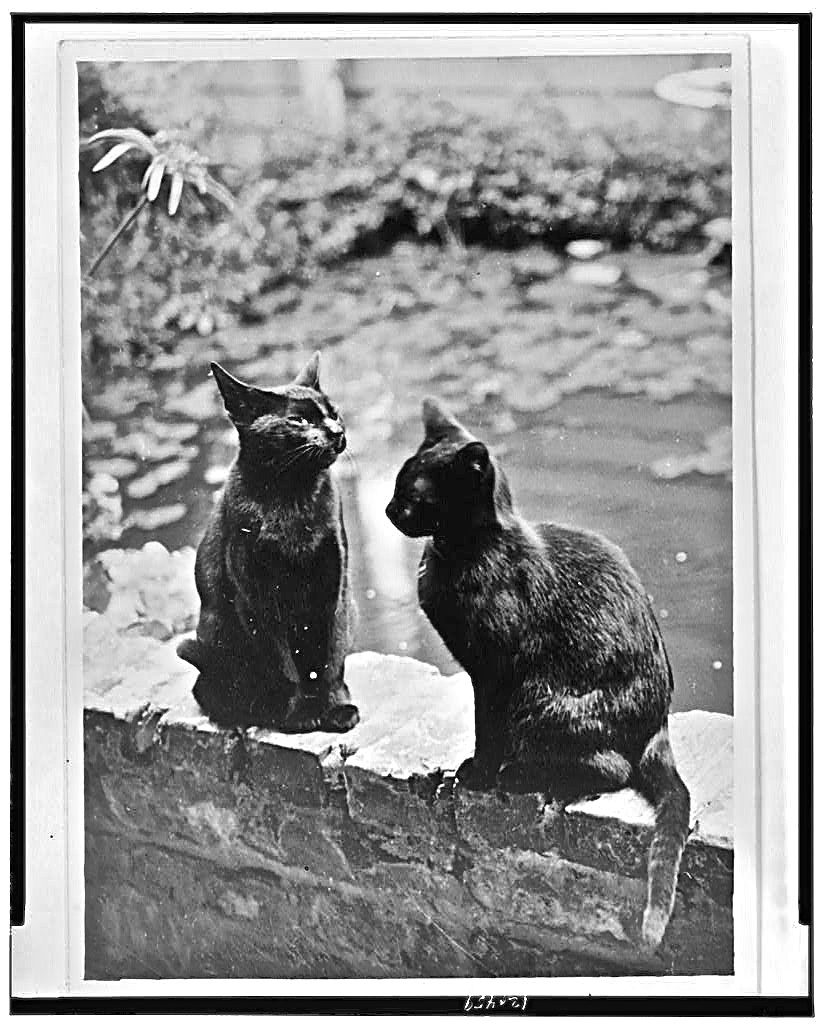
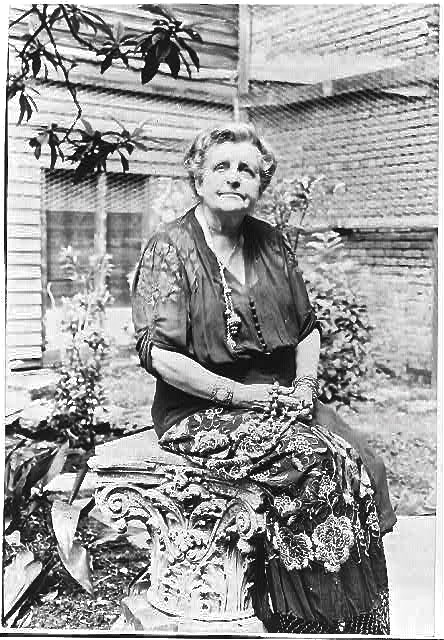
Johnston’s cats, Hermin and Vermin, seated on the brick railing of her New Orleans house.
Frances Benjamin Johnston (1864-1952), ca. 1950, in New Orleans.

You can buy prints of Johnston’s photos at Shorpy.com here.

If you’re thinking of visiting the Big Easy, you can read “36 Hours in New Orleans” in The New York Times travel section.

About.com has a list of New Orleans blogs here.

Tulane University’s Southeastern Architectural Archive maintains the Garden Library, a collection of over 1,000 titles, including published materials associated with women’s garden culture. Currently, the Archive is showing an online exhibit of vintage Reuter’s Seed Company catalog covers (here).
Continue reading “Nostalgia for New Orleans”

Traditional village homes

As a follow up to Monday’s post on the Rwandan palaces, here are two photos of ordinary villagers’ homes from about 1950. I believe they are of the same village north of Lake Kivu near the Congo-Rwanda border.

View of the volcano Nyirangongo in the 1950s, from Guide touristique du voyageur, 1958 edition. (collection Gilbert Delapierre).
Village at the foot of Nyiragongo, about 1950 (collection Pierre Gallez, carte postale).

Photos via flickr here.

Enclosures of the kings

Thanks so much to WordPress.com for including this post on its “Freshly Pressed” page this week! 

Yesterday, we visited the Rukali Palace Museum in the town of Nyanza, a couple of hours south of Kigali.

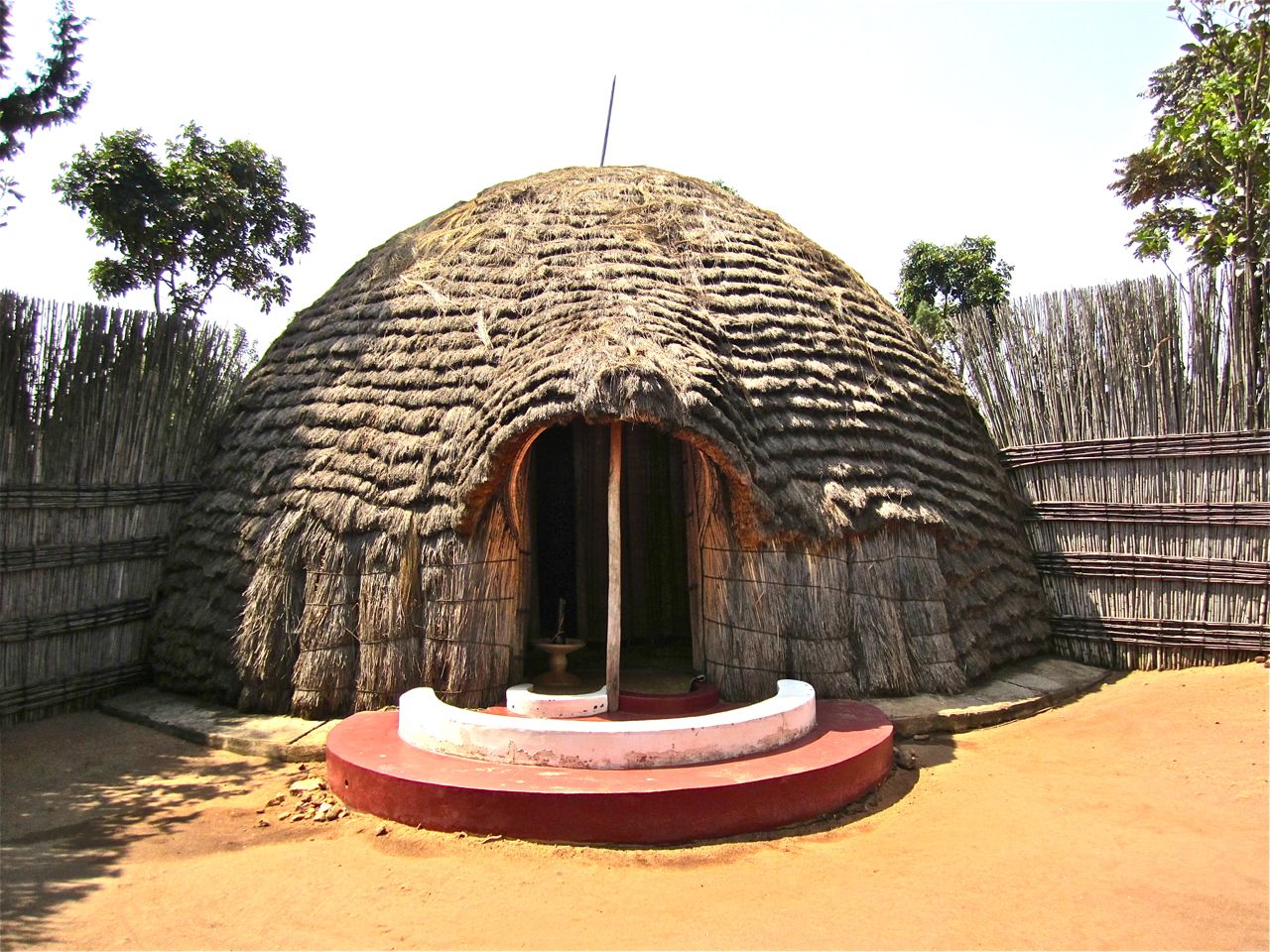
The opening of the enclosure around the house of the keeper of the king’s milk.

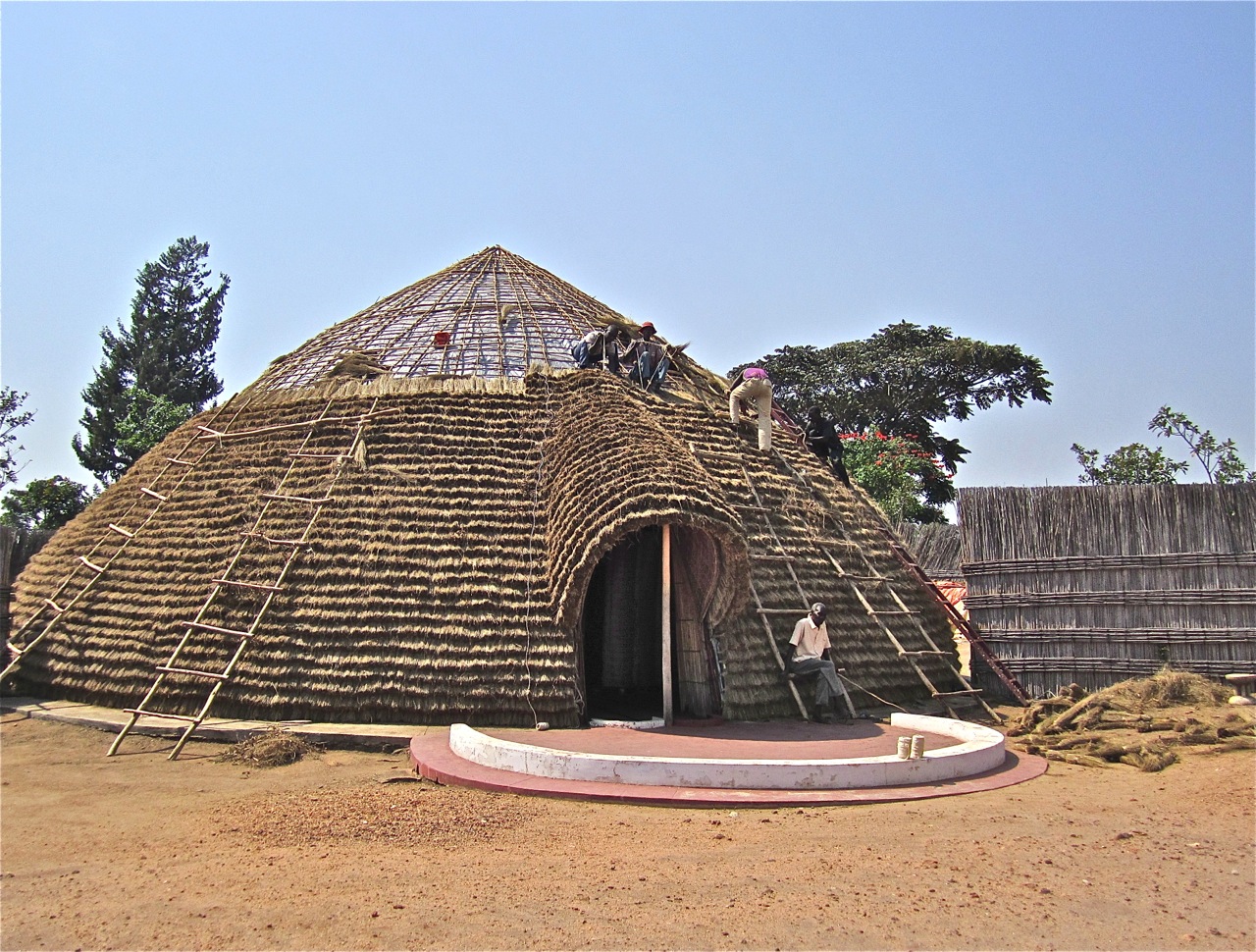
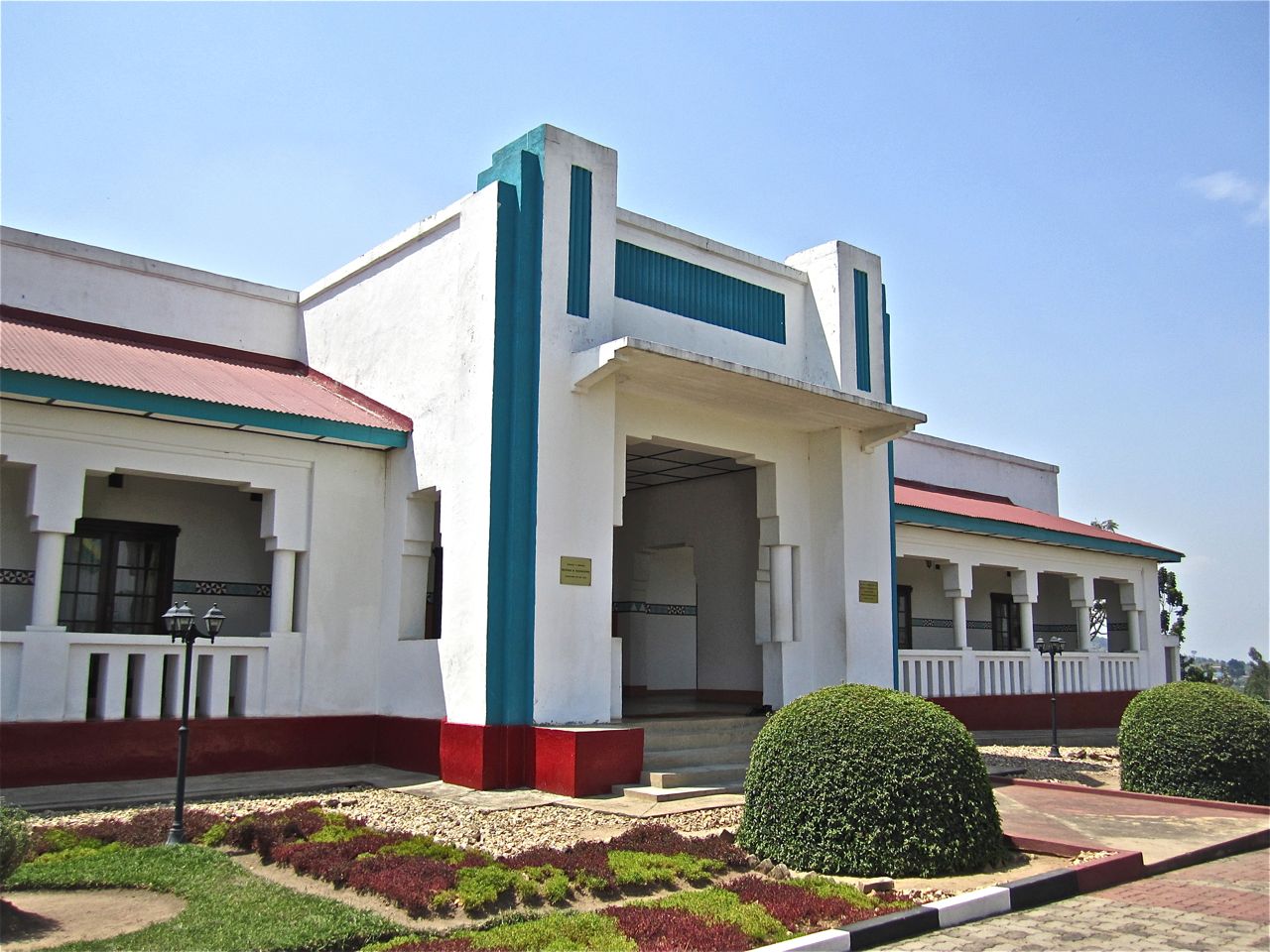
The museum grounds hold a reconstruction of the palace of Mwami (King) Musinga Yuhi V (a few miles from its original location), as well as the actual Western-style palace built for his successor, Mwami Rudahigwa Mutara III, in 1932.

The reconstructed palace is currently undergoing a 5-year refurbishment.

Musinga lived in a palace like this from 1899 until his death in 1931.

An old photograph of the actual court of Mwami Musinga.

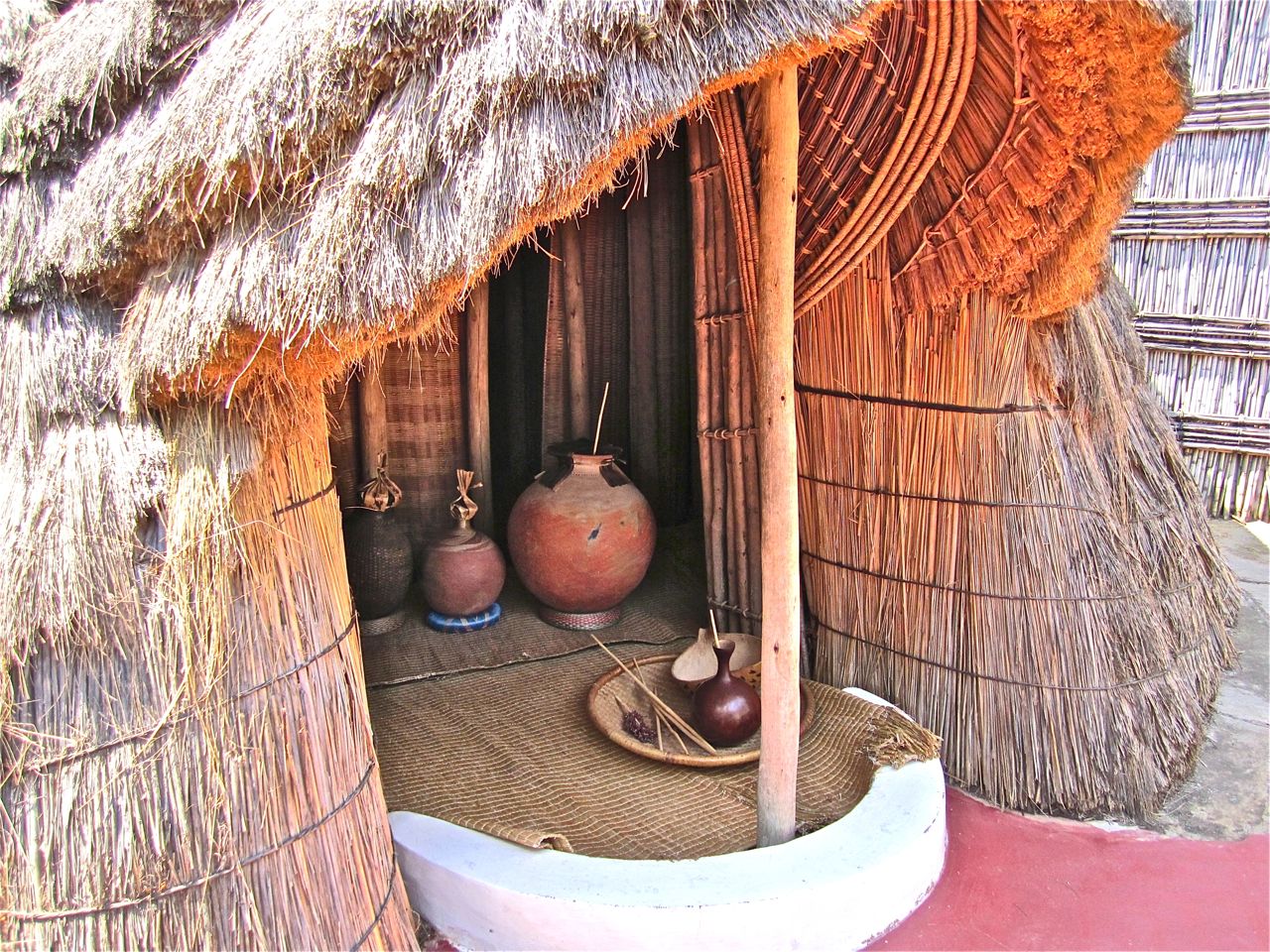
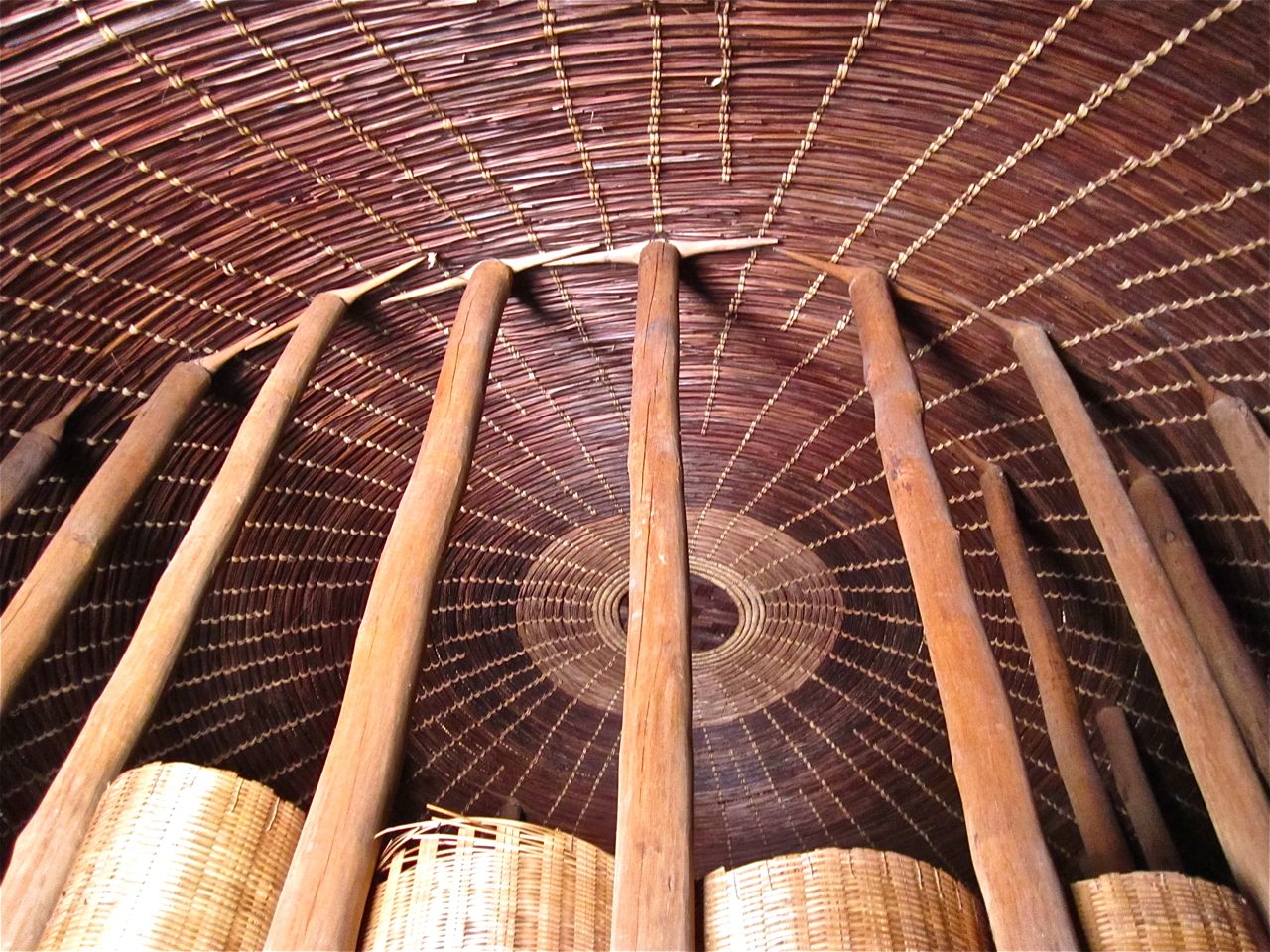
Traditional building and weaving techniques were used to make the structures of grass, reed, and bamboo. The work is very fine.

House of the keeper of the king’s milk.
The entrance to the house of the keeper of the king’s beer.
The inside partition is woven in such a way that an inhabitant could see out, but someone outside could not see in.
The ceiling.

A cow pen is part of the reconstruction. Cows were very important in Rwandan royal culture, and each of the king’s cows had a personal poem that was chanted or sung to call it out. They might also be decorated like this one.

A Rwandan cow wearing decoration at the reconstructed palace. Her keeper is chanting her own poem.
The pretty little calves are sleek as seals.

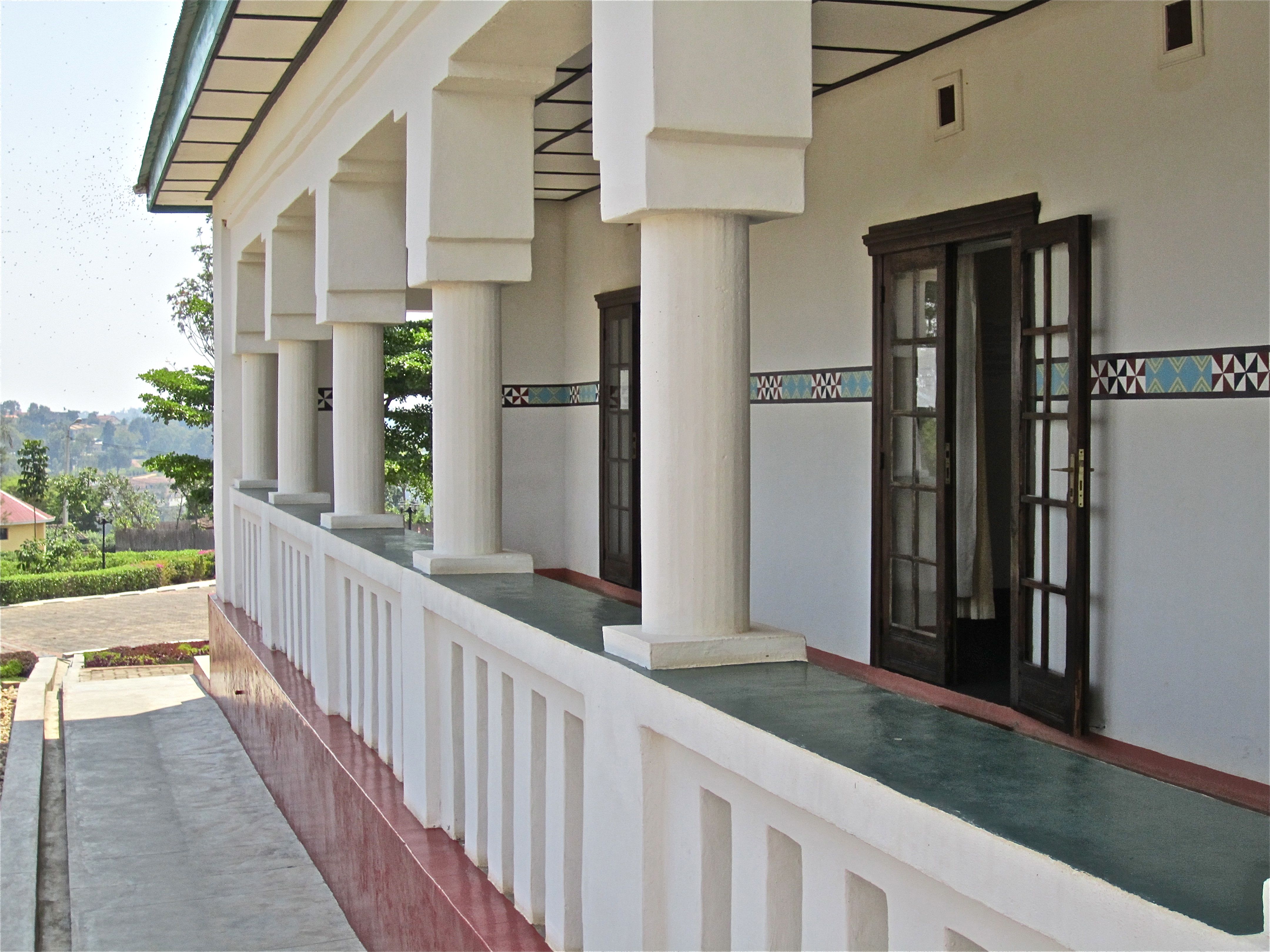
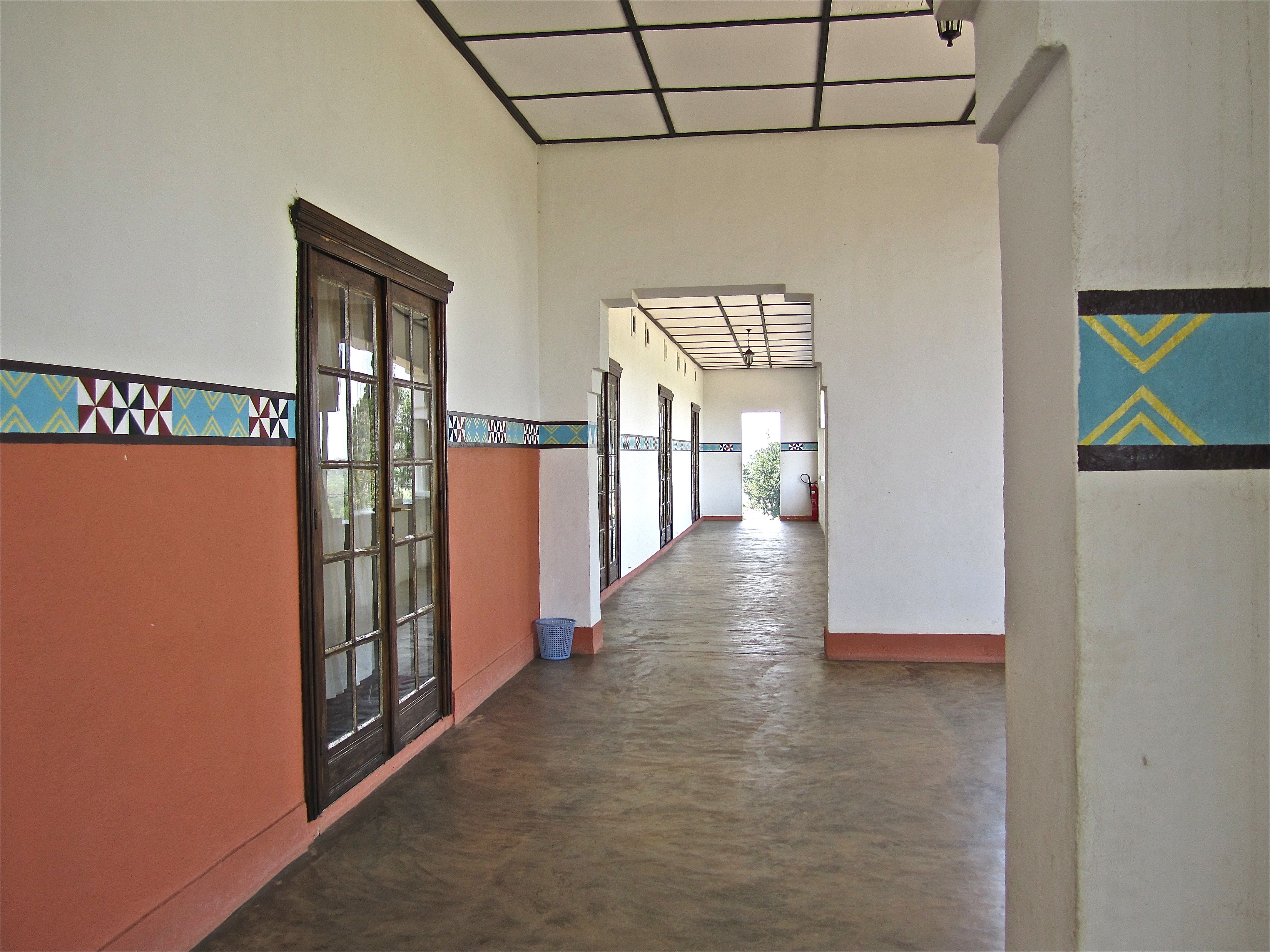
The modern palace (used from 1932 to 1959) is decorated inside and out in geometric motifs. Unfortunately, visitors are not allowed to take pictures inside.

The actual palace of Mwami Rudahigwa Mutara III, who lived here from 1932 until his death in 1959.
The front porch.
Inside, the home contains some original furniture, as well as historical photographs and maps.
Queen Rosalie and the king in the 1950s. The widowed queen was murdered in the 1994 genocide.

The courtyard garden is planted in hedges laid out in patterns like those traditionally used in baskets, mats, and room partitions.

The courtyard garden behind the more modern palace.
Room partitions of the reconstructed palace with traditional geometric patterns.

More about traditional Rwandan homes here.

Bird’s eye landscape

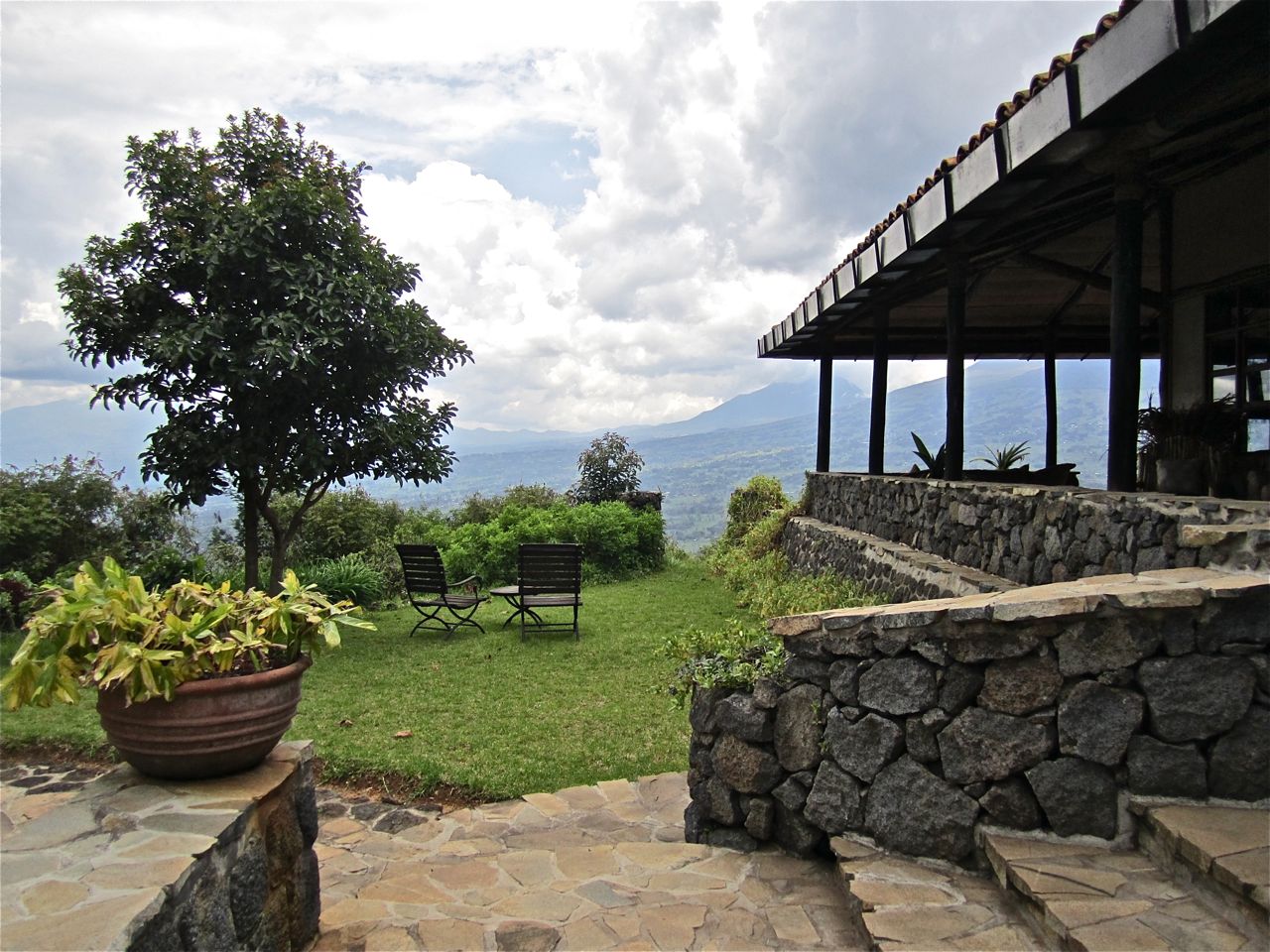
A recent visit to the Virunga Safari Lodge in the north of Rwanda made me think of Russell Page’s book, The Education of a Gardener, and his words on handling a hilltop site with a view.

About halfway up the nearest volcano, you can see the line between cultivated fields and the park, where the mountain gorillas live protected.

The Lodge –near the Parc National des Volcans and the famous mountain gorillas — has extraordinary views. Guests can see two lakes and several volcanoes.  But Page wrote that such a location is not ideal for the gardener.

“If I were to choose a site for a garden for myself,” he wrote, “I would prefer a hollow to a hilltop.  A panorama and a garden seen together distract from each other.  One’s interest is torn between the garden pattern with its shapes and colors in the foreground and the excitement of the distant view.  Everything is there at once and one has no desire to wander to make discoveries. . . .”

If, however, one does have to have a view, he advised: “Above all avoid any garden ‘design’ or any flower color which might detract from the main theme, which in such a case must be the view. . . . If there must be flowers they should be close against the house or below a terrace wall and so only visible when you turn your back to the view.  I would arrange the gardened part of the garden — flowers and shrubs — to the sides or far enough below, so that they and the view are not seen at the same time.”

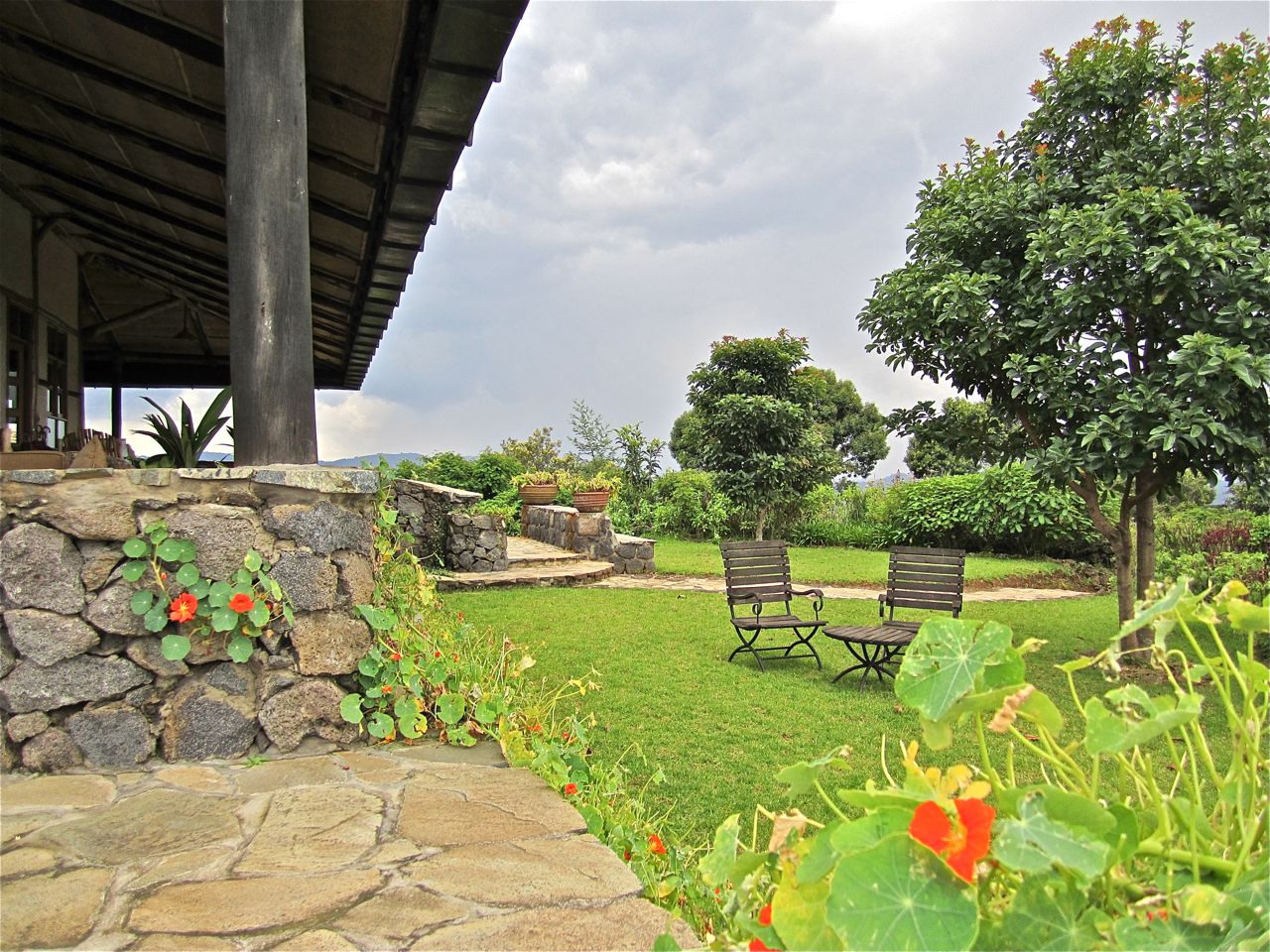
Landscaping around the dining hall and lounge is simple.

The landscape designer for Virunga Lodge seems to have worked right from the book, with beautiful results.

There are a few garden flowers and shrubs, but usually the existing wild brush has simply been cut back to allow for a few flat grassy areas and paved paths.
The focus is on the gorgeous view of Lake Burera.
Local volcanic rock was used in the construction of buildings and walls.
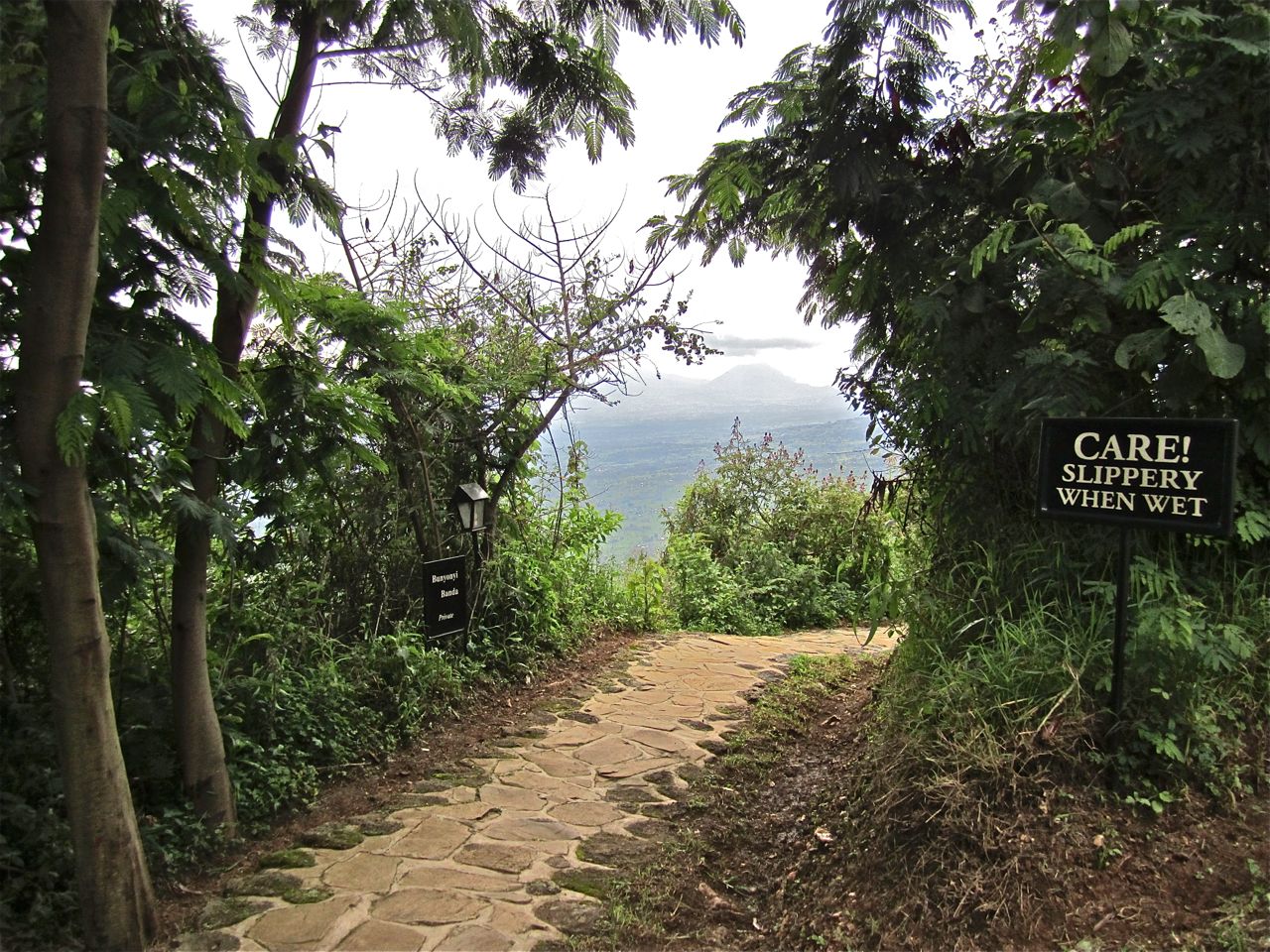
A path to a banda or individual cabin.
A trail to nearby villages. The lake is in the middle distance, topped by more hills and clouds.

About three hours drive from Kigali, the Lodge has eight “bandas” or individual cabins, which operate on solar power and use rainwater recovered from the rooftops.  It is very expensive at $600 per person per night,* although this is inclusive of all food and drink (including alcohol).  (We just stopped by for a look.)

This simple grass “room” sits along one of the main paths.
The path crosses this room, which is outlined with a low wall.
A long room with regularly spaced columns near the entrance to the Lodge.
The bandas have stone terraces.

To get a better sense of the layout and location of the Lodge (and what it’s like to arrive by helicopter), you can watch this short YouTube video.

The same morning as our stop at the Lodge, we visited two local schools and a nearby village family. Our guide was an American businessman working with faith-based development endeavors in Rwanda.  He took us to the site of a house he is building for himself. At the moment, it’s just a stone and concrete foundation set on the edge of a hill.

But again, the views were absolutely amazing.  He wisely plans to leave the land surrounding the house (which is all sloping downward) very natural, hoping to attract as many birds as possible.

Lake Burera.

Living here, one might begin to feel like a bird.


*There are reductions for Rwanda residents.