A garden in the Virunga hills

Over 10 years ago, when we lived in Rwanda the first time, Rosamond (or Roz) Carr was by far the most prominent American resident in the country. She had arrived there with her British adventurer husband in 1949 and was the last remaining foreign plantation owner.

Roz Carr and her farm, then and now.

Born in 1912 to a wealthy (until the 1929 stock market crash) New Jersey family, she had grown up with “boarding schools, country clubs, and debutante balls”  and was working as a fashion illustrator in Manhattan when she married the much older Kenneth Carr in 1942.  By the end of the decade, their relationship (and their finances) were faltering, and they decided to try farming in the Belgian colonies of Congo and Rwanda in the foothills of the Virunga Mountains.

They first managed a pyrethrum plantation in the eastern Congo. Then, in 1955, her marriage over, Roz bought a 270-acre plantation of her own in Rwanda, called Mugongo. Within view of the Karisimbi, Mikeno, and Nyiragongo volcanoes, she began to create an extensive formal English-style garden.  In 1957, when the price of pyrethrum dropped, she started supplementing her income by selling cut flowers to hotels on Lake Kivu.

The house at Mugongo, covered in creeping fig.

Roz was a woman of great elegance, charm, and determination.  In the 1950s, she enjoyed the social highlife of the region’s Belgian planters, but when colonialism ended and they (and Kenneth) went home, she resolved to remain with the farm, the garden, and the lifestyle she’d created.  She often lived on the edge of  bankruptcy, but always considered Rwanda the right place to be.

In 1967, she began a long friendship with the mountain gorilla researcher, Dian Fossey, who often used Mugongo as a refuge from the hardships of living on the volcanoes.

In 1986, Vanity Fair editor Alex Shoumatoff wrote a long article about Fossey’s murder.  In it, he  described Roz as “glamorous” (she was 74).   Shoumatoff recounted his visit to Mugongo, with its garden  “in spectacular bloom” and the cottage  “cozy . . . with a fireplace, rugs, pillows, a pet gray parrot on a stand, lots of books, old New Yorkers on the table.”  By that time, the market for pyrethrum was so poor that almost all of the plantation had been converted into a flower farm supplying hotels, businesses, and embassies in Kigali.

Roz enjoyed some mild celebrity while advising the makers of the 1988 film Gorillas in the Mist.  She was played by Julie Harris, and her garden played itself.

In the movie, Dian Fossey was as portrayed coming through this gate and meeting Roz for the first time. In reality, they had met twice before.

By the age of 82, she’d had a long eventful life, firmly rooted to a piece of land and a country. Then, in April 1994, it all turned upside down and she had to start again.

The violence of the genocide forced her out of Mugongo and back to the U.S.   Horrified by the killings on her farm, she initially thought that she would never go back to Rwanda. But in August, she received word that her old farm manager had survived. She managed to get on to a U.N. cargo plane and returned home to find everything in ruins.  Seeing the many lost and orphaned children,  she turned the farm into an orphanage for 40 children by the end of the year.  She called  it  Imbabazi, which means “a place where you will receive all the love and care a mother would give.”

One of her few regrets in life had been that she had never had children, but in her autobiography, she wrote,  “I can only surmise that God didn’t feel I was ready to have children until I was 82 years old. Then he sent me forty all at once.”

Imbabazi has cared for more than 400 children since then.

When I would occasionally meet Roz in Kigali in 2000 and 2001, she was always beautifully coiffed and dressed and never looking her 88 years.  With her niece, Ann Howard Halsey, she had written her autobiography, Land of a Thousand Hills, in 1999, and it had expanded her already wide circle of friends and supporters.  When violent insurgencies in 1997 pushed her and the children off the farm, the Heineken-Bralirwa brewery housed them in Gisenyi.  Checks from abroad always came just in time.  Flowers from the garden continued to be sold in Kigali (they are still delivered around town today).

In 2002, she formed the Imbabazi Foundation with an international board of directors to oversee the orphanage’s operations and to insure its continuity.  In 2005,  Roz and the children finally returned to Mugongo.  She died there in 2006, at the age of 94.  She was buried in the garden, and her children planted out the ground around her grave.

Today, about 90 children remain at Imbabazi.  Most are preteens and teenagers, and the Foundation is preparing them for meaningful, independent lives through education and vocational training.  A few have gone to college.

Imbabazi will accept no more children and is considering ways that it can work for the community in the future.  It has a working farm on the property, which produces milk, meat, and vegetables for the children.  It is considering using the house and garden for tourism.  If you go there today, you can tour the garden and take tea (a donation of $20 per person is suggested).

Roz loved watching Intore dancers on this lawn every Sunday, but during the genocide eight people were killed in the garden.

Friday before last, I finally got to see Roz’s celebrated garden.  It is as beautiful as it was always described to me, not only for the long English-style flower borders, but more particularly for the deep planting beds off the formal lawn on the side of the house.  Temperate climate perennials and annuals mix with orchids, calla lilies, tree ferns, and other tropicals.  A number of paths, most paved in lava rock, wind through the thick flora and out to the old fields and the views of the volcanoes.

I have put all my photos into the gallery below.  Click on any thumbnail to scroll through all the enlarged pictures.

You can see an interesting  2004 video interview with Roz  here.   You can also make a (U.S.) tax-deductible donation to Partners in Conservation and indicate that the money should go to Imbabazi.  It is the only privately run group home for children in Rwanda and depends entirely on donations.  See the Imbabazi Foundation website for more information.

ADDENDUM: You can see the garden in May 2014 here.

The sago palms

On Friday, Diana of Elephant’s Eye commented on the age of my cycad. (The plant has a reputation as a slow grower.)

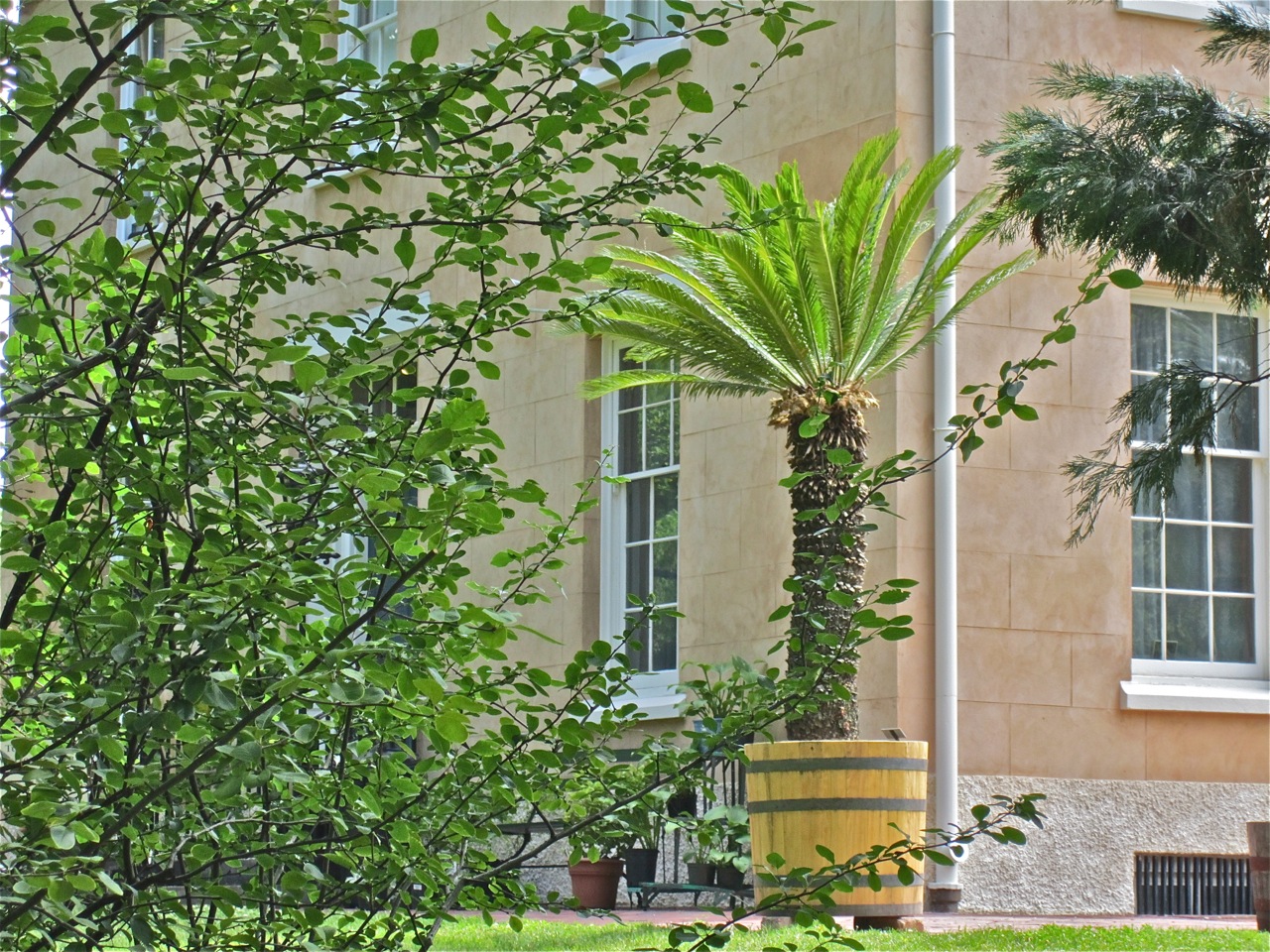
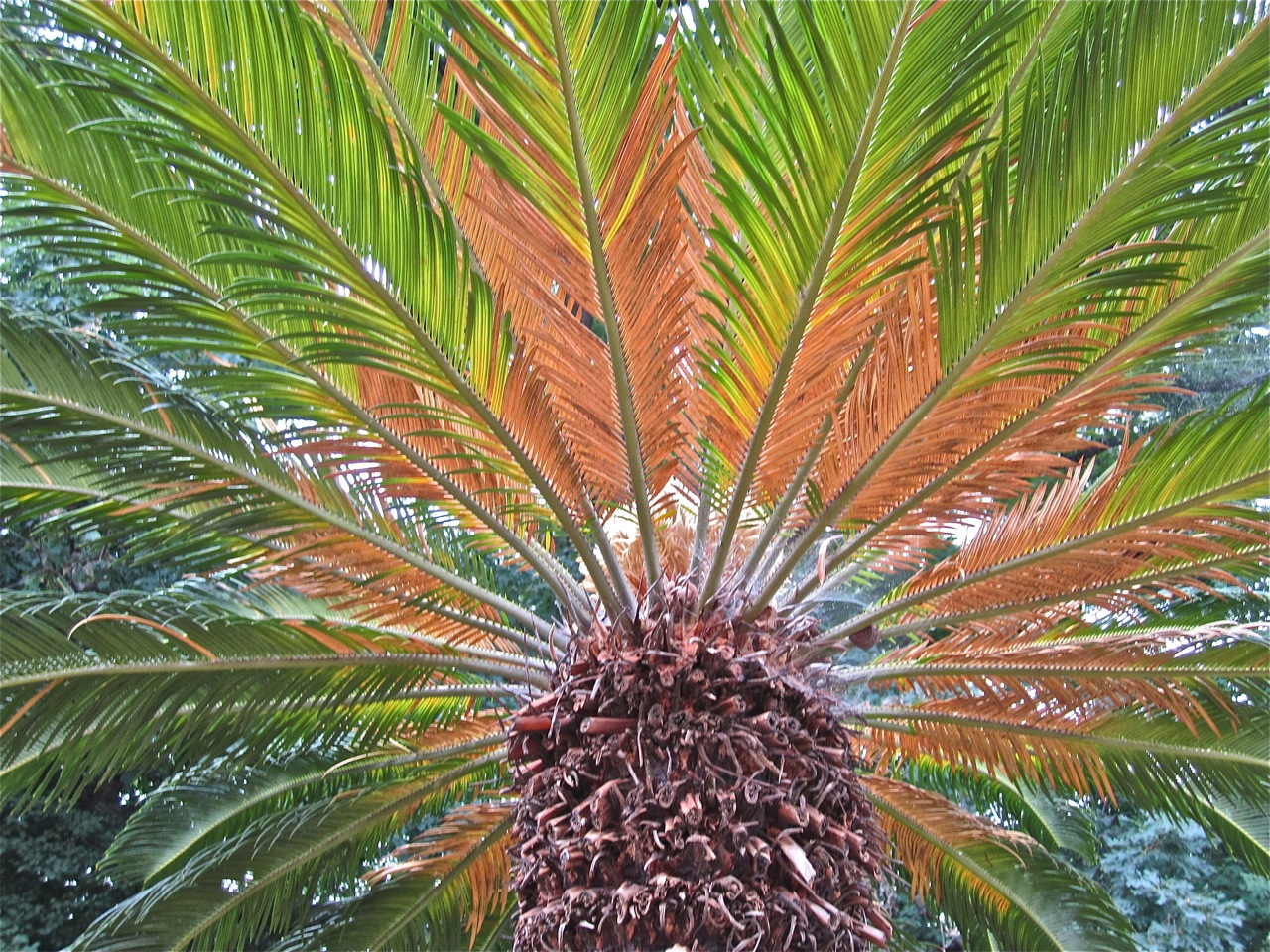
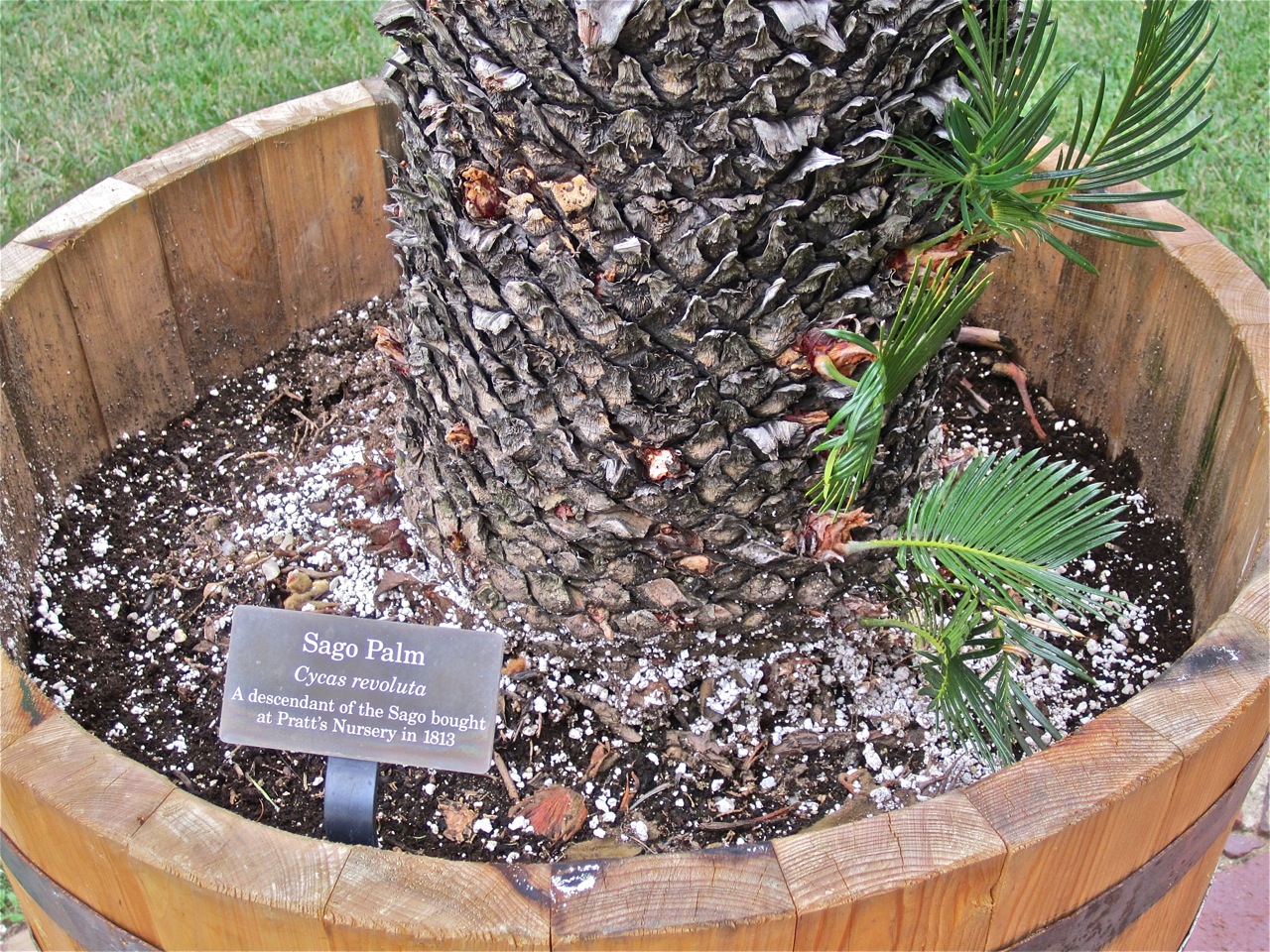
That made me remember some beautiful, rather ancient sago palms that I photographed at Tudor Place in Georgetown this summer. The sago palm is a cycad — Cycas revoluta — native to southern Japan.


Why weren’t our 19th century ancestors thoughtful enough to put away a few sago cycads in the greenhouse for us?

The original Tudor Place sago palm arrived in North America in 1775 on the famous Boston Tea Party ship. There were three sagos on board, and the largest one went to Mount Vernon. Another went to Pratt’s Nursery in Philadelphia, which is where Martha and Thomas Peter purchased it in 1813.

The Tudor Place blog says that the original sago palm is located near the door to the Visitors Center, although I only saw the specimens labeled as its descendants.

The Mount Vernon sago died in 1934. In 1941, a cutting was taken from the Tudor Place plant and given to Mount Vernon, where it grows today.

If you want to start your own little sago palm heirlooms in pots, please be aware that all parts of the plant are extremely toxic to children and pets. Guard it accordingly.

. . . all that predates history survives it.
the sago palm or the bird of paradise flower,
trees that are flowers that are birds.

. . . this high garden
protects the city that protects it.

Alvaro Garcia, “Public Garden” from Para lo que no existe, 1999

Enclosures of the kings

Thanks so much to WordPress.com for including this post on its “Freshly Pressed” page this week! 

Yesterday, we visited the Rukali Palace Museum in the town of Nyanza, a couple of hours south of Kigali.

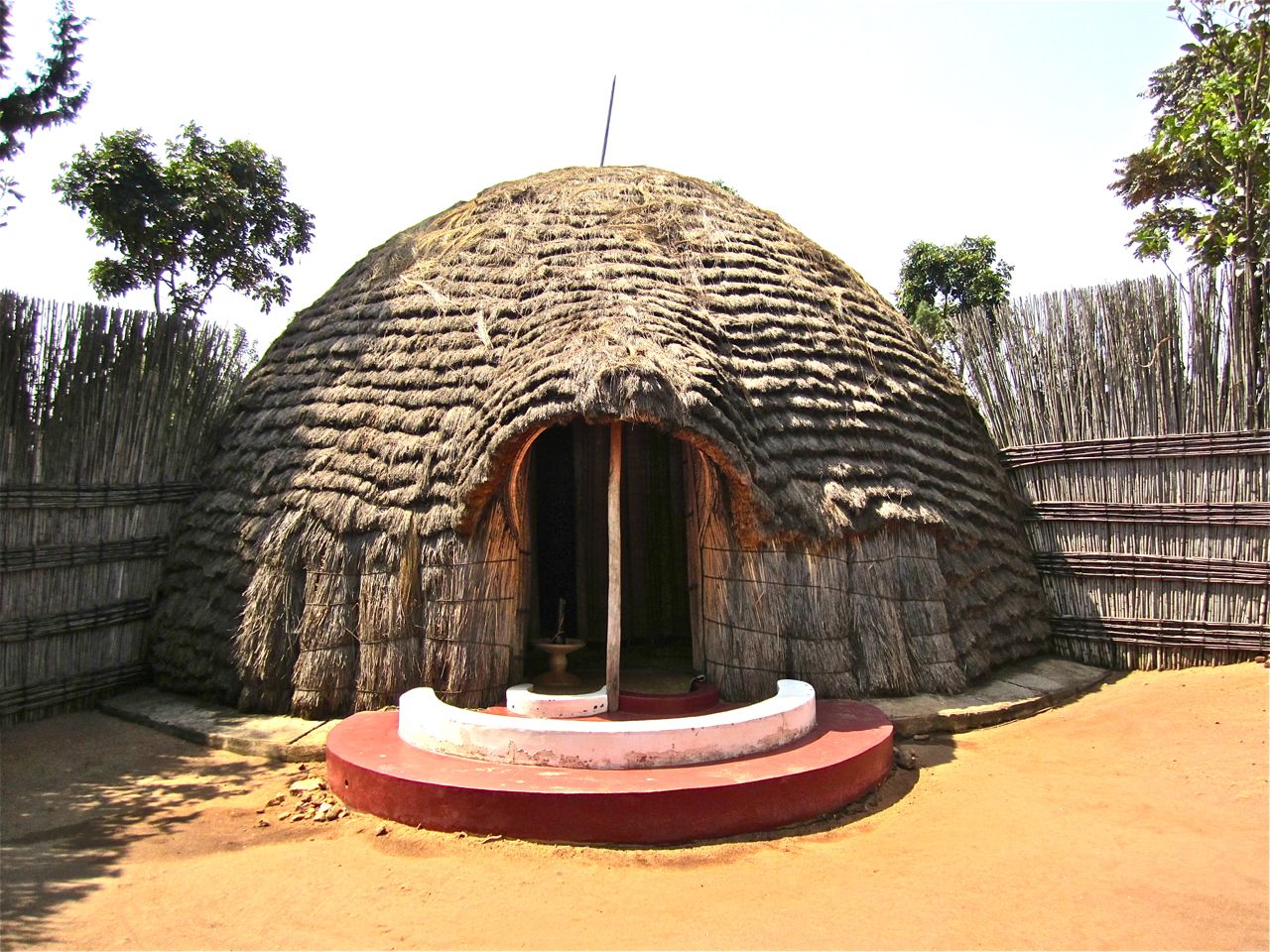
The opening of the enclosure around the house of the keeper of the king’s milk.

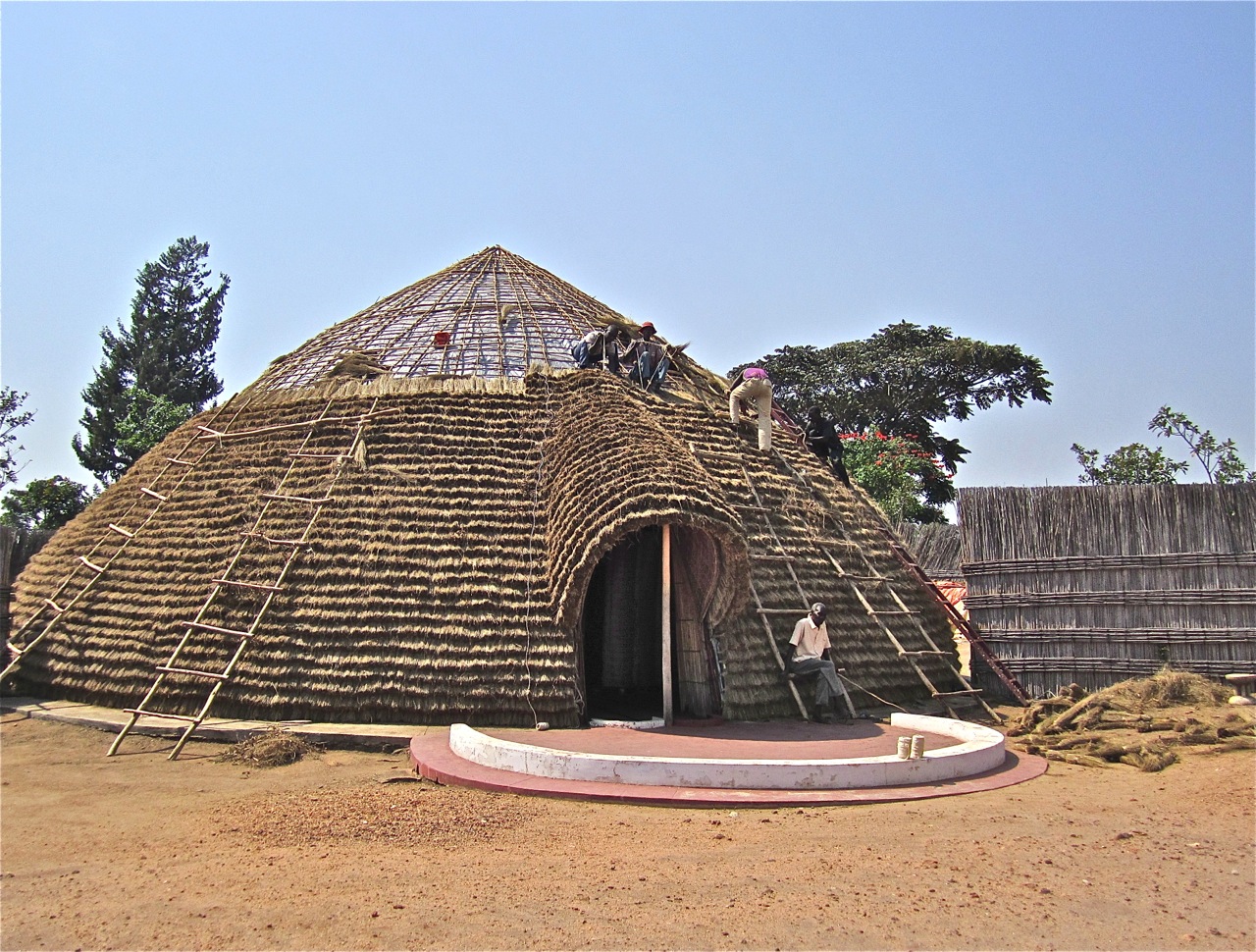
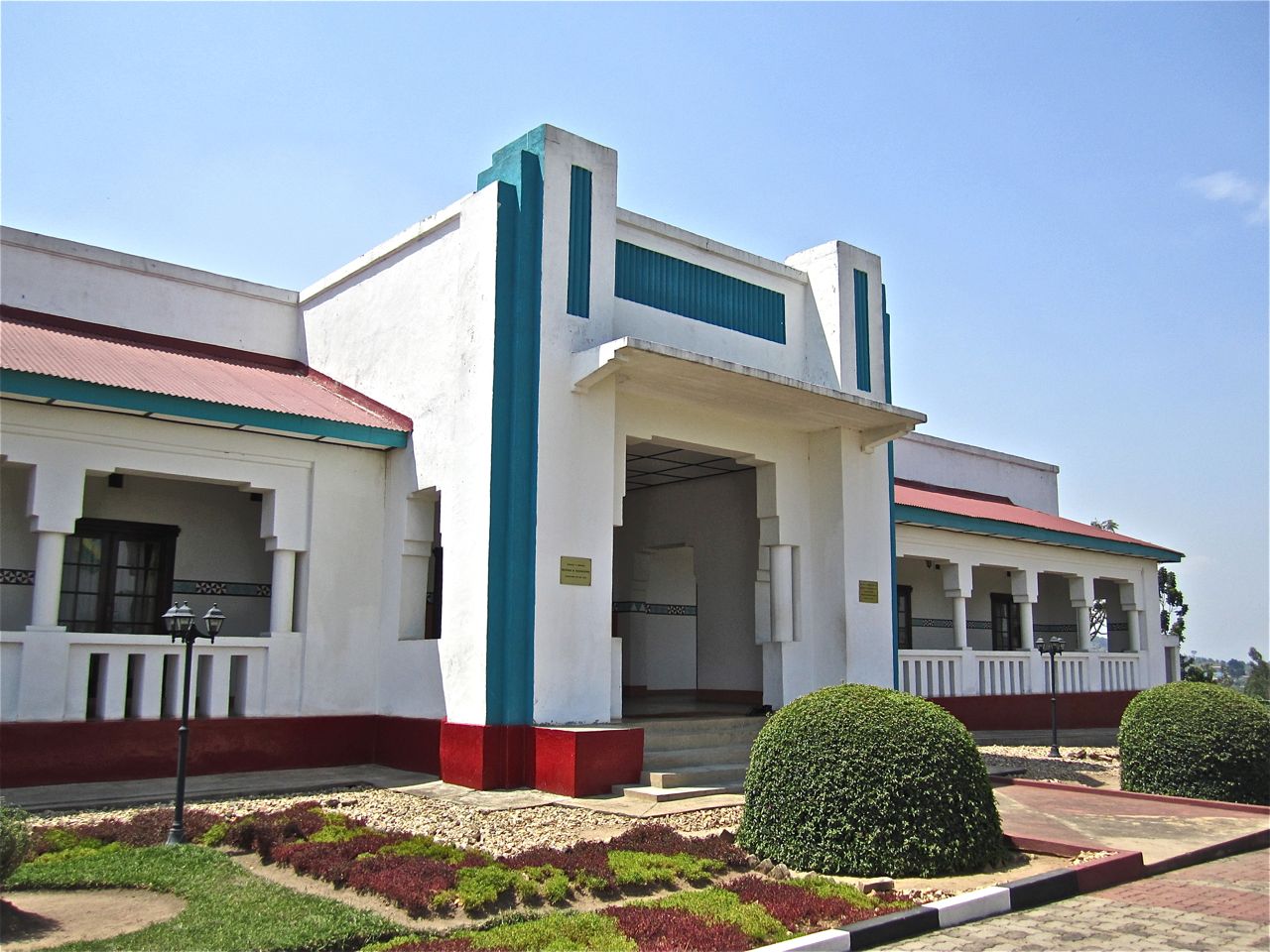
The museum grounds hold a reconstruction of the palace of Mwami (King) Musinga Yuhi V (a few miles from its original location), as well as the actual Western-style palace built for his successor, Mwami Rudahigwa Mutara III, in 1932.

The reconstructed palace is currently undergoing a 5-year refurbishment.

Musinga lived in a palace like this from 1899 until his death in 1931.

An old photograph of the actual court of Mwami Musinga.

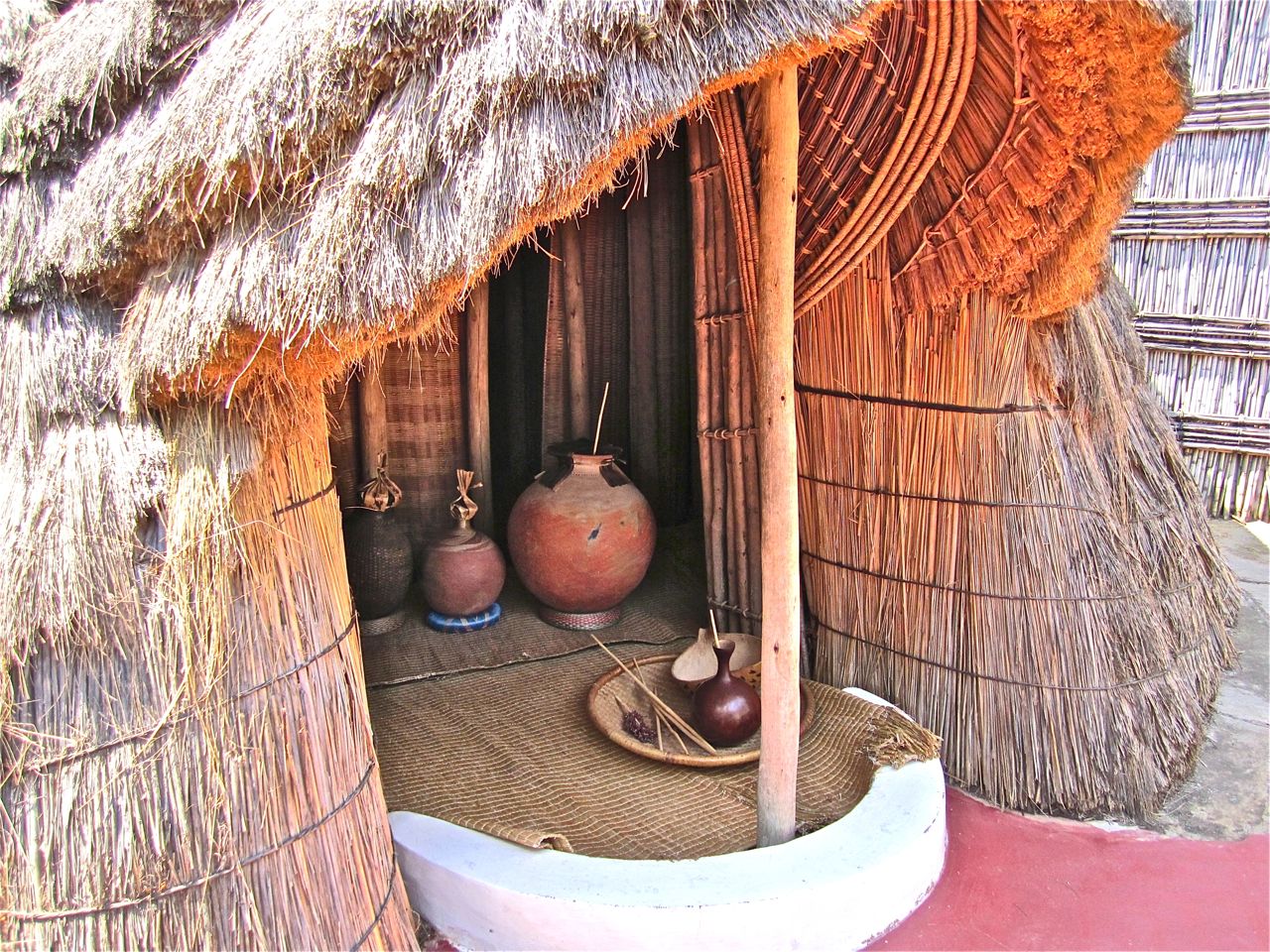
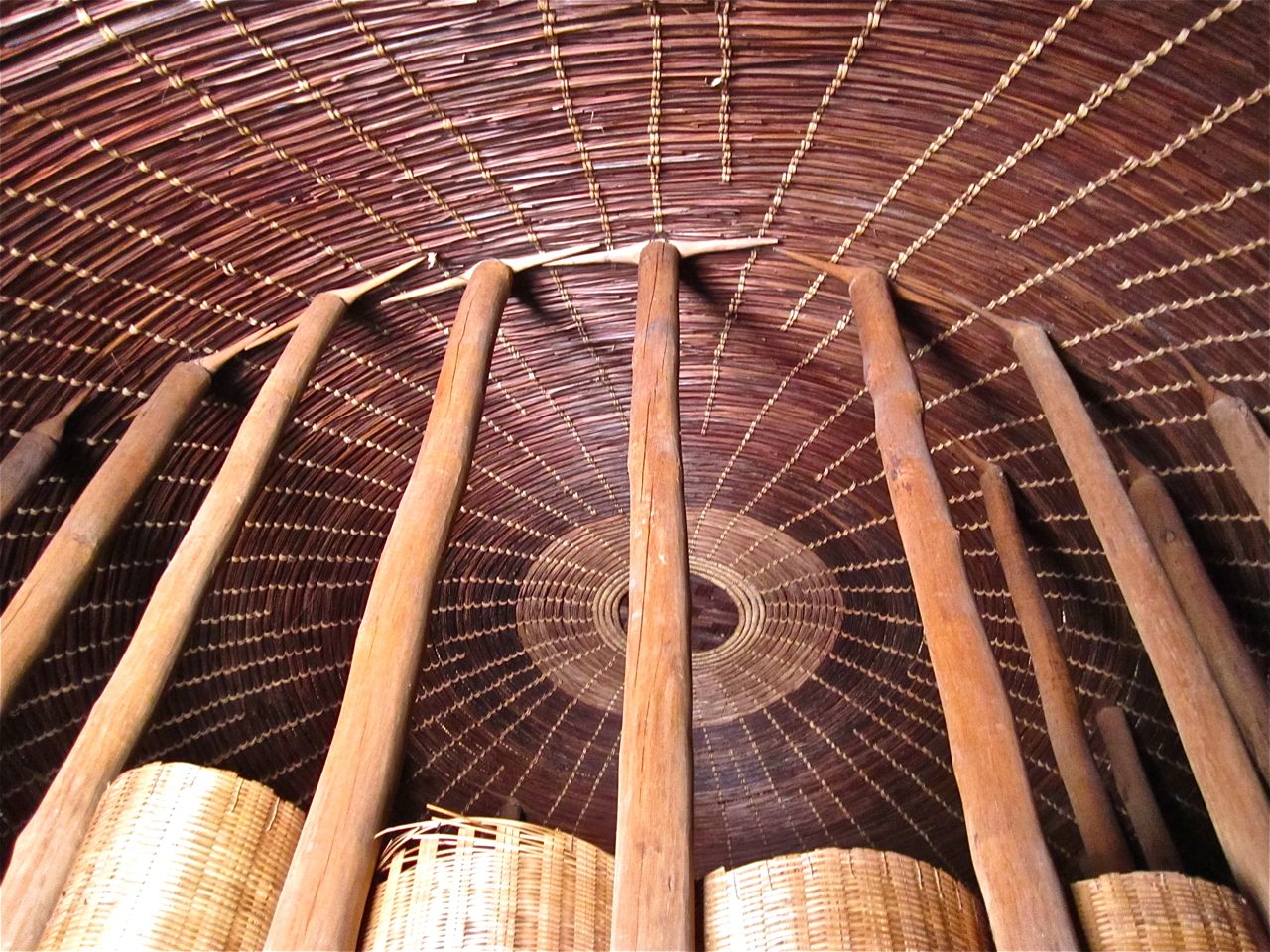
Traditional building and weaving techniques were used to make the structures of grass, reed, and bamboo. The work is very fine.

House of the keeper of the king’s milk.
The entrance to the house of the keeper of the king’s beer.
The inside partition is woven in such a way that an inhabitant could see out, but someone outside could not see in.
The ceiling.

A cow pen is part of the reconstruction. Cows were very important in Rwandan royal culture, and each of the king’s cows had a personal poem that was chanted or sung to call it out. They might also be decorated like this one.

A Rwandan cow wearing decoration at the reconstructed palace. Her keeper is chanting her own poem.
The pretty little calves are sleek as seals.

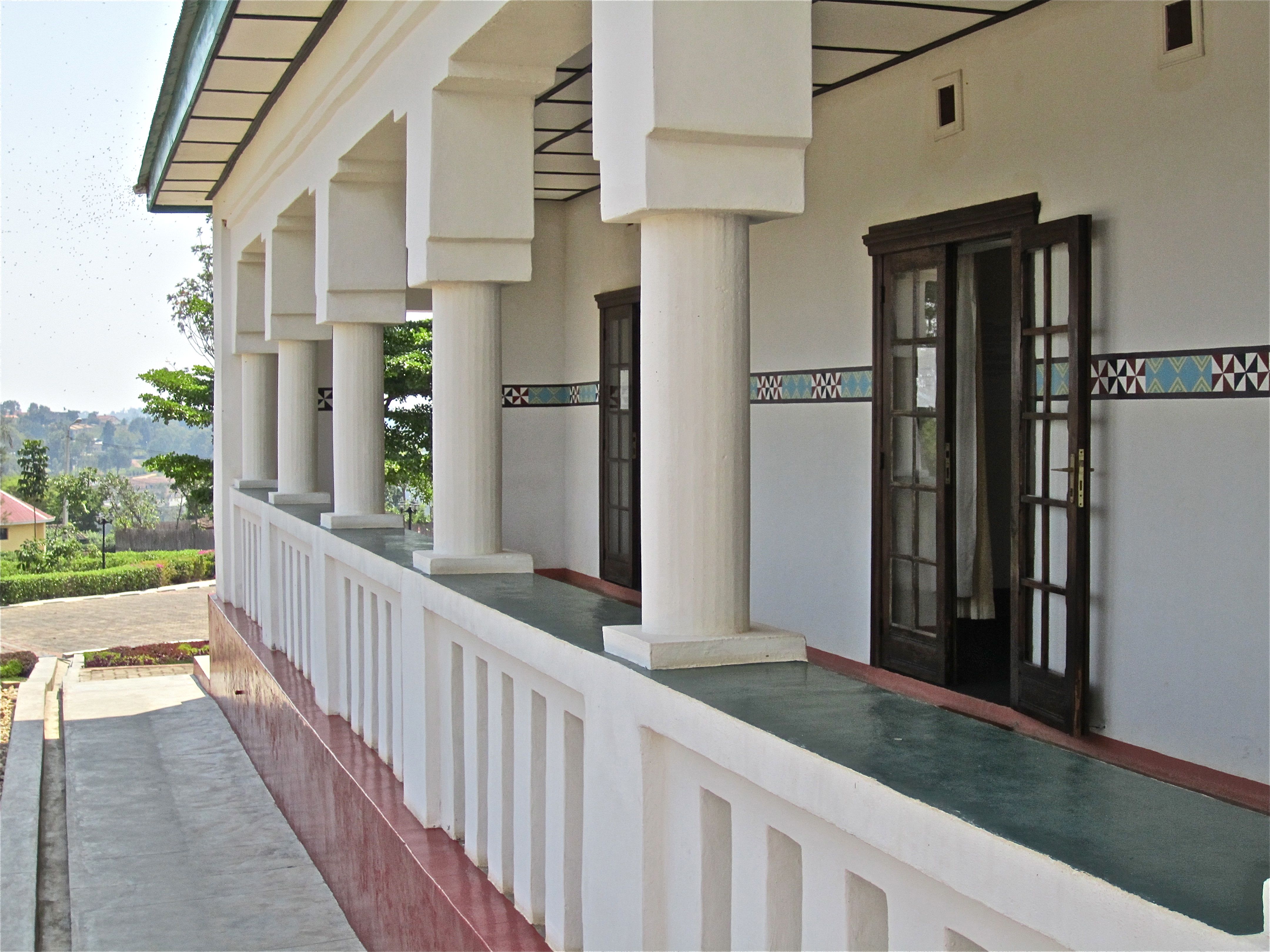
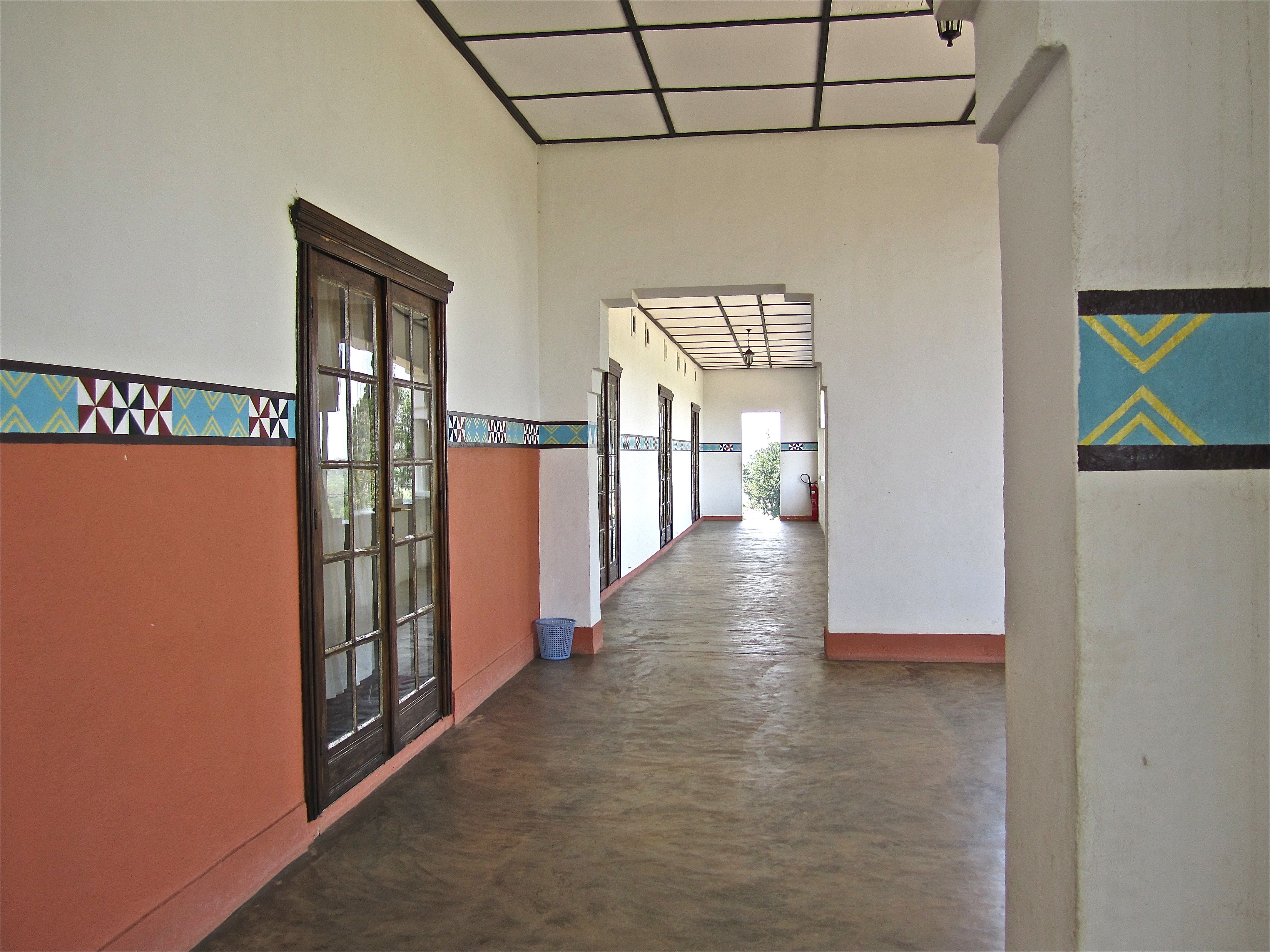
The modern palace (used from 1932 to 1959) is decorated inside and out in geometric motifs. Unfortunately, visitors are not allowed to take pictures inside.

The actual palace of Mwami Rudahigwa Mutara III, who lived here from 1932 until his death in 1959.
The front porch.
Inside, the home contains some original furniture, as well as historical photographs and maps.
Queen Rosalie and the king in the 1950s. The widowed queen was murdered in the 1994 genocide.

The courtyard garden is planted in hedges laid out in patterns like those traditionally used in baskets, mats, and room partitions.

The courtyard garden behind the more modern palace.
Room partitions of the reconstructed palace with traditional geometric patterns.

More about traditional Rwandan homes here.

Faithful and true ground

Is anything more poignant than an old graveyard?

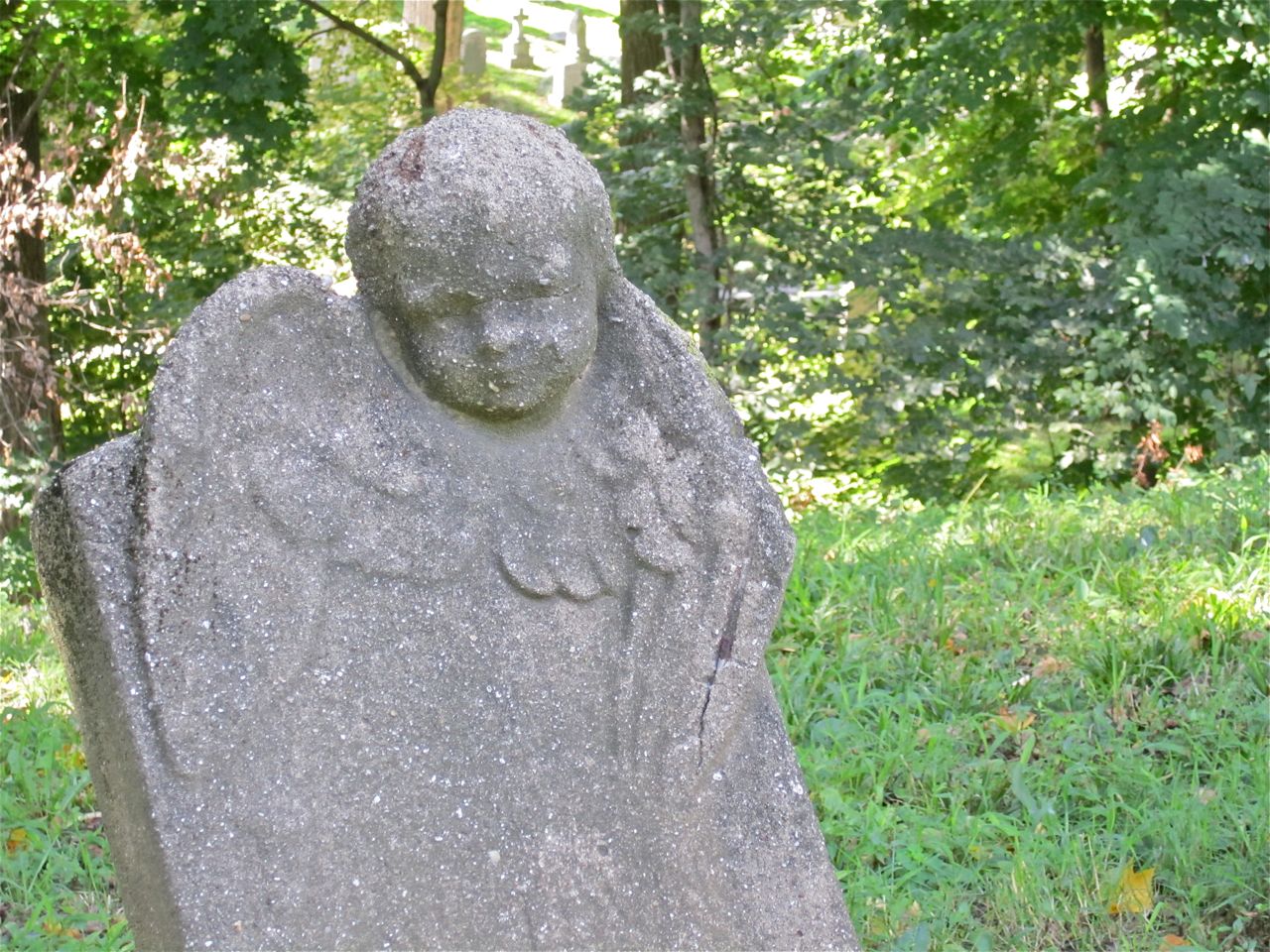
An angel headstone, the words have faded.
Mt. Zion Cemetery.  Click the photos to enlarge.

Mt. Zion Cemetery is tucked behind the apartment buildings and townhouses of the 2500 block of Q Street, NW, at the edge of Georgetown.  I often pass it on my bus ride home. On Wednesday, as I was walking home after the earthquake, I stopped to take a closer look.

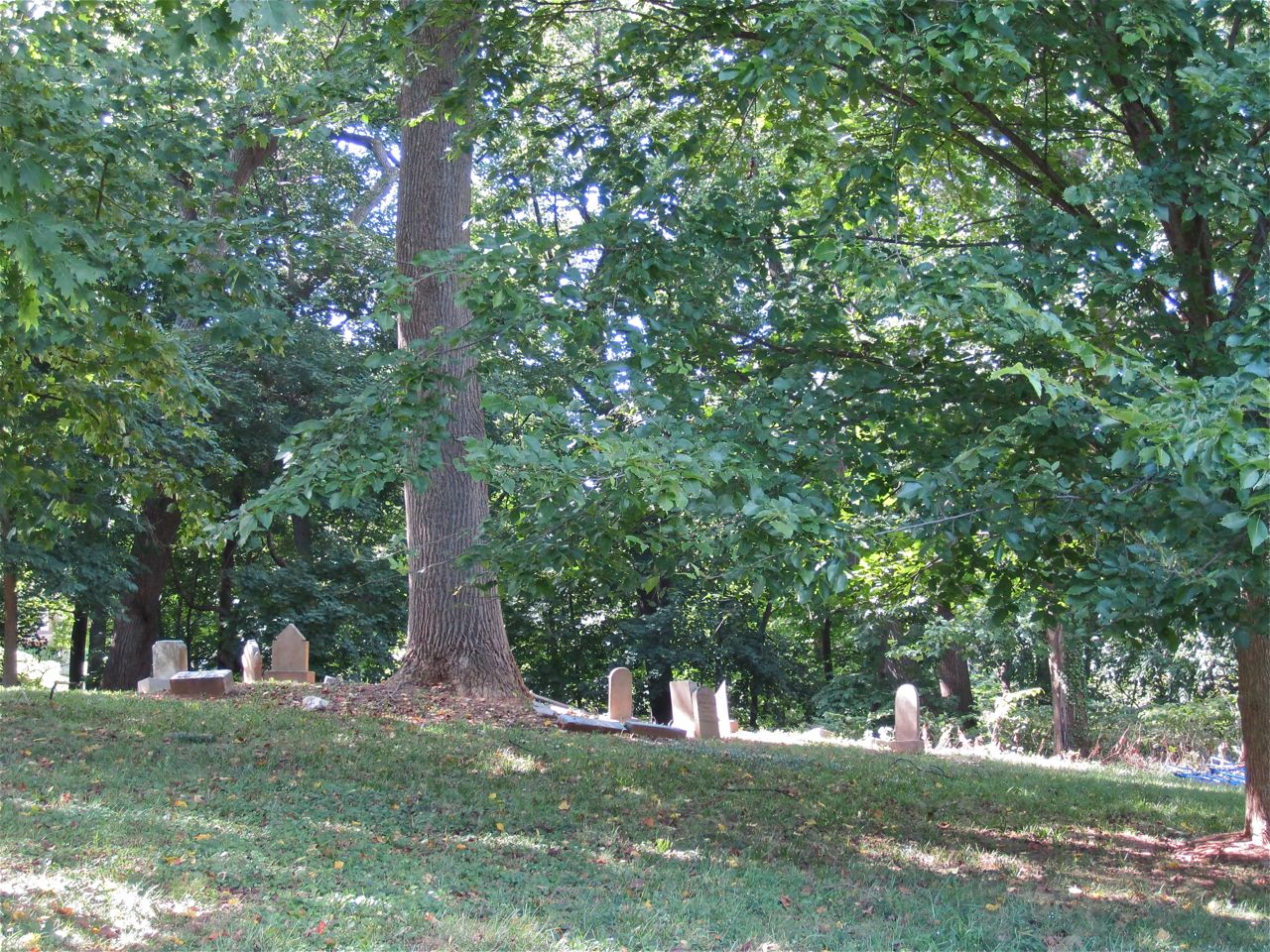
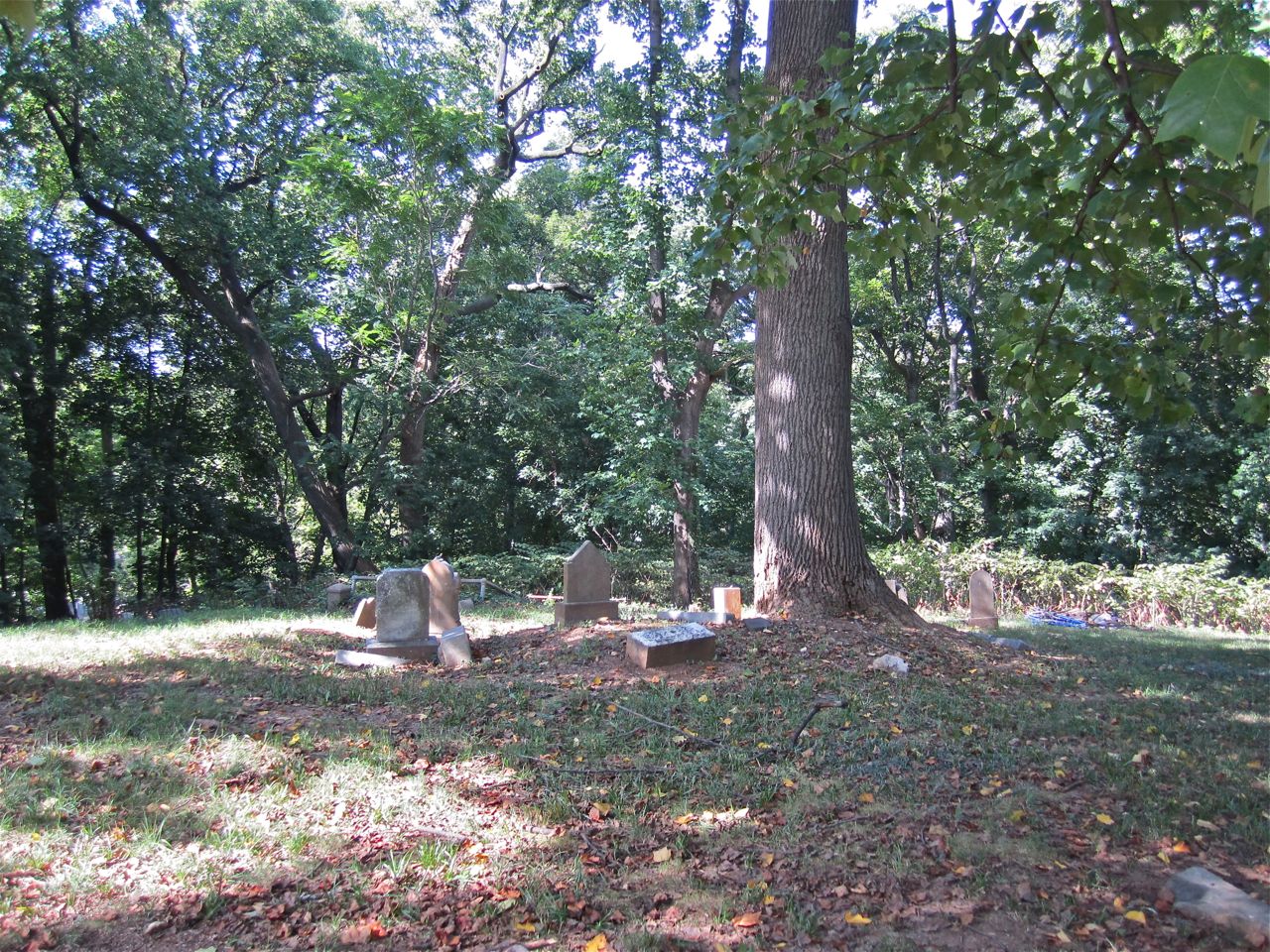
A group of headstones at Mt Zion.
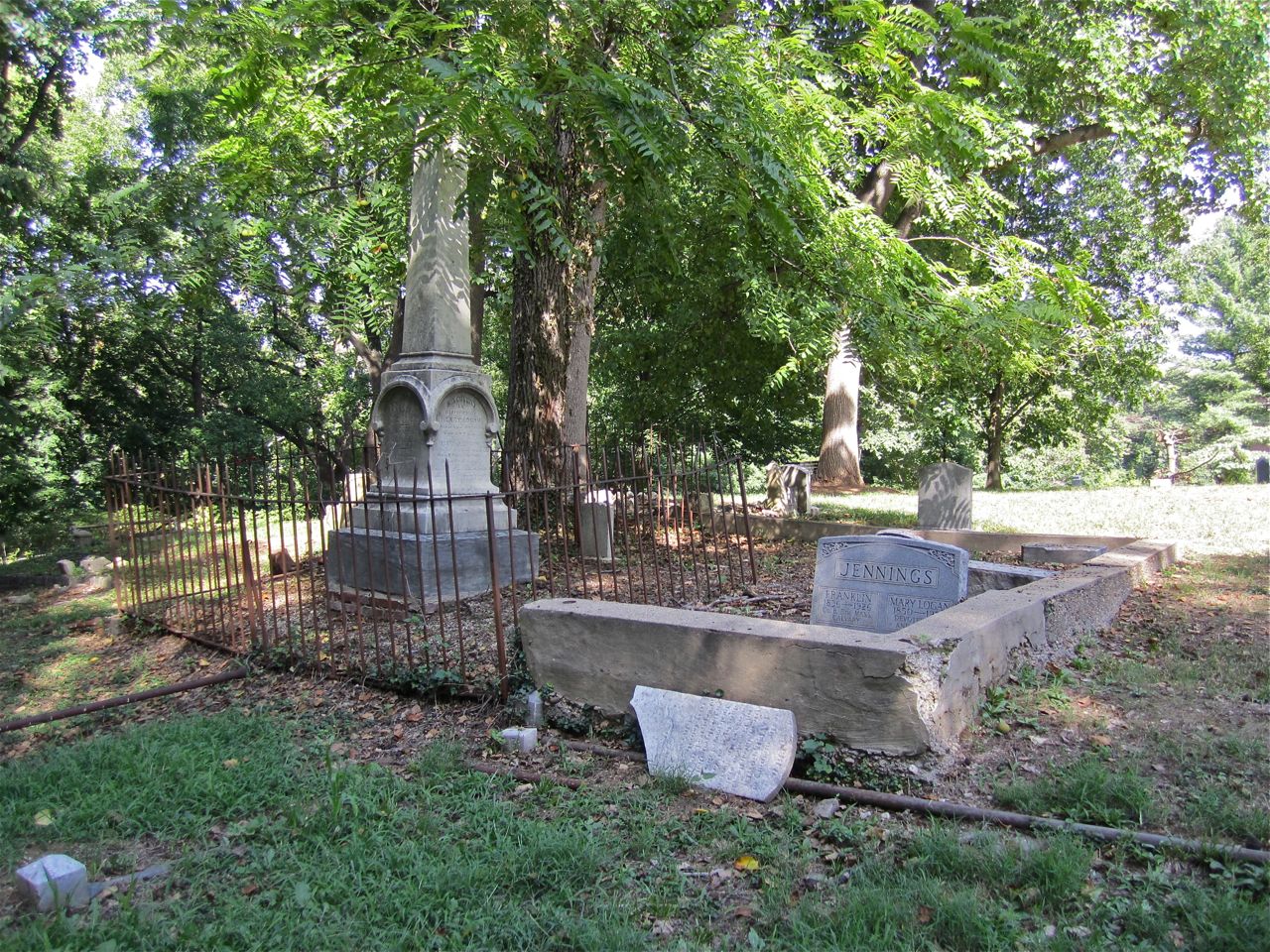
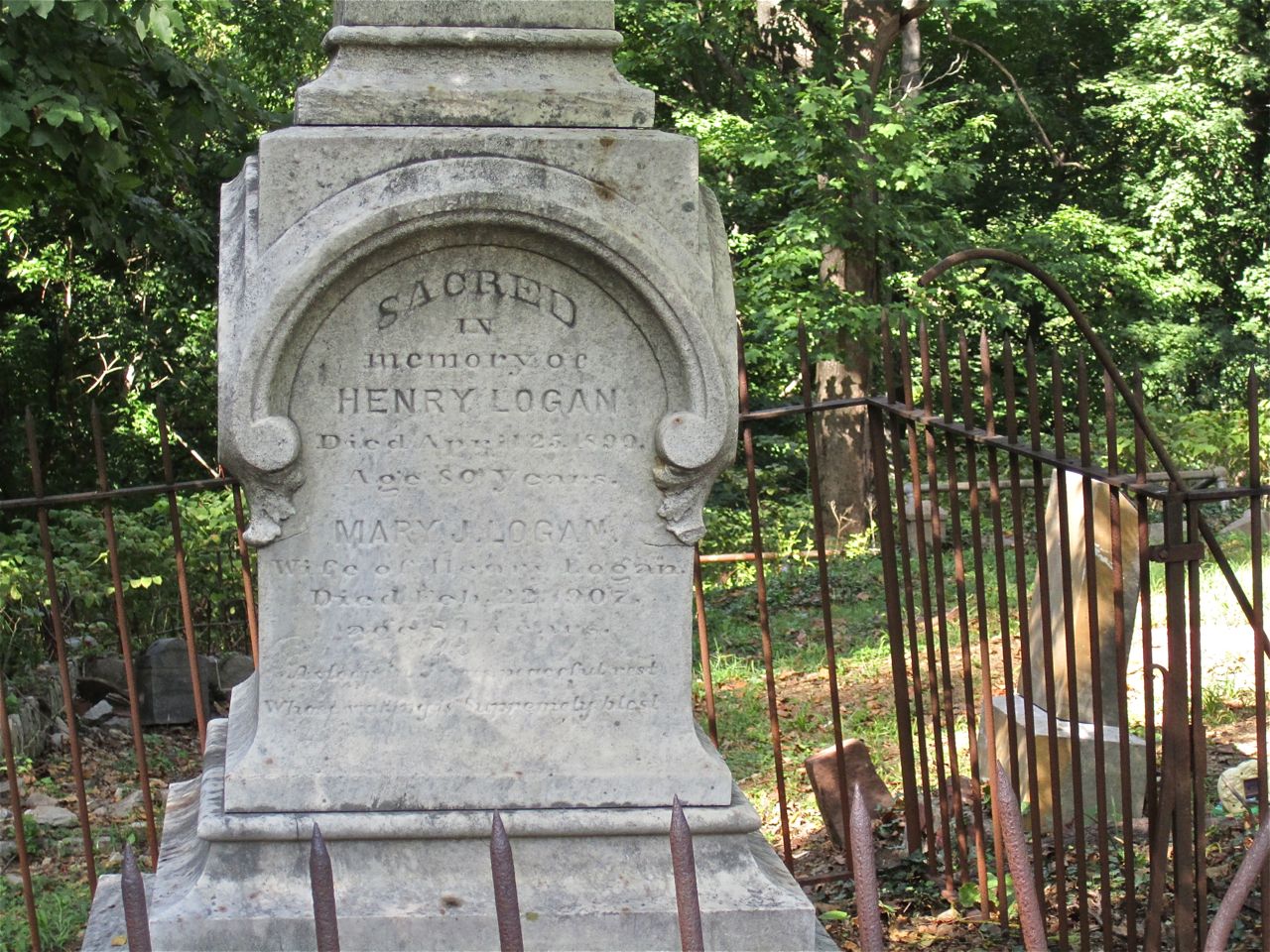
A family enclosure.
The Logans were a prominent Black Washington family.

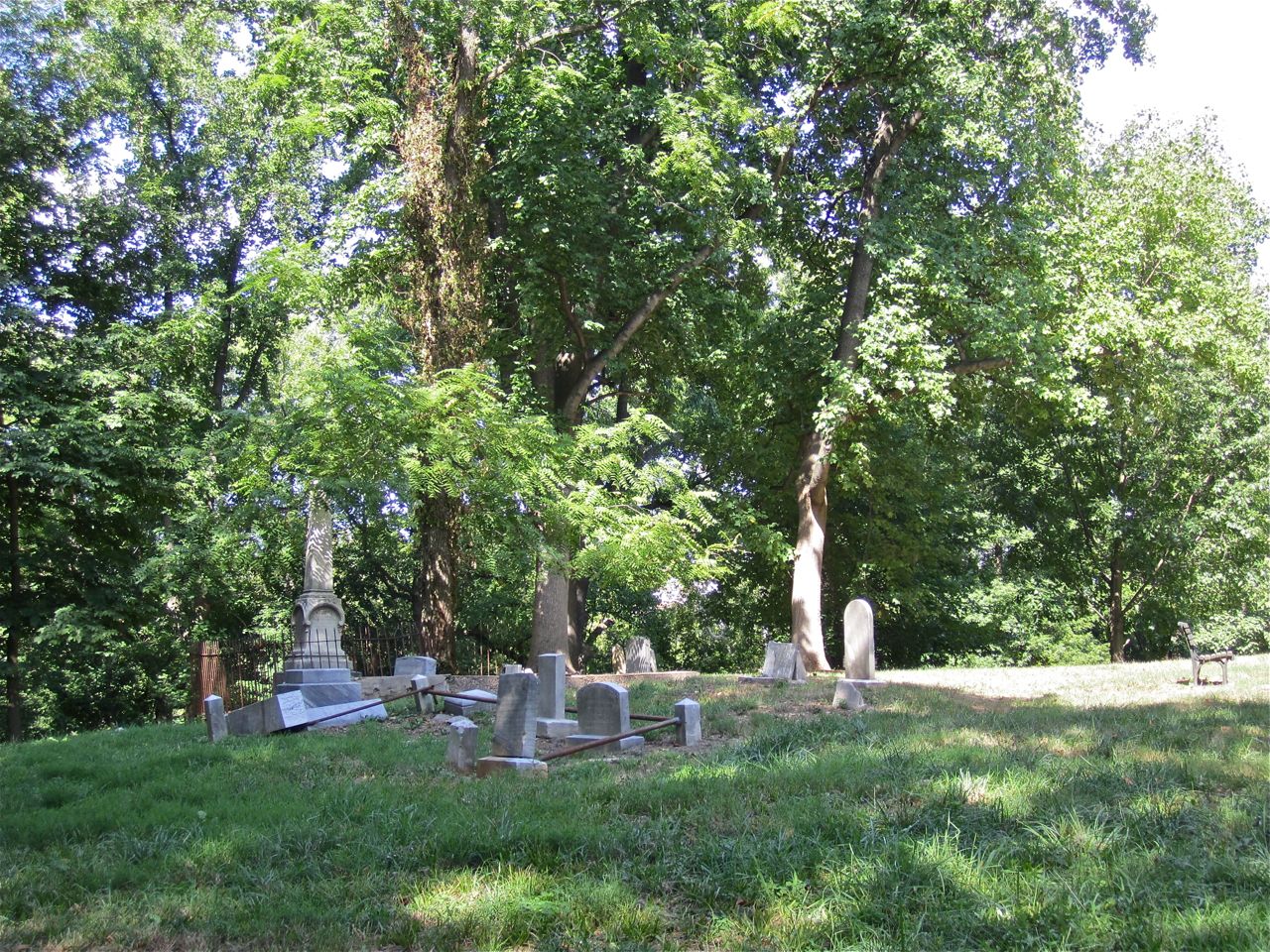
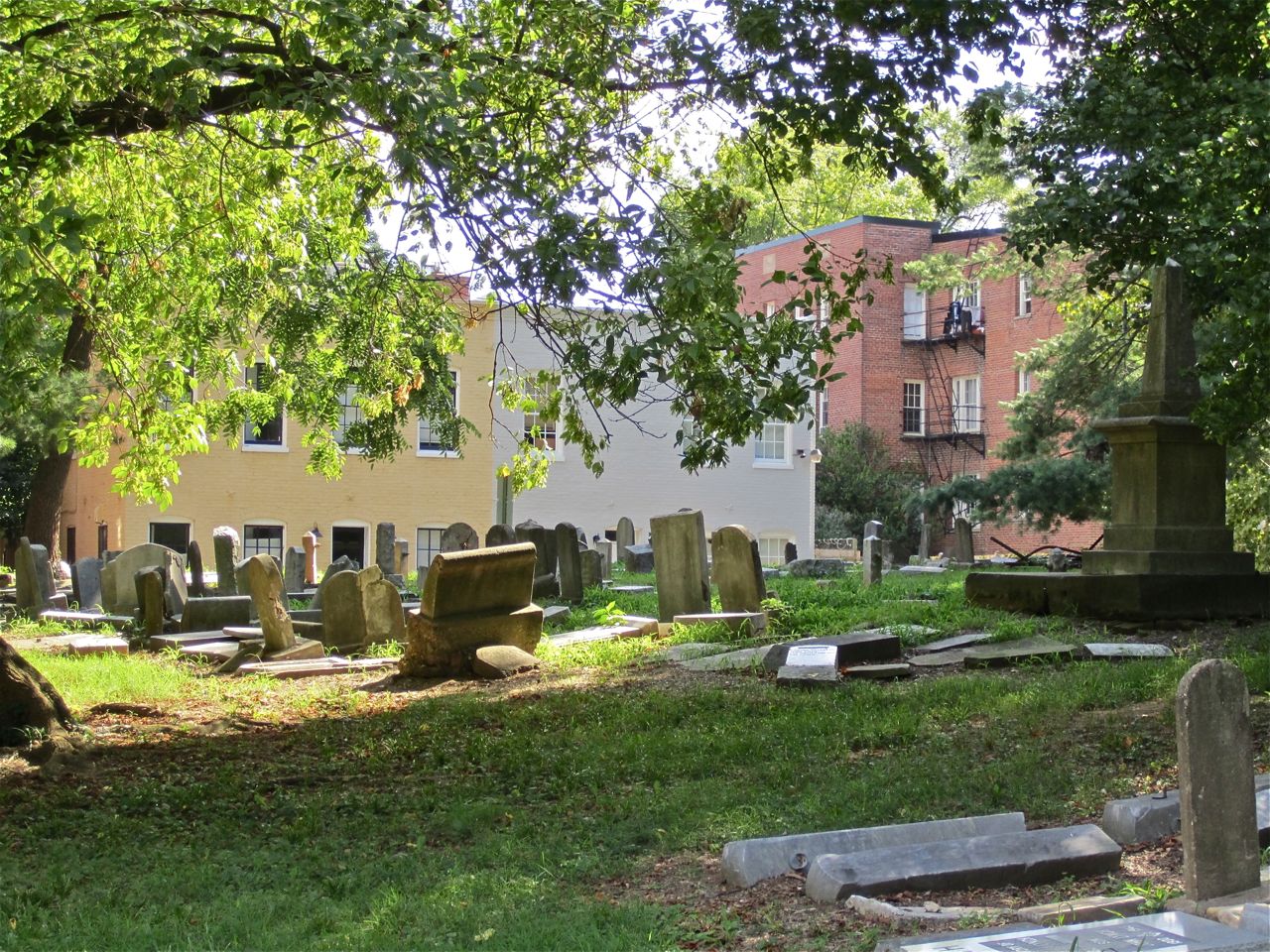
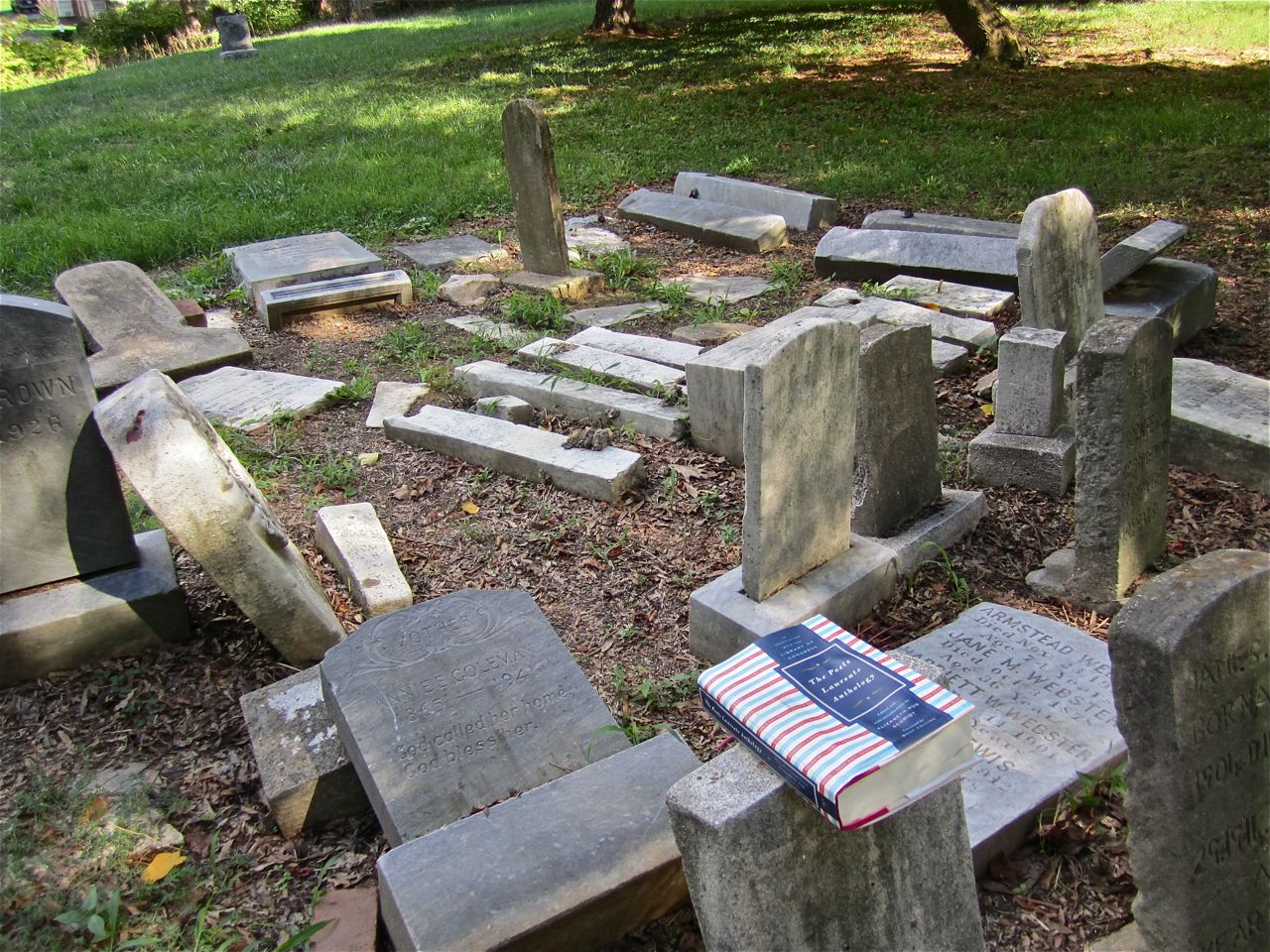
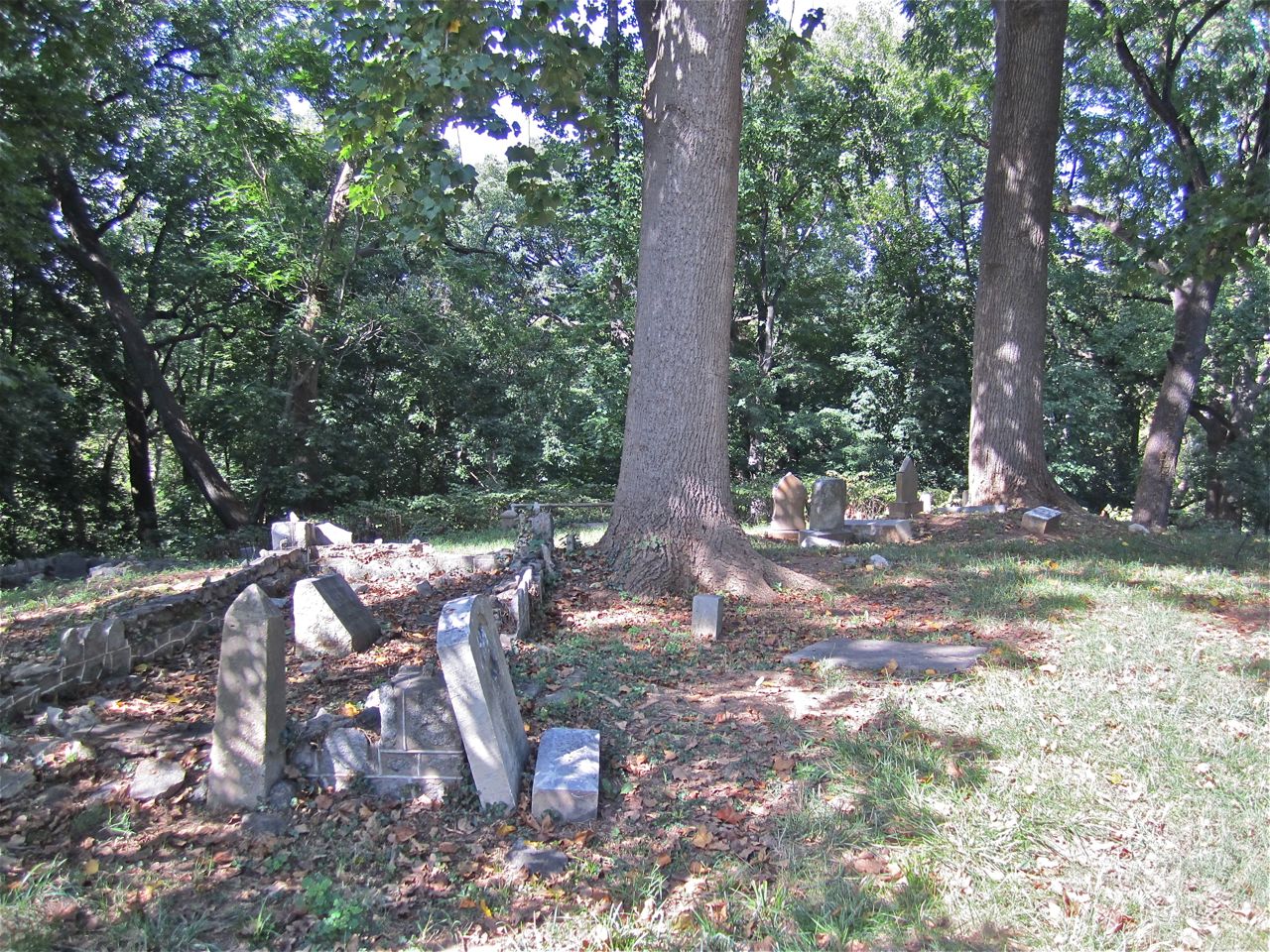
The burial ground covers about 3 acres.   Many of the headstones have fallen or have been moved over time and are now consolidated into a few groupings.  The grass is neatly cut and trimmed around the stones, but there are no flowers or other plantings.   The woods of the Rock Creek Park trail surround the cemetery to the north and east.

What I suspected as I looked around — later confirmed by some online research — was that Mt. Zion was an old African-American cemetery, a reminder of the time (from the 1700s until the 1950s) when Georgetown had a large Black population.

A group of tombstones overlooked by townhouses on Q Street.
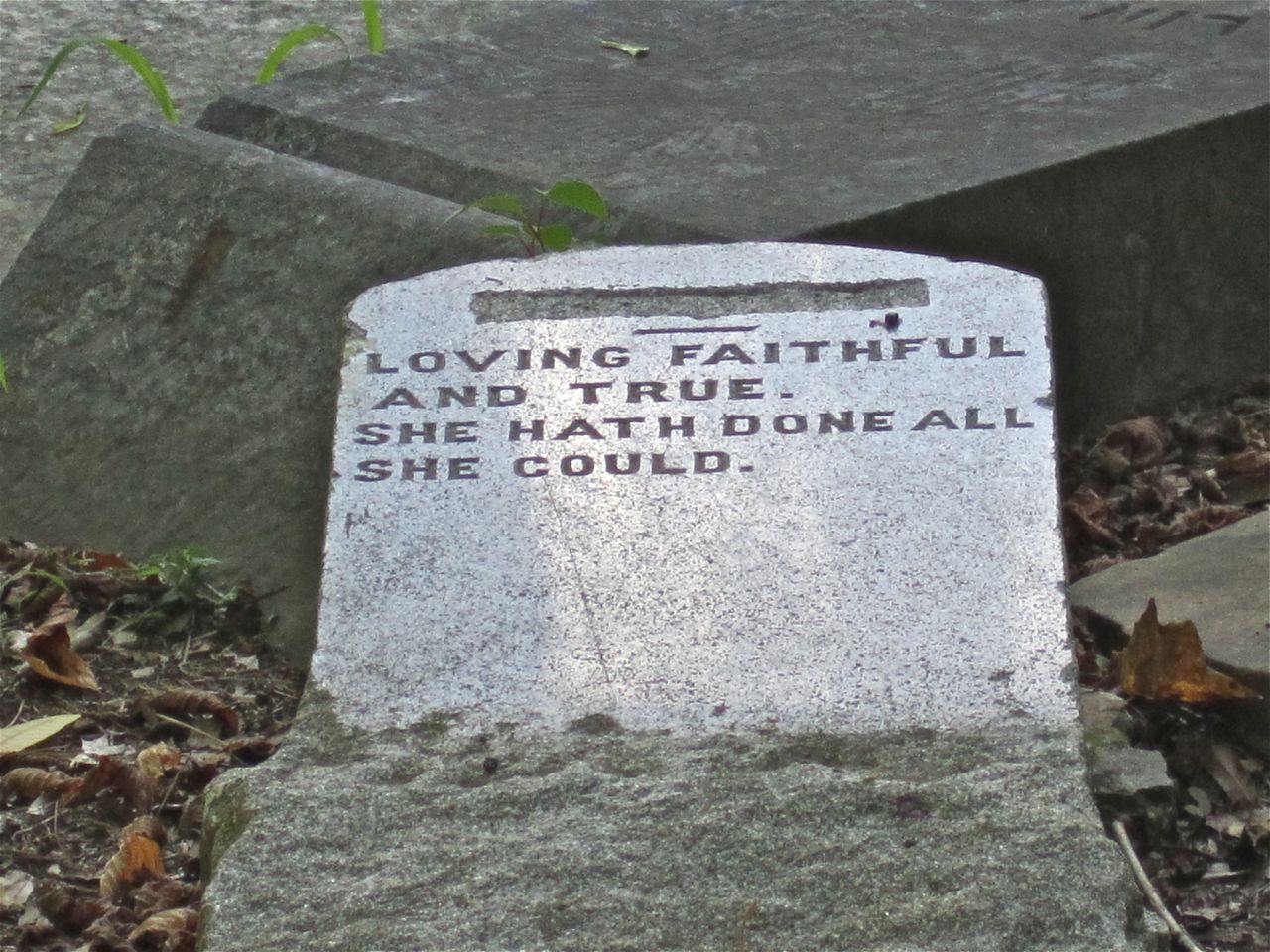
A woman’s headstone.
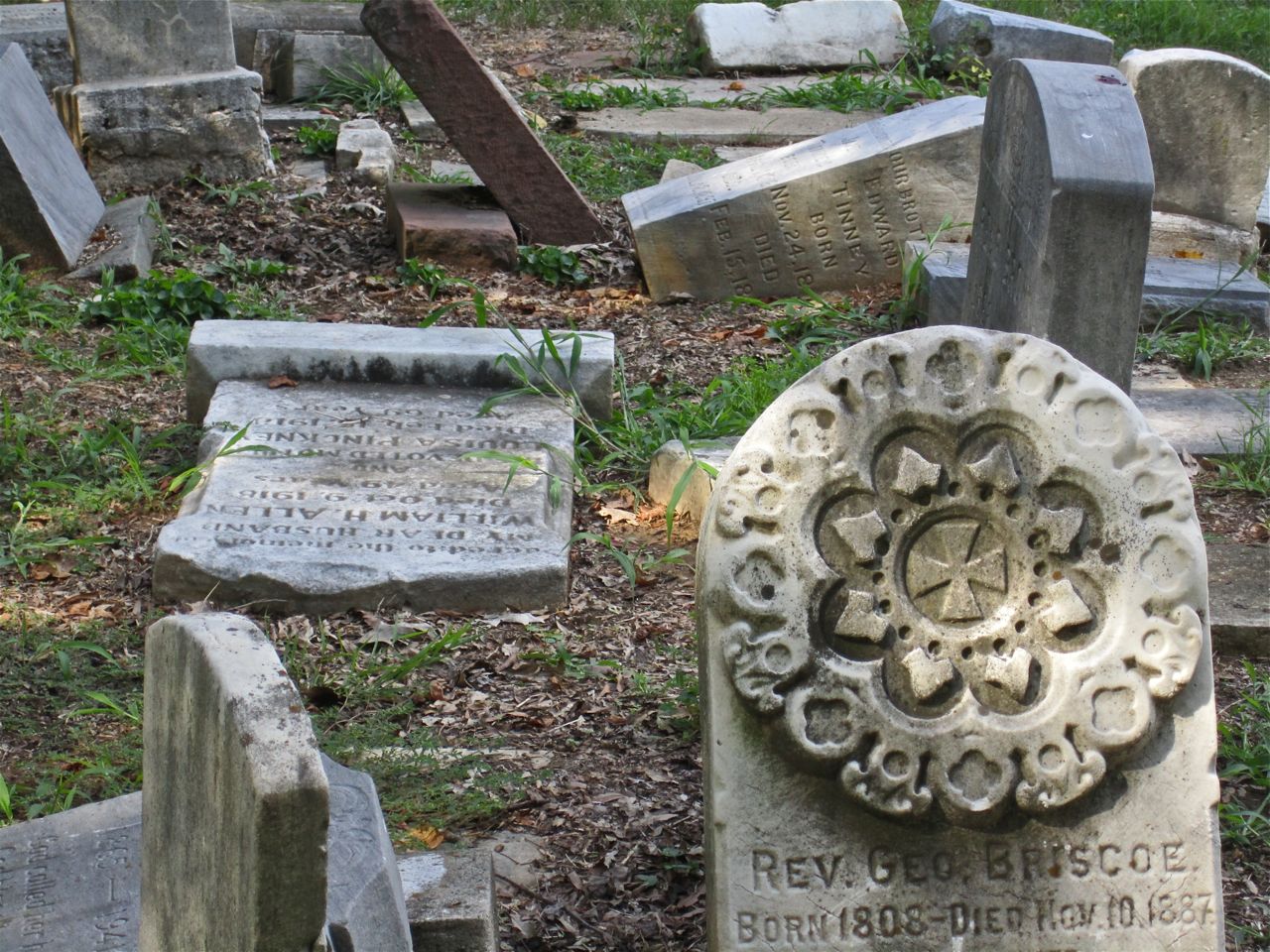
Nineteenth and early twentieth century headstones.
A stone pillar once stood upright and held the railings around a family’s graves.
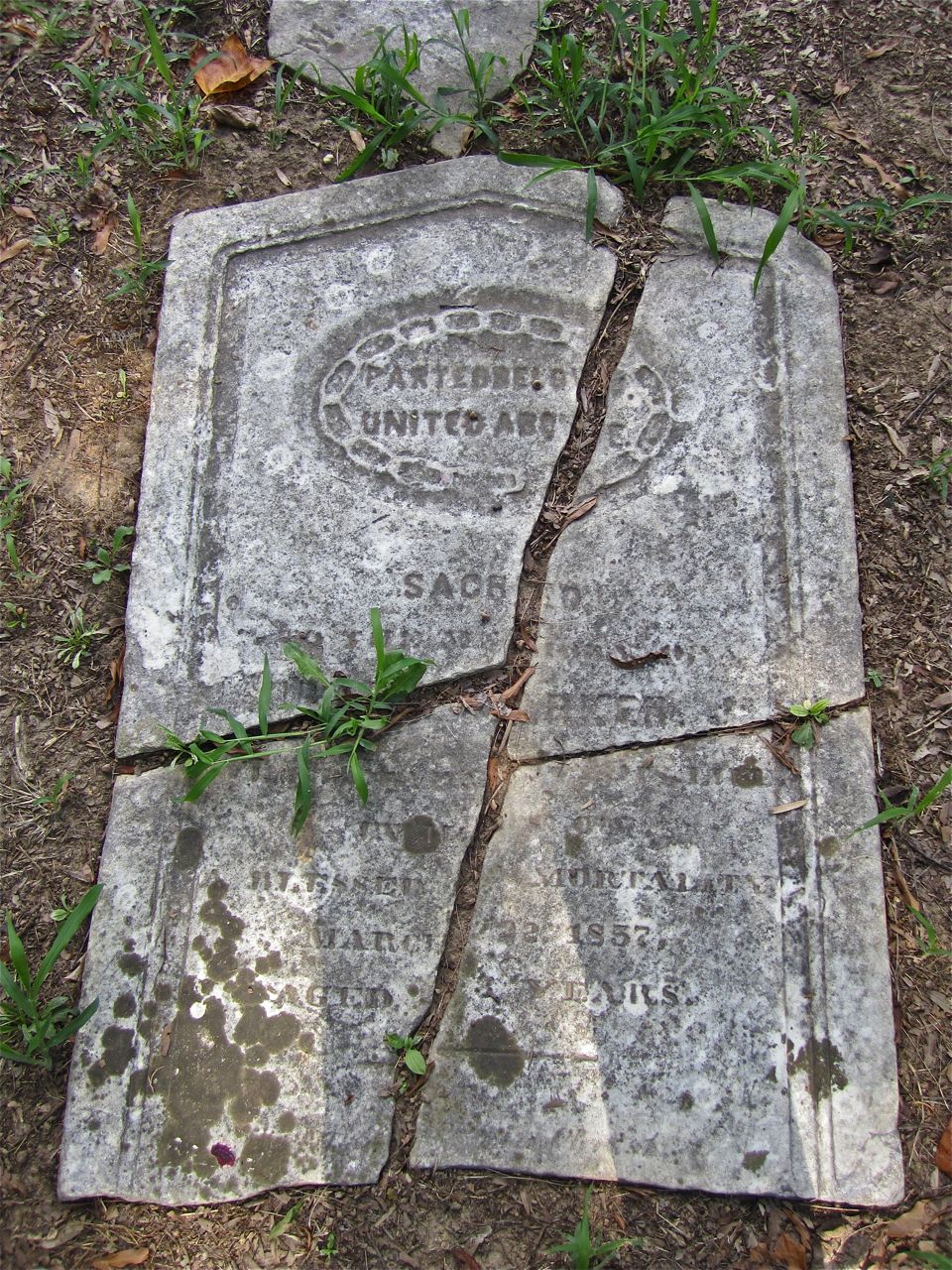
A broken headstone from the 1850s on the ground.
Someone has left behind a book of poetry.

Beginning in 1809, the cemetery’s western side was used by the Mongomery Street Church for the burials of its white members and their slaves, as well as of free African-American members.  It was known as the Old Methodist Burying Ground, and its largest monument marks the graves of the white Beck and Doughty families.  It was a biracial cemetery for a biracial (but not equal status) church while slaves were still being sold in Georgetown.

Old Methodist fell into disuse after Oak Hill Cemetery, located just to the west and north, was founded in 1849.  In 1879, the plot was leased for 99 years by Mt. Zion Methodist Church, the oldest African-American church in Washington.

A group of graves at the edge of the woods of Rock Creek Park.
Another view.

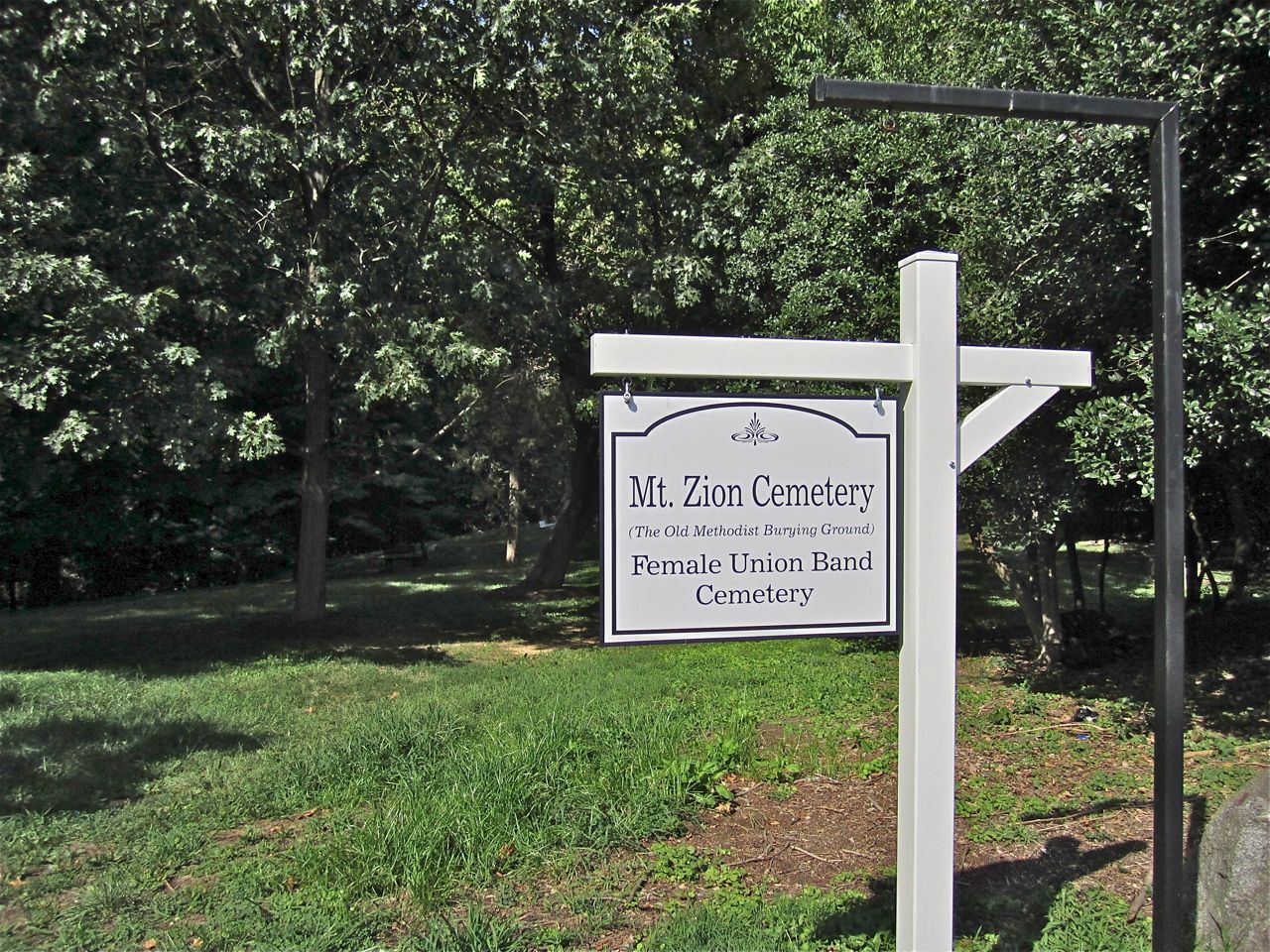
The east side of the cemetery had already been purchased in 1842 by a local cooperative benevolent association of Black women and had become the Female Union Band Graveyard for the burial of free Blacks.

The entry sign to the cemetery.

For decades, both cemeteries were well maintained, but eventually lack of funds led to disrepair, and the last burials were held in 1950.

In the late 1960s, the cemeteries were threatened with removal of the graves for development.  Various local groups and individuals worked together to save them, and, in 1975, they were declared a Historical Landmark of Washington, D.C., and listed on the National Register of Historic Places.

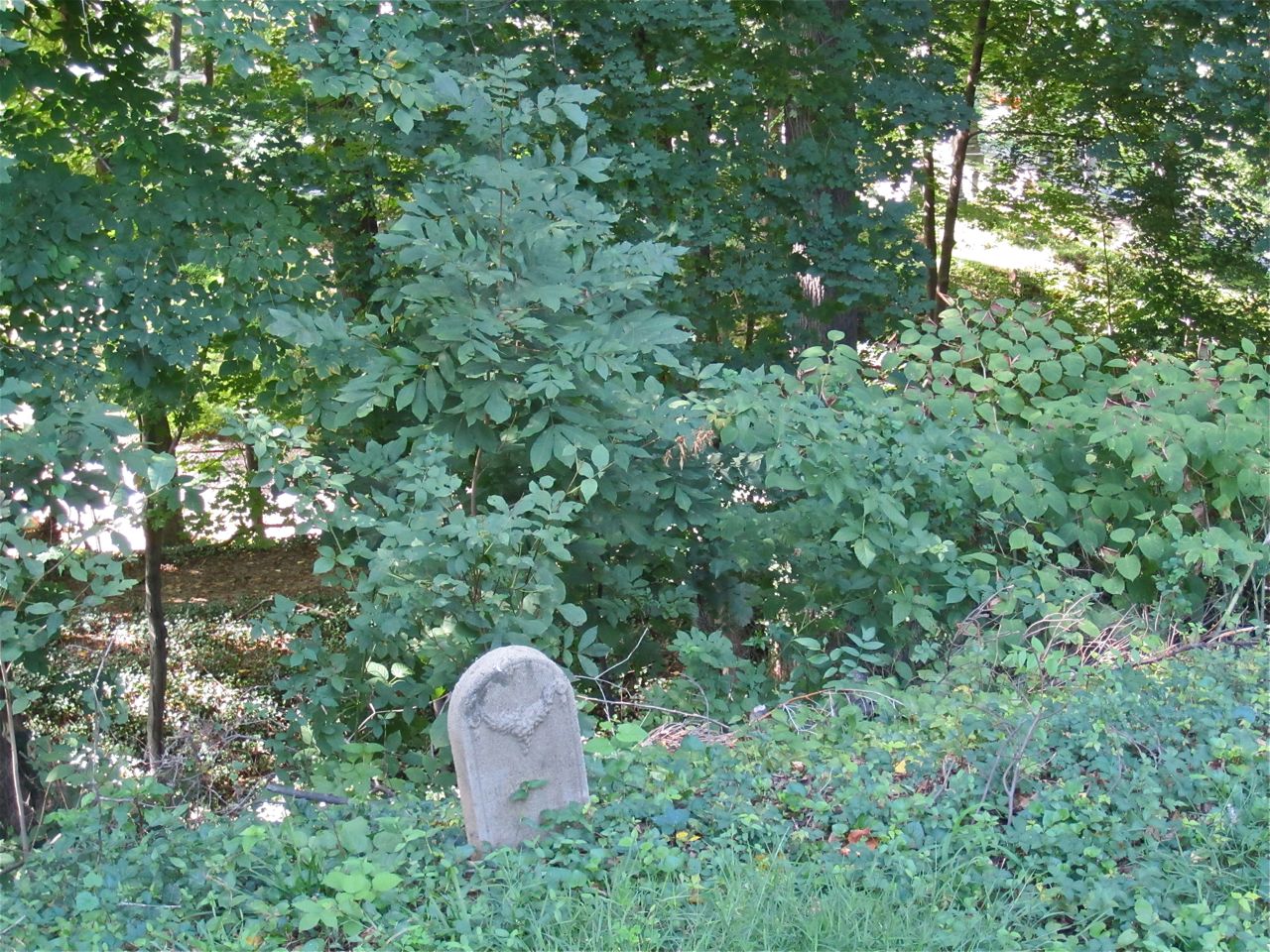
A small, lone headstone.

There’s a complete history of Mt. Zion Cemetery  by Pauline Gaskins Mitchell in the appendix of the 1991 book Black Georgetown Remembered, which can be read at this link.  The complete book can be purchased at Amazon.

ADDENDUM: “A 2 Georgetown Cemeteries, History in Black and White,” New York Times, October 21, 2016, here.

DACOR Bacon House garden

Photo from DACOR, Inc.  DACOR is an acronym for Diplomatic and Consular Officers, Retired.

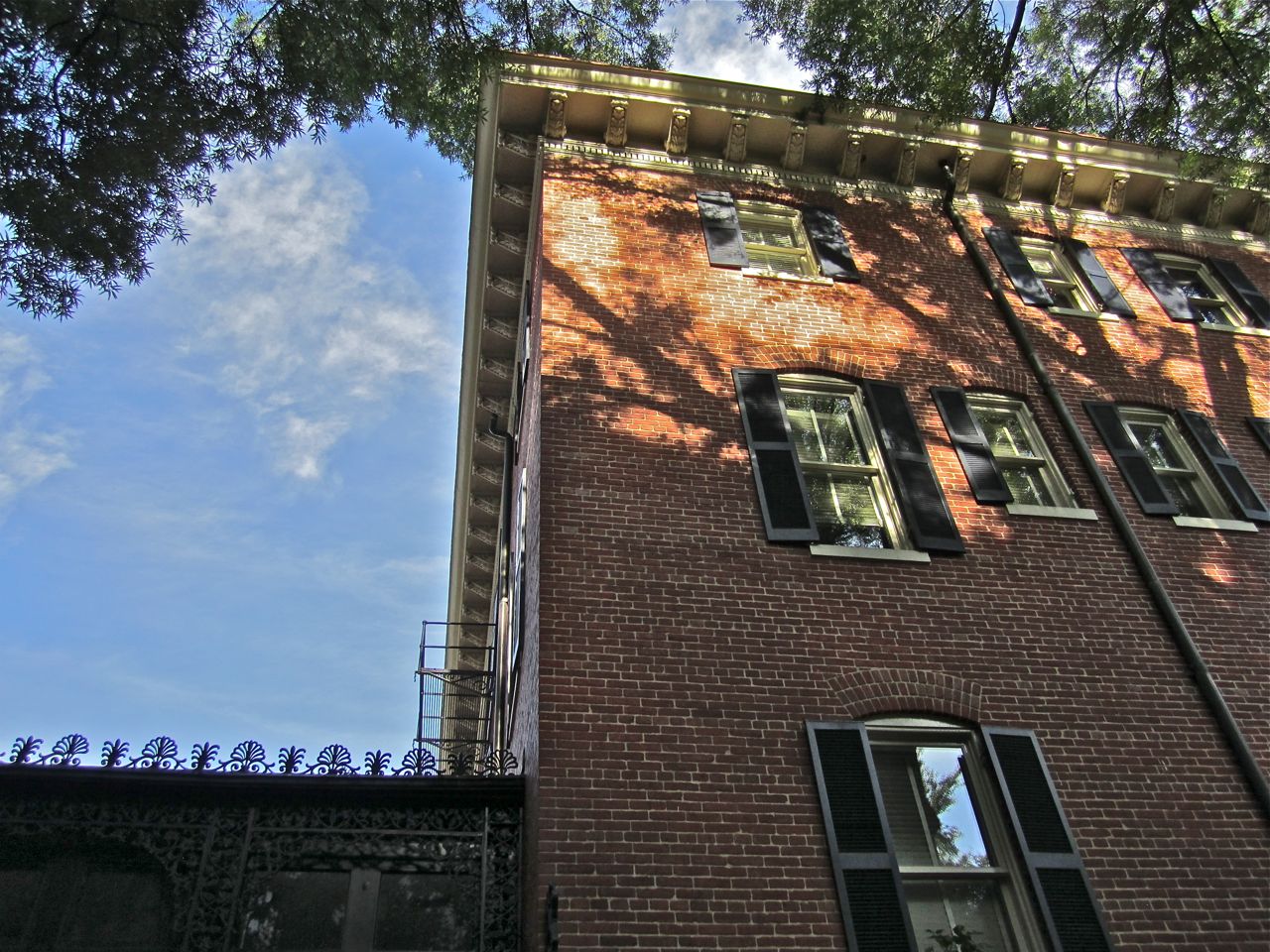
On the other side of 18th and F Streets, N.W., is the DACOR Bacon House (also known as the Ringgold-Carroll House), built in 1824/5.

On Wednesday evening, I attended a reception there and was able to spend a little time in its nice walled garden — a serene, old-fashioned place in the midst of tall modern office buildings.

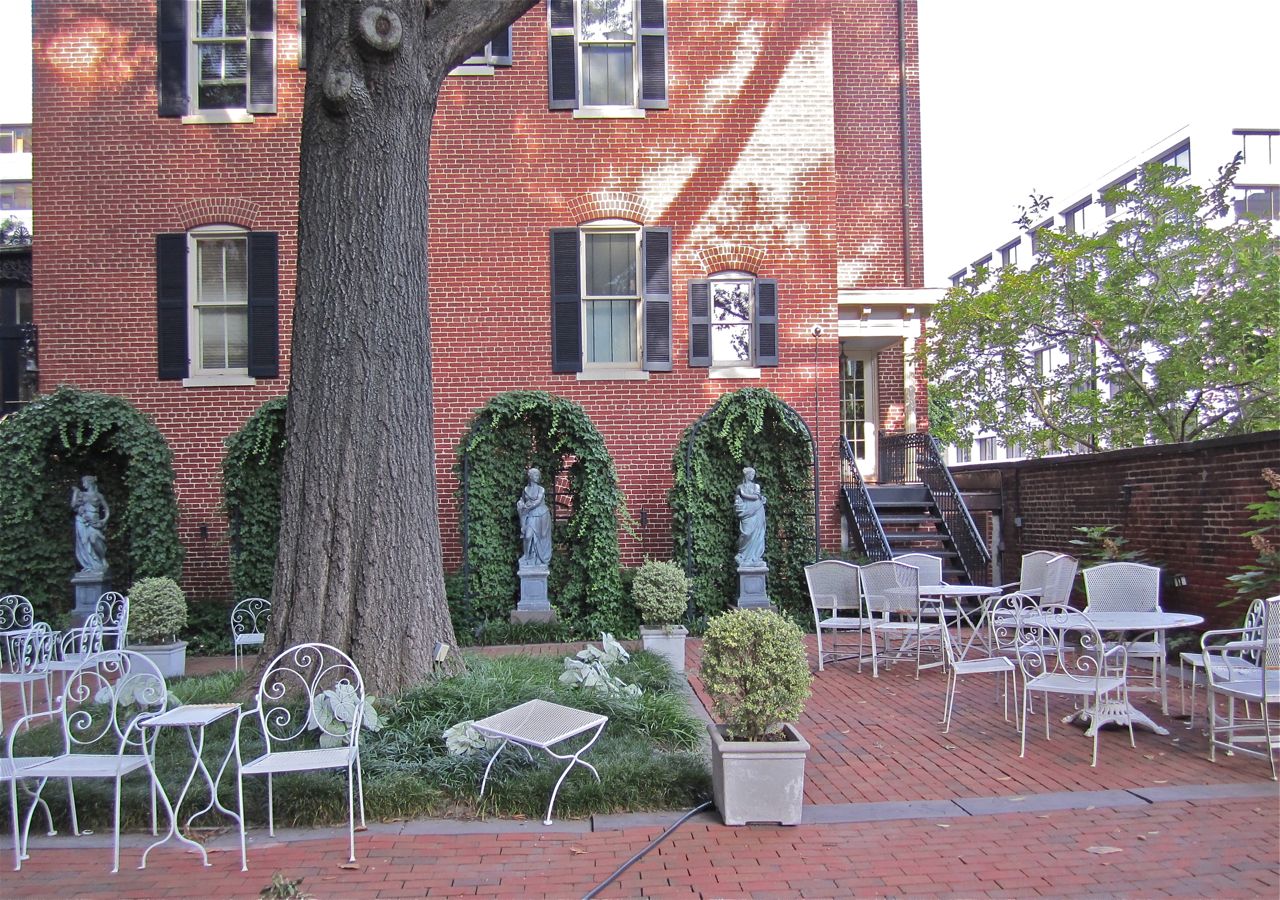
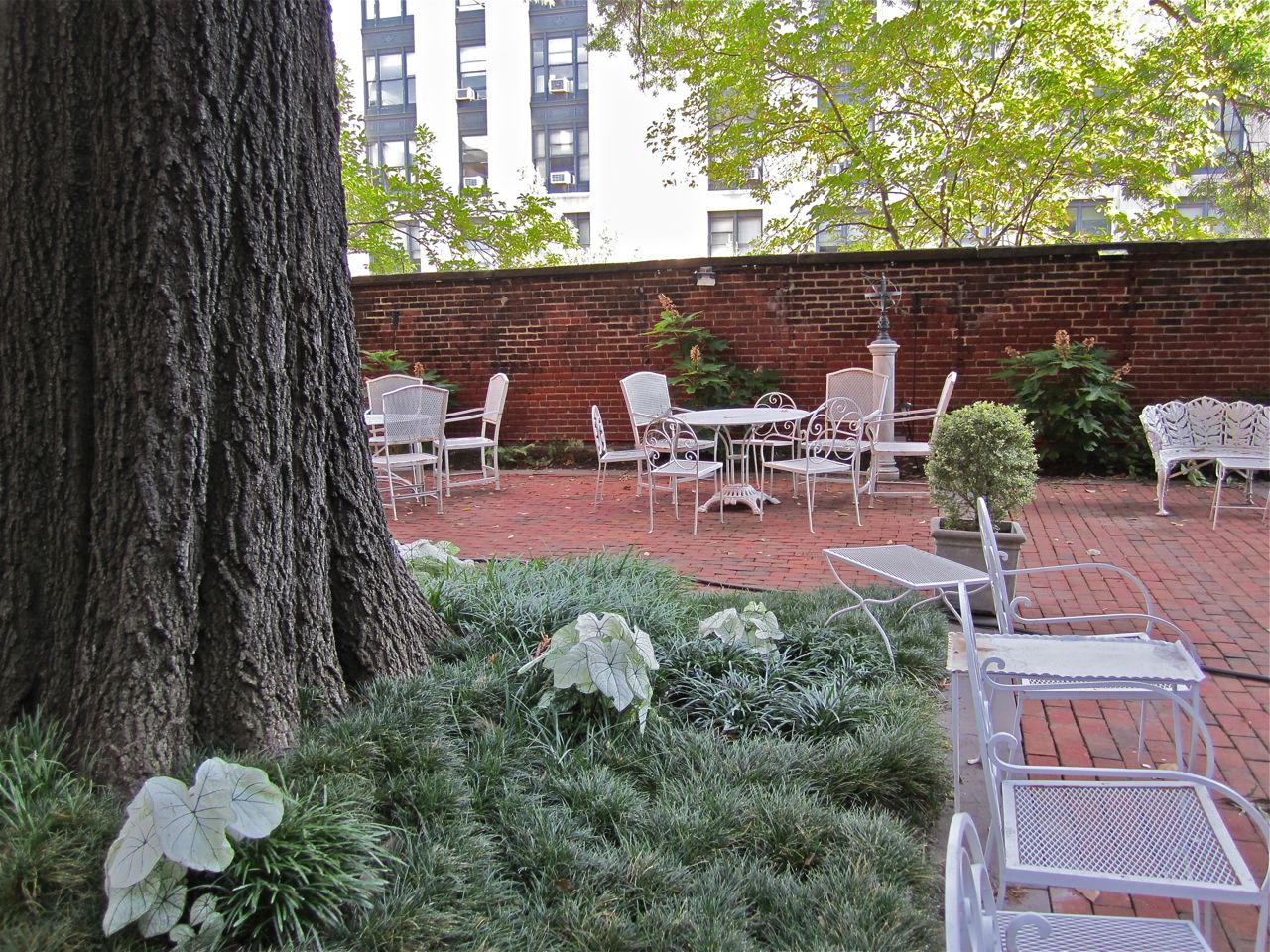
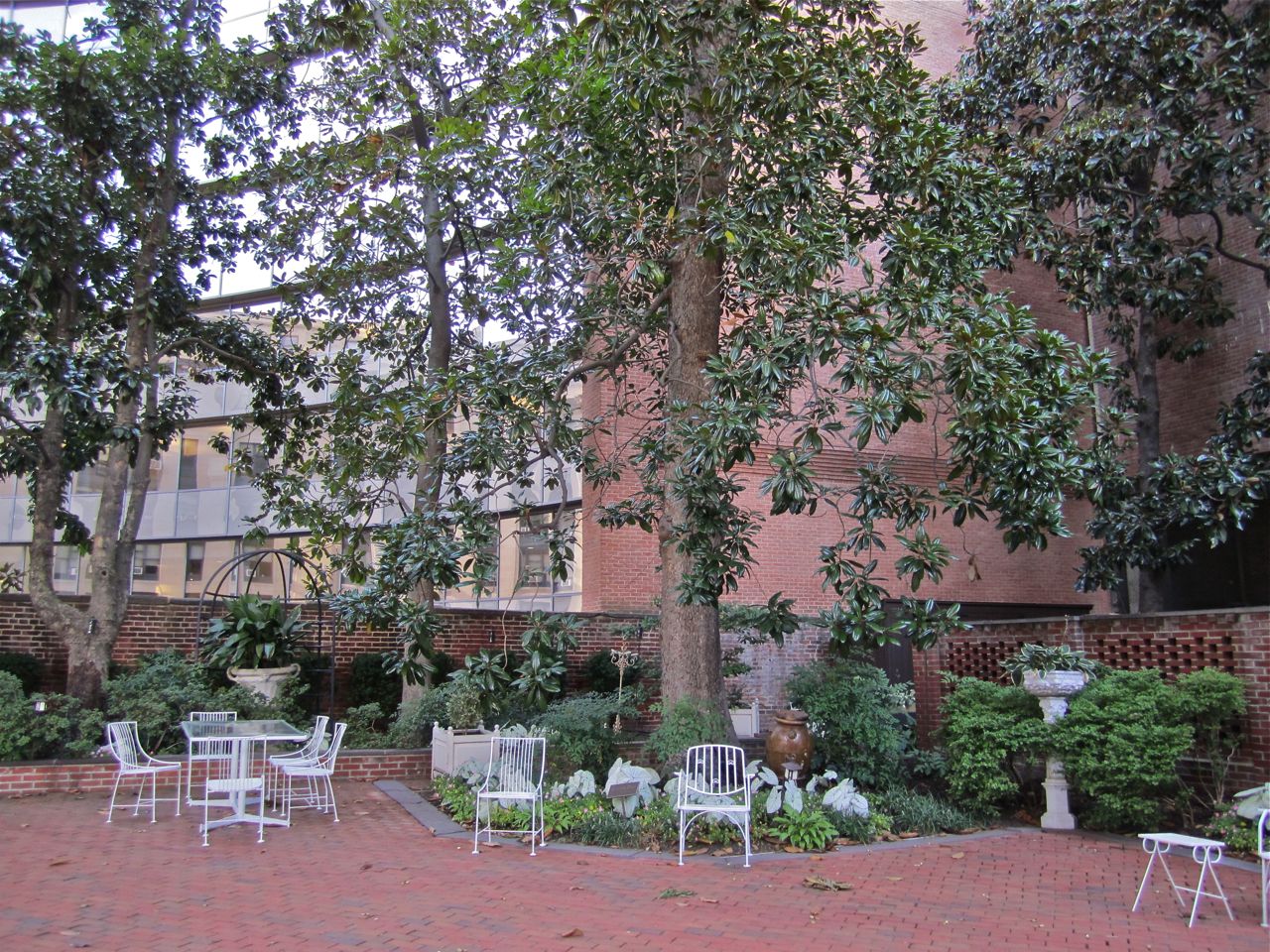
DACOR-Bacon House garden walled off from busy F Street.  Unfortunately, it was too hot that evening for the event to be held outside, so the chairs are a little scattered.
DACOR-Bacon House was built in 1824/5.
Under a willow oak tree, a planting of coleus, lirope, and mondo grass.
The garden is now surrounded by modern buildings.

Since 1980, the house has been the home of the DACOR Bacon House Foundation and DACOR, Inc.

From 1831 to 1833, it was a boarding house whose tenants included Chief Justice John Marshall and several other Supreme Court Justices. Virginia Murray Bacon and her husband, a U.S. Congressman, bought the house in 1925.  She lived there until her death at the age of 89, when she bequeathed it to the Foundation.

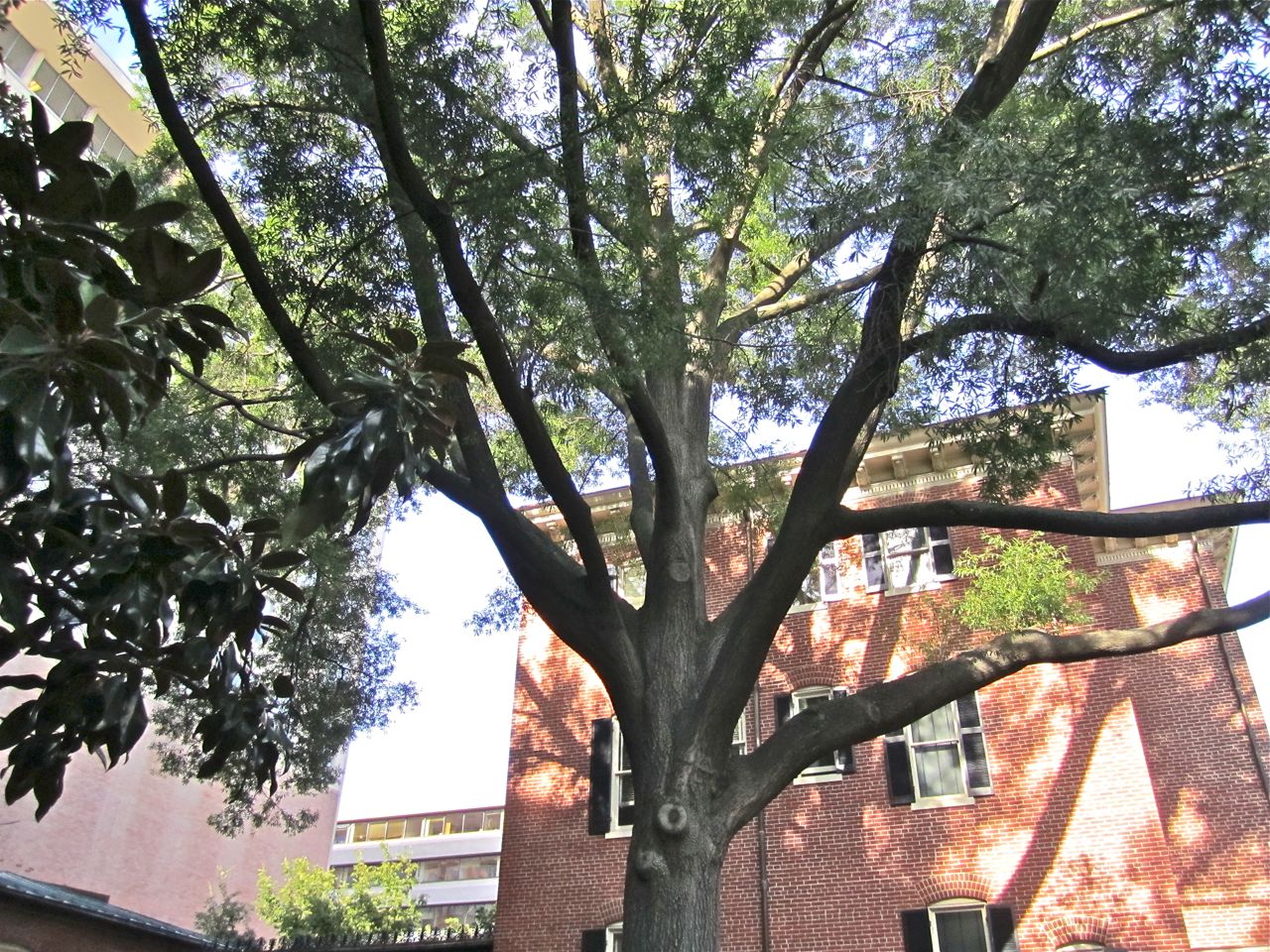
I was told that Mrs. Bacon spotted the garden’s huge willow oak  in the nearby town of Silver Spring about 65 years ago.  She was so taken with it that she bought it and had it dug up and trucked to 18th and F Streets, then hoisted over the garden wall by crane.
The giant willow oak in the center of the garden.
DACOR Bacon House also houses the Ringgold-Marshall Museum and can be toured Mondays, Wednesdays, and Thursdays, 2:30 – 4:30 p.m.  It is listed in the National Register of Historic Places.

The DACOR Bacon House Foundation works to develop mutual international understanding and strengthen ties between the people of the United States and other nations.  DACOR, Inc., is an association of retired officers of the U.S. Foreign Service and of other foreign affairs agencies and their spouses.

DACOR members (click the link above) may rent the house and garden for weddings, and it would be a really lovely venue.  (In the 1860s, President and Mrs. Lincoln attended a wedding there.)