Boston, Massachusetts

“‘City farmer’ tends garden in the Fenway, administered by the 600-member Fenway Civic Association. Four hundred twenty-five personal gardens are tilled on these five acres in Metropolitan Boston, [Massachusetts],” May 1973, by Ernst Halberstadt, via U.S. National Archives Commons on flickr.

This photo was taken for DOCUMERICA, an early photography program of the U.S. Environmental Protection Agency (EPA). 

From 1972 to 1977, the EPA hired over 100 photographers to “document subjects of environmental concern.” They created an archive of about 20,000 images. In addition to recording damage to the nation’s landscapes, the project captured “the era’s trends, fashions, problems, and achievements,” according to the Archives, which held an exhibit of the photos, “Searching for the Seventies,” in 2013.
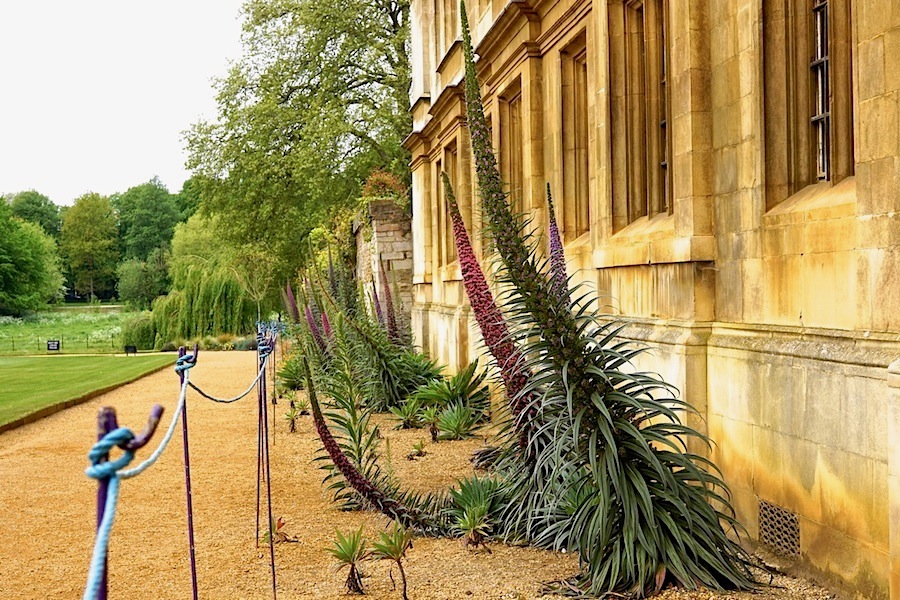
King’s College, Cambridge

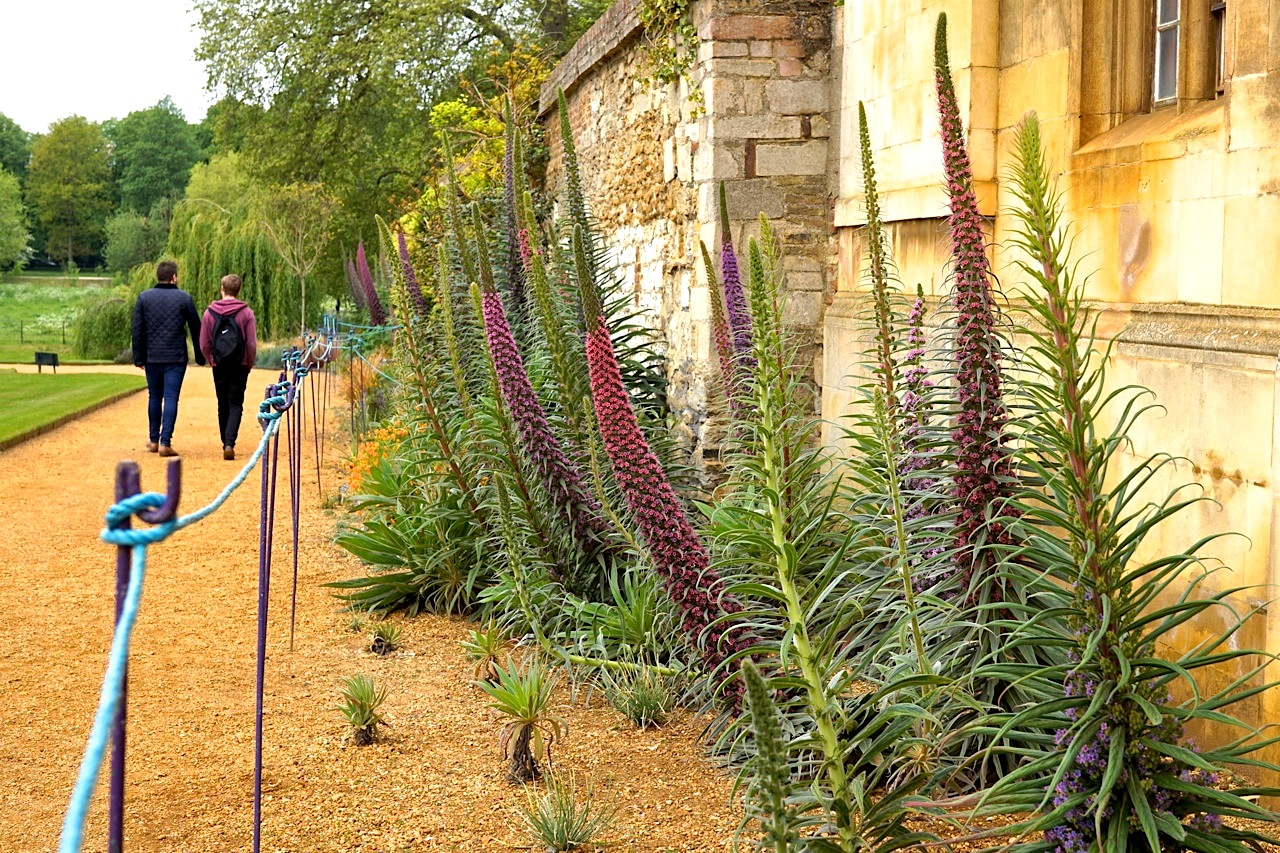
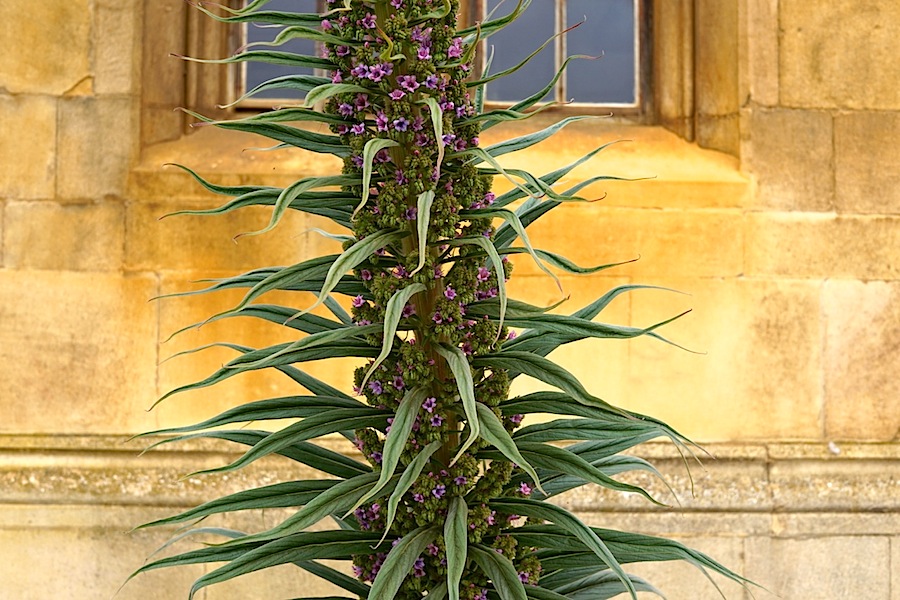
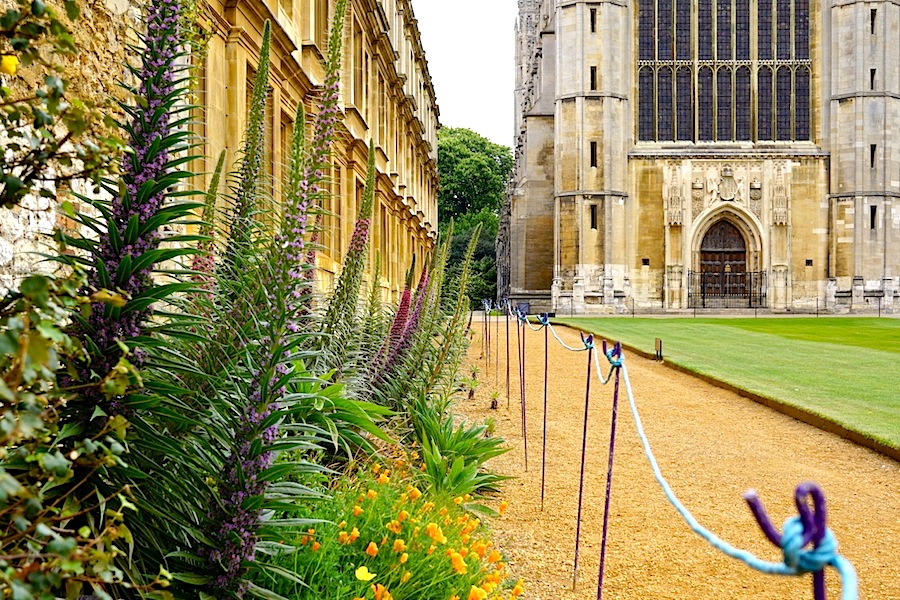
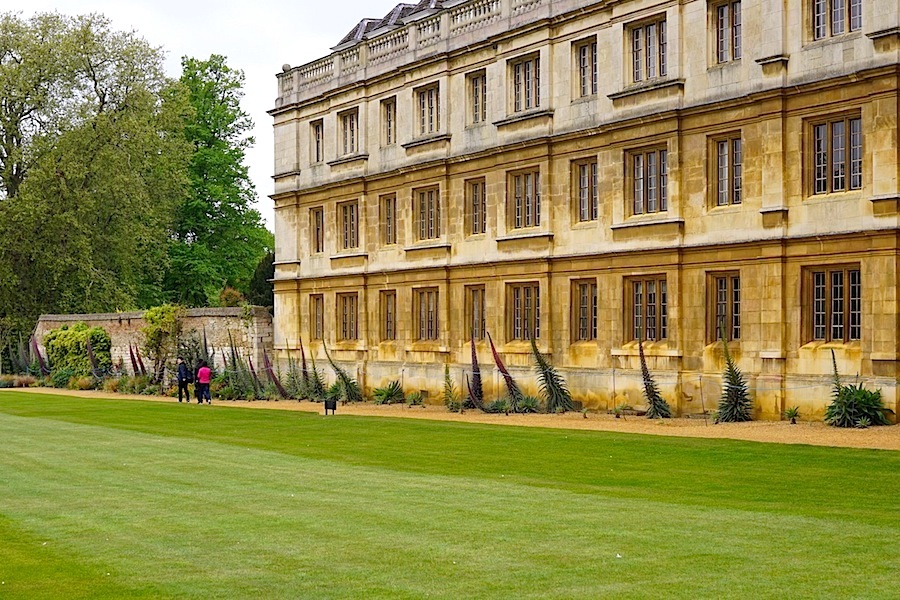
On a quick trip to Cambridge last week, I really liked this border of Echium pininana (or giant viper’s bugloss) along the lawn behind King’s College, here. (The building is actually part of Clare College.)


A different kind of foundation planting.


The biennials, which are native to the Canary Islands, can grow as tall as 13′ (or 4 m.). They want well-drained soil, full sun, and shelter from wind.

They are also called tower of jewels.
Looking back to the King’s College Chapel.

Trinity College

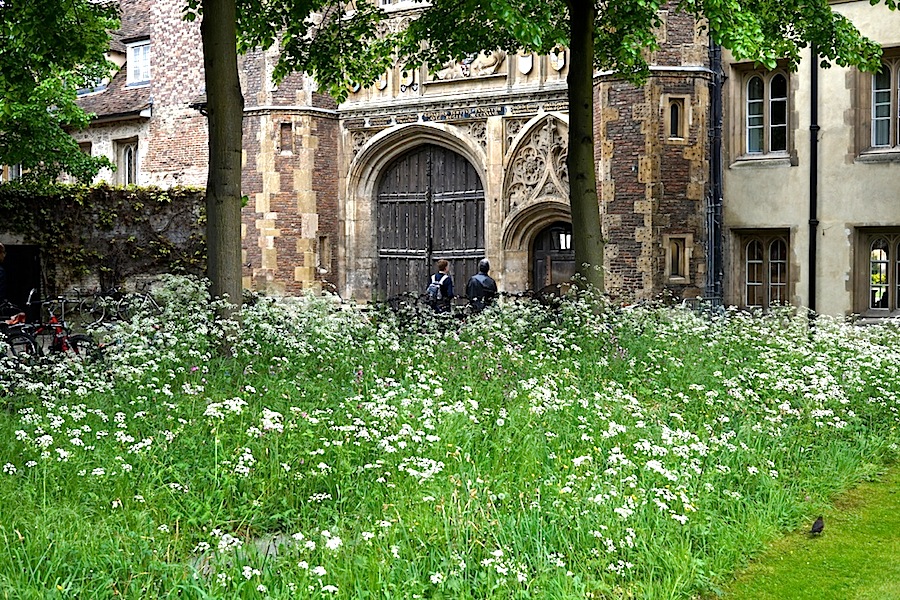
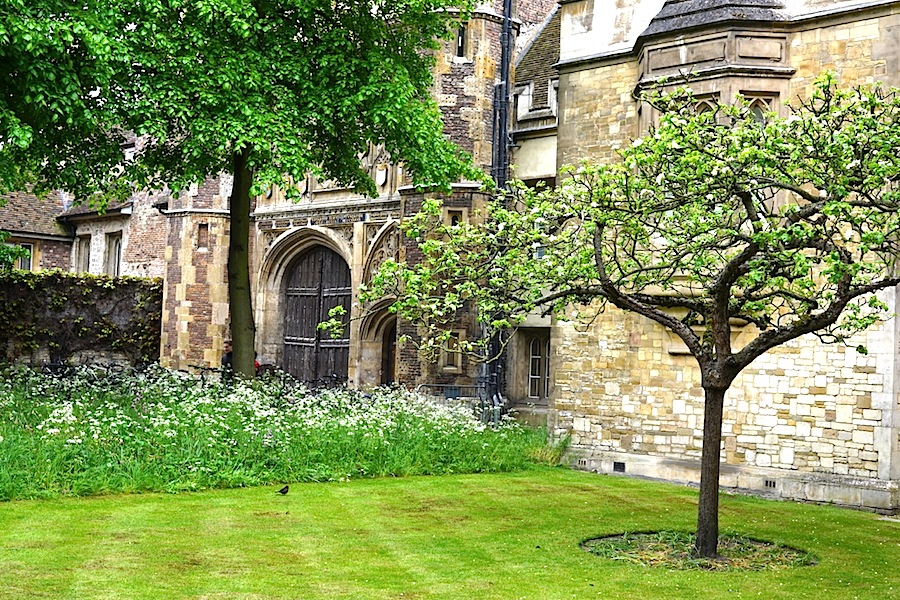
I also liked this wide walkway border of Queen’s Anne lace and long grass at the entrance to Trinity College.


The tree on the right is a grafted descendant of the apple tree that inspired Isaac Newton.

San Francisco, California

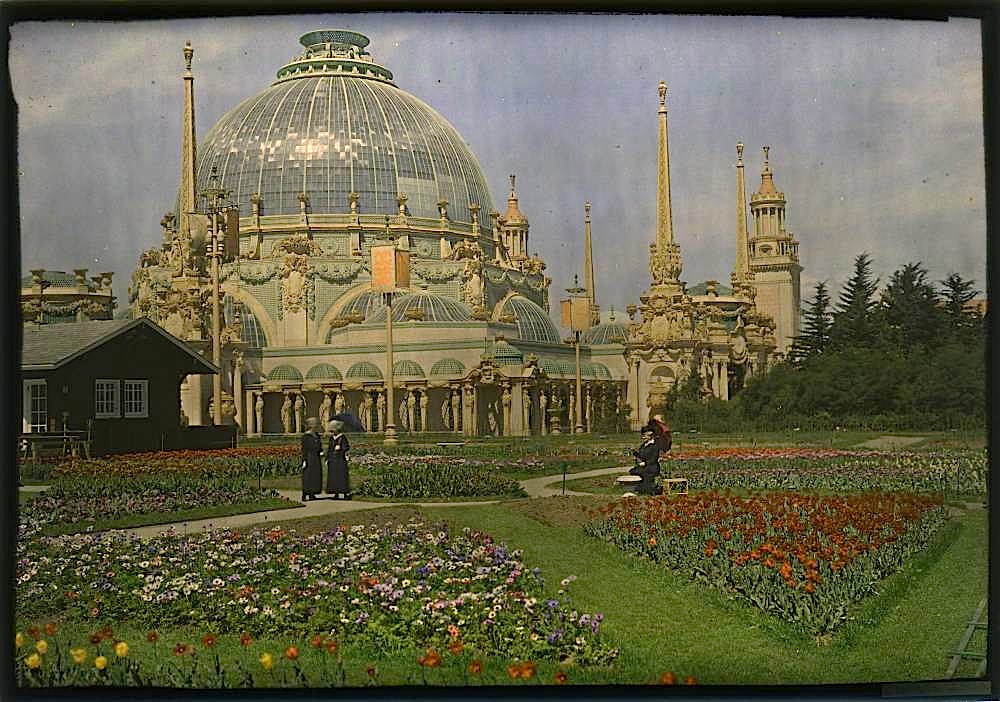
Palace of Horticulture, Panama-Pacific International Exhibition, San Francisco, California, 1915, an autochrome by an unknown photographer, via George Eastman Museum Commons on flickr.

The Exhibition was open from February to December 1915 and celebrated the completion of the Panama Canal in 1914. It also showcased the city’s recovery from the devastating 1906 earthquake. Its palaces and halls were built on a 635-acre site along the city’s northern shore, between the Presidio and Fort Mason.

“Constructed from temporary materials (primarily staff, a combination of plaster and burlap fiber), almost all the fair’s various buildings and attractions were pulled down in late 1915,” according to Wikipedia.

St. James’s Palace

Another garden scene from my day of walking around London last week. . .

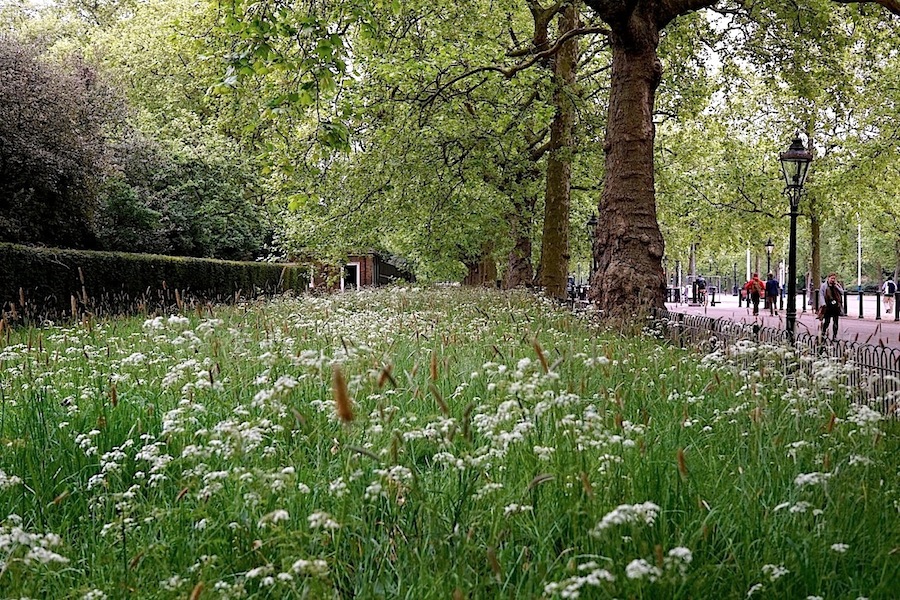
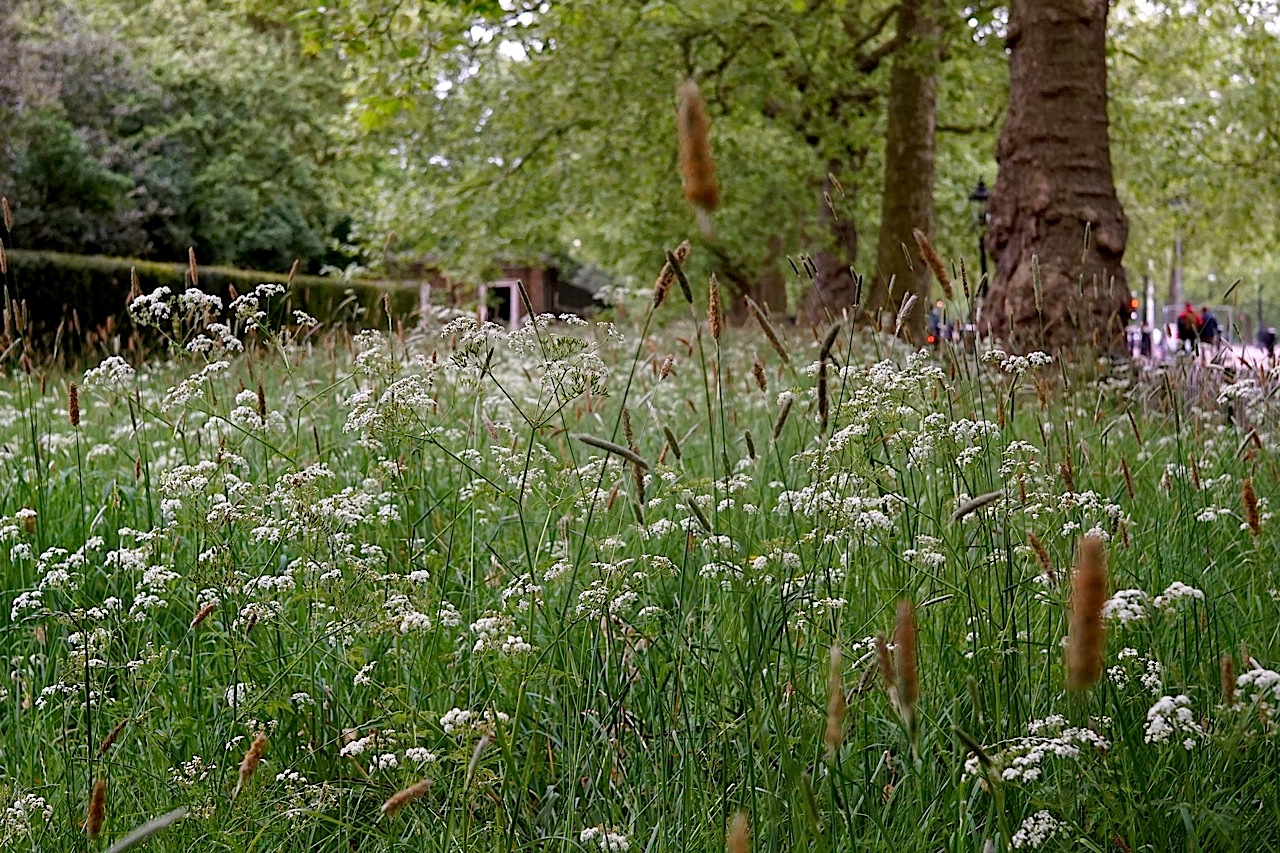
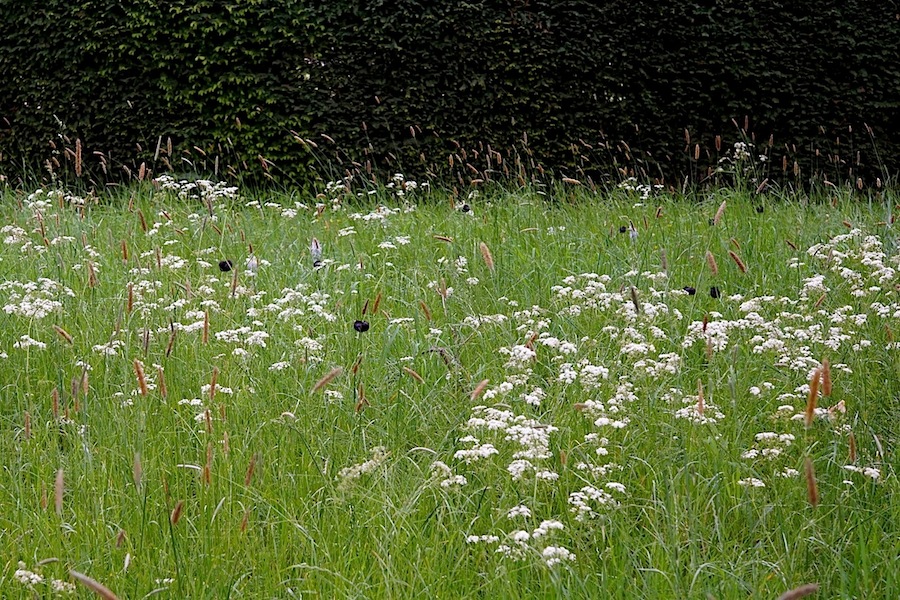
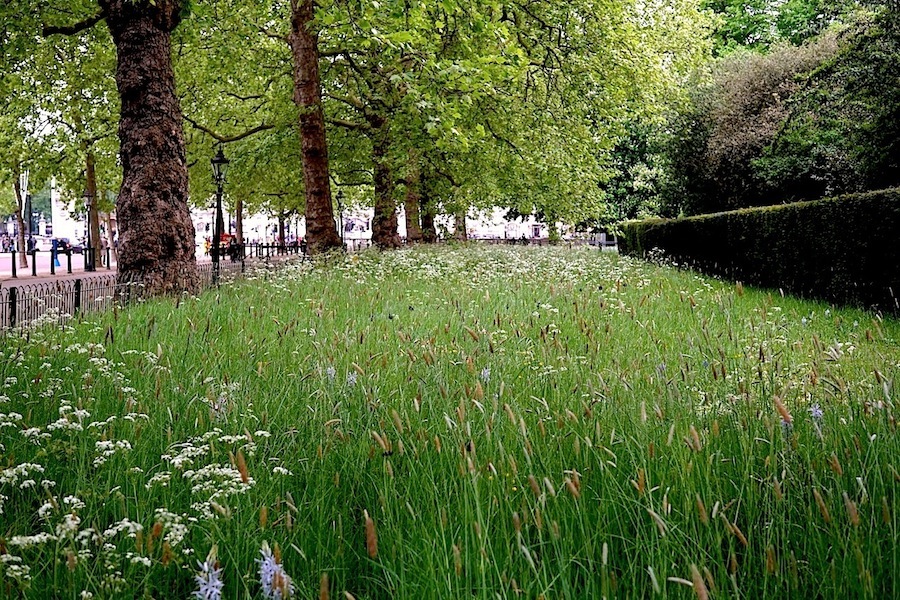
This meadow-style planting is outside the walls of St. James’s Palace, along The Mall. The strip of ground outside the walls around Buckingham Palace (at least on the north side) is planted in the same way.

In addition to Queen Anne’s lace (Daucus carota), there were some very dark red-purple tulips and pale blue Camassia.

Looking back toward Buckingham Palace.

“Lighting the Square”

This slideshow requires JavaScript.

I had the opportunity to make a quick trip to London (and Cambridge) last week. Walking through Belgravia, I passed under this installation of 70 pendant lights hung in the trees around Orange Square for London Craft Week.

The lights were made in the Cornish workshop of Tom Raffield. The craftsmen used “sustainably sourced, British hardwood species similar to the trees found in this square,” according to a nearby sign.