
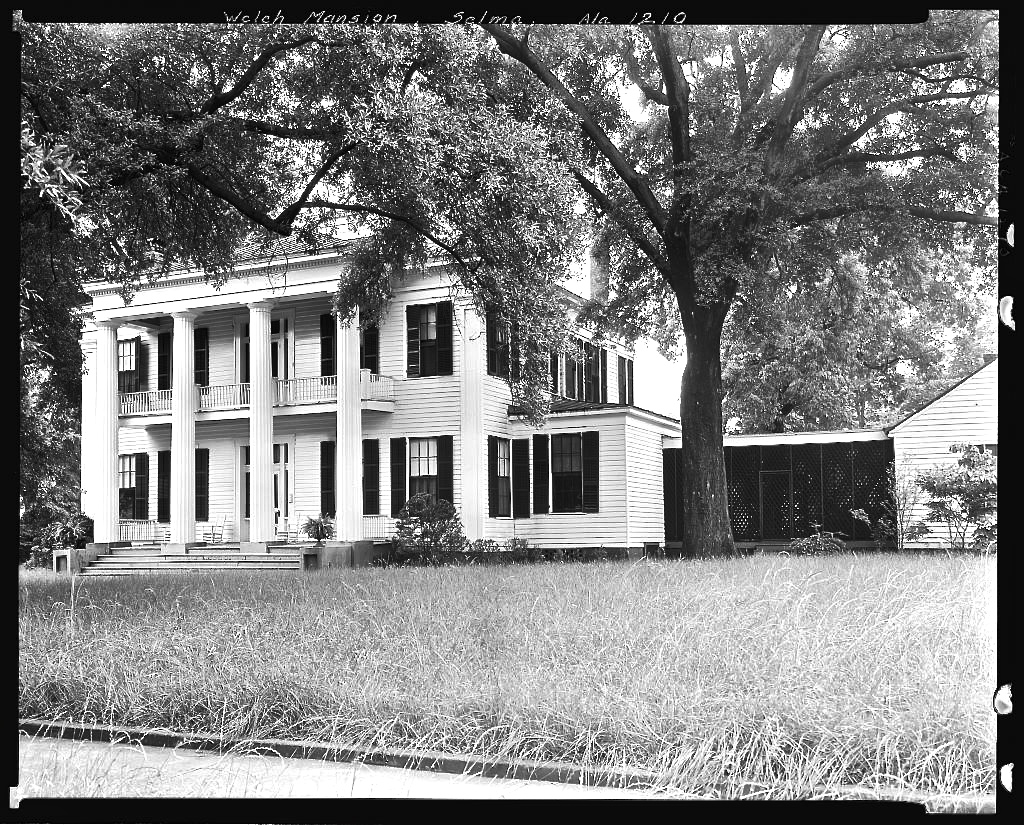
I love these two pictures of a well-cared-for antebellum mansion in 1939 Alabama with a tall grass lawn — early no-mow or at least seldom-mow.
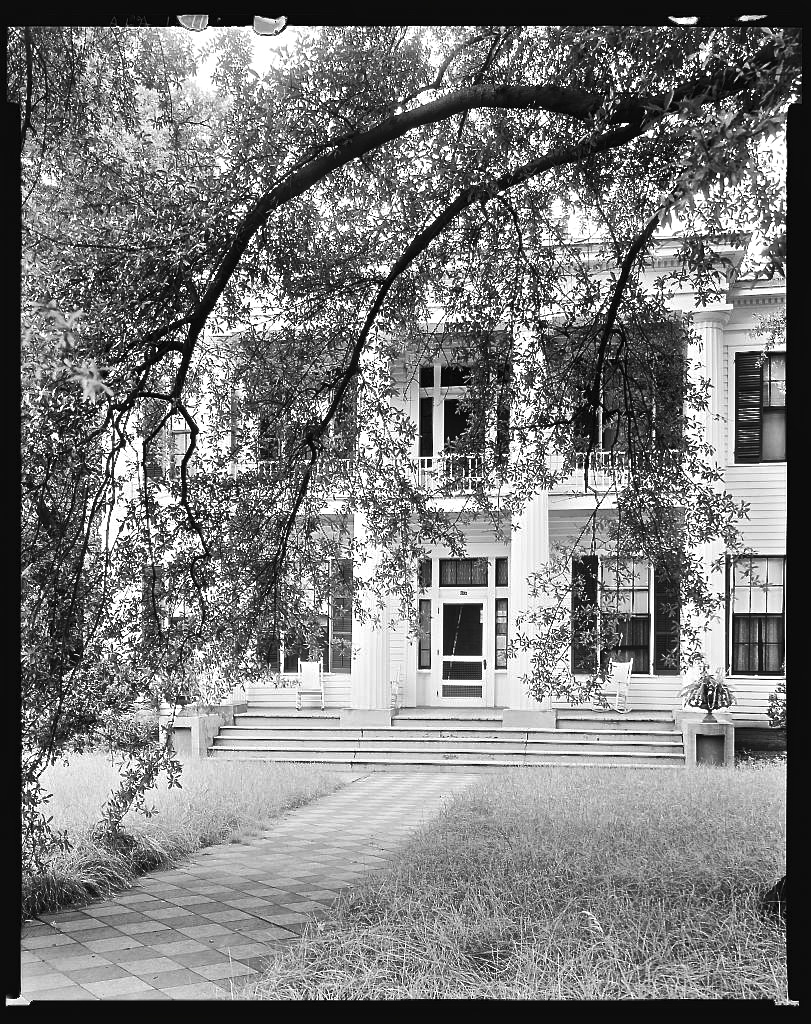 Above and below is the W.P. Welch Mansion in Selma, Alabama. It was built in 1858.
Years ago, we had neighbors who tore down their house and built another on the same spot, in the style of a Victorian farmhouse. While the contractors were finishing the interior, the small bare front yard was covered with straw. Tall grass soon grew up through it, and the effect was something like the above. It was beautiful — remnants of beige straw, wavy green grass, and one old peegee hydrangea limbed up into a small tree.
Of course, as soon as they could, they tilled it up and put down sod and foundation shrubs. I always thought it was too bad. Before, it had actually evoked some real ideas and emotion about real farms.
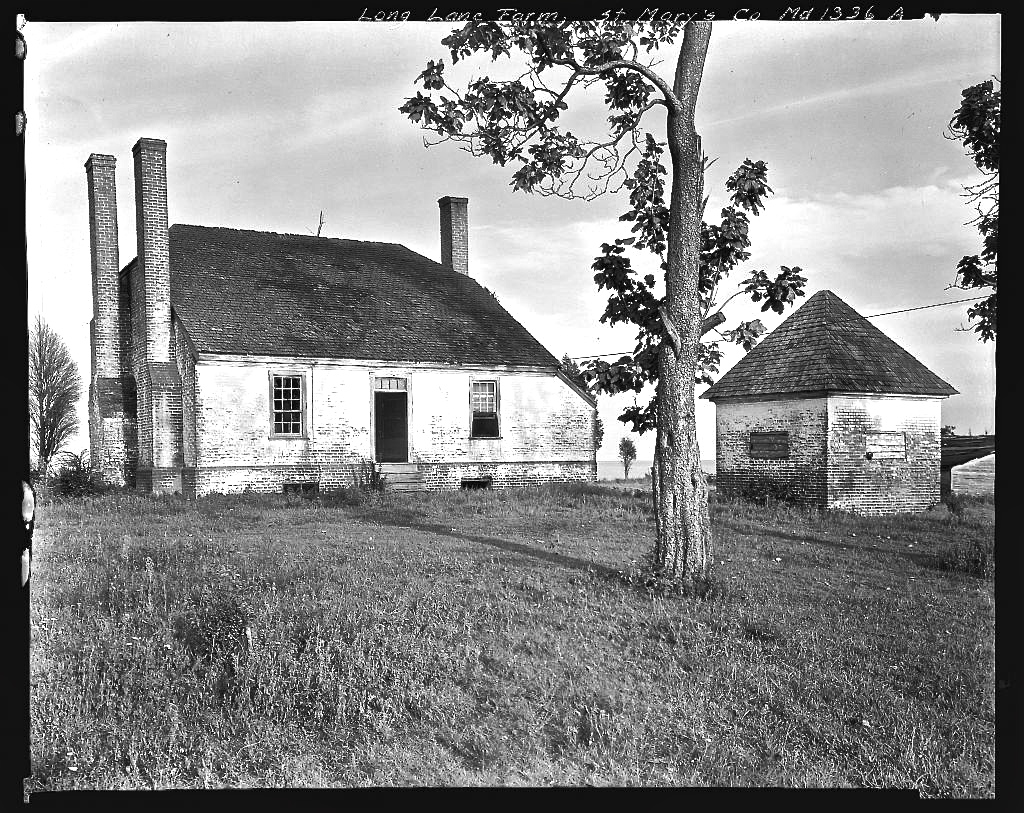 Long Lane Farm (above), St. Mary’s County, Maryland.
A lot of the houses I’ve looked at in the Carnegie Survey of the South collection are decrepit or abandoned. They have “lawns” of tall grass, weeds, and a some remaining flowers. But they are beautiful resting in their wavy, ragged negative space. Their foundations aren’t obscured by shrubs; their porches float.
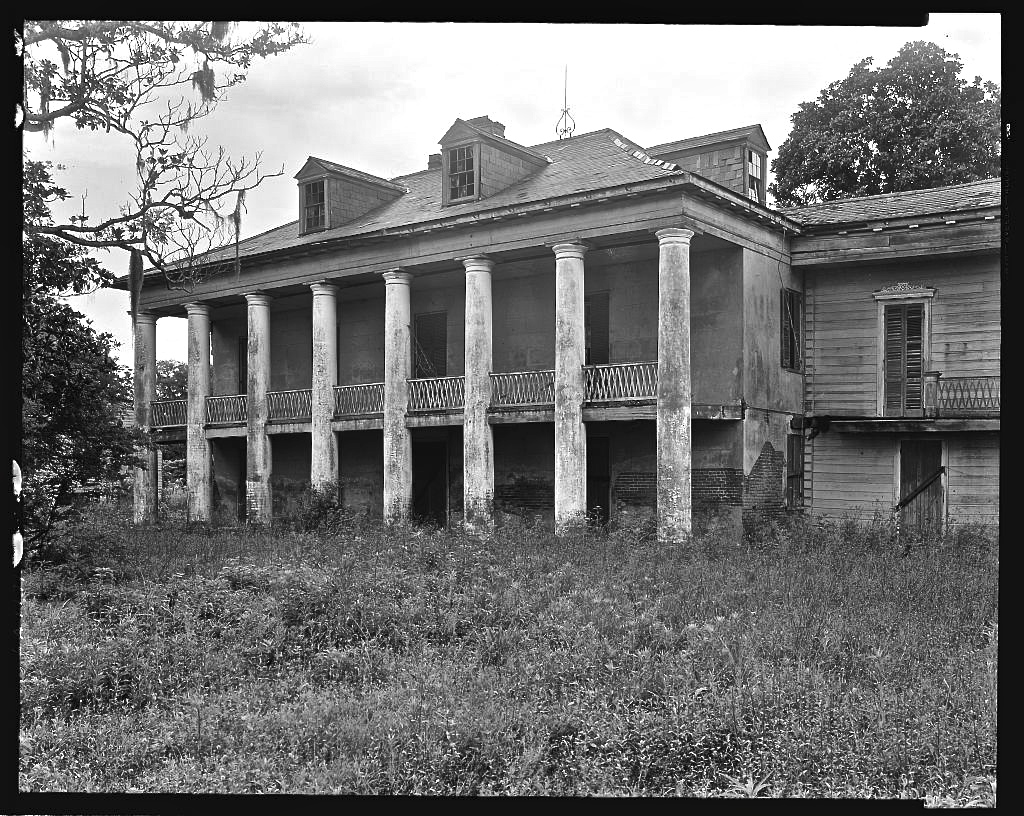 Beauregard House (above), Chalmette, Louisiana.
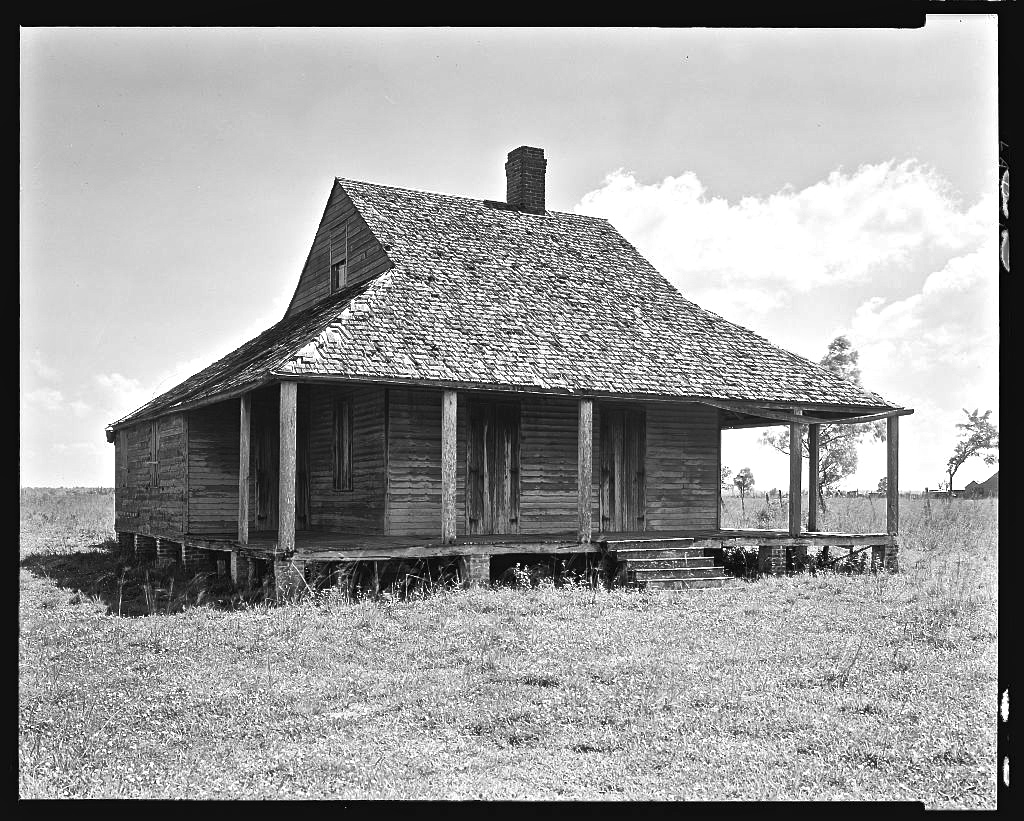 Cabin (above), St. John the Baptist Parish, Louisiana.
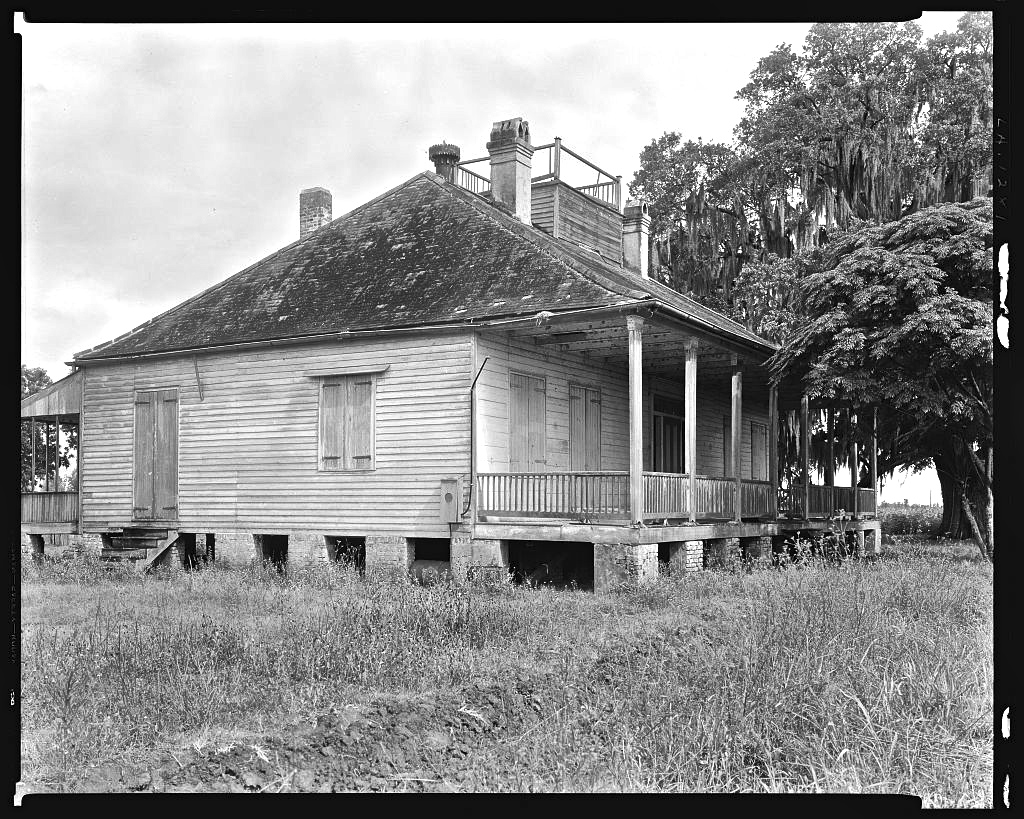 (above) Moccasin, Louisiana.
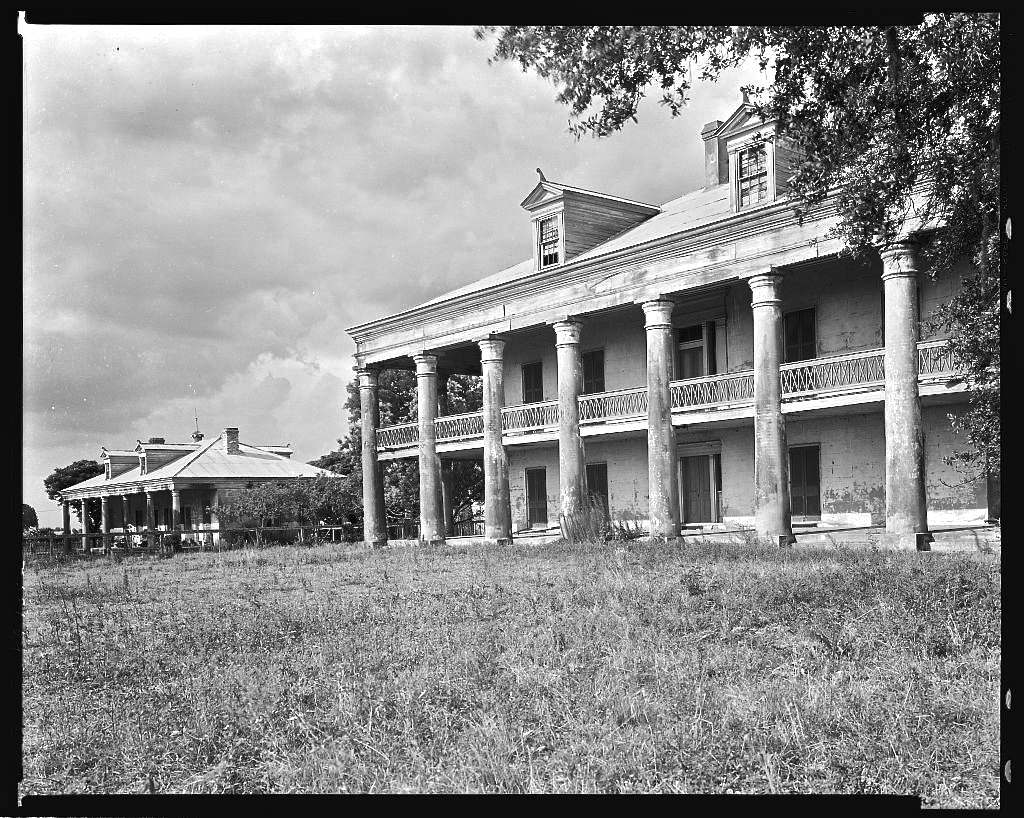 Uncle Sam Plantation (above), St. James Parish, Louisiana.
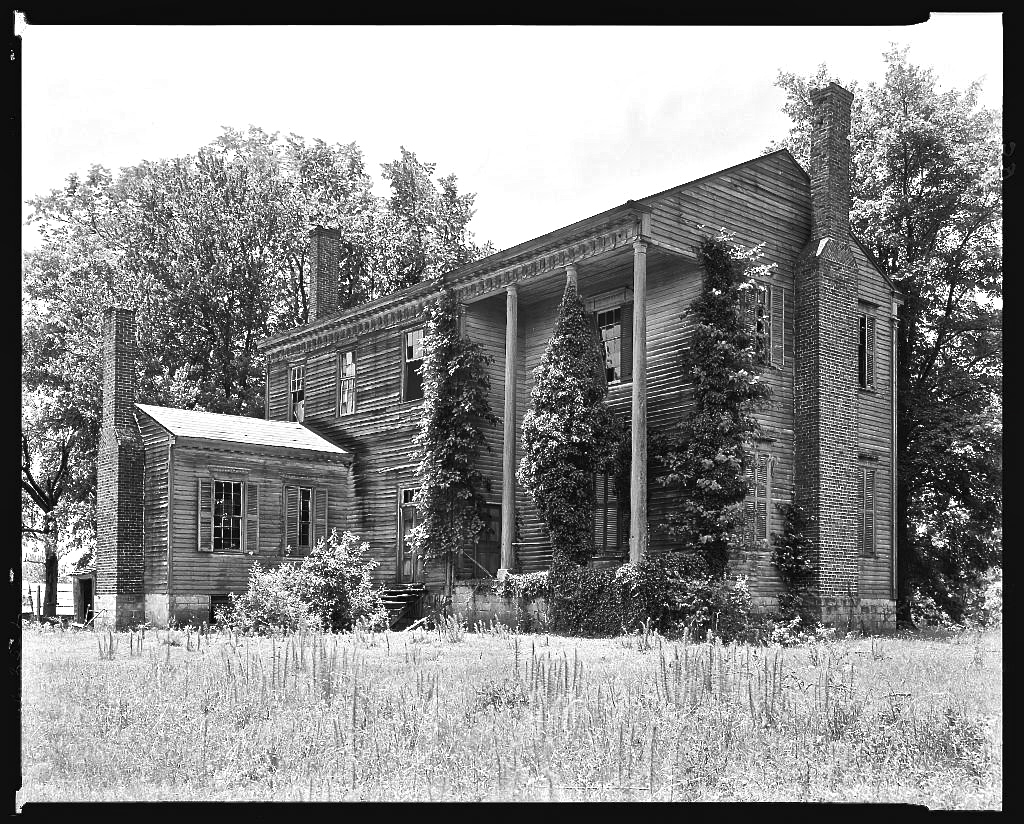 Prospect Hill (above), Airlie, North Carolina.
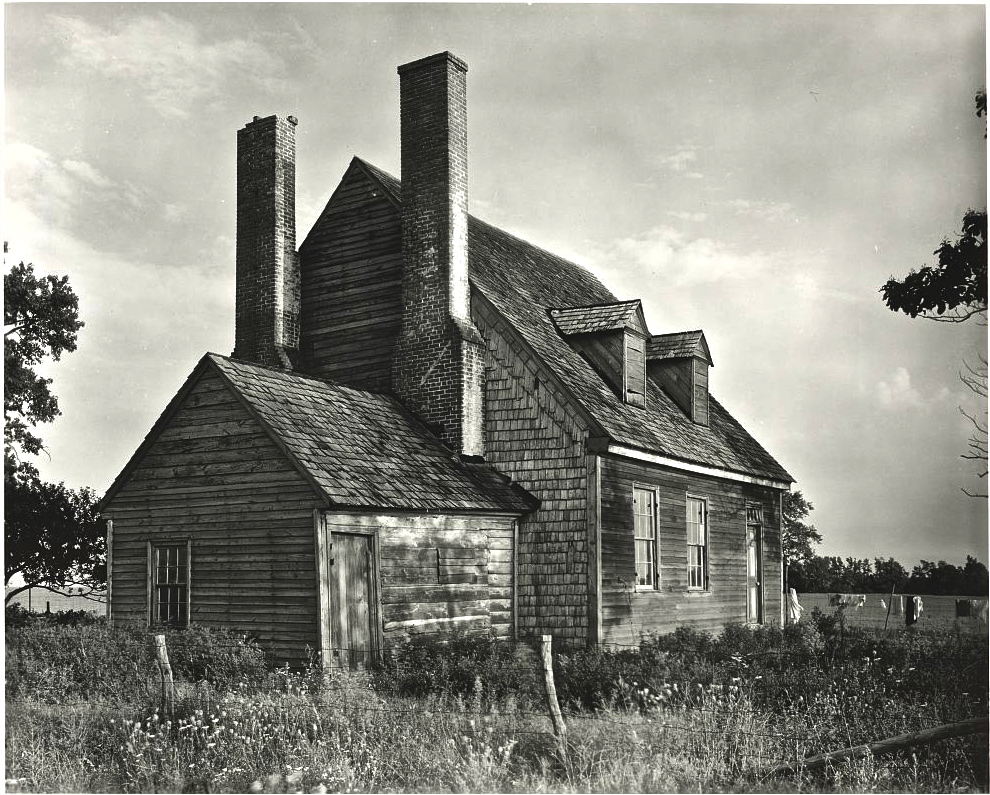 Driscoll Farm (above), St. Mary’s County, Maryland.
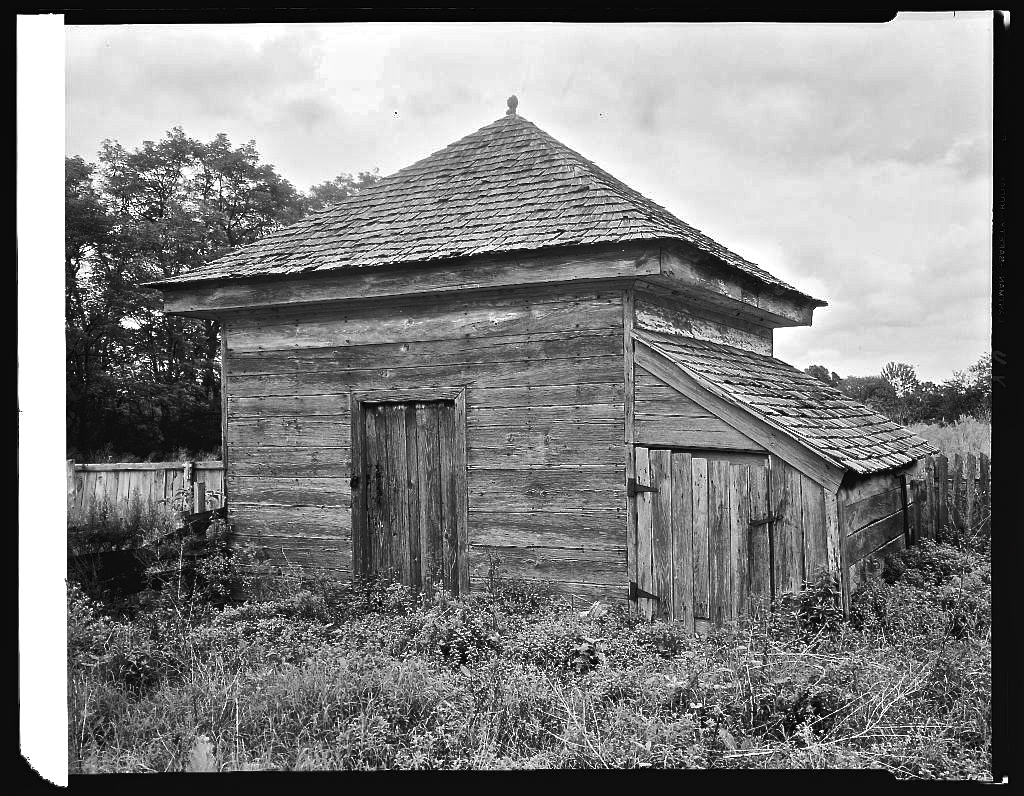 Greenway, aka Marlee (above), Charles City County, Virginia.
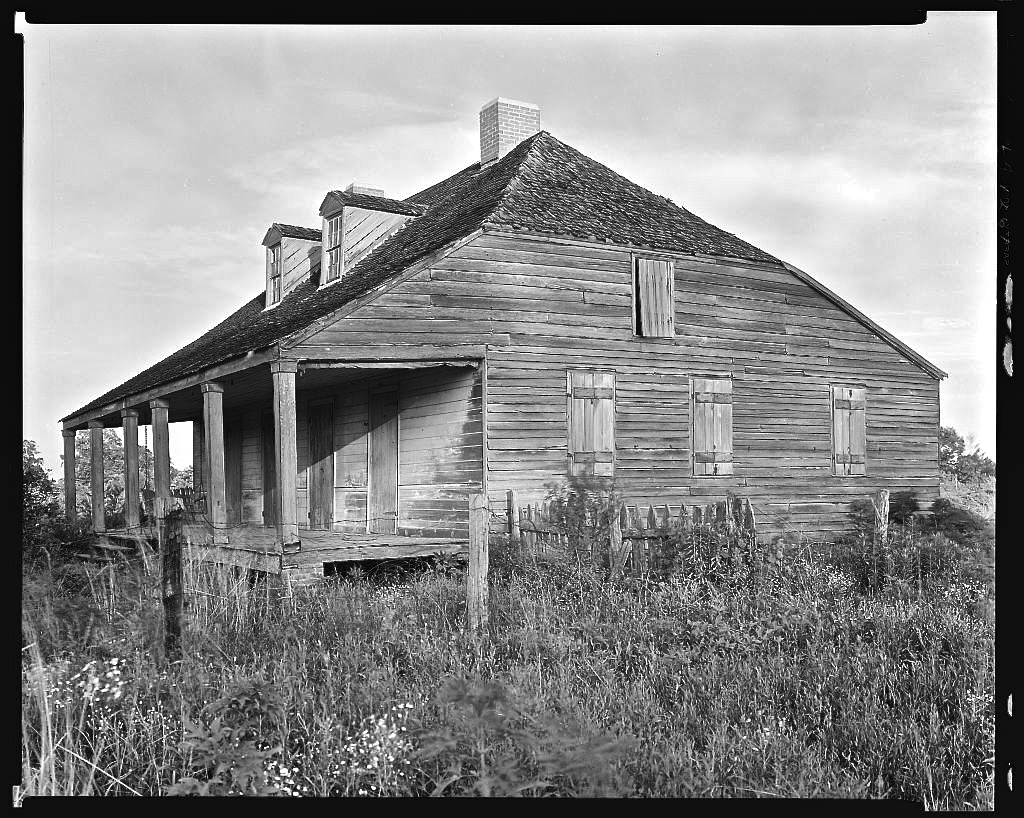 (above) New Roads, Louisiana.
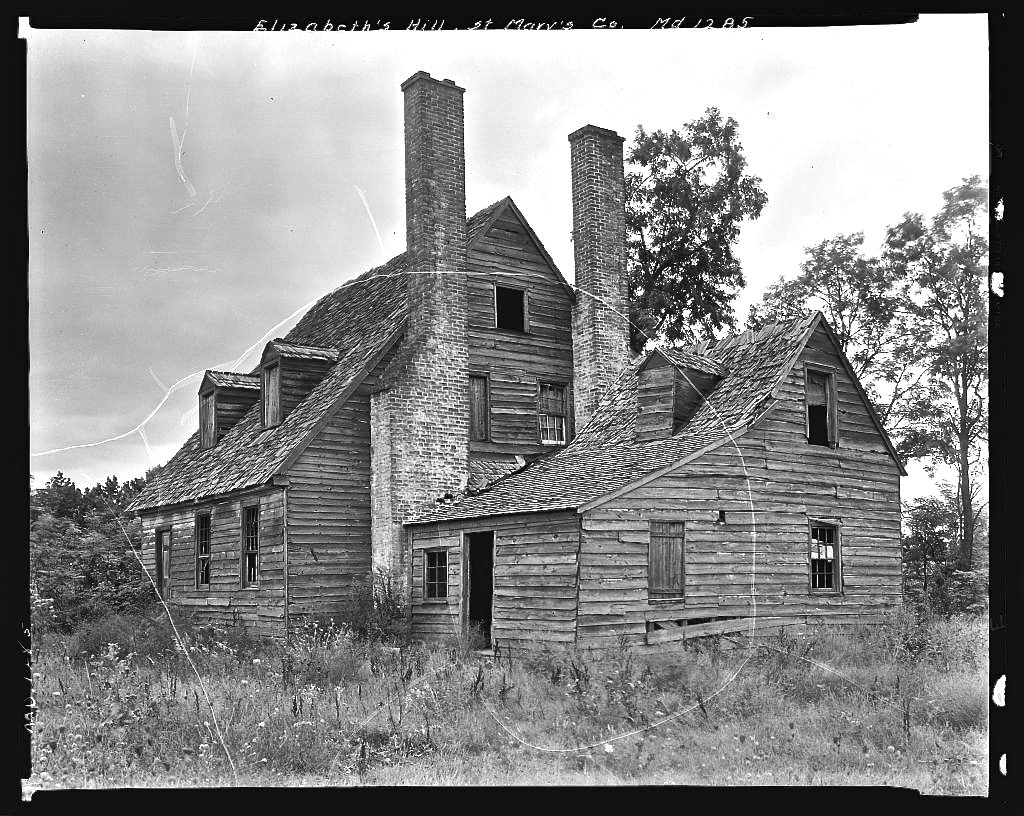 Elizabeth Hill (above), St. Mary’s County, Maryland.
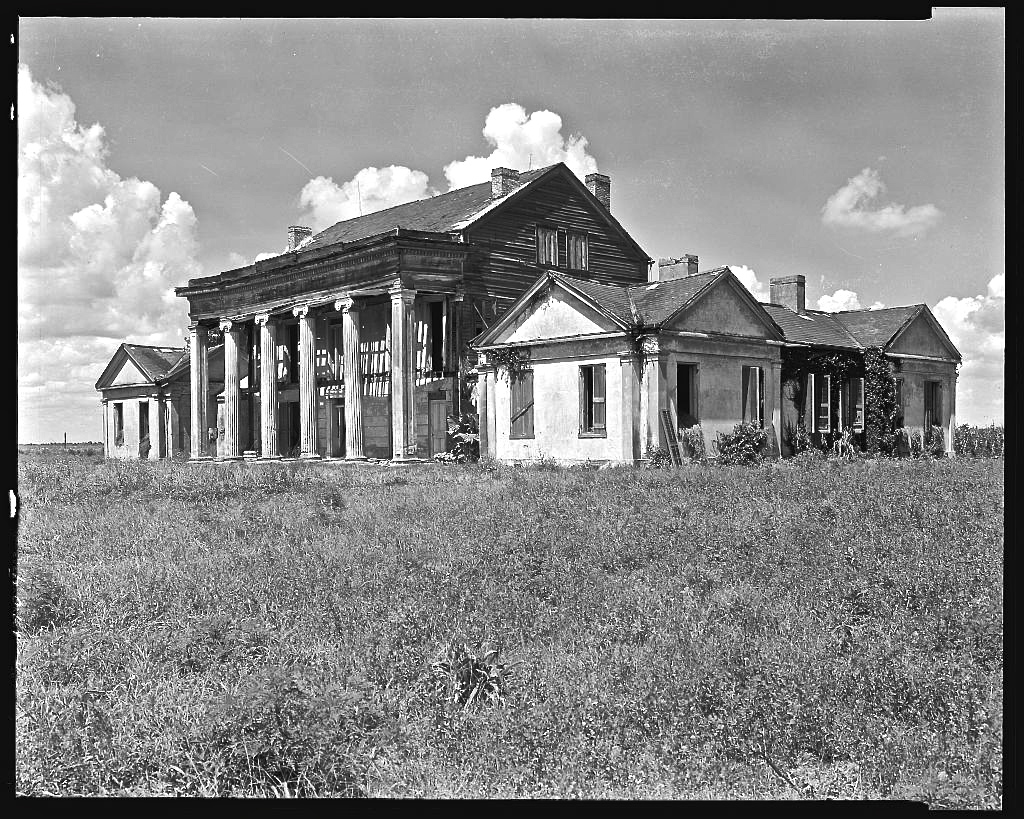 Woodlawn Plantation (above), Napoleonville, Louisiana.
All photos by Frances Benjamin Johnston, taken in the late 1930s for the Carnegie Survey of the South, via Library of Congress Prints and Photographs Division.



 enclos*ure