An earlier March

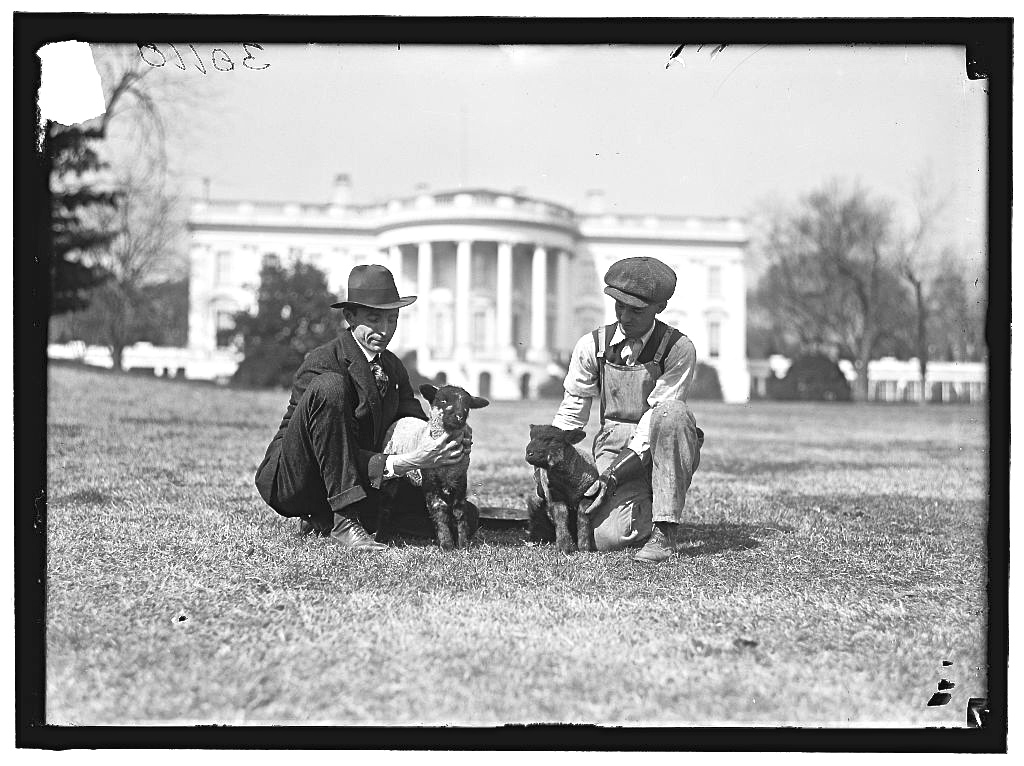
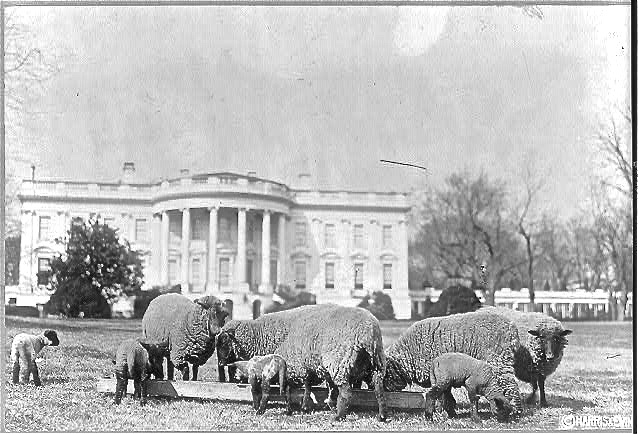
Sheep grazed on the White House lawn during the Wilson administration (1913-1921) as part of an effort to cut down on groundskeeping costs (and here and here).  The photo above was taken by Harris & Ewing. Since there are lambs, I believe this is early spring.

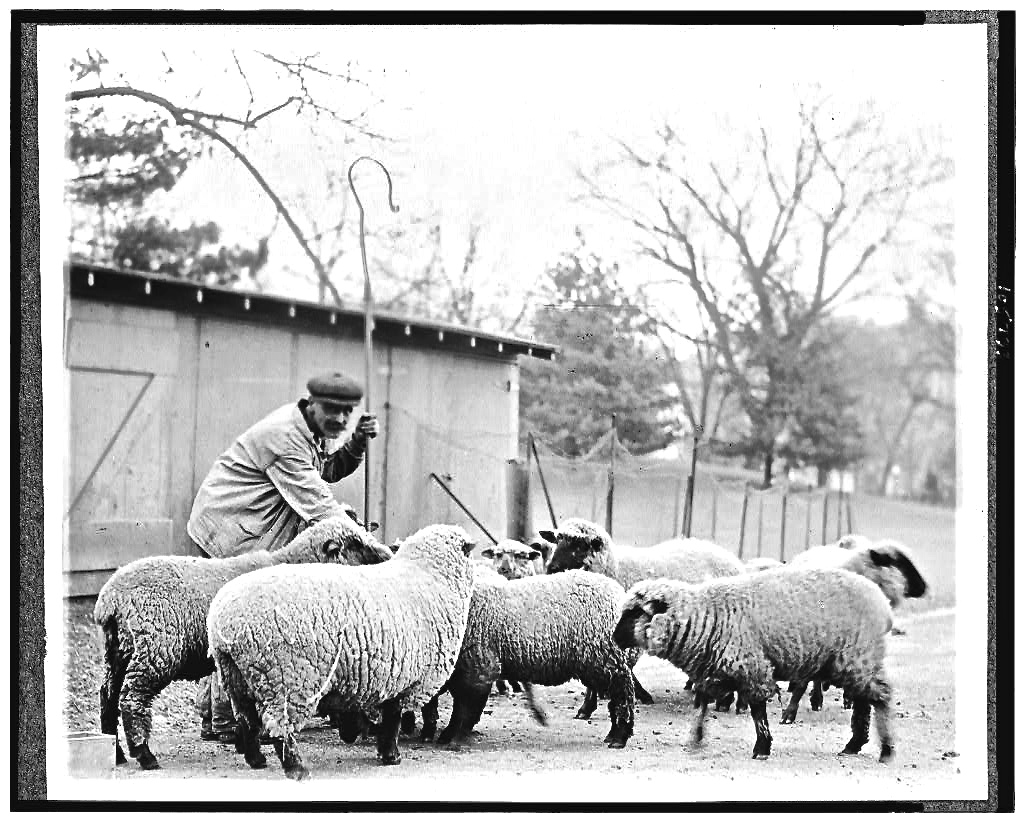
The below photos were taken by the National Photo Company (all images via the Library of Congress Prints and Photographs Division).

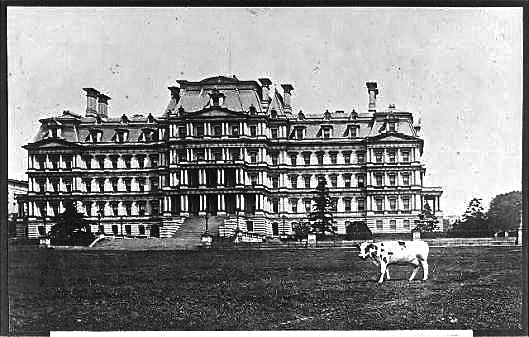
Earlier, from 1910 to 1913, President Taft’s cow, Pauline, had grazed on the lawn. She is shown here in front of the Old Executive Office Building, then the State, War, and Navy Building.

Friday miscellany

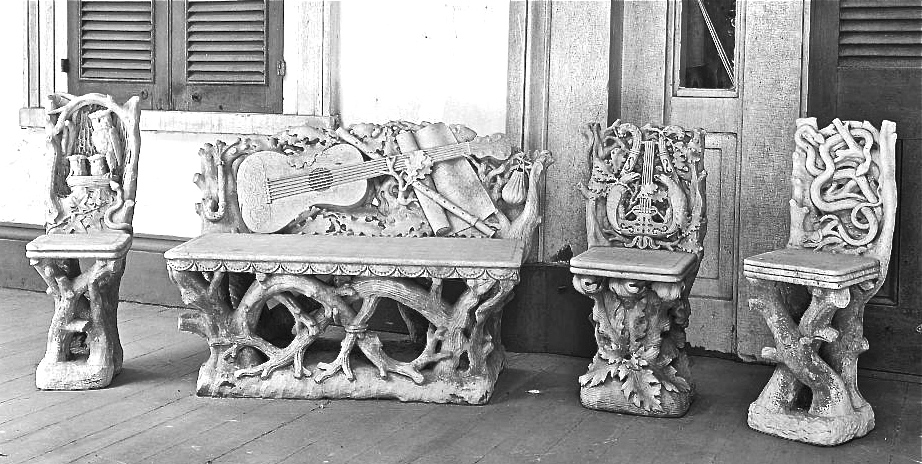
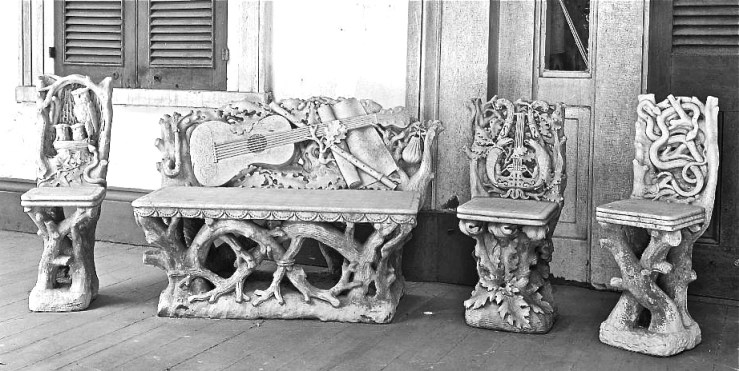
The porch of Burnside Plantation in 1938, by photographer Frances Benjamin Johnson for the Carnegie Survey of the South.

Miscellany

The Washington Post has an interesting, and rather sad, article (and colorful slide show), here, about the once-great floating gardens of Xochimilco in Mexico City. Although it is a UNESCO World Heritage Site, “the ancient plots and their life-giving canals are weedy and abandoned, overrun by cattle, invaded by exotic fish, sucked dry by urban sprawl — and a dozen agencies of government have failed to save one of the wonders of the world.”

Anne Raver in The New York Times writes about Nancy Goodwin’s celebrated Montrose Gardens in winter, here. The slide show includes a photo of her lath house, which has been on my list of favorite garden structures since I saw it in Garden Design in the 1990s.

In urban landmark news, the first Starbucks on the East Coast, at Wisconsin and Idaho Avenues, N.W., in Washington, D.C., has closed. The building it occupied will soon be demolished. However, The Huffington Post reports, here, that the new, mixed-use development will still have a Starbucks (whew!). In the meantime, if you visit the nearby National Cathedral’s Bishop’s Garden, you can get coffee (and fudge) in the gift shop.

(Also, a slideshow in the header of the National Cathedral’s website, here, has some revealing photos of the earthquake damage of last summer.)

This link from the Lady Bird Johnson Wildflower Center and the University of Texas at Austin displays a map of the U.S. Click on a state and you get a list of native plants suitable for that region. Also, here’s an interesting perspective on the honey bee as a pollinator of American native plants, at Garden Rant.

Finally, if you need a reminder to always be alert to possibilities for design, click here.

Vintage landscape: perspective

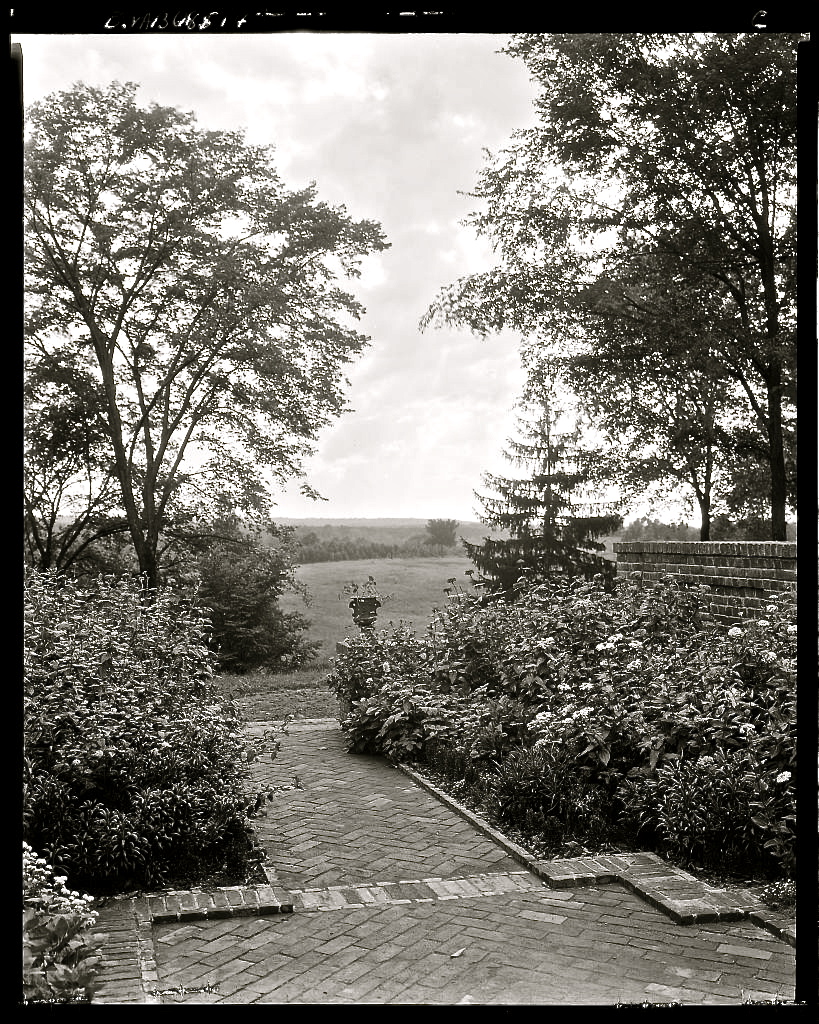
Belmont, Falmouth, Virginia, late 1920s.

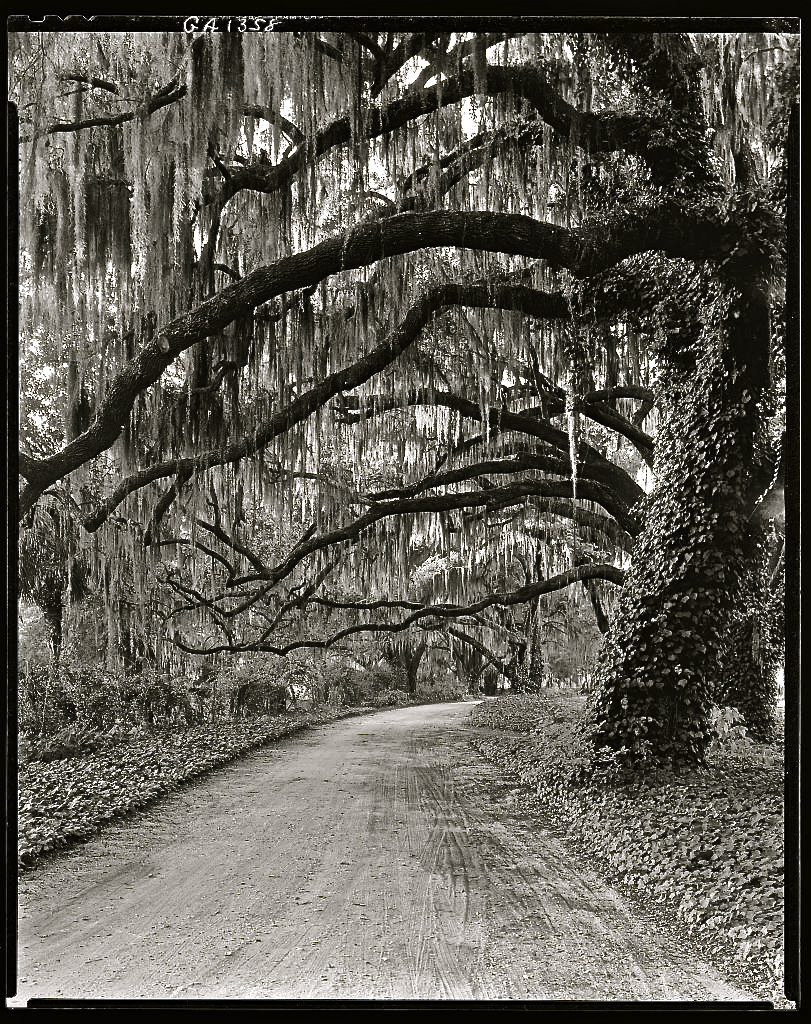
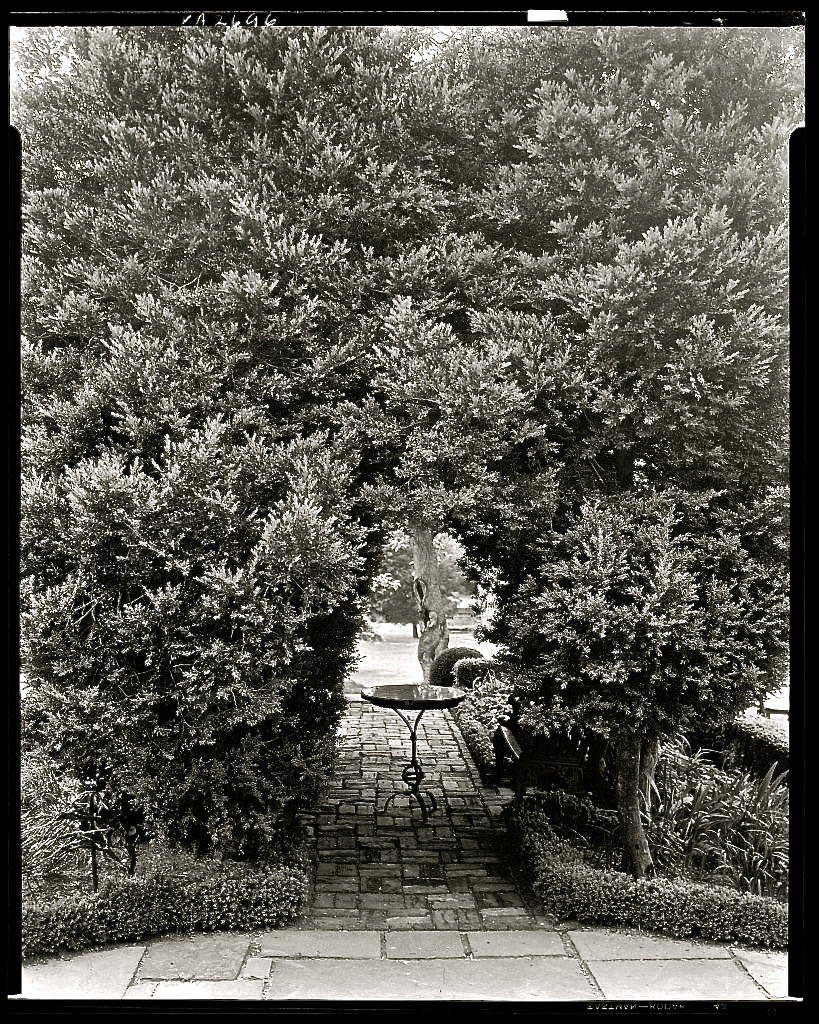
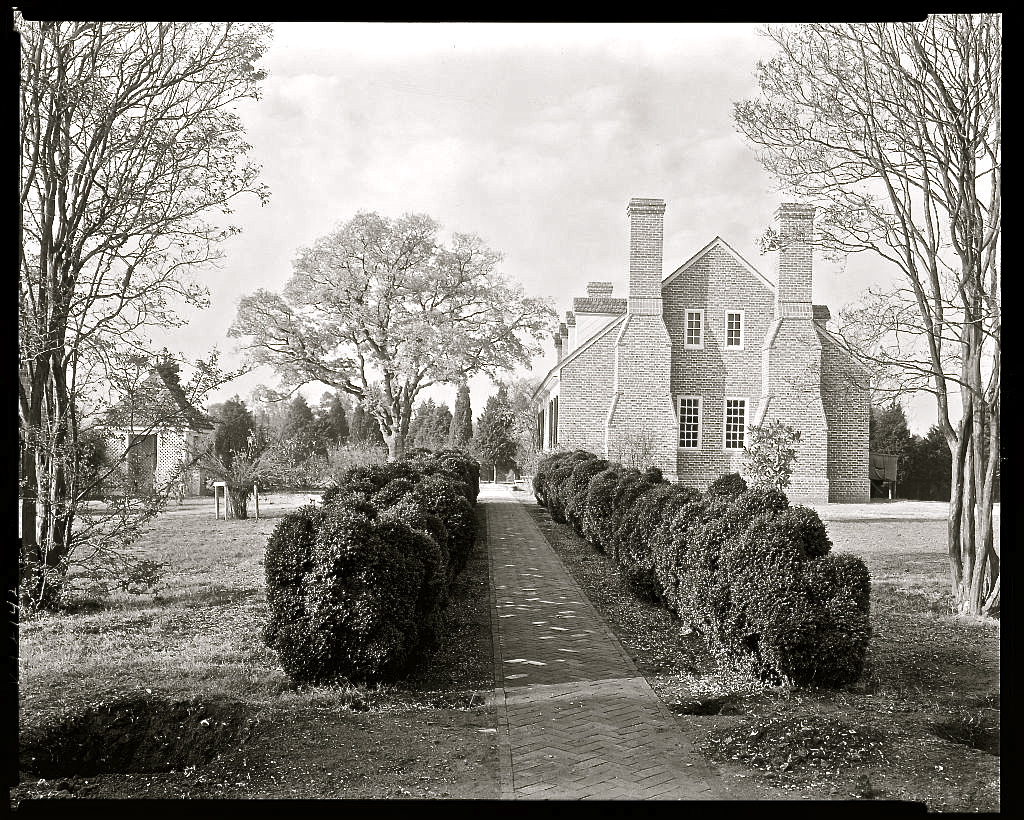
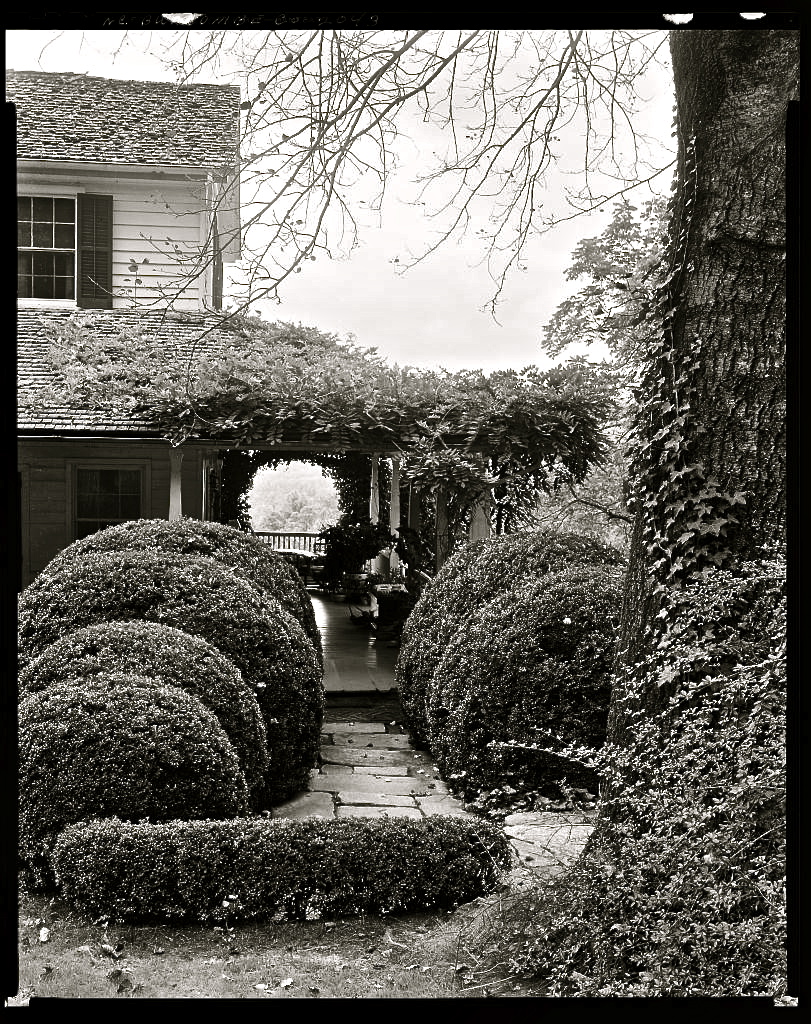
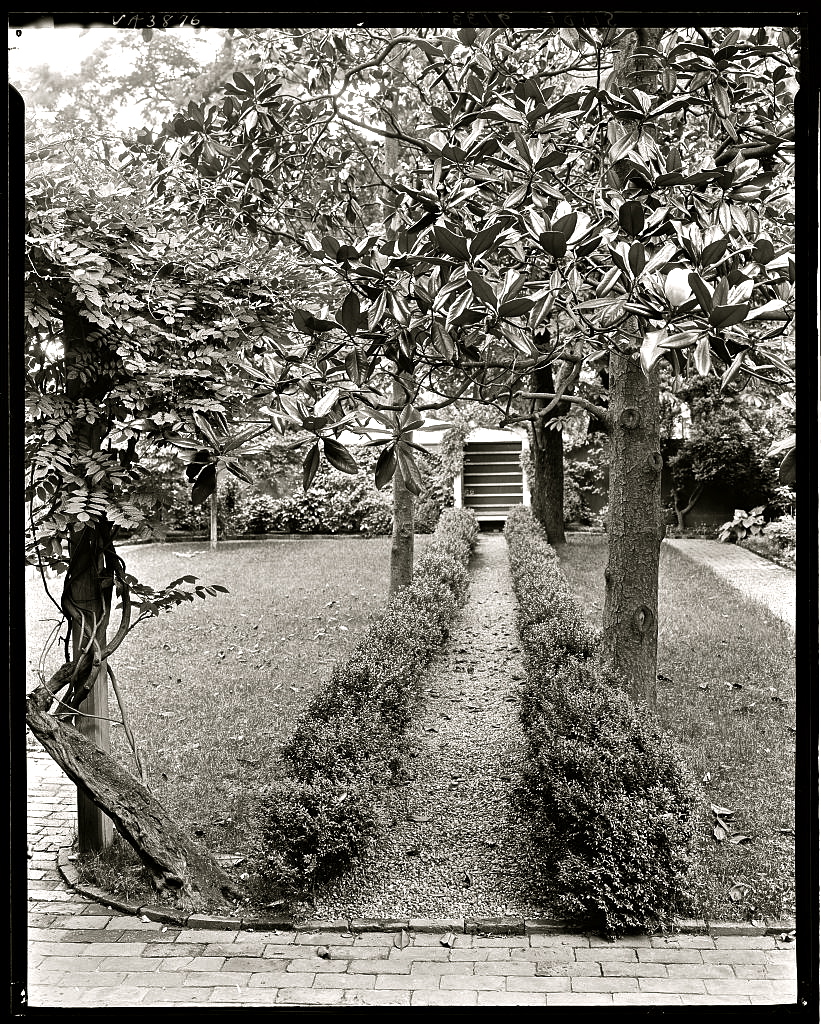
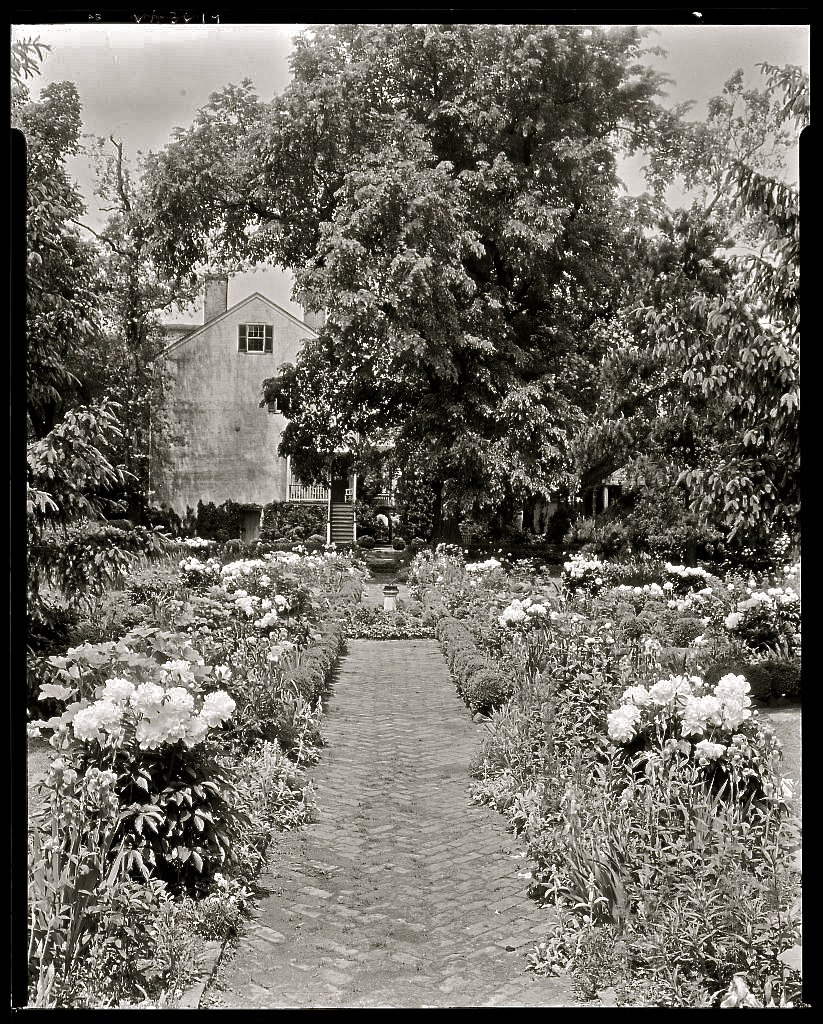
All photos by Frances Benjamin Johnston via the Carnegie Survey of the South, Library of Congress Prints and Photographs Division. Click the pictures to enlarge.

Wormoloe Plantation, Savannah, Georgia, 1939 or 1944.

York Hall, Yorktown, Virginia, ca. 1930s.

Wakefield, Westmoreland County, Virginia, 1931.

Redesdale, Richmond, Virginia, 1926 or 27.

Sherrill Inn, Hickory Nut Gap, North Carolina, 1938.

Gardiner Booth, Alexandria, Virginia, 1930s.

Reveille House, Richmond, Virginia, 1936.

In which I discover a new word and an old garden

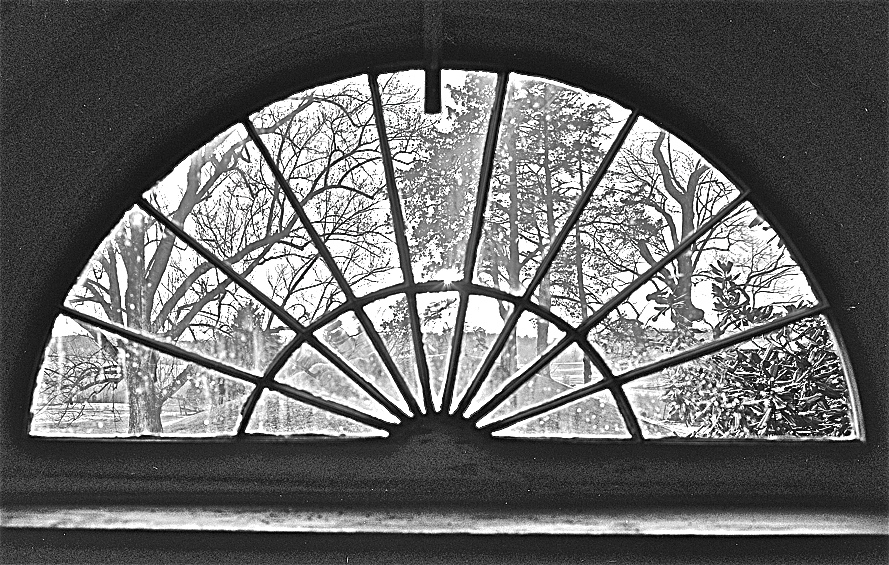
A west window of Thomas Jefferson’s Poplar Forest revealing a view of the curtilage. Photo by Jack E. Boucher, via Library of Congress Prints and Photographs Division.

Curtilage –a piece of ground (as a yard or courtyard) within the fence surrounding a house.  Origin: Middle English, from Anglo-French curtillage, from curtil garden, curtilage, from curt court.  First known use: 14th century. — Merriam-Webster Dictionary

A bit more: a cortil was ‘little yard’ in Old French: cort + il (diminutive suffix).  A ‘cortile’ (in English, in architecture) is an internal courtyard of a palazzo.

As a legal term, curtilage means the land immediately surrounding a residence that “harbors the intimate activity associated with the sanctity of a man’s home and the privacies of life.” In U.S. law, it is important for dealing with cases involving burglary, self defense, and unreasonable searches and seizures under the Fourth Amendment.

I came across the word while reading the website of Poplar Forest, Thomas Jefferson’s second home and getaway (I remembered something about it after Apartment Therapy posted a slideshow of presidential retreats).  Its curtilage originally included an octagonal house (possibly the first in America), orchards, ornamental and vegetable gardens, and slave quarters. It was surrounded by a ‘snake’ or ‘worm’ stacked-rail fence, as well as fields of tobacco and wheat.

Because little visual evidence of Jefferson’s plantings remain, the 61-acre area is being reconstructed through archeology and research of his papers. Letters do indicate that a sunken garden behind the house contained “lilacs, Althaeas, g[u]elder roses, Roses, and clianthus.”

At Poplar Forest, Jefferson was working from a concept of “an ornamental villa retreat within an isolated agricultural setting.” He was thinking of ancient Roman villas, as they were reinterpreted in the 16th century by Andrea Palladio.

The estate is located in Forest, Virginia, near Lynchburg.

The top photo was taken as part of a 1985 Historic American Buildings Survey.