The Sunday porch: Mount Morne

Reed-Morrison Hse, Mt. Mourne, in North Carolina, 1938, via Library of Congress.Reed [or Reid] Morrison House, Mount Mourne, North Carolina, 1938, by Frances Benjamin Johnston, via Carnegie Survey of the South Collection, Library of Congress.

Click on the photo to enlarge it and check out the pretty little sconces on each side of the front door.

The house exists today as a private residence — in seemingly excellent condition, but, alas, the sconces and vines are gone.

The Sunday porch: Washington, D.C.

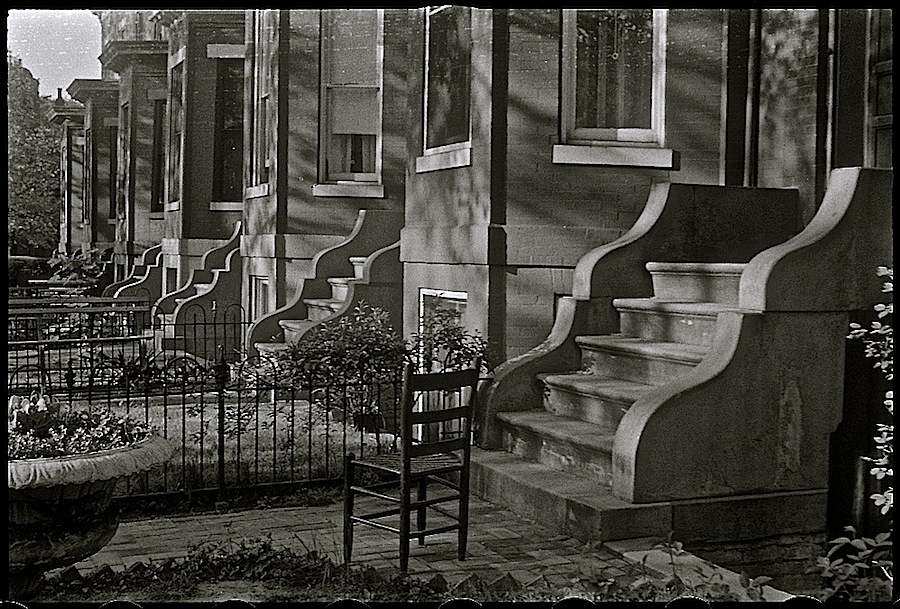
Wash. D.C., rowhouses, via Library of CongressSeven Washington, D.C., rowhouses in 1939, by David Myers, via Library of Congress Prints and Photographs Division.

The neighborhood is not given, although it looks like Capitol Hill to me.

In his book, The American Porch, Michael Dolan attempts to trace the European, African, and Asian origins of our many kinds of porches.  The front stoop — several steps and a small landing — came from the Dutch.

Down the coast [from New England], in Nieuw Amsterdam, a different entry was proliferating.  Made of stone or brick, the stoep — Dutch for “step” — was a roofless link between doorway and street.  Though municipal tradition required a building’s occupants to maintain the stoep, the Dutch deemed it public territory.  However, in Nieuw Amsterdam, the stoop acquired a private connotation:  “. . . before each door there was an elevation, to which you could ascend by some steps from the street,” an observer wrote.  “It resembled a small balcony, and had some benches on both sides on which the people sat in the evening, in order to enjoy the fresh air, and have the pleasure of viewing those who passed it.”

The stoops above lack benches, but the owner of the first one has brought down a chair, and two doors down there is a park bench in the tiny garden.  You can see a similar arrangement here.

I’m taking a break from blogging for a couple more weeks (except for “The Sunday porch”), but I’ll be back for GB Bloom Day in October.

Vintage landscape: California living

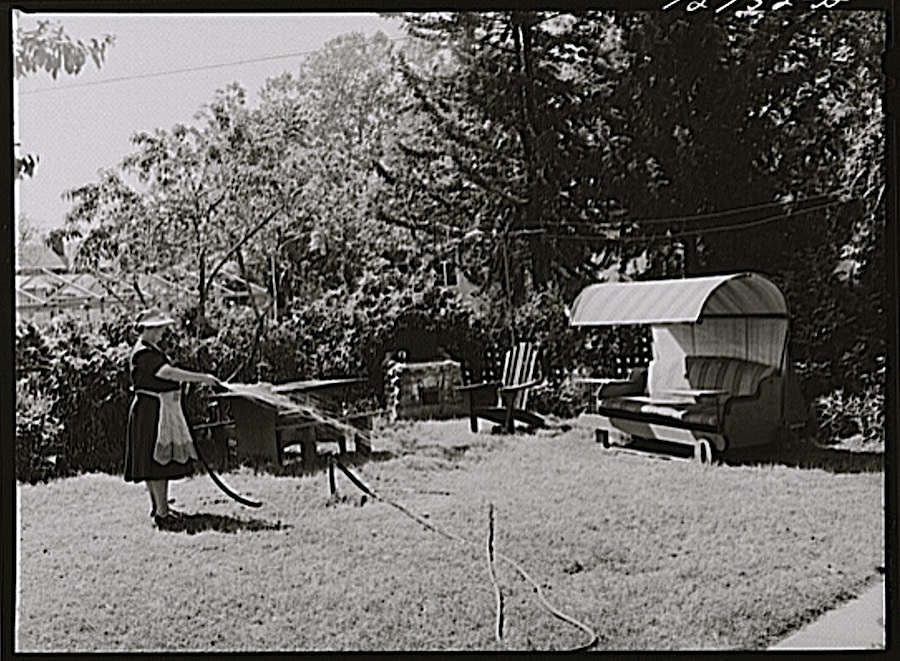
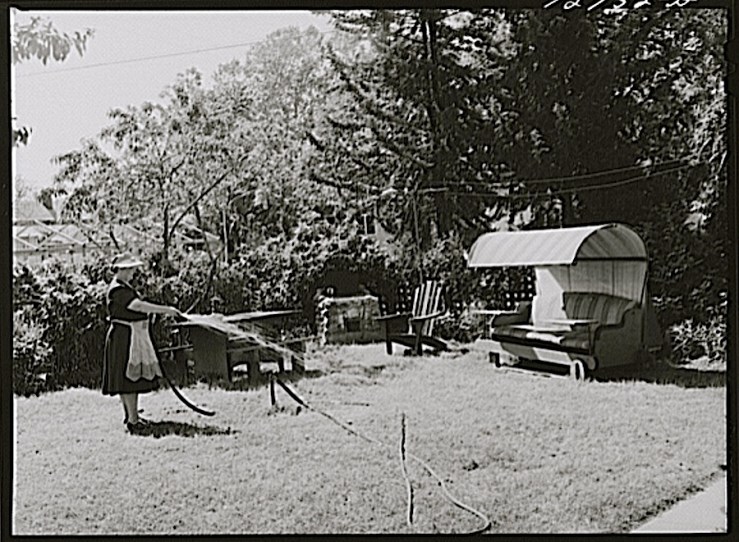
Back yard, Turlock, CA, 1943, by Russell Lee, Library of Congress

I just like this life-in-the-garden photo by Russell Lee, * of a (May) 1942 Turlock, California, backyard.  (Unfortunately, it’s not very sharply focused.)  The caption, possibly by the photographer, reads:

Housewife waters the lawn. All garden furniture and barbecue pit were made by her husband; about one out of every three houses in this town has such an arrangement in the backyard, and during the summer months people eat and spend many hours in their yards.

I particularly like the rolling sofa thing with the awning.  Turlock is located in central California between Modesto and Merced.

Lee was working for the Farm Security Administration/Office of War Information at the time.  He seems to have been sent to Turlock to photograph townfolks being resilient in the face of changes brought on by the war.  He took a number of photographs of this family, described in the Library of Congress online catalogue as from the “upper middle income group.”
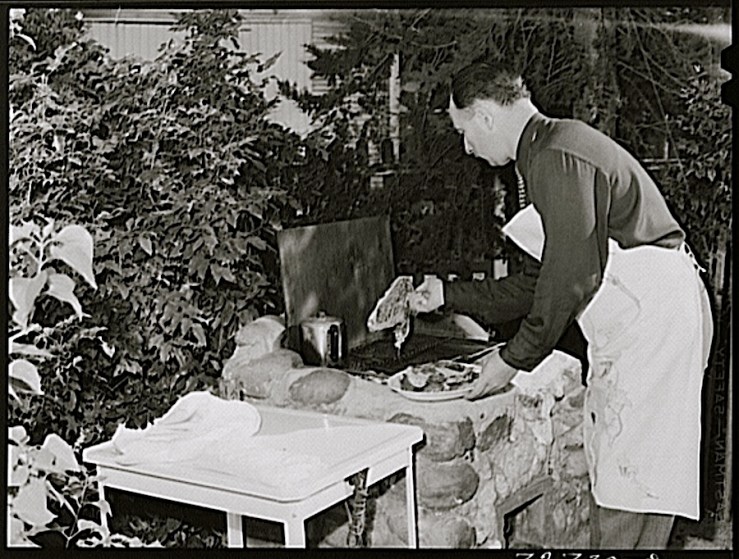
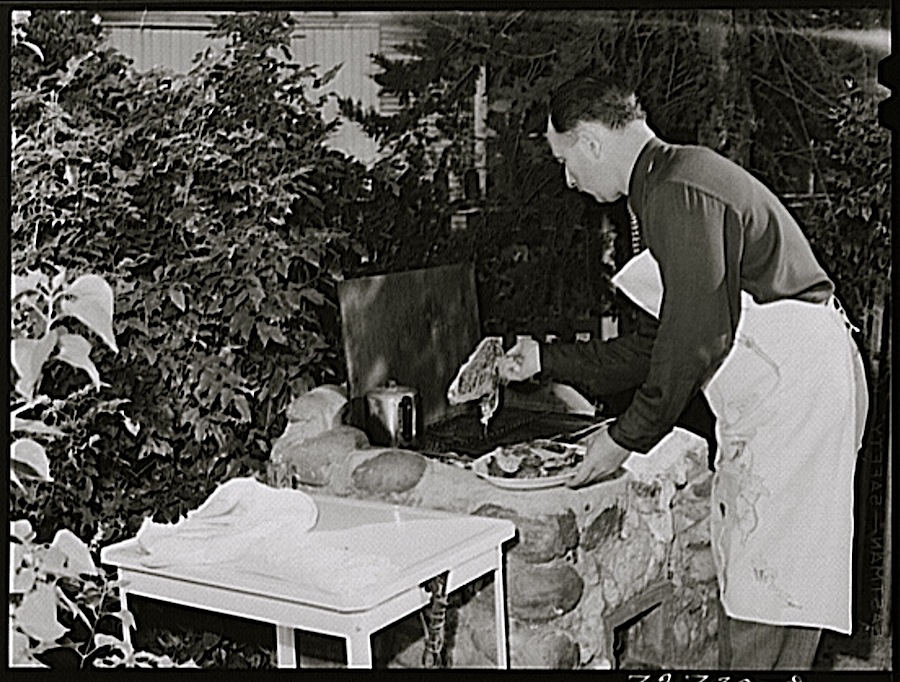
Grillling steaks, Turlock, CA, 1943, by Russell Lee, Library of CongressAbove: “Man of the house barbecues steaks over open grill in his backyard. This family keeps vegetables, fruits and meats in frozen food lockers in town.”
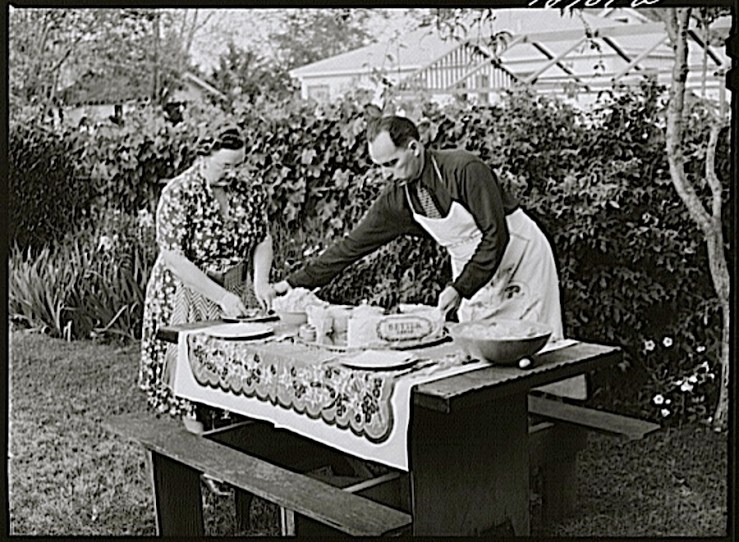
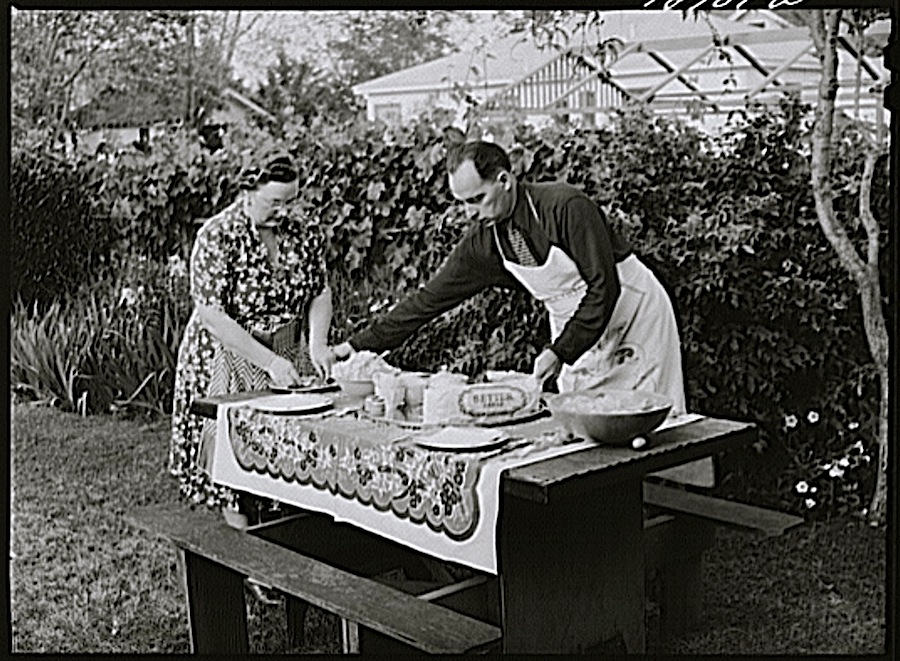
Setting the table, Turlock, CA, 1943, by Russell Lee, Library of CongressAbove: “Husband and wife get ready for dinner in their backyard. Menu: barbecued steaks, fresh peas, potato salad, potato chips, celery and olives, strawberry shortcake, and coffee.”

The package around the loaf of bread says, “Better Bread.”  Over the hedge, the neighbors seem to be putting in a greenhouse.
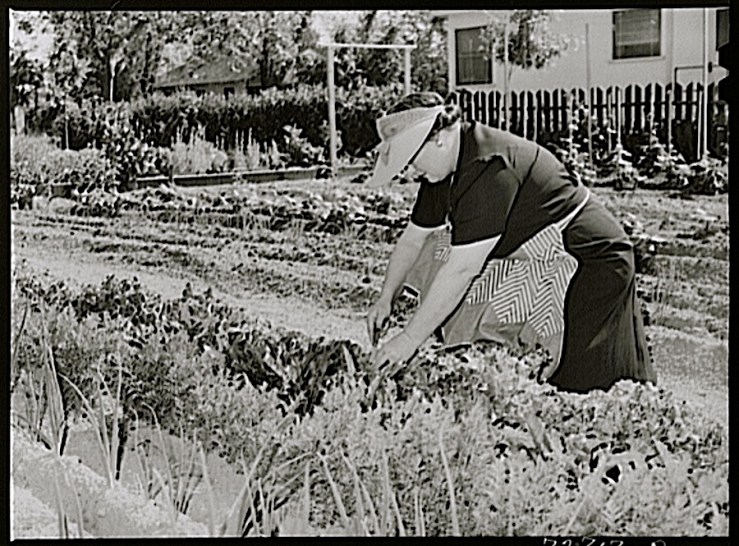
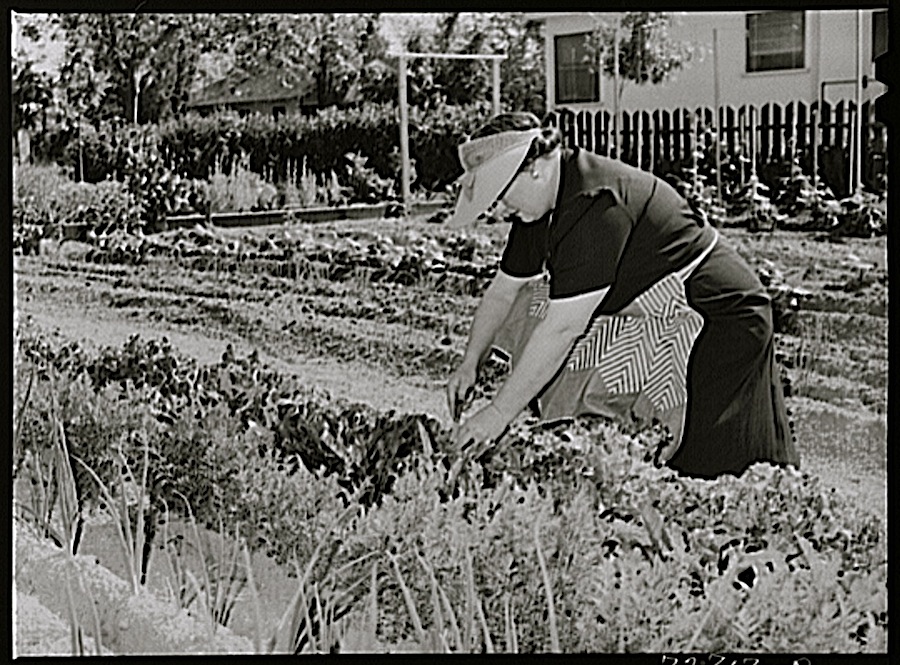
Tending the garden, Turlock, CA, 1943, by Russell Lee, Library of CongressAbove: “Housewife works in her vegetable garden. She lives in small town where there is ample space for gardens; says she would move to country if she couldn’t have a garden in town.”

It’s quite impressive — and particularly that she works it in a dress.  Here’s another view, below:
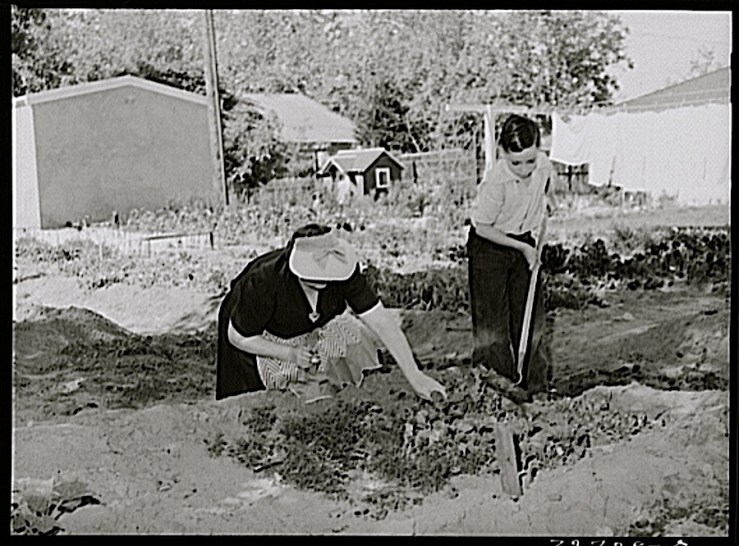
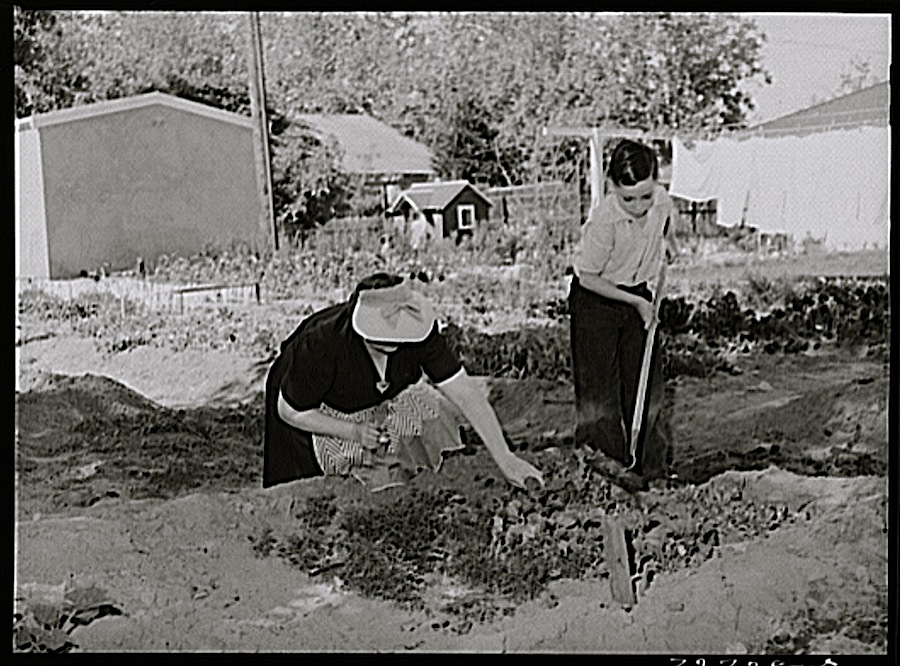
Son's garden, Turlock, CA, 1943, by Russell Lee, Library of CongressAbove: “Housewife helps her son with his garden.”
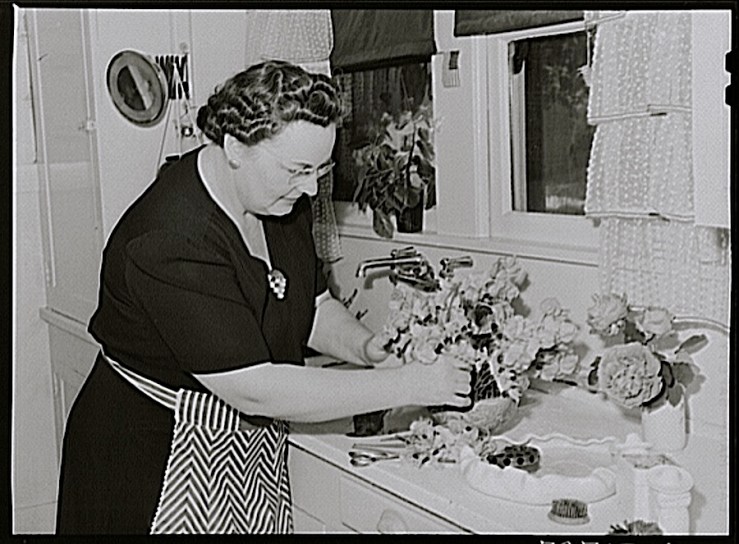
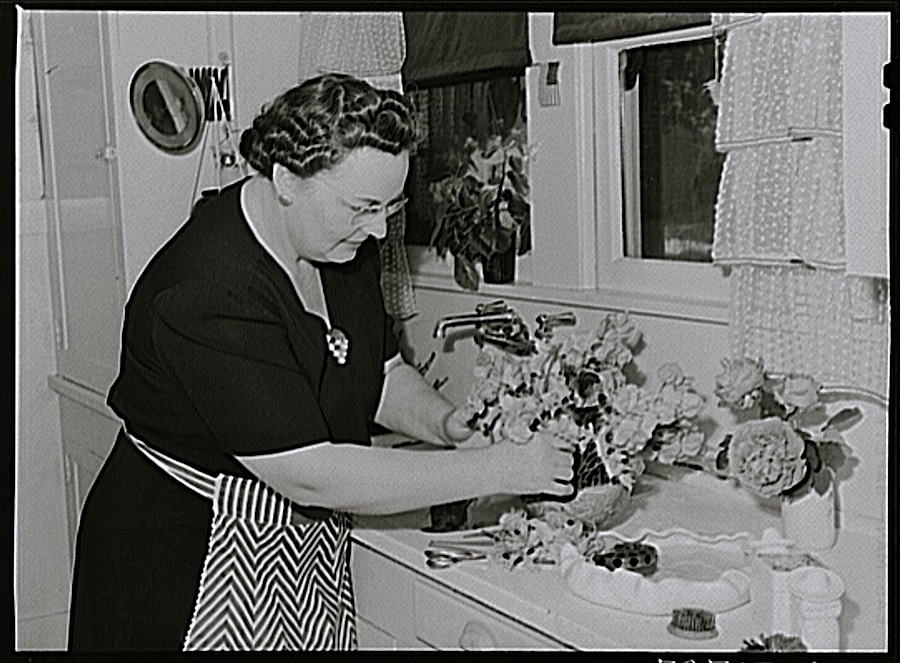
Arranging flowers, Turlock, CA, 1942, by Russell Lee, Library of CongressAbove: “Housewife arranging flowers in her kitchen.”

I like her dotted swiss curtains.

I’m going to take a break from blogging for a few weeks (except for “The Sunday porch”), but I’ll be back for GB Bloom Day in October.


* All photos here via Library of Congress Prints and Photographs Division.

Vintage landscape: into the beautiful

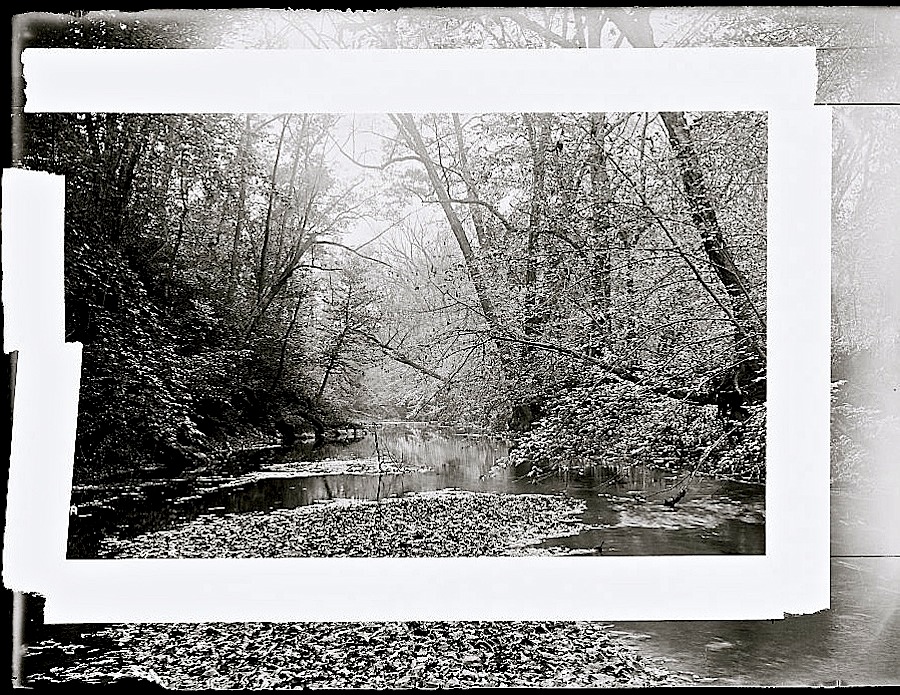
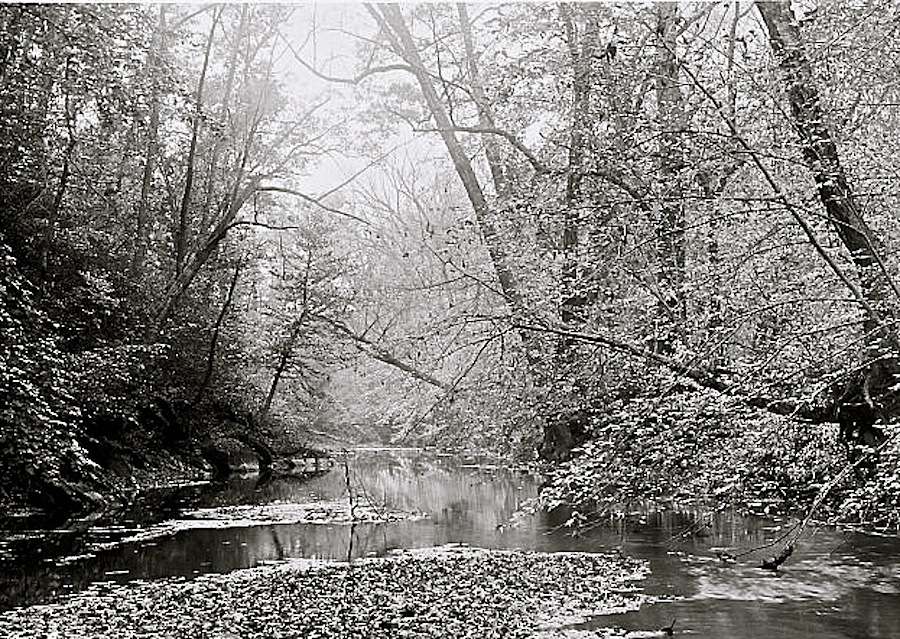
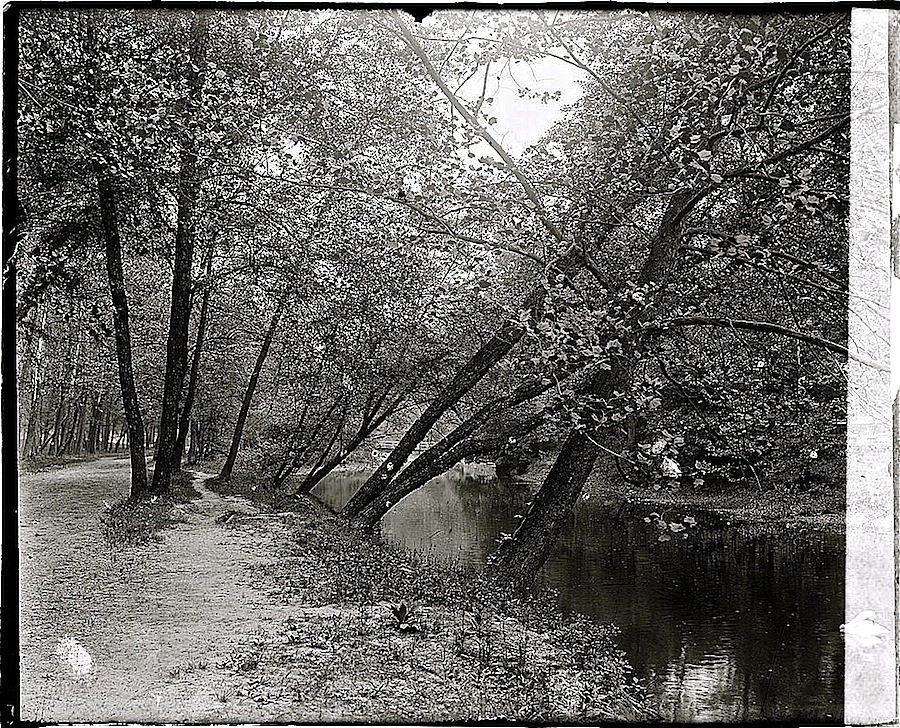
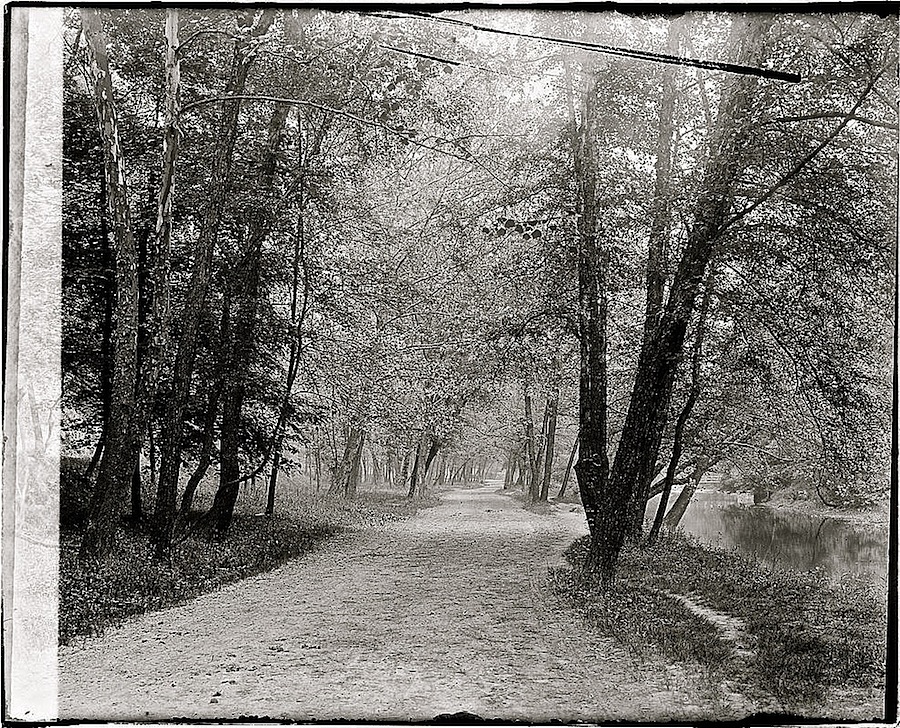
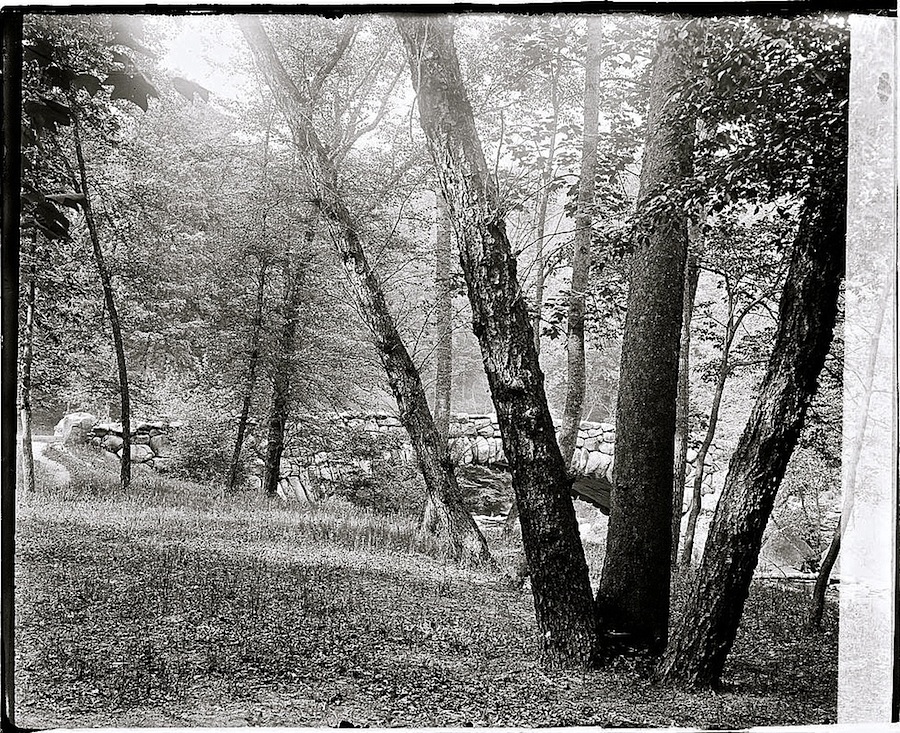
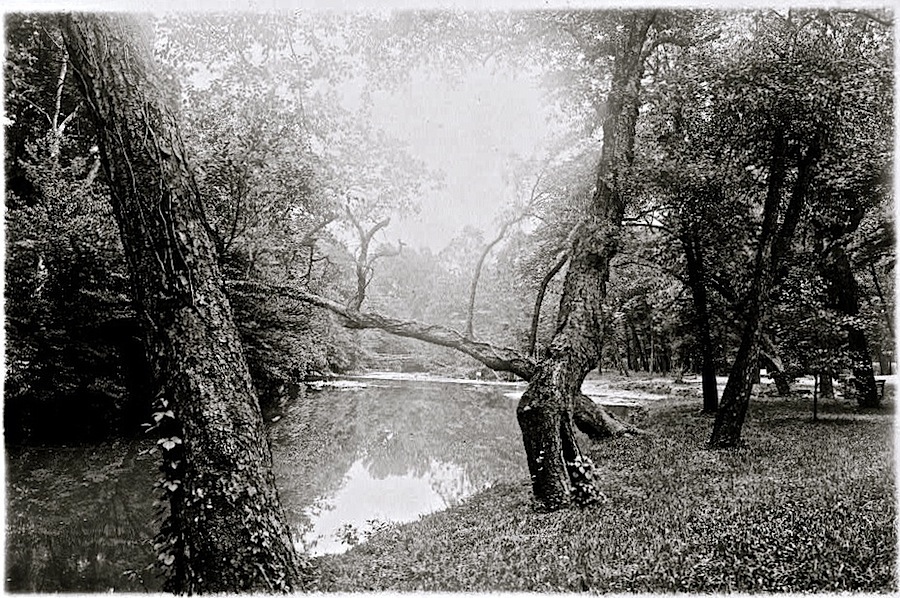
Rock Creek Park, Washington, D.C., ca. 1918-20, Natl. Photo Co. Collection, Library of CongressRock Creek Park in Washington, D.C., ca. 1909-32, photographers unknown.

As imperceptibly as Grief
The Summer lapsed away—
Too imperceptible at last
To seem like Perfidy—

Rock Creek Park, Washington, D.C., ca. 1918-20, Natl. Photo Co. Collection, Library of Congress

A Quietness distilled
As Twilight long begun,
Or Nature spending with herself
Sequestered Afternoon—

Rock Creek Park, Washington, D.C., ca. 1918-20, Natl. Photo Co. Collection, Library of Congress

The Dusk drew earlier in—
The Morning foreign shone—
A courteous, yet harrowing Grace,
As Guest, that would be gone—

Rock Creek Park, Washington, D.C., ca. 1918-20, Natl. Photo Co. Collection, Library of Congress

And thus, without a Wing
Or service of a Keel
Our Summer made her light escape
Into the Beautiful.

Emily Dickinson, Poem 1540 (Johnson 523)

 
Rock Creek Park, Washington, D.C., ca. 1918-20, Natl. Photo Co. Collection, Library of Congress

All photos via National Photo Company Collection, Library of Congress Prints and Photographs Division — first two: ca. 1909-23; last: ca. 1909-32; all others: ca. 1918-20.

The almost 2,000-acre Rock Creek Park was established in 1890, making it one of America’s oldest national parks.

Rock Creek Park, Washington, D.C., ca. 1918-20, Natl. Photo Co. Collection, Library of Congress

The Rock Creek Park Day 2013 Festival will be held next Saturday, September 28, to celebrate the park’s 123rd. birthday.  For more information, click here.

The Sunday porch: Ellen Glasgow house, Richmond

Preserve, within a wild sanctuary, an inaccessible valley of reveries.
— Ellen Glasgow

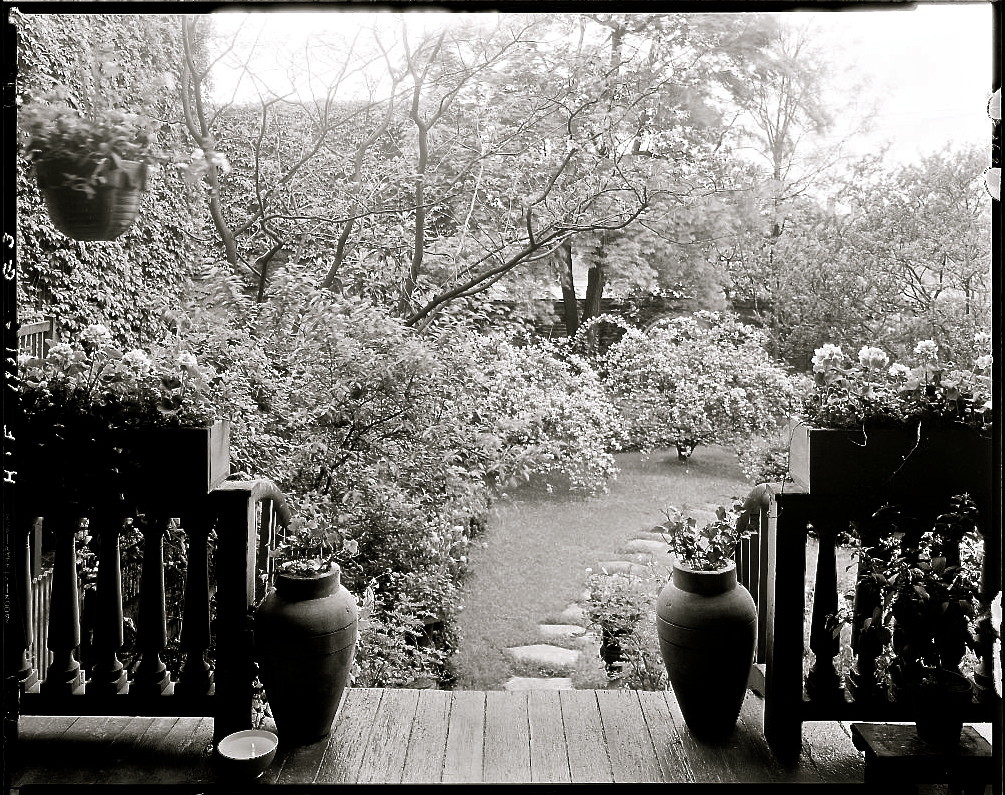
The Sunday porch/enclos*ure: Ellen Glasgow Hse., Richmond, ca. 1930s, F.B. johnston, Library of CongressView from the back porch of the home of novelist Ellen Glasgow, Richmond, Virginia, ca. 1930s, by Frances Benjamin Johnston, via Library of Congress Prints and Photographs Division.  (Click here for a larger view.)

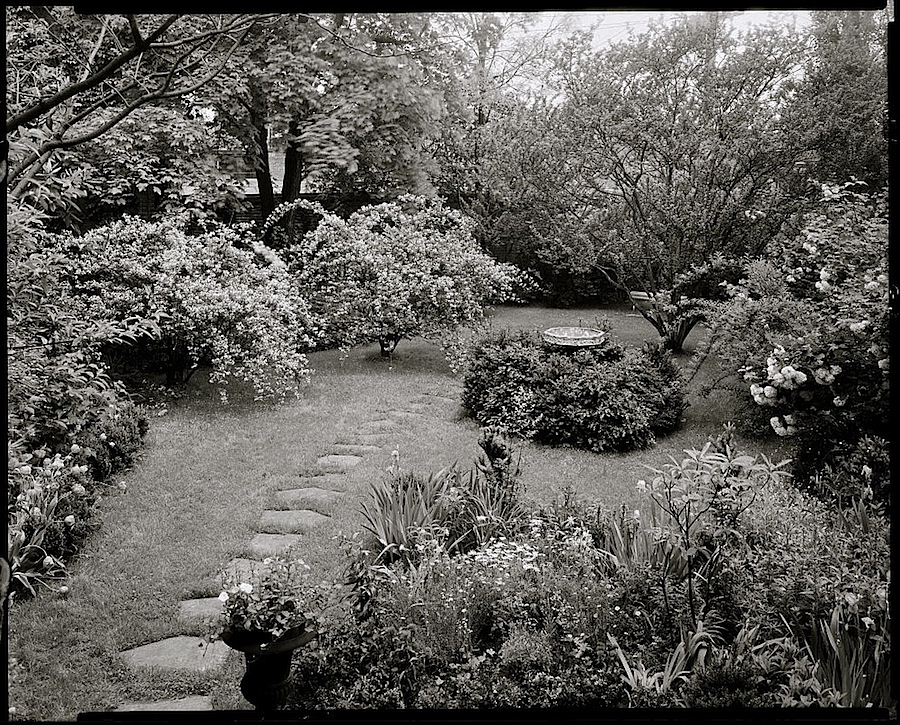
Ellen Glasgow House, 1930s, Richmond, by Frances Benjamin Johnston, Library of Congress

Glasgow published 19 novels and an autobiography — The Woman Within — about life in Virginia. Their realism “helped direct Southern literature away from sentimentality and nostalgia.”

Her books were selling briskly in the 1930s, when these pictures were taken, and she won the Pulitzer Prize in 1942.

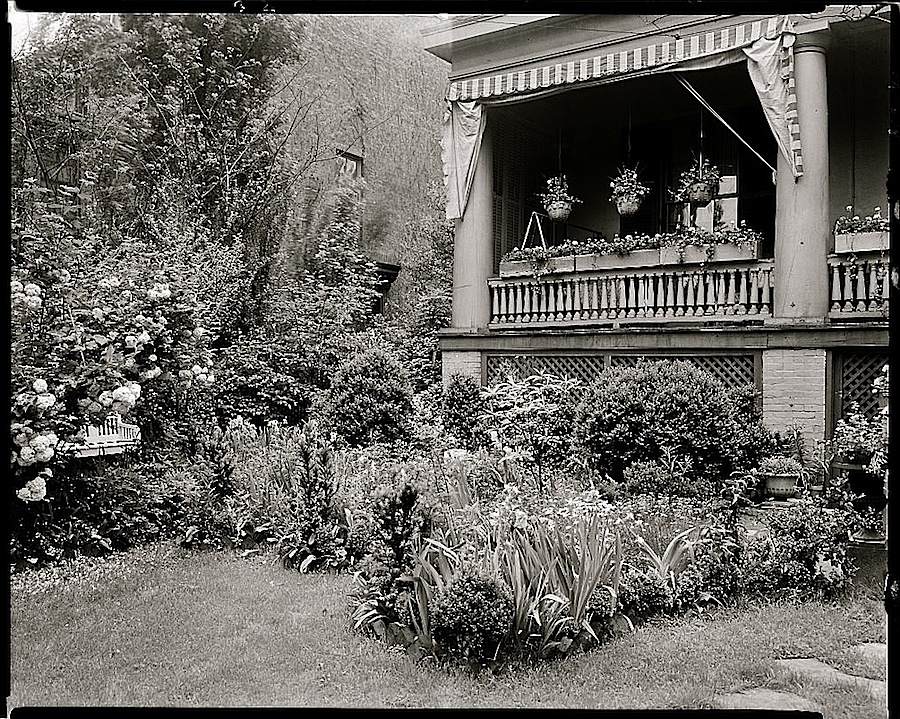
Ellen Glasgow House, 1930s, Richmond, by Frances Benjamin Johnston, Library of CongressHer home was built in 1841, and Glasgow lived there from the time her father bought it in 1887, when she was about 13, until her death in 1945.

Ellen Glasgow House, 1930s, Richmond, by Frances Benjamin Johnston, Library of CongressIt is now owned by the Association for the Preservation of Virginia Antiquities but is not open to the public.