The Sunday porch: Gothic Revival anyone?

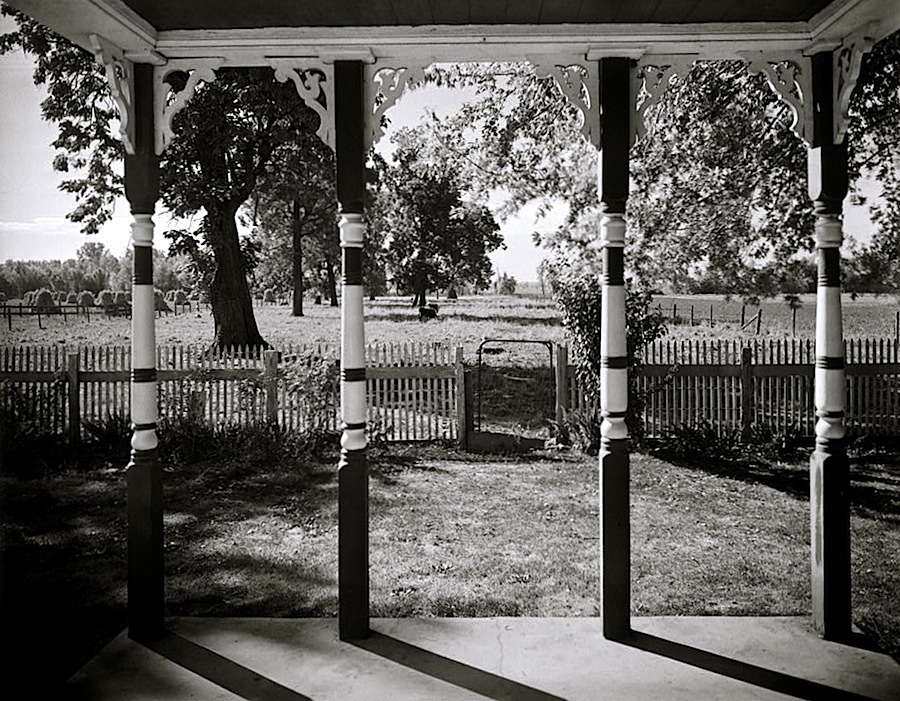
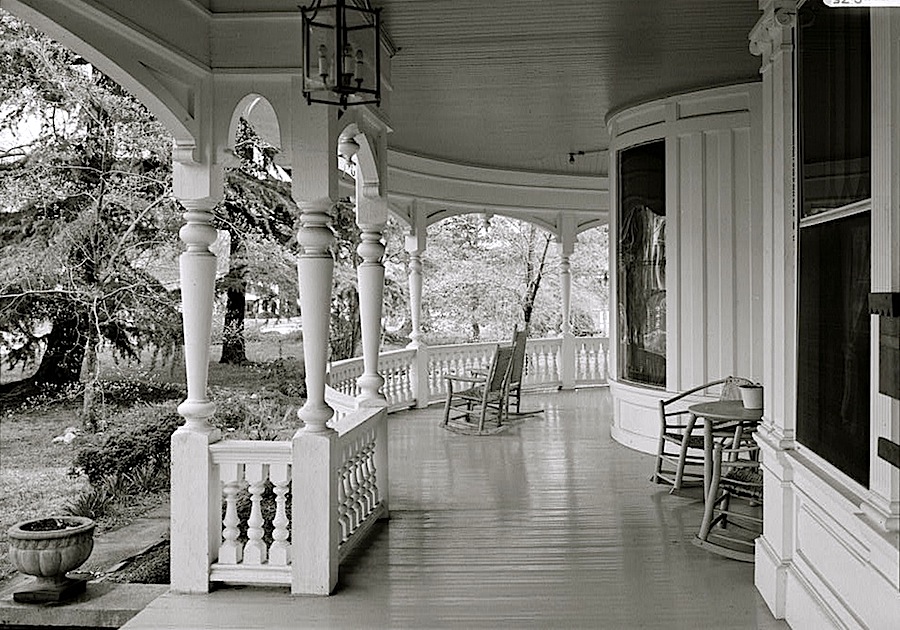
Peter Neff Cottage in Ohio, via Library of CongressEntrance porch of the Peter Neff Cottage, Kenyon College, Gambier, Ohio. Photo taken 1951 by Perry E. Borchers for an Historic American Buildings Survey (HABS), via Library of Congress Prints and Photographs Division.
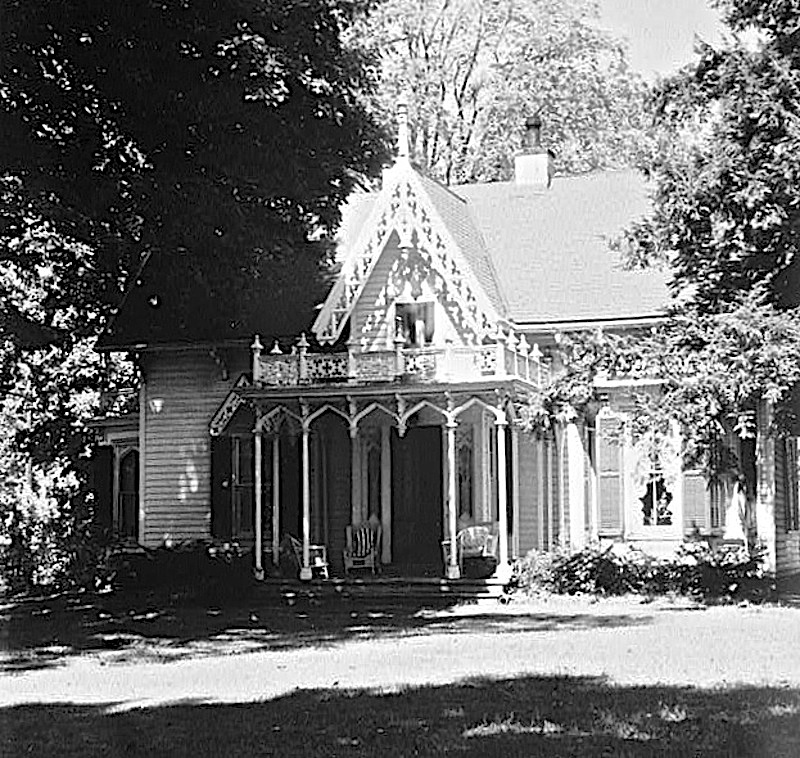
Gothic Revival hse. in Ohio, via Library of CongressAnother 1951 photo of the porch, also by Perry E. Borchers for the HABS (cropped by me).

The HABS report for this house said it “may be the finest example of Gothic Revival cottage style and wood detail in Ohio.”  It was built about 1860 for Peter Neff, a co-inventor of the tintype and an alumnus and benefactor of Kenyon College.

All was not happy in this charming abode, however. Neff quarreled with nearby Kenyon over the bells of the campus’s Church of the Holy Spirit, “which he claimed had driven him to the brink of nervous collapse,” according to the Historic Campus Architecture Project.

“Place yourself and family in my location, about seven hundred feet distant,” he wrote in a 19-page open letter. “How would you like this ding dong every fifteen minutes? . . . [It is] machinery wearing out flesh and blood to those who have any nerves. It is too much bell-ringing . . . it is a sickening nuisance.”

Neff finally moved away from the campus and its bells in 1888.

The house is now named Clifford* Place and is the residence of the Dean of Students.


*The name of one of Neff’s daughters.
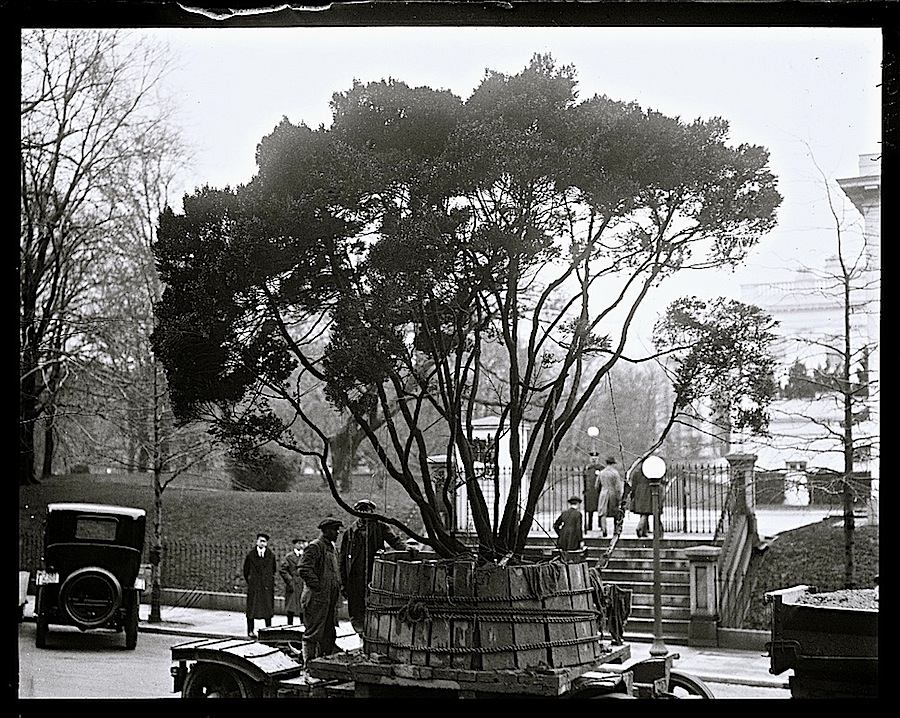
Vintage landscape: tree delivery

White House tree delivered, Mar. 1922, via Library of Congress. . . to the White House, Washington, D.C., March 1922, by Harris & Ewing, via Library of Congress Prints and Photographs Division.

Thomas Jefferson, the second President to occupy the White House, directed that hundreds of small trees be planted in groves around the grounds (none of them exist today).

John Quincy Adams was the first to add ornamental trees. Andrew Jackson brought in the first sycamores, elms, and maples.

There’s more about the history of the White House gardens and grounds here.

What kind of small tree/large shrub do you think this was?

I never before knew the full value of trees. My house is entirely embossomed in high plane-trees, with good grass below; and under them I breakfast, dine, write, read, and receive my company. What would I not give that the trees planted nearest round the house at Monticello were full grown.

Thomas Jefferson to his daughter, Martha, (from Philadelphia), 1793

The Sunday porch: Bound Brook, N.J.

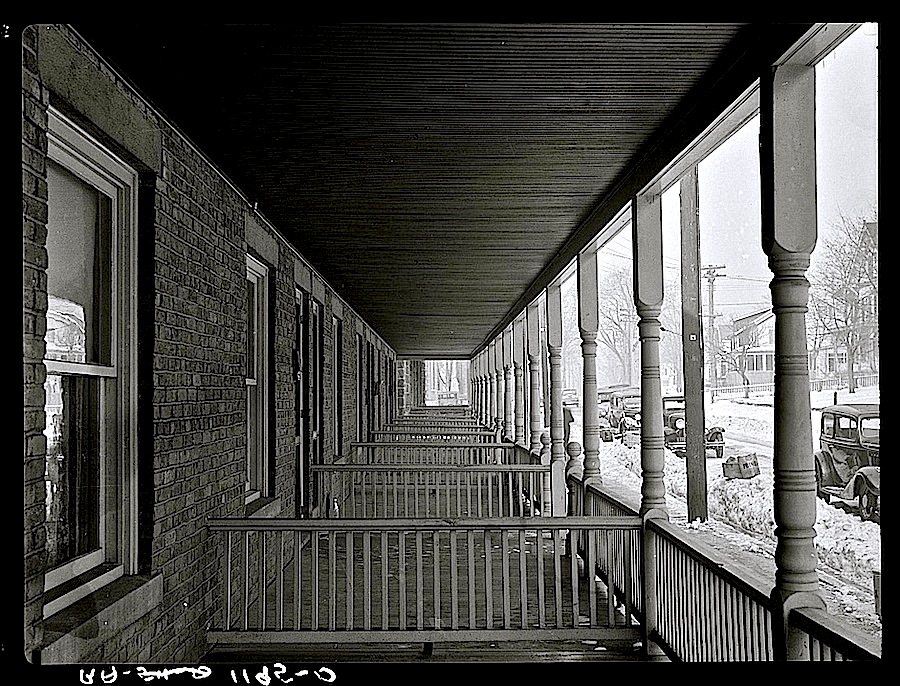
Bound Brook, N.J., Feb. 1936, porches, via Library of Congress“Back [?] porches of a series of identical houses. Bound Brook, New Jersey,” February 1936, by Carl Mydans, via Library of Congress Prints and Photographs Division.

The winter of 1935/1936 was one of the coldest of that decade in North America.  And the following summer brought the infamous 1936 heat wave.

Carl Mydans was working for the U.S. Resettlement Administration when he took this picture.  Shortly afterwards, he was hired by Life and is probably best remembered today for his war photography for the magazine.

February, month of despair,
with a skewered heart in the centre.

Margaret Atwood, from “February

The Sunday porch: view finder

094498pvAbove: View from the porch of the Flanders Callaway House, Warren County, Missouri, 1938, by Charles or Alexander Piaget, working with Charles van Ravenswaay (later incorporated into a 1985 HABS).*

All photos here via Library of Congress Prints and Photographs Division.

This slideshow requires JavaScript.

Above: “View from White House porch [looking north to Lafayette Park],” Washington, D.C., 1920, from National Photo Company Collection. President and Mrs. Wilson introduced sheep to the White House lawn. The wool went to the Red Cross.

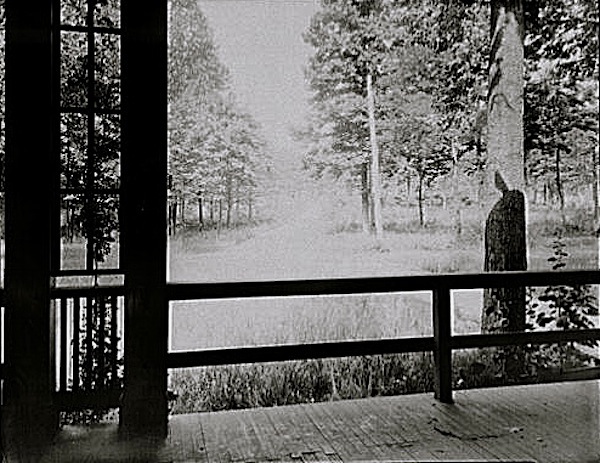
The Sunday porch: views, via Library of CongressAbove: View from porch at Shady Rest Sanatorium, White Heath, Illinois, ca. 1920 – 1950, by Theodor Horydczak.

This slideshow requires JavaScript.

Above: Looking north from the porch of the Kolb-Pou-Newton House [or Boxwood], Madison, Georgia, June 1936, by L. D. Andrew for HABS.

This slideshow requires JavaScript.

Above: View of garden from the porch – Oakland Plantation, Natchitoches Parish, Louisiana, ca. 1988, by HABS.

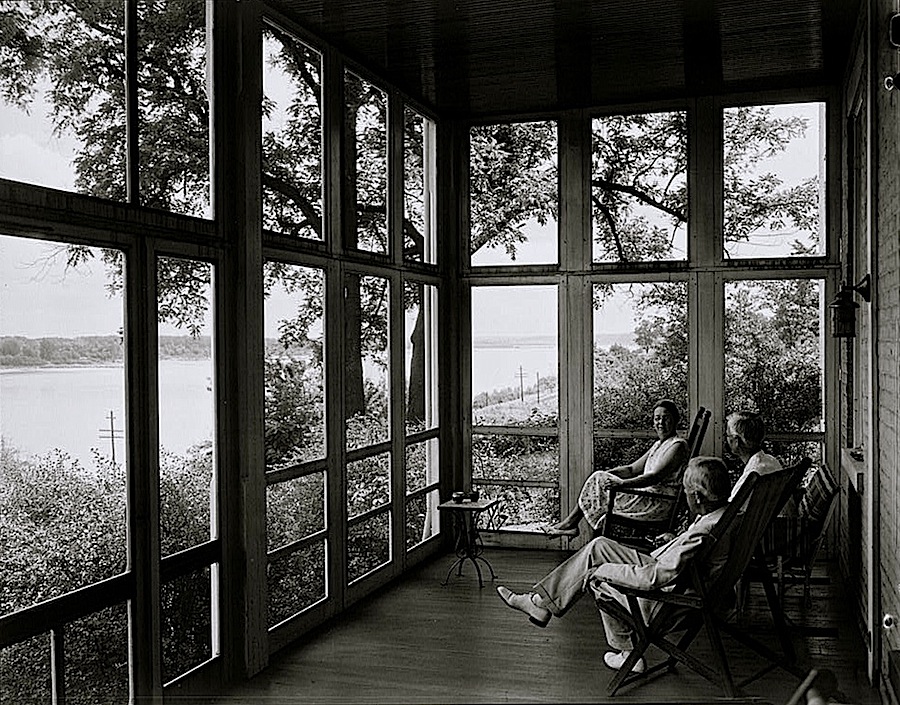
095350pvAbove: Mr. and Mrs. J. H. Dickbrader and Mr. Arcularius on the porch of the Dickbrader House, Franklin County, Missouri, by  HABS.

150293pvAbove: John Calvin Owings House, Laurens, South Carolina, by HABS.

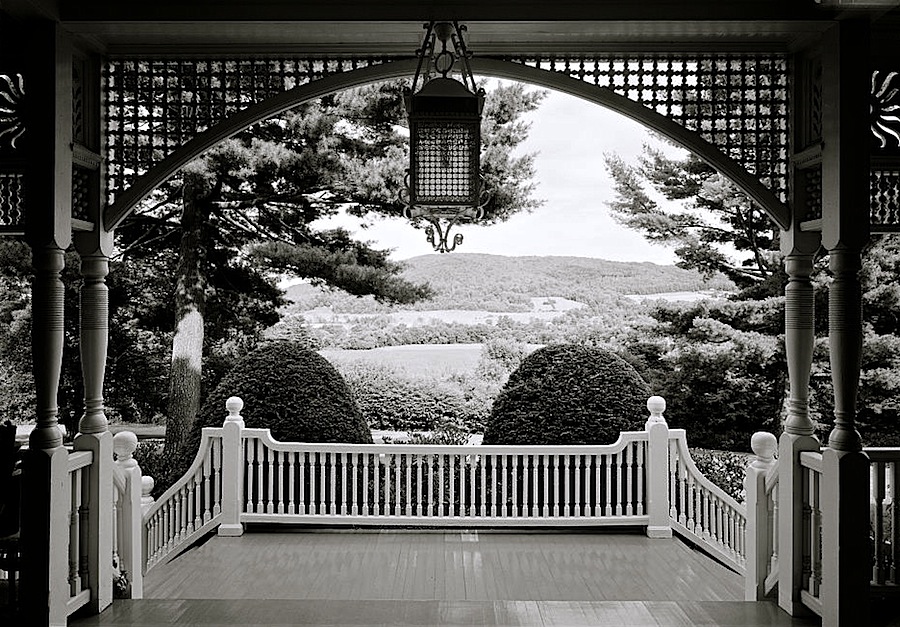
The Sunday porch: views, via Library of CongressAbove: View from the veranda of the Billings Farm and Museum to Blake Hill, Marsh-Billings-Rockefeller National Historical Park, Woodstock, Vermont, 2001, by David W. Haas for HABS.

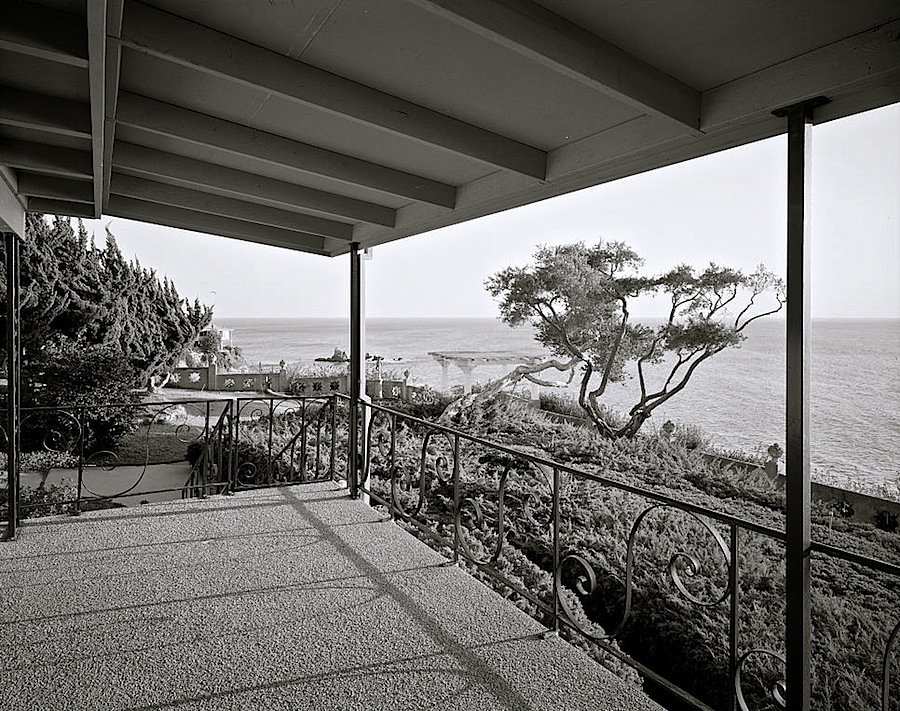
014310pvAbove: Porch of Smithcliffs House, North Coast Highway, Laguna Beach, California, by HABS.

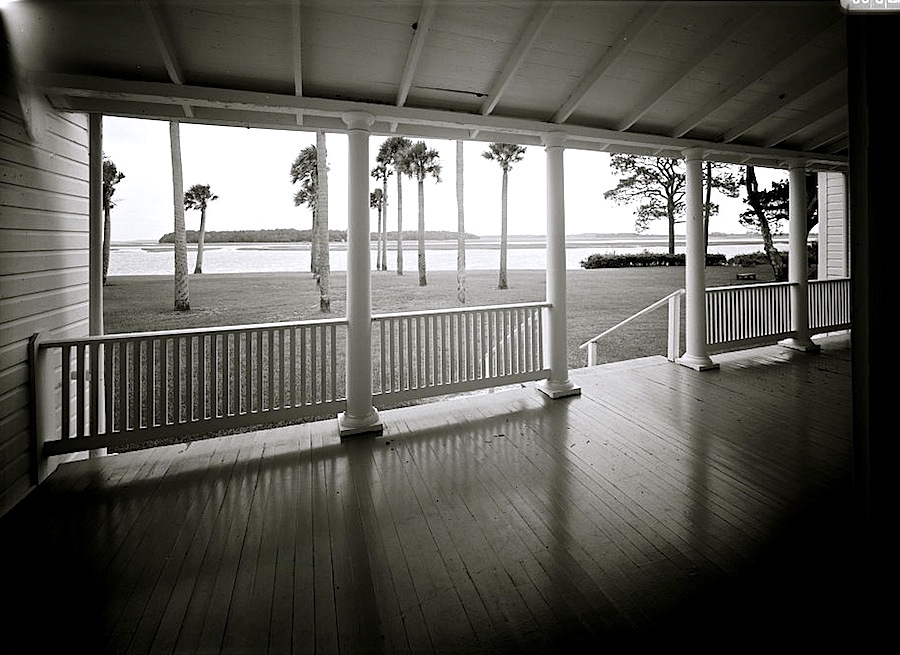
207863pvAbove: “View from north porch, looking northeast toward Fort George River – Kingsley Plantation House,” Jacksonville, Florida, 1005, by Jack Boucher for HABS.

This slideshow requires JavaScript.

Above: “View from north porch looking south into Back Hall, with Reception Hall south door open [and closed] – Homewood (cropped slightly by me),” Baltimore, Maryland, 2005, by James W. Rosenthal for HABS.


*Historic American Building Survey


The winter garden: the White House

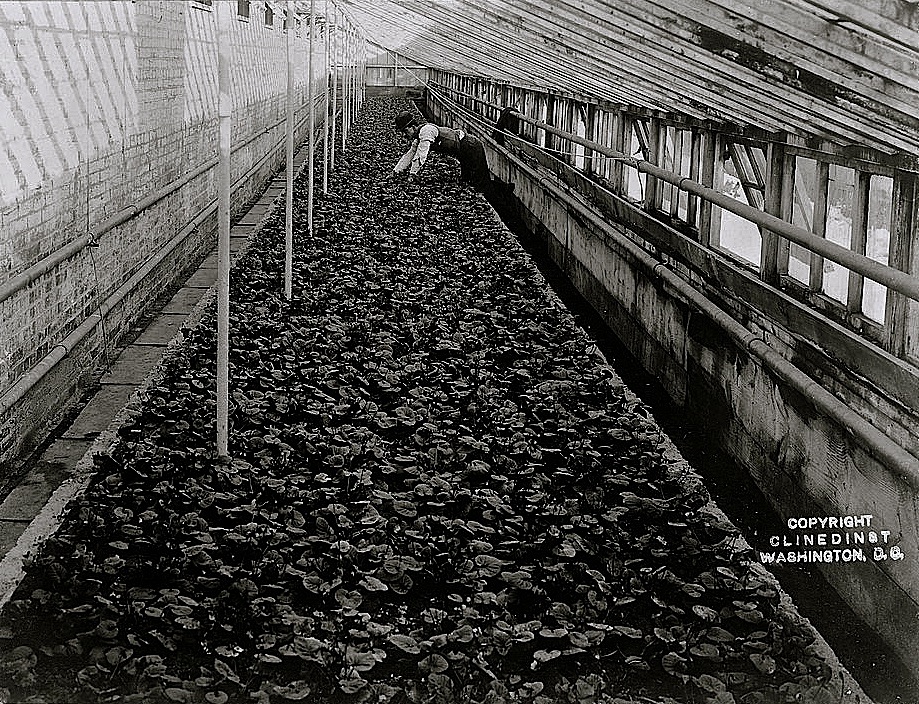
Violet house section of the White House conservatory, early 1900s, by Barnett McFee Clinedinst
The violet house section of the White House conservatory, early 1900s, by Barnett McFee Clinedinst

Wouldn’t it be nice to have a whole greenhouse devoted to growing violets for the house during the cold weather months?

Or orchids and palms?

This slideshow requires JavaScript.

Frances Benjamin Johnston took the above photographs (except one) in 1889 and 1890.

Or azaleas?

This slideshow requires JavaScript.

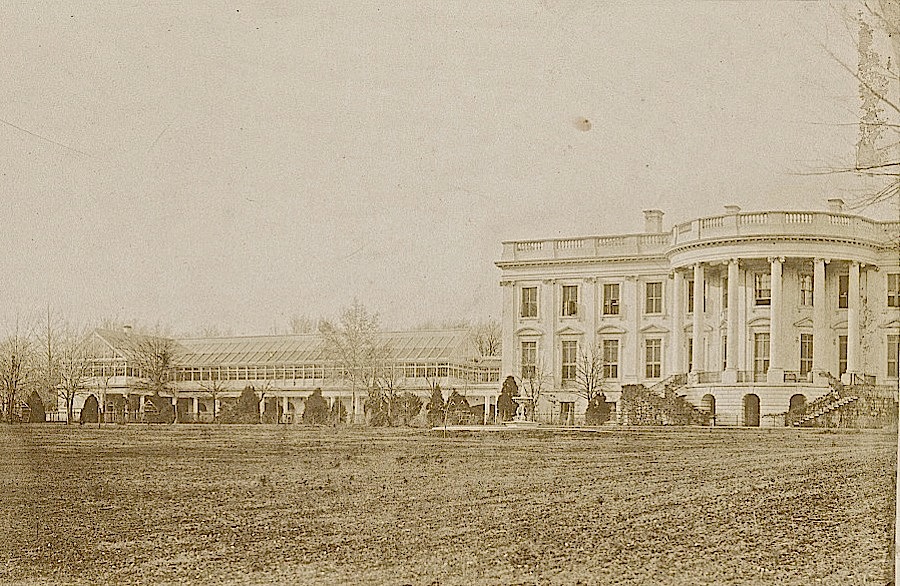
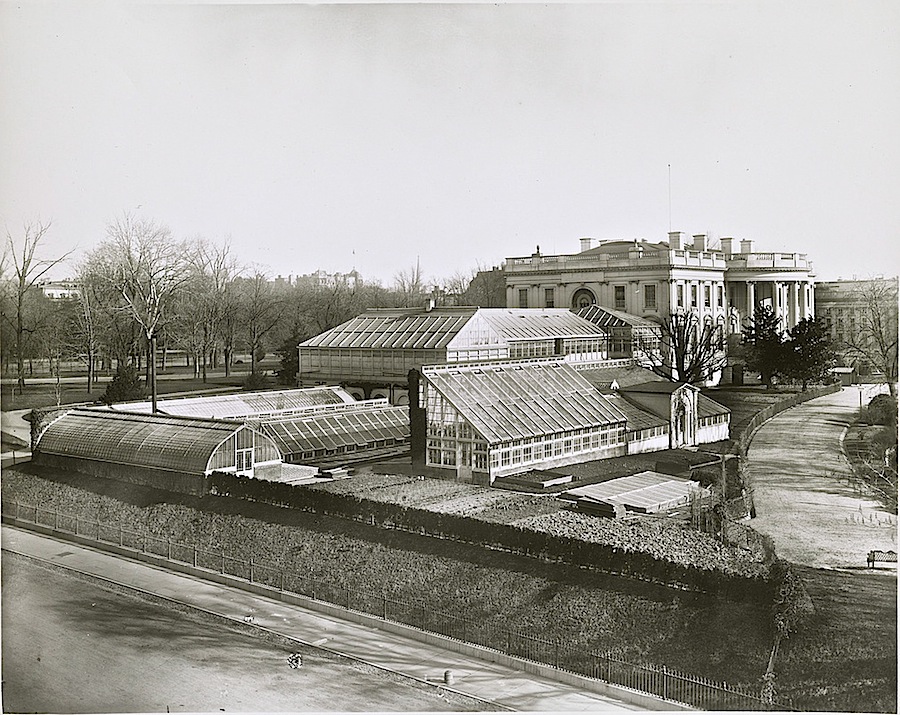
A large conservatory complex occupied the west side of the White House from 1857. . .

The White House and conservatory in 1857 by Lewis Emory Walker.

until 1902, when the West Wing was built.

The greenhouses in 1889 by Frances Benjamin Johnston.

All photos above via Library of Congress Prints and Photographs Division.

Four more winter gardens are here.

The perfect loveliness that God has made,—
Wild violets shy and Heaven-mounting dreams.

Alice Moore Dunbar-Nelson, from “Sonnet