
A repeat post from 2013. . .
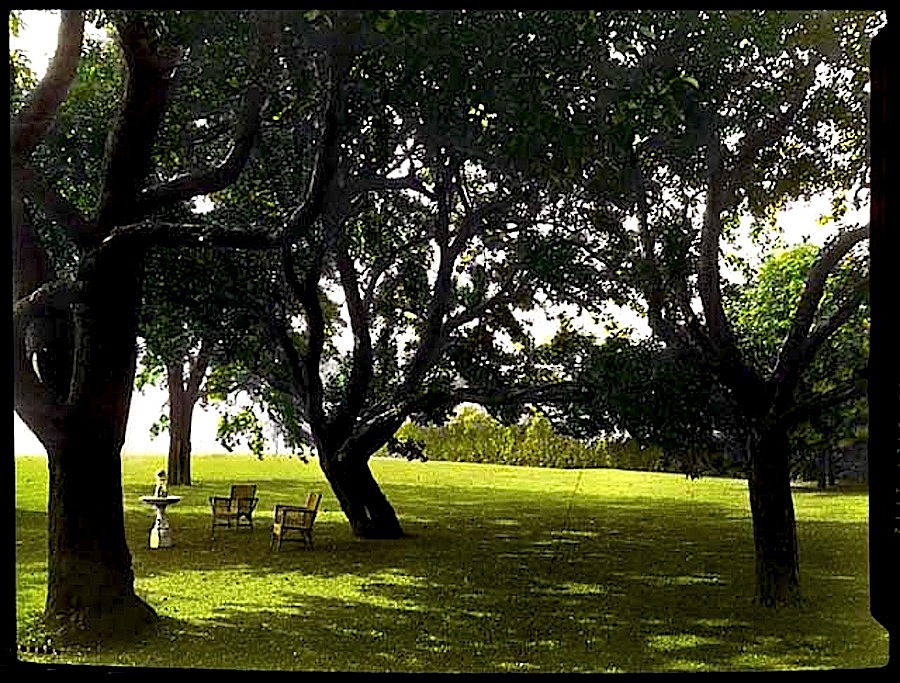 Unidentified garden in Grosse Pointe, Michigan, 1930, photographer unknown, via Archives of American Gardens, Smithsonian Institution Commons on flickr.
The Sunday porch: shade
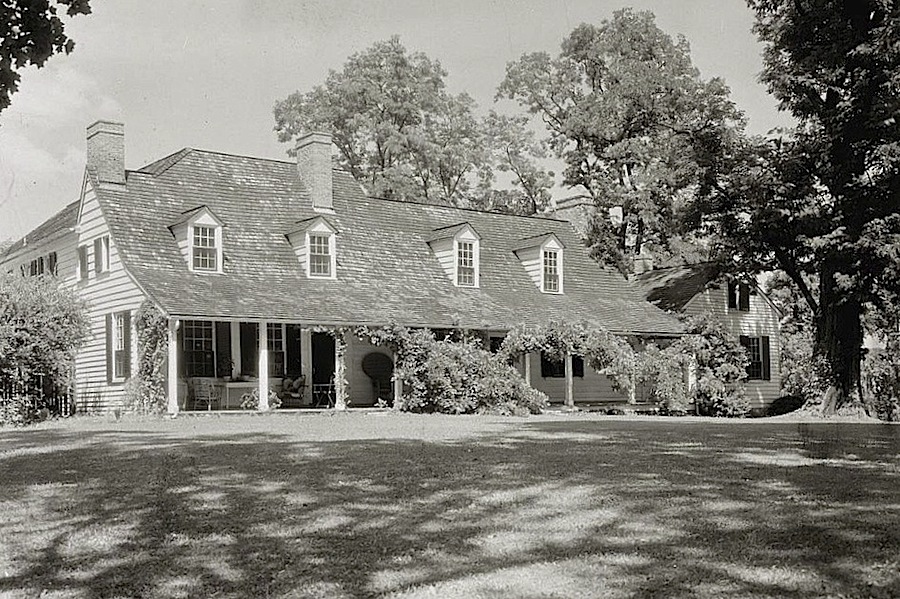
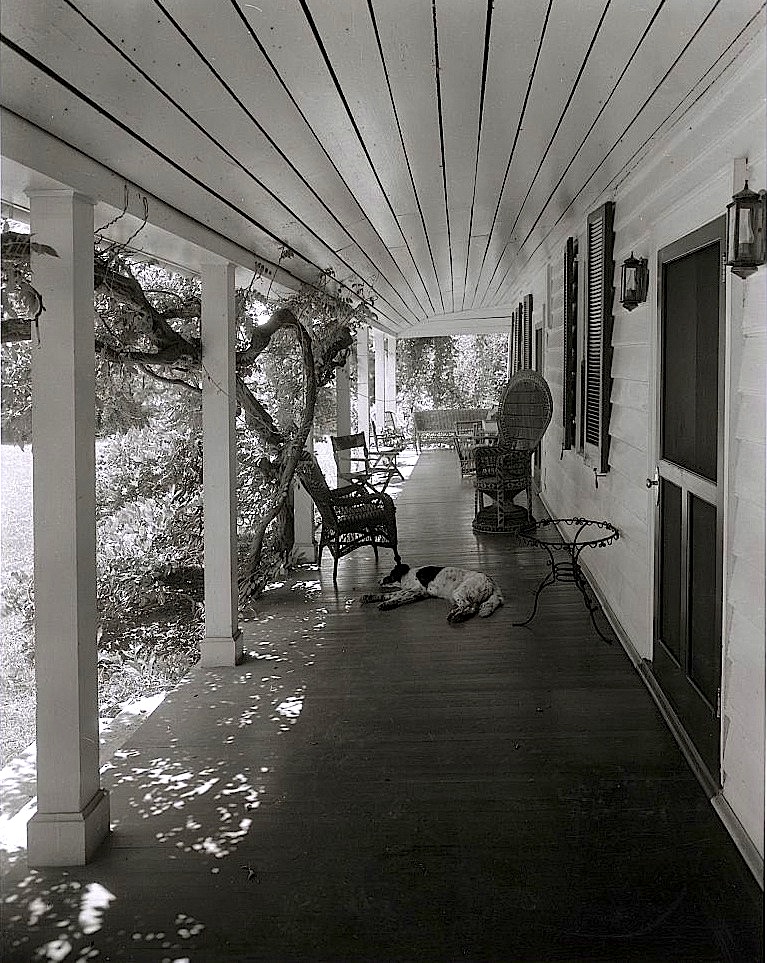 Owings Mills, near Baltimore, Maryland, July 1933, by Frances Benjamin Johnston, via
Library of Congress Prints and Photographs Division (both photos).
Albert Park, Auckland
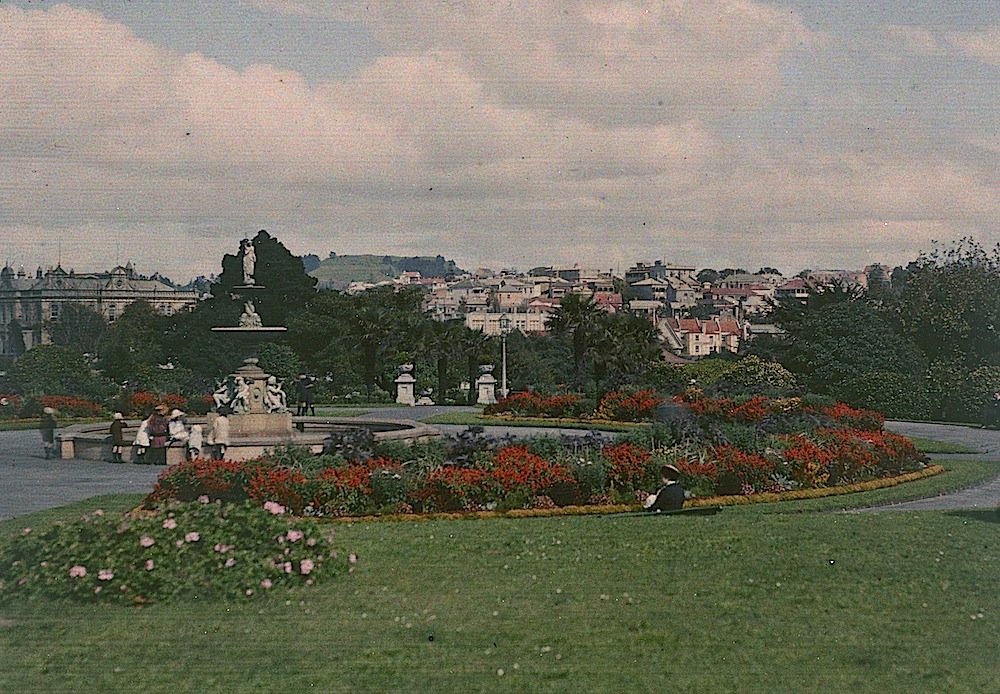 Albert Park, Auckland, 1915, an autochrome by Robert Walrond, via Museum of New Zealand (Te Papa Tongarewa).
Normandy courtyard
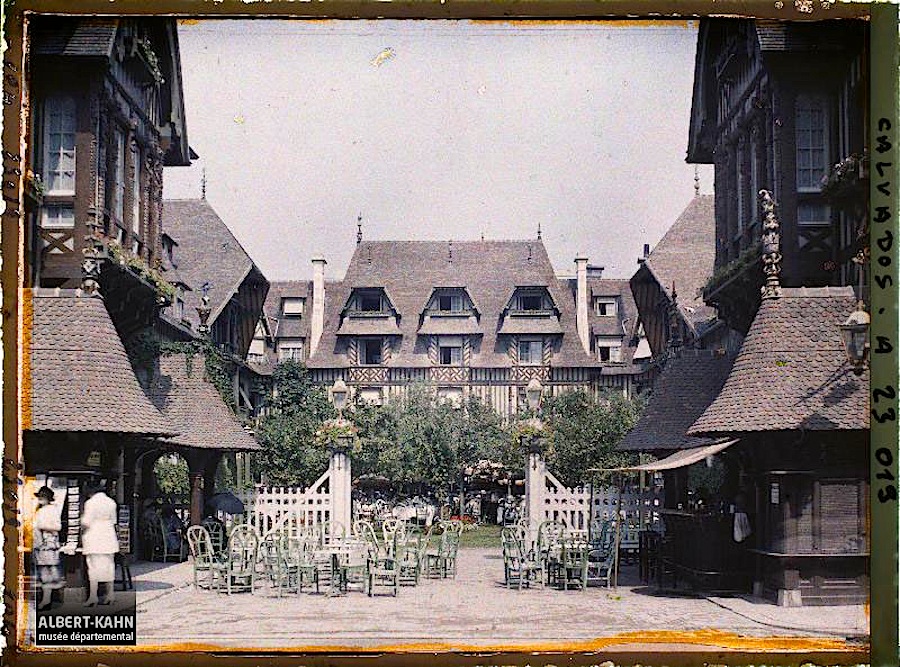
The courtyard of Le Normandy Hotel, Deauville, France, August 8, 1920, an autochrome by Georges Chevalier, via Archives of the Planet Collection – Albert Kahn Museum /Département des Hauts-de-Seine.
Such pretty little green chairs; here’s another photo. . .
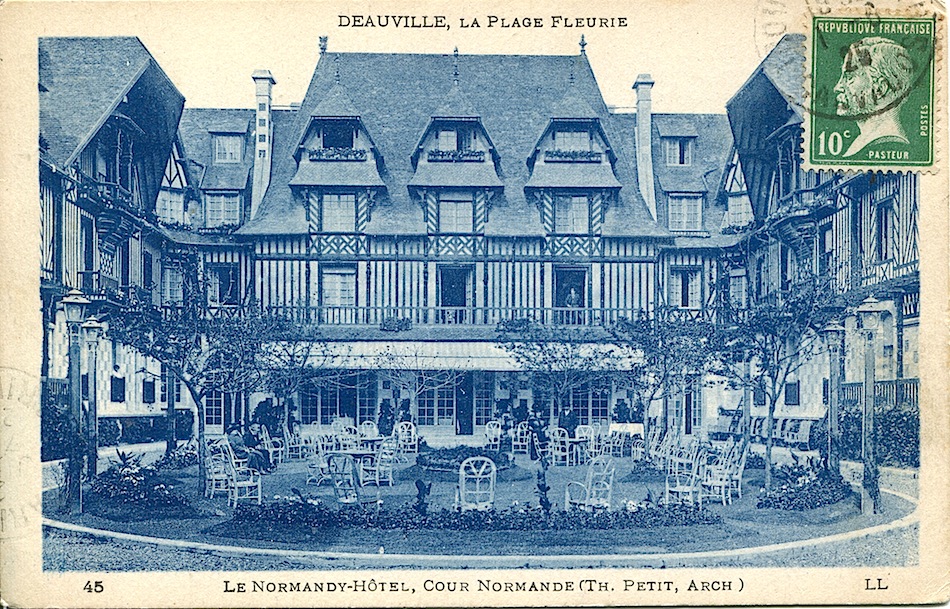
The 5-star hotel was built in an Anglo-Norman style in 1912. It appeared in the 1996 “The Murder on the Links” episode of Agatha Christies’ Poirot with David Suchet. Today, the courtyard looks much the same as it did in the 1920s, although the chairs and tables have been replaced with more little trees.
The image at the top is one of about seventy-two thousand that were commissioned and then archived by Albert Kahn, a wealthy French banker and pacifist, between 1909 and 1931. Kahn sent thirteen photographers and filmmakers to fifty countries “to fix, once and for all, aspects, practices, and modes of human activity whose fatal disappearance is no longer ‘a matter of time.'”* The resulting collection is called Archives de la Planète and now resides in its own museum at Kahn’s old suburban estate at Boulogne-Billancourt, just west of Paris. Since June 2016, the archive has also been available for viewing online here.
*words of Albert Kahn, 1912. Also, the photo at the top (A 23 019) is © Collection Archives de la Planète – Musée Albert-Kahn and used under its terms, here.
Salem, Massachusetts
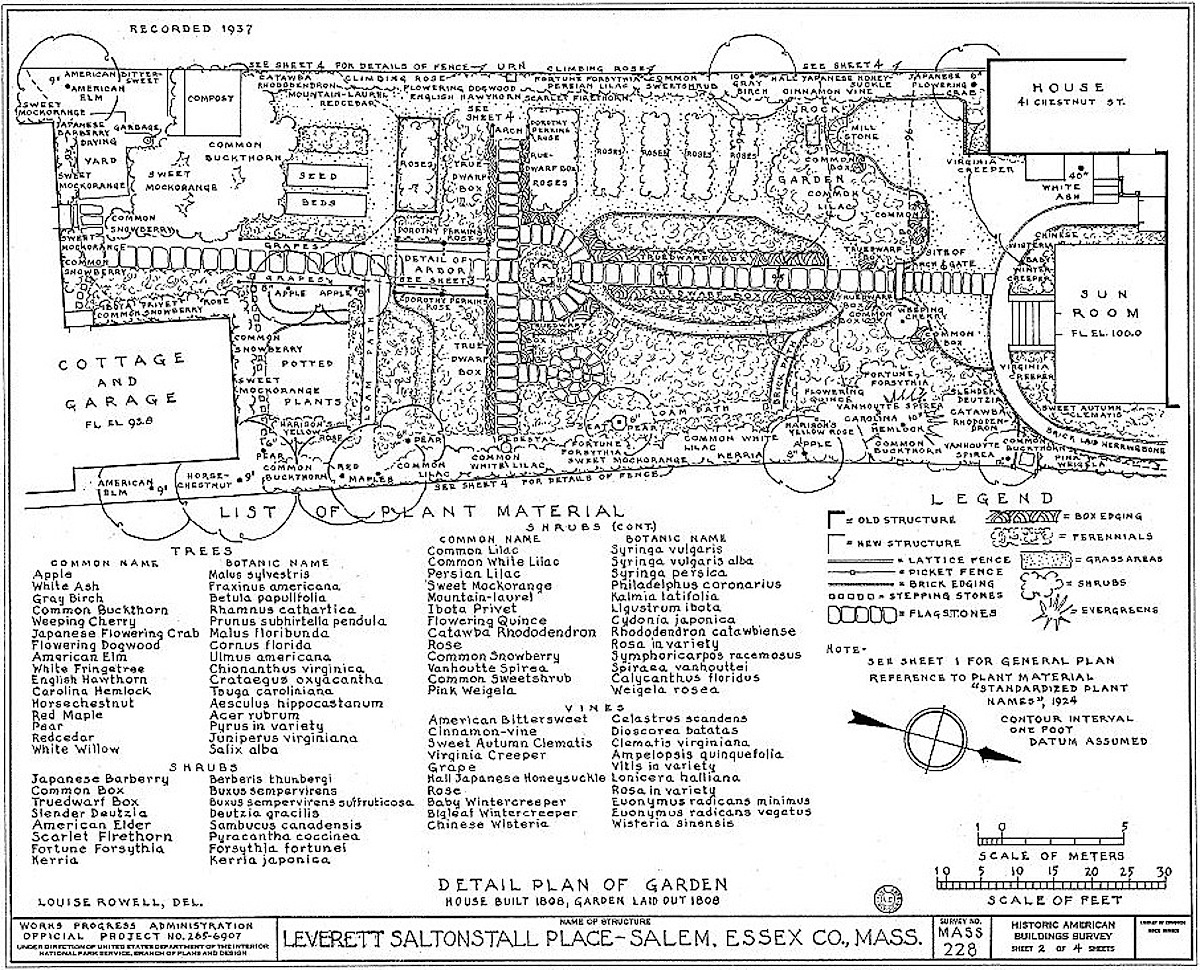
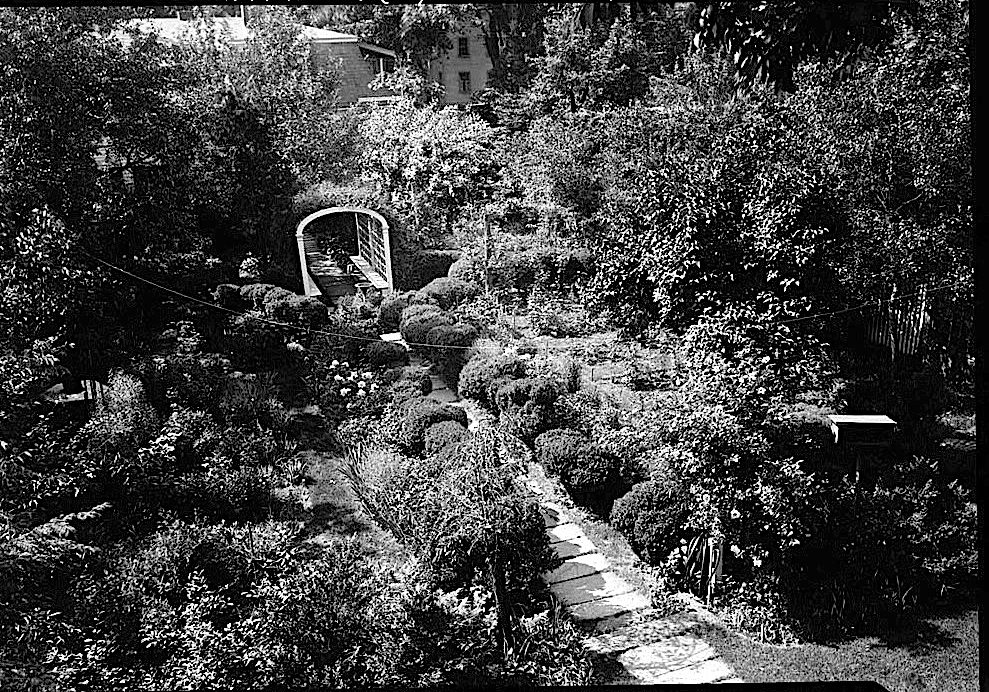 View of garden, looking south, Leverett Saltonstall Place, 41 Chestnut Street, Salem, Massachusetts, June 1940, by Frank O. Branzetti for an Historic American Buildings Survey (HABS), via Library of Congress Prints and Photographs Division (both photos).
In 1808 (or maybe 1810), Thomas Saunders built a double house for his two daughters, Caroline and Mary Elizabeth, and their husbands, brothers Nathaniel and Leverett Salstonstall.
The Leverett Salstonstalls lived in the no. 41 side, shown here.
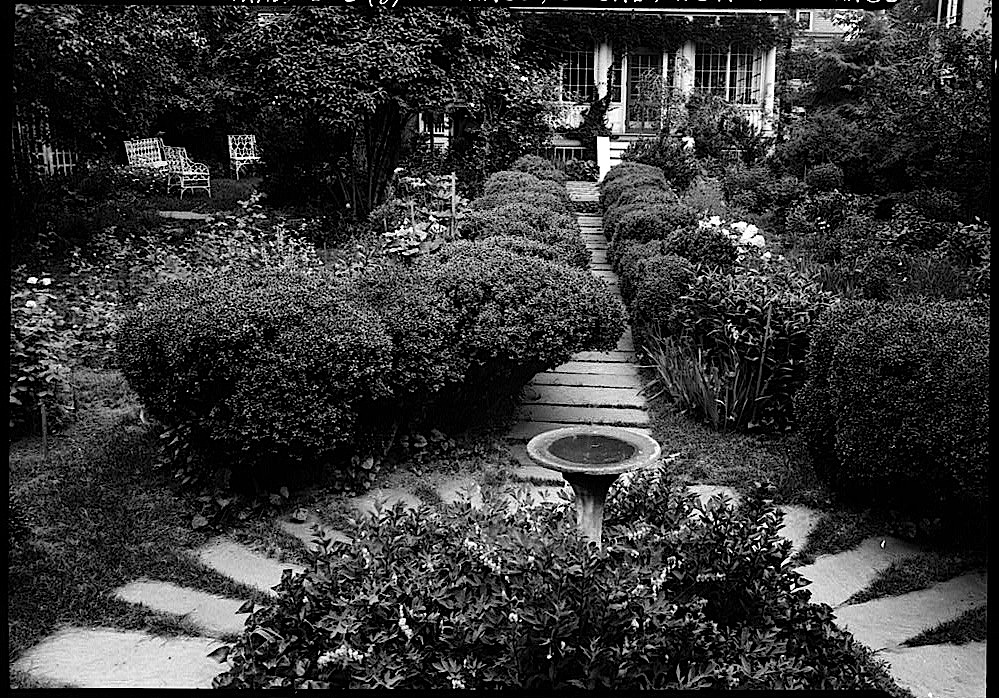
The garden was also laid out about 1810. Its arrangement was reportedly the same as when this drawing was made in 1937.
Mary and Leverett’s granddaughter, Mary Saltonstall Parker, also lived in the house in the late 19th and early 20th centuries. She wrote several little books of sentimental verse that fed into the Colonial Revival movement of that period. During WWI, her needlework art was published in House Beautiful and other publications.
 enclos*ure