Bird’s eye landscape

A recent visit to the Virunga Safari Lodge in the north of Rwanda made me think of Russell Page’s book, The Education of a Gardener, and his words on handling a hilltop site with a view.

About halfway up the nearest volcano, you can see the line between cultivated fields and the park, where the mountain gorillas live protected.

The Lodge –near the Parc National des Volcans and the famous mountain gorillas — has extraordinary views. Guests can see two lakes and several volcanoes.  But Page wrote that such a location is not ideal for the gardener.

“If I were to choose a site for a garden for myself,” he wrote, “I would prefer a hollow to a hilltop.  A panorama and a garden seen together distract from each other.  One’s interest is torn between the garden pattern with its shapes and colors in the foreground and the excitement of the distant view.  Everything is there at once and one has no desire to wander to make discoveries. . . .”

If, however, one does have to have a view, he advised: “Above all avoid any garden ‘design’ or any flower color which might detract from the main theme, which in such a case must be the view. . . . If there must be flowers they should be close against the house or below a terrace wall and so only visible when you turn your back to the view.  I would arrange the gardened part of the garden — flowers and shrubs — to the sides or far enough below, so that they and the view are not seen at the same time.”
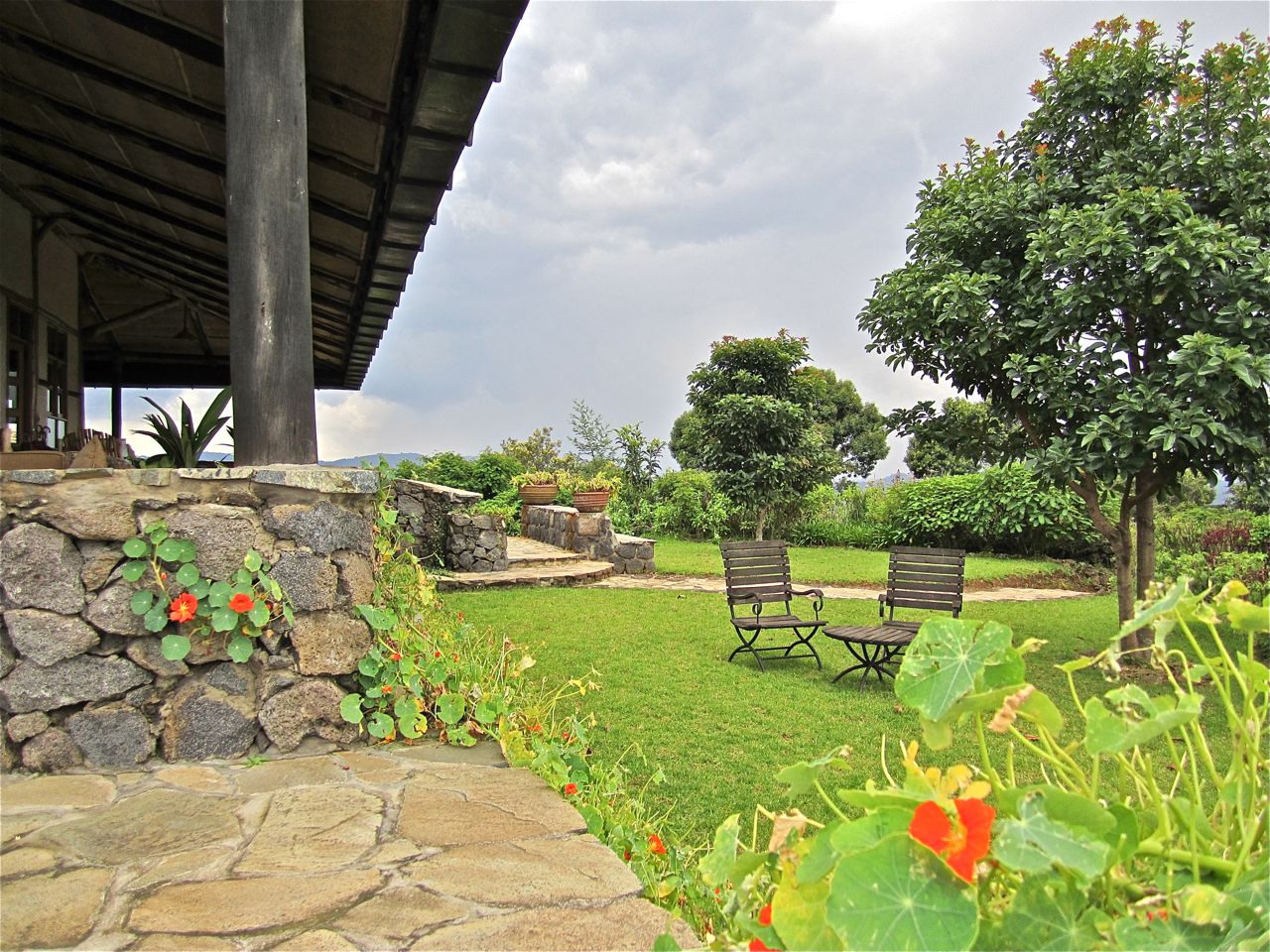
Landscaping around the dining hall and lounge is simple.

The landscape designer for Virunga Lodge seems to have worked right from the book, with beautiful results.
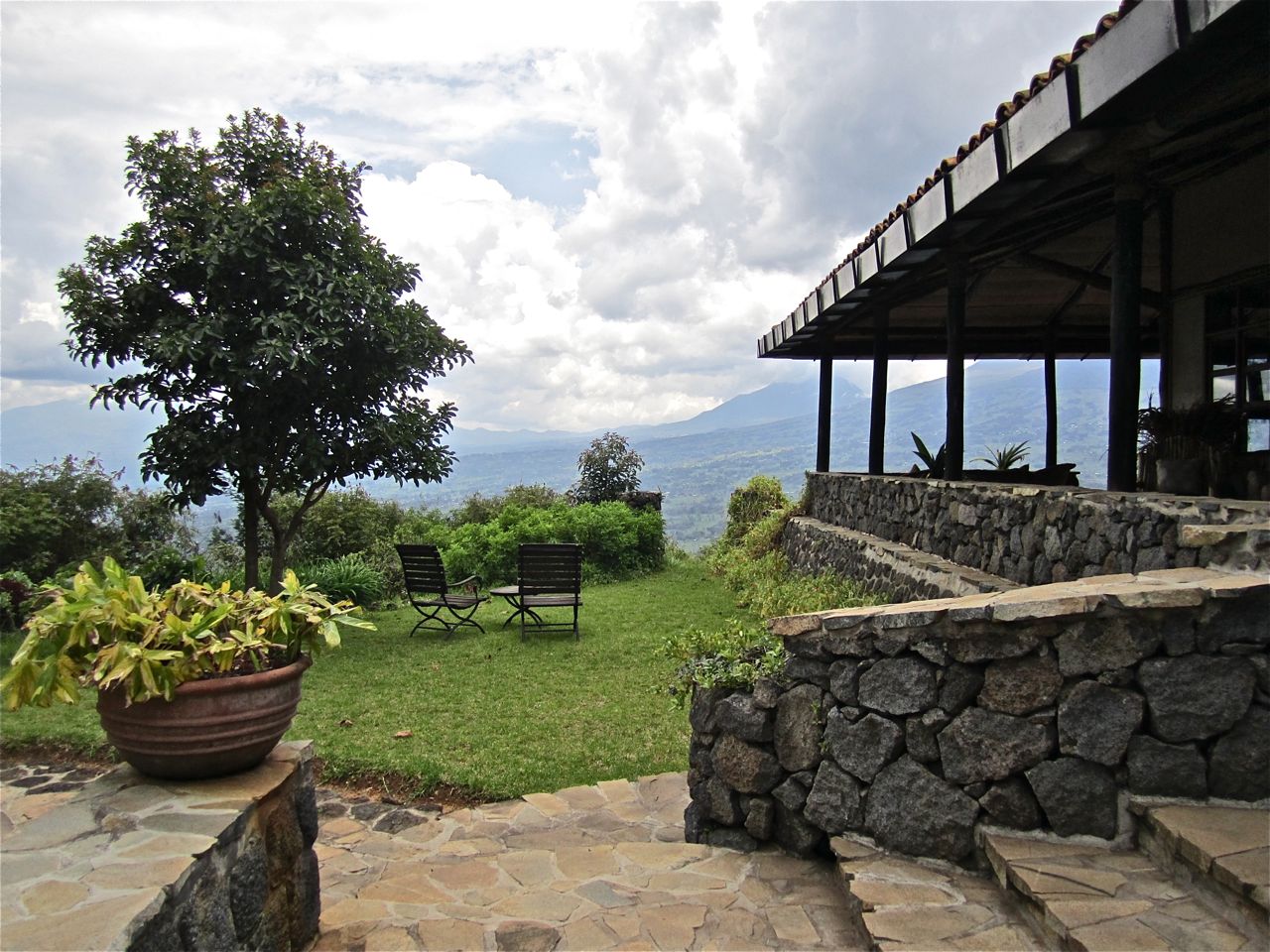
There are a few garden flowers and shrubs, but usually the existing wild brush has simply been cut back to allow for a few flat grassy areas and paved paths.
The focus is on the gorgeous view of Lake Burera.
Local volcanic rock was used in the construction of buildings and walls.
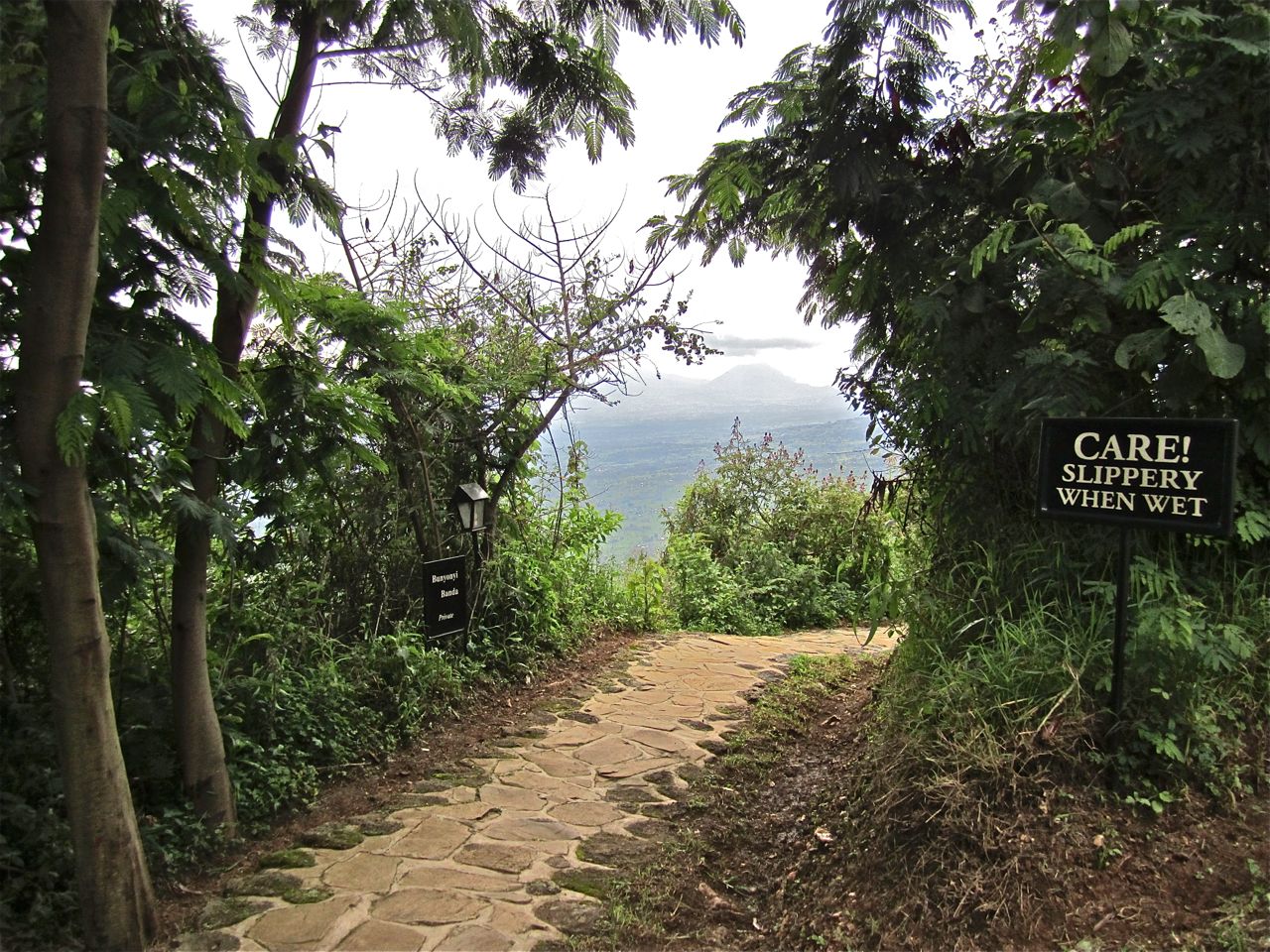
A path to a banda or individual cabin.
A trail to nearby villages. The lake is in the middle distance, topped by more hills and clouds.

About three hours drive from Kigali, the Lodge has eight “bandas” or individual cabins, which operate on solar power and use rainwater recovered from the rooftops.  It is very expensive at $600 per person per night,* although this is inclusive of all food and drink (including alcohol).  (We just stopped by for a look.)

This simple grass “room” sits along one of the main paths.
The path crosses this room, which is outlined with a low wall.
A long room with regularly spaced columns near the entrance to the Lodge.
The bandas have stone terraces.

To get a better sense of the layout and location of the Lodge (and what it’s like to arrive by helicopter), you can watch this short YouTube video.

The same morning as our stop at the Lodge, we visited two local schools and a nearby village family. Our guide was an American businessman working with faith-based development endeavors in Rwanda.  He took us to the site of a house he is building for himself. At the moment, it’s just a stone and concrete foundation set on the edge of a hill.

But again, the views were absolutely amazing.  He wisely plans to leave the land surrounding the house (which is all sloping downward) very natural, hoping to attract as many birds as possible.

Lake Burera.

Living here, one might begin to feel like a bird.


*There are reductions for Rwanda residents.

The songs and dance of Bwiza

A local singing group from the Kigali area released their first CD, Kwizera, with a concert at a local venue on Sunday evening.

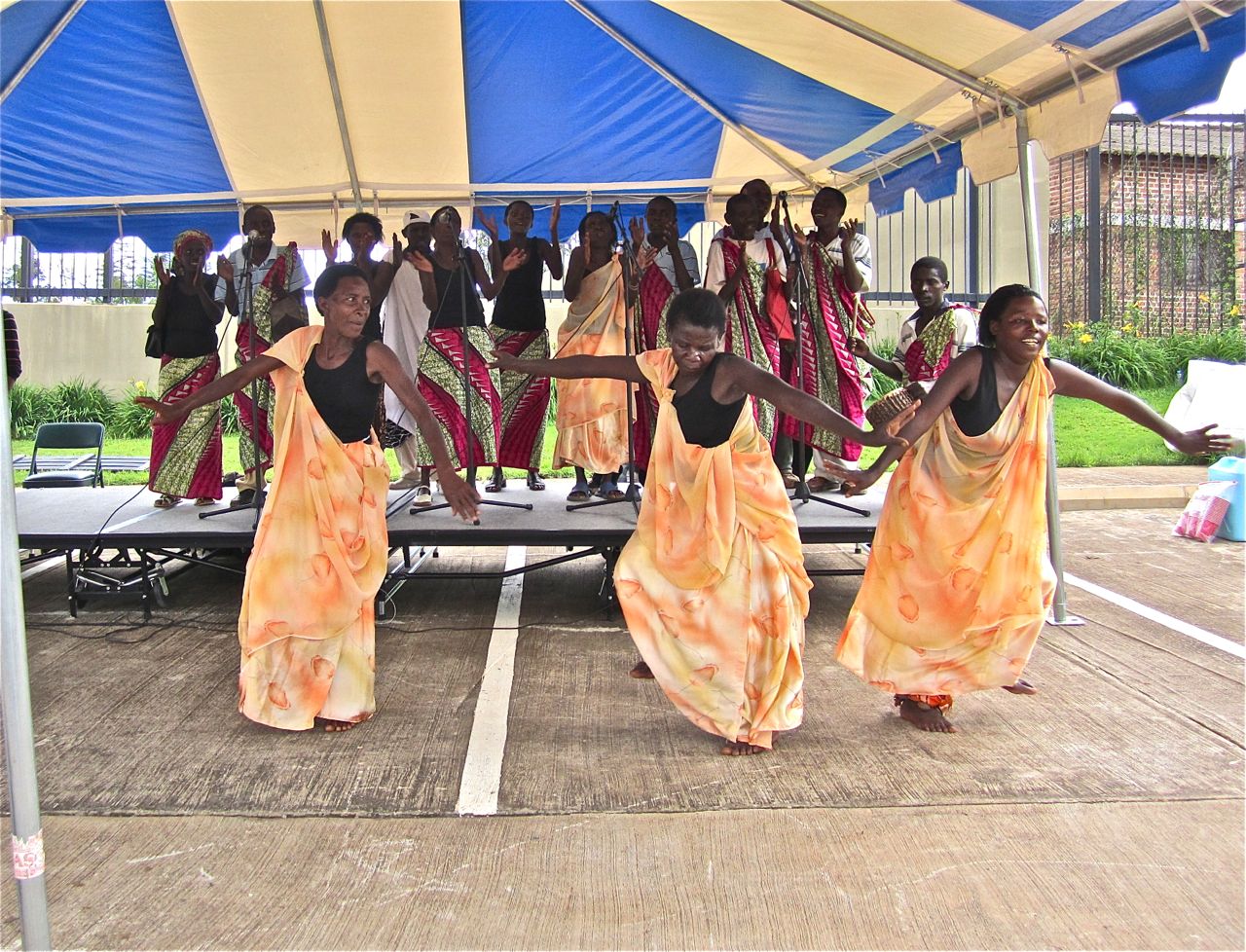
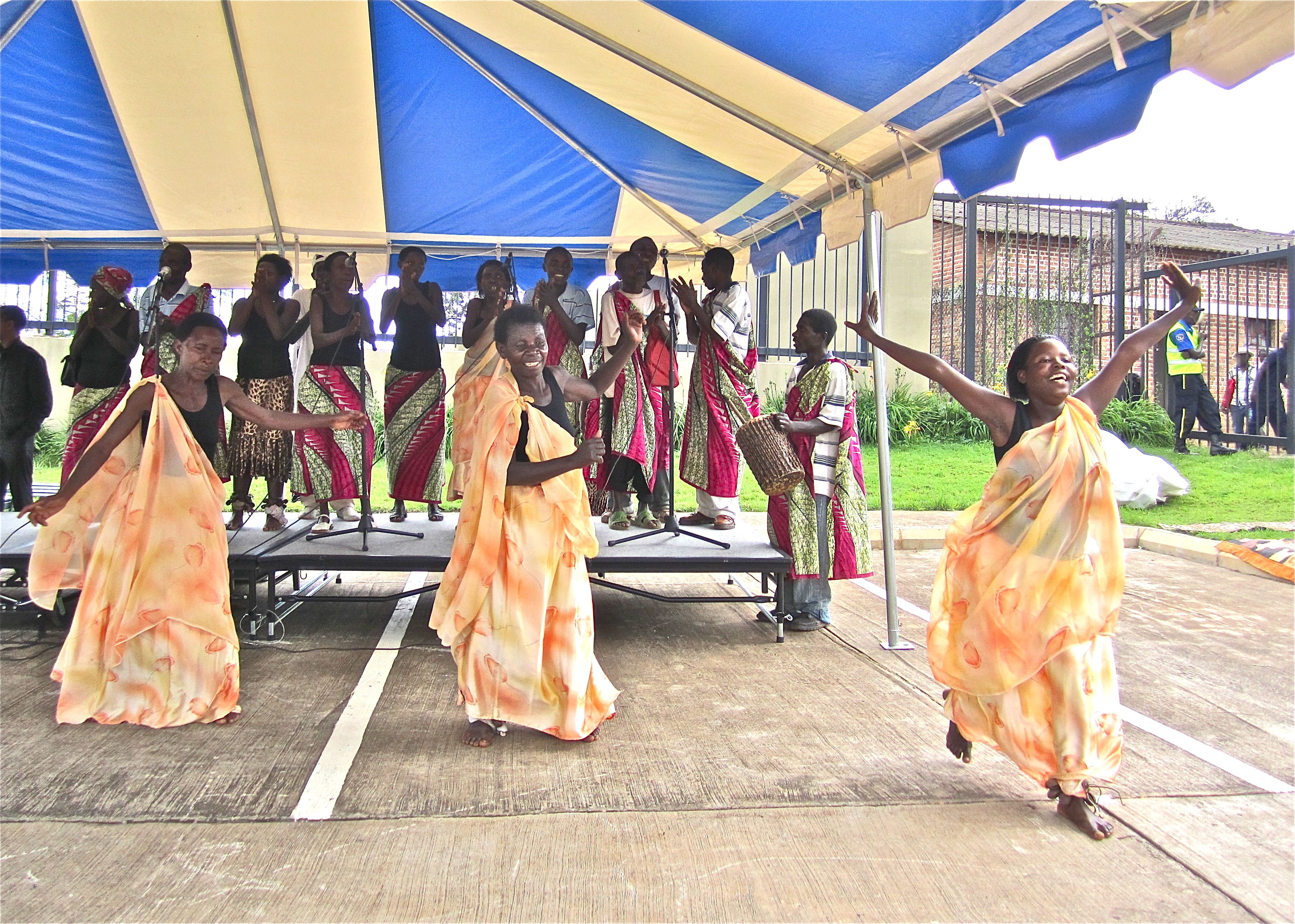
With “stirring vocals, traditional amakondera flutes and stunning poly-rhythms,” the group offers ancient and more recently written songs in the traditional style that is their legacy from the Rwandan royal court.

Kwizera means “to hope” in Kinyarwanda. One of their songs says, “Ngwino grebe Rwanda yacu nziza, ubu turakomeye”  — “Come, look upon our beautiful Rwanda, now we are strong.”

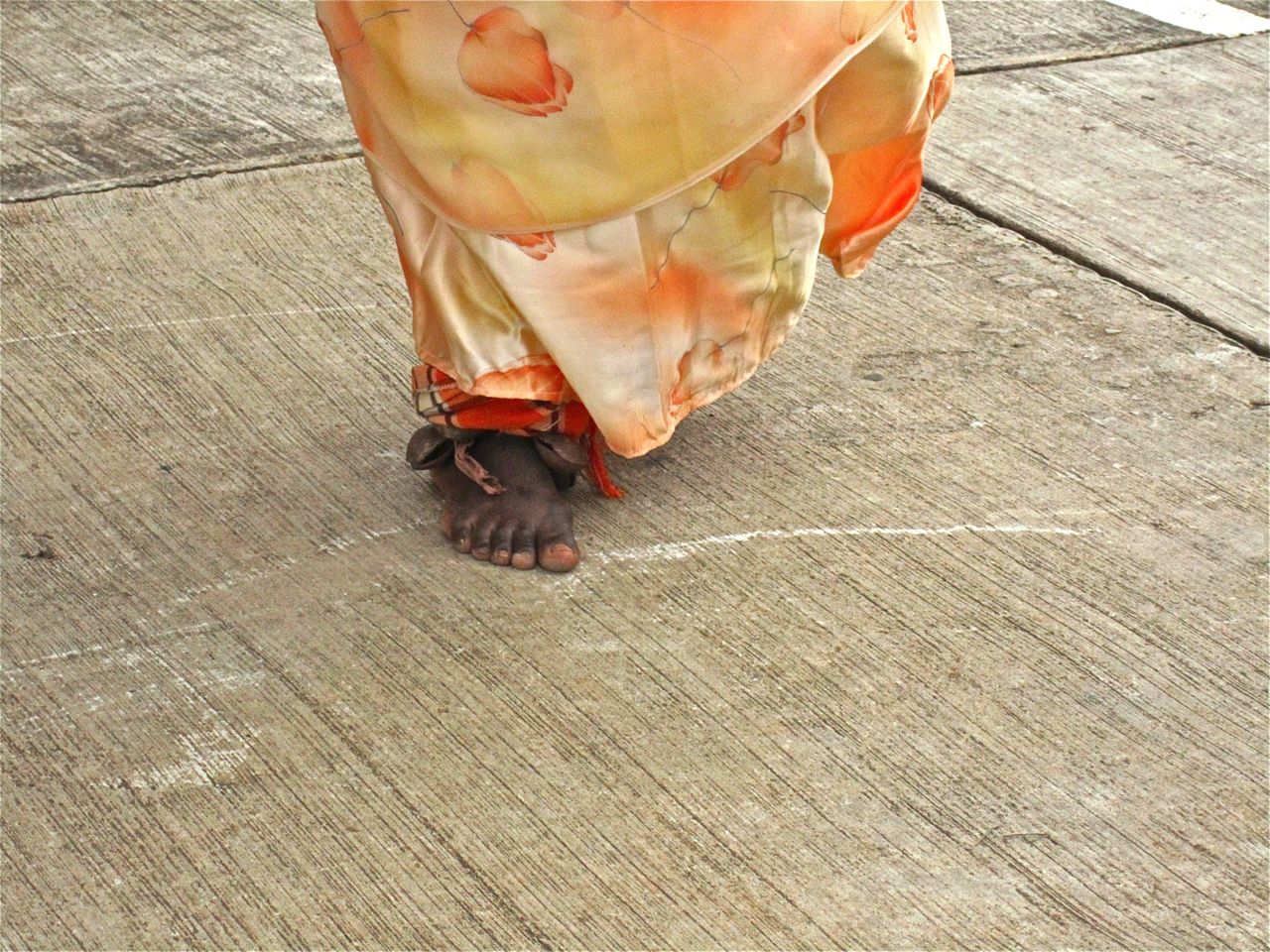
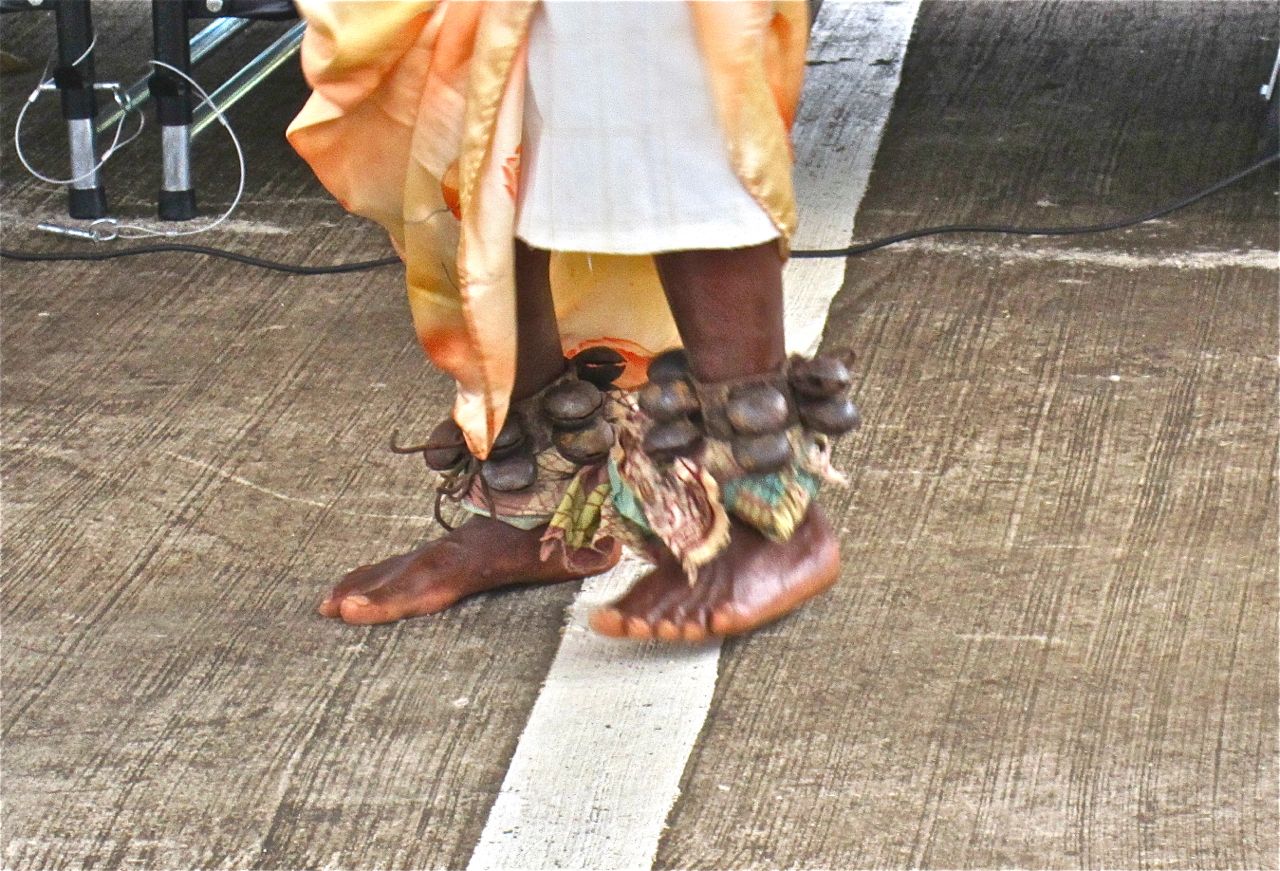
The group performs dance as well as song. Here are a few photos from their performance at an October craft fair held at the American Embassy.

One of their songs says, "Rwanda, now you're mature. Let us sing about you; the world has to know you." The modern songs were written by Ngarambe Valence of Bwiza.

The group is from a community known as Bwiza, located on a mountaintop near Kigali.

A few years ago the village was barely surviving, living in poverty and poor health and unable to send its children to the neighboring school for want of shoes.

Now, with support of local officials and a small Seattle-based NGO working with the Kigali-based Health Development Initiative – not to mention the generosity of individual expats and Rwandans – the people of Bwiza are rebuilding their lives. Once hunter-gatherers, they now have goats and cows and are harvesting larger crops from newly-built terraces.

If you are in the U.S. and would like to buy a copy of Kwizera, go to the Seattle website.  The CD is free with the purchase of 3 bags of Rwanda coffee (click on the Coffee Rwanda tab) or a $35 donation to the NGO. You can also watch short videos about Bwiza.

(If you are in Rwanda, leave a comment, and I can put you in touch with someone selling the CDs.)

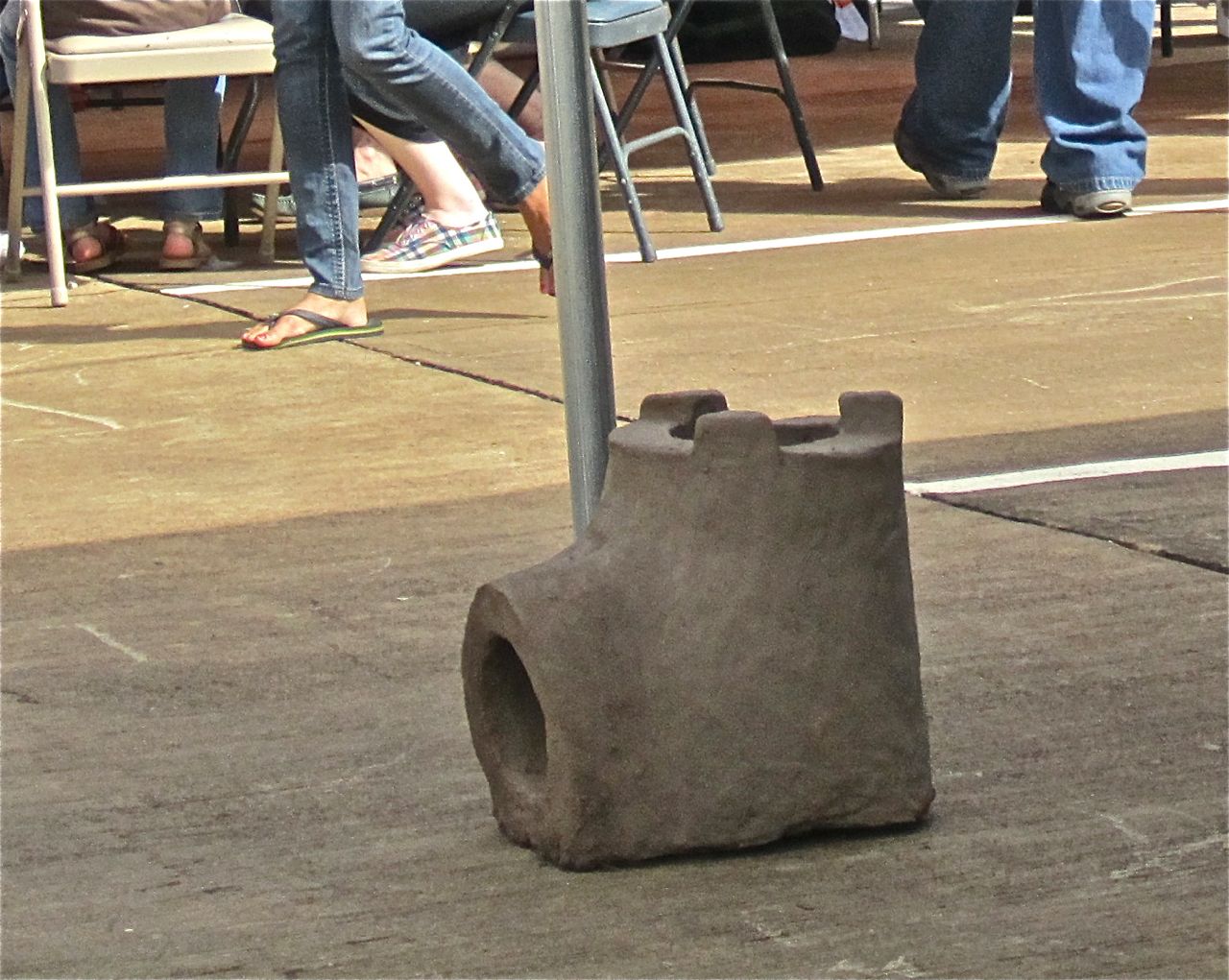
Recently, some craftspeople in Bwiza learned to make this highly efficient cookstove, which uses less wood and provides a more stable base for the cooking pot. The sales of stoves they don’t use themselves will also help support people in the village.

More fuel-efficient cookstove. Training for making the stoves was provided by the American tea company Sorwathe.

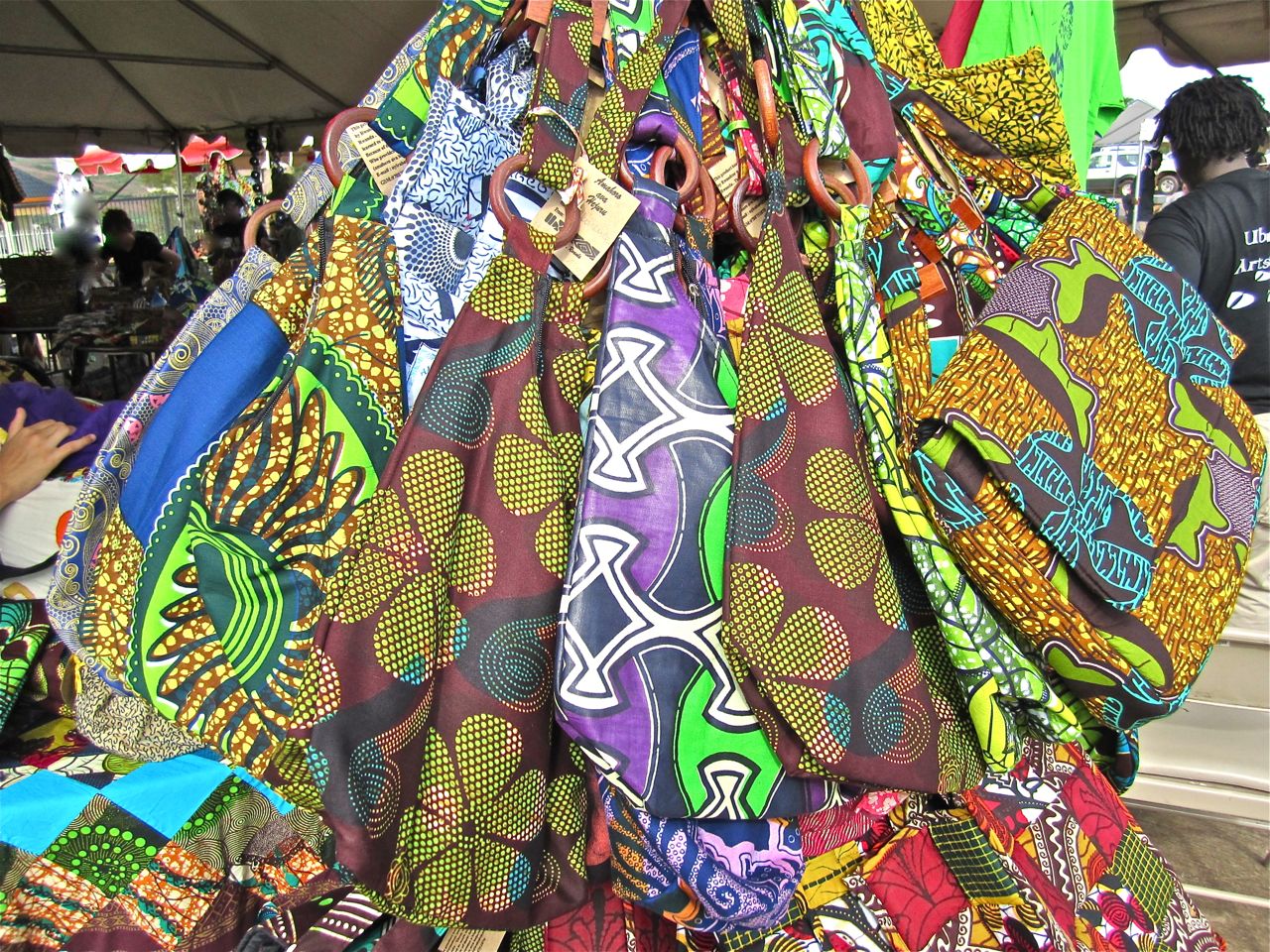
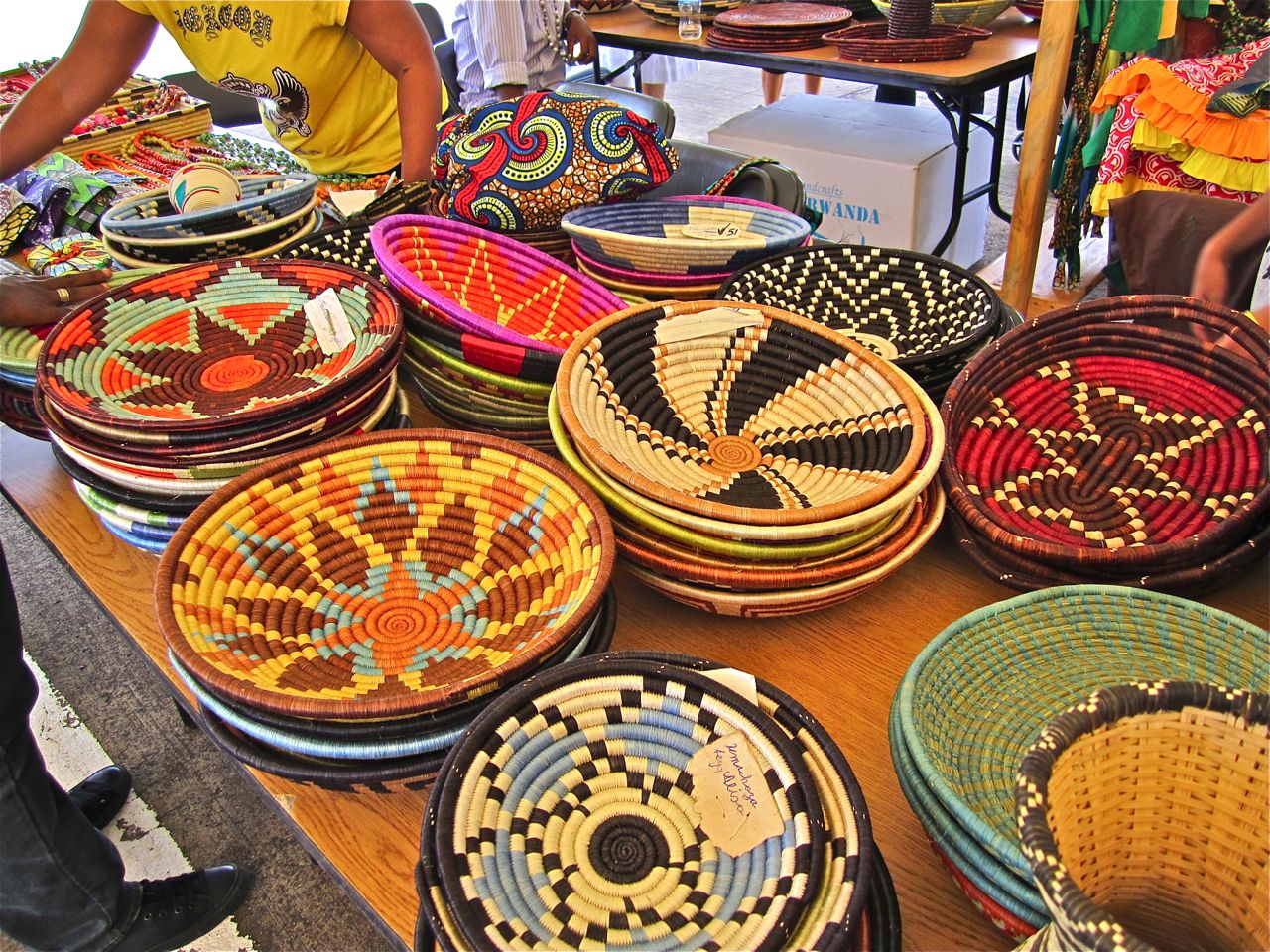
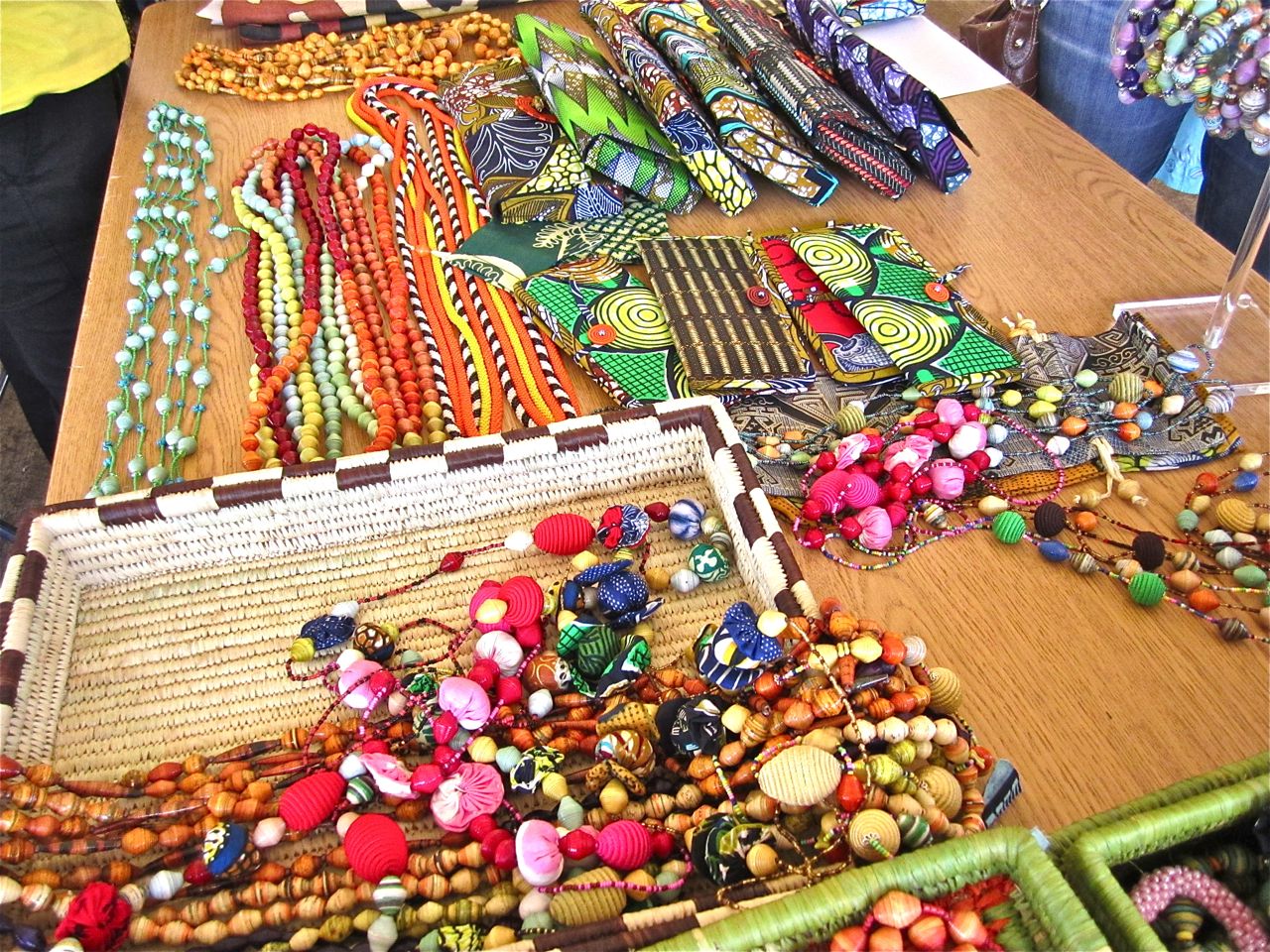
Here are a few photos of the beautiful craft products that were available for sale at the October fair. In previous years, the proceeds of the event went to Bwiza, but this time, as other efforts have improved their lives, they performed at the fair for a professional fee.  The 2011 proceeds from booth rentals and entrance donations will go to several other nonprofit groups around Kigali.

Bags made from African "wax" cloth.
These baskets were crafted with traditional techniques and modern bright colors.
Wax cloth and recycled paper jewelry and pretty clutches.

Two acacia trees

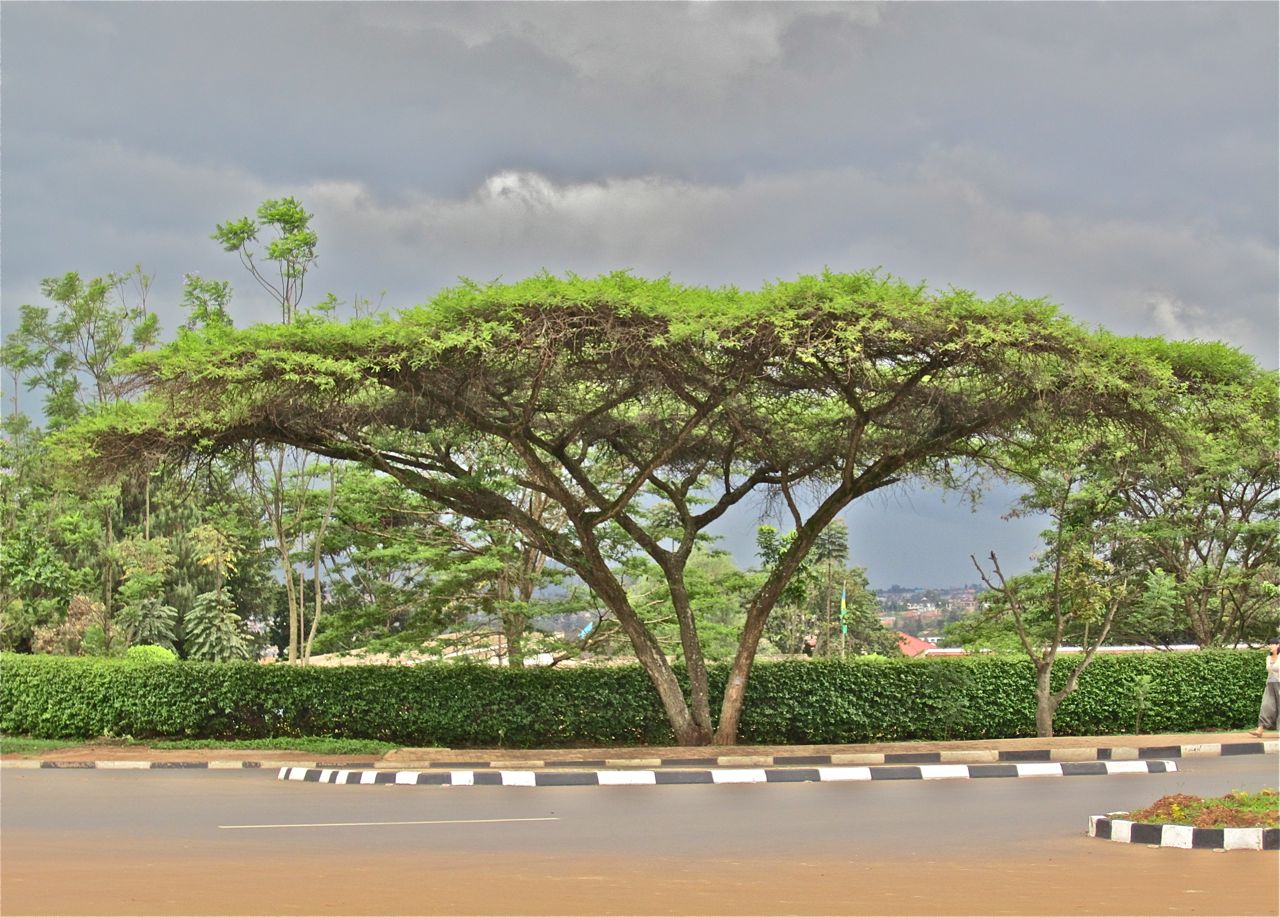
The iconic umbrella shape of an acacia tree.

Isn’t this a beautiful tree? It’s an acacia on the corner across from our house.

The genus Acacia one of the most common in the East Africa region, and there are at least 132 species on the continent. Because it is a member of the family Leguminosae (beans), its roots have the ability to enhance soil fertility by fixing nitrogen to the soil particles.

Its leaves are bipinnately compound, divided into dozens of tiny leaflets, which are held either horizontally to catch the sunlight or vertically to slow transpiration. It has white or yellow blooms, thorny branches, and hard brown pods.

I see a lot of acacia trees around Kigali, although the high, flattened, and spreading crown of the one above is particularly nice.

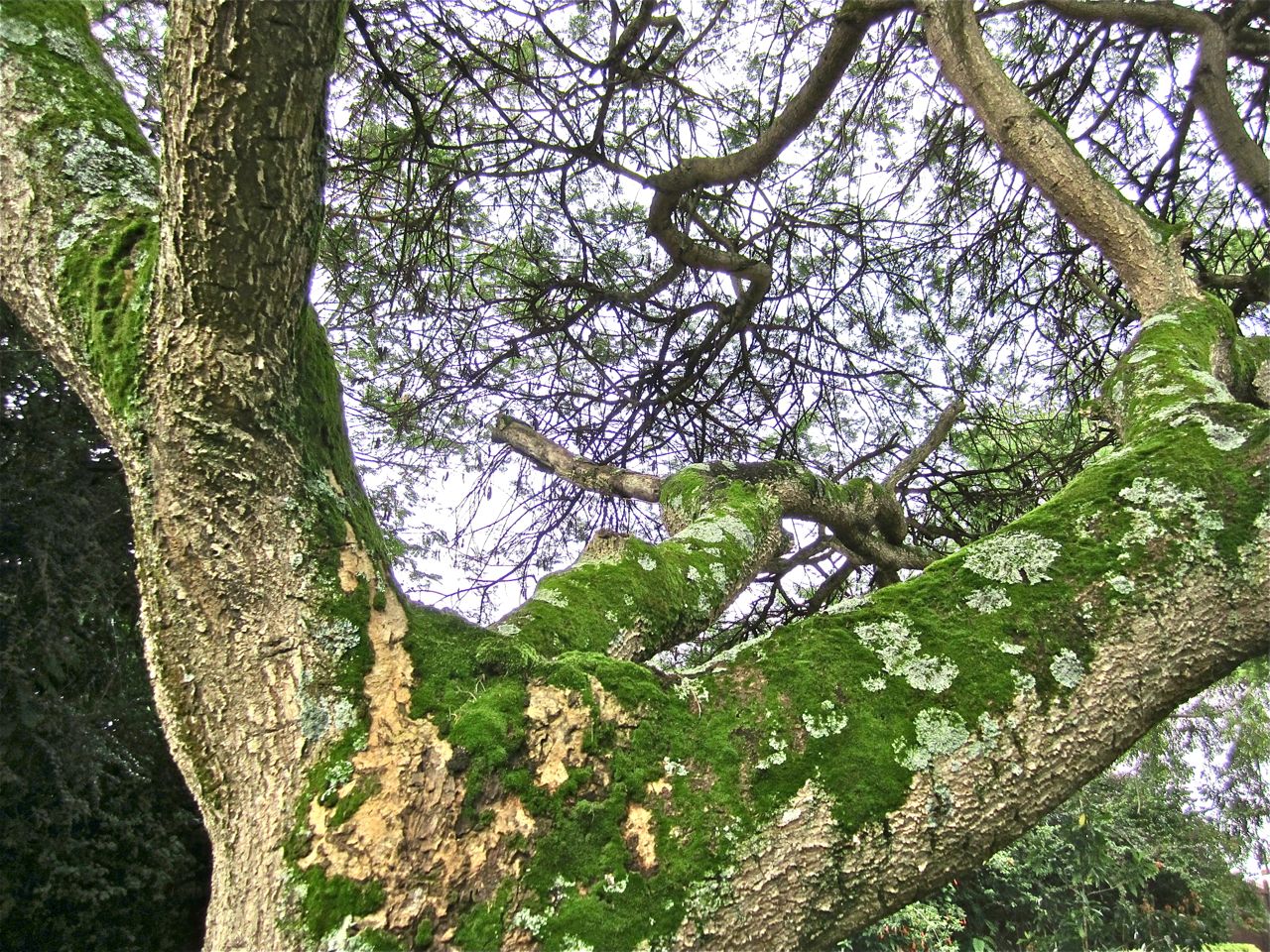
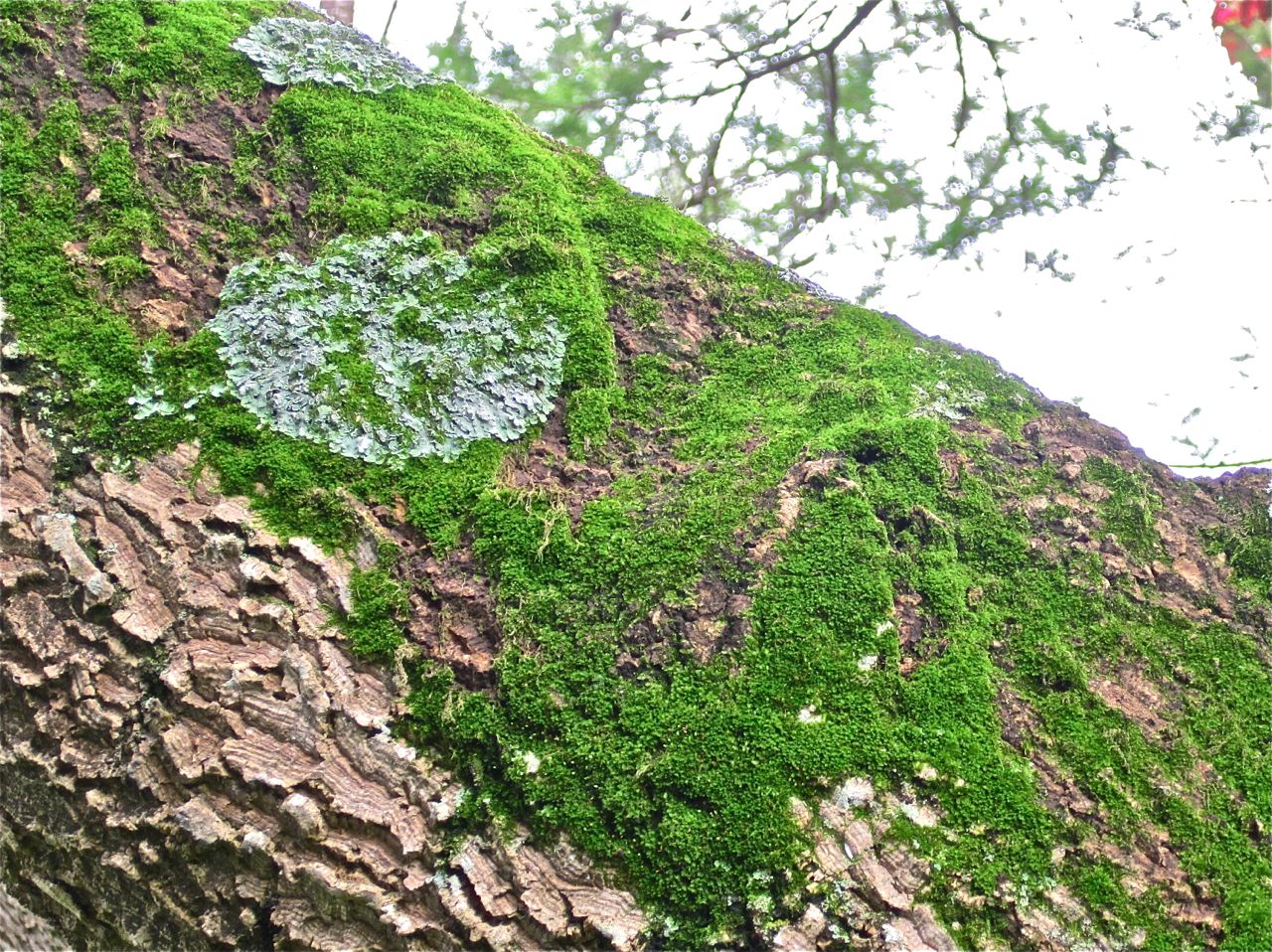
The acacia tree in our garden doesn’t have as pretty a form as the one above — it needs some pruning — but after 3 months of daily rain, its trunk is blanketed with moss spotted with lichen.

Our acacia tree. Click photos to enlarge.
The name 'Acacia' is from the Greek word akis, meaning 'barb' or 'sharp point'. The branches of the tree are thorny.

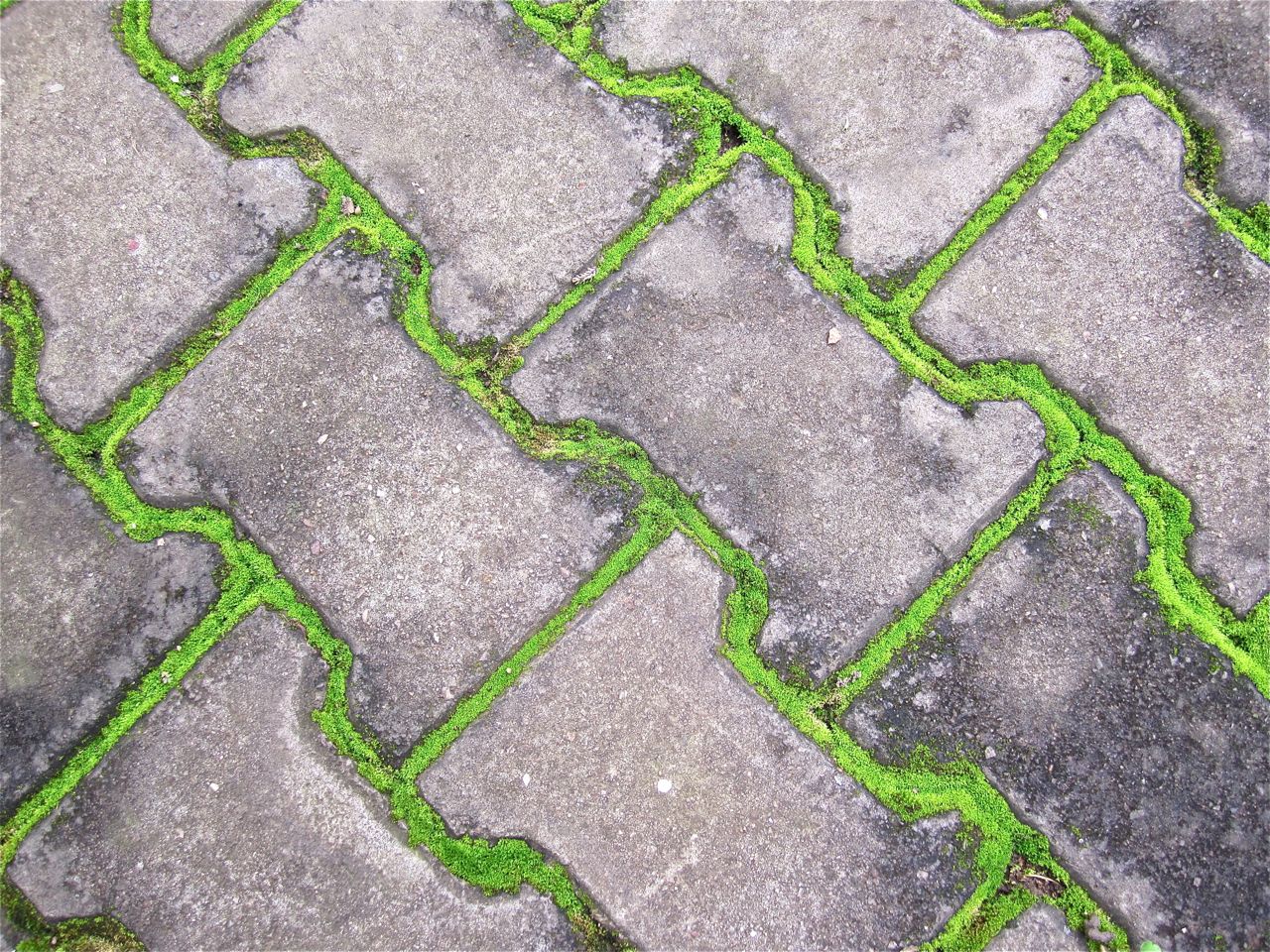
Our walkway is also showing signs of the season.  The pavers didn’t have these pretty green outlines when we arrived in early September.

The green "grout" of the rainy season.

First look: Kigali, Rwanda

Muraho!  We have been in Rwanda 25 days today.

Our new home, as we expected, is beautiful. The garden is filled with wonderful plants and mature flowering shrubs that are familiar to me from previous posts in Africa and Latin America, although I have forgotten a lot of their names.  Some time on the internet should help with that.

The beautiful shrubs are filled with a variety of birds.  Unfortunately, some of them seem to live in the time zone we left behind.  We have the birds that sing at 2 a.m., those that sing at 3 a.m., 4 a.m. and so forth.  Ending with the ones who tap insistently on our bedroom window for several minutes every morning at 6. Continue reading “First look: Kigali, Rwanda”