From there to here, from here to there

Today is Dr. Seuss’s birthday.

Seuss, aka Theodor Seuss Geisel (1904-1991), took the art of Surrealism and the architecture of Antonio Gaudi, combined them with childhood memories of early cars and machinery in New England and then the flora of his adult home in southern California, and created the famous illustrations for his over sixty books.  (His Green Eggs and Ham is the fourth best-selling English-language children’s book of all time.)

His strange plants and landscapes — tops of mops, spikes, and feathers; elongated, twisty trunks; improbable angles, odd hills and rocks — form a visual vocabulary that we all understand and use routinely.  These are just a few of the many, many snapshots I found by typing in “Dr. Seuss” and searching Flickr.com.
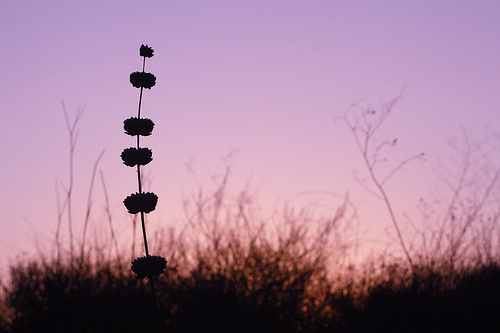
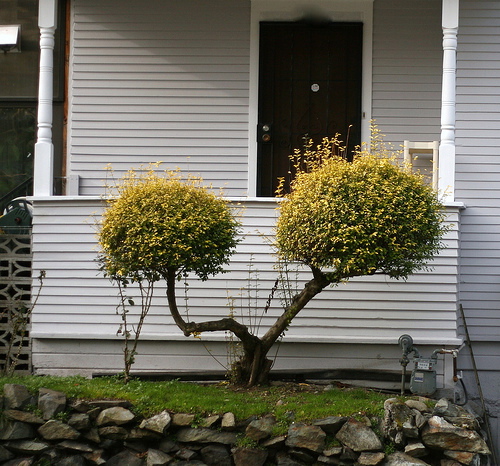
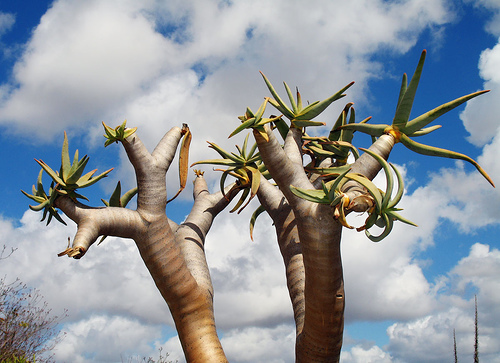
Photo by Randy Robertson, labeled “Dr. Seuss Plant Silhouette.”  All three photos via Flickr.com, under CC license.
“Dr. Seuss Bush” by Shawn Henning.
“Dr. Seuss Trees” by Allan Ferguson.

A 2010 article from the News Tribune in Tacoma, Washington, has a list of plants that also look Seuss-y, here.  Among others, they recommend weeping sequoia, Nootka cypress, and contorted hazelnut.

If you want to visit a Dr. Seuss-style landscape, the blog SPOTCOOLSTUFF has 10 “Places That Look Dr Seuss-ish” around the world, here.

ADDENDUM: Today is also the NEA’s Read Across America Day, here. And The Washington Post is calling for Seuss-inspired verse about current events, here.
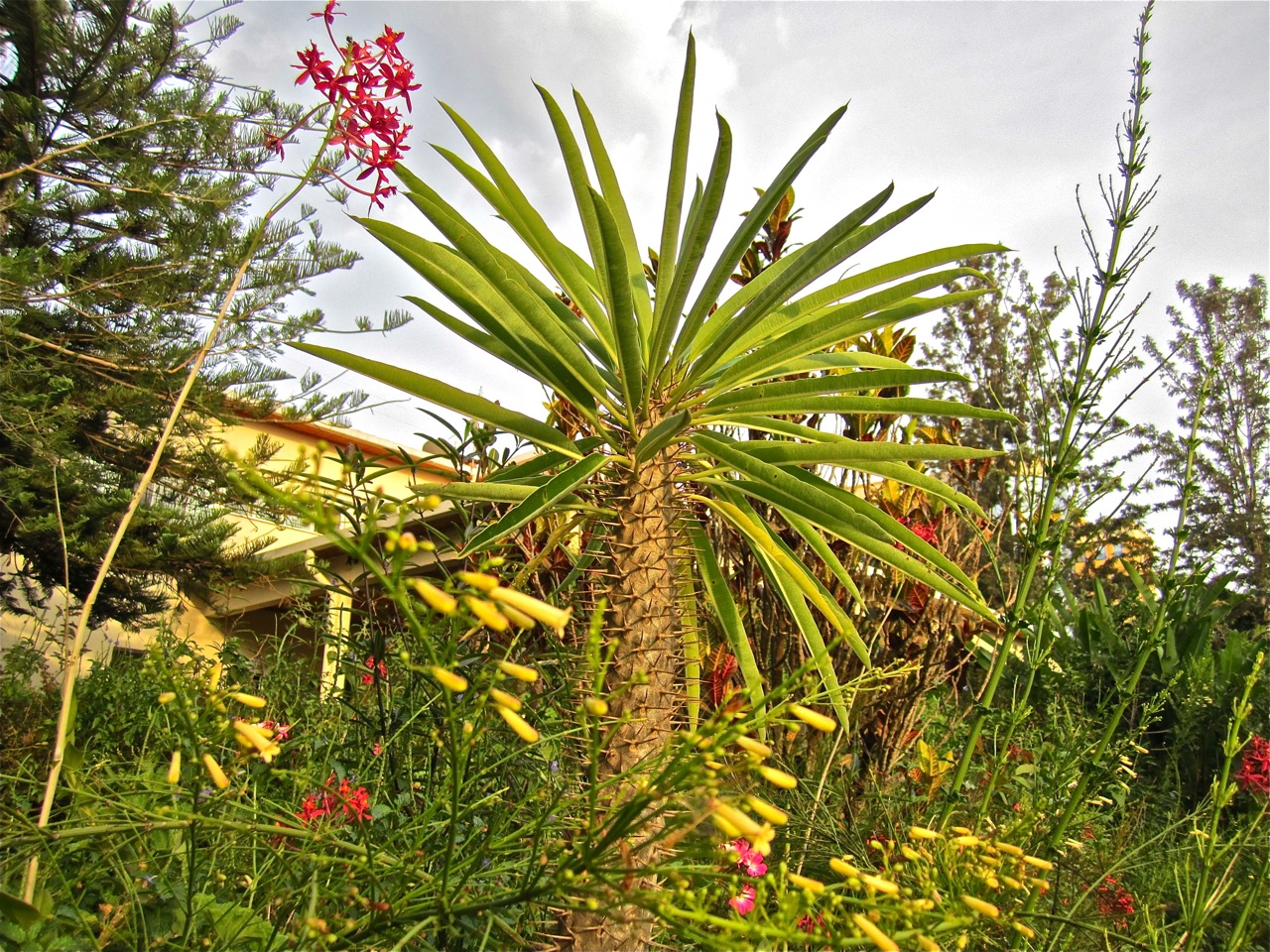
 

Madagascar palm

I had a hard time finding the name of this plant, and, after I did, I realized that I should have known. With all weird and wonderful plants, a good search word to start with is ‘Madagascar.’

It’s a Pachypodium lamerei, often called a Madagascar palm, although it is not a palm but a stem succulent. Mine is about 3′ tall (about 92 cm.) and is growing here with a red orchid, Epidendrum ibaguense, and a cream-yellow Russelia equisetiformis lutea. (Click the photo to get a better look.)

P. lamerei is easy to grow in well-drained soil in a frost-free climate. It also makes a good potted plant, if you can give it enough sun. It will do well in a fast-draining soil mix, like one for cactuses. A mature plant can have fragrant flowers, but I haven’t seen any on ours.

The island nation of Madagascar is one of the most diverse places on earth for plant species; it has about 12,000. Tropical Africa has about 3 times that many, but 35 times the size.

(Almost) Wordless Wednesday: le cortil

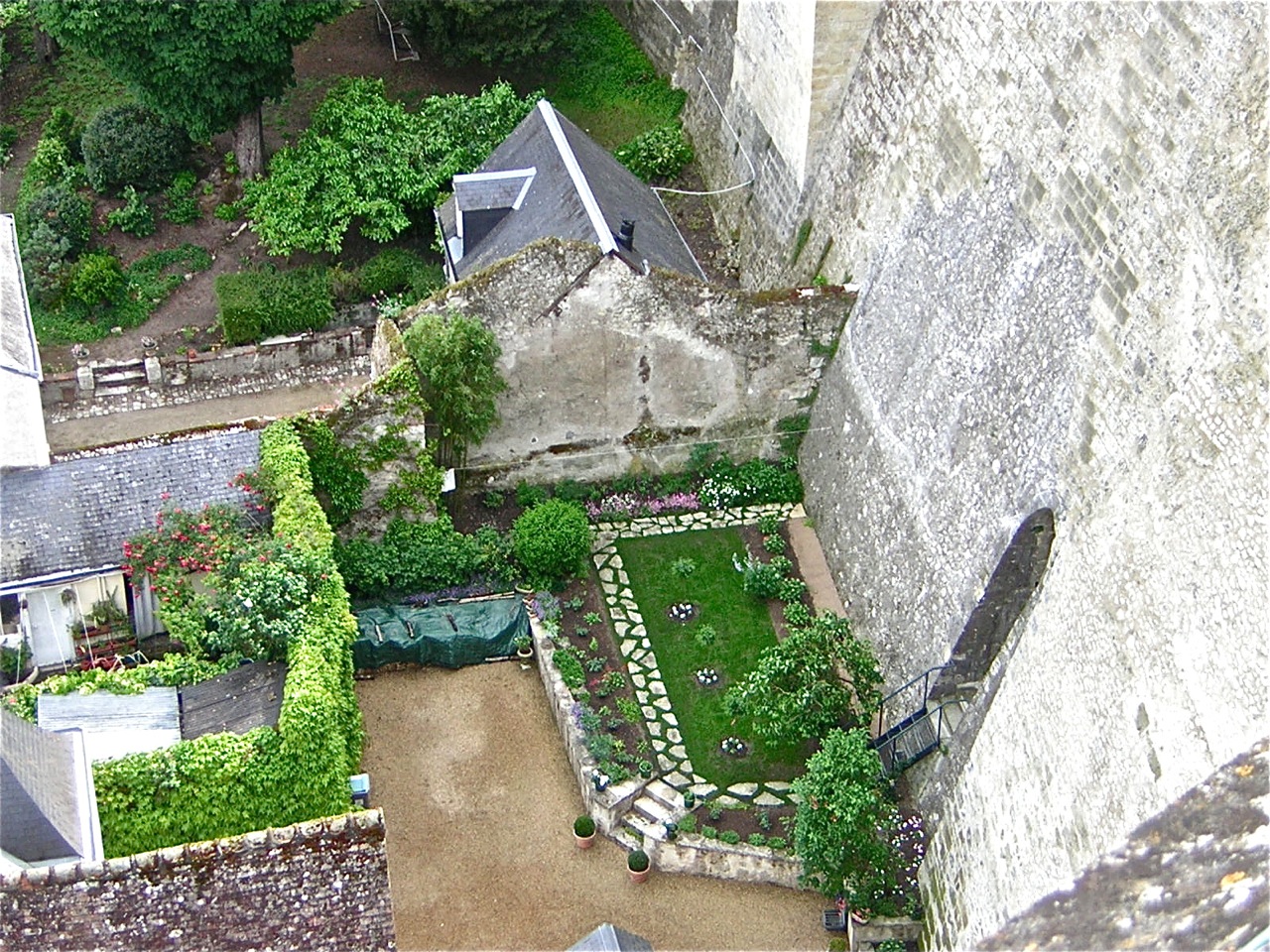
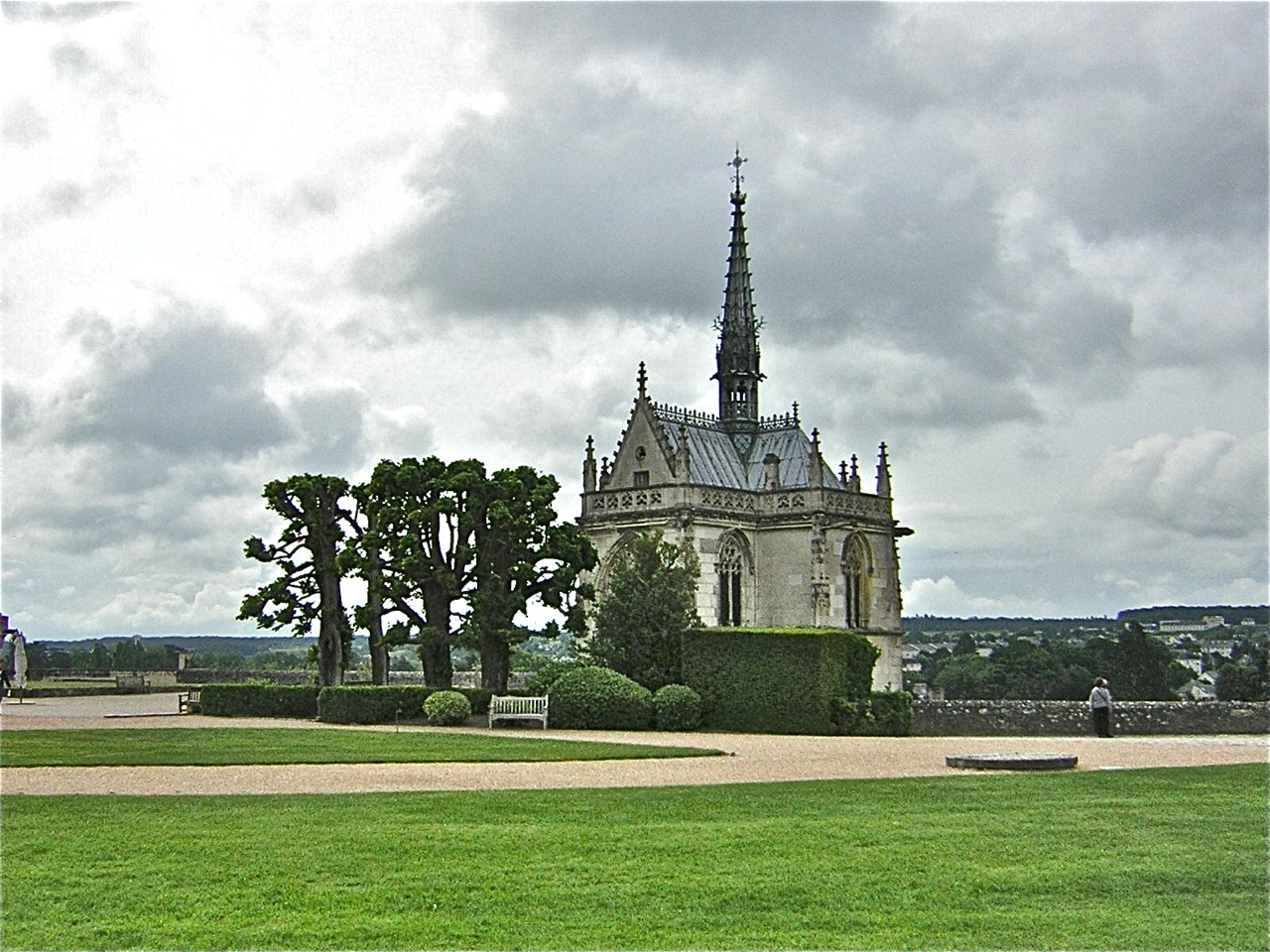
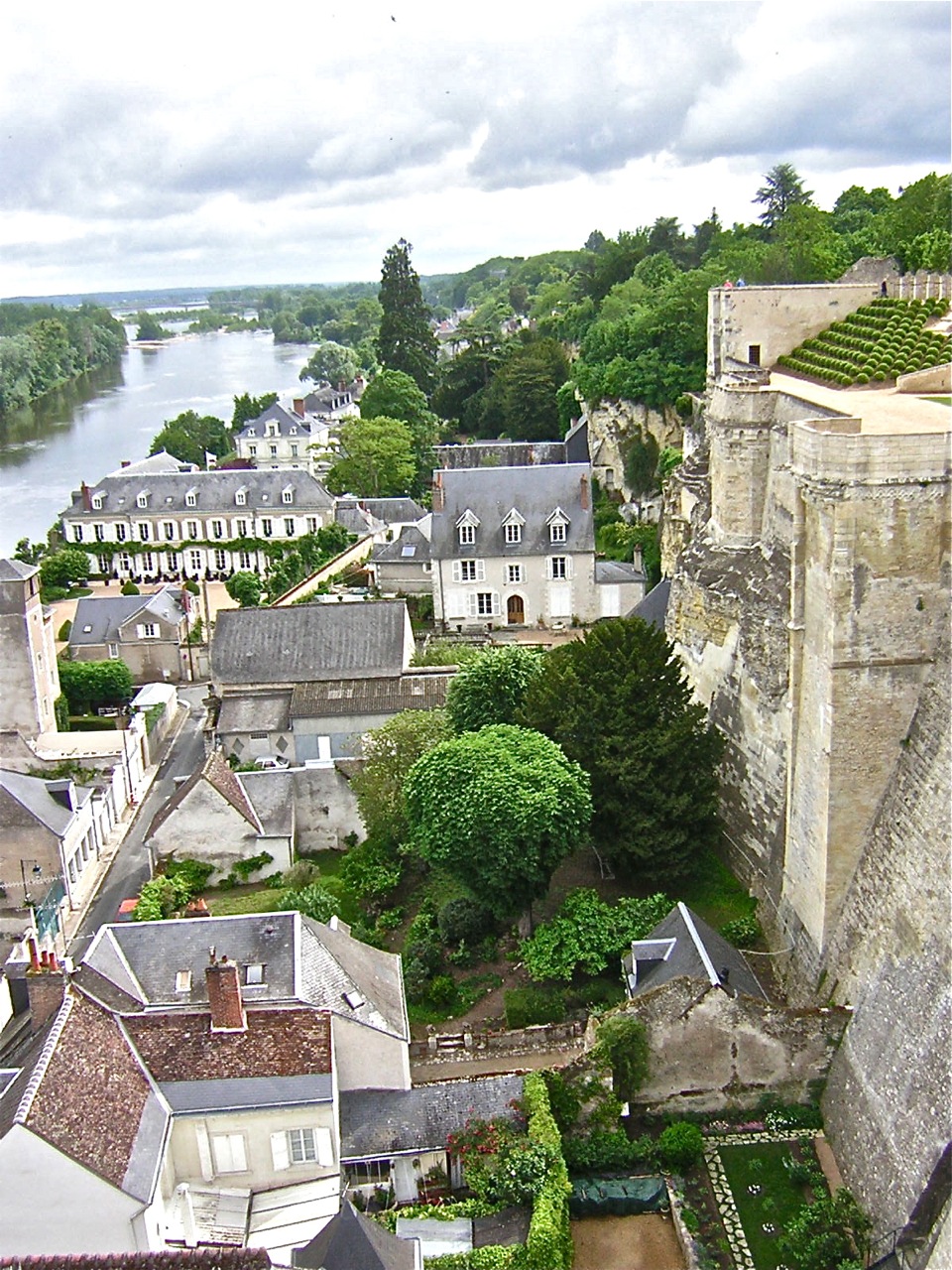
Look closely at the lower right corner: the huge Chateau d’Amboise has a ‘little yard’ — cortil in Old French — and a side door.
A closer look.
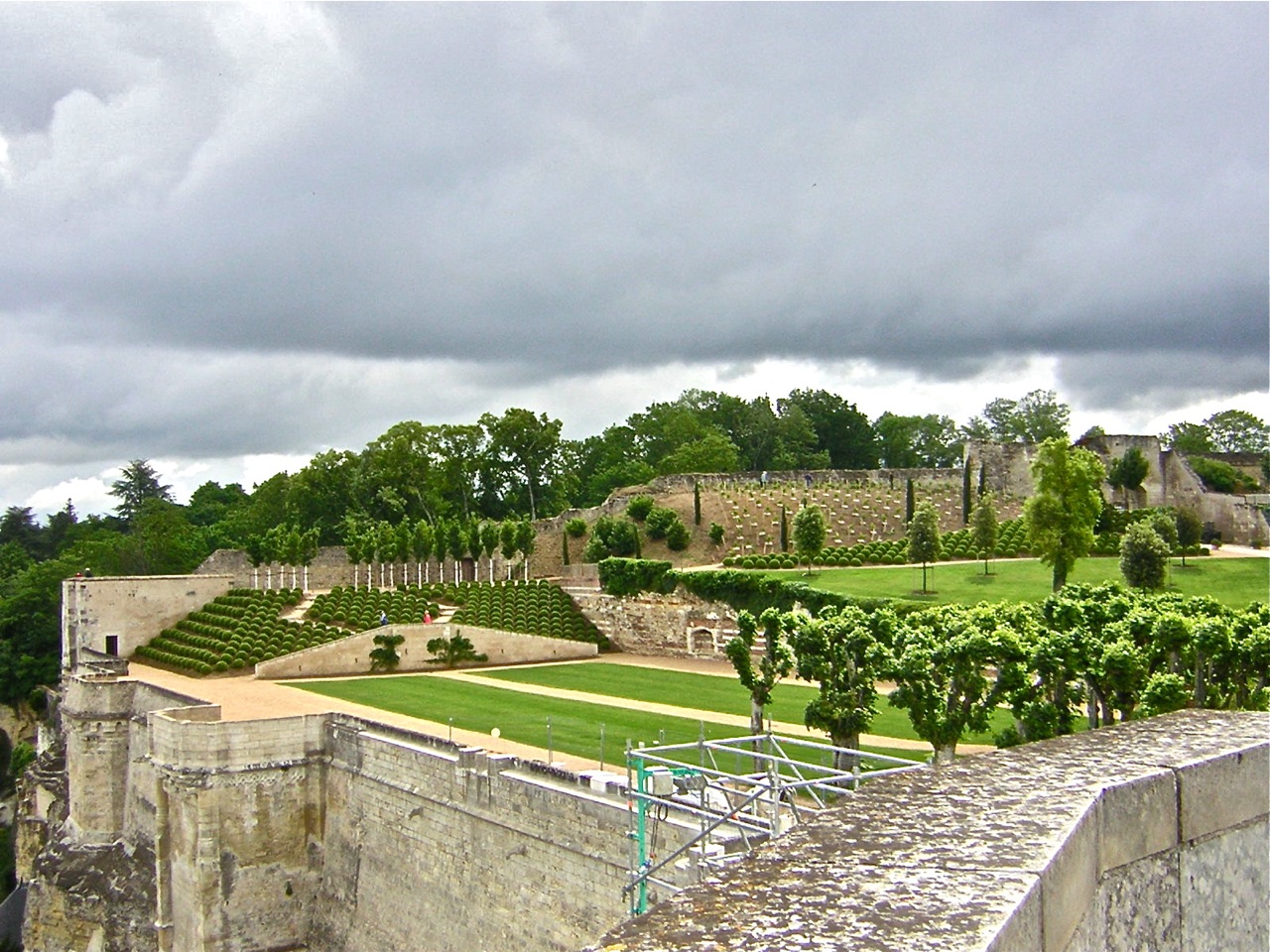
At the top.
Another view of the chateau.
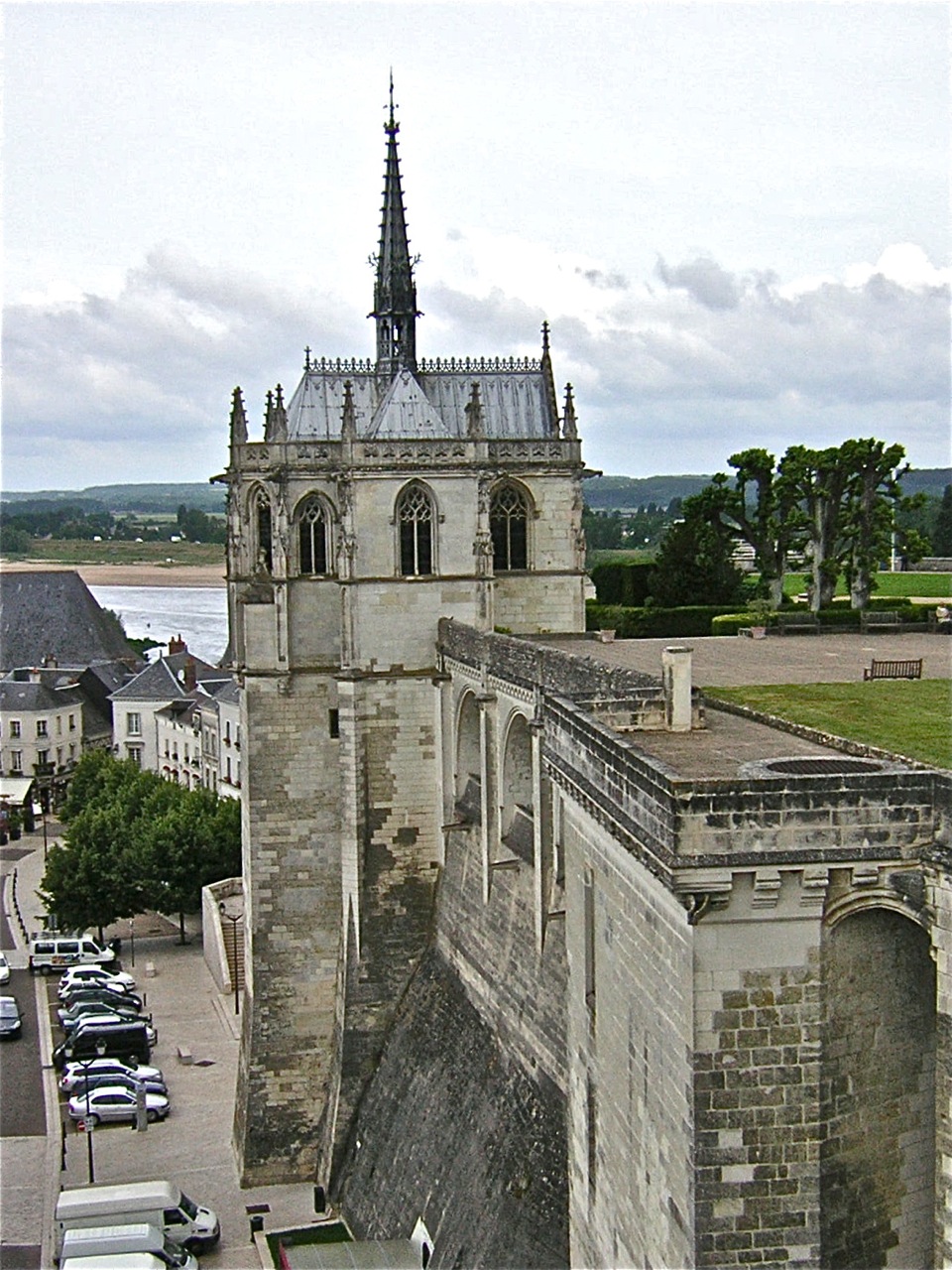
The chapel.

Also see here and here.

In Rwanda

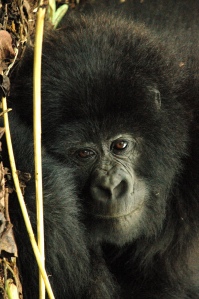
Female gorilla by Helaina.

If you would like to see and read more about living in Rwanda, check out the charming blog A Year+ in Kigali, Rwanda by Helaina.  I particularly liked her posts here (about the language) and here (culture) and here (food).

Her photo of this female mountain gorilla is one of the best that I have seen. (And, living here, I’ve seen quite a few.)

Also, here’s something I just found out: the smallest waterlily in the world, Nymphaea thermarum, was native to the hot springs of Mushyuza in southwest Rwanda. Unfortunately, it has not existed in the wild since 2008, when its habitat was disrupted by farming.  However, in 2010, a scientist at Kew Royal Botanic Gardens was finally able to germinate its seeds (there were only 20 left).  Its flowers, which are only about 1/4″ (less than 1 cm.) in diameter, are white/lavender with yellow stamens.

“By any other name . . .” would be wrong

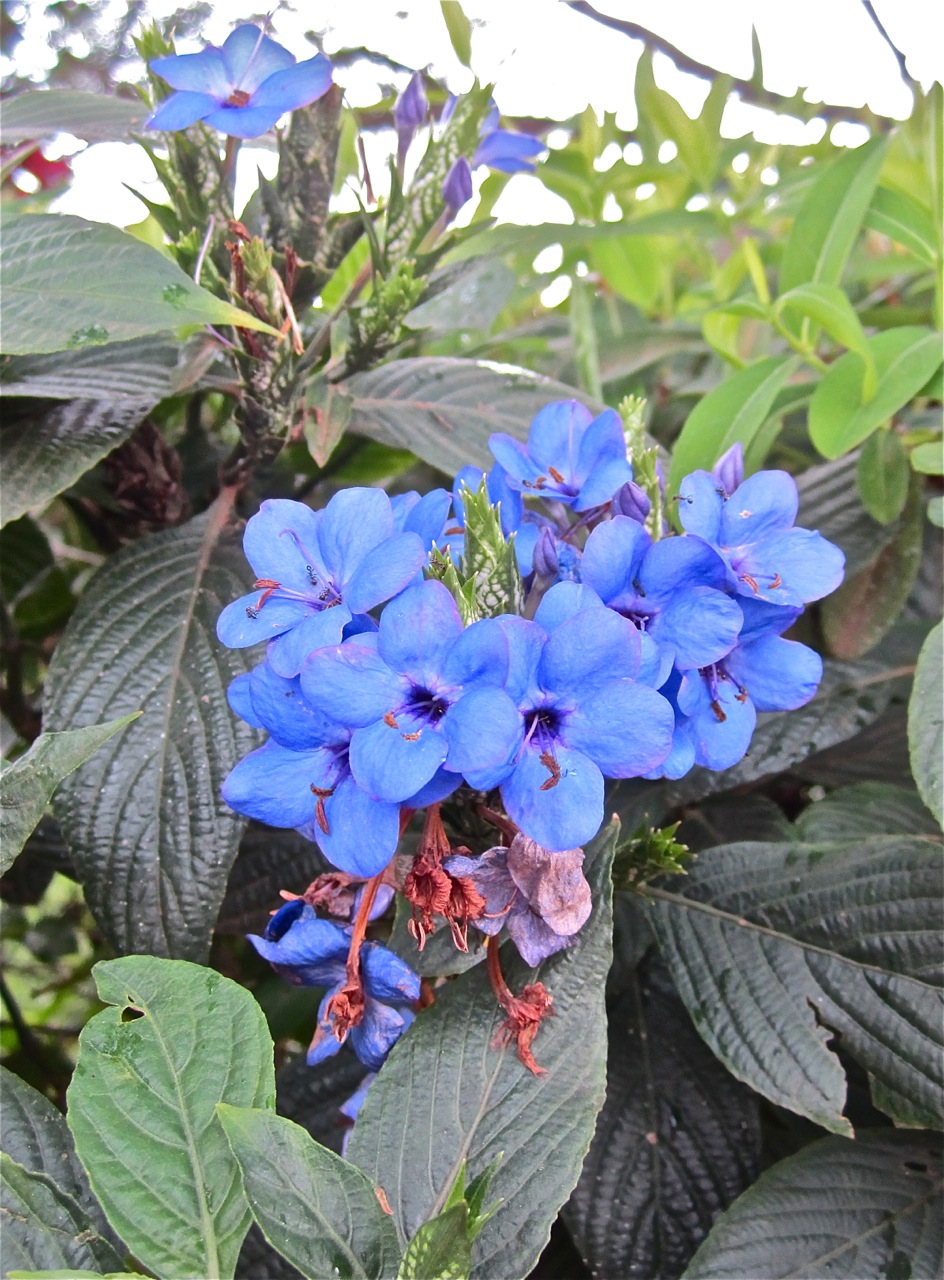
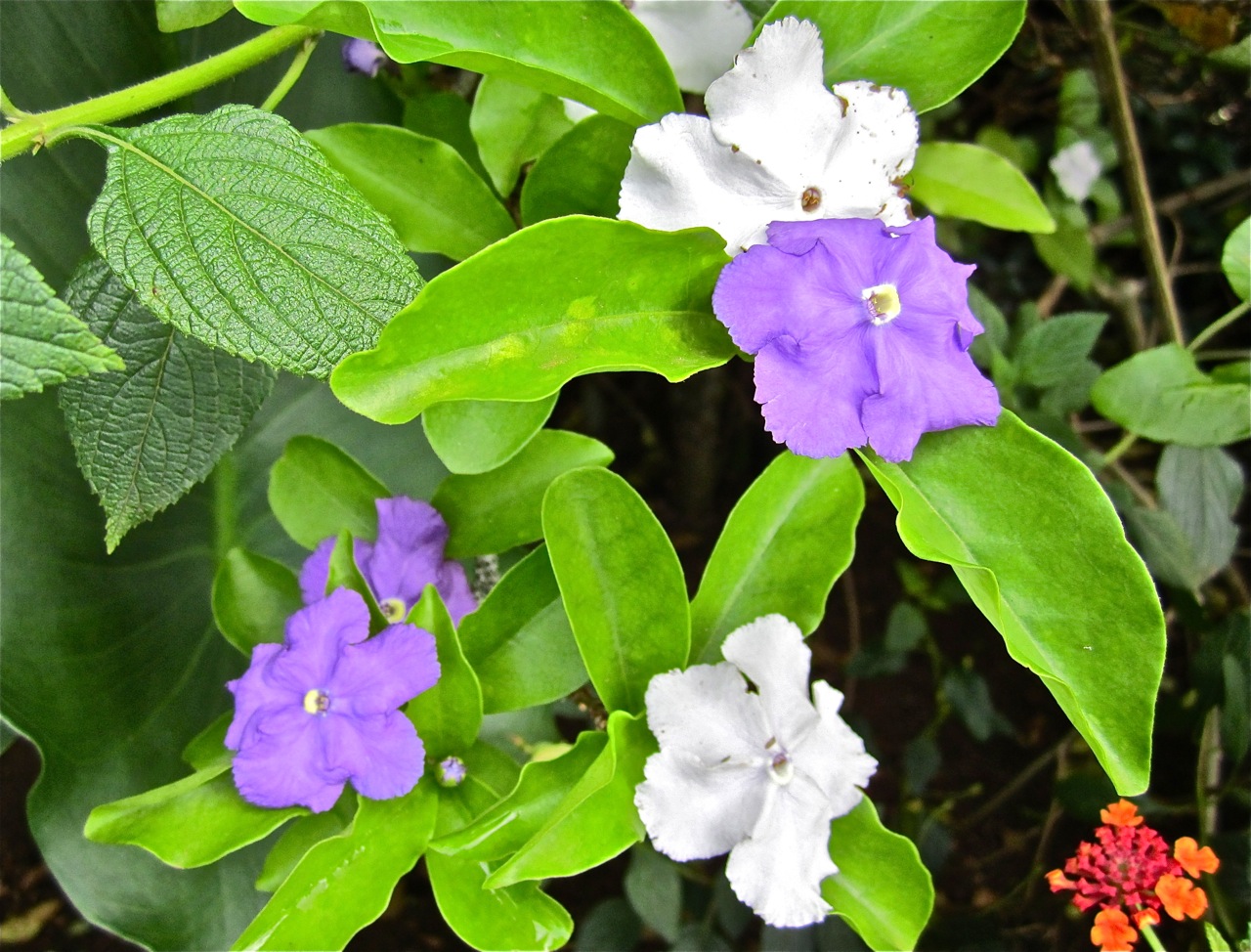
Plant by plant, I am putting names to the flowering shrubs in our Rwanda garden. Here are two more, supplied by the readers of Fine Gardening’s Garden Photos of the Day, from my pictures on Monday and Wednesday.

Eranthemum nervosum (aka E.pulchellum) or blue sage or blue eranthemum has gentian blue flowers, as you can see.  In the family Acanthaceae, it is native to India.  It will grow 4′-6′ and likes light shade.  It will grow in the garden in (U.S.) zones 10b and 11. (I think all the shrubs in this post would be suitable for pots in colder climates.)

Brunfelsia latifolia (aka B. australis) or yesterday, today, and tomorrow plant is native to South America.  It is very fragrant at night.  Our largest specimen, which needs pruning, is about 5′ tall, 4′ wide.  It is in the same family as potatoes, tomatoes, eggplants, and petunias — Solanaceae or nightshade.

Y.T.T. likes well drained, moist soil and full sun to part shade — its habitats are light woodlands and thickets — and grows in the garden in (U.S.) zones 9-11.  The flowers open purple, then go to lavender, and then white.  The genus was named for early German herbalist Otto Brunfels (1464-1534).

I’m just showing this off.  I already knew its name.

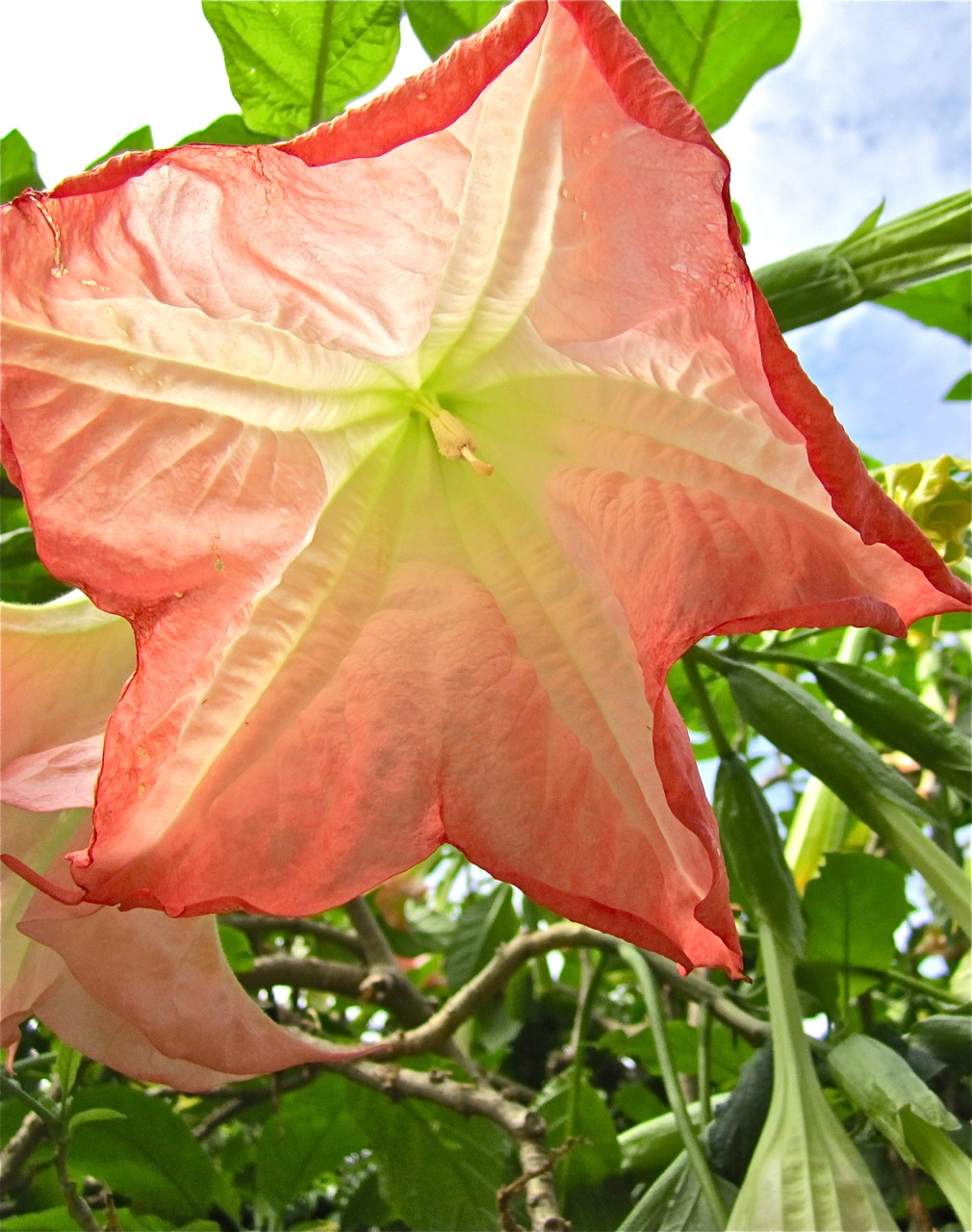
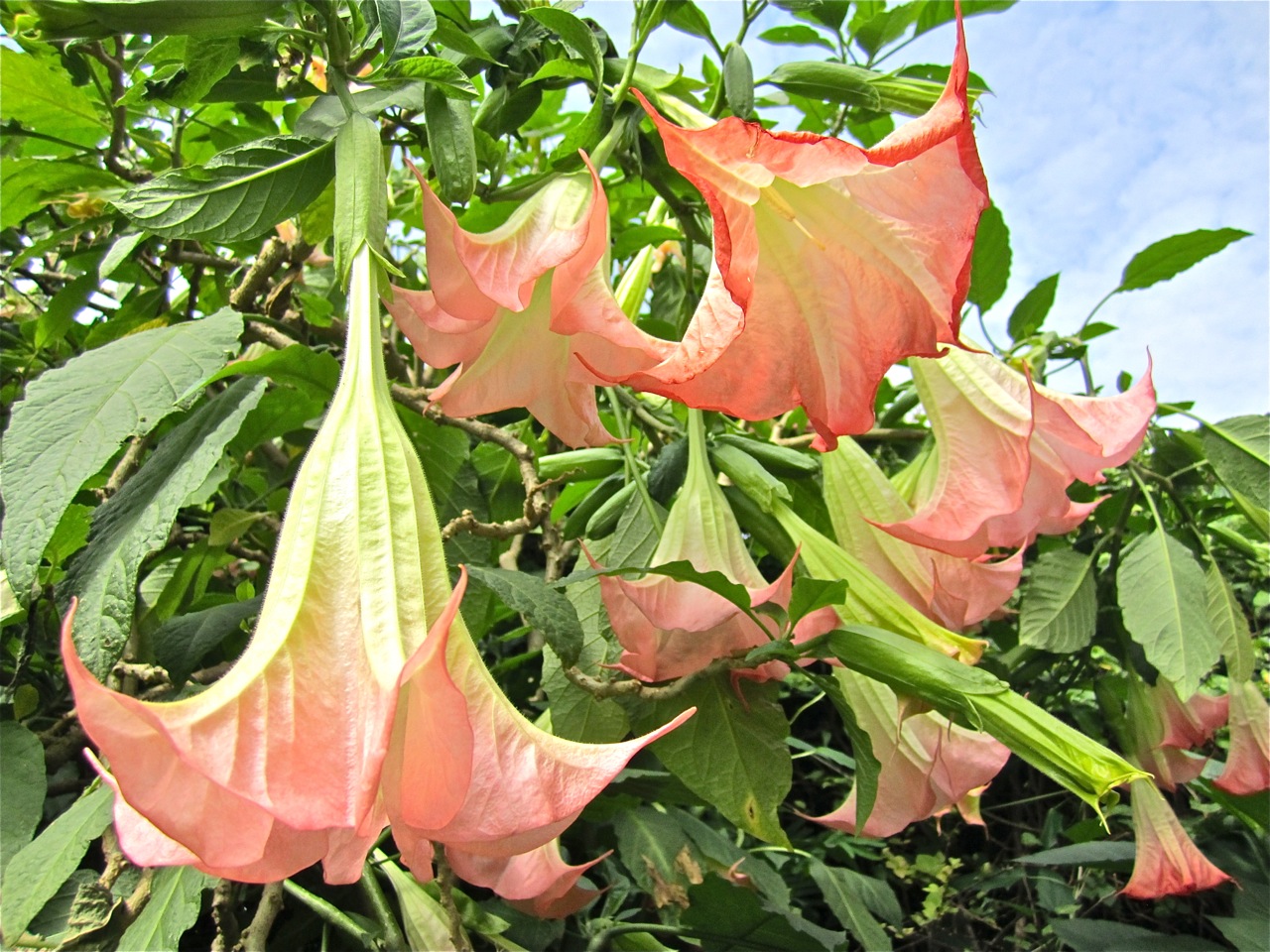
Brugmansia is native to tropical South America and, like the Brunfelsia, is also in the family Solanaceae. It is also called angel’s trumpet or datura (the name of a closely related genus).  The semi-woody shrub can branch off like a small tree and grow to 6′-20′.  It has a fragrance in the evening. It likes moist, well-drained, fertile soil, full sun to part shade, and grows in the garden in (U.S.) zones 9-11.